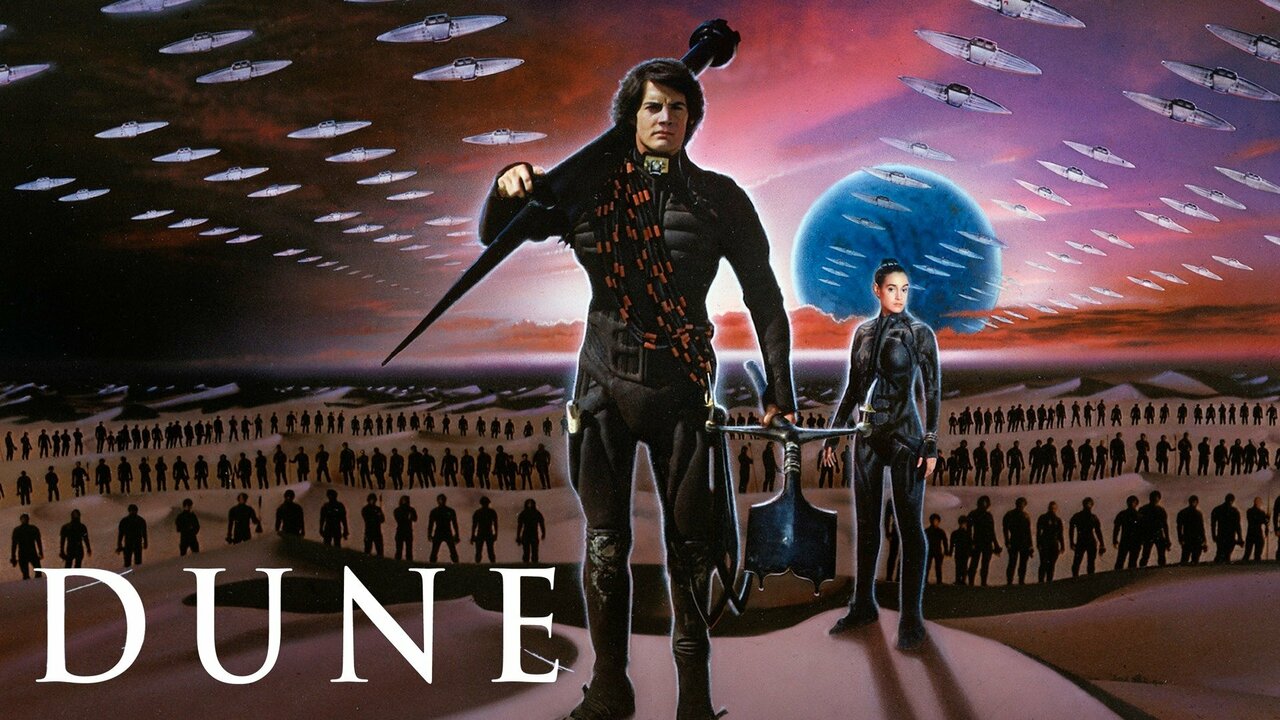
A Brief Look Back At David Lynch’s Dune

Dune is a classic 1965 novel by Frank Herbert that chronicles a feudal family, House Atreides, in the far future that gains control of the desert planet Arrakis (also known as Dune) that has a precious substance called The Spice. They are betrayed by the Emperor of the Known Universe, who conspires with their hated rival House Harkonnen, to seize the planet and kill off the Atreides leader Duke Leto, while his concubine Jessica and son Paul escape to the desert. They ally with the native people know as the Fremen and rebuild their empire with Paul becoming the Fremen’s long awaited messiah to lead them to freedom.  
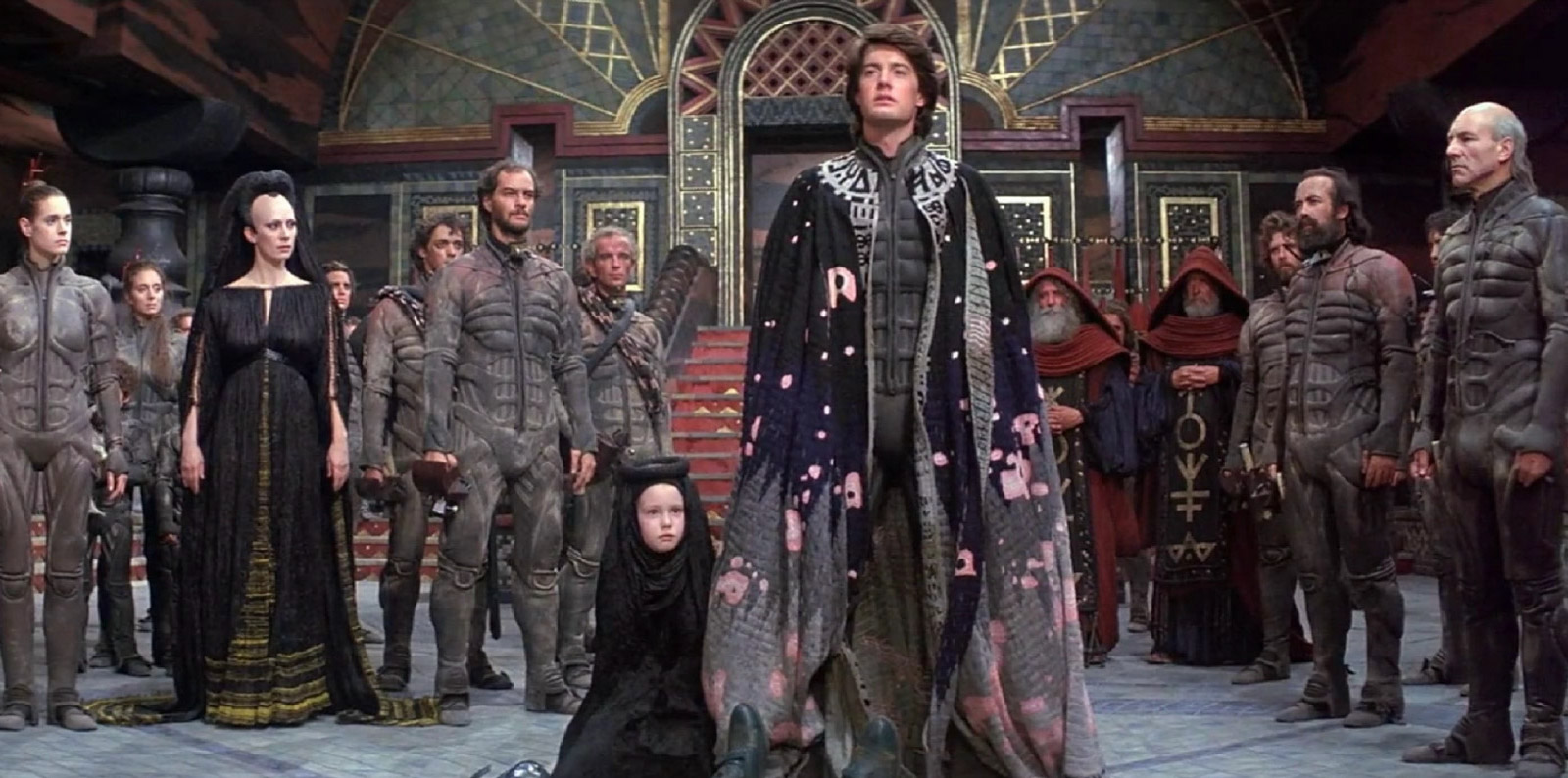
This complicated story has been adapted several times, most recently by Denis Villeneuve with his two-part film adaptation. The very first live-action film adaptation of Dune, however, was done by famed director David Lynch in 1984, whose take on the material was interesting if not always accurate to the book. The lavish production and look of the whole thing was a highlight as well as its all-star cast. Twin Peaks lead Kyle MacLachlin starred as Paul Atreides, and other stars included Patrick Stewart, Brad Dourif, Jurgen Prochnow, Dean Stockwell, and Sting.

The film was basically the same as the book, but there were deviations from it. Most notable was the inclusion of a sound weapon used by the Atreides to battle the Harkonnens. This doesn’t appear in the original book and was somewhat weird to see on the screen. The ending was basically the same but had one crucial difference. After vanquishing the Harkonnen heir, Feyd Rautha, played by a manic Sting, Paul takes control of the empire, and then makes it rain on Arrakis. This is strange as in the book, Paul doesn’t have any magical powers, he just pretends to in order to fulfill the Fremen prophecy of being their “Voice from the outer world”. Nevertheless, Dune as a whole was a good retelling of Herbert’s intriguing tale of outer space intrigue, religion, politics and conflict. 
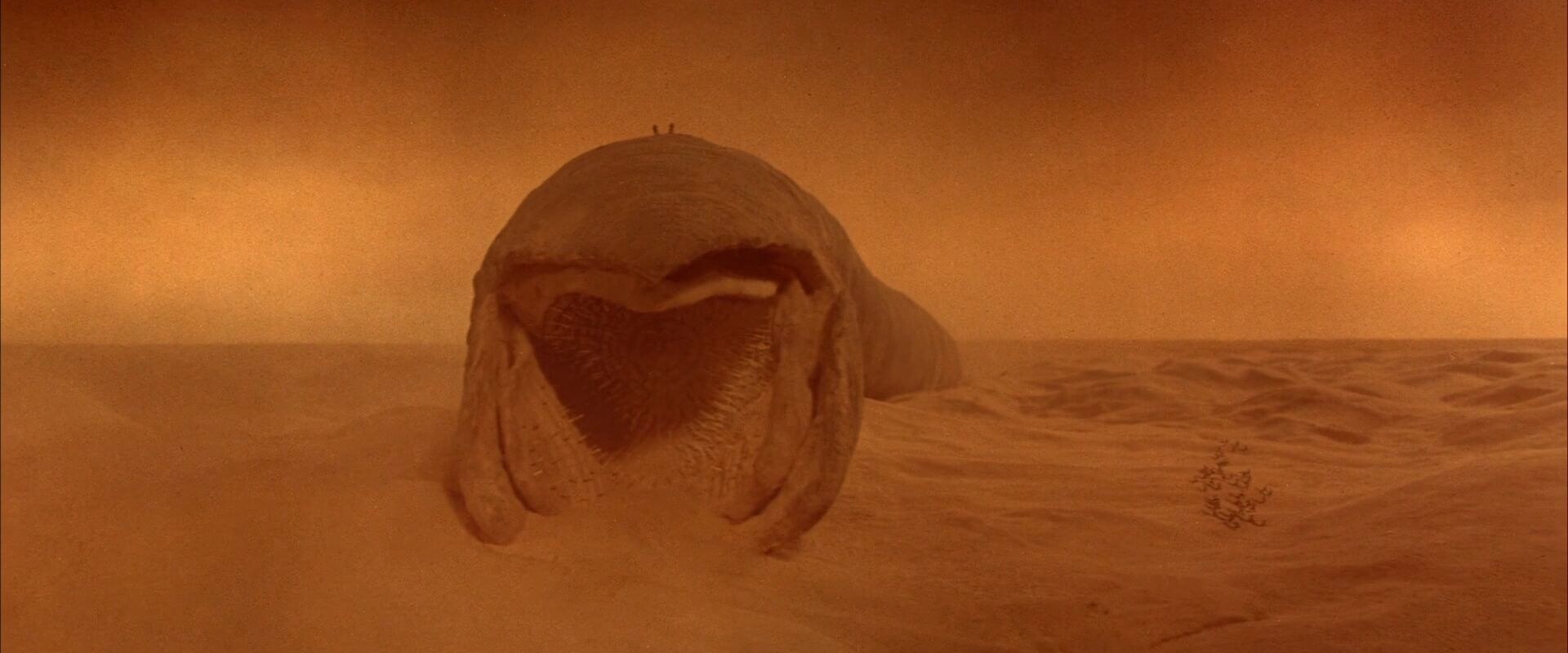
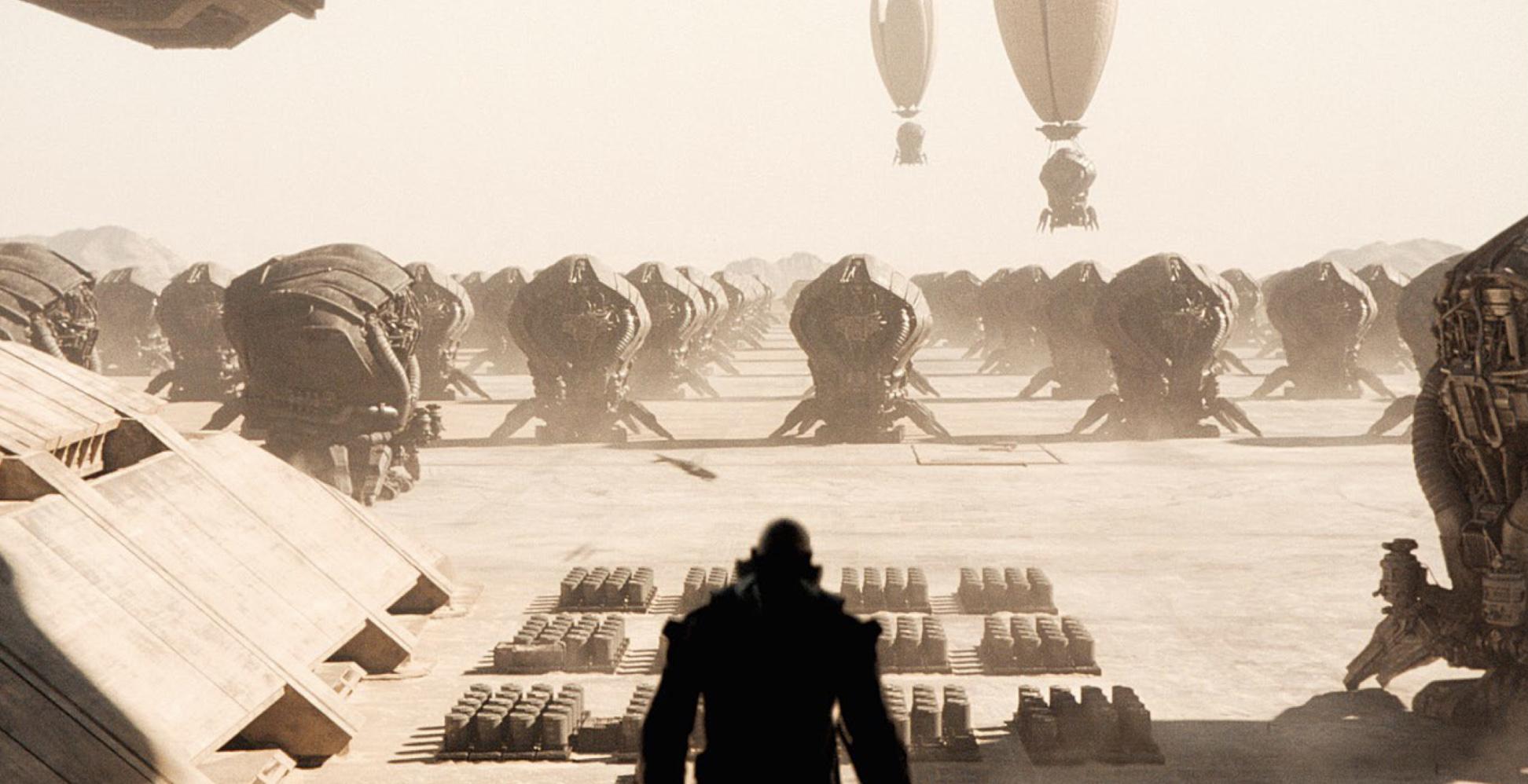
The special effects were somewhat of a mixed bag. The overall look of everything was very good and had the feeling of the book coming to life, but some of the scenes with the enormous sandworms on Dune and the Spacing Guild navigators do look dated. The costumes were both strange and exotic which was appropriate given that the story takes place tens of thousands of years in the future, although the Imperial Sardarkar troops look like they’re wearing garbage bags.

Dune was a struggle to make for Lynch, and subsequently there was an extended edition made without his approval that aired on television. This longer version removed his name from the credits at his insistence and featured new footage and a different opening that explained more of what happened in the years before the film with paintings and a husky voiced narration. This was nice to see for fans of the book who were familiar with what was being described, such as the Great Revolt against thinking machines, but casual viewers might be baffled by it, as some were by the theatrical version. This was probably due to the time constraints of fitting in the whole book into a 2 1/2-hour film. It was inevitable that many of the details of the novel would be lost.
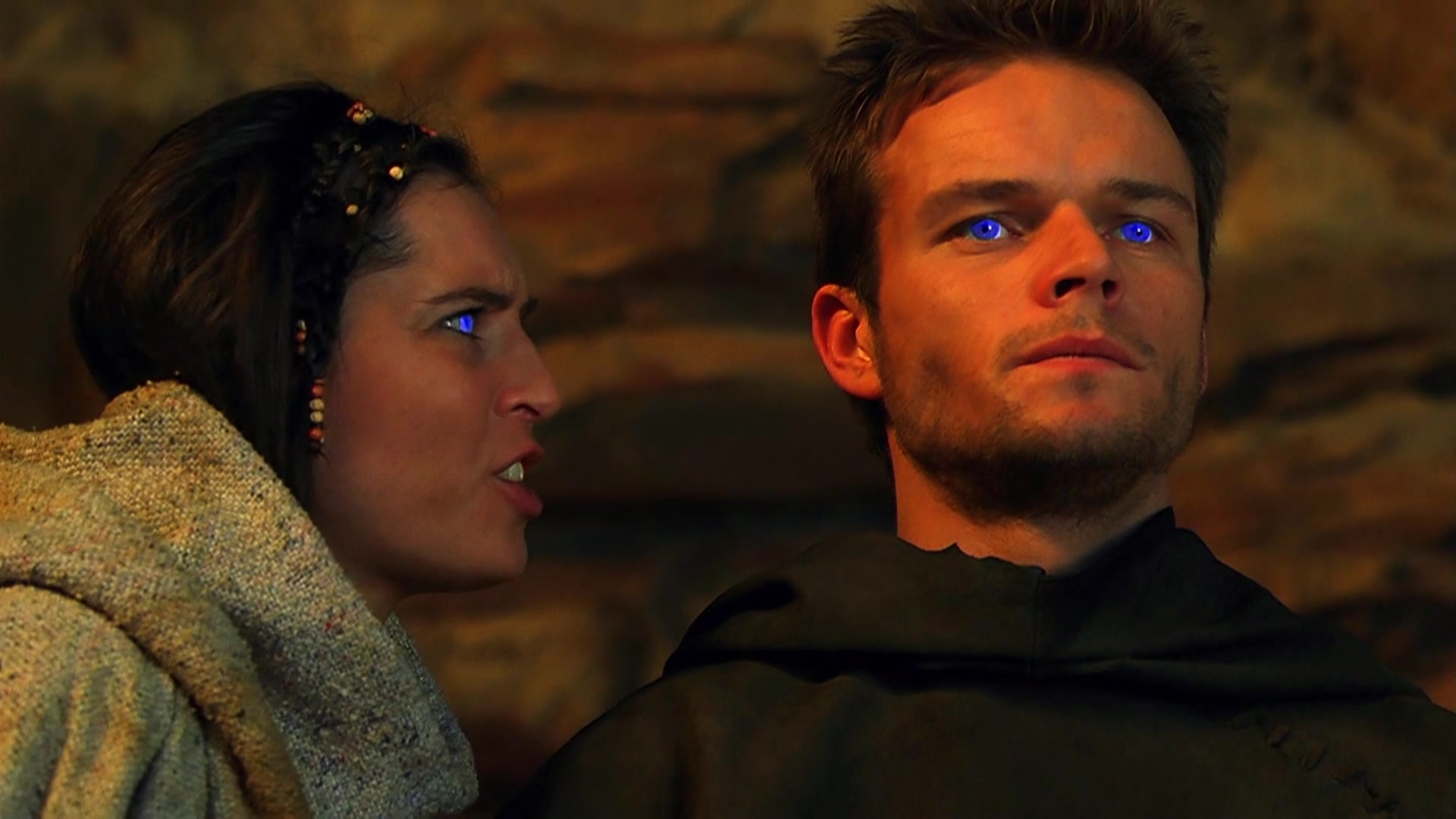
A later TV adaptation on the Sci-Fi Channel in 2000 rectified this as a three-part mini-series that lasted over four hours. This version, sometimes called Frank Herbert’s Dune, was able to be more faithful to the novel, albeit with a lower budget as seen with some of the background scenes that looked like paintings in some instances. The latest adaptations in 2021 and now this year have wisely spilt the book into two parts to have a story that retains much of the book as well as the feel of a big budget, Hollywood production. This seems to be the best of both worlds and their success bodes well for the Dune franchise.
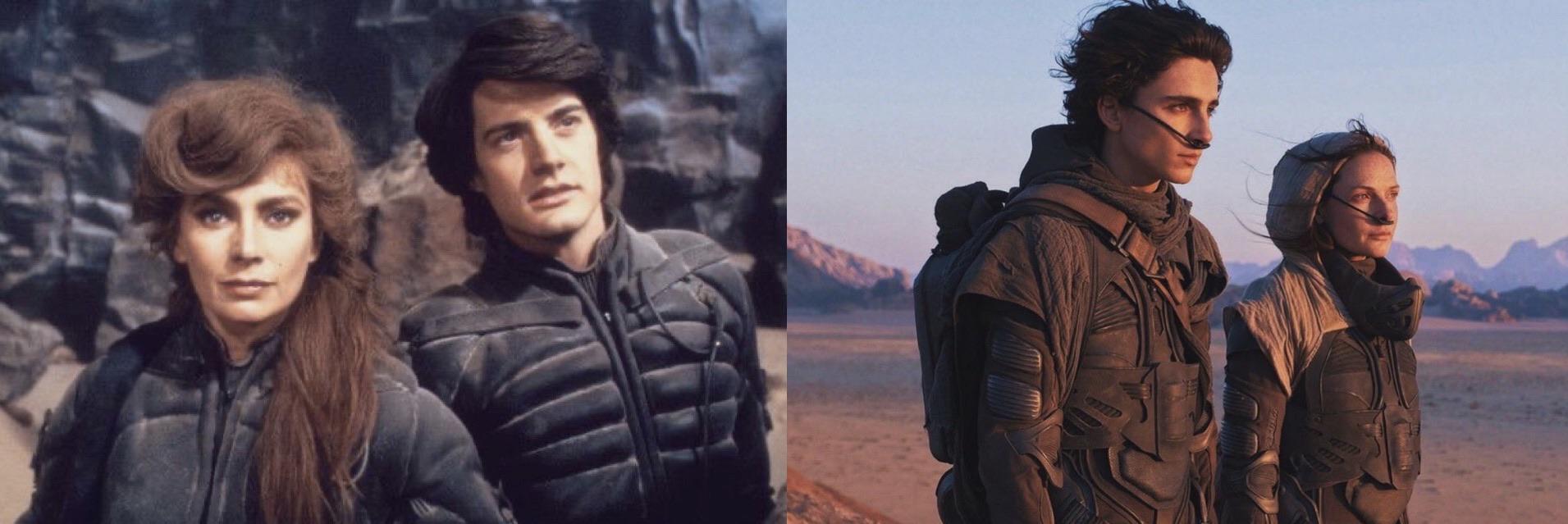
Overall, David Lynch’s Dune does a good job of showcasing Frank Herbert’s story. Lynch basically washed his hands of it after issues with the film studio Universal, but I see it as one of his better films. While it has its flaws, it is still a quality science fiction film that is interesting to watch and still holds a place in the franchise as an alternative look into what happened to the Atreides family in their epic struggle against the Harkonnens and a very unique window into the fascinating Dune universe.

C.S. Link
Denis Villenueve’s Majestic Dune

Dune is a classic science fiction novel written by Frank Herbert in 1965 that tells the story of a young man in the far future who leads a desert planet people to freedom. It’s a very complicated tale that has a deep back story that has been difficult to translate to film due to its complexity. The first film adaptation directed by David Lynch in 1984 was met with a mixed reception. It was a lavish production that looked and felt like Dune, but also took liberties with the story and was edited and cut out much of Herbert’s vision. The Sci-Fi Channel released a mini-series in 2000 that was more faithful to the book and was longer than Lynch’s film, but was made on a limited TV budget that was sometimes evident with painted backgrounds and weird costumes. 

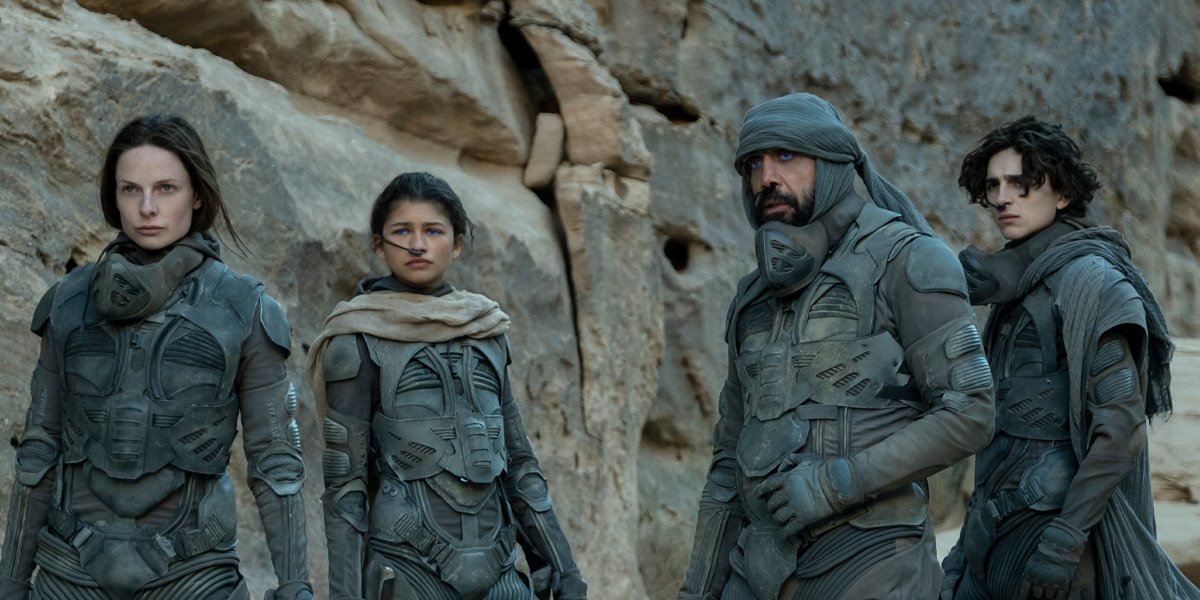
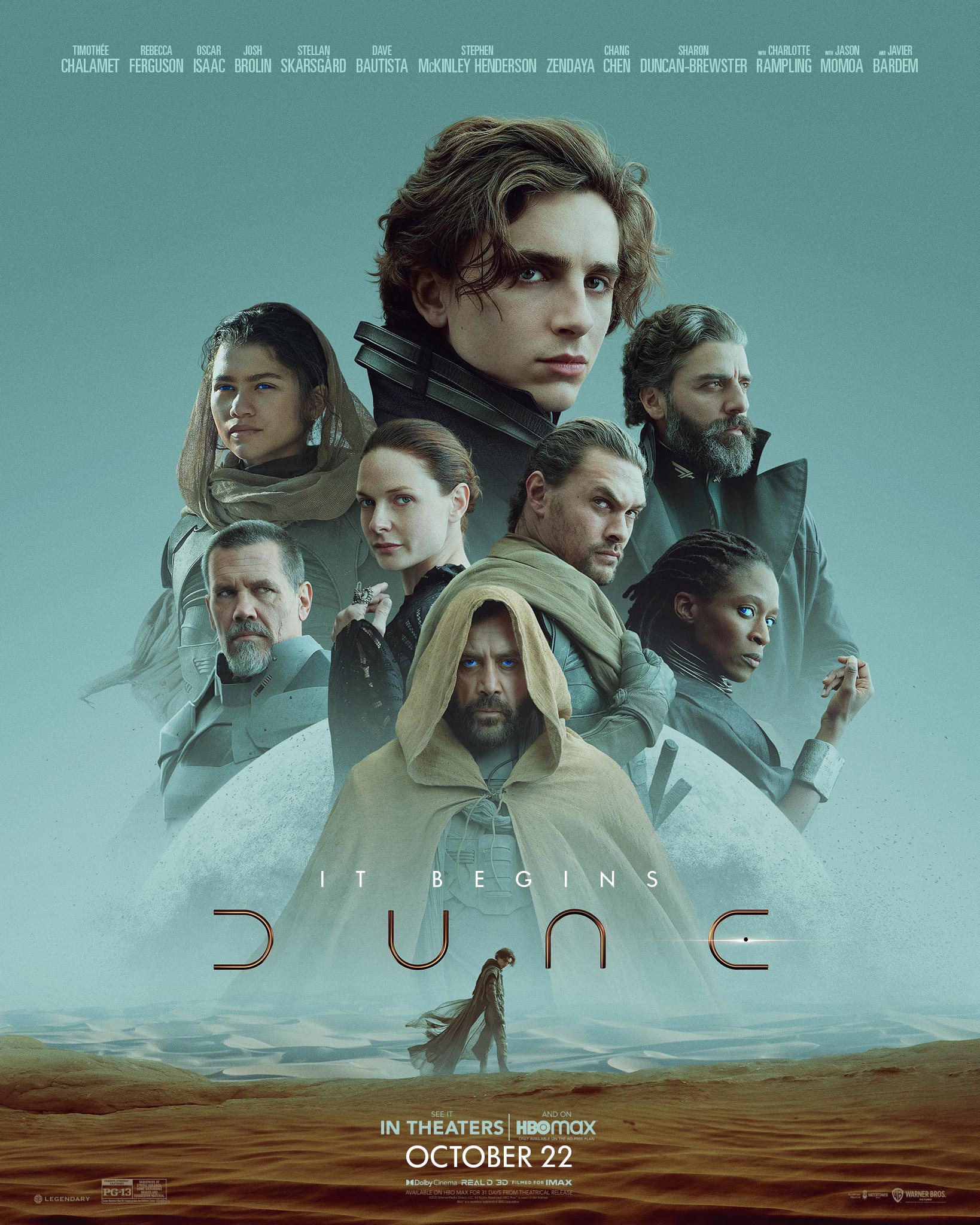
Denis Villenueve’s Dune is the latest adaption of this epic tale that takes place in the far future. Humanity has spread to the whole galaxy and is ruled by the Padisha Emperor, and that empire is controlled by an addictive substance known as spice that extends life, enables interstellar space travel, and allows some to see into the future. This precious resource is only found on one planet, Arrakis, also know as Dune, which is populated by a nomadic group of people known as the Fremen. They have a prophecy that a man from off world will lead them to glory and freedom. This man is young Paul Atreides (Timothée Chalamet), the son of Duke Leto Atreides (Oscar Isaac), who is gifted control of the planet by the emperor. This gift, however is a double edged sword, with plots against the Atreides hatched by the emperor and House Atreides’ sworn enemies, House Harkonnen. These machinations force Paul to embrace not just his future but the the destiny of the galaxy.

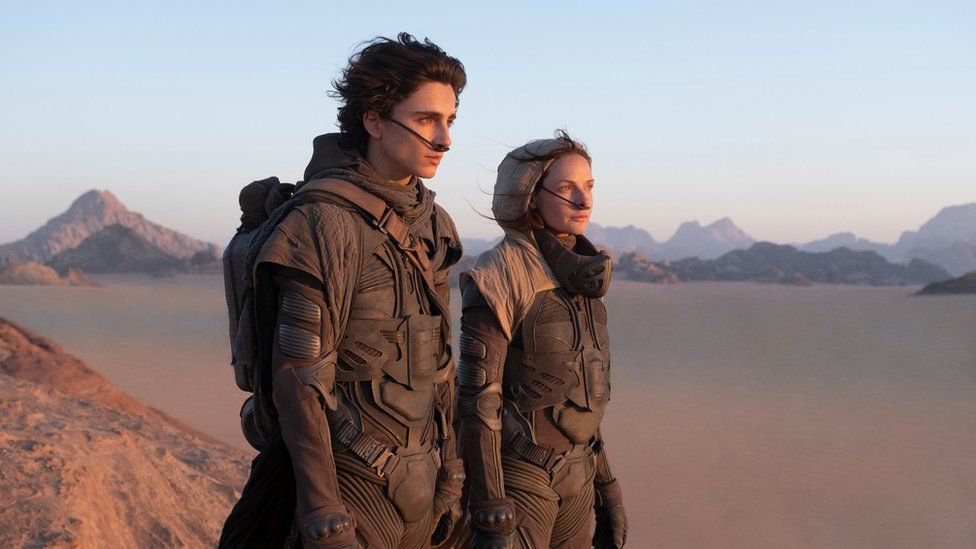
Villenueve’s take on the material is excellent and shows a great respect for the essence of the story. The movie has the best elements of previous adaptions, with the right look and feel of the 1984 film, along with the faithfulness of the mini-series. The new movie takes it time in telling the story which is the right way, since it is a deep and complex story of prescience, politics, and ecology to name a few things that make Dune a book that is still enjoyed and admired decades after its publication.  Paul’s frequent visions of his future with the Fremen and his future lover Chani (Zendaya) are shown in an interesting and mysterious way, and the appearance and mannerisms of the different factions of the Dune universe are also a highlight. From Mentats making calculations with their human computer minds to the emperor’s Sardarkaur troops speaking in a weird, guttural language, this feels like a different time and place, as it should since it takes place over 10,000 years into the future.

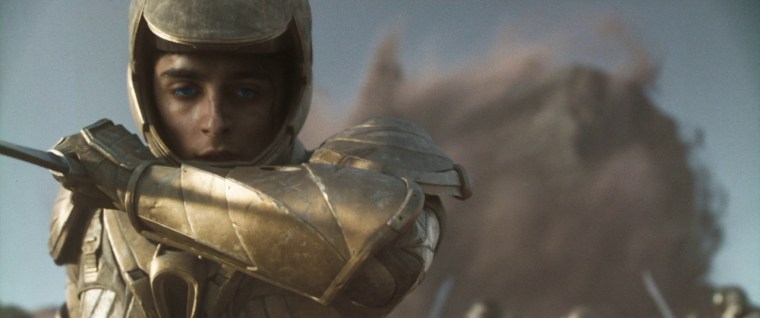
Paul’s journey from son of a Duke to the head of his family is done in a convincing way, with good performances from a great cast. Timothée Chalamet shows the conflicted nature of Paul, who can see his future and is reluctant to make it happen, yet feels obligated to continue his father’s work. Oscar Isaac, as his father Duke Leto, also does well as the heroic leader of House Atreides, who knows that the gift of Arrakis to his family is a trap, yet also feels the pull of duty to go forward in taking control of the spice while warning his son of what is to come. Paul’s mother, Lady Jessica is well portrayed by Rebecca Ferguson, who shows the agony of a mother giving her son over to a possible death at the hands of the Bene Gesserit Sisterhood, a group that has plans on genetically breeding a super human who can transcend time and space and see Paul as that potential being. The well-rounded cast includes other such names as Jason Momoa, Zendaya, Javier Bardem and Stellan Skarsgard as the Baron Harkonnen. All of which provide excellent interpretations of these iconic characters.

One issue I had with the movie, is that because of the strong focus on Paul Atreides and his mother, there are some characters that do not show up at all, such as Princess Irulan, Feyd Rathua Harkonnen, and Emperor Shaddam IV. These are important characters to the story, but due to the obvious time constraints in a two-and-a-half hour movie and the needs of a very complicated story, this is a consequence. Speaking of which, the title of the movie at the beginning says “Dune, Part 1”. Villenueve chose to make the movie based on the first half of the book. I think this was the only choice, since trying to cram the whole book into one film will lead to issues that can happen in film adaptations of books, where much of the plot can be lost or rushed. I would have liked to have seen perhaps a three-hour version, so that these missing characters could show up, and that the villainous Harkonnens could have more of the limelight. Having said that, it is still better to have a Dune film that lets the story unfold, which this one does. I have heard complaints about the ending of the movie, that it is supposedly abrupt, but I didn’t see it that way. It feels like a good ending point for that part of the journey, where Paul and Jessica embark on a new phase of their lives with the Fremen, and the Harkonnens still lurking as a major threat. Early indications are that the film is doing well and hopefully this will lead to the expected part 2 that will finish the tale of Paul Atreides’ rise to power, and the establishment of the legendary Dune universe.

C.S. Link