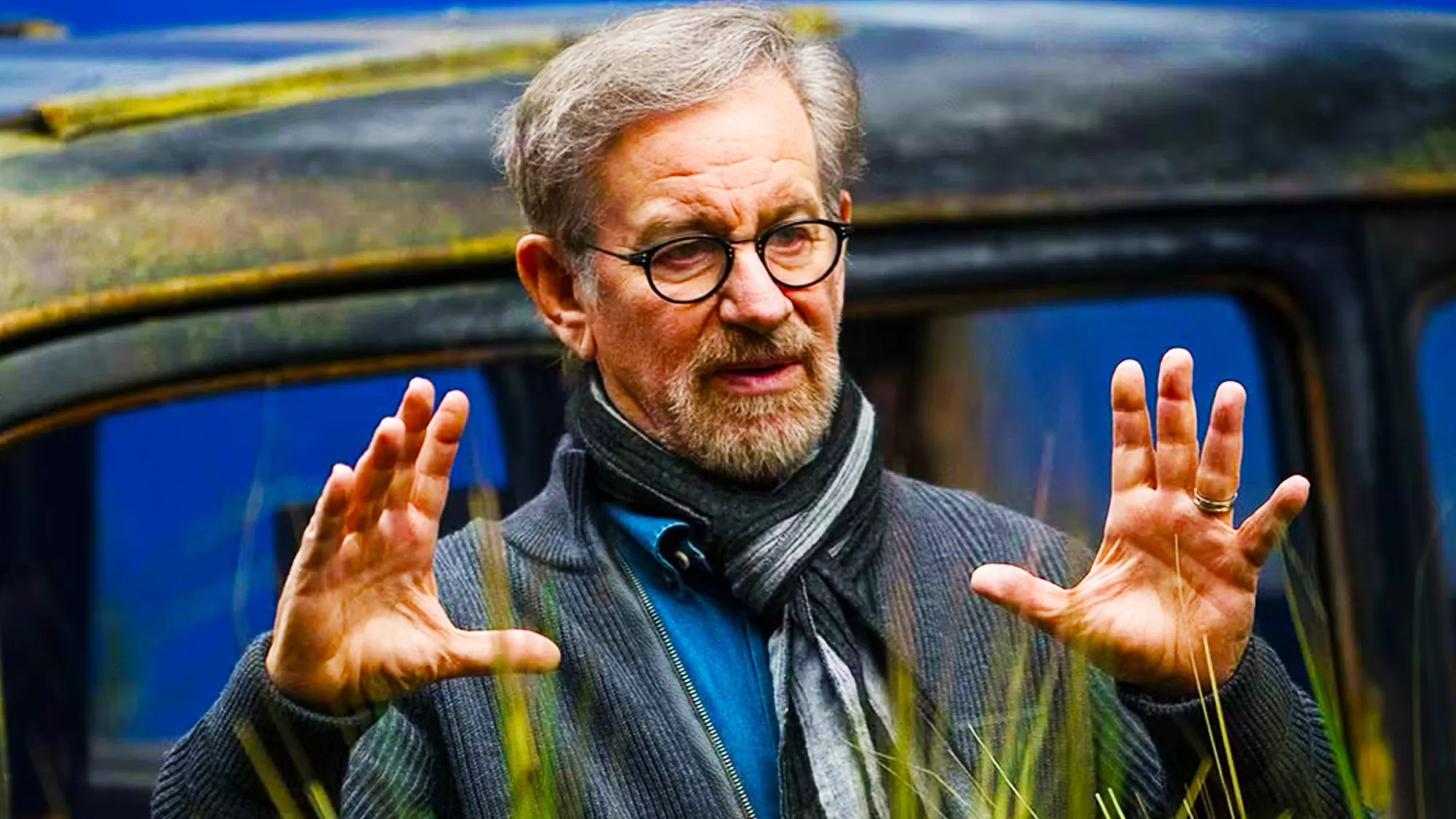
Five Genre Films For Steven Spielberg To Direct

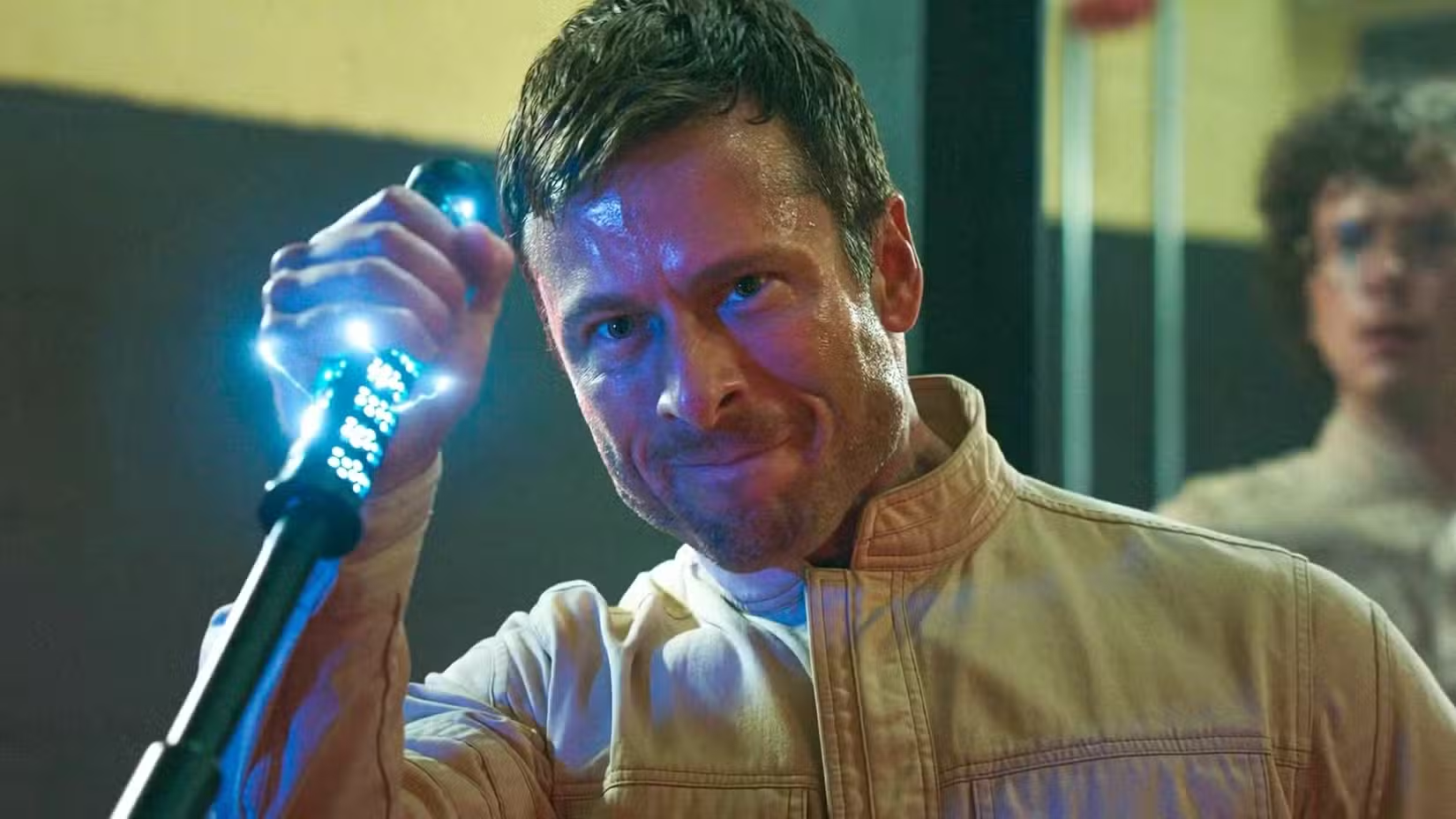
With the release of the sci-fi film Disclosure Day, fans of director Steven Spielberg have been wondering what will be his next film. It could very well be a non-genre drama or another sci-fi/fantasy film. Whether or not audiences enjoyed Disclosure Day, it is obvious that the film explored one of Spielberg’s favorite subject of his previous films; alien visitation. As he plans for the future he may want to direct a genre film covering a sub-genre he has not done before. Here are five types of genre films that Steven Spielberg could direct.

Time Travel

A time travel film would be right up Steven Spielberg’s alley. In his non-genre films, the director has displayed a stunning attention to detail with historical settings as seen in Amistad, Lincoln, Bridge of Spies, West Side Story, War Horse, and more while injecting those films with a human touch that made them relatable to current audiences. You can even throw in the Indiana Jones films as evidence of his ability to present engaging and authentic voyages to our past. Speaking of Indy, if Spielberg had remained the director of Indiana Jones and the Dial of Destiny with its time-travel storyline, he would have notched this sub-genre to his filmography.
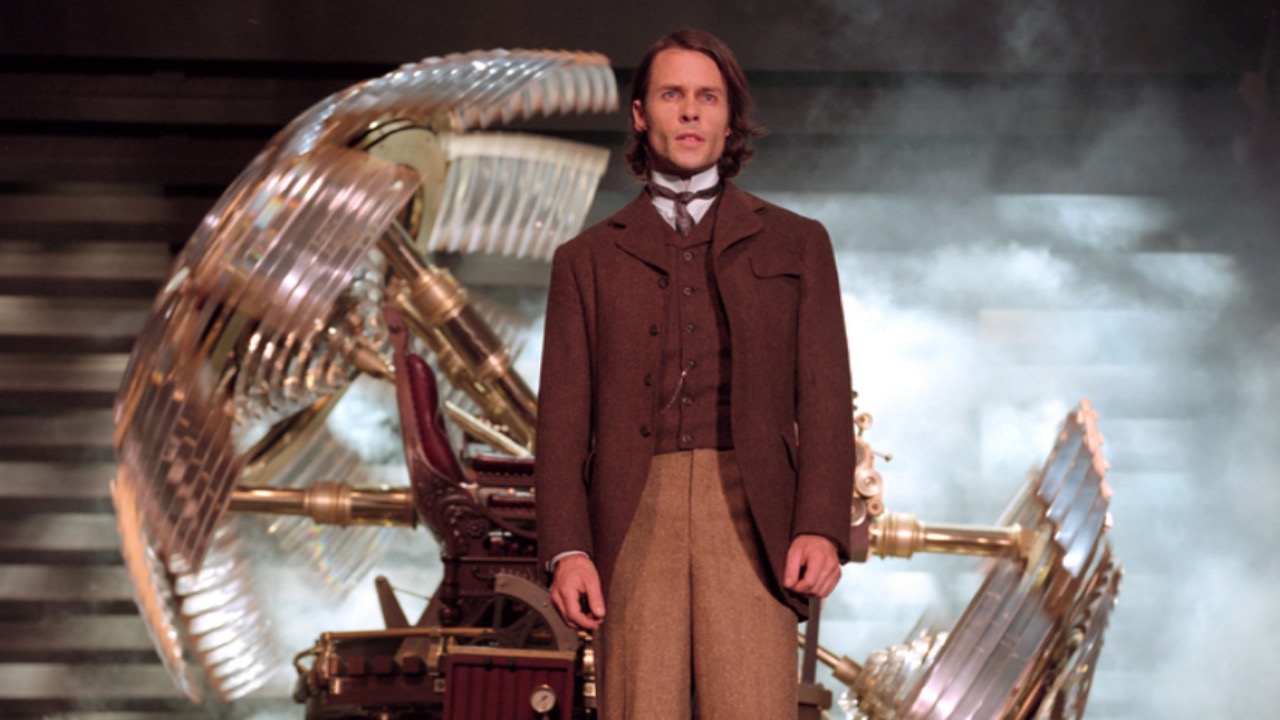
Now imagine if the director used his cinematic artistry for a time travel film. If he directed films like Timeline, the remake of The Time Machine, The Philadelphia Experiment, or The Time Traveler’s Wife (which he expressed interest in adapting before the film version of the book was eventually made), those films would have been much better made and memorable thanks to his focus on details and exploring the wonder and thrill of actually time traveling, and the dangers and philosophical debates, (think Ian Malcolm in Jurassic Park), as well.

Superheroes!

The closest Steven Spielberg has come to superhero films were the cameos of icons like Batman and Wonder Woman in Ready Player One. At one point he was involved in an announced adaptation of Blackhawk, a comic book character that is more of an adventurer than a superhero and there was a brief rumor a couple of years ago that he was considered for Fantastic Four: First Steps (“sigh” that film would have been phenomenal if he directed it), and early in his career he was offered Superman: The Movie. Another close call for Spielberg was his animated film, The Adventures of Tintin: The Secret of The Unicorn, which was based on the popular comic books which have nothing to do with superheroes.
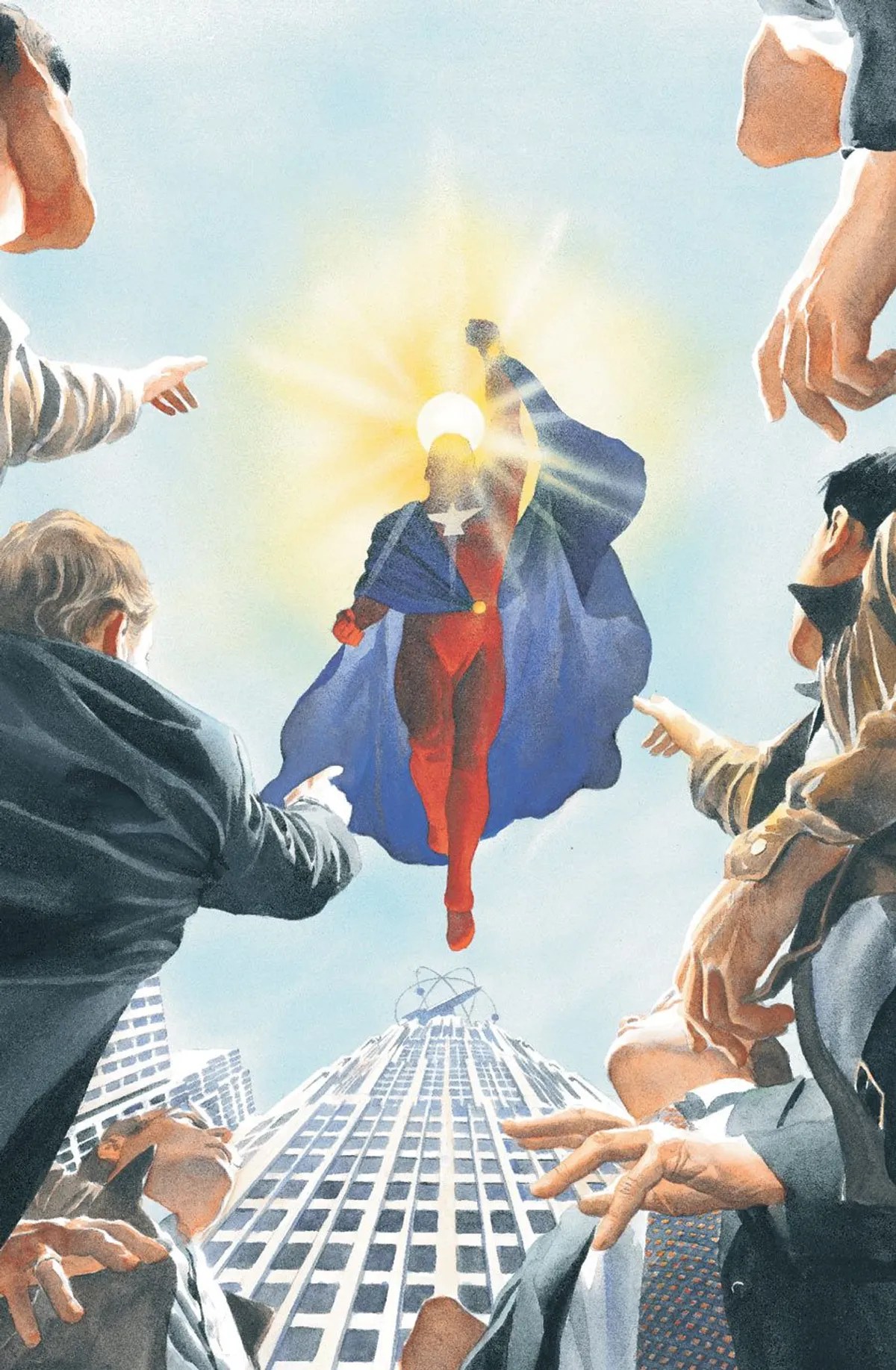
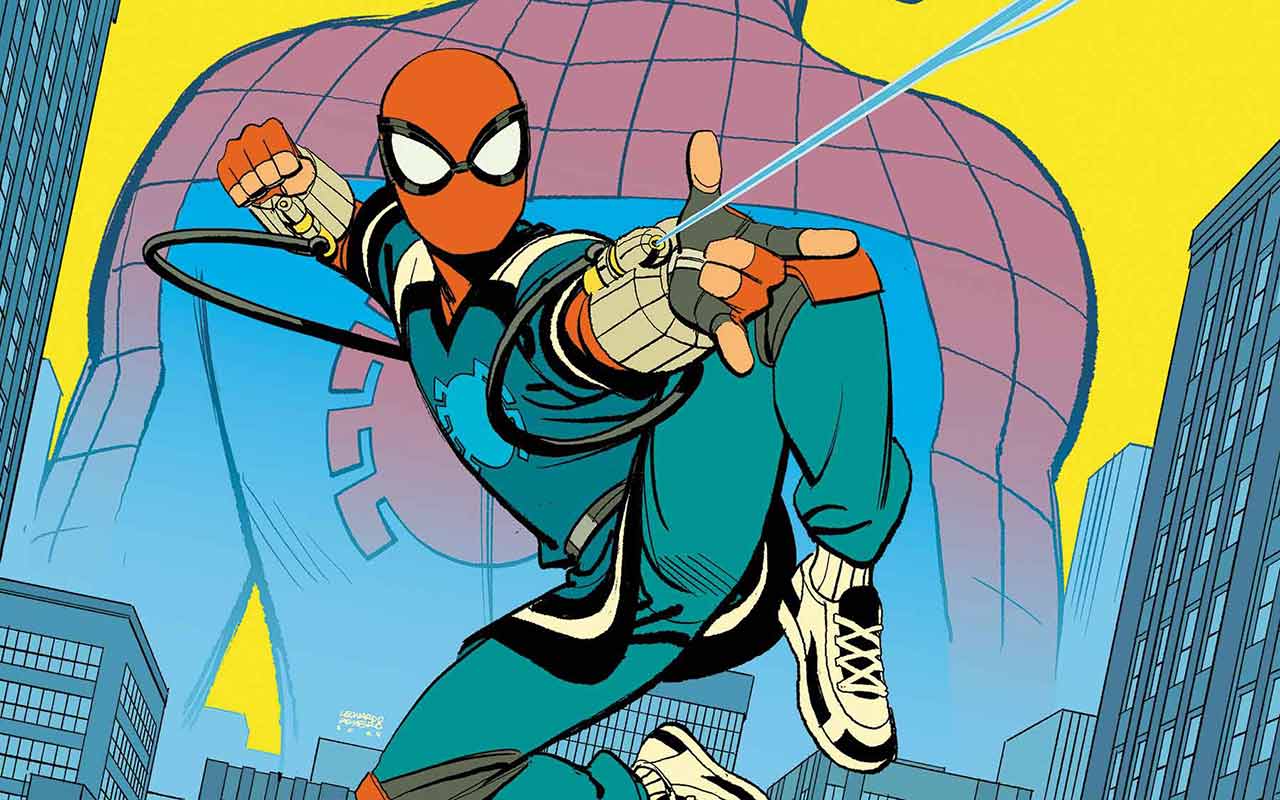
One obstacle to directing a superhero film, especially one based on a popular character like Spider-Man or Superman is that Spielberg would be under tight creative constraints from film studios and companies that own the rights to the supeheroes. Meaning, he may not want to play with toys that he does not own. Then again he might, given his capability of adapting other works. Another hurdle is that the budget of superhero film based on a popular character would be astronomical when you throw in his salary, and given the struggles superhero films have had lately, film studios may be hesistant to hire him. The best bet is to either work with original characters a la The Incredibles or do adaptations of lesser known, and cheaper, characters. As a suggestion, he would do wonders with an Astro City live-action film.

Space Adventures

The director has turned in some great sci-fi classics but none of them involved space travel, although has come veryclose. Spielberg directed some scenes in Star Wars Episode III: Revenge of the Sith, was seriously considered for Star Wars: Episode VI: Return of the Jedi, was offered the opportunity to direct Star Trek: Planet of the Titans (before that film morphed into Star Trek: The Motion Picture) and was supposed to direct Interstellar before abandoning the project to Christopher Nolan. Not only is he a vocal cheerleader for the Star Wars films, but has expressed his admiration for Guardians of the Galaxy, which he lists as one of his favorite films.
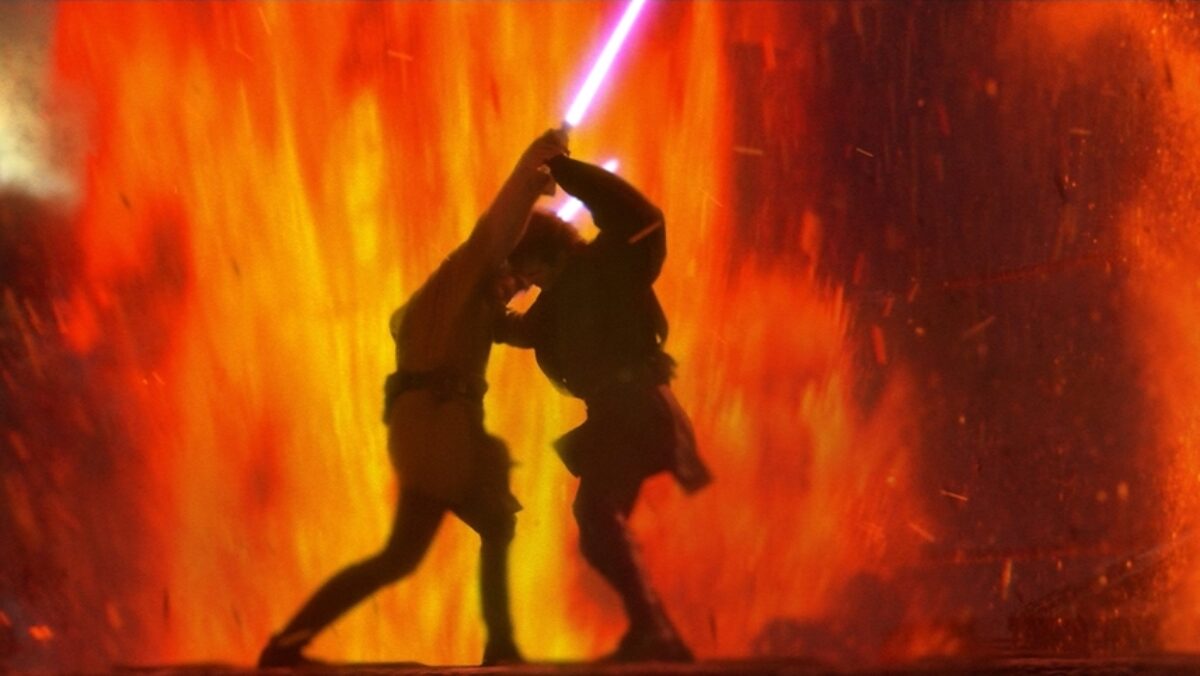
Being that Star Wars is struggling now, Lucasfilm, if backed financially by Disney, could do a hail mary and get him to direct a future Star Wars film. The same could go for Marvel Studios if they decided to revisit the Guardians of the Galaxy. But in any event, Spielberg doing a grand space adventure taking place on farflung spaceships or exotic planets with weird aliens would be a perfect fit for his skills in conveying grand adventure, mysteries and thrills.

A Stephen King Adaptation

Both Stephen King and Steven Spielberg came into their own in the mid 1970s and throughout the 1980s. It is odd that in all that time the two have not successfully collaborated on a film project. Note the word successfully. In the 1990s, King wrote a screenplay for a remake of The Haunting, which was to be directed by Spielberg. However, the two had creative differences which caused both men to leave the project. Who knows how a Spielberg-directed version of The Haunting would have been; it certainly would have been more memorable than the remake that eventually came out in 1999.
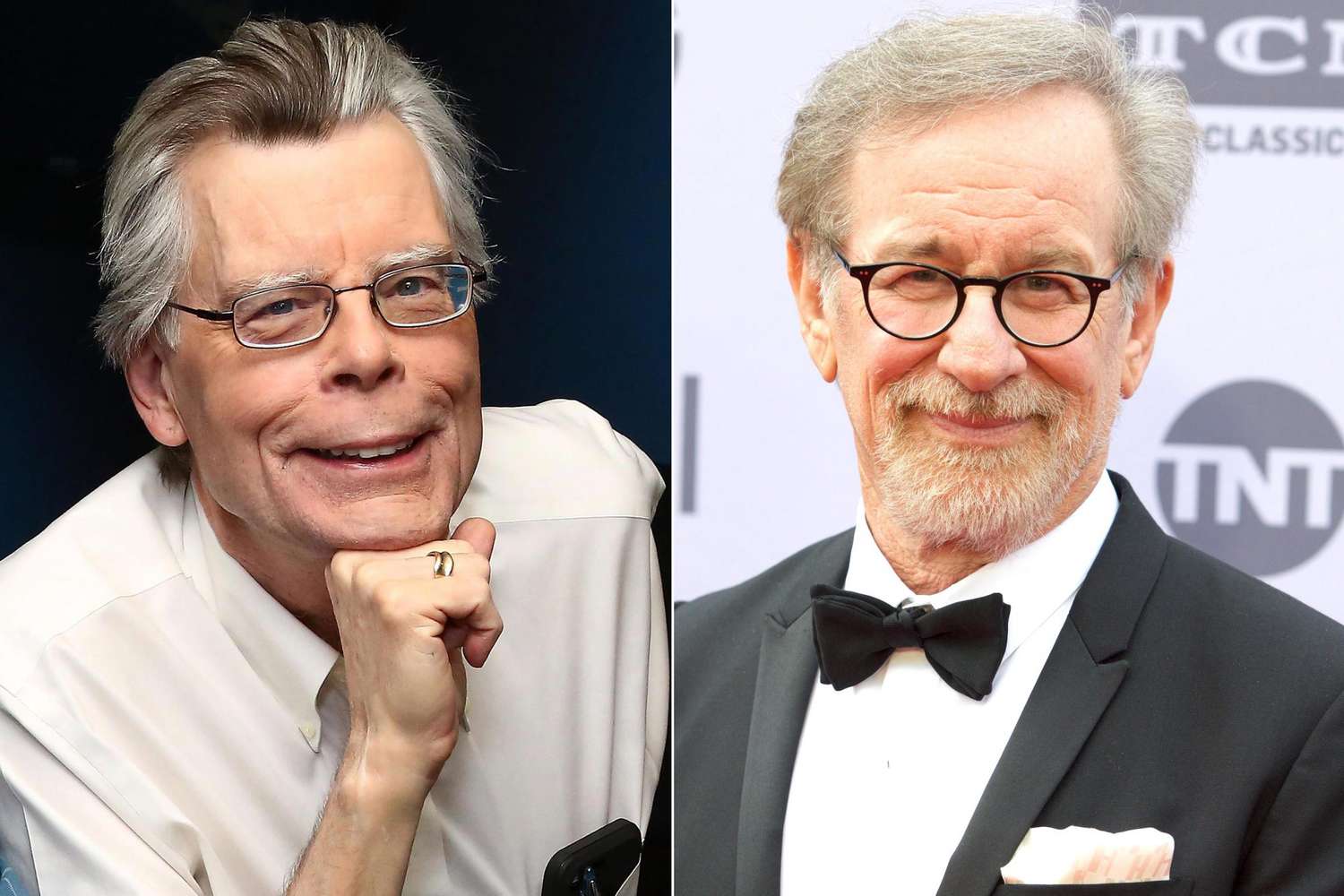
Spielberg has also tried to adapt The Talisman, based on King and Peter Straub’s book. It’s too bad, he didn’t succeed because this film would have been a perfect vehicle for his skillset as a director. Maybe one day soon, this will become a reality, if not with The Talisman, but with King’s exhaustive line of books. Let’s start with The Dark Tower books, at least with The Gunslinger. Spielberg could direct the first film and hand off the rest of The Dark Tower books to other directors.

A Jaws Prequel

Back when Jaws 2 was pre-production, Universal Pictures offered Steven Spielberg the chance to return to do a sequel to the film that made him famous when the film studio had difficulty with the production. Spielberg was interested and wanted to go in a completely different direction. His proposed idea was for the film to be a prequel and focus on Quint and his ordeal as a survivor at sea after the U.S.S. Indianapolis was sunk in the last days of World War II. Quint’s recounting of his struggle in survive shark-infested waters was one of the most haunting and riveting moments in Jaws. It would have been a great opportunity to do something different with the Jaws series which might have fared better in the long run.

Unfortunately scheduling conflicts prevented Spielberg from going through with his idea since he was busy with Close Encounters of the Third Kind. Given how revered the original Jaws is today, and is considered one of Spielberg’s best if not his best film, and how dormant the franchise is since no one with a 100-foot pole is even considering remaking it, why not go with a prequel helmed by Spielberg himself? It would be a unique way for him to return to the IP that made him famous at this point in his career.

It’s not known at this time what Steven Spielberg’s next film will be and he is very busy with his production company. As we know, he has been attached to many projects that either never came to fruition or ended up in another director’s hands, so trying to predict his next work is difficult. Wtih that said, Spielberg is a gifted filmmaker who should stretch himself and try something different in sci-fi, fantasy and horror, and he most likely will do so.
Top Ten Films & TV Shows of 2025

2025 delivered many exceptional genre films and television shows that surprised us with their quality and pushed boundaries. Many of them will be remembered for quite some time and others set the standards for existing franchises. Here are the ten best films and TV shows of 2025.

Films

10. Good Boy

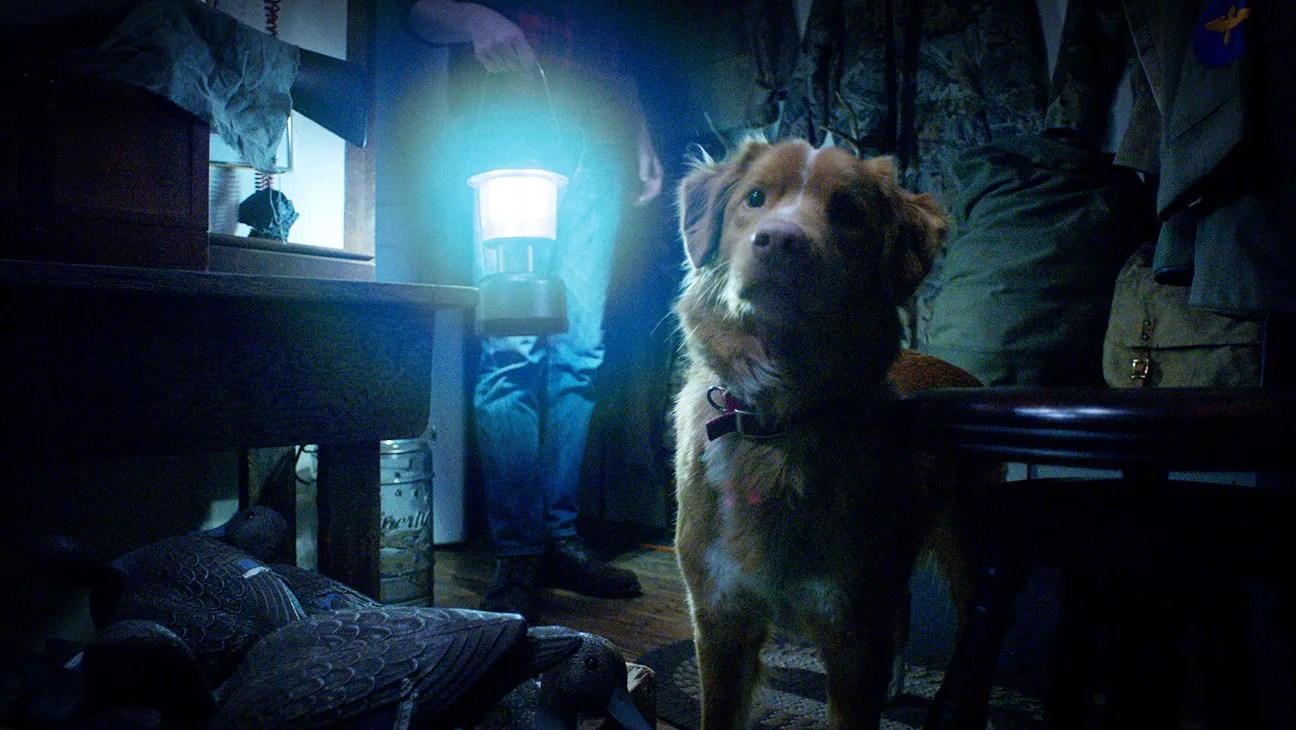
Indy the dog stole the show in this inventive supernatural horror film told from the point of view of a good dog trying to protect his owner from a supernatural threat. What added to the suspense was the vulnerability of the dog and the fact that only he could sense the danger threatening his owner.

9. The Life of Chuck

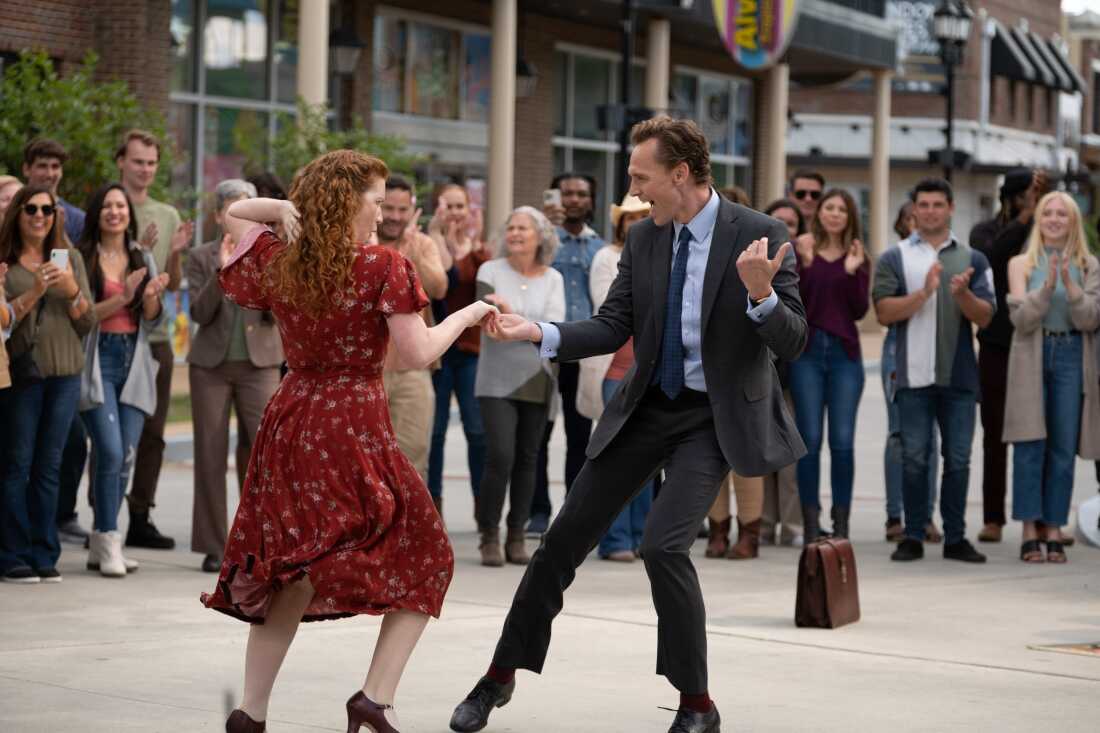
2025 was a banner year for good to great Stephen King adaptations, and The Life of Chuck was the best of them as this heartfelt fantasy film explored themes dealing with loss, sadness, endings, and the wondrous joy of simple everyday things and relationships.

8. Jurassic World: Rebirth

Despite many criticisms made about the latest Jurassic World entry, it was unexpectedly thrilling and engaging. Sure, some of the plotlines were rethreads, but they were presented well and the film delivered some great dinosaur action.  

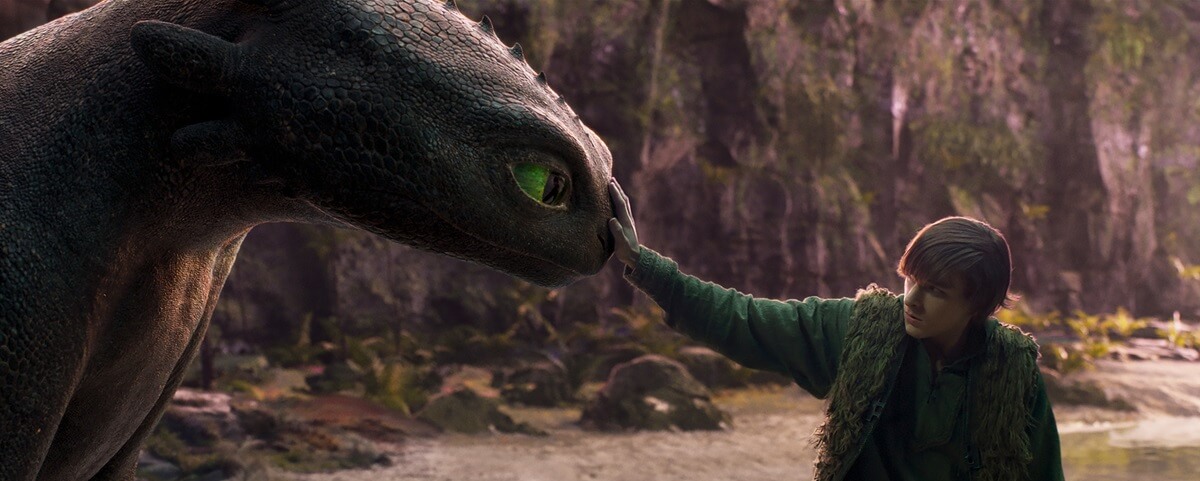
7. How to Train Your Dragon

This live-action remake of the classic DreamWorks animated film about a Viking teen and his pet dragon proved that it is possible to produce a topnotch live-action film based animated classics. This is something Disney sorely needs to study going forward with their endless remakes.

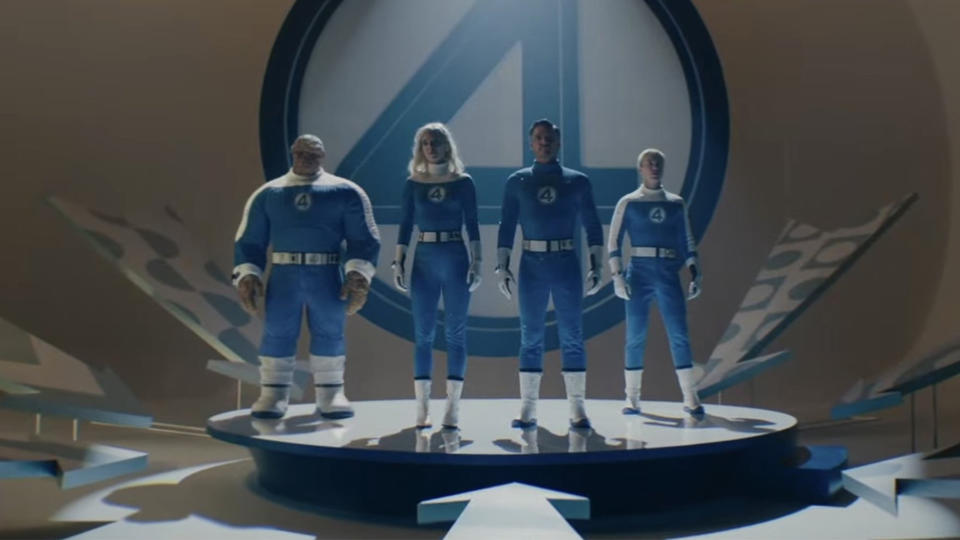
6. The Fantastic Four: First Steps

Finally, a quality film about Marvel Comics’ first family has been done. Great performances, production and special effects are the highlights of this charming film about family and facing cosmic horror. The film gets extra points just for not depicting Galactus as a giant space cloud!

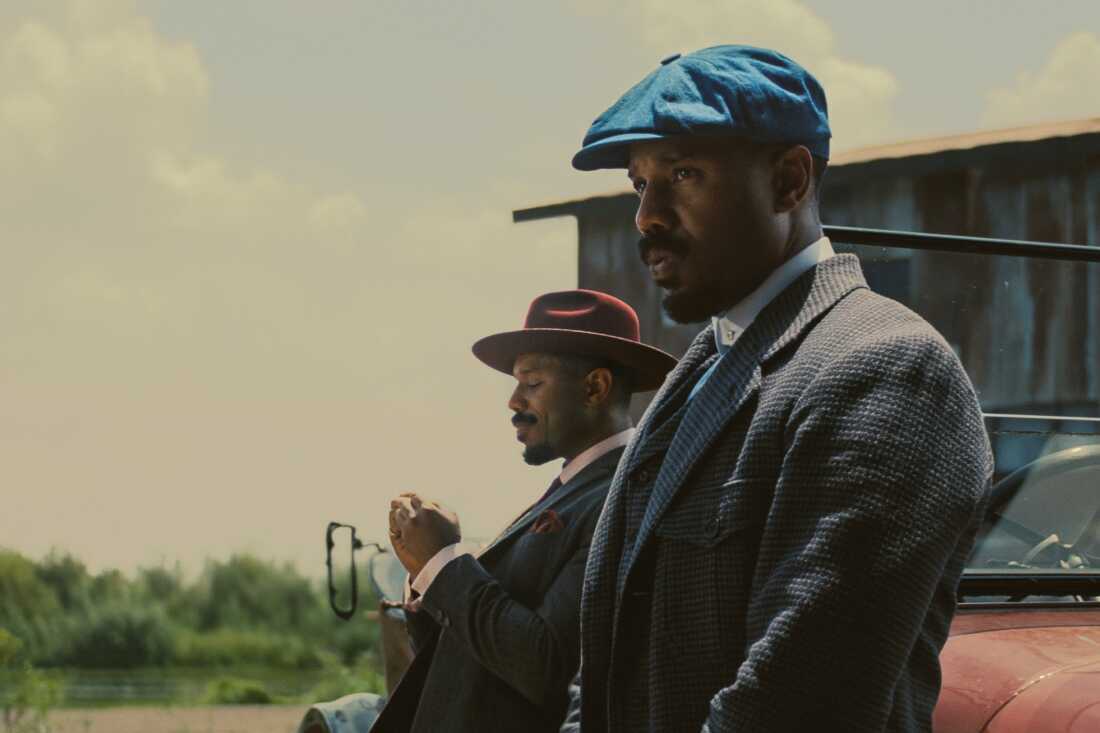
5. Sinners

Michael B. Jordan is at the top of his acting game playing dual roles in Ryan Coogler’s haunting vampire film. What could have been a simple vampire tale was instead of tour de force from Coogler that explored America’s cultural and racial divide with exceptional visual storytelling.

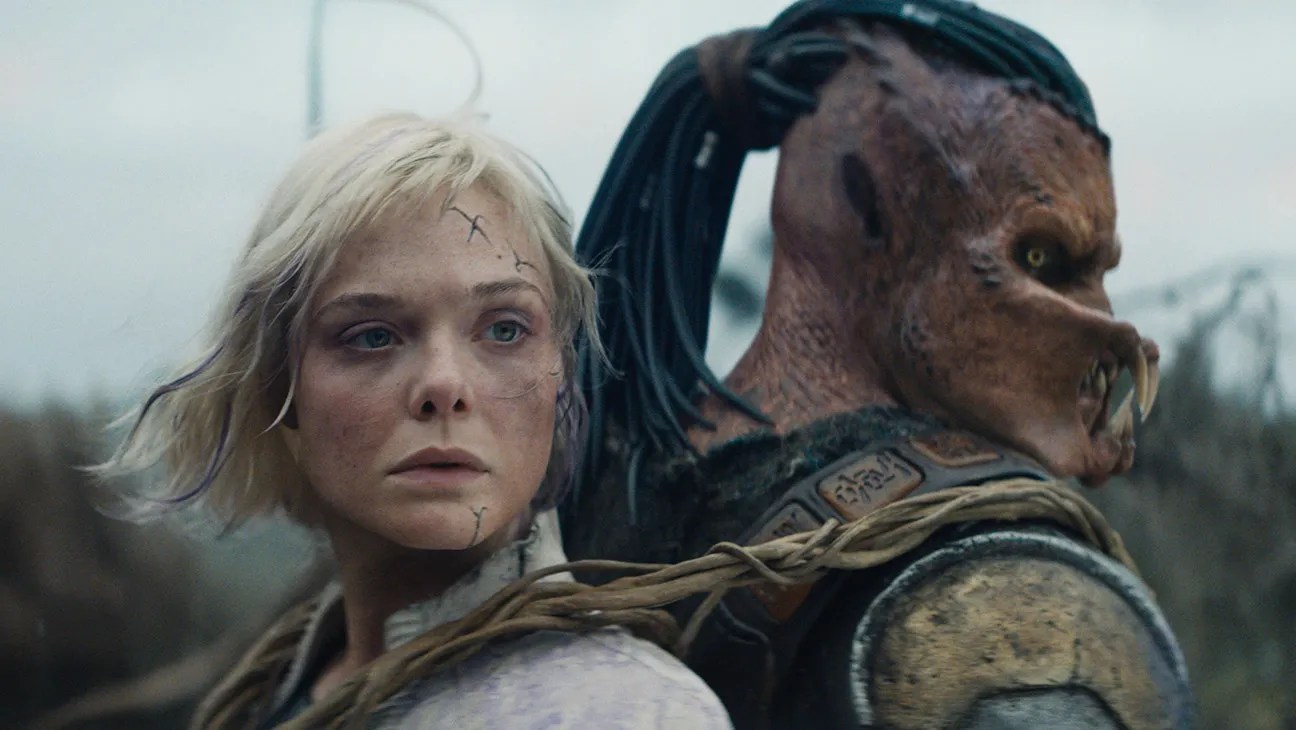
4. Predator: Badlands

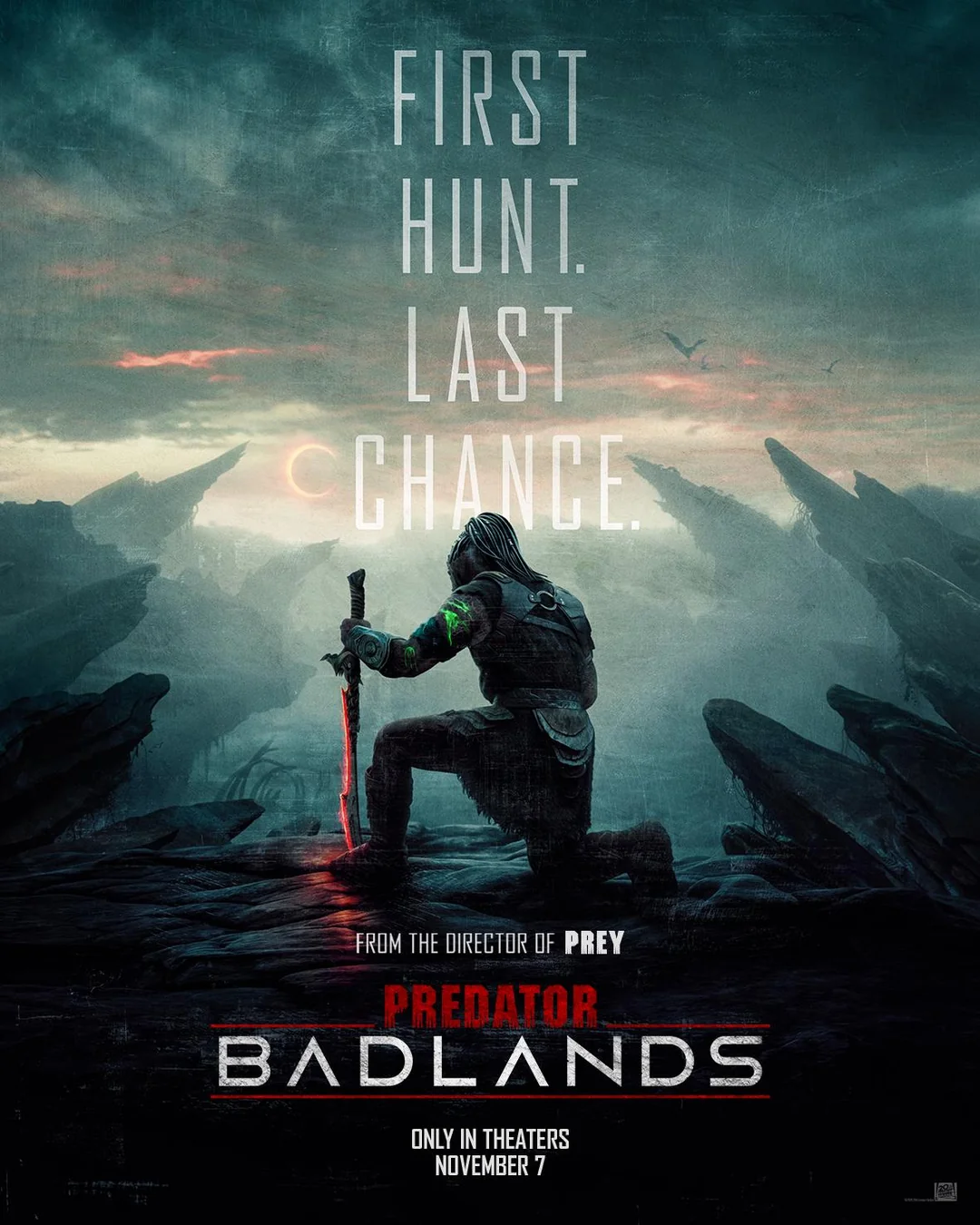
Just like last year’s Alien: Romulus reinvigorated that franchise, so too does Predator: Badlands with its own franchise about alien hunters. This time, the eponymous alien hunter is shown in a heroic light in this imaginative sci-fi action/adventure romp that fleshes out the species of the Predator as it skillfully blends with the Alien franchise.

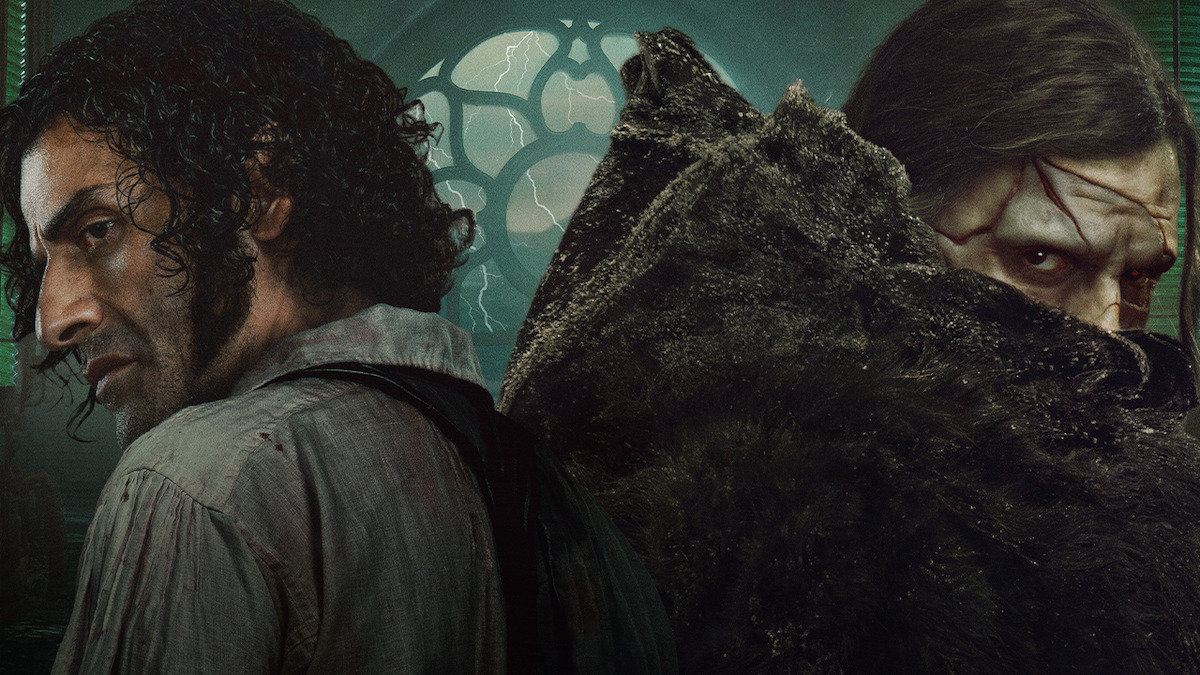
3. Frankenstein

Guillermo Del Toro wowed audiences once again with his vivid imaginative storytelling skills. The latest adaptation of Mary Shelly’s literary masterpiece follows the essence of the book while veering off into unique directions that explore the father and son dynamic between the title character and his monstrous yet sympathetic creation.

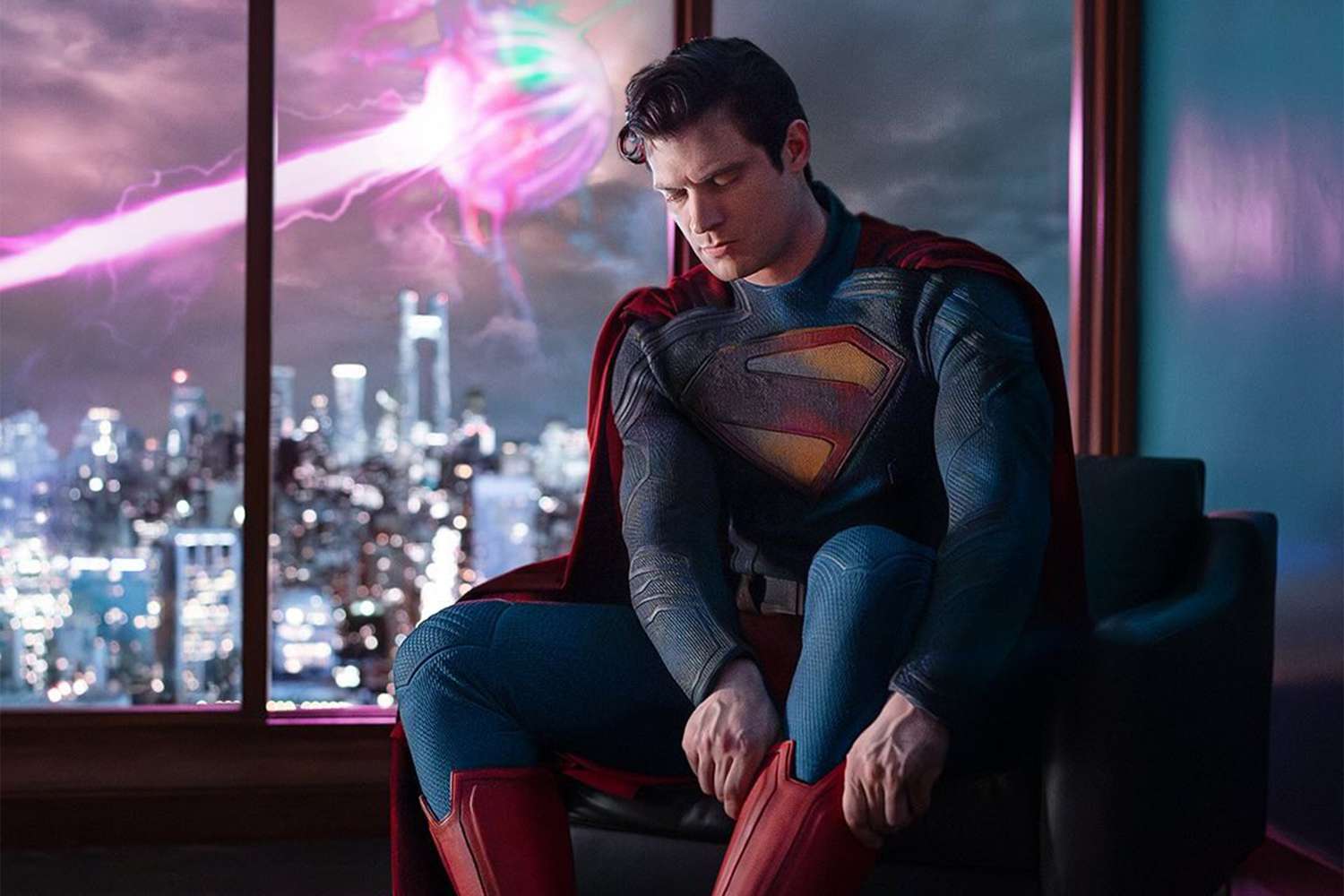
2. Superman

Director and head of DC Studios James Gunn successfully launched the new DC Universe (DCU) with a fresh and interpretation of the Man of Steel. Superman and his colorful superhero world is rightfully depicted in a bright, hopeful light that cleverly raises questions about our current events and society. Superman is a very promising start to the DCU and we can’t wait for the latest entry.

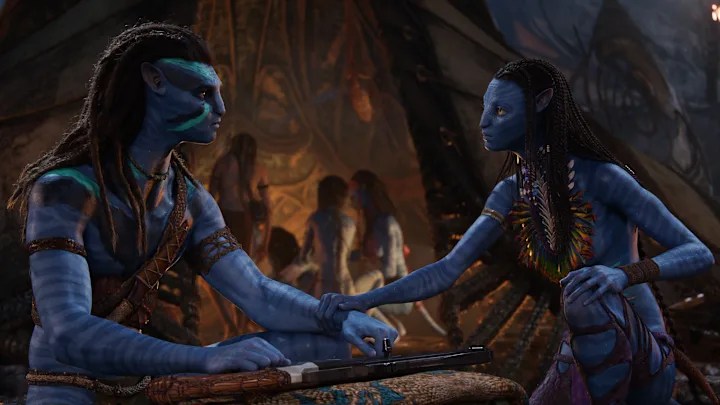
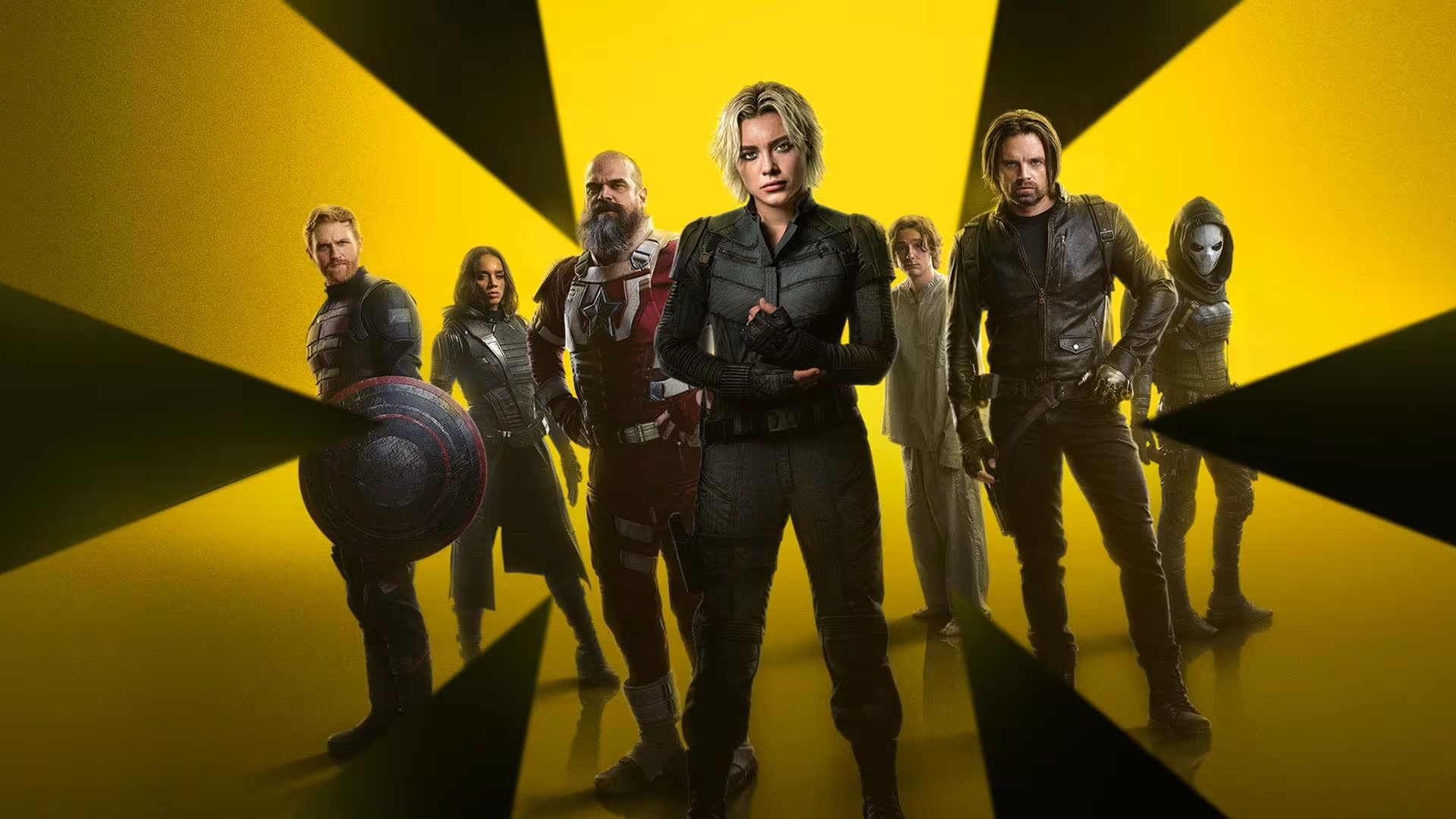
1. TIE: Avatar: Fire and Ash/Thunderbolts*

This is a first for this blog, the two best films of 2025 were that great but so close in quality for different reasons that it was too hard to choose one above the other. So the two best films of 2025 are a tie.

Once again James Cameron proves why he is one of our greatest filmmakers with Avatar: Fire and Ash. The visuals and worldbuilding in this sci-fi epic are jaw dropping and must be seen in large screens. Some of the set pieces are too familiar but Avatar: Fire and Ash does develop many characters and kept us engaged with the plight of the moon Pandora as it faced evil human colonists.

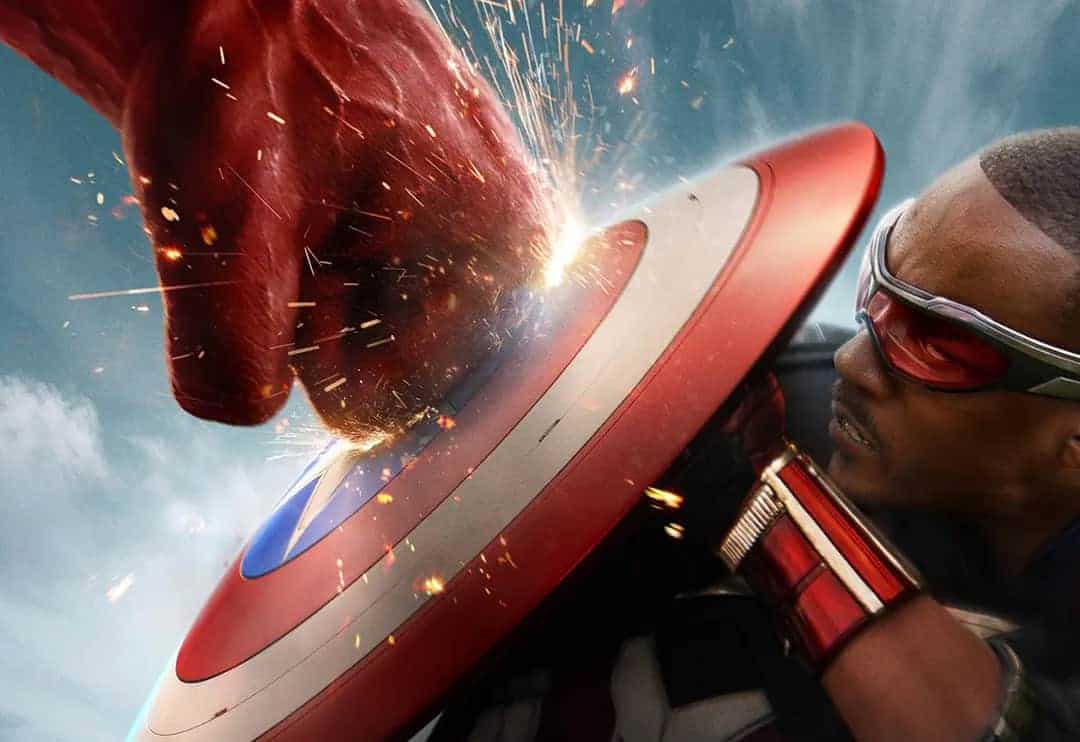
Thunderbolts* aka The New Avengers was unexpectedly the best superhero film of 2025 thanks to heartfelt performances and chemistry among its cast and an emotional story of misfit mercenaries who become unlikely superheroes. Unlike the typical superhero romp, Thunderbolts* focused on characters and explored adult themes of mental and emotional health, loneliness, addiction and depression. We’ll be rooting for these underdogs when they return in Avengers: Doomsday.

Honorable Mentions:

28 Years Later, Bring Her Back, Bugonia, Captain America: Brave New World, Companion, The Electric State, The Gorge, The Great Flood, It Ends, The Long Walk, Predator: Killer of Killers, Primitive War, Weapons, Zootopia 2

Television

10. Paradise

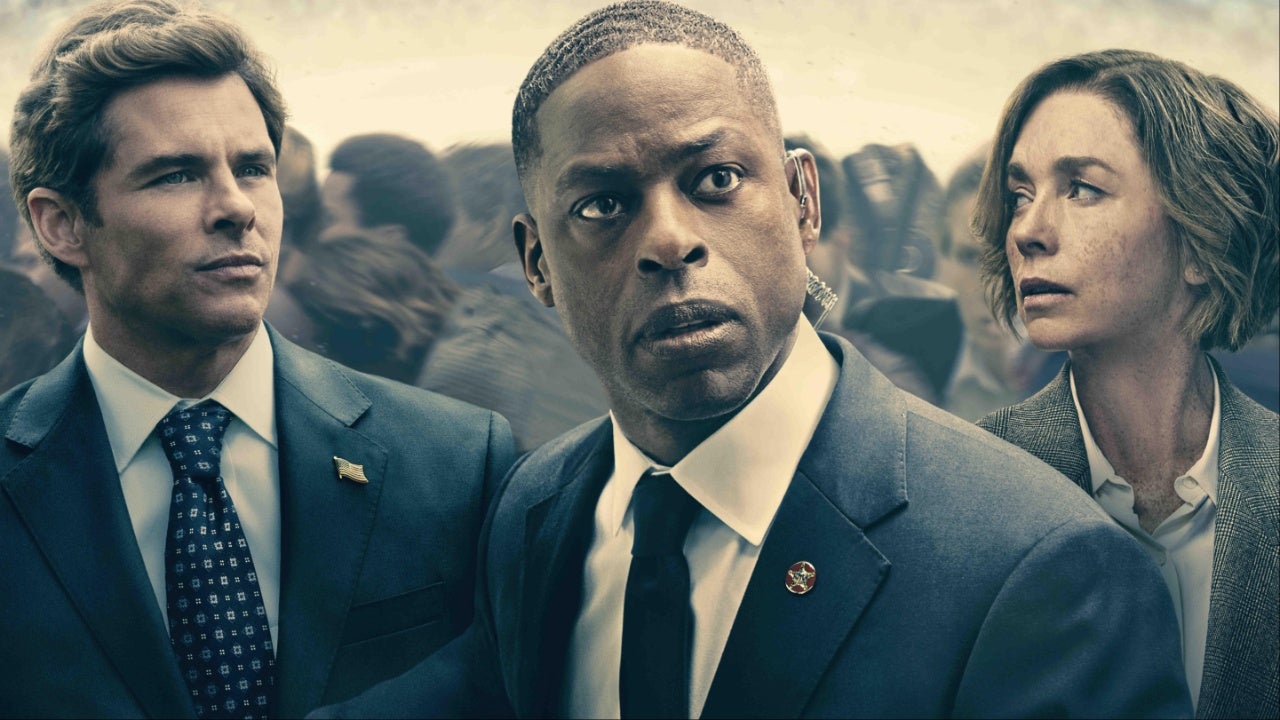
This murder mystery that took place in a post-apocalyptic underground town shelter was elevated by great performances by Sterling K. Brown and James Marsden and an engrossing storyline that kept viewers guessing about what happened to the world and who murdered the U.S. president.

9. Star Trek: Strange New Worlds

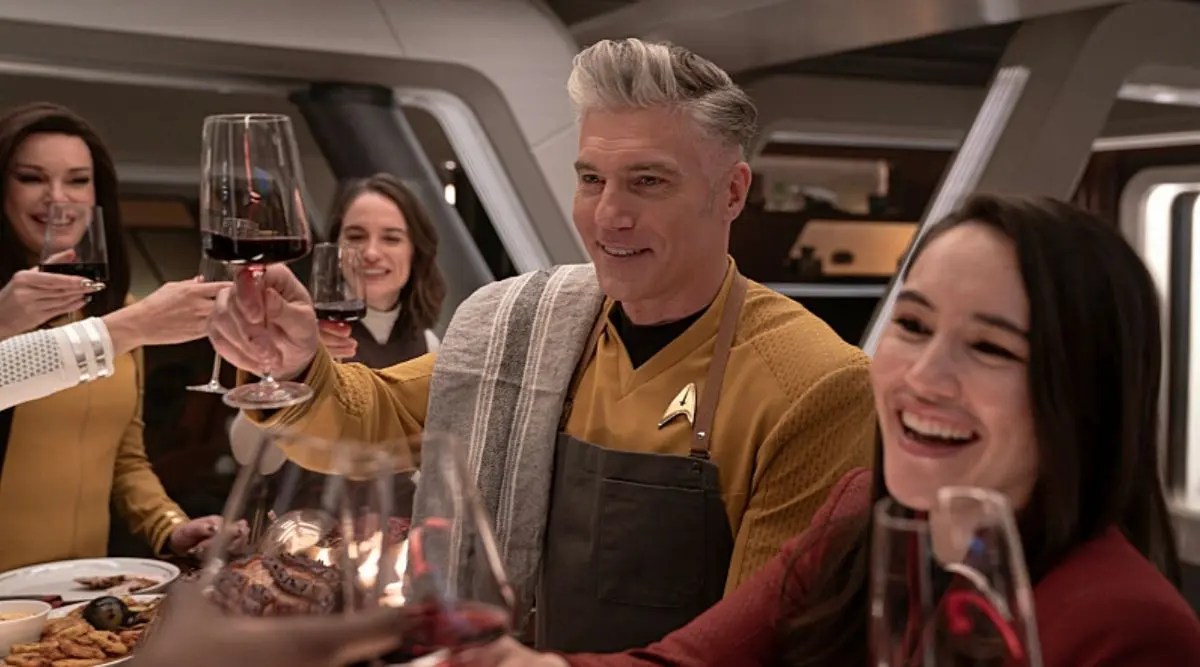
The third season of the only remaining Star Trek show (for now) had its problems such as its uneven tone and showcasing too much of James T. Kirk (the show is supposed to be about Captain Pike). Still, some of the episodes were true standouts that proved there were still great Star Trek episodes to be presented.

8. Marvel Zombies

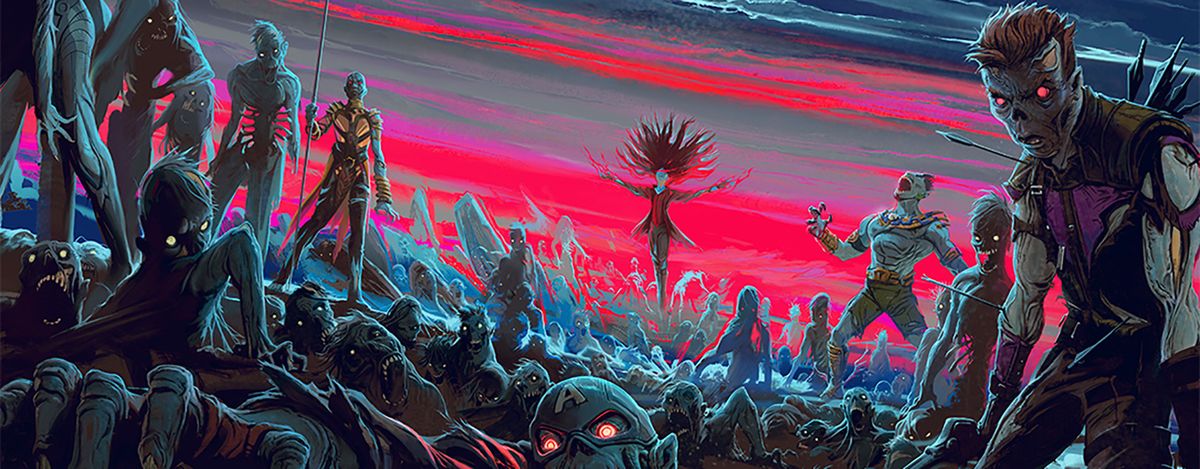
Put together classic characters from the MCU and zombie horror and what do you get? A terrifically gory and fast-moving series with some outrageous zombie action that demands a second season! Hopefully there will be more than four episodes.

7. Peacemaker

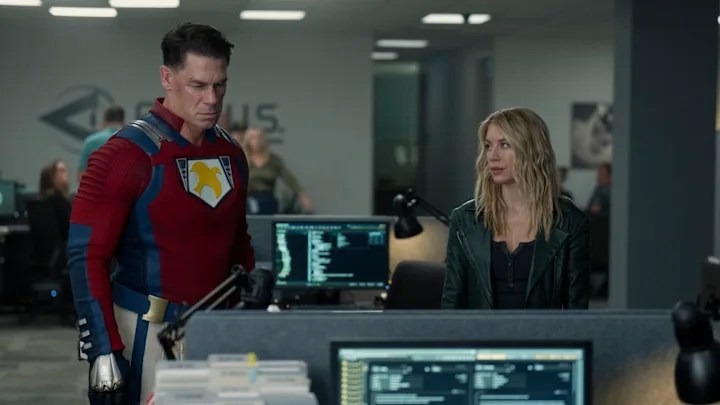
While the season finale dropped the ball as it turned out to be a drawn-out coda with concert footage, the second season of Peacemaker was for the most part a captivating look exploration of the title character’s wounded psyche as he second guessed his place in the DCU.

6. Stranger Things 5

The final season of Netflix’s breakout sci-fi/horror show was a bit all over the place with multiple characters and such, but it was still a solid sendoff to our favorite young residents of Hawkins as they had their final confrontations with the extra-dimensional horrors of the Upside Down realm.

5. Daredevil: Born Again

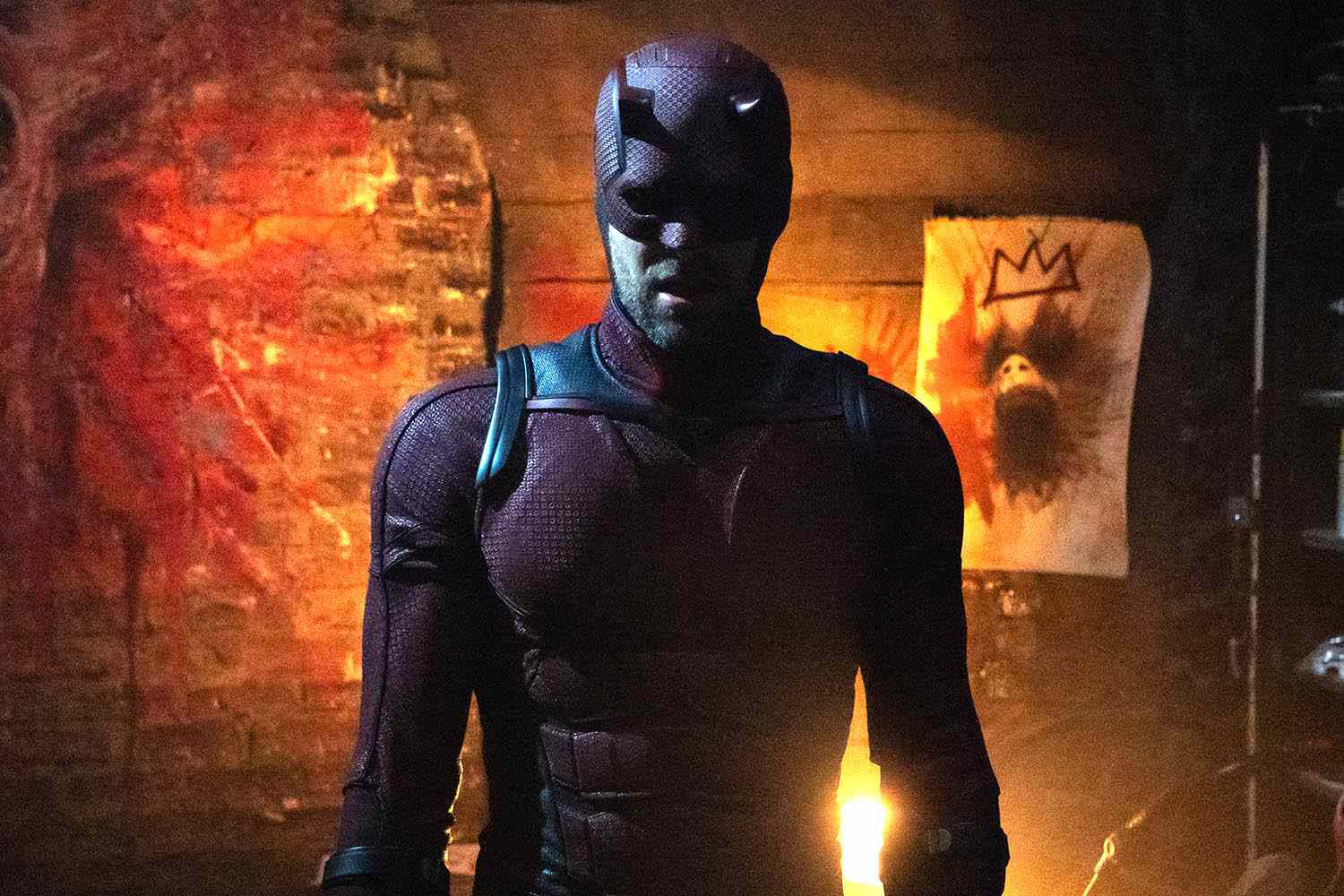
Marvel’s premier superhero TV show had a solid comeback in this sequel to the original Netflix show. Even though Daredevil and his crime-ridden world are now firmly part of the MCU, the TV show was just as gritty and grounded as the original. Stars Charlie Cox and Vincent D’Onofrio turn in some of the best performances of their careers as they reprised their roles as Daredevil and Wilson Fisk, respectively.

4. Severance

The sophomore season of this dark psychological workplace thriller threw audiences for a loop with many unexpected plot twists and character developments. It was very easy to relate to the plight of the office worker drones forced to have their out-of-work identities and memories erased and their efforts to fight the cold company they work for.

3. Pluribus

Vince Gilligan (famous for his TV shows Breaking Bad and Better Call Saul) returned to his sci-fi roots with this quietly disturbing slow-burn TV show about a disgruntled novelist (Rhea Seehorn in one of the year’s best performances) forced to fight isolation, her inner demons, and to save humanity after an extra-terrestrial signal transforms nearly everyone into a global hive mind.

2. It: Welcome to Derry

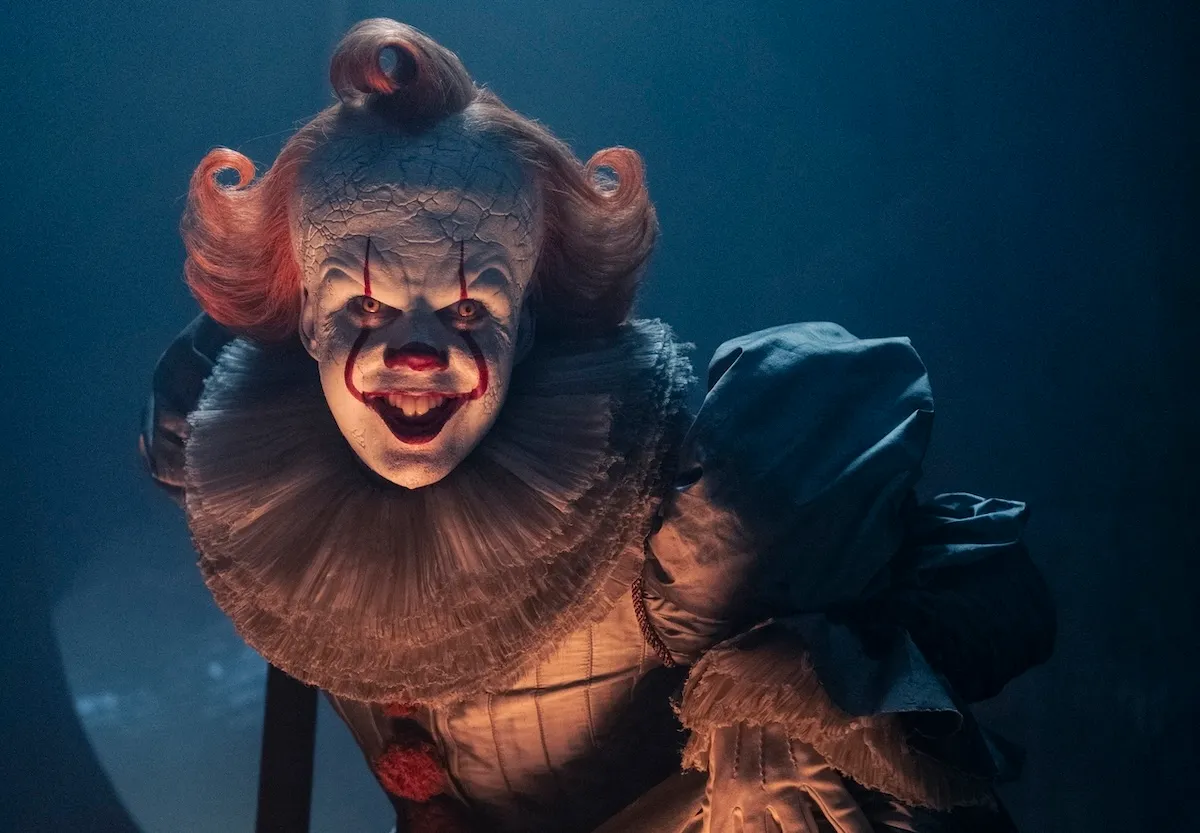
Part sequel, part prequel to the It films from a few years ago, It: Welcome to Derry was one of the best surprises when it came to TV shows. Each episode was horrifying with macabre set pieces and featured rich character development that fleshed out Stephen King’s fictional town. In addition to the characters, the TV show also had many unexpected twists and fleshed out the expansive King multiverse in an organic manner that made us want to further explore it, no pun intended.

1. Andor

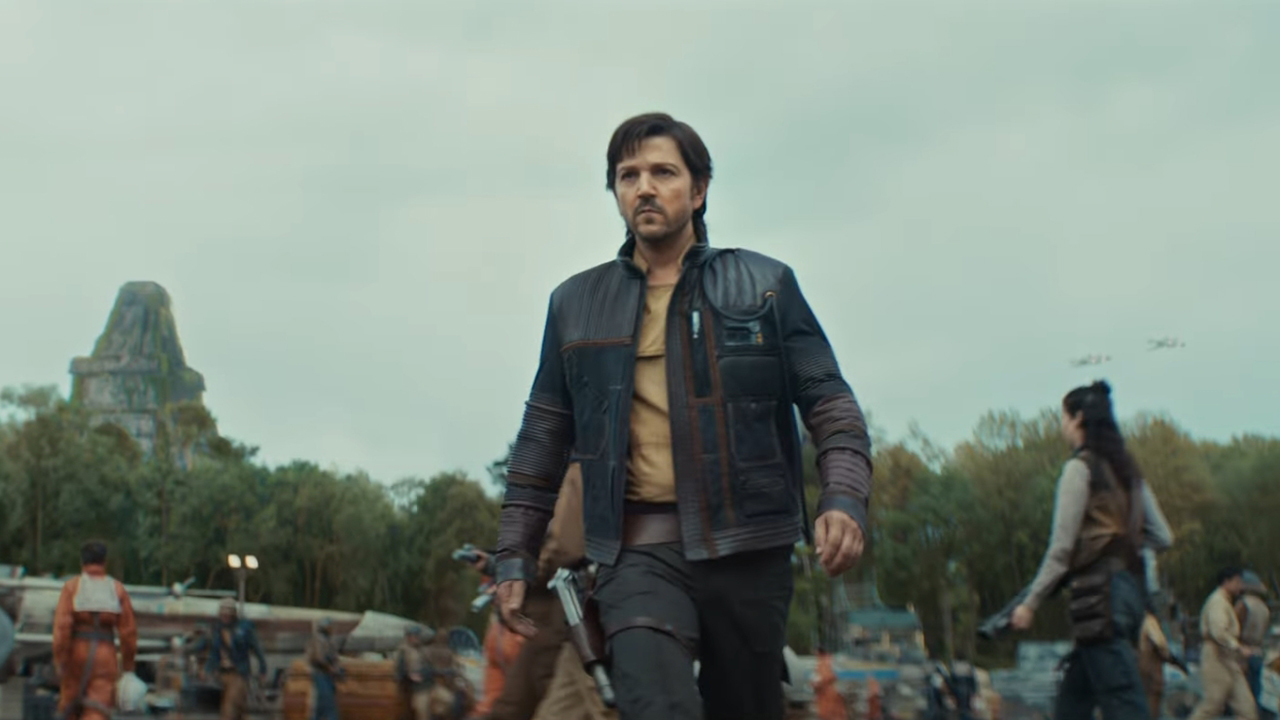
No other TV show came close to matching the artistry of Andor, which is easily the best Star Wars television show of all time and one of the best TV shows of any genre. The second and final season was a tense spy thriller set in the Star Wars universe with many brutal and heart wrenching political storylines that echoed our own civil strife as it chronicled the death of democracy and the bitter origins of the resistance to stand against tyranny. Andor also engaged audiences with thought-out character development which showcased their ambivalent nature in their fight for and against the Galactic Empire.

Honorable Mentions:

Alien: Earth, Black Mirror, Doctor Who, The Eternaut, Eyes of Wakanda, Fallout, Foundation, Gen V, The Handmaid’s Tale, The Institute, Invincible, Ironheart, The Last of Us, Murderbot, Wednesday, Your Friendly Neighborhood Spider-Man


Predator: Badlands Gives Us A New Hero To Root For

The Predator franchise has experienced an upswing in quality lately thanks to creator Dan Trachtenberg who directed the last two Predator films, Prey and Predator: Killer of Killers. Now, Trachtenberg has reached the creative peak with Predator: Badlands, the latest Predator film out in theaters. Not only is it a thrilling, action-packed and well paced, but unlike the previous films, this one stands apart for one very important reason.

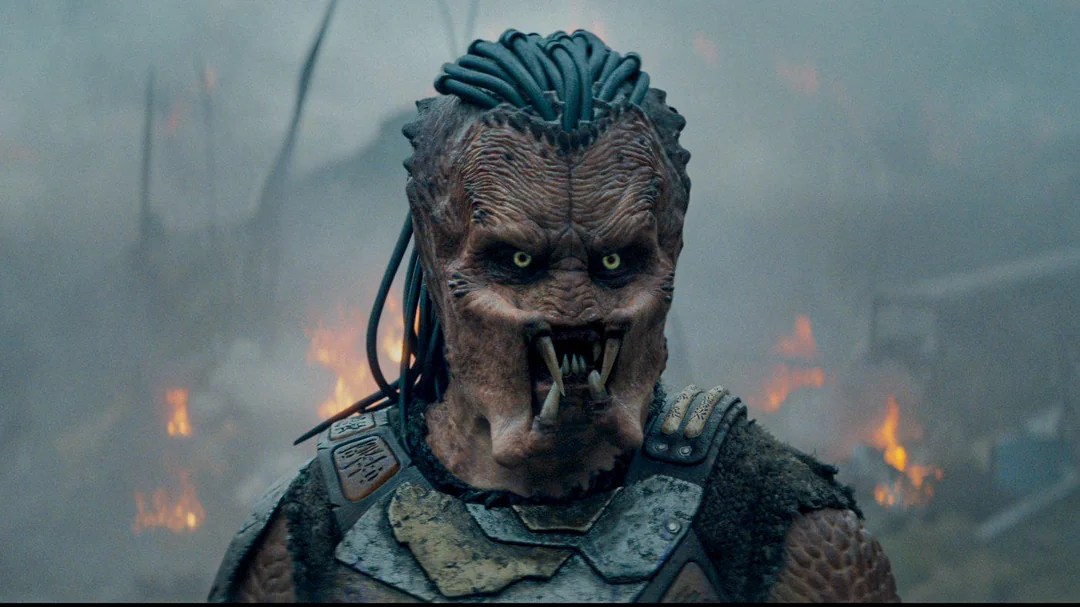
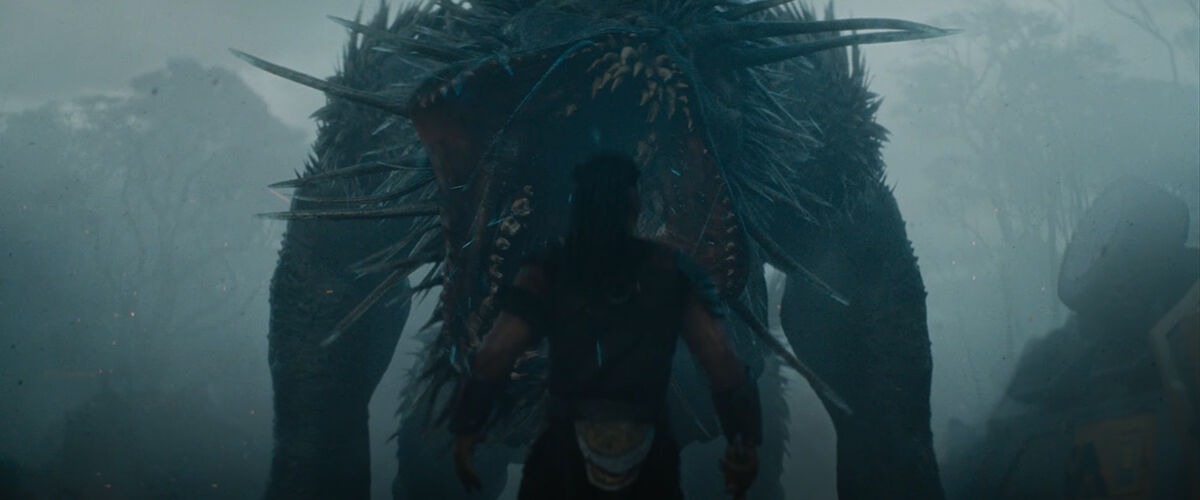
What sets Predator: Badlands apart from the typical Predator film is that it is told from the point of view of the alien predator, the Yautja; in this film, that Predator is called Dek (Dimitrius Schuster-Koloamatangi) who is the runt of his Yautja clan. The film opens up in the Predator’s homeworld and Dek wants to go on a warrior rite of passage to earn his place in his family clan. To do that he has to travel to a deadly planet called Genna and bring back a trophy kill of that planet’s apex predator, the Kalisk. However, Dek’s father, the leader of the family clan (also played by Schuster-Koloamatangi), considers Dek to be a runt that should be culled. IOW, killed off. Before this can happen, Dek’s older brother, Kwei (MIke Homik), sacrifices his life to protect his younger brother and sends him off to Genna.

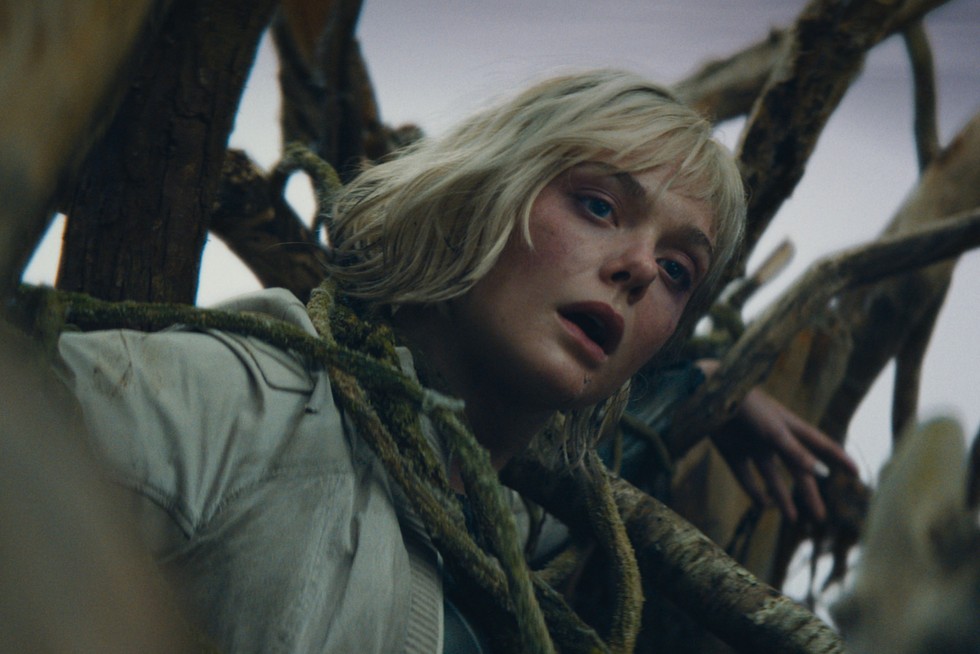
After crash landing on the planet, Dek is immediately beset and hunted by the vicious creatures inhabiting the primordial world. Even the plant life if deadly to him as some plants shoot paralyzing needles, while carnivorous vines nearly devour Dek. Basically, the planet makes Pandora look like a leisure world. Along the way, he encounters a synth called Thia (Elle Fanning), a highly advanced and empathic synthetic woman who is part of a mission by the company Weyland-Yutani Corporation (the same infamous company from the Alien franchise) to capture an animal specimen for research. Thia is missing her lower half due to an attack by a Kalisk that separated her from her synthetic associates during an attempt to capture it, which included Tessa (also played by Fanning).

Thia offers to function as Dek’s informational tool to hunt the Kalisk in exchange for transporting her to the site of the attack so she could reattach her legs. Dek is reluctant at first, but Thia’s knowledge of the terrain and deadly fauna is valuable so the two form an unlikely partnership as they traverse the deadly jungle forests. What neither realize is that Tessa was recovered and sets out on her mission with a cold heart and drive to capture the Kalisk and she will not let anything get in her way, including Thia and the Yautja.

Predator: Badlands works so well not just because it is stuffed to the gills with action or because of its impressive production and special effect, but because it develops the Yautja. We actually understand their alien culture which is a bit more complex than expected. They are not mindless killers but hunters with a strict honor code. We saw this in previous films, but this one literally takes us to their world and we get into their mindset as we learn to sympathize with some of the Yautja, especially Dek.

This Predator is clearly the film’s main character and it is not long before we are rooting for him at every turn as it is clear that he is the film’s hero. Part of that sympathy is because he is considered a runt, given his smaller stature. But Dek has the heart of a warrior and a relentless drive to succeed that he can’t help but admire. Just because Dek is smaller than the average Yautja does not mean he cannot hold his own in a fight. Much like Marvel Comics’ Wolverine, Dek is a savage fighter who will use any tool to defeat his foes or kill his prey. Speaking of fighting, the fight scenes are quite intense and brutal. The film surely would have earned an R rating if not for the fact that we never see red blood on screen. In fact, there are not any humans at all in this film, which is remarkable and helps set the film apart from nearly all live-action films.

While the film takes every step to flesh out the Yautja, it also does this with the synthetic people. In the past Alien films we saw the synthetics as either coldly evil or warmly human-like, and Predator: Badlands continues this tradition. There are hints throughout that the synthetics, mostly through Thia, have begun to develop their own sense of self and independence, which could be worth exploring in a future film or TV show that focuses on the synthetics. It is also worth noting that the camaraderie between Dek and Thia feels organic and although we know how their relationship will progress it is still enjoyable to watch as they form their own sort of clan.

Director Dan Trachtenberg clearly not only has the drive to explore the Predator’s culture and flesh out the aliens, but the skills to pull this off. He has a great visual style and sense of storytelling that instantly engages us with his stories while adding so much to the Predator lore. At the same time, he adds more to the Alien franchise without going overboard with references. He ties both franchises very skillfully but you can enjoy this film without having seen a single frame from the Alien films. He has plans for a third film if Predator: Badlands is successful enough and he also hopes to bring back the star of the original Predator, Arnold Schwarzenegger himself, which would be awesome considering the hints of possibilities Trachtenberg teased us with in Predator: Killer of Killers.

Predator: Badlands is clearly one of the best films in the Predator franchise, perhaps as great as the original, though the two films had very different tones. Given the film’s rich world building and the way it ends, we have to see more of Dek and Thia and the rest of the worlds in Predator: Badlands.

José Soto

Making The Perfect Stephen King Adaptation

One would think that adapting any of acclaimed author Stephen King’s literary works into a top-tier film or television production would be fairly simple. But it’s not. So, why is it so difficult to successfully adapt a Stephen King work? There are a few that can be considered, but it basically boils down to these two reasons.

Translation to Screen

While King is the master of prose when it comes to horror, fantasy, sci-fi, and non-genre subjects like crime, it is not easy to translate what he writes into a visual medium. Sometimes the dialogue which flows like water on page can come off as stilted and clumsy, especially if a character goes off on a rant. A narrative tool that King uses a lot is internal dialogue and narration to convey the characters’ thoughts. This technique is hard to pull off in visual medium where showing is prefered to telling.

Other times the prose is let’s just say a bit too much for a visual story. IOW, given the amount of screen time available in a film, putting TV aside, there is only so much material that can be adapted. Many of King’s best known works like It, The Stand or the Dark Tower books run over thousands of pages. Turning epic novels like those into two-hour plus films is nearly impossible. It is one of the main reasons why attempts to turn his classic novels like The Stand failed to make it out of the gate as a film despite many attempts because there was so much material to cut out that the result would be a poor adaptation of the source material. Just look at The Dark Tower film that came and went a few years ago. To most, the film was an ill-conceived attempt to adapt the multi-book epic about the Gunslinger Roland and his mythic quest across worlds and realities. What The Dark Tower did was give viewers a truncated sprinkling of Roland’s quest that left many feeling dissatisfied with an unfinished story.

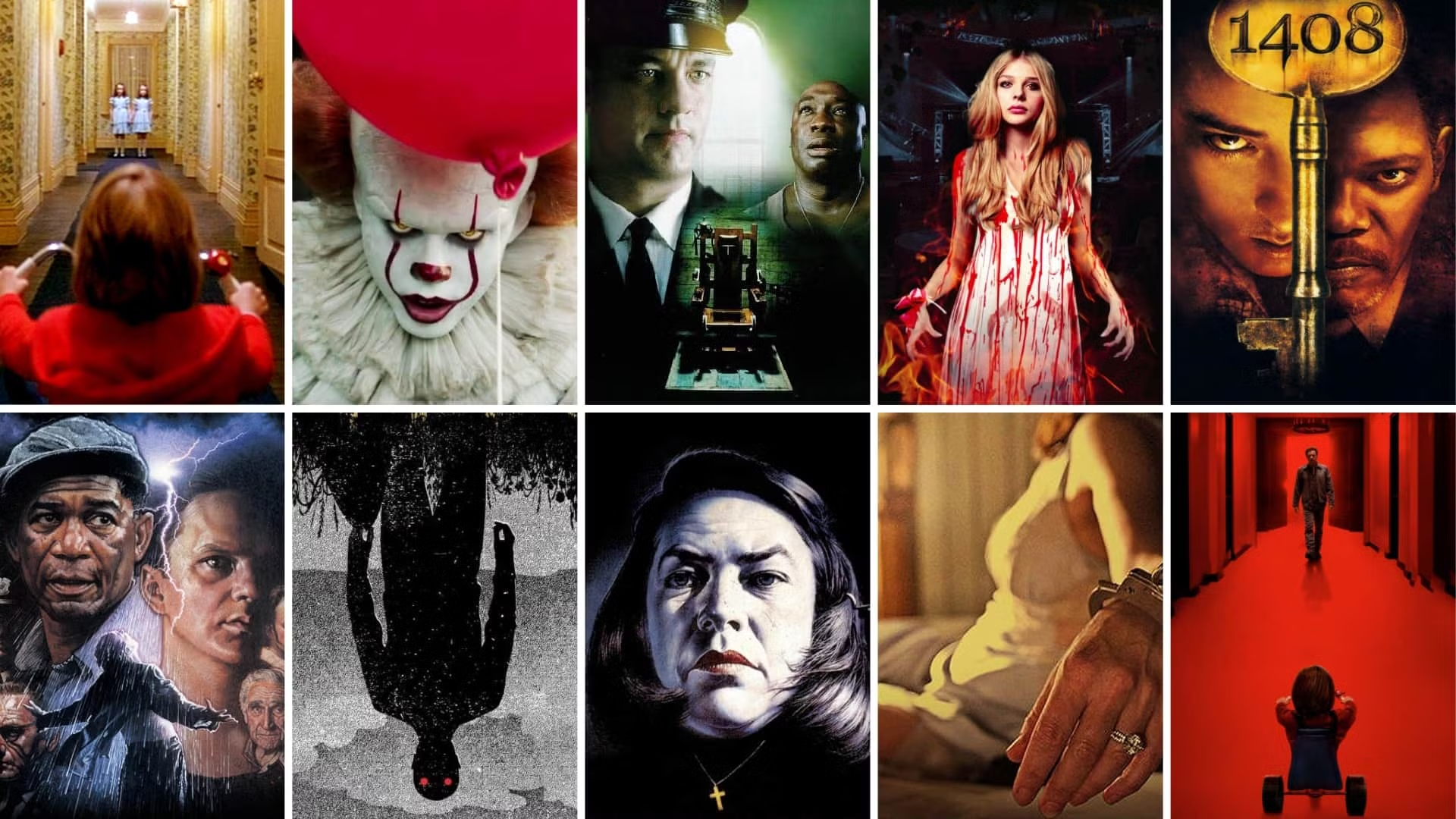
The more successful adaptations like The Shining, Carrie, The Dead Zone, Cujo, Stand By Me (adapted from The Body), The Shawshank Redemption and The Mist were based on more typical novels that were just a few hundred pages. Also, in the case of The Mist, Stand By Me and The Shawshank Redemption, those were based on novellas which seem to be the perfect amount of story to translate into screen.

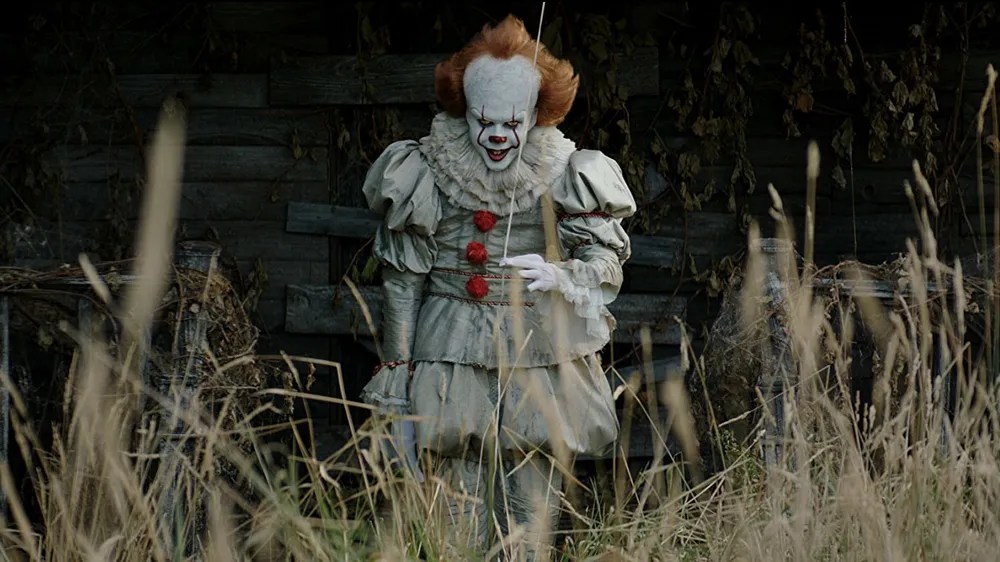
One viable option is to adapt mammoth epic novels into two-part films as was done with It. While the film versions of It differed in structure, the adaptations more or less captured the essence of the novel with the first film focusing exclusively on the main characters when they were children while the second film picked up the characters as adults when they confronted the evil entity Pennywise. This approach would work best for The Dark Tower Saga or any of King’s narrative which can be quite long and involving.

The other obvious option, which has been done to some success, is to adapt his works into television mini-series or shows. Some of the best examples include ‘Salem’s Lot, The Stand, 11/22/63, The Outsider and Nightmares & Dreamscapes. Adapting The Dark Tower Saga into this format is honestly the only viable way to present the expansive storyline and do it well.

The Skill of the Translators

One important reason as to why it is so hard to adapt Stephen King works is due to the quality and skill of the filmmakers and showrunners and scriptwriters. While many gifted behind-the-scenes creators successfully adapted King’s works like Stanley Kubrick, John Carpenter, Frank Darabont, Rob Reiner and Andy Muschietti, far too many inferior creators took a hand into mangling and ruining King’s classics. It is lamentable that someone like Steven Spielberg or Christopher Nolan or Scott Derrickson never helmed a Stephen King film (there were reports that years ago, Spielberg was involved in an adaptation of The Talisman, but that never came to be). Just think of how something like Under the Dome, Cell, and The Girl Who Loved Tom Gordon would have turned out if James Wan or Robert Eggers or Ari Aster were at the director’s chair with the projects.

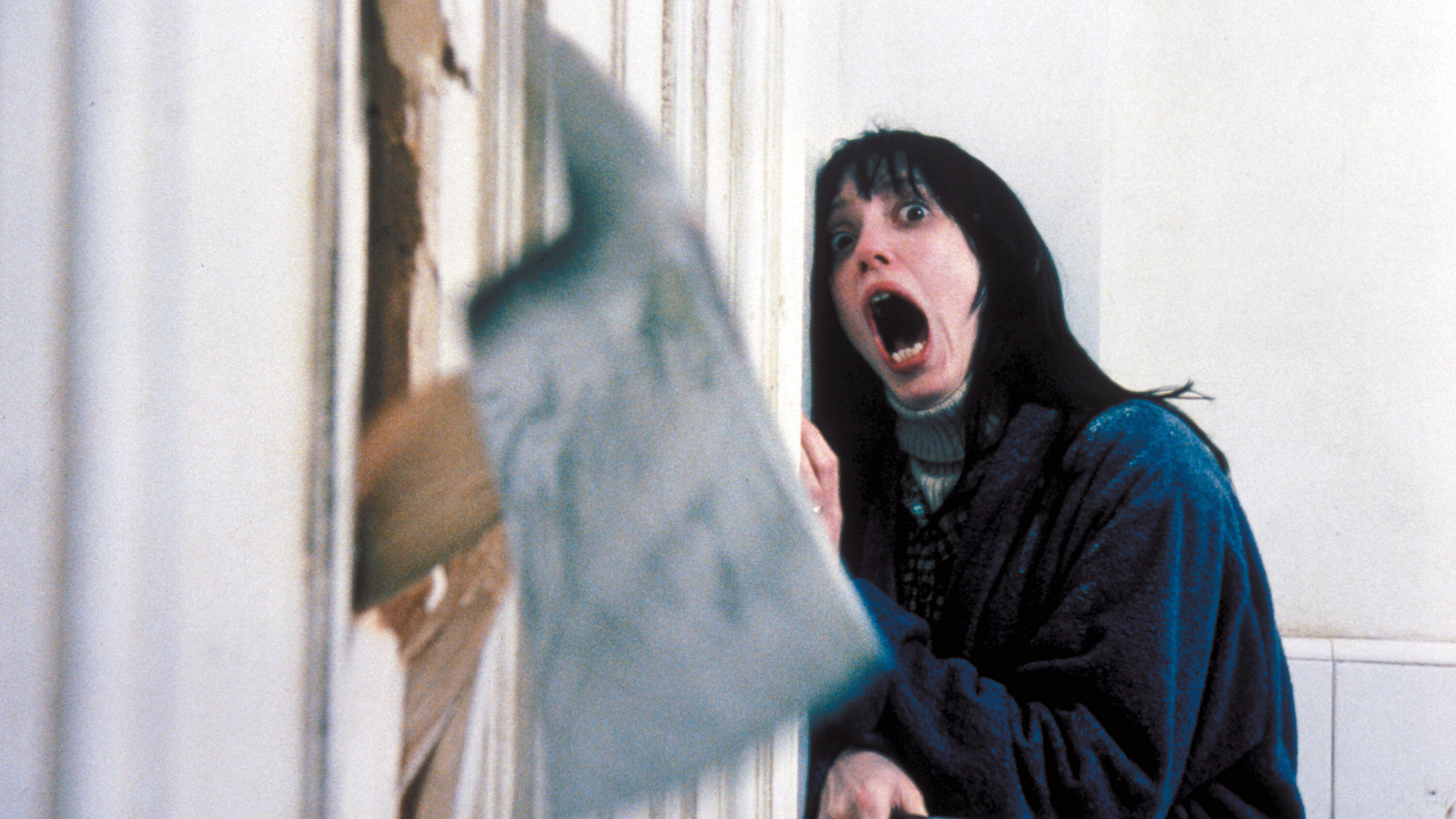
But sadly as we know all to well, it is very difficult to line up the best writer, director, producer or actor to fit in with a King work of art. Reasons for this are all over the place and tend to be due to timing and budget. These days it is not likely that a studio can afford to hire Spielberg to take on a King book. There is also the possibility of dueling visions. A more high-profile director can and will take liberties with the source material much to King’s detriment. The most famous example was Kubrick’s version of The Shining, which King detested even though it is considered not only one of the best King adaptations but a classic horror film.

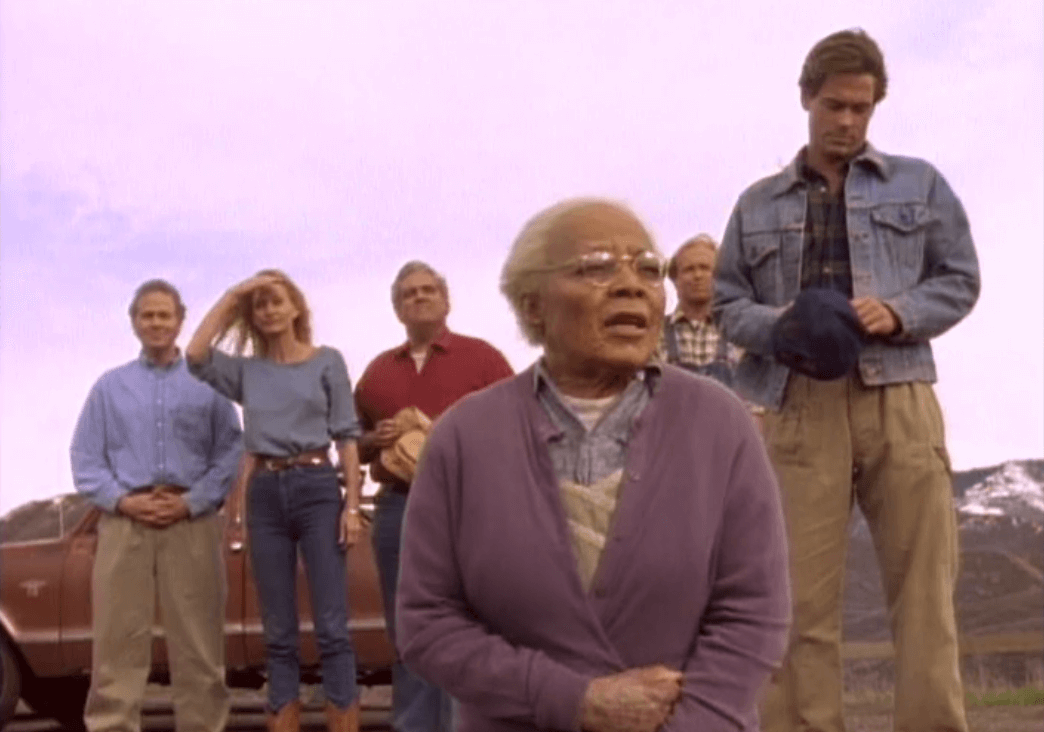
The same goes for television productions. All too often King’s works whether they’re long-form epics or short stories wind up becoming inferior TV shows or limited series. During the ’90s, the heyday of King TV adaptations, many of his more famous stories became big event TV mini-series with mixed results, but hardly any of them stood out as masterpieces. The best adaptations were for The Stand, although that limited series had its issues, ‘Salem’s Lot, which came out in the ’70s, It, and original productions like Storm of the Century. Other works like the more faithful adaptation of The Shining and The Langoliers failed to impress viewers. If only someone like Vince Gilligan or Terry Matalas could spearhead a proper TV adaptation of The Stand or The Dark Tower Saga.

Despite many failed attempts, the versatility and durability of Stephen King’s stories guarantee that eventually the right team will come along and created the best version of his works. This happened with the It films which were immediately better than the original TV mini-series and may happen later this fall when the second film version of The Running Man is released (being that is directed by Edgar Wright, there’s a decent chance it will outshine the original film). It has been possible to get cinematic masterpieces based on King’s works and it has happened, so it will continue to happen.

José Soto

Zombies Refuse To Die!

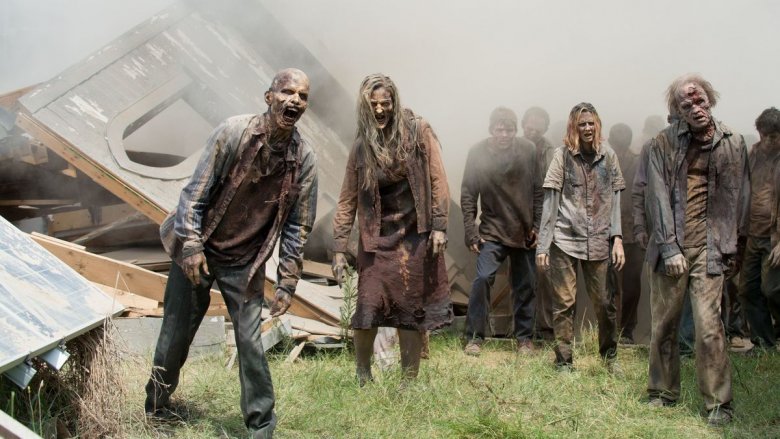
It is all too easy to write off the zombie sub-genre as being dead and buried. After all, zombies have fallen out of favor with the public ever since The Walking Dead TV show was cancelled years ago. Before its cancellation, The Walking Dead and zombies in general were at their zenith in the 2010s. There were zombie TV shows, films, comics, novels, etc. all over the place. But inevitably the popularity of zombies declined as too much product was put out and the quality and uniqueness of the zombies faded. Casual critics were ready to write off the zombie sub-genre and move on to their next target, but somehow, the zombies refused to die.

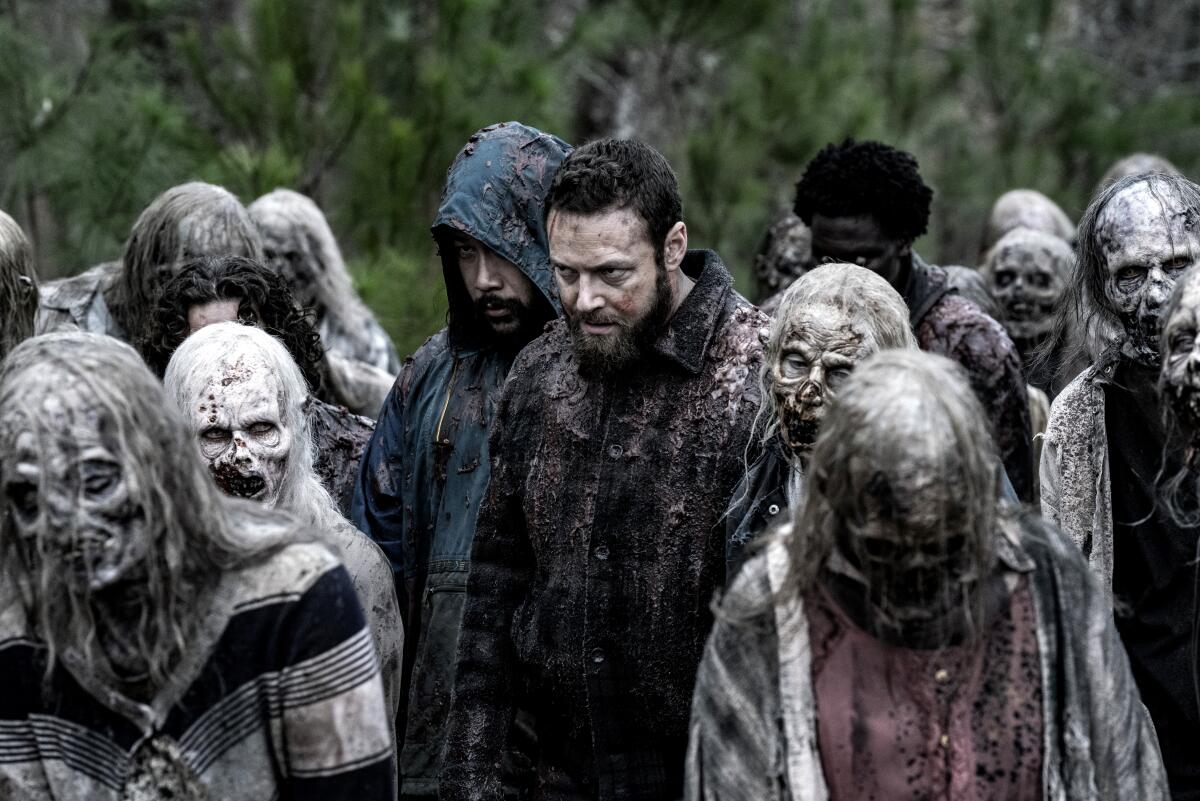
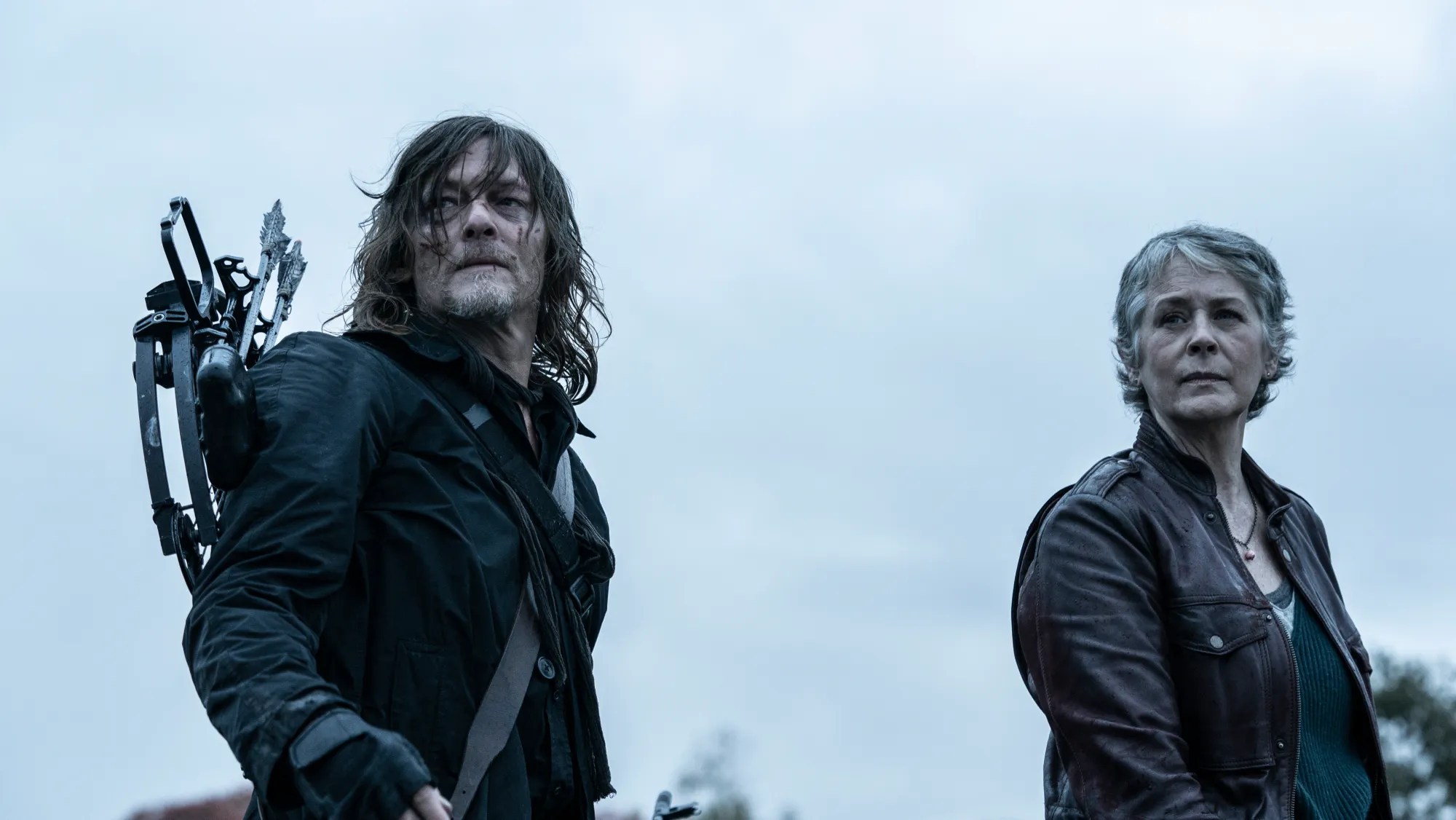
Yes, The Walking Dead TV show and the comic book series that inspired it are both long gone, but there are many TV spinoffs of The Walking Dead like The Walking Dead: Daryl Dixon and The Walking Dead: The Ones Who Live that are still around and slowly gathering buzz about their quality. These shows wisely chose to focus on popular characters like Daryl Dixon and Rick Grimes and even the villainous Negan, which partly explains why the shows have done well. Of course, these TV shows have not reached the numbers and heights of popularity as The Walking Dead did in its heyday, but they have their devoted followers and are doing well enough.

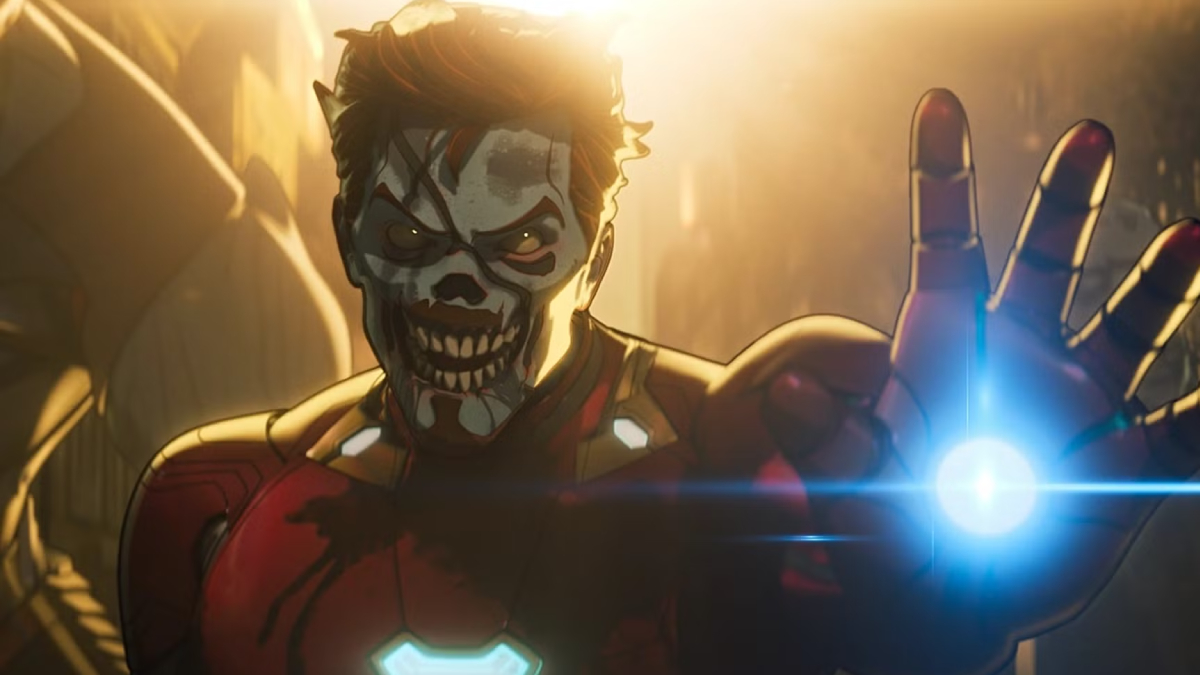
Other zombie-related TV shows, films, comics and more are still coming out strong and many are very popular. Just take a look at the slate of current and upcoming projects that are related to zombies. The most recent examples were The Last of Us (technically not about zombies but the infected humans behave just like zombies) and the animated TV show Marvel Zombies, which was based on the Marvel Comics mini-series (and currently has a new mini-series Marvel Zombies: Red Band out in stores and digital platforms) and was a spinoff from the animated What If…? TV show.

The Marvel Zombies comics are still going strong with its many limited series and the TV show was well received with talks of a new season underway; hopefully that will happen given how the last episode left us with a cliffhanger. Not to be outdone, DC came out with its own comic books starring undead versions of its DC heroes and villains, DCeased. No word yet if DC Studios will make an animated version of DCeased but they should consider it. Also even though the comic book series ended years ago, The Walking Dead are still in comic form with the color reprints The Walking Dead: Deluxe.

Meanwhile, there are many high-profile zombie films and TV shows on the horizon, such as 28 Years Later: The Bone Temple (a direct sequel to this years’ 28 Years Later), We Bury the Dead, Twilight of the Dead, which will conclude the George Romero zombie film saga, Return of the Living Dead, and an American remake of the classic Korean zombie film, Train to Busan. How well received they will be is anyone’s guess, but they demonstrate how popular the zombie genre is.

So, why does the zombie sub-genre refuse to die? There are many reasons. For one, many zombie properties go hand-in-hand with our fascination with post-apocalyptic/survival stories, which fit in well with zombies. These zombie stories also engage us as we face our fear of death and decay and more recently with infection. We like to watch and read these zombie yarns and wonder how we would behave in a zombie apocalypse. Most of us would probably be zombie food minutes into the apocalypse, but its still fun imagining ourselves turning into stoic and heroic warriors like Daryl Dixon, who in his life before the zombie apocalypse was a nobody.

The sub-genre also helps engage with unexpected human dramas that test our notion of family and friendship. Examples of this include the films Maggie, Cargo and Warm Bodies. While the latter film was an offbeat romance with a zombie twist, the first two films dealt with the main characters facing the inevitable. Maggie featured a father coping with the fact that his teenage daughter would soon turn into a zombie and his agony about having to kill her. Cargo was an agonizing film about a doomed father who was desperately trying to find someone to care for his infant before he turned into a zombie.

It can be said that on the surface the zombie sub-genre appears to be limited in story, but can be quite versatile. As long as the zombie story whether on film, video game or on print, is presented well, the quality will stand out and keep us engaged. That is why the zombies refuse to die.