Star Trek Twilight

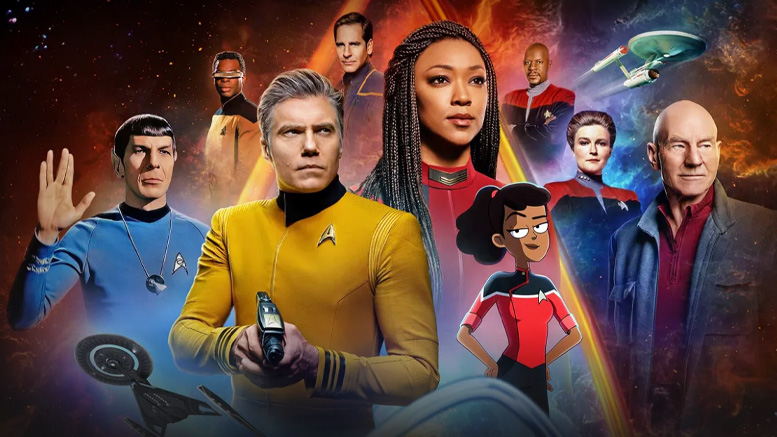
As the Star Trek franchise approaches its 60th anniversary in just a few months, and one takes a look at what is going on with it, it is clear that Star Trek is at one of its lowest points, it’s in a twilight phase, which we last saw in 2005.

Filming concluded for the two current Star Trek shows, Star Trek: Strange New Worlds (SNW) and Star Trek: Starfleet Academy, and as of now there are no Star Trek TV shows in production or active development. Supposedly, the franchise’s owner, Paramount Skydance, is reassessing the property and might shift focus to new Star Trek films, and though a reboot was announced a few months ago, we haven’t heard any news. Thus, the latest film project will probably be shelved and the reason for this pessimism is because Star Trek films have not been able to be greenlit since the last decade.

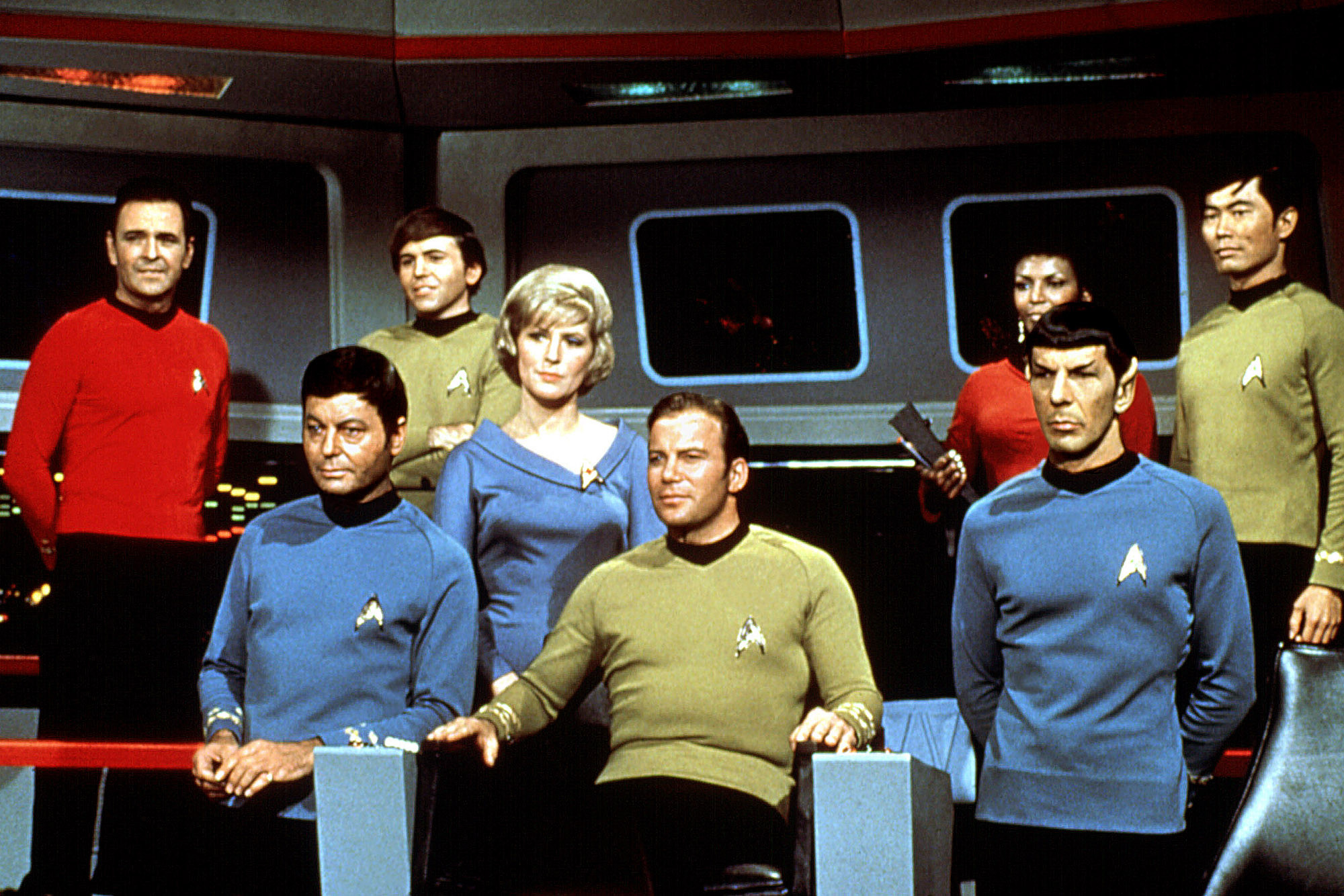
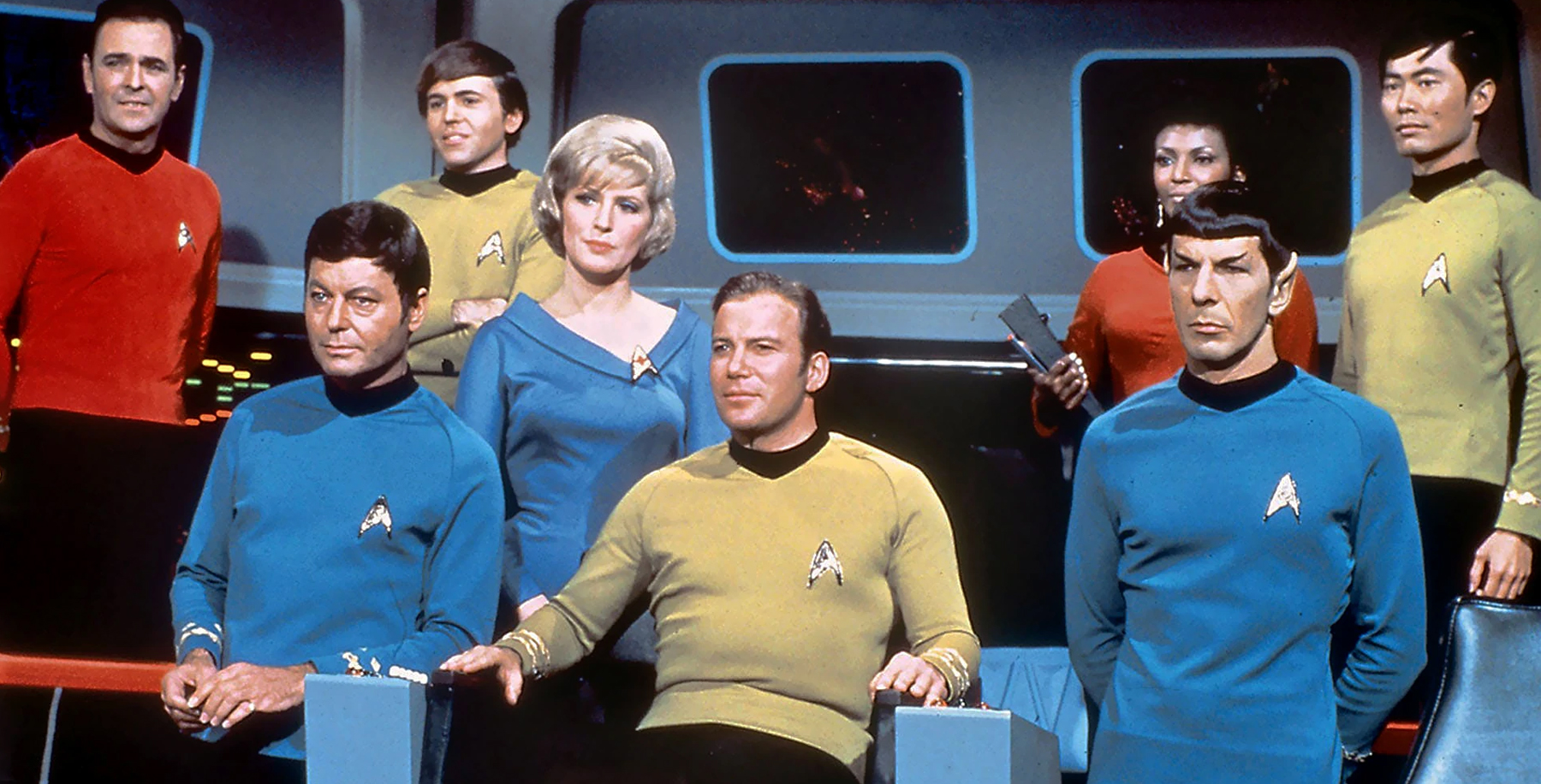
Star Trek has had its ups and downs throughout its existence, and there have been definite dark periods, such as during most of the 1970s when the original TV show was cancelled in 1969 and what kept the franchise relevant in the following decade were an animated TV show and a dedicated fan base that refused to let Star Trek slip into oblivion.

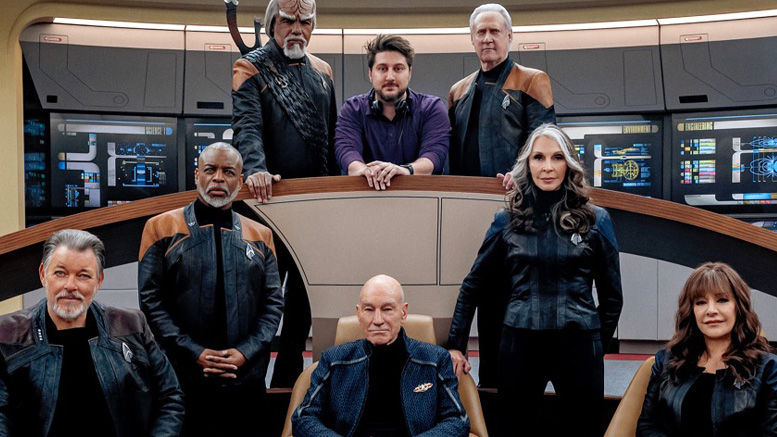
The film era jumpstarted the franchise in 1979 and reunited the original cast of the original Star Trek and delighted fans as many of the films are still considered to be among the best Trek offerings. However, during the peak of Star Trek’s renewed popularity, a new TV show was created that featured an all-new cast of characters. There was a mix of optimism and dread when Star Trek: The Next Generation (TNG) debuted because it did not feature the original cast and many of the early episodes were quite dull and/or bad. But TNG found its footing and heralded the greatest period for Star Trek in the 1990s. Two additional TV shows, Star Trek: Deep Space Nine (DS9) and Star Trek: Voyager, were launched and are beloved to this day with many fans arguing that DS9 was the best Star Trek TV show ever. Also during this decade the TNG cast graduated into their own film series.

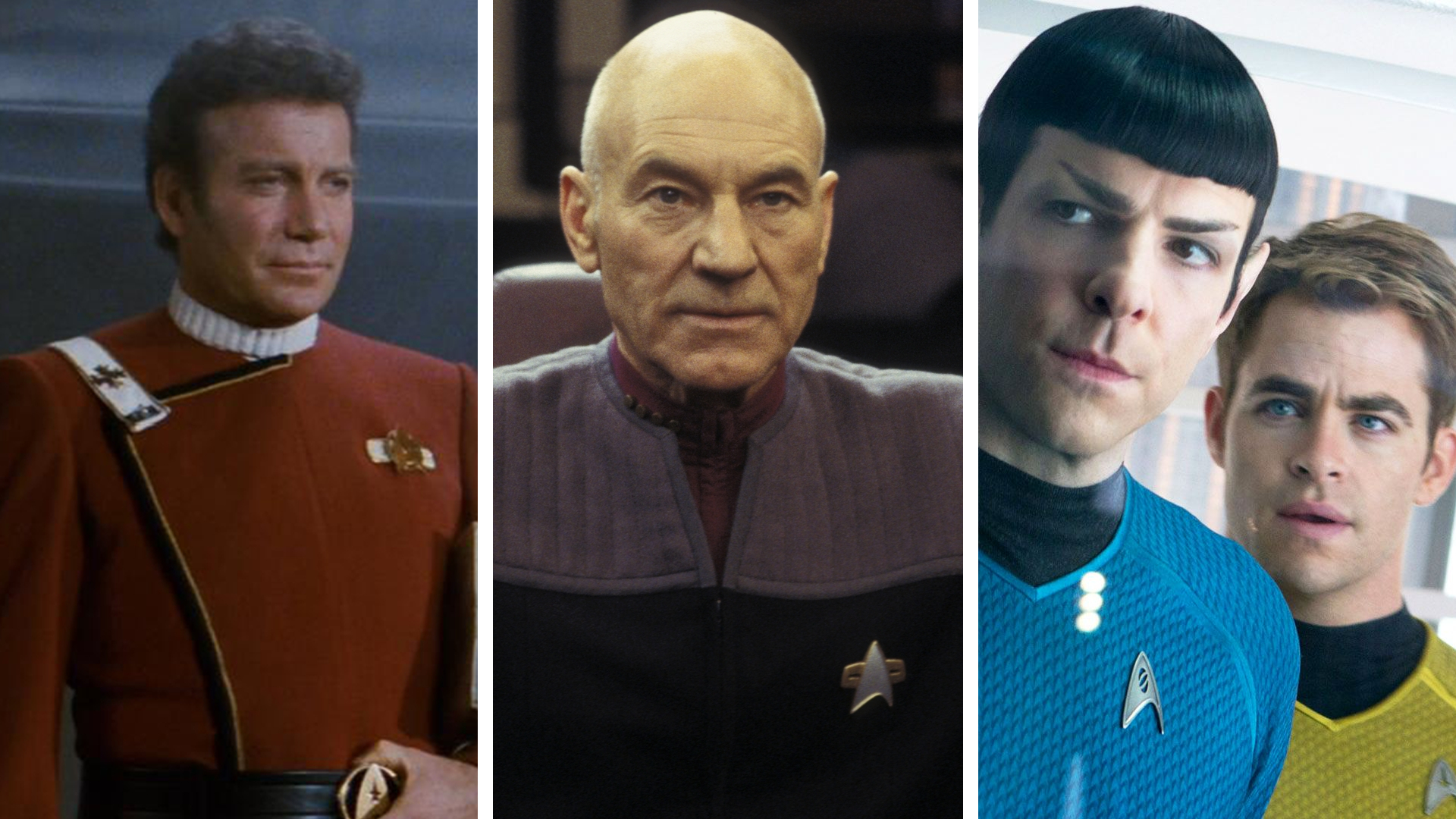
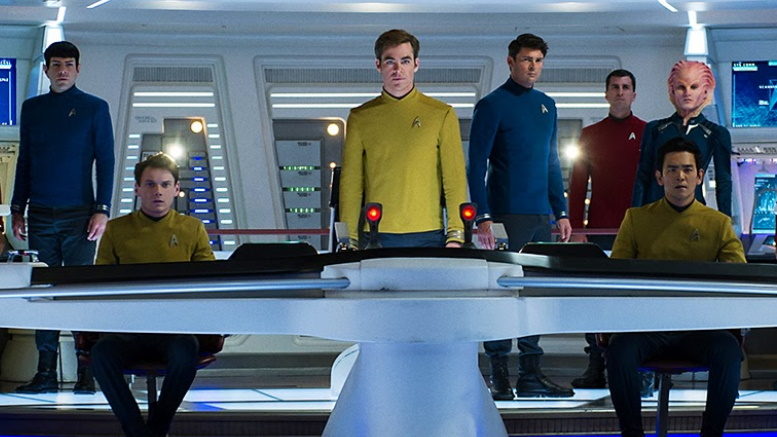
Unfortunately, the well began to run dry in the 2000s as those shows ended and the TV series Star Trek: Enterprise showed a decline in quality and interest began to die off. After Star Trek: Enterprise was cancelled in 2005 and the last TNG film, Star Trek: Nemesis, flopped at the box office, the TV franchise went into a dormant period that lasted a decade. Paramount veered back into the films with a reboot that recast the original characters in 2009. This reboot was at first very successful, but it had its detractors who pointed out how dumbed down the new films were because they focused more on action than story. By the time, the third and final reboot film, Star Trek Beyond, premiered the film series came to an abrupt halt as the film failed at the box office.

Amid mergers and other business dealings, Star Trek was ignored at least as a TV series until 2016. During this time period, fandom produced unofficial short films about Star Trek. Unlike in the past, many of these shorts were very well made and even featured the actors from the TV shows with many shorts that served as sequels to past episodes and one of these unofficial series, Star Trek Continues, actually concluded the original five-year mission of the original Star Trek and led into the original film era. It was a golden age for Trek fandom as the fans took the show for themselves and did what the corporate owners were unwilling to do. The best known of these and arguably the most professional-looking short film was Prelude to Axanar, which was told in the format of a documentary feature in the Star Trek universe that chronicled a war with the Klingon Empire. As the short film achieved acclaim, plans were set into motion to create a feature-length amateur film, Axanar, which would have been about this war. Then Paramount got involved.

Of course, good things like this couldn’t last and naturally the corporate owners feared they were being upstaged by fans and even more importantly did not like the fact that the people behind Axanar were actually trying to make a profit from their endeavor. Enter the studio lawyers. On November 2015, the makers of Axanar and many other amateur Trek film makers were slapped with cease-and-desist demands from Paramount’s lawyers, which marred the celebration of Star Trek’s 50th anniversary. Not even the announcement of a new TV show could erase the ill will Paramount created with their lawsuits. Paramount’s position was that they did not want anyone else trying to profit from their franchise or taking attention away from their upcoming TV show. Eventually the film studios and the amateur filmmakers settled and the result was quite severe for fans. They were given very strict guidelines that made it impossible to produce quality films. For example, they could not hire actors who appeared in official Trek TV shows or films, the films’ lengths were limited to about 15 minutes and not be longer than two parts, the word Star Trek could not appear on the film titles and the filmmakers had to use official merchandise and could not profit in any manner from their efforts.

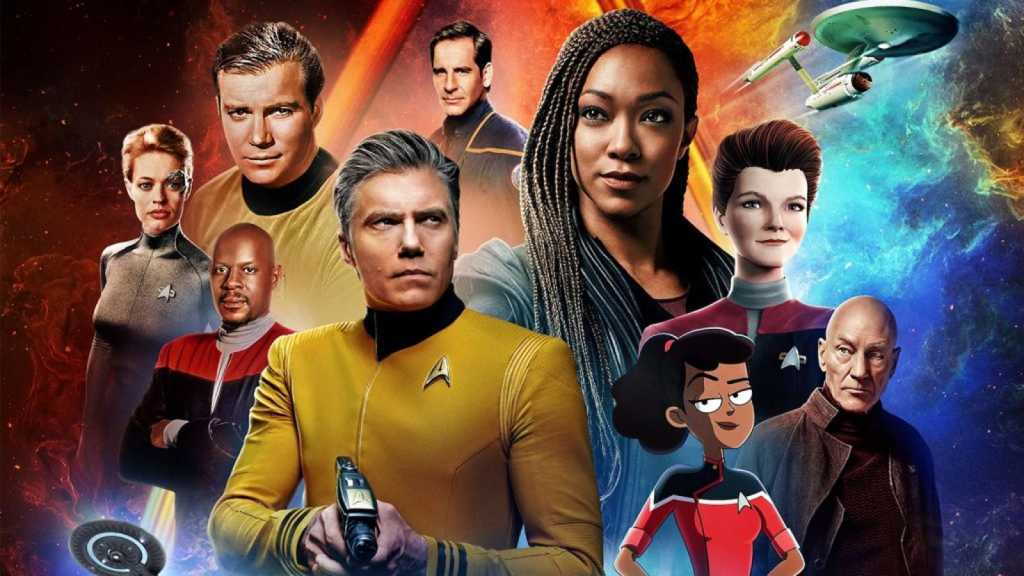
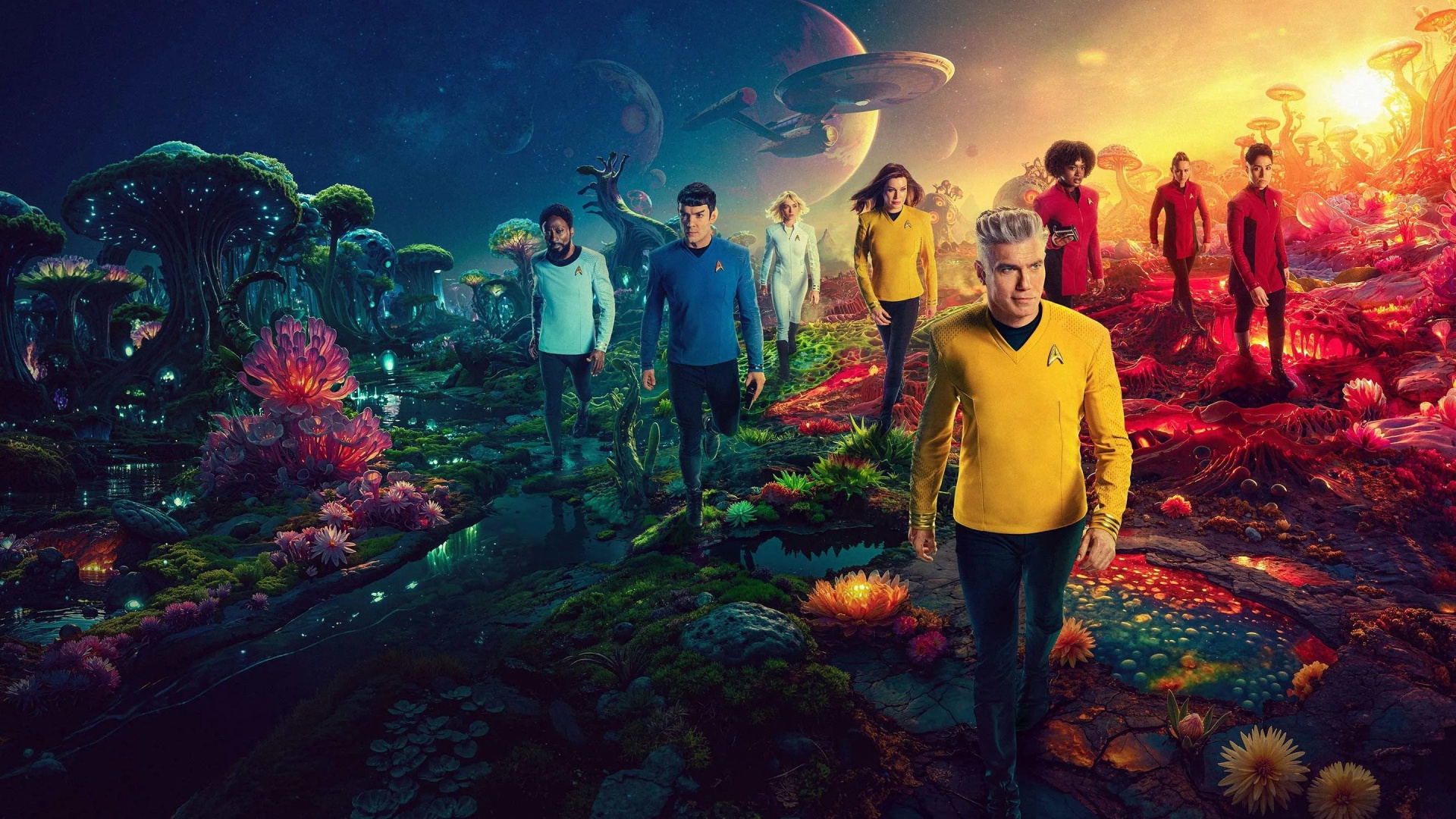
After a good amount of fandom were slighted, Star Trek: Discovery premiered on the streaming app CBS All Access (later renamed Paramount +), and it sharply divided fans. Sure, the production design was gorgeous and rivaled anything seen on film, but the stories and characters were lacking. But more importantly, Star Trek: Discovery did not feel like Star Trek with its cynical characters, the non-stop swearing and focus on dark storylines. Still, it was successful enough to encourage the creation of more Star Trek TV shows, which led to a new age for the TV shows. The quality of the subsequent TV shows varied from great to meh with some series like Star Trek: Picard, Star Trek: Prodigy, Star Trek: Lower Decks, and SNW having both great and mediocre episodes. Eventually, the TV shows came to an end with the last ones being SNW and Starfleet Academy, which have both being cancelled, and nothing certain to follow up.

There are talks about a proposed Star Trek: Year One, which would be about the adventures of a young James T. Kirk during the early days of the Enterprise’s five-year mission, but most fans have their hearts set on a potential show called Star Trek: Legacy. This would be a sequel to Star Trek: Picard, which was very well received in its final season thanks to showrunner Terry Matalas, who understood what made Star Trek work. But for whatever reason, Paramount refuses to consider this even though the reception from fans to Star Trek: Year One has been very lukewarm. The fans have been very vocal that they do not want another series focused on the early days of Starfleet and Captain Kirk, or a series set in the unpopular distant future of Starfleet Academy and Discovery. Instead they want a series set immediately after the TNG/DS9/Voyager era.

Many fans point the blame for the franchise’s current twilight to showrunner Alex Kurtzman. He helped shaped Star Trek: Discovery and is the current executive in charge of Star Trek TV shows. Many of them feel that he does not understand what made Star Trek so beloved in the first place and want a new showrunner for the franchise.

That could come very soon since Kurtzman’s contract will expire in August 2026 and there are rumors that his contract may not be renewed. There are many reasons why Paramount Skydance would not want to renew the contract and it is not necessarily because Kurtzman made Star Trek “woke”. Right-wing critics of current Trek should note that the franchise has usually been progressive ever since the original show. Star Trek famously featured an integrated multiracial crew with people of color in command positions, it’s just that this is the kind of thing that is taken for granted today, but back in the 1960s this was revolutionary. No, the reason for not renewing Kurtzman’s contract and moving away from future TV shows could be blamed on the cost. The current TV shows have topnotch special effects which means they are expensive to produce. The cost would be justified if the ratings for the shows were high, but they are not, Star Trek: Starfleet Academy did not do well ratings well and it was too expensive to continue making it. Perhaps the film studio believes that another mastermind could come in and bring fresh ideas and more importantly be more economical. So who could they hire? Here are some possibilities:


Terry Matalas:The showrunner of the third and best season of Star Trek: Picard is a fan of the franchise and knows how to create great stories and characters. He’s had experience executive producing other sci-fi shows like 12 Monkeys and is currently producing VisionQuest. So depending on how VisionQuest is received (and gets renewed), he may be too busy to tackle Star Trek: Legacy or any other Trek show, but he still must be strongly considered.


Manny Coto: Another executive producer who nearly pulled off a miracle and produced the best season of Star Trek: Enterprise. Sadly the show was cancelled just as Coto helped breath new life into it and he had interesting ideas for future seasons. It’s been a long time since he was involved with Star Trek but his efforts with Star Trek: Enterprise earns him a shot a bringing in a bold new approach to the franchise that respects its core essence.


Jonathan Frakes: The former TNG actor has had a prolific career as a director and executive producer. He directed many acclaimed Trek shows during the 90s and current era and certainly has a handle on crafting compelling stories and characters. His deep Trek background and behind-the-scenes experience should make Frakes a strong contender to take over the Star Trek franchise.


Ronald D. Moore: The legendary showrunner of the popular Battlestar Galactica reboot and the current series, For All Mankind and Outlander, got his start with the TNG era of Star Trek. As executive producer for TNG, Moore wrote some of that show’s best episodes which were grounded yet adhered to Trek’s unique nature. Moore is a fan favorite and his taking over of the franchise would bring back many who have given up on it.

Seth MacFarlane: The prolific writer, producer and actor for all intents and purposes created his own version of Star Trek with The Orville. This show is clearly patterned after Star Trek, but it does not just ape the show but demonstrated that a modern Star Trek show could successfully tell stories that evoke the best aspects of the older Star Trek shows with modern production values and solid scripts and characters.


Mike McMahan: He had great success with the animated Trek comedy Star Trek: Lower Decks, a show which wound up being a love letter to all things Trek. The only drawback is that his show was comedic and the studio heads may hesitate to promote someone with this background to more serious TV shows.


Mike Sussman: This former writer from Star Trek: Enterprise helped conceive a new political Trek drama starring Scott Bakula that would serve as a sequel to Star Trek: Enterprise and focus on its lead character’s time serving as president of the United Federation of Planets. If the show is successful, it could help move Star Trek away from its current concept of starship crews exploring space.

While Star Trek seems to be in its twilight, fans should not despair. The franchise has reached the end of a period and will have to undergo a process of rest to create demand. This period should be used to reflect on how to reinvent the franchise with bold new approaches, stories and characters that will bring back the fans. Fans should keep in mind that Star Trek has had its dormant periods but always bounced back reinvigorated. It’s just a matter of knowing when this will happen. Fingers crossed that we won’t have to wait too long.

José Soto

Top Ten Films & TV Shows of 2025

2025 delivered many exceptional genre films and television shows that surprised us with their quality and pushed boundaries. Many of them will be remembered for quite some time and others set the standards for existing franchises. Here are the ten best films and TV shows of 2025.

Films

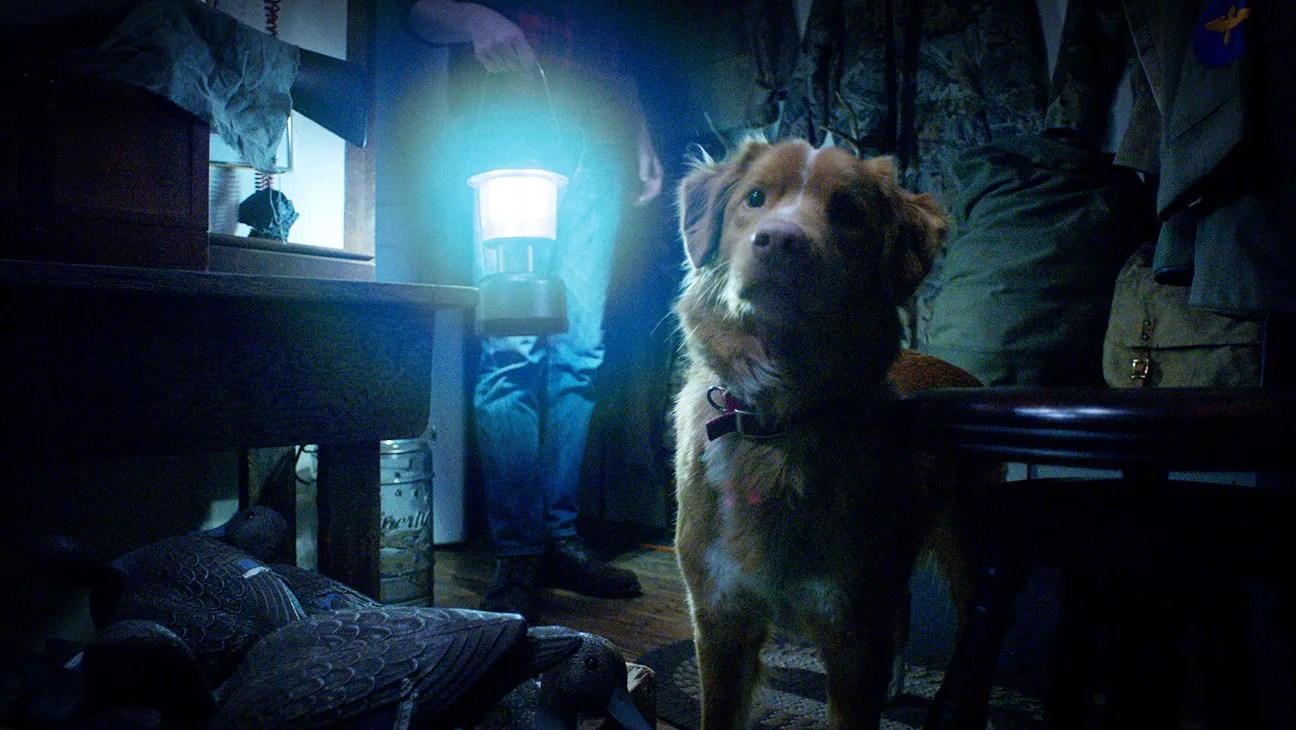
10. Good Boy

Indy the dog stole the show in this inventive supernatural horror film told from the point of view of a good dog trying to protect his owner from a supernatural threat. What added to the suspense was the vulnerability of the dog and the fact that only he could sense the danger threatening his owner.

9. The Life of Chuck

2025 was a banner year for good to great Stephen King adaptations, and The Life of Chuck was the best of them as this heartfelt fantasy film explored themes dealing with loss, sadness, endings, and the wondrous joy of simple everyday things and relationships.

8. Jurassic World: Rebirth

Despite many criticisms made about the latest Jurassic World entry, it was unexpectedly thrilling and engaging. Sure, some of the plotlines were rethreads, but they were presented well and the film delivered some great dinosaur action.  

7. How to Train Your Dragon

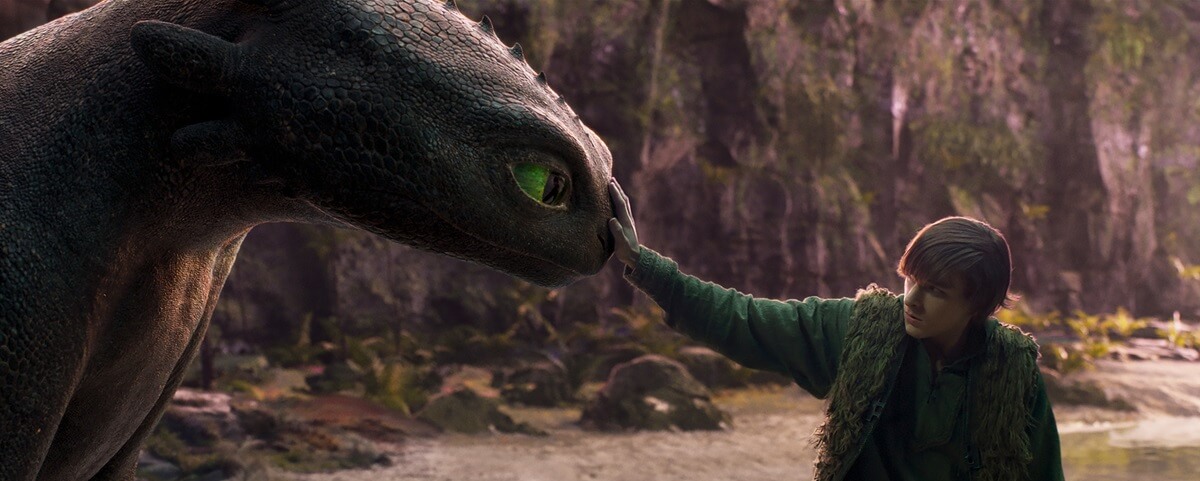
This live-action remake of the classic DreamWorks animated film about a Viking teen and his pet dragon proved that it is possible to produce a topnotch live-action film based animated classics. This is something Disney sorely needs to study going forward with their endless remakes.

6. The Fantastic Four: First Steps

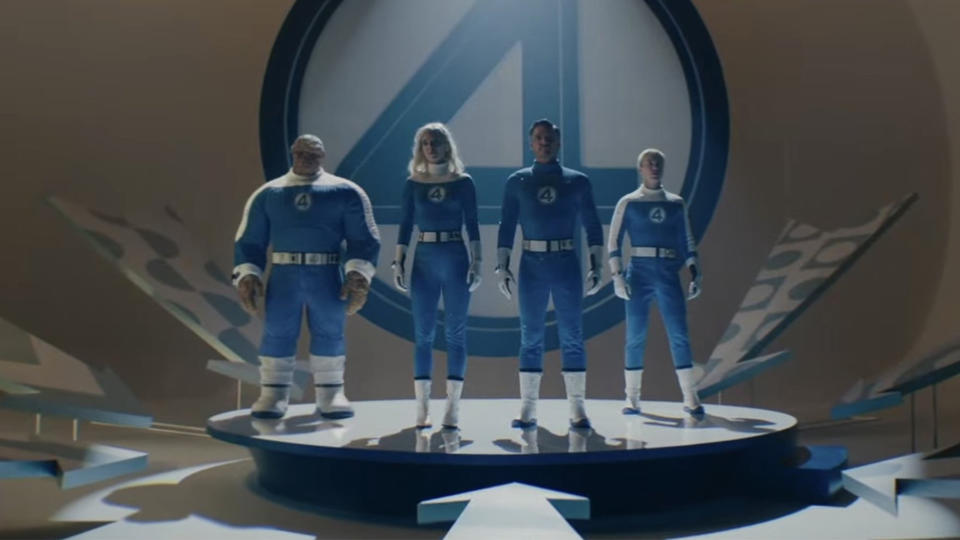
Finally, a quality film about Marvel Comics’ first family has been done. Great performances, production and special effects are the highlights of this charming film about family and facing cosmic horror. The film gets extra points just for not depicting Galactus as a giant space cloud!

5. Sinners

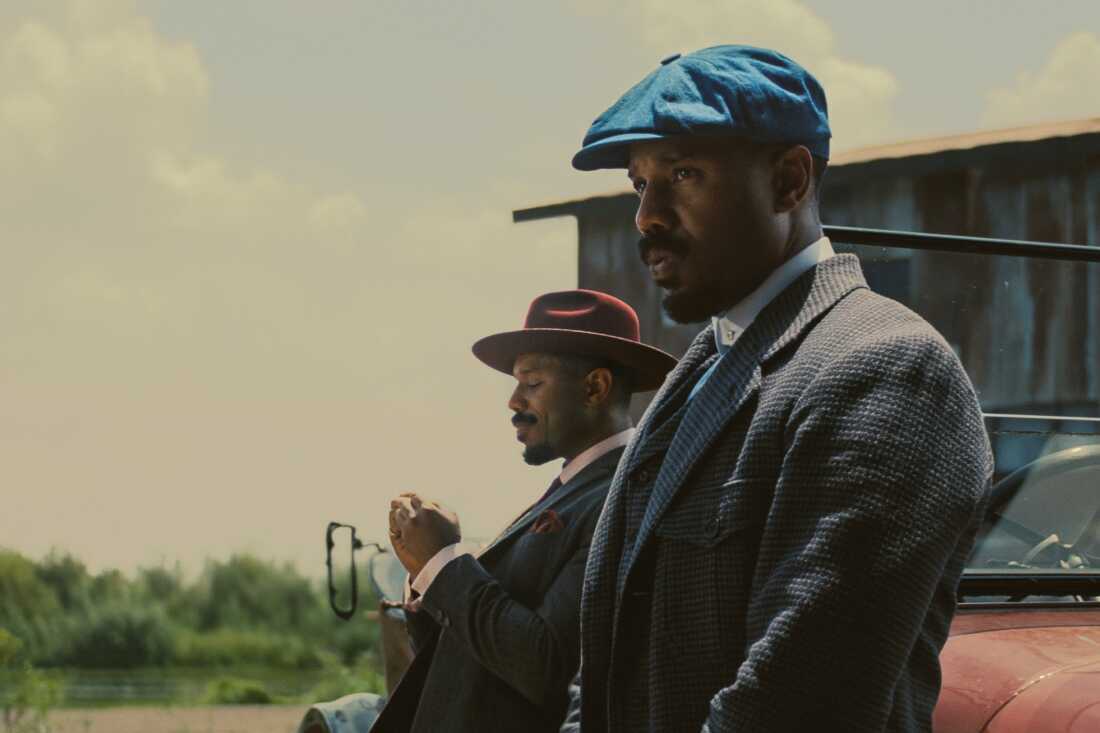
Michael B. Jordan is at the top of his acting game playing dual roles in Ryan Coogler’s haunting vampire film. What could have been a simple vampire tale was instead of tour de force from Coogler that explored America’s cultural and racial divide with exceptional visual storytelling.

4. Predator: Badlands

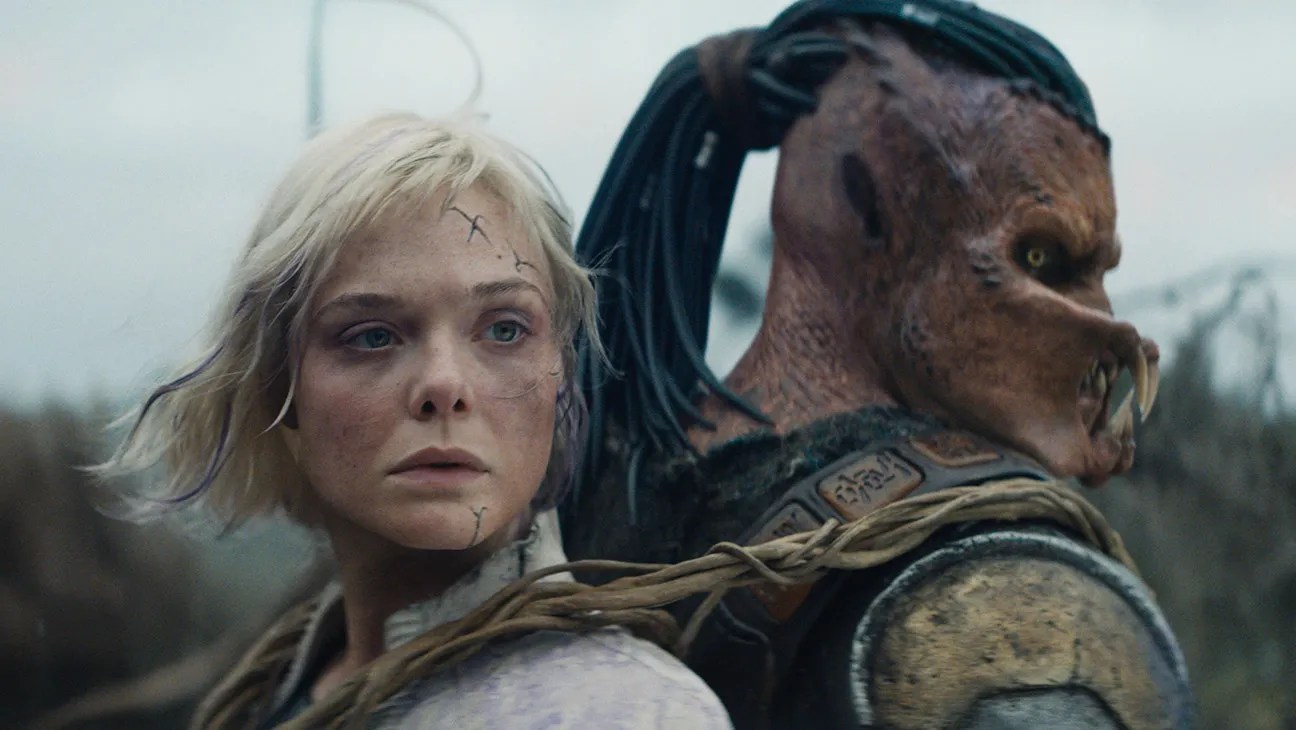
Just like last year’s Alien: Romulus reinvigorated that franchise, so too does Predator: Badlands with its own franchise about alien hunters. This time, the eponymous alien hunter is shown in a heroic light in this imaginative sci-fi action/adventure romp that fleshes out the species of the Predator as it skillfully blends with the Alien franchise.

3. Frankenstein

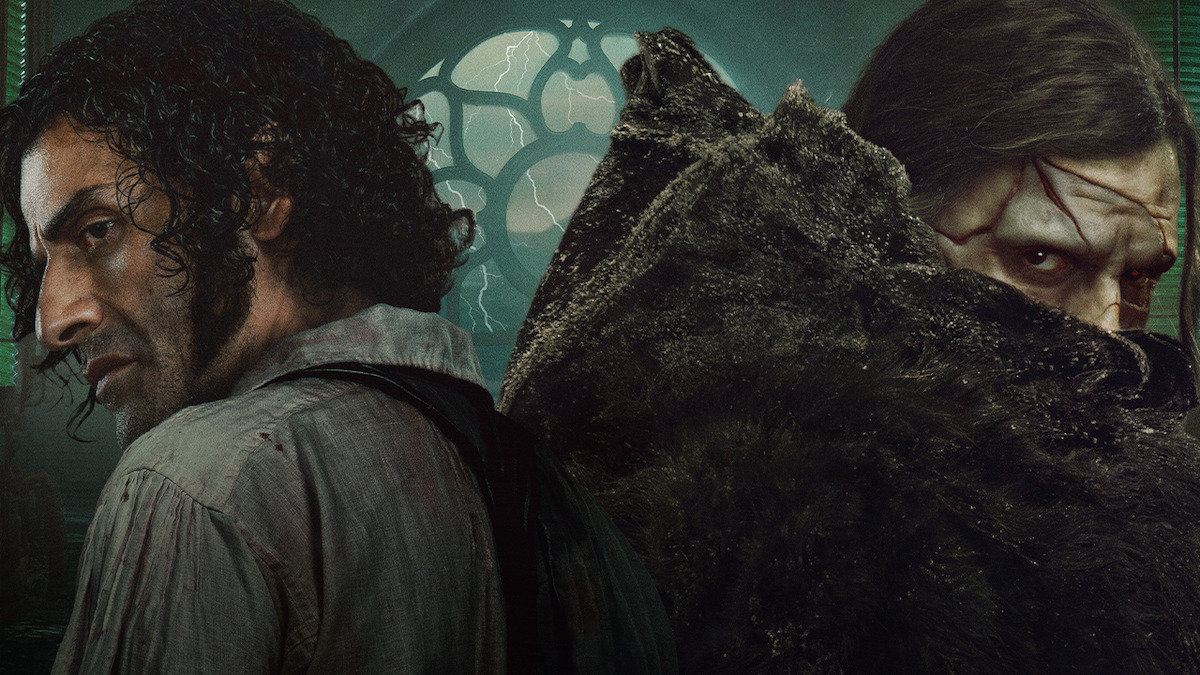
Guillermo Del Toro wowed audiences once again with his vivid imaginative storytelling skills. The latest adaptation of Mary Shelly’s literary masterpiece follows the essence of the book while veering off into unique directions that explore the father and son dynamic between the title character and his monstrous yet sympathetic creation.

2. Superman

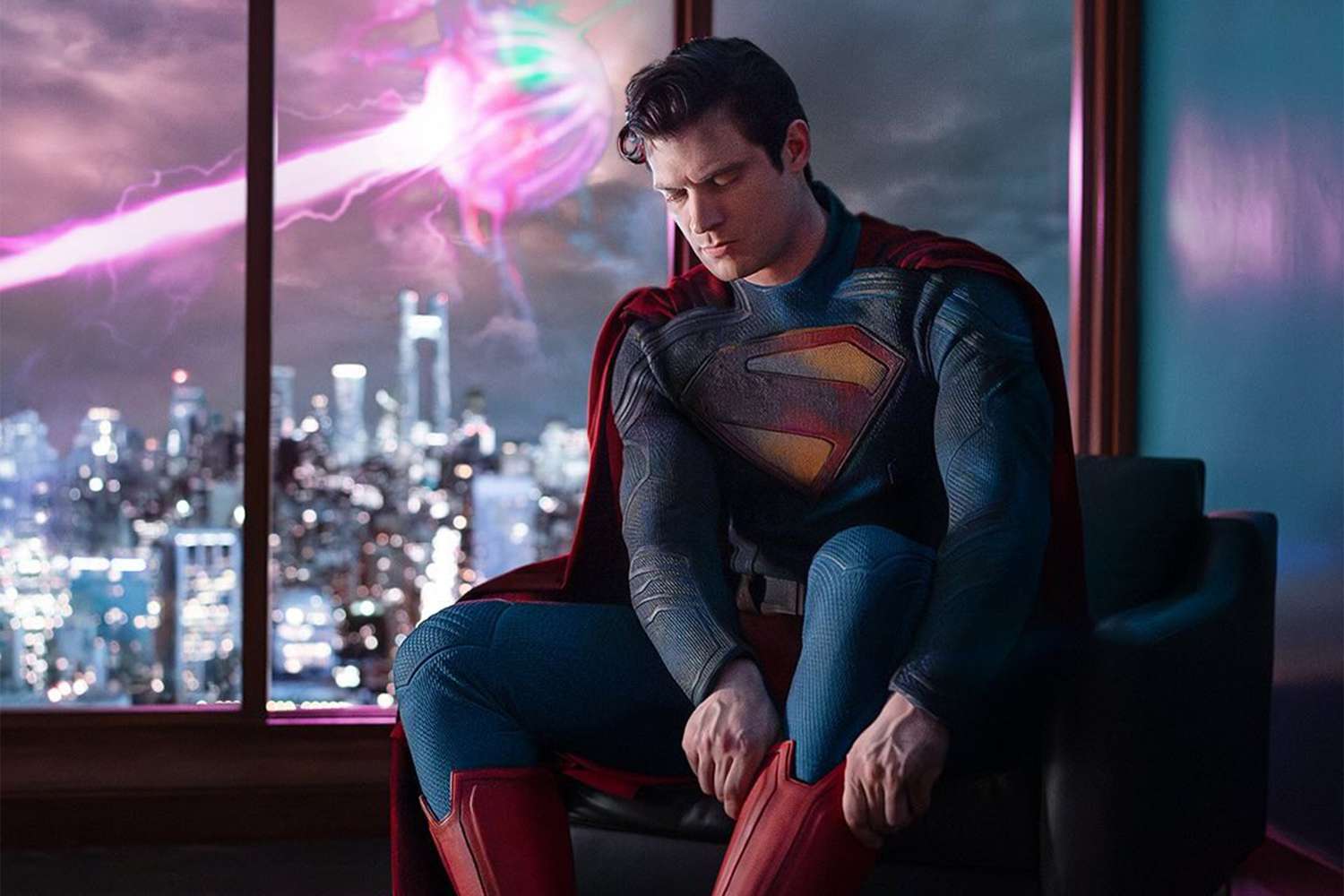
Director and head of DC Studios James Gunn successfully launched the new DC Universe (DCU) with a fresh and interpretation of the Man of Steel. Superman and his colorful superhero world is rightfully depicted in a bright, hopeful light that cleverly raises questions about our current events and society. Superman is a very promising start to the DCU and we can’t wait for the latest entry.

1. TIE: Avatar: Fire and Ash/Thunderbolts*

This is a first for this blog, the two best films of 2025 were that great but so close in quality for different reasons that it was too hard to choose one above the other. So the two best films of 2025 are a tie.

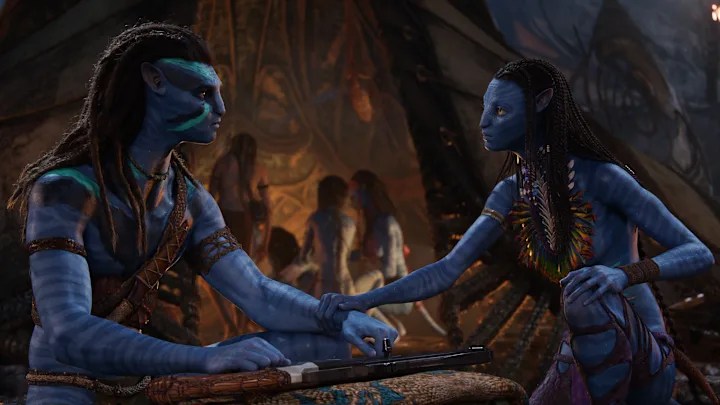
Once again James Cameron proves why he is one of our greatest filmmakers with Avatar: Fire and Ash. The visuals and worldbuilding in this sci-fi epic are jaw dropping and must be seen in large screens. Some of the set pieces are too familiar but Avatar: Fire and Ash does develop many characters and kept us engaged with the plight of the moon Pandora as it faced evil human colonists.

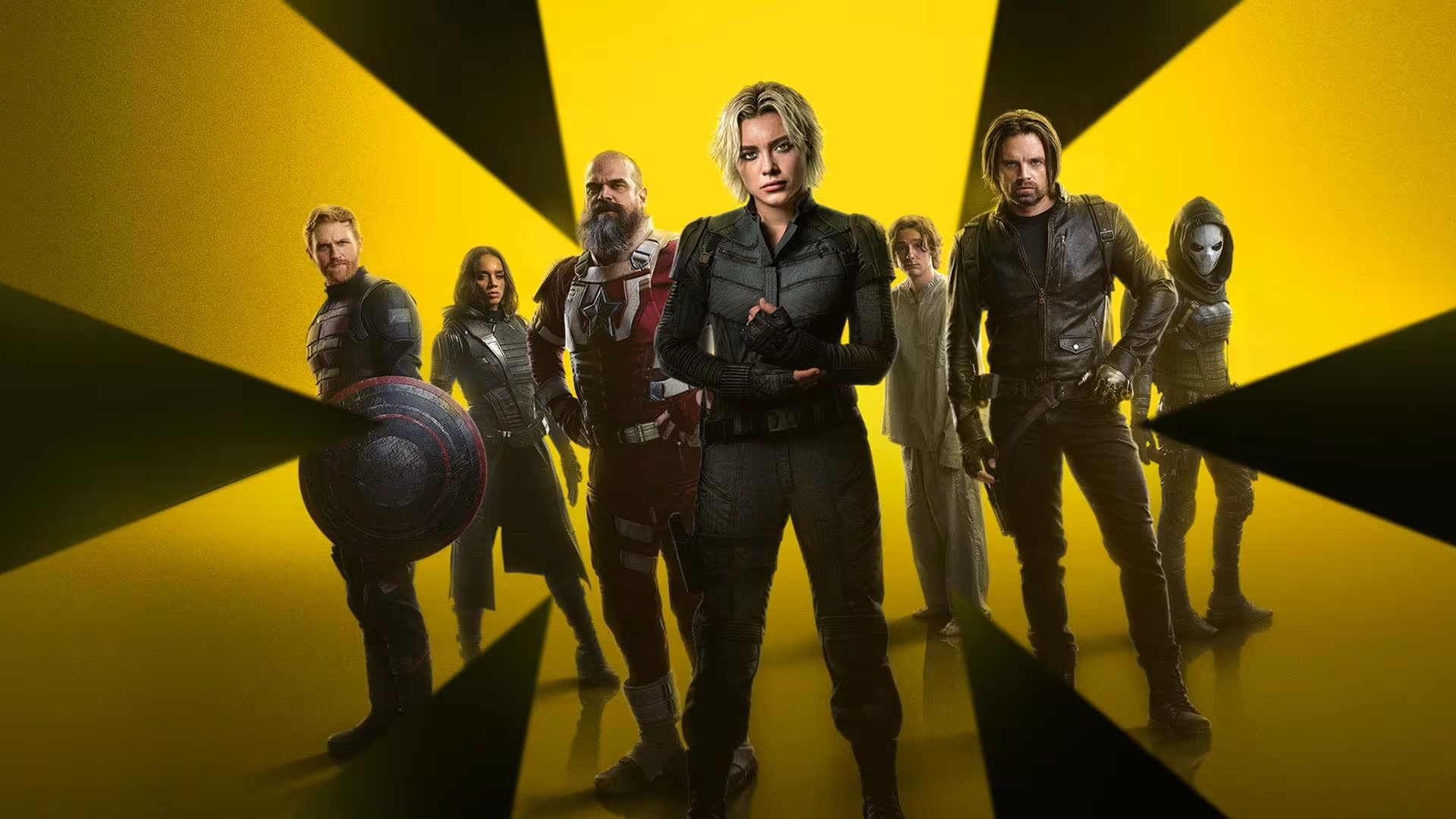
Thunderbolts* aka The New Avengers was unexpectedly the best superhero film of 2025 thanks to heartfelt performances and chemistry among its cast and an emotional story of misfit mercenaries who become unlikely superheroes. Unlike the typical superhero romp, Thunderbolts* focused on characters and explored adult themes of mental and emotional health, loneliness, addiction and depression. We’ll be rooting for these underdogs when they return in Avengers: Doomsday.

Honorable Mentions:

28 Years Later, Bring Her Back, Bugonia, Captain America: Brave New World, Companion, The Electric State, The Gorge, The Great Flood, It Ends, The Long Walk, Predator: Killer of Killers, Primitive War, Weapons, Zootopia 2

Television

10. Paradise

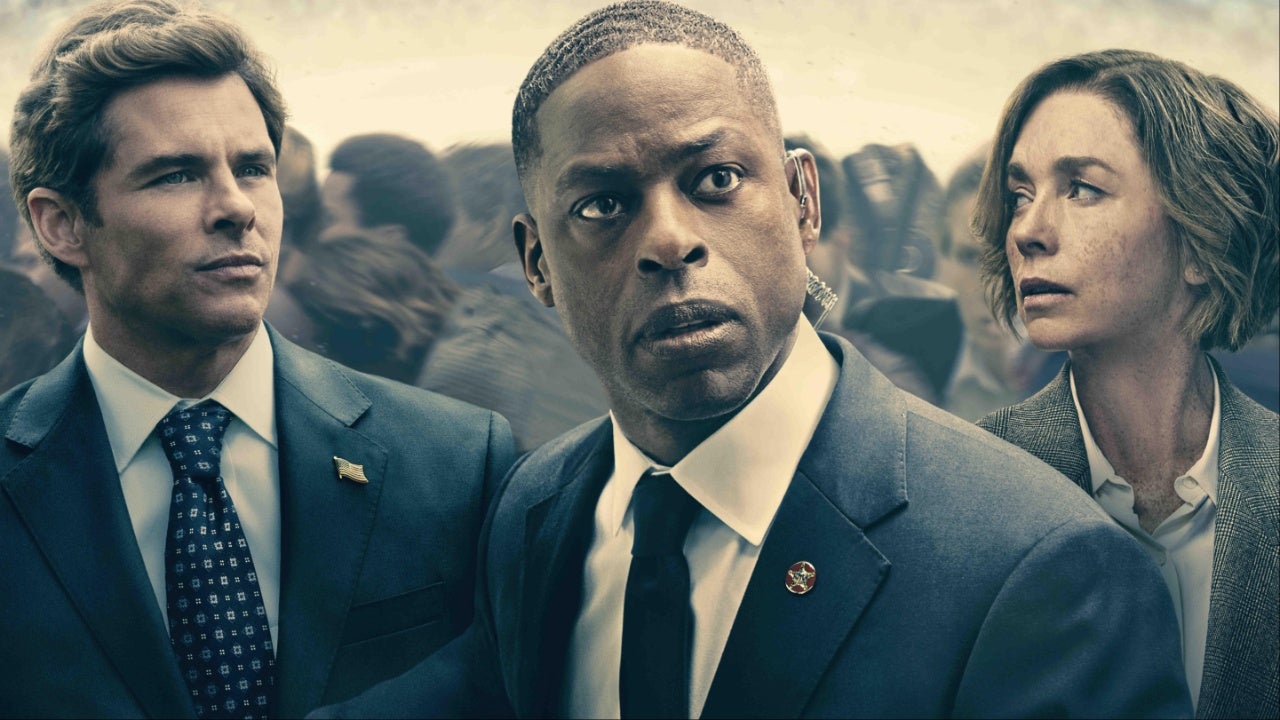
This murder mystery that took place in a post-apocalyptic underground town shelter was elevated by great performances by Sterling K. Brown and James Marsden and an engrossing storyline that kept viewers guessing about what happened to the world and who murdered the U.S. president.

9. Star Trek: Strange New Worlds

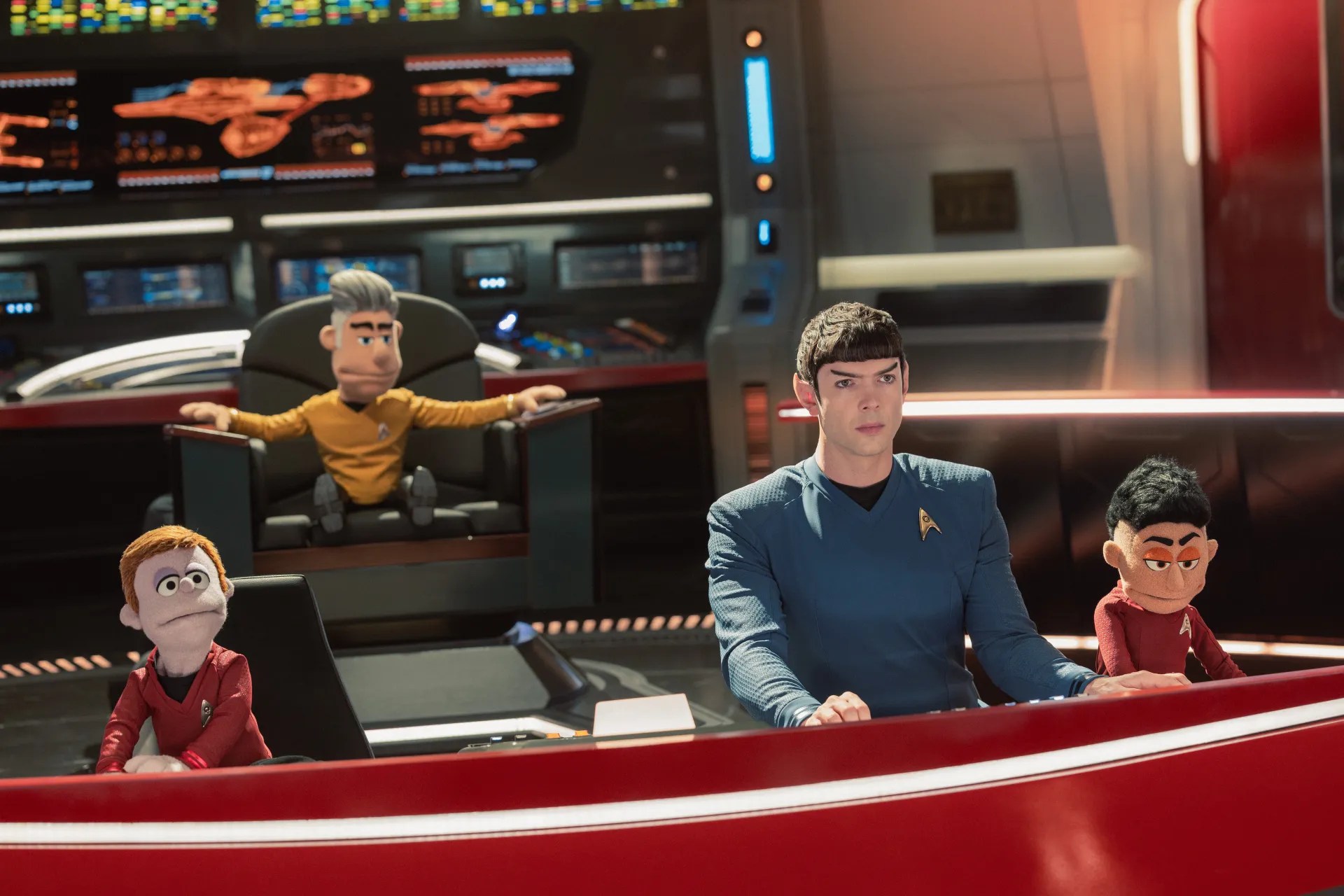
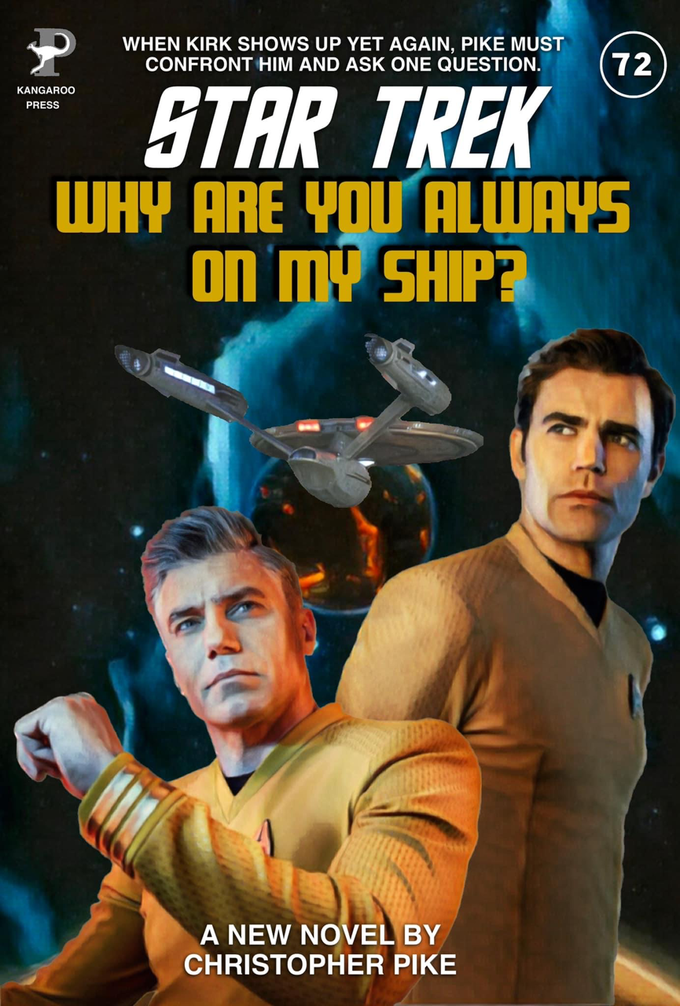
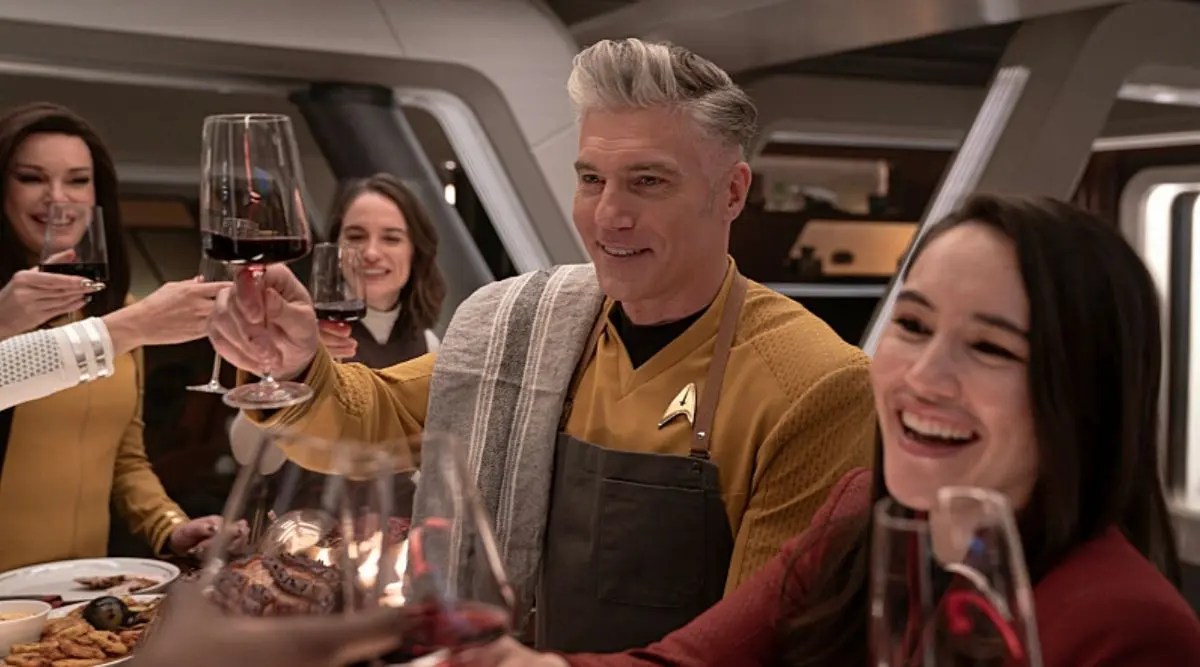
The third season of the only remaining Star Trek show (for now) had its problems such as its uneven tone and showcasing too much of James T. Kirk (the show is supposed to be about Captain Pike). Still, some of the episodes were true standouts that proved there were still great Star Trek episodes to be presented.

8. Marvel Zombies

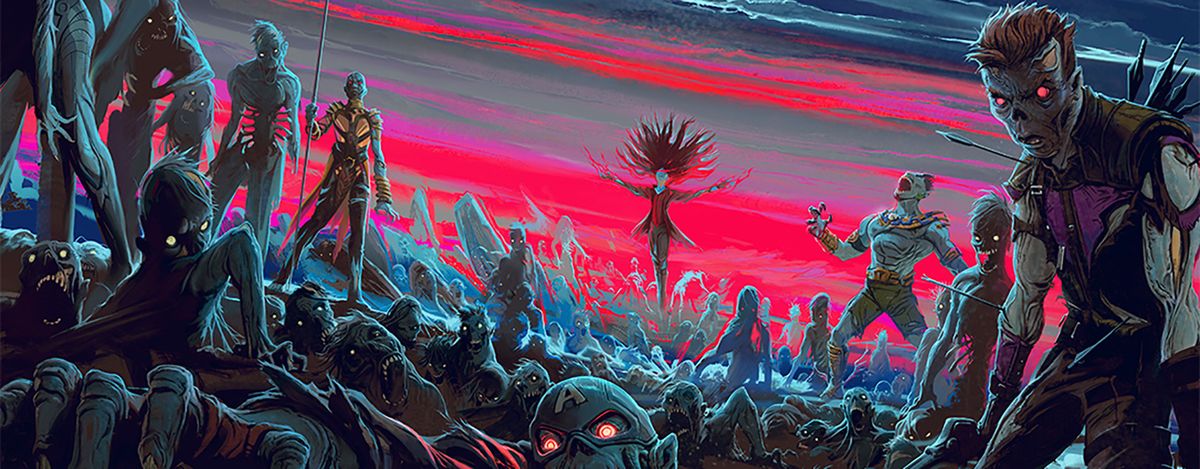
Put together classic characters from the MCU and zombie horror and what do you get? A terrifically gory and fast-moving series with some outrageous zombie action that demands a second season! Hopefully there will be more than four episodes.

7. Peacemaker

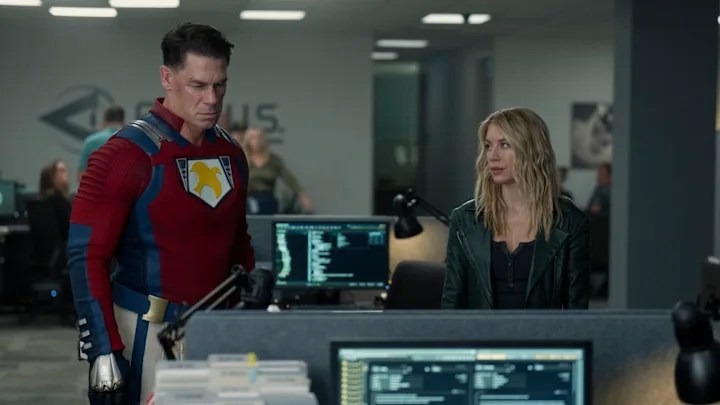
While the season finale dropped the ball as it turned out to be a drawn-out coda with concert footage, the second season of Peacemaker was for the most part a captivating look exploration of the title character’s wounded psyche as he second guessed his place in the DCU.

6. Stranger Things 5

The final season of Netflix’s breakout sci-fi/horror show was a bit all over the place with multiple characters and such, but it was still a solid sendoff to our favorite young residents of Hawkins as they had their final confrontations with the extra-dimensional horrors of the Upside Down realm.

5. Daredevil: Born Again

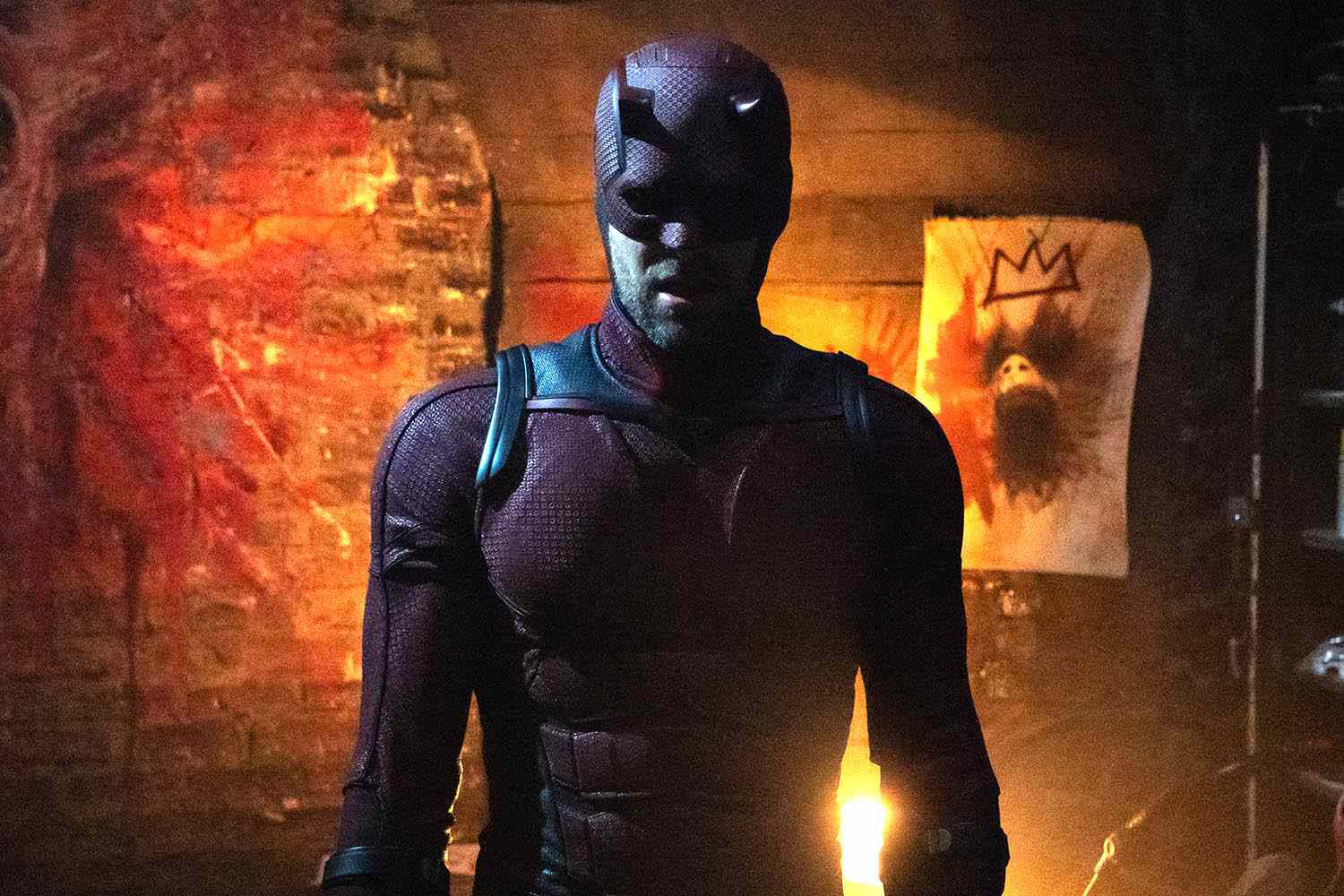
Marvel’s premier superhero TV show had a solid comeback in this sequel to the original Netflix show. Even though Daredevil and his crime-ridden world are now firmly part of the MCU, the TV show was just as gritty and grounded as the original. Stars Charlie Cox and Vincent D’Onofrio turn in some of the best performances of their careers as they reprised their roles as Daredevil and Wilson Fisk, respectively.

4. Severance

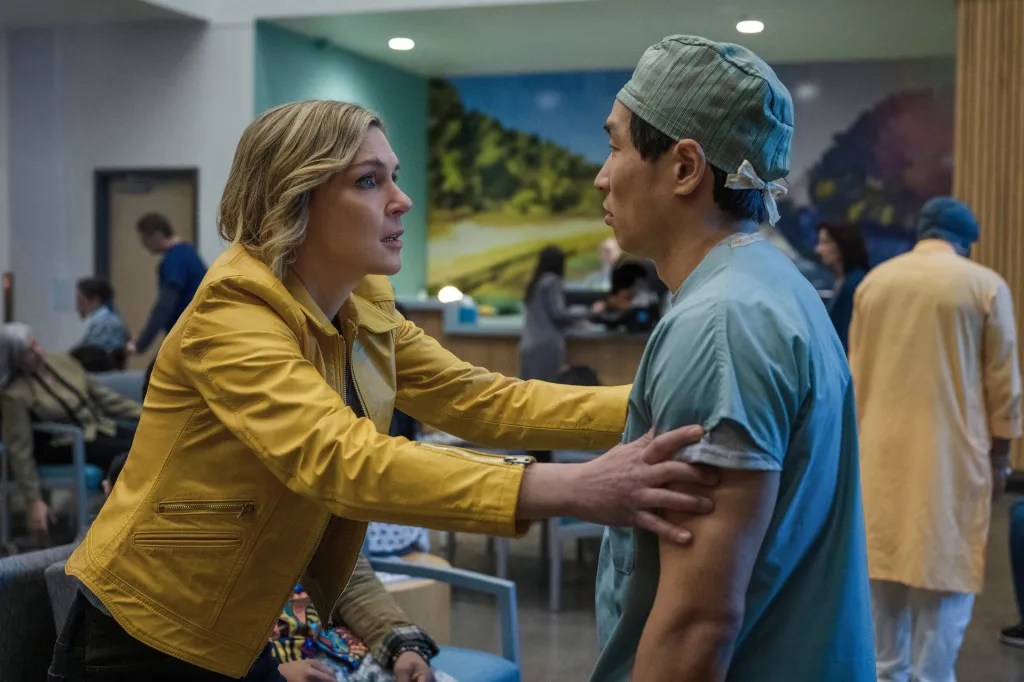
The sophomore season of this dark psychological workplace thriller threw audiences for a loop with many unexpected plot twists and character developments. It was very easy to relate to the plight of the office worker drones forced to have their out-of-work identities and memories erased and their efforts to fight the cold company they work for.

3. Pluribus

Vince Gilligan (famous for his TV shows Breaking Bad and Better Call Saul) returned to his sci-fi roots with this quietly disturbing slow-burn TV show about a disgruntled novelist (Rhea Seehorn in one of the year’s best performances) forced to fight isolation, her inner demons, and to save humanity after an extra-terrestrial signal transforms nearly everyone into a global hive mind.

2. It: Welcome to Derry

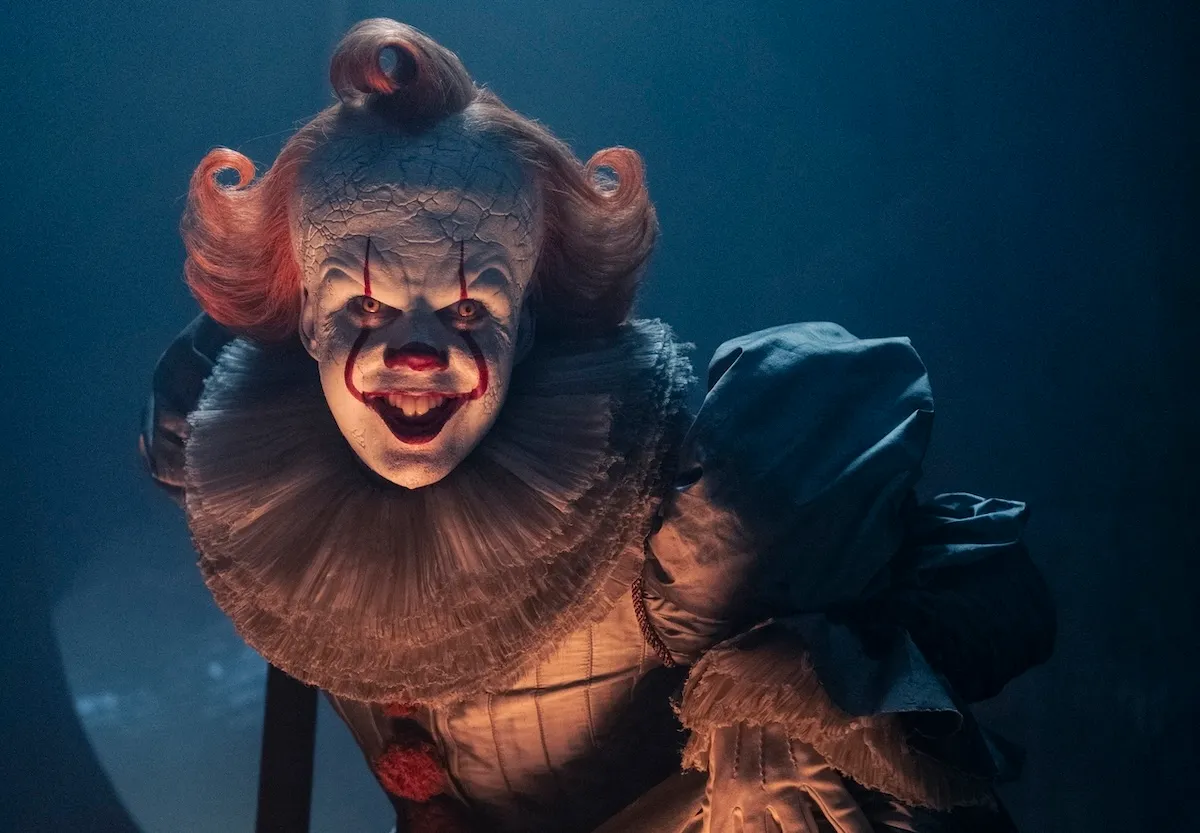
Part sequel, part prequel to the It films from a few years ago, It: Welcome to Derry was one of the best surprises when it came to TV shows. Each episode was horrifying with macabre set pieces and featured rich character development that fleshed out Stephen King’s fictional town. In addition to the characters, the TV show also had many unexpected twists and fleshed out the expansive King multiverse in an organic manner that made us want to further explore it, no pun intended.

1. Andor

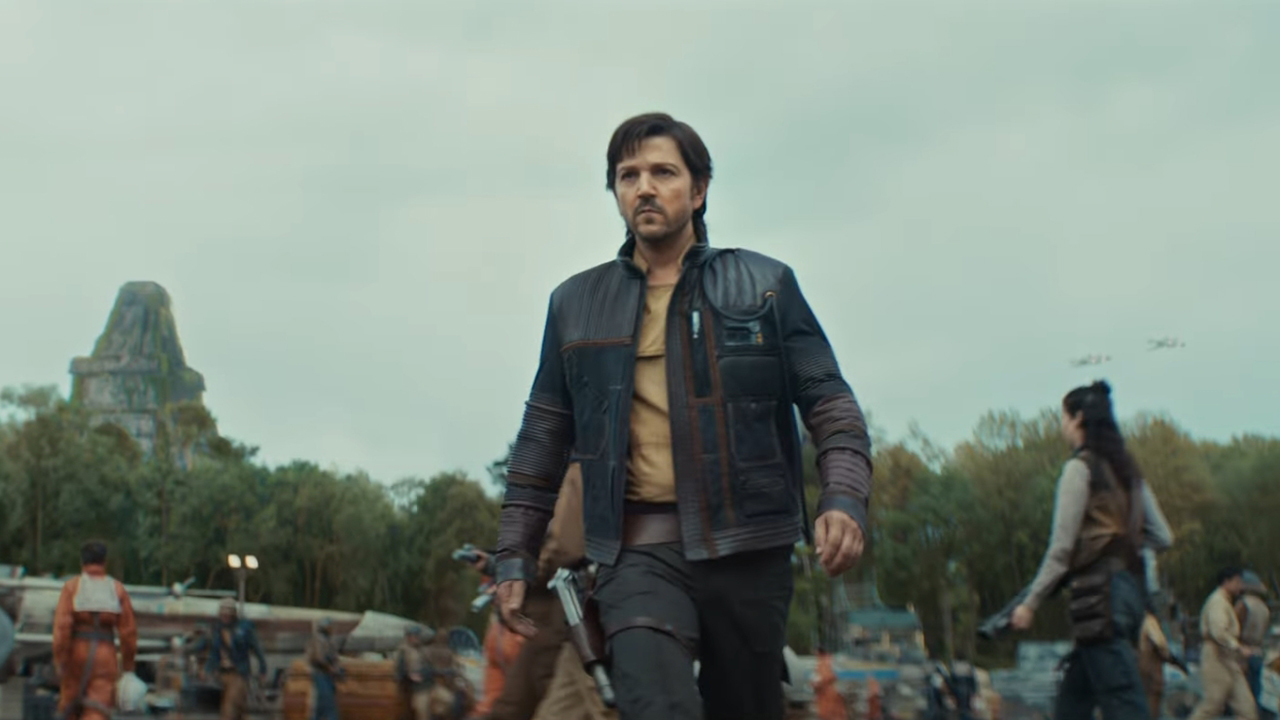
No other TV show came close to matching the artistry of Andor, which is easily the best Star Wars television show of all time and one of the best TV shows of any genre. The second and final season was a tense spy thriller set in the Star Wars universe with many brutal and heart wrenching political storylines that echoed our own civil strife as it chronicled the death of democracy and the bitter origins of the resistance to stand against tyranny. Andor also engaged audiences with thought-out character development which showcased their ambivalent nature in their fight for and against the Galactic Empire.

Honorable Mentions:

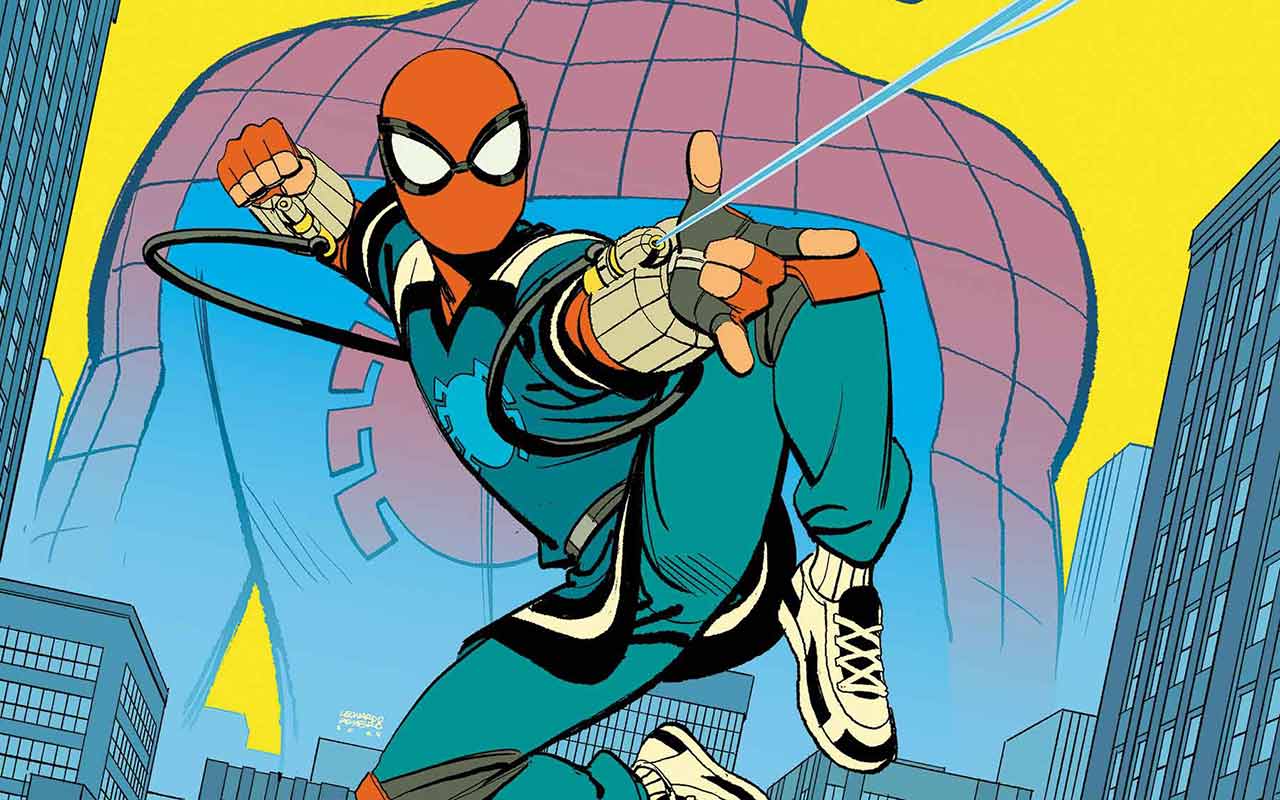
Alien: Earth, Black Mirror, Doctor Who, The Eternaut, Eyes of Wakanda, Fallout, Foundation, Gen V, The Handmaid’s Tale, The Institute, Invincible, Ironheart, The Last of Us, Murderbot, Wednesday, Your Friendly Neighborhood Spider-Man


Star Trek As It Approaches Its 60th Anniversary

As Star Trek celebrate Star Trek Day and commemorate the 59th anniversary of the famous sci-fi TV show, it is important to reflect on the state of the Star Trek franchise and where it is going as it soon approaches its 60th anniversary.

Star Trek has had its highs and lows throughout the decades in terms of popularity, cultural relevance and quality with its glory years arguably being during the 1990s. After the franchise took a forced hiatus in the mid 2000s, a comeback was attempted with the reboot film Star Trek (2009). The film did well and was popular but a significant number of fans did not appreciate director J.J. Abrams attempt to turn the franchise about space explorers, noted for its thought-provoking plots, into a more simplistic shoot-em-up space adventure that emphasized action and explosions over nifty plots and character developments.

The reboot film franchise came to an end nine years ago with Star Trek Beyond, which did not perform well in theaters, though its tone was more of a throwback to the original TV shows and films. Since then, there have been many failed attempts to produce a fourth film featuring the cast of the reboot films, but none have succeeded and that franchise is now essentially dead. Or is it?

Meanwhile, Star Trek returned to its TV roots in 2017 with the debut of Star Trek: Discovery, a prequel series to the original show that streamed on the app CBS All Access (later renamed Paramount+). Now, while the TV show ran a respectable five seasons and spawned another prequel spinoff, Star Trek: Strange New Worlds, as well as additional Star Trek TV shows, Star Trek: Discovery wound up being divisive among fans. Many complained about the storylines and the characters, with more conservative fans being outright hostile to the show’s featuring of non-heterosexual characters. It did not matter. In this day and age of toxic fandom where cynical content creators are more interested in clicks and views, any iteration of Star Trek would have received scorn.

Right now, Star Trek is at a bit of a crossroads. Its parent company, Paramount Pictures, is undergoing a merger and the fate of the franchise is unknown with many rumors flying around as to its final fate. But there are many reports that the bigwigs at Paramount are bullish on Star Trek and want to continue with the franchise. The question remains is how will it continue? As of now, the only currently streaming Star Trek TV show (Star Trek: Strange New Worlds) will come to a conclusion after its fifth season (the fourth season is currently filming while the third season will complete streaming new episodes this week). After that, a new TV show Star Trek: Starfleet Academy will stream in early 2026, while a sitcom set in the world of Star Trek is in development. Who knows if that comedy will ever see the light of day or even generate any laughs if it comes to fruition.

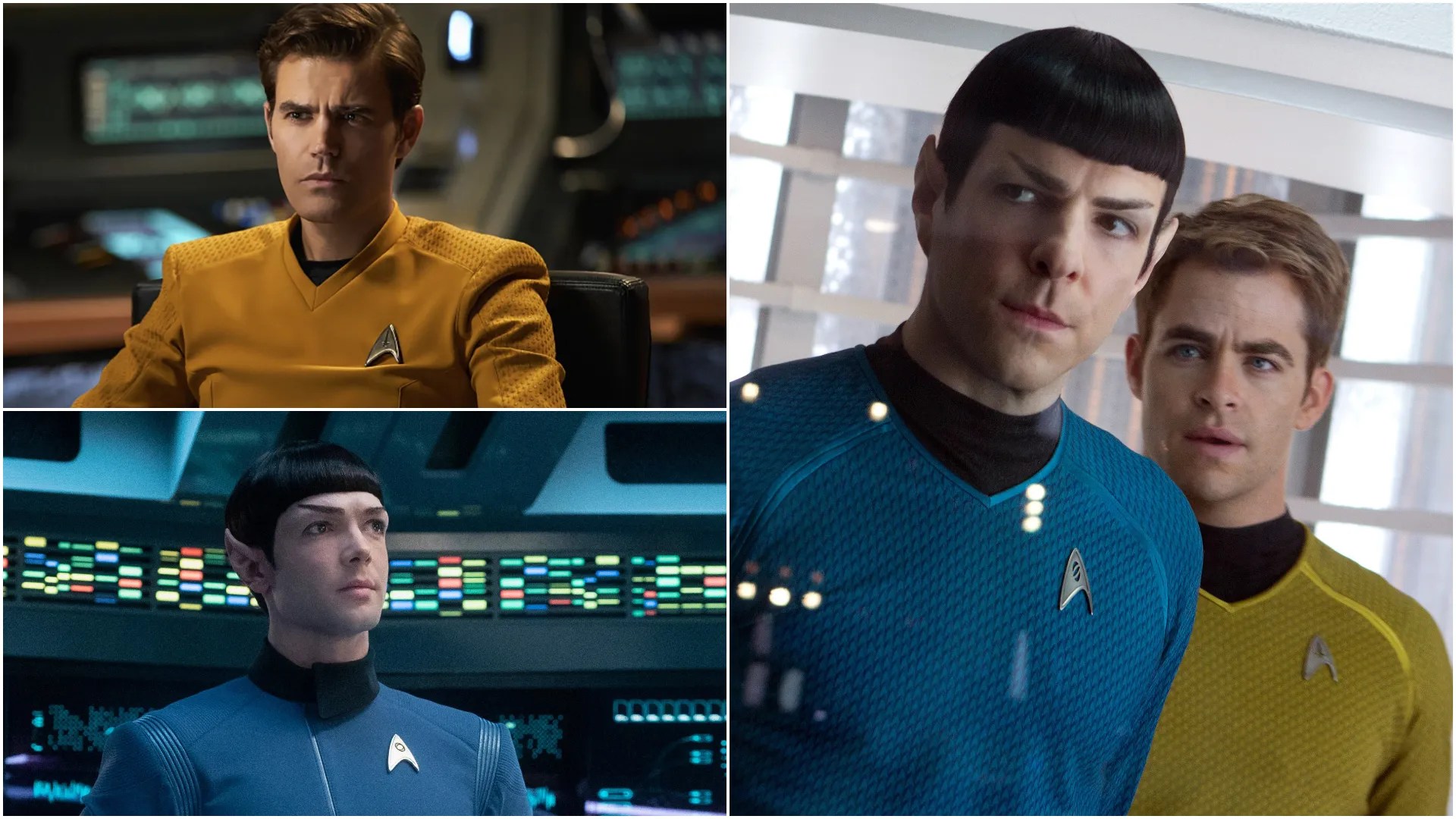
There are other pitches for Star Trek TV shows, including a prequel series based on a young James T. Kirk, which will be a sequel to Star Trek: Strange New Worlds and would star Paul Wesley reprising the role of Kirk. The show has been tentatively titled Star Trek: Year One and would be about Kirk’s early days as the starship Enterprise captain. Meanwhile, Scott Bakula, the star of Star Trek: Enterprise is involved in a pitch for a show that would take place years after Bakula’s show and feature his character as the president of the United Federation of Planets. Unlike other Star Trek shows, this one would not be a show about exploring worlds but have a political slant more akin to Star Trek: Deep Space Nine. Then there is the fan-favorite idea of Star Trek: Legacy, which would be a sequel to Star Trek: Picard, specifically its popular third season and be about the adventures of the crew of the Enterprise-G. It has been pitched in the past, but so far, Paramount has not shown interest in pursuing Star Trek: Legacy.

Regarding films, there are still plans to produce a fourth film set in the Abrams reboot universe with directors and writers coming and leaving the project. Then Paramount recently announced another film will be produced that will feature all-new characters and situations. That actually sounds interesting but as of now, we have no definite information.

Given all that, there are not any concrete plans for Star Trek TV shows or films aside from the Academy show, which is a bit concerning given that the 60th anniversary is under a year away. You would think Paramount would have something concrete in production. Some of the ideas noted above are interesting and even if they don’t end up as TV shows they can at least become limited series or TV films, just better executed than the hot garbage Star Trek: Section 31. One thing to consider is that 2026 will be a celebration of the original Star Trek, not its sequels and films, and there are three remaining cast members from the original show. Aside from a standard documentary/retrospective, maybe Paramount can find some way to involve William Shatner, George Takei and Walter Koenig in some kind of new Star Trek production. The only limits are time, money and more importantly, imagination. Here’s to boldy going 59 years strong.

A Look Back At Star Trek: Voyager

It has been 30 years since the first episode of Star Trek: Voyager debuted, yet it is still fondly remembered today, especially when it is compared to many modern Star Trek TV shows. Let’s take a look back at Star Trek: Voyager as its 30th anniversary is celebrated.

Flagship Show

Star Trek: Voyager was the flagship TV show of the fledgling United Paramount Network (UPN) that launched on January 16, 1995, with the airing of “Caretaker” the pilot episode of Star Trek: Voyager. When the TV show premiered it was largely anticipated though many fans had reasonable reservations about yet another Star Trek TV show. After a decades-long drought, fans were inundated with TV shows starting with Star Trek: The Next Generation (TNG), which was followed by Star Trek: Deep Space Nine (DS9), and then Star Trek: Voyager. It was supposed to address complaints Paramount Pictures executives had about DS9 for straying too far from standard Star Trek.

Showrunner Rick Berman, who also ran TNG and DS9, was reportedly hesitant to produce another Star Trek TV show that would run concurrently with DS9. However, the Paramount Pictures executives were adamant about creating another Star Trek TV show that more closely followed the standard starship-visiting-planets formula to help launch UPN. Given this task, Berman and his associates sought to differentiate Star Trek: Voyager from other Star Trek TVshows.

A Lost Crew in Space

The premise was fairly simple, a starship called Voyager from the United Federation of Planets and Earth is flung to the far corner of the galaxy (the Delta Quadrant) with a crew made up of Starfleet officers and renegade Maquis freedom fighters (more on them later). With limited resources and on their own, the Voyager crew has to find a way back home while exploring on the side and encountering strange new worlds, yada yada.  

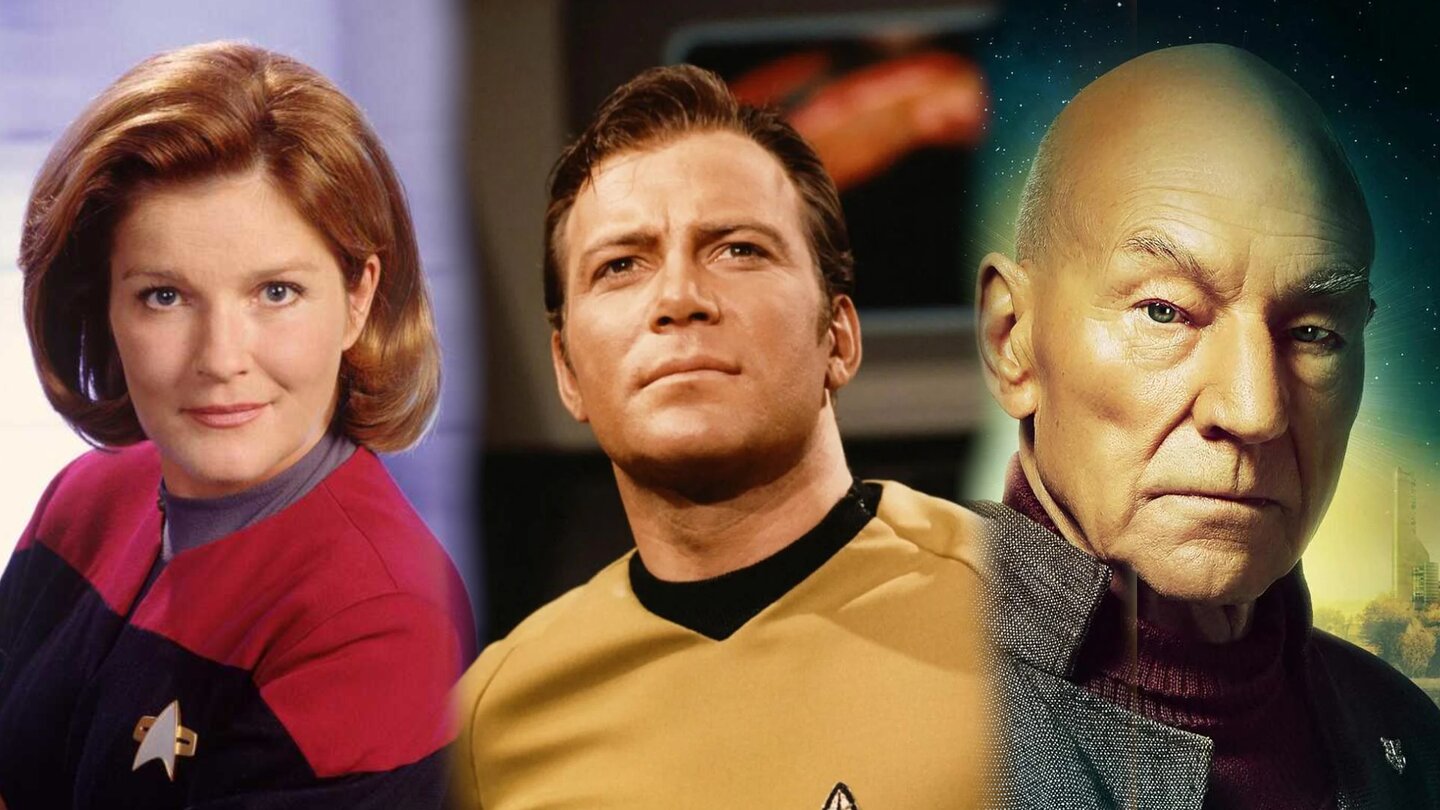
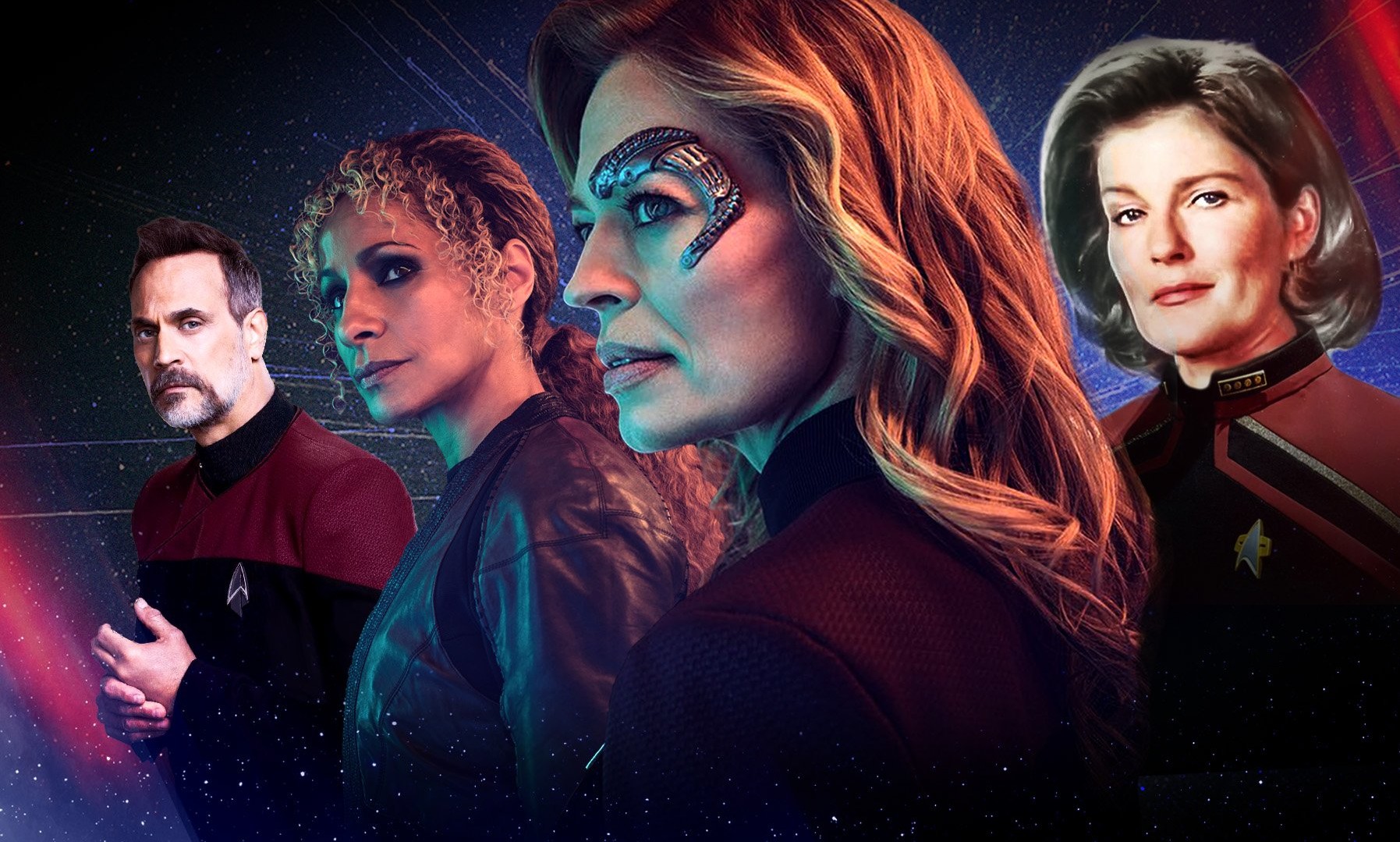
Kate Mulgrew starred as Captain Kathyrn Janeway, who commanded the Voyager and was dedicated to upholding Starfleet’s ideals while protecting her crew. At the time of her casting, there was a lot of hoopla and celebration because the main character of a Star Trek TV show was a woman. Other characters included the ship’s first officer, Chakotay (Robert Beltran), the leader of the Maquis and a former Starfleet officer, Tuvok (Tim Russ), the ship’s stoic Vulcan security officer, Tom Paris (Robert Duncan McNeill), a disgraced former Starfleet officer who gets his chance at redemption by serving as Voyager’s helmsman, B’Elanna Torres (Roxann Dawson), a half-Klingon Maquis member who became Voyager’s chief engineer, Harry Kim (Garrett Wang), a young Starfleet ensign on his first assignment, and the Doctor (Robert Picardo), a holographic medical program that performed the duties of the ship’s chief medical officer.

At the end of “Caretaker”, Voyager picked up two alien shipmates who are native to the Delta Quadrant and bring needed knowledge about the local space. They are Neelix (Ethan Phillips), a Talaxian drifter who ends being the ship’s cook and ambassador of sorts, and his girlfriend Kes (Jennifer Lien), an Ocampan who operates as the Doctor’s medical assistant and helps the program develop a personality. As the series progressed, it added Jeri Ryan to the cast as the former cybernetic Borg drone called Seven of Nine while Lien departed the series. Seven of Nine became the show’s breakout character thanks in part to the performance of Ryan as she served as the show’s version of Spock. In other words, a stoic outsider who questioned humanity while discovering her own.

Essentially, the TV show combined aspects of the original Star Trek and Lost in Space, and it worked for the most part. Yet, there was glaring issues with the TV show which turned out to be a harbinger for the creative drought the Star Trek franchise was beginning to suffer from at that time.

Continue reading

Sci-Fi Oscar Bias

On Sunday the Academy Awards will be presented and I really don’t care which film wins for best picture because I haven’t seen any of the nominated films. I’ll eventually watch some of the nominees on cable though. But looking at the list, I realize that as usual there isn’t a science fiction film nominated for best picture. Well, The Three Of Life features scenes of the Earth being set afire from our sun going supernova billions of years from now, but that film doesn’t dwell on those described moments. Then there’s Hugo, which has some arguably slight sci-fi elements, namely the dramatization of Georges Melies and his silent film Voyage To The Moon, but Hugo is more of a fantasy film and an ode to early filmmaking.

Some research reveals that in the entire history of the Oscars only six science fiction films have been nominated for best film. They are A Clockwork Orange, the original Star Wars, E.T. The Extraterrestrial, Avatar, District 9, and Inception. (On a side note, Inglourious Basterds is considered by some to be science fiction only because its ending establishes the film to be about alternate history.) Sure sci-fi films dominate the technical categories such as special effects and sound, but that’s about it when it comes to recognition from the Oscars.

Films like Blade Runner and 2001: A Space Odyssey have made the top 100 list from the prestigious American Film Institute’s AFI’s 100 Years…100 Movies, yet weren’t nominated for best film in the year they were released. Many other sci-fi films have stood the test of time, while some best picture nominees and winners have been forgotten by today’s audiences. For instance, we continue to talk about The Empire Strikes Back and Back To The Future, yet the movies that won for best picture in the years these sci-fi classics came out are largely ignored (1980’s Ordinary People-IMO, for the record, Raging Bull should’ve won that year; and 1985’s Out Of Africa-not even sure what that movie was about). How about the sci-fi films that were nominated? Does anyone actually believe that Annie Hall is a better film than Star Wars? Sure maybe a bunch of elitist snobs do but despite what George Lucas has done with the saga, the original film has stood the test of time and is a popular as ever. In the case of Avatar, there were stories of many Academy members having an axe to grind with James Cameron and had a rapid disdain for Avatar because of all the computer animation. For my money District 9 was a better film than either Avatar or the winning film, The Hurt Locker. With E.T., it was a better film than Gandhi, but by the time the awards came out there was an obvious backlash against Steven Spielberg’s film.  You can thank the marketing departments that plastered E.T.’s mug on everything at that time. Plus Gandhi was considered more respectable, mainstream and IMPORTANT.

It’s vital to realize that the Oscars are really just popularity/political contests and marketing campaigns among Hollywood insiders who award the statues to sentimental favorites and buddies. The Academy Awards are awash with tales of snubs and cronyism and outright dumb selections which goes beyond sci-fi films. Take the pick of Crash in 2005 over the more popular and more controversial Brokeback Mountain. Or the trite comedy Shakespeare In Love over Spielberg’s classic Saving Private Ryan. That oversight was primarily due to a massive marketing campaign by the former’s executive producers.

Oddly this bias doesn’t extend to fantasy movies because those types of films have received best picture nominations since the 1930s (1937’s Lost Horizon and 1939’s The Wizard Of Oz were the first fantasy films nominated for best picture) right up to this year. One even grabbed the Oscar for best picture nine years ago; that was The Lord Of The Rings: The Return Of The King, which many fans felt was the weakest in Peter Jackson’s trilogy. It should be noted that the bias against animated films is even worse, but that’s another story.

The hostility against sci-fi films by the Oscars is clearly evident and will continue for the foreseeable future.  It’s a shame really, since so many past sci-fi films are considered classics not just by fans but by mainstream viewers and critics. This prejudice may have begun with science fiction’s B-movie origins. But as anyone can tell you, sci-fi films have become more sophisticated and true pieces of cinematic art. Shockingly if you go to online sci-fi forums there are many members who put down sci-fi films and don’t consider them worthy of being nominated. So the bias even permeates among many so-called fans who just can’t see these films past their settings. The bottom line is that the Academy has to get over this bias and join the rest of the crowd. Until then we can only root for an occasional acting nomination or the reliable special effects category. Either that or wait for the Saturn or Scream Awards.

José Soto