DCU: Fallout From Supergirl

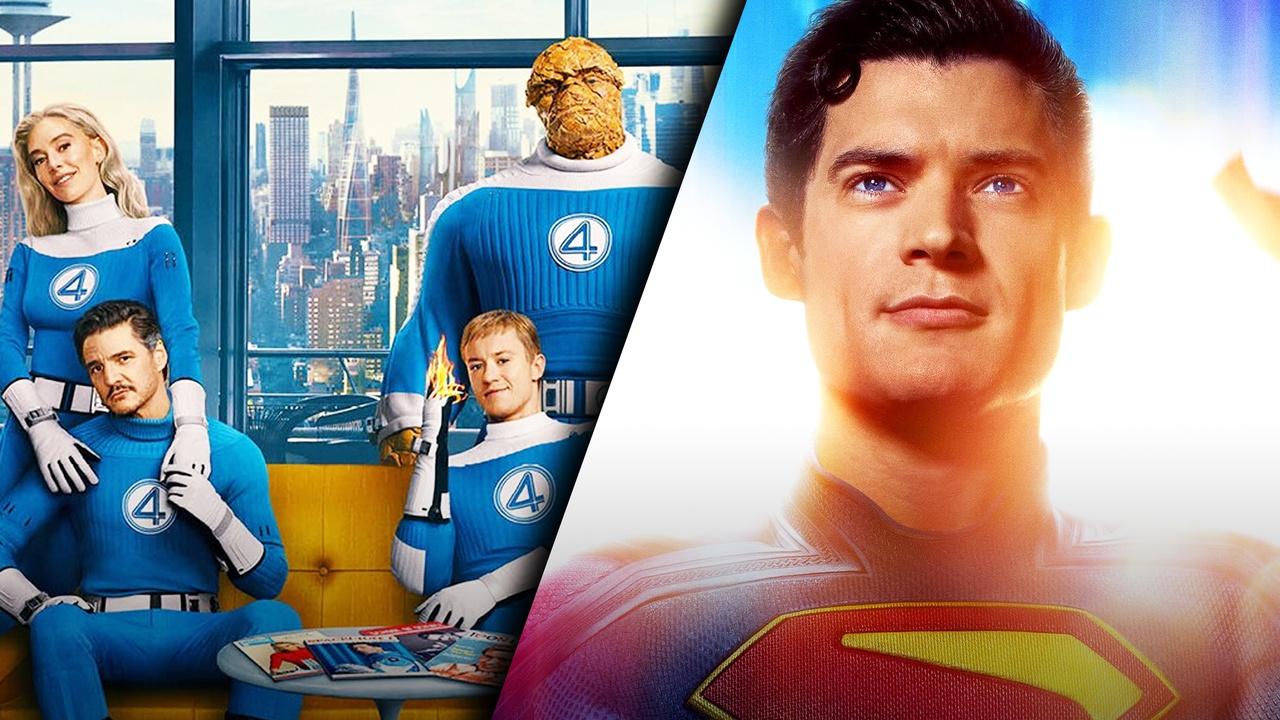
The relatively new cinematic universe, DC Universe (DCU), got off to a solid start with last year’s release of Superman and two TV shows, Creature Commandos and the second season of Peacemaker. However, the DCU and DC Studios, which produces the DCU films and TV shows, have been rattled by the failure of the DCU sophomore film, Supergirl.

It was hoped by DC Studios that Supergirl’s popular cameo appearance in Superman would translate to a healthy and respectable box office performance with her solo film. No one expected it to earn $1 billion dollars but at least it should have earned $400 to $500 million and help cement the DCU. Unfortunately that was not how things turned out and based on BTS stories about how DC Studios struggled with the film’s poor reception during previews is not a surprise. As the film was being put together the film studio and its head James Gunn saw that Supergirl was not scoring well during previews and the film was hastily edited. This resulted in a movie that felt disjointed in its mood. Sometimes it felt like a gritty and somber Mad Max-style action piece. Other times it seemed as if it was trying to ape the atmosphere of a more light-hearted and goofy space adventure like Guardians of the Galaxy.

This doesn’t mean that Supergirl is a terrible film. It has its faults but overall it was a fine superhero film and certainly cannot be compared to those awful Sony films featuring Spider-Man villains or some of the worst of the former DC Extended Universe (DCEU). But in DC Studios’ situation, the film had to be more than fine, it had to stand out and resonate with audiences. Perhaps if they delayed the film to tinker with it some more in reshoots or editing and released it another time it would have fared better. It is maddening to think that Warner Bros. thought that releasing the film in late June sandwiched between the animated juggernauts of Toy Story 5 and Minions & Monsters was a good idea. They could have released the film in early May where it had no competition. It probably would have still received the same negative to mixed reviews but it might have earned much more than it will now. Traditionally, the early May schedule was reserved for films from the Marvel Cinematic Universe (MCU), but this year, there were no MCU films scheduled with only The Devil Wears Prada 2 in the way.

Despite how much Monday-morning-quarterbacking can go on, Supergirl is in the rearview mirror. Where does the DCU go from here? Is it already doomed? Will James Gunn be removed? To answer the last two questions: no the DCU is not in trouble though it took a nasty black eye from Supergirl’s failure and it is too premature to deem the DCU dead or in trouble, and Gunn’s position is safe…for now. Certainly the next DCU film, Clayface, has to do very well, as well as the upcoming TV show, Lanterns. The success of one or both projects will stem all the negativity the film studio is getting until the big test coming with next year’s Superman: Man of Tomorrow.

Fortunately, the previews for Clayface and Lanterns have been received well, especially Clayface’s. What is helping Clayface is that it seems more like a horror film and will come out at a perfect time to take advantage of that perception. Plus, being perceived as a horror film helps distinguish Clayface from standard superhero/comic book films and this is something that DCU needs at the moment. Meanwhile, Lanterns is being marketed as more of a murder mystery which will annoy Green Lantern fans who expected a traditional space adventure, but the more grounded TV show could pull in viewers who are not traditional superhero fans.

Of course, none of that will matter if Superman: Man of Tomorrow does not perform well. Going for it is that like Superman, it is being directed by James Gunn and the reaction to what has been revealed about it has been positive. Given Gunn’s talent, it is unlikely that the film will get negative reception but it has to do at least as well as Superman and earn over $600 million to keep the DCU viable. Its success also will determine the future of the DCU and James Gunn’s position as head of DC Studios.

Gunn’s contract with Warner Bros. will end next spring and no one can say for certain if he will remain as the president of DC Studios. Many have speculated with Warner Bros. being taken over by Paramount Pictures that it will mean that there will be massive executive changes at Warner Bros. Paramount could take a hard look at how the DCU is performing and demand changes or else. Whether or not Gunn will go along with this is unknown, and it has to be considered that he will be wooed by other film studios, starting with Disney. Do not be surprised if news comes out next year after Superman: Man of Tomorrow is released that Gunn will leave DC Studios to work for Marvel Studios with the intent that he could take it over at some point in the future. If that happens what becomes of the DCU? Who will take over and what direction will it take? Obscure heroes like Booster Gold and the Authority will be disregarded for proven popular characters, that is certain. But do not expect a return of the old DCEU or its creator Zack Snyder despite what some fans wish for.

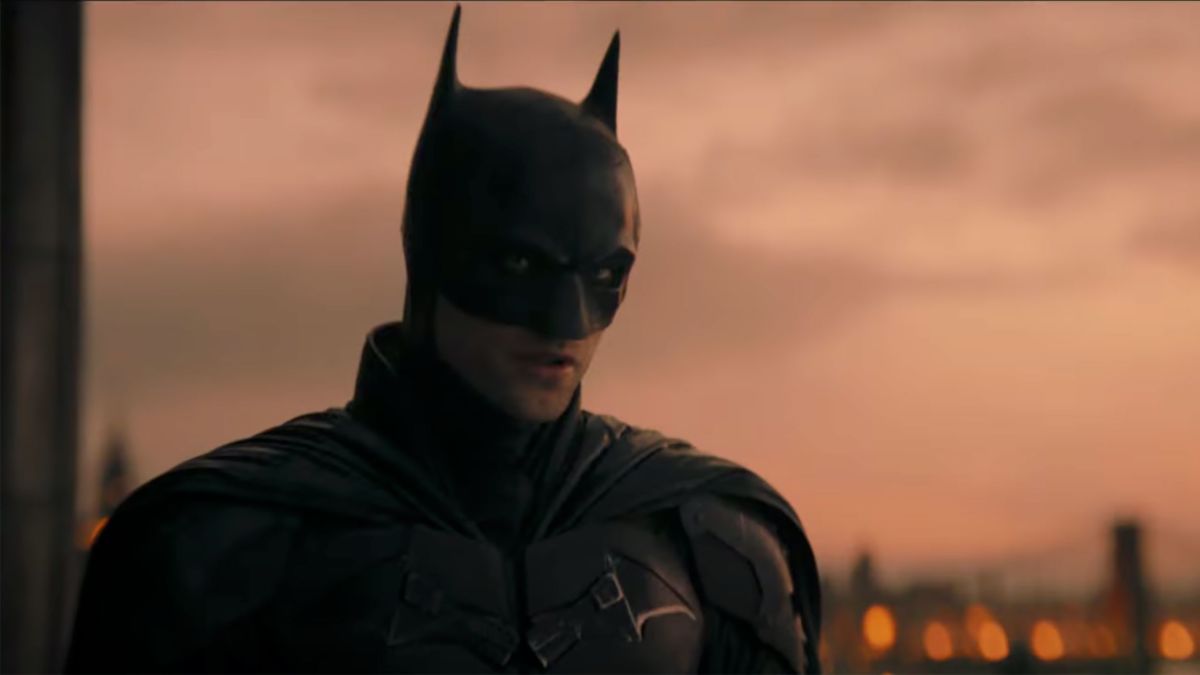
There are many unknowns but expect a hard shift to focus on Batman as the lynchpin of the new DCU. Given the supposed lack of progress in launching a new Batman for the DCU, Gunn could face pressure to just fold The Batman films into the DCU since the first film, was very successful. The only thing is that that grounded version of Batman will be nearly impossible to connect it to the more bright and goofy DCU that Gunn has created. Of course, all this could be moot if the next couple of films and TV shows succeeds.

It is unlikely that the DCU will be dissolved by Warner Bros. anytime soon. It just got started with only two films under its belt. The cinematic universe has not achieved the disastrous results of the DCEU and still has some good will towards it. Some adjustments will have to be made just as Marvel Studios did and continue to do with their MCU films and TV shows. For one, James Gunn will have to step away from actively directing films and concentrate on running DC Studios. Trying to do both is impossible since running a film studio and maintaining the quality of films is a full time position. He has to devote more time to ensuring that what comes out is above average and deserves to be made, otherwise you end up with another Supergirl. Another thing for Gunn to contemplate is that although he loves quirky obscure characters major DCU projects cannot be devoted to them. He should be paying his full attention to the most popular DC characters like Batman, Wonder Woman, The Flash and so on. It’s fine to feature the quirky characters in films about popular characters like Superman did. Doing so would serve as a testbed for the quirky character and see if they are well received by fans, as what happened with Mr. Terrific, who is being considered for a TV show.

So, is it time to panic for DC Studios? Not yet, it’s early, Warner Bros. and the fans just have to be more patient and see how upcoming projects turn out. Yes, Supergirl is a failure but this experience was an opportunity for Gunn and the film studio to learn from the mistakes and make adjustments. Seeing what worked and what doesn’t will guarantee future success for the DCU going forward.

Five Genre Films For Steven Spielberg To Direct

With the release of the sci-fi film Disclosure Day, fans of director Steven Spielberg have been wondering what will be his next film. It could very well be a non-genre drama or another sci-fi/fantasy film. Whether or not audiences enjoyed Disclosure Day, it is obvious that the film explored one of Spielberg’s favorite subject of his previous films; alien visitation. As he plans for the future he may want to direct a genre film covering a sub-genre he has not done before. Here are five types of genre films that Steven Spielberg could direct.

Time Travel

A time travel film would be right up Steven Spielberg’s alley. In his non-genre films, the director has displayed a stunning attention to detail with historical settings as seen in Amistad, Lincoln, Bridge of Spies, West Side Story, War Horse, and more while injecting those films with a human touch that made them relatable to current audiences. You can even throw in the Indiana Jones films as evidence of his ability to present engaging and authentic voyages to our past. Speaking of Indy, if Spielberg had remained the director of Indiana Jones and the Dial of Destiny with its time-travel storyline, he would have notched this sub-genre to his filmography.

Now imagine if the director used his cinematic artistry for a time travel film. If he directed films like Timeline, the remake of The Time Machine, The Philadelphia Experiment, or The Time Traveler’s Wife (which he expressed interest in adapting before the film version of the book was eventually made), those films would have been much better made and memorable thanks to his focus on details and exploring the wonder and thrill of actually time traveling, and the dangers and philosophical debates, (think Ian Malcolm in Jurassic Park), as well.

Superheroes!

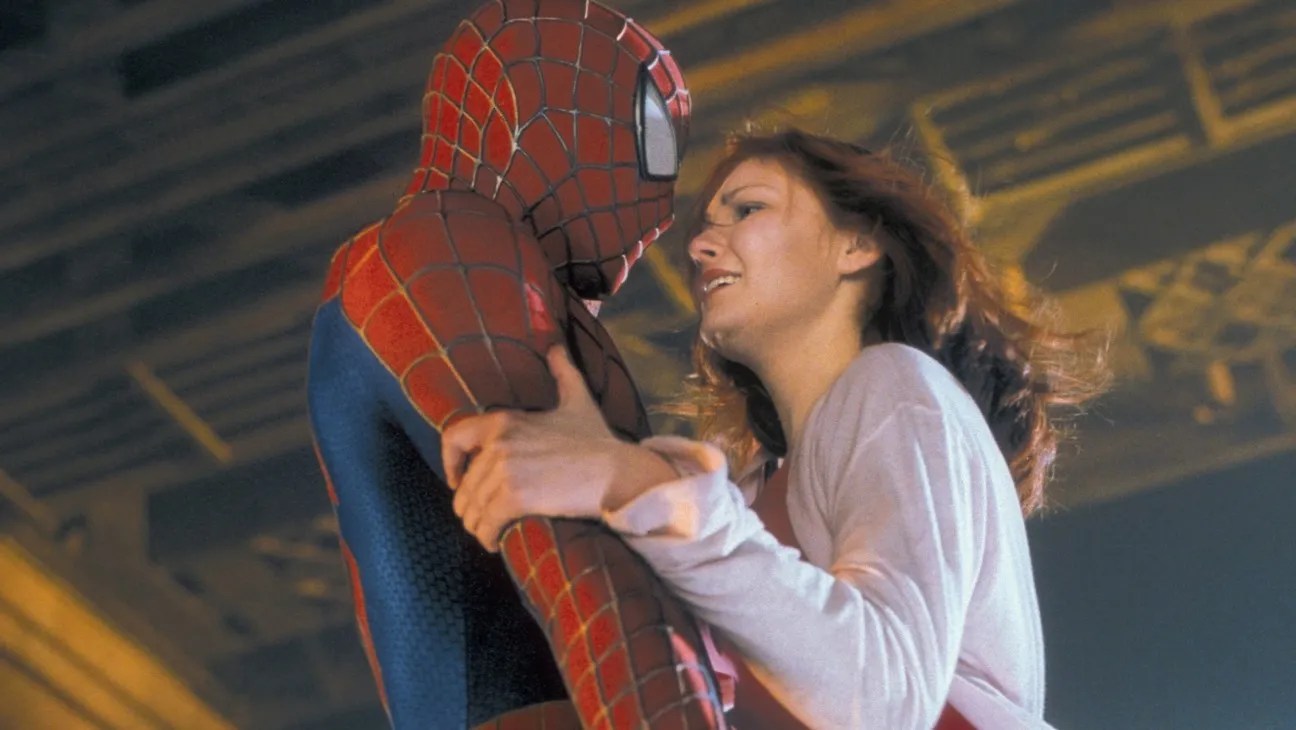
The closest Steven Spielberg has come to superhero films were the cameos of icons like Batman and Wonder Woman in Ready Player One. At one point he was involved in an announced adaptation of Blackhawk, a comic book character that is more of an adventurer than a superhero and there was a brief rumor a couple of years ago that he was considered for Fantastic Four: First Steps (“sigh” that film would have been phenomenal if he directed it), and early in his career he was offered Superman: The Movie. Another close call for Spielberg was his animated film, The Adventures of Tintin: The Secret of The Unicorn, which was based on the popular comic books which have nothing to do with superheroes.

One obstacle to directing a superhero film, especially one based on a popular character like Spider-Man or Superman is that Spielberg would be under tight creative constraints from film studios and companies that own the rights to the supeheroes. Meaning, he may not want to play with toys that he does not own. Then again he might, given his capability of adapting other works. Another hurdle is that the budget of superhero film based on a popular character would be astronomical when you throw in his salary, and given the struggles superhero films have had lately, film studios may be hesistant to hire him. The best bet is to either work with original characters a la The Incredibles or do adaptations of lesser known, and cheaper, characters. As a suggestion, he would do wonders with an Astro City live-action film.

Space Adventures

The director has turned in some great sci-fi classics but none of them involved space travel, although has come veryclose. Spielberg directed some scenes in Star Wars Episode III: Revenge of the Sith, was seriously considered for Star Wars: Episode VI: Return of the Jedi, was offered the opportunity to direct Star Trek: Planet of the Titans (before that film morphed into Star Trek: The Motion Picture) and was supposed to direct Interstellar before abandoning the project to Christopher Nolan. Not only is he a vocal cheerleader for the Star Wars films, but has expressed his admiration for Guardians of the Galaxy, which he lists as one of his favorite films.

Being that Star Wars is struggling now, Lucasfilm, if backed financially by Disney, could do a hail mary and get him to direct a future Star Wars film. The same could go for Marvel Studios if they decided to revisit the Guardians of the Galaxy. But in any event, Spielberg doing a grand space adventure taking place on farflung spaceships or exotic planets with weird aliens would be a perfect fit for his skills in conveying grand adventure, mysteries and thrills.

A Stephen King Adaptation

Both Stephen King and Steven Spielberg came into their own in the mid 1970s and throughout the 1980s. It is odd that in all that time the two have not successfully collaborated on a film project. Note the word successfully. In the 1990s, King wrote a screenplay for a remake of The Haunting, which was to be directed by Spielberg. However, the two had creative differences which caused both men to leave the project. Who knows how a Spielberg-directed version of The Haunting would have been; it certainly would have been more memorable than the remake that eventually came out in 1999.

Spielberg has also tried to adapt The Talisman, based on King and Peter Straub’s book. It’s too bad, he didn’t succeed because this film would have been a perfect vehicle for his skillset as a director. Maybe one day soon, this will become a reality, if not with The Talisman, but with King’s exhaustive line of books. Let’s start with The Dark Tower books, at least with The Gunslinger. Spielberg could direct the first film and hand off the rest of The Dark Tower books to other directors.

A Jaws Prequel

Back when Jaws 2 was pre-production, Universal Pictures offered Steven Spielberg the chance to return to do a sequel to the film that made him famous when the film studio had difficulty with the production. Spielberg was interested and wanted to go in a completely different direction. His proposed idea was for the film to be a prequel and focus on Quint and his ordeal as a survivor at sea after the U.S.S. Indianapolis was sunk in the last days of World War II. Quint’s recounting of his struggle in survive shark-infested waters was one of the most haunting and riveting moments in Jaws. It would have been a great opportunity to do something different with the Jaws series which might have fared better in the long run.

Unfortunately scheduling conflicts prevented Spielberg from going through with his idea since he was busy with Close Encounters of the Third Kind. Given how revered the original Jaws is today, and is considered one of Spielberg’s best if not his best film, and how dormant the franchise is since no one with a 100-foot pole is even considering remaking it, why not go with a prequel helmed by Spielberg himself? It would be a unique way for him to return to the IP that made him famous at this point in his career.

It’s not known at this time what Steven Spielberg’s next film will be and he is very busy with his production company. As we know, he has been attached to many projects that either never came to fruition or ended up in another director’s hands, so trying to predict his next work is difficult. Wtih that said, Spielberg is a gifted filmmaker who should stretch himself and try something different in sci-fi, fantasy and horror, and he most likely will do so.

The Truth Is Revealed With Disclosure Day

Auteur director Steven Spielberg returns the UFO/UAP genre that he helped revolutionized with Disclosure Day. It serves as the conclusion to his loose trilogy of extra-terrestrial contact films that started with Close Encounters of the Third Kind and E.T. the Extra-Terrestrial. War of the Worlds does not really count because it was a remake of the 1950s classic and was more simplistic with its portrayal of extra-terrestrials. In other words, Aliens bad, humanity mostly good. With Disclosure Day, Spielberg once again proves that he is the master of his craft with this tense and thought-provoking film.

Disclosure Day stars Josh O’Connor as Daniel Kellner, a hacker on the run with his girlfriend Jane Blankenship (Eve Hewson) from a nefarious government-associated organization called Wardex run by Noah Scanlon (Colin Firth) because Kellner stole film evience that the U.S. government had recovered alien technology and beings from crash sites throughout the past 79 years, and imprisoned and tortured the recovered alien beings. He also stole a piece of alien technology that has to be handled delicately because of its unimaginable capabilities. Scanlon will stop at nothiing to capture Kellner because Kellner’s ally, Hugo Wakefield (Colman Domingo), is preparing to reveal the truth about extra-terrestrials to the public in a desperate attempt to bring the world back from the point of no return since it is on the edge of World War III.

Kellner is challenged not only by Scanlon but Jane herself, who questions the consequences of revealing the truth to a human populace that may not be ready to learn the truth about their place in the universe.

The film also follows the story of Margaret Fairchild (Emily Blunt), a restless weather meterologist in Kansas City, who begins to display psychic powers after encountering a cardinal in her apartment. These powers manifest in her ability to speak languages she never knew including an unearthly garble of clicks, and with the capability of understanding the emotions and thoughts of others. She too, goes on the run after being hospitalized after Wardex goons pretending to be FBI agents show up at her hospital room.

The paths of Fairchild and Kellner eventually cross paths as she is psychically drawn to seek him out and help him in his quest to disclose the truth to the world.

Unlike his previous films about extra-terrestrials, Disclosure Day is more mature, grittier and a fitting conlcusion to what Spielberg is trying to convey about contact with extra-terrestrial intelligence. While Close Encounters of the Third Kind focused on making contact and E.T. was about buidling relationships, Disclosure Day tackles the consequences of contact and how we react to that. The film tackles many important questions such as where do we go from here? What would happen if humanity learned it was not alone? What impact would such a disclosure have on societal institutions like religion? The end of the film may frustrate some but it is quite appropriate to leave its conclusion up to audiences since it respects them enough to let audiences come to their own conclusions.

Do not think the film is some kind of dry treatise about alien life. Disclosure Day moves briskly and is unbelievably riveting at times with the intense and creative action scenes that made Spielberg so renowned. Such moments include a thrilling pursuit that takes place in an abandoned farmhouse and an edge-of-your-seat sequence involving cars and trains. The moments when Scanlon uses an alien artifact to mentally hunt down and enslave his victims was downright disturbing and added to the film’s paranoia. Wardex is symptomatic of the runaway military-industrial complex that is plaguing this world supposedly for the good of all of us. It is quite easy for audiences to despise Scanlon and the corporate stooges that work for this malignant corporation and to root for the underdog heroes.

Fairchild’s use of her empathic powers was both eerie and captivating and shows how one can accomplish wonders without resorting to violence. Speaking of empathy, although the film is more adult and darker than Spielberg’s other alien films it still holds on to the loose trilogy’s message of hope and empathy being what wins out despite the obstacles the films’ heroes face. Unlike previous efforts where the idea of love and empathy being the greatest tool we need to get along, this film does not get lost in syrupy and over the top scenes to tug at our heartstrings. It lets the actions of the characters and events to convey that something more is needed for us to get by in this downtrodden world that is on the brink of a nuclear nightmare. To its credit, the film does not go overboard with its presentation of the eve of a world war, then again it disturbingly echoes what goes on with the real world, as people try to go about their normal lives with the backdrop of the global nightmare awaiting them. The film’s message about humanity having to be more empathic and trusting feels more relevant and resonant with us given our current circumstances.

The famous Spielberg tropes and camera work are present in the film and they still work. The film has a few flaws such as some of the special effects could have been better, although the found footage of the U.S. military recovering the alien crash sites are topnotch. The film also features many terrific performances especially by Emily Blunt who is at her best portraying someone who has been touched by something extraordinary and is understandably confused by her situation. Yet despite her situation, Fairchild is quite determined to find out what is going on with what is happenging to her and we can’t help root for her and Kellner as they stay one step ahead of Wardex.

For fans of his alien films, Disclosure Day is a logical conclusion to the theme of humanity and its place in the universe as we are given the chance to think outside the box for something better. One concept the film explores fittingly is that the aliens are not important but instead it is how we react to them. This was why Spielberg in his original cut of Close Encounters of the Third Kind never showed us any details about the alien spaceships, nor why we never learned about the aliens in his films or their motives, except in E.T.’s case that the aliens are explorers. This film comes closer to giving us the answer in that the extra-terrestrials are probably here to help us frrom ourselves, though that is up to any person watching the film. For anyone captivated by the recent renewed interest in the UFO/UAP phenomenon and is displeased by the lack of true disclosure, despite promises from government officials, the film feels very cathartic in its final moments.

The most important question for fans is how does Disclousre Day measure up to Spielberg’s other films, many of which are classics. Well, it is his best genre effort since his work in the early 2000s and a return to form for the master director. Disclosure Day shows that Spielberg is still in top form and the film itself has to be seen and treasured.

José Soto

Top Ten Space Films

Given all the recent and renewed attention to space travel thanks to the Artemis II mission and the popular film Project Hail Mary, let’s list the top ten best space exploration films to date. Keep in mind, this list will focus on films with more realistic space travel and exploring instead of fantastical fare like Star Wars, Star Trek or Alien that are more oriented towards action/adventure or horror. Feel free to drop a comment with your ideas, and now…

10. Europa Report

This film is unique in that it is a found-footage tale about a doomed human mission to Jupiter’s moon, Europa. The premise was well presented and underlined the film’s tension with the format of using a series of video diaries from the astronauts chronicling their voyage to Europa in search of life and what they find. This was a great example of a found-footage film done correctly with some solid performances and editing that heightened the film’s tension.

9. Ad Astra

Brad Pitt turns in a great performance in a sci-fi version of Heart of Darkness as McBride, a jaded astronaut who must journey to the edge of our solar system to find out what is causing devastating surges of cosmic rays and what happened to his father (Tommy Lee Jones). Along the way, as he makes stops in colonies on the Moon and Mars, he questions his lost emotional connections with his former wife and his estranged relationship with his father in this more grounded look at future space travel.

8. Silent Running

The strong environmental messages in this film can be over-the-top but still relevant in the pensive and quietly somber story of Freeman Lowell (Bruce Dern). Charged with taking care of Earth’s last remaining natural biomes in a massive spaceship, Lowell goes rogue after he is ordered to destroy the biomes and return to Earth. With a team of silent drones named Huey, Dewey and Louie, Lowell sets off on a lonely and emotional quest in the spaceship to preserve what is left of nature.

7. 2001: A Space Odyssey

This will be an unpopular opinion, but the film is quite dull and slow moving despite all the praise it receives for being so visionary. That may be true, as the film boasts then-revolutionary special effects that hold up nearly 60 years later and many iconic moments such as the murderous AI and a trippy sequence as astronaut David Bowman approaches an alien monolith. However, the film has a deliberately slow pace and dull characters. Nonetheless, for its impact on films it belongs on this list.

6. The Martian

Based on Andy Weir’s book, Matt Damon stars as Mark Watney, an astronaut left stranded on Mars after his fellow astronauts believed him to be dead. By himself and with limited resources, Watney has to use his ingenuity to find a way to survive on the red planet and make contact with Earth. The use of real science to emphasize the difficulty of surviving on Mars and the logistics needed to rescue him were one of The Martian’s best highlights, though it could have used less of an annoying disco soundtrack and some missplaced humor.

5. Apollo 13

The true story of the heroic efforts to return the crew of the Apollo 13 lunar mission back to Earth was one of director Ron Howard’s most riveting and exciting films. Apollo 13 was buoyed by strong performances from Tom Hanks, Kevin Bacon, Bill Paxton and Ed Harris and brilliant directing by Howard. The director also cleverly used a technique of filming on a plane flying in a parabolic pattern to realistically create zero gravity in scenes onboard the space capsule, which was a great highlight.

4. Sunshine

Director Danny Boyle helmed this great sci-fi thriller about the desperate voyage of the Icarus II to our dying sun in order to restart it. Sunshine would have rated higher on the list if not for a bizarre left turn in the film’s third act but the ending was one of the most spiritual and awe-inspiring moments ever filmed for a sci-fi film. What made Sunshine stand out was its focus on the logistics of space travel, the increasing tension with the main characters who made the ultimate sacrifice to save our world, inspired imagery and terrific performances from the likes of Cillian Murphy, Michelle Yeoh and Chris Evans.

3. Project Hail Mary

Amaze! Amaze! Amaze! The most recent entry is one of the best space films ever made. Based on the book of the same name by Andy Weir, the film tells the story of Dr. Grace (Ryan Gosling), a former scientist turned science teacher sent on a mission to the solar system Tau Ceti to find out why the Earth’s sun and nearby stars are dying. Once there, Grace meets an alien he names Rocky and the two form a collaboration that turns into a genuine friendship as they try to find a way to save their worlds. This is Gosling’s best role and the film is bursting with real heart and emotion through the interactions with Rocky thanks to inspired direcing by Phil Lord and Christopher Miller.

2. Gravity

Gravity is an intense and at time terrifying look at the dangers of space travel that is grounded and heightened by a exemplary special effects and editing. Director Alfonso Cuarón deservedly won an Academy Award for directing this classic story of the sole survivor of a space shuttle mission trying to stay alive in near-Earth orbit after her ship is destroyed by space debris. Using continuous shots, silence and riveting music, Gravity paints a too-accurate and unnerving look at how perilous space travel is for those who choose to work in the inhospitable environment. Sandra Bullock truly excelled in one of her best performances as Dr Ryan Stone whose survival instincts propel her to stay alive during the harrowing ordeal.

1. Interstellar

Director Christopher Nolan’s masterpiece that uses real science to present a captivating sci-fi story about a father, Joseph Cooper (Mathhew McConaughey), who sets off on a last-ditch effort onboard the spaceship Endurance to save humanity by finding a new habitable world. The film utilized actual science to accurately depict a black hole, silent space, time dilation and intiguing sci-fi concepts such as temporal paradoxes and wormholes. More importantly, unlike some other sci-fi films that get carried away with cold concepts, eye-popping effects and forget to dwell on emotion, Interstellar keeps its focus on its characters, especially Cooper, and the emotional impact space travel has on them, which can be both terrifying and wondrous.

Honorable Mentions:

2010; The Black Hole; Capsule; Contact; Destination Moon; First Man; Love; A Million Miles Away; The Midnight Sky; Moon; The Right Stuff; Robinson Crusoe on Mars; Solaris; Space Cowboys; Spaceman; WALL-E

José Soto

The Emotional Journey Of Project Hail Mary

Project Hail Mary is the big-screen adaptation of Andy Weir’s book of the same name and stars Ryan Gosling as Dr. Ryland Grace, a science teacher and former molecular biologist recruited by an international space agency to journey to the star system of Tau Ceti to investigate a strange phenomena. What he finds at his destination or rather who he encounters forms the emotional core of this uplifting sci-fi film.

Grace’s story on Earth is told through flashbacks where we learn that the sun is slowly starting to dim because of these interstellar microorganisms called astrophage. They form a line to the planet Venus because the planet’s atmosphere of dense carbon dioxide allows them to breed, but they are slowly consuming the sun’s energy and in 30 years, the Earth will suffer a catastrophic global cooling that threatens life. Grace, who discovers that the astrophage are alive, learns that all the nearby stars are undergoing the same situation except for Tau Ceti and he is recruited to join the crew of the spaceship, Hail Mary, on a one-way voyage to investigate why the star is still intact.

After he arrives and is awoken from cryosleep, Grace finds out his crewmates died during the voyage and that an alien spaceship is approaching the Hail Mary. The spacecraft is piloted by a non-humanoid, possibly silicate-based, being that Grace nicknames Rocky (voiced and animated by James Ortiz) because of his rock-like appearance. After some back and forth in learning to communicate with each other, Rocky informs Grace that he is also the sole survivor of a mission from his world 40 Eridani, which is also infested with the astrophage. Together, the two beings work to find out why Tau Ceti is not dimming, how they could save their worlds, and along the way, the two also form a close friendship.

Putting aside the stunning special effects and that Project Hail Mary is unafraid to dwell on actual science, the most engaging aspect of the film is the relationship between the two beings. It is inspiring to see these two go through herculean efforts to learn to communicate, learn about their cultures, and form an unlikely friendship. The two were lonely in their quests and had to find some kind of emotional connection to help drive their efforts to save their worlds.

Of course, what sells this friendship is Ryan Gosling’s emotional performance and his interactions with Rocky. Gosling should be applauded in one of his strongest performances for engaging audiences as a flawed but likeable and lonely man who is able to connect with the strange alien. What’s amazing is that Rocky was largely brought to life with a puppet instead of CG, and this is why we are able to emotionally connect with him. For a strange, five-legged rock creature, Rocky feels not just alive but as a genuine sentient being that we come to care about. This was best seen at certain points in the film when the two made personal sacrifices to save each other.

One thing to note is that though Project Hail Mary is very emotionally intense at times, it is still very uplifting and showcases the best of humanity. Sure, Grace has his doubts and fears like the rest of us, but he is able to convey a sense of goodness that wins out in the end. In addition to the heartwarming relationship, the film is a visual wonder that explores the beauty of space, and the wonder of Earth. It’s just a bit regrettable that we did not get to see much of Rocky’s world or his spaceship, but that would have probably made this long film even longer!

Project Hail Mary is an emotional triumph that puts the heart into space exploration and first contact. Directors Phil Lord and Christopher Miller and screenwriter Drew Goddard have put together an engaging sci-fi wonder that must be celebrated for engaging audiences and instilling a sense of awe, warmth, and friendship across the stars.