The State Of Star Wars At 49

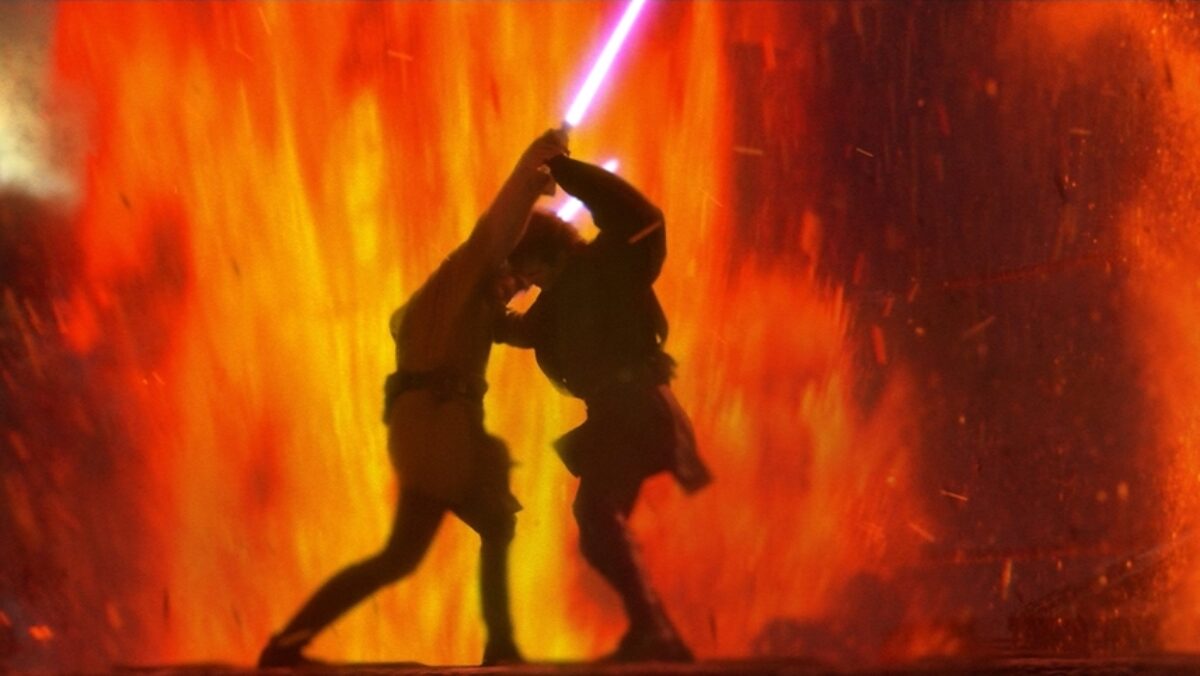
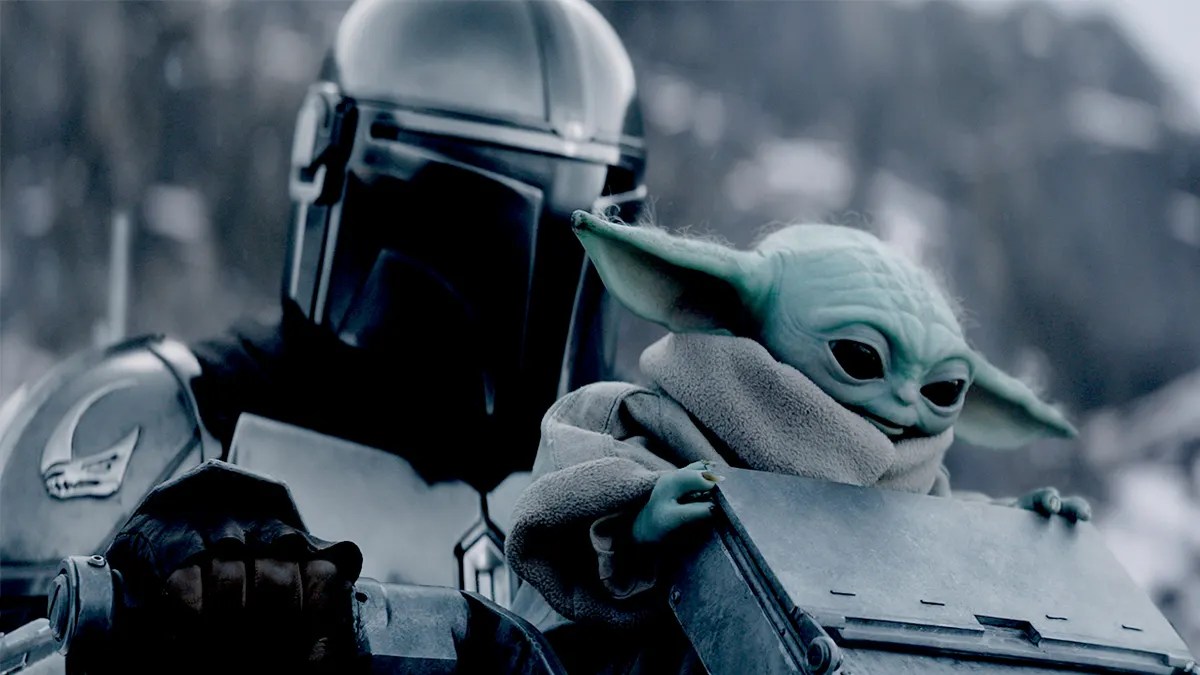
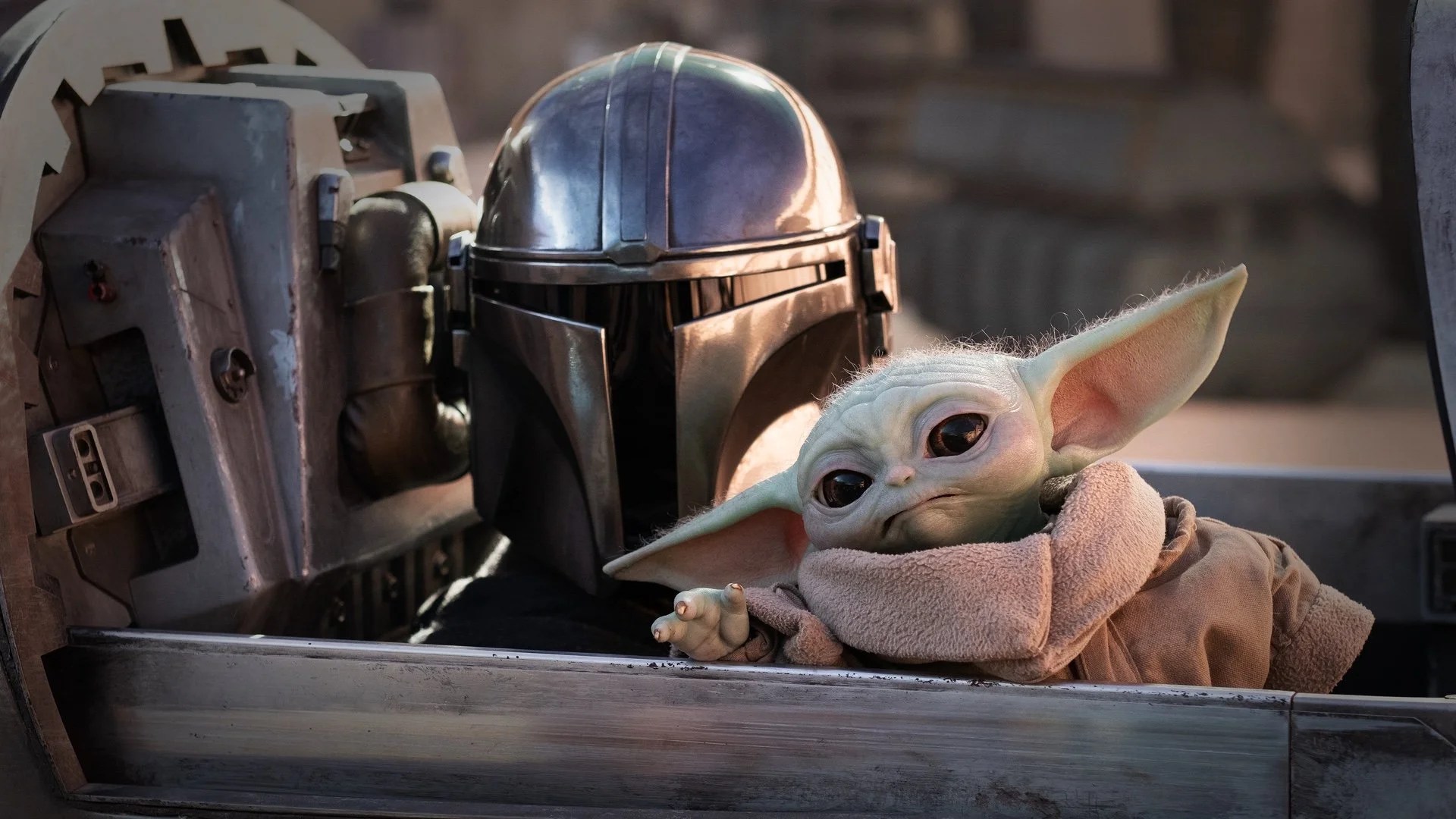
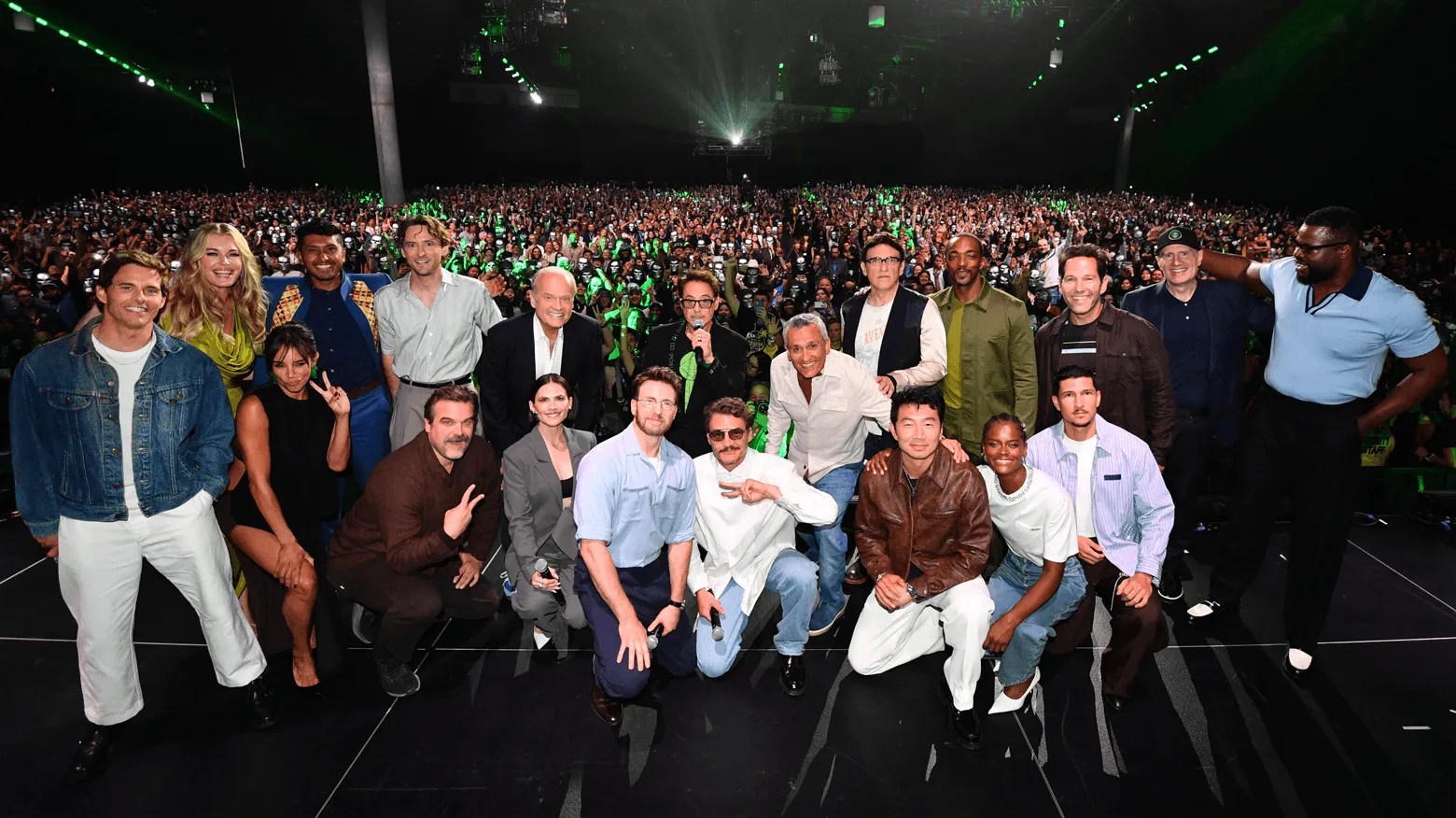
Today marks the 49th anniversary of the epic sci-fi franchise, Star Wars. Celebrating the occasion was the weekend release of The Mandalorian and Grogu, the first new Star Wars film in seven years. On the surface, this release should be a cause for celebration and a build-up for next year’s 50th anniversary but the film’s mixed reaction is a symptom of the state of the Star Wars franchise at this moment.

There is nothing wrong with The Mandalorian and Grogu, it’s a fine film that is exciting and fun, but given that we have not had a Star Wars film since 2019, one would think that this event would have yielded more excitement from fans. There are many reasons for this and it largely has to do with how Star Wars has fallen out of favor in recent years thanks to lackluster high-profile TV shows that diluted the brand and of course, the backlash against most of the Disney-era Star Wars films. But despite its merits, one nagging issue with The Mandalorian and Grogu is that it doesn’t feel epic. Sure, it has a solid storyline and terrific action scenes and character moments, especially with Grogu himself as he learns to survive on his own and helps rescue his father. But the relatively low-stakes story of the film could have been told in a new season of The Mandalorian. The fate of the galaxy was not in question, the overall storyline of the main characters, Grogu aside, did not advance significantly, and the same went for the worldbuilding. Again it has to be repeated that The Mandalorian and Grogu is an enjoyable film that is better than some of the recent Star Wars films, it just lacks an epic scale.

The Star Wars films are renowned for their topnotch production values and sweeping storylines that touch on mysticism or intriguing worldbuilding. Sure, this has to be well executed or you lose your audience (see the last couple of Star Wars films), but this is epic nature is why people would go out of their way to go to cinemas and spend lots of money to get immersed in an experience that is can’t be replicated at home. Just as important, the plot has to not just engage audiences but build towards an epic story with high stakes. Supposedly, The Mandalorian and Grogu was to be part of a larger storyline that would have continued in other related Star Wars films that would have culminated in a film where the separate characters confronted Grand Admiral Thrawn, but there is little evidence of a larger story in the debut film of the Mandalorian. Except for a plot line about the Mandalorian hired to track down ex-imperial officers, which is resolved fairly early in the film before it becomes a personal story about the armored bounty hunter and his son in a space version of Lone Wolf and Cub. But whether or not other Star Wars films will deal with this Thrawn plot is in question and depends on the performance of The Mandalorian and Grogu.

Trying to use the TV show, The Mandalorian, as a vehicle to explore a larger storyline was what damaged the TV show in the long run. The show worked best when it did not deal with larger galactic situations such as the founding of the New Republic or the return of the Galactic Empire. Part of the problem was that the overarching storyline was not very interesting as seen in Ashoka and the fact that the dull manner in how the New Republic is presented. The show faltered in its third season when the main character and his son Grogu seemed to take a back seat to other characters and their stories that dealt with wider scale situations. The film corrects this by focusing on the Mandalorian and his son, and by doing so it went back to a more personal story for the duo. But this is is not what Star Wars needs at this time.

To recapture imaginations and more importantly improved box office results, Star Wars films have to aim high and tell a compelling story with several characters and intertwined plots. The more personal and intimate storylines seem to work best with TV shows such as the first two seasons of The Mandalorian, Andor, and Skeleton Crew. The next Star Wars film to come out will be next year’s Star Wars: Starfighter, but it’s not known if it will tell that kind of story, but there is sense of excitement for it, and if it turns out well, it should be a fitting film to release in time of the 50th anniversary of Star Wars. But for now, we have a worthwhile film to help celebrate the 49th anniversary of Star Wars as a build up or placeholder for something more epic and befitting of Star Wars.

Top Ten Space Films

Given all the recent and renewed attention to space travel thanks to the Artemis II mission and the popular film Project Hail Mary, let’s list the top ten best space exploration films to date. Keep in mind, this list will focus on films with more realistic space travel and exploring instead of fantastical fare like Star Wars, Star Trek or Alien that are more oriented towards action/adventure or horror. Feel free to drop a comment with your ideas, and now…

10. Europa Report

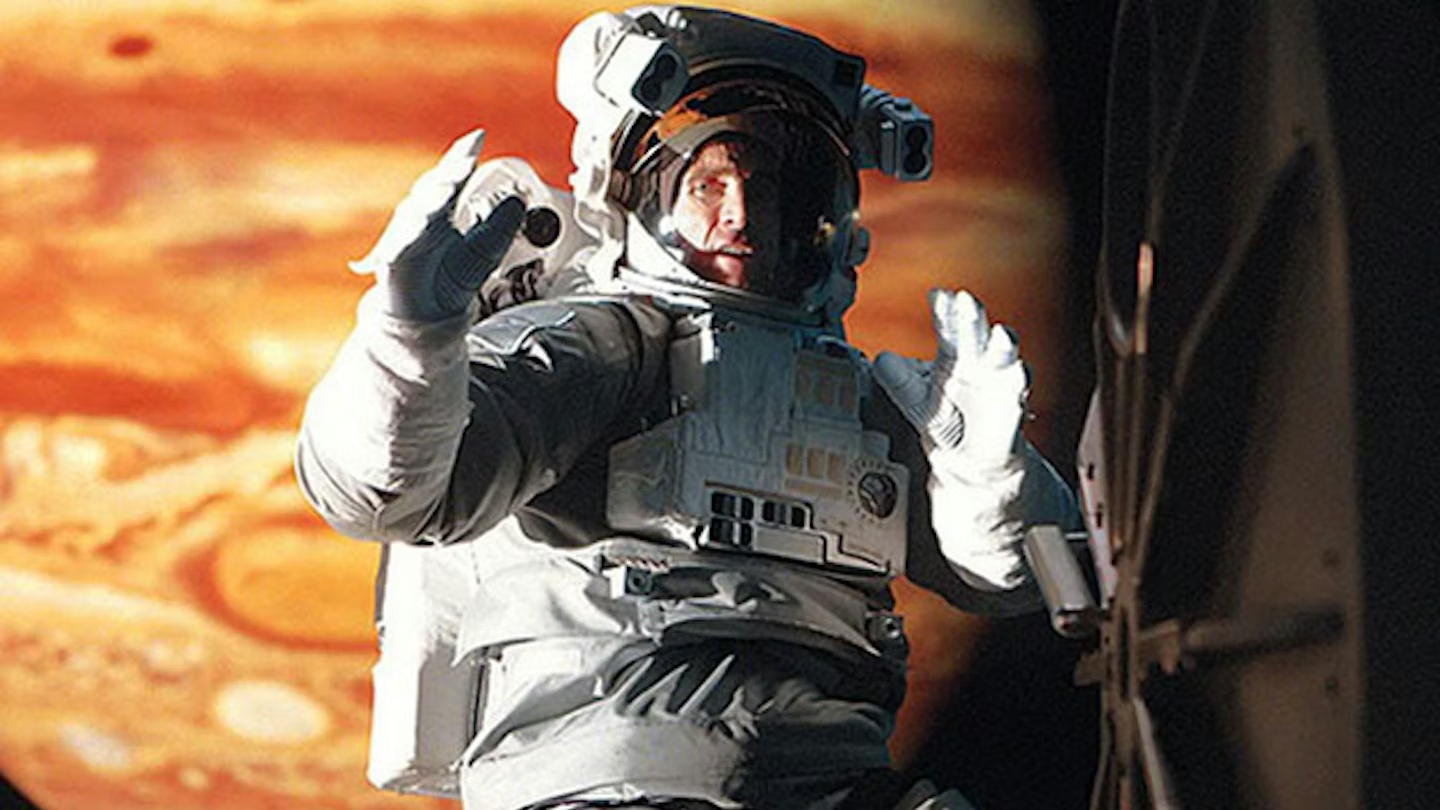
This film is unique in that it is a found-footage tale about a doomed human mission to Jupiter’s moon, Europa. The premise was well presented and underlined the film’s tension with the format of using a series of video diaries from the astronauts chronicling their voyage to Europa in search of life and what they find. This was a great example of a found-footage film done correctly with some solid performances and editing that heightened the film’s tension.

9. Ad Astra

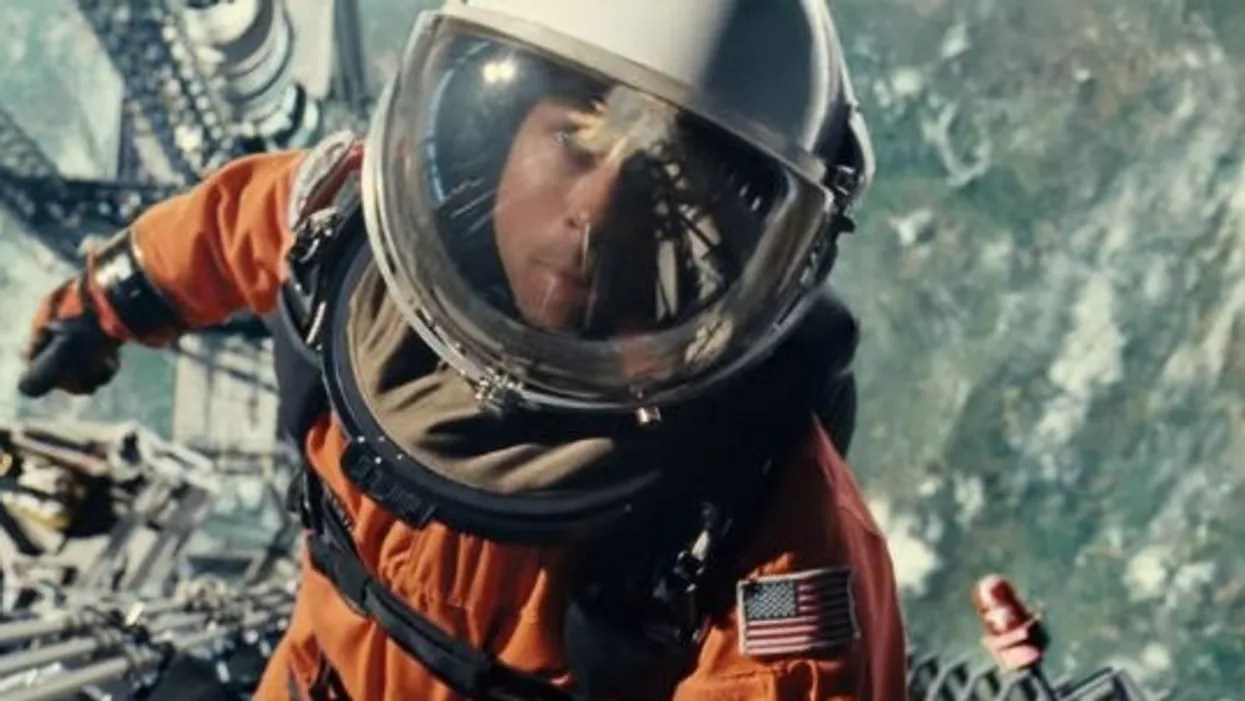
Brad Pitt turns in a great performance in a sci-fi version of Heart of Darkness as McBride, a jaded astronaut who must journey to the edge of our solar system to find out what is causing devastating surges of cosmic rays and what happened to his father (Tommy Lee Jones). Along the way, as he makes stops in colonies on the Moon and Mars, he questions his lost emotional connections with his former wife and his estranged relationship with his father in this more grounded look at future space travel.

8. Silent Running

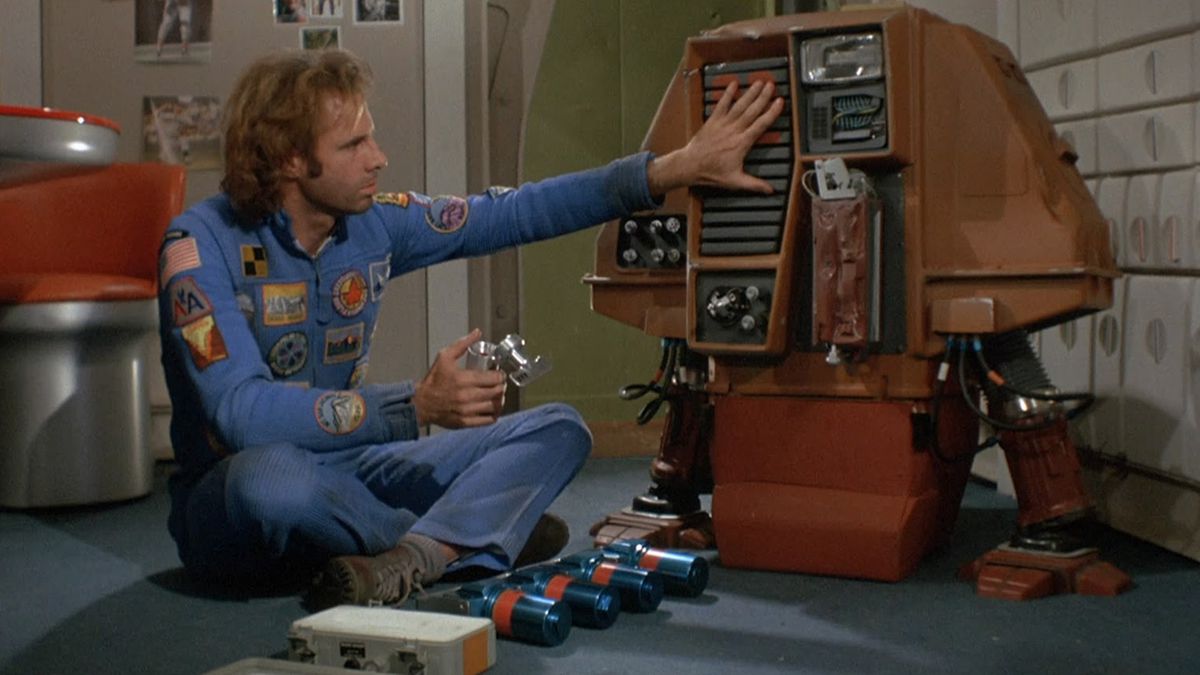
The strong environmental messages in this film can be over-the-top but still relevant in the pensive and quietly somber story of Freeman Lowell (Bruce Dern). Charged with taking care of Earth’s last remaining natural biomes in a massive spaceship, Lowell goes rogue after he is ordered to destroy the biomes and return to Earth. With a team of silent drones named Huey, Dewey and Louie, Lowell sets off on a lonely and emotional quest in the spaceship to preserve what is left of nature.

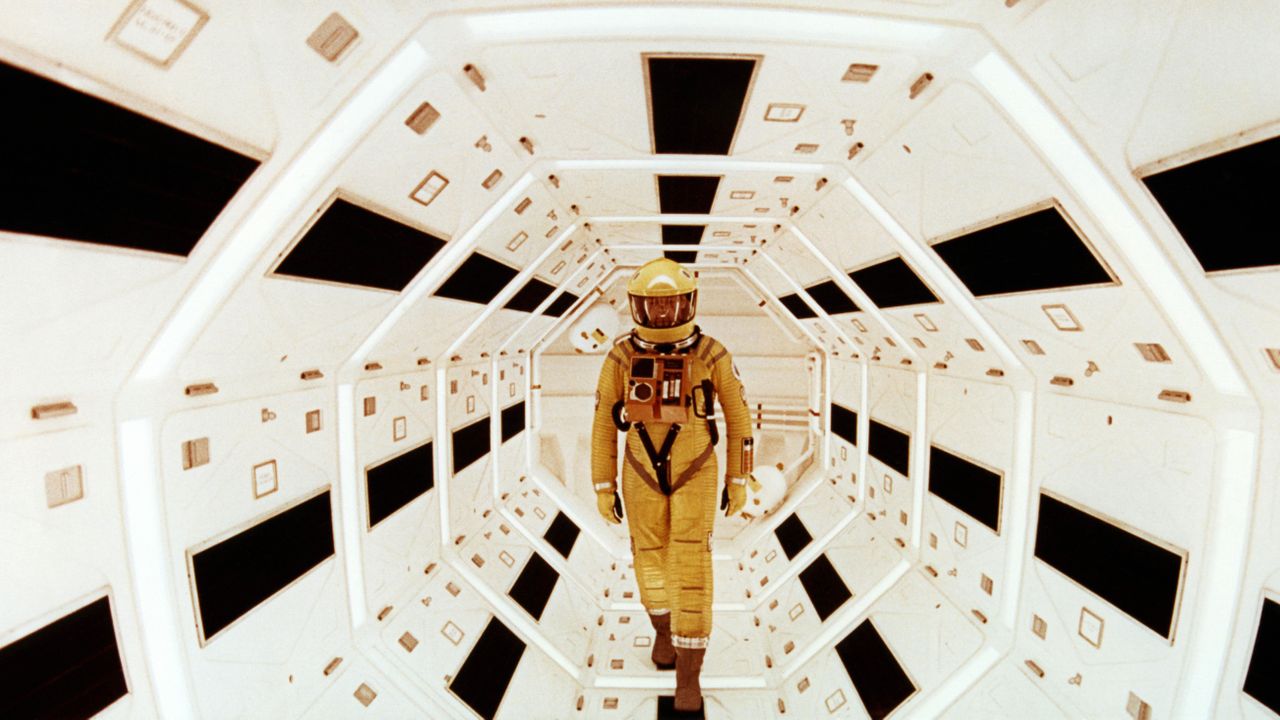
7. 2001: A Space Odyssey

This will be an unpopular opinion, but the film is quite dull and slow moving despite all the praise it receives for being so visionary. That may be true, as the film boasts then-revolutionary special effects that hold up nearly 60 years later and many iconic moments such as the murderous AI and a trippy sequence as astronaut David Bowman approaches an alien monolith. However, the film has a deliberately slow pace and dull characters. Nonetheless, for its impact on films it belongs on this list.

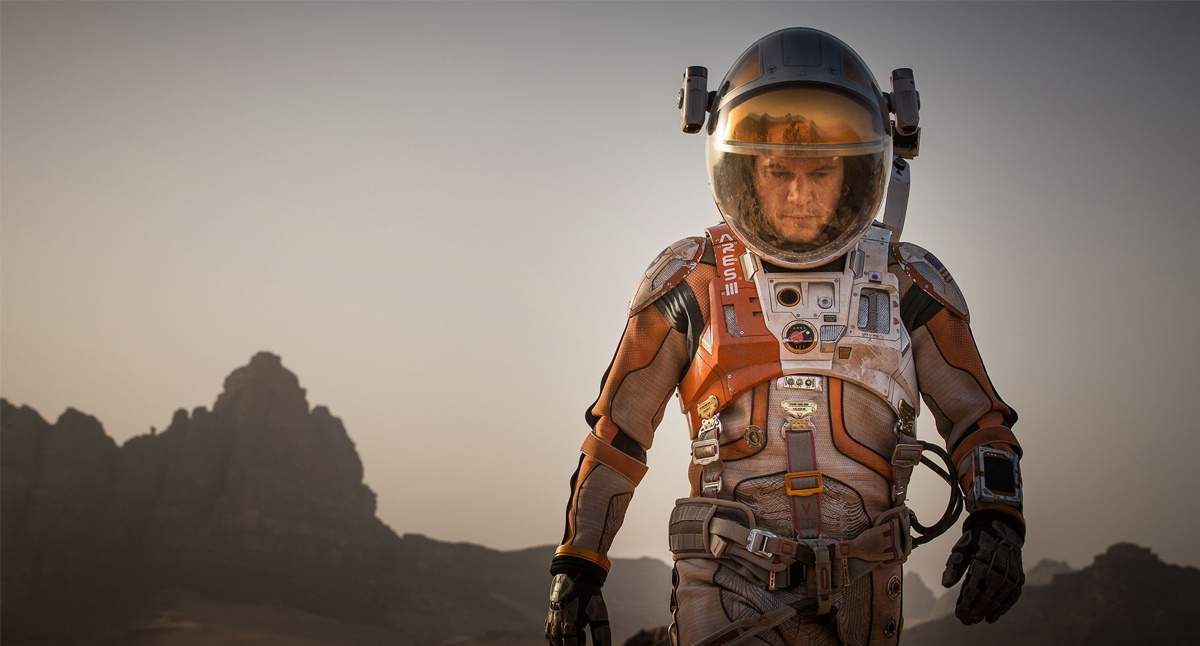
6. The Martian

Based on Andy Weir’s book, Matt Damon stars as Mark Watney, an astronaut left stranded on Mars after his fellow astronauts believed him to be dead. By himself and with limited resources, Watney has to use his ingenuity to find a way to survive on the red planet and make contact with Earth. The use of real science to emphasize the difficulty of surviving on Mars and the logistics needed to rescue him were one of The Martian’s best highlights, though it could have used less of an annoying disco soundtrack and some missplaced humor.

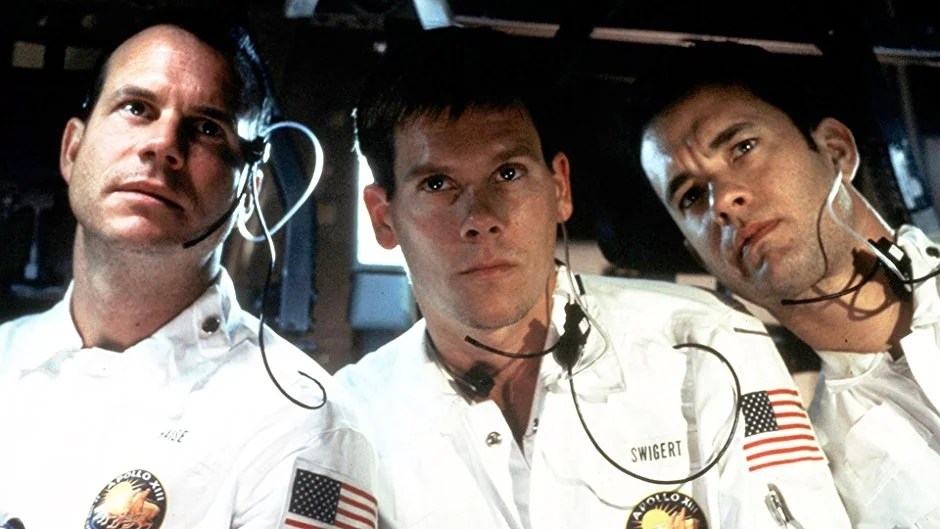
5. Apollo 13

The true story of the heroic efforts to return the crew of the Apollo 13 lunar mission back to Earth was one of director Ron Howard’s most riveting and exciting films. Apollo 13 was buoyed by strong performances from Tom Hanks, Kevin Bacon, Bill Paxton and Ed Harris and brilliant directing by Howard. The director also cleverly used a technique of filming on a plane flying in a parabolic pattern to realistically create zero gravity in scenes onboard the space capsule, which was a great highlight.

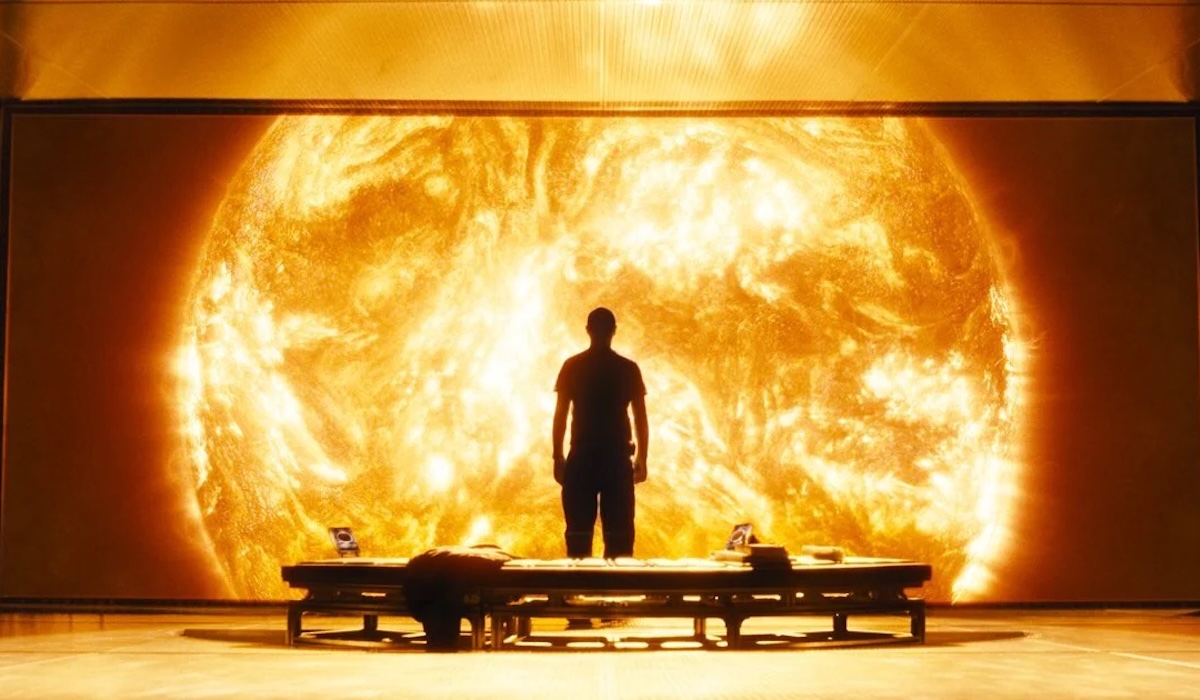
4. Sunshine

Director Danny Boyle helmed this great sci-fi thriller about the desperate voyage of the Icarus II to our dying sun in order to restart it. Sunshine would have rated higher on the list if not for a bizarre left turn in the film’s third act but the ending was one of the most spiritual and awe-inspiring moments ever filmed for a sci-fi film. What made Sunshine stand out was its focus on the logistics of space travel, the increasing tension with the main characters who made the ultimate sacrifice to save our world, inspired imagery and terrific performances from the likes of Cillian Murphy, Michelle Yeoh and Chris Evans.

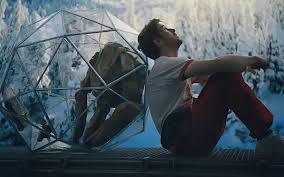
3. Project Hail Mary

Amaze! Amaze! Amaze! The most recent entry is one of the best space films ever made. Based on the book of the same name by Andy Weir, the film tells the story of Dr. Grace (Ryan Gosling), a former scientist turned science teacher sent on a mission to the solar system Tau Ceti to find out why the Earth’s sun and nearby stars are dying. Once there, Grace meets an alien he names Rocky and the two form a collaboration that turns into a genuine friendship as they try to find a way to save their worlds. This is Gosling’s best role and the film is bursting with real heart and emotion through the interactions with Rocky thanks to inspired direcing by Phil Lord and Christopher Miller.

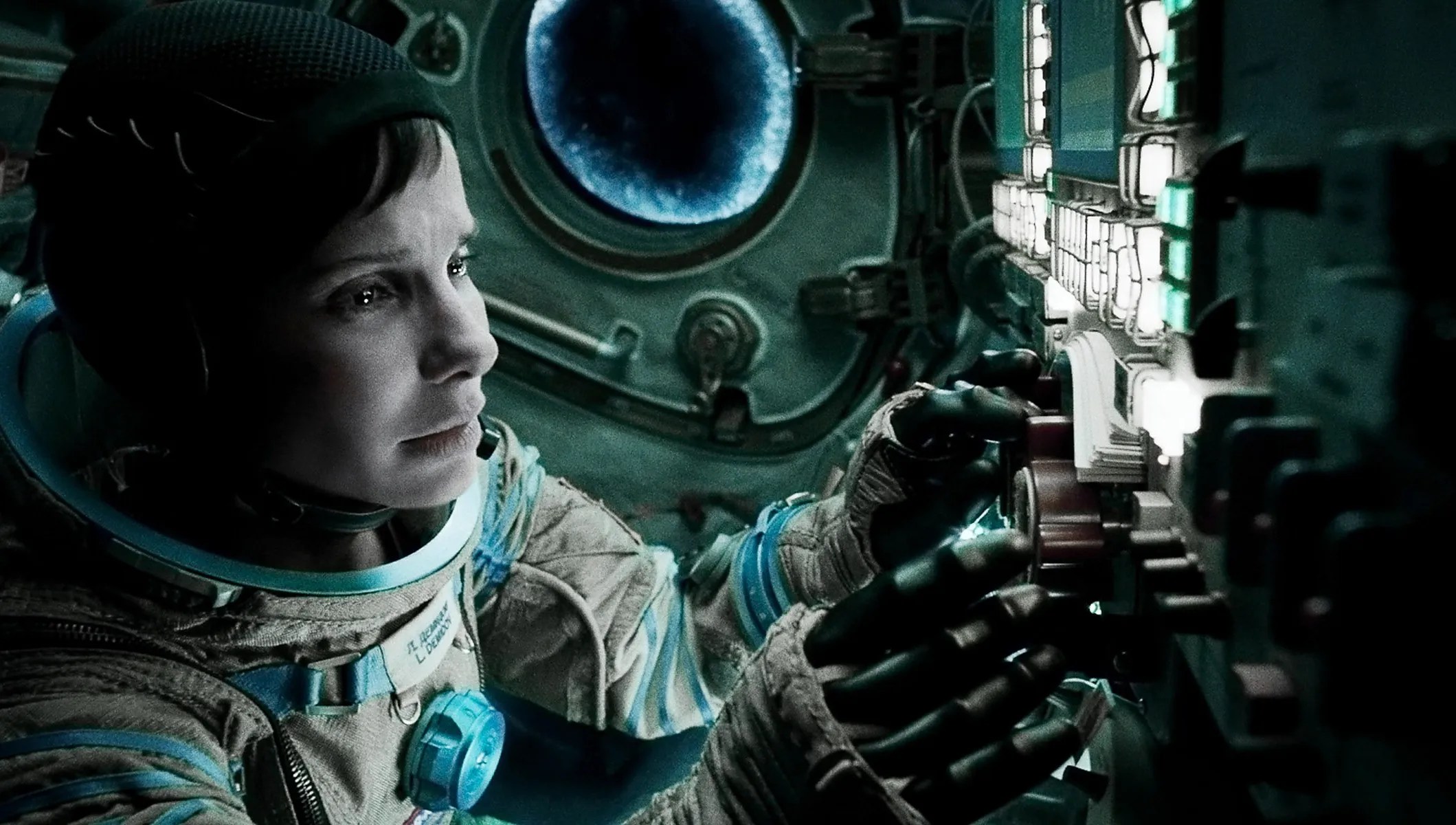
2. Gravity

Gravity is an intense and at time terrifying look at the dangers of space travel that is grounded and heightened by a exemplary special effects and editing. Director Alfonso Cuarón deservedly won an Academy Award for directing this classic story of the sole survivor of a space shuttle mission trying to stay alive in near-Earth orbit after her ship is destroyed by space debris. Using continuous shots, silence and riveting music, Gravity paints a too-accurate and unnerving look at how perilous space travel is for those who choose to work in the inhospitable environment. Sandra Bullock truly excelled in one of her best performances as Dr Ryan Stone whose survival instincts propel her to stay alive during the harrowing ordeal.

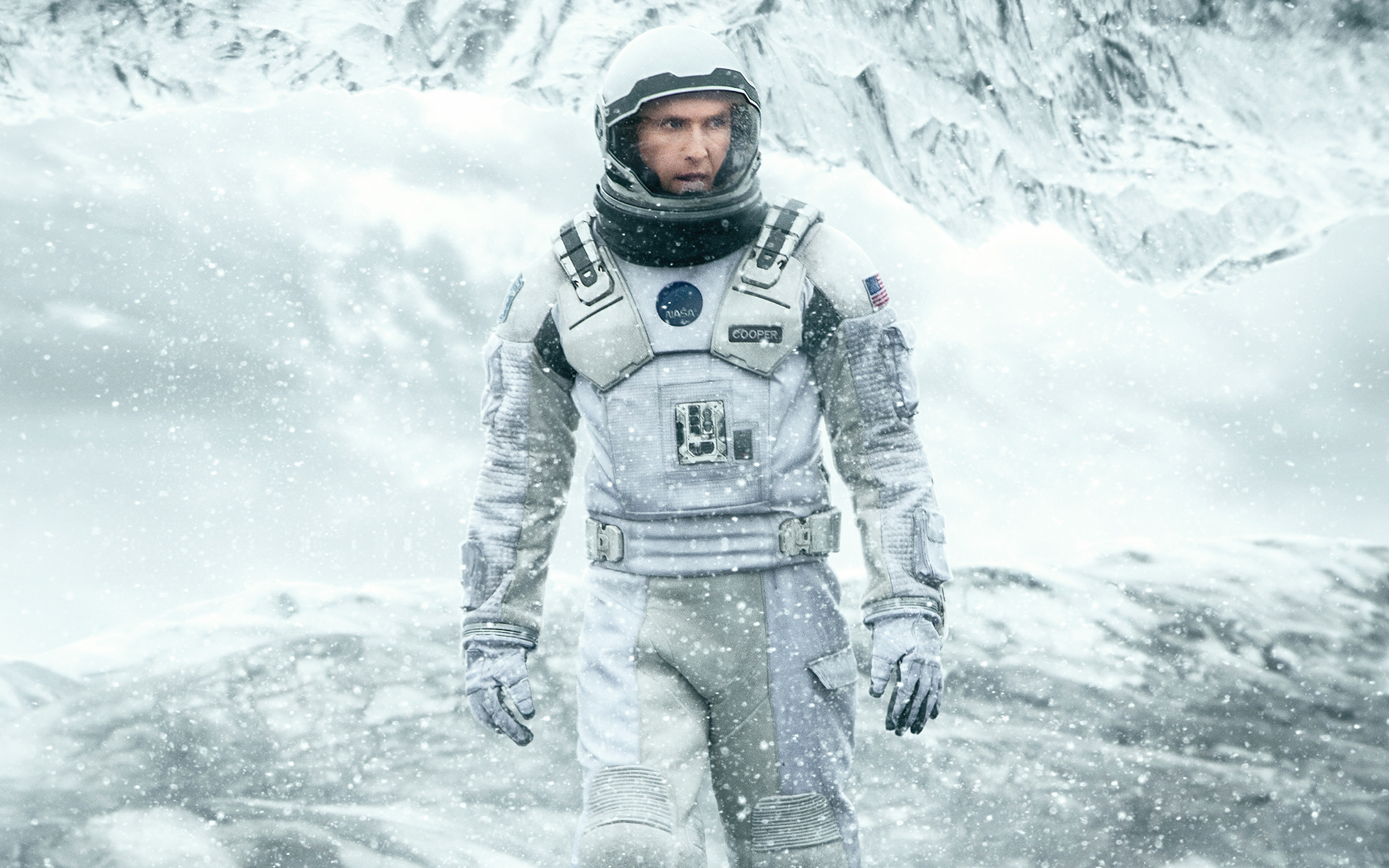
1. Interstellar

Director Christopher Nolan’s masterpiece that uses real science to present a captivating sci-fi story about a father, Joseph Cooper (Mathhew McConaughey), who sets off on a last-ditch effort onboard the spaceship Endurance to save humanity by finding a new habitable world. The film utilized actual science to accurately depict a black hole, silent space, time dilation and intiguing sci-fi concepts such as temporal paradoxes and wormholes. More importantly, unlike some other sci-fi films that get carried away with cold concepts, eye-popping effects and forget to dwell on emotion, Interstellar keeps its focus on its characters, especially Cooper, and the emotional impact space travel has on them, which can be both terrifying and wondrous.

Honorable Mentions:

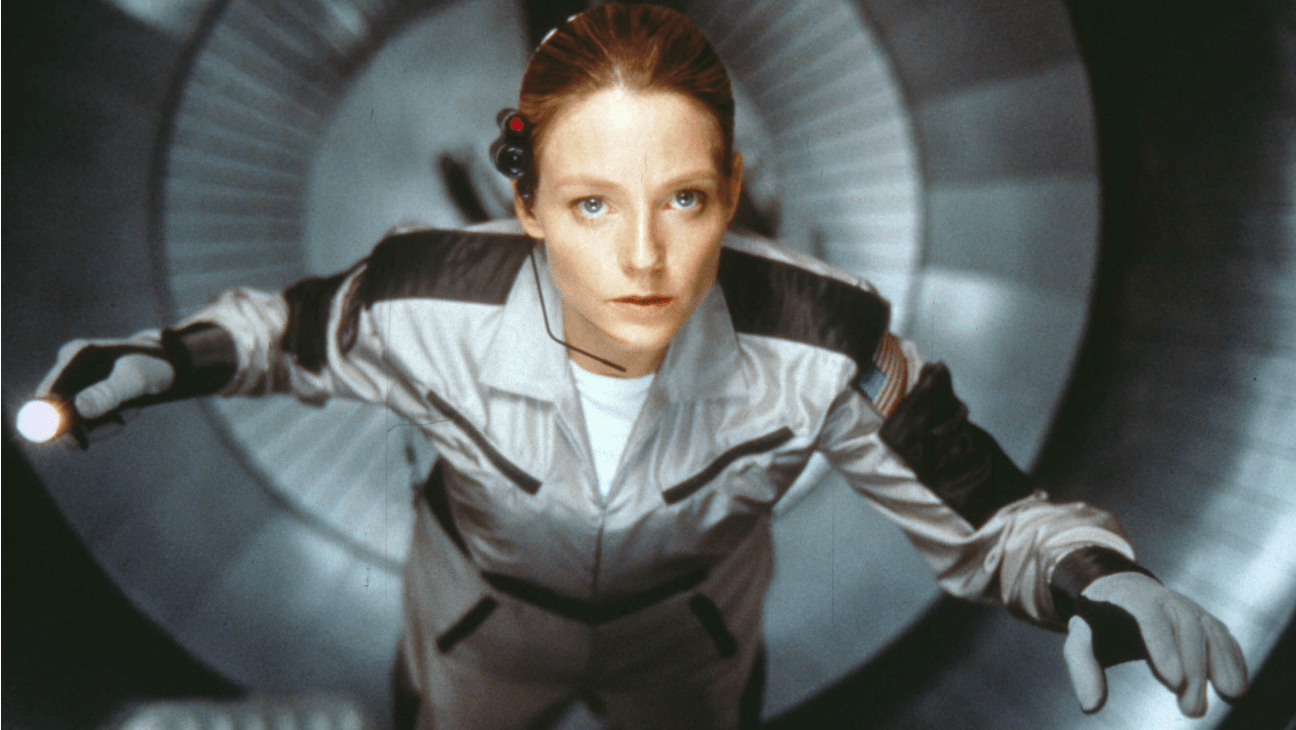
2010; The Black Hole; Capsule; Contact; Destination Moon; First Man; Love; A Million Miles Away; The Midnight Sky; Moon; The Right Stuff; Robinson Crusoe on Mars; Solaris; Space Cowboys; Spaceman; WALL-E

José Soto

The Emotional Journey Of Project Hail Mary

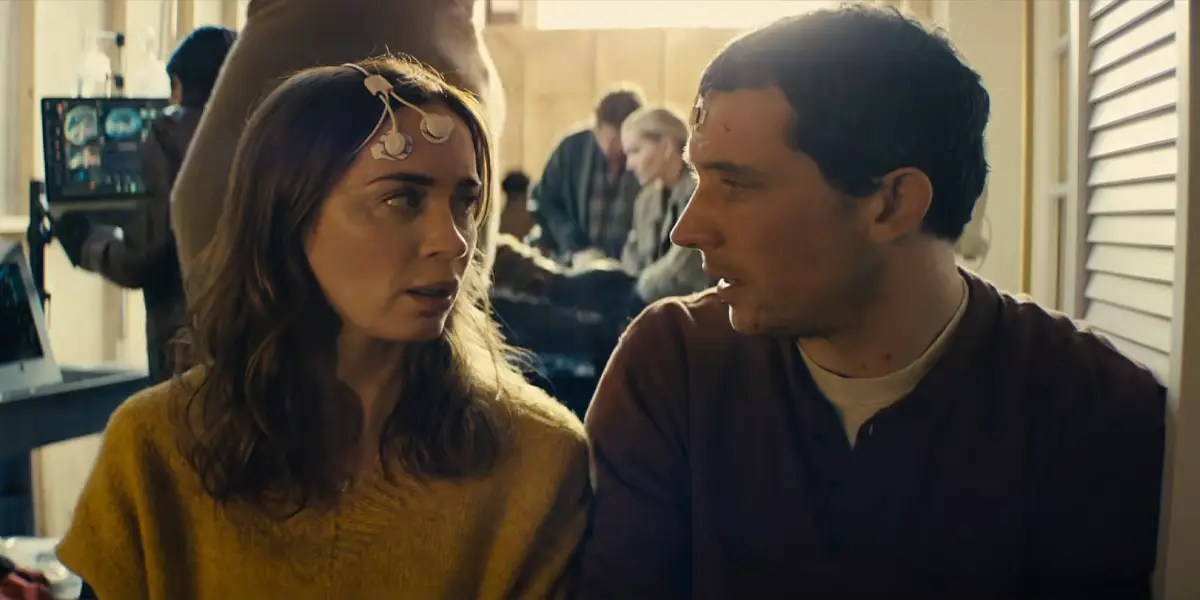
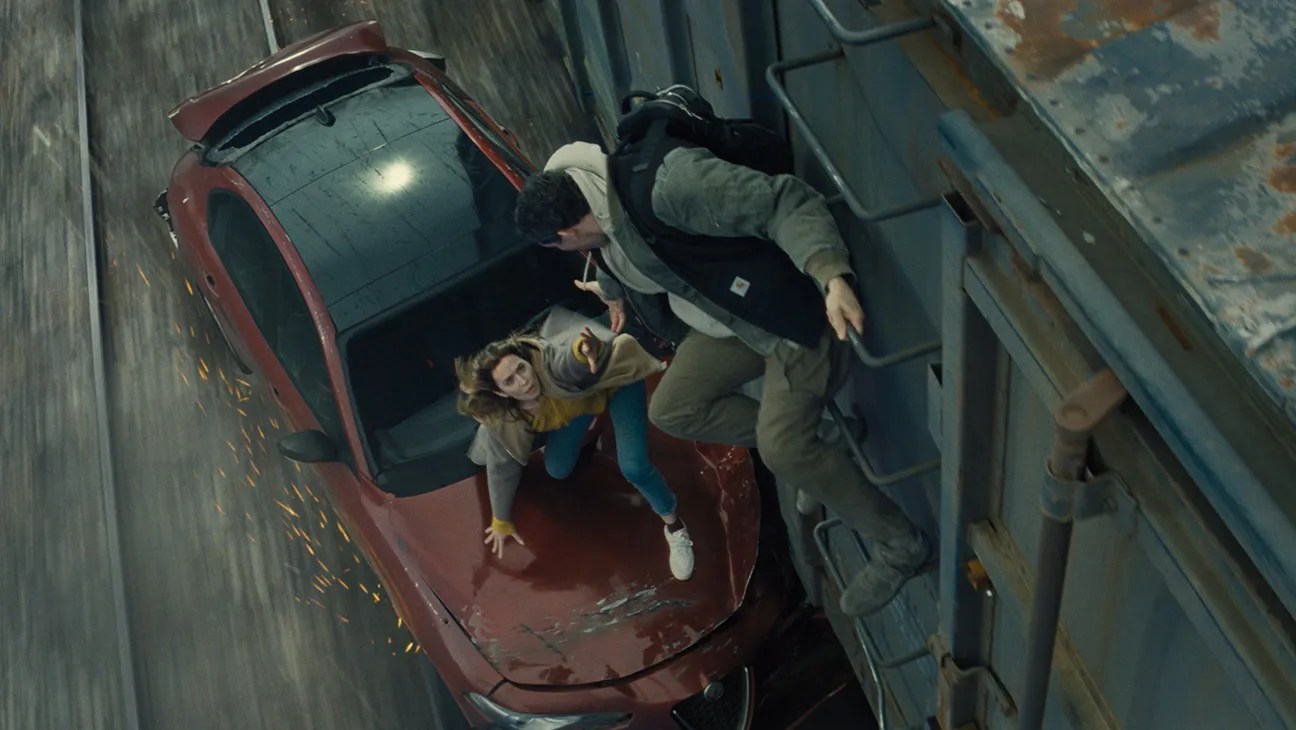
Project Hail Mary is the big-screen adaptation of Andy Weir’s book of the same name and stars Ryan Gosling as Dr. Ryland Grace, a science teacher and former molecular biologist recruited by an international space agency to journey to the star system of Tau Ceti to investigate a strange phenomena. What he finds at his destination or rather who he encounters forms the emotional core of this uplifting sci-fi film.

Grace’s story on Earth is told through flashbacks where we learn that the sun is slowly starting to dim because of these interstellar microorganisms called astrophage. They form a line to the planet Venus because the planet’s atmosphere of dense carbon dioxide allows them to breed, but they are slowly consuming the sun’s energy and in 30 years, the Earth will suffer a catastrophic global cooling that threatens life. Grace, who discovers that the astrophage are alive, learns that all the nearby stars are undergoing the same situation except for Tau Ceti and he is recruited to join the crew of the spaceship, Hail Mary, on a one-way voyage to investigate why the star is still intact.

After he arrives and is awoken from cryosleep, Grace finds out his crewmates died during the voyage and that an alien spaceship is approaching the Hail Mary. The spacecraft is piloted by a non-humanoid, possibly silicate-based, being that Grace nicknames Rocky (voiced and animated by James Ortiz) because of his rock-like appearance. After some back and forth in learning to communicate with each other, Rocky informs Grace that he is also the sole survivor of a mission from his world 40 Eridani, which is also infested with the astrophage. Together, the two beings work to find out why Tau Ceti is not dimming, how they could save their worlds, and along the way, the two also form a close friendship.

Putting aside the stunning special effects and that Project Hail Mary is unafraid to dwell on actual science, the most engaging aspect of the film is the relationship between the two beings. It is inspiring to see these two go through herculean efforts to learn to communicate, learn about their cultures, and form an unlikely friendship. The two were lonely in their quests and had to find some kind of emotional connection to help drive their efforts to save their worlds.

Of course, what sells this friendship is Ryan Gosling’s emotional performance and his interactions with Rocky. Gosling should be applauded in one of his strongest performances for engaging audiences as a flawed but likeable and lonely man who is able to connect with the strange alien. What’s amazing is that Rocky was largely brought to life with a puppet instead of CG, and this is why we are able to emotionally connect with him. For a strange, five-legged rock creature, Rocky feels not just alive but as a genuine sentient being that we come to care about. This was best seen at certain points in the film when the two made personal sacrifices to save each other.

One thing to note is that though Project Hail Mary is very emotionally intense at times, it is still very uplifting and showcases the best of humanity. Sure, Grace has his doubts and fears like the rest of us, but he is able to convey a sense of goodness that wins out in the end. In addition to the heartwarming relationship, the film is a visual wonder that explores the beauty of space, and the wonder of Earth. It’s just a bit regrettable that we did not get to see much of Rocky’s world or his spaceship, but that would have probably made this long film even longer!

Project Hail Mary is an emotional triumph that puts the heart into space exploration and first contact. Directors Phil Lord and Christopher Miller and screenwriter Drew Goddard have put together an engaging sci-fi wonder that must be celebrated for engaging audiences and instilling a sense of awe, warmth, and friendship across the stars.

RIP Warner Bros.

In the end, the tech bros bullied their way to get their toys. After months of threats and whining, Paramount made an offer to acquire Warner Bros. Discovery that was so high that made the previous bidder for the entertainment giant, Netflix, back away. The result? Most certainly, Warner Bros. will essentially cease to exist as it is merged into Paramount.

Paramount already stated that HBO, the premium cable service and its app HBO Max will be merged into its anemic Paramount+ streaming platform and the company will initiate billions of dollars in cuts to Warner Bros. which translates to lost jobs that would have been largely secure if the Netflix acquisition went through. Netflix promised to continue releasing Warner Bros. films in theaters and would have treated HBO and Warner Bros. as a prestige arm of Netflix, but now that is off the table.

Given the result of the last major merger of two entertainment companies, Disney and 20th Century Fox, turned out to be that Fox for all intents and purposes vanished, this development does not bode well for Warner Bros. Then again looking at Paramount’s meager film releases lately (they don’t even have any Star Trek films scheduled to be released this year during the franchise’s 60th anniversary), which has been small and nothing to rave about, perhaps buffering their release schedule with Warner Bros. product may be an improvement. Just keep in mind that ever since Skydance acquired Paramount last year, there has been very little for the company to rave about and they are in significant debt, and will have much more when they complete their purchase. This will likely mean far less offerings from our favorite genre franchises.

This development is very alarming given the closeness the owners of Paramount have with Donald Trump and his administration and their willingness to essentially become a media arm of the administration by hampering critics of the administration. Anyone thinking the bigwigs at Paramount won’t interfere with the creatives will be in for a rude awakening. Yes, Paramount owns Star Trek and the franchise has been derided by the right wing for being “too woke”, which is laughable since Star Trek has always been more progressive than believed and pushed barriers ever since the pilot episode. But it is believed that once the contract for Alex Kurtzman, the top creative behind the current Star Trek franchise, expires this year, Star Trek will undergo a massive rebooting and who knows what will direction it will take under the current owners.

Getting back to Warner Bros., obviously its properties like DC, Looney Tunes, Mad Max, Dune, Harry Potter and Game of Thrones will now belong to Paramount, cue the Star Trek/DC tie-in comics and Spongebob meets Bugs Bunny cartoons. Now, if Paramount had a brain and left its owners’ agendas at the door, it would leave the franchises alone to to do their own thing. Let’s see if this happens.

Even though James Gunn and Peter Safran, the current heads of DC Studios, will remain in their positions, according to Paramount, do not expect this arrangement to last. Given Gunn’s outspoken views against Trump and the fact that his film Superman blatantly criticized the policies of the Trump administration, expect some major pushback from Paramount with future DC projects. What could very well happen is that once his contract expires, Gunn will bail and if Disney moved fast they would snatch him up immediately and groom him to take over Marvel Studios once Kevin Feige retires. Even if Disney does not hire Gunn, he will be a hot commodity who will be sought after by the few remaining film studios.

Of course, the merger of two major film studios would violate anti-trust laws, and there was precedent for this when Disney brought Fox in 2017. That event could have been considered a one-off situation, but this one happening less than ten years after the Disney purchase. This could lead to more mergers and in the end audiences and consumers lose out. Don’t be surprised if we get news soon about more mergers. Sure there are laws against this but since when did that impeded the current corporate-friendly government?

No matter anyone’s beliefs, this development is disturbing because the lessening of competition will lead to less choice and increased prices for consumers. Naturally, the only way to counter this is though money, the only thing the corporations listen to. For now, let’s take a moment of silence to commemorate Warner Bros. and HBO for their decades of quality films and TV shows.

Beyond Avatar: Fire And Ash

There have been many questions from those who saw Avatar: Fire and Ash about the state of affairs following that film and more importantly if we will see another Avatar sequel. James Cameron, the director and creator of the Avatar films said at the time of the release of Avatar: Fire and Ash that future films would depend on the third film’s box office performance. Since then, the film has proven to be an undeniable hit, having grossed $1.3 billion and climbing, but is that enough and where would the Avatar saga go? There will be spoilers ahead for Avatar: Fire and Ash.

After the Fire and Ash

When Avatar: Fire and Ash finished, the human colonizers were dealt a huge defeat by the native Na’vi of Pandora, but they were not driven off the world. Meanwhile, the human teen Spider was accepted by the Na’vi as one of their own, and his new ability to breath Pandoran air indicated that humanity would be able to adapt biologically to live on Pandora. This was what Jake Sully and his lover Neytiri feared would happen because humanity was desperate to flee a dying Earth and settle on a new world. It is all but certain that despite their defeat, more humans would show up in waves to settle on Pandora.

Then there were unresolved personal issues faced by the main characters. Although many arcs were resolved such as Neytiri’s hatred of humans and Jake Sully accepting his destiny as Toruk Makto, the warrior leader who would unite the Na’vi tribes against the humans, others were left incomplete. Namely, Sully’s children with their own stories, the fate of his enemies Quaritch and Varang, and what would ultimately come of the human/Na’vi relations. Yes, we saw Quaritch plunge to his fiery death at the end of the film, but come on we saw him killed by arrows to the heart in the first film, drowned in the second, so the powers-that-be will concoct some way to resurrect him.

Regarding Quaritch and the Na’vi

Quaritch has become one of the most interesting and nuanced characters in the Avatar films. Originally, he was a one-note villain in the first film that was killed off, but after his memories were implanted into a Na’vi avatar in the second film, his character became more intriguing. Quaritch hates the Na’vi and actively fights for the humans, but he is actually one of the Na’vi now. Yet, he refuses to open his eyes and acknowledge the wonder of Pandora as Sully chided him in the third film. The actual Quaritch died in Avatar and for all intents and purposes the Na’vi replacement has the opportunity to chart a new course but is stuck in his old ways. However, in the third film there were signs of Quaritch starting to soften his ways. This was best seen with his wanting to establish a relationship with his human son, Spider, who adopted Na’vi culture. He also began to “go native” when he began a sexual relationship with Verang since they shared a common bloodthirst for violence. Then there is also the fact that he ignored the orders from his human military leader, General Ardmore, who was more openly disdainful of Quaritch, Verang and her tribe. The natural progression for Quaritch in the final two films would be for him to have a change of heart and side with the Na’vi and probably sacrifice himself to either save Spider or Pandora or even the child that he would have conceived with Verang. Given how Quaritch has become such a great character it would be a shame if we never see him again.

As for the Na’vi, the humans are still on Pandora and more will come. How can they survive this? In our history, whenever a culture encountered one with a high-level of technology, they would end up being defeated in the long run. The Na’vi are a non-industrial society that consider the use of metal weapons to be taboo and won’t use them, except for the Ash People who were all too willing to use human armaments to fight their fellow Na’vi. But we’ve seen traditional Na’vi starting to use human technology. In Avatar: The Way of Water, Sully led a raiding party who quickly stole human weapons and used them against the humans. Neytiri herself even began to use Na’vi weapons modified with human technology to rescue Jake in the third film. This enforces a theme that in order to survive one must be willing to adapt. This theme of adapt or die was also shown when the powerful aquatic tulkuns abandoned their pacifistic ways to fight the humans who were slaughtering them. No matter what ultimately happens the Na’vis are forever changed by the arrival of humans.

One nagging situation with the Na’vi is their origin. On Pandora, the native fauna have six limbs, no nostrils, two neural queues, and two sets of eyes. Despite their blue skin and gigantic nature and tails, the Na’vi are more human-like with four limbs, nostrils and one set of eyes. We have not had an explanation as to why the Na’vi are so biologically different from other Pandoran lifeforms. This implies that the Na’vi may not be natives of Pandora. They could have come from another world perhaps under similar circumstances to the humans or they were stranded there. Perhaps they were more technologically oriented and abandoned this lifestyle to become more attuned to the land and eventually forgot their origins. This would be a fascinating plot to explore in the fourth or fifth film and point a way towards humanity’s destiny of learning to live harmoniously with the land.

Humanity’s Fate

Then there is the nagging question of will the humans be able to live on Pandora peacefully with the Na’vi? Instead of using MacGuffins like unobtanium to explain why the humans are so set on razing Pandora, the fourth and fifth film should focus more on humanity’s desperate mission to find a new world. This could lead to ethical questions on both sides. It’s one thing to fight back hard against invaders from the sky out to plunder your world but it’s another to attack families with children who are only looking for refuge. Sure, Verang and her Ash People would not hesitate to kill any human but would others like Neytiri be willing to go that far?

As for the humans, we have to see more people that are against the military/corporate factions who are too eager to kill Na’vi and pillage Pandora. It’s unrealistic to think that most of the humans in the Avatar films are evil scumbags. We saw more signs of humans fighting for the Na’vi in the earlier films with Sully himself, a few allies, and in the third film when the marine biologist Dr. Ian Garvin helped Jake escape from jail and warned him of a pending tulkun slaughter. But we need to see some kind of redemption for the whole of humanity. They have to take a stance and find a way to live harmoniously with the Na’vi.The next films could have a development were a faction of the colonizers rebel and fight on the side of the Na’vi. One really awesome sequence could have several of the arriving ships from Earth unexpectedly attacking other human ships. Then these rebel ships could land on Pandora and the humans emerging from them could declare their allegiance to the Na’vi.

On that note, if there is never another Avatar film, we do have an ultimate conclusion of sorts to the Avatar Saga. In Pandora, the World of Avatar, the Avatar-themed land in Disney’s Animal Kingdom, it takes place generations after the Avatar films and both species now exist peacefully with each other. If that won’t suffice, Cameron himself promised to hold a press conference and reveal the end of the saga and even write a novel about it.

Continue reading