The MCU Moves Ahead From Hall H

After skipping out of the San Diego Comic-Con last year, Marvel Studios made a welcome return to the convention yesterday to Hall H with tantalizing announcements that point the way forward for the Marvel Cinematic Universe (MCU).

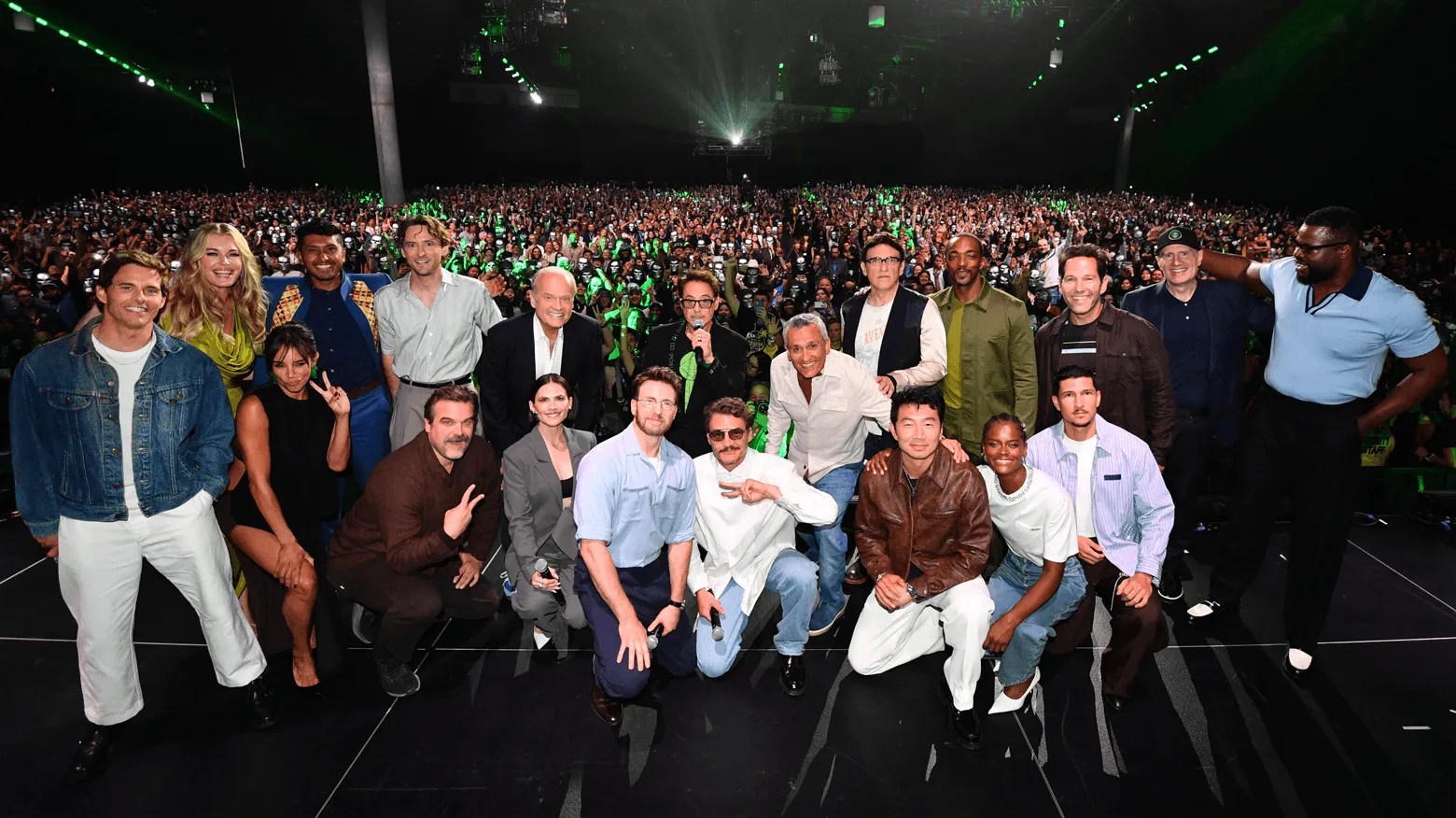
The announcements were not on par with past announcements like Robert Downey, Jr. playing Doctor Doom in Avengers: Doomsday or revealing a mammoth list of upcoming projects. But Marvel Studios did put on a good presentation for the public with exclusive footage from this week’s release of Spider-Man: Brand New Day and this December’s Avengers: Doomsday, along with an impressive roster of actors from the latter film appearing on stage along with Marvel Studios president, Kevin Feige and the directors of the new Avengers film, Joe and Anthony Russo.
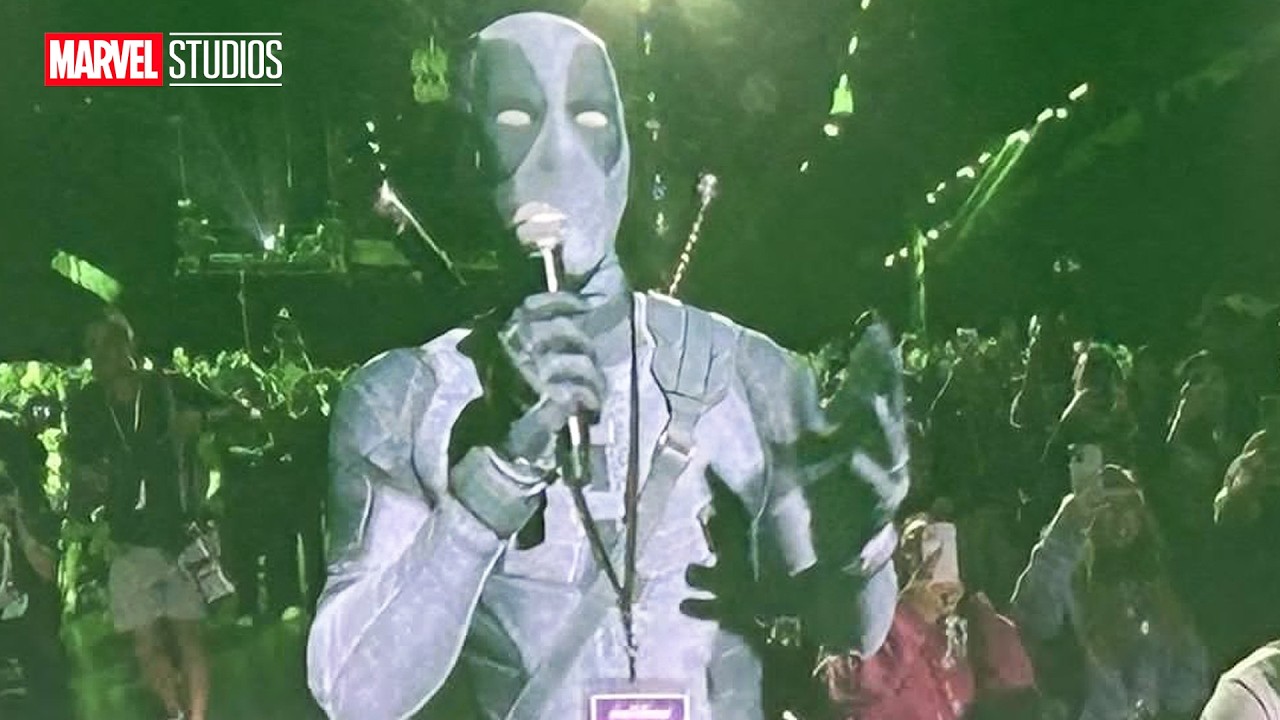
What caught everyone’s interest was an appearance by Ryan Reynolds playing Deadpool who popped out of the audience and teased the cast as to why Thor was crying in a cryptic scene from Deadpool & Wolverine–a question that was leveled at Paul Rudd who plays Ant-Man. The question while playful had dark undertones with the implication that Ant-Man will die in Avengers: Doomsday. There was also the question that everyone had about whether or not Deadpool will appear in the Avengers film. So far, the answer appears to be no, but Reynolds did reveal in a recent interview that there are plans for a new Deadpool film.

The last announcement made by Feige after the Avengers: Doomsday presentation ended did not surprise anyone: a third Black Panther film coming in December 15, 2028, to be directed by Ryan Coogler. What blew the roof off the hall was that the announcement that Black Panther will be now played by David Johnson. Genre fans will recognize him from his appearances in Alien: Romulus and The Long Walk. This was very welcome news given Johnson’s natural charisma and acting talent, and frankly he was the best part of those films. So him playing T’Challa’s grown up son who picks up the mantle of the Black Panther, plus Coogler’s revelation that Black Panther III will be filmed in large format film amped up interest in this film.
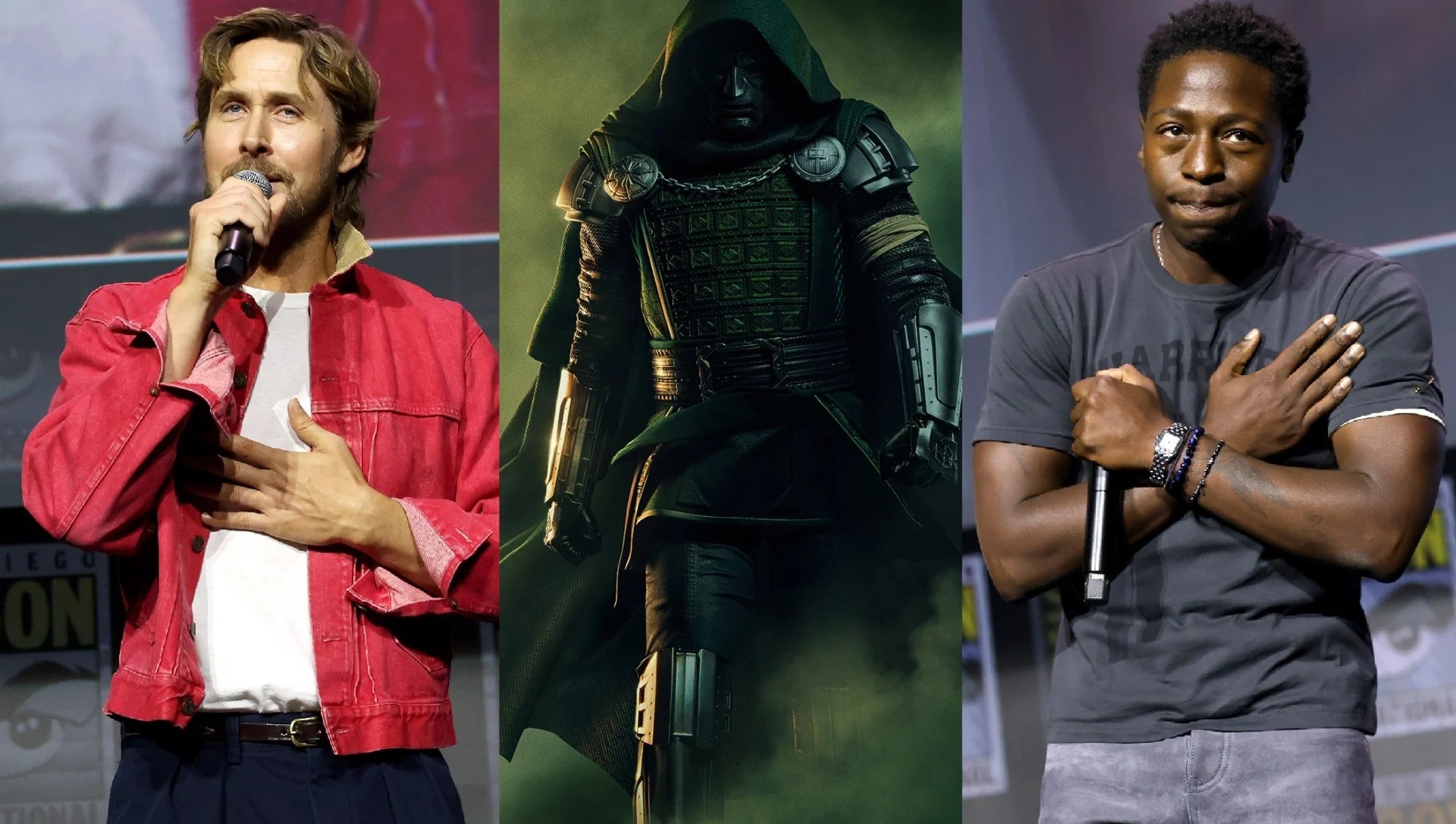
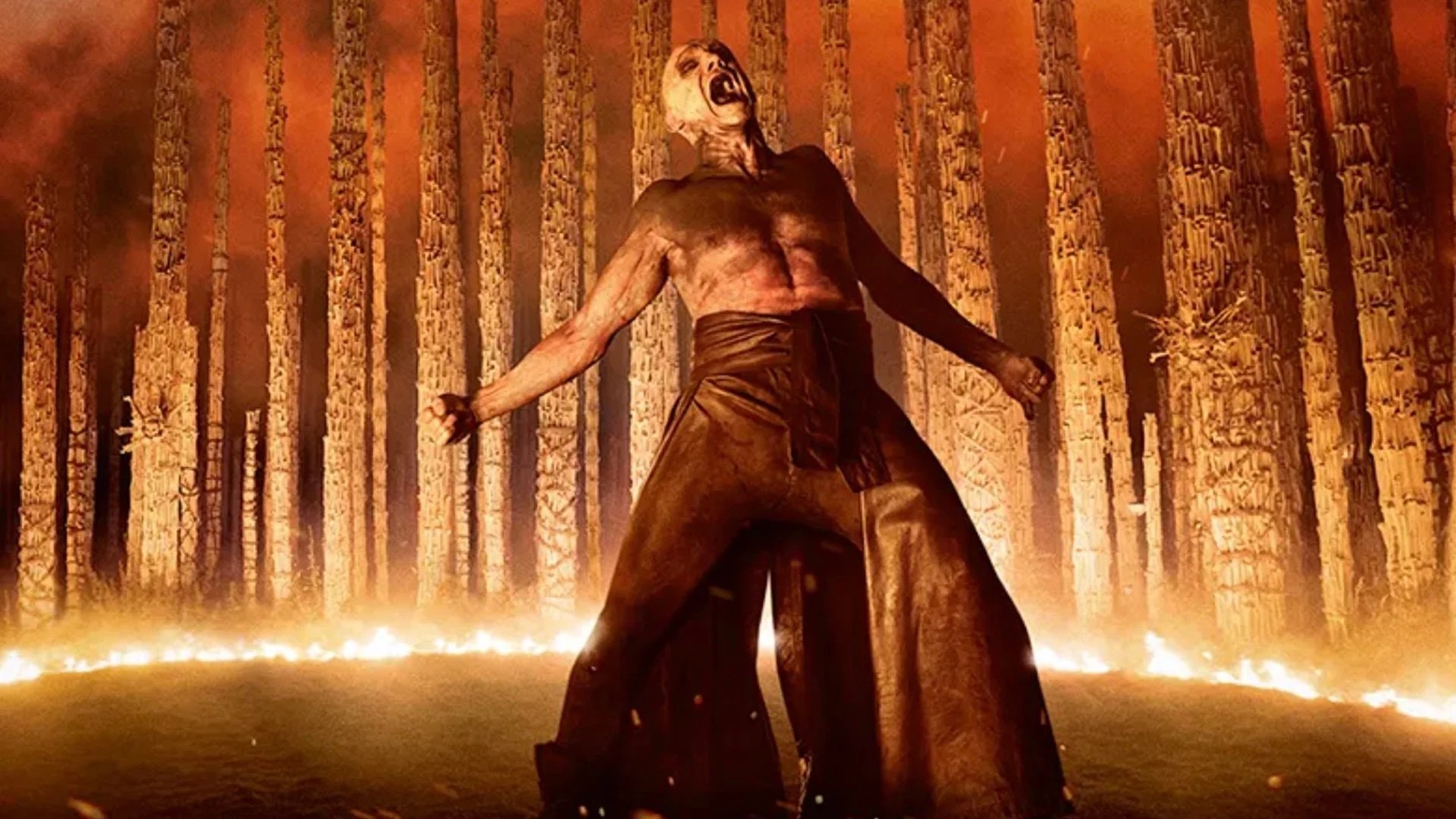
The most surprising revelation at Hall H was the announcement of a new Ghost Rider starring Ryan Gosling, to be directed by Shawn Levy and slated for release in 2028. Apparently Gosling and Levy’s collaboration in next year’s Star Wars: Starfighter went so well that they are teaming up again for the MCU. It was not revealed which version of Ghost Rider Gosling will play but expect him to play the original Johnny Blaze version. It’s interesting to note that the actor is married to Eva Mendes who appeared in the original Ghost Rider film in 2007 and it would be nifty if she appears in the reboot. Some have concerns that Levy who is known for more lightweight films will be directing a film that should be more horror based given the superhero’s horror roots. Regardless, nearly everyone is excited by the idea of Ryan Gosling playing Ghost Rider as many have fan casted throughout the years. As long as it turns out better than the original and it doesn’t end up being unfilmed like what happened with Blade. Hopefully Feige and Marvel Studios know better now and seems to have since at least a director has been locked in and not just the lead actor.

Regarding the MCU TV shows, no major announcements or trailers were released. The only thing mentioned by Feige was that VisionQuest will conclude the Wanda trilogy. Most likely the big announcements about MCU TV shows (and trailer releases) will be done at the D23 Expo on August 14.
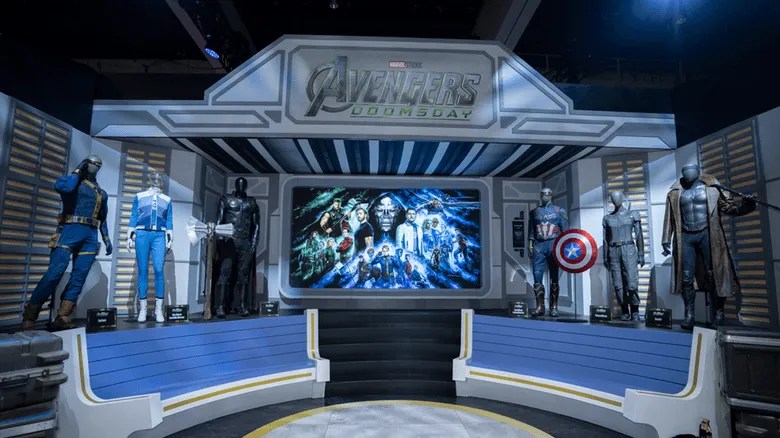
It’s also worth mentioning that despite speculation there won’t be any secret MCU films planned for between Avengers: Doomsday and Avengers: Secret Wars, the latter of which won’t be a two-part film. Another thing missing from the Marvel Studios presentation was any news about the new X-Men film. That could be due to the fact that there isn’t a full cast and the desire to keep Sadie Sink’s character in Spider-Man: Brand New Day a secret for a while longer (the popular theory is that she is playing Jean Grey, a founding member of the X-Men). Apparently, Marvel Studios is keeping its cards hidden in order to avoid the past embarrassment of announcing a bunch of projects that never get made–see Blade, Inhumans, Armor Wars; and this is for the best. Give the fans a few nuggets of information about definite projects when they are ready to be announced.

It’s easy to say that given the failure of several recent superhero films that superhero fatigue is upon us. However, given the excitement of upcoming superhero projects at this year’s Comic-Con that may not be the case.
Beyond Avatar: Fire And Ash

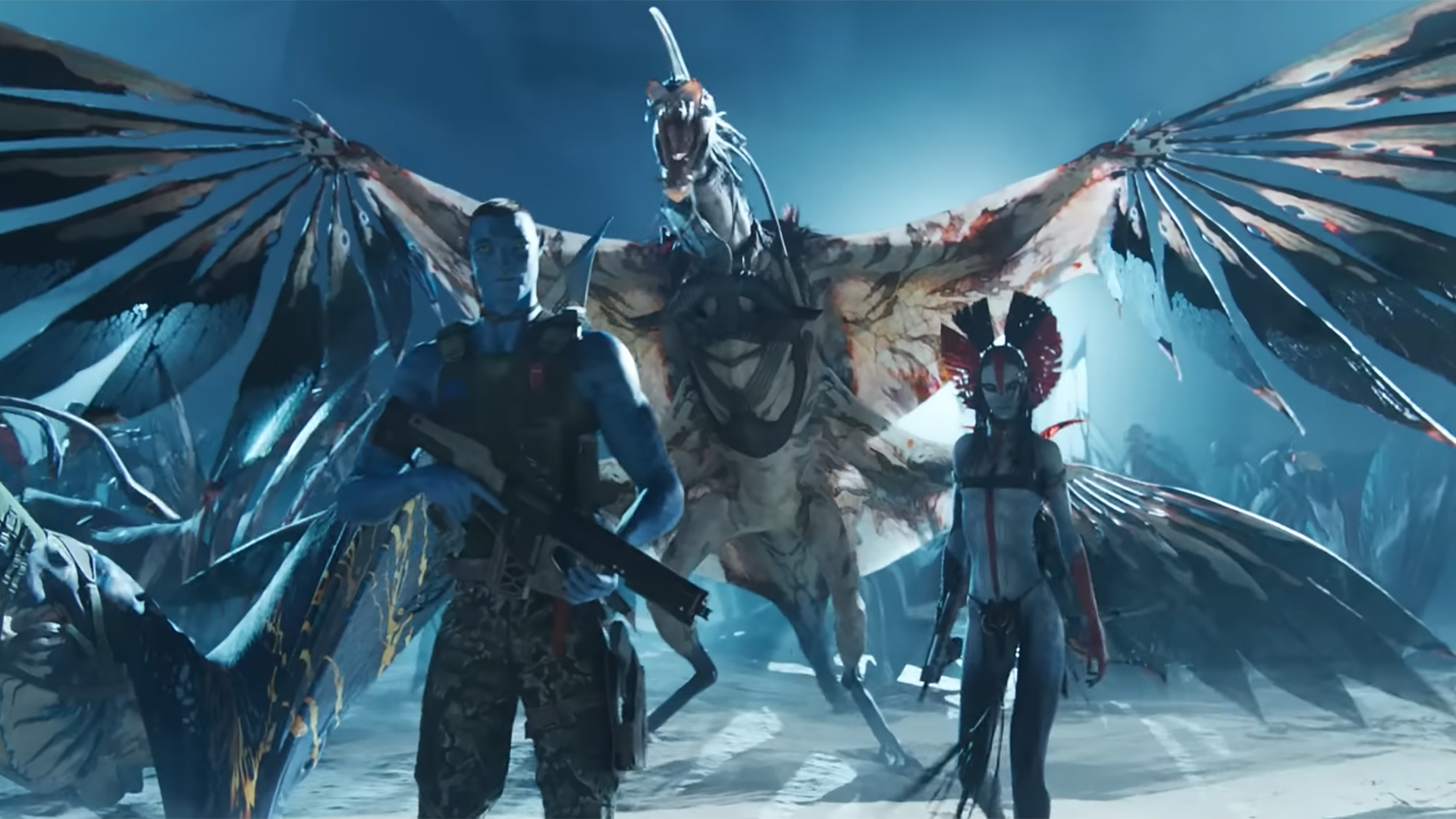
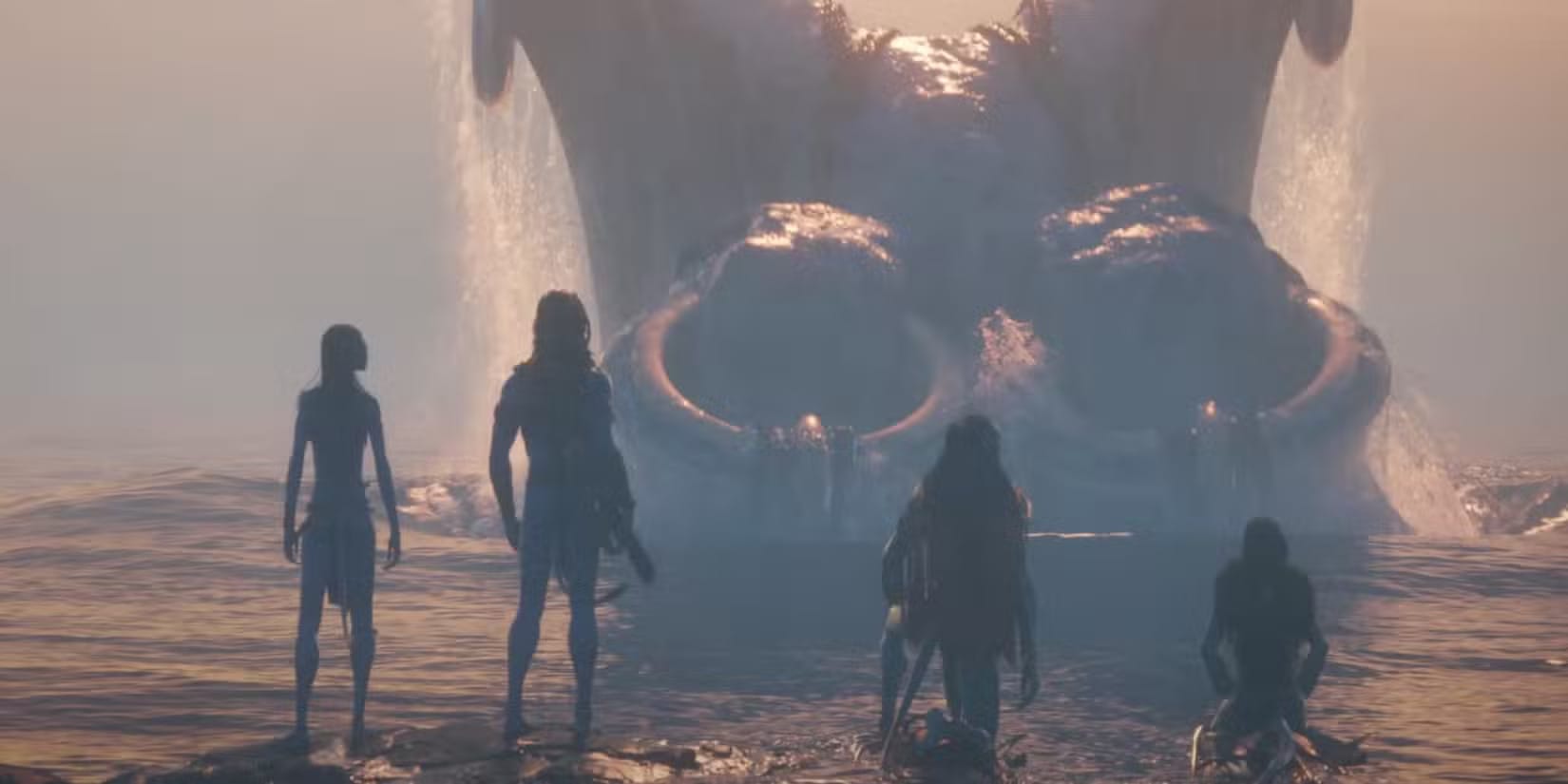
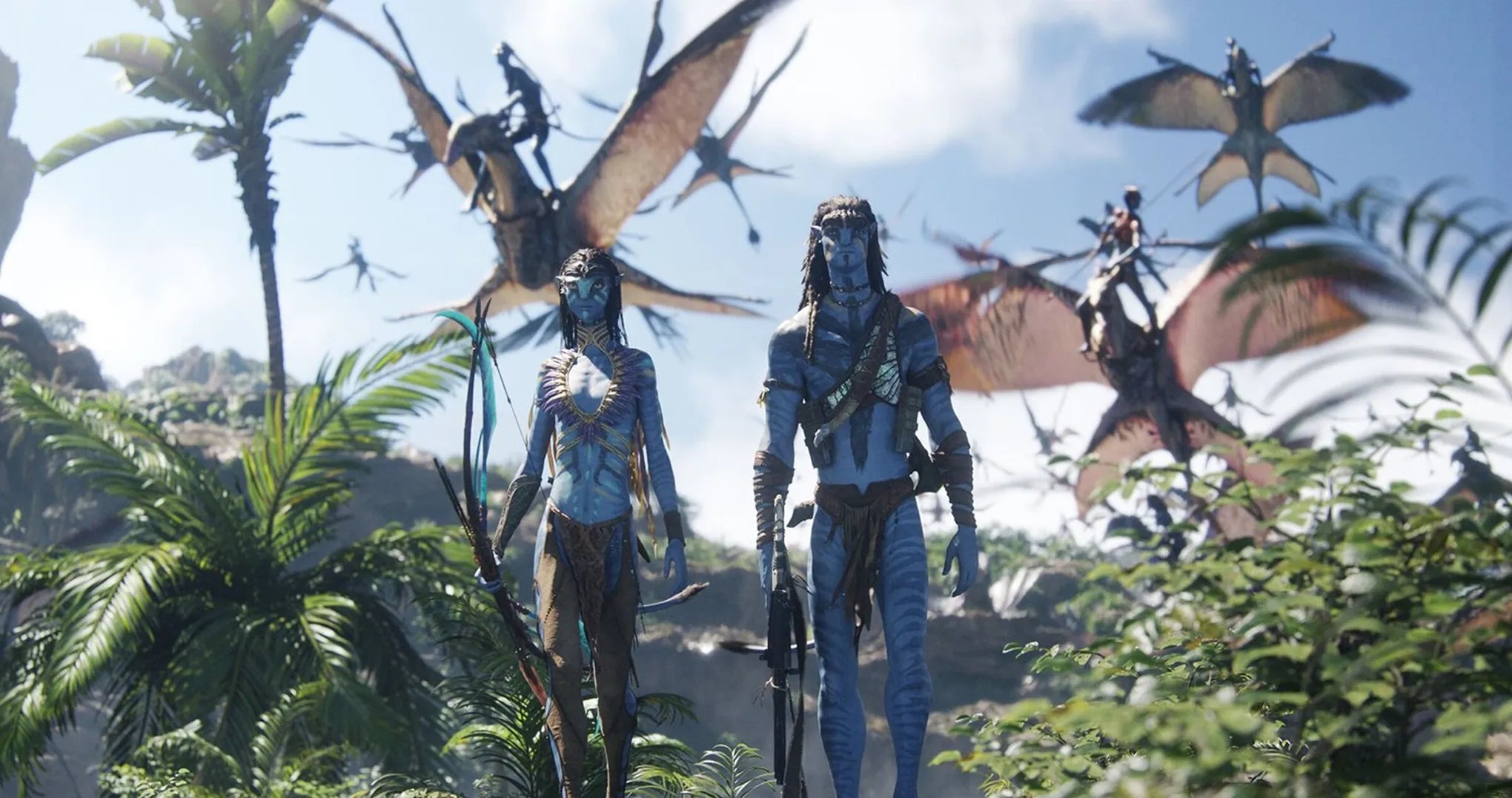
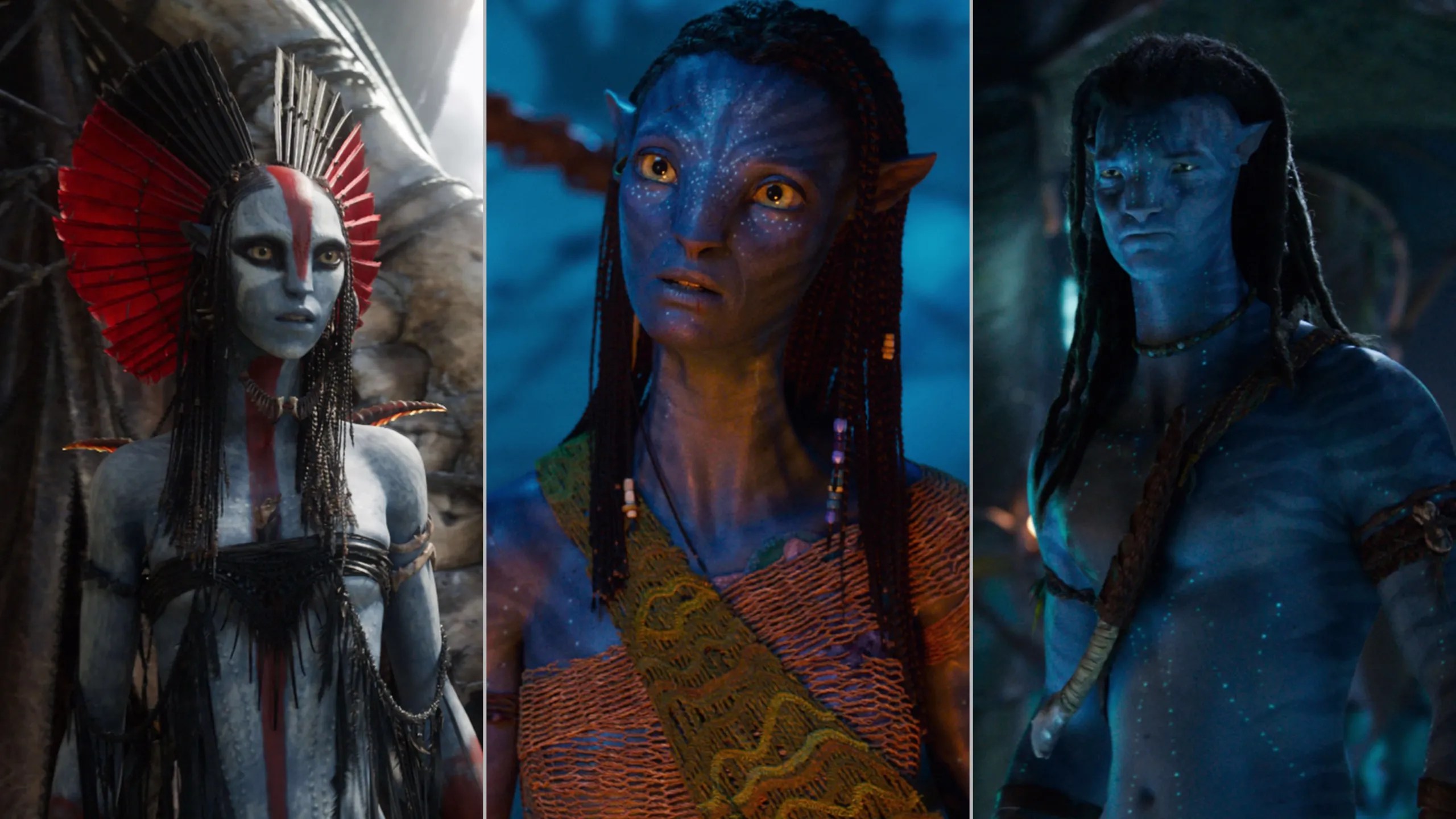
There have been many questions from those who saw Avatar: Fire and Ash about the state of affairs following that film and more importantly if we will see another Avatar sequel. James Cameron, the director and creator of the Avatar films said at the time of the release of Avatar: Fire and Ash that future films would depend on the third film’s box office performance. Since then, the film has proven to be an undeniable hit, having grossed $1.3 billion and climbing, but is that enough and where would the Avatar saga go? There will be spoilers ahead for Avatar: Fire and Ash.

After the Fire and Ash

When Avatar: Fire and Ash finished, the human colonizers were dealt a huge defeat by the native Na’vi of Pandora, but they were not driven off the world. Meanwhile, the human teen Spider was accepted by the Na’vi as one of their own, and his new ability to breath Pandoran air indicated that humanity would be able to adapt biologically to live on Pandora. This was what Jake Sully and his lover Neytiri feared would happen because humanity was desperate to flee a dying Earth and settle on a new world. It is all but certain that despite their defeat, more humans would show up in waves to settle on Pandora.

Then there were unresolved personal issues faced by the main characters. Although many arcs were resolved such as Neytiri’s hatred of humans and Jake Sully accepting his destiny as Toruk Makto, the warrior leader who would unite the Na’vi tribes against the humans, others were left incomplete. Namely, Sully’s children with their own stories, the fate of his enemies Quaritch and Varang, and what would ultimately come of the human/Na’vi relations. Yes, we saw Quaritch plunge to his fiery death at the end of the film, but come on we saw him killed by arrows to the heart in the first film, drowned in the second, so the powers-that-be will concoct some way to resurrect him.

Regarding Quaritch and the Na’vi

Quaritch has become one of the most interesting and nuanced characters in the Avatar films. Originally, he was a one-note villain in the first film that was killed off, but after his memories were implanted into a Na’vi avatar in the second film, his character became more intriguing. Quaritch hates the Na’vi and actively fights for the humans, but he is actually one of the Na’vi now. Yet, he refuses to open his eyes and acknowledge the wonder of Pandora as Sully chided him in the third film. The actual Quaritch died in Avatar and for all intents and purposes the Na’vi replacement has the opportunity to chart a new course but is stuck in his old ways. However, in the third film there were signs of Quaritch starting to soften his ways. This was best seen with his wanting to establish a relationship with his human son, Spider, who adopted Na’vi culture. He also began to “go native” when he began a sexual relationship with Verang since they shared a common bloodthirst for violence. Then there is also the fact that he ignored the orders from his human military leader, General Ardmore, who was more openly disdainful of Quaritch, Verang and her tribe. The natural progression for Quaritch in the final two films would be for him to have a change of heart and side with the Na’vi and probably sacrifice himself to either save Spider or Pandora or even the child that he would have conceived with Verang. Given how Quaritch has become such a great character it would be a shame if we never see him again.

As for the Na’vi, the humans are still on Pandora and more will come. How can they survive this? In our history, whenever a culture encountered one with a high-level of technology, they would end up being defeated in the long run. The Na’vi are a non-industrial society that consider the use of metal weapons to be taboo and won’t use them, except for the Ash People who were all too willing to use human armaments to fight their fellow Na’vi. But we’ve seen traditional Na’vi starting to use human technology. In Avatar: The Way of Water, Sully led a raiding party who quickly stole human weapons and used them against the humans. Neytiri herself even began to use Na’vi weapons modified with human technology to rescue Jake in the third film. This enforces a theme that in order to survive one must be willing to adapt. This theme of adapt or die was also shown when the powerful aquatic tulkuns abandoned their pacifistic ways to fight the humans who were slaughtering them. No matter what ultimately happens the Na’vis are forever changed by the arrival of humans.

One nagging situation with the Na’vi is their origin. On Pandora, the native fauna have six limbs, no nostrils, two neural queues, and two sets of eyes. Despite their blue skin and gigantic nature and tails, the Na’vi are more human-like with four limbs, nostrils and one set of eyes. We have not had an explanation as to why the Na’vi are so biologically different from other Pandoran lifeforms. This implies that the Na’vi may not be natives of Pandora. They could have come from another world perhaps under similar circumstances to the humans or they were stranded there. Perhaps they were more technologically oriented and abandoned this lifestyle to become more attuned to the land and eventually forgot their origins. This would be a fascinating plot to explore in the fourth or fifth film and point a way towards humanity’s destiny of learning to live harmoniously with the land.

Humanity’s Fate

Then there is the nagging question of will the humans be able to live on Pandora peacefully with the Na’vi? Instead of using MacGuffins like unobtanium to explain why the humans are so set on razing Pandora, the fourth and fifth film should focus more on humanity’s desperate mission to find a new world. This could lead to ethical questions on both sides. It’s one thing to fight back hard against invaders from the sky out to plunder your world but it’s another to attack families with children who are only looking for refuge. Sure, Verang and her Ash People would not hesitate to kill any human but would others like Neytiri be willing to go that far?

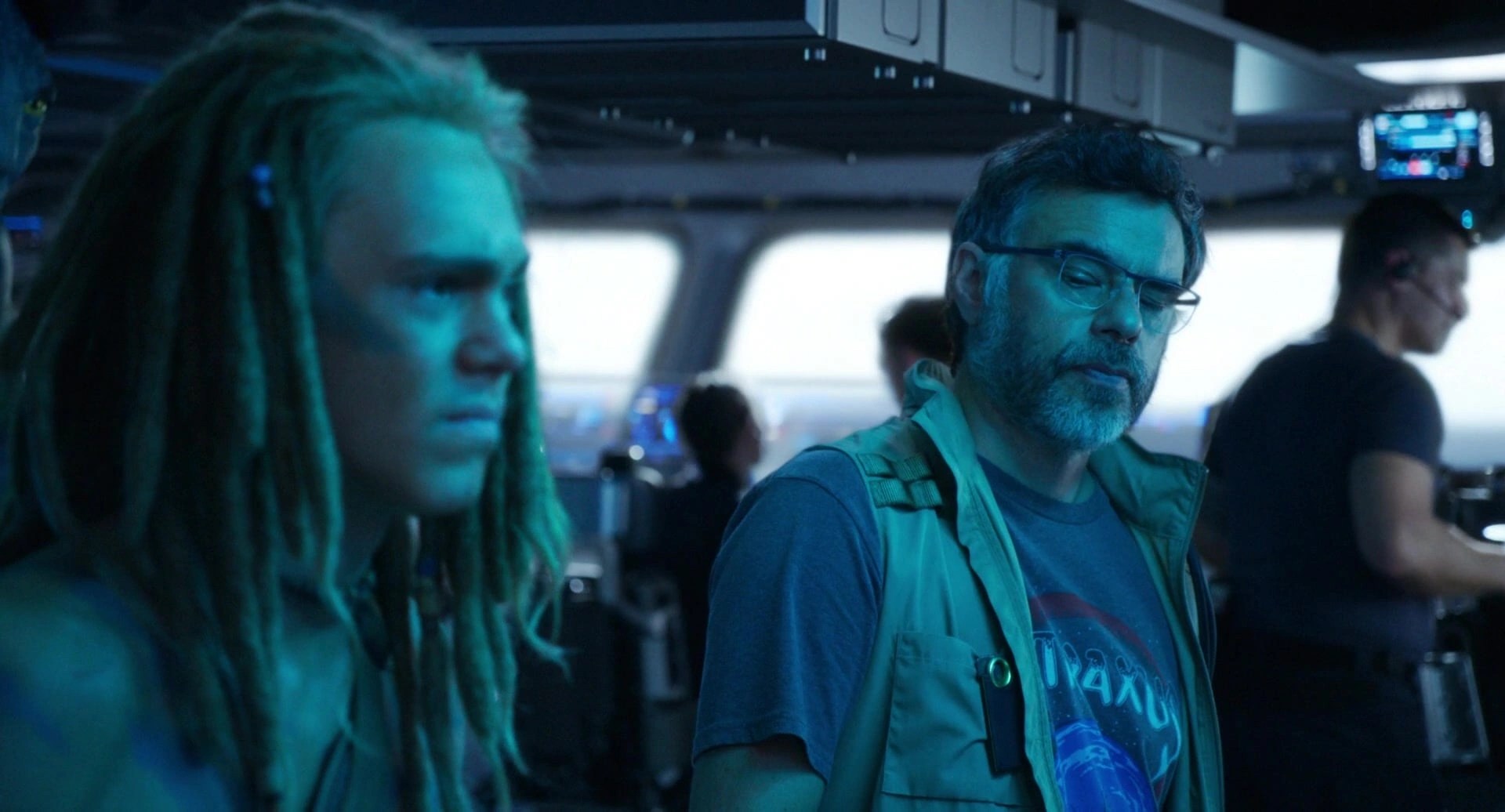
As for the humans, we have to see more people that are against the military/corporate factions who are too eager to kill Na’vi and pillage Pandora. It’s unrealistic to think that most of the humans in the Avatar films are evil scumbags. We saw more signs of humans fighting for the Na’vi in the earlier films with Sully himself, a few allies, and in the third film when the marine biologist Dr. Ian Garvin helped Jake escape from jail and warned him of a pending tulkun slaughter. But we need to see some kind of redemption for the whole of humanity. They have to take a stance and find a way to live harmoniously with the Na’vi.The next films could have a development were a faction of the colonizers rebel and fight on the side of the Na’vi. One really awesome sequence could have several of the arriving ships from Earth unexpectedly attacking other human ships. Then these rebel ships could land on Pandora and the humans emerging from them could declare their allegiance to the Na’vi.

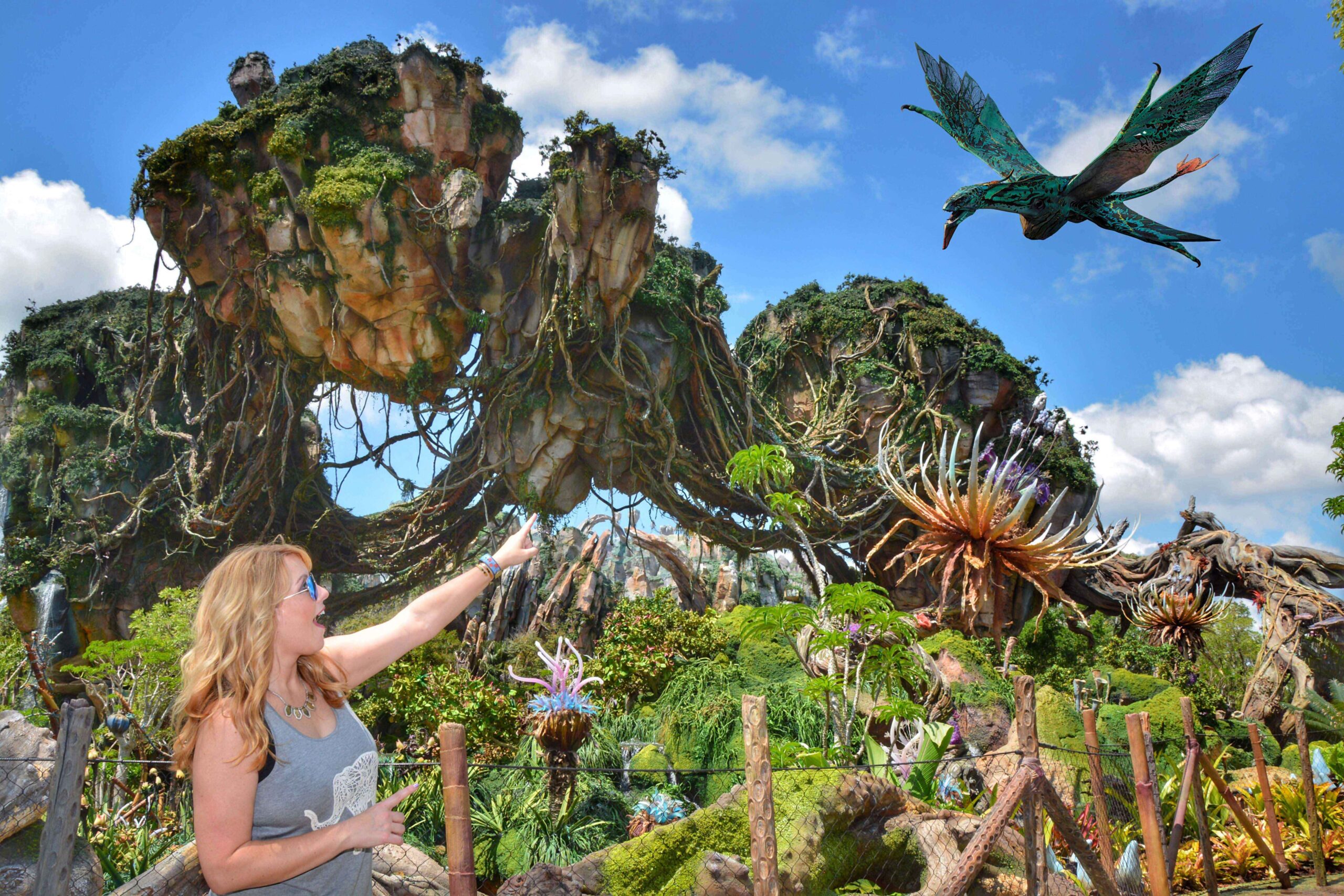
On that note, if there is never another Avatar film, we do have an ultimate conclusion of sorts to the Avatar Saga. In Pandora, the World of Avatar, the Avatar-themed land in Disney’s Animal Kingdom, it takes place generations after the Avatar films and both species now exist peacefully with each other. If that won’t suffice, Cameron himself promised to hold a press conference and reveal the end of the saga and even write a novel about it.

Continue reading

Making The Perfect Stephen King Adaptation

One would think that adapting any of acclaimed author Stephen King’s literary works into a top-tier film or television production would be fairly simple. But it’s not. So, why is it so difficult to successfully adapt a Stephen King work? There are a few that can be considered, but it basically boils down to these two reasons.

Translation to Screen

While King is the master of prose when it comes to horror, fantasy, sci-fi, and non-genre subjects like crime, it is not easy to translate what he writes into a visual medium. Sometimes the dialogue which flows like water on page can come off as stilted and clumsy, especially if a character goes off on a rant. A narrative tool that King uses a lot is internal dialogue and narration to convey the characters’ thoughts. This technique is hard to pull off in visual medium where showing is prefered to telling.

Other times the prose is let’s just say a bit too much for a visual story. IOW, given the amount of screen time available in a film, putting TV aside, there is only so much material that can be adapted. Many of King’s best known works like It, The Stand or the Dark Tower books run over thousands of pages. Turning epic novels like those into two-hour plus films is nearly impossible. It is one of the main reasons why attempts to turn his classic novels like The Stand failed to make it out of the gate as a film despite many attempts because there was so much material to cut out that the result would be a poor adaptation of the source material. Just look at The Dark Tower film that came and went a few years ago. To most, the film was an ill-conceived attempt to adapt the multi-book epic about the Gunslinger Roland and his mythic quest across worlds and realities. What The Dark Tower did was give viewers a truncated sprinkling of Roland’s quest that left many feeling dissatisfied with an unfinished story.

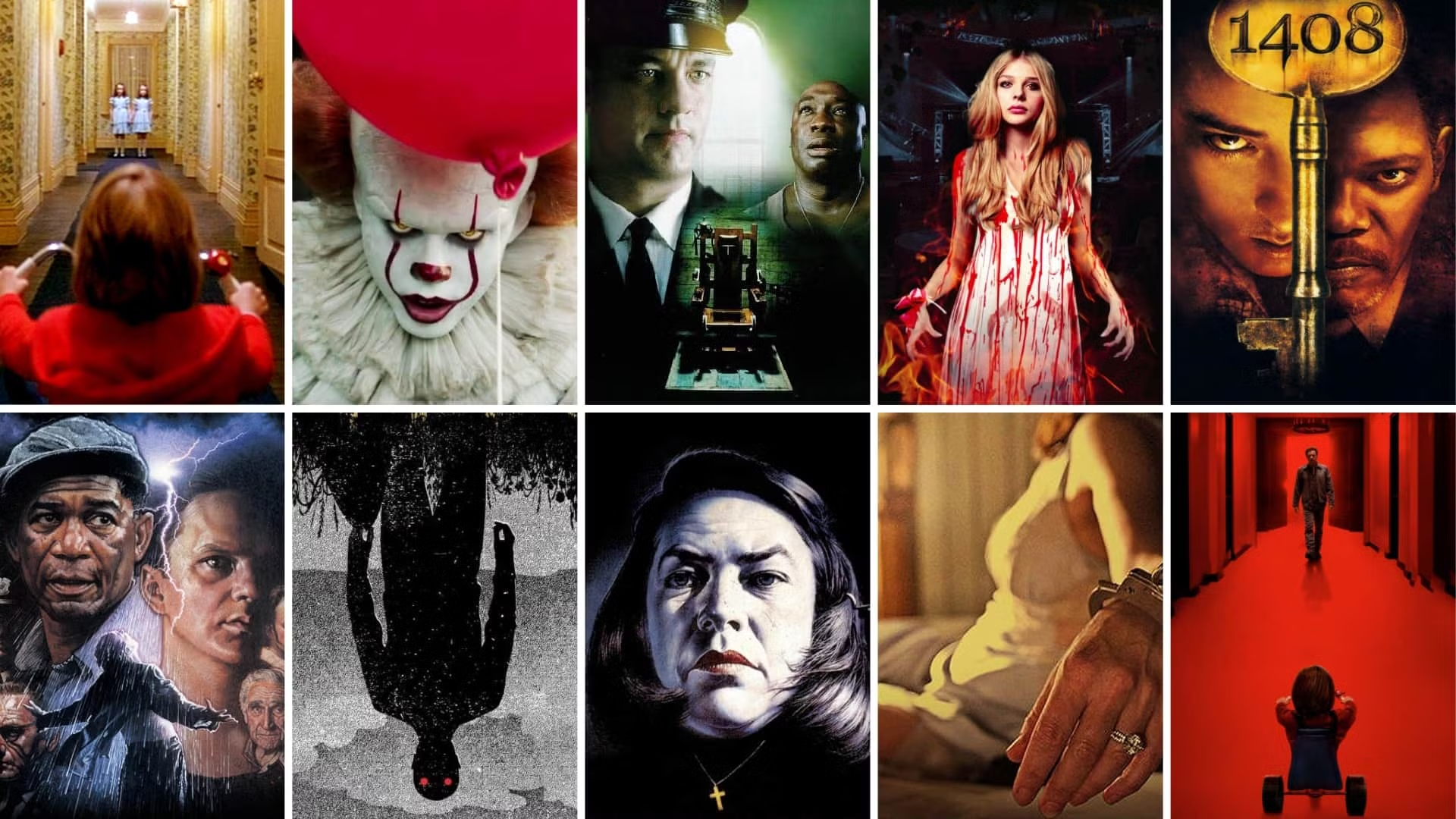
The more successful adaptations like The Shining, Carrie, The Dead Zone, Cujo, Stand By Me (adapted from The Body), The Shawshank Redemption and The Mist were based on more typical novels that were just a few hundred pages. Also, in the case of The Mist, Stand By Me and The Shawshank Redemption, those were based on novellas which seem to be the perfect amount of story to translate into screen.

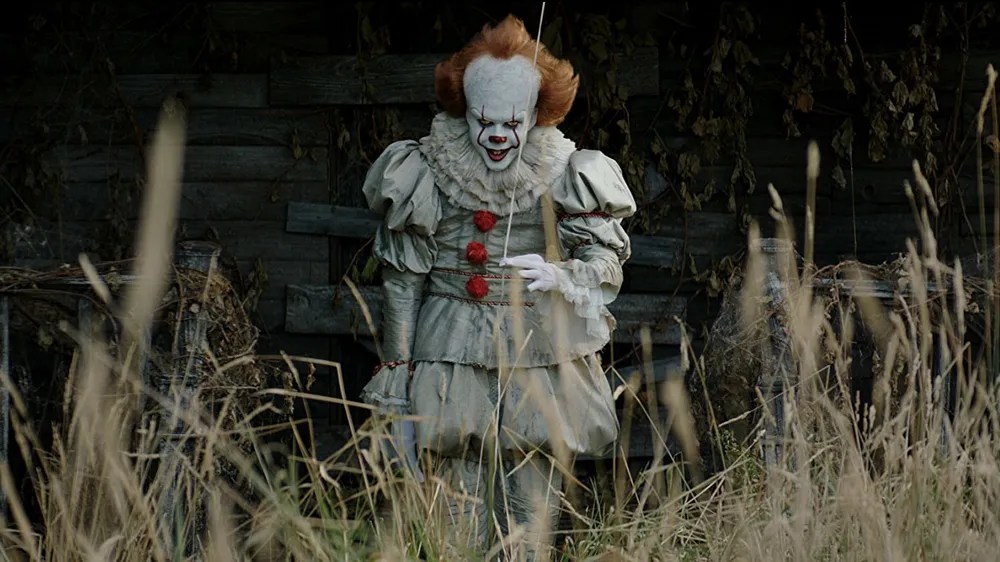
One viable option is to adapt mammoth epic novels into two-part films as was done with It. While the film versions of It differed in structure, the adaptations more or less captured the essence of the novel with the first film focusing exclusively on the main characters when they were children while the second film picked up the characters as adults when they confronted the evil entity Pennywise. This approach would work best for The Dark Tower Saga or any of King’s narrative which can be quite long and involving.

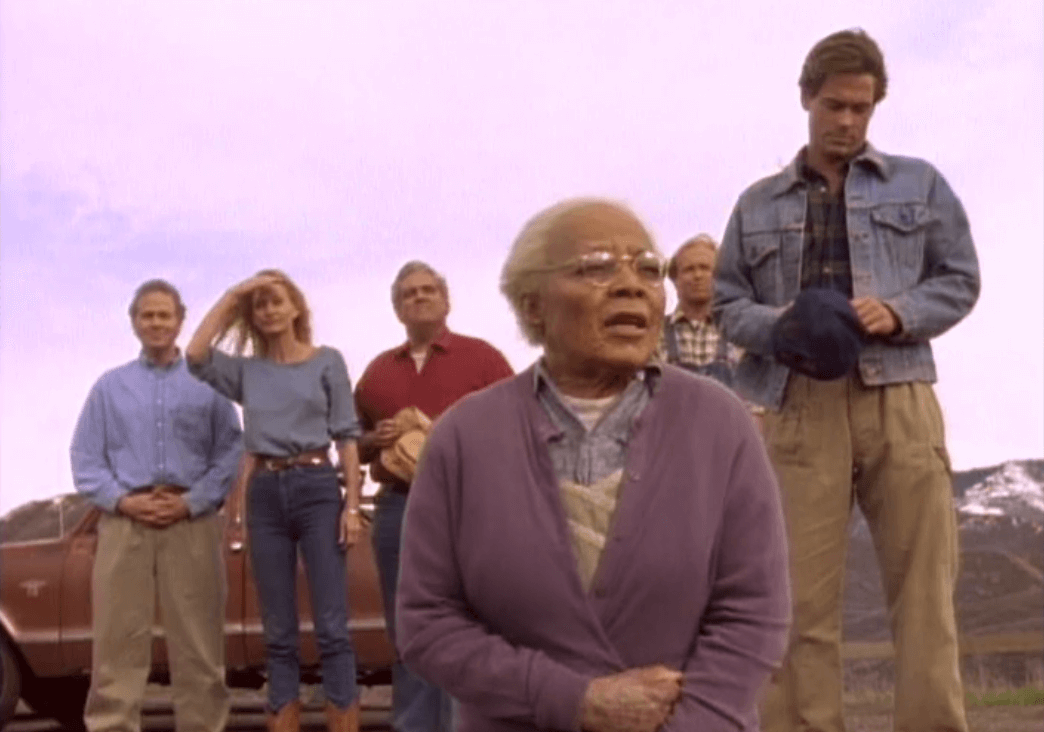
The other obvious option, which has been done to some success, is to adapt his works into television mini-series or shows. Some of the best examples include ‘Salem’s Lot, The Stand, 11/22/63, The Outsider and Nightmares & Dreamscapes. Adapting The Dark Tower Saga into this format is honestly the only viable way to present the expansive storyline and do it well.

The Skill of the Translators

One important reason as to why it is so hard to adapt Stephen King works is due to the quality and skill of the filmmakers and showrunners and scriptwriters. While many gifted behind-the-scenes creators successfully adapted King’s works like Stanley Kubrick, John Carpenter, Frank Darabont, Rob Reiner and Andy Muschietti, far too many inferior creators took a hand into mangling and ruining King’s classics. It is lamentable that someone like Steven Spielberg or Christopher Nolan or Scott Derrickson never helmed a Stephen King film (there were reports that years ago, Spielberg was involved in an adaptation of The Talisman, but that never came to be). Just think of how something like Under the Dome, Cell, and The Girl Who Loved Tom Gordon would have turned out if James Wan or Robert Eggers or Ari Aster were at the director’s chair with the projects.

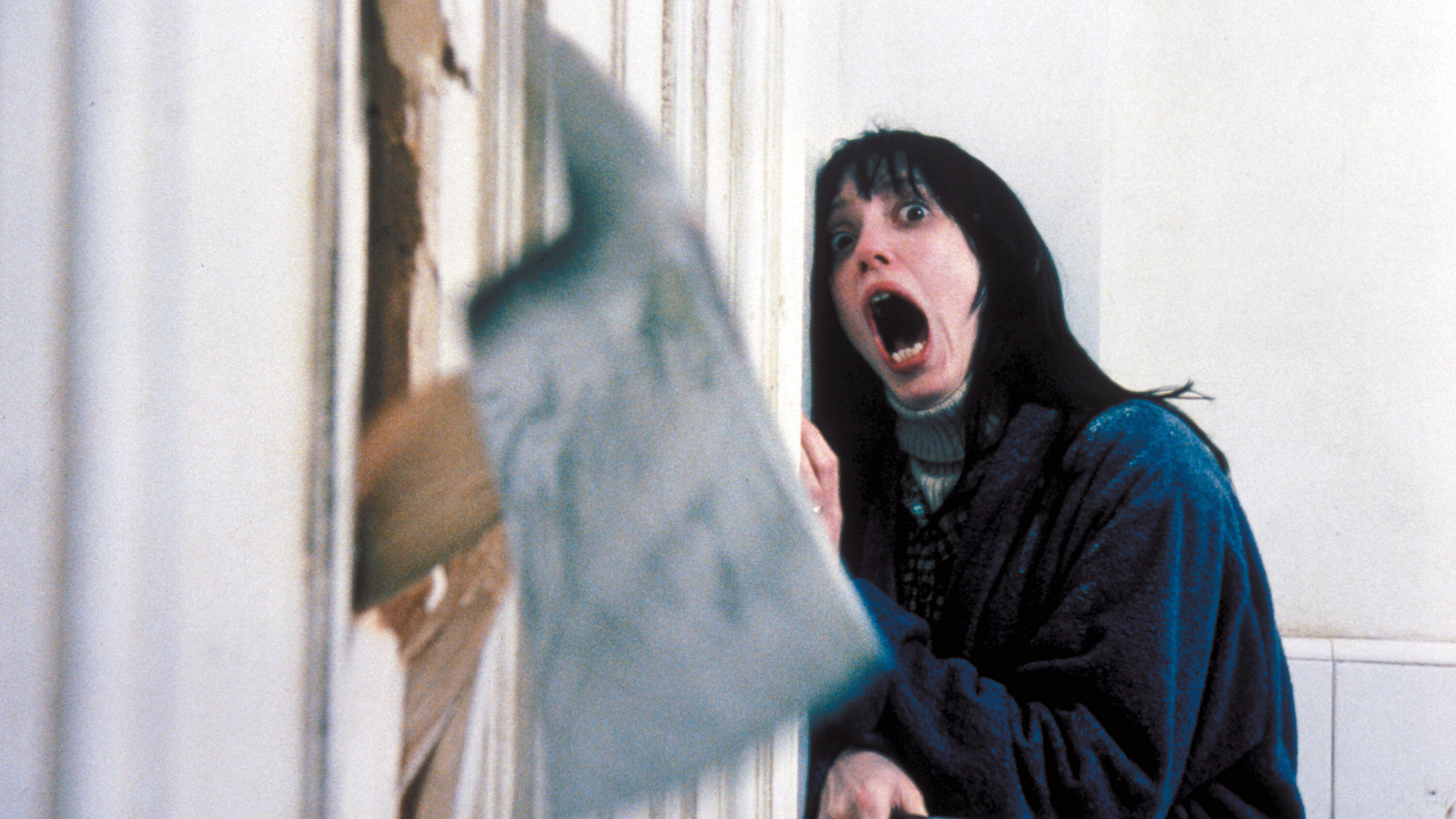
But sadly as we know all to well, it is very difficult to line up the best writer, director, producer or actor to fit in with a King work of art. Reasons for this are all over the place and tend to be due to timing and budget. These days it is not likely that a studio can afford to hire Spielberg to take on a King book. There is also the possibility of dueling visions. A more high-profile director can and will take liberties with the source material much to King’s detriment. The most famous example was Kubrick’s version of The Shining, which King detested even though it is considered not only one of the best King adaptations but a classic horror film.

The same goes for television productions. All too often King’s works whether they’re long-form epics or short stories wind up becoming inferior TV shows or limited series. During the ’90s, the heyday of King TV adaptations, many of his more famous stories became big event TV mini-series with mixed results, but hardly any of them stood out as masterpieces. The best adaptations were for The Stand, although that limited series had its issues, ‘Salem’s Lot, which came out in the ’70s, It, and original productions like Storm of the Century. Other works like the more faithful adaptation of The Shining and The Langoliers failed to impress viewers. If only someone like Vince Gilligan or Terry Matalas could spearhead a proper TV adaptation of The Stand or The Dark Tower Saga.

Despite many failed attempts, the versatility and durability of Stephen King’s stories guarantee that eventually the right team will come along and created the best version of his works. This happened with the It films which were immediately better than the original TV mini-series and may happen later this fall when the second film version of The Running Man is released (being that is directed by Edgar Wright, there’s a decent chance it will outshine the original film). It has been possible to get cinematic masterpieces based on King’s works and it has happened, so it will continue to happen.

José Soto

Zombies Refuse To Die!

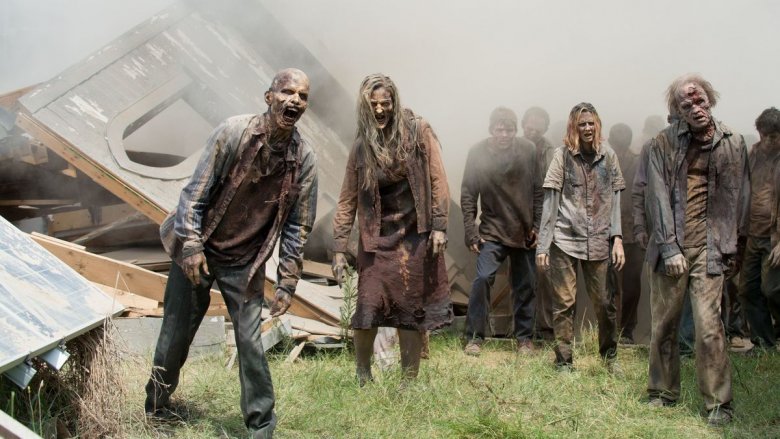
It is all too easy to write off the zombie sub-genre as being dead and buried. After all, zombies have fallen out of favor with the public ever since The Walking Dead TV show was cancelled years ago. Before its cancellation, The Walking Dead and zombies in general were at their zenith in the 2010s. There were zombie TV shows, films, comics, novels, etc. all over the place. But inevitably the popularity of zombies declined as too much product was put out and the quality and uniqueness of the zombies faded. Casual critics were ready to write off the zombie sub-genre and move on to their next target, but somehow, the zombies refused to die.

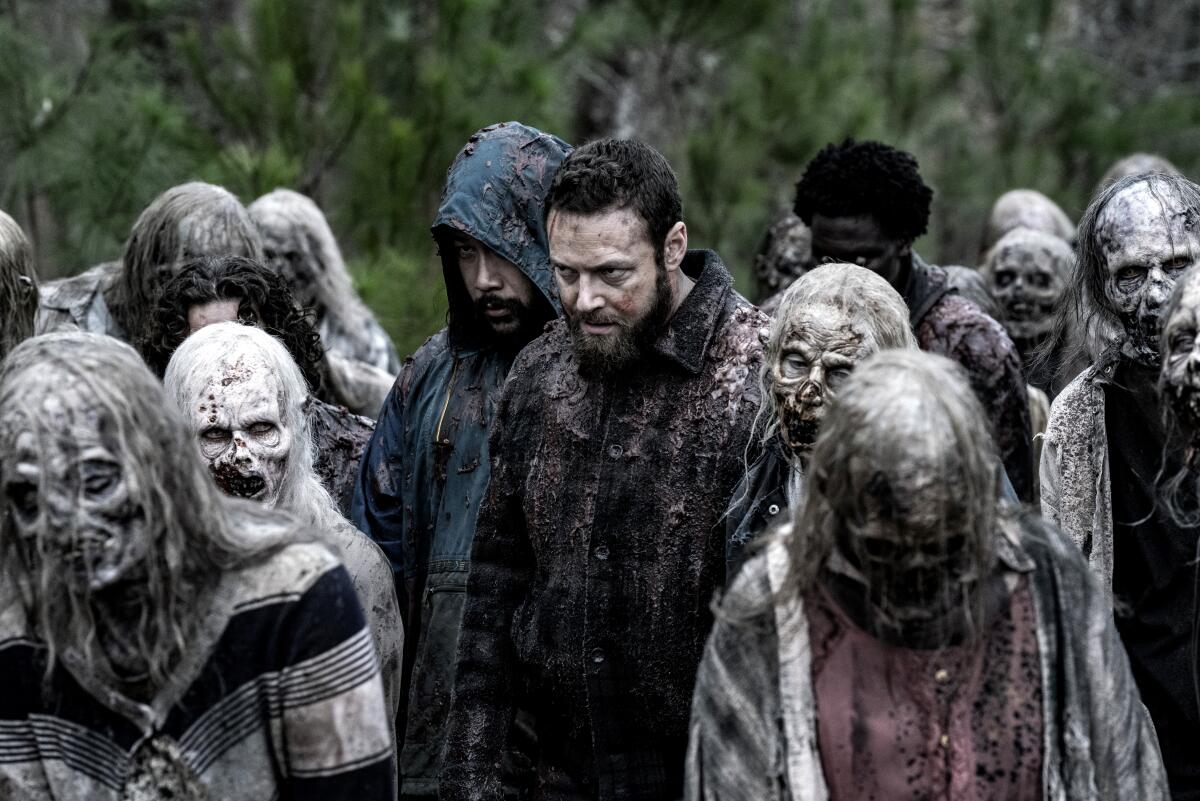
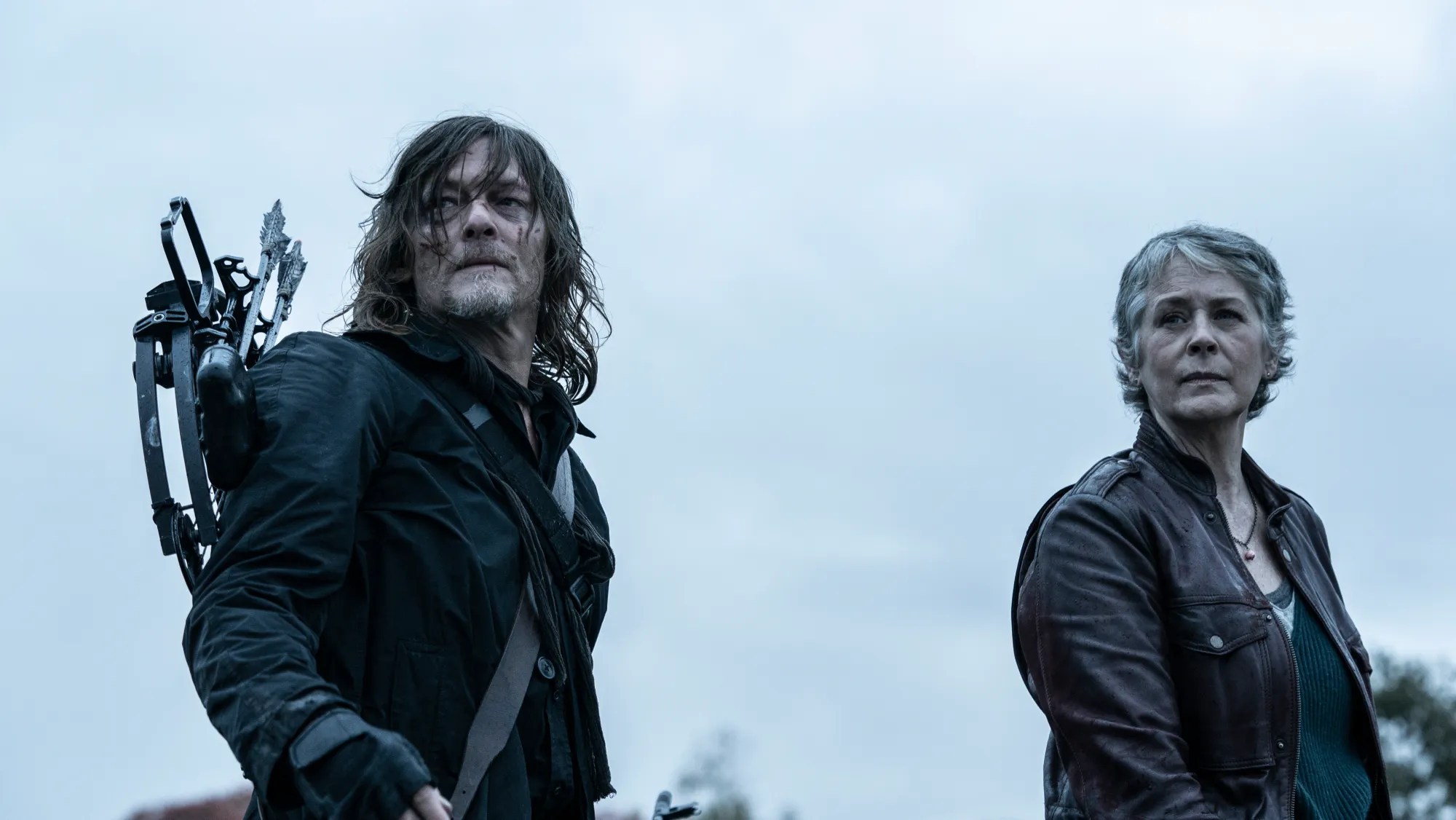
Yes, The Walking Dead TV show and the comic book series that inspired it are both long gone, but there are many TV spinoffs of The Walking Dead like The Walking Dead: Daryl Dixon and The Walking Dead: The Ones Who Live that are still around and slowly gathering buzz about their quality. These shows wisely chose to focus on popular characters like Daryl Dixon and Rick Grimes and even the villainous Negan, which partly explains why the shows have done well. Of course, these TV shows have not reached the numbers and heights of popularity as The Walking Dead did in its heyday, but they have their devoted followers and are doing well enough.

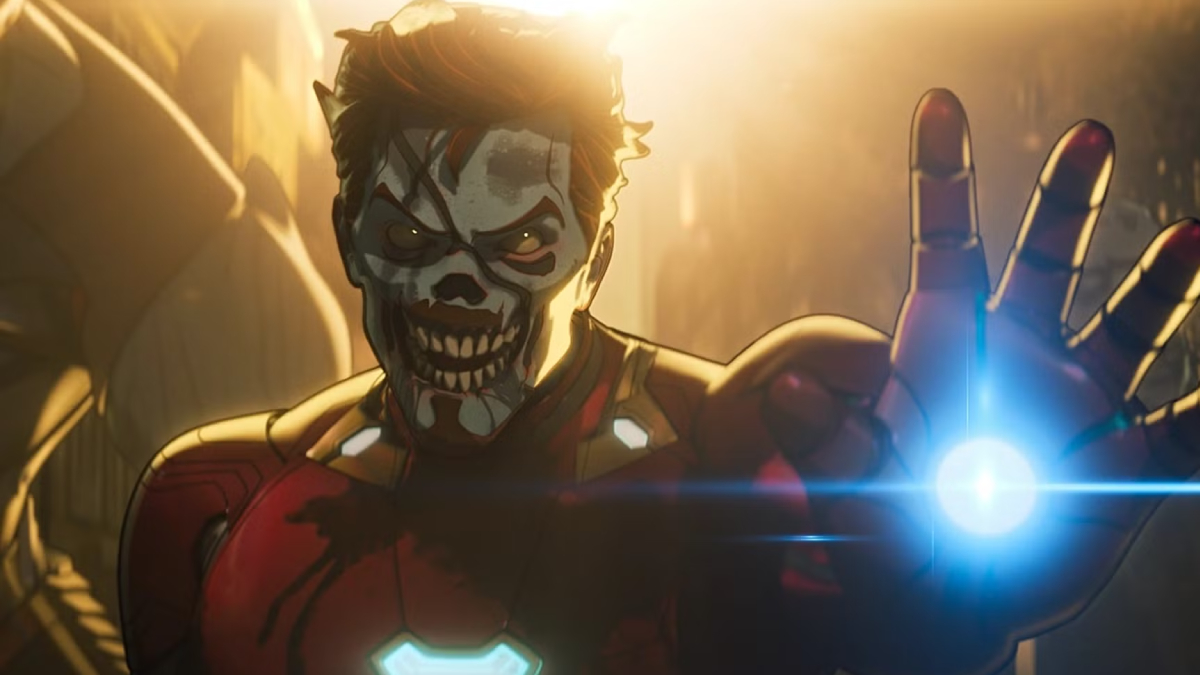
Other zombie-related TV shows, films, comics and more are still coming out strong and many are very popular. Just take a look at the slate of current and upcoming projects that are related to zombies. The most recent examples were The Last of Us (technically not about zombies but the infected humans behave just like zombies) and the animated TV show Marvel Zombies, which was based on the Marvel Comics mini-series (and currently has a new mini-series Marvel Zombies: Red Band out in stores and digital platforms) and was a spinoff from the animated What If…? TV show.

The Marvel Zombies comics are still going strong with its many limited series and the TV show was well received with talks of a new season underway; hopefully that will happen given how the last episode left us with a cliffhanger. Not to be outdone, DC came out with its own comic books starring undead versions of its DC heroes and villains, DCeased. No word yet if DC Studios will make an animated version of DCeased but they should consider it. Also even though the comic book series ended years ago, The Walking Dead are still in comic form with the color reprints The Walking Dead: Deluxe.

Meanwhile, there are many high-profile zombie films and TV shows on the horizon, such as 28 Years Later: The Bone Temple (a direct sequel to this years’ 28 Years Later), We Bury the Dead, Twilight of the Dead, which will conclude the George Romero zombie film saga, Return of the Living Dead, and an American remake of the classic Korean zombie film, Train to Busan. How well received they will be is anyone’s guess, but they demonstrate how popular the zombie genre is.

So, why does the zombie sub-genre refuse to die? There are many reasons. For one, many zombie properties go hand-in-hand with our fascination with post-apocalyptic/survival stories, which fit in well with zombies. These zombie stories also engage us as we face our fear of death and decay and more recently with infection. We like to watch and read these zombie yarns and wonder how we would behave in a zombie apocalypse. Most of us would probably be zombie food minutes into the apocalypse, but its still fun imagining ourselves turning into stoic and heroic warriors like Daryl Dixon, who in his life before the zombie apocalypse was a nobody.

The sub-genre also helps engage with unexpected human dramas that test our notion of family and friendship. Examples of this include the films Maggie, Cargo and Warm Bodies. While the latter film was an offbeat romance with a zombie twist, the first two films dealt with the main characters facing the inevitable. Maggie featured a father coping with the fact that his teenage daughter would soon turn into a zombie and his agony about having to kill her. Cargo was an agonizing film about a doomed father who was desperately trying to find someone to care for his infant before he turned into a zombie.

It can be said that on the surface the zombie sub-genre appears to be limited in story, but can be quite versatile. As long as the zombie story whether on film, video game or on print, is presented well, the quality will stand out and keep us engaged. That is why the zombies refuse to die.

A Look Back At Star Trek: Voyager

It has been 30 years since the first episode of Star Trek: Voyager debuted, yet it is still fondly remembered today, especially when it is compared to many modern Star Trek TV shows. Let’s take a look back at Star Trek: Voyager as its 30th anniversary is celebrated.

Flagship Show

Star Trek: Voyager was the flagship TV show of the fledgling United Paramount Network (UPN) that launched on January 16, 1995, with the airing of “Caretaker” the pilot episode of Star Trek: Voyager. When the TV show premiered it was largely anticipated though many fans had reasonable reservations about yet another Star Trek TV show. After a decades-long drought, fans were inundated with TV shows starting with Star Trek: The Next Generation (TNG), which was followed by Star Trek: Deep Space Nine (DS9), and then Star Trek: Voyager. It was supposed to address complaints Paramount Pictures executives had about DS9 for straying too far from standard Star Trek.

Showrunner Rick Berman, who also ran TNG and DS9, was reportedly hesitant to produce another Star Trek TV show that would run concurrently with DS9. However, the Paramount Pictures executives were adamant about creating another Star Trek TV show that more closely followed the standard starship-visiting-planets formula to help launch UPN. Given this task, Berman and his associates sought to differentiate Star Trek: Voyager from other Star Trek TVshows.

A Lost Crew in Space

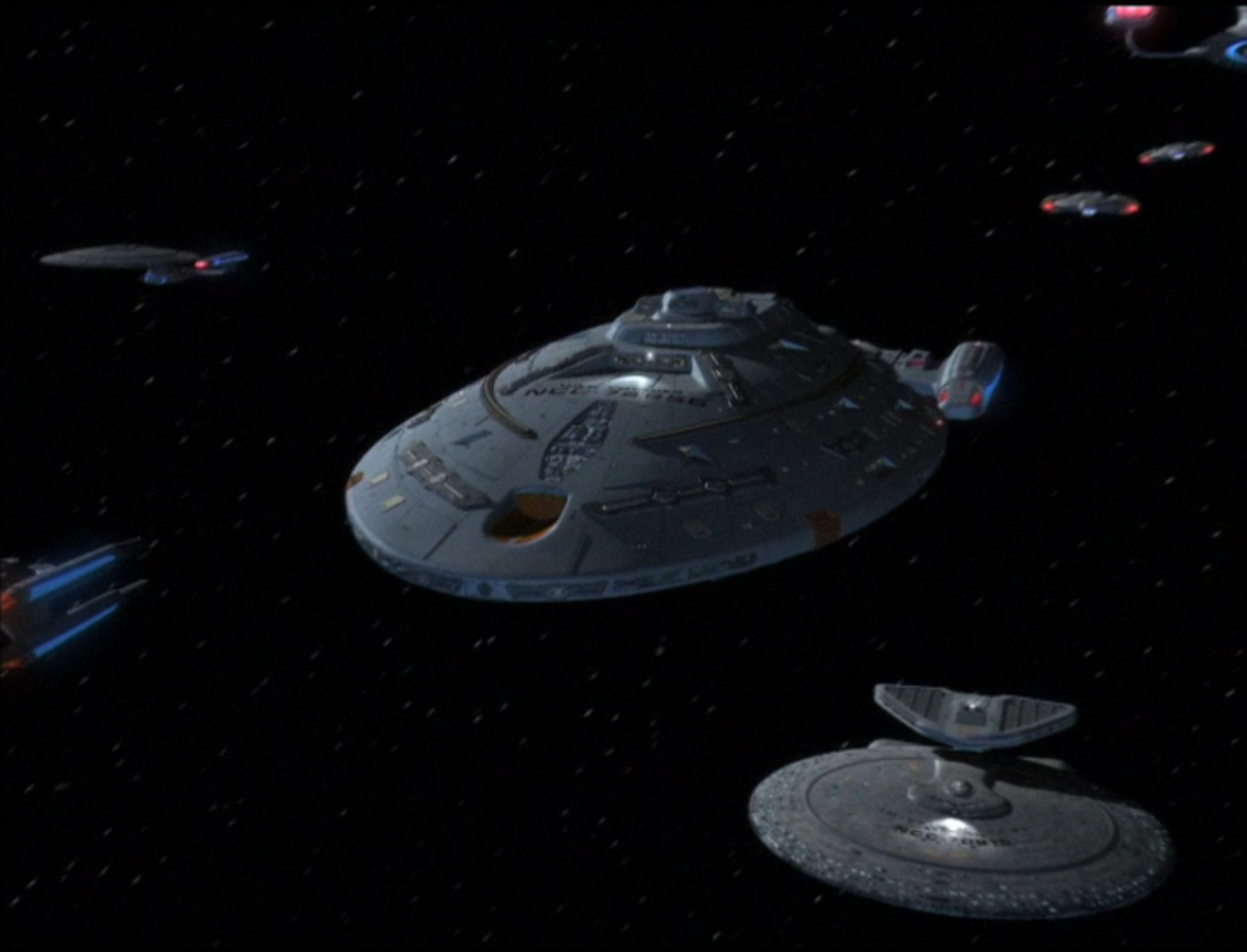
The premise was fairly simple, a starship called Voyager from the United Federation of Planets and Earth is flung to the far corner of the galaxy (the Delta Quadrant) with a crew made up of Starfleet officers and renegade Maquis freedom fighters (more on them later). With limited resources and on their own, the Voyager crew has to find a way back home while exploring on the side and encountering strange new worlds, yada yada.  

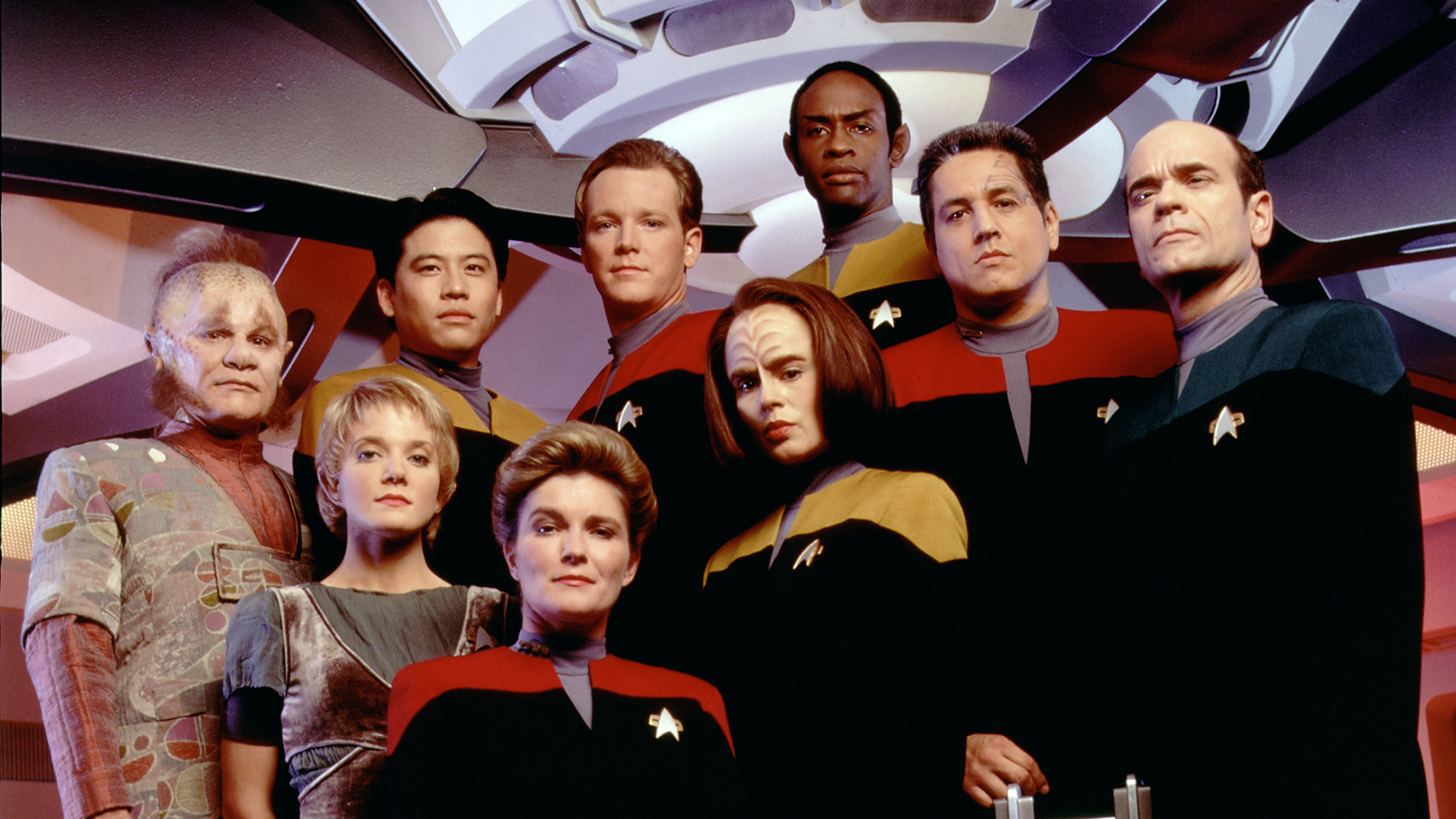
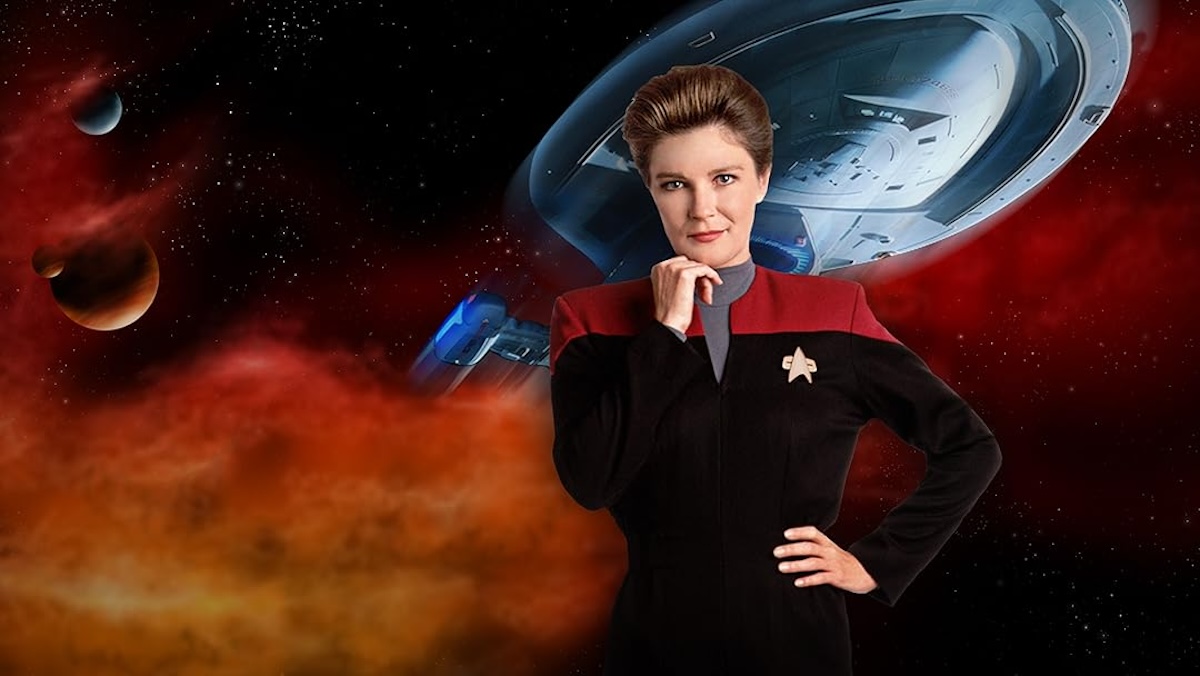
Kate Mulgrew starred as Captain Kathyrn Janeway, who commanded the Voyager and was dedicated to upholding Starfleet’s ideals while protecting her crew. At the time of her casting, there was a lot of hoopla and celebration because the main character of a Star Trek TV show was a woman. Other characters included the ship’s first officer, Chakotay (Robert Beltran), the leader of the Maquis and a former Starfleet officer, Tuvok (Tim Russ), the ship’s stoic Vulcan security officer, Tom Paris (Robert Duncan McNeill), a disgraced former Starfleet officer who gets his chance at redemption by serving as Voyager’s helmsman, B’Elanna Torres (Roxann Dawson), a half-Klingon Maquis member who became Voyager’s chief engineer, Harry Kim (Garrett Wang), a young Starfleet ensign on his first assignment, and the Doctor (Robert Picardo), a holographic medical program that performed the duties of the ship’s chief medical officer.

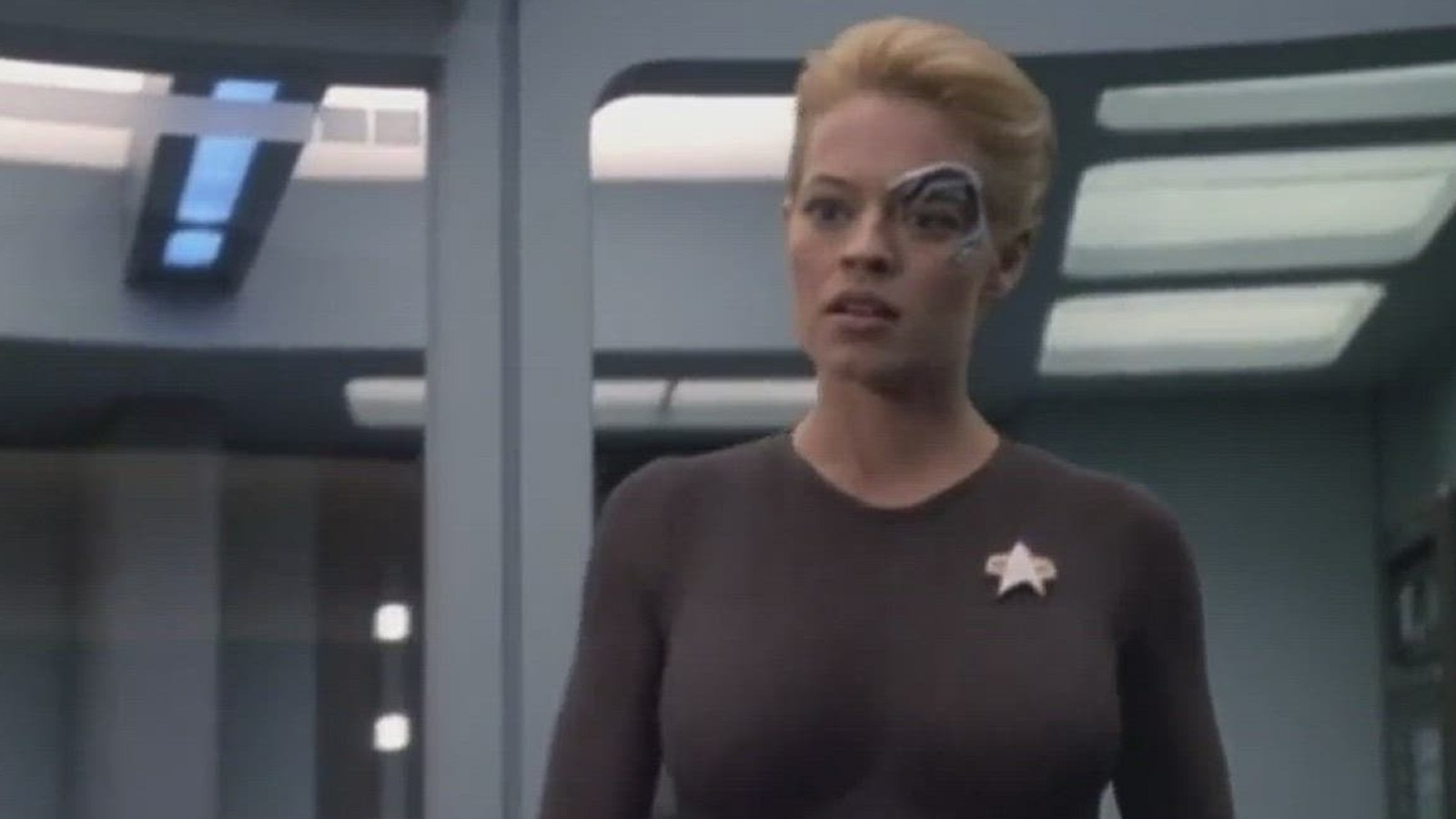
At the end of “Caretaker”, Voyager picked up two alien shipmates who are native to the Delta Quadrant and bring needed knowledge about the local space. They are Neelix (Ethan Phillips), a Talaxian drifter who ends being the ship’s cook and ambassador of sorts, and his girlfriend Kes (Jennifer Lien), an Ocampan who operates as the Doctor’s medical assistant and helps the program develop a personality. As the series progressed, it added Jeri Ryan to the cast as the former cybernetic Borg drone called Seven of Nine while Lien departed the series. Seven of Nine became the show’s breakout character thanks in part to the performance of Ryan as she served as the show’s version of Spock. In other words, a stoic outsider who questioned humanity while discovering her own.

Essentially, the TV show combined aspects of the original Star Trek and Lost in Space, and it worked for the most part. Yet, there was glaring issues with the TV show which turned out to be a harbinger for the creative drought the Star Trek franchise was beginning to suffer from at that time.

Continue reading