A Look Back At Star Trek: Voyager

It has been 30 years since the first episode of Star Trek: Voyager debuted, yet it is still fondly remembered today, especially when it is compared to many modern Star Trek TV shows. Let’s take a look back at Star Trek: Voyager as its 30th anniversary is celebrated.

Flagship Show
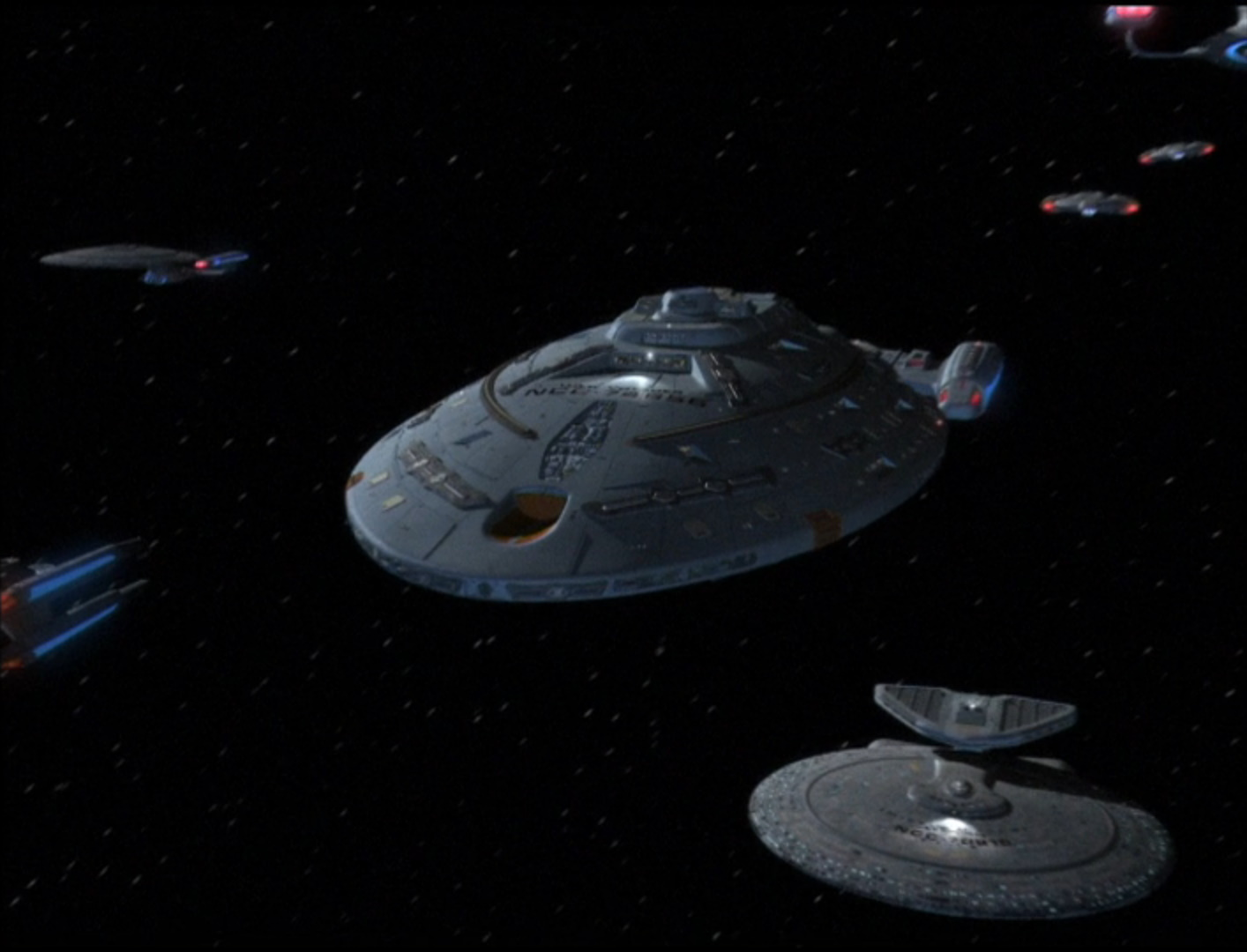
Star Trek: Voyager was the flagship TV show of the fledgling United Paramount Network (UPN) that launched on January 16, 1995, with the airing of “Caretaker” the pilot episode of Star Trek: Voyager. When the TV show premiered it was largely anticipated though many fans had reasonable reservations about yet another Star Trek TV show. After a decades-long drought, fans were inundated with TV shows starting with Star Trek: The Next Generation (TNG), which was followed by Star Trek: Deep Space Nine (DS9), and then Star Trek: Voyager. It was supposed to address complaints Paramount Pictures executives had about DS9 for straying too far from standard Star Trek.

Showrunner Rick Berman, who also ran TNG and DS9, was reportedly hesitant to produce another Star Trek TV show that would run concurrently with DS9. However, the Paramount Pictures executives were adamant about creating another Star Trek TV show that more closely followed the standard starship-visiting-planets formula to help launch UPN. Given this task, Berman and his associates sought to differentiate Star Trek: Voyager from other Star Trek TVshows.

A Lost Crew in Space
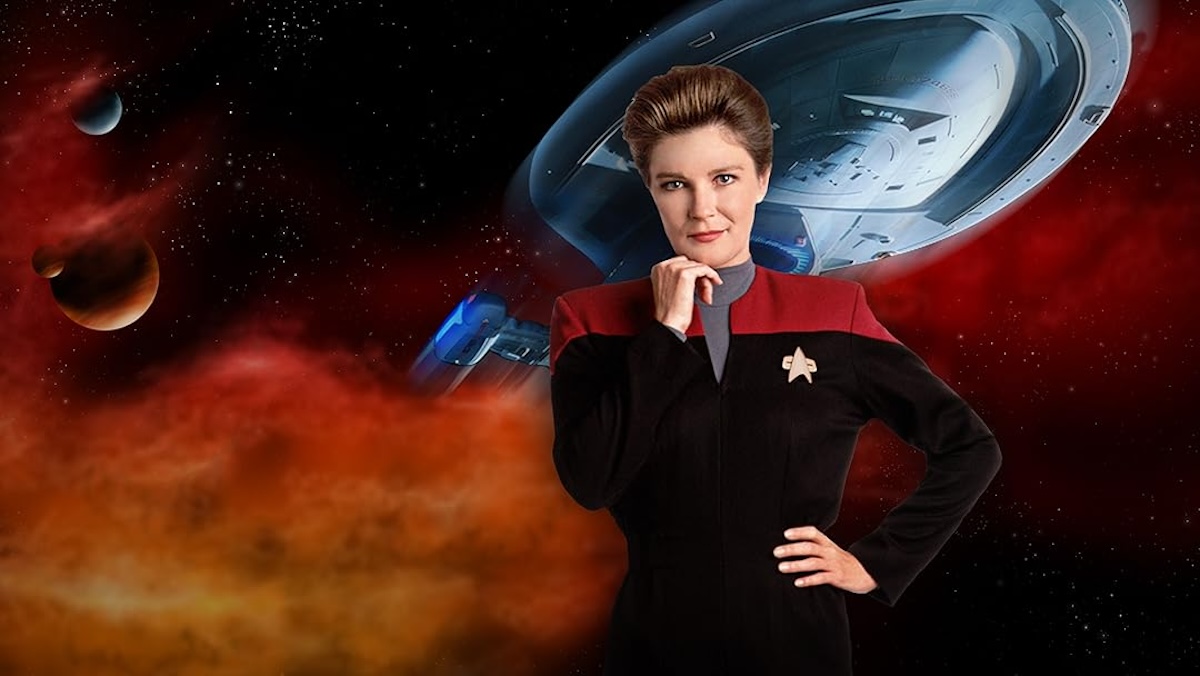
The premise was fairly simple, a starship called Voyager from the United Federation of Planets and Earth is flung to the far corner of the galaxy (the Delta Quadrant) with a crew made up of Starfleet officers and renegade Maquis freedom fighters (more on them later). With limited resources and on their own, the Voyager crew has to find a way back home while exploring on the side and encountering strange new worlds, yada yada.  

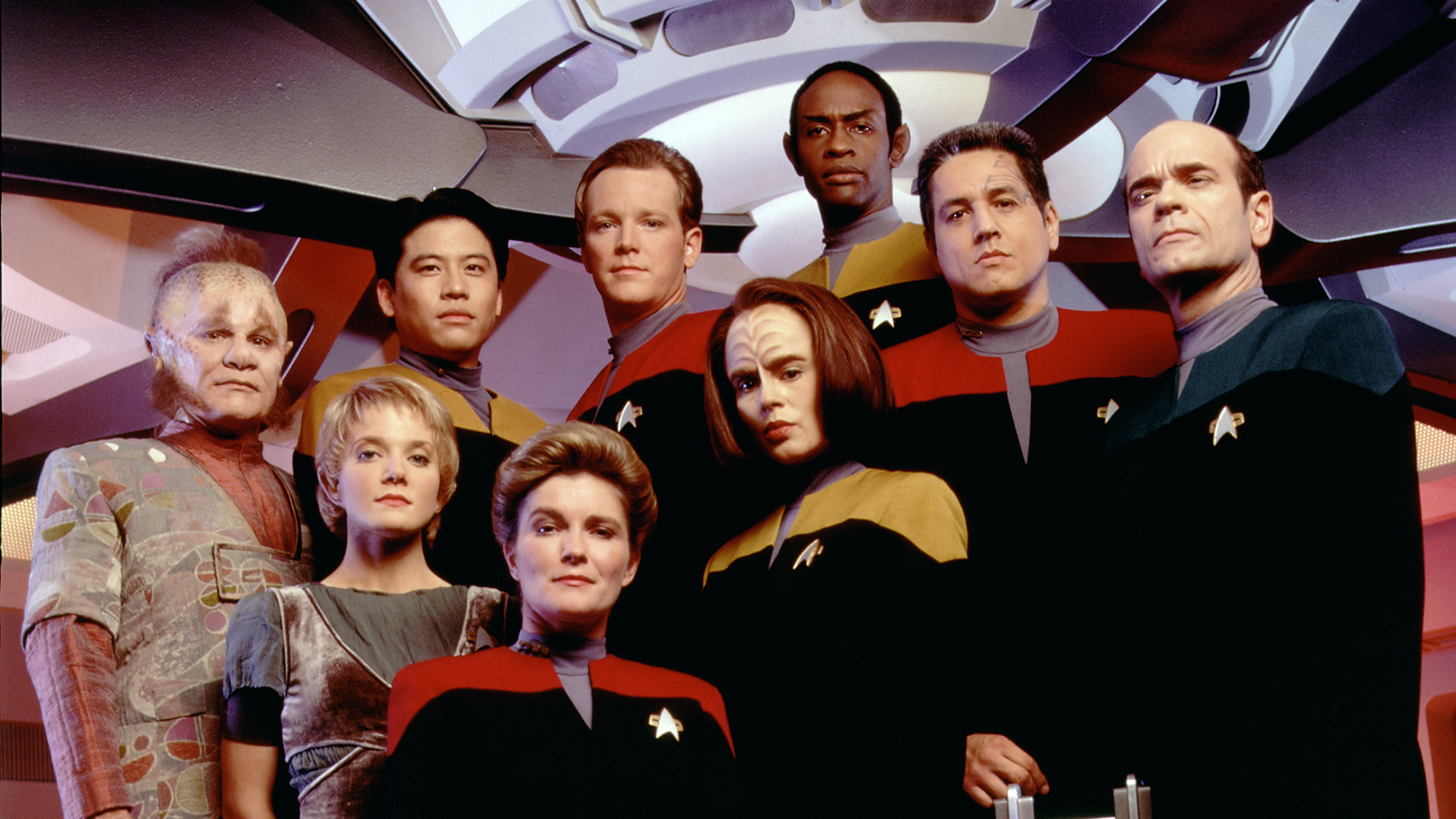
Kate Mulgrew starred as Captain Kathyrn Janeway, who commanded the Voyager and was dedicated to upholding Starfleet’s ideals while protecting her crew. At the time of her casting, there was a lot of hoopla and celebration because the main character of a Star Trek TV show was a woman. Other characters included the ship’s first officer, Chakotay (Robert Beltran), the leader of the Maquis and a former Starfleet officer, Tuvok (Tim Russ), the ship’s stoic Vulcan security officer, Tom Paris (Robert Duncan McNeill), a disgraced former Starfleet officer who gets his chance at redemption by serving as Voyager’s helmsman, B’Elanna Torres (Roxann Dawson), a half-Klingon Maquis member who became Voyager’s chief engineer, Harry Kim (Garrett Wang), a young Starfleet ensign on his first assignment, and the Doctor (Robert Picardo), a holographic medical program that performed the duties of the ship’s chief medical officer.
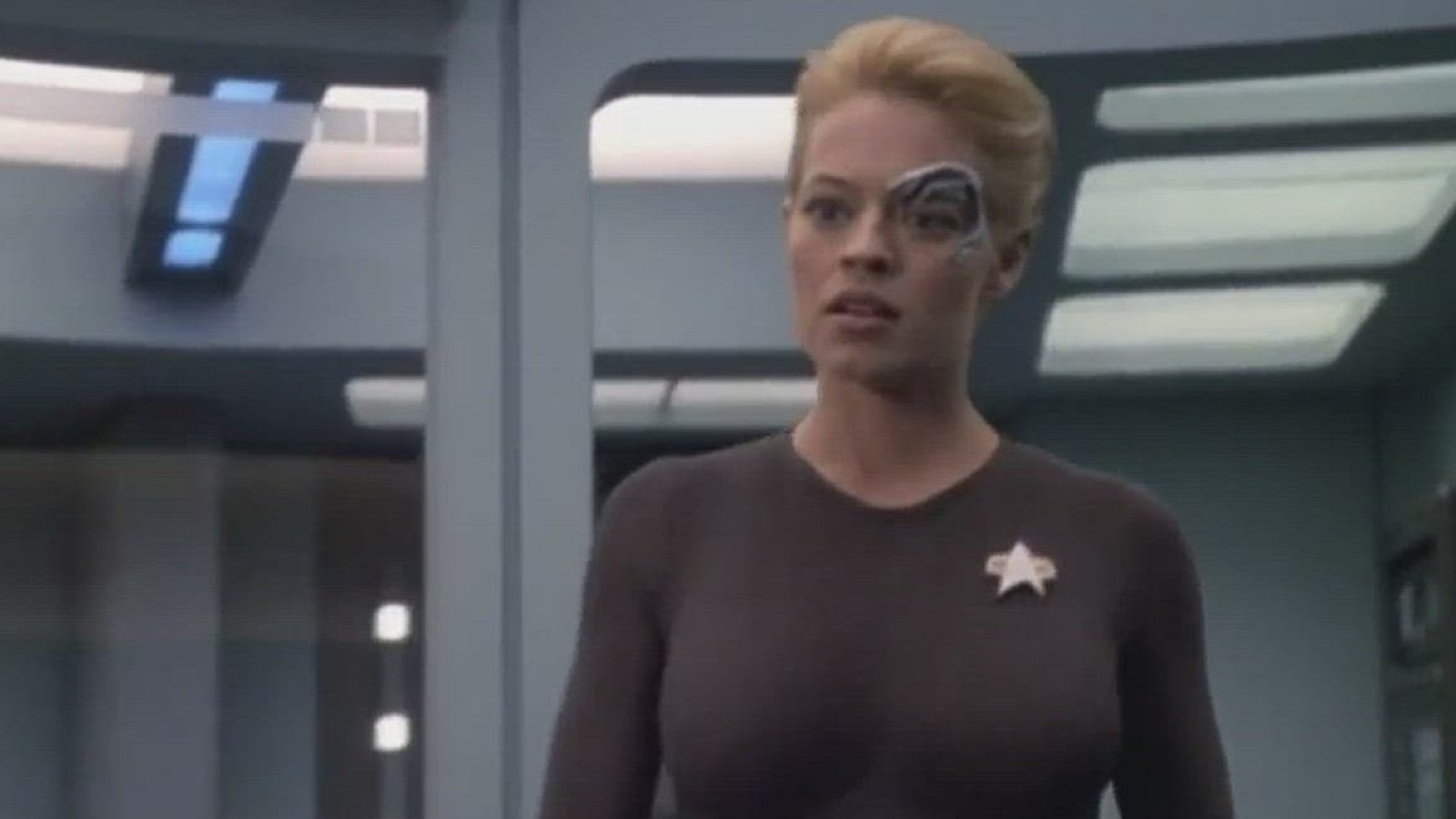
At the end of “Caretaker”, Voyager picked up two alien shipmates who are native to the Delta Quadrant and bring needed knowledge about the local space. They are Neelix (Ethan Phillips), a Talaxian drifter who ends being the ship’s cook and ambassador of sorts, and his girlfriend Kes (Jennifer Lien), an Ocampan who operates as the Doctor’s medical assistant and helps the program develop a personality. As the series progressed, it added Jeri Ryan to the cast as the former cybernetic Borg drone called Seven of Nine while Lien departed the series. Seven of Nine became the show’s breakout character thanks in part to the performance of Ryan as she served as the show’s version of Spock. In other words, a stoic outsider who questioned humanity while discovering her own.

Essentially, the TV show combined aspects of the original Star Trek and Lost in Space, and it worked for the most part. Yet, there was glaring issues with the TV show which turned out to be a harbinger for the creative drought the Star Trek franchise was beginning to suffer from at that time.

Continue reading →
Star Trek: The Exhibition at the Kennedy Space Center

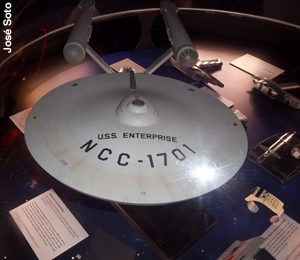
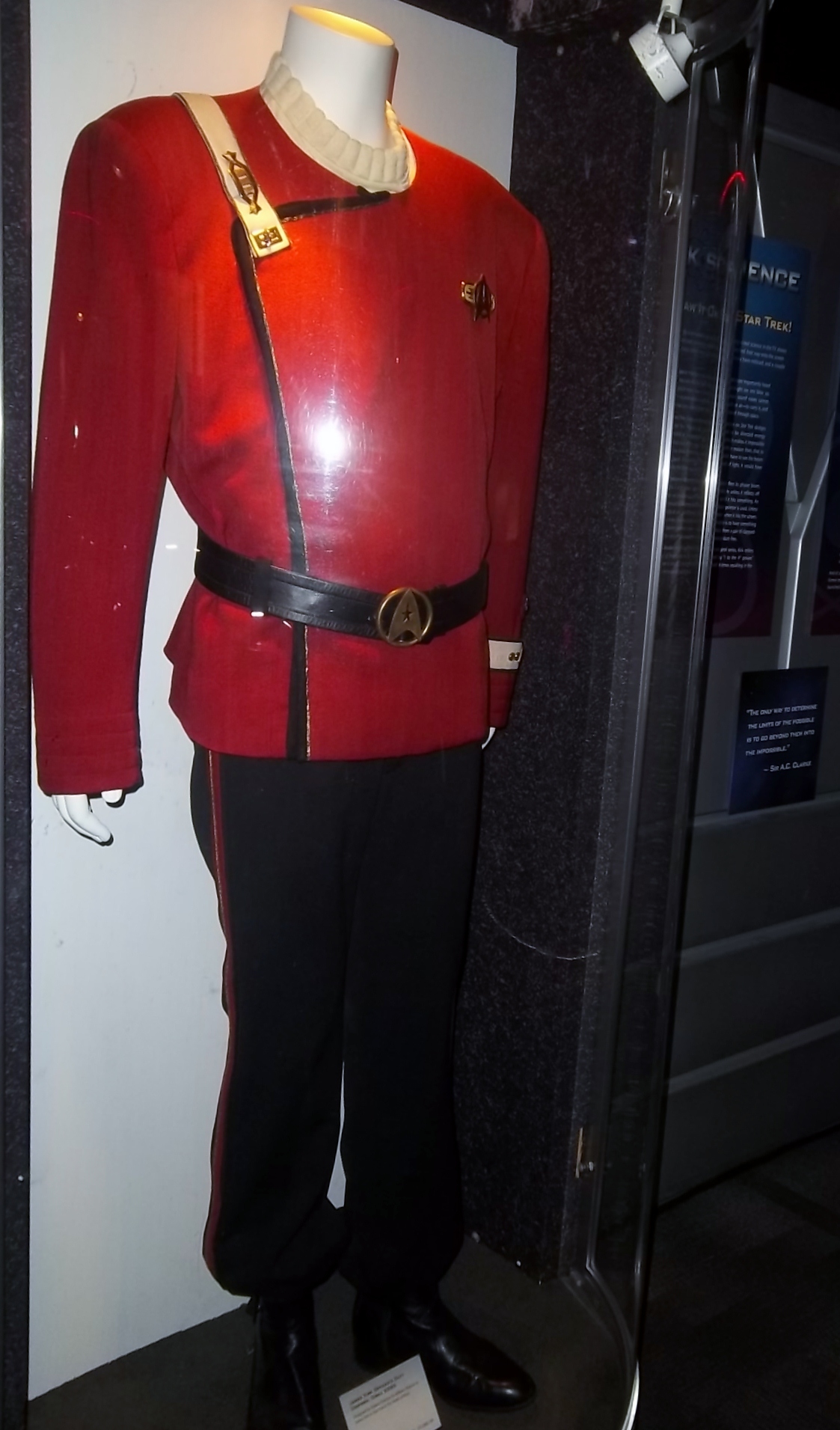
The traveling exhibit Star Trek: The Exhibition is currently running through this summer at the Kennedy Space Center (KSC) as part of the Center’s Sci-Fi Summer. Showcasing the world of Star Trek, the Sci-Fi Summer program presents how the science fiction world of Trek helped to influence the development of our technology. It’s a great place to go if you are a Star Trek or science fiction fan not just because of the Trek-themed exhibits and attractions but because it melds that sci-fi aspect to NASA’s real life world. You get to see where we’ve been and how far we have to go.

Star Trek: The Exhibition features a scale model of the Enterprise, and the actual props and costumes used in the Star Trek shows and films. At the KSC, the exhibit is broken up into two different buildings. One where IMAX films are shown (and is currently presenting Transformers: Dark of the Moon in 3D) has a room dedicated to the original Star Trek series, though props and costumes from the Kirk-era films can be seen. The highlight is a well-detailed replica of the original Enterprise bridge complete with dedication plaque, consoles and the captain’s chair that anyone can sit on for golden photo opportunities.

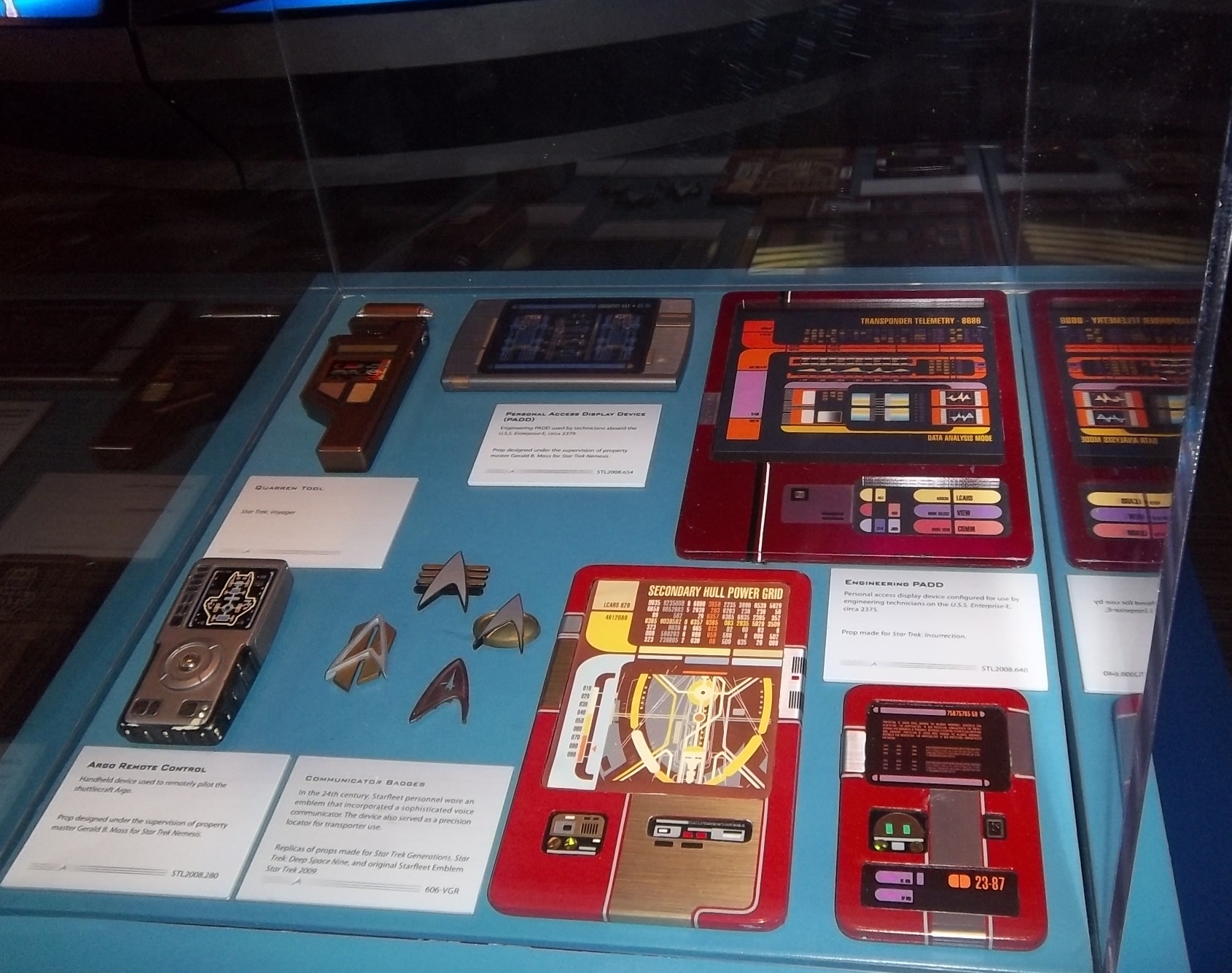
At another building near the tour bus terminal is a larger exhibit room dedicated to Star Trek: The Next Generation,  as well as Star Trek: Deep Space Nine and Star Trek: Voyager. This exhibit displays a mock-up of the Reman Scorpion fighter craft seen in Star Trek: Nemesis and partial recreations of the Enterprise D’s sickbay and engine room. There are models,  numerous props and costumes worn and used by the actors and a Klingon chair that you can sit on (there are also captain chairs from the Enterprise B and D but those are roped off). Additionally one side of the exhibit’s wall has a mural with a detailed timeline of NASA and Trek history. The opposing wall displays the costumes. A nice touch to this exhibit were two actors dressed as Vulcans from the far future who stayed in character and interacted with visitors. The uniforms they wore were the ones worn by 29th century Starfleet officers as seen in the Voyager episode “Relativity.”

The KSC has Trek costumes and factoids peppered throughout the facility with several famous delta shield symbol on the grounds that act as arrows to guide visitors to Trek-related exhibits and attractions. For example one path lead sto the rocket garden where a floor painting shows how large the Enterprise ships are in comparison to the horizontally displayed Saturn 1B rocket. It’s staggering to consider how large the Trek ships are when you walk the length of the rocket. There was so much to see at the KSC that one could easily spend an entire day on the grounds. Continue reading →

Falling Skies Ahead


Last month, TNT premiered Falling Skies,  the new Dreamworks sci-fi series executive produced by Steven Spielberg about survivors of a modern-day alien invasion.

Unlike what its teaser commercials suggested, Falling Skies’ pilot did not feature the typical initial alien arrival, contact and pyrotechnic invasion scenario. Rather it begins several months after the aliens (called “skitters”) have wiped out the world’s armies and have laid waste everywhere. This is clearly not Independence Day  or even Battlestar Galactica in terms of big budget effects scenes. This can be disappointing for some but it’s a different take and risky, while also being budget conscious. And it largely works.

Why? It’s a good hook for audiences who have to be able to catch up with what is going on. Here’s the skinny, the show takes place in and around Boston and focuses on the efforts of a ragtag group of civilians, soldiers and recruits who form a militia group called the Second Massachusetts to fight back against the aliens. Apparently the humans in the show are just as much in the dark as the viewer is when it comes to knowing who the aliens are or why they came to Earth. To its credit the show gives out adequate morsels of information about the situation and characters to keep you interested.

Jumping into the middle of the premise helped draw me into the characters’ storyline since everything wasn’t laid out. Unfortunately, this approach was used to a much greater effect in AMC’s excellent series The Walking Dead.  That show had more engaging and memorable characters. Also, at times Falling Skies gets a little too preachy or sentimental. Additionally, some of the military stuff seems far-fetched specifically when it comes to logistics (having soldiers sleep indoors but not civilians? Nice way to sow resentment, plus doesn’t that leave civilians more vulnerable to the aliens?).

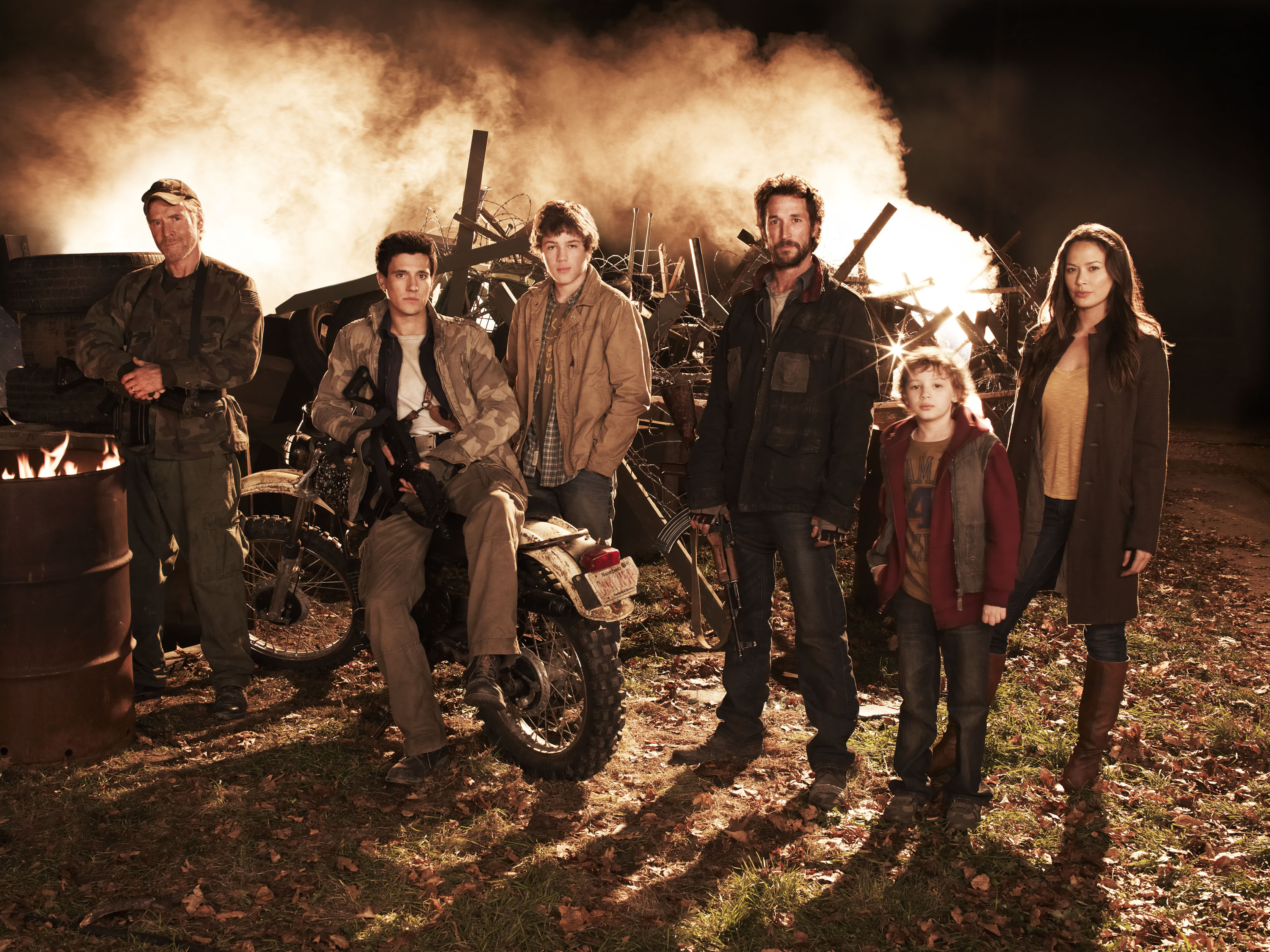
As the main character of the show, it falls on Tom Mason (Noah Wyle), a widowed history professor and second in command of the militia group,  to be the reason why audiences tune in. He’s got an interesting story, his wife was killed recently by aliens and one of his three sons has been kidnapped and turned into a zombified slave for the aliens through a horrifying biomechanical device attached to his back (in the show, children are being taken by the aliens and turned into a labor force through these devices). So his driving focus is to rescue his son. Yet it can be a challenge to be invested in Mason. I think it’s because sometimes he comes off as too moral, too optimistic while everyone around him is all doom and gloom. He spouts off analogies about history showing that invading forces are always repelled by indigenous populations but no one seems to take him seriously when he does that, not even histwo other sons. This doesn’t quite gel with the survivor mentality that pervades many of the show’s characters.

But in Falling Skies’ defense the characters are already becoming more fleshed out. Mason has shown a grittier side, and it appears that he probably projects this image for his children’s sake (though being that his youngest son already wants to join him on missions makes me wonder how successful Mason is, but I get the feeling that will be explored). Also, some of the other characters are beginning to stand out. Chiefly Moon Bloodgood’s Anne Glass, a pediatrician who becomes the group’s chief doctor and moral compass, Will Patton’s Captain Weaver, the no-nonsense commanding officer of the group who struggles to keep his people (and especially Mason) focused on the larger goal of winning the war, and Colin Cunningham’s John Pope, an ex-convict and former gang leader who was captured in the pilot for kidnapping Mason and others in exchange for weapons. In lots of ways, Pope comes off as a loose but effective cannon in the same vein as was Michael Ironside’s Ham Tyler in V.

The production values are remarkably good, effectively conveying a destroyed landscape that just barely resembles towns and cities. I also like the attention to local detail in regards to Boston’s geography which adds authenticity. The special effects are top notch and a blessing considering how poor they were in some recent TV shows.

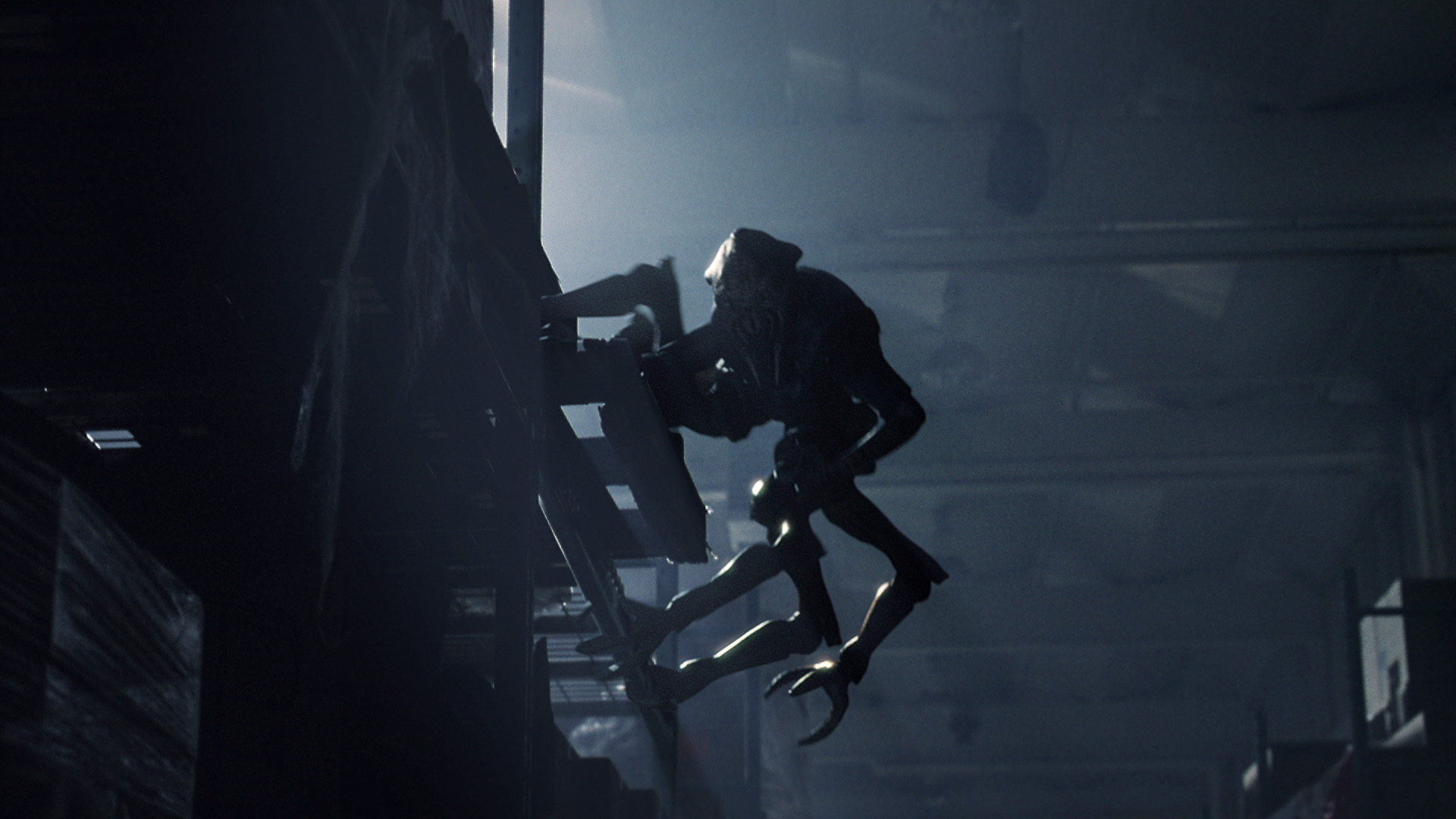
It’s really great that the skitters are shown to be non-bipedal creatures, a rarity for TV shows, and are an excellent special effect. However, the mechanical soldiers that the skitters use look more like obvious CGI. Many scenes are too dark and sometimes hard to follow. But it does add to the tension that’s sometimes felt in those scenes. Perhaps it’s to hide the budgetary constrictions but hopefully this will change in the future.

On the whole, I think Falling Skies is a good, entertaining show with potential. The growing pains are obvious.  It doesn’t hit the ball out of the ballpark like The Walking Dead did but it feels like a solid score. At this point early into the series, making a final judgment is premature however I’m devoting time to keep watching and see how it plays out, and that’s a good sign.

J.L. Soto

Images courtesy of TNT, cast photo by Frank Ockenfels