Star Trek Twilight

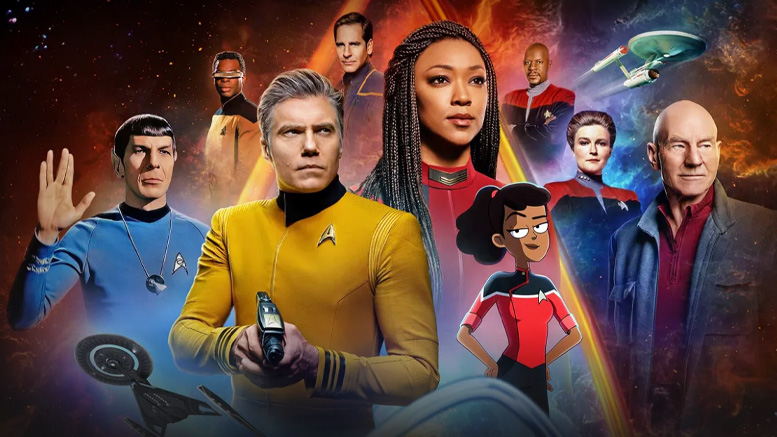
As the Star Trek franchise approaches its 60th anniversary in just a few months, and one takes a look at what is going on with it, it is clear that Star Trek is at one of its lowest points, it’s in a twilight phase, which we last saw in 2005.

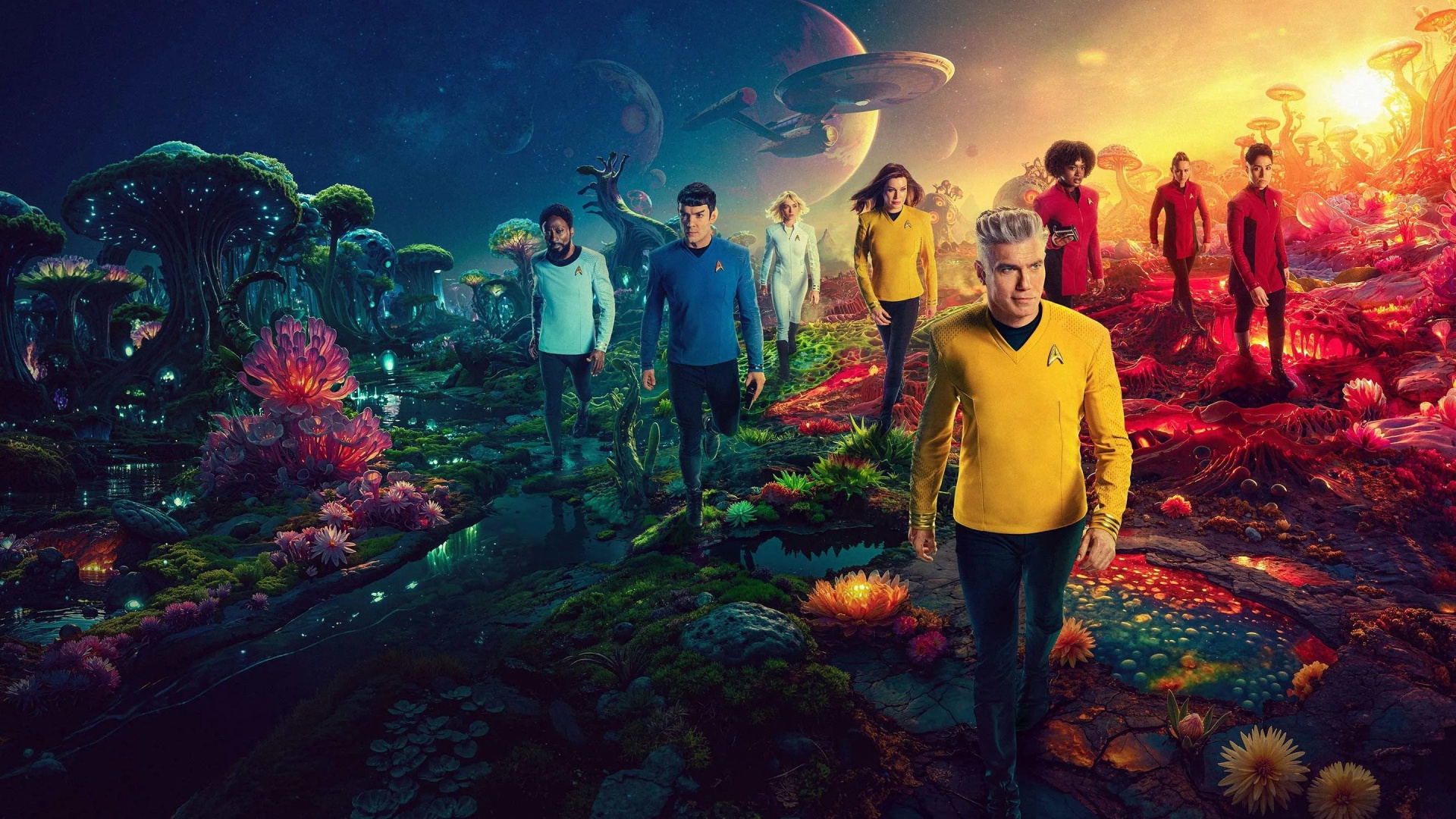
Filming concluded for the two current Star Trek shows, Star Trek: Strange New Worlds (SNW) and Star Trek: Starfleet Academy, and as of now there are no Star Trek TV shows in production or active development. Supposedly, the franchise’s owner, Paramount Skydance, is reassessing the property and might shift focus to new Star Trek films, and though a reboot was announced a few months ago, we haven’t heard any news. Thus, the latest film project will probably be shelved and the reason for this pessimism is because Star Trek films have not been able to be greenlit since the last decade.

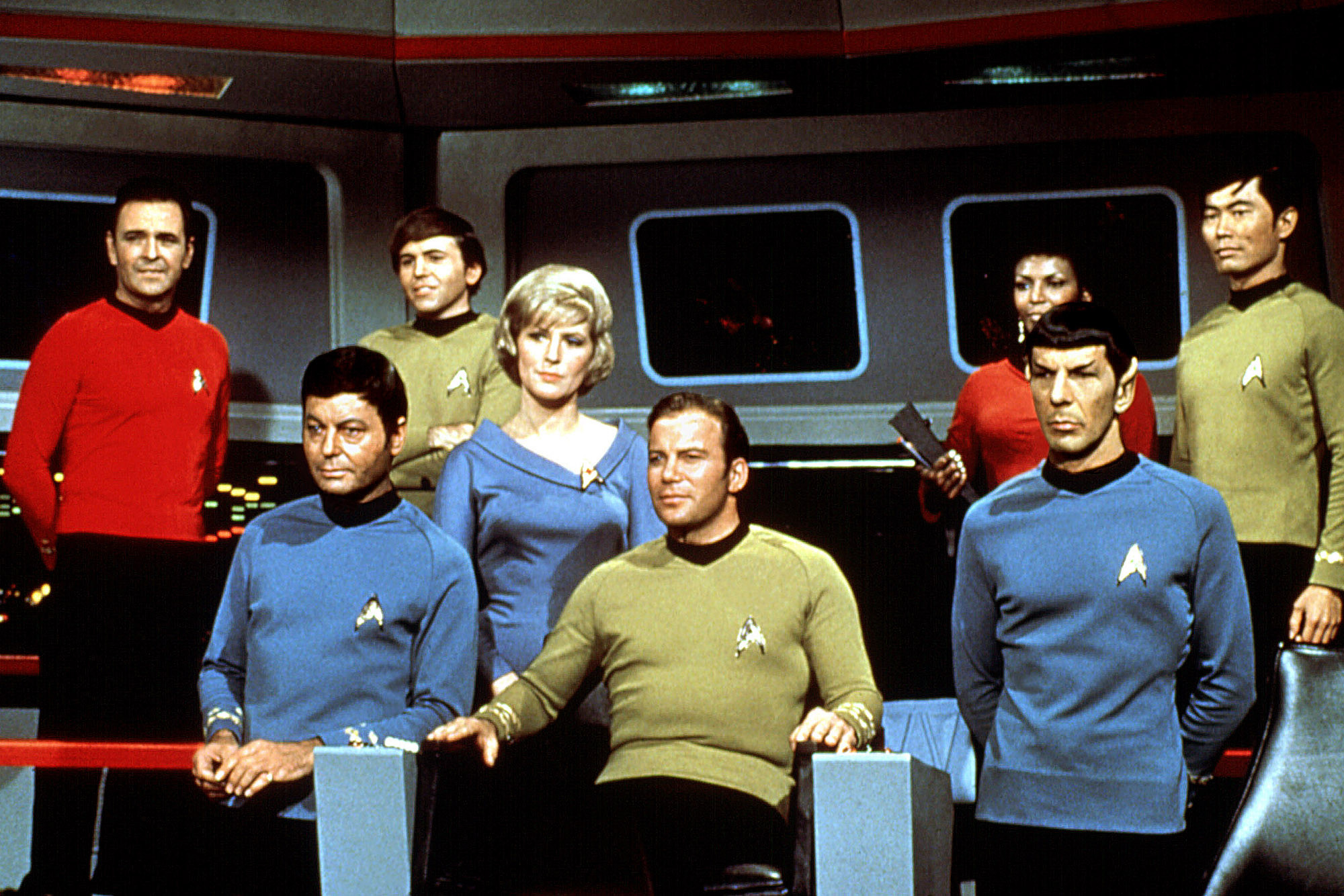
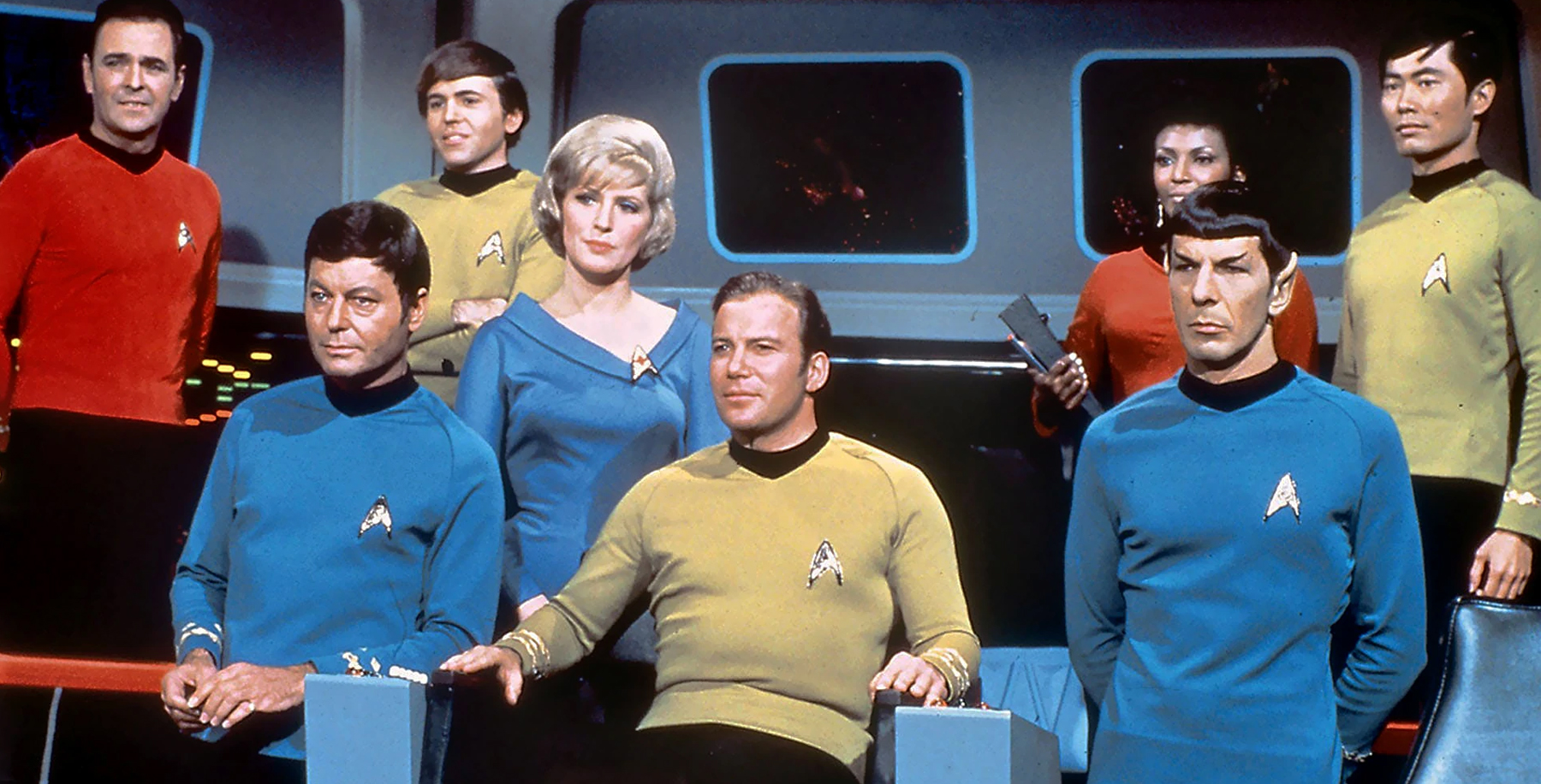
Star Trek has had its ups and downs throughout its existence, and there have been definite dark periods, such as during most of the 1970s when the original TV show was cancelled in 1969 and what kept the franchise relevant in the following decade were an animated TV show and a dedicated fan base that refused to let Star Trek slip into oblivion.

The film era jumpstarted the franchise in 1979 and reunited the original cast of the original Star Trek and delighted fans as many of the films are still considered to be among the best Trek offerings. However, during the peak of Star Trek’s renewed popularity, a new TV show was created that featured an all-new cast of characters. There was a mix of optimism and dread when Star Trek: The Next Generation (TNG) debuted because it did not feature the original cast and many of the early episodes were quite dull and/or bad. But TNG found its footing and heralded the greatest period for Star Trek in the 1990s. Two additional TV shows, Star Trek: Deep Space Nine (DS9) and Star Trek: Voyager, were launched and are beloved to this day with many fans arguing that DS9 was the best Star Trek TV show ever. Also during this decade the TNG cast graduated into their own film series.

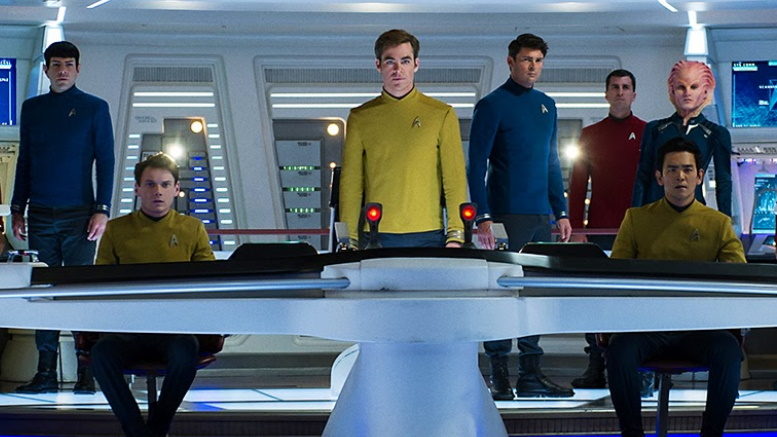
Unfortunately, the well began to run dry in the 2000s as those shows ended and the TV series Star Trek: Enterprise showed a decline in quality and interest began to die off. After Star Trek: Enterprise was cancelled in 2005 and the last TNG film, Star Trek: Nemesis, flopped at the box office, the TV franchise went into a dormant period that lasted a decade. Paramount veered back into the films with a reboot that recast the original characters in 2009. This reboot was at first very successful, but it had its detractors who pointed out how dumbed down the new films were because they focused more on action than story. By the time, the third and final reboot film, Star Trek Beyond, premiered the film series came to an abrupt halt as the film failed at the box office.

Amid mergers and other business dealings, Star Trek was ignored at least as a TV series until 2016. During this time period, fandom produced unofficial short films about Star Trek. Unlike in the past, many of these shorts were very well made and even featured the actors from the TV shows with many shorts that served as sequels to past episodes and one of these unofficial series, Star Trek Continues, actually concluded the original five-year mission of the original Star Trek and led into the original film era. It was a golden age for Trek fandom as the fans took the show for themselves and did what the corporate owners were unwilling to do. The best known of these and arguably the most professional-looking short film was Prelude to Axanar, which was told in the format of a documentary feature in the Star Trek universe that chronicled a war with the Klingon Empire. As the short film achieved acclaim, plans were set into motion to create a feature-length amateur film, Axanar, which would have been about this war. Then Paramount got involved.

Of course, good things like this couldn’t last and naturally the corporate owners feared they were being upstaged by fans and even more importantly did not like the fact that the people behind Axanar were actually trying to make a profit from their endeavor. Enter the studio lawyers. On November 2015, the makers of Axanar and many other amateur Trek film makers were slapped with cease-and-desist demands from Paramount’s lawyers, which marred the celebration of Star Trek’s 50th anniversary. Not even the announcement of a new TV show could erase the ill will Paramount created with their lawsuits. Paramount’s position was that they did not want anyone else trying to profit from their franchise or taking attention away from their upcoming TV show. Eventually the film studios and the amateur filmmakers settled and the result was quite severe for fans. They were given very strict guidelines that made it impossible to produce quality films. For example, they could not hire actors who appeared in official Trek TV shows or films, the films’ lengths were limited to about 15 minutes and not be longer than two parts, the word Star Trek could not appear on the film titles and the filmmakers had to use official merchandise and could not profit in any manner from their efforts.

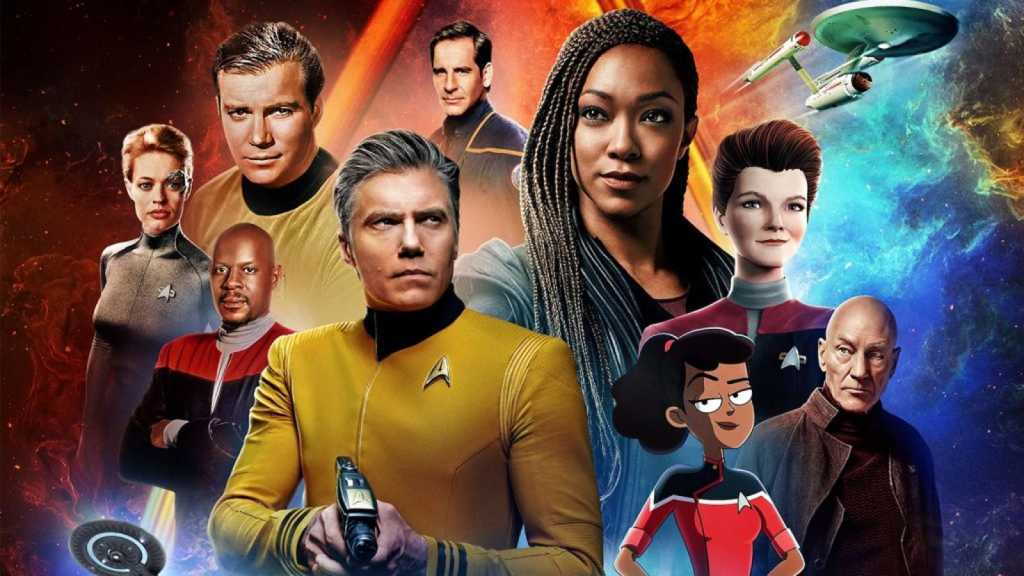
After a good amount of fandom were slighted, Star Trek: Discovery premiered on the streaming app CBS All Access (later renamed Paramount +), and it sharply divided fans. Sure, the production design was gorgeous and rivaled anything seen on film, but the stories and characters were lacking. But more importantly, Star Trek: Discovery did not feel like Star Trek with its cynical characters, the non-stop swearing and focus on dark storylines. Still, it was successful enough to encourage the creation of more Star Trek TV shows, which led to a new age for the TV shows. The quality of the subsequent TV shows varied from great to meh with some series like Star Trek: Picard, Star Trek: Prodigy, Star Trek: Lower Decks, and SNW having both great and mediocre episodes. Eventually, the TV shows came to an end with the last ones being SNW and Starfleet Academy, which have both being cancelled, and nothing certain to follow up.

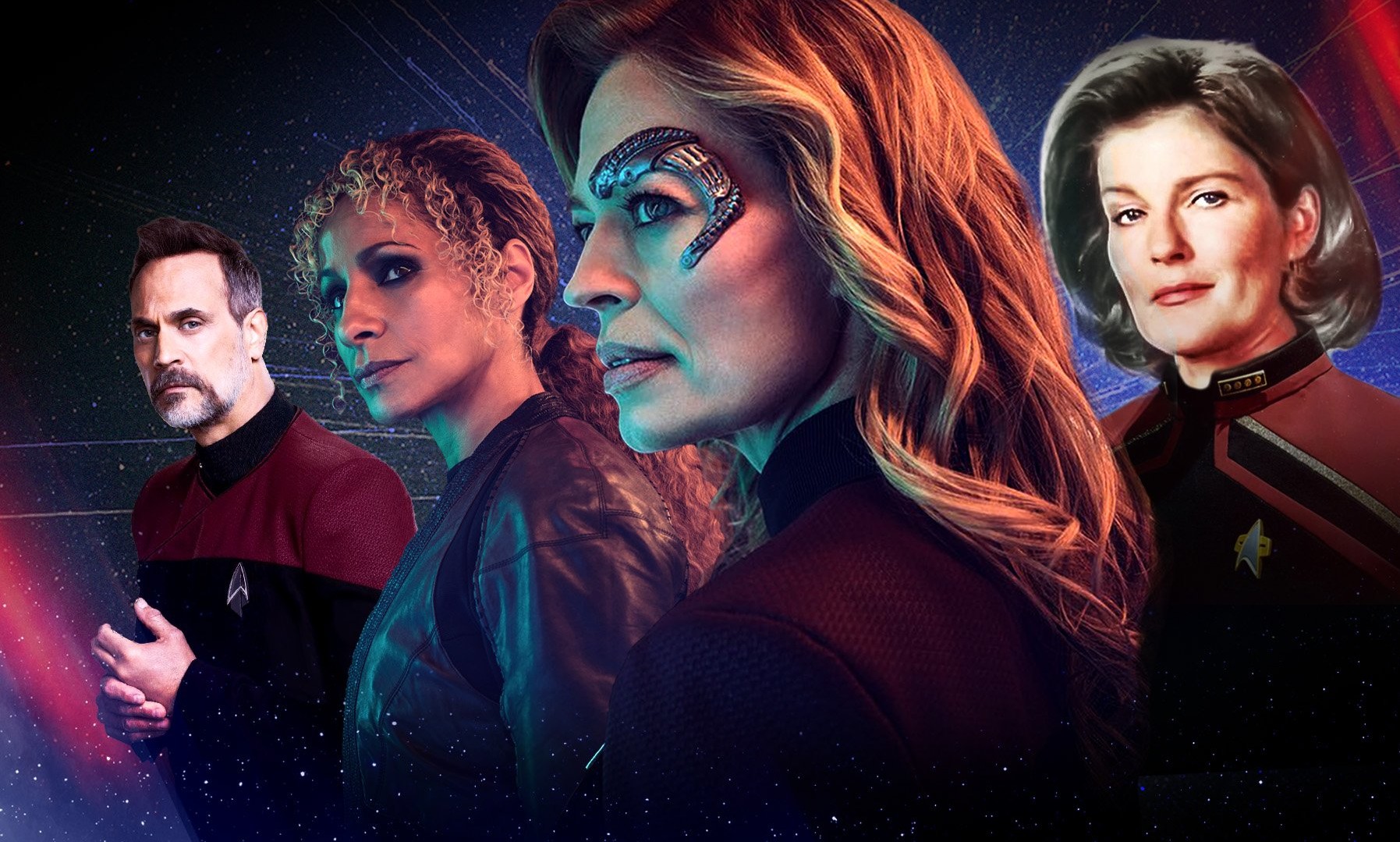
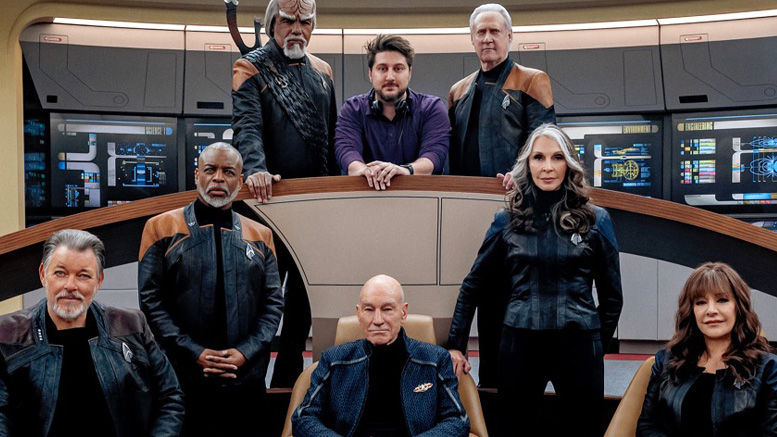
There are talks about a proposed Star Trek: Year One, which would be about the adventures of a young James T. Kirk during the early days of the Enterprise’s five-year mission, but most fans have their hearts set on a potential show called Star Trek: Legacy. This would be a sequel to Star Trek: Picard, which was very well received in its final season thanks to showrunner Terry Matalas, who understood what made Star Trek work. But for whatever reason, Paramount refuses to consider this even though the reception from fans to Star Trek: Year One has been very lukewarm. The fans have been very vocal that they do not want another series focused on the early days of Starfleet and Captain Kirk, or a series set in the unpopular distant future of Starfleet Academy and Discovery. Instead they want a series set immediately after the TNG/DS9/Voyager era.

Many fans point the blame for the franchise’s current twilight to showrunner Alex Kurtzman. He helped shaped Star Trek: Discovery and is the current executive in charge of Star Trek TV shows. Many of them feel that he does not understand what made Star Trek so beloved in the first place and want a new showrunner for the franchise.

That could come very soon since Kurtzman’s contract will expire in August 2026 and there are rumors that his contract may not be renewed. There are many reasons why Paramount Skydance would not want to renew the contract and it is not necessarily because Kurtzman made Star Trek “woke”. Right-wing critics of current Trek should note that the franchise has usually been progressive ever since the original show. Star Trek famously featured an integrated multiracial crew with people of color in command positions, it’s just that this is the kind of thing that is taken for granted today, but back in the 1960s this was revolutionary. No, the reason for not renewing Kurtzman’s contract and moving away from future TV shows could be blamed on the cost. The current TV shows have topnotch special effects which means they are expensive to produce. The cost would be justified if the ratings for the shows were high, but they are not, Star Trek: Starfleet Academy did not do well ratings well and it was too expensive to continue making it. Perhaps the film studio believes that another mastermind could come in and bring fresh ideas and more importantly be more economical. So who could they hire? Here are some possibilities:


Terry Matalas:The showrunner of the third and best season of Star Trek: Picard is a fan of the franchise and knows how to create great stories and characters. He’s had experience executive producing other sci-fi shows like 12 Monkeys and is currently producing VisionQuest. So depending on how VisionQuest is received (and gets renewed), he may be too busy to tackle Star Trek: Legacy or any other Trek show, but he still must be strongly considered.


Manny Coto: Another executive producer who nearly pulled off a miracle and produced the best season of Star Trek: Enterprise. Sadly the show was cancelled just as Coto helped breath new life into it and he had interesting ideas for future seasons. It’s been a long time since he was involved with Star Trek but his efforts with Star Trek: Enterprise earns him a shot a bringing in a bold new approach to the franchise that respects its core essence.


Jonathan Frakes: The former TNG actor has had a prolific career as a director and executive producer. He directed many acclaimed Trek shows during the 90s and current era and certainly has a handle on crafting compelling stories and characters. His deep Trek background and behind-the-scenes experience should make Frakes a strong contender to take over the Star Trek franchise.


Ronald D. Moore: The legendary showrunner of the popular Battlestar Galactica reboot and the current series, For All Mankind and Outlander, got his start with the TNG era of Star Trek. As executive producer for TNG, Moore wrote some of that show’s best episodes which were grounded yet adhered to Trek’s unique nature. Moore is a fan favorite and his taking over of the franchise would bring back many who have given up on it.

Seth MacFarlane: The prolific writer, producer and actor for all intents and purposes created his own version of Star Trek with The Orville. This show is clearly patterned after Star Trek, but it does not just ape the show but demonstrated that a modern Star Trek show could successfully tell stories that evoke the best aspects of the older Star Trek shows with modern production values and solid scripts and characters.


Mike McMahan: He had great success with the animated Trek comedy Star Trek: Lower Decks, a show which wound up being a love letter to all things Trek. The only drawback is that his show was comedic and the studio heads may hesitate to promote someone with this background to more serious TV shows.


Mike Sussman: This former writer from Star Trek: Enterprise helped conceive a new political Trek drama starring Scott Bakula that would serve as a sequel to Star Trek: Enterprise and focus on its lead character’s time serving as president of the United Federation of Planets. If the show is successful, it could help move Star Trek away from its current concept of starship crews exploring space.

While Star Trek seems to be in its twilight, fans should not despair. The franchise has reached the end of a period and will have to undergo a process of rest to create demand. This period should be used to reflect on how to reinvent the franchise with bold new approaches, stories and characters that will bring back the fans. Fans should keep in mind that Star Trek has had its dormant periods but always bounced back reinvigorated. It’s just a matter of knowing when this will happen. Fingers crossed that we won’t have to wait too long.

José Soto

Should The Next Star Trek TV Show Be About Kirk?

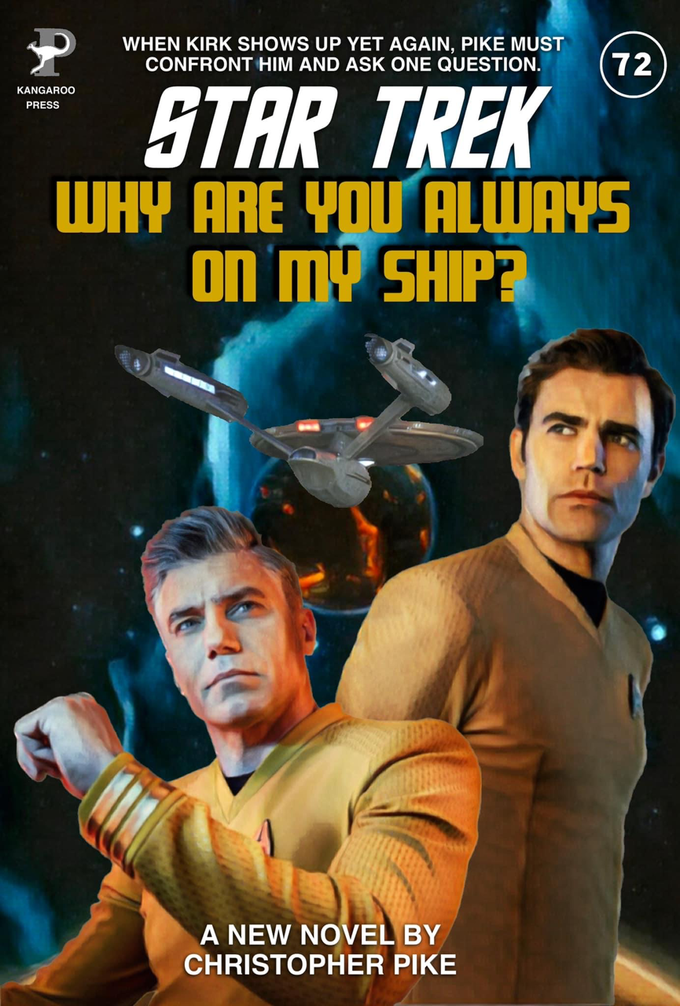
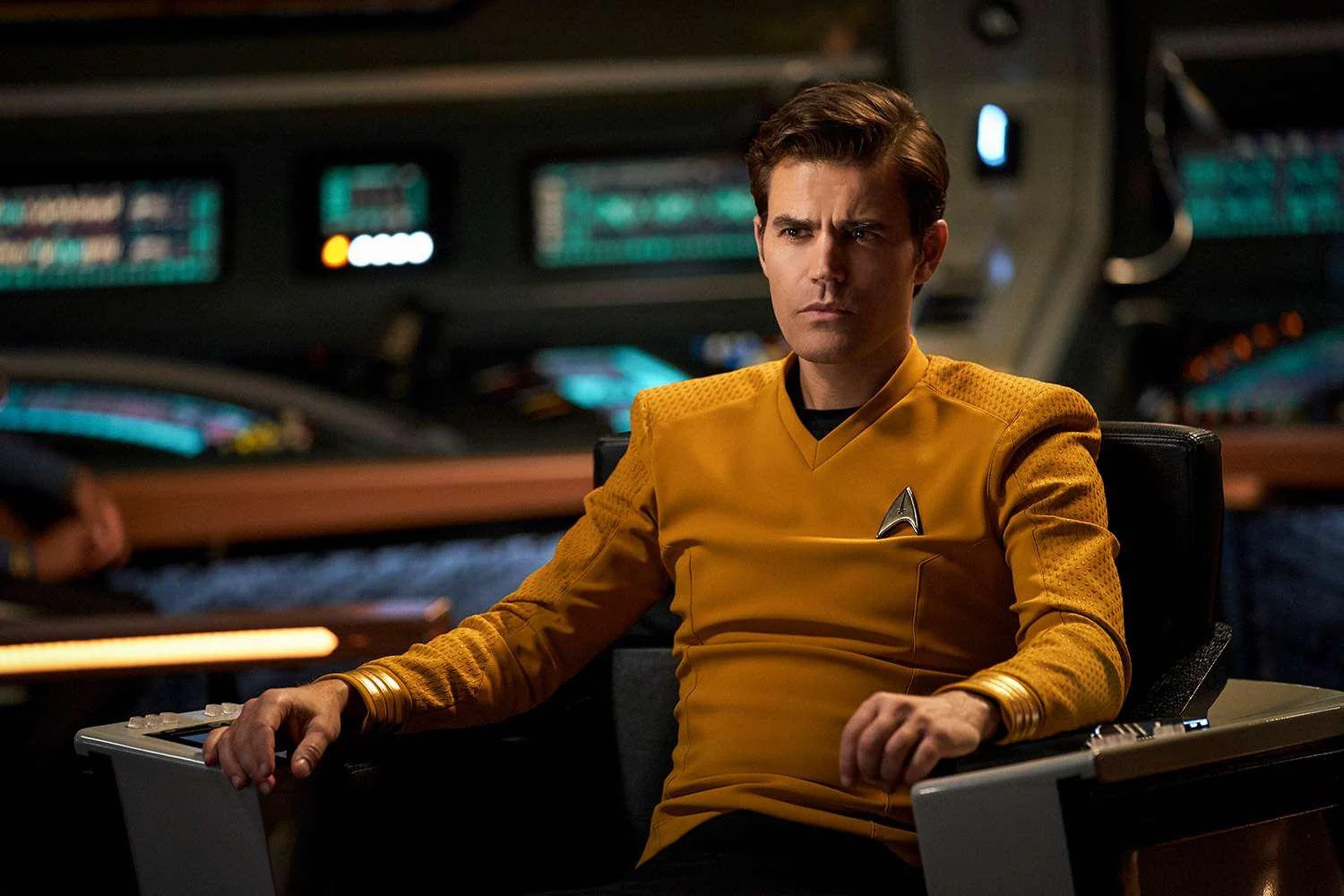
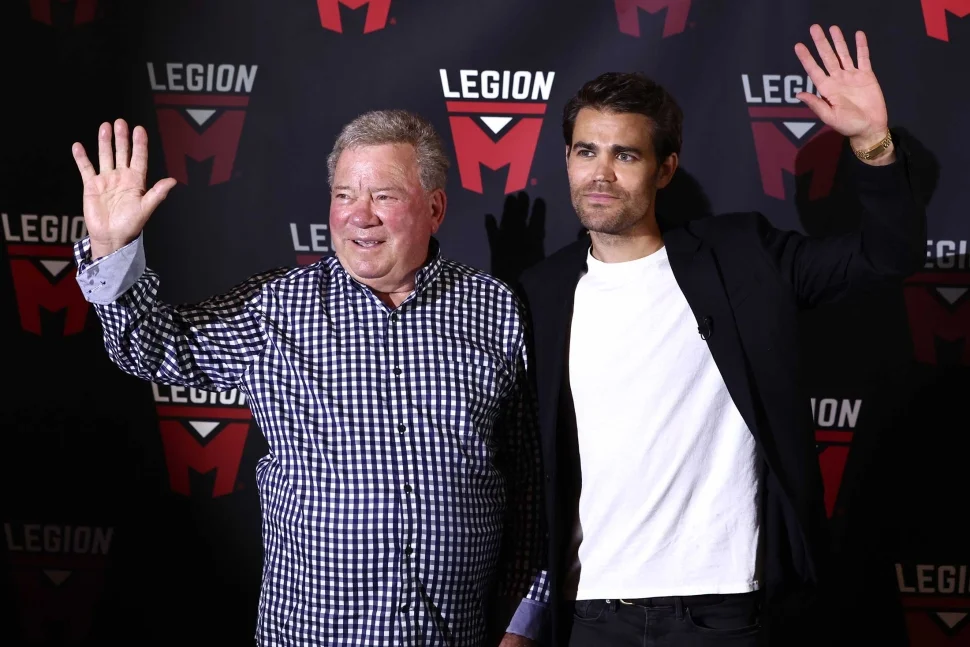
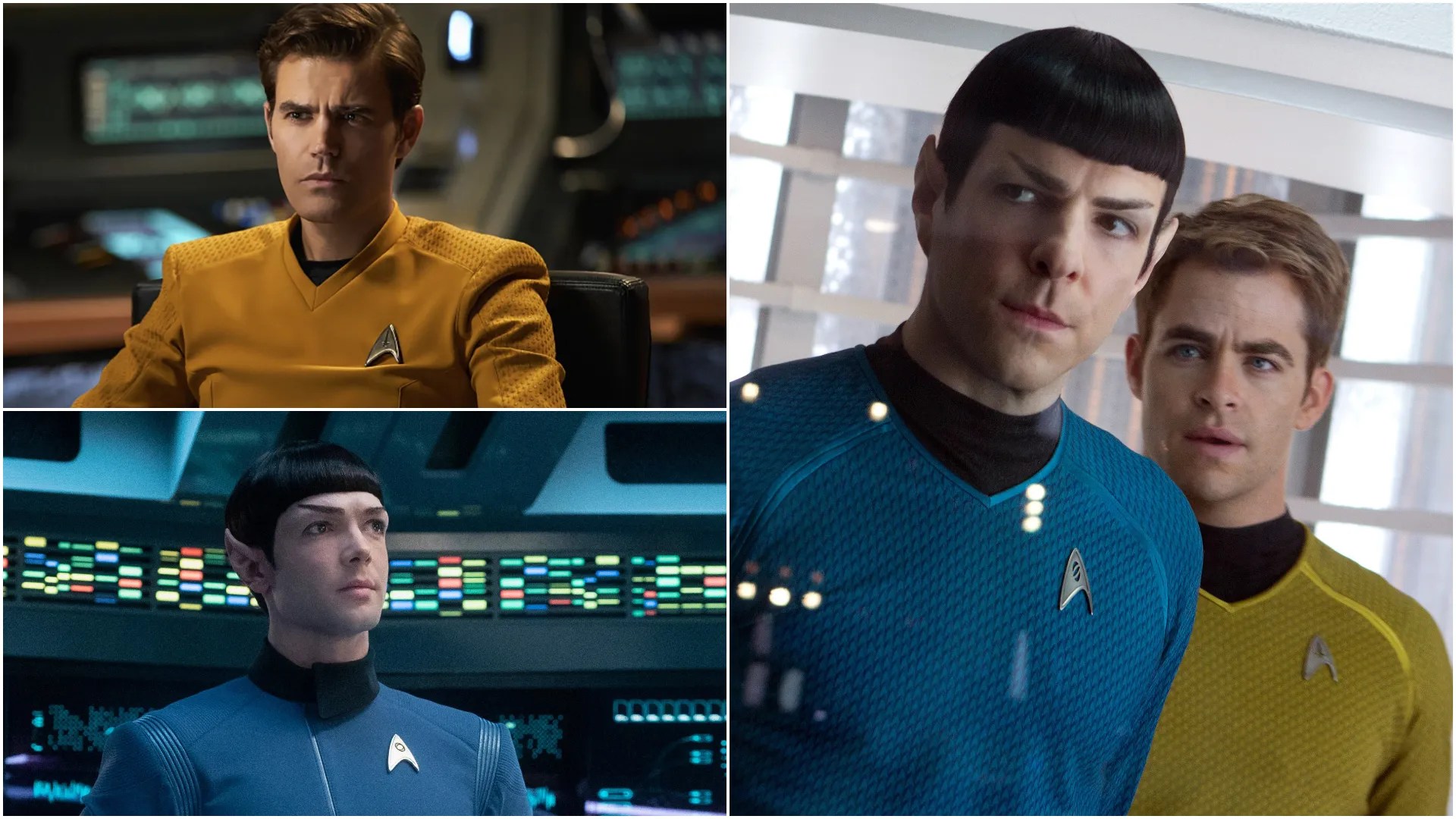
The powers that be that are in charge of the Star Trek franchise are busy planning a new Star Trek TV show that will feature a young James T. Kirk in his early days as captain of the U.S.S. Enterprise starship. This version of Kirk would be portrayed by Paul Wesley, who appeared frequently in Star Trek: Strange New Worlds and the proposed show would be a sequel to Strange New Worlds called Star Trek: Year One. It’s a great idea since Kirk is still one of the most popular characters in Trek. But should there be another TV show based on Kirk?

Let’s put aside the acting chops of Wesley or the idea of Kirk being recast, which has always been a challenge that producers had to deal with since William Shatner, the original actor to play the role, is ingrained with many fans who have a hard time accepting someone else playing Kirk. Just look at the trouble the production team behind the 2009 Star Trek film went through to cast Chris Pine as Kirk. People have to accept that Shatner will never play the role again, especially since Shatner is in his 90s and the budget to digitally de-age him would be prohibitive for an ongoing TV show.

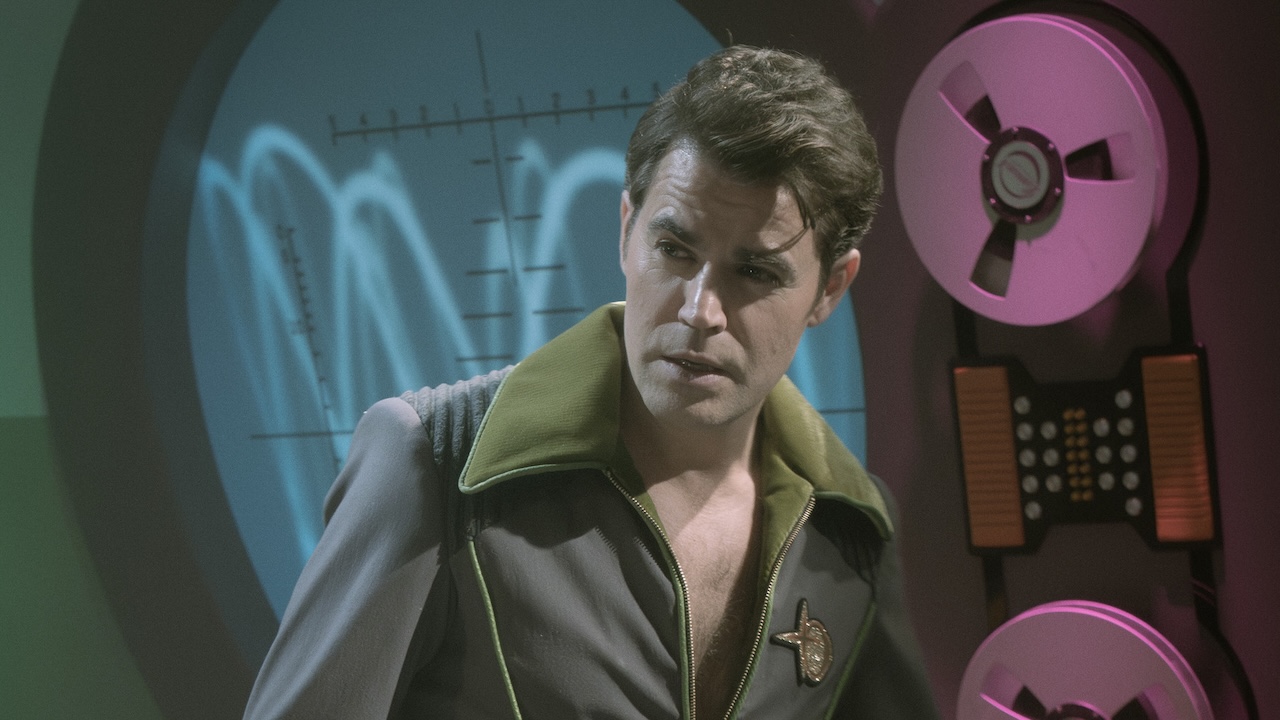
In Wesley’s defense, he does a good job playing a young Kirk without resorting to Shatner’s unique method of acting that gave lots of fodder for comedians. To get an idea of how Wesley would have aped Shatner, take a look at the season three Star Trek: Strange New Worlds episode “A Space Adventure Hour”. It was one of those by-now obligatory holodeck malfunctioning episodes where Wesley as Kirk played a parody of Shatner’s Kirk. The point is if any actor tried to act like Shatner, he would not be taken seriously, which would doom the show.

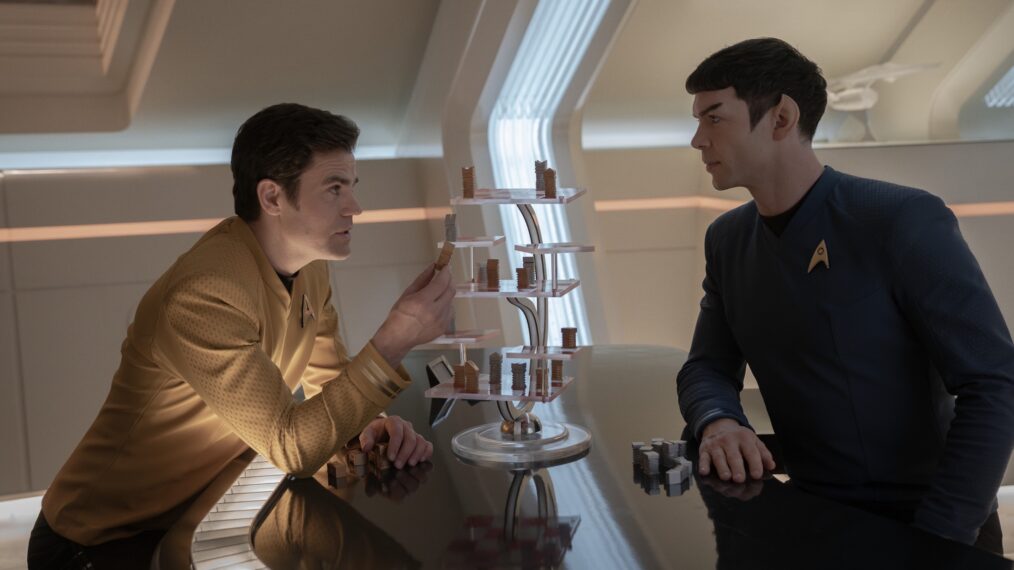
Getting back to the idea of a young Kirk TV show. On paper it seems like a natural, do a TV show about a young Kirk settling into his command, making mistakes and learning from them, and seeing how he formed his bond with the famous Enterprise crew. It would be fairly easy to create the show since it would be a sequel to Star Trek: Strange New Worlds and the standing sets and design are already done, so that would save money and time. Plus, many of the actors from Strange New Worlds like Ethan Peck would just transition over to Star Trek: Year One since Peck would be playing Spock, who became first officer of the Enterprise during Kirk’s command. The proposed Star Trek: Year One could also remake some of the more famous first season episodes like “Space Seed” (which would give us a recast of Khan) or “City on the Edge of Forever” but with better production and effects. This is very tantalizing.

The problem is that we saw Kirk’s early adventures in the original TV show. When Star Trek first aired, it featured Kirk when he first commanded the starship Enterprise. The implication with the first season of Star Trek was that the first season took place during the beginning of the ship’s five-year mission. On the other hand, there are signs that there was a time gap during the very first episodes and the later episodes. “Where No Man Has Gone Before” and “The Corbomite Maneuver” had the crew wearing slightly different uniforms than what was shown soon after. In fact, Doctor McCoy was not even around in the pilot episode “Where No Man Has Gone Before”. More importantly, there are implications in the early episodes that the crew of the Enterprise had been on their mission for some time. So, this leaves room for a Star Trek: Year One.

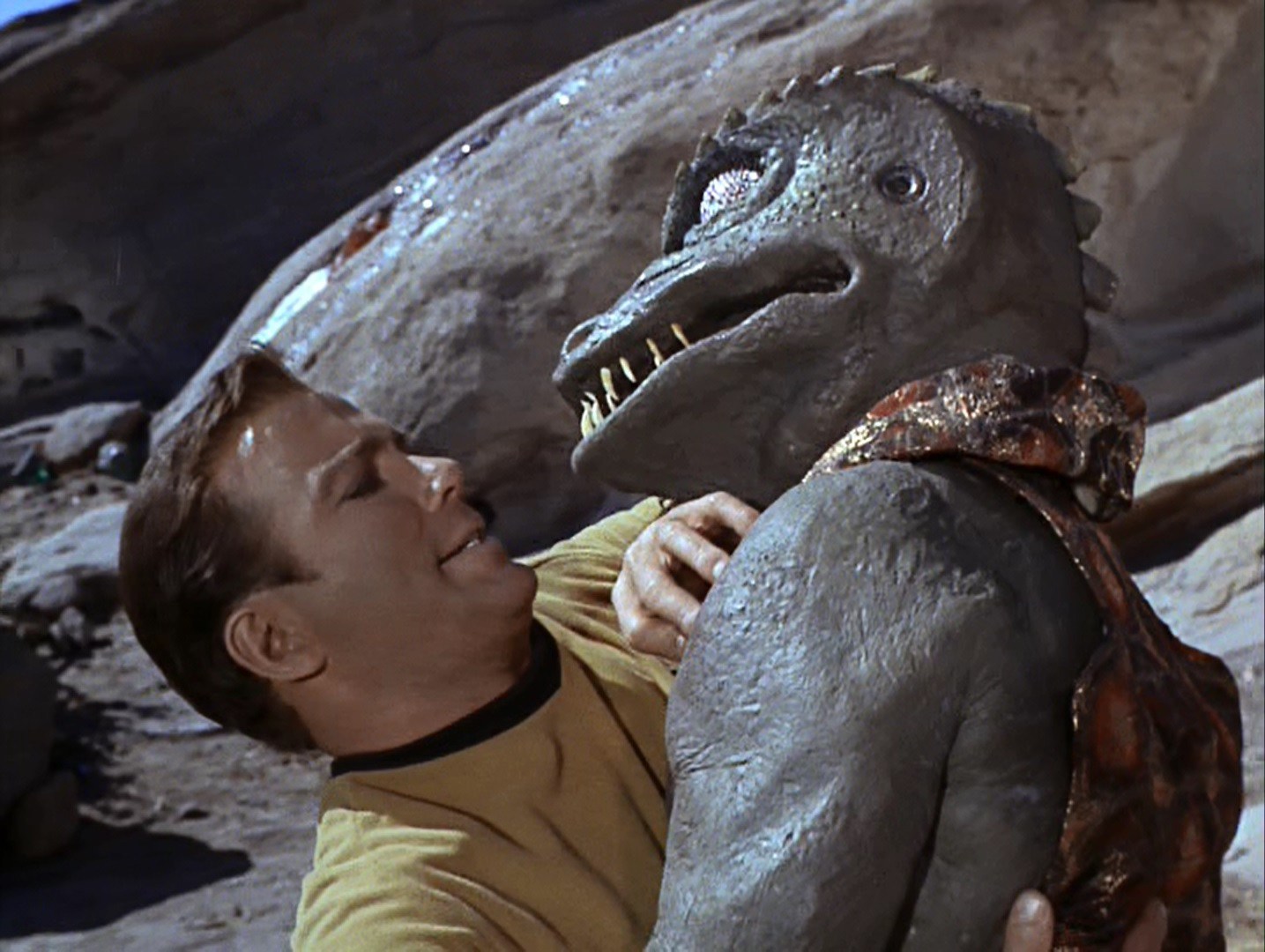
Kirk v Gorn in Arena

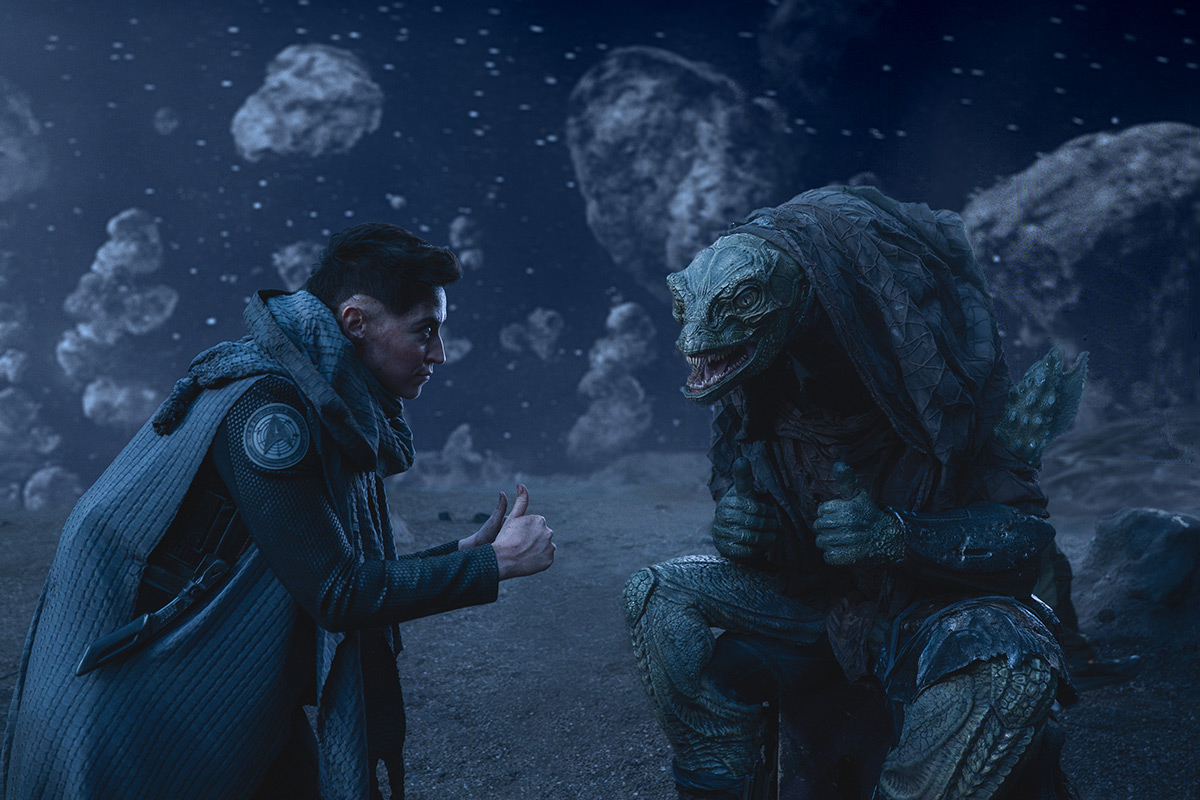
There is a headache that the writers of the proposed TV show would have to deal with and that is with continuity. This has plague all the Star Trek TV shows and films as they had to make sure the continuity established in the original Star Trek and later shows and films remained intact. Unfortunately, this did not work out many times and the recent Trek shows received a lot of flack from angry fans, such as with the look of the Klingons, the Gorn and with the early history of Star Trek. For example, Star Trek: Discovery and Star Trek: Strange New Worlds established that there was a Klingon War which was never implicitly mentioned in the original Star Trek, yet it happened close to the era of the original Trek. In the Star Trek episode “Arena” the Gorn looked radically different than the species shown in Star Trek: Strange New Worlds, and in the original show, the Enterprise crew acted as if they never heard of the Gorn, who were an ongoing threat in Star Trek: Strange New Worlds. This is an issue that long-running TV shows and films have to grapple with and Star Trek is not unique to this situation. As long as the basic history is adhered to, then fans should be willing to give the writers a pass.

One way out of this would be to do what the 2009 Star Trek film did and establish that the recent Star Trek shows are set in another reality. The trouble is that it has been shown already that the recent Trek shows are set in the so-called Prime Timeline.

The most pressing problem for a so-called Star Trek: Year One has to do with whether or not there is any demand for it. Not everyone is thrilled with Wesley’s performance or the fact that the character has hijacked Star Trek: Strange New Worlds by appearing in practically every other episode. This was supposed to be a show about Christopher Pike not Kirk and we already have an idea of how the early years of Kirk went. Do we need to see it play out? Why not create a new Star Trek adventure with new characters? There are many time periods that have never been covered that are ripe for presenting like the time period between the original Trek and Star Trek: The Next Generation. In fact, a TV show about a young Picard sounds more interesting. Ever since Star Trek: Picard concluded, fans have been begging for a Star Trek: Legacies show featuring the crew of the Enterprise-G with Picard’s son, but it seems like the powers that be are hellbent on ignoring fans and plowing ahead with a young Kirk show. This is a sign that the current showrunners do not truly understand Star Trek. Over the decades, the franchise has proven repeatedly that it was rich enough to provide new characters and situations set in the franchise. It allowed Trek to reinvent itself and not rely on Kirk and his crew to generate interest.

To date it’s not known if Star Trek: Year One will get the green light. A lot depends on studio politics and budgets since modern Trek shows are very expensive. If the show goes through, we’ll have to give it the benefit of the doubt that it will be a worthy addition to the legacy of Star Trek.

Star Trek As It Approaches Its 60th Anniversary

As Star Trek celebrate Star Trek Day and commemorate the 59th anniversary of the famous sci-fi TV show, it is important to reflect on the state of the Star Trek franchise and where it is going as it soon approaches its 60th anniversary.

Star Trek has had its highs and lows throughout the decades in terms of popularity, cultural relevance and quality with its glory years arguably being during the 1990s. After the franchise took a forced hiatus in the mid 2000s, a comeback was attempted with the reboot film Star Trek (2009). The film did well and was popular but a significant number of fans did not appreciate director J.J. Abrams attempt to turn the franchise about space explorers, noted for its thought-provoking plots, into a more simplistic shoot-em-up space adventure that emphasized action and explosions over nifty plots and character developments.

The reboot film franchise came to an end nine years ago with Star Trek Beyond, which did not perform well in theaters, though its tone was more of a throwback to the original TV shows and films. Since then, there have been many failed attempts to produce a fourth film featuring the cast of the reboot films, but none have succeeded and that franchise is now essentially dead. Or is it?

Meanwhile, Star Trek returned to its TV roots in 2017 with the debut of Star Trek: Discovery, a prequel series to the original show that streamed on the app CBS All Access (later renamed Paramount+). Now, while the TV show ran a respectable five seasons and spawned another prequel spinoff, Star Trek: Strange New Worlds, as well as additional Star Trek TV shows, Star Trek: Discovery wound up being divisive among fans. Many complained about the storylines and the characters, with more conservative fans being outright hostile to the show’s featuring of non-heterosexual characters. It did not matter. In this day and age of toxic fandom where cynical content creators are more interested in clicks and views, any iteration of Star Trek would have received scorn.

Right now, Star Trek is at a bit of a crossroads. Its parent company, Paramount Pictures, is undergoing a merger and the fate of the franchise is unknown with many rumors flying around as to its final fate. But there are many reports that the bigwigs at Paramount are bullish on Star Trek and want to continue with the franchise. The question remains is how will it continue? As of now, the only currently streaming Star Trek TV show (Star Trek: Strange New Worlds) will come to a conclusion after its fifth season (the fourth season is currently filming while the third season will complete streaming new episodes this week). After that, a new TV show Star Trek: Starfleet Academy will stream in early 2026, while a sitcom set in the world of Star Trek is in development. Who knows if that comedy will ever see the light of day or even generate any laughs if it comes to fruition.

There are other pitches for Star Trek TV shows, including a prequel series based on a young James T. Kirk, which will be a sequel to Star Trek: Strange New Worlds and would star Paul Wesley reprising the role of Kirk. The show has been tentatively titled Star Trek: Year One and would be about Kirk’s early days as the starship Enterprise captain. Meanwhile, Scott Bakula, the star of Star Trek: Enterprise is involved in a pitch for a show that would take place years after Bakula’s show and feature his character as the president of the United Federation of Planets. Unlike other Star Trek shows, this one would not be a show about exploring worlds but have a political slant more akin to Star Trek: Deep Space Nine. Then there is the fan-favorite idea of Star Trek: Legacy, which would be a sequel to Star Trek: Picard, specifically its popular third season and be about the adventures of the crew of the Enterprise-G. It has been pitched in the past, but so far, Paramount has not shown interest in pursuing Star Trek: Legacy.

Regarding films, there are still plans to produce a fourth film set in the Abrams reboot universe with directors and writers coming and leaving the project. Then Paramount recently announced another film will be produced that will feature all-new characters and situations. That actually sounds interesting but as of now, we have no definite information.

Given all that, there are not any concrete plans for Star Trek TV shows or films aside from the Academy show, which is a bit concerning given that the 60th anniversary is under a year away. You would think Paramount would have something concrete in production. Some of the ideas noted above are interesting and even if they don’t end up as TV shows they can at least become limited series or TV films, just better executed than the hot garbage Star Trek: Section 31. One thing to consider is that 2026 will be a celebration of the original Star Trek, not its sequels and films, and there are three remaining cast members from the original show. Aside from a standard documentary/retrospective, maybe Paramount can find some way to involve William Shatner, George Takei and Walter Koenig in some kind of new Star Trek production. The only limits are time, money and more importantly, imagination. Here’s to boldy going 59 years strong.

William Shatner Reunites With Leonard Nimoy For One Last Time In 765874: Unification

There have been numerous fan-made and unofficial Star Trek shorts and films made throughout the years that celebrated the legacy of Star Trek. Some of the more memorable efforts featured the actual actors from the Star Trek TV shows who reprised their famous roles. The latest effort, 765874: Unification, stands out from the rest not just for its production values or topnotch CGI special effects, but because it stars William Shatner in what will most likely be his final performance as Captain James T. Kirk as he reunites with the late Leonard Nimoy as Spock.

Directed by Carlos Baena, 765874: Unification is produced by the VFX studio OTOY in conjunction with the Roddenberry Archive and was released on the heels of the 30th anniversary of the film Star Trek Generations. It serves as a bookend or an epilogue or a post-credits scene to that film as it finally shows us Kirk and his best friend Spock reuniting after their deaths. It is also a sequel of sorts to OTOY’s previous short film, 765874: Regeneration, which featured Leonard Nimoy as Spock reacting to the death of Captain Kirk.

Taking place in the afterlife, moments after Kirk died in Star Trek Generations, the film stars Shatner and Sam Witwer as Kirk, who is jaw-droppingly rendered with CGI and live-action performances. Basically, Kirk wanders through a heavenly afterlife that is similar to what he experienced in the Nexus from Star Trek Generations. During his journey, he comes across many people from his life including Saavik (reprised by Robin Curtis who was digitally aged into an old woman). The film also features numerous Star Trek Easter eggs and characters such as Gary Mitchell (reprised by Gary Lockwood in a performance that was obviously rendered through CG), who plays a role in guiding Kirk during his first moments after his death.

Eventually, Kirk encounters the alien Starfleet officer Yor, who was briefly featured in the Star Trek: Discovery episode “Terra Firma”. For anyone who hasn’t seen that episode, it was revealed that Yor was originally from the Kelvin Universe (the alternate reality where the J.J. Abrams’ Star Trek films take place in) and was stranded in the Star Trek Prime Universe until his death.

As Trek fans know, Spock (as portrayed by Leonard Nimoy) was stranded in the Kelvin Universe and remained there until his death of old age (as noted in Star Trek: Beyond).

Yor serves as a conduit for Kirk to enable him to crossover into the Kelvin Universe. In the final moments of 765874: Unification, Kirk appears at the deathbed of Spock as the two old friends silently watch the sun set with the promise of a new adventure awaiting the both of them in the afterlife.

Aside from the nearly perfect special effects, what made the film stand out was its lack of dialogue, aside from a brief voiceover by Kirk taken from Star Trek II: The Wrath of Khan. But words were not necessary, Shatner and Witwer were able to convey genuine emotions as Kirk explores the afterlife filled with wonder and surprise.

Still, the special effects are just amazing and feature the best use ever of de-aging and CGI to render Kirk as we last saw him in Star Trek Generations and as the more youthful version of the starship captain seen in the original series. The only times the effects falter are in two shots where Kirk walks awkwardly in profile. But other than that bravo to OTOY for their work!

Yes, the use of CGI to bring Spock back to life (through CG and a live-action performance by Lawrence Selleck) and de-aging Shatner and others is controversial for some. But for others, this film is a fitting tribute to the brotherly bond between Kirk and Spock that spans time, space and life itself. Afterall, death cannot destroy relationships or bonds.

More importantly, the short film is a love letter to Star Trek fans, especially those who still appreciate the older more iconic iteration of the sci-fi franchise and have fond memories of those early films and TV shows. After so many years, it feels great to see these two Star Trek legends together for one last time.

Needless to say, whether or not it’s official or canon, 765874: Unification finally gives us the opportunity to say farewell to these two characters as we see the Shatner and Nimoy versions of Kirk and Spock have a final performance together. Using the afterlife as the vessel for their unification is an appropriate and dare say, logical, way to close this chapter of their existence and the landscape for their next great adventure.

José Soto