A Brief Look At Stephen King’s Cell

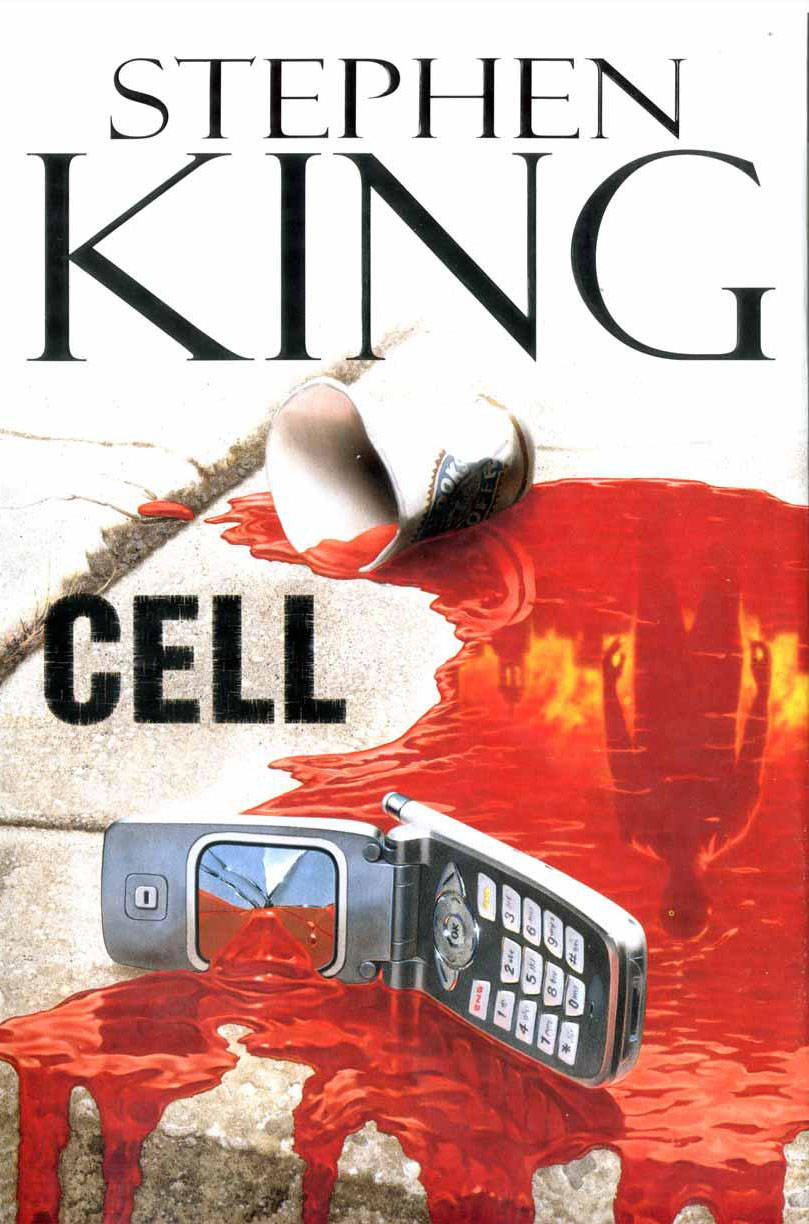
Stephen King’s Cell was written in the post-9/11 world and published in 2006. At the same time was a tribute to the horror sub-genre of lone survivors coping in a world overrun by maniacs, monsters and other terrors. Oddly enough the novel has some new relevance in today’s world in showing how society has abruptly been turned upside down by a “virus”. In the book’s case this virus is not biological but technological with devastating results.

On the surface, one might want to compare this to a flesh-eating zombie movie and the book’s dedication to George Romero (and Richard Matheson who wrote the classic post-apocalyptic thriller I Am Legend) adds to that comparison. But that isn’t necessarily the case, it follows the spirit of those zombie films but there aren’t any zombies in Cell. Rather it’s more comparable to Romero’s film The Crazies or 28 Days Later where civilized society is turned upside down when formerly normal people become raving murderous lunatics. Meanwhile, complete strangers band together to deal with a suddenly dangerous world. Note, although the film adaptation was not as terrible as most critics claimed, the less said about Cell (2016), the better.

The novel begins in Boston with Clay Riddell, a struggling freelance comic book artist who just caught his big break by landing for a graphic novel. He is on his way home to Maine, eager to break the news to his estranged wife and son Johnny when the Pulse hits. A signal goes out instantly over all cell phones everywhere that scrambles the brain of anyone who happens to be using a cell phone. Within seconds, anyone affected by the Pulse is turned into an insane murderer without any reason or intelligence. Clay witnesses to his horror seemingly normal people viciously attacking each other and those who weren’t affected by the Pulse. The sequences described are quite horrific and brings to mind the chaos and sense of being overwhelmed that the nation experienced during 9/11. People are running everywhere as explosions rock the city and no one can understand what is exactly going on.

As Clay evades the “phoners” (the people who turned into maniacs during the Pulse) he meets Tom McCourt and Alice Maxwell. They decide to get out of Boston,  and avoid any cities since the chaos is intensified in the urban landscapes. Eventually they reach Tom’s residence just outside of the city and discover after the chaos dies down that the phoners have developed a sort of hive mind. The phoners are seen migrating toward an unknown destination.  Clay’s own goal is to reach his hometown and find his wife and child. The other two decide to join him so they gather supplies and guns hike up north.
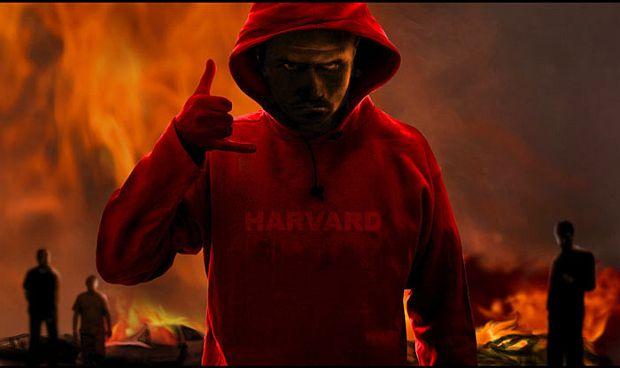
Along their journey, the group meets other survivors and battles more phoners  as the novel’s pessimistic mood gets even deeper. The reader is made to feel discouraged and broken by the characters’ hopeless plight as the phoners consolidate their grip on the world. They reach Clay’s hometown and discover his wife became a phoner during the Pulse but his son did not and fled further up north to Kashwak. Apparently the phoners are psychically herding all normal people up to this place by suggesting that it is a safe haven. During this trek, Clay and the others have had shared dreams that they were rounded up in a carnival-like arena surrounded by hordes of phoners. Despite knowing that Kashwak is a trap, Clay decides to go anyway in the slim hope of finding his son.

The ending itself is rather ambiguous and open-ended. Basically the reader has to decide what was the ultimate fate of the characters, although by the novel’s end the pessimistic tone seems to subside a bit to offer a glimmer of realistic hope.

Many have compared this book to Stephen King’s earlier book, The Stand, but there are diverse differences. While The Stand had an epic apocalyptic feel to it, Cell does not. Also the religious overtones and themes from The Stand are absent in Cell. Unlike his previous novel, this one focuses on a small group of survivors who are just trying to get by, whereas The Stand had a huge dramatis personae. One thing Cell has that the older book lacked are the 9/11 references, which adds a level of immediacy. And this is evident in the origin of the Pulse. Believed to be caused by terrorists, the incident represents the feeling of the world unexpectedly turned upside down.

The Pulse also shattered many illusions about our feeling of security in our civilization and the horror comes from learning how fragile our society is from how easy it falls apart. This fragility takes on an urgent relevance given our current situation. Of course, we are not on the verge of collapsing because of the coronavirus, but it has had a decided impact on how we live day to day. Despite its grim tone, the novel illustrated how human connections and relationships are key to our survival and why we will persevere in this crisis.
Contagion: A Harbinger For Our Time


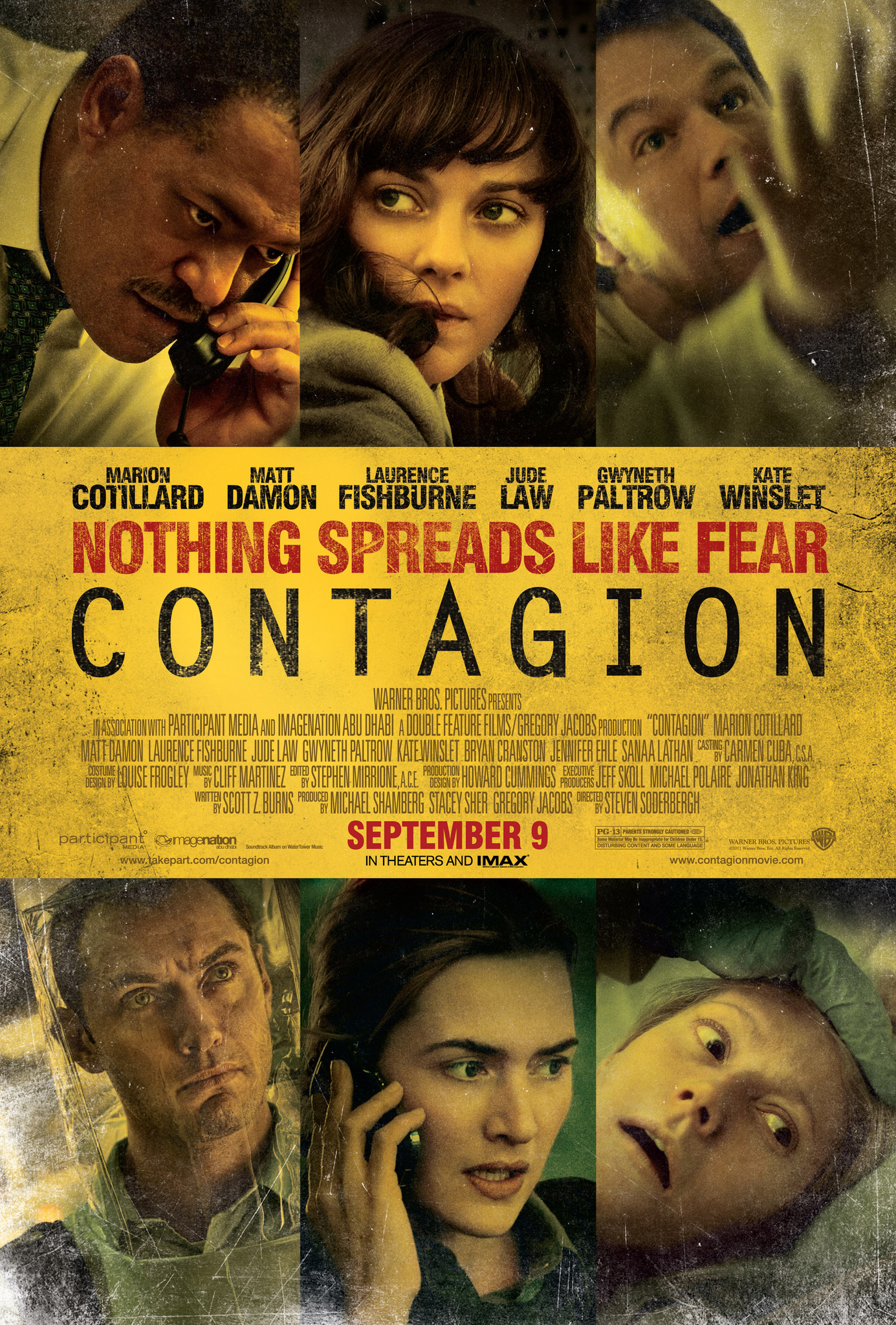
Steven Soderbergh’s film Contagion has sadly become one of those quasi-science fiction films that became a reality. Of course, this relates to the coronavirus pandemic that has upended our global society.

The parallels between the film and what is going on right now are downright eerie and disturbing. However, there are distinct differences between Contagion and reality, especially later on in the film.

Infections

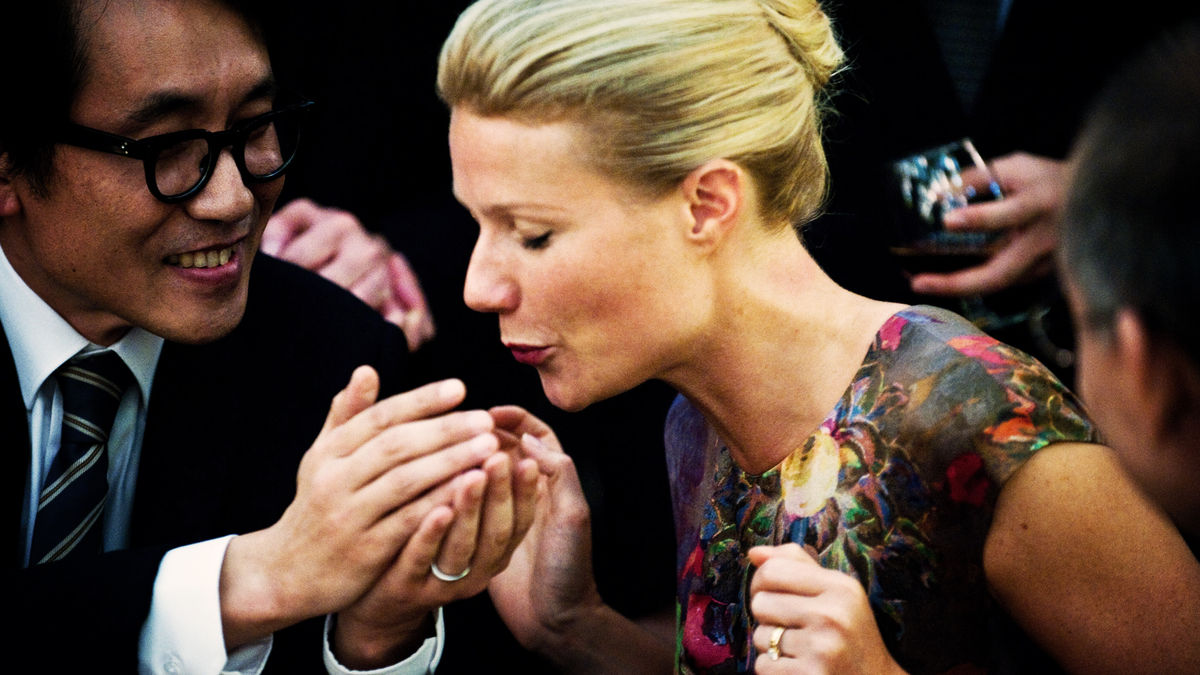
Contagion illustrated how the MEV-1 virus easily spread from China throughout the world as Beth Emhoff (Gwyneth Paltrow) on a business trip in Hong Kong became patient zero, interacted with many people and infected them. Steven Soderbergh inspired direction discreetly showed how easy it was for the virus to spread as many shots lingered on surfaces touched by infected victims, which were then touched by others.

One way the film differed from reality is how quickly victims exhibited symptoms and the mortality rate. People infected with the fictional virus displayed harsh symptoms apparently overnight, though most likely this can be attributed to film editing. The timeframe shown in the beginning of Contagion has Beth Emhoff already sick when she arrived in the U.S. Careful observations showed that she had been ill for a few days, but we’re shocked when she dies horribly mere minutes into the film. These quick time jumps were shown of how other characters became ill and died. With the coronavirus the incubation period ranges from days to weeks and explains why the disease is more insidious and deadlier than the MEV-1 because many people are already infected but won’t show symptoms for some time. Meanwhile, they’re unwittingly spreading the virus. On the other hand, the MEV-1 virus had a mortality rate of 25 to 30 percent, which was dramatically worse than COVID-19. Imagine how much worse things would be if COVID-19 had that kind of mortality rate.

Deployments

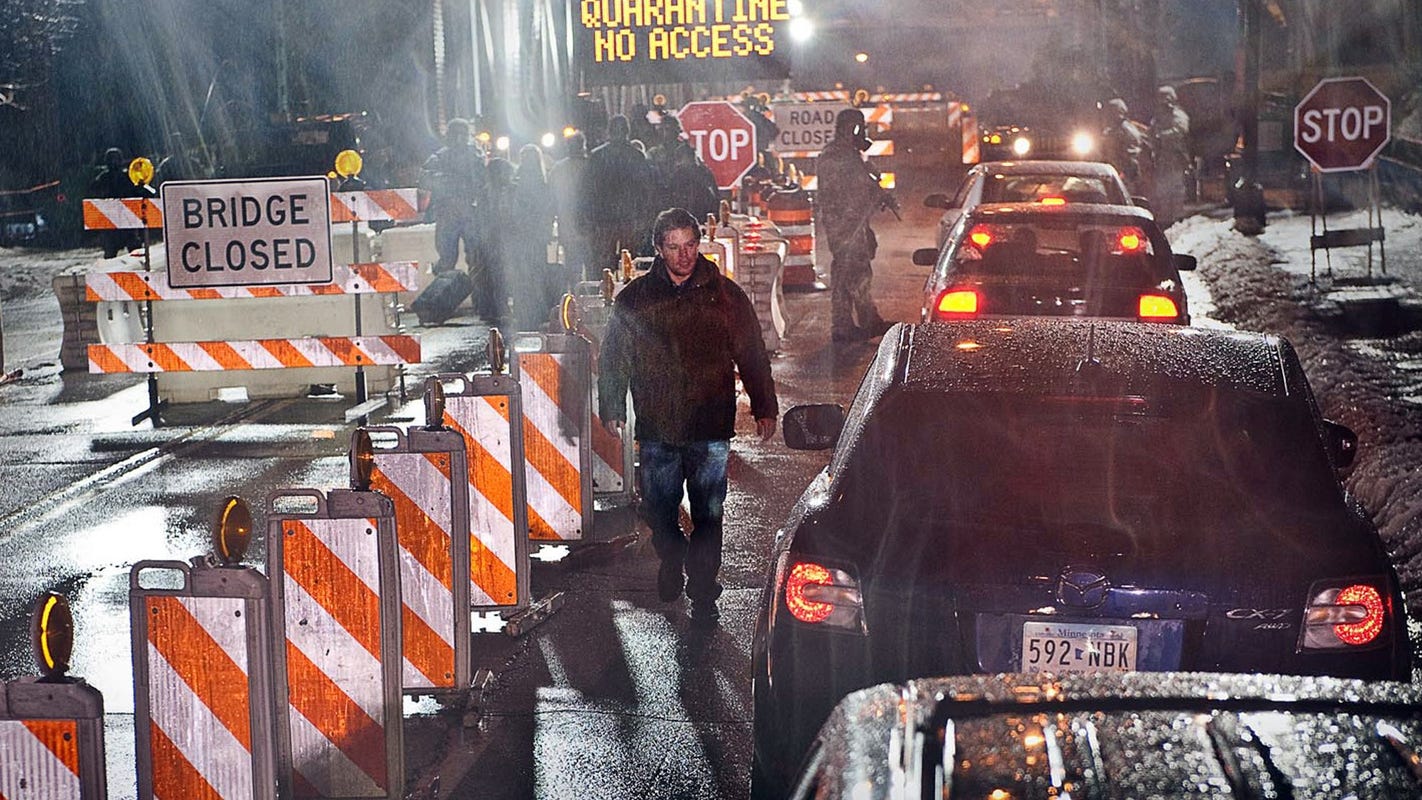
A similarity between Contagion and real life is with the deployment of military and medical services to combat the virus and maintain order. The film turned out to be accurate in its depiction for how the World Health Organization and the Centers for Disease Control and Prevention mobilized to study and combat MEV-1. We are seeing this played out in real time as scientists and doctors race not only to find a vaccine but at least some kind of treatment. Unlike the film and fortunately for us, the intense medical efforts have opened up promising treatments and even vaccine tests. In Contagion, these breakthroughs did not happen until long months had passed. But before anyone reading this starts celebrating, bear in mind that trials and tests need to be completed and we are looking at a vaccine being ready anywhere from a year to eighteen months at the earliest. So for now prevention is the best defense; that includes being as clean as possible and social distancing (which was mentioned in Contagion as means of slowing the spread of the virus).

Even more distressful is the way Contagion portrays the chaos and breakdowns as the fictional MEV-1 virus ravages the world. Thankfully, we have not seen the mass riots, looting and lawlessness that take place later in the film. But we must heed these important warnings of what we face if the COVID-19 virus is not contained and continues spreading. Already healthcare systems are on the verge of collapse in a several places like Italy or are severely strained in many others.

Continue reading

Arrow Hits Its Mark

“My name is Oliver Queen. I was stranded on an island with only one goal, survive. Now I will fulfill my father’s dying wish to use the list of names he left me and bring down those who are poisoning my city. To do this I must become someone else. I must become something else.” — Oliver Queen’s opening intro to Arrow, first season

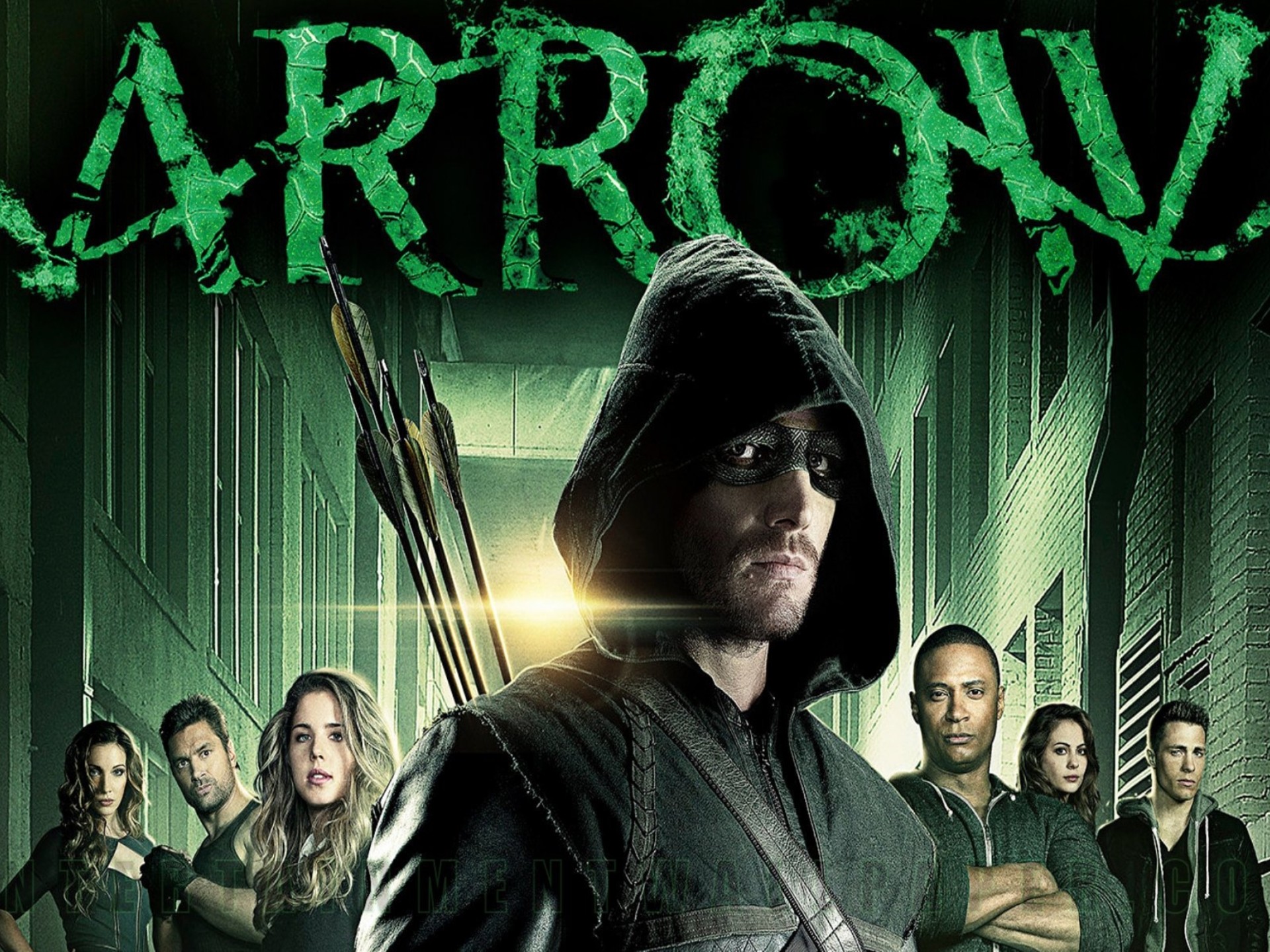
The long-running superhero TV series Arrow just aired its final episode “Fadeout” on the CW. As series finales go, “Fadeout” was surprisingly well put together and a fitting conclusion to Arrow. The series had its ups and downs during its eight-season run but generally was a solid superhero show that introduced a larger DC universe that was appropriately dubbed the Arrowverse.

When Arrow premiered on October 2012, there was some trepidation over it. Some saw it as a weak version of Batman, specifically the Christopher Nolan version because of its initial grounded feel. Others unfairly complained Arrow’s version of Oliver Queen/Green Arrow was not the one played by Justin Hartley in Smallville. Keep in mind, Smallville ended its run a year earlier and it was hoped then that some spinoff would be created from that show. Instead the character was reimagined by Arrow’s showrunners, Greg Berlanti, Marc Guggenheim and Andrew Kreisberg.

The Hood

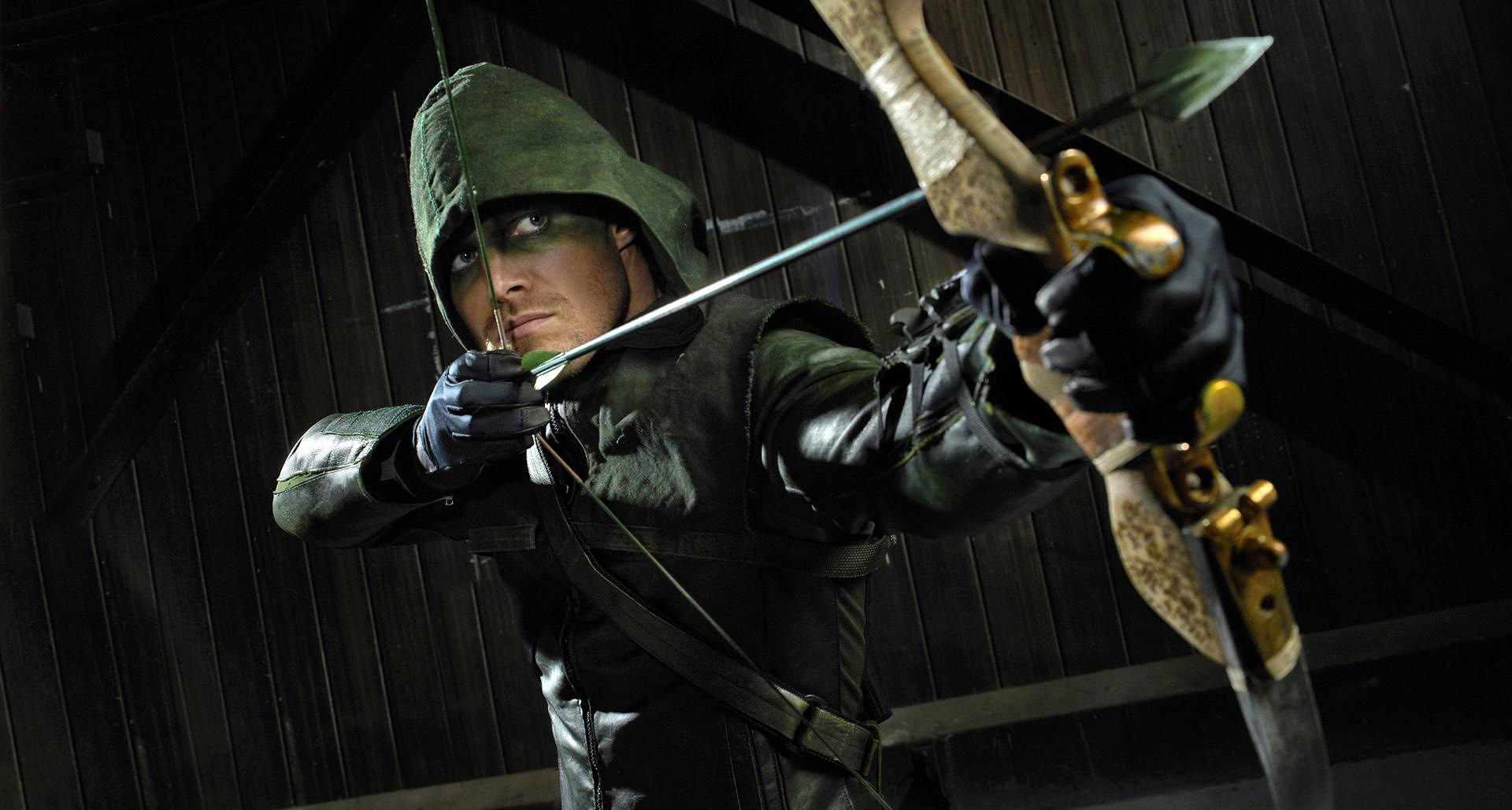
However, thanks to the enthusiasm and dedication of actor Stephen Amell as the title hero and the shows’ supporting cast, Arrow quickly won over many viewers. Looking back, it made sense that the show had a grittier and less fantastical feel than standard superhero fare. Amell’s Green Arrow (first called “The Hood”) was an intense, no-nonsense hero who took no quarter. This enabled the showrunners to tell solid stories about crime and corruption in Oliver Queen’s Starling City and his quest to save his city.

Establishing A Universe

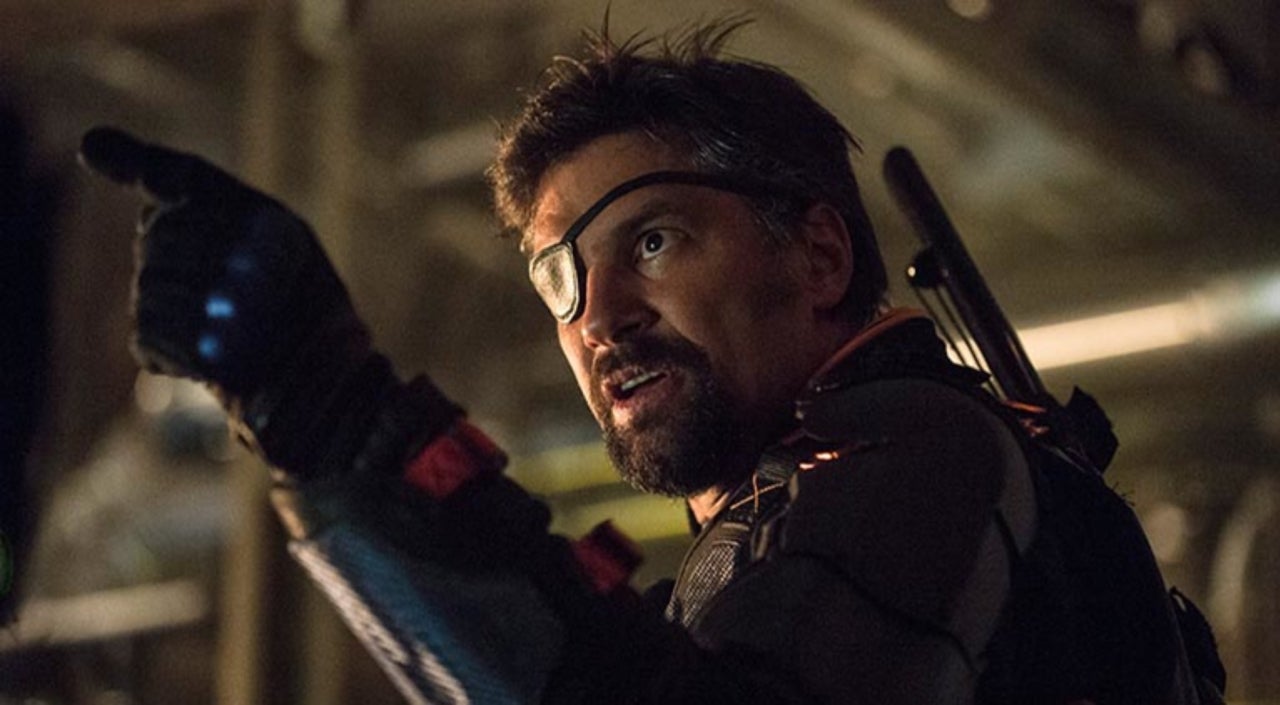
In many ways the sophomore season of Arrow was among its best with its ongoing story of Oliver Queen’s confrontation with Slade Wilson/Deathstroke, who was so well played by Manu Bennett. A distinctive feature of Arrow was its use of flashbacks in most episodes that interwove or were relevant with current storylines. The flashbacks during the show’s early days focused on Oliver’s adventures when he was marooned on the island Lian Yu. This structure paid off handsomely in the second season as we saw him first meeting and befriending Wilson on the island and how the two became bitter enemies. Meanwhile, the current storyline in the second season featured the return of Deathstroke and his machinations to destroy Queen and his city.

Naturally, as the show found its footing and gained in popularity, the DC universe was introduced. To Arrow’s credit this was done organically and not rushed. It started with blink-and-you-miss-them Easter eggs and the introduction of more superhuman-related plot devices like the strength-enhancing drug mirakuru or characters like Huntress, Deathstroke and later Barry Allen/The Flash. This introduction of the larger DC universe, as well as its driving plot lines helped propel the show’s popularity late into its first season and during its second.

While the show introduced viewers to the Flash (who was soon spun off into his own series), it also featured other distinctive DC Comics characters like Black Canary, Wild Dog, Ragman Batwoman, and Supergirl, who were often introduced in series crossover events or became important supporting characters.

One outstanding character was Queen’s confidante and best friend John Diggle (David Ramsey). Although Diggle was an original character, many speculated he was a stand-in for the Green Lantern, John Stewart. The showrunners teased fans with cloy Easter eggs throughout the show’s run such as the revelation that Diggle’s stepfather’s last name was Stewart. Finally, in the last few minutes of “Fadeout” it was shown that Diggle was on his way to becoming Green Lantern to the delight of many. However, do not expect more to be made of this. Even though Greg Berlanti is developing a Green Lantern series for the upcoming streaming app HBO Max, it is doubtful Ramsey will continue to play the role or that the show will be part of the Arrowverse. The best we can hope for is that Ramsey will reprise his role as Green Lantern in other Arrowverse shows like The Flash or Legends of Tomorrow. Incidentally, John Diggle is slated to appear in an upcoming episode of The Flash this season, but he won’t be Green Lantern.

Diggle finds green lantern ring

Another notable character introduced in the show was Ray Palmer/The Atom, who was played by Brandon Routh. When Brandon Routh was first announced to portray Palmer, it seemed like stunt casting since he portrayed Superman in Superman Returns. This casting turned out to resurrect Routh’s career as he was promoted to the show lead in Legends of Tomorrow and excelled in his performance as the goofy scientist. As many know, Routh’s redemption came full circle when he reprised his role as Superman in the recent Crisis on Infinite Earths Arrowverse crossover event.

Continue reading

You Are About To Enter…The Twilight Zone: 60 Years Later

“There is a fifth dimension beyond that which is known to man. It is a dimension as vast as space and as timeless as infinity. It is the middle ground between light and shadow, between science and superstition, and it lies between the pit of man’s fears and the summit of his knowledge. This is the dimension of imagination. It is an area which we call the Twilight Zone.

Opening narration by Rod Serling to The Twilight Zone in its first season

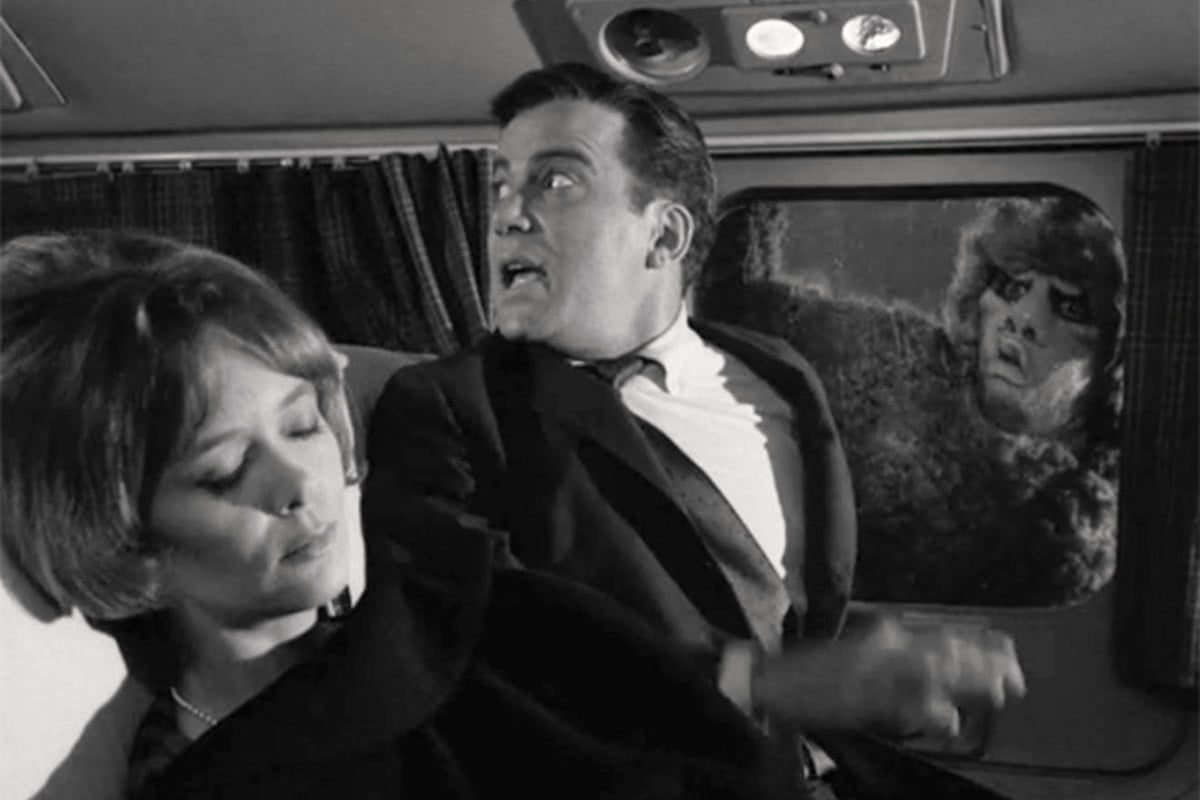
The Twilight Zone is celebrating its 60th anniversary and is still regarded as one of the most influential sci-fi and fantasy TV series of all time. Its combination of surreal sci-fi and fantasy storytelling and eerie plots has made its many classic episodes quite memorable for genre fans of all types. Hosted and created by the late Rod Serling, his matter-of-fact introductions led viewers to witness many memorable stories that ranged from a gremlin trying to sabotage a passenger jet seen only by one hapless man ( played brilliantly by William Shatner) in “Nightmare at 20,000 Feet”, to a bookworm (Burgess Meredith) who shuns society and yearns for solitude, and gets his wish after a nuclear war only to meet a cruel fate in “Time Enough At Last”.

The pilot episode “Where is Everybody?” started things off 60 years ago this month with an Air Force pilot in a seemingly abandoned town, who slowly succumbs to paranoia, as things are not what they seem. The plot twist at the end of “Where Is Everybody?” would set the tone for the whole series. Countless episodes had twist endings and examples of being careful what you wish for, as well as bizarre otherworldly happenings. Notable examples include: a woman chased by her double during a solitary road trip in “Mirror Image”, “The Howling Man”, which has a man chasing the Devil across the world using the staff of truth to keep him locked up in, a woman going to the top floor of a department store with creepy mannequins in “After Hours” or even seemingly benign aliens giving humans solution to world problems until their true sinister agenda is revealed in “To Serve Man”. These are just the tip of the iceberg with The Twilight Zone.

All of these many great moments have cemented the status of The Twilight Zone and led to many other anthology shows in its wake. Serling himself had a follow-up series Night Gallery starting in 1969 that was horror focused and not as well remembered. There have been two revivals in the 1980s (a film co-directed by Steven Spielberg, John Landis, Joe Dante and George Miller, and a TV show on CBS), a TV film in the 1990s based on Serling’s unused stories, a 2002 revival on the defunct UPN network, and one streaming right now on CBS All Access. Even shows like Amazing Stories, which was more fantasy based, and Tales From The Crypt can all trace their origins back to The Twilight Zone, which had all kinds of genres in its pallet.

The fact that it debuted in 1959 is also quite interesting since there was nothing like it on TV at that time. Unlike today with sci-fi being a huge industry, the era in which it came about was pre-Star Wars and Star Trek. Nevertheless, the show captivated audiences and even today it still holds up with its timeless stories and issues that it tackled. “Eye of the Beholder” dealt with body image and conforming to society’s standards of beauty and “The Monsters Are Due on Maple Street” showed how fear of an outside force can destroy a town. The fact that The Twilight Zone was a genre-based show allowed it to talk about issues such as these in an allegorical setting whereas a more realistic show could not, especially in the the late 1950s and early 60’s. It was one of the reasons why Serling created the show. He wanted to avoid censorship issues when crafting his imaginative and thought-provoking stories. This again, paved the way for later shows like Star Trek to do the same thing with its many takes on issues like civil rights and racism masked in the sci-fi setting of starships and aliens.

The Twilight Zone still gets accolades and is always included in listings of the top TV series of all time. TV Guide ranked it at #5 in their list of 60 greatest shows of all time in 2013 and in 2016 Rolling Stone ranked it at #7 for 100 greatest shows of all time. The Twilight Zone’s impact on pop culture also expands to other areas as well with a theme park ride in Disney’s Hollywood Studios park and numerous spoofs on The Simpsons. All of this for a show that was on the air when there were only three networks on TV and decades before the proliferation of science fiction, horror and fantasy in movies and television.

The power of these stories is still going strong after more than half a century and should continue to excite fans who have seen them countless times and gain new fans who will no doubt be drawn in by the iconic theme music that is still creepy to listen to even today, as well as Rod Serling’s famous words “Submitted for your approval…”

C.S. Link

*The intro shown below for The Twilight Zone is based on its first season. It’s not as famous as the iconic theme we all know of, but IMO is much eerier and more effective.

Avatar: Looking Back At The Sci-Fi Epic

Avatar Sully and Natiri

After it was announced recently that Avengers: Endgame had finally dethroned Avatar to become the all-time box office champion, everyone was whooping and hollering in joy. Sure, we’re entitled to feel that way and celebrate because Avengers: Endgame is so well regarded. But lost in all the hoopla was how dismissive many people were toward director James Cameron’s film which came out ten years ago. Yes, we all are entitled to our own opinions about everything, but some were too quick to put down Avatar, which is not warranted.

Even when Avatar came out in December 2009, there were those who were very critical towards the sci-fi epic. A common gripe was that its story was weak and derived from the “going native” trope, which is why Avatar was sometimes called Dances With Smurfs. Another critique was its too-on-the-nose environmental message or its simplistic evil capitalists vs. noble savages motif. These are valid points, but Avatar should not be disregarded so casually.

jake rides giant banshee

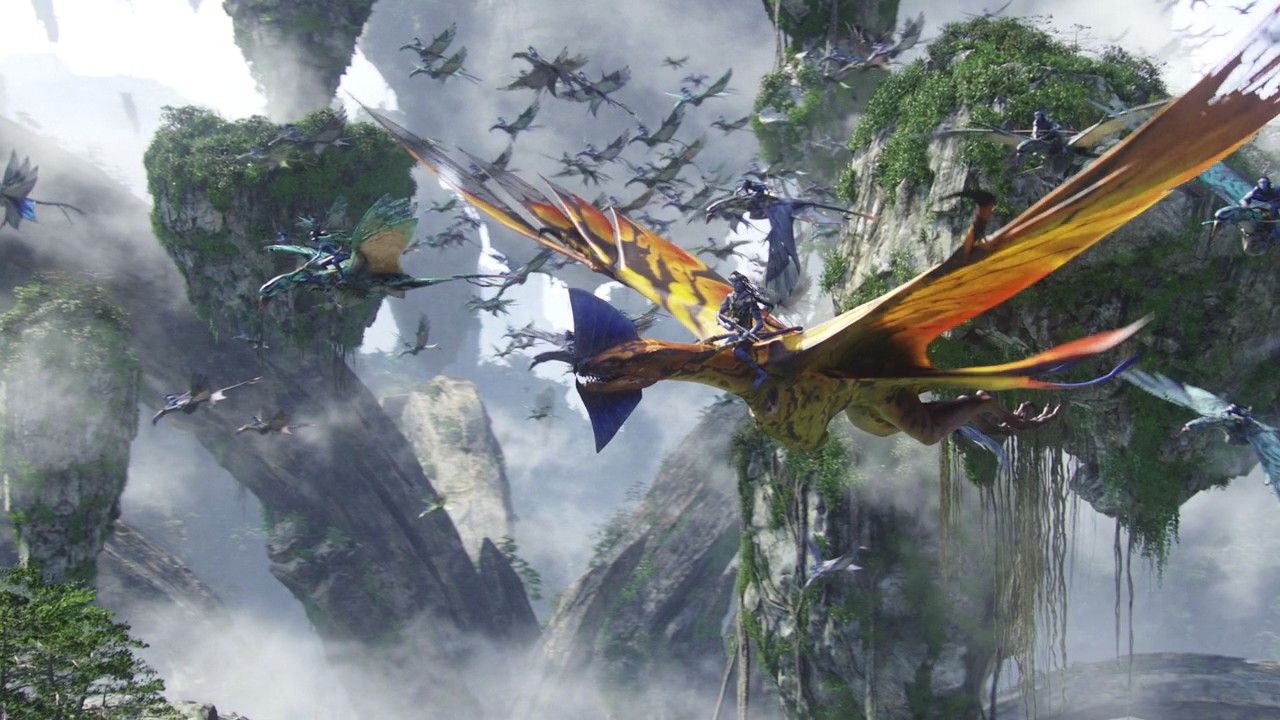
For its time, Avatar captured the world’s imagination thanks to the rich and immersive effects and world that James Cameron and his team of effects wizards created. Almost everything about the world of Pandora (a habitable moon orbiting a distant gas giant a few lights years from Earth) looked alien. From the six-legged creatures to the ultraviolet forests to the floating mountains. This was a landscape never before seen in live action. It was and still is breathtaking to take in.

While the story may be too familiar, it does resonate and has relevance to our times. It was reported back then that some viewers experienced a type of depression because they realized how unlike Pandora the Earth was with its pollution and disappearing nature. Now, climate change and other environmental concerns have become a more tangible problem and we can appreciate the idea of a pristine, untouched-by-man world. This is also inspiring many to look for other worlds and can be seen as a drive for the new upcoming space race. Avatar showed many the possibilities of what lies beyond our solar system.

Of course, the special effects and 3D technology are still unrivaled to this day. Cameron is known to be a perfectionist and insisted on the best usage of effects technology and 3D. This was why it took so long for the film to be made and this goes for the sequels that are only now being filmed. The result of Cameron’s strict standards was that audiences were floored by the stunning 3D and effects that gave the feeling that we were truly in an alien world. The 3D technology isn’t cheap and the top dollars spent on Avatar shows, and it lead to a new boom in the use of 3D in films. Sadly, much of the 3D in other films couldn’t compare and that is because truly impressive 3D has to be filmed with special cameras and is very expensive. Most films that use 3D these days are actually using a conversion process. Much of the time, it’s done well, but it cannot compare to Avatar.

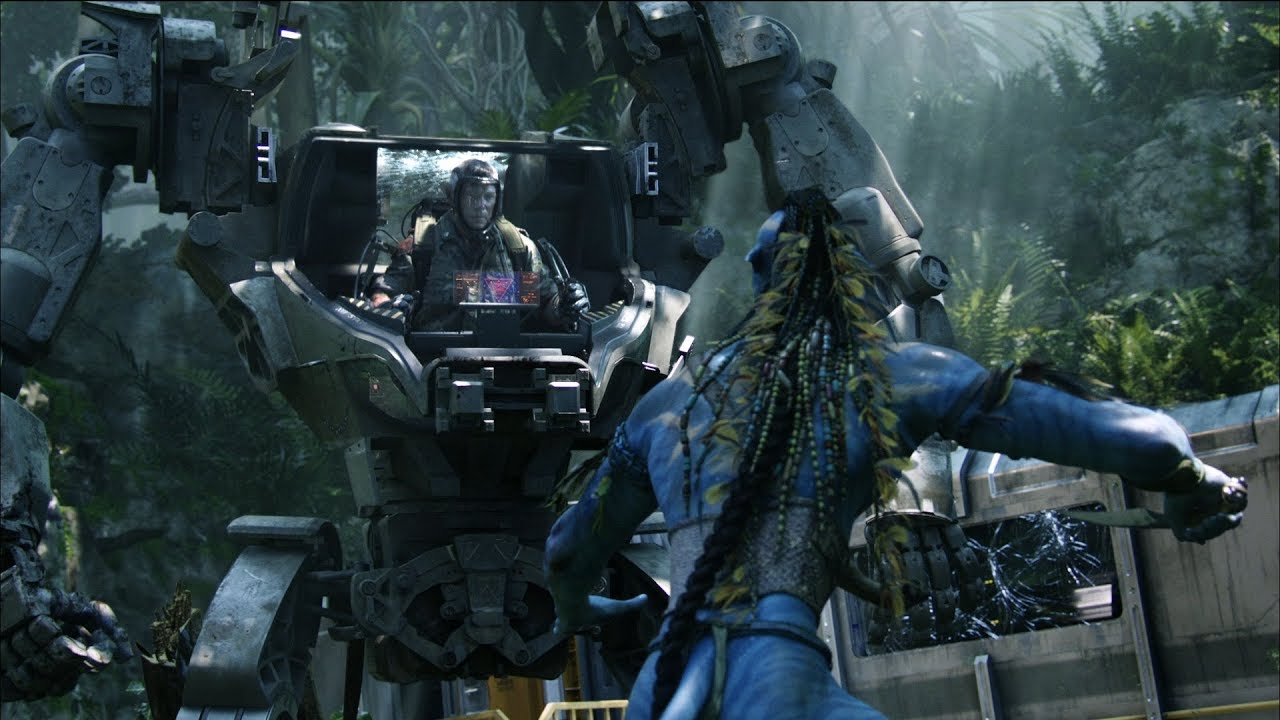
Many critics state that the film isn’t anything without the effects or the 3D. That is not so. Avatar is actually very entertaining with exciting battle scenes and genuine moments of awe. The story is basic but effective; in the future, Jake Sully (Sam Worthington), a paraplegic former vet, takes an assignment on an alien moon being mined by a large company. He is to infiltrate the moon’s native sapient species, who are called the Na’vi, and get intel to use against them. He ingratiates himself by having his consciousness fused into a cloned version of the Na’vi. Over time, he comes to empathize with the Na’vi and eventually joins their side to fight off the human invaders. We have seen this story before, most famously in Dances With Wolves, but it is effectively reimagined in a sci-fi trapping that works for this epic. The film is still awe inspiring and packs some emotional weight. Just watching that final battle of humans against the Na’vi is so thrilling and inspiring.

It has been said that Avatar has not remained in the public eye for very long. That is debatable, the film represents the pushing of boundaries and a good example of this is with the land it inspired in Disney’s Animal Kingdom theme park. In the land themed to Avatar, which opened in 2017, visitors were and still are awestruck by how alien and majestic the land looks with its Pandoran forestry and even more with its headline ride that simulates what it is like to be a Na’vi riding a flying banshee. Interest has been renewed for the property and although cynics like to say that no one cares about the upcoming sequels, it is foolish to bet against James Cameron. Undoubtedly, he will create another winning sci-fi epic, the likes that he is famous for. Avatar 2 or whatever it will be called may not supplant Avengers: Endgame but it will most likely be a big hit and help keep Avatar in the public eye. Maybe by then, the original film will be looked at more fondly.