Here It Is, Guardians Of The Galaxy, Vol. 2 The Second Official Trailer

rocket-and-baby-groot

For a while we were all in a dry spell of trailers. Usually by this time of the year, we would’ve been exposed to cool trailers for upcoming films. But sadly the only thing we’ve had of late was a trailer for the reboot of The Mummy. “Yawn”

Thankfully, that all changed when this scrumptious trailer for Guardians of the Galaxy, Vol. 2 dropped a few minutes ago and not a moment too soon! It may be labeled as a teaser trailer, but don’t let that fool you, we had one already back in October. That one was an actual teaser that didn’t reveal anything about the plot, just a few quick glimpses of our favorite space heroes (sorry Luke and Kirk).

Actually this trailer follows the same format. Only this time instead of Star-Lord/Peter Quill and Drax, the featured characters are the scene stealers Rocket Raccoon and Groot. Rather, that is Baby Groot and the adorable little seedling upstages the caustic Rocket with his squeaky voice. Of course, he only utters “I am Groot” but it’s all in the delivery! Not only is Baby Groot so cuddly but he’s a little badass! Look at the way he chases after the bad guy, it’s the stuff of a Looney Tunes cartoon!
mantis-and-peter-quill

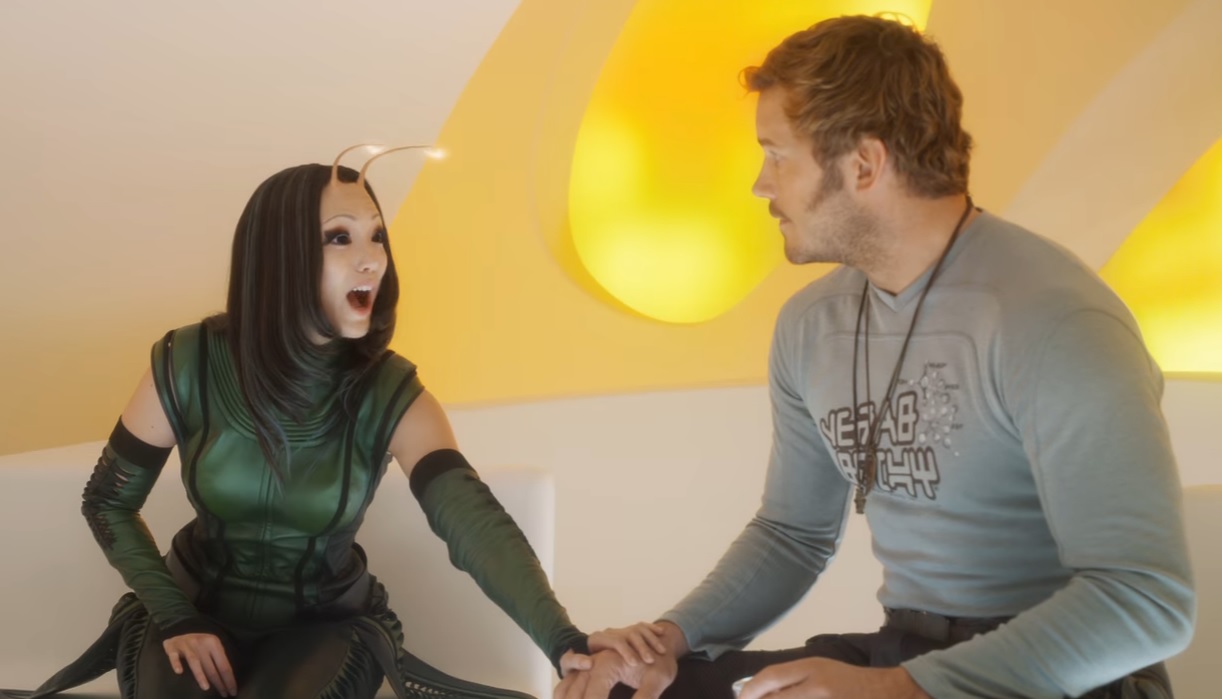
This time, more action and thrills are shown, including giant space monsters and spaceship battles. Plus, we get our first look at Mantis and she looks awesomely seductive and alien! Guessing from this trailer, we’ll probably get a couple more character-centric trailers. Gamora is next, along with Yondu and Nebula. Maybe they’ll mix it up and feature Star-Lord again as he meets his father, who happens to be Ego the Living Planet as played by the great Kurt Russell. Anyhow, this trailer just whets our collective appetites for next summer and it’s clear that Marvel Studios has another winner in its hands with Guardians of the Galaxy, Vol. 2. So, hey Marvel, how about giving us a look at Spider-Man: Homecoming and Thor: Ragnarok? Don’t worry, those are sure to drop soon as are trailers for hotly anticipated movies for 2017.

But for now, kick back and enjoy the Rocket and Baby Groot antics in the latest trailer for Guardians of the Galaxy, Vol. 2. It’s very funny and we could all use a good laugh in light of recent events in the real world.

Waldermann Rivera
When Legends Meet

crossover-poster

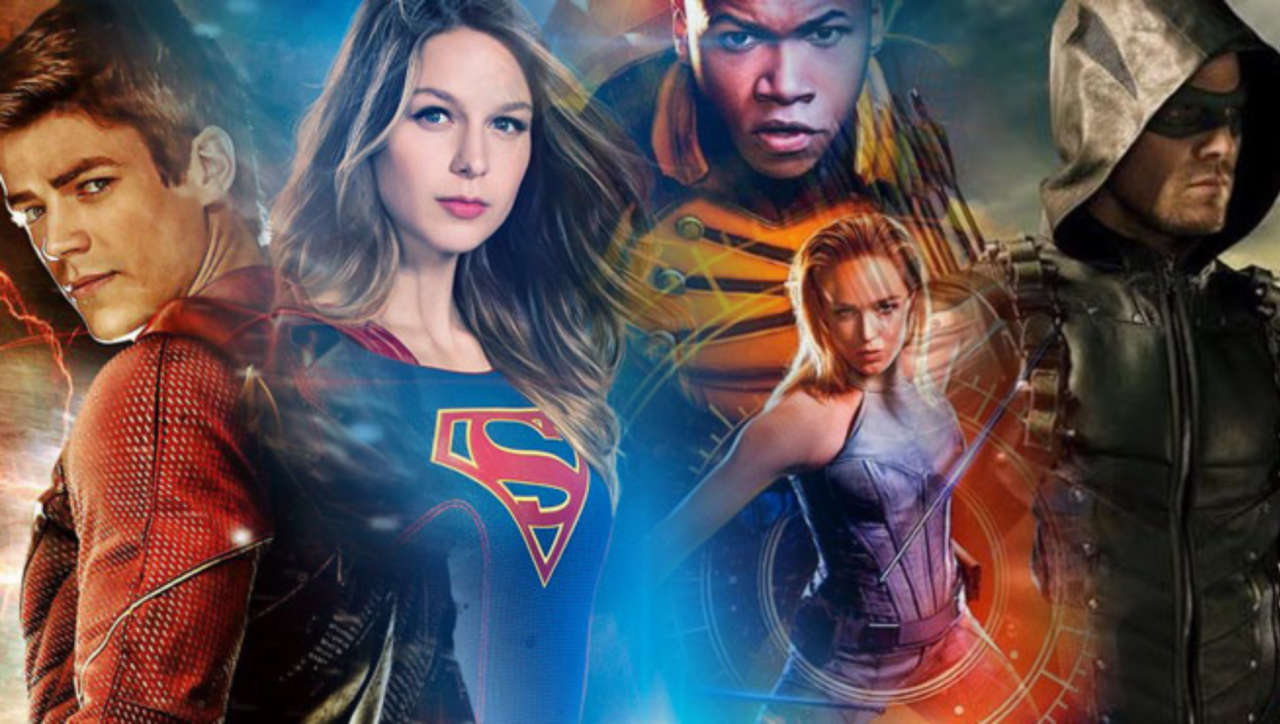
Editor’s Note: We asked two of our staff writers/geeks, C.S. Link and T. Rod Jones,  to opine on the “epic” four-part crossover event at The CW that covered Supergirl, The Flash, Arrow and Legends of Tomorrow. Here are their quick thoughts.

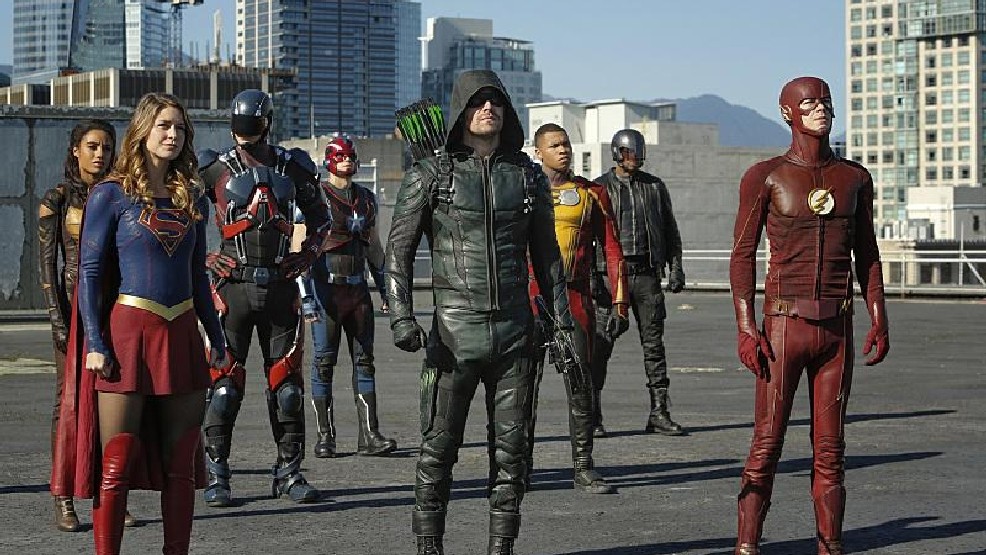
CSL: Basically, the entire event was a Four(three)-Part crossover. The CW’s crossover event linking its four superhero shows is now over. Overall, I enjoyed the story and interaction between the different characters. But it should be known that the 1st part that started with Supergirl only encompassed the last minute of the show when Barry Allen and Cisco Ramone show up at Kara Danver’s apartment through an interdimensional portal.

TRJ: Yeah, that was kind of a lame way to start off the event. Seriously, the entire story on Supergirl didn’t have anything to do with the main story on Arrow’s Earth. If you’re not a fan of Supergirl (and I’m not), if you skipped the first part, then you didn’t miss anything. Hell, that last minute of Supergirl with Barry and Cisco jumping into her apartment was actually reshown on The Flash the next night! And the worst part is that  during most of the event Supergirl didn’t do much.

CSL: I think the best parts were The Flash and Legends of Tomorrow segments. They both featured good action scenes and showcased creepy looking aliens called The Dominators who seek to eradicate all meta humans from Earth. The Arrow episode was not bad at all, but it mostly took place in a shared hallucination that the aliens subjected Oliver Queen and his friends to. That episode didn’t feel central to the invasion except for the last act.

four-part-cw-heroes-event

TRJ: I agree that the Arrow episode felt separate from the event (not as badly as Supergirl though) , but remember this was the 100th episode of Arrow, so in a way that whole group hallucination featuring characters who are or were in Arrow made sense. It was a way to look back at many important events in Arrow’s five-year history. They do this in comics all the time and it worked for me.

CSL: One thing I would have liked to have seen was the aliens invading different parts of the planet and causing havoc. This would have made the threat even more dangerous. As it was, the action mostly took place in locations in each hero’s respective cities. In the end, this was a good start to having the whole CW DC universe come together and seem like a truly shared universe. Hopefully the next crossover event that comes will truly have it span all 4 shows and have an epic feel and consequences to each hero’s show.

heroes-unite

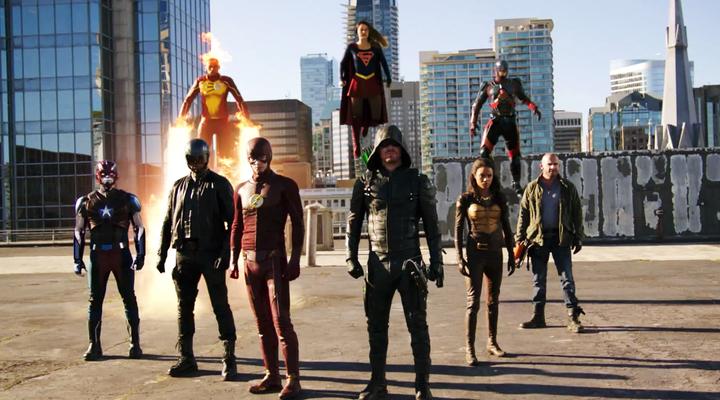
TRJ: The event only came alive in the last part of Legends of Tomorrow when they all fought the aliens. But we have to wonder why the gang didn’t bring everyone they knew into the fight. Where was the rest of Team Arrow? Why didn’t the Legends go back in time and bring in the Justice Society of America? On that note, why not use future knowledge to defeat the Dominators?

Still, it was great seeing all those heroes fighting those CGI aliens on the rooftop. Some of the Easter eggs were memorable, like how Ray Palmer commented on how Kara looked like his cousin, an obvious tongue-in-cheek Superman Returns reference. The whole event was corny but fun for us geeks.

C.S. Link and T. Rod Jones

Take A Timeless Journey With The Latest Time Travel TV Show

timeless-poster

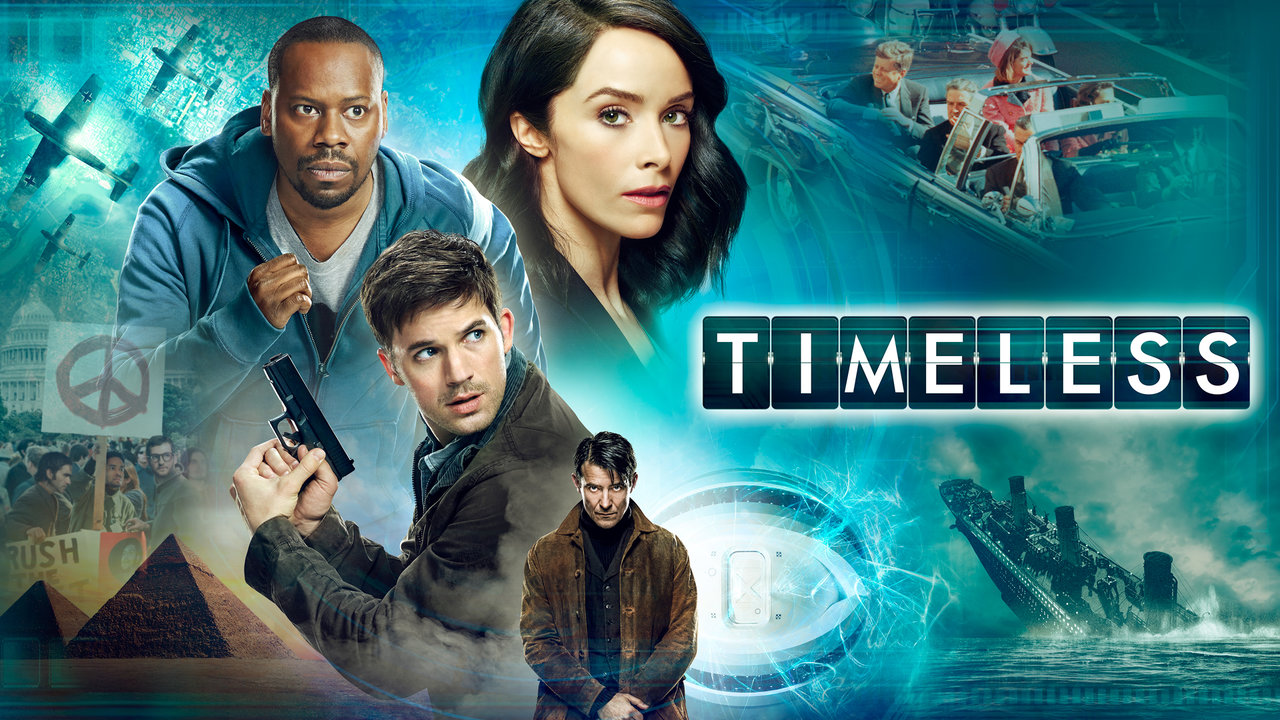
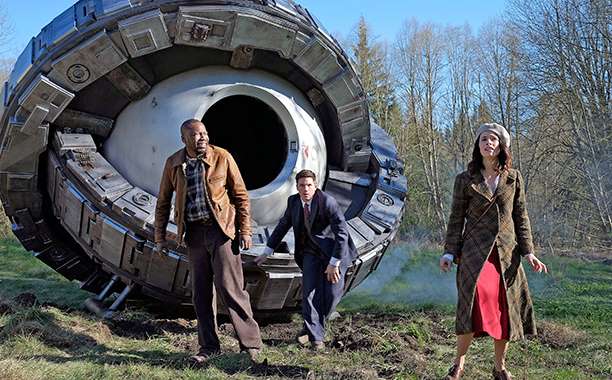
It seems like time travel TV shows are the rage lately. The latest one, Timeless, airs on NBC and it actually stands out from the pack. When looking at its premise, Timeless seems fairly formulaic in its premise: a trio travel through time to protect history from a villain out to change it. It’s what goes on each week on Legends of Tomorrow and many Doctor Who episodes. Yet, somehow Timeless manages to be refreshingly engaging, inventive and fun to watch.

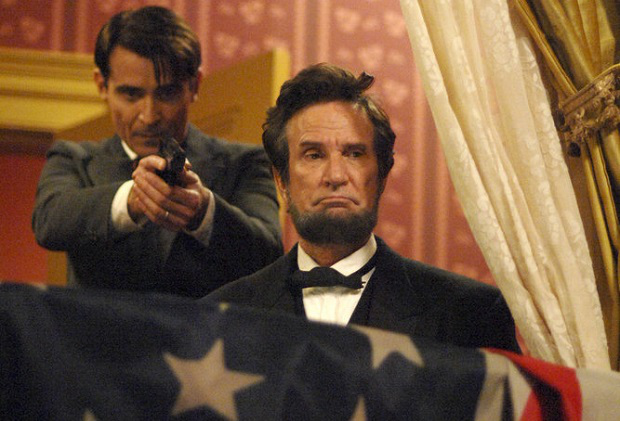
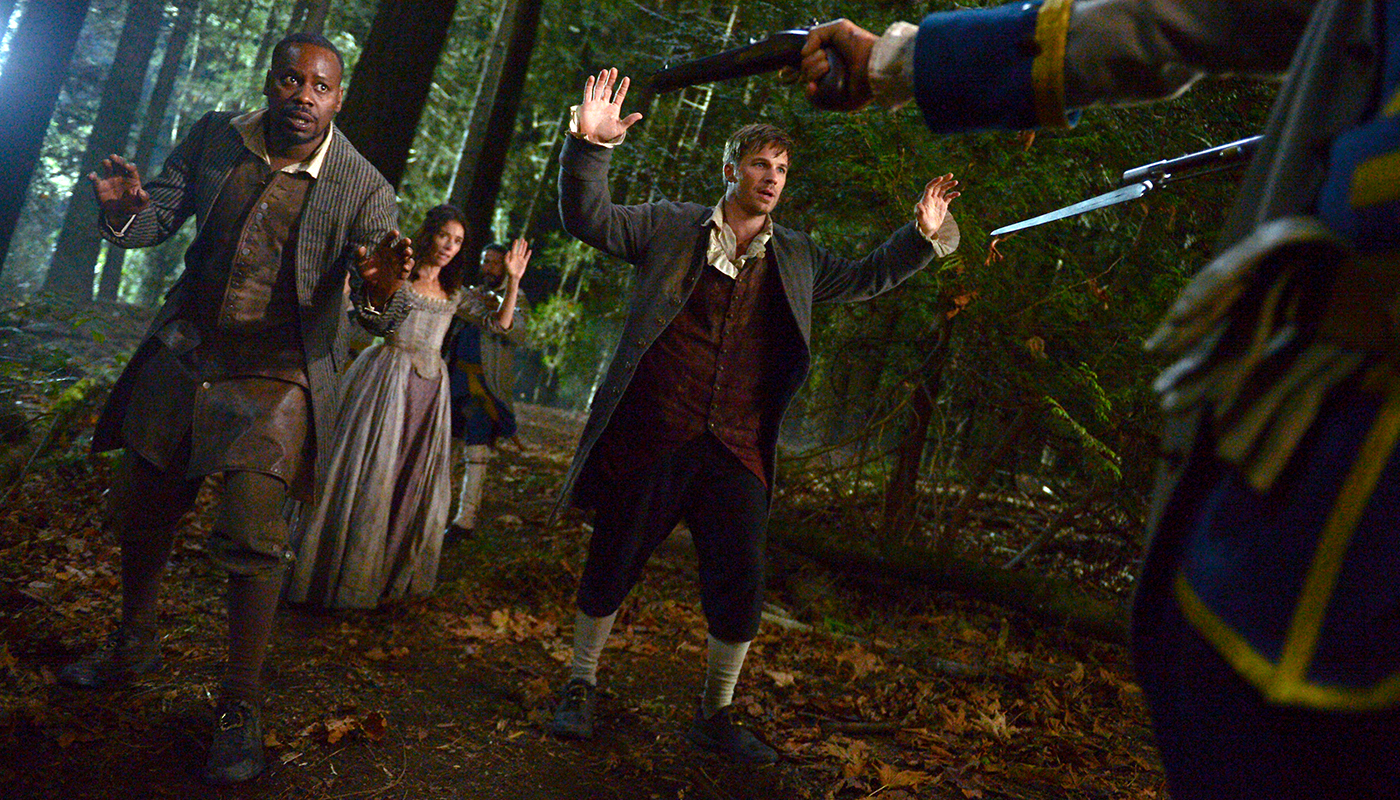
Lincoln killed by FlynnThe credit for this largely goes to the scripts. The screenwriters took a tired premise and just ran with it. They actually address some of the challenges of time traveling and the preparation needed for it. For instance, before heading out on a mission the time traveling trio have to go to be properly attired and carry the right kind of currency. Then surprisingly, the show actually allows history to be changed and left altered at the episode’s end! In one episode, John Wilkes Booth never assassinated President Lincoln, instead that deed was done by the show’s antagonist Garcia Flynn (Gorin Visnjic) and it’s part of history now. In another episode the Hindenburg landed safely in New Jersey only to be destroyed later on.

timeless

Then there is the fact that two of the time travelers, Rufus Carlin (Malcolm Barrett) and Lucy Preston (Abigail Spencer), are disadvantaged in their temporal journeys by who they are. Rufus is African-American and winds up in less enlightened periods where he is liable to be treated as property, while Lucy, being a woman, is also looked down upon in the past despite her depth of knowledge. These characters are also imperfect with their own faults. While being a brilliant scientist and engineer, Rufus doesn’t have practical know-how in surviving, first aid and has to rely on the third member of the group, Wyatt Logan (Matt Lanter) a Delta Force soldier. The three don’t quite get along with each other let alone have a shared trust. And that is for good reason. Each of them have their own agenda.

Wyatt more than anything wants to find a way to use time travel to save his wife but is prevented from doing this. Adding to his bitterness is that Lucy’s sister was erased from existence after they came back from a time mission and now Lucy openly is operating to undo this damage. As for Rufus, he doesn’t find any joy in time traveling and would rather be behind a keyboard. But he is forced into the missions to spy on the other two by a mysterious and secretive group with their own agenda, which includes stopping Flynn.

This running conspiracy is a major flaw in Timeless. As imaginative and exciting as Timeless is, team timelessthe conspiracy arc is often trite and gets in the way. But lately it is adding to the show’s mythology and character motives. But the best development about this conspiracy is that it is making us viewers question whether or not Garcia Flynn is truly evil. He is on a quest to change American history in order to erase the existence of the group’s unseen, but nefarious leader, Rittenhouse. Flynn is doing this to avenge the death of his family at Rittenhouse’s hands. Adding to this unease is that Flynn carries a journal written in the future by Lucy and hints that she will ally with him down the road. So we can all hope that this Rittenhouse conspiracy will lead to something worthwhile.

timeless-travelers

Now adding to the enjoyment of Timeless is that the show isn’t afraid to do some real time traveling. In each episode the travelers go to distinctly different eras. From 1940s Germany to 1750s North America, the episodes reveal interesting tidbits about those time periods, and thankfully the production values are up to par when it comes to presenting these time periods. But most of all, Timeless is always entertaining and often leaves you hanging during the commercial breaks. It has room to grow, but hopefully as its title hints, Timeless will have time to fully live up to its potential.

José Soto

Exploring The Ending Of Arrival

arrival-ship

WARNING: This article will contain huge spoilers about the alien contact film Arrival. Anyone who hasn’t seen it yet should skip what lies ahead….

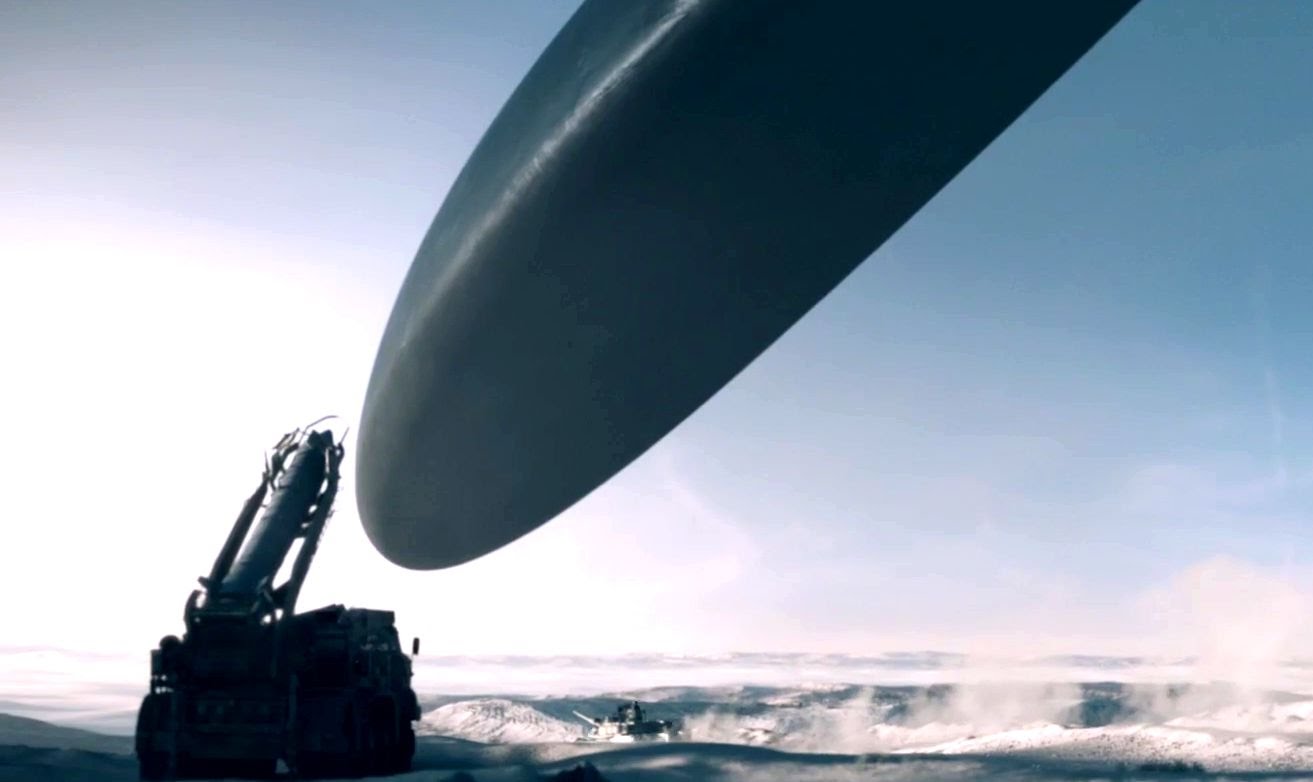
What set Arrival apart from other sci-fi films about the First Contact scenario had to do with it’s ending, which upended the meaning of much of the film. Throughout Arrival, there were numerous flashbacks regarding the linguist Louise Banks and her young daughter Hannah. We witness Hannah being born, living her young life and dying from a disease. This was done to set up Louise as a tragic figure, but we learn late into the film that these sequences are actually flashforwards. We were actually seeing what happened to Louise Banks after the aliens (heptapods) left Earth.

So why were we seeing these glimpses into the future?

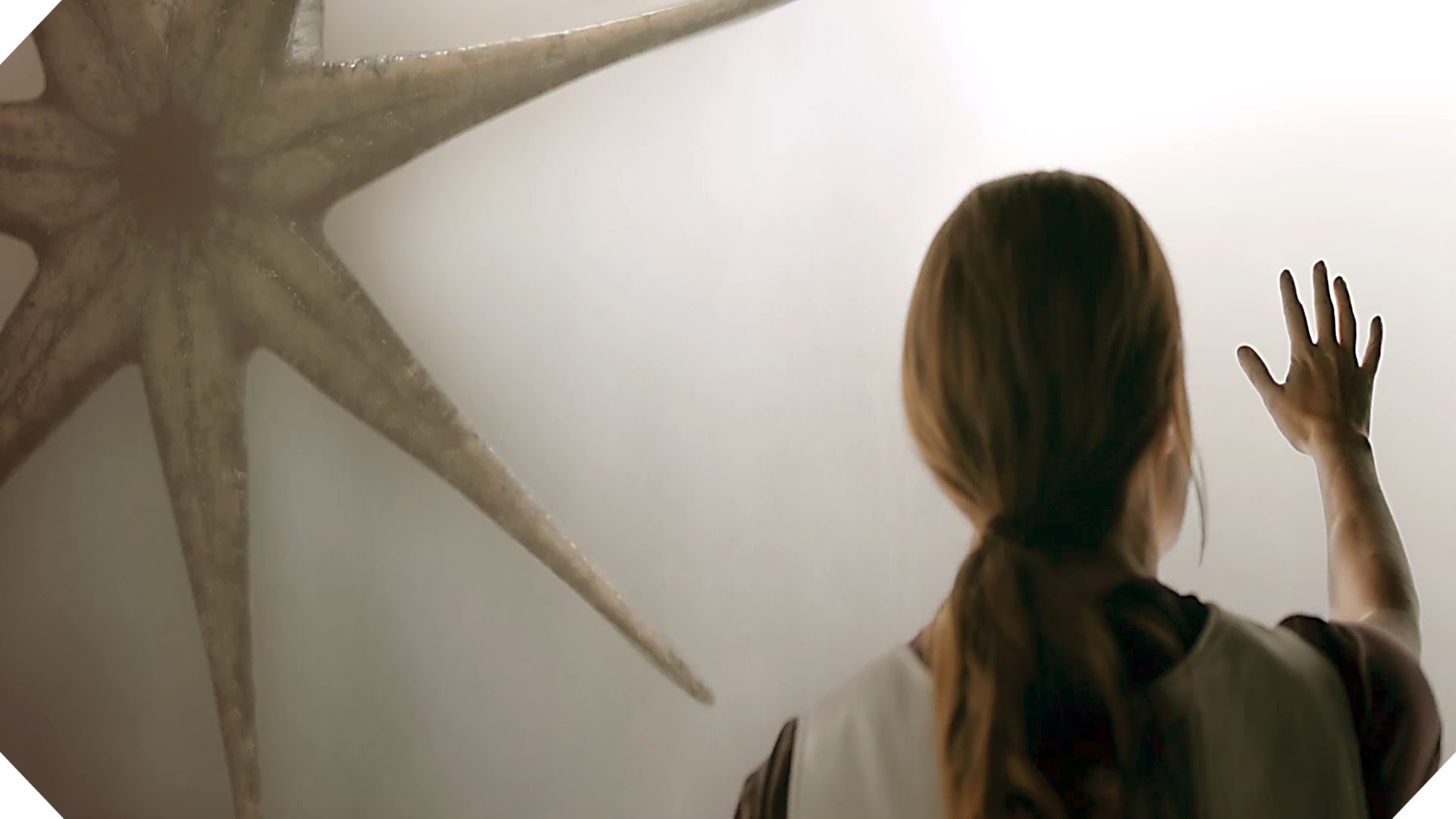
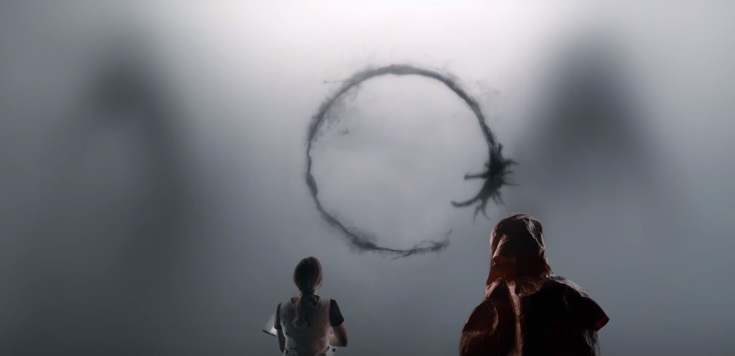
It all goes back to her attempts to communicate with the heptapods. The only way human and alien were able to communicate was through written language. The aliens’ language, which consists of a series of circular inkblots, was quite complex and to understand it, one had to think non-linear. This is because the heptapods do not perceive time as cause and effect like we do…they can see into the past and future. It’s why they came to Earth in the first place. As they reveal to Louise, they arrived to establish relations with us because the heptapods will need humanity’s help 3,000 years in the future. They had the foresight to see that they would need our help and we needed a jumpstart. Hence, their gift to us in the form of their language.

arrival-glass

With the language, a person will be able to perceive time in a non-linear way. This will have a profound effect on how we carry on our lives if we are able to accurately perceive the future. But is this possible?

In the film, it’s mentioned that in order to understand a language, the wiring of one’s brain, so to speak, has to be radically altered. Imagine if that happened when deciphering a language from a completely non-human species. But for humanity to completely understand the heptapods’ language, our minds would have to evolve. So how was Louise able to perceive time differently?

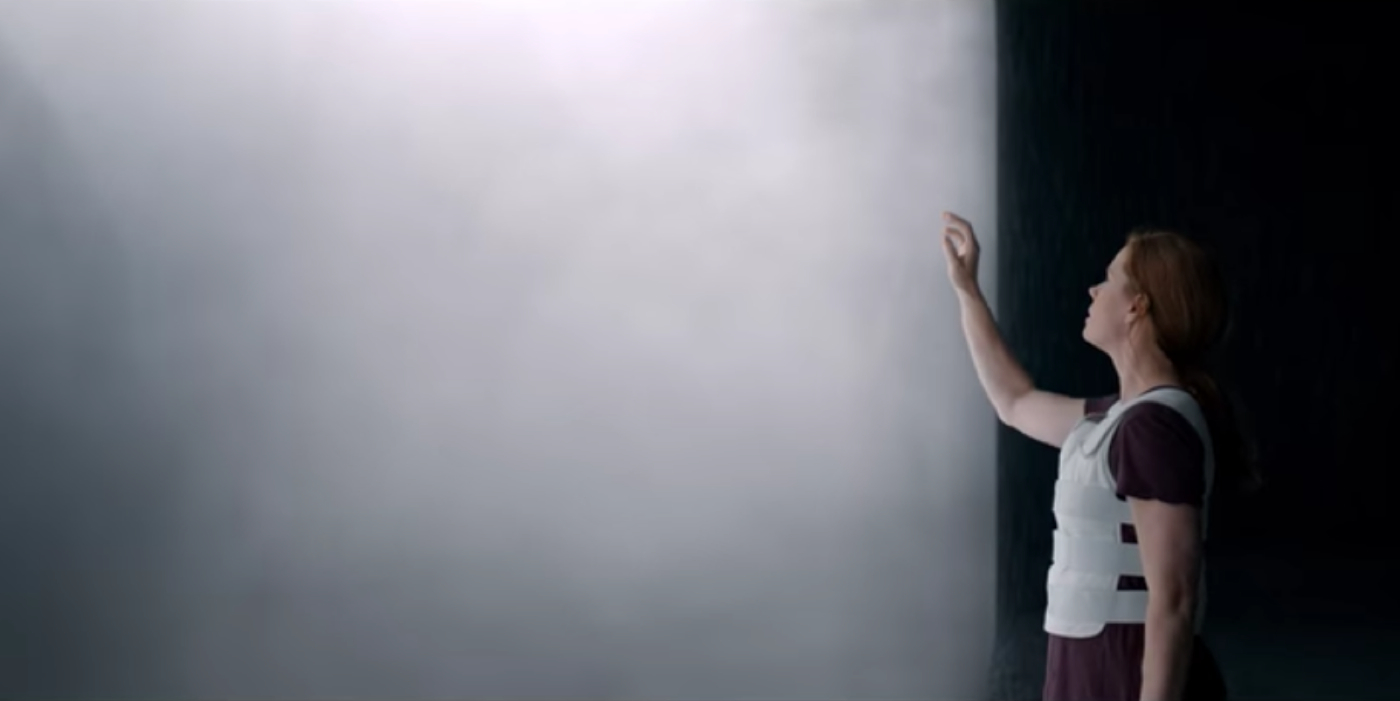
The answer is that she was altered by the heptapod, Costello, when she was brought into the aliens’ ship. It’s established in Arrival that the aliens inhabit an environment that isn’t Earthlike and do not even breath our air. Whenever human and alien communicated there was a glass barrier separating the two environments. However, when the situation turned dire in the final act as the Chinese military was about to attack the heptapods, Louise was brought into the aliens’ environment without an environmental suit. She couldn’t have survived in the inhospitable environment and the only way she could have existed was if they altered her physiology during the transit to their ship. Minutes after she meets Costello face to face she is able to fully see into the future and understands their written language without the aid of computer programs.

That is the true tragedy in Arrival’s ending. While Louise is able to prevent a war thanks to taking advantage of being able to perceive time differently, now she has the terrible foreknowledge of her doomed daughter. She is fully aware that she will give birth to daughter that will die at a young age. This brings up the question of predestination and fate. During Arrival’s ending, she could have made the choice to not let Hannah be born to spare her the suffering.

louise-and-ian

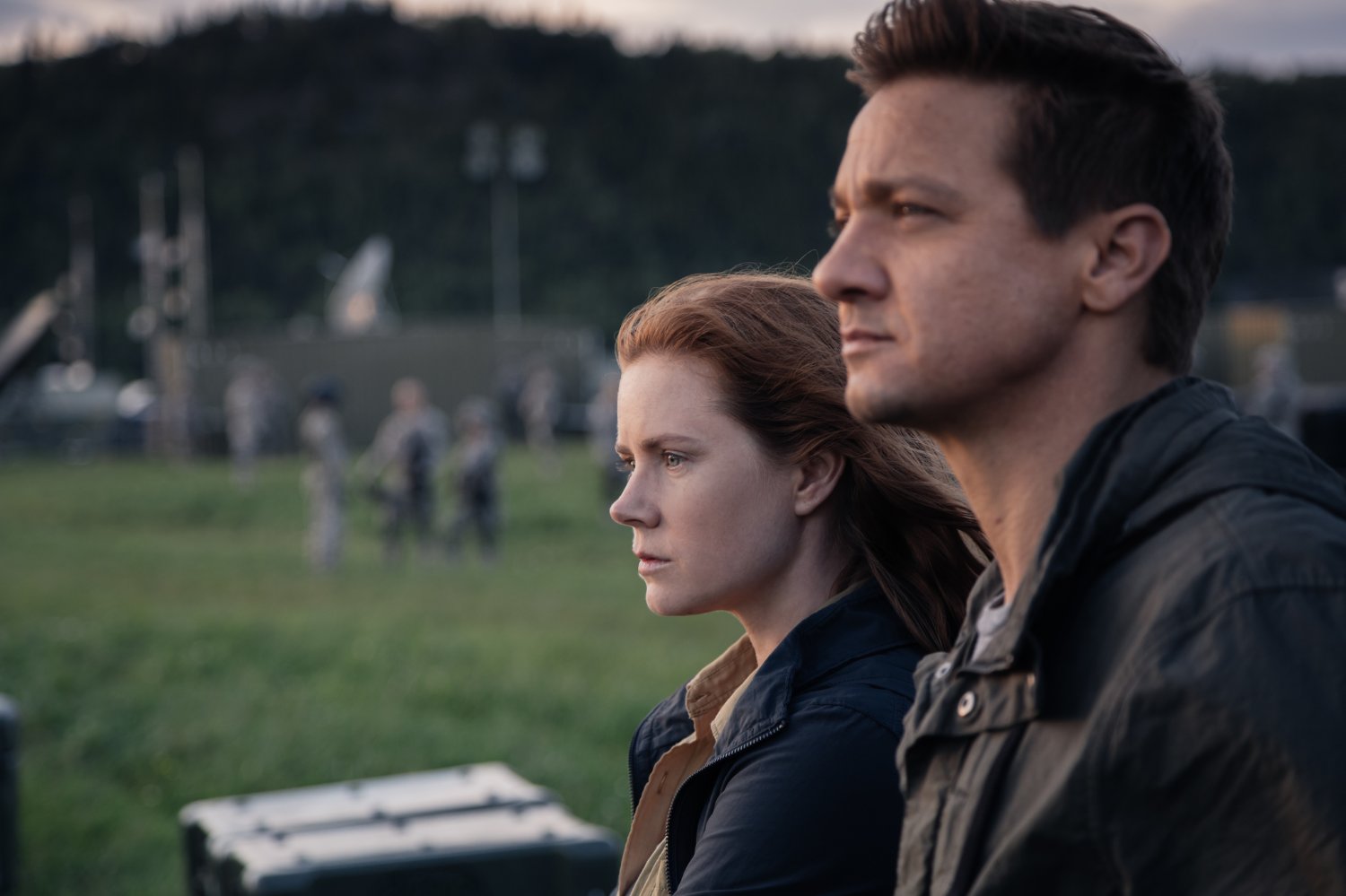
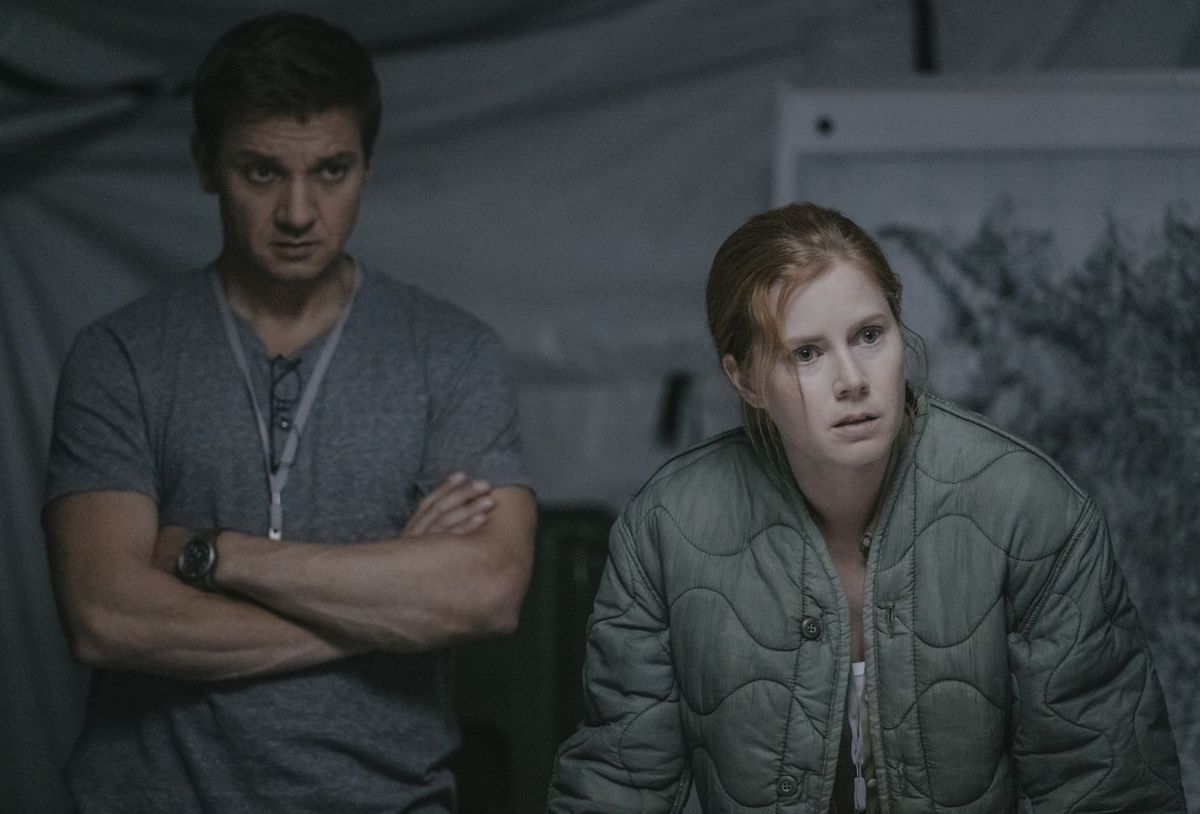
Instead, she gives in to fate and allows herself to love her colleague Ian Donnelly, the mysterious never-seen father of Hannah in the flashforwards. Thus, she sets forth her predestiny and Hannah’s, as well. Why do this? Why not use her ability to find a way to cure Hannah? Perhaps, she was afraid of the Butterfly Effect unraveling the initial contact with the heptapods that could have doomed humanity. It is strongly hinted in the film, that this was why Louise and Ian broke up. This just adds more to the tragic element. Louise knows the pain that awaits her, yet she makes the personal sacrifice for the sake of preserving the future and humanity and in doing so, Louise Banks becomes an even more heroic figure in Arrival.

Lewis T. Grove

Arrival Brings Non-Linear Food For Thought

arrival-poster

Arrival is the new sci-fi First Contact movie directed by visionary director Denis Villeneuve and stars Amy Adams as Dr. Louise Banks, a linguist recruited by Colonel Weber (Forest Whitaker) of the U.S. military to help communicate with newly arrived aliens. These aliens arrived on Earth in twelve giant spaceships that have taken up spots around the world and no one is able to communicate with them. What is at stake are rising tensions and paranoia due to the aliens’ arrival. As world powers grow more and more trigger happy, it’s up to Banks to find a way to break through the insurmountable language barrier between the two races before it’s too late.

louise-and-ian-arrival


In film, the First Contact scenario isn’t anything new and Arrival echoes aspects of past sci-fi films in this subgenre like Contact, Close Encounters of the Third Kind and The Day the Earth Stood Still. Arrival also borrows elements from films such as Signs and Interstellar in regards to the worldwide reaction to alien arrival and head-spinning scientific concepts. What sets Arrival apart from other films in the subgenre is its mature tone and exploration of the hurdles humanity would face in this scenario.

These beings that have come to Earth are genuinely alien. Without spoiling their appearance, what can be stated is that they aren’t the standard humanoids with bumpy foreheads. In fact, their appearance belies the fact that they came from an environment totally unlike Earth’s and that was quite refreshing to see. Also welcome, was that the focus of the film was not on alien invasion with evil E.T.s and heroics from the military. Rather the fundamental dilemma, the driving force of the film is how can we communicate with beings from a completely foreign environment without any relatable frame of reference. It is bad enough that we have trouble communicating with each other so how can this be done in a First Contact situation without leading to war?

arrival-aliens

Instead of going for pyrotechnics, Villeneuve sticks with this concept and the result is a slow burn of a film that delivers so much food for thought, especially in the final act. It’s a thought-provoking and wondrous journey thanks to Villeneuve’s careful direction and the cinematography. Every frame is carefully and beautifully staged to tell a story in a visual sense that quietly engages the viewer, while telling a personal story about Banks. Adams gives one of her best performances as her character feels the enormity of her task since she sees all around her the consequences of her failure to properly translate the aliens’ language.

alien-language

Without giving anything away, the last third of Arrival ramps up the tension while bringing forth high-brow concepts of non-linear time and how we perceive time in general. It should be pointed out in reference to the film’s tagline of why they are here, although this question is on the mind of many characters, the answer isn’t dwelled upon. Instead, the emotional climax of the film is on Banks herself and her own personal story, which has relevance to humanity’s plight in trying to establish a dialogue with the aliens.

For some, Arrival may be too slow moving, but it has a satisfying payoff for the patient viewer who does not go into the film expecting pyrotechnics or shoot-em-ups. This film is more serious and weighty without being pretentious. There is much to recommend about Arrival, from the performances from Adams, Whitaker and Jeremy Renner as Ian Donnelly, a physicist helping Banks, to Villeneuve’s strong directing and the visual look of the film. But the script by Eric Heisserer, which is adapted from the award-winning short story by Ted Chiang called “Story of Your Life”, is to be commended as well for taking audiences into unfamiliar territory and in examining how a First Contact situation between us and extra-terrestrial might actually play out.

Lewis T. Grove