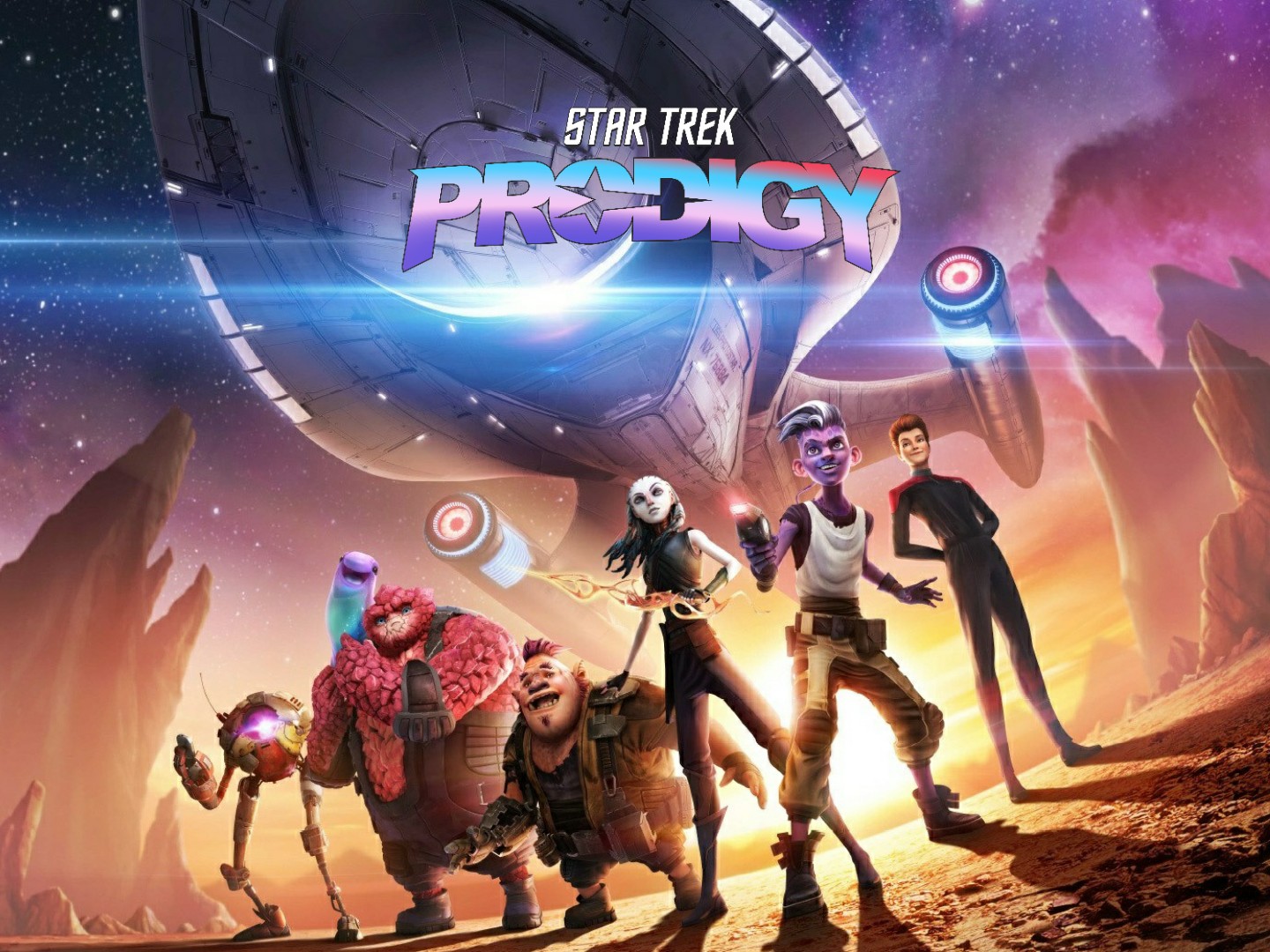
In Celebration of Star Trek: Prodigy

During the recent official celebrations for the 57th anniversary of Star Trek, its many spinoffs, and the 50th anniversary celebration of the original Star Trek animated TV show, it was noticed by many how the powers-that-be conveniently failed to mention Star Trek: Prodigy. It was so glaring because in the Paramount + Star Trek Day special and related promo material, even though all the Star Trek TV shows were noted, the animated TV show, Star Trek: Prodigy, was absent as if it never existed.

This is peculiar because until a few months ago, Star Trek: Prodigy was streaming on Paramount + until it was yanked out of the schedule and cancelled. This was part of a wider cost-cutting move by Paramount Pictures with its streaming platform that saw the cancellation of many projects. The sudden cancellation of Star Trek: Prodigy was unusual because a second season was already under production and the TV show was removed from the platform mere days after the cancellation announcement.

Honestly, this move by Paramount was disrespectful to the Star Trek franchise and its fans that were only starting to discover Star Trek: Prodigy. This action only reminds fans of how the studio is disdainful of its franchise.
Star Trek: Prodigy was met with a skeptical eye from many fans when it was first announced. Many automatically dismissed it as a kid’s TV show and what did not help was the prominent Nickelodeon logo plastered on top of the TV show’s logo and the announcements in promo materials that it was aimed at children.

While this reaction was understandable many missed out on how unexpectedly solid Star Trek: Prodigy turned out. Yes, it was not as complex as some other Star Trek shows but its stories were imaginative and embraced the Star Trek lore. It actually felt like it was part of Star Trek thanks to its stories, themes and characters. It also boasted beautiful 3D animation that showcased truly unique aliens and landscapes, while being grounded in the Star Trek Universe.
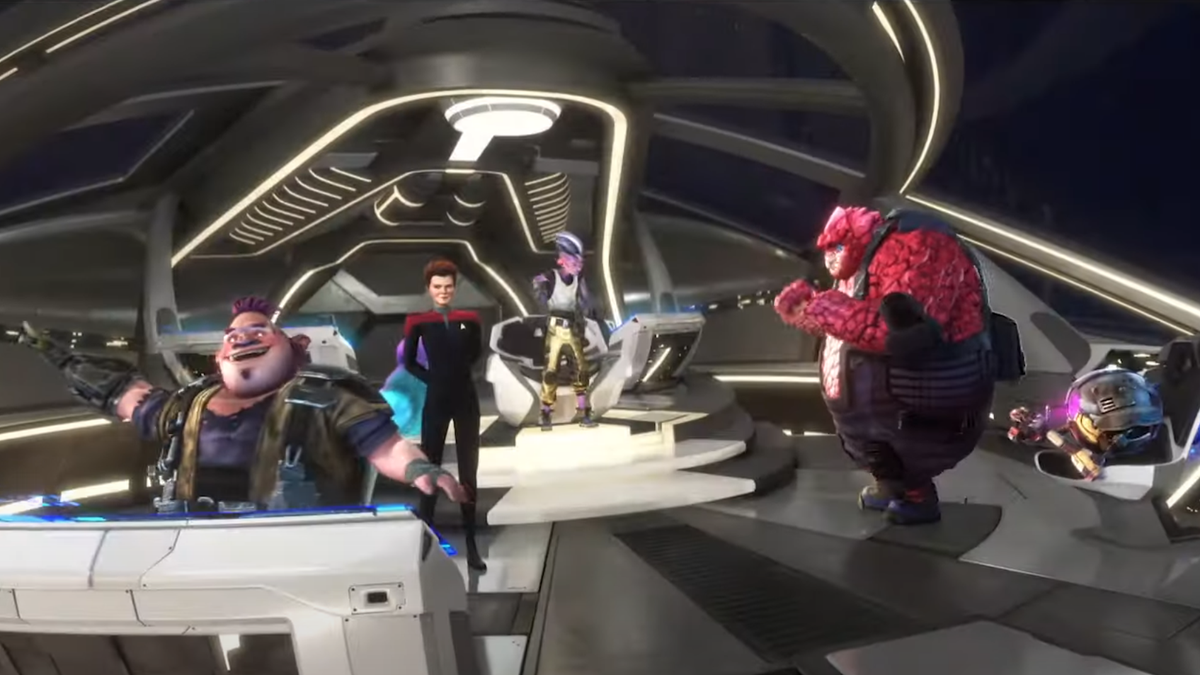
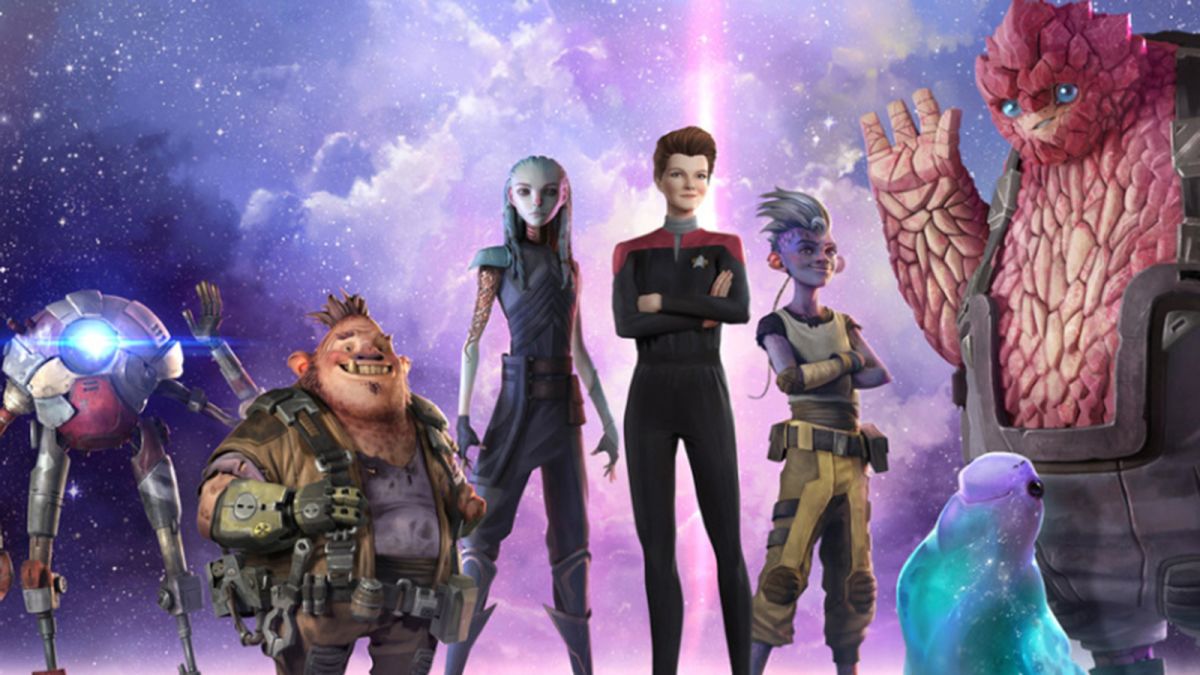
Star Trek: Prodigy takes place in the distant Delta Quadrant at a prison mining colony where a young alien prisoner named Dal R’El (Brett Gray) discovers in a mine an abandoned Starfleet ship called the Protostar. He activates the ship and escapes the colony with his companions who include Gwyndala (Ella Purnell), the daughter of the show’s antagonist, Jankom Pog (Jason Mantzoukas), a young Tellarite mechanic, Zero (Angus Imrie), a Medusan in a floating containment suit, Rok-Tahk (Rylee Alazraqui), a huge rock-like alien who is actually a brilliant young girl, and a gelatinous alien called Murf (Dee Bradley Baker). On the Protostar, they meet a training hologram that is patterned after Kathryn Janeway (Kate Mulgrew). She helps them run the ship and mentors Dal and the others on becoming Starfleet officers. The motley crew decides to embark on a voyage to return the Protostar to the Alpha Quadrant and the United Federation of Planets. Along the way they carry on with the Starfleet mission of exploring new worlds and civilizations in the hope they can become Starfleet officers once they return the ship.
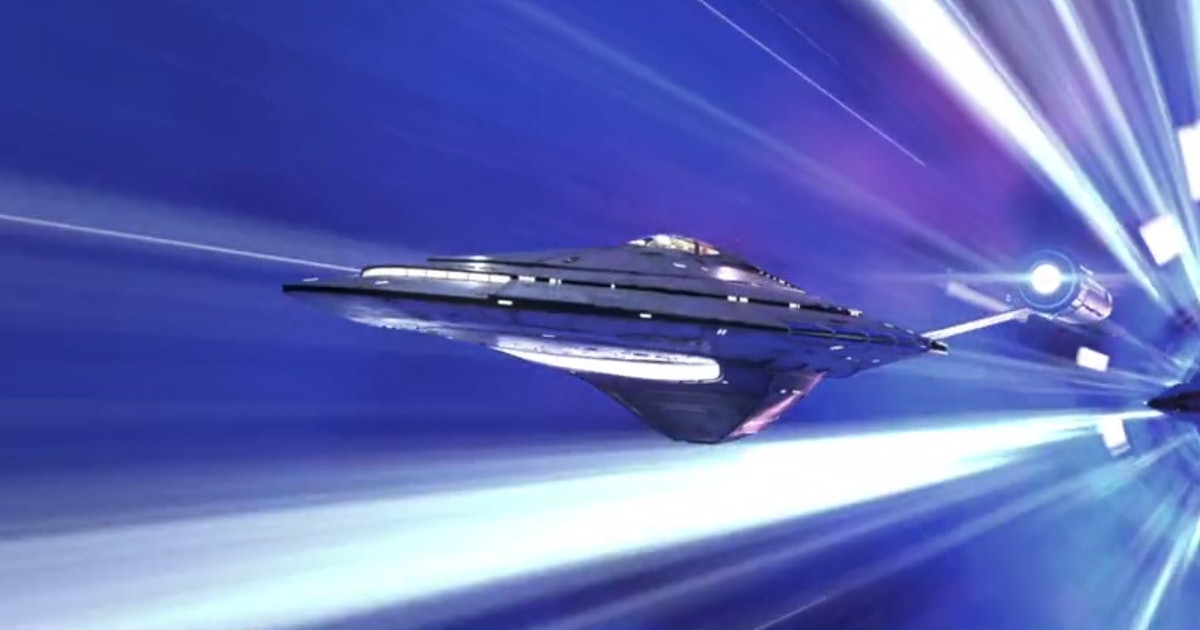
The Protostar is an experimental starship that actually changes its shape to travel at tremendous speeds in warp space. The starship and its new crew are hunted across the galaxy by Gwyndalla’s father, the Diviner (John Noble), who rules the prison colony and has a personal vendetta against the Federation and its Starfleet. He covets the Protostar to use it as a Trojan Horse to decimate the Federation.

Also pursuing the Protostar is the real Janeway, who is now a Starfleet admiral commanding another Starfleet ship. Years ago, the Protostar was lost in the Delta Quadrant along with its crew, which was commanded by her former first officer, Chakotay (Robert Beltran).
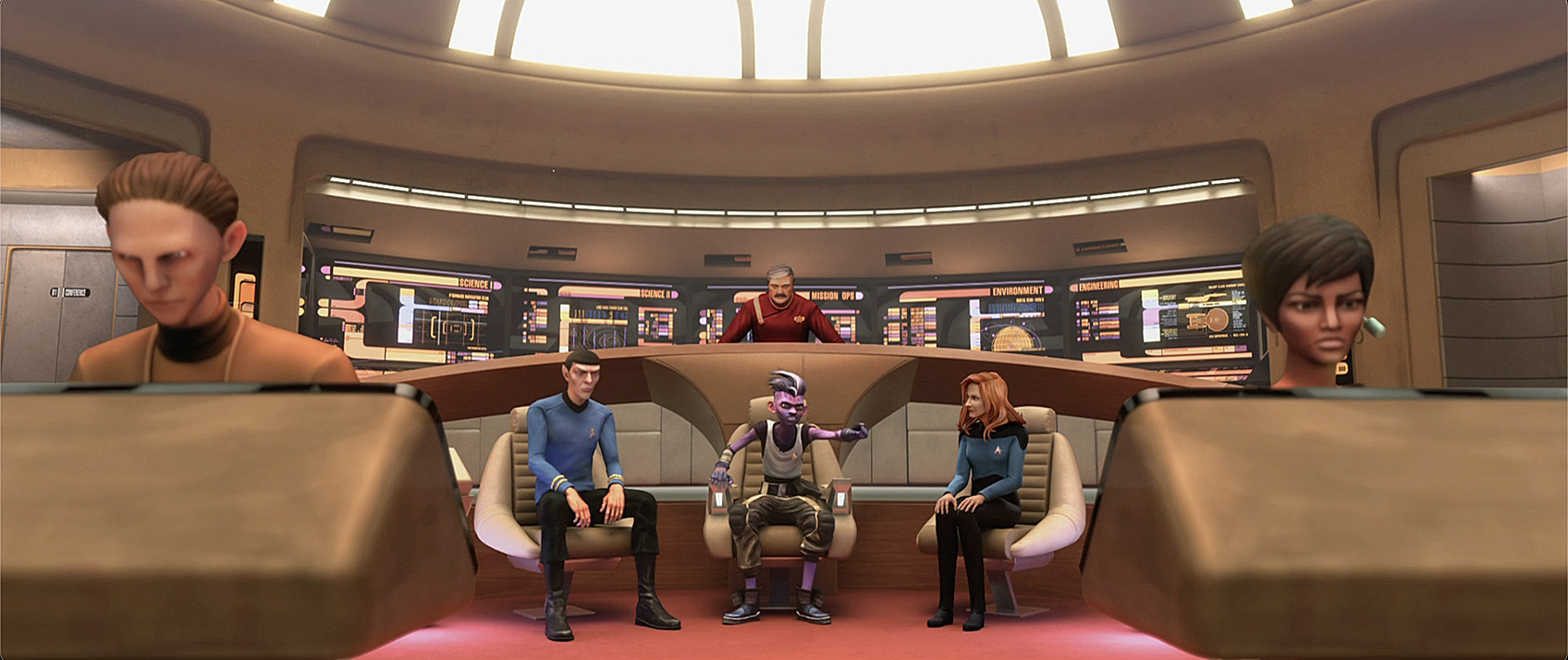
For a TV show supposedly oriented towards children Star Trek: Prodigy has a surprising amount of depth considering that many episodes featured character arcs that fully developed the characters. Throughout the first season we see Dal change from an impulsive and rebellious teenager into a responsible and mature person who had the qualities for a Starfleet officer. The best episode that illustrates his development was “Kobayashi”. Dal activates a holo-training program that is the famous Kobayashi Maru test given to Starfleet cadets where they hopelessly try to rescue a freighter from Klingons. Making up his crew in the simulation are popular Trek characters like Spock (Leonard Nimoy) from the original Star Trek and Scotty (James Doohan) from the original Star Trek films. As Dal tries to win the test’s no-win scenario and learns some hard lessons about command, he interacts with these characters, which was amazing since some of the actors voicing the roles are no longer alive. It was a nice way to give tribute to the franchise.

Most of the other characters saw significant development, as well. Gwyndala fought an inner battle within herself as she was at first hostile towards Dal and the others but gradually formed a deep bond with them. In the episode “Time Amok” Rok and the others are trapped in different temporal loops. Being that in Rok’s loop time runs at the slowest rate she uses this as a chance to learn to become a scientist and save the crew. Many of the others have tragic backgrounds and this journey on the Protostar serves as a means to give them some meaning in their lives.
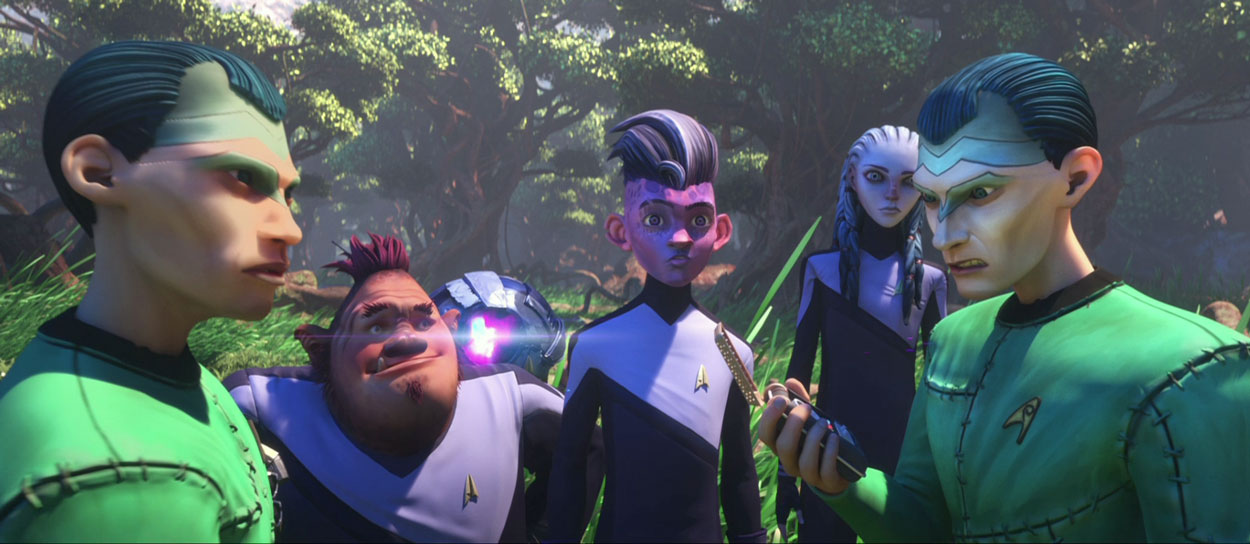
The best way to think of Star Trek: Prodigy is to compare it to Star Wars: The Clone Wars or Star Wars: Rebels. On the surface both TV shows were apparently made for children, but before long they evolved and became more complex and appealing to adults who otherwise might have been turned off by them. I’m pretty sure that if Star Trek: Prodigy was not cancelled and allowed to fully tell its story, which included the search for Chakotay, the show would have reached the same level of admiration that the animated Star Wars TV shows has received.
Cancelling Star Trek: Prodigy was one thing, but to remove it from Paramount + and having it unavailable to easily view elsewhere was a foolish decision. Even though it was not a massive hit it still would have found an audience. Right now the only way to see Star Trek: Prodigy is to buy it through Amazon Prime, Vudu or other video on demand services or to actually purchase it on physical media. It’s certainly worth buying and will help hold us over until season two is ready. As of this writing, post-production of season two of Star Trek: Prodigy is underway and the show’s producers are finding another place to air it. Given the way the actors and writers strikes have ground film and TV productions to a halt Paramount should reconsider its decision and bring back Star Trek: Prodigy to its streaming platform to at least let the fans see the final season.

José Soto
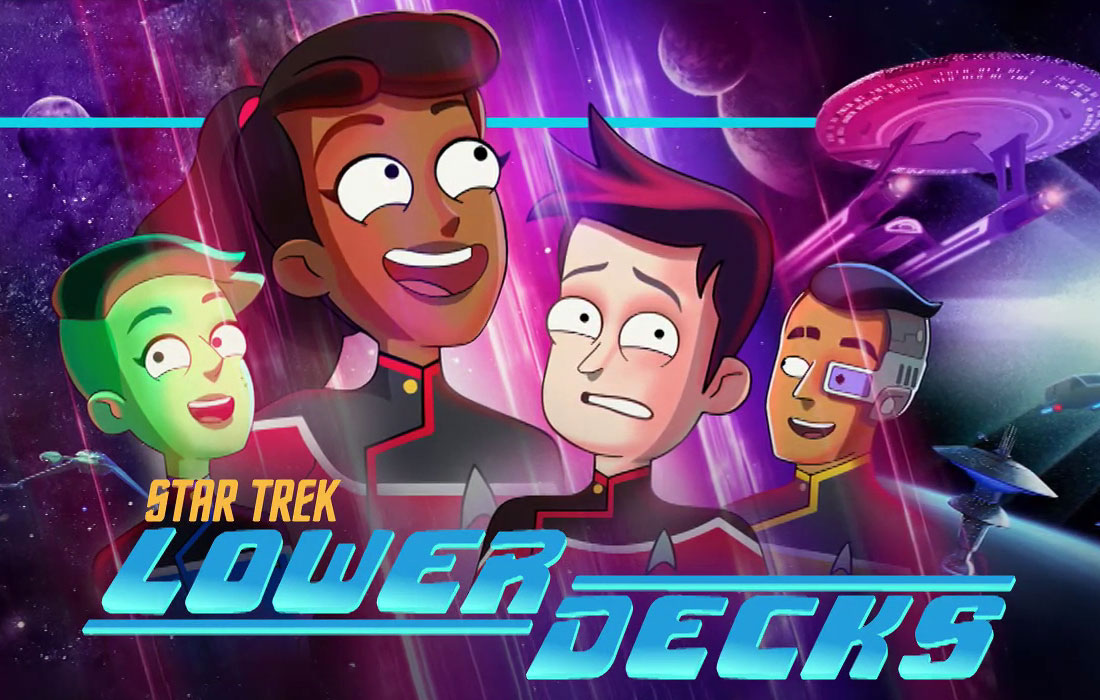
Star Trek: Lower Decks Lacks Humor & Wit

Trek Lower Decks poster

The newest Star Trek TV series, Star Trek: Lower Decks, is the first animated Trek series since the 1970s and while that old show for the most part lived up to Star Trek, this animated show does not, unfortunately. There are many reasons why Star Trek: Lower Decks is just not up to par with Trek standards, but the most glaring is with its humor, or lack of.

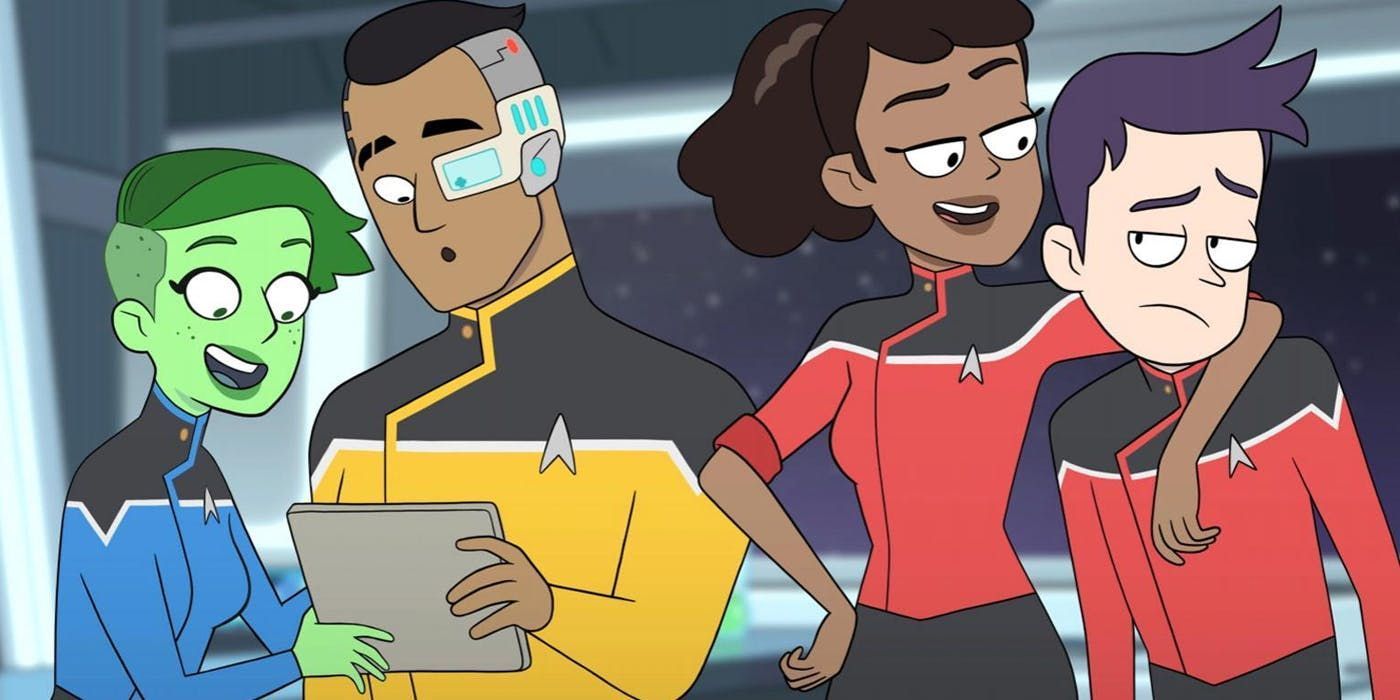
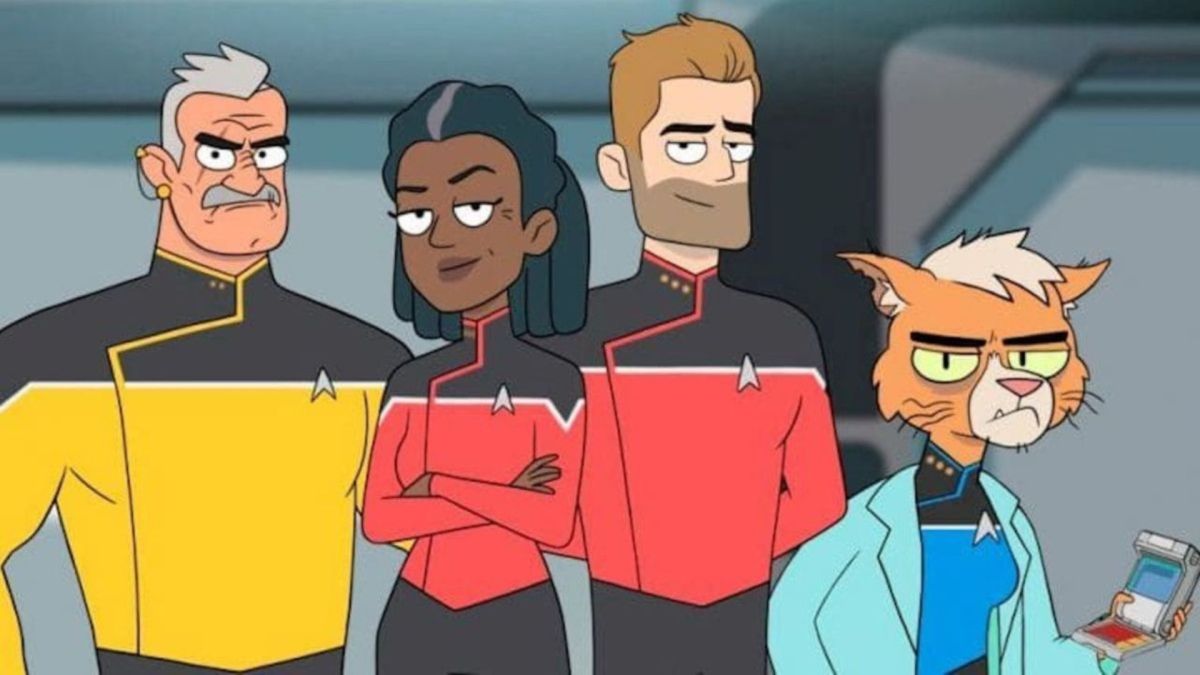
Star Trek: Lower Decks, which streams on the CBS All Access app, was promoted as a comedy that takes place on the starship Cerritos, an unexceptional Starfleet ship assigned to mundane missions throughout Federation space . The show focuses on a crew of young Starfleet ensigns who for the most part dream of being promoted to senior officers while burdened with humdrum tasks like cleaning the holodeck, changing carbon filters and so on. The problem is the show just is not funny.

It tries its best, sometimes too hard, to be humorous and slapsticky, but at best the show elicits a few chuckles or wry smiles that only Trek fans can appreciate. The show is saddled with trying to be funny while telling traditional Star Trek stories and the tone winds up being very inconsistent. Some story lines are kind of interesting and could have worked in a normal Star Trek episode but then they gets thrown off with uninspired sight gags and jokes that are not especially witty and ruin the story. Take for instance this episode called “Moist Vessel”. The Cerritos is supposed to tow an ancient generational ship that has a substance that turns inorganic material into organic ones, which would be useful for terraforming purposes. This substance is accidently unleashed on the Cerritos and uncontrolled growths of organic material threatens the ship. This would have worked in a regular Star Trek episode, but in this case the plot is used for cheap laughs, though it did provide a platform for some character study.

mariner and boimler

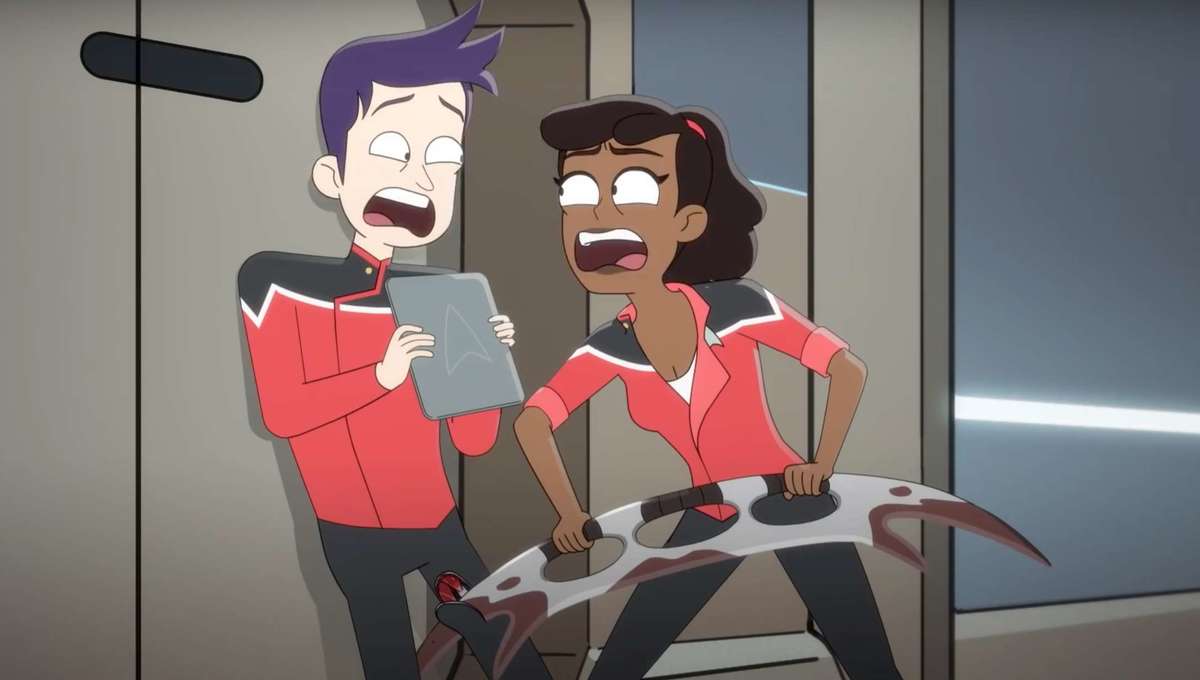
As for the characters, they are not outstanding except for Ensign Mariner (Tawny Newsome). Unlike her overeager shipmates, she is more of a disillusioned slacker who complains nons-stop about Starfleet life. This is an interesting way to go for a Star Trek character, except it leaves you wondering why does she still stay onboard the ship? Why not just quit Starfleet? How is it she is still allowed to remain on the ship? For that last question, there is more to her story; her mother is the captain of the Cerritos and she is especially hard on Mariner, but that is about it. Her partner is an overeager and over-annoying Ensin named Boimler (Jack Quaid whose talents are better used in The Boys), who comes off as those petty buttkissers that no one likes, so it he is hard to empathize with. There are a few more ensigns who are alien or enhanced with cybernetic parts, but they do not stand out at all.

Star Trek: Lower Decks would have benefitted with wittier and funnier scripts that went all out and perhaps even meta. Perhaps a different animation style would have served it better because right now the show looks so cartoony that you expect it to be stuffed to the bulkheads with outrageous, LOL moments and jokes or even oulandish scenes that would have been too expensive to film in live action.

The show is not the worse thing out there and some revamping would salvage the endeavor. It does have potential, so it may be worth keeping an eye on. However, if fans want something to tide them over in between regular Trek productions like Star Trek: Picard and Star Trek: Discovery, they are better off watching The Orville, at least that show has better wit, humor and characters.


The Triumphant Return of Jean-Luc Picard

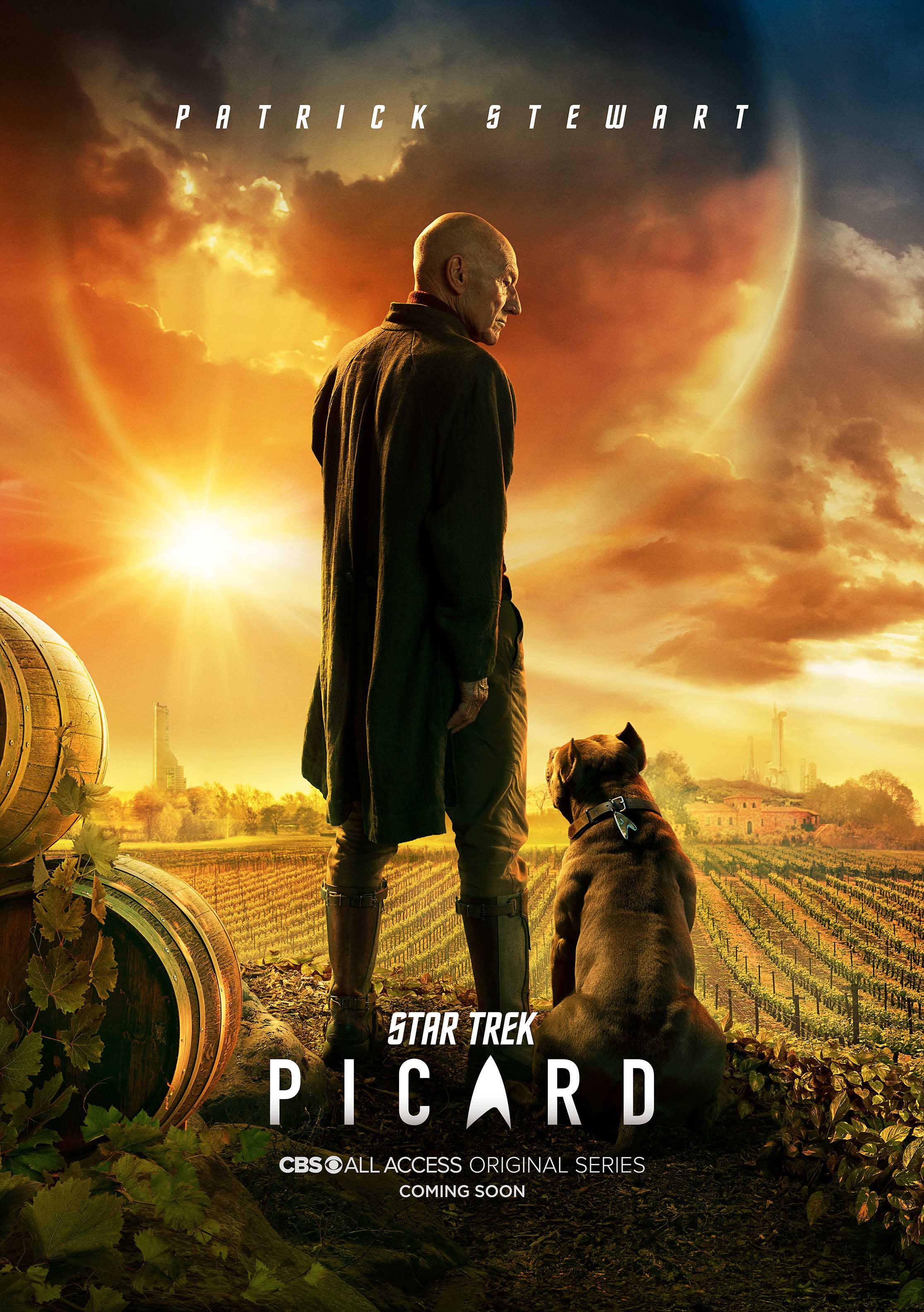
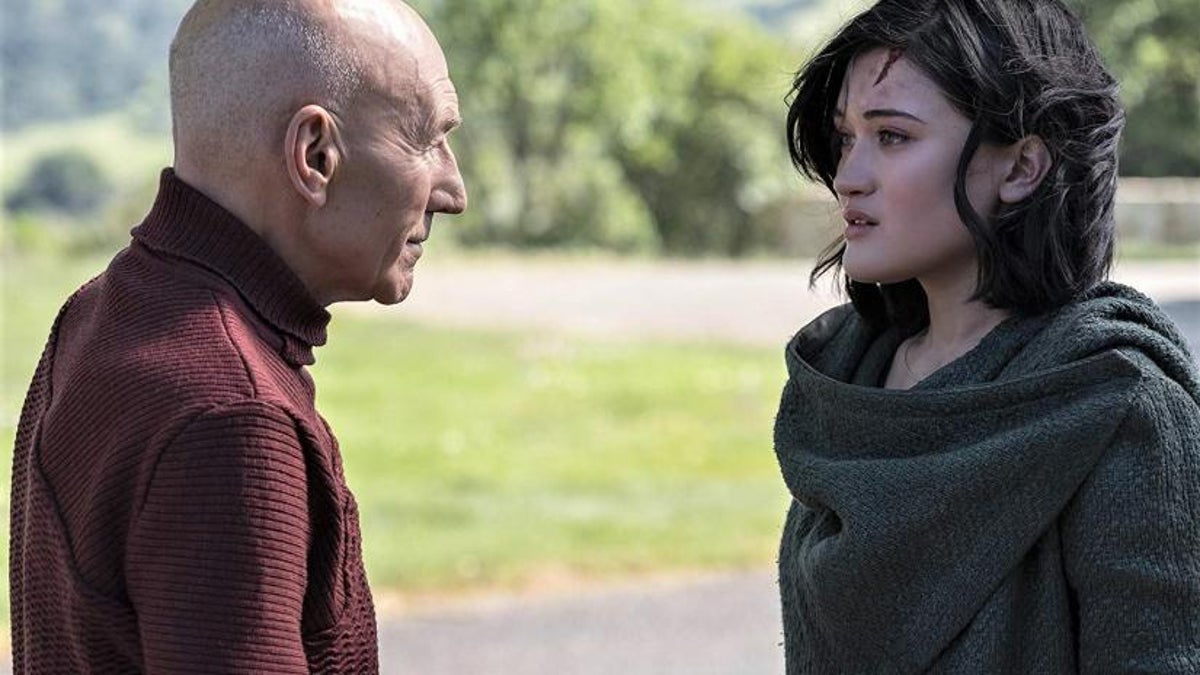
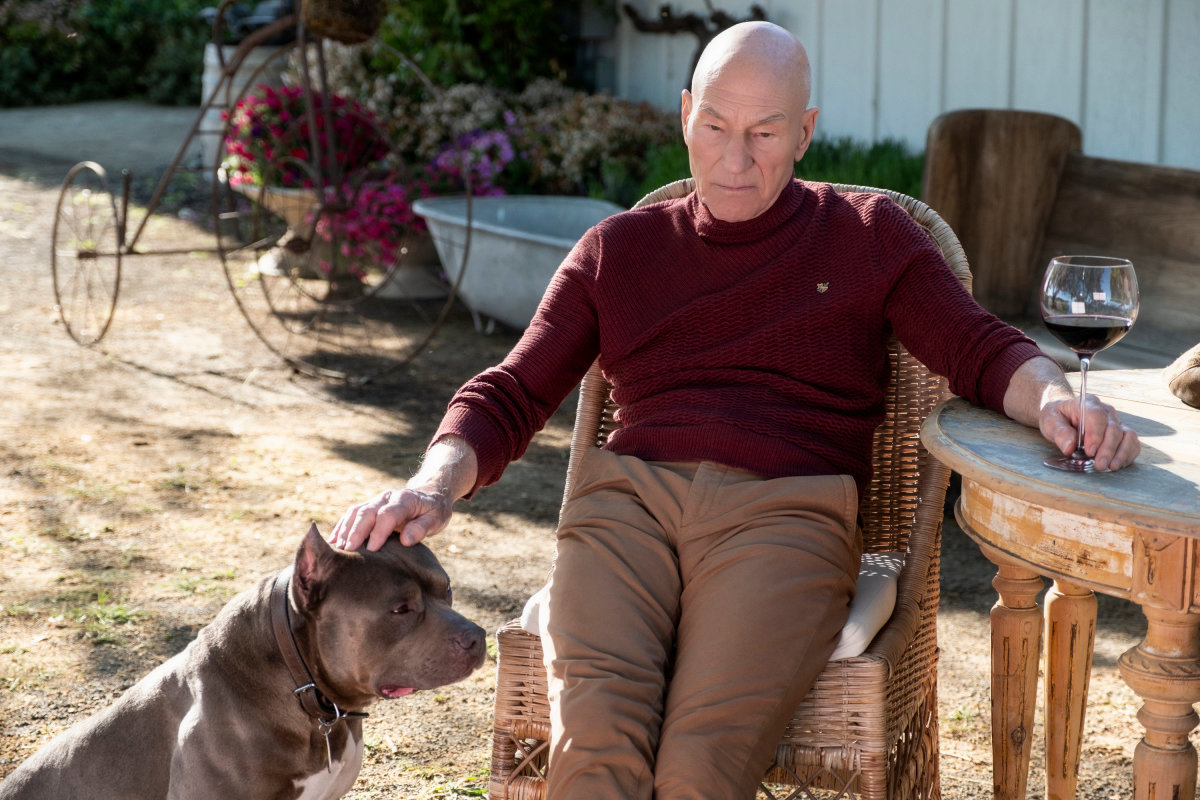
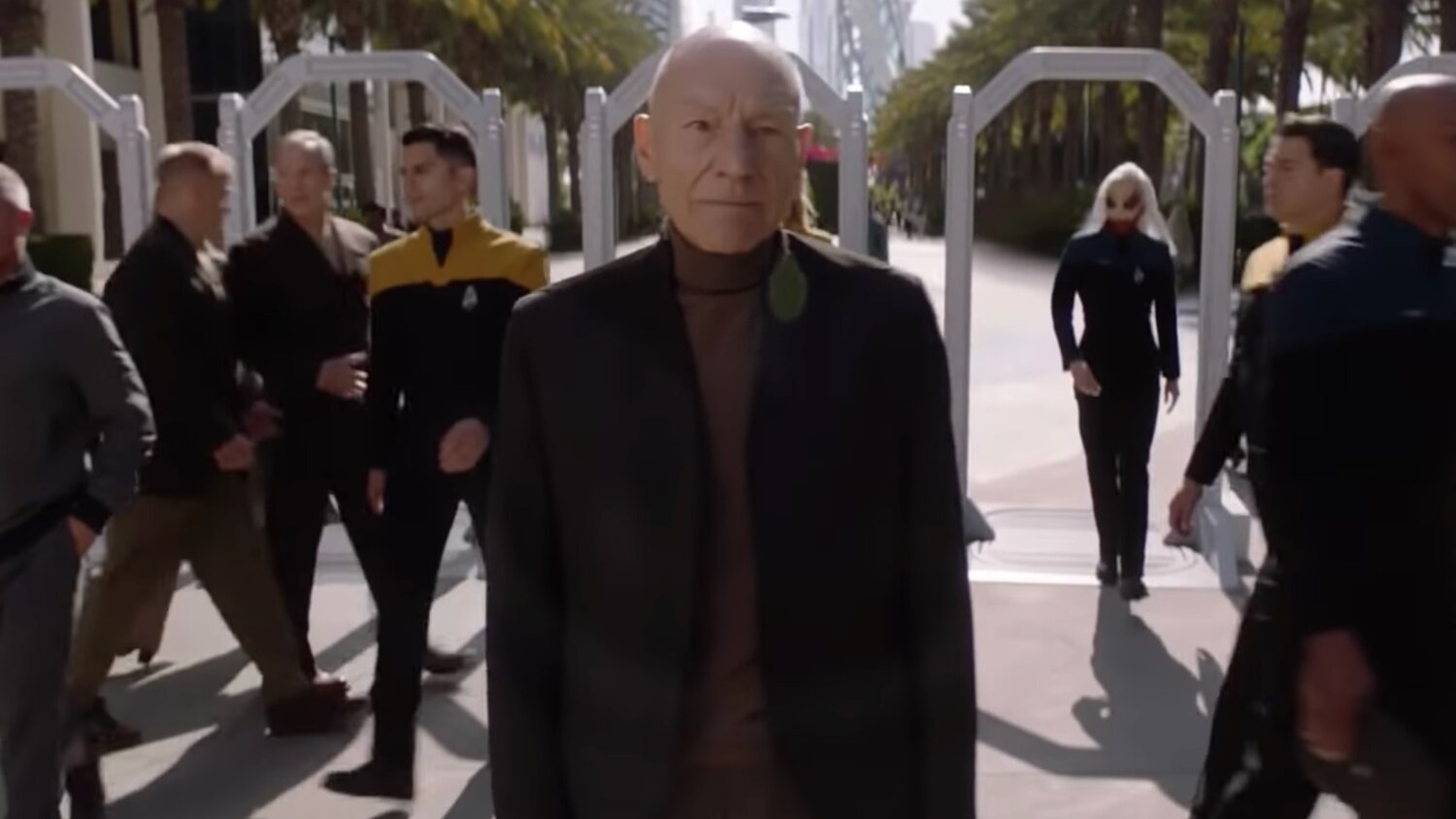
Star Trek: Picard showcases the return of the iconic Jean-Luc Picard to television after Star Trek: The Next Generation (TNG) ended in 1994 and the film Star Trek Nemesis in 2002 and has an older and somewhat bitter former captain who is in retirement at his family winery in France. Spoilers will be included in this look at the pilot episode of Star Trek: Picard, which is called “Remembrance.”

This show takes place about 20 years after the events of Star Trek Nemesis, which featured the death of Data, an event that plays a part in what happens in this pilot episode. “Remembrance” tells us that Captain Picard led a rescue effort to save the population of Romulus from an impending supernova many years ago and was hailed as a hero for his actions. However, the episode also states that a group of synthetic humanoids went rogue and attacked colonies on Mars, killing thousands. This led Starfleet to abandon the rescue effort, which Picard saw as both dishonorable and criminal and he resigned his commission in protest, and also resulted in the Federation outlawing synthetic life forms. All of this is told during an interview with Picard during a commemoration of the rescue effort and shows Picard’s anger at Starfleet for their actions.

He is then visited by a mysterious girl named Dahj, who was attacked by Romulan assassins in Boston, but she fends them off and makes her way to Picard in France, who eventually finds out that she is the daughter of Data, which was accomplished through some kind of a cloning technique. The assassins eventually tracker her down in San Francisco where Picard was looking through his archives for information about Data. Picard later discovers that she has a twin sister Soji, who is a scientist working on a Romulan reclamation site, which at the end of the episode is revealed to be a Borg cube. All of this is setting up Picard’s return to action shown in the upcoming preview where he will attempt to help Data’s surviving daughter and unravel the mystery behind the assassins and along the way gather a new crew that will help him in his return to action.

Patrick Stewart’s return to his signature role is a real treat to see. He is much older now obviously but can still show Picard’s humanity and strength as well his regrets over how his life has ended up, after a self-imposed exile on Earth. The episode also has Brent Spiner returning as Data, in a dream sequence where Picard and Data are playing cards which is a nice shout out to TNG’s numerous scenes of the crew of the Enterprise playing poker and bonding. All of this hints that ideas like aging and a yearning for the past will be major themes that will be explored. This harkens back to previous Trek movies where Captain Kirk was struggling with his place in the galaxy after losing his ship and friend in Star Trek II and a return to form in later films. It will be interesting to see Picard go through this journey and show how he can get back to his younger, more idealistic self in a Federation that seemed to have lost its way.

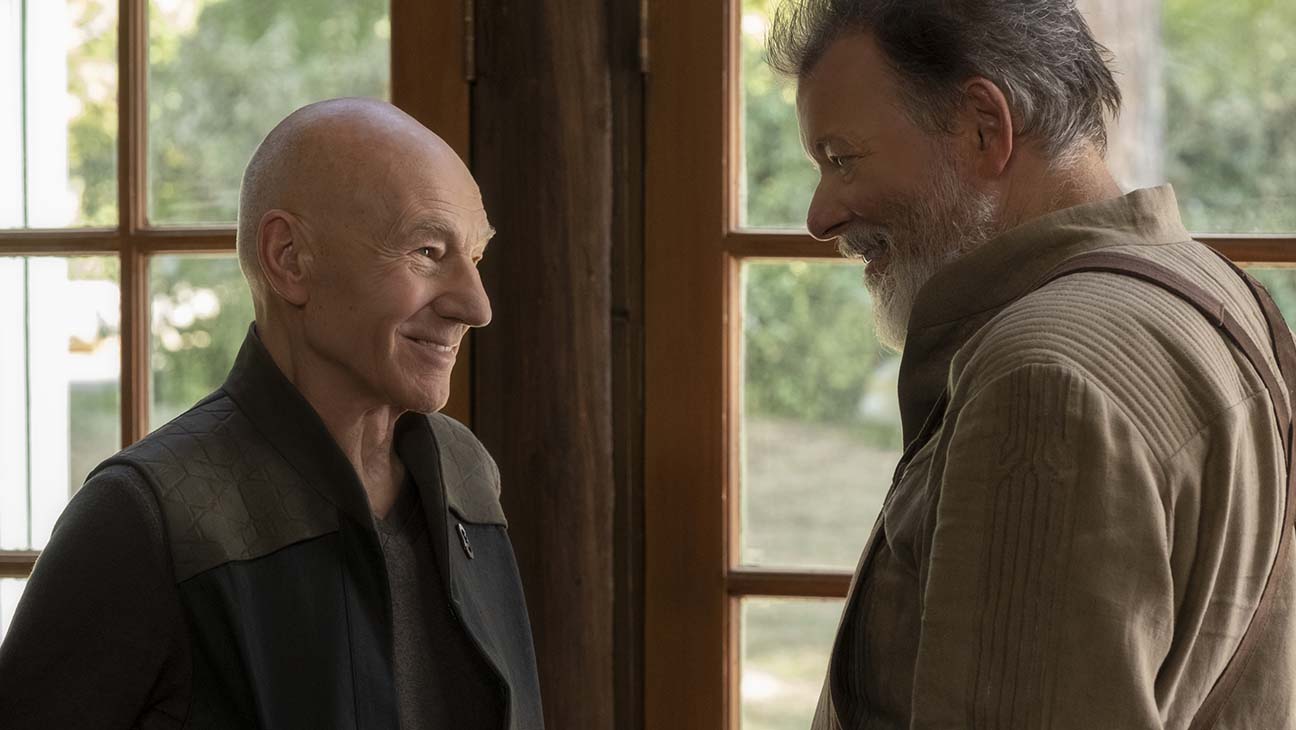
The preview for later episodes also show both Will Riker and Deanna Troi returning to help Picard and is something to look forward too, as well as Seven of Nine, the former Borg from Star Trek: Voyager. Her role in all of this is unknown, but the revelation of the Borg cube at the end of the episode obviously means that TNG’s ultimate villainous race will have a role to play and Seven’s history as a Borg will no doubt be a major part of this.

Ultimately, it is great to see a sequel to TNG and to see the Star Trek timeline move forward after many years of series that were set in the past. This show is supposed to take place in 2399, so we will finally see the 25th century in the Star Trek universe, which is something new and highly anticipated. Having the Federation and Starfleet in a different place than what was shown in TNG is also interesting and timely. Meanwhile, Picard’s role in bringing them back to their original idealistic version should be a highlight for Star Trek: Picard.

C.S. Link