
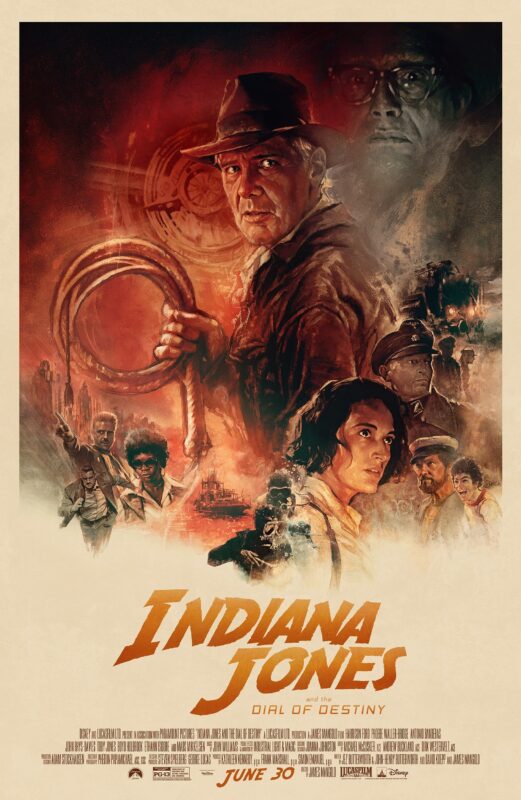
Harrison Ford returns one final time in his famous role as the swashbuckling archaeologist Henry “Indiana” Jones, Jr. in Indiana Jones and the Dial of Destiny. The fifth film in the Indiana Jones franchise has been in development hell for several years and it seemed that it wouldn’t ever be made.
Many fans were skeptical that the fifth installment would be able to compare to the previous four films directed by Steven Spielberg. Adding to the doubts were Ford’s age (he turns 81 this month) and the mixed reactions to the fourth film, Indiana Jones and the Kingdom of the Crystal Skull. So, the question most of us have is does the film deliver? For the most part, yes it does.
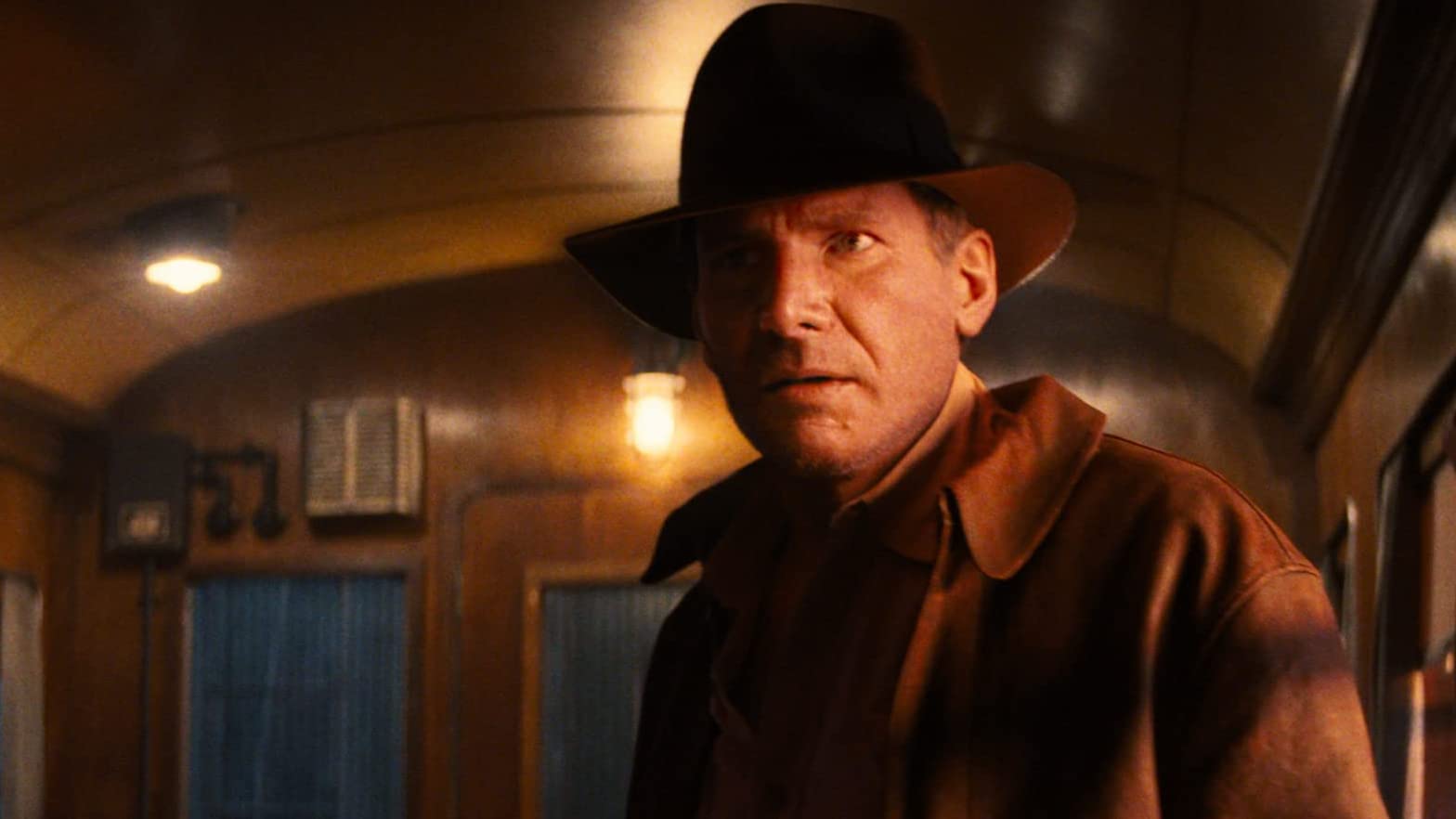
Indiana Jones and the Dial of Destiny opens with an extended flashback sequence in 1944 where Indiana or Indy is battling Nazis in Europe during the waning days of World War II. Unlike the previous films, there aren’t any title cards that establish the time and place, which was disappointing.
Anyway, Indy and his friend Basil Shaw (Toby Jones) are after a macguffin called the Lance of Longinus, which the Nazis possess. A German astrophysicist named Jürgen Voller (Mads Mikkelson) that is working for the Nazis deduces that the artifact is a fake and tells his superiors about half of another artifact that he possesses. It’s called the Antikythera or the Dial of Destiny and it could help Germany win the war. Before long, Jones and Shaw clash with Voller and the Nazis and are able to acquire the Dial from Voller.

The film flashes forward to 1969 in New York City. Jones is now an old, embittered man who emulates Clint Eastwood’s character in Gran Torino. He is about to retire as an archaeology professor in Hunter College and cannot be bothered to join in the citywide celebrations over the Apollo 11 moon landings. He runs into Shaw’s daughter Helena (Phoebe Waller-Bridge), who is a treasure hunter and archaeology student and wants to acquire the Dial of Destiny, which is in the college’s storeroom. Also interested in the Dial is Voller himself and his henchmen. After the war, Voller fled to the United States and helped NASA with their efforts to get to the moon. Voller is able to steal the Dial and sets out to find the other half, which is somewhere in Europe.
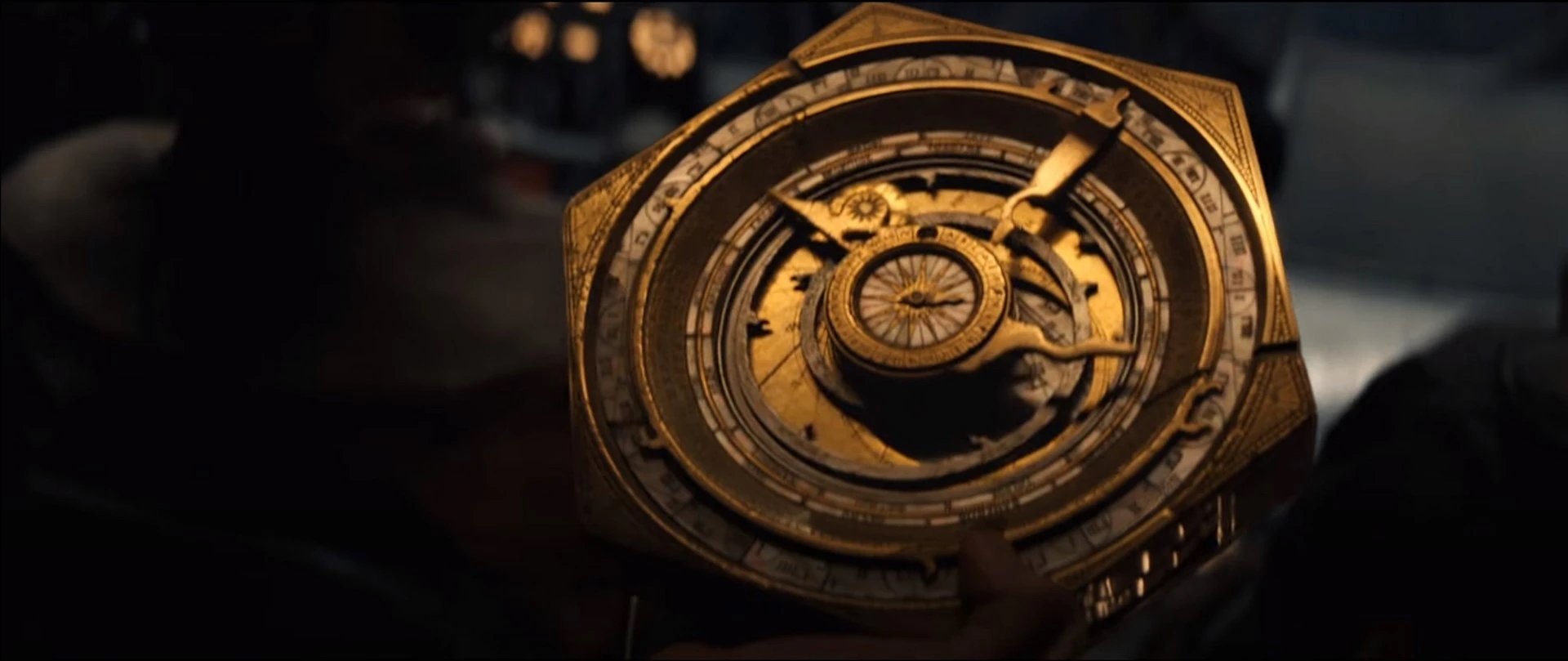
It turns out that the device was built by the ancient Greek mathematician Archimedes, and allows a person to track fissures or cracks in time, which would let that person travel to different time periods. Obviously, Voller wants to use the re-assembled device go back to Nazi Germany and win the war. The film turns into an extended series of exciting chases as Indy and Helena try to find the other half of the Dial as well and stay one step ahead of Voller and his goons.
Even though Indiana Jones and the Dial of Destiny was not directed by Steven Spielberg, the film is still a fun adventure while trying to evoke the spirit of the older films in the franchise. While director James Mangold cannot compare to the great Spielberg, he does an admirable job with this film.
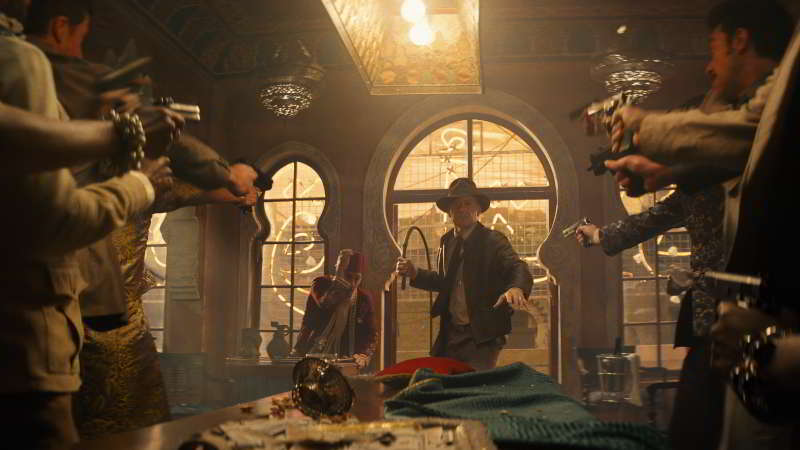
In a way, Indiana Jones and the Dial of Destiny echoes some themes from Mangold’s Logan, in that that film also dealt with an aging hero past his prime who is forced to go on one last adventure. Don’t worry Indiana Jones and the Dial of Destiny is not bleak like Logan, but the themes about aging are well explored. Indy’s age and his lot in life in the late ‘60s may alarm some fans but this honest look at the aging hero in the twilight of his life is a novel theme that had not been explored before in the franchise. On the other hand, his physical feats and invulnerability given his ages does stretch credibility.
The film is similar to Indiana Jones and the Kingdom of the Crystal Skull in that the macguffin is more sci-fi based, but unlike the fourth film it doesn’t have sci-fi tropes involving aliens and flying saucers. The Dial’s usage was quite astonishing and fit in well with Jones’ world view. It’s too bad there cannot be another film that would make up a trilogy where Indiana Jones sought sci-fi based macguffins instead of the religious ones he hunted in the first three films. Oh well.
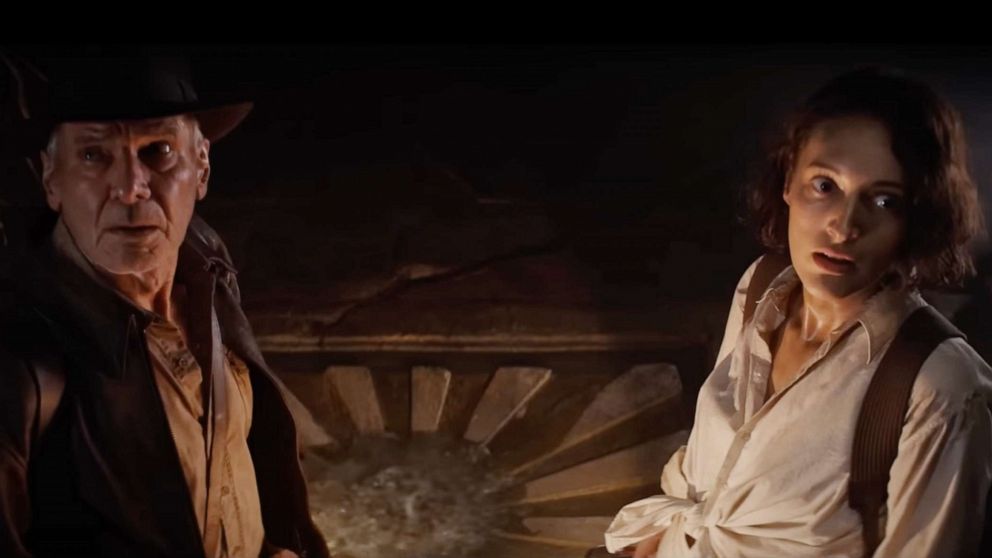
A huge reason why Indiana Jones and the Dial of Destiny works is due to Ford himself. He pours himself wholeheartedly into the role since he knows it is the last time he will play the plucky archaeologist. At this point, Ford is an acting legend that should be treasured and most of us are grateful he was able to don his fedora and leather jacket one last time. The other actors are also excellent in the film including Waller-Bridge and Mikkelson.
The production perfectly captured the look of the different time periods. The special effects, especially the de-aging done for Ford when he played the character in the 1940s was excellent aside from a few quick hiccups. But Mangold was able to keep the action and story moving along to keep us from focusing on the occasional effects flaw.

The only other gripe about Indiana Jones and the Dial of Destiny is that it is a bit long. It tries to capture the feel of the Spielberg films and while it quite can’t do it, the effort was commendable. As mentioned above, the story usually keeps moving and we’re engaged during the ride. However, it does not have silly moments like nuked fridges and is also not afraid to have more grounded and emotional moments for Indy. But don’t worry, once the action starts, Indiana Jones finds his old groove, which is always a delight to watch.
José Soto
 Starloggers