
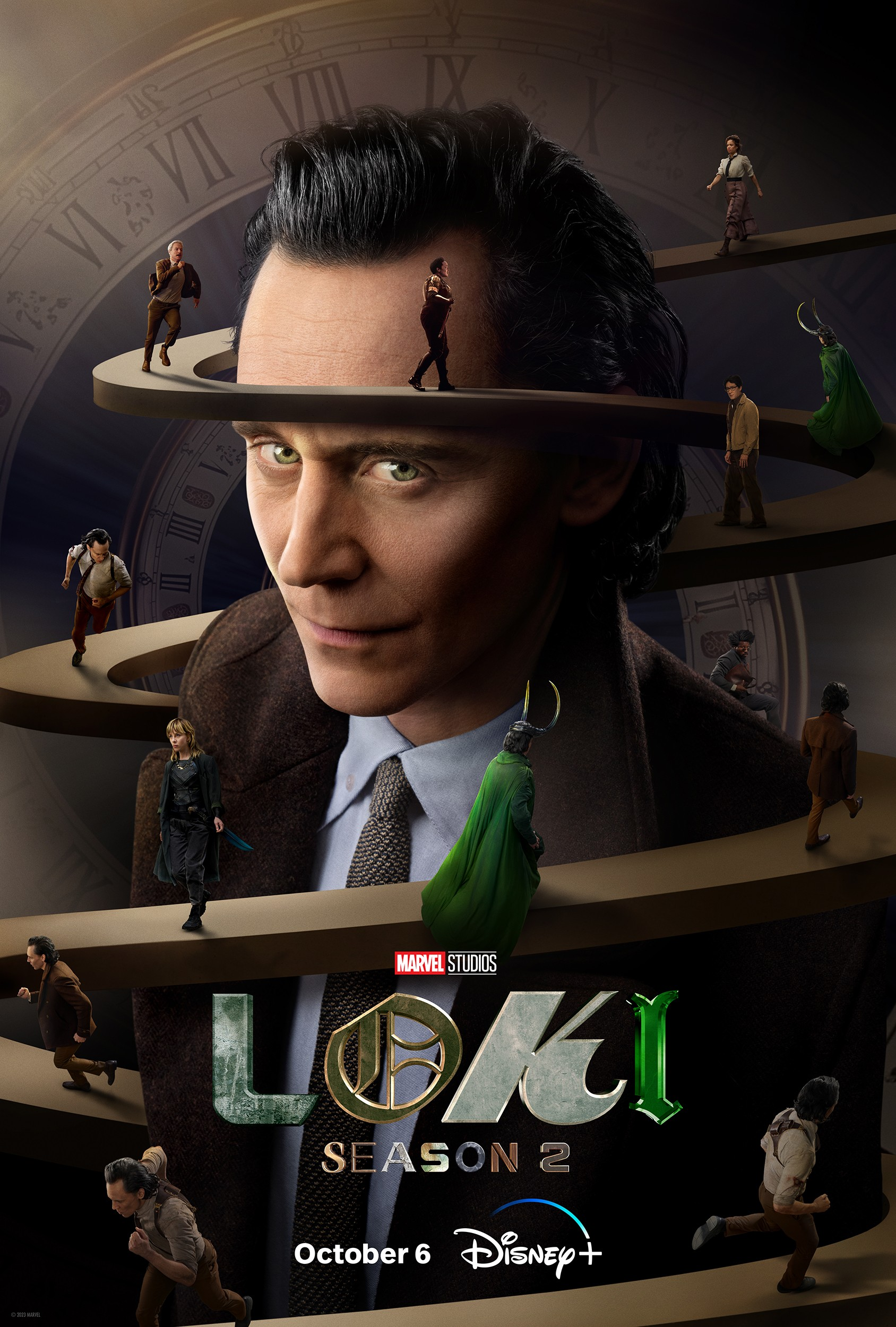
The just-streamed final episode of the second season of Loki concluded the mind-bending time travel storyline that ran throughout the show’s two seasons.
Starring Tom Hiddleston as the title character, Loki has turned out to be a genuine surprise. Instead of being the Marvel Cinematic Universe (MCU) version of Doctor Who with Loki running around different time periods, the show instead carefully examined the numbing logistics of time travel and philosophy. More poignantly, Loki was a thoughtful character study of the main character, a villainous Asgardian god who turned into an anti-hero before completing his transformation by the end of the final episode into a tragic hero. MAJOR SPOILERS will follow.
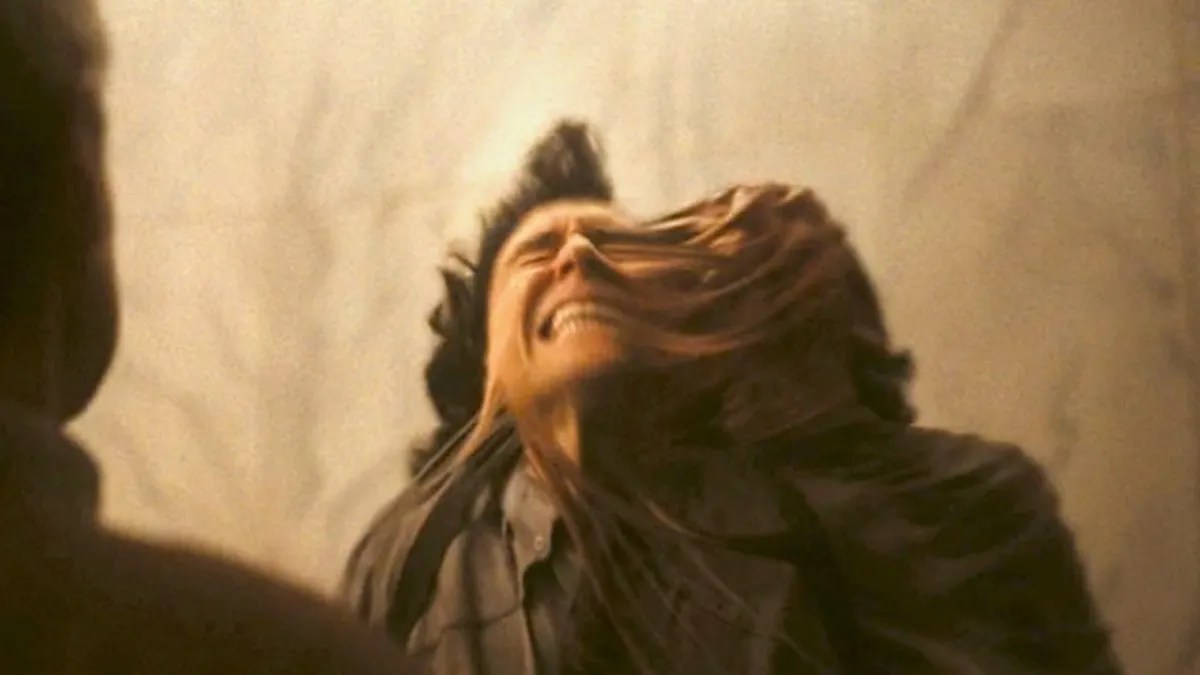
The second season of Loki began immediately after the first season where the Loki variant, Sylvie (Sophia Di Martino), killed the enigmatic He Who Remains (Jonathan Majors) in the final episode “For All Time. Always”. This murder unraveled time itself since He Who Remains controlled time through his organization the Time Variance Authority (TVA). Throughout history the TVA prevented or pruned branching timelines from deviating out of the so-called Sacred Timeline.
As timelines began to develop and branch off in the second season, this created many variants of He Who Remains, most notably Kang the Conqueror (as seen in Ant-Man and the Wasp: Quantumania) and Victor Timely, a meek 19th century inventor/charlatan. Loki also became unstuck in time and time slipped throughout the premiere second season episode. When he jumped into the future, he saw that the TVA was destroyed when the Temporal Loom was overloaded by rapidly multiplying timelines. The Temporal Loom is an enormous machine that gathered the timelines (seen as never ending tendrils) and combined them into a single controlled stream, hence the Sacred Timeline. In order to help fix the Loom, the temporal aura of He Who Remains or his variant was needed to access the Loom’s controls. This set Loki and the TVA off on a mission in the season’s first half to track down Victor Timely.
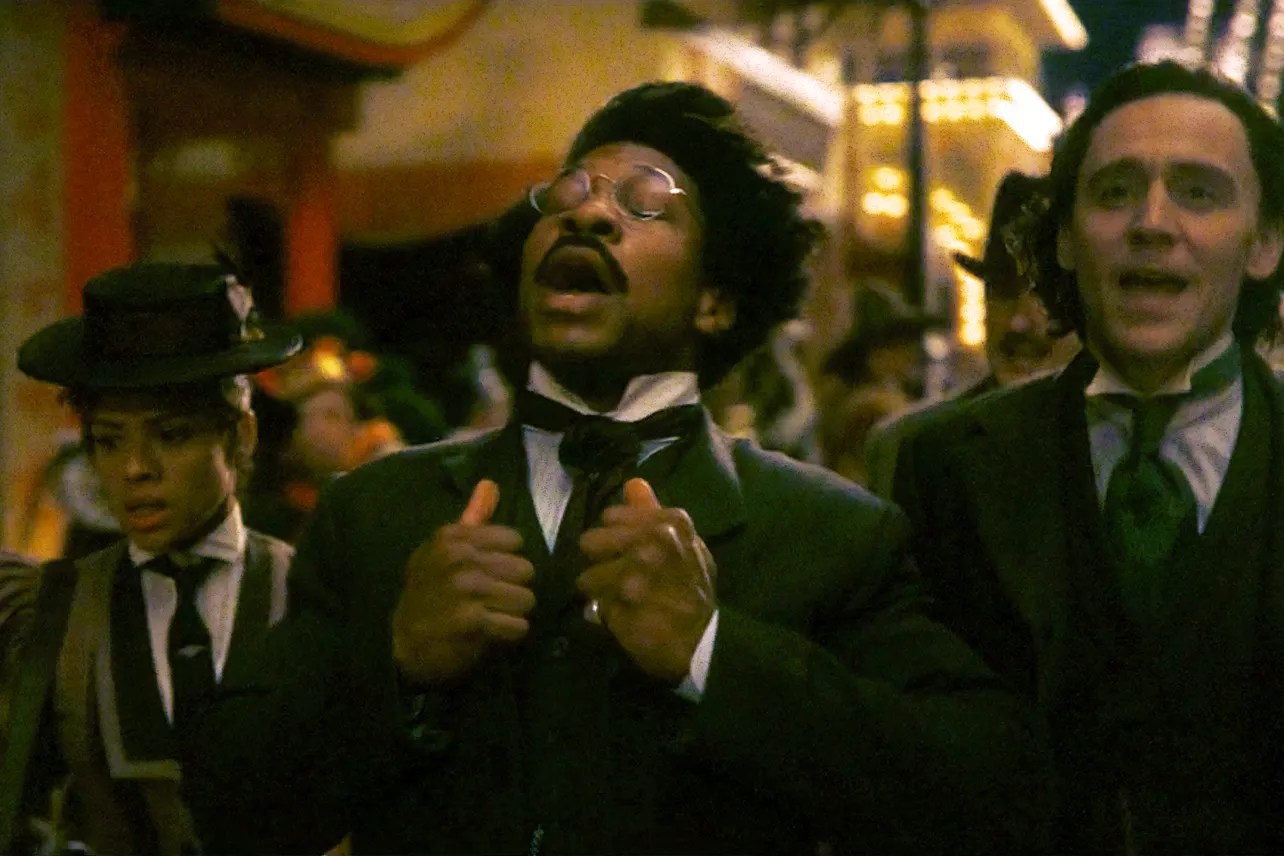
The second season was as bizarre, zany, and thought provoking as the first one, except it focused more on the characters of Loki and his associates. We learned a lot about Loki’s best friend Mobius (Owen Wilson), an easy-going TVA bureaucrat, who had a simple and enjoyable life before he was forcibly recruited into the TVA. We also were introduced to Ouroboros or O.B. (Ke Huy Quan), a quirky and energetic repair person who is an expert on temporal mechanics. His energy and good will was infectious thanks to Quan’s brilliant performance.
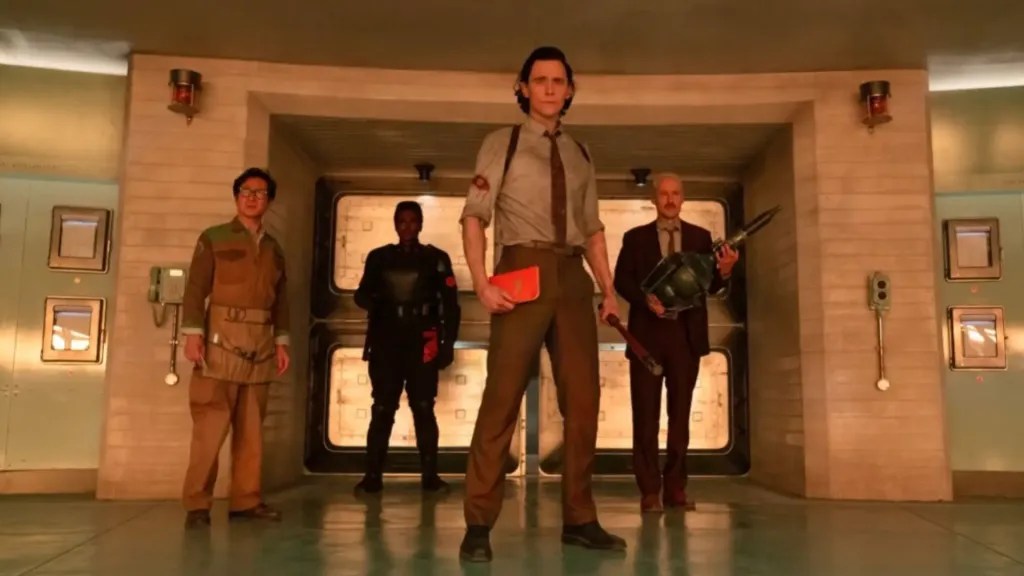
Despite Loki and the TVA’s efforts, the Loom is destroyed and the TVA along with it. In the penultimate episode “Science/Fiction” Loki finds himself traveling to different timelines and encounters his friends and their lives before the TVA. After meeting with Sylvie, Loki admits his love for his companions and that he does not want to be alone. This was a major emotional breakthrough for him and a harbinger for his ultimate tragic fate. Loki realizes he can control his time slipping and transport himself to the moment before the Loom is destroyed at the end of the episode.
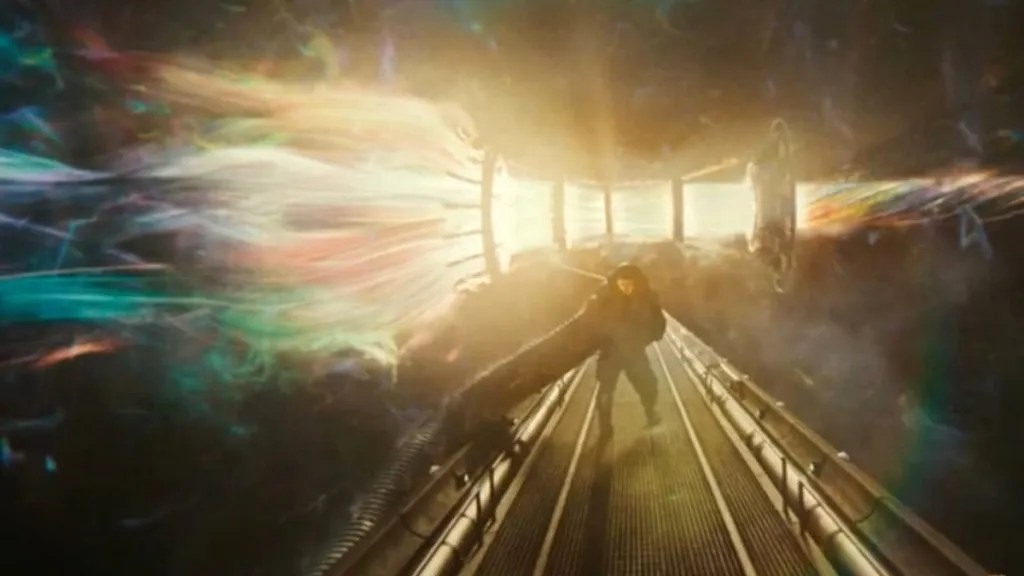
In the final episode “Glorious Purpose”, which is also the title of the first episode of the first season, Loki desperately tries to prevent the destruction of the Loom by continuously returning to the time before the machine explodes. Unfortunately, even though he does this for centuries, Loki is unable to prevent the Loom’s destruction. This forces him to travel to the time of the final first season episode to prevent the death of He Who Remains, who reveals to Loki that he planned all these events, including his murder, all along. He informs Loki that either he has to kill Sylvie to keep her from killing He Who Remains and preserving the Sacred Timeline. Or do nothing and let the Loom be destroyed which reset the timelines and lead to a devastating multiversal war among the Kang variants that would destroy time itself.
After rejecting those choices, Loki leaves the Citadel of He Who Remains and visits the two people he cares the most, Sylvie and Mobius, at two different time periods. He realizes some hard truths about ruling, sacrifice and that there is a third option.

Returning to the moment before the Loom explodes, Loki unleashes his full potential and uses magic to destroy the Loom and control the spiraling, dying timelines. In a beautifully haunting and majestic scene, Loki’s clothing is stripped away to reveal a more primordial costume with regal horns. He clasps the timelines and imbues them with his magic which reinvigorates them. Finally, he approaches the remnants of the Citadel and makes it his own. With the timelines’ swirling tendrils all about him, Loki forms the center of what is revealed to be the Yggdrasil, the World Tree in Norse mythology that is the center of all creation.
Finally, Loki has achieved his glorious purpose as he transforms from the God of Lies to the God of Stories. But to do so he made a solemn self sacrifice to save his loved ones by being alone as he guards time and existence, which now is ruled by free will instead of the authoritarian order of He Who Remains.

The spiritual journey Loki undertakes in the series was quite poignant and tragic considering that he started off as an insecure and narcissistic villain. In the very first episode, he is jolted when Mobius informs him that he does not have a glorious purpose. Instead his reason for being was to bring out the best aspects of others like his brother Thor or the superhero team, the Avengers. While this revelation was devastating to Loki, it forces him on a personal journey where he was able to grow and learn that to be a ruler meant he was responsible for others. His ascension to a more heroic figure is riddled with irony and tragedy because the one thing he fears is being alone, but that is his fate. In order to safeguard the ones he loves, he has to be separate from them.
The final fate of Loki and the epilogue that follows was very inspired. The TVA is now a more benevolent organization that is tasked with seeking out the Kang variants, while Loki remains alone in the middle of the vast Yggdrasil and focused on his solemn responsibility to keep time and his friends safe. At the end, Loki admitted he did not want to be a ruler anymore, but he had to become one in order to save his friends. By taking on the ruler’s burden, Loki ultimately achieved his own glorious purpose.

Unlike nearly all MCU TV shows, Loki stuck the landing with “Glorious Purpose” which is now the greatest final episode of any MCU TV show. It would be great to see Loki and these characters again at some point in the future since the final episode helped set up the developing multiverse storyline in the MCU. Just imagine if Thor were to meet this version of Loki in the next Avengers film. But given how the episode ended, it is hard to imagine that a third season will follow. Trying to top “Glorious Purpose” would be impossible, while more importantly, the storyline has come to a natural conclusion. So, it would be best to let Loki end at this point as it should be held up as an example of how great the MCU can be.
José Soto
 Starloggers
Great episode. Really enjoyed this series!
It was probably the best episode of the series and a perfect place to end things.
I still haven’t watched season 2 yet, but from what I’ve being hearing about it, it might be worth checking out, especially since (as you said) the finale stuck its landing. Thanks for the info!
Hope you enjoyed it, personally liked it better than the first season.