The Better Adaptation: A Dune Movie or A Mini-Series

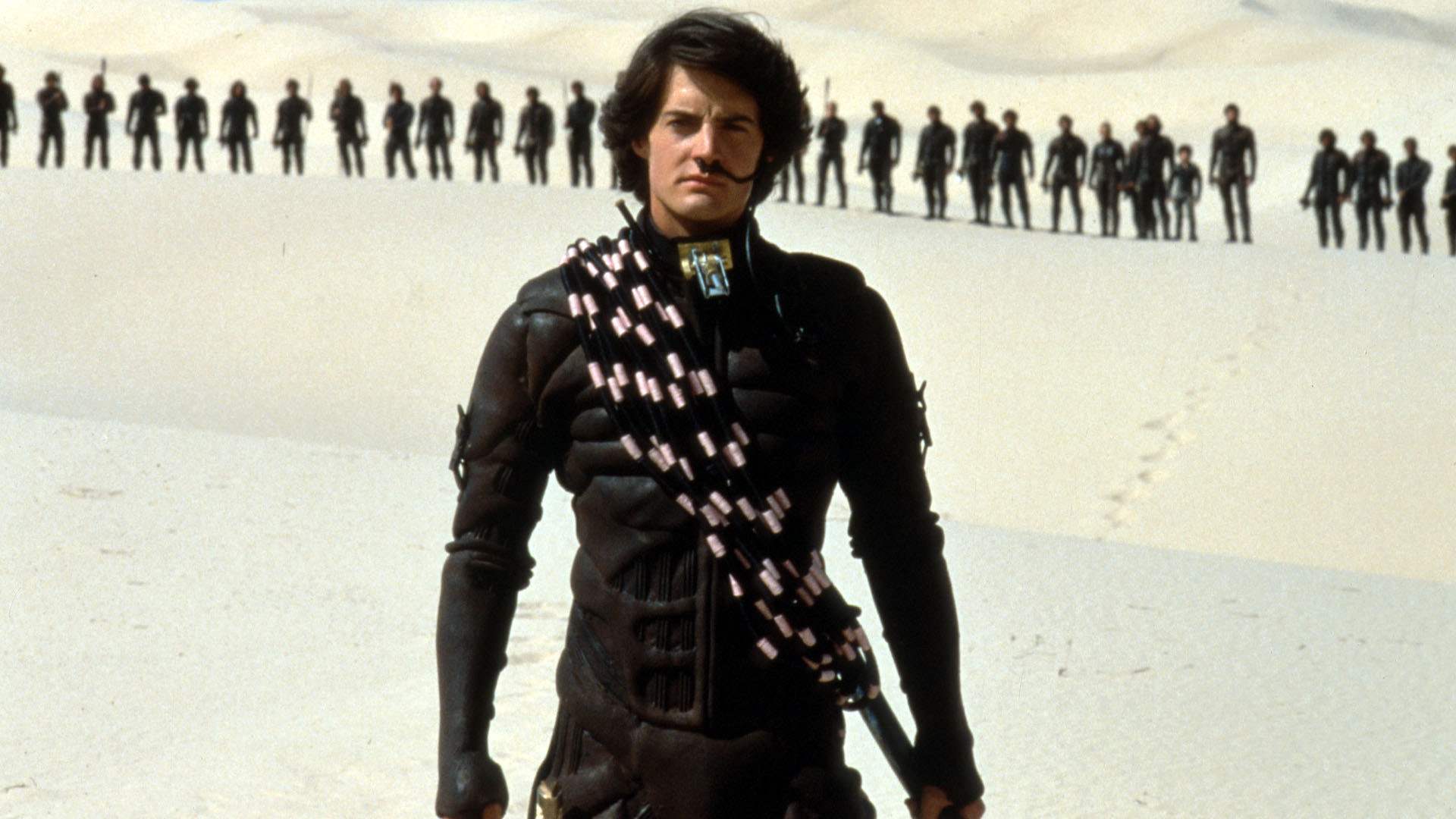
paul-atreides With the news that Legendary Entertainment has acquired the rights to make a new movie based on Frank Herbert’s classic science fiction novel Dune, there has been much speculation as to how this new adaption will be done. Dune has been adapted twice before. Once as a feature film by David Lynch in 1984, and later in 2000 as a TV mini series on the Sci-Fi Channel. Both projects had positive and negative aspects that fans continue to debate. Lynch’s film had the grand and epic feel of the novel, but also added new features to the story that were not in the original(ex: the weirding modules). The Sci-Fi mini series was more faithful to the book since it had more time to adapt the story, but suffered from a limited TV budget, and the look and feel of the set pieces and costumes were not at the same level as the movie.
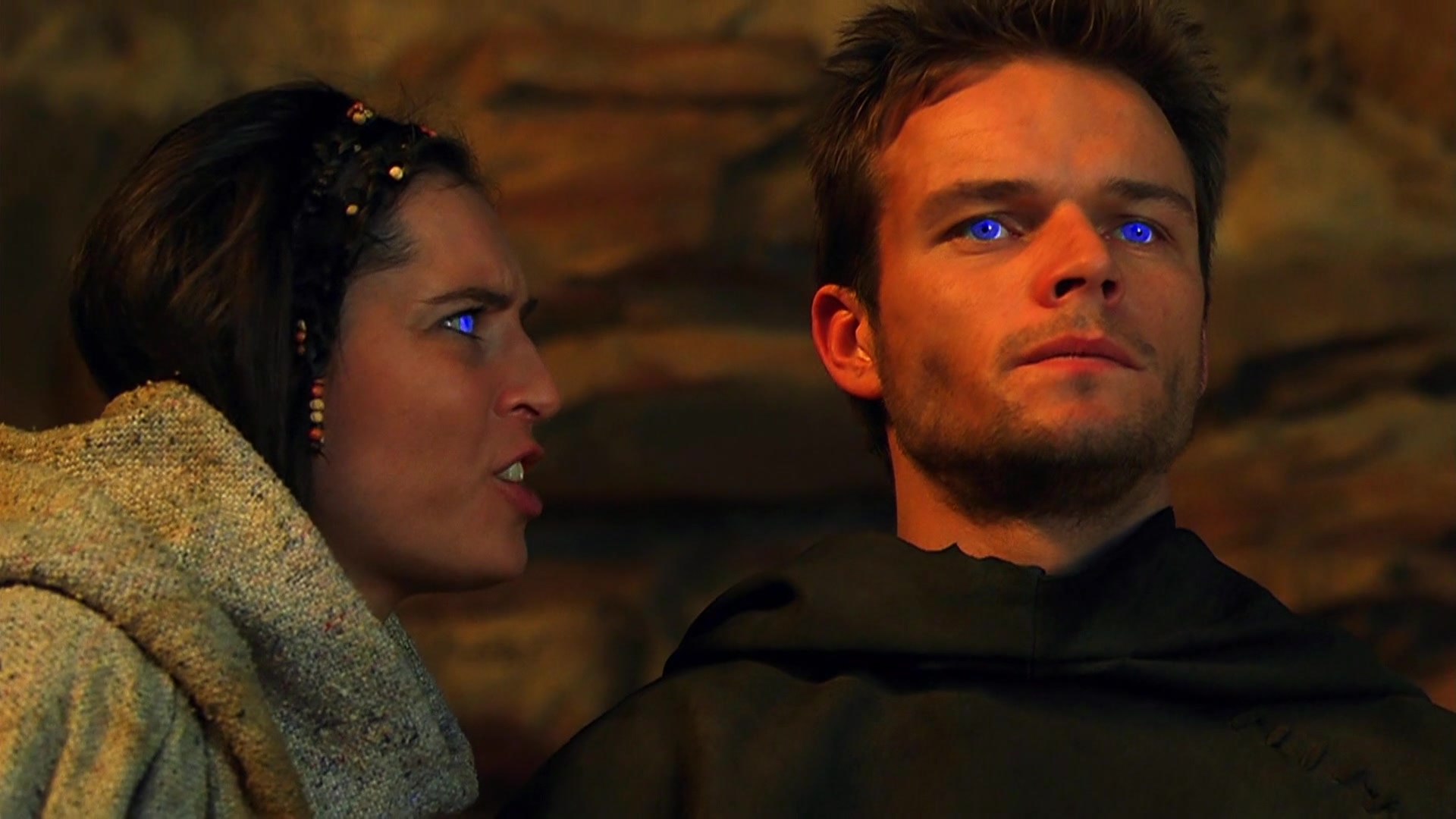
dune-mini-seriesThis brings to mind the question of what new adaption should be done by Legendary Entertainment. In terms of adapting just the first Dune novel, a big budget, multi-part movie series similar to The Lord Of The Rings is something I think would be great. The story itself is very complex and needs many hours to tell. Trying to squeeze it into a single tow-or three-hour movie will inevitably lead to significant reductions in the many layers Herbert’s story has to offer. This is exactly what plagued Lynch’s version. He got the basics right, but was still unable to touch on many plot points and had to condense everything. The book itself is divided into 3three parts which would fit nicely into a trilogy of films that can do the whole thing justice. All of the plots and schemes of the various feuding houses and galactic intrigue can be explored, as well as the hero Paul Atriedes’ journey from merely a ducal heir to a full blown messiah. Having all of this with a big budget would seem to merge the positive aspects of the previous movie and the miniseries, plenty of time to tell the story and the resources to create Frank Herbert’s rich and diverse universe.
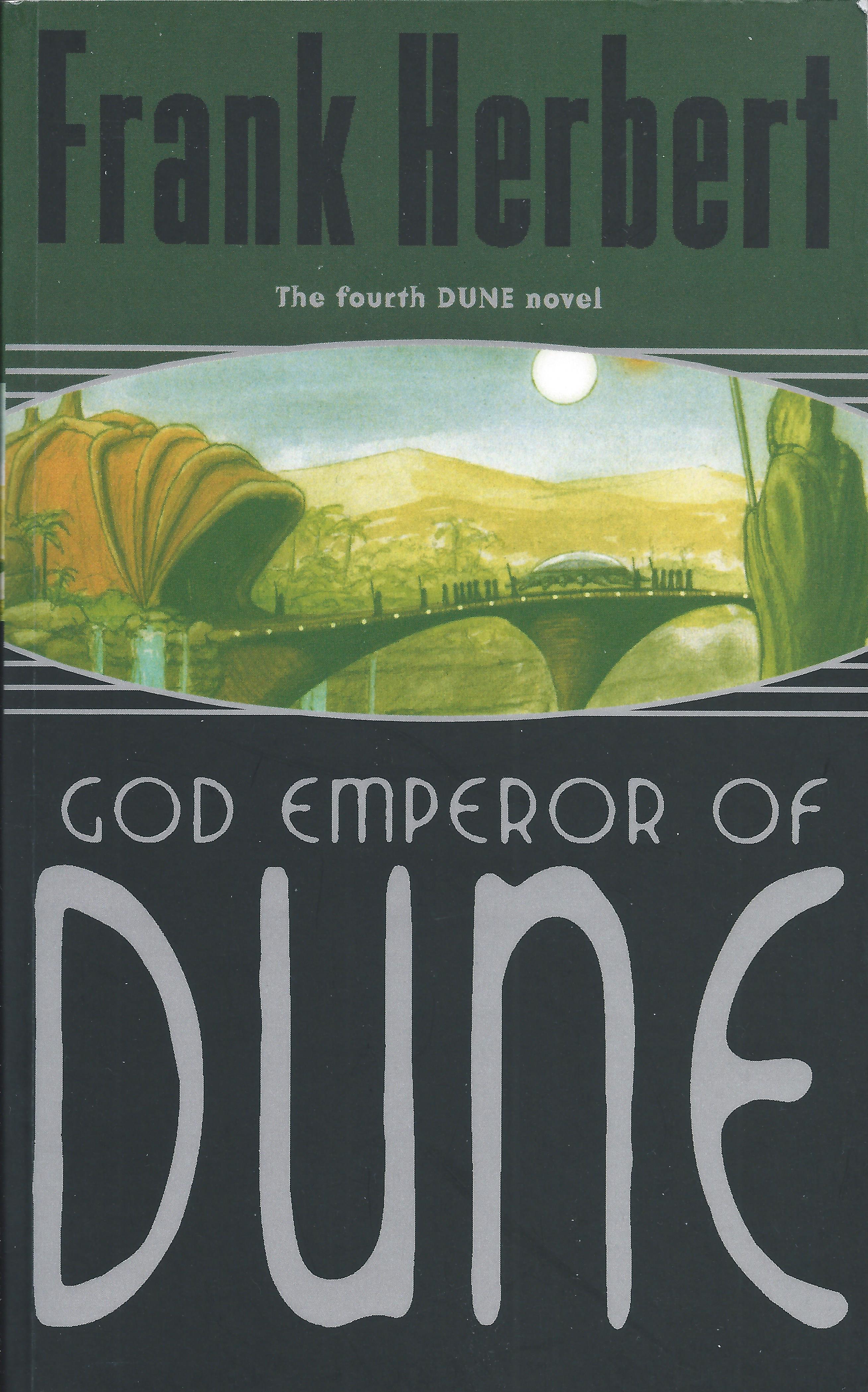
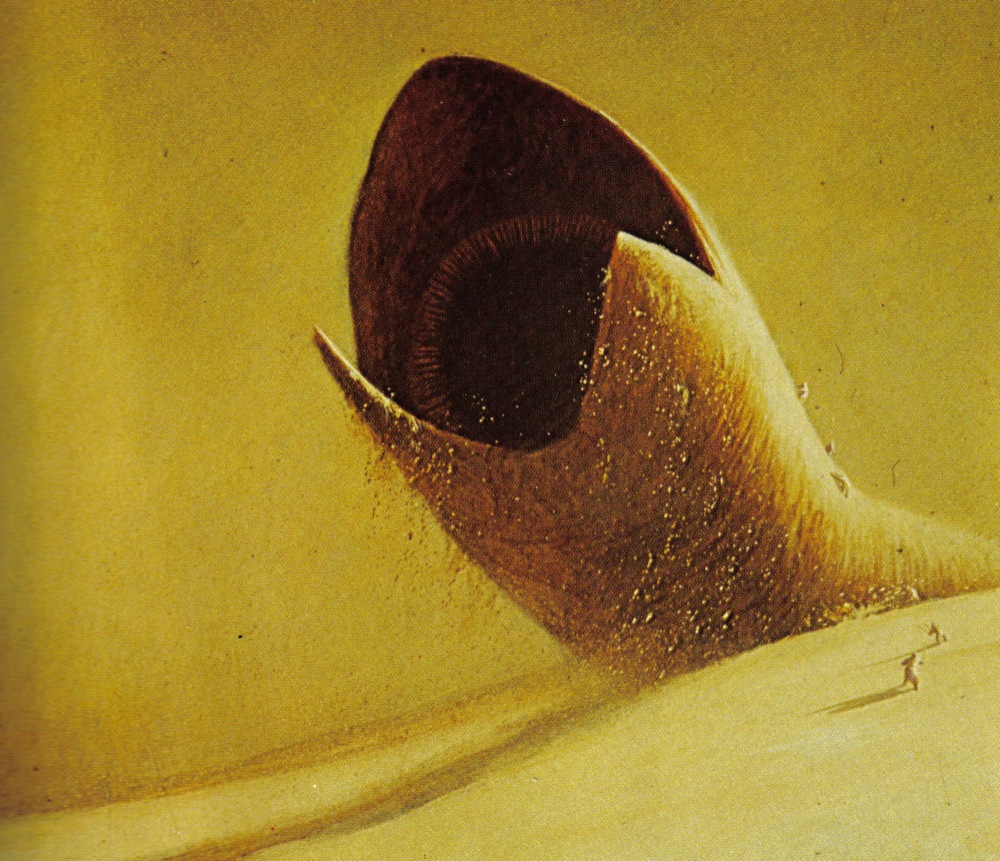
god-emperor-of-dune-coverHaving said that, if Legendary was feeling bold, they could attempt to adapt the entire original Dune Chronicles, which includes six books. If this was the case, then the only way to do this would be a Game of Thrones-style show hopefully on a cable network like HBO or Showtime. Books two and three (Dune Messiah and Children of Dune) were adapted by the Sci-Fi Channel in 2003 and was well done. Unfortunately, the other books were not adapted and the story came to an abrupt end just as it was getting good. The fourth novel God Emperor of Dune takes place 3,500 years after the original book and features Paul Atriedes’ son Leto II still alive due to his body merging with the desert planet’s massive worms. Subsequent novels take place thousands of years after this book and feature warring factions of matriarchal institutions and more galactic politics and intrigue. All of this would be very difficult to adapt in any meaningful way in theatrical films. Only the long commitment of an ongoing TV series could hope to truly bring all of these fantastic tales to life.
sandworm

Legendary Entertainment has a rich portfolio of films under its belt (Godzilla, Pacific Rim) and the fact that they are now in charge of the Dune franchise is definitely a positive development. The fact that talented director Denis Villeneuve wants to take on the task of making a Dune film is also a very good sign. He directed the well received sci-fi film Arrival and was entrusted with directing this year’s Blade Runner 2049. This shows me he has the skill to develop high-quality genre films. Hopefully, whatever they decide to do, it will be something that will do justice to Frank Herbert’s epic tale.
C.S. Link
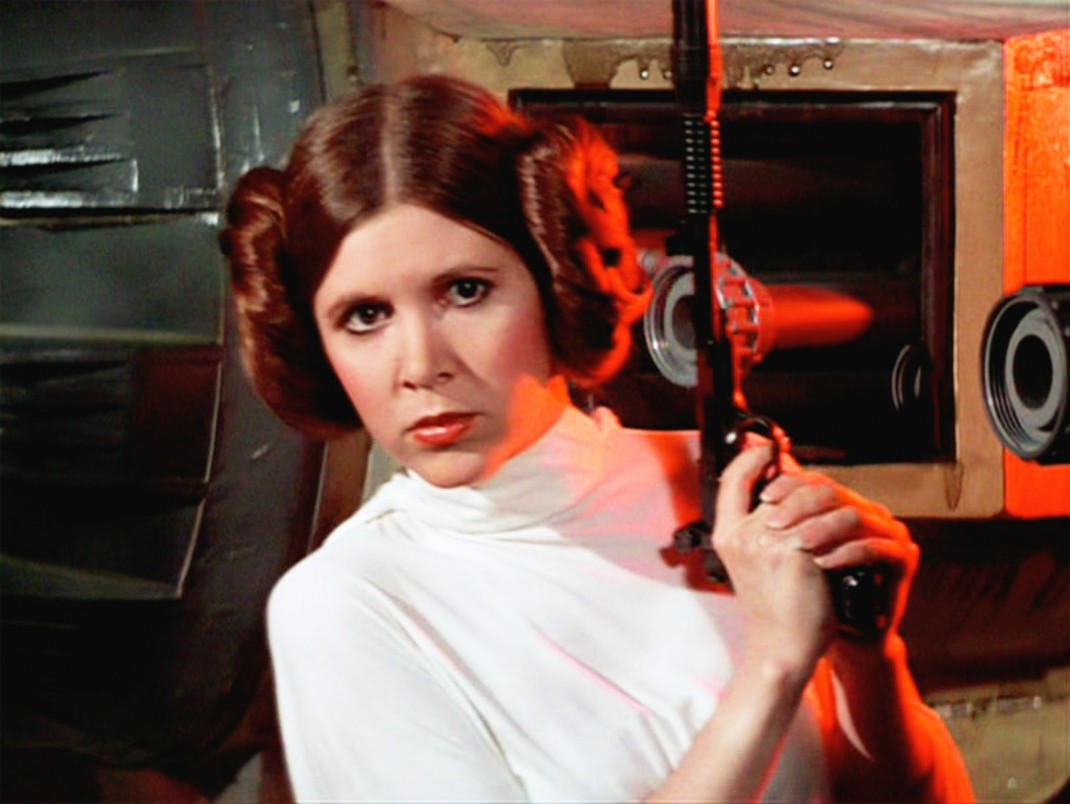
Carrie Fisher Passes Away As She Leaves a Legacy In The Stars

carrie-fisher

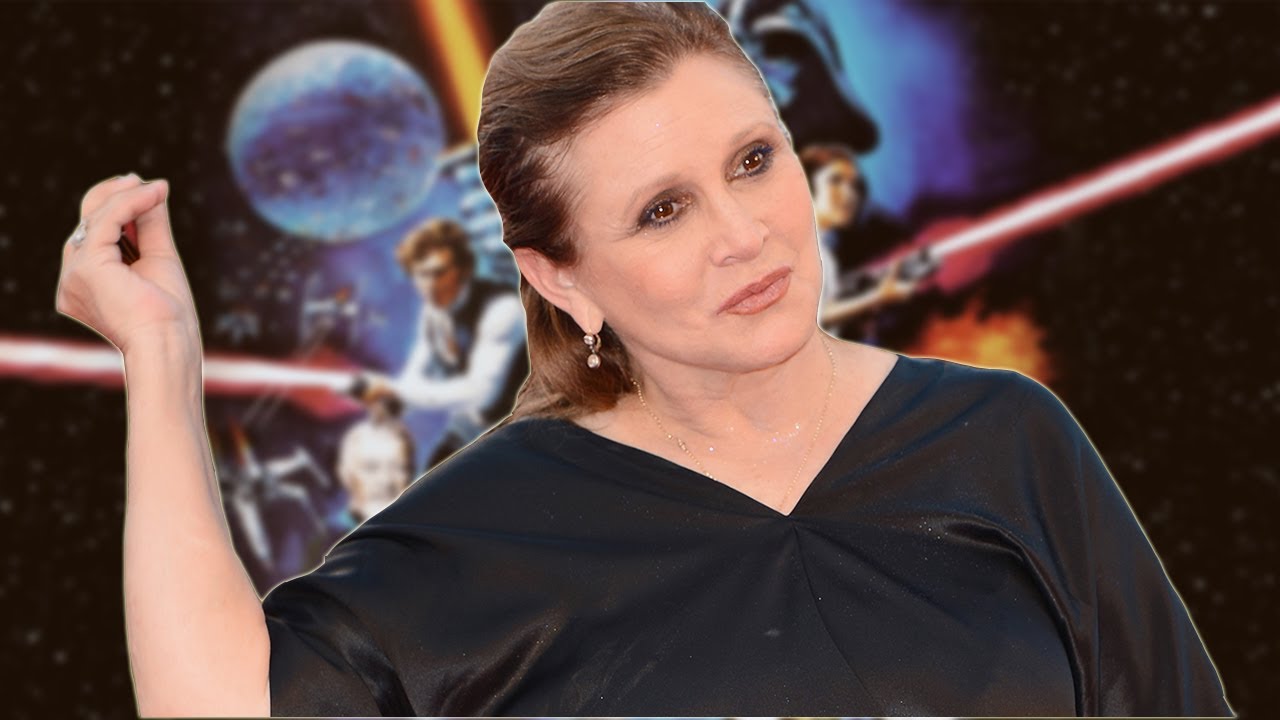
Unfortunately, 2016 is not done with taking away another beloved celebrity. This time, the passing of Carrie Fisher is hitting genre fans directly being given her genre creds in Star Wars.

princess-leiaFisher was truly a trailblazer in her role as Princess Leia Organa in the very first Star Wars film 39 years ago in Star Wars Episode IV: A New Hope. These days it may be easy to overlook Leia’s (and Fisher’s) influence not just in the world of science fiction but in popular culture. As the spunky and strong-willed princess from the planet Alderaan, Leia defied the stereotype of a hapless damsel in distress. Although she was held prisoner onboard the Death Star for most of the film, from the start she was someone who could stand up to Darth Vader. In future Star Wars films she more than held her own with her male co-stars and proved beyond a doubt that she was a strong woman while being kind and gentle during special moments. Undoubtedly, Leia as portrayed by Fisher paved the way for other legendary women in science fiction like Ellen Ripley and Sarah Connor, and much more.

leia-kisses-han

Of course, Fisher showed different facets of Leia (as well as iconic hairdos and outfits) in other Star Wars films, especially a more romantic (The Empire Strikes Back) and even sexier side (Return of the Jedi). We last saw the former princess as a military leader in Star Wars: The Force Awakens and Fisher will appear for a final time as Leia in the upcoming Star Wars Episode VIII. What will happen to the character for the unfilmed Episode IX is anyone’s guess but most likely she will be written out of the film. Even though Rogue One: A Star Wars Story showed that it is possible to digitally recreate the character using the actress’ likeness it may be seen as poor taste given her recent passing.

Outside of Star Wars, Carrie Fisher struggled with fame and postcardshad problems with drugs and having a bipolar disorder. But she channeled the pain from those experiences to write several well received fiction and non-fiction books, the most famous one being Postcards From the Edge. She also appeared in many other films like The Blues Brothers, When Harry Met Sally…, and The ‘Burbs. She also wrote the screenplay for the film adaptation of Postcards From the Edge and contributed to other screenplays like Hook, Last Action Hero and even the Star Wars prequels. Before she died, Fisher was returning from a book tour promoting her latest book, The Princess Diarist, which was a memoir of her time filming the original Star Wars films. As we all know, during her flight home to California, she suffered a cardiac arrest and sadly never recovered. Her passing away hits many home given her relatively young age (60) and her resurgent fame with the renewed interest in Star Wars. Even though Carrie Fisher is no longer with us we can and must still celebrate her contributions to sci-fi and pop culture, which will always be there.

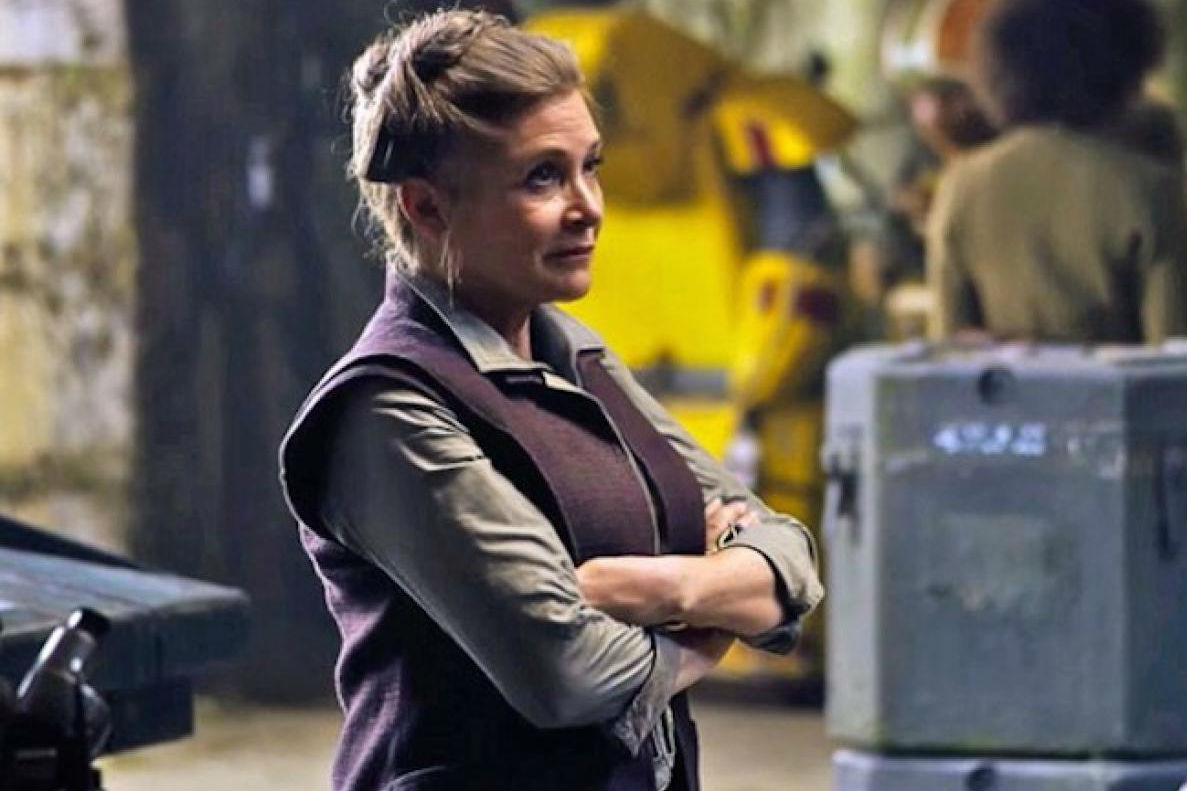
general-leia

On the whole, the tragic passing away of too many people this year, whether famous or personal, reminds us to cherish them and their contributions to our lives as we continue on our journeys.

José Soto

Rogue One: The Most Pivotal Star Wars Film To Date

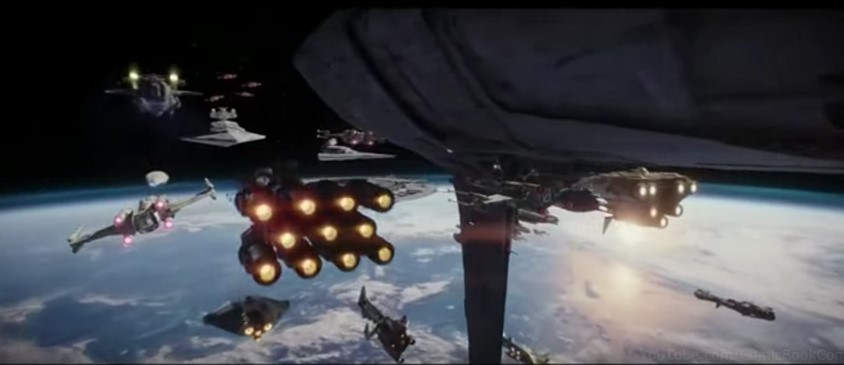
star-wars-rogue-one-characters-names-vehicles The very first Star Wars spinoff film Rogue One: A Star Wars Story is scoring big in theaters and with audiences. Despite its faults, the film is a rollicking success not just in terms of box office dollars but for its many merits. This is critically important considering that a lot was riding on this particular Star Wars film that many do not realize, at first.

Of course, with its Star Wars credentials Rogue One was bound to open huge and have its own core fan base. The question before it premiered was would it not just resonate with fans, but establish its own identity without relying (for the most part) on the central tenets of a Star Wars film: the Skywalker clan, Jedi and Sith, lightsaber duels and some overreaching multi-film storyline. Rogue One is largely self-contained with its main characters making their only appearance in a Star Wars film. So no, you won’t see Jyn Erso or K2S0 popping up in future films. That is a huge gamble for the Star Wars juggernaut since this limits its marketing potential, at least with some narrow-sighted marketing heads.

Pushing The Envelope

Furthermore, as those who have seen the film will agree, this isn’t a typical Star Wars film. There isn’t an opening crawl, the film’s tone is distinctly more mature and feels more like a war film with actual consequences and has many characters with shades of grey. Honestly, this was to the film’s benefit because this shift in tone helped set it apart from Star Wars and pushed the envelope for what can be done with Star Wars in general. At the same time, it is clearly a part of the established Star Wars lore and serves as an important link not just to the Prequel and Original Trilogies but to the animated TV series Star Wars: The Clone Wars and Star Wars: Rebels. Doing this last linkage now establishes both TV series as part of official canon.

ghost-cameo-rogue-one

Storywise, the events in this film were extremely critical to the Star Wars universe. Think about it, the main story is about Rebel spies trying desperately to steal the plans to the Death Star. If they failed there would not be A New Hope. C-3P0 and R2-D2 would never have fallen into the hands of Luke Skywalker. He would never have destroyed the infernal Death Star and set off events leading to the Galactic Empire’s demise.

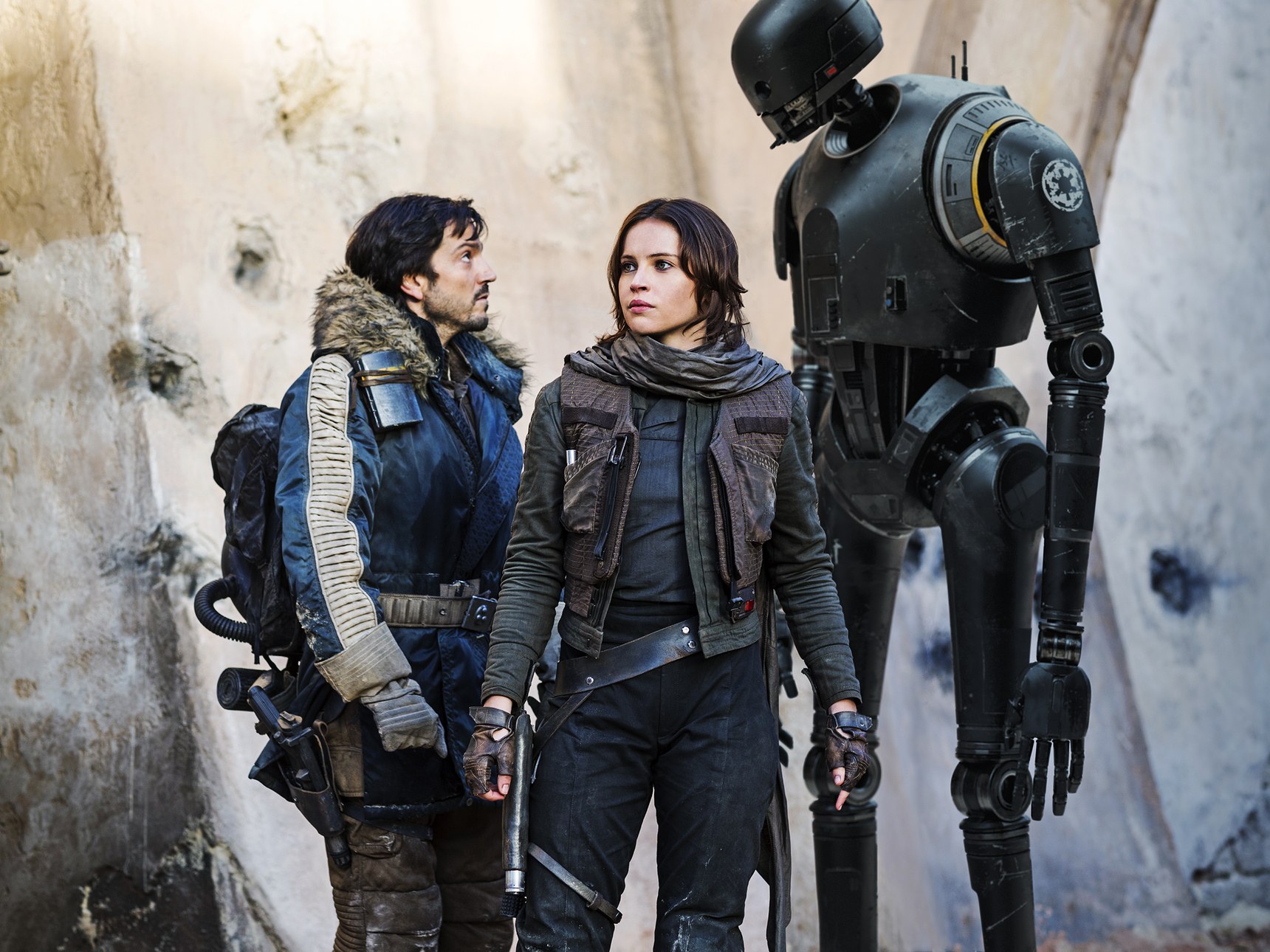
For these reasons, Rogue One was a huge test, a proving ground, for the Star Wars film franchise. erso-andor-and-droidBeing that it is the first spinoff that is quasi-independent of the “Saga” trilogies, there was a question if audiences and fans would accept it. If it failed either in ticket sales or not have excellent word of mouth, the fate of future Star Wars spinoffs would be in question. Of course, Lucasfilm would not abandon the spinoffs altogether, but the film studio might have only concentrated their spinoffs on established characters like Han Solo. The fact that the swashbuckling space pirate is the focus of the next Star Wars spinoffs is evidence that Lucasfilm was hedging its bet and planned on playing it safe in case Rogue One faltered.

Thankfully, Rogue One is a hit, partly because it did not play it safe while at the same time it took advantage of the rich Star Wars backstory. It’s the same formula that worked for the Star Trek spinoffs. The first one, Star Trek: The Next Generation, followed the same premise, a starship exploring the unknown except with new characters. Its success allowed for future spinoffs to try different tones, plots and characters, the best example being Star Trek: Deep Space Nine.

What Lies Ahead

Now that Rogue One has proven that a Star Wars film doesn’t have to rely on established tenets to tell a riveting story that resonates with fans, what other stories can be told? After the Han Solo prequel, there is rumor that an overdue Obi-Wan Kenobi spinoff will follow and at one time a Boba Fett film nearly went into production before its assigned director Josh Trank blacklisted himself with his dismal Fant4stic debacle.

dash-rendarThose films sound intriguing since they’re about popular and intriguing characters with the potential to carry their own films. However, Lucasfilm should take heed of Rogue One’s success and tell stories with new characters and situations. Or adapt popular ideas from other media. Live-action versions of Knights of the Old Republic or Shadows of the Empire would make terrific films. Perhaps, as C.S. Link suggested in his Rogue One: A Star Wars Story review, a film taking place in between Episode IV and V could be done. This concept of filling in the gaps between films or trilogies can be done with several films and there are many questions about what happened after Return of the Jedi and before The Force Awakens that are worth exploring.

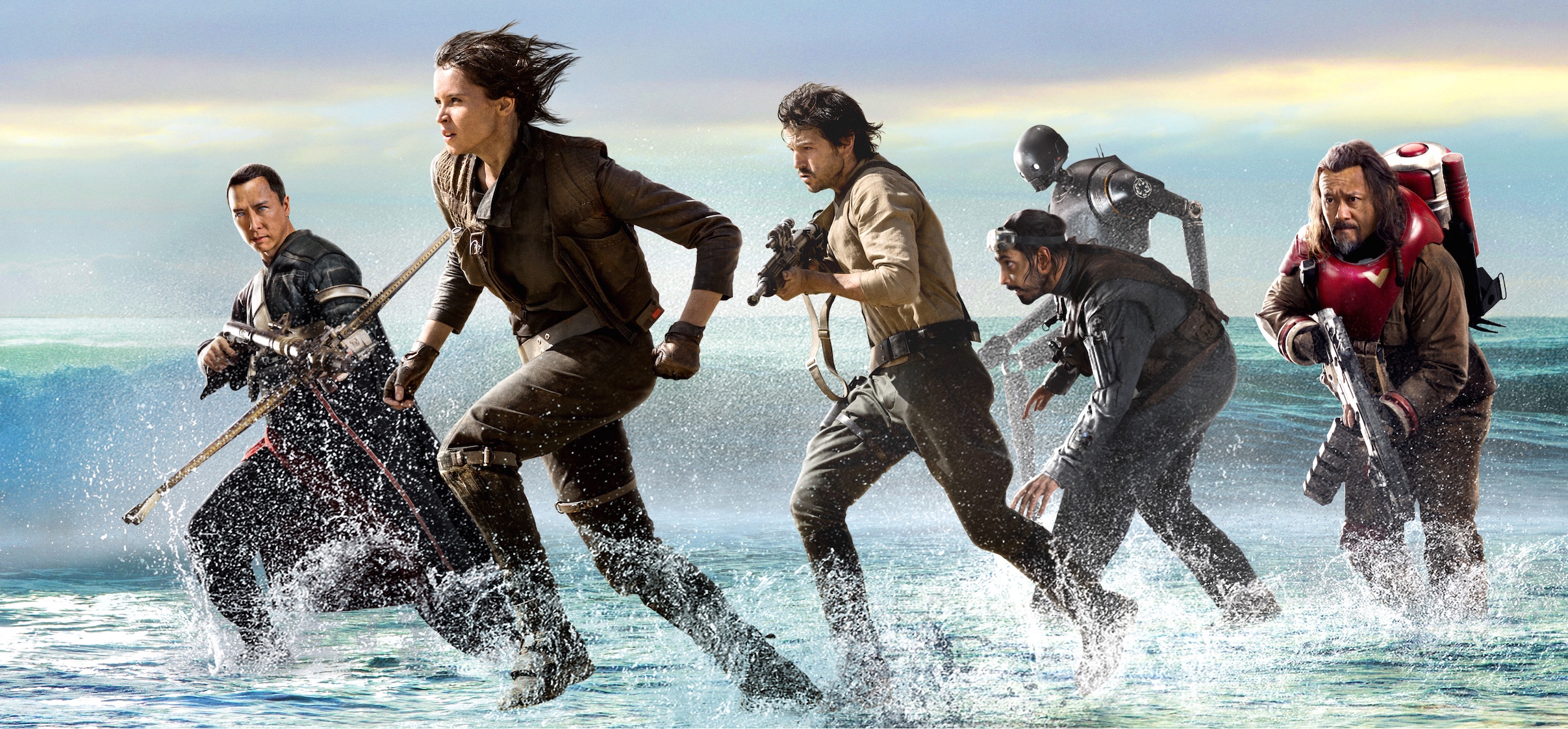
rogue-one-on-the-beachRogue One: A Star Wars Story has opened up many possibilities in future Star Wars films. It passed the hurdle of not relying on classic characters and situations to tell a compelling story. And it liberally and skillfully took elements from other films and TV shows without overdoing it or aping the same story beats and characters. This is why Rogue One: A Star Wars Story is the most pivotal Star Wars film for now.

José Soto

When Legends Meet

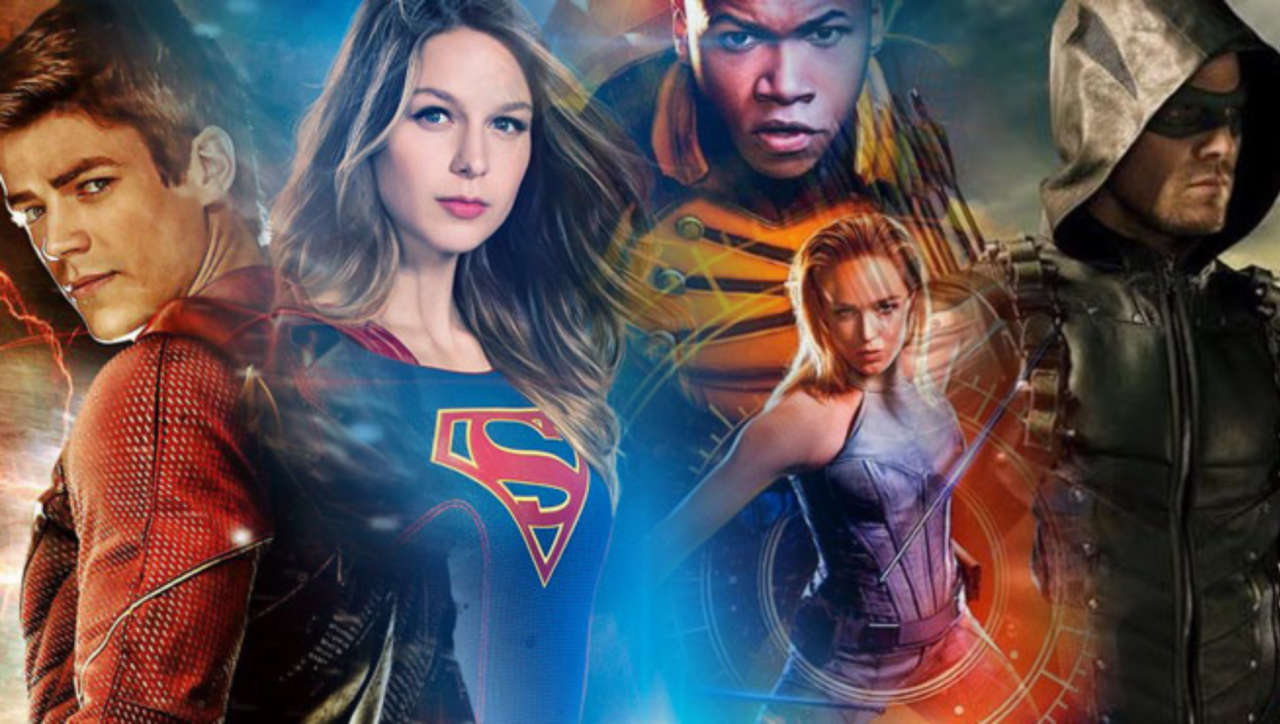
crossover-poster

Editor’s Note: We asked two of our staff writers/geeks, C.S. Link and T. Rod Jones,  to opine on the “epic” four-part crossover event at The CW that covered Supergirl, The Flash, Arrow and Legends of Tomorrow. Here are their quick thoughts.

CSL: Basically, the entire event was a Four(three)-Part crossover. The CW’s crossover event linking its four superhero shows is now over. Overall, I enjoyed the story and interaction between the different characters. But it should be known that the 1st part that started with Supergirl only encompassed the last minute of the show when Barry Allen and Cisco Ramone show up at Kara Danver’s apartment through an interdimensional portal.

TRJ: Yeah, that was kind of a lame way to start off the event. Seriously, the entire story on Supergirl didn’t have anything to do with the main story on Arrow’s Earth. If you’re not a fan of Supergirl (and I’m not), if you skipped the first part, then you didn’t miss anything. Hell, that last minute of Supergirl with Barry and Cisco jumping into her apartment was actually reshown on The Flash the next night! And the worst part is that  during most of the event Supergirl didn’t do much.

CSL: I think the best parts were The Flash and Legends of Tomorrow segments. They both featured good action scenes and showcased creepy looking aliens called The Dominators who seek to eradicate all meta humans from Earth. The Arrow episode was not bad at all, but it mostly took place in a shared hallucination that the aliens subjected Oliver Queen and his friends to. That episode didn’t feel central to the invasion except for the last act.

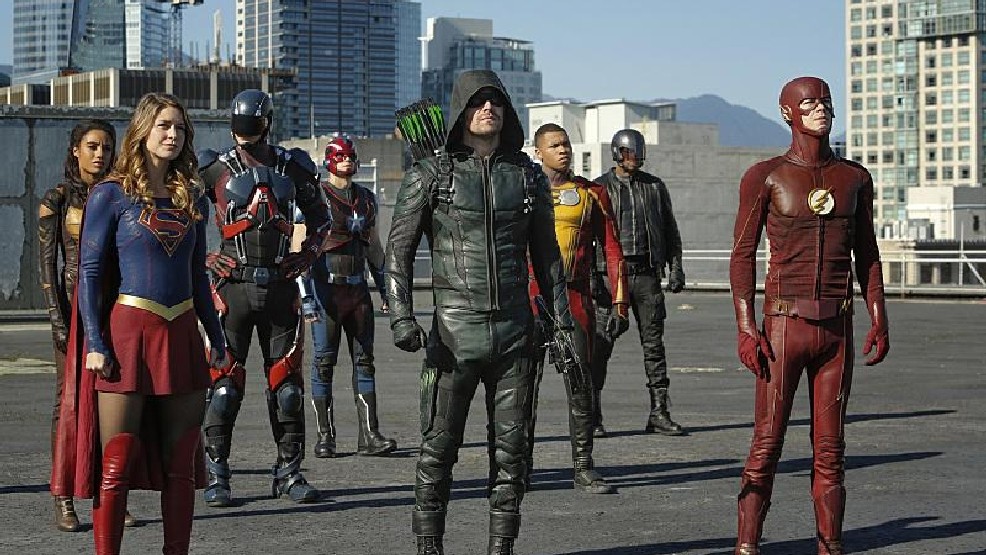
four-part-cw-heroes-event

TRJ: I agree that the Arrow episode felt separate from the event (not as badly as Supergirl though) , but remember this was the 100th episode of Arrow, so in a way that whole group hallucination featuring characters who are or were in Arrow made sense. It was a way to look back at many important events in Arrow’s five-year history. They do this in comics all the time and it worked for me.

CSL: One thing I would have liked to have seen was the aliens invading different parts of the planet and causing havoc. This would have made the threat even more dangerous. As it was, the action mostly took place in locations in each hero’s respective cities. In the end, this was a good start to having the whole CW DC universe come together and seem like a truly shared universe. Hopefully the next crossover event that comes will truly have it span all 4 shows and have an epic feel and consequences to each hero’s show.

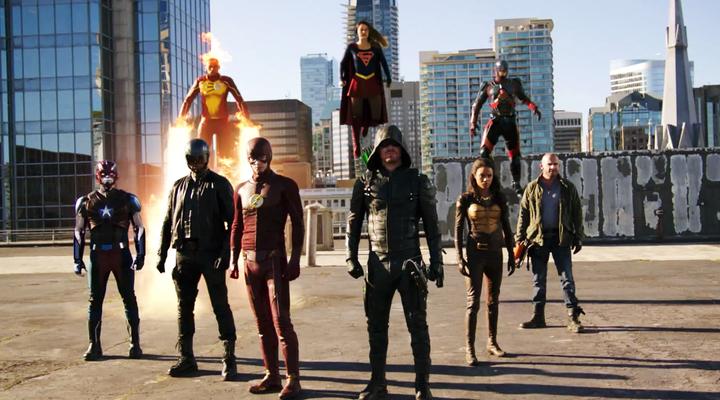
heroes-unite

TRJ: The event only came alive in the last part of Legends of Tomorrow when they all fought the aliens. But we have to wonder why the gang didn’t bring everyone they knew into the fight. Where was the rest of Team Arrow? Why didn’t the Legends go back in time and bring in the Justice Society of America? On that note, why not use future knowledge to defeat the Dominators?

Still, it was great seeing all those heroes fighting those CGI aliens on the rooftop. Some of the Easter eggs were memorable, like how Ray Palmer commented on how Kara looked like his cousin, an obvious tongue-in-cheek Superman Returns reference. The whole event was corny but fun for us geeks.

C.S. Link and T. Rod Jones

Exploring The Ending Of Arrival

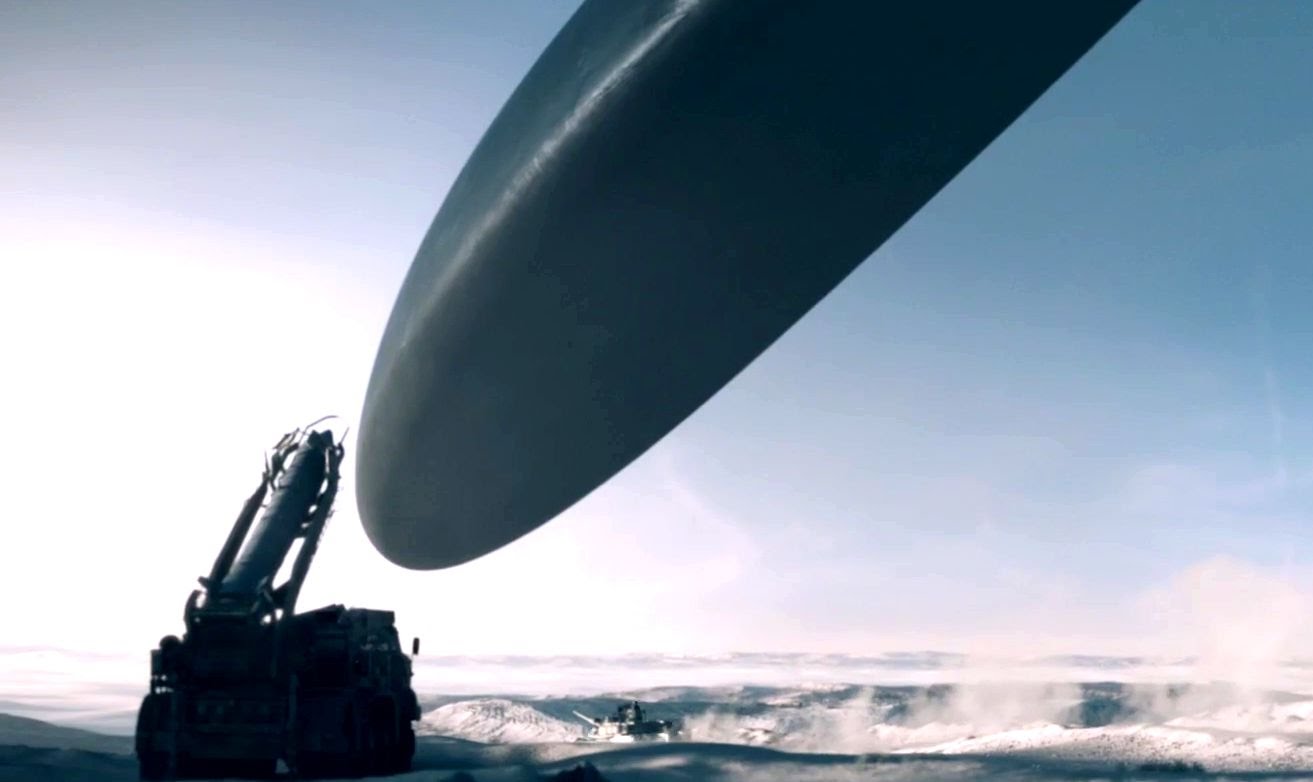
arrival-ship

WARNING: This article will contain huge spoilers about the alien contact film Arrival. Anyone who hasn’t seen it yet should skip what lies ahead….

What set Arrival apart from other sci-fi films about the First Contact scenario had to do with it’s ending, which upended the meaning of much of the film. Throughout Arrival, there were numerous flashbacks regarding the linguist Louise Banks and her young daughter Hannah. We witness Hannah being born, living her young life and dying from a disease. This was done to set up Louise as a tragic figure, but we learn late into the film that these sequences are actually flashforwards. We were actually seeing what happened to Louise Banks after the aliens (heptapods) left Earth.

So why were we seeing these glimpses into the future?

It all goes back to her attempts to communicate with the heptapods. The only way human and alien were able to communicate was through written language. The aliens’ language, which consists of a series of circular inkblots, was quite complex and to understand it, one had to think non-linear. This is because the heptapods do not perceive time as cause and effect like we do…they can see into the past and future. It’s why they came to Earth in the first place. As they reveal to Louise, they arrived to establish relations with us because the heptapods will need humanity’s help 3,000 years in the future. They had the foresight to see that they would need our help and we needed a jumpstart. Hence, their gift to us in the form of their language.

arrival-glass

With the language, a person will be able to perceive time in a non-linear way. This will have a profound effect on how we carry on our lives if we are able to accurately perceive the future. But is this possible?

In the film, it’s mentioned that in order to understand a language, the wiring of one’s brain, so to speak, has to be radically altered. Imagine if that happened when deciphering a language from a completely non-human species. But for humanity to completely understand the heptapods’ language, our minds would have to evolve. So how was Louise able to perceive time differently?

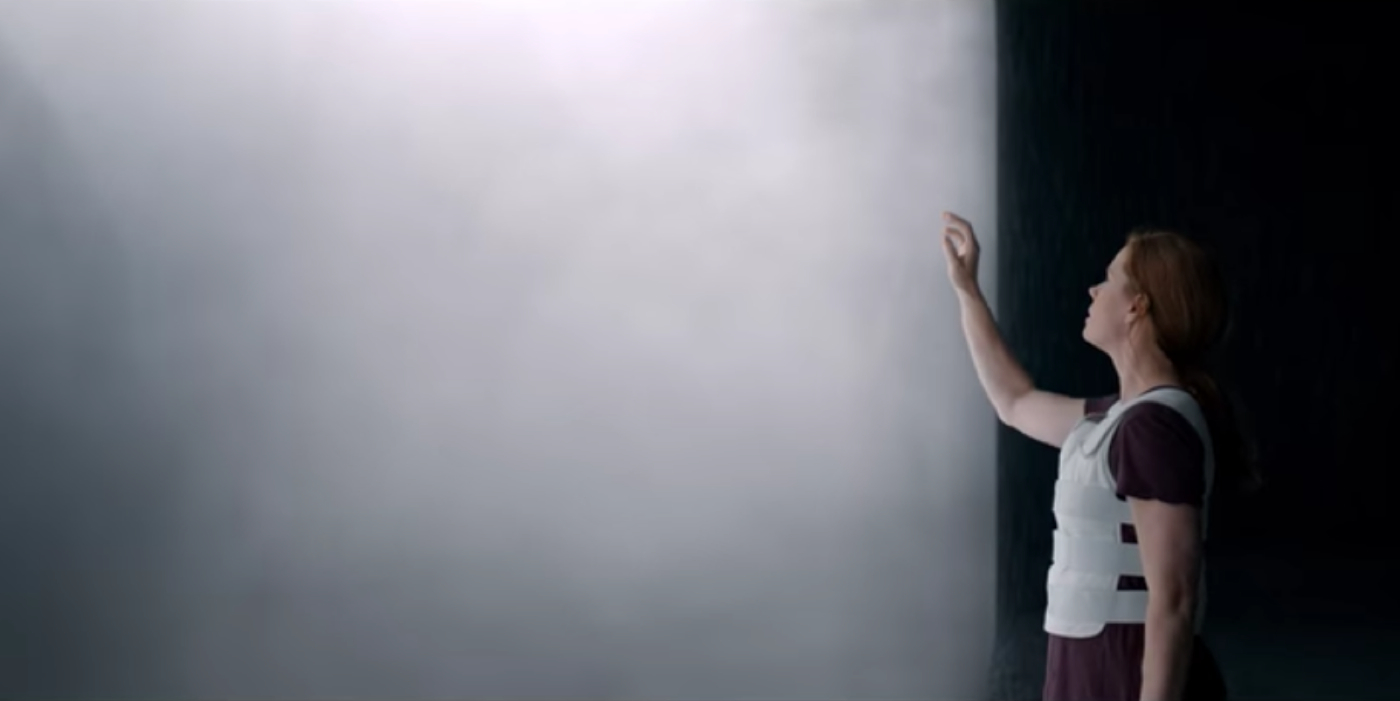
The answer is that she was altered by the heptapod, Costello, when she was brought into the aliens’ ship. It’s established in Arrival that the aliens inhabit an environment that isn’t Earthlike and do not even breath our air. Whenever human and alien communicated there was a glass barrier separating the two environments. However, when the situation turned dire in the final act as the Chinese military was about to attack the heptapods, Louise was brought into the aliens’ environment without an environmental suit. She couldn’t have survived in the inhospitable environment and the only way she could have existed was if they altered her physiology during the transit to their ship. Minutes after she meets Costello face to face she is able to fully see into the future and understands their written language without the aid of computer programs.

That is the true tragedy in Arrival’s ending. While Louise is able to prevent a war thanks to taking advantage of being able to perceive time differently, now she has the terrible foreknowledge of her doomed daughter. She is fully aware that she will give birth to daughter that will die at a young age. This brings up the question of predestination and fate. During Arrival’s ending, she could have made the choice to not let Hannah be born to spare her the suffering.

louise-and-ian

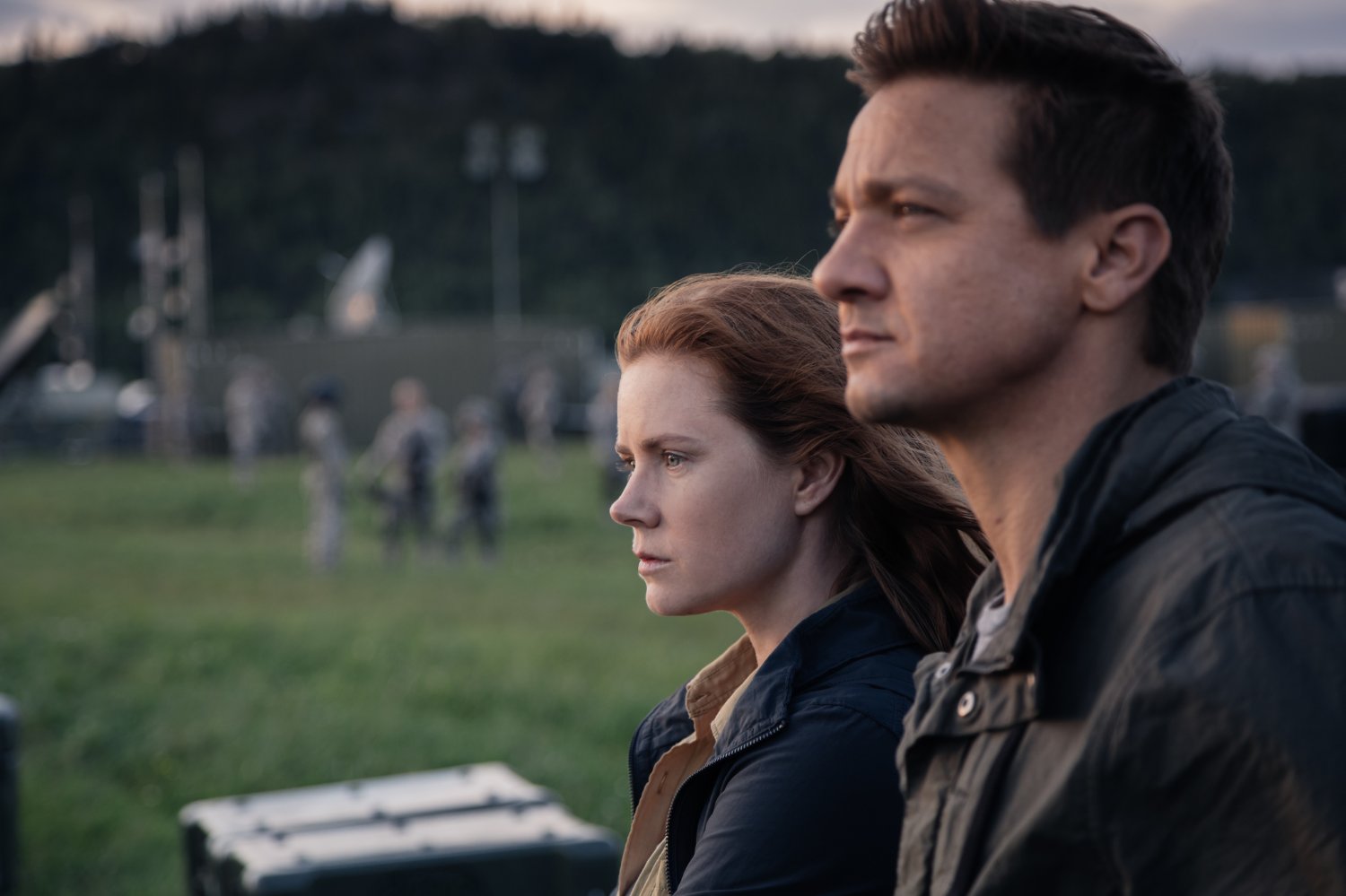
Instead, she gives in to fate and allows herself to love her colleague Ian Donnelly, the mysterious never-seen father of Hannah in the flashforwards. Thus, she sets forth her predestiny and Hannah’s, as well. Why do this? Why not use her ability to find a way to cure Hannah? Perhaps, she was afraid of the Butterfly Effect unraveling the initial contact with the heptapods that could have doomed humanity. It is strongly hinted in the film, that this was why Louise and Ian broke up. This just adds more to the tragic element. Louise knows the pain that awaits her, yet she makes the personal sacrifice for the sake of preserving the future and humanity and in doing so, Louise Banks becomes an even more heroic figure in Arrival.

Lewis T. Grove