Looking Back At Silent Running

Fifty years ago this month, Silent Running was released in theaters. Right away, the sci-fi eco-drama stood out back in the 1970s thanks to its innovative special effects, set design and the ecologically driven storyline that struck chords with environmentalists everywhere.

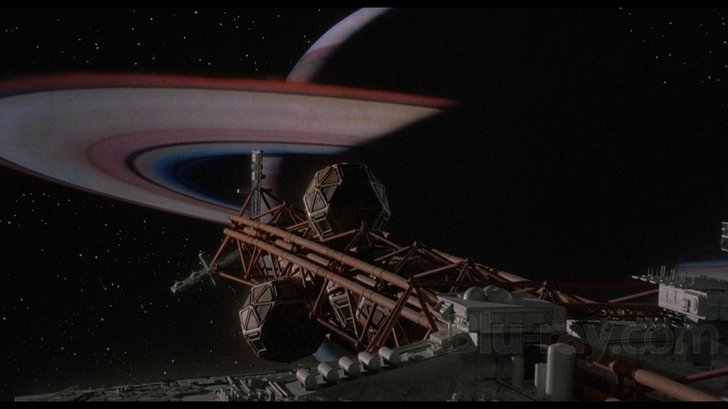
Silent Running takes entirely onboard a spaceship near Saturn called the Valley Forge that serves as an environmental ark for the last remaining Earth ecosystems encased in giant geodesic domes that act as greenhouses.

Freeman Lowell (Bruce Dern) is a botanist and one of the four crewmen who care for the ecosystems, along with a trio of robotic drones called Huey, Louie and Dewey. The crew receives orders to destroy the domes and return to Earth, but Freeman is mortified by the orders even though the others are eager to go back home. During the operations of jettisioning and blowing up the domes, Freeman mutinies, kills his crewmates and hijacks the Valley Forge. With one dome remaining on the ship, Freeman heads out to deep space to continue caring for the last ecosystem with help from the drones. During his voyage, Freeman has to deal with loneliness, guilt and the logistics of caring for the fragile plants and small animals in the dome.
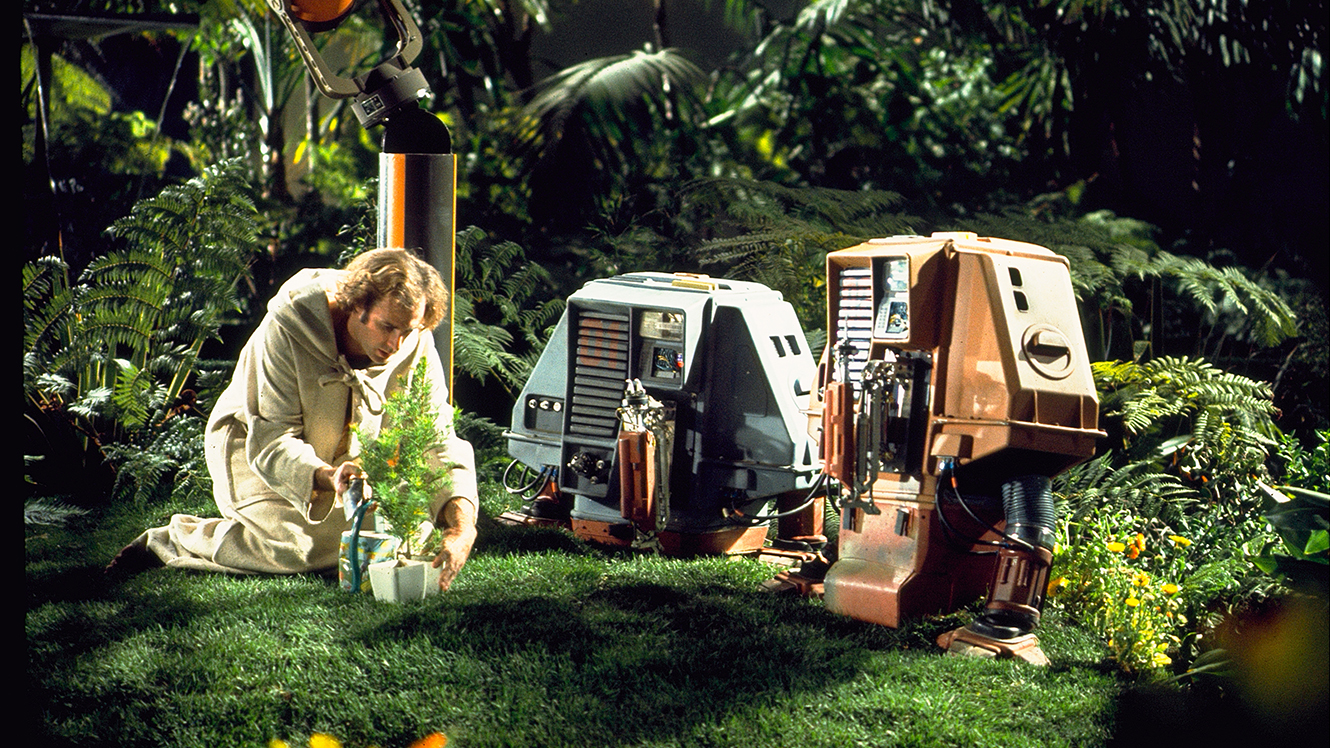
Elevated by Bruce Dern’s passionate and sensitive performance, and superior special effects, Silent Running is a contemplative and quietly emotional film. Despite its short run time and the over-the-top environmental message, the film is quite effective and leaves you thinking about it long after it is over. The late special effects guru Douglas Trumbull made his directorial debut with this film, though the only other film he directed was Brainstorm, which is a shame as he showed a lot of promise as a director. The effects truly stood out from practical effects, such as the drones which were performed by bilateral amputees, to excellent and intricate model work. The footage of the Valley Forge would pop up in other films and TV shows such as the orginal Battlestar Galactica.
Kudos has to go to Bruce Dern who largely spends the film by himself. He was able to project a kinship with the drones who despite not able to speak demonstrated emotions like bravery and loyalty. Of course, he is guilty of murdering his colleagues and his environmental rantings come off as too extreme, yet his passion for the last remaining plant and wildlife is sincere and relatable.

One nagging fault about the film has to do with unanswered questions about the domes and the film’s simplistic script. What exactly happened to the Earth and why was the Valley Forge crew told to destroy the domes and return home? What we know about the importance of plants in our complex enviroment with creating oxygen and food would mean that these domes would not be casually discarded. Did the environmental situation improve on Earth to make the domes unneccesary? In one exchange between Freeman Lowell and his crewmates, it is pointed out that humanity can now duplicate the benefits of plants. Does this mean air and food can now be easily created without vegetation? Based on the level of technology shown in the film, this does not seem likely. Even if this was true, why discard such precious resources so casually? It’s hard to imagine that all of humanity except for Freeman would be fine with this. If a remake is ever made for this film, these issues can be addressed or its premise should be updated given what we now understand about ecosystems.

There is also an unavoidable fault with Freeman’s thinking that honestly makes him out to be a complete fool. At some point, the plants are withering and the botanist spends significant time trying to figure out why, while the cause and solution are quite obvious.
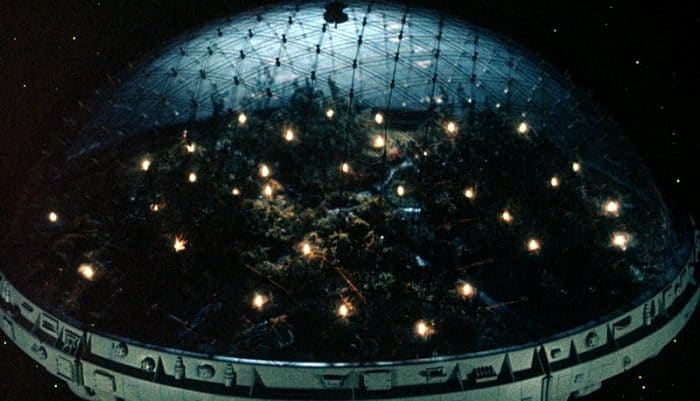
Still, in spite of these lapses in logic, Silent Running truly was one of the best sci-fi films released in the 1970s and should be seen at least once by sci-fi fans. The film is a true gem with resonating message and images. The best example is Silent Running’s very last scene, which is very emotional and serves as a fitting allegory for our own fragile and special planet in the vast cosmos.
“The Most Profound Experience I Can Imagine” William Shatner Goes Where Few Have Gone Before

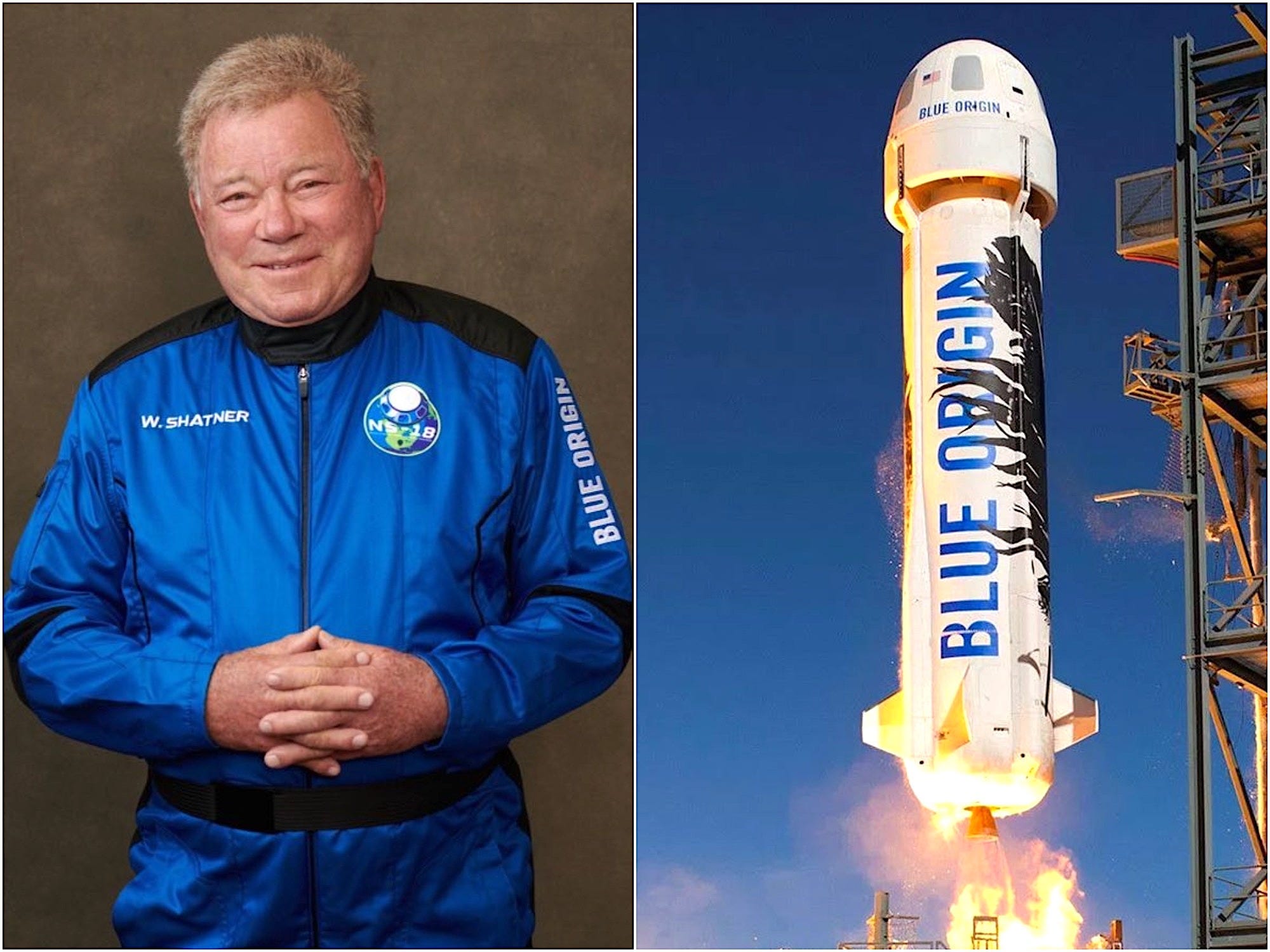
On October 13, 2021, history was made as sci-fi melded with science fact when actor William Shatner became the oldest person to ever go into space onboard Blue Origin’s New Shepard suborbital launch vehicle.

At 90 years young, Shatner is, of course, best known for portraying Captain James T. Kirk, in the original Star Trek and the first seven Star Trek films. The resusable suborbital system was conceived by Amazon CEO Jeff Bezos as a means of commencing space tourism. Bezos invited Shatner to become an astronaut/passenger for the New Shepard’s second crewed voyage, which included three other astronauts/passengers.

Obviously Star Trek and sci-fi fans were excited by the news as finally William Shatner would be able to in a sense emulate the sci-fi legend, who voyaged through space as he commanded the starship Enterprise. Needless to say, what Shatner accomplished paled to Kirk’s feats. After all, the actor simply took a suborbital flight while Kirk traversed the galaxy as if it was nothing. Yet Kirk appreciated the situation he was in, to explore and witness what few or none have before. Now, Shatner, too, was able to have as what he said was “the most profound experience I can imagine.”

Originally the flight was to take place on October 12, but was delayed due to weather. During pre-takeoff, it was clear that William Shatner was nervous about his flight and made no secret about his ambivalence. Still, he went through with the flight and was taken aback by the experience.

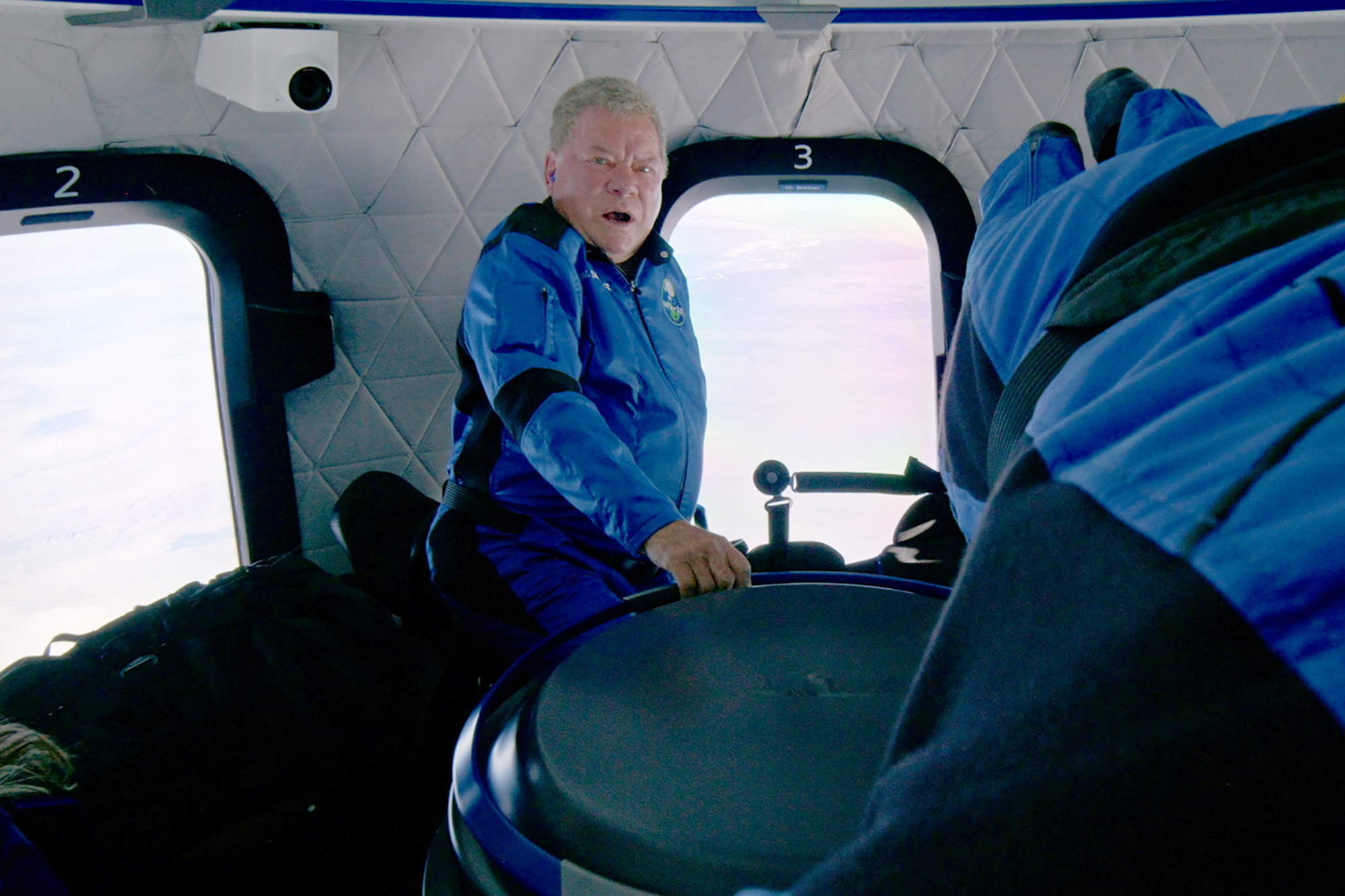
The New Shepard launched from Blue Origin’s launch site in West Texas at 10:49 a.m. in a short suborbital trajectory that was similar to astronaut Alan Shepard’s first suborbital flight in 1961. The capsule that Shatner and the other three astronauts were in only remained in suborbit for about 11 minutes before it descended back to Earth. Still, that so-brief voyage left a grand impression upon Shatner and his companions.

Once he landed and was greeted by Bezos, William Shatner gave a moving and visceral description of his journey and how it deeply moved him. “I hope I can never recover from this. I hope that I can maintain what I feel now. I don’t want to lose it.” Shatner confessed as he recounted his short voyage 65 miles above the planet.

Some will argue that the event was a publicity stunt for the very rich and that the cost of the flight could have been better used down at Earth. But these trips illustrate the potential of space toursim and open it up to everyday people who are not scientists or engineers. William Shatner’s journey to where few have gone before was truly inspiring and an excellent way to boost space tourism. He pointed out that observing Earth from afar made him appreciate how fragile and beautiful our world is and how it should be cherished. He also added that everyone should experience to see Earth in a new way. Many other space voyagers described a similar feeling and how it made them protective of our planet. Perhaps if more people experienced what the very few have then it could inspire them to take measures to protect Earth.

Eventually, space tourism will become more affordable and attainable for many people to the point that it can become as routine as taking a flight on an airplane. Shatner’s experience and the way he eloquently described it are excellent ways to promote space tourism and inspire countless others.

So, what next? Will Patrick Stewart be invited for a future flight or antoher Star Trek actor? How about Mark Hamill, Sigourney Weaver, or any other prominent sci-fi actor? How about prominent sci-fi visionaries, such as George Lucas or James Cameron? It’s easy to imagine Cameron staying in orbit to film his next sci-fi blockbuster. They could, as Shatner demonstrated, be the best ambassadors to motivate others and who knows? Space tourism could soon become commonplace. Anyway, no matter what, it was a blast to see a small measure of science fiction becoming reality as we can now envision what it is like for Captain Kirk to be in space as the actor who helped create the character took that next step into the final frontier.

José Soto

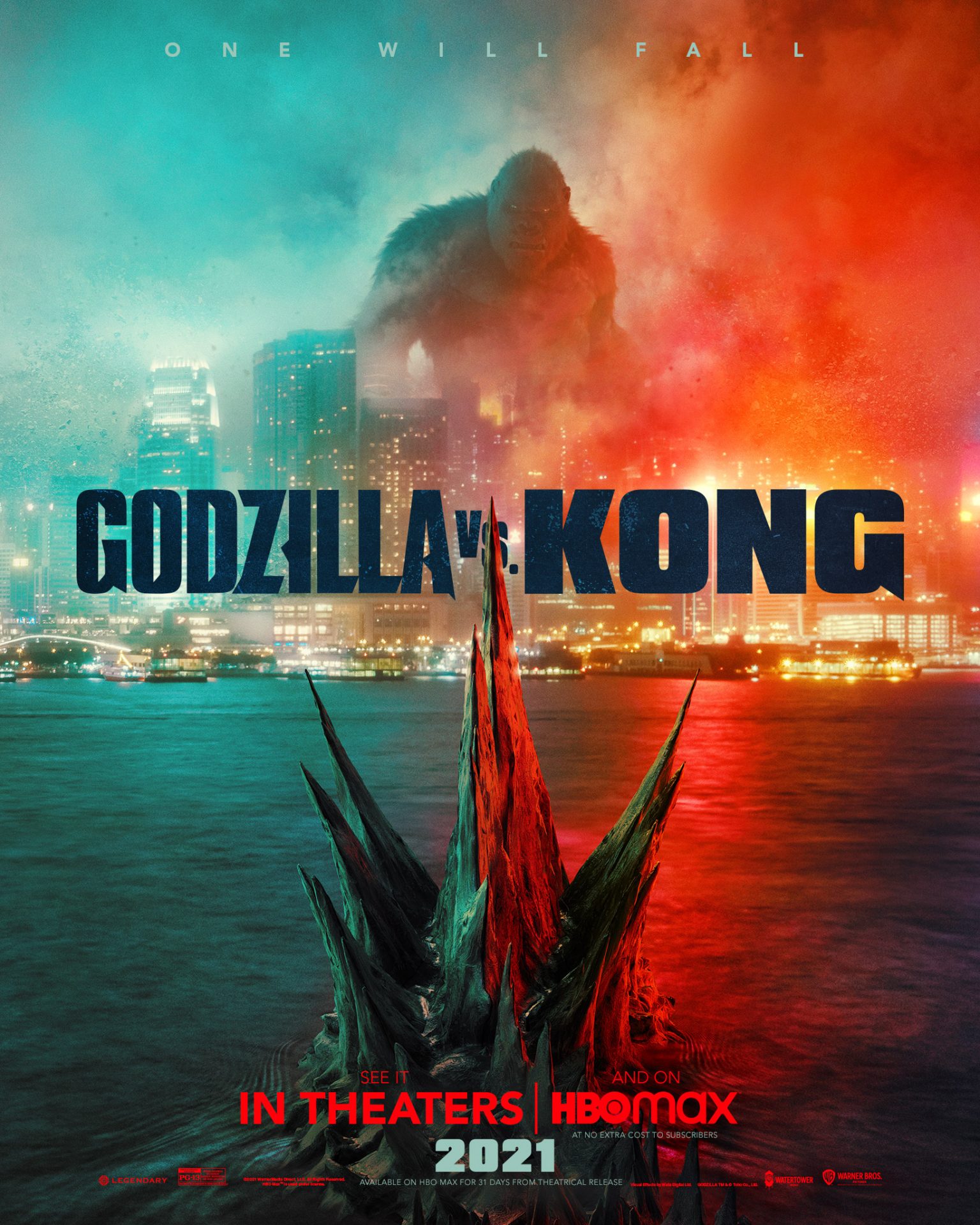
Godzilla Vs. Kong Is The Epic Clash We’ve Been Waiting For!

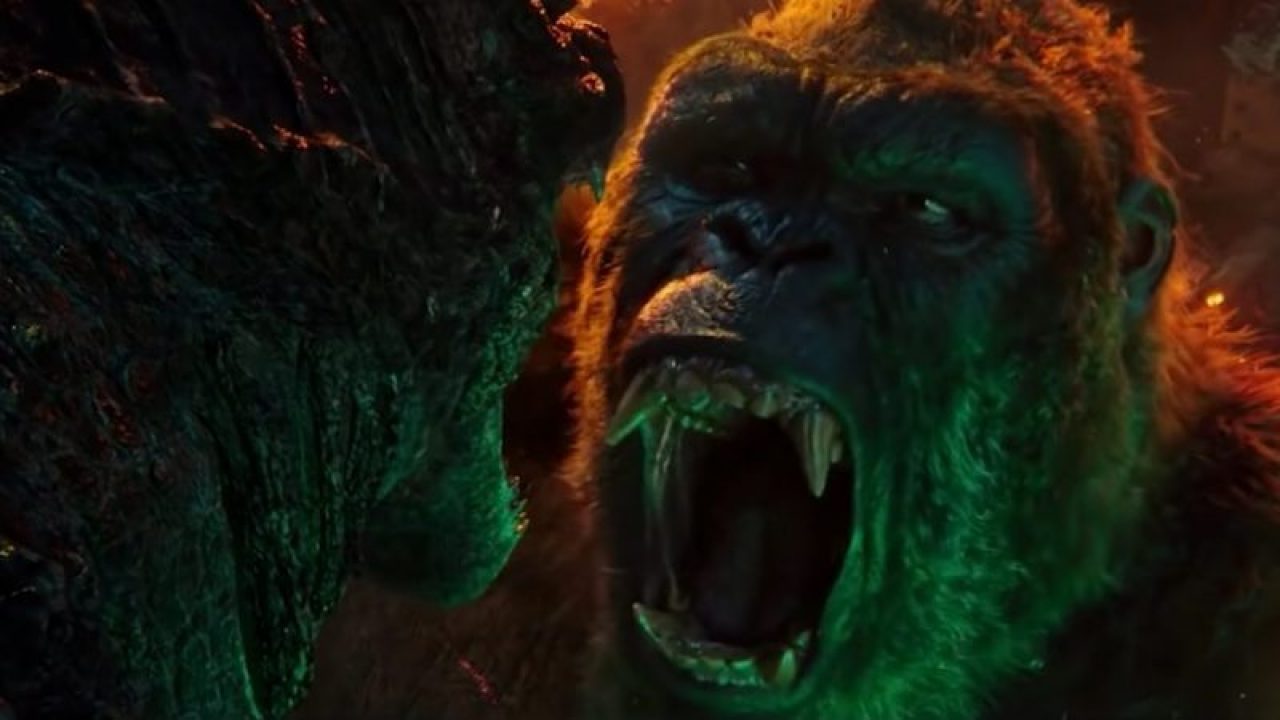
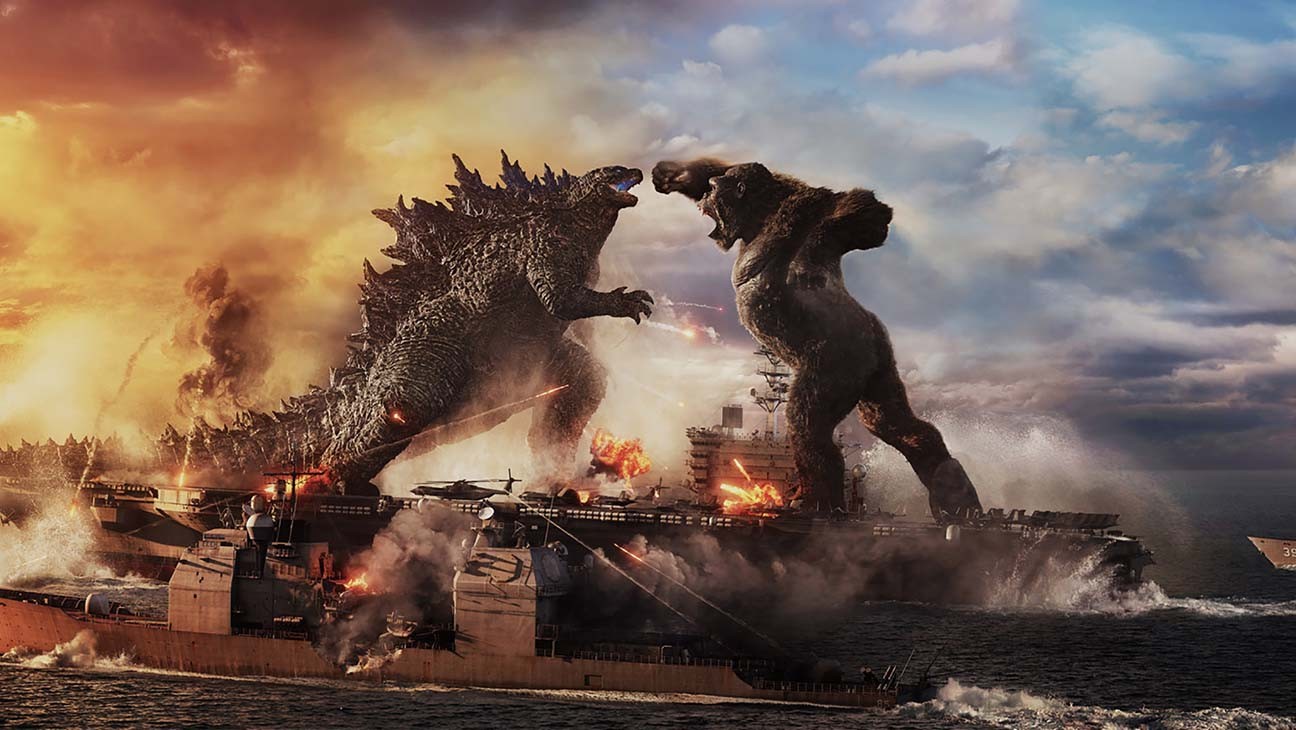
Ever since Godzilla and King Kong have made their way into recent films with modern fx technology we’ve been wating for the inevitable clash between these two legendary titans. Fans had their dreams answered with the new take of Godzilla vs. Kong, and boy does this film deliver!

First of all, let’s be clear. Godzilla vs. Kong is not Citizen Kane or even Blade Runner. It does not feature any deep, meaningful storylines or characters, it just gives viewers a classic slugfest between the two iconic film legends. What characters there are only exist to provide brief explanations, theories and to move the plot along. It is clear that Legendary Entertainment has figured out that from Godzilla, its first entry in their Monsterverse cinematic universe, that audiences have little patience for human drama in these films and only show up to see detailed and powerful battles between giant monsters as they destroy their landscapes. The fourth Monsterverse film wisely, depending on your point of view, puts aside human drama and intricate plots and just sprinkle these elements to service the film and give the giant monster legends a reason to fight.

The film begins with Godzilla unexpectedly showing up off the coast of Florida and decimating the location of Apex Cybernetics. While the world believes the mighty Alpha Titan has gone rogue, there is more to his attack. At the same time, the other Alpha Titan, Kong is introduced as being held inside a massive dome on Skull Island that recreates his primordial kingdom. Apparently at some point before this film, he was captured and placed there to protect him from Godzilla, who would otherwise seek out Kong and battle him since he is a competing Alpha Titan. But Kong wants out of his gilded cage and is somehow able to communicate with Jia (Kaylee Hottle) the young, deaf daughter of Ilene Andrews (Rebecca Hall), one of the many scientists studying the giant gorilla. Ilene meets another scientist, Nathan Lind (Alexander Skarsgard), who wants to use Kong to lead his team into the Earth’s core. Lind believes in the Hollow Earth theory, which he thinks is the home of the gigantic titans and the source of a new kind of energy.

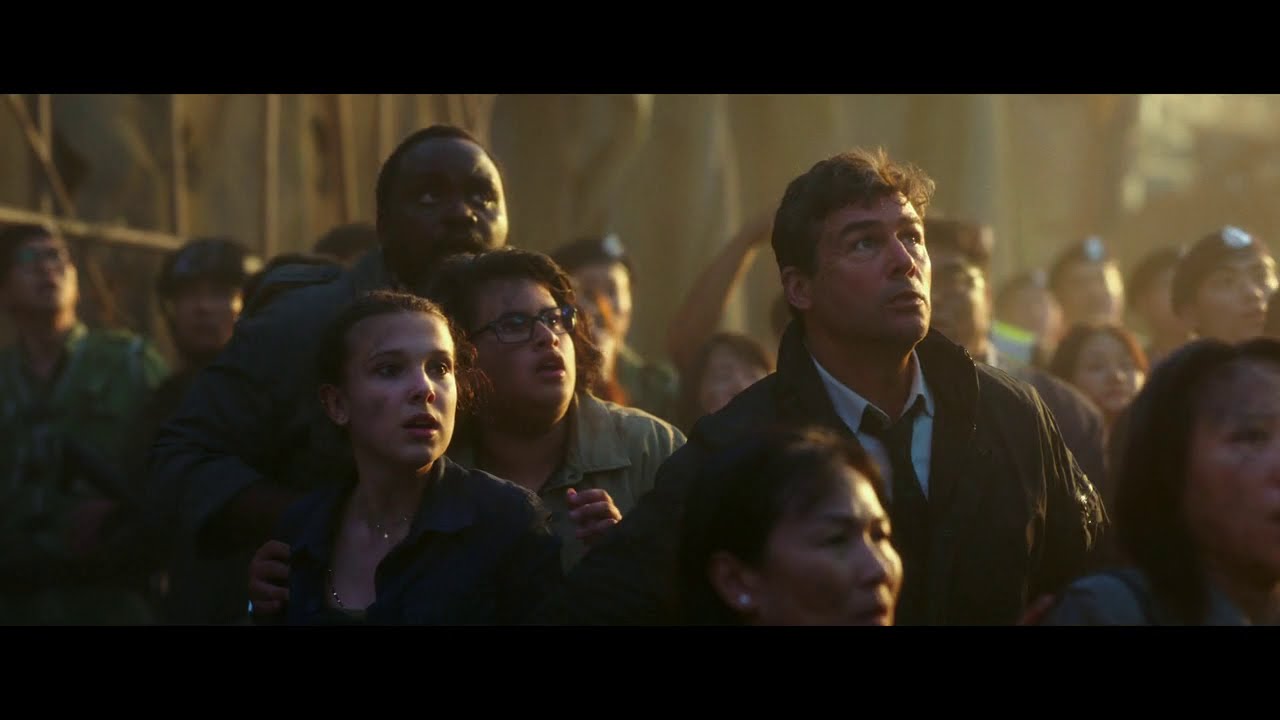
At the same time, Madison Russell (Millie Bobby Brown reprising her role from Godzilla: King of the Monsters), her nerdy friend Josh Valentine (Julien Dennison), and Bernie Hayes (Brian Tyree Henry), a conspiracy podcaster find out that Apex is also interested in exploring the inner Earth and obtaining the energy source. How does this relate to Godzilla and King Kong and other kaijus that pop up? Watch the movie to find out.

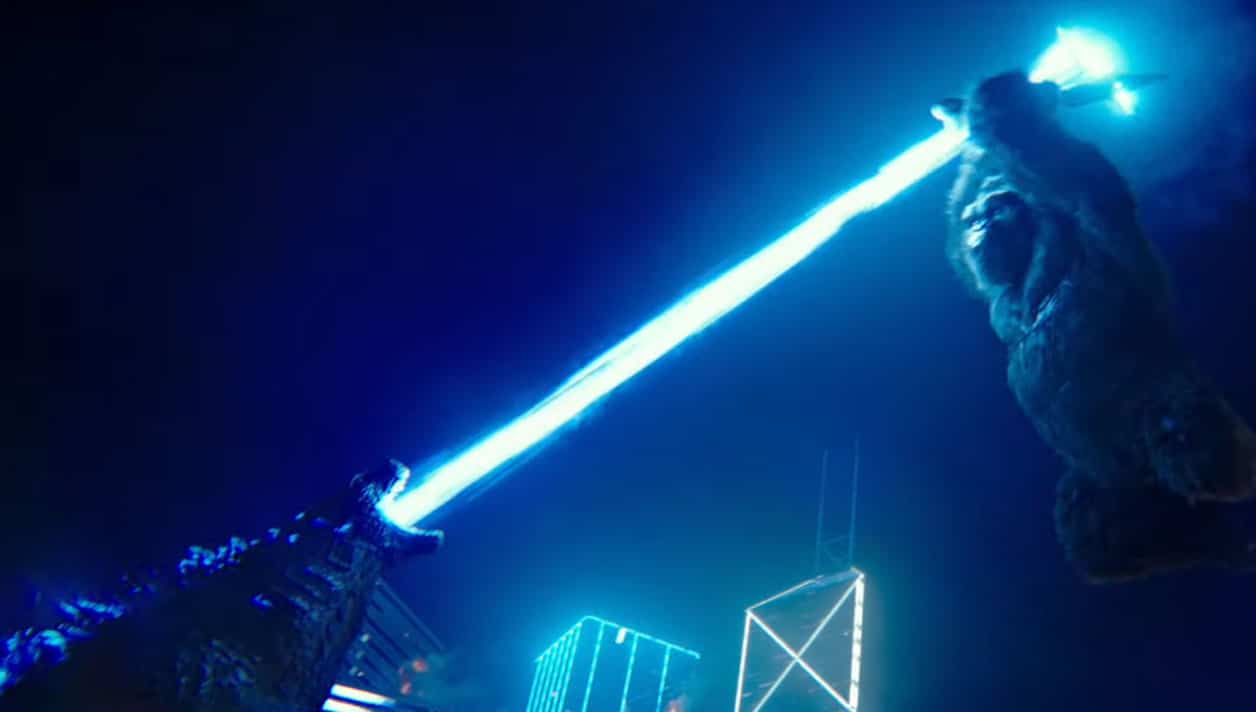
Actually, the threadbare plot is nonsense and is not fully explained, but who cares? It’s just a means to get the two giant kaijus to duke it out. Director Adam Wingard delivers the goods when it comes to epic clashes. Godzilla vs. Kong lovingly revels in beautifully choreographed shots of massive battles between the titans and other creatures. Modern cities are just a playground for these giants to stomp around in and destroy during their battles as humans can only do their best to get out of the way.

Keep in mind, that despite the film’s thin plot and underdeveloped characters, the actors give it their all and keep things moving at a fast pace to the point that we don’t mind the human interludes in between monster scenes since every human interaction directly deals with either Kong or Godzilla. This actually helps inect some personality into the monsters, especially Kong. In reality, this is more of a Kong film with Godzilla as a feature character who pops up to challenge the giant ape throughout the film. The result is that Kong has more character than expected and is placed in unique situations that is outside of what is often given to the screen legend. Not only does this reveal that Kong is far more intelligent than we thought, but he’s humanized to the point that even if you are on Team Godzilla you can’t help but root for him during critical moments in the explosive battles. Honestly, it was hard to pick a side, Team Kong or Team Godzilla, as we have reasons to root for both monsters who get their standout moments and demonstrate why they are the kings of their domains.

Needless to say the film’s stunning visuals alone are worth taking a chance to see in theaters. Of course, only go to a theater if you are fully vaccinated since you can’t tell beforehand if you’ll be stuck in the theater with selfish maskholes! Otherwise, be sure to stream this in the best home theater environment possible because Godzilla vs. Kong is a pure delight for kaiju and action fans.

Godzilla vs. Kong is the culmination of nearly a decade’s worth of Monsterverse films and is, at the moment, the final film in the Monsterverse. Hopefully, being that the film has captured the imagination of so many and is being well received despite its faults, maybe we can revisit the Monsterverse since there is more to explore, especially with King Kong.

José Soto

Of Love And Monsters

Love and Monsters was released last month through video on demand and had a limited theatrical release. Like practically every film since this spring, it too could not get a widespread theatrical release because of the coronavirus. It’s a shame since this extraordinary film deserves much more attention, though positive word of mouth might elevate it to cult status sometime down the road.

love and monsters dog

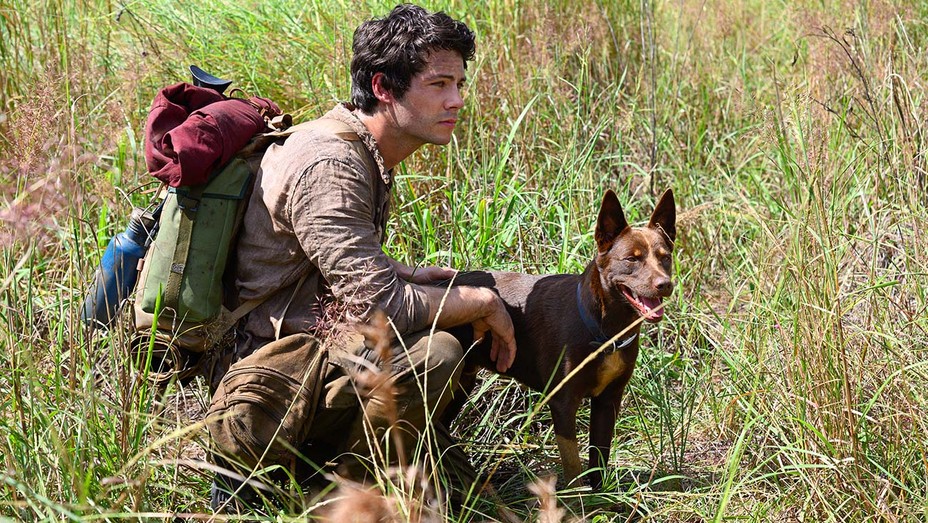
In a nutshell, Love and Monsters stars Dylan O’Brien as Joel Dawson, an insecure twentysomething doing his best to survive during a giant monster apocalypse, all in the name of love.

As told in the film’s opening segments, years ago, a giant asteroid threatening Earth was destroyed with missiles, but the fallout mutated Earth’s cold-blooded creatures into gigantic monstrosities that essentially destroyed civilization. Now what is left of humanity ekes out meager existences in underground shelters and bunkers, and do their best to avoid the bloodthirsty critters that have claimed the surface world.

Joel pines for his lost love, Aimee (Jessica Henwick), who was forced to separate from him years ago. Recently, he tracked her down at a colony over 80 miles away from his own and he decides to risk it all to reunite with her. The only problem is that Joel lacks basic survival skills and somehow has to find a way to make it through the deadly surface landscape without being eaten.

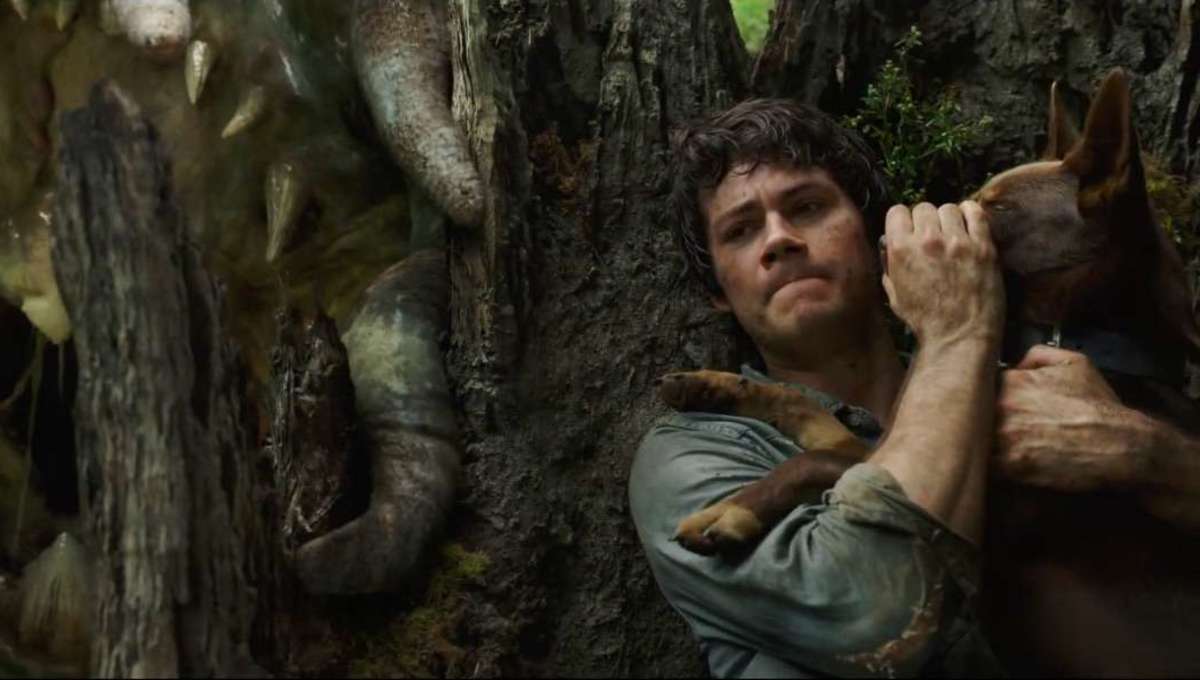
Along his voyage, he comes across a handful of memorable characters. These include a loveable dog called Boy, which quickly bonds with Joel, a broken robot Mav1s (Melanie Zanetti), and a scruffy but friendly survivor Clyde (Michael Rooker) and his spunky companion, a young girl named Minnow (Arianna Greenblatt). They help Joel out and teach him how to survive in the rugged landscape by using his wits and valuable survival skills.

Naturally, Joel and Boy face many dangers, some of which are genuinely creepy and tense, but he discovers his own potential as he grows during his journey. Sure, it seems implausible that Joel could have survived for years in the giant monster apocalypse without having basic survival skills, but his emotional journey was quite satisfying to watch.

Love and Monsters is such a pleasant surprise. It is not a dire, dark film, but it is still boasts its fair share of thrills. By the way, the creature designs are very imaginative and unique. The best way to describe the many monsters Joel and the others encounter is to think of those creepy pit creatures from Peter Jackson’s version of King Kong.

Yes, thanks to its lighter tone, Love and Monsters can be compared to Zombieland, though it is not as funny. Still, it does have a lot of heart, has charming characters and it is easy to tell everyone involved from the actors to the production crew to the writers (Brian Duffield and Matthew Robinson) and director (Michael Matthews) gave it their all. The result is a satisfying giant monster film with a ton of heart.

In fact, the film strikes and inspirational tone with its message that although a situation may be dire, it is possible to overcome it and thrive. In some strange way, Love and Monster is somewhat relevant to our current situation by demonstrating the pluck nature of humanity will overcome obstacles, which in the film’s case are giant monsters.

José Soto

SpaceX Heralds Humanity’s Next Step In Space

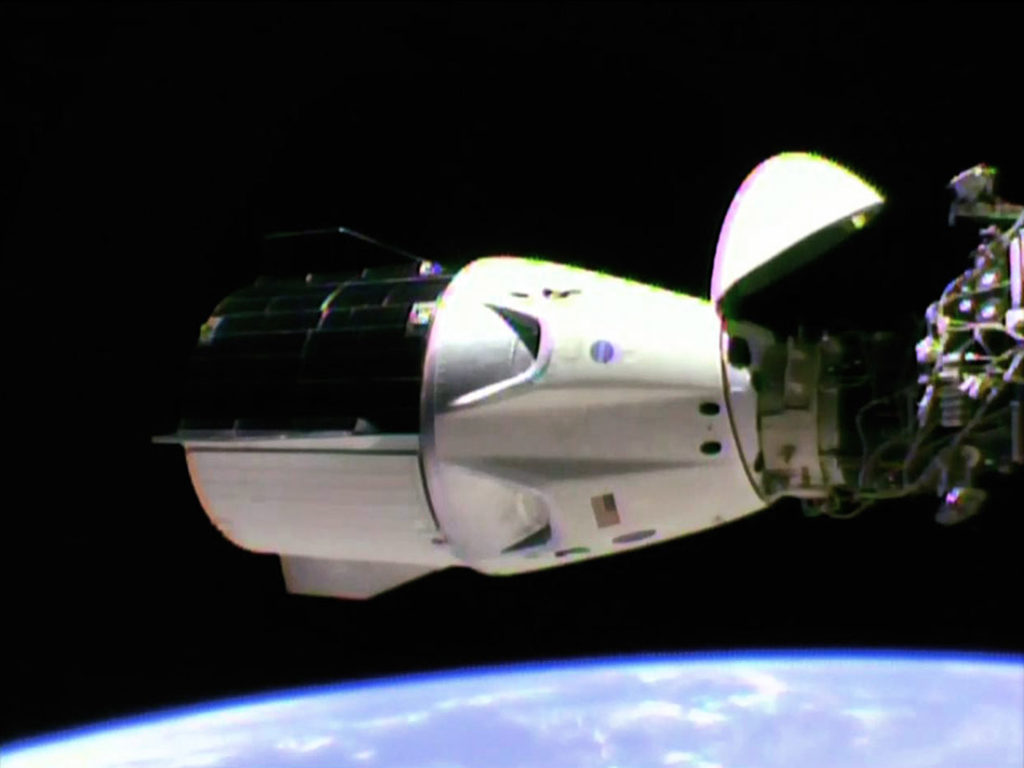
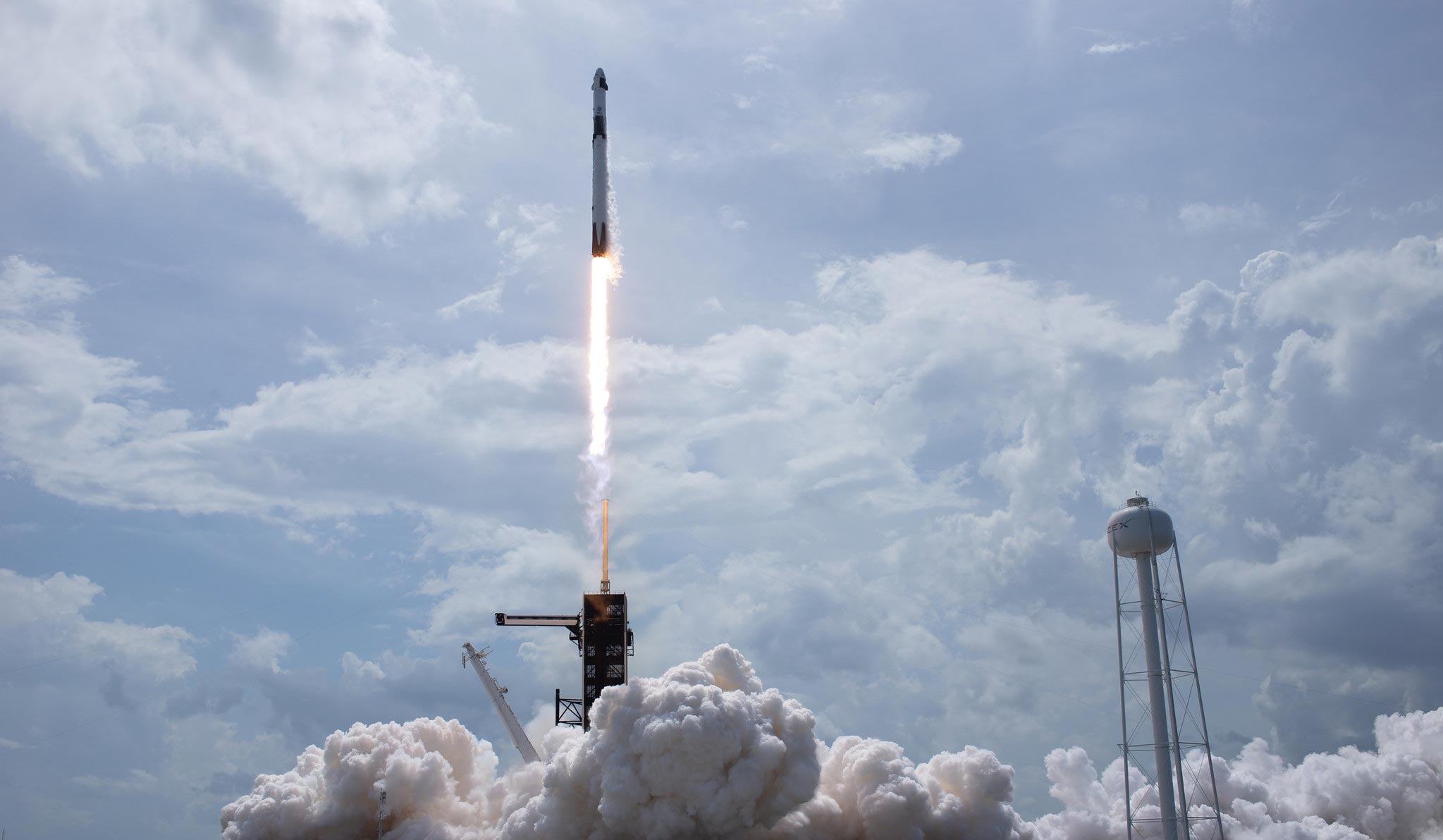
On May 30, 2020 3:22 pm, EDT, the private company SpaceX successfully launched from the Kennedy Space Center a crewed space capsule into space. The capsule, named Dragon, docked today with the International Space Station and made history as the newest generation of reusable spacecraft to enter service.

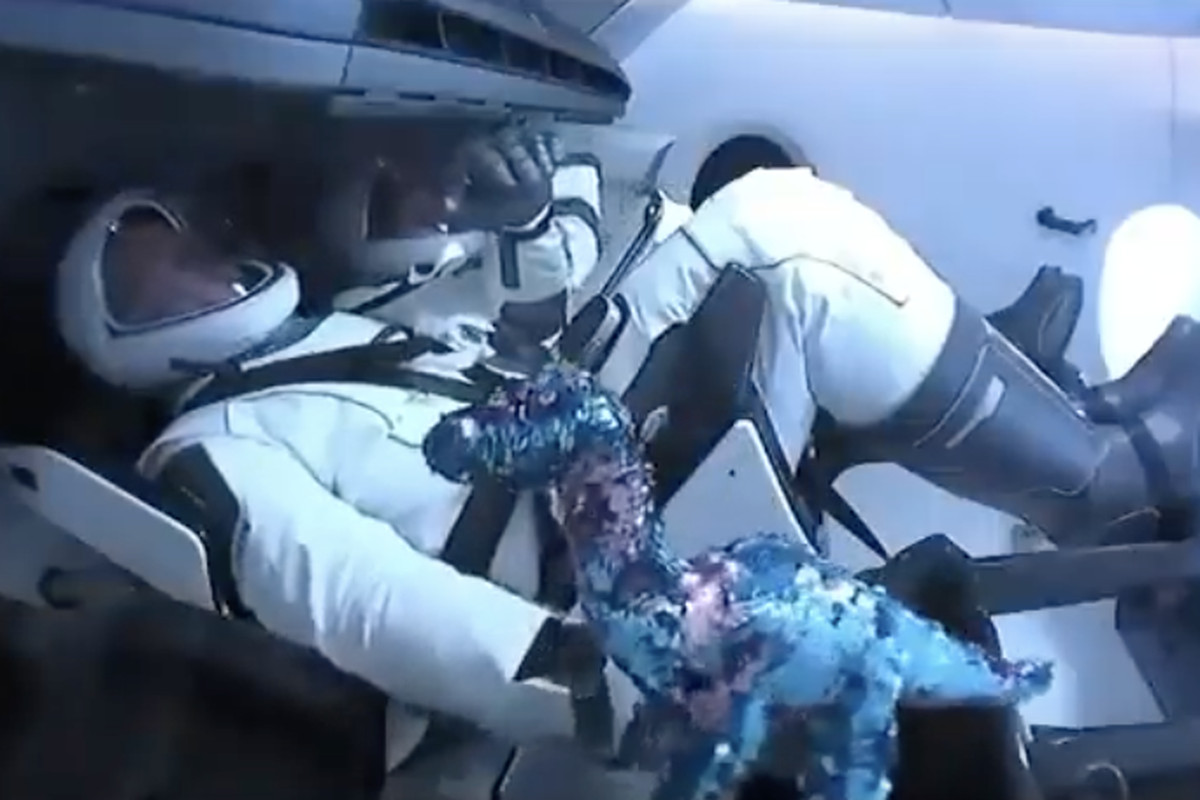
The Dragon is light years ahead of the old Apollo space capsules, the retired space shuttles and the Soyuz space capsules with its many automated and updated functions. For instance, its docking with the International Space Station was fully automated with its crew, astronauts Doug Hurley and Bob Behnken, seeming to be more like passengers though they are capable of assuming manual control if needed. SpaceX’s rocket, the Falcon 9, which launched the Dragon into orbit is also revolutionary in that it is resusable and successfully landed back on Earth after separating from the space capsule after the Dragon achieved orbit. The reusable feature of the Falcon 9 is literally something out of an old pulp sci-fi tale which featured vertical rockets taking off and landing.

The successful test of this spaceflight marks the first time a private company was able to launch and operate spacecraft with humans into space. This also heralds the next step into space exploration. As many know, the company’s CEO, Elon Musk, has an ambitious vision to turn humanity into a true space-faring race with plans to land humans on Mars during this decade and establishing a colony on the red planet. Yesterday’s launch of the Dragon is just the first step in Musk’s grand scheme.

But in order to get to Mars and beyond, Elon Musk and NASA had to prove the SpaceX program was feasible. After the space shuttles were retired in 2011, the United States had to rely on Russia to ferry its astronauts to and from the International Space Station until a replacement vehicle for the space shuttles were built. It was determined it would be more expedient and cost effective if private companies developed and built space vehicles and the result was the Commercial Crew Program. The idea was that competition between companies encouraged innovation and cost savings and would free NASA to focus on deep space exploration. At the same time, the Commercial Crew Program enables NASA to be less reliant on Russia and other nations as companies handle routine orbital operations, such as ferrying crew and supplies to the International Space Station.

Of course, this test cannot just be a one-off. The resuable spacecraft needs to repeatedly and safely launch from the Kennedy Space Center and return to Earth. There will be mishaps and setbacks, such as when the SpaceX prototype rocket, Starship, exploded on May 29 in Texas during a test. For now, SpaceX will concentrate on ensuring the Falcon 9 and Dragon can become a workhorse in the same way the space shuttles were. It is also certain that repeated success will allow SpaceX and NASA to push the boundaries and embolden both to return to the Moon and beyond.

It was certainly heartening in spite of recent crises like the COVID-19 pandemic and riots, humanity is able to demonstrate the ability to rise beyond such strife and take its place among the stars with these next steps.