De-Extinct Dire Wolves: We’re One Step Closer To Jurassic Park

The news about the dire wolf being de-extinct came very suddenly and surprisingly yesterday. The idea of using biotechnology to bring back extinct animals had been the stuff of many imaginative sci-fi stories, notably with Jurassic Park and the films the novel inspired. The announcement by Colossal Biosciences that they actually revived an extinct species now made a science fiction concept a science fact.

The method behind the de-extinction was fairly straightforward. The company extracted DNA from a fossil skull and tooth of dire wolves and was able to analyze the genome. After that, Colossal Biosciences used gene editing on the cells of a gray wolf to create dire wolf embryos and implanted them into a surrogate dog.

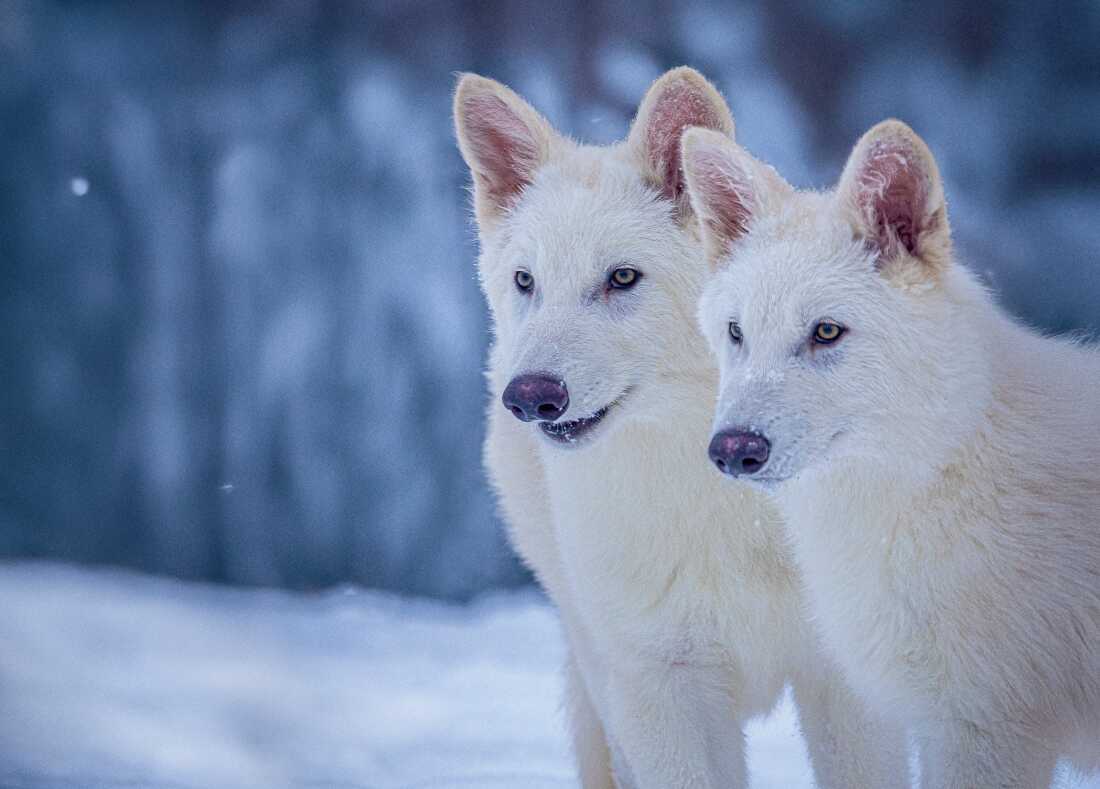
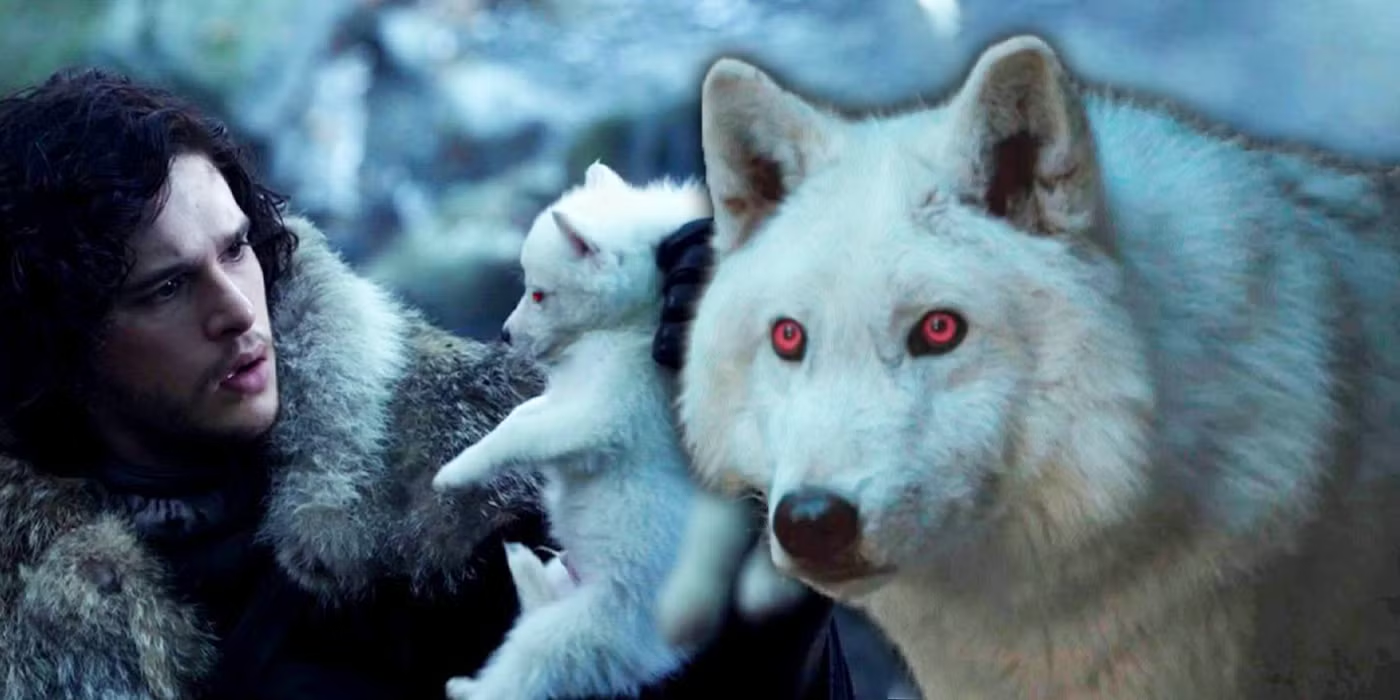
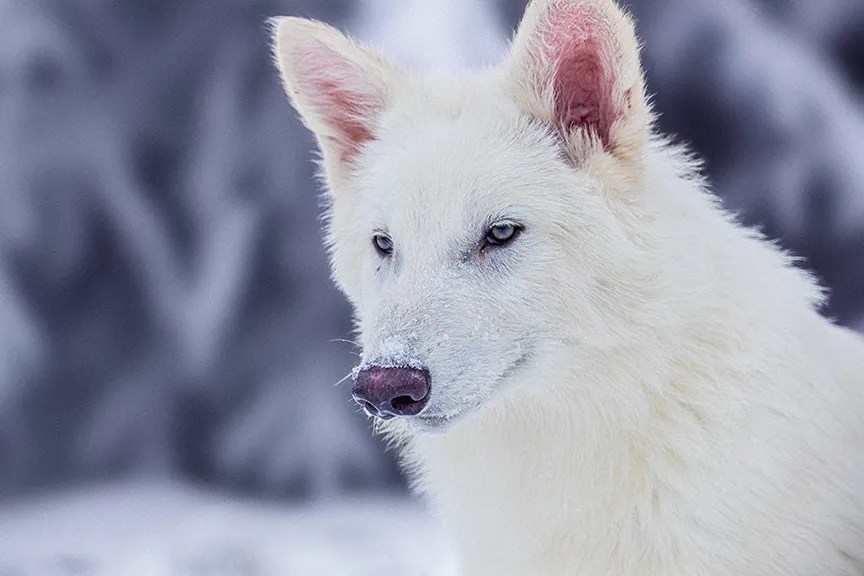
The first two dire wolves were born on October 1, 2024 and named Romulus and Remus, and a third one, named Khaleesi, after the Game of Thrones character, was born two months ago. As the pups grew their different physical characteristics from gray wolves were undeniable. Sporting distinctive thick white fur, unusual vocalizations and larger body proportions they still exhibited wolf-like behavior such as stalking, hunting and howling. Fortunately the trio are healthy and kept safe in a private, undisclosed nature sanctuary where they could live in peace.
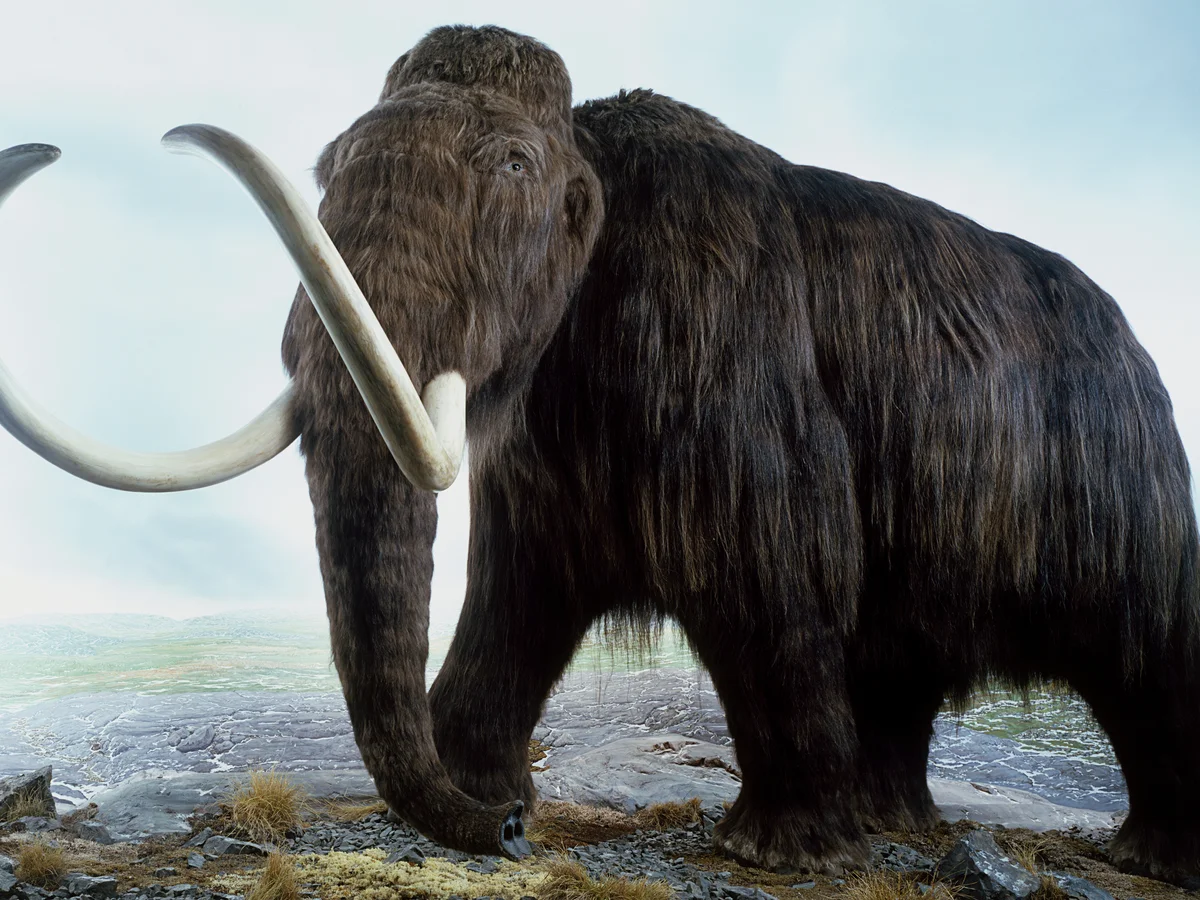
With the success of the dire wolf being de-extinct, Colossal Bisociences is moving ahead with their plans to de-extinct the thylacine, the dodo bird and the wooly mammoth.

As exciting as this sounds we are still a long way from de-extincting dinosaurs if it is even possible since extracting dinosaur DNA is impossible. There are also ethical issues that have come up with the unbelievable feat by the company. Namely, what is the point of bringing animals back from extinction? We already have a difficult time keeping living species of animals alive in our increasingly crowded world. Where can these animals go? What role will they serve in Earth’s ecosystem, considering that many of their previous roles have been taken by modern animals? Right away, these animals will have to compete with modern animals and humans for resources in an Earth with dwindling supplies and land space. Then there would be intense pushback from people who would not approve of the de-extinction or of re-introducing them to the wild. We have seen this already when wolves were re-introduced into many parts of North America as they threatened livestock.
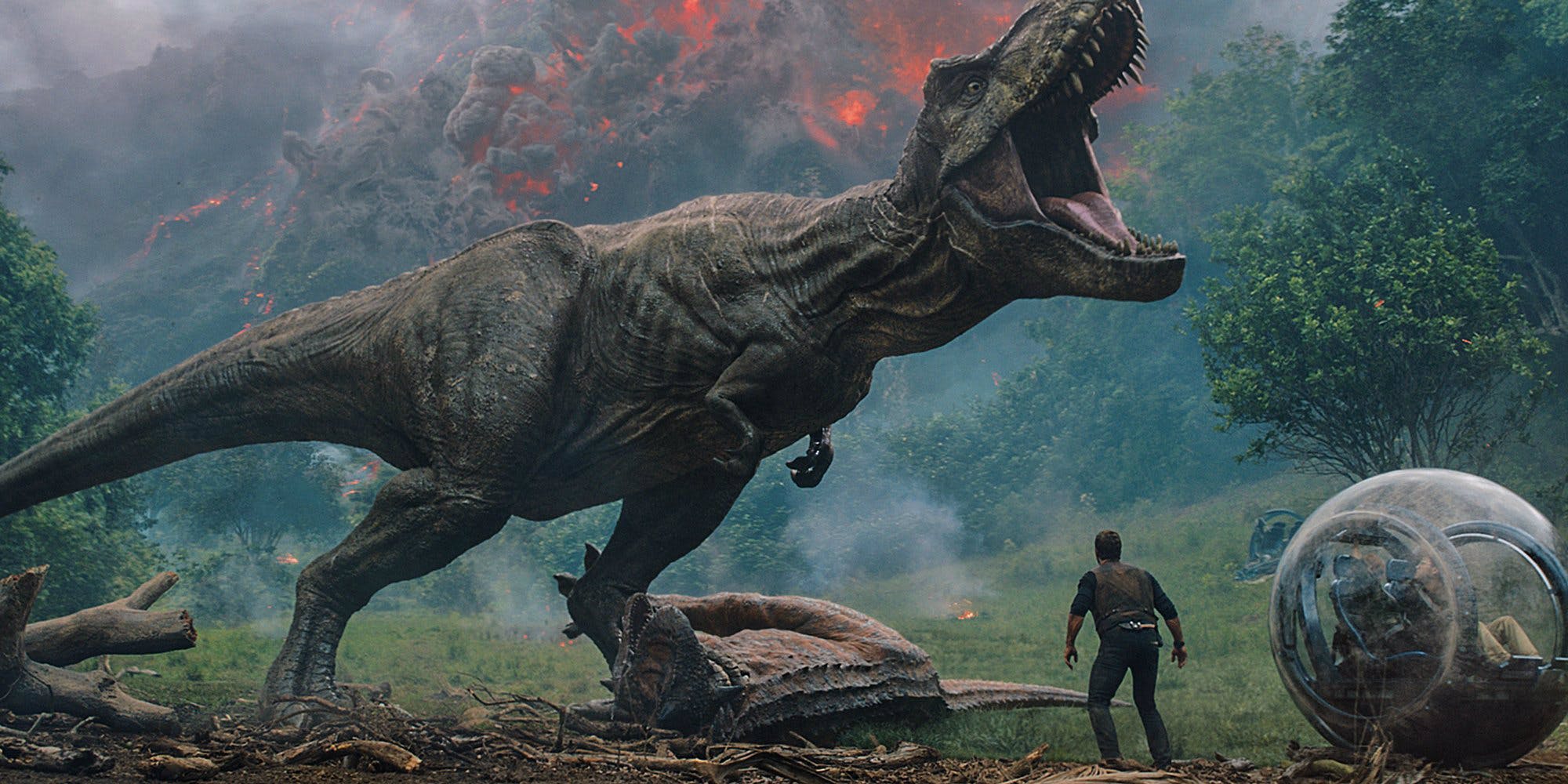
Jurassic-World-Fallen-Kingdom-Volcano-and-T-Rex

A likely scenario is that these de-extinct animals would not be allowed to live in the wild and forced to live out their lives in zoos, which would enrage opponents. Then there is the worst case scenario of nature running amok and well, we’ve seen the Jurassic Park and Jurassic World films. In other words, their re-introduction would have unpredictable and unwanted results.

There is the argument that we have no way to know how to properly raise these animals since we can only guess as to how they lived. Romulus, Remus and Khaleesi seem to be behaving like wolves, but is that because they have wolf DNA? This would make them a new hybrid species and not true dire wolves, which are distant relatives of modern gray wolves. The same situation would apply to recreated mammoths and other prehistoric extinct animals. The first mammoths would more likely be Asian elephants with outward mammoth characteristics, and the same would go for the dodo and others.
Colossal Biosciences has stated that they intend to apply their technology to help preserve current animal species such as elephants that are more and more endangered as they face loss of habitats from human encroachment and hunting by poachers.

Despite the legitimate concerns about de-extincting animals there are arguments for doing this. Proponents claim that de-extinct animals can fill in roles that are vacant in ecosystem. For example, the thylacine was an apex predator in Tasmania and Australia and their re-introduction into the ecosystem would help keep in check the populations of prey animals. Other proponents claim that mammoths would be able to help preserve the tundra in Asia with their foraging and in a way arrest climate change. That is very far fetched to be sure, and calls to mind Stephen Baxter’s book Icebones, which was about cloned mammoths on Mars. This argument about using de-extinct animals to keep ecosystems healthy is valid. Also, since humans were responsible for the extinction of animals like the thylacine, Stellar’s sea cow and the passenger pigeon, they have a moral obligation to try to bring back these species if there is a need for them in an ecosystem.
No matter where anyone sides in the argument, it is important to note the responsibility we all bare with using science and co-existing with other species in our fragile world. Still, the revelation that dire wolves have been de-extinct is exciting as it demonstrates that extinction isn’t forever.

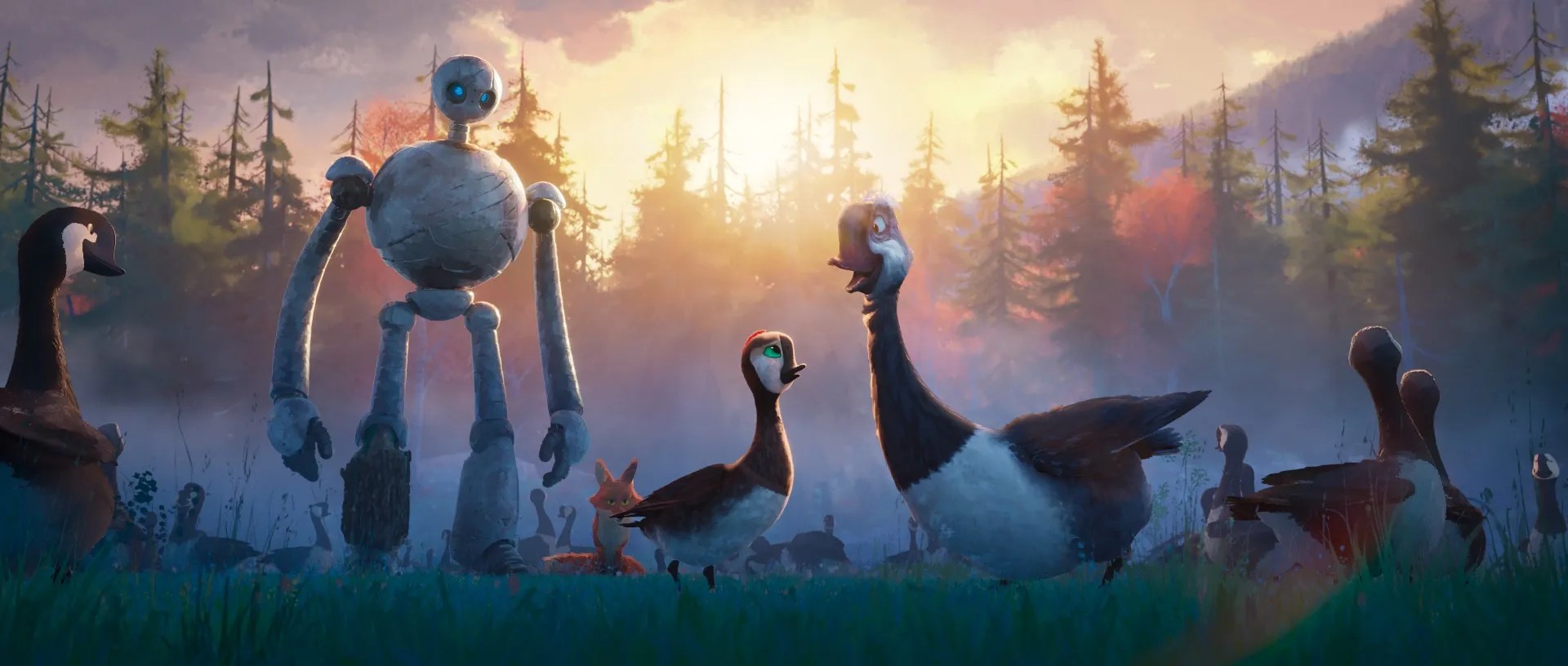
The Wild Robot’s Emotional Story Almost Overwhelmed My CPU

It’s no hot take that DreamWorks Animation (DreamWorks) always knocks it out of the park when it comes to adapting beloved books into unforgettable movies, and The Wild Robot is no exception. Every single decision that led to the finished product was nearly perfect and it really feels like the people behind this movie’s creation, such as director Chris Sanders (who directed Lilo & Stitch and How to Train Your Dragon), poured their whole hearts and souls into developing this film, which makes sense since this is sadly the last in-house animated film for DreamWorks. I highly recommend The Wild Robot to everyone who reads this review to go out there and see it in theaters because it deserves the love and the theater experience for this one was definitely unique. This review will be split into 4 parts.

STORY

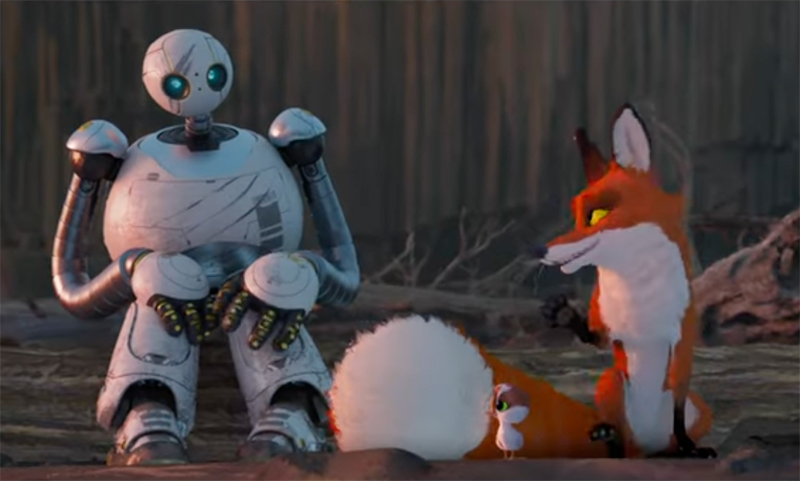
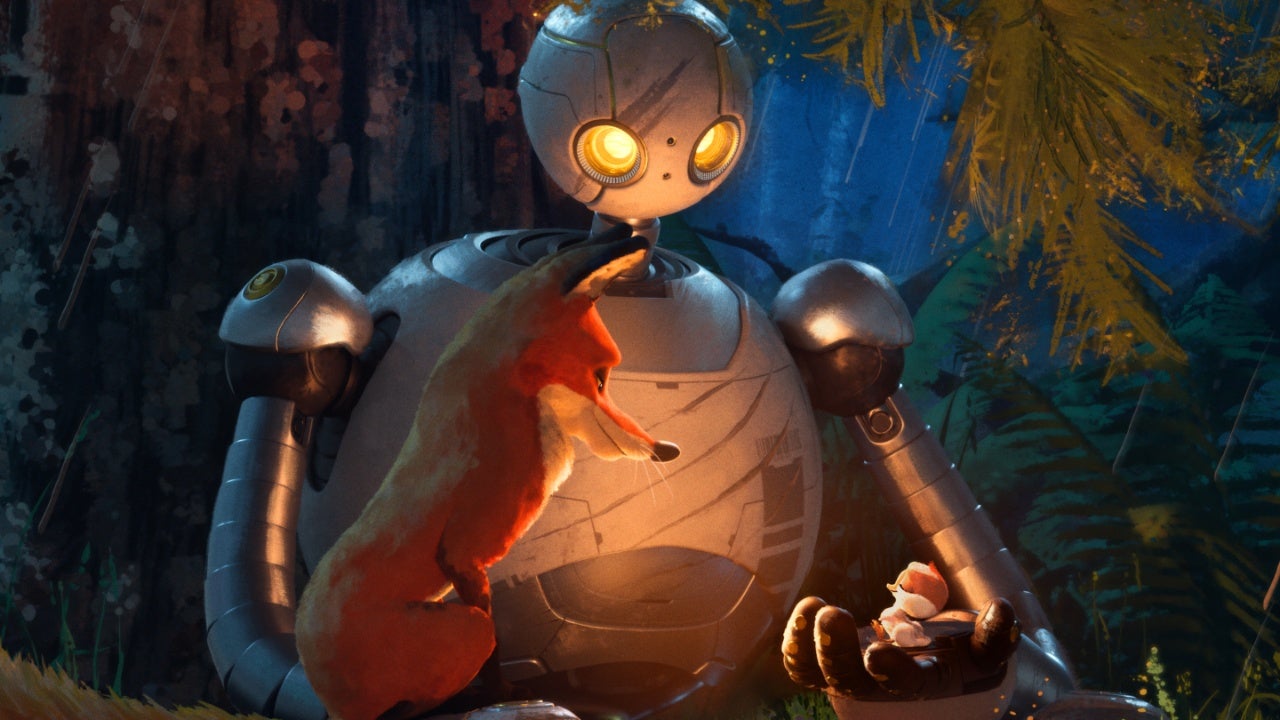
The story follows a lost robot named ROZZUM Unit 7134 (“Roz”, voiced by Lupita Nyong’o) as she finds her way around an island entirely inhabited by wild animals. She is programmed to be an aide and seeks to offer her services to the animals as part of her pre-programmed goals before she can activate a beacon to be picked up by her manufacturers. As Roz explores the island, it becomes clear that she is unable to communicate with the animals, so she spends months listening in on their conversations and is eventually able to hear and speak in their tongue.

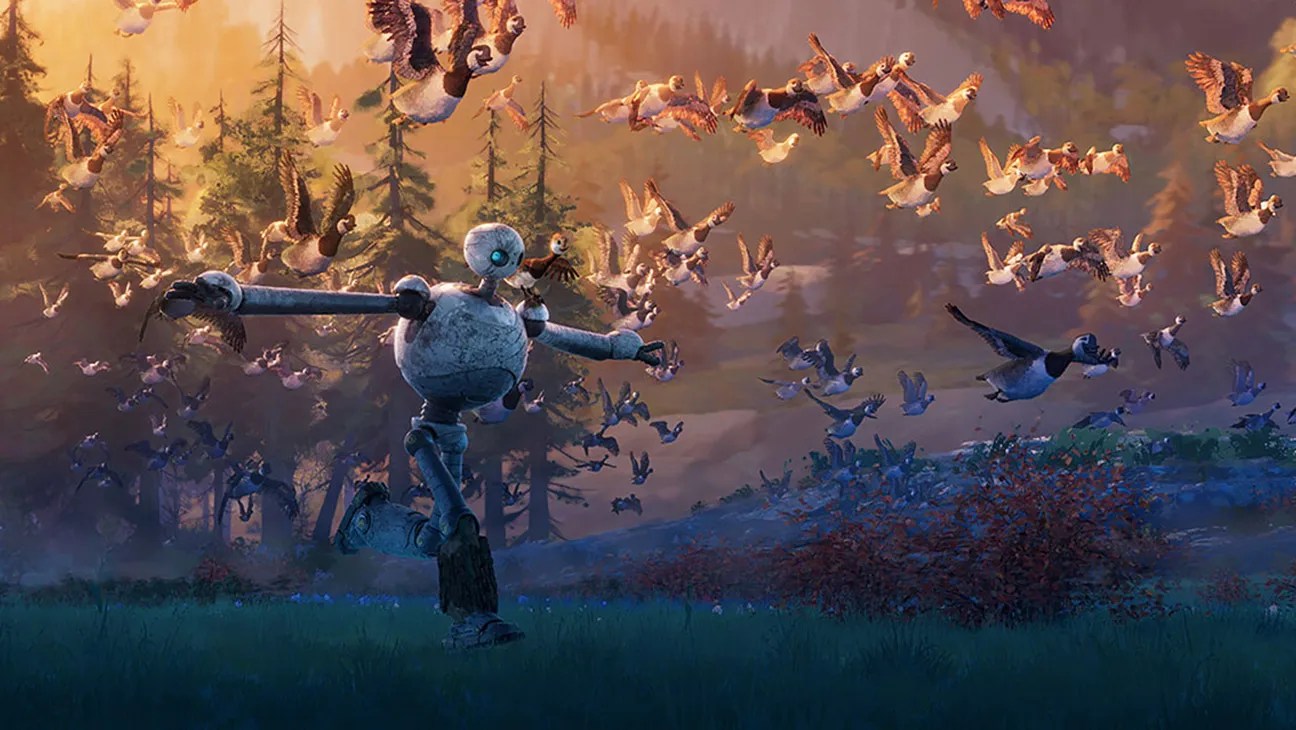
Along the way, she unofficially adopts a baby gosling named Brightbill (Kit Connor) after she accidently kills his family. Having a new purpose, Roz must help raise the gosling to be prepared for the upcoming winter season when the geese migrate off the island. During their time together, Brightbill sees Roz has his mother while Roz begins to develop genuine emotions and is conflicted with her protocol to leave the island after her task of raising Brightbill is completed.

This movie’s story is genuinely amazing and almost made me tear up 3 separate times in only the first two acts. DreamWorks did such a phenomenal job at delivering a heartfelt story that is so emotionally rich that you feel somewhat of a bond with the characters in this film. My only issue, if I absolutely had to have one, was that the pacing was very quick, like whiplash quick. But surprisingly, unlike many other films with fast pacing, this film somehow made it work and it didn’t feel too off-putting. Every plotline progressed off the previous one and every scene felt more action packed and engaging than the last.

CHARACTERS

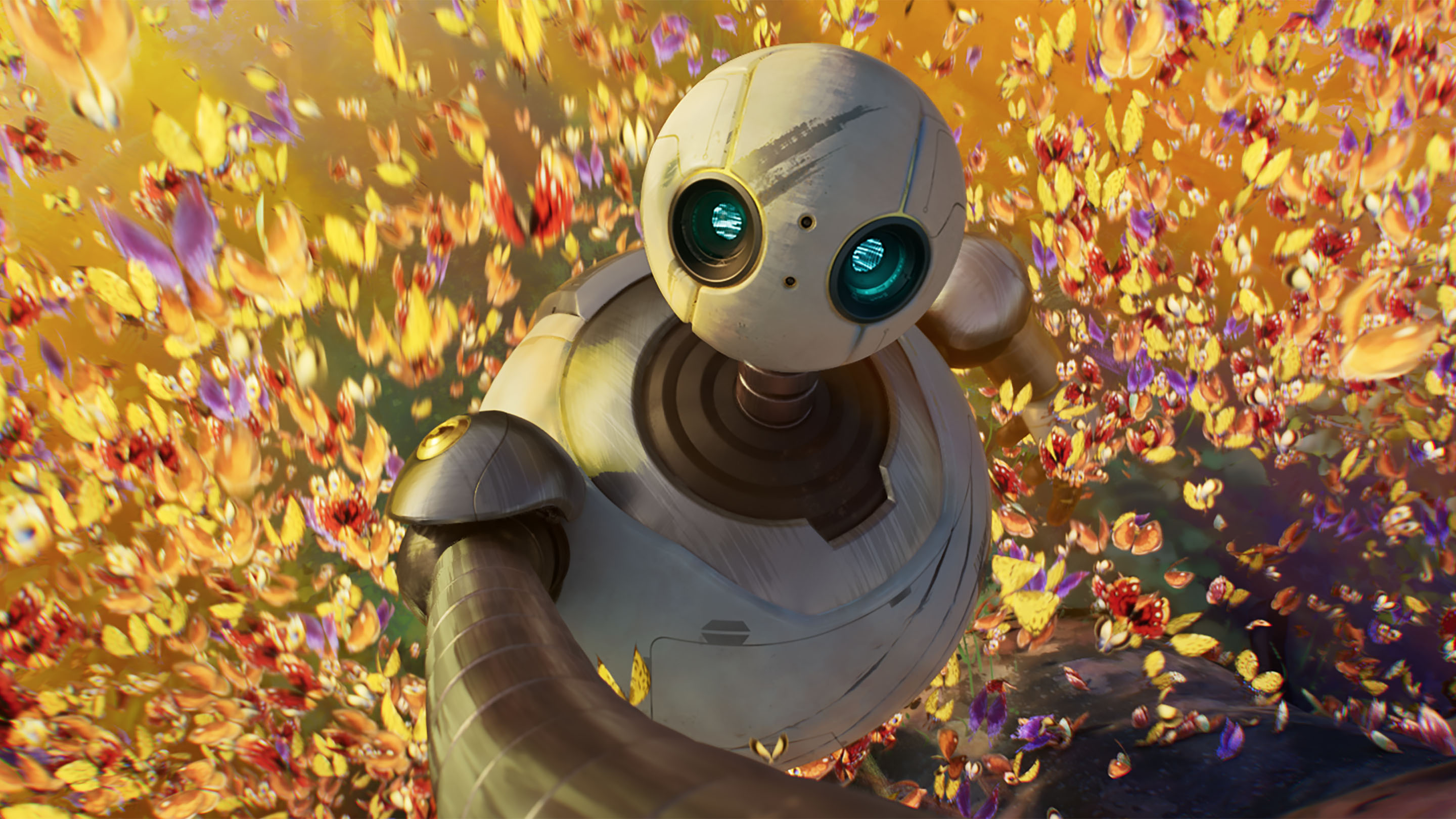
The characters are well written in The Wild Robot. To start, Roz is a complex character and is able to feel emotions that robots shouldn’t; she is instantly one of my favorite DreamWorks protagonists. She has a heart of steel that comes from her programming where she is unable to harm other living things despite what they think of her. She is unyielding in whatever task has been assigned to her and refuses to give up even in the most impossible scenarios.

Throughout the film, Roz is accompanied by a mischievous and unpopular local fox named Fink (Pedro Pascal) who is sly and has no problem with lying but is also willing to help others who are mentally and physically vulnerable. He is also a really funny supporting character and has great chemistry with both Roz and Brightbill. As the adopted child of Roz, Brightbill is an adorable and inspiring goose that overcomes all odds against him. We get to see him grow from baby to young adult in mere moments, but it feels as if we were with the family every step of the way.

Brightbill’s journey was more difficult than it was for those around him because he is a runt and had an unusual upbringing, but he proved everyone who doubted, and even bullied him, wrong. There are many other supporting characters that played

into their roles really well, such as the stoic and tough owl, Thunderbolt (Ving Rhames), who helps teach Brightbill how to fly, the gentle and wise Longneck (Bill Nighy), the leader of the island geese who welcomes Brightbill into his flock, and a crusty but helpful beaver named Paddler (Matt Berry). These and other minor characters get their moments to shine throughout the film and add to the rich tapestry of characters throughout the film.

SOUND DESIGN

The sound design in The Wild Robot is stellar and every voice actor knocked it out of the park. To start with the soundtrack, it included very strong and epic music that complimented certain key scenes very well, adding onto the layers of immersion this film has. The two original songs featured in this film are amazing and I recommend listening to both of them (“Kiss the Sky” and “Even When I’m Not” by Marren Morris). The voice acting is phenomenal and every character’s actors were chosen perfectly.

My personal favorites were Lupita Nyong’o as Roz, Kit Connor as Brightbill, Pedro Pascal as Fink, and Bill Nighy as Longneck. The original score only amplifies the experience of watching this movie, as it makes every scene either emotional, casual, or heart-pounding.

ART AND ANIMATION

The only word to describe the art style of this movie is gorgeous; this is without a doubt one of the best-looking animated movies ever made. The art style is a mixture of natural landscapes, watercolor strokes, and the wonderous joy of storybook pages. Every character looks so high quality that I wanted to personally thank every person in charge of developing this fantastic identity. The animation is astonishingly brilliant and it’s so good that every frame of animation could by captured as a photo and used for marketing material. The people who worked so hard to animate Roz’s fluidic, yet robotic movements deserve so much praise. The backgrounds and landscaping are also beautiful; there is this one shot that involves Roz being in front of a giant moon in the background that I cannot stop thinking about because it was such an amazing shot. I am probably rambling on about the art and probably sound like a broken record, but that’s how much I genuinely love the work put into making this movie shine so visually.

CONCLUSION

The Wild Robot is an unforgettable and story-rich adventure that no one will want to miss. Its story is unique, the characters are lovable, the sound design is elite, and the animation is easily one of the best of this decade so far. This DreamWorks movie is one of its best and it is a shame that this marks the end of in-house animated movies for the company. I am usually not one to advocate for sequels, especially in an age where they get more and more mediocre, but I really would not be opposed to seeing another two movies based on the other books in the Wild Robot trilogy by author Peter Brown. Be sure to watch The Wild Robot, out now in theaters!

Angelo Soto

Exploring The Land Of The Lost

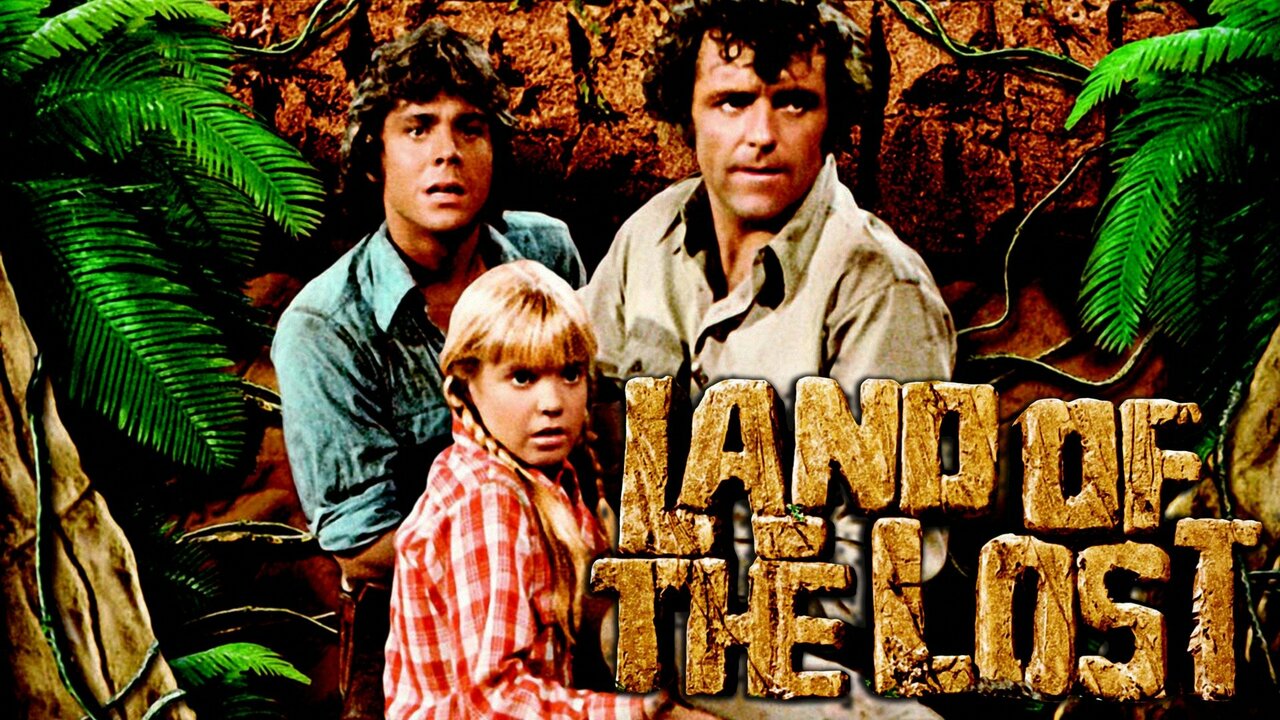
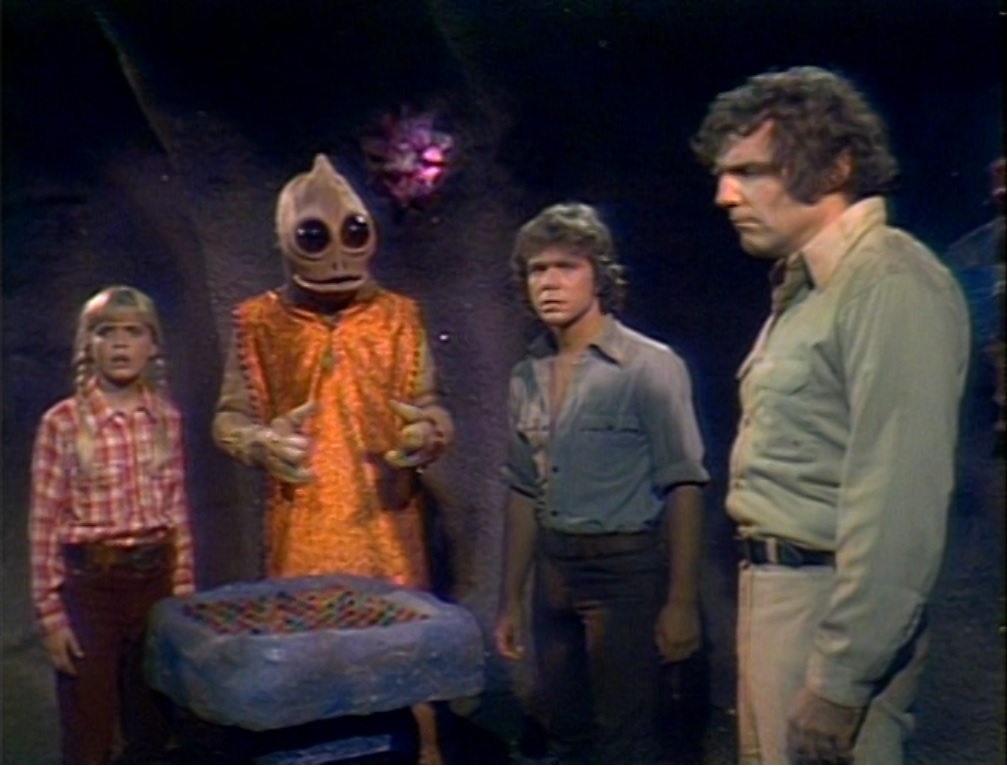
Fifty years ago, the children’s program Land of the Lost premiered on Saturday morning on the NBC television network and surprised many viewers with its well written and imaginative scripts. Even though the production was undeniably low budget and the acting by some of the performers was a bit over the top, Land of the Lost quickly won over many fans thanks to its spirited presentation. The TV show was produced by Sid and Marty Kroft who ruled the Saturday morning TV landscape in the ’70s with many fantasy and comedic live-action programs. Land of the Lost stood out and was their best production because it ditched the juvenile humor seen in their other programs and focused on drama and sci-fi elements. Even though it was a program aimed at children, Land of the Lost had an unexpected mature and serious tone that was appealing to anyone.

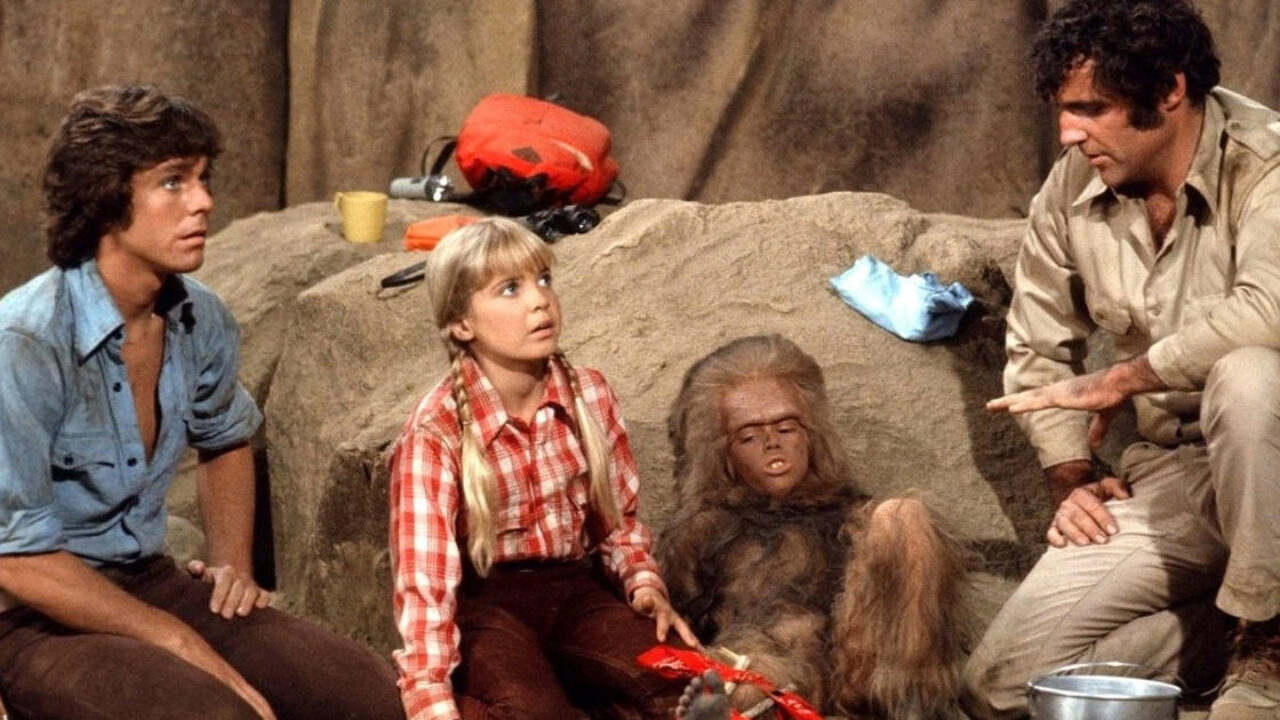
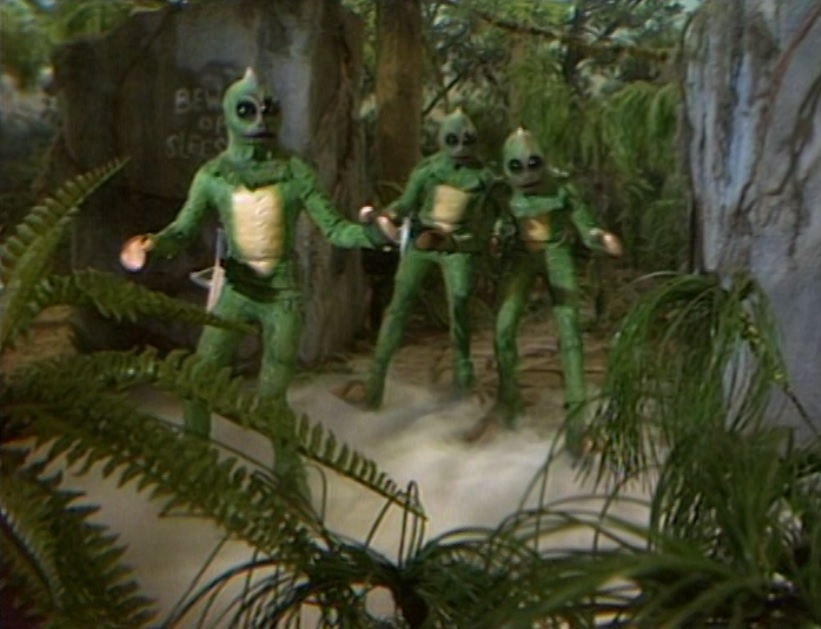
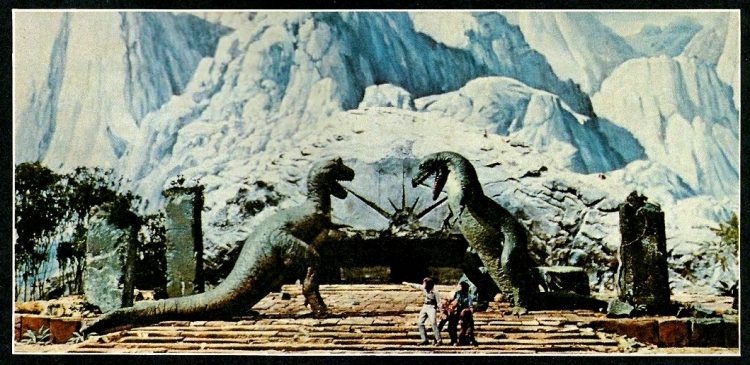
The TV show followed the adventures of the Marshall family, Rick (Spencer Milligan) and his children, Will (Wesley Eure) and Holly (Cathy Coleman), who while out whitewater rafting in the Grand Canyon fell through an interdimensional portal that transported them to a timeless world full of dinosaurs. Trapped in the lost land, the trio struggled to survive while trying to find a way home. During their adventures the Marshalls encountered many unusual denizens including Cha-Ka (Phillip Paley), a member of the Pakuni, a primitive tribe of ape-like humanoids, and Enik (Walker Edmiston), an advanced reptilian/insect-like humanoid who was also trapped in the Land of the Lost. What made Enik’s backstory so fascinating was that his race the Altrusians actually devolved into the savage Sleestaks, who were the dominant species in the Land of the Lost. The Marshalls usually met other travelers from different eras who wound up trapped in the land and often found a way to return to their own time period.

The episodes were devoted to plots about environmentalism, family strife, survival and surprisingly imaginative sci-fi concepts, especially time travel. During the show, the Marshalls discovered these interdimensional constructs called pylons that could transport anyone who entered them into different dimensions including modern-day Earth, though navigating them was difficult. These devices were used to explain why Rick Marshall left the show (in reality Mulligan was removed from the TV show due to conflicts over merchandising) as the father was whisked back to Earth unexpectedly at the start of the third season and replaced by Uncle Jack Marshall (Ron Harper). As Jack explained to his nephew and niece, he was trying to find his brother and his children and followed the same route that stranded the Marshalls in the lost land.

By the third season, the scripts were less imaginative and more geared toward children. The storylines took on more fantastical elements as Uncle Jack, Will and Holly encountered the Medusa, fire-breathing dimetrodon, a unicorn and the ghostly captain of the Flying Dutchman ship. Still the first two season were very thought provoking as the Marshalls met an eerie translucent alien called the Zarn, mysterious human visitors, and alternate versions of themselves. One of the reasons why the scripts stood out was because many of them were written by acclaimed sci-fi authors like Ben Bova, Norman Spinrad, Theodore Sturgeon and Larry Niven. Star Trek scriptwriter David Gerrold was the story editor in the first season and recruited fellow Star Trek writers like D.C. Fontana, Margaret Armen and even Walter Koenig to write a few episodes.

Thanks to its dramatic tone, the stories that focused on survival were more impactful and viewers felt the constant dangers the Marshalls faced as they dealt with carnivorous dinosaurs, environmental dangers, temporal and interdimensional dilemmas and the barbaric Sleestaks. One haunting episode, “The Search” had Will and Holly struggling to save their father who was electrocuted by crystals that operated the pylons. Anyone watching it could sense the desperation and panic from the siblings who were forced to face the possibility of their father dying. Another eerie episode “Split Personality”, had the Marshalls encountering alternate versions of themselves who were frozen in time and needed their help.

Even though the series never had a concluding episode, due to the temporal nature of Land of the Lost it can be argued that the Marshalls did find their way back home in the first season finale episode called “Circle”. Inside one of the pylons, the family was able to return back to their home but it was revealed they were trapped in a Mobius loop and another version of themselves wound up trapped in the Land of the Lost by the time the episode concluded. So in a sense, at least one version of the Marshalls returned home and subsequent episodes followed their variants.

In the decades since Land of the Lost stopped airing, the program has maintained a cult following thanks to a heavy syndication run that lasted many years. There were two attempts at remaking Land of the Lost. One included another TV show that aired for two seasons and featured the Porter family who were stranded in another dimension inhabited by dinosaurs and Sleestaks. Then there was a feature film in 2009 that starred Will Ferrell and as expected by the casting was more comedic. The film was a major dud with critics and fans and flopped at the box office. It also featured one of Leonard Nimoy’s last voice performances as he portrayed Enik. Sadly, the film ignored the dramatic survivalist aspects of the original Land of the Lost and insulted the memory of the original with its moronic humor. Regardless of how the remakes were received, Land of the Lost still has many devoted fans who appreciated the bright scripts and its imaginative, dramatic tone that engaged viewers.

José Soto

After Kingdom Of The Planet Of The Apes

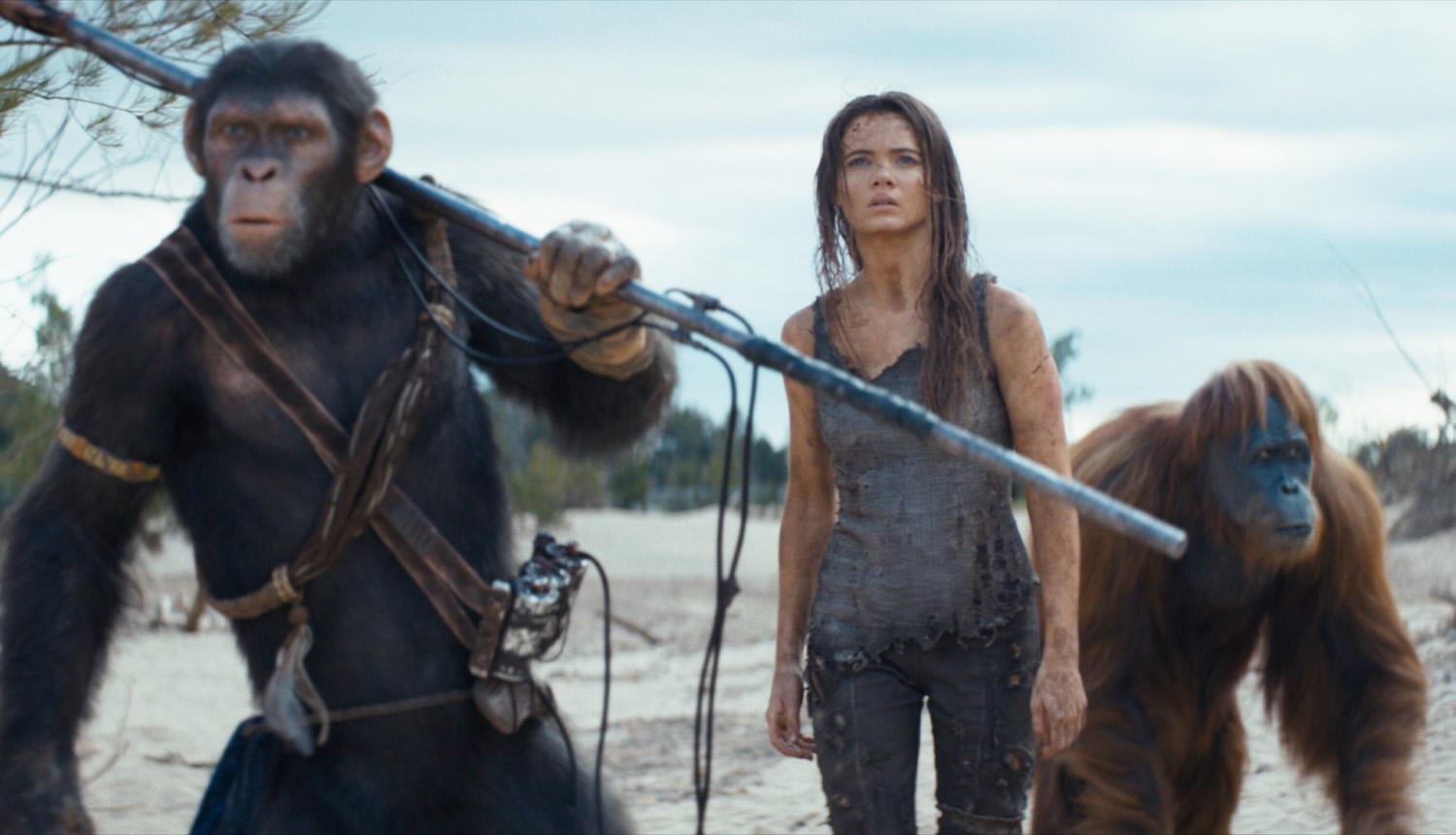
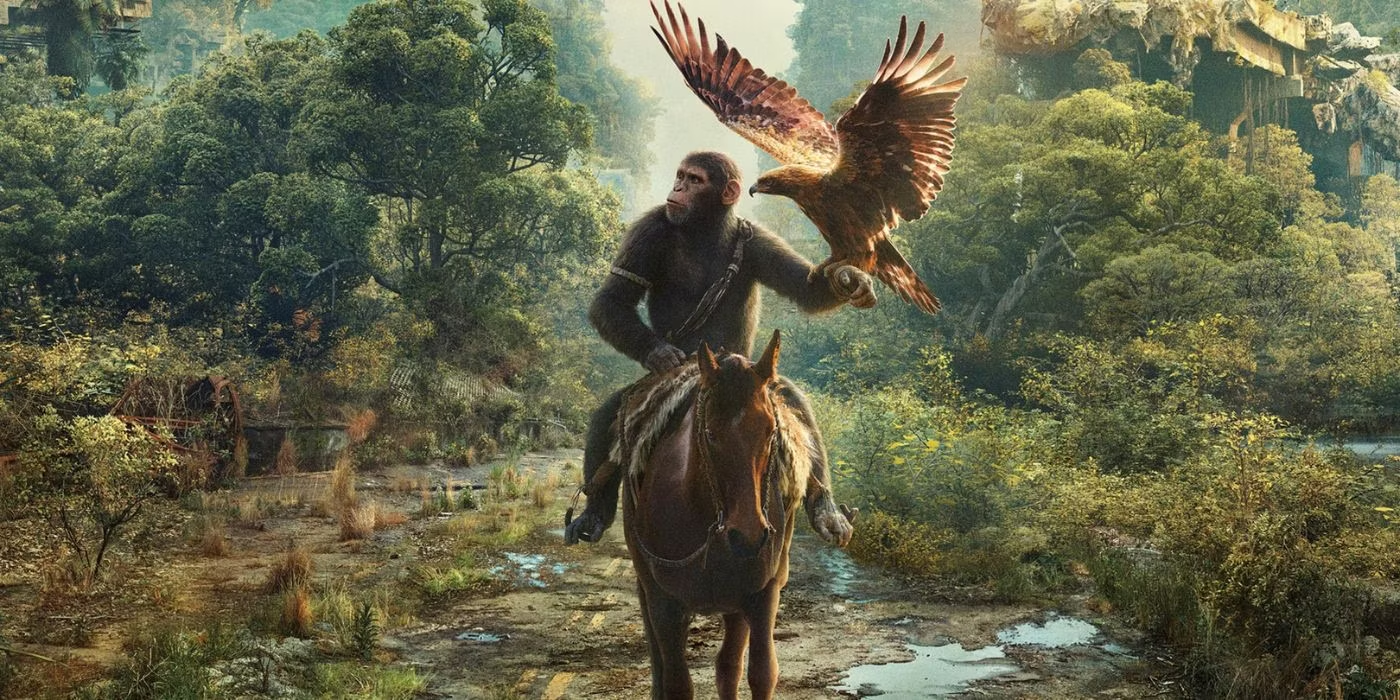
Kingdom of the Planet of the Apes is the latest entry of the long-running Planet of the Apes franchise. The film is both a continuation of the previous trilogy that came out in the last decade while being a new starting point for a new trilogy that expands the story of the Apes franchise. There will be spoilers for Kingdom of the Planet of the Apes.

For anyone who hasn’t seen any of these films, the world of Planet of the Apes is one where humans have been supplanted by intelligent apes capable of speech, while humanity has become animalistic. The previous trilogy, consisting of Rise of the Planet of the Apes, Dawn of the Planet of the Apes and War for the Planet of the Apes, served as the origin story for the franchise. The trilogy provided the background for how apes gained human-level intelligence, which came about from efforts to find a cure for Alzheimer’s Disease. The supposed cure, in the form of an artificial retrovirus, instead increased the intelligence of apes. But the retrovirus had the opposite effect on humans. First it spread like wildfire and killed millions of people and caused civilization to collapse. Then the virus mutated and caused the remaining humans to lose their intelligence and the ability to speak, and cemented the apes dominion on Earth.

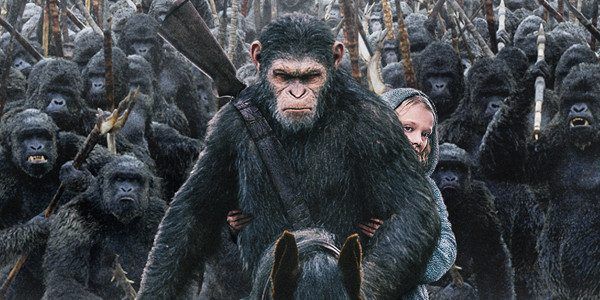
The main character in the trilogy was Caesar (in a brilliant motion-capture performance by Andy Serkis), who was the first hyper-intelligent ape and the leader of an Ape Rebellion against the humans who tormented his species. Eventually, Caesar tried to live a quiet life as the leader of his ape colony in the forests beyond human civilization, but conflict arose between the two species. By the end of the last Planet of the Apes film, Caesar was able to defeat the humans that enslaved his fellow apes and led them to an oasis to start a new colony, but he died from wounds inflicted during his battle with humans.

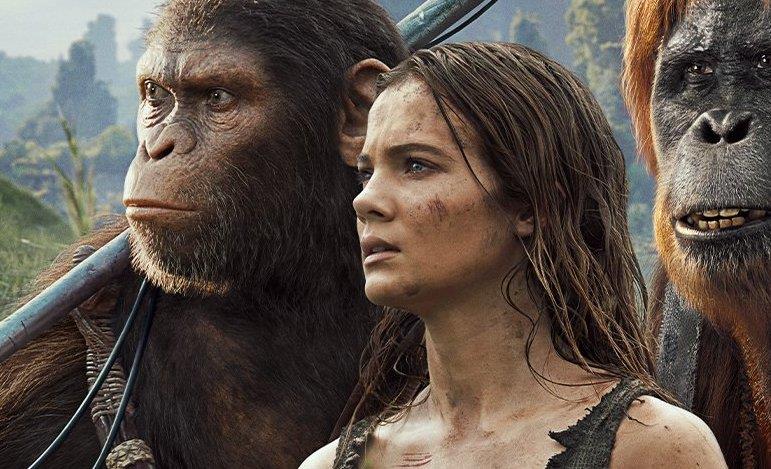
Kingdom of the Planet of the Apes takes place “many generations” after the death of Caesar and apes have evolved further and multiplied while transforming from a hunter-gatherer society into an agricultural one. Meanwhile, humanity has devolved into mute, animalistic savages, however, Noa (Owen Teague), the lead ape character, meets Mae (Freya Allan), a young human woman who is actually intelligent and able to speak. Eventually it is revealed she comes from a human outpost that is quarantined from the world and located near a satellite base. These humans are still intelligent and by the end of the film have begun efforts to communicate with other humans who have not succumbed to the virus in order to reestablish human civilization. Obviously, this will set up a future conflict between humans and apes if Mae’s settlement is able to jump start civilization.

One of the later elements that made the films in this franchise so compelling was the eternal question of humanity being able to co-exist with another society, which was an obvious, and sadly still an ongoing, allegory to our inability to co-exist with each other. This theme was vaguely hinted at in the second Apes film, Beneath the Planet of the Apes, but was the main focus in the films that followed starting with Escape From the Planet of the Apes. After the violent revolution seen in Conquest of the Planet of the Apes, Battle for the Planet of the Apes offered the hope that both species were able to co-exist peacefully, though that was debatable.

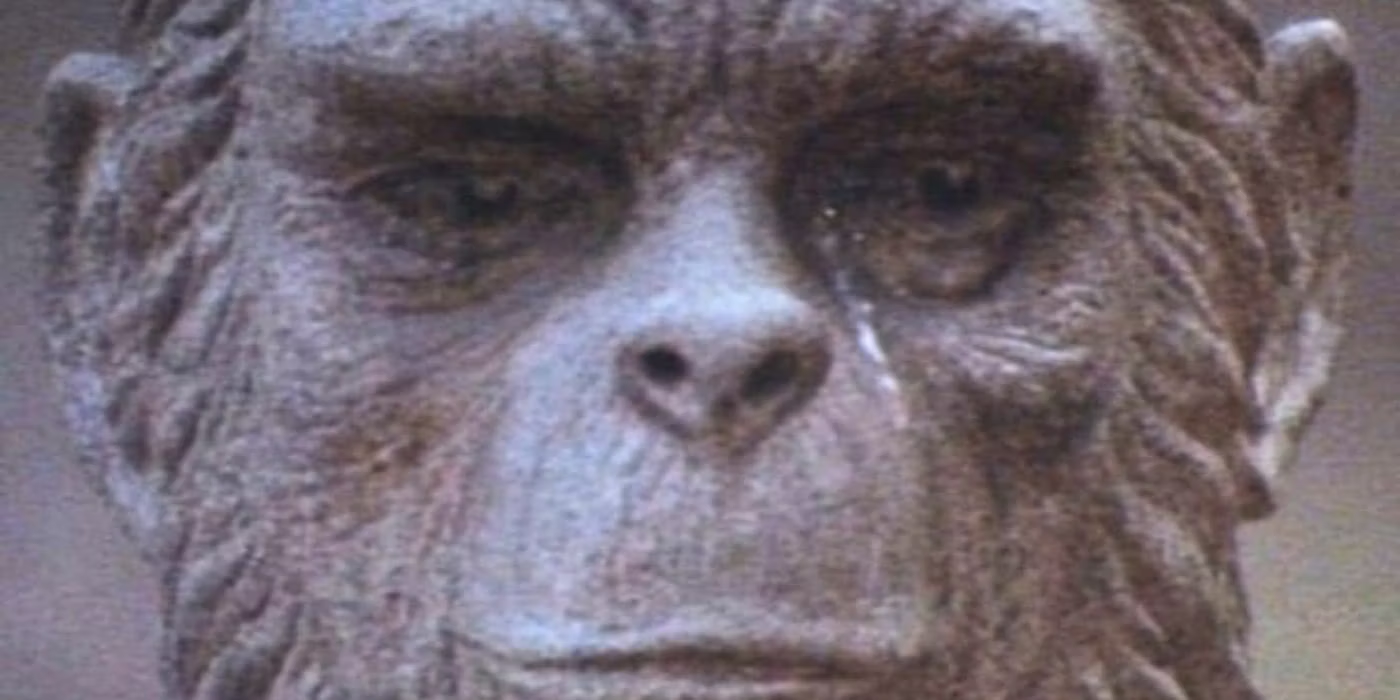
In the final moments of that film, which took place hundreds of years in the future, several ape and human children were attending a lecture by an ape teacher, who was narrating the events of the film. Although this ape spoke about the ability of both species living in peace, a young girl and an young ape were seen squabbling with each other, hinting at a future conflict between the two. After this, a statue of the main character in that film (also known as Caesar, this time played by Roddy McDowall) was seen crying. It was left to viewers to ponder if these were tears of joy because the two species at last lived peacefully or if the tears were of sorrow because of a coming conflict between humans and apes.

This idea of trying to live peacefully is touched upon in Kingdom of the Planet of the Apes as Noa questions Mae in the final scenes if it is possible to for the two species to share the planet. Mae answers that she does not know, but he doesn’t realize that as she is talking to him, she has a gun ready to shoot him, just in case. Of course, the very notion that she brings a gun with her while coming to Noa’s colony raises the question if she is trustworthy. Throughout the film, she gave little reason to trust her as she lied to Noa and his apes about her true motives from the moment she meets them.

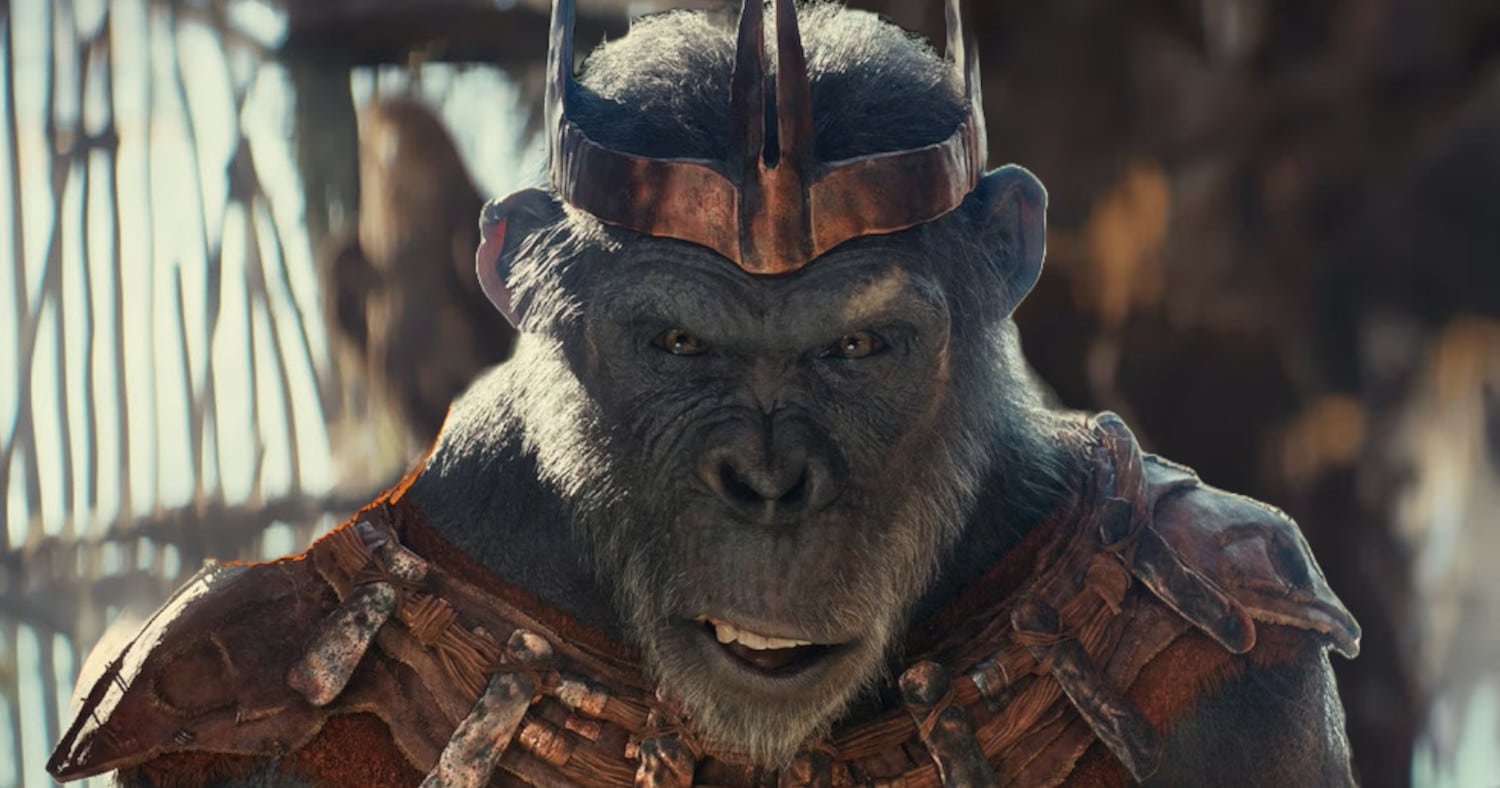
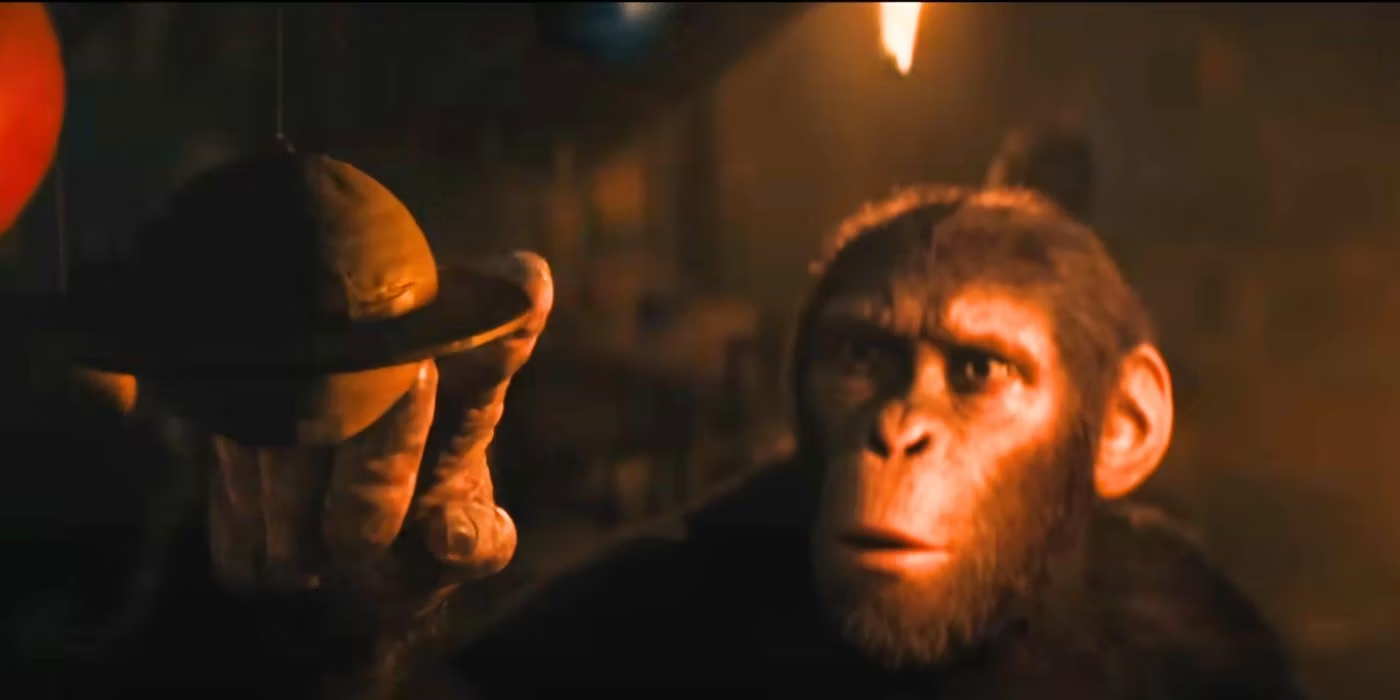
Noa is rightfully suspicious of her and in turn, humanity, but he is willing to work with her during his conflict with Proximus Caesar (Kevin Durand), a despotic ape leader from another clan that enslaved his clan. Noa is also more focused on learning and passing knowledge to his people. He learns about Caesar and his peaceful ways as the ape has become a religious leader long after his death. It is implied that Noa will pass on the legend of Caesar to his clan while inspiring them to learn more about the world. This is best illustrated in the final moments when he takes his ape companion Soona (Lydia Peckham) to a decaying observatory and introduces her to the wonders of the universe via an old telescope.

Mae for her part is shown as being worried about Noa and the evolving ape civilization that will prevent humanity from making a comeback. In one scene she silently watches Noa repair a cattle prod that was used by one of Proximus Caesar’s soldiers and is worried at his ability to repair a tool. During the film, she and Noa are captured by Proximus Caesar’s forces and is ordered by the ape tyrant to help him open an abandoned vault used by the human military long ago. She is adamant that apes should not have access to old human weapons and technology inside the vault and was willing to let innocent apes die to prevent their access.

During her mission to enter the vault, Mae killed a fellow human, a collaborator called Trevathan (William H. Macy), who threatened to expose her to the apes. Though it was understandable why she was distrustful of the apes and the collaborator, her actions made her untrustworthy and ignoble. On the other hand, her actions are meant to help resurrect human civilization and it is seen through Proximus Caesar that the apes are not much better than humans and full of humanity’s worst traits.

It will be interesting to see where the Apes franchise will go after Kingdom of the Planet of the Apes. It is clear that a new trilogy is been set up that will put ape and humanity into conflict once again. There is also a tantalizing hint that space travel will be involved, as Noa is seen being fascinated by space and images of astronauts. As wild as it sounds, having apes evolve to the point of venturing into space is a great idea. Who knows? Maybe space exploration could wind up being the means for both species to learn how to cooperate and live in peace if space travel is needed to help save the Earth.

It also hints at the possibility of the new Apes films linking back to the original films. Think about it. The very first film featured astronauts who wound up on Earth in the far future and Rise of the Planet of the Apes featured Easter eggs of a lost space mission, which could be these astronauts that could show up again at the end of the new trilogy. Anyway, no matter which direction future films go, the Apes franchise has demonstrated the uncanny ability to move into new and exciting directions as most recently seen with Kingdom of the Planet of the Apes.

Beyond Avatar: The Way Of Water

Despite what many naysayers predicted, Avatar: The Way of Water has proven to be a box office hit, which means that future films will be produced.

At this point, the third Avatar film is already done and will be released in two years. There are reports that the fourth film has been partially filmed, but that could just be effects shots that would be unfinished if the film never comes to be.

Given that director James Cameron envisioned five films to tell his Avatar story, where would the story go? There will be spoilers below for both Avatar films released to date.

One of the best features of Avatar: The Way of Water is that unlike the previous film, it actually opened up the worldbuilding in the franchise and dropped tantalizing hints of where the story will go.

The Kiri Connection

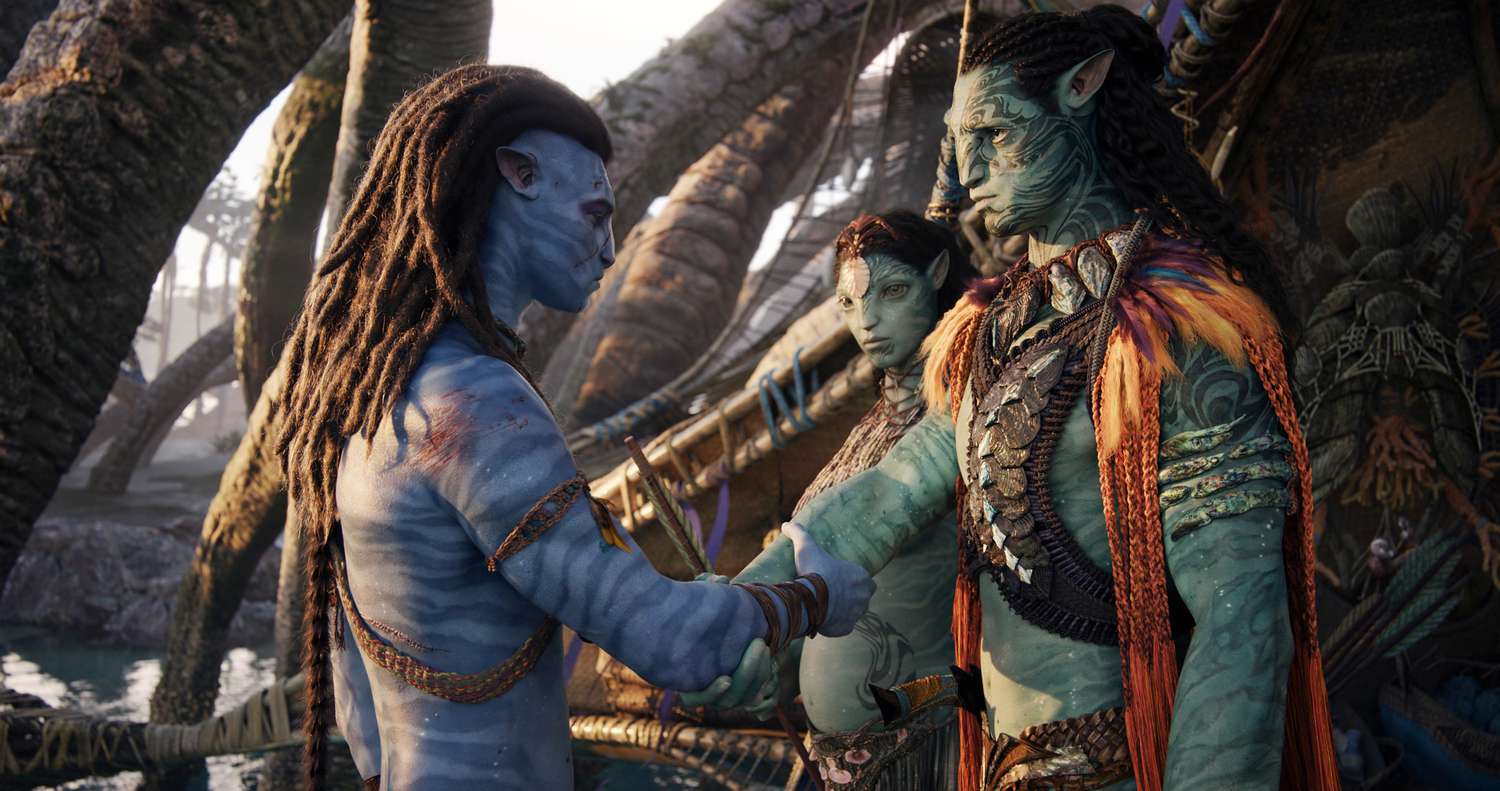
The film introduced many new characters and gave new and interesting developments for established characters. The most interesting new character was Kiri, the adopted daughter of Jake Sully and Neytiri. It was revealed that she is the daughter of Grace Augustine, who was killed in the first Avatar, but there are questions as to who is her father. More importantly, Kiri was shown to have a deep, spiritual connection to Eywa, a life force that is connected to all living creatures on Pandora, the alien moon in Avatar where the characters live. Her connection to Eywa was quite evident as she used it to defend herself against humans hunting her and her siblings, and when she was able to get bioluminescent fish creatures to help find her adopted mother and sister, who were in danger of drowning.

It has been theorized that Kiri does not have a father and is a product of an immaculate conception, which has many echoes of not only the Star Wars prequels but Christian religion. Another theory has it that Kiri is actually the personification of Eywa, who has taken physical form to better understand Pandora and the Na’vi. In either case, Kiri is being set up to be a conduit or a savior of the moon against the human invaders, and this will be the needed advantage the Na’vi people will need against the humans.

In our history, whenever a technologically advanced culture first encountered a native culture that was not as technologically advanced, the results were grim for the native culture, as it was overwhelmed. The Na’vi face a similar fate in the overall story of Avatar, and the Eywa connection will probably be the only way they could fight back against the humans. We’ve seen this already in Avatar, when out of nowhere armies of native animals viciously attacked human forces trying to destroy a Na’vi stronghold, and we saw it again to a lesser extent in the sequel when Kiri used her connection to Eywa to protect her.

Not only is Kiri the key to saving Pandora, but possibly Earth itself. It was mentioned in Avatar: The Way of Water that Earth was dying, which was why humans showed up in greater numbers to begin colonizing the moon. The title of the third film is for now, Avatar: The Seed Bearer, this could be referring to Kiri. If she turns out to be a manifestation of Eywa, she could provide the means to somehow saving Earth from ecological devastation.

James Cameron has said that at some point in either the fourth or fifth planned film, part of the story will take place on Earth. This is where Kiri and Earth’s salvation could come into play.

Other Points of Views

The director elaborated that Neytiri will visit Earth and be exposed to other aspects of humanity. She will learn that not all humans are evil. This is a bit odd given her romantic relationship with Jake Sully, who was once human, and that he has close ties with sympathetic humans on Pandora, who have aided the Na’vi. Then again the fact that her son was killed by humans could have hardened her against humans. A clue for this development was when she grabbed Quaritch’s human son Spider and threatened to kill him. For a moment in that scene, it really looked like she meant to do it, given her earlier rampage against human soldiers who killed her son.

On Earth, Neytiri will probably find human allies who are ready to join the struggle against human invaders on Pandora. It is possible the franchise could conclude with epic battles taking place on Pandora and even on Earth as Na’vi and human allies fight the invading humans who are bent on world conquest. One of those possible allies could be Quaritch himself.

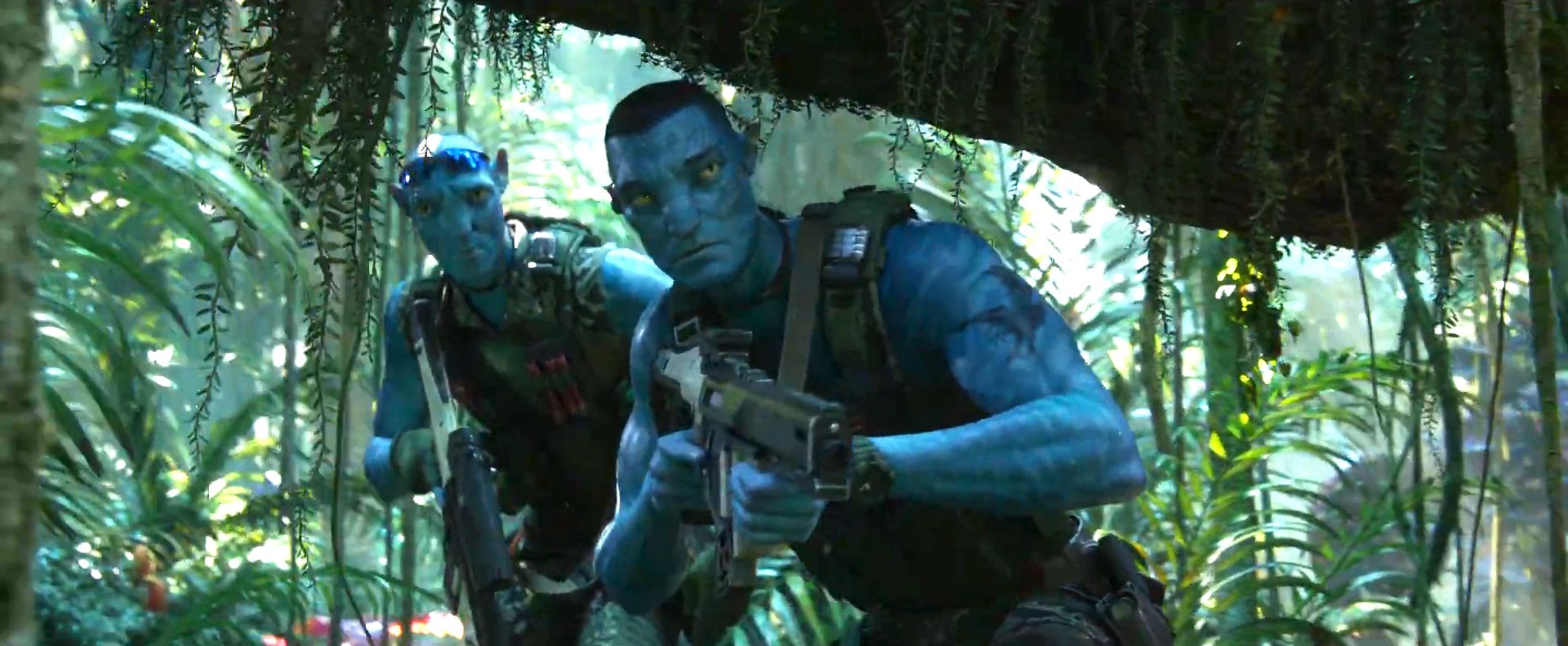
When Quaritch was first introduced in Avatar, he was a one-note villain who only saw the Na’vi as savages or pests to be eliminated. He was killed at the end of the film. In the sequel he was resurrected in a way when an avatar body (a clone grown out human and Na’vi DNA) was created in his image and implanted with his memories. Throughout Avatar: The Way of Water Quaritch is out hunting Jake Sully, but in a Na’vi body. This allowed him to better blend in and survive the deadly environment of Pandora. In the film, Quaritch makes great efforts to adopt the Na’vi way of life to better understand his prey. This could eventually make him sympathetic to the Na’vi even though Cameron said he would be the villain in the next two films. We saw him soften from his tough-as-nails militaristic demeanor in Avatar: The Way of Water. He forms a fragile bond with the son of the original Quaritch to the point that he gives in to Neytiri when she threatens his son.

Continue reading