The Would-Be Legends Of Tomorrow

legends of tomorrow

Legends of Tomorrow is the latest superhero TV show airing on the CW network taking place in the so-called Arrowverse (named by the show Arrow, the progenitor of this shared universe) and is an ensemble show featuring B-lister superheroes from DC Comics. In many ways, it’s an ambitious program, one of the first to star a superhero team. A show of this scope should scream “difficult to pull off” just in terms of special effects, scope of the story and air time for the characters. There are many things that Legends of Tomorrow gets right and many missed opportunities.

As an ensemble show, there isn’t one true lead character among the mostly colorful group, but the premise of Legends of Tomorrow is jump-started by time traveler Rip Hunter (Doctor Who’s Arthur Darvill). In the future, the immortal supervillain Vandal Savage (Casper Crump) has taken over the world and killed Hunter’s family.

hunter leaves

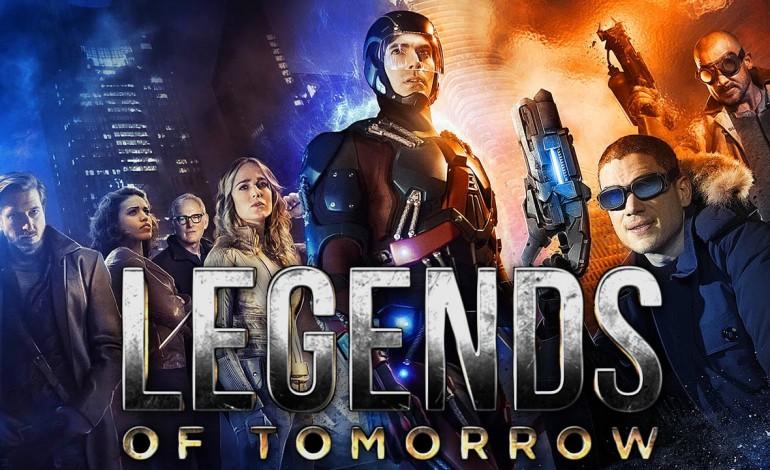
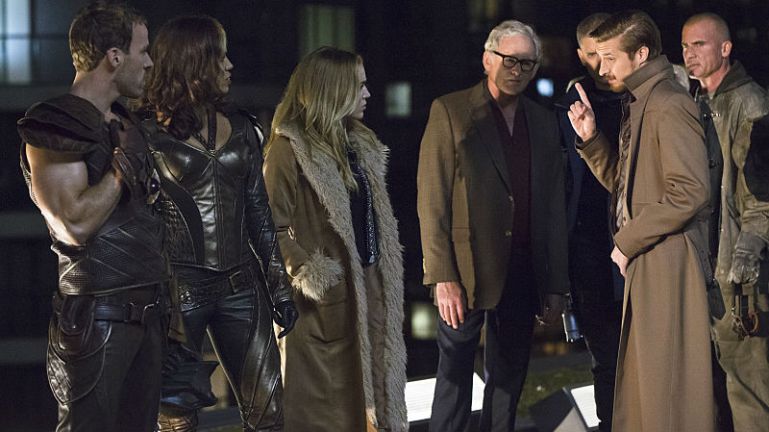
Defying his group, the Time Masters, Hunter steals a time-traveling spaceship called the Waverider (a nod to the time-traveling character from DC Comics) and travels to our time to recruit a team to stop Savage’s rise to power throughout history. The eclectic group he gathers includes Ray Palmer/The Atom (Brandon Routh), whose armored suit allows him to shrink; Martin Stein (Victor Gerber) and Jefferson Jackson (Franz Drameh), who make up the combined fiery entity Firestorm; Sara Lance/White Canary (Caity Lotz), the martial artist anti-hero featured on Arrow; Kendra Saunders (Ciara Renée), who discovered she is the reincarnated warrior priestess Hawkwoman; and the sibling criminal supervillains from The Flash, Leonard Snart/Captain Cold (Wentworth Miller) and Mick Rory/Heat Wave (Dominic Purcell).

inside waverider

When Hunter initially recruits the team to help him stop Savage in the past (starting with the 1970s), he doesn’t tell them that the reason he recruits them is because they have minimal impact on the timeline so their disappearances from normal time wouldn’t really matter. Once they learn the truth, most are crestfallen, but decide to use this opportunity to make a difference outside of their eras and become actual legends.

This TV show, has been described as a mix of Doctor Who and Guardians of the Galaxy. That is an apt way of putting it, but it doesn’t reach the heights of those properties. Much of the time, Legends of Tomorrow is a lot of fun to watch and is fast moving. Cluttered with Easter eggs and nods to all things genre and meta (at one point Snart made a typically snarky statement about having experience breaking out of jail–a tongue-in-cheek reference to Miller and Purcell’s last collaboration Prison Break), and unlike the ABC/Marvel Studios TV shows, it takes full advantage of the shared universe it occupies. old arrowIt’s thrilling to spot characters from other shows making guest appearances and all the time traveling allows for a further exploration of the Arrowverse.  One of the best episodes to date was the most recent one “Star City 2046”, which featured a post-apocalyptic Star City where Oliver Queen/Green Arrow (Stephen Amell) was MIA and the city was taken over by Green Arrow’s nemesis Deathstroke, actually Deathstroke’s son (Jamie Andrew Cutler). In a nice tribute to the classic graphic novel The Dark Knight Returns, Queen shows up missing an arm and has to be inspired to fight for his city again  with the help of Connor Hawk (Joseph David-Jones), who takes up the mantle of Green Arrow.
hunter recruits

Still, as much fun as that episode was, it had a flaw in its logic. Sara wanted to help Queen out, but Hunter did not want to get involved because that would be interfering with time and that as a past event in his time it was set and could not be changed. Yet, he wants to travel throughout history to find Savage and alter the timeline. This diminishes Hunter and makes him seem selfish. Then there is the concept that 2046 was the past and set in stone for him, but is the future for the others, so otherwise malleable. There are attempts to address the problems with time travel in the show but they are uneven at best.

snart and legendsThat unevenness is the basic tone and flaw of Legends of Tomorrow. Some plots and subplots are engaging and fun, other times the stories are rushed and thin without any subtlety. The same criticism applies to the characters. This was quite apparent in the pilot episode. Rip Hunter just shows up and asks them to joni him and most of the characters all-too-willingly oblige without deeply questioning Hunter or exploring their motive to leave their lives on a lark. It does take pains to develop them and some of the actors like Miller steal scenes with their acting prowess, but the show struggles to juggle all these characters. That is probably a reason why Legends of Tomorrow killed off the character of Carter Hall/Hawkman (Falk Hentschel) early on to thin the herd. But frankly, it wasn’t a loss since his performance as Hawkman was rather wooden.

Like the team, Legends of Tomorrow isn’t quite legendary, but it has huge potential. Given enough time and guidance, it may find its footing and move past its inspirations and become something of a legend.

José Soto


Star Trek’s Best Romances

kirk gets his groove 

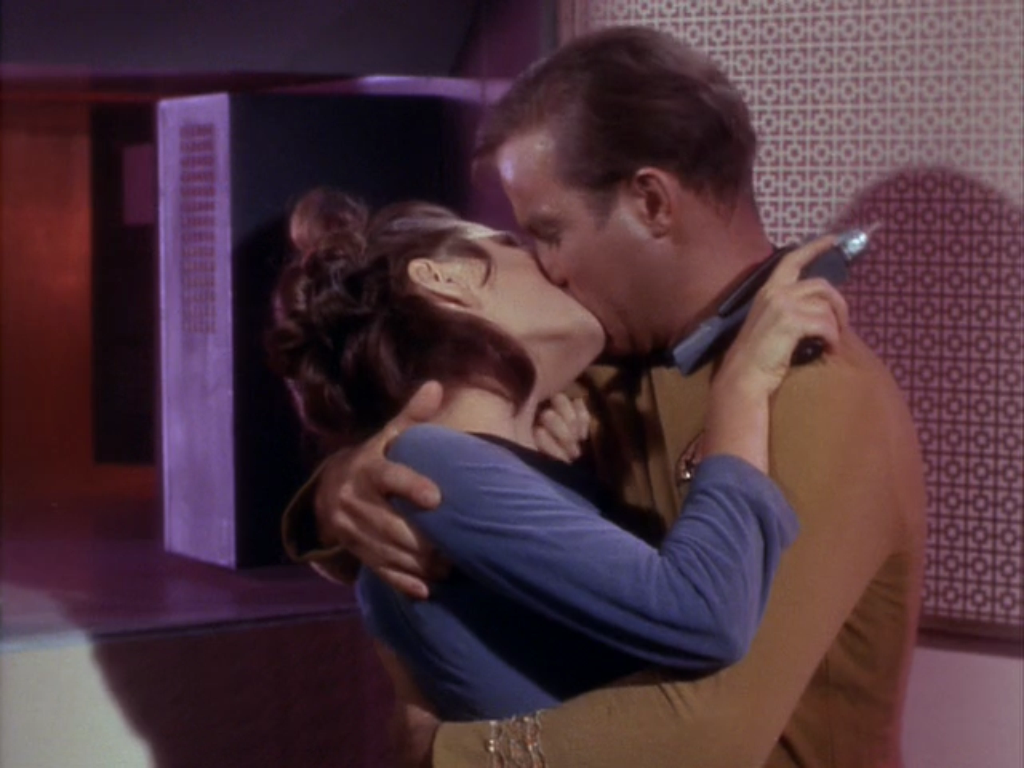
In between the fisticuffs, space battles and technobabble, Star Trek is noted for its dalliances in romances. Captain James T. Kirk is nearly infamous for his numerous romantic relationships which earned him a well-deserved reputation as an intergalactic ladies man. While the original Star Trek series and its characters had many star-crossed romantic interludes, so too, did the Star Trek spinoffs, which had their fair share of romances. In honor of Valentine’s Day and Star Trek’s 50th anniversary, let’s look at some of the most memorable romantic moments from Star Trek.

Will They or Won’t They?

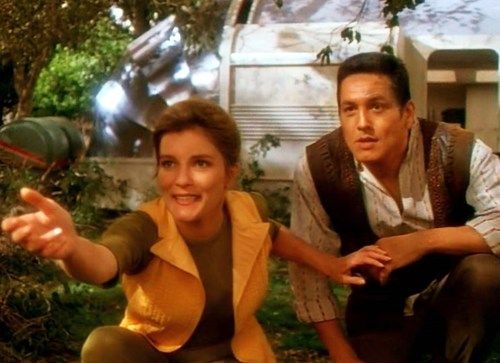
A common romantic motif in Star janeway chakotay resolutionsTrek is that of romantic tension between would-be lovers. They’re attracted to each so why can’t they go the extra step? In Star Trek: Voyager, Captain Kathryn Janeway and Chakotay’s shared a hidden romantic tension was stronger in the early episodes and led to many fan-fiction stories about them going a step further. The closest the two ever came close to consuming their feelings was in “Resolutions” where they were self-exiled on a planet and over time their professional restraint began to wither. But before they could go further, the two were rescued and the show never re-visited this subplot.

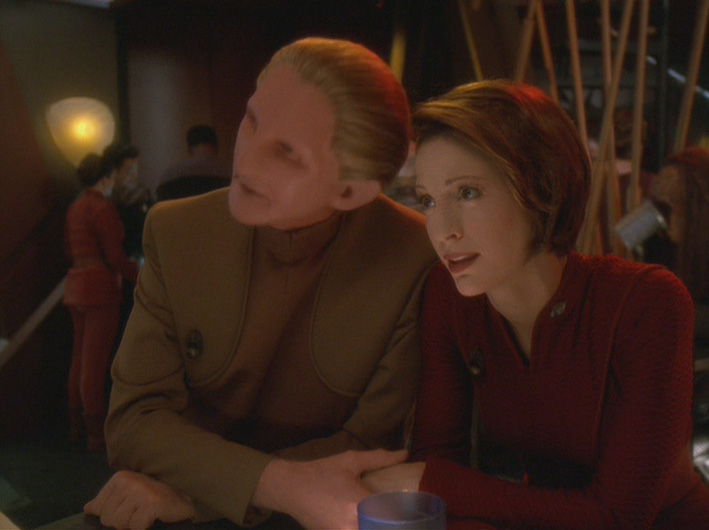
odo and kira 3This also happened in Star Trek: Deep Space Nine between Odo and Kira Nerys. At first, it was a case of unrequited love where Odo was madly in love with her, but Kira was involved with Bareil, a Bajoran clergyman. Odo’s plight was quite poignant thanks to some strong acting by Rene Auberjonois. The situation changed in later seasons when the two finally became a couple (“His Way”)…only to regretfully separate in the series finale “What You Leave Behind”.

Star Trek: Enterprise also featured a long-trip and tpol 2simmering relationship, this one between the Vulcan T’Pol and the Enterprise’s engineer “Trip” Tucker. That romance started off in the typical fashion: two disparate souls clashing with each other in a way reminiscent of the old Spock and McCoy arguments. Except this time, the two participants were growing closer, first as respectful colleagues then friends and finally lovers in the episode “Harbinger”. It was a refreshingly mature relationship that was based on mutual respect and curiosity about each other’s feelings and cultures.

married riker

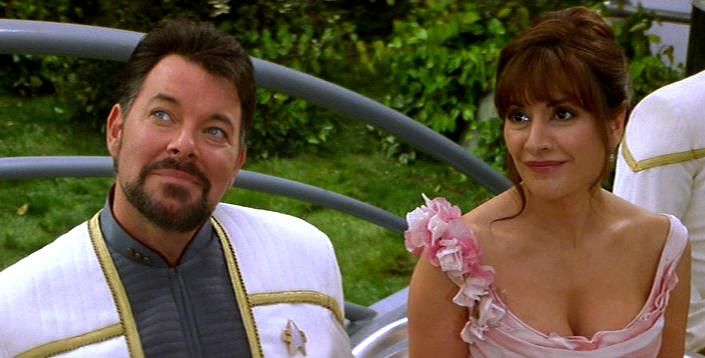
Arguably the most popular couple falling into this category had to be Will Riker and Deanna Troi. At the start of Star Trek: The Next Generation, it was established that the two were former lovers. Their relationship ended because of Riker’s ambition (never mind that he turned down many promotions during the series and most films). But there were lingering feeling between the two that were never quite re-ignited. That didn’t occur until the movie Star Trek: Insurrection where they rekindled their romance thanks to the effects of being on an alien planet. Thankfully it wasn’t a brief fling because at the start of the next film Star Trek: Nemesis the two had married each other.

Star-Crossed Marriages

The later Star Trek shows featured married couples who were part of the cast and this allowed for the showcasing of marital issues. But in a nice twist, rather than go into dark territories and have the couples separate or commit adultery, many episodes showed how strong a marital bond was and celebrated the married couples’ romance.

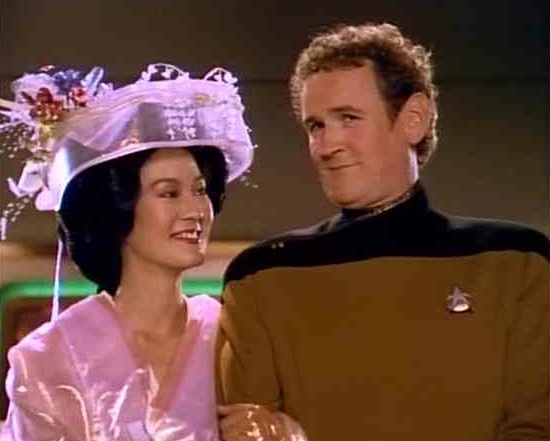
miles and keikoOne of the earliest married Starfleet couples we saw was in Star Trek: The Next Generation when in the episode “Data’s Day” we found out that Miles O’Brien was getting married. This development fleshed out his character and made him even more of an everyman to fans. He and his wife Kieko were featured in many episodes of Star Trek: The Next Generation before becoming regular cast members of the spinoff Star Trek: Deep Space Nine.

worf and jadzia

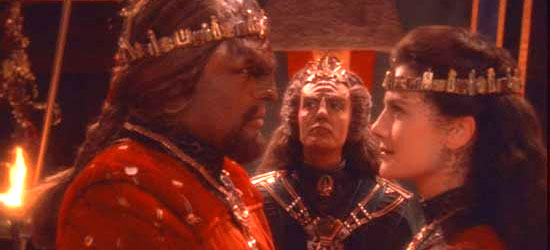
In the Star Trek: Deep Space Nine episodes featuring O’Brien we often saw the joys and pitfalls of married life through his and Keiko’s eyes, though the “Fascination” episode took time to explore how the two rekindled the passion for each other. In later seasons, when Worf became part of the crew, he realized his love for Jadzia Dax (“Looking for par’Mach in All the Wrong Places”) after being spurned by a Klingon woman who only had eyes for Quark. Eventually the couple married (“You Are Cordially Invited”) and Worf’s devotion for Jadzia was so strong that in the episode “Change of Heart” he abandoned an important covert mission in order to save his wife’s life.

tom kisses bellana

Another notable relationship that led to marriage was that of Tom Paris and B’Elanna Torres in Star Trek: Voyager. In the early seasons of that program, the two were strictly colleagues, however in the third season episode “Blood Fever” B’Elanna was afflicted with pon farr and soon she and Tom started a long-lasting relationship that culminated in marriage (“Drive”) during Star Trek: Voyager’s final season.

Continue reading

Colony Is A Surprisingly Captivating Look At Life After Alien Conquest

colony banner

The latest sci-fi TV show Colony, which airs on the USA Network, is a familiar yet interesting take on the alien conquest trope. Created by Carlton Cuse and Ryan J. Condal (both are also the executive producers along Juan Campanella and series star Josh Holloway), it takes place in Los Angeles less than a year after the world presumably was invaded and conquered by an unknown force. Colony doesn’t come out and say Earth is under control by aliens since we never see the invaders but it’s implied. The skies are patrolled by these alien-looking drones that shoot energy weapons and Los Angeles and other cities are cut off from each other with giant walls that would make Donald Trump salivate.

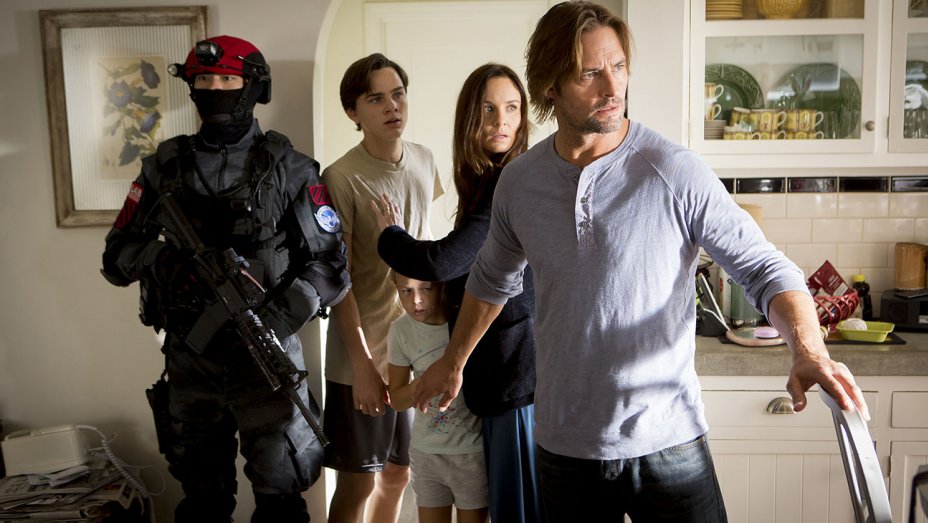
redhats invadeThe villains in Colony are the human collaborators led by Alan Snyder (Peter Jacobson), the proxy governor of the L.A. Bloc and he comes off as a spineless weasel. These collaborators argue that humanity has little choice but to cooperate with their “Hosts” or the repercussions will be dire for the world. Working through the Colony Transitional Authority, a warped version of the Department of Homeland Security holds L.A. under military rule with human shock troops called Redhats (for their bright red helmets) that keep order through strong-arm tactics and brute force. Violations of nighttime curfews incur death, speaking out against authority and the “Hosts” lands you in jail or worse: a sentence to The Factory, though so far, it’s not shown what happens if you’re sent to The Factory.

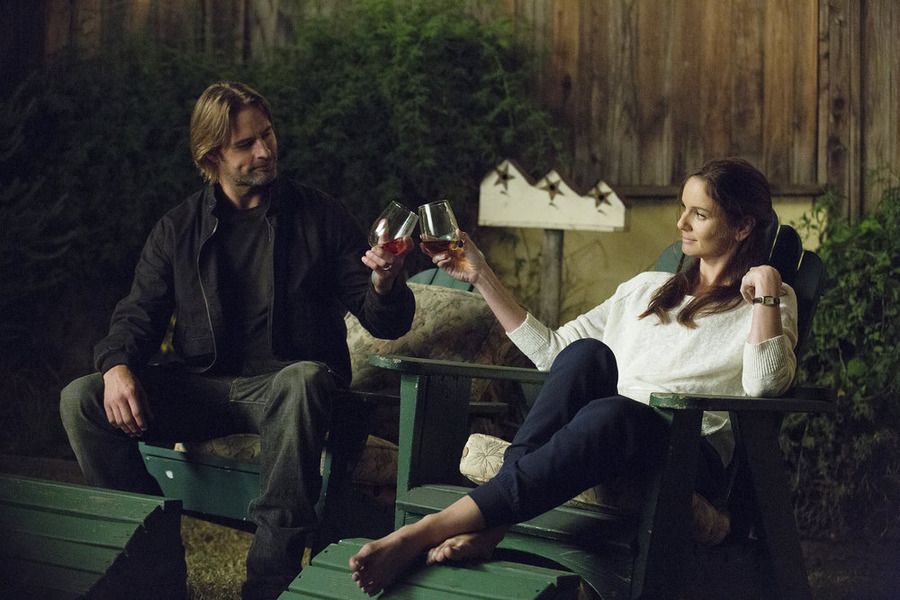
As these sci-fi stories go, there is a human resistance against the authoritarian rule. Made up of ordinary L.A. residents, they do what they can against hopeless odds as the collaborators hunt them down to keep the “Hosts” from retaliating against bowman and wifehumanity. One family is caught up in this struggle. The family head is Will Bowman (Josh Holloway), a former Ranger and FBI agent and at the start of the show, he lives under another name to avoid attention from authorities. In the pilot episode, Will is captured trying to sneak out of Los Angeles to go to Santa Monica because one of his sons is stranded there. Will is offered a position by Snyder to work for the Redhats and help hunt down the resistance leaders or have his family sent to The Factory. He reluctantly agrees, but Will doesn’t know that his wife Katie (Sarah Wayne Callies) is actually working with the rebels. So, Colony has at its center that Will is forced to work against humanity in order to find his son and keep his family safe, while he unknowingly provides intel to his wife, who has to deal with unsympathetic rebel leaders who only see her and her husband as assets to be used.

bowman captured

We’ve seen this kind of situation before, such as with the terrible V remake a few years ago, but here it works. That is because Colony focuses on the characters and the hardships they face living under military occupation. It’s a dilemma that can easily be transplanted into another time and era. This could’ve been occupied France during World War II and the showrunners wisely chose to concentrate on this angle. It surprisingly has many gray areas, dronefor instance, it’s shown that the collaborators aren’t one-dimensional villains cackling over L.A. residents. They genuinely fear the “Hosts” and want to get the best deal for humans while they enjoy living privileged lives in the Green Zone. A well-done example of this was with Will’s supervisor Phyllis (Kathy Baker), who at first came off as a mean, cold dragon lady type. But over the course of a couple of episodes we learned that she wasn’t thrilled with humanity’s lot but felt that getting along with the conquerors was the only option. However she wasn’t inhuman, she protected Will when some incriminating evidence was found about one of his sons, then when we think she may be OK she tries blackmailing Katie. That’s not all, when Phyllis goes home after work, we find out she’s caring for an invalid husband, which explained why she’s so cooperative with the “Hosts”. Meanwhile many of the people running the resistance aren’t very likeable because they’re so cold and only see people as tools to be used and easily discarded. Will Bowman and his wife are in losing situations and forced to do things they don’t want to do, but try to make the most of it. The question is how long can they last let alone succeed in their roles? Colony is full of nuanced characters and situations that rises above its standard formula.

the wall

What also keeps things intriguing is that we don’t know the entire situation with the invaders. Are they aliens? Or extradimensional beings? What is their agenda? By not showing the “Hosts” at all (even the villainous characters like Snyder haven’t ever seen them), viewers are automatically intrigued. Then there bowmanare the casual visual cues that the city is different like the lack of American flags, off-the-cuff comments about the “Arrival” and how L.A.’s defenses were destroyed within hours during the “Arrival”, and the oppressive looking walls that tower over skyscrapers. Honestly, it would be best for Colony if they keep the background murky and give viewers tidbits as the struggles of the Bowman family and other L.A. residents are unfolded. Plus, aside from the CG shots of the drones, the show must be relatively inexpensive to produce, which should keep it around for awhile and hopefully the answers will be provided in a natural fashion.

Waldermann Rivera

Star Trek Reference Books & Manuals

encyclopedia enterprise workshop manual

What stands out among Star Trek merchandising are the informative and fascinating reference books that the long-running franchise has spawned. Full of nifty, intricate and intimate details about the Star Trek universe, these Star Trek reference books and manuals are true literary treasures.

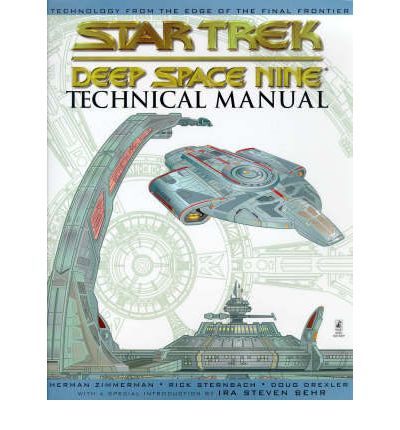
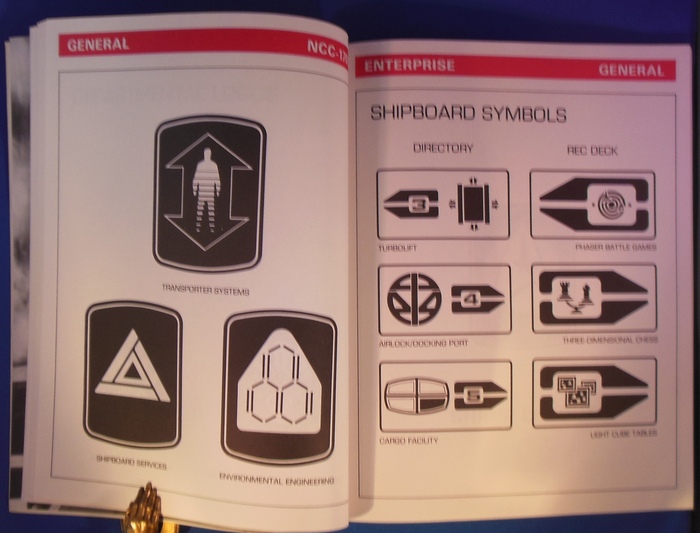
While it’s true that many sci-fi TV shows and ds9 tech manual 2films have inspired fiction and making-of books and comics about them, these Star Trek reference books  and manuals were among the earliest tie-ins of their kind to come out, and were unique at the time. Now the book market is flooded with all sorts of tie-in reference books like Star Wars: The Visual Dictionary and so forth. These books were possible due to the imagination sparked by Star Trek that led many to ponder and speculate on the minutiae of the Star Trek universe. How fast did the Enterprise travel? Where was Captain Picard born? What is Romulan ale? The answers to these questions helped fill in the gaps for fans hungering for more knowledge about the fictional Star Trek universe.

scotts guide samplePerhaps the best early examples of such books were Star Trek: Star Fleet Technical Manual and Mr. Scott’s Guide to the Enterprise. Much of the information would be decanonized and wound up contradicting what appeared on screen. For example, in The Worlds of the Federation the Klingon home planet was called Kling instead of Qo’noS as later established onscreen. That didn’t matter to hardcore fans who reveled in explaining away contradictions as the books helped give the impression that the wondrous Star Trek technology and universe actually existed.

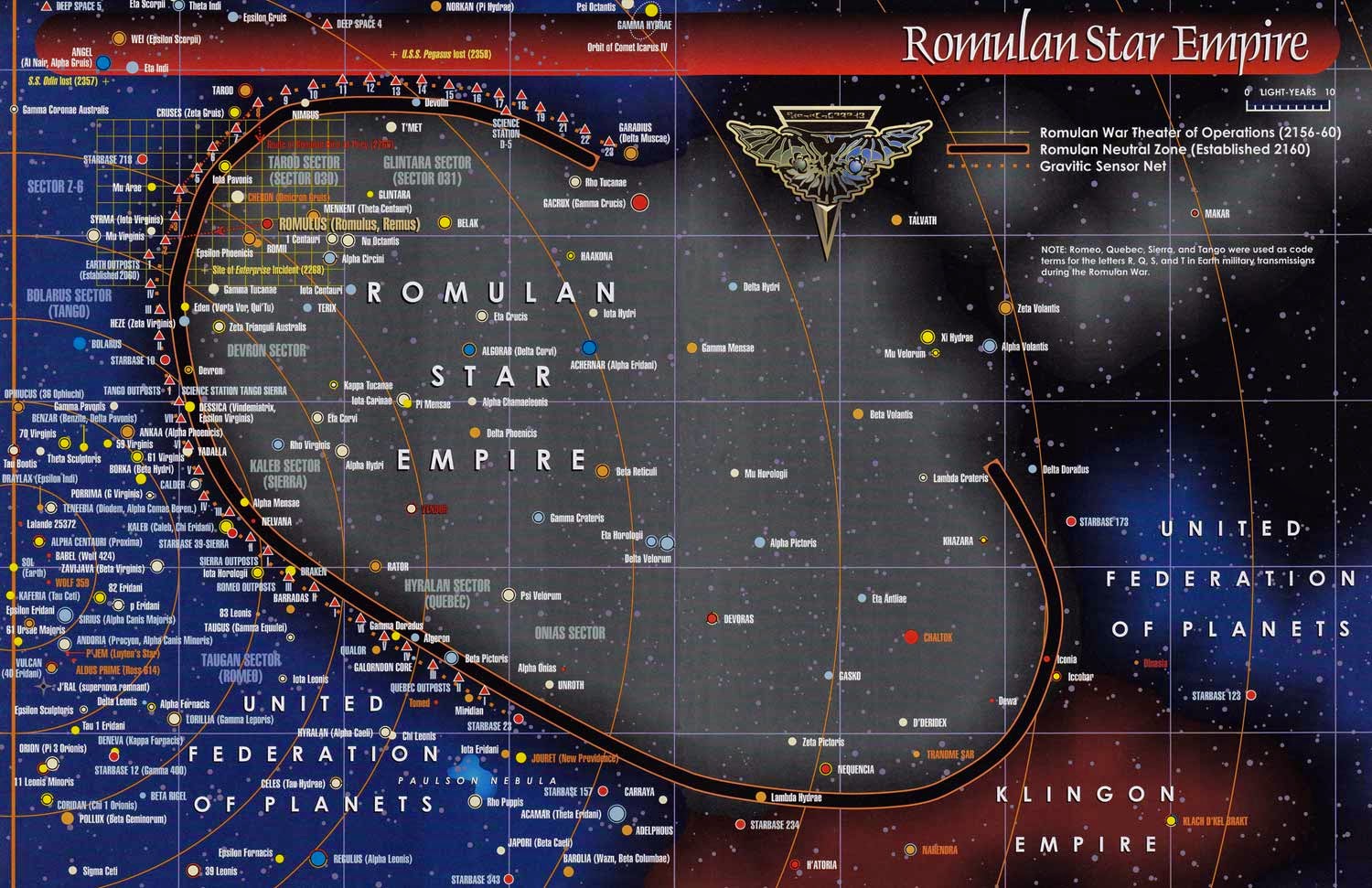
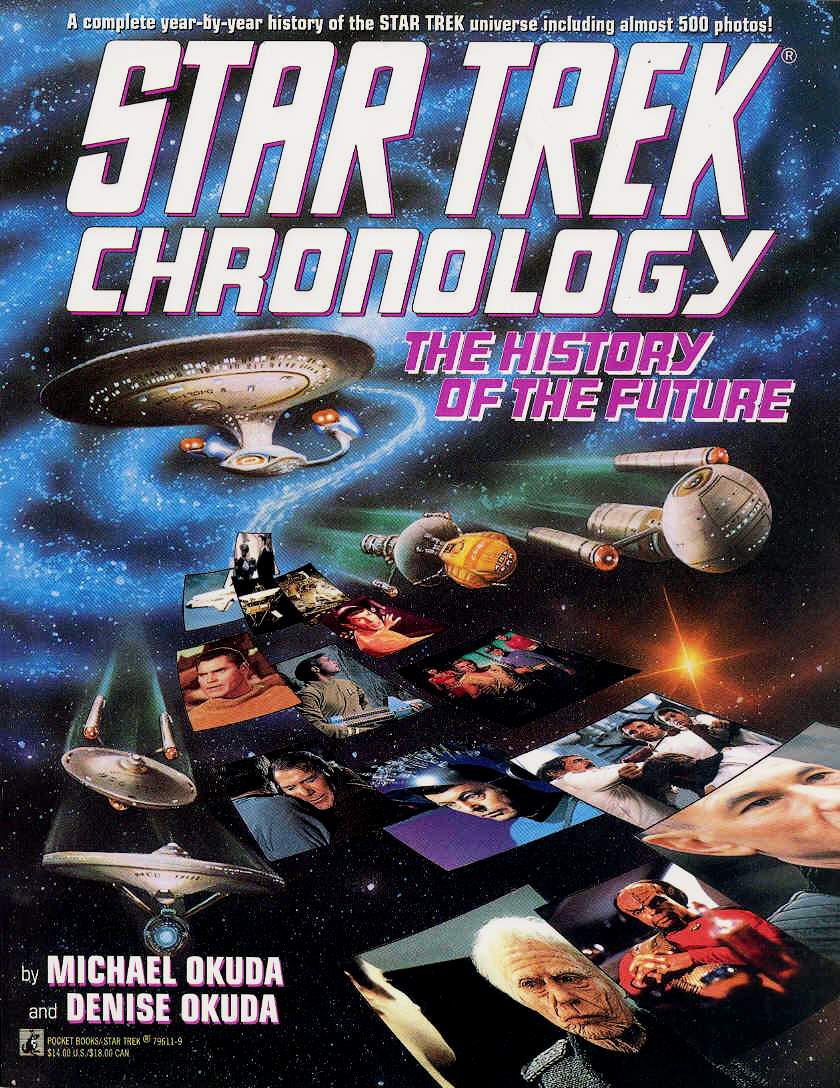
More recent forays into these fictional reference books have branched off into atlases, dictionaries, travel guides and even a Klingon version of Hamlet. The best of these books include encyclopedia pagesStar Trek: Star Charts: The Complete Atlas of Star Trek, Star Trek  Chronology: The History of the Future and The Star Trek Encyclopedia: A Reference Guide to the Future. These three books warrant repeat reading and are bursting with the tiniest details and information about Star Trek, not to mention beautiful artwork and charts. For instance in Star Charts, it traces the course of the U.S.S. Voyager on its journey back to the Alpha Quadrant. In the Star Trek Chronology we can trace the timeline of James T. Kirk from his birth (in Iowa, not some starship!) to the moment of his death. While The Star Trek Encyclopedia lists all the ships in their classes, detailed descriptions of three-dimensional chess, episode listings and provides detailed bios on many Star Trek characters.

romulan map

Of course, these books came out some time ago and much of it is outdated. However, they have enough material to keep anyone busy and seriously, Pocket Books should look into producing revised hardcopy chronologyversions of these books. This was actually done for both the Chronology and the Encyclopedia back in the late ’90s, so the precedent exists.

Thankfully being that this year is the 50th anniversary of the original Star Trek more books are coming our way. One of the most interesting of the lot is Hidden Universe Travel Guides: Star Trek: Vulcan by Dayton Ward. As long as Star Trek continues to inspire the imaginations of both writers and fans, there will always be more captivating reference books that can be poured over for hours at a time.

The following are the ten best Star Trek reference books and manuals released to date:

10. Star Trek: The Starfleet Survival Guide by David Mack

9. The Worlds of the Federation by Shane Johnson

8. Star Trek: Star Fleet Technical Manual by Franz Joseph

7.  Mr. Scott’s Guide to the Enterprise by Shane Johnson

6. TIE: Star Trek: The Next Generation Technical Manual by Rick Sternbach/Star Trek: Deep Space Nine Technical Manual by Herman Zimmerman

5. U.S.S. Enterprise Owner’s Workshop Manual by Ben Robinson and Marcus Riley

4. Star Trek: The Visual Dictionary by Paul Ruditis

3. Star Trek: Star Charts: The Complete Atlas of Star Trek by Geoffrey Mandel

2. The Star Trek Chronology: The History of the Future by Michael Okuda and Denise Okuda

1. The Star Trek Encyclopedia: A Reference Guide to the Future by Michael Okuda and Denise Okuda

Lewis T. Grove

The Superhero Movie War Starts On TV

justice dawn

This past week we witnessed the opening salvos in this year’s Superhero Movie War disguised as TV specials and returning programs, plus more.

Marvel Comics and DC Comics are the two comic book juggernauts on the block and they’ve taken their rivalry to other media. Chiefly on film and TV. On DC/Warner Bros.’ side, this week had the return of the popular shows The Flash and Arrow, plus the special The Dawn of the Justice League, which was largely a commercial for the upcoming DC Extended Universe (DCEU) on film. They topped off the week with the debut of the eagerly awaited spinoff show Legends of Tomorrow. Marvel Comics/Disney, meanwhile, brought back Agent Carter and premiered a special celebrating the 75th anniversary of Captain America. Just by looking at the lineup it’s obvious that DC won the first round.

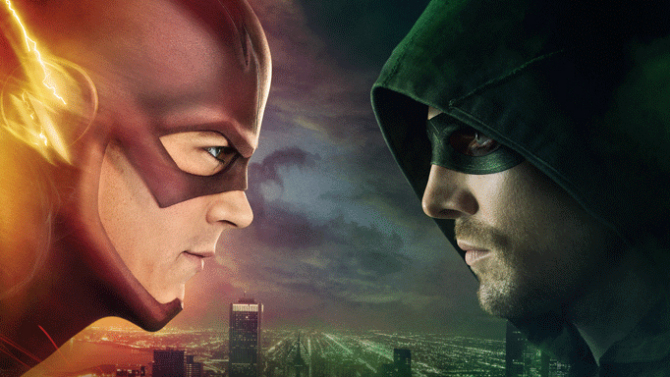
flash and arrowThe Flash was the best presentation even if its universe is apart from the DCEU. It was a typically great episode with the introduction of another classic Flash villain (the Turtle, who can slow down time), more intrigue about the uber villain Zoom and Barry Allen’s personal foibles taken straight from the pages of a Spider-Man comic book. The new Arrow episode hit all the marks with Oliver Queen/Green Arrow’s vendetta against Damien Dahrk as the episode tantalized us with the mystery of who dies in the near future. Based on the flashforwards to Oliver’s cemetery visits I’ll guess that the person who died is Felicity Smoak’s mother. I didn’t see Supergirl this week because I just couldn’t get into the show when it came out earlier this season.  Legends of Tomorrow was kind of a mixed bag, which means it was a bit of a letdown since this was highly anticipated. Doctor Who mashed legendsup with The Avengers, sounds great right? Well, Legends of Tomorrow is a case of a show sounding better than its execution. Mind you, it’s just the pilot episode and there were many cool things about the premiere episode like all the cameos and Easter eggs of the Arrowverse and the greater DC universe sprinkled liberally. But the episode had a hard time with its execution. Characters behave erratically, like Professor Stein, who is too eager to kidnap his partner Jefferson  just to go time traveling. And the way the characters just seem to take Rip Hunter’s word that he’s recruiting them for a noble quest without being healthily skeptical was too unbelievable. Still, Legends of Tomorrow had a goofy charm and is worth sticking with for the moment.

nutty smithThe half-hour special that aired on The CW, The Dawn of the Justice League, was just fodder for comic book fans anxious for the DCEU to get underway already. Basically, it was a commercial for upcoming films in the DCEU with lots of pre-production art for several DC heroes like Aquaman and Cyborg. Although it was great seeing actual footage from Wonder Woman and the new trailer for Suicide Squad was magnificent, it would’ve been terrific if they presented at least test footage of the characters that haven’t made their live-action appearances. BTW, the over-the-top fawning by the host Kevin Smith was just too much and the special inaccurately stated that Superman was a founding member of the Justice League. He actually wasn’t.

ABC aired its own superhero special, Captain America: 75 Heroic Years, which was a nostalgic and informative look at one of Marvel’s most popular heroes. Just like the DC special, it got some facts incorrect, notably not properly attributing the panels that Captain America appears in to being in The Amazing Spider-Man #36 (the 9/11 issue). But on the whole it was a well done special that featured interviews with Stan Lee, Chris Evans and the living relatives of Captain America’s creators, Joe Simon and Jack Kirby.

agent carterMarvel’s sole original fiction program was Agent Carter, which returned for its second season. For the most part, it was competent and enjoyable, but couldn’t hold a candle to the excitement offered from the DC TV shows. It lacked the other shows’ energy and intrigue, though it did its best, especially in the opening scenes. The most interesting thing about the new Agent Carter was its origin of the darkforce energy (in the show called zero matter), which is supposedly the source of power in the Doctor Strange movie.

It’s only the first month of the year and already indications are that the Superhero Movie War will be quite intense. But remember it doesn’t matter which side you want to win since after all we fans get to revel in all the goodies on screen at home or in theaters.

Waldermann Rivera