Two Star Trek Legends Lost: Walter Koenig & Patrick Stewart

“What we leave behind is not as important as how we lived.” Captain Jean-Luc Picard, Star Trek Generations

It has been a truly devastating week for Star Trek fans witht the sad news that Star Trek legends, Patrick Stewart and Walter Koenig passed away.

The Star Trek world and fans were shocked by the news on October 27, 2026 that Koenig died at the age of 90 on October 25 because he was one of the last remaining OG Star Trek actors, which just leaves William Shatner and George Takei as still being with us. But everyone was emotionally shattered with yesterday’s announcement from Stewart’s family that he passed away on October 28, 2026 after a brief battle with Alzheimer’s Disease and Lewy body dementia.
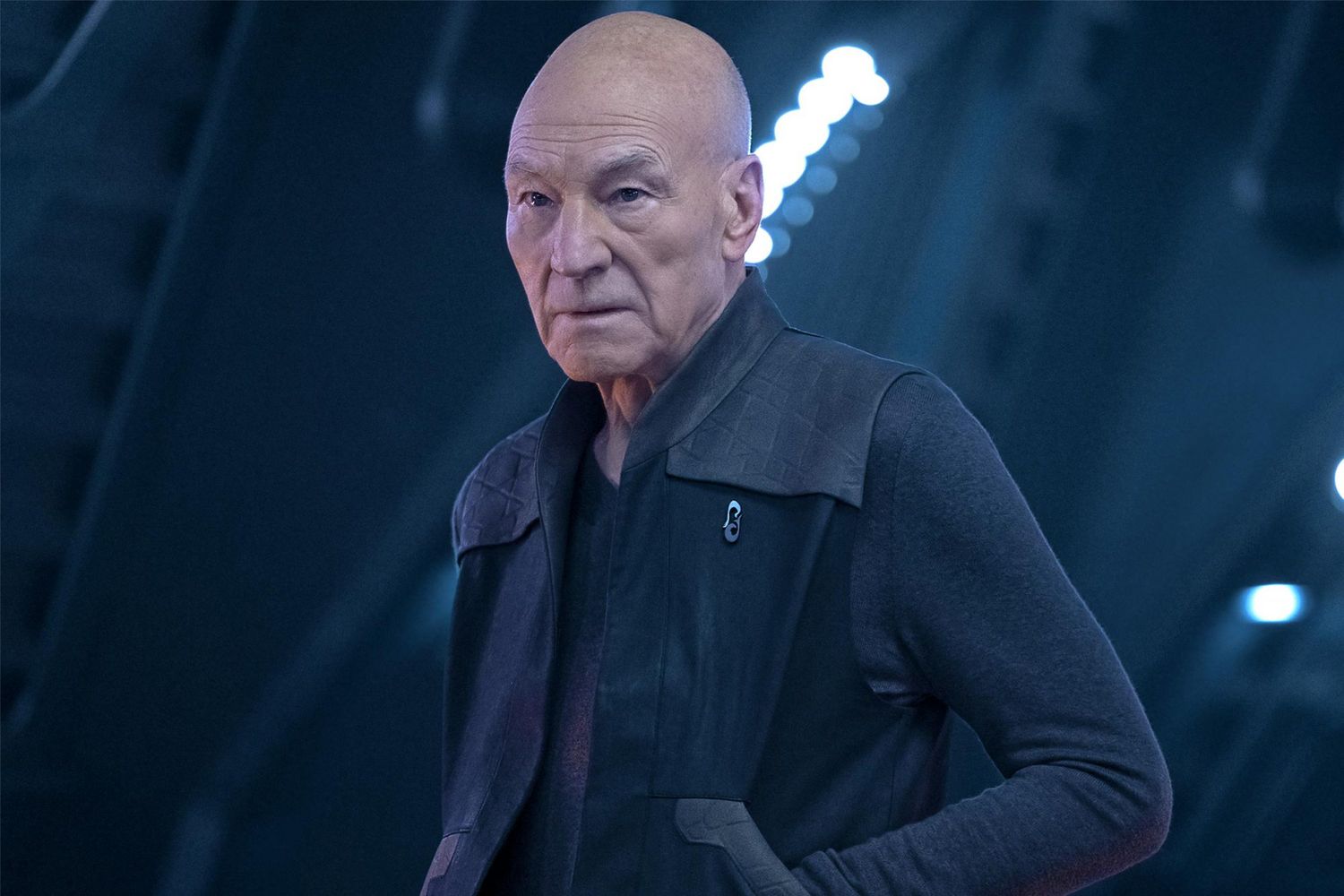
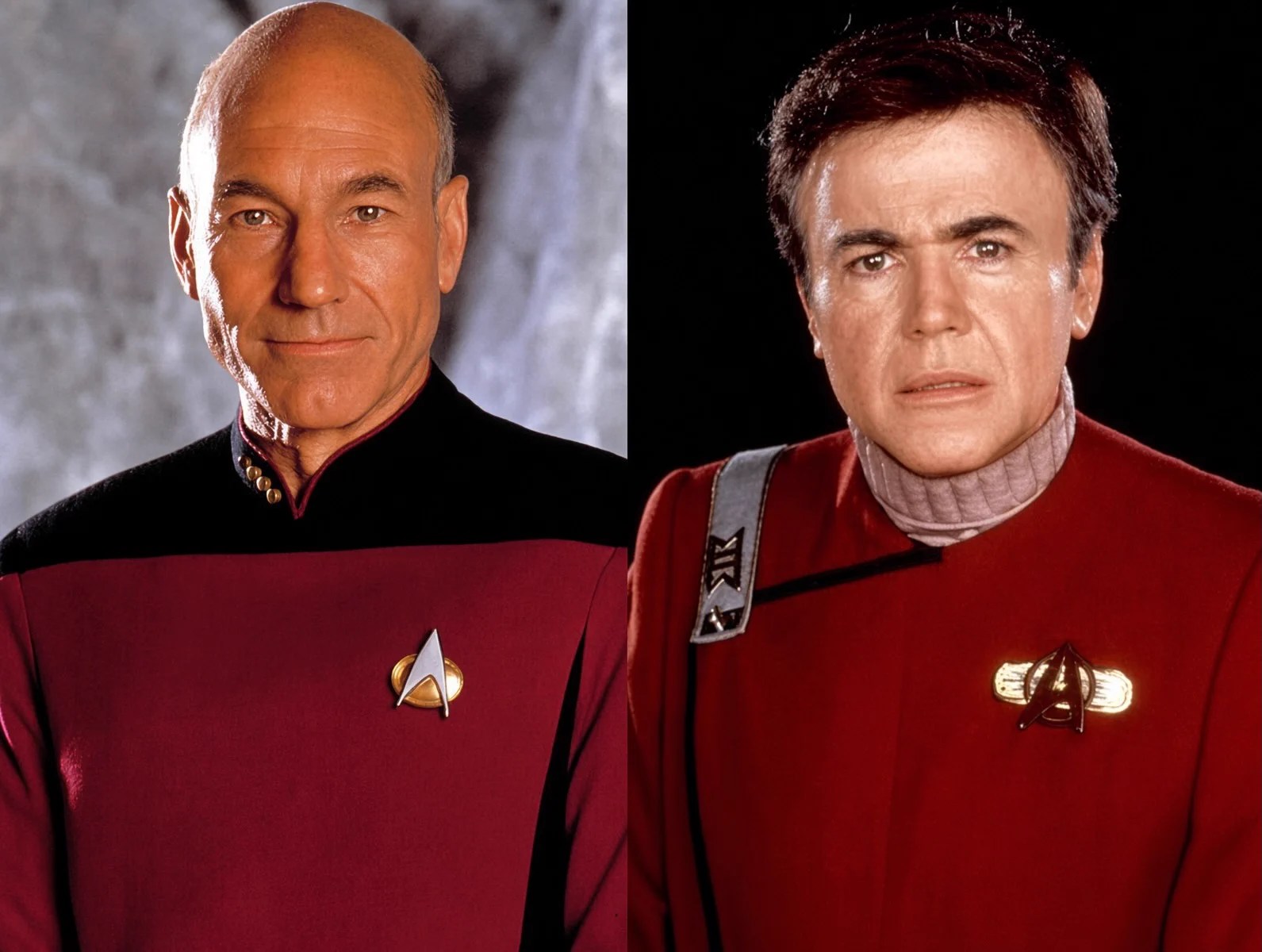
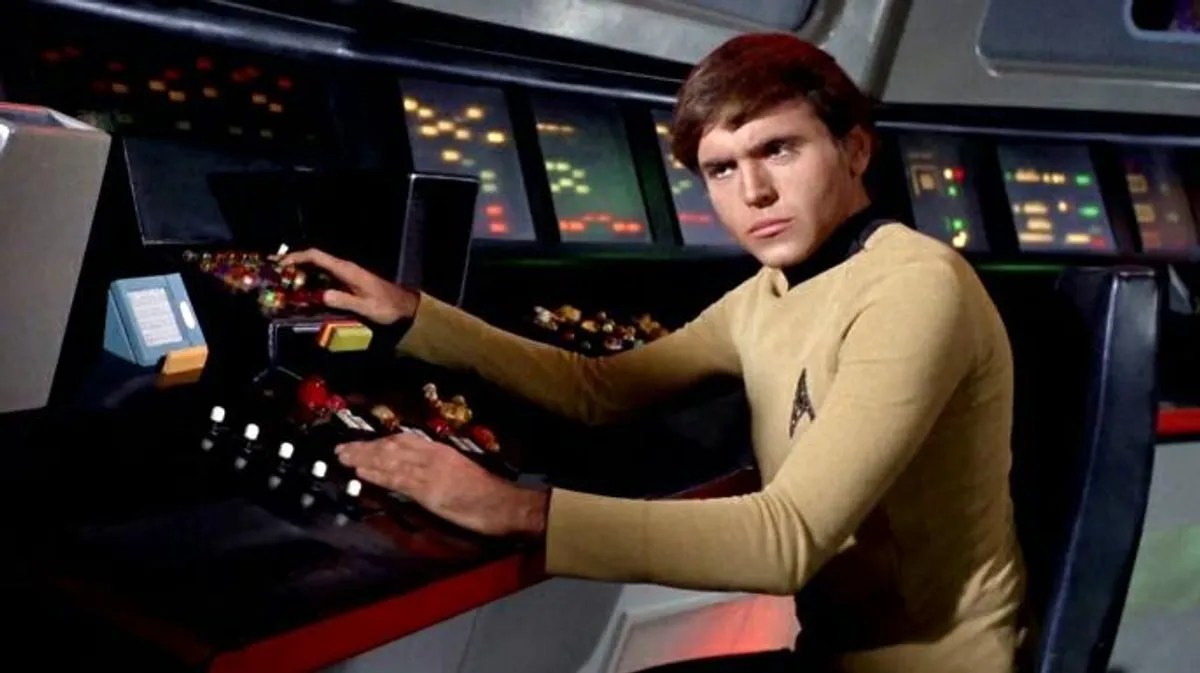
Both men contributed heavily to Star Trek and the sci-fi genre thanks to their iconic performances. In Stat Trek, Koenig portrayed the young Starfleet ensign Pavel Chekov who was the Enterprise’s navigator, and quickly gained a fan following with his Beatles wig (in an attempt by the show’s producer to lure in young viewers to the show). Meanwhile, Stewart elevated the world of Star Trek with his majestic performance as Captain Jean-Luc Picard in Star Trek: The Next Generation, which redefined what Star Trek was capable of.

One thing to keep inn mind is that although both actors were very influential on the Star Trek franchise, they made significant contributions to other popular sci-fi properties, as well. Koenig’s best known non-Trek role was as the authoritative psi-cop, Alfred Bester, in Babylon 5. As most Marvel Comics fans know, Stewart appeared as Charles Xavier/Professor X in the X-Men films, with him reprising the role for the final time in the upcoming Avengers: Doomsday.
The two Star Trek actors deserve the accolades they received as their work each distinctly left an impact with popular culture. There will be a post following this one that more closely examines Stewart and his impressive body of work. For now, let’s look at Walter Koenig and his work.

Walter Koenig came to the attention of Star Trek creator Gene Roddenberry when he guest starred in Roddenberry’s previous show before Star Trek, The Lieutenant. He joined Star Trek in its second season as the eager Russian Ensign Chekov which demonstrated how Earth’s cultures and nations became unified in the future. Being that Roddenberry wanted a young actor, he was partly chosen because of his resemblance to then-popular pop star Davy Jones of the Monkees. Right at the start, Chekov stood out from the many nameless extras who adorned the Enterprise bridge thanks to his thick Russian accent and comical banter with the crew, often attributing every Earth cultural development to Russia. Chekov became a fan favorite and a prominent member of the cast as he formed an easy comradery with his crewmate Lt. Sulu (played by Takei) and often joined Capt. Kirk and Mr. Spock in their adventures.

After Star Trek ended, Koenig wrote several scripts for several TV shows, including Star Trek: The Animated Series, Land of the Lost, The Powers of Matthew Star, and more. Oddly enough, even though he wrote an episode for the Star Trek animated TV show, his character did not appear in it due to budgetary reasons. He also penned a few novels including Chekov’s Enterprise, a behind-the-scenes look at his time filming Star Trek: The Motion Picture.

Naturally, Koenig returned to the role of Chekov for the first few Star Trek films, which reunited the cast of the original TV show. By this time, his character was a commander and his most prominent role as Chekov was in Star Trek II: The Wrath of Khan, though his comical appearance in Star Trek IV: The Voyage Home was also outstanding. His last film appearance as Pavel Chekov was in Star Trek Generations which introduced the cast of Star Trek: The Next Generation to the big screens. Koenig also appeared as Chekov in several Star Trek video games and Star Trek fan-made productions, with his best appearance being in Star Trek: The New Voyages episode “To Serve All My Days” and Star Trek: Of Gods and Men. He last made an appearance as a Chekov in the third season of Star Trek: Picard. This time as United Federation of Planets President Anton Chekov, the son of Pavel Chekov. Even though it was a brief voiceover work (warning people not to approach the Earth as it was under a Borg invasion), Koenig was able to stand out and delight fans.

Koenig appeared in several genre-related TV shows and films. He guest starred in the Canadian sci-fi series The Starlost, The Questor Tapes, and Babylon 5. He also had a main role in the sci-fi films Moontrap and Diminuendo; his last film appearance was in the 2024 film Raging Midlife.

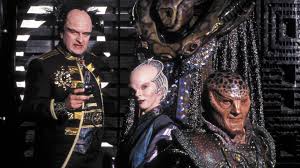
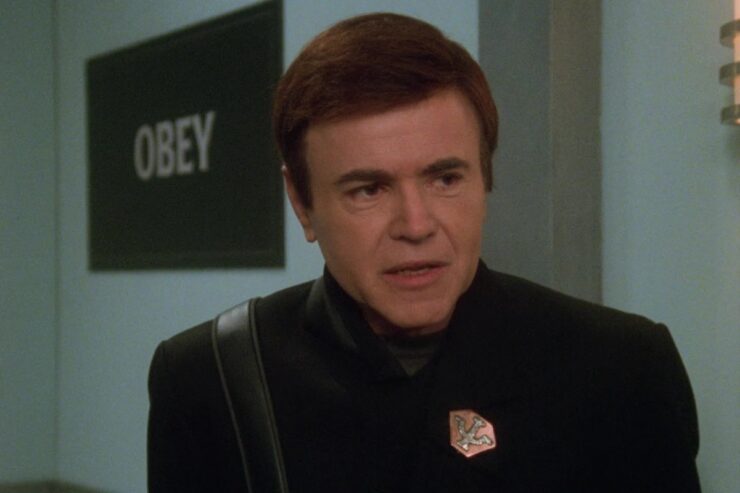
Walter Koenig’s most prominent non-Star Trek role was as Alfred Bester because it was completely different than the amiable Chekov. Bester was a coldly villainous telepathic Earth agent who ruthlessly pursued other telepaths and often clashed with the main characters.
Even though Koenig was typecast due to his Trek role, he was able to stay engaged in Hollywood and turned to writing, directing and teaching throughout his life. He was also actively engaged with Star Trek fans and made numerous appearances at conventions and other venues, and he also engaged in humanitarian work in Burma. He died of natural causes in his home.

With Koenig and Stewart passing away, we are reminded of how legendary figures are only here for a finite amount of time and should be treasured. Even though we are saddened by their deaths, we should celebrate their lives and contributions to modern culture and the live-action sci-fi drama. Koenig and Stewart left their mark and their work will always continue to delight and inspire many fans long after they are gone. It is a legacy to be proud of as the two men take their place among the stars, which feel a little dimmer today without them being here with us.

José Soto

Top 20 Babylon 5 Episodes

b5 cast 1Babylon 5, the classic sci-fi TV show from the ’90s, celebrates its twentieth anniversary this year. It all started with an obscure TV movie pilot called Babylon 5: The Gathering, which was about an orbital space station that served as a common meeting ground for several alien races including humans. Created by J. Michael Straczynski, Babylon 5 steadily built up a core fan base thanks to its epic plotlines and complex characters. These are the best episodes from its five-year run. * WARNING: Some major spoilers lie below.

20. “Day Of The Dead” An alien festival held in the station during the show’s fifth season (written by Neil Gaiman) brings about visions of deceased people to many main characters.

inquisitor19. “Comes The Inquisitor” Captain John Sheridan (Bruce Boxleitner) and Mimbari Ambassador Delenn (Mira Furlan) are held captive and tortured by a mysterious human (Wayne Alexander) sent by the enigmatic alien Vorlons to see if they are worthy for a coming struggle–namely the Shadow War.

18. “Z’ha’dum” This third-season ender featured Sheridan’s supposedly dead wife (Melissa Gilbert) coming to Babylon 5 as an envoy for the evil, spider-like Shadows and tries to recruit him to their side in the Shadow War.

17. “And Now For A Word” A news crew visits the station during the Narn-Centauri War in the second season. The episode is shot mostly in a documentary format, as viewers see various characters being interviewed, learn their viewpoints and witness a battle in the war.

16. “Shadow Dancing” As Sheridan stages his forces for a battle against the Shadows, the station’s doctor Stephen Franklin (Richard Biggs) is seriously wounded while on a self-imposed sabbatical.

15. “Babylon Squared” This intriguing first-season b4 episodeepisode hints at the show’s epic scale when Babylon 4, the station’s predecessor, mysteriously reappears after it went missing years ago. Investigations reveal that Babylon 4 is unstuck in time and tantalizing clues for what lies ahead for the show are unveiled. Some of the revelations are truly jaw dropping.

14. ” Point Of No Return” The station is placed under martial law the paramilitary organization the Nightwatch and station personnel must grapple with their loyalty to Earth or defying their government by confronting the Gestapo-like Nightwatch officers.

13. “No Surrender, No Retreat” In this fourth season episode, Sheridan decides to free the Earth colony Proxima 3 from the tyrannical Earth Alliance rule and provokes a showdown between his fleet and that of the Earth Alliance forces.

12. “In The Shadow of Z’ha’dum” More information about the Shadows and the mysterious Vorlons are unveiled as Sheridan faces difficult choices after learning that his wife was killed by the Shadows years earlier and that the mysterious Mr. Morden (Ed Wasser) is an associate of the Shadows.

imagesIP9HIUBQ11. “Chrysalis” This stunning first-season finale marked the last time Jeffrey Sinclair (Michael O’Hare) was the show’s main lead as the Earth Alliance president is assassinated and Security Chief Michael Garibaldi (Jerry Doyle) is critically shot while uncovering the conspiracy to kill the president. Meanwhile, the Minbari ambassador Delenn decides to undergo a metamorphosis.

10. “Believers” Dr. Franklin must contend with alien parents whose religious beliefs won’t allow believershim to operate on their fatally ill son. The ethical dilemma faced by the doctor was well presented as were the aliens’ beliefs that clashed with his Hippocratic oath. The ending was a horrific  shocker that illustrated how extreme both sides were about following their values.

9. “Endgame” At last! What fans have been waiting for since the start of the series. Sheridan’s forces finally arrive on Earth to free it from the tyranny of the Earth Alliance. This conclusion of the Earth Civil War had been building up for years in Babylon 5 and was emotionally satisfying to watch as both sides orchestrated final, fateful maneuvers.

8. “The Deconstruction Of Falling Stars” This unusual fourth-season ender examines the impact that Babylon 5 and its crew has on humanity way into the far future. Originally the episode “Sleeping In Light” was to be the finale when the show was prematurely cancelled. But a last-minute reprieve meant that the series finale had to be delayed and this episode was hastily produced and aired instead. The captivating story culminates in humanity’s fate a million years from now.

sheridan saved

7. “The Fall Of Night” Babylon 5 had many memorable season finales but this was the best one. Nagging questions were answered while new ones arose to keep fans talking in between seasons. The biggest reveal was that Kosh, the mysterious ambassador of the enigmatic Vorlon race finally shows what he looks like and it’s a stunner. Meanwhile, Sheridan and the station crew find themselves on their way to confronting the Shadows and the despotic Earth Alliance.

long twilight struggle6. “The Long, Twilight Struggle” The Narn-Centauri War comes to a bitter end as the losing Narn fight a valiant struggle against the Centauri, who were secretly helped by the Shadows. Meanwhile, Sheridan gains important allies for the coming Shadow War. The performances by the two rival ambassadors of each race G’Kar (Andreas Katsulas) and Londo Molari (Peter Jurassik) were gripping and arresting, as were many haunting images of the war itself.

5. “Sleeping In Light” Babylon 5’s series finale was one of the best ones ever done for any series. Taking place twenty years after the pivotal events in the show (the Shadow War, Earth’s liberation), surviving characters reunite on the eve of both Sheridan’s pending death and the decommissioning of Babylon 5 before its scuttled.  Aside from the poignancy of seeing the station one last time, the episode intrigues viewers with its revelations of what the now-old characters have been up to since Babylon 5 ended.

4. “And The Sky Full Of Stars” War veteran Sinclair sky full of starsis kidnapped and forced to relive through a simulation his time during the final battle in the Earth-Minibari War when he was captured by the Minbari. His kidnappers are convinced he is a traitor and push him via the simulations to admit his crimes. The episode effectively tantalized viewers about its mysteries, especially those about Sinclair’s memory gap during his capture and as to why the clearly superior Minbari forces surrendered to Earth on the eve of conquering humanity.

3. “War Without End, Parts One and Two” Many war without endmysteries regarding Babylon 4, the MInbari and Sinclair are finally revealed in this two-part third-season episode. Sinclair, now leading the warrior Rangers against the Shadows, returns to Babylon 5 with an important mission for many characters. It leads to Sheridan time traveling into the future as other characters wind up a few years in the past to right before Babylon 4 disappeared, which was shown in the episode “Babylon Squared”. Aside from showing what happened to Babylon 4, Sinclair’s ultimate…and stunning fate is revealed.

2. “The Coming Of Shadows” This pivotal episode won the Hugo Award for Best Dramatic Presentation as the evil, spider-like Shadows  secretly sinclair returnsinstigate the disastrous Narn-Centauri War. Meanwhile, Garibaldi gets a message from an old friend, former Babylon 5 commander Sinclair, who is now working against the coming “terrible darkness” and enlists his allegiance. Sinclair’s appearance was a genuine surprise and, along with the Shadows’ machinations, pushed the show and its characters into a bold, new direction.

1. “Severed Dreams” This third-season episode b5 speechof Babylon 5 served as a cathartic release of sorts. Sheridan and his crew had been dealing with the increasingly totalitarian rule of Earth Alliance President Clark, who had the previous president killed in the first season finale. Sheridan reaches a point where the only way to save their democratic way of life is to rebel against his government. Following his declaration that Babylon 5 is seceding from the Earth Alliance a vicious battle ensues between the station and Earth warships, along with a vicious firefight inside Babylon 5 when its boarded. By the episode’s end Sheridan is now committed to a new path and must follow it to its conclusion.

Honorable Mentions: ” Between The Darkness And The Light”, “Divided Loyalties”, “The Fall Of Centauri Prime”, “The Hour Of The Wolf”, “Interludes And Examinations”, “Intersections In Real Time”, “Objects At Rest”, “Signs And Portents”, and ” Walkabout”.

José Soto

Babylon 5: The Last, Best Hope

“It was the dawn of the third age of mankind”– Commander Jeffrey Sinclair, opening monologue during the first season opening credits of Babylon 5

b5 creewWhat made Babylon 5 so great was its epic scope. It had a long-running storyline with conflicted characters and bizarre aliens who weren’t just actors with bumps on their faces. Unlike many sci-fi TV shows before it, Babylon 5 genuinely set out to present a mature story with engaging characters and it succeeded. When conceiving the show, Starczynski wanted to do a grand, epic sci-fi show and was inspired by Dune, The Lord Of The Rings and the Lensmen and Foundation series. Also emulating TV shows like Hill Street Blues, he wanted Babylon 5 to be taken seriously without robots or kids running around. Instead complex storylines were the order of the day; events had consequences in later episodes. Characters, even the heroic ones, were deeply flawed and suffered from addiction, greed, insecurities and other foibles. The show didn’t present some kind of utopian future, yet it wasn’t a moody, post-apocalyptic saga. At the end, the show was about hope and striving for a better tomorrow, which was best seen in its fourth season finale “The Deconstruction Of Falling Stars” and its final episode “Sleeping In Light”.

Evolving Situations & Complex Characters

Babylon 5 takes place in the mid 23 century on Babylon 5, a space station. It served as neutral ground for various space powers to work out their differences peacefully and as a port-of-call. At first, the station functioned as a futuristic U.N. and in the opening credit’s narration in the early seasons it was called the “last peace hope for peace.” But by the third season, intergalactic war was raging and the station then changed into the “last best hope for victory.” As can be inferred by the change in narration, Babylon 5 was very dynamic. Events, political situations and people were always in flux. It wasn’t static like many TV shows and careful viewers had to keep up with what was happening in the show.

Follow this example. There were five super space powers that had representatives on board the station; the Minbari Federation, the Earth Alliance, the Narn Regime, the Vorlon Empire and the Centauri Republic. The latter one was once a major, imperial power in the known galaxy. The B5 representative was Londo Mollari (Peter Jurasik), who was characterized by his outlandish hair that b5 aliensstood up in the back like peacock feathers and his boisterous personality. He came off at first as a bickering buffoon, who liked to verbally spar with his rival G’Kar (Andreas Katsulas). Now G’Kar represented the Narn, which was once ruled by the Centauri. He liked to antagonize Londo about the supposed superiority of the Narn and the fact that the Centauri were a declining power. It was very clear that Londo wished for his people to become a great power again.

Early in the show’s run, he met a mysterious person, Morden (Ed Wasser) who offered him a Faustian deal to return the Centauri to greatness. Afterwards, the Narn and Centauri went to war and the Narn were being defeated by an unknown power aiding the Centauri. At first, Londo was ecstatic over the supposed Centauri victories, but over time he learned that his people were aligned with the evil Shadows, an ancient power that returned to the known galaxy to conquer everyone. Londo came to realize the true cost of his deal, which was his soul and his people’s subjugation. So during the course of the show, Londo underwent a wide personality shift. Once seen as comedic relief, Londo assumed an adversarial role until consumed by guilt, he earned a measure of redemption when he finally turned against the Shadows and helped G’Kar and his people.

That was just one story arc. There were many other intricate plot lines that involved not just the show’s leads but supporting characters as well. sinclairPeople would suddenly die or leave the station, even the main character. In its first season, the lead was Commander Jeffrey Sinclair (Michael  O’Hare), who was a calm, stoic leader, but was quietly suffering from his ordeals during a previous war. The show’s producers shocked fans after the first season when they announced that O’Hare wouldn’t be returning to the show. He was replaced by Bruce Boxleitner as Captain John Sheridan, a self-assured and brash commander who echoed James T. Kirk. It all may have been daunting for the average viewer who just tuned in for an episode or two, but in the end it was largely rewarding for a dedicated watcher. Continue reading →

Top Ten Season Finales

As the traditional TV network season dies down, many shows will conclude their seasons with memorable finales. Many sci-fi, fantasy and horror shows have had some of the most-talked about finales that included thrilling cliffhangers, WTF revelations and dramatic game-changing developments. WARNING: Major Spoiler Alerts Ahead.

10. “Lucifer Rising” Supernatural (Season Four); Sam and Dean Winchester are betrayed by their allies who want to bring about the coming apocalypse by unleashing Lucifer upon the Earth.

9. “How To Stop An Exploding Man” Heroes (Season One); the show fell apart after its terrific first season but many episodes from that season are still great including the season finale that featured several super-powered heroes confronting the power-stealing villain Sylar.

8. “Zero Hour” Star Trek: Enterprise (Season Three); the conclusion of the season-long Xindi arc finds Captain Archer and the Enterprise crew on a last-ditch, desperate gamble to prevent the alien Xindi from destroying Earth. Aside from all the action and ship battles, the episode had a surprise ending which unexpectedly stranded our heroes on an alternate Earth during World War II.

7. “Over There, Part 2” Fringe (Season Two); Olivia Dunham and Walter Bishop continue their mission in the parallel Earth to retrieve Peter Bishop. Viewers are treated to a fascinating look at another Earth with doppelgangers, advanced tech, quarantine zones and many alternate cultural Easter eggs, plus a nefarious plot to destroy our universe. The cliffhanger was pretty nifty too with Olivia trapped in the parallel universe while her sinister double takes her place.

6. “Die Me, Dichotomy” Farscape (Season Two); the show’s main character, lost-in-space astronaut John Crichton, had a neural chip implanted in his brain by his enemy Scorpius in order to access Crichton’s hidden knowledge about wormholes. Throughout the episode, Crichton battles himself as the chip asserts control of his mind and makes him attack his friends and results in the death of his would-be lover Aeryn Sun. After a doctor finally removes the chip, Scorpius appears, takes the chip and leaves behind a helpless, broken Crichton on the operating table so he can live with the agony of what happened.

5. “Chrysalis” Babylon 5 (Season One); this season finale would prove to be the swan song for the show’s main character Jeffrey Sinclair (replaced off-screen in season two by John Sheridan) as ominous events unfold. Sinclair’s station security chief unsuccessfully attempts to stop a conspiracy to assassinate the Earth Alliance president. His efforts leave him shot and in critical condition. Meanwhile, the mysterious aliens called the Shadows emerge and attack an outpost of one of the major races, thus setting the stage for a deadly galactic war. Towards the end, Sinclair’s ally D’Lenn undergoes a physical transformation to fulfill a prophecy as Sinclair laments elsewhere that “nothing’s the same anymore.”

4. “Lay Down Your Burdens, Part II” Battlestar Galactica (Season Two); fleetwide presidential elections are held pitting President Roslyn against the enigmatic Baltar. An issue of the election and the series itself is whether or not the fugitive humans should abandon their quest to find Earth and settle down in a discovered habitable world. The episode jumps ahead more than a year later and shows how miserable the humans are living in their makeshift shanty towns. Things get much worse when their enemies, the robotic Cylons, arrive on the planet and the humans’ new leader Baltar surrenders the colony to the Cylons.

3. “Through The Looking Glass” LOST (Season Three); the final minutes are a true game changer for LOST. The castaways are trying to find their way off the mysterious island as flashbacks show a despondent Jack Shephard back in L.A. at the end of his road. For a while it was the standard format for the series, feature flashbacks on certain characters while advancing the present-day plotline. However, aside from the foretold death of a popular character, LOST stunned fans with the revelation that the episode’s flashback was actually a flash forward and that Jack was desperate to return to the island.

2. “Call To Arms” Star Trek: Deep Space Nine (Season Five); the peaceful Federation goes to war with the Dominion in this exciting season-ender. This development is a first for the Star Trek shows, which often preached peace above all. Viewers were treated to an effects-laden spectacular as hordes of Dominion ships attacked the Deep Space Nine space station. The episode ended with so many outstanding closers, each of which would’ve sufficed as any show’s final moments. For example, the episode could’ve just ended with Captain Sisko’s speech to his Bajoran colleagues that he will return, or with Dominion lackey Gul Dukat being “welcomed” to the station, or with Dukat’s discovery of Sisko’s baseball indicating that Sisko and company are coming back. The episode then topped itself with a final breathtaking scene of Sisko’s Defiant warship joining a vast Starfleet/Klingon armada ready to do battle.

1. “The Best Of Both Worlds, Part 1” Star Trek: The Next Generation (Season Three); this was the first and best cliffhanger shown on Star Trek: The Next Generation. The cybernetic and invulnerable Borg race begin an invasion into Federation territory with the goal of reaching Earth. Despite their best efforts, the Enterprise and its crew are nearly powerless to stop the Borg, which leads to a crisis of confidence faced by Captain Picard. Meanwhile, First Officer Riker has to contend with an overly ambitious officer/Borg specialist who is out for his job. The tension runs way overboard as Picard is kidnapped by the Borg but the true jaw-dropping moment comes when the Enterprise crew attempt a rescue. They find that Picard has been horribly transformed into a Borg, who then coldly orders the Enterprise crew to surrender. Equally as chilling was Riker’s three-word response, which ends the episode…to be continued.

Honorable Mentions:

“Besides The Dying Fire” The Walking Dead

“Redemption” Star Trek: The Next Generation

“The Jem’Hadar” Star Trek: Deep Space Nine

“Basics, Part I” Star Trek: Voyager

“The Parting Of The Ways” Doctor Who

“Shock Theater” Quantum Leap

“The Fall Of Night” Babylon 5

“The Day We Died” Fringe

“Evil Is Going On” True Blood

Waldermann Rivera