Celebrating The DCEU

Now that Aquaman and the Lost Kingdom has been released in theaters the DC Extended Universe (DCEU) has come to an end. As Warner Bros.’ answer to the might Marvel Cinematic Universe, the DCEU has had many hurdles that it could not overcome during its ten-year run.  Frankly, it’s a minor miracle that it lasted this long. The issues facing the DCEU have been covered at length and basically, the overall tone of the cinematic universe was all over the place with some truly great films (and one TV show) and some horrendous films. Still, in spite of its problems the DCEU had a lot of merits, which should be brought up as we commemorate the DCEU.

Bold New Takes on Characters

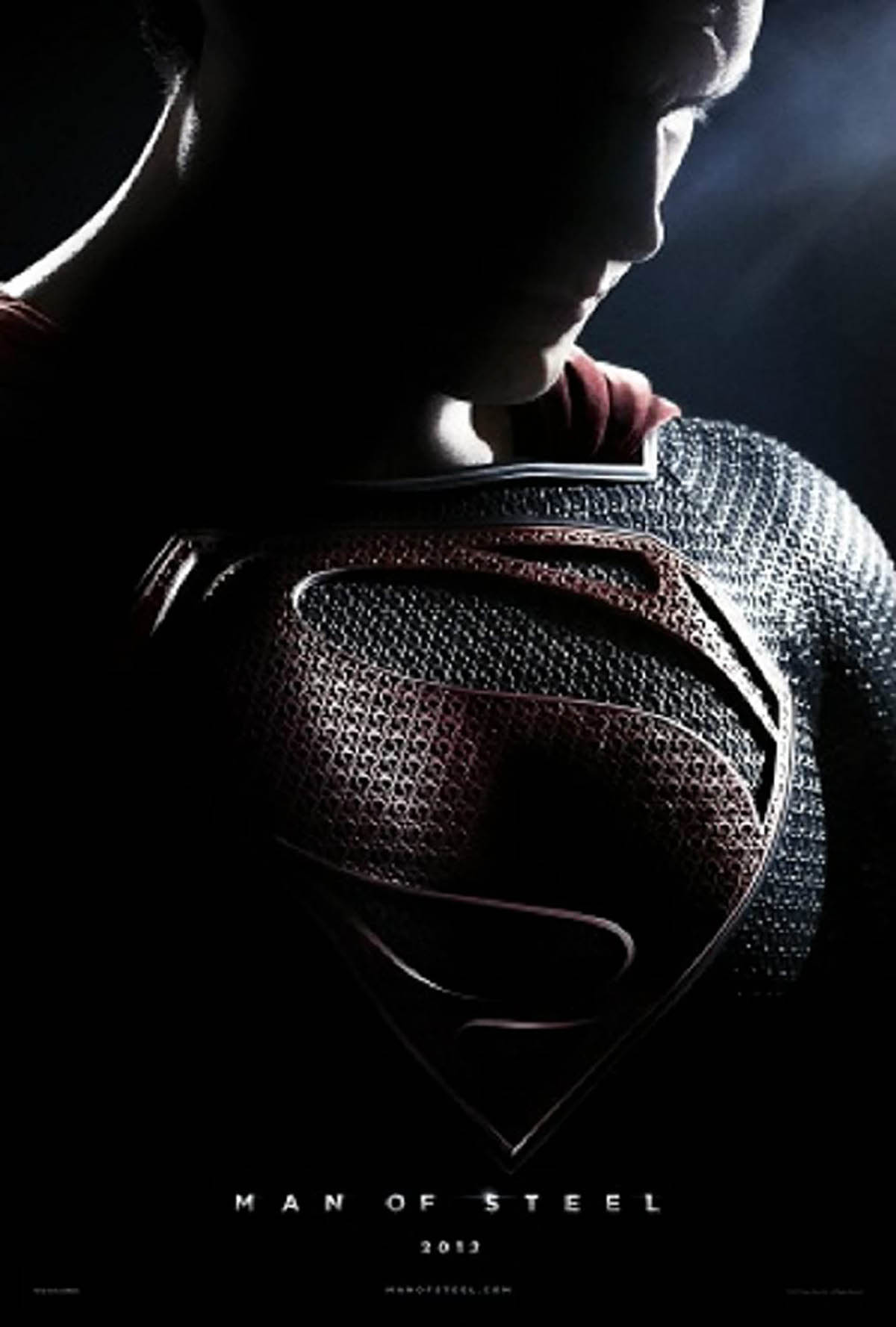
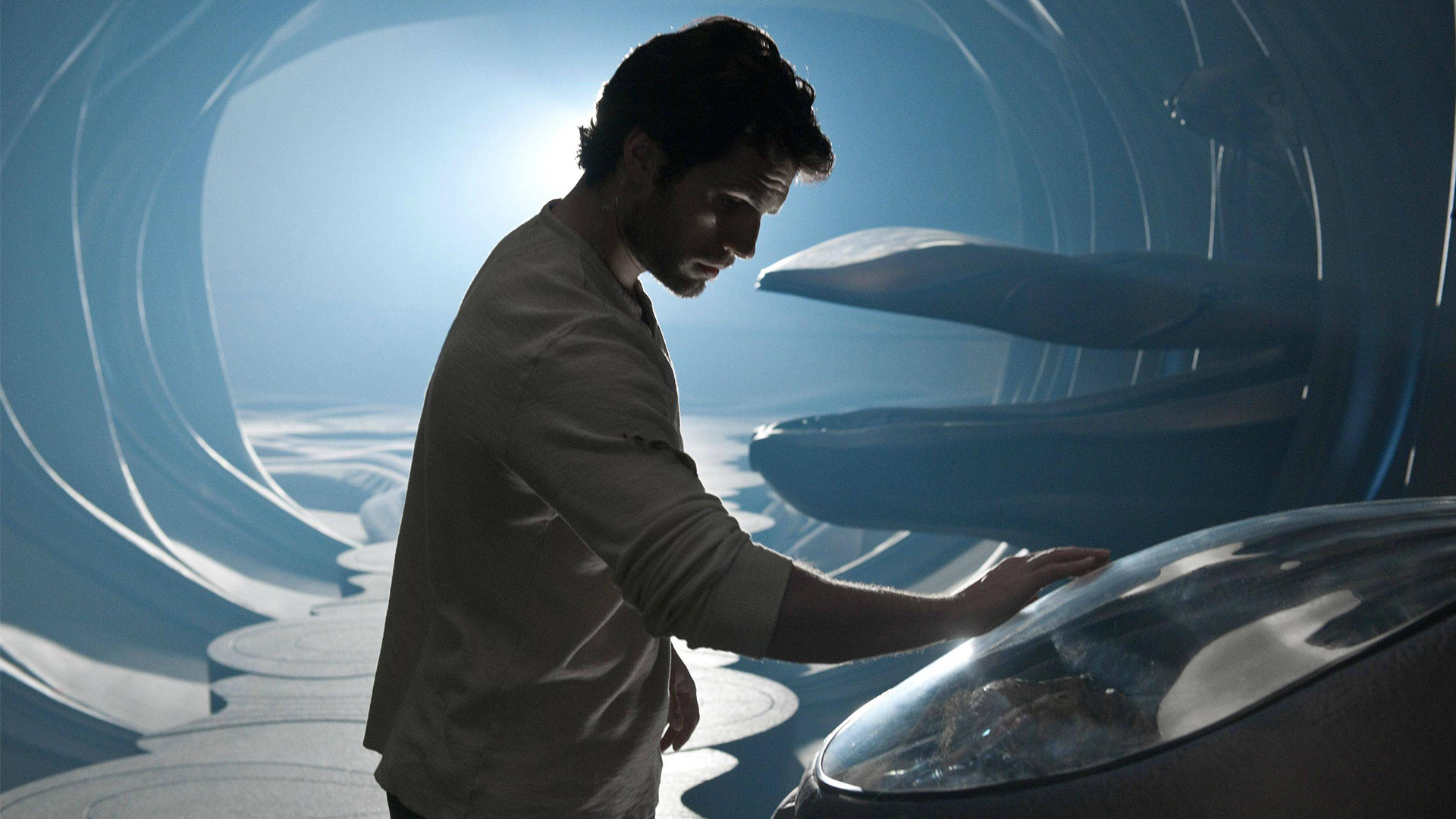
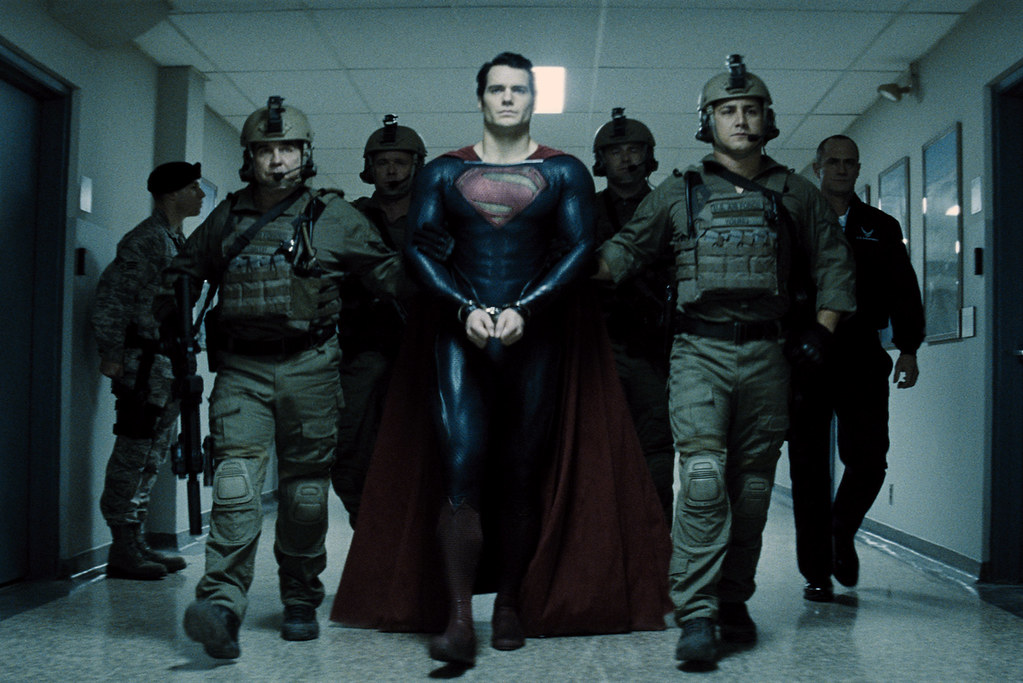
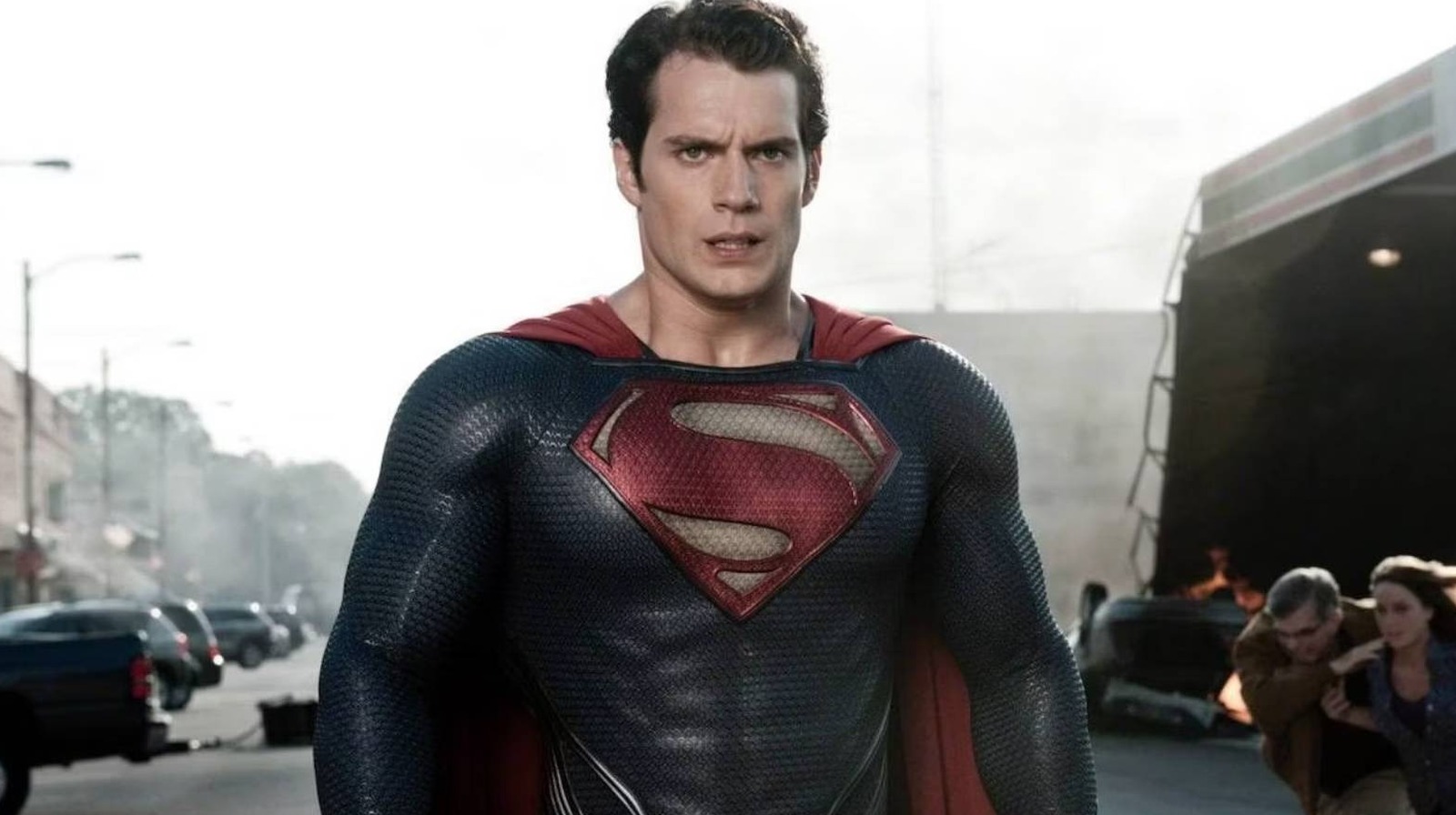
Man of Steel, the first entry in the DCEU, immediately stood apart from traditional Superman films with its darker and more grounded approach to the superhero. This turned off many fans, but others welcomed the refreshing take on the character as it explored the alienation and uncertainty that Superman felt during his emergence as a superhero.
Other characters also had interesting interpretations such as Batman portrayed as a world-weary crusader coming out of semi-retirement and finding a new purpose. Aquaman was reimagined from a being a joke to a formidable warrior with the personality of a surfer dude on hyper steroids. Shazam! presented the title character as an immature teenager reveling in the body of a superpowered adult superhero—the ultimate fantasy for most teenage boys and girls.

Excellent Casting

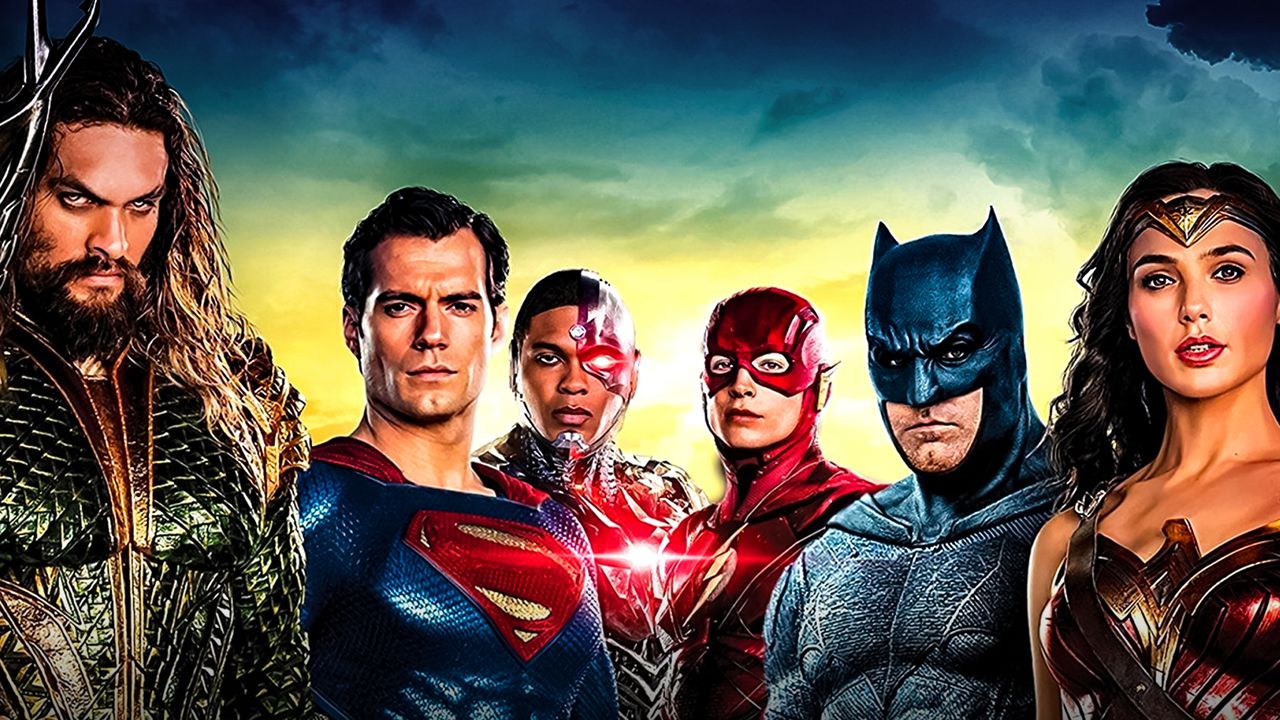
One reason for the successful re-interpretations of the well-known DC characters was the casting. Henry Cavill was so great as Superman, that for many fans his version of the superhero overtook the classic Christopher Reeve interpretation as Cavill’s Superman felt so modern. Jason Momoa’s version of Aquaman turned him into a fun-loving badass.
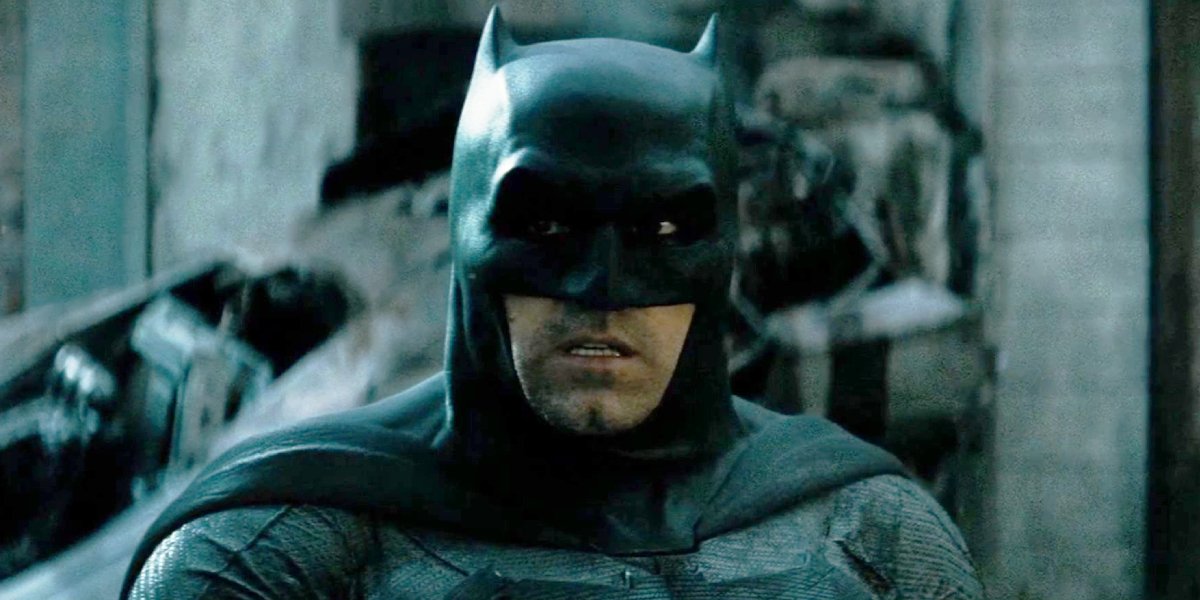
While many were skeptical of the casting of Ben Affleck as Batman, the actor shocked everyone with a solid performance and now many feel Affleck did the best portrayal of the Dark Knight. Gal Gadot electrified audiences with her portrayal of Wonder Woman and established the Amazonian princess as an inspiring role model. Meanwhile, Margot Robbie infused Harley Quinn with so much manic energy and verve that it is difficult to imagine another actor taking over the role in future DC films.

Electrifying Live-Action Debuts

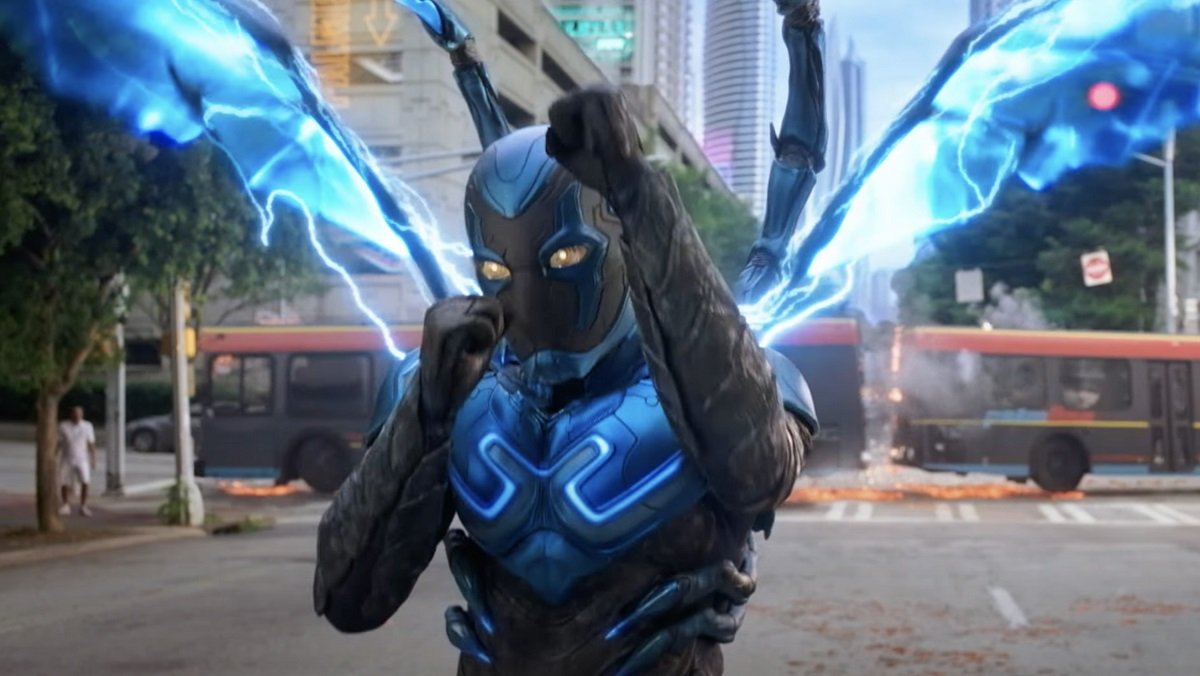
Many superheroes and villains from the DC comics made spectacular live-action debuts in the DCEU films. The most recent being Blue Beetle;even though the film flopped, it was widely acclaimed for its retro back-to-basics approach with origin superhero films. As mentioned above, Harley Quinn was a bonafide scene stealer whenever she appeared in films, and let’s not forget, the other members of her teams.

The films devoted to the Suicide Squad team introduced audiences to many different DC villains. Anyone tired of the Joker or Lex Luthor being featured in DC films rejoiced at colorful villains such as Captain Boomerang, King Shark, Rat Catcher, Bloodsport and Peacemaker. The debut of these characters fleshed out the DCEU, which did not over-rely on its trinity of legacy characters, i.e Superman, Batman and Wonder Woman.

Distinct Visions

It’s true that the overall tone of the DCEU was inconsistent thanks to Warner Bros. executives who interfered with the films. However, many times the films were injected with distinctive visions from its directors. Zack Snyder established a hyper-realized look to his films which were a hallmark of the early DCEU films. Love or hate the Snyder films, they certainly stood apart visually from other superhero films.
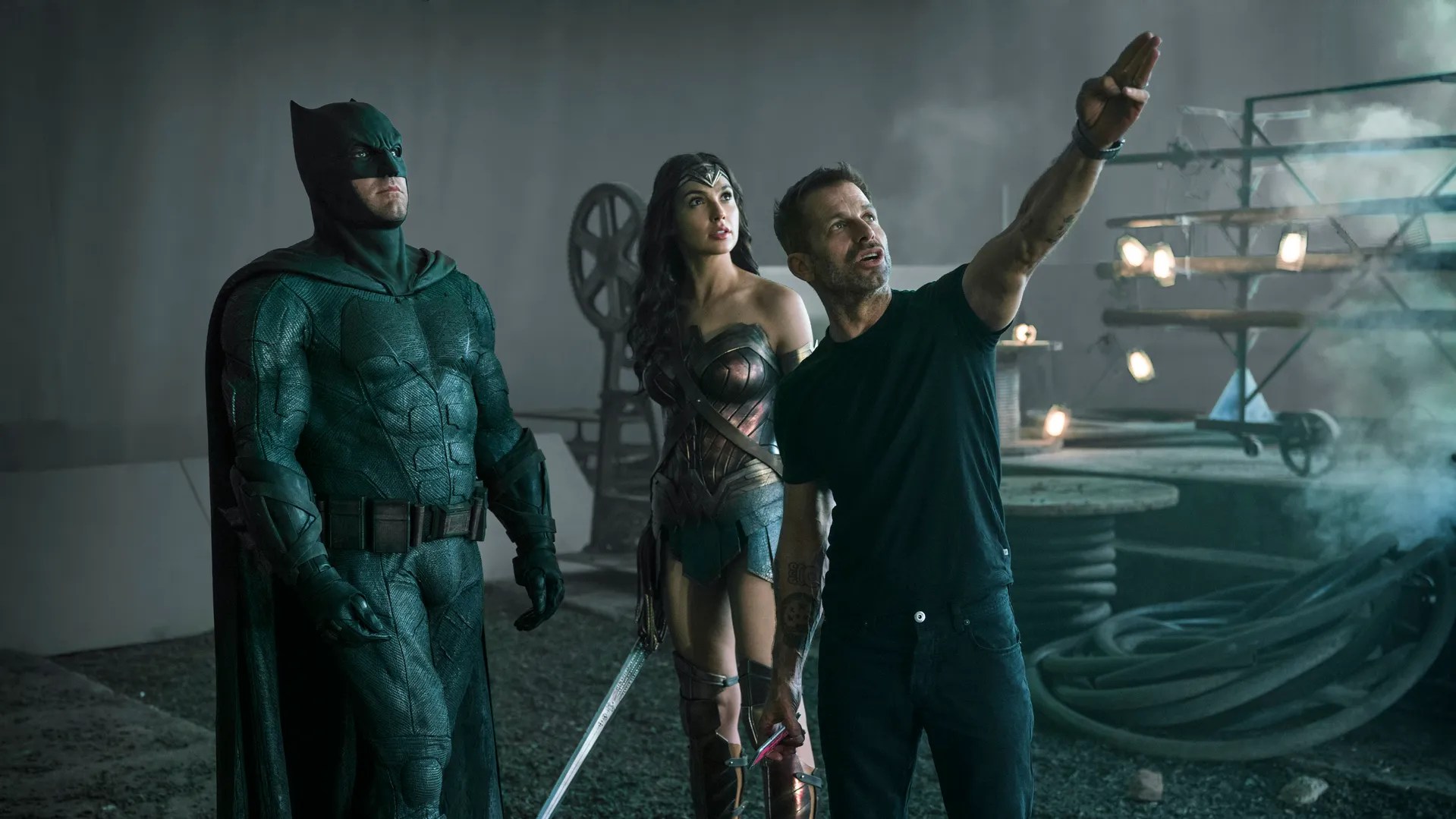
Other directors like James Gunn, James Wan, Patty Jenkins (at least with the first Wonder Woman), David F. Sandberg and Angel Medina Soto infused their films with bright and bold directions, which celebrated the comic book roots of the DC characters. The result was that many of the DCEU films were distinct from other superhero films. This is not a small feat given all the many recent superhero films.

Topnotch Productions & Iconic Scenes

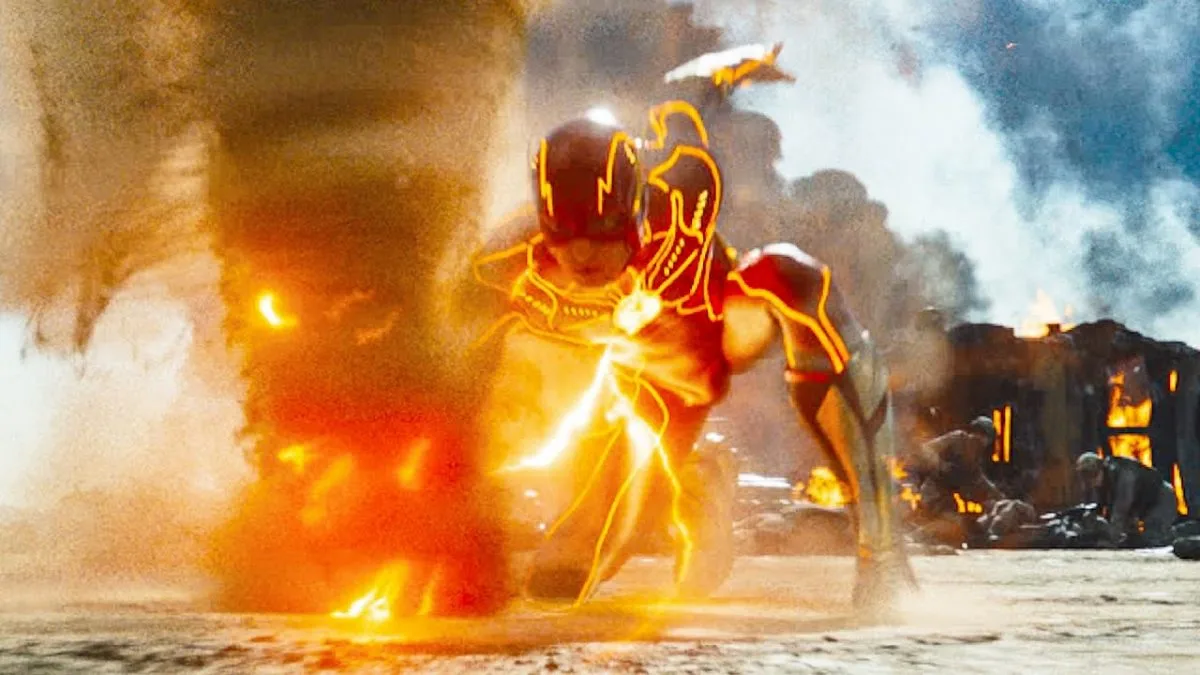
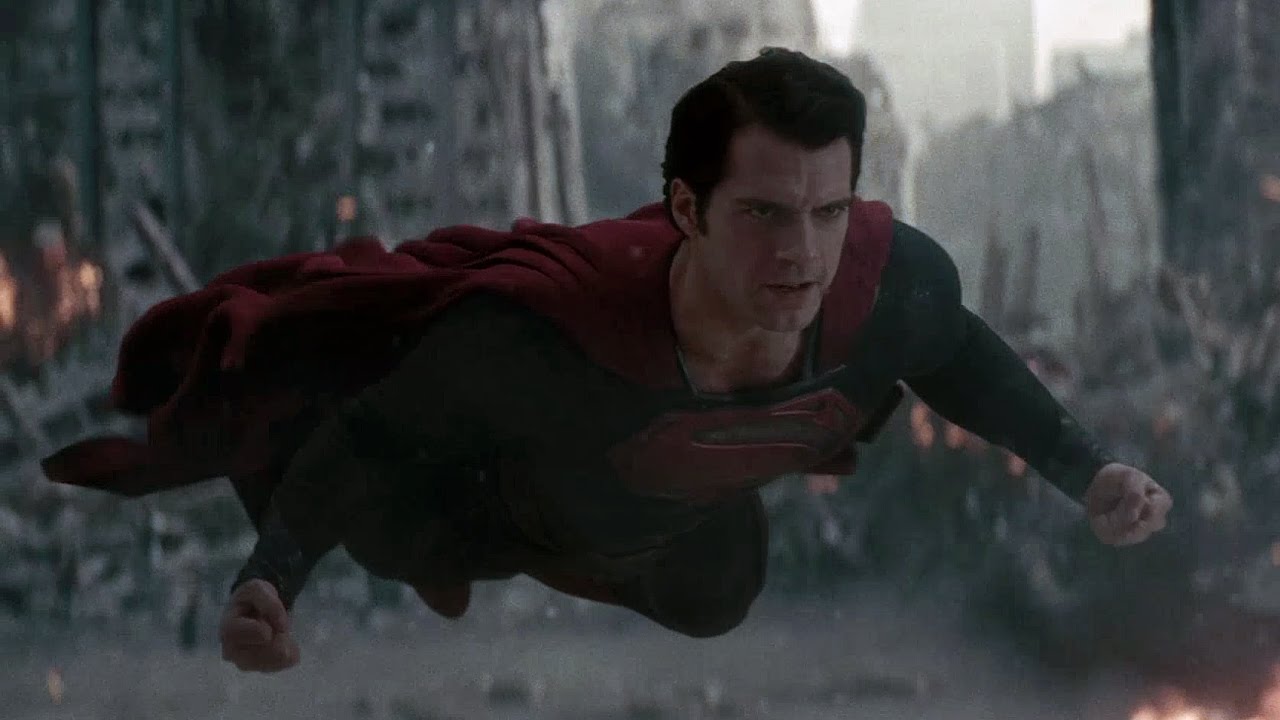
With certain exceptions (see The Flash), the DCEU films have boasted topnotch productions and unforgettable special effects. Some films received notable awards for their productions, including an Academy Award for Best Makeup and Hairstyling for Suicide Squad and a Hugo Award for Best Dramatic Presentation, Long Form for Wonder Woman.  Many scenes, especially those from the Zack Snyder films, featured new and interesting depictions of superpowers, such as the epic airborne fights that took place in Man of Steel and when Superman first learned how to fly in the same film.
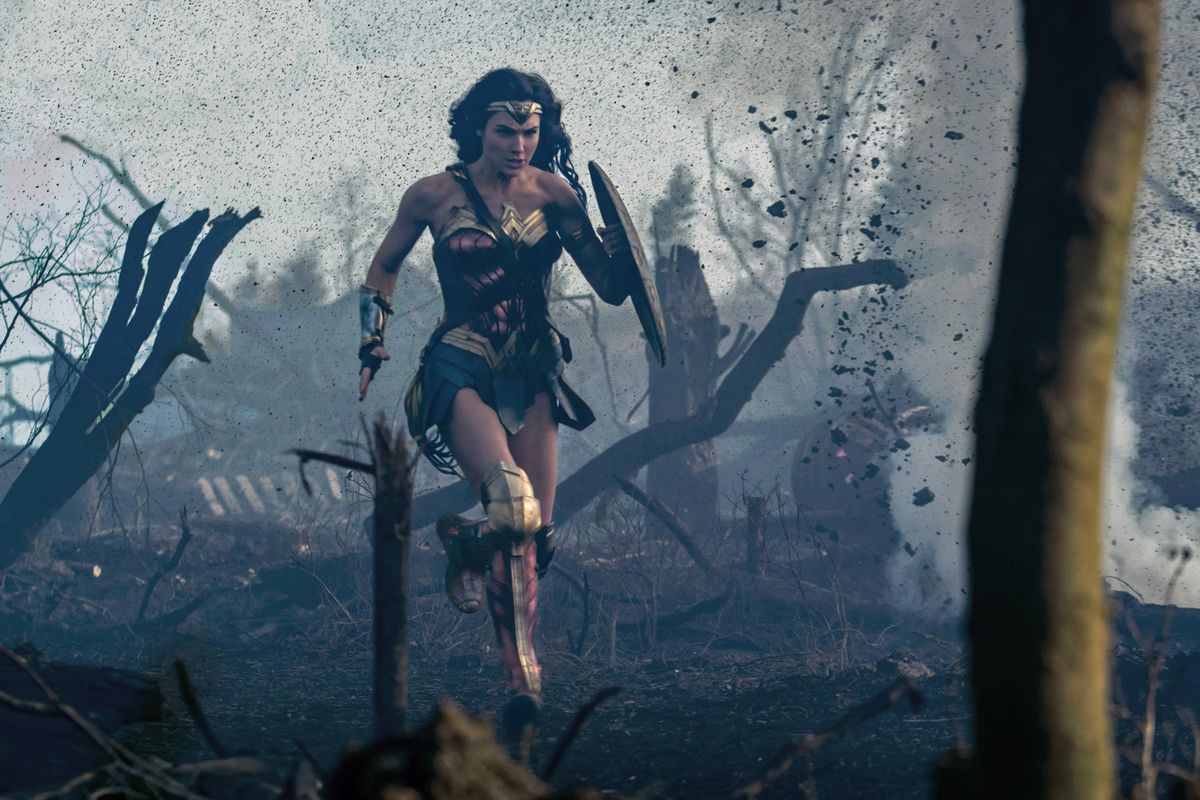
Several scenes from DCEU films were simply iconic like that moment in Wonder Woman when the title hero emerged from the trenches to fight enemy soldiers during World War I. Some other moments were just plain goofy and fun. A great example was a quick moment in Aquaman that featured an octopus playing drums (!). Then there was the madcap nature of The Suicide Squad, which allowed James Gunn to run wild with his imagination.
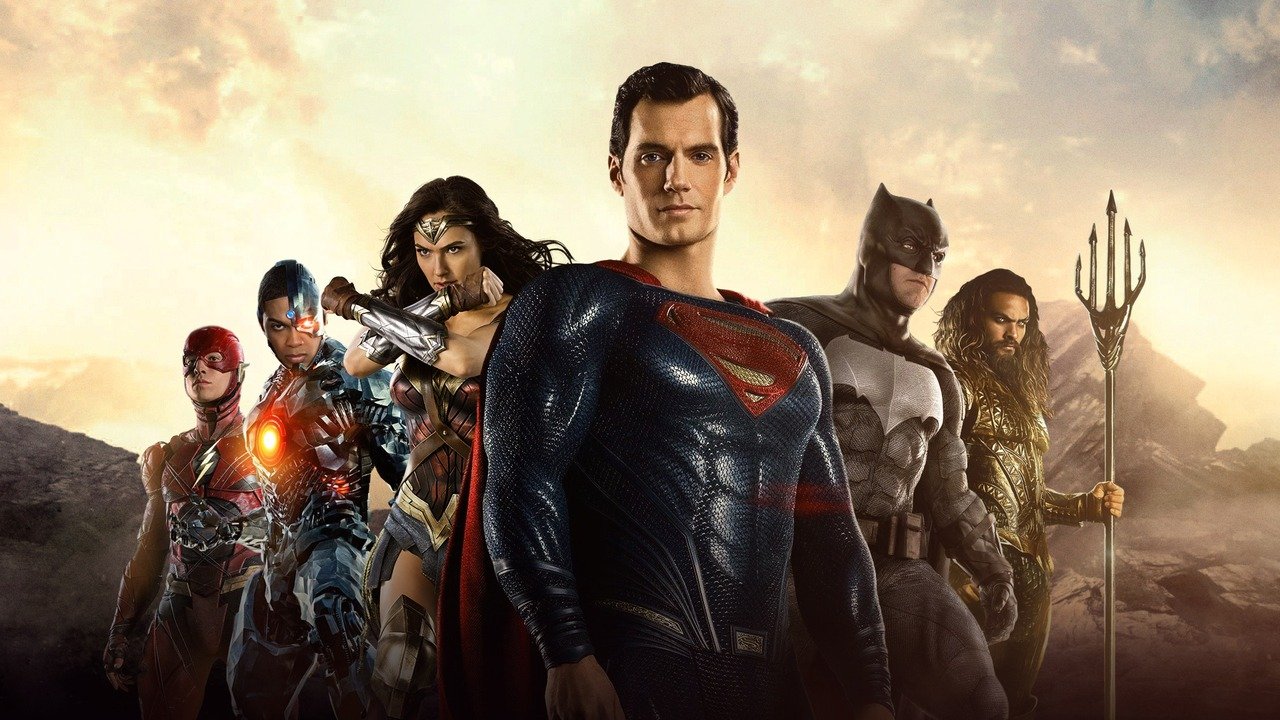
Despite the fact that many like to focus on the many issues the DCEU had, there was so much to celebrate about the films. In the time before the James Gunn reboot, Superman: Legacy, comes out, it’s a good idea to reflect on the contributions the DCEU films made to superhero films and give them another look.

José Soto

Coming Soon: The DCEU films ranked!

Blue Beetle Is A Charmingly Fun Intro To The New DCU

Blue Beetle, the latest live-action film based on a DC Comics superhero, is a fun and charming adventure that could not have come at a better time for DC films.

The track record for DC films has been troubled for several years now. Most of them have not been well received by fans or critics and performed poorly in the box office. Sadly, Blue Beetle will not rake in the big bucks while it’s in theaters (it was just released yesterday in late August, a dumping ground for films). But whether or not it flops, it does signal a return to form for DC films not centered on Batman.

Blue Beetle stars Xolo Maridueña as Jaime Reyes, a recent college graduate who returns to his lower-class home in the hope of finding a good job to help his family. He goes to Kord Industries in Palmera City to meet with Jenny Kord (Bruna Marquezine) for a job opportunity and gets involved in corporate espionage. Jenny steals a strange object shaped like a blue scarab from her company and entrusts it to Jaime.  She does this because she does not trust her aunt, Victoria Kord (Susan Sarandon), the CEO of Kord Industries, because Victoria is focused on trying to create exo-skeletal armored suits called O.M.A.C.s (One Man Army Corps) by using the scarab.

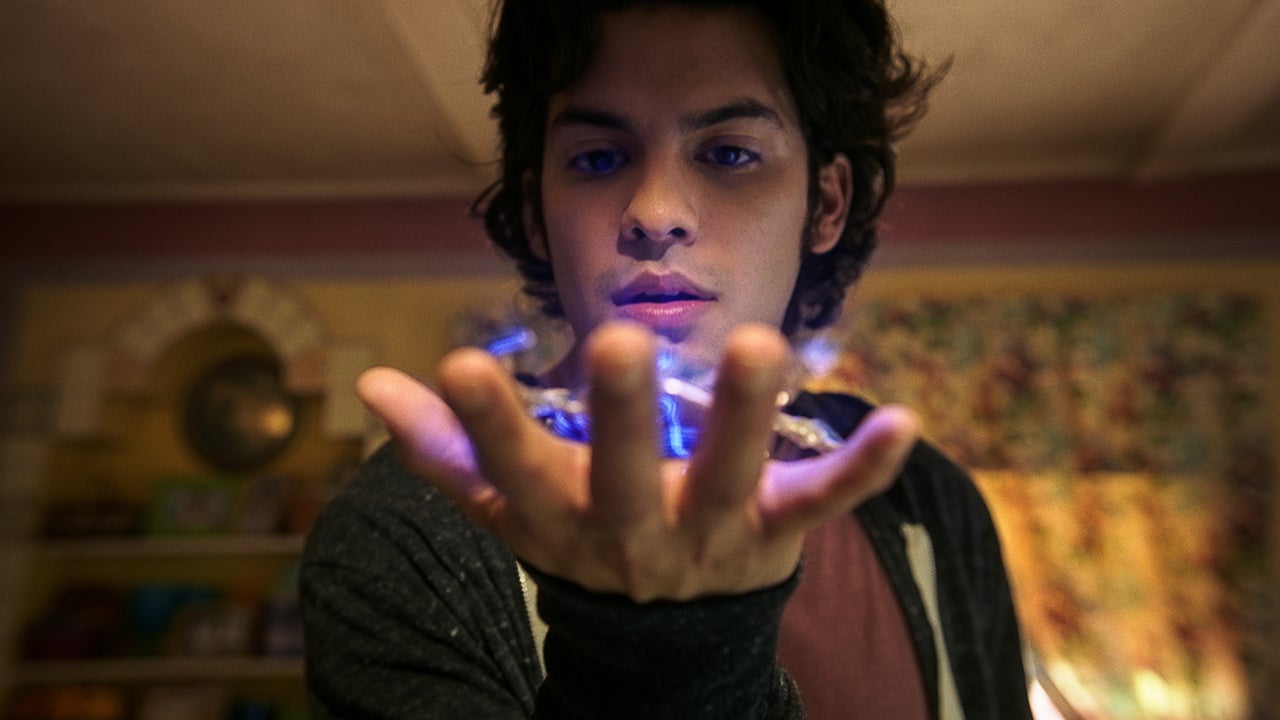
After Jaime brings the scarab home, it activates itself and attaches to Jaime’s spinal cord. The scarab then forms a blue exo-skeletal armor around Jaime complete with futuristic nano weaponry. It’s revealed that the scarab is extra-terrestrial, sentient, and forming a symbiotic relationship with Jaime as its reluctant host.

Before long, Victoria learns that Jaime has the scarab and sends her forces led by her bodyguard Carapax (Raoul Max Trujillo) in his own O.M.A.C. suit to find Jaime and obtain the scarab at any cost. This not only endangers Jaime but his family and Jenny, as well, and it is up to them to confront Victoria and her forces.

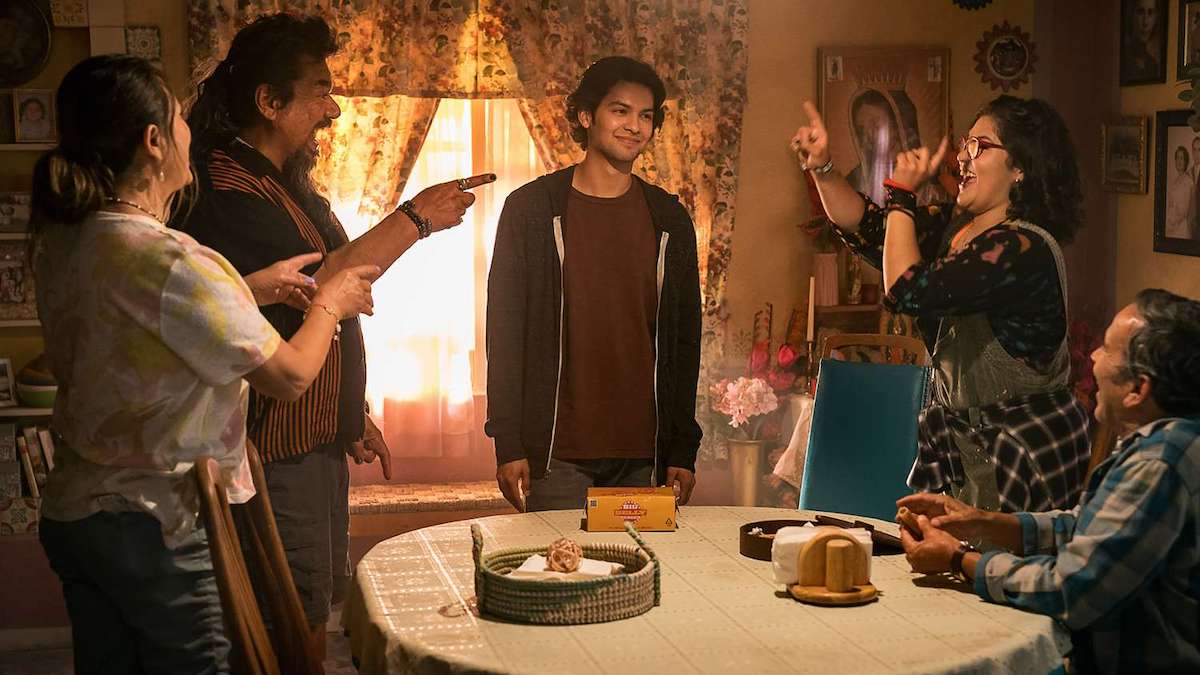
On paper, Blue Beetle sounds like your typical superhero origin film and to an extent that is true. Much of what is seen in Blue Beetle we have seen before in other films like Iron Man, Venom, Black Panther, and so on. But it stands out in many ways. It is largely centered on Jaime’s Latino family and their interactions are one of the best parts of the film. Thanks to the performances of the actors like George Lopez, Adriana Barraza, and Belissa Escobedo the family dynamic is humorous and endearing. It is clear that they are a close-knit family who care about each other and will go through any length to support each other. Also being that the main character is Latino and his culture is represented in the film, it actually helps the film stand out from other superhero films.

What also makes Blue Beetle so winning is the charming performance by Xolo Maridueña who perfectly pulls off the reluctant young hero who only wants to do what is right. He is the core of the film and his journey was quite engaging as he learns to embrace his new role as a superhero. The film itself has some terrific action scenes and moves briskly. What is even more amazing is that the film’s budget is around $100 million and its special effects are more impressive than some of the recent superhero films that boasted larger budgets. Its director Angel Manuel Soto should be commended for delivering an enjoyable and fun superhero film.

Of course, the familiar superhero tropes are a drawback to the film. They include the theme of the hard-luck everyman type who reluctantly has to deal with the life-changing aspect of becoming a superhero. This aspect also comes complete with pep talks by trusted family figures that help him on his emotional journey. Another gripe is that the villains, especially Sarandon’s Victoria Kord, are one dimensional, although Carapax has an interesting revelation at the end. As much fun as Blue Beetle was, it was very goofy and silly at times, especially with the scenes where his grandmother starts blasting away goons with a futuristic Gatling gun. Still, Blue Beetle on the whole is a fun viewing experience that exceeds expectations.

Thankfully, James Gunn, the head honcho of the DC films has already announced that Maridueña and his character will be part of the new DC Universe (DCU) films that will replace the troubled DC Extended Universe (DCEU) films. Blue Beetle was made while the DCEU was still in existence but it barely acknowledges that it is part of any film universe aside from a couple of throwaway lines to a handful of DC superheroes. This was a wise move since it is not clear which universe Blue Beetle takes place in. It could be part of another universe altogether like The Batman is for all we know. But even if the film does not make a lot of money, the characters in this film deserve to return and be part of the DCU. While Gunn keeps claiming that the upcoming Superman: Legacy will be the official start of the DCU, given how winning and charming Blue Beetle is, it should be given that honor instead.

José Soto

The Flash’s Stumble Signals The End Of The DCEU

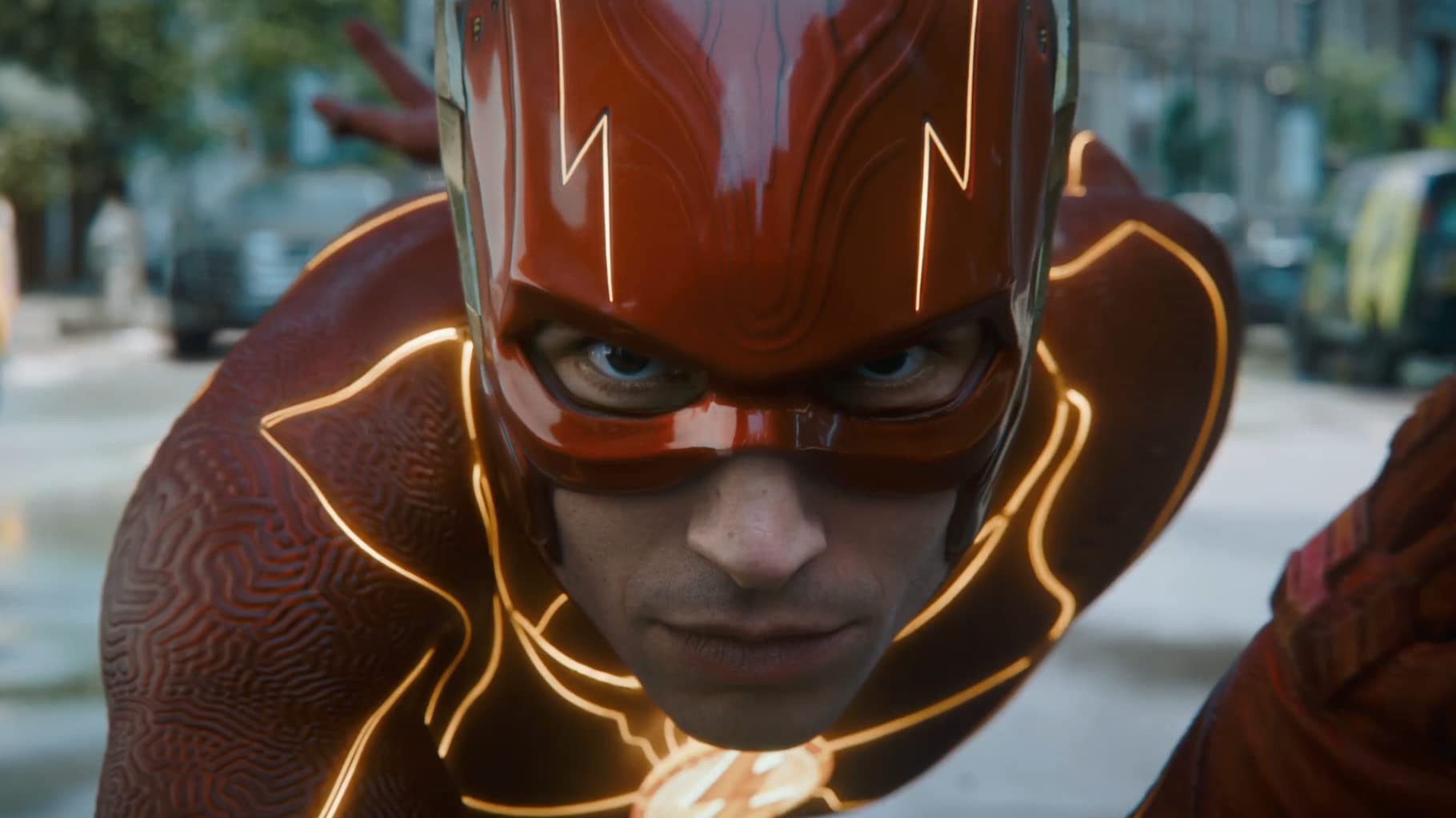
This was not supposed to happen. Even though The Flash, the latest film in the DC Extended Universe (DCEU), had many delays and behind-the-scenes obstacles, the solo film debut of the superfast DC hero had a lot going for it. From over-the-top praise from early screenings and the return of Michael Keaton as Batman, the film was expected to perform well in the box office when it premiered last week. Yet, here we are with the film being a massive box office flop that could not even earn $70 million in the U.S. for its opening weekend and with even more dismal earnings expected this weekend. No mistake here, folks. The limping and wounded DCEU cannot be salvaged in any form because of the failure of The Flash.

It is all too easy to blame the failure of The Flash to superhero film fatigue, but that is just an easy answer. After all, Guardians of the Galaxy, Vol. 3, and Spider-Man: Across the Spider-Verse performed very well when they premiered earlier this year. So, what happened? It will take some time to determine what went wrong, but for now here are some reasons as to why The Flash was a dud in theaters.

Bad DCEU Reputation

Let’s face it, although the DCEU has had a few great films, too many of them had problems when it came to quality. After Shazam! In 2019, the DCEU films that followed, with the exceptions of The Suicide Squad and Zack Snyder’s Justice League, were ravaged by fans and critics. They also performed poorly in the box office, especially The Suicide Squad. In fact, the last DCEU film that was a bonafide hit was Aquaman, which was back in 2018. The recent failures gave the cinematic universe a poor reputation that caught up to it and left The Flash with an insurmountable obstacle.

Adding to the poor reputation was that The Flash starred Ezra Miller, an actor who has gotten into trouble for alleged criminal activities, a lot of it was violent. Ordinarily, Miller would have been and should have been fired from the role, but the film studio, Warner Bros. did not recast the role. Instead, the film proceeded with Miller continuing to play the title superhero because it was not financially feasible to restart production with another actor. Miller’s toxic behavior turned off many fans who refused to pay money to see the film since doing so would in a sense condone Miller’s actions.

Overhype & Missed Opportunities

With the recent failed DCEU films, The Flash was seen as the last, best hope for the DCEU. It had many hurdles to overcome, but the film’s team got through them. There was some hope for the film as early screening reactions were positive. Celebrities like Tom Cruise and Stephen King raved about the film. There was excitement over Keaton’s return and promises of cameos from past DC films and TV shows since the film dealt with the multiverse.

Unfortunately, while The Flash is one of the best DCEU offerings and a solid superhero film, it had its share of issues, such as its script. Without going too much into spoilers, why didn’t the Flash use his time travel powers to find out who killed his mother? Also, at the end of the film, it’s clear that the superhero did not learn the hard lesson about interfering with time based on what he did at the end.

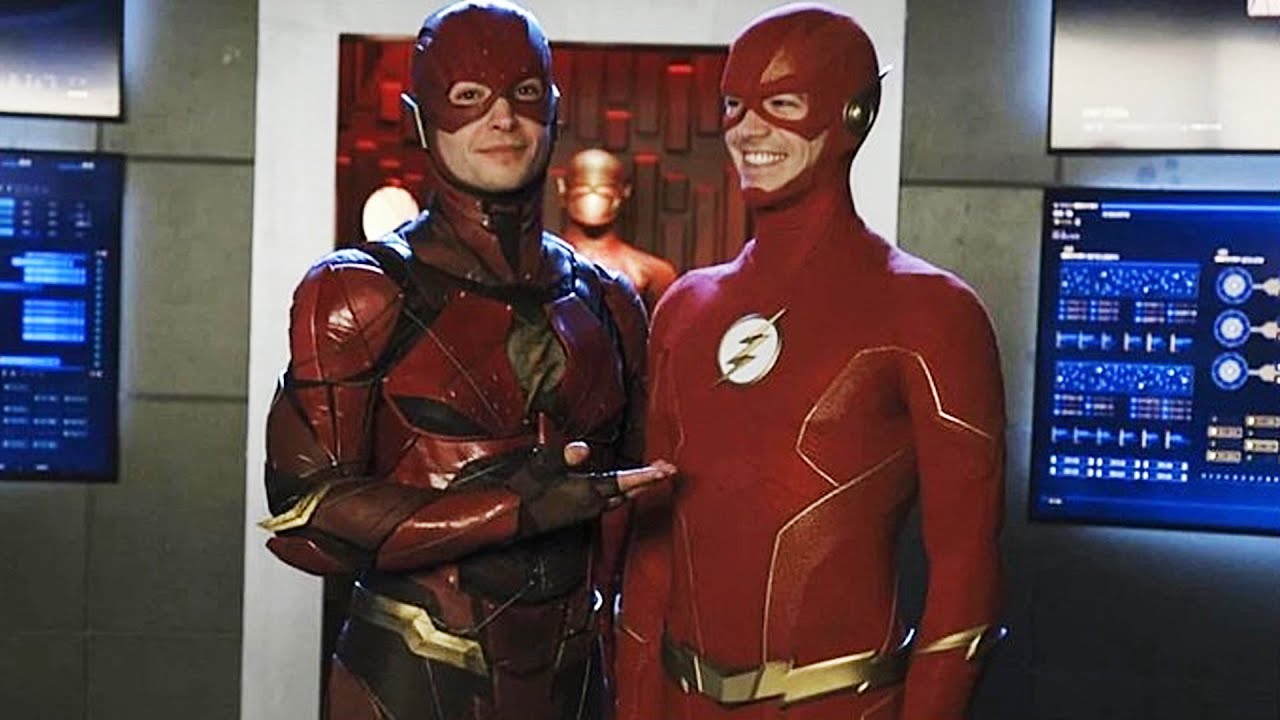
Also, some of the special effects were downright awful. How bad? Arrowverse bad! Speaking of the Arrowverse, it is puzzling why the film did not feature an appearance by Grant Gustin, who played the Flash for several years on TV or even John Wesley Shipp, who played the superhero in the early ‘90s. In the TV version of The Flash, Ezra Miller appeared briefly and met the Grant Gustin version of the Flash. So, why wasn’t Gustin in the film?

Continue reading

The Flash Is A Fun Sendoff For The DCEU

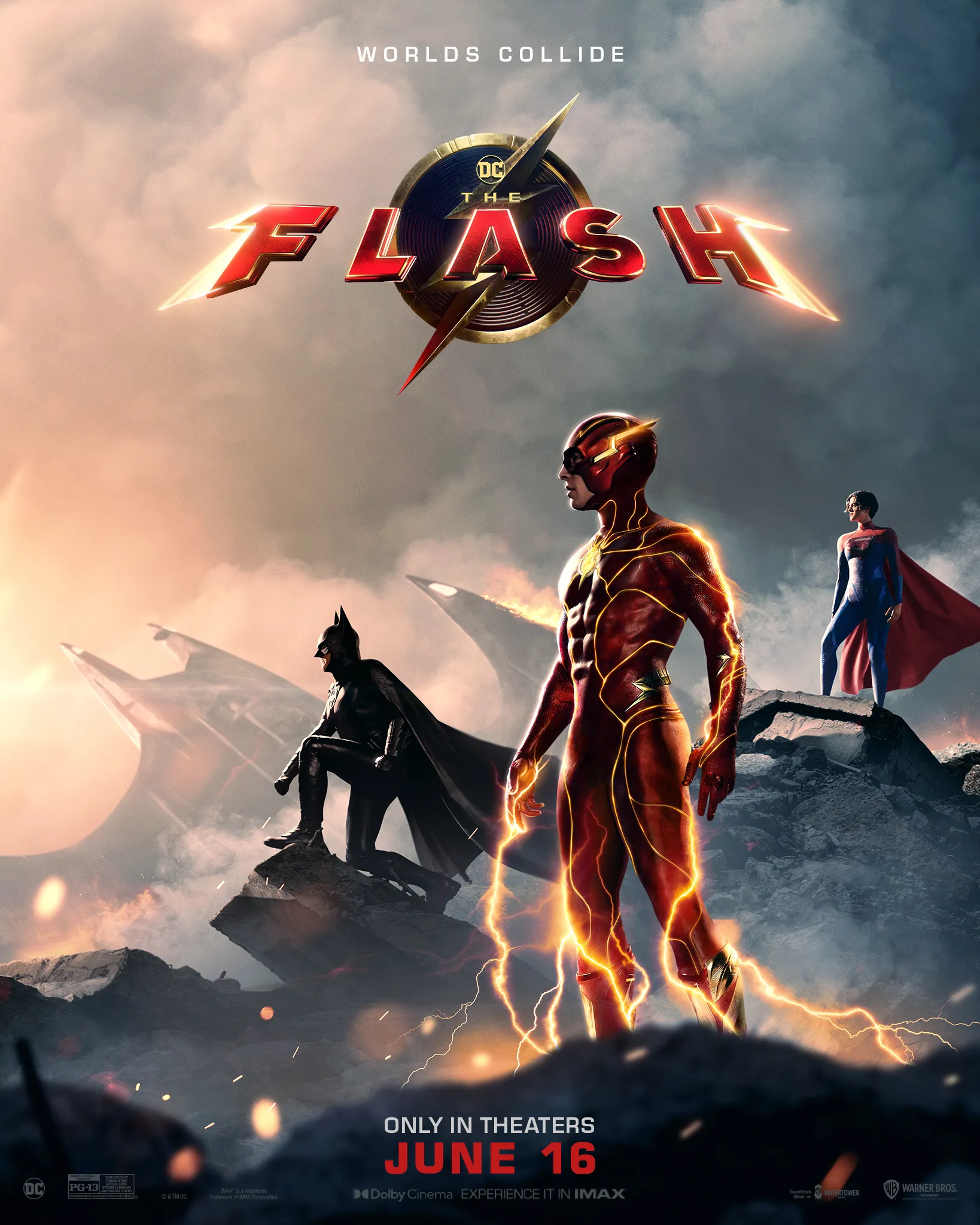
After years of delays and behind-the-scenes controversies, The Flash, the “final” film of the DC Extended Universe (DCEU), is finally here. Fortunately, despite its flaws and the real-life, alleged criminal actions of its star Ezra Miller, the film was worth the wait.

The Flash is a very loose adaptation of the Flashpoint DC Comics mini-series where time-travel actions by the Flash disrupt his timeline. The film takes place during a day-in-the-life of the titular character, Barry Allen aka the Flash (Miller), who performs his superspeed heroics while carrying on in his lonely civilian life. He is trying to find evidence to prove that his father, Henry (Ron Livingston) is innocent of killing Barry’s mother, Nora (Maribel Verdú), when Barry was a child. During a moment of grief, Barry runs so fast he momentarily time travels. This gives him the idea to use his abilities to go further back in time to save his mother. Even though his friend Bruce Wayne/Batman (Ben Affleck) warns him of the dangers with tampering with time, Barry decides to go through his plan anyway and succeeds.

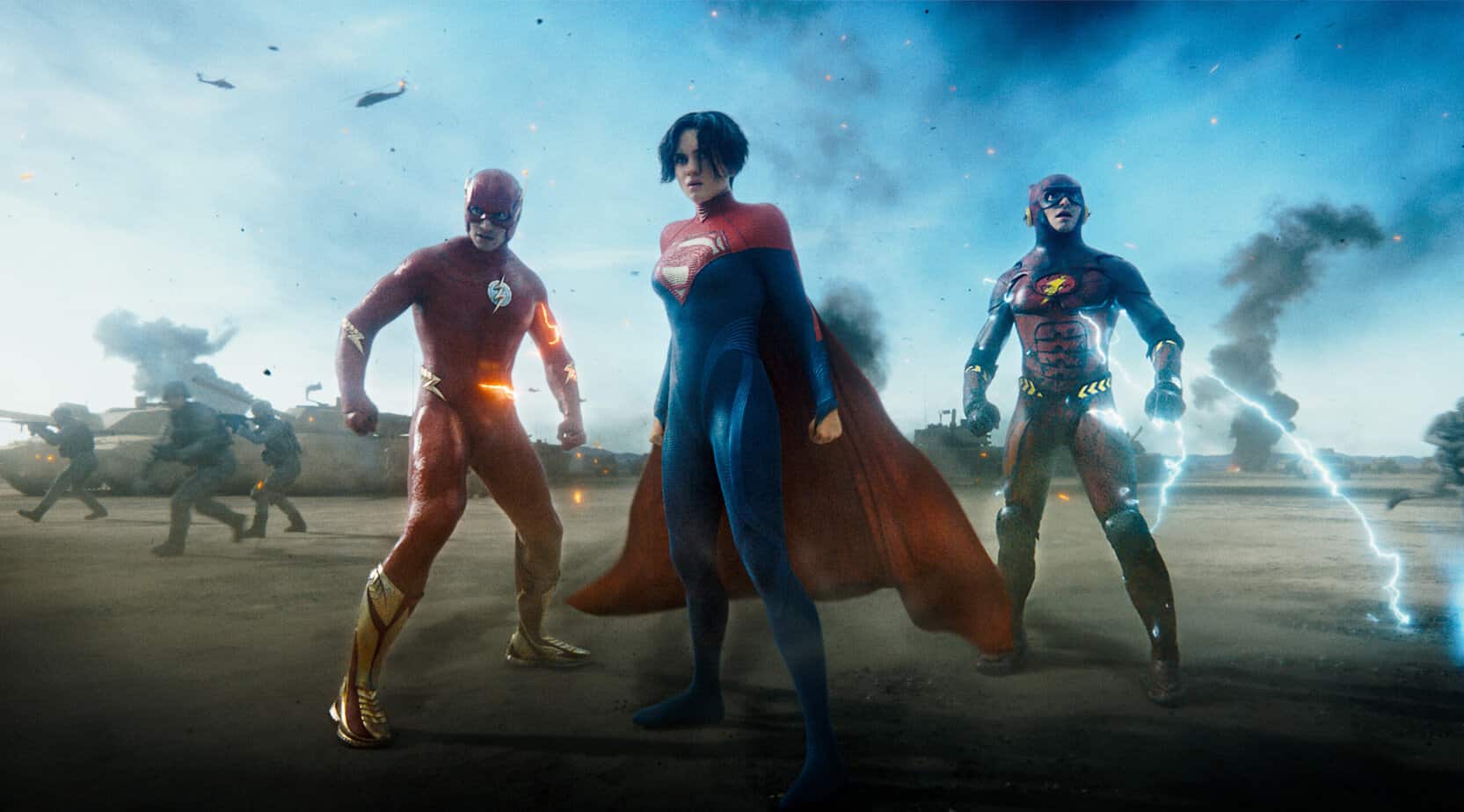
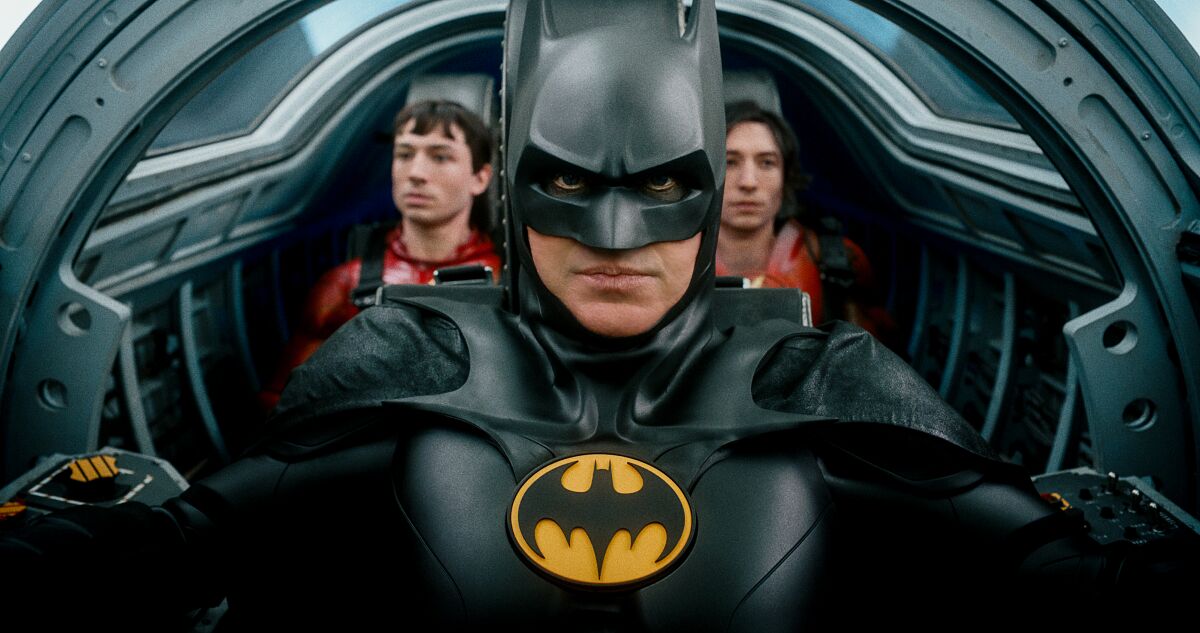
During his journey back to his own time, Barry becomes stranded ten years in his past. After reuniting with his mother and father, Barry soon encounters his younger self and realizes he arrived at the day when he got his superspeed powers. The attempt to ensure that the younger Barry gets his powers succeeds, but the present-day Barry loses his powers. What’s worse is that a short while later, the Kryptonian warlord Zod (Michael Shannon) arrives with his army on Earth to conquer the planet. Barry learns that in this world Superman, who defeated Zod in Man of Steel, does not exist and the only existing superhero is a retired Batman (Michael Keaton). It is up to the three to find a way to defeat Zod and recreate Barry’s powers.

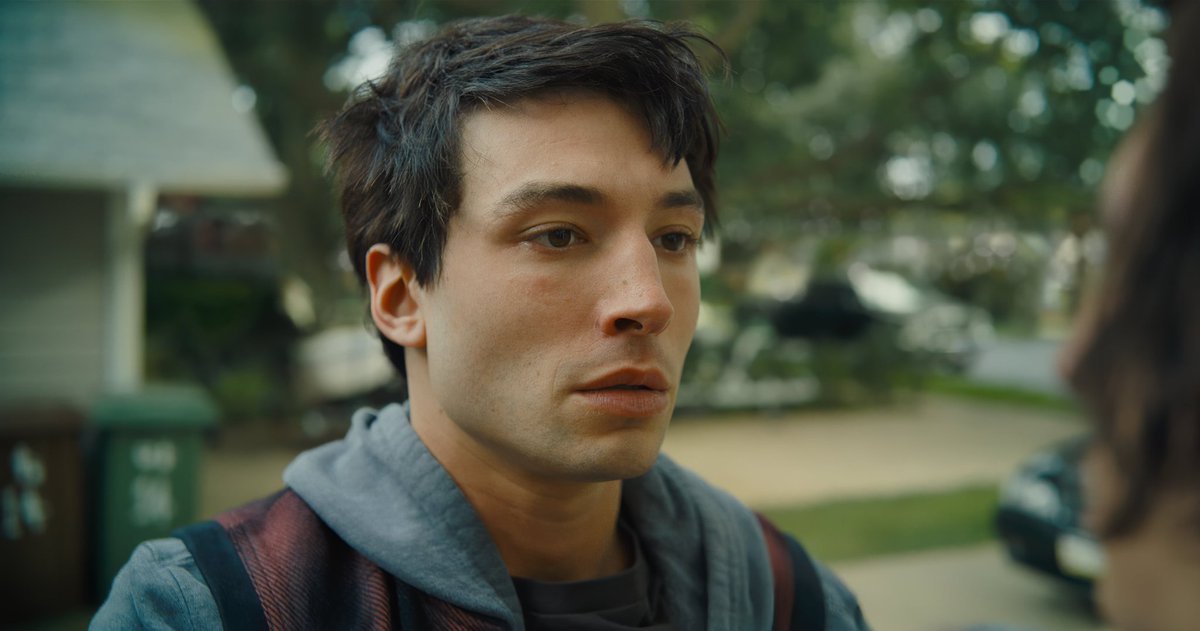
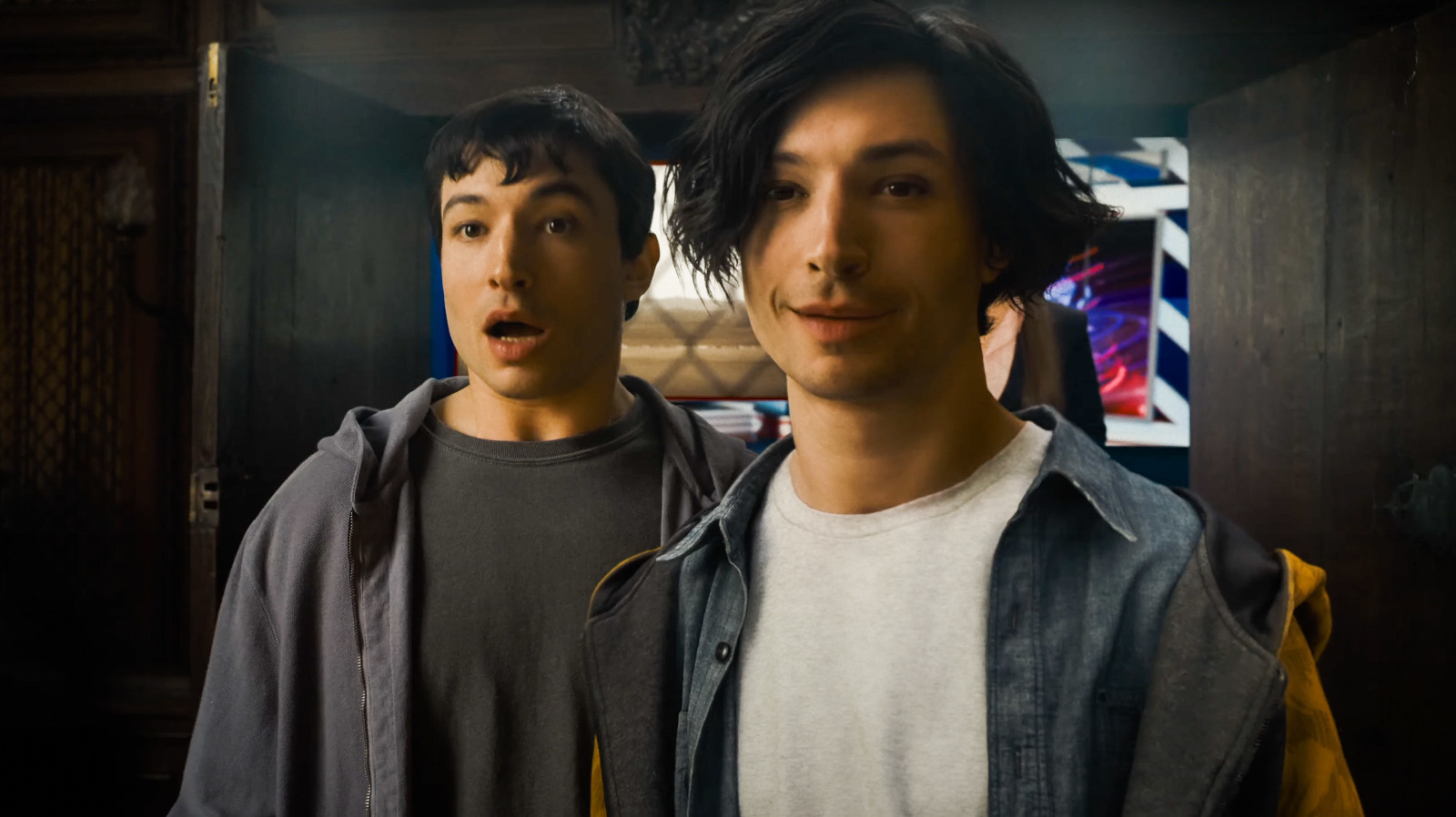
There is so much to enjoy in The Flash, which is one of the best DCEU films. Let’s start with Miller’s performance as both Barrys. Yes, the DCEU version may be too strange and quirky, but Miller is able to create two distinct versions of the same character. One who is immature and very obnoxious, while the slightly older version is more mature, sensible and even sympathetic, although his brash actions created the temporal crisis. The way the film had the actor interact with his film was flawless thanks to clever editing and effects.

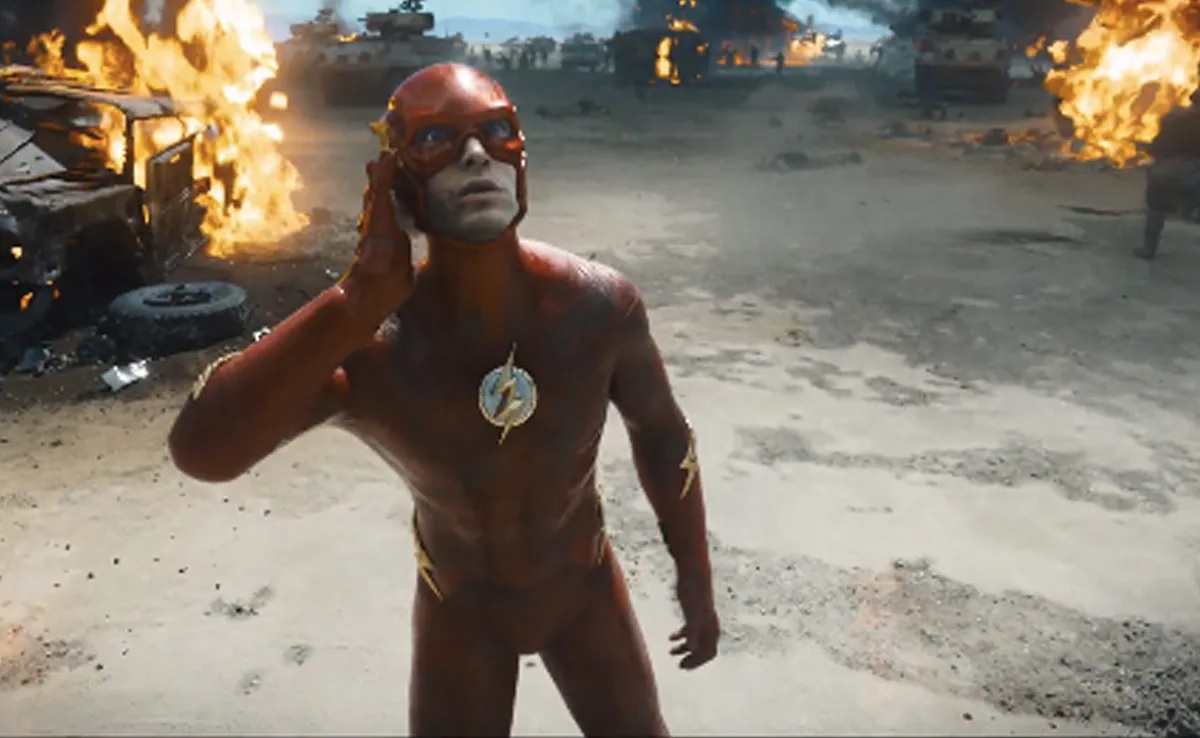
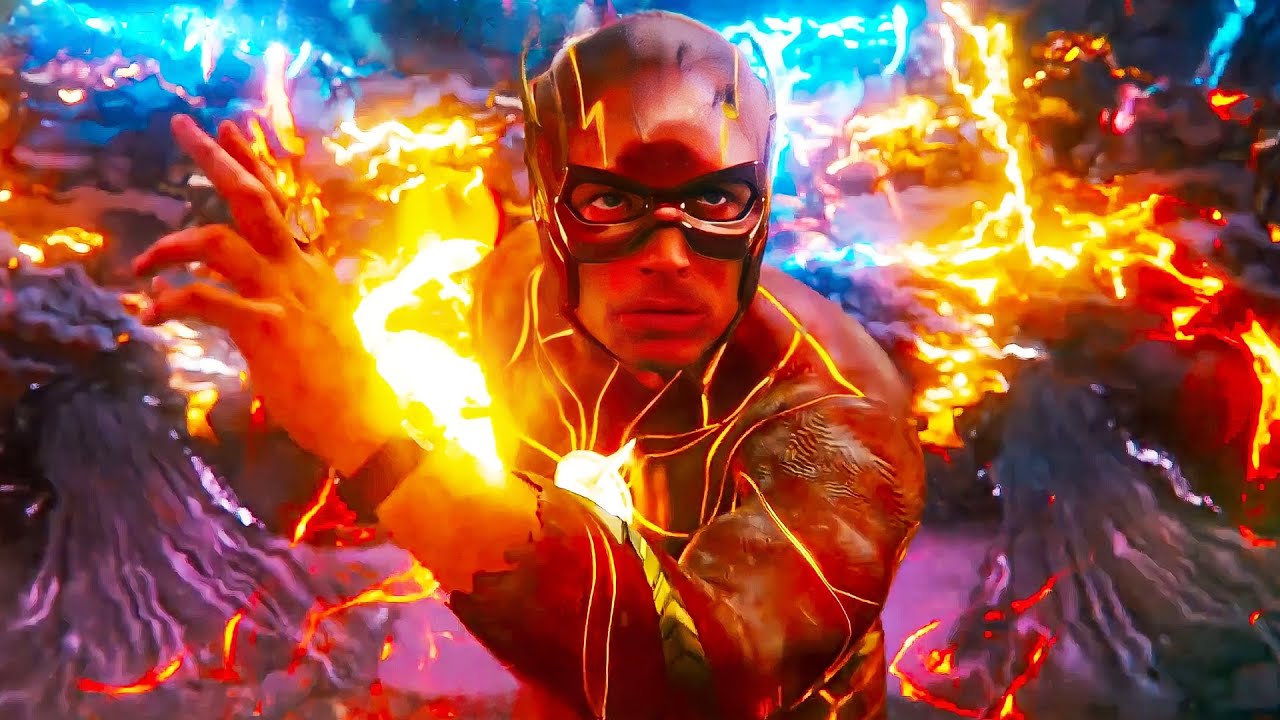
Speaking of effects, they are the one major flaw of The Flash. Several sequences are masterful and eye-popping, especially whenever the Flash travels through the speed force, or when our heroes and Supergirl (Sasha Calle) battle Zod and his forces. But other times it is painfully obvious that bad CG is being used. This happens in the film’s opening scenes when the Flash tries to save a bunch of fake-looking infants who are falling from a high-rise hospital and at one point later in the film when several characters are showcased in other universes. It’s not clear what happened, perhaps the producers ran out of money and the film studio Warner Bros. refused to provide more funds. Director Andy Muschietti offered a nonsensical explanation that this was intentional so we could see how the Flash sees the world around him while he is traveling at hyper speeds. Bullshit!

We’ll probably get the real story years from now. But seriously, it would have been better if stock footage from other films and TV shows were used during the scenes where the Flash views other universes. This worked in the recent episode of Titans when Beast Boy glimpsed other universes including the DCEU. What was surprising was that we did not see the CW/Arrowverse version of the Flash played by Grant Gustin. This was unusual since Miller made a brief cameo as the Flash during the Arrowverse’s “Crisis on Infinite Earths” event a few years ago. The other cameos seen are fun especially for DC fans.  

Uneven special effects aside, The Flash is a fun, surprisingly humorous and spirited superhero film that has a lot of heart. Its last merit is rather surprising and credit goes to Miller and Muschietti. The emotional beats are very aching during the film’s final act when Barry has to acknowledge some painful truths about life. There was one scene near the very end that was so heart wrenching even though it was inevitable.

As well as Miller was in both roles, the other performers like Keaton and Calle also turn in fine performances. Obviously, it was great seeing Keaton reprise his iconic role as he found a new spark and purpose in his life, which was to help Barry.  The relationship between the two was the heart of Flashpoint and was essentially recreated in this film, although the film has little to do with the comic book storyline. It was also a treat to see Affleck reprising his role as Batman, as well, even though this will be the actor’s final performance as the superhero. The one brief moment we see his version of Bruce interacting with Barry showed the two have a natural chemistry and it will be missed.

Without going into spoilers it is not clear where the film leaves off in terms of the disrupted timeline. There was an original ending that was nixed in favor of what turns out to be a joke, and a bad one at that for those who loathe some of the older Batman films. Given its dismal box office performance and Miller’s situation it is doubtful this version of the Flash will return as this is the end of the DCEU. Still, The Flash is an enjoyable time-travel/superhero yarn that sends off the DCEU on a high note.

Man Of Steel & The Failed Promise Of The DCEU

This week marks the tenth anniversary of the film release of Man of Steel, which was released on June 14, 2013. It not only served as a reboot for the Superman film franchise but as the vehicle to launch the DC Extended Universe (DCEU). Now the superhero film universe based on DC superheroes comes to an end this year starting with The Flash, which will serve as a soft reboot of the DCEU and transform it into the DC Universe (DCU).

One of the casualties of the DCEU reboot will be Superman himself, which is ironically fitting since his film launched the DCEU.

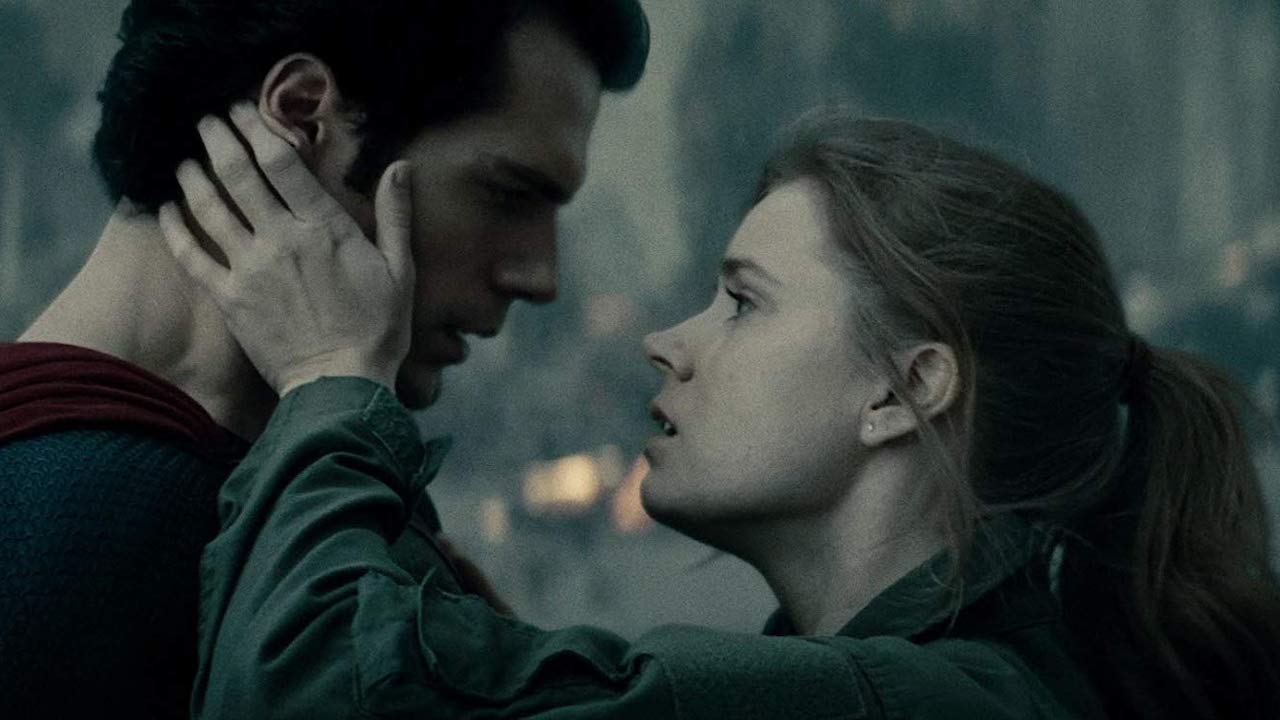
Man of Steel was directed by Zack Snyder, who presented a darker and more grounded version of Superman in a world filled with muted colors and stark lighting. At the same time, the film and other Snyder-centric DCEU films cast the title hero with mythological, god-like imagery that did not resemble comic book images but rather epic paintings with static poses and even more harsh lighting.

This became more prevalent in future DCEU films such as Batman v Superman: Dawn of Justice and Justice League, while Man of Steel was more grounded.

This unique approach to Superman was supposed to make him more relevant and relatable to modern audiences. As to whether or not that worked, is open for debate. Before Man of Steel, Superman was seen as a noble, larger-than-life do-gooder as best personified by the Christopher Reeve Superman films of the ‘70s and ‘80s. Thanks to Reeve’s classic performance it was difficult to imagine the superhero in any other kind of light. Even Superman Returns, the last Superman film before Man of Steel, did not veer from the Reeve interpretation of Superman, which led to a lot of criticism. In trying to make this version of Superman distinct from the traditional Boy Scout persona, it can be argued that Snyder veered too far from what made Superman so special. He is supposed to be a beacon of hope for humanity, which was ironic because he was actually an alien who grew up on Earth. Despite humanity’s faults, Superman adopted the best traits of his adopted species and served as an exemplar for the promise of humanity.

In Man of Steel, Superman aka Clark Kent (Henry Cavill) went through something of an identity crisis in an updated origin story. The film went through the typical Superman origin tropes but with new twists. Superman’s home planet, Krypton, was not the cold, crystalline and sterile civilization seen in the Christopher Reeve films. This Krypton was a planet embroiled in civil strife with a warring society that used what seemed to be technology based on programmable matter.

Superman’s origin was more tied to that of his nemesis, General Zod (Michael Shannon), in that Zod was at odds with Superman’s father, Jor-El (Russell Crowe). With the planet dying, Jor-El sends his newborn son, Kal-El, to Earth to have a chance at a new life. Before Kal-El is sent, he is embedded with genetic material called the Codex, which will provide the genetic means to recreate the Kryptonian race on another world.

After arriving on Earth, Kal-El is adopted by a human couple and grows up in a farm in Kansas. He struggles to fit in with society because of his developing super powers, which he has to keep hidden. Once he reaches adulthood, Kal-El who is now called Clark, sets out in the world to find himself and a purpose in life. During his journeys Clark clandestinely uses his powers to help people during emergencies.

Eventually he comes across the wreckage of a Kryptonian scout ship and activates an AI program that takes the image of Jor-El, who reveals to Clark his Kryptonian heritage. Under the guidance of the Jor-El AI, Clark learns to properly use his powers and adopts the famous Superman identity.

Soon after, Zod and his army arrive on Earth and establishes first contact with humanity, with the demand that Superman be turned over to him. Zod earlier learned that Kal-El was implanted with the Codex and wants to retrieve it to rebuild Kryptonian civilization on Earth, which he plans to terraform.

This creates an identity crisis for Superman as he is torn over siding with the human society he struggles to fit in with versus the Kryptonians, who he knows are malevolent. What complicates Superman’s decision is that once he is revealed to the world, he is immediately mistrusted by most of humanity who only see him as an alien threat.

What was interesting about this version of a Superman film was that the superhero was not received by the general public with open arms, but with suspicion. This is what would probably happen in reality if some unknown person was suddenly revealed to the world as an alien with superpowers.

While Man of Steel lacks the light-hearted humor and heart of previous Superman films, it makes up for it with its grounded and frankly more honest approach to the comic book legend. This approach by Snyder and writer David Goyer turned out to be divisive among fans.

Continue reading