Commemorating Star Wars Episode III 20 Years Later

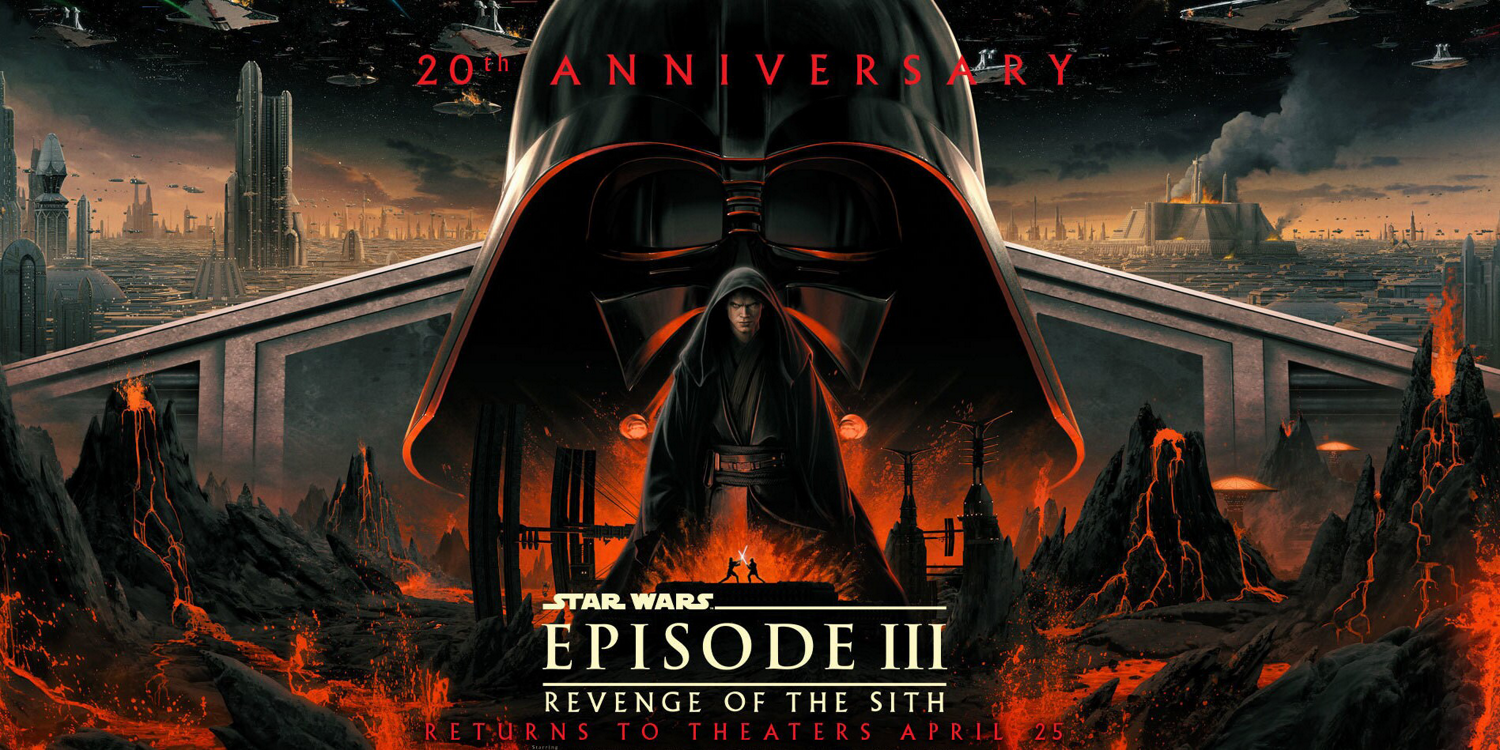
This year marks the 20th anniversary of Star Wars Episode III: Revenge of the Sith, arguably the best of the Star Wars prequels and the culmination of Anakin Skywalker’s fall to the Dark Side of the Force.

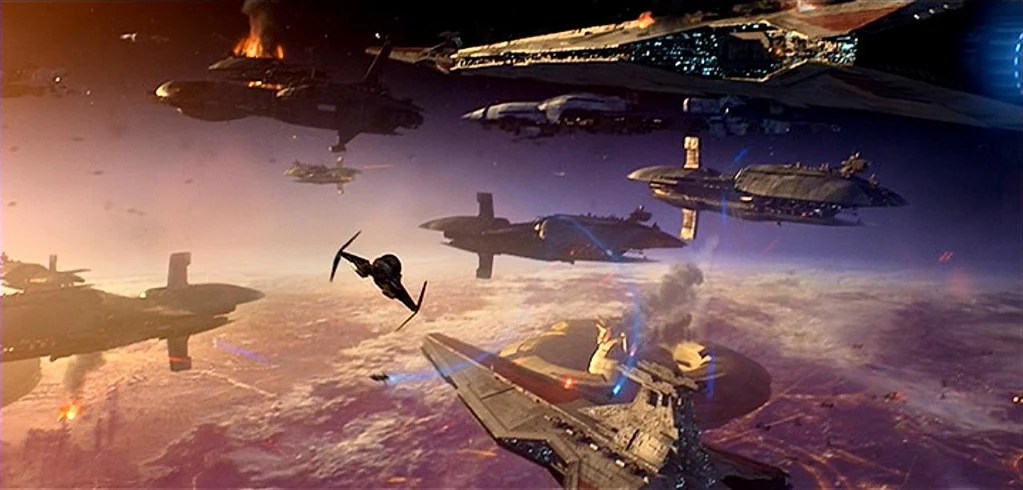
The film starts with a bang as we see Anakin and his mentor, Jedi Master Obi-Wan Kenobi rushing to rescue Chancellor Palpatine, the leader of the Galactic Republic who was kidnapped by Separatist forces in the skies above the Republic’s capital world of Coruscant. The opening space battle is a spectacular highlight as we see the Jedi duo flying among enormous capital ships wrecking havoc on one another. This scene is one I’ve rewatched countless times and is a great way to set up the rest of the film. When the Jedi finally reach the Separatist flagship and find the Chancellor, Anakin’s descent to evil is hinted at as he brutally executes Count Dooku at the urging of Palpatine, after an intense lightsaber duel.
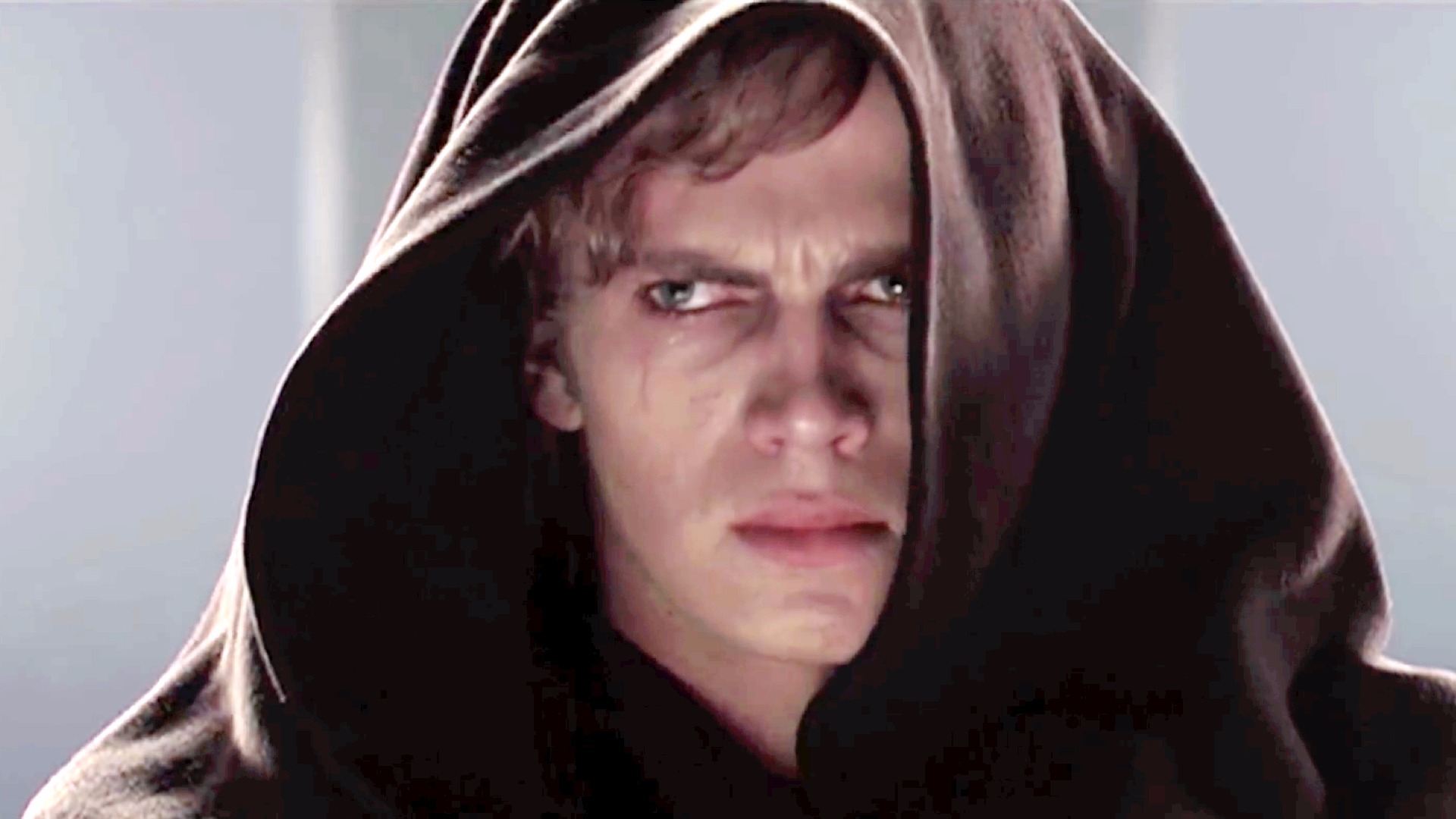
His future as a Sith Lord is further orchestrated by Palpatine as he convinces Anakin that his wife, Padme, will die unless he learns the secrets of the Dark Side, and he turns on his fellow Jedi. The final confrontation with his friend Obi-Wan on the lava world of Mustafar is both exhilarating and emotional as a heartbroken Obi-Wan is forced to mortally wound Anakin and leave him to die while castigating him for turning on everything they fought for. Palpatine eventually arrives and finds Anakin on the brink of death and, using medical droids and surgical procedures, turns him into the fearsome and legendary Darth Vader, who is now trapped in a prison of body armor that keeps him alive. Padme’s death due to Anakin’s force choke, her trauma at giving birth to their twins Luke and Leia, and Vader’s reaction to the news of this event, is the emotional high point of the film and sets up the classic original Star Wars trilogy as Obi-Wan and his ally Bail Organa takes the twins to safety on the planets Alderaan and Tatooine.
One of the many strengths of the film is the foreboding tone that is set when we see the manipulation that Anakin is subjected to from Palpatine, as well as the Jedi being set up for their downfall which is shown when Anakin marches on the Jedi temple flanked by Clone Troopers who then kill all the Jedi there, including young Jedi students. The many battlefields of the Clone Wars is another great thing we witness in this movie, such as the clone army battling the separatist droids on the Wookie home world Kashyyyk, re-introducing fan favorite Chewbacca to the Star Wars universe in this era. As well as the conflict on the arid planet Utapau, where Obi-Wan finally eliminates Separatist droid General Grievous. This happened after a thrilling chase scene that has Obi-Wan riding on a gigantic lizard named Boga in pursuit of Grievous who is riding on his personal wheel bike. This is something that Star Wars excels at, blending different genres and circumstances, fantasy and science fiction that somehow works. This imaginative vision of director George Lucas comes to fruition the most in this film as this is the last movie he directed, and it seems he finally was able to shake off the issues that surrounded the first two prequel films. The Phantom Menace when it was released was criticized for what some saw as a childish tone with Jar Jar Binks flailing around. This is completely absent in Revenge of the Sith. The feeling of impending doom for the Republic and the Jedi is palpable as we finally see the events hinted at in the original trilogy: Anakin’s fall, his final duel with Obi-Wan, the extermination of the Jedi Order, and Palpatine’s rise to be the evil Emperor that we first saw in Return of the Jedi. Attack of the Clones was seen as an improvement but still had issues with the somewhat clumsy romantic subplot between Anankin and Padme. Again, this is not the case in Revenge of the Sith, as the focus is on the cruel fate that awaits Padme at the hands of her husband, which is haunting to witness.
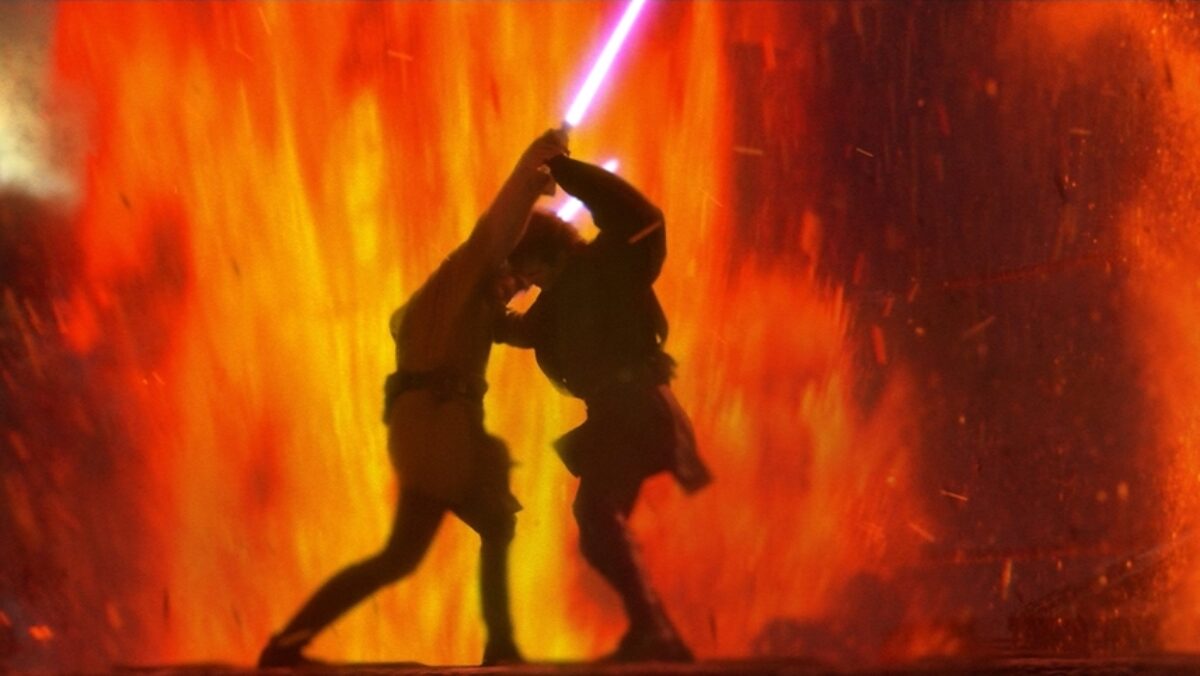
The reputation of Star Wars Episode III: Revenge of the Sith has only improved in the years since its release on May 19, 2005. It has the reputation of being the best prequel film, which is well deserved and it also led to later Star Wars releases such as the highly regarded Star Wars: The Clone Wars TV show and Star Wars: Rebels. I think it is right up there with A New Hope and The Empire Strikes Back when rating the various Star Wars movies. It has the right balance of being a more sophisticated story while still having the excitement and adventure a Star Wars movie needs to have. The special effects were top notch as always, and we see new ships and vehicles introduced such as ARC-170 starfighters, V-Wing starfighters, Droid Tri-fighters and Clone Turbo tanks. This is something that was missing from the sequel trilogy which basically just had X-Wings and TIE fighters from the original films with new paint jobs. The lightsaber duels were also the best of any of the movies, with Anakin vs. Dooku, Obi-Wan vs. Grievous, and finally the long-awaited duel between Anakin and Obi-Wan, which did not disappoint. It was a furious and intense battle with a backdrop of searing lava that is fantastic to witness. The inevitable outcome of it brings the prequel saga to a close and guaranteed that the film earned its place in Star Wars lore as an epic finish to the story that Lucas started so many years ago.
The celebration and acclaim that Star Wars Episode III: Revenge of the Sith is receiving on its 20th anniversary is well deserved, and it will be no surprise to see it get the same kind of praise and acknowledgment on its 30th anniversary and well beyond.

C.S. Link
Looking Back At Star Wars Episode One: The Phantom Menace 25 Years Later

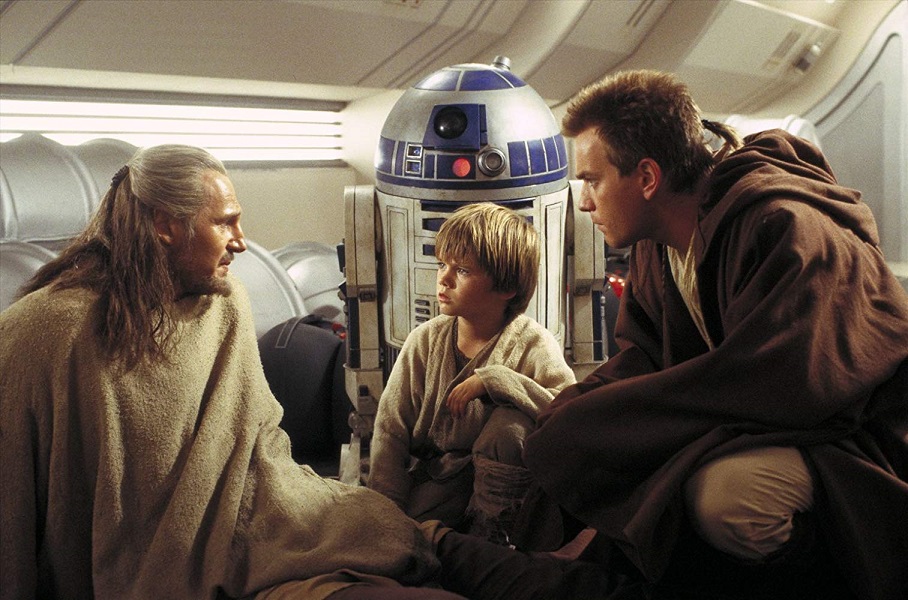
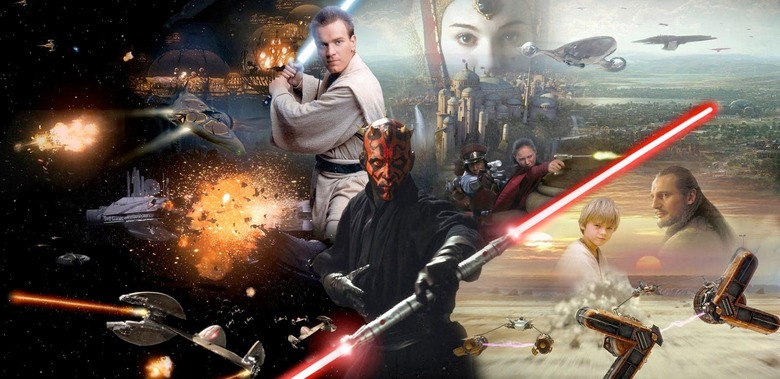
This year is the 25th anniversary of Star Wars Episode I: The Phantom Menace, which is one of the most divisive films ever made. It was the first Star Wars film since Return of the Jedi in 1983, and saw George Lucas return to his epic universe and present the backstory to his original trilogy. Iconic villain Darth Vader is shown as 9-year-old Anakin Skywalker, a slave living with his mother in the backwater world of Tatooine. His encounter with Jedi Knights Qui-Gon Jin and Obi-Wan Kenobi (his future mentor), as well as his future wife, Padme Amidala, put him on the path to his later role as a powerful Jedi Knight and eventually, his turn to the dark side as the evil Sith lord Darth Vader. 

Star Wars Episode I: The Phantom Menace was eagerly anticipated from its announcement and was greeted with very diverse reactions when released. Many fans were just ecstatic to have another Star Wars film in theaters after more than a decade of nothing being released. It was a very different time than now with many TV shows on Disney +and several films being planned. The only Star Wars materials since Jedi was released were the well-received series of books by Timothy Zahn and other novels and comics such as Star Wars: Dark Empire. A new film, especially one that would be the missing first three episodes, (the original trilogy was marketed as Episodes IV to VI), was a thrilling prospect.

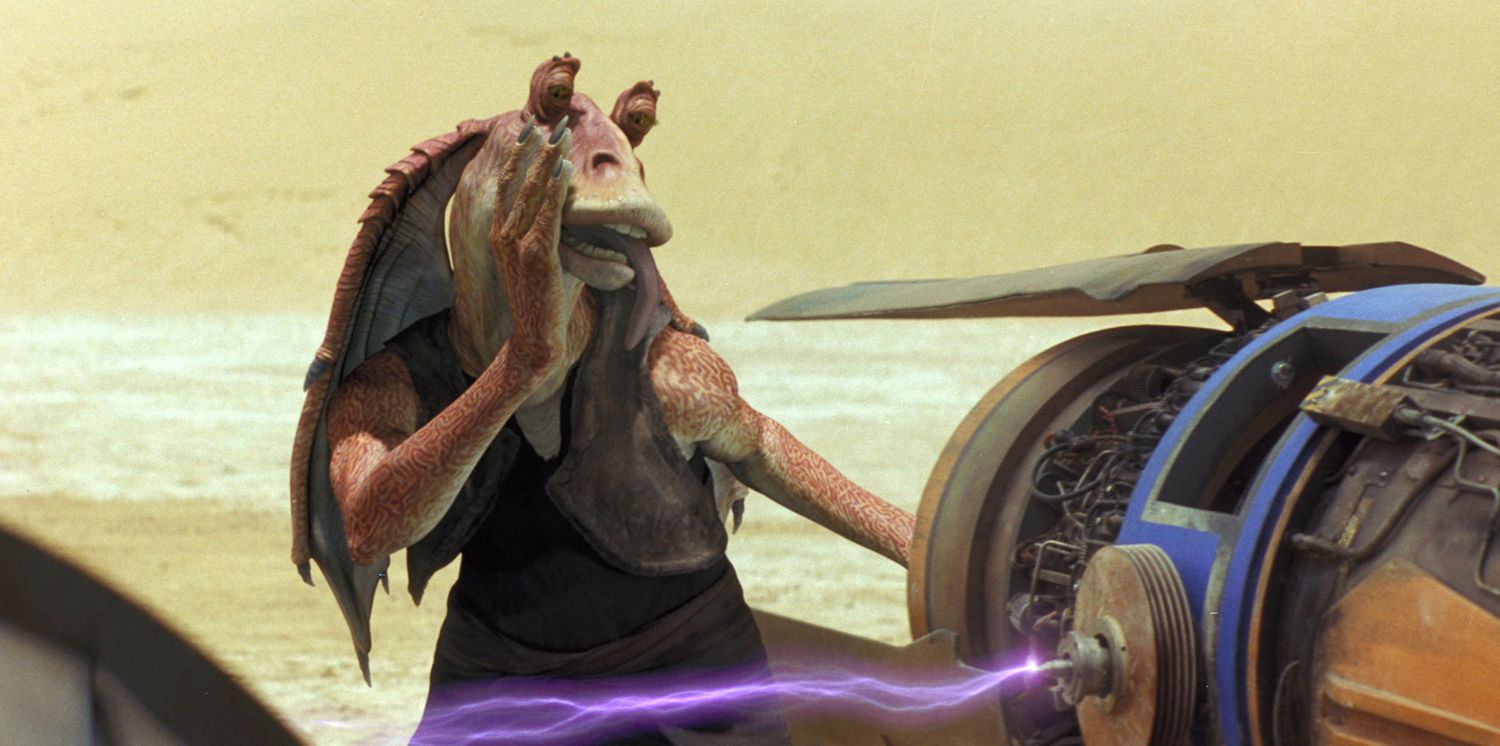
However, there were many fans who were disappointed with what they saw as a film with a more childish tone due to the introduction of Jar Jar Binks, an alien Gungan that helps the Jedi and Anakin to battle the forces of the Trade Federation, the villains in the film who were controlled by Darth Sidious, who is really Senator Palpatine, the future Emperor seen in Return of the Jedi. Jar Jar’s antics, weird mannerisms and manner of speaking was a turn off for many. Critics of the film were also unhappy with the more complicated plot of the movie, which focused on political intrigue in the Galactic Senate, as Palpatine maneuvered his way to the office of Chancellor of the Republic. This was unlike the simpler plots of the first films, which were a more basic story of good vs evil. The introduction of a more scientific explanation of the Force was also criticized, with the idea of midichlorians as being the reason for people having Force powers was seen as less interesting, as opposed to the more mystical view of the Force from the original movies.

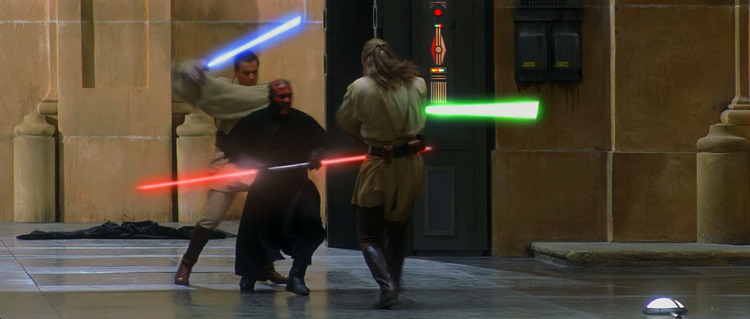
Having said this, I liked Lucas’ idea of expanding the mythology of the Star Wars universe and showing how a democracy like the Republic would descend into a tyranny in the form of the Galactic Empire. it was also interesting to see a different era in Star Wars. Instead of the battle-scarred ships and planets seen in the original trilogy, we are shown more peaceful and polished areas in the galaxy. It makes sense since the film takes place over 30 years before A New Hope. Seeing the Jedi Order in its prime is great to see, with Qui-Gon and Obi-Wan battling Palpatine’s protege, Darth Maul in spectacular light saber battles, which were incredibly choreographed.

The reputation of the film has been somewhat improved in the subsequent years as many have come to appreciate the film for its positive attributes. The special effects were groundbreaking with the CGI used to created Jar Jar being a precursor to later films and characters that were brought to life via this technique. Gollum from The Lord of the Rings films being one such example. The effort of George Lucas to broaden the scope of the franchise with new ideas, planets and creatures is also something to be commended. He set the stage for the prequel trilogy, which would result in the well-received Star Wars: The Clone Wars TV show and introduce new characters that would become fan favorites, such as the previously mentioned Darth Maul, Count Dooku (Palpatine’s other protege) or the powerful Jedi Knight Mace Windu. One sign pointing to the film’s improved reputation was the fact that the re-release this month of the film in theaters to celebrate its 25th anniversary actually earned a respectable box office haul.

The release of later Star Wars films would have the franchise move away from this era and take us to the future of the Skywalker saga, some 30 years after Return of the Jedi. Starting with The Force Awakens, it was obvious that Disney wanted to go back to the roots of the original trilogy as opposed to Lucas’ prequels. I think the results were mixed, as The Force Awakens has a simpler plot that was similar to A New Hope, but is also somewhat too derivative of it. The prequels told a new story in the Star Wars universe starting with Star Wars Episode I: The Phantom Menace, while the sequels seemed to retell the story of the rebels against the empire, although I do think that Episode IX really pushed the story forward and ended things on a good note.

However, one area where the sequels improved on is the overall look the films, as they seemed to blend the use of practical effects with CGI, which made things seem more grounded. Whereas with the prequels, they did sometimes go overboard with CG effects. While groundbreaking as previously mentioned, it did give things a strange look, with an overload of visuals and backgrounds that in some scenes, were obviously a green screen and look dated today in some instances.

Despite all of that, Star Wars Episode I: The Phantom Menace is a very important film in the saga and in the genre as a whole as it popularized the idea of prequels to popular movies and reintroduced Star Wars to a whole new generation of fans who have since enjoyed a renaissance of the franchise that is still being being enjoyed to this day.

C.S. Link

The Indiana Jones Films Ranked

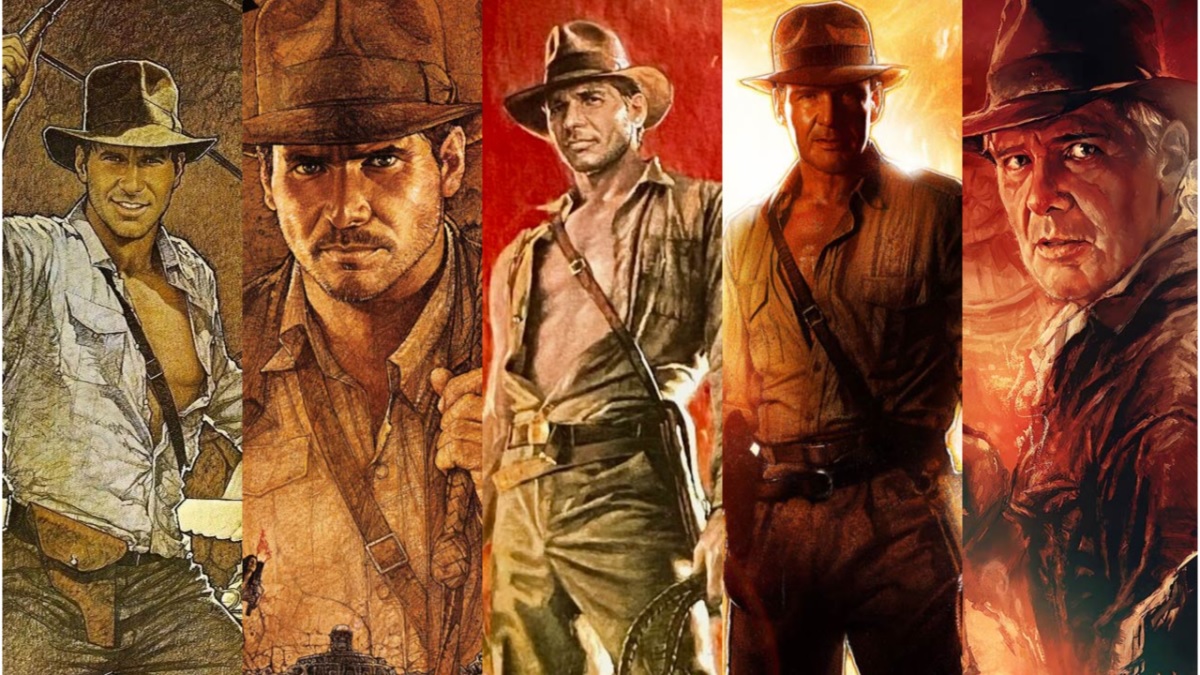
Now that Indiana Jones and the Dial of Destiny has been released, the Indiana Jones film franchise is complete and we can rank all five films.

The quality of these films are generally high, some of which are genuine masterpieces. Even the films that rank at the bottom are entertaining with their own merits, but have their flaws, of course.

Here are the Indiana Jones films ranked from least to best. Be aware of spoilers ahead and feel free to drop a comment about your own preferences!

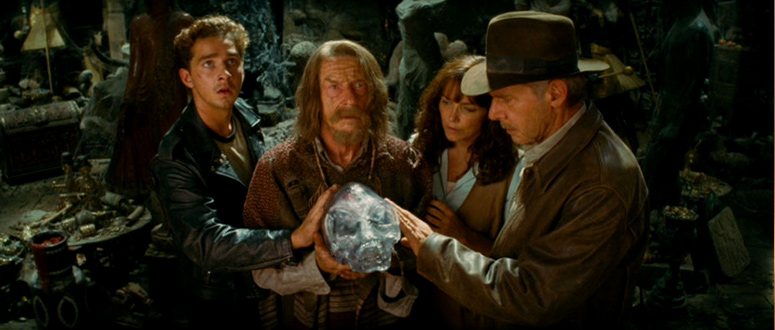
5. Indiana Jones and the Kingdom of the Crystal Skull

It had been nearly twenty years since Indiana Jones and the Last Crusade came out in theaters when the fourth film premiered. This was the best they could come up with? This was the film that gave us the infamous phrase nuke the fridge because Indy survived a nuclear explosion by hiding in a refrigerator. Our favorite archaeologist deals with the 1950s as he searches for the lost city of Ankakor in South America.  Among the 1950s tropes Indy grapples with include the red scare, bug-eyed aliens, and a greaser who turned out to be his son.

It was great seeing Harrison Ford reprising his role as Indiana Jones and how the adventurer functioned in a different decade. Some of the images from director Steven Spielberg were jaw dropping such as Indiana witnessing an atomic mushroom cloud or a great motorcycle chase on a college campus. But more often than not it felt like many of the filmmakers were phoning it in and taking the easy route. The film is riddled with obvious and needless CG images and stunts, and most of it looked fake. There was little sense of danger in many scenes.

Despite the fact that the script had been worked on forever, it still needed work as the motivations of characters did not make sense. The camaraderie between Indiana and his son was undeveloped and paled when compared to that of Indy and his father in the previous film.

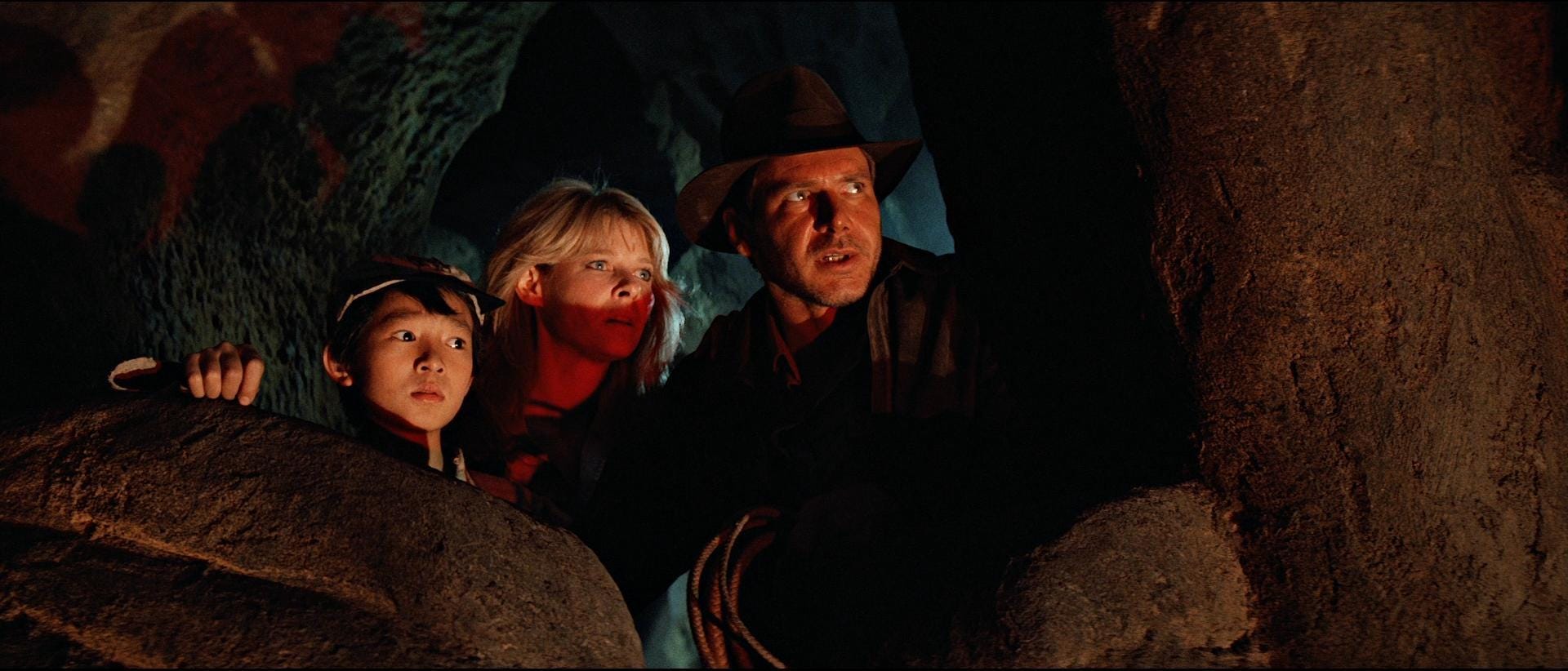
4. Indiana Jones and the Temple of Doom

As the franchise’s only prequel the second Indiana Jones film turned out to be the darkest in the franchise due to personal issues regarding divorces that creators Spielberg and George Lucas were going through at the time. The result was that the film feels mean spirited at times and dated with its misogyny and questionable depictions of other cultures.

It lacked the epic scale of Raiders of the Lost Ark and the filmmakers reveled too much in trying to gross out audiences and with trying too hard to be different from the first film. At times, Indiana Jones and the Temple of Doom felt more like a romantic comedy instead of an adventure film. Also, the MacGuffin Indy hunted for was far less impressive when compared to the Holy Grail or the Ark of the Covenant. What exactly do the Sankara Stones do except glow? The characters were annoying and unlikeable especially Willie Scott. She was supposed to be a sharp contrast to the tough-as-nails Marion Ravenwood from the previous film. But by trying to make Willie the opposite of Marion, the filmmakers turned her into a stereotypical screaming damsel in distress who lacked any substance.

Despite its faults, Indiana Jones and the Temple of Doom has some of the franchise’s greatest action scenes that still hold up to today and are iconic. Ford was great as always, as was the production design and score by John Williams.

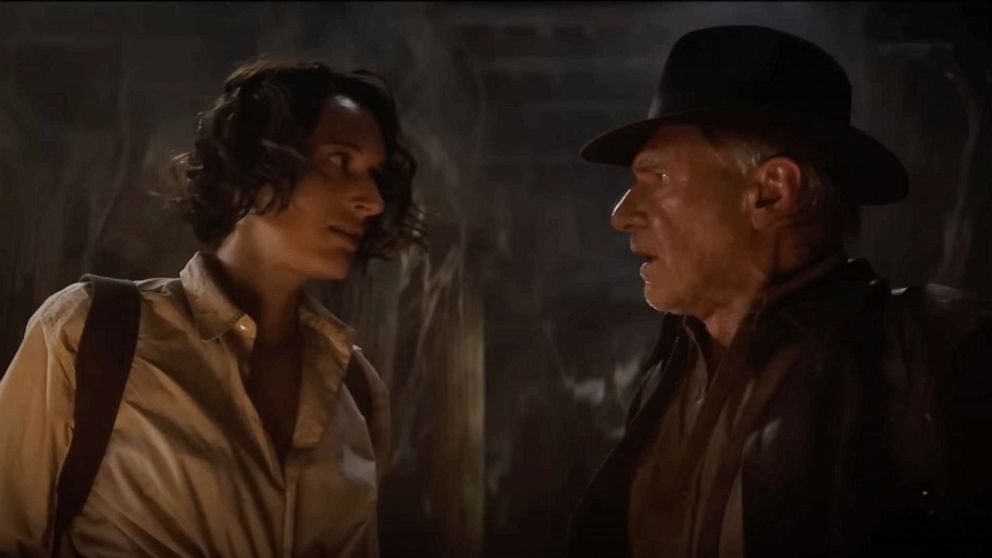
3. Indiana Jones and the Dial of Destiny

The fifth and final Indiana Jones film has had a mixed reaction from fans. It will take some time to see how it holds up, but for now this is the rank it has earned. There was a lot of trepidation over the film since Spielberg did not direct it and many questioned how an old Ford could believably play a swashbuckling treasure hunter. But the film is an enjoyable send off to the franchise.

Even though Indiana Jones and the Dial of Destiny lacks a lot of Spielberg’s visual flair, director James Mangold does a fine job with this look at Indiana Jones as a senior citizen in the late 1960s. Embittered over the death of his son which destroyed his marriage and facing retirement, Indiana carries out one final treasure hunt with his goddaughter, which involves time traveling to ancient Syracuse and meeting Archimedes.  Harrison Ford Is Too Old for This Shit – Rolling Stone

There are some issues with the plot mechanics and its credibility (something that the other films suffer from, such as characters using life rafts to jump from an airplane and other feats that would have killed them). But Ford has some good chemistry with Phoebe Waller-Bridge, who plays his goddaughter and the film has some exciting moments, especially during a flashback scene set in World War II and an intense tuk-tuk chase sequence. Anyone hesitant about the film because of Spielberg’s absence should put doubts aside and see Indiana Jones in his last great cinematic adventure.

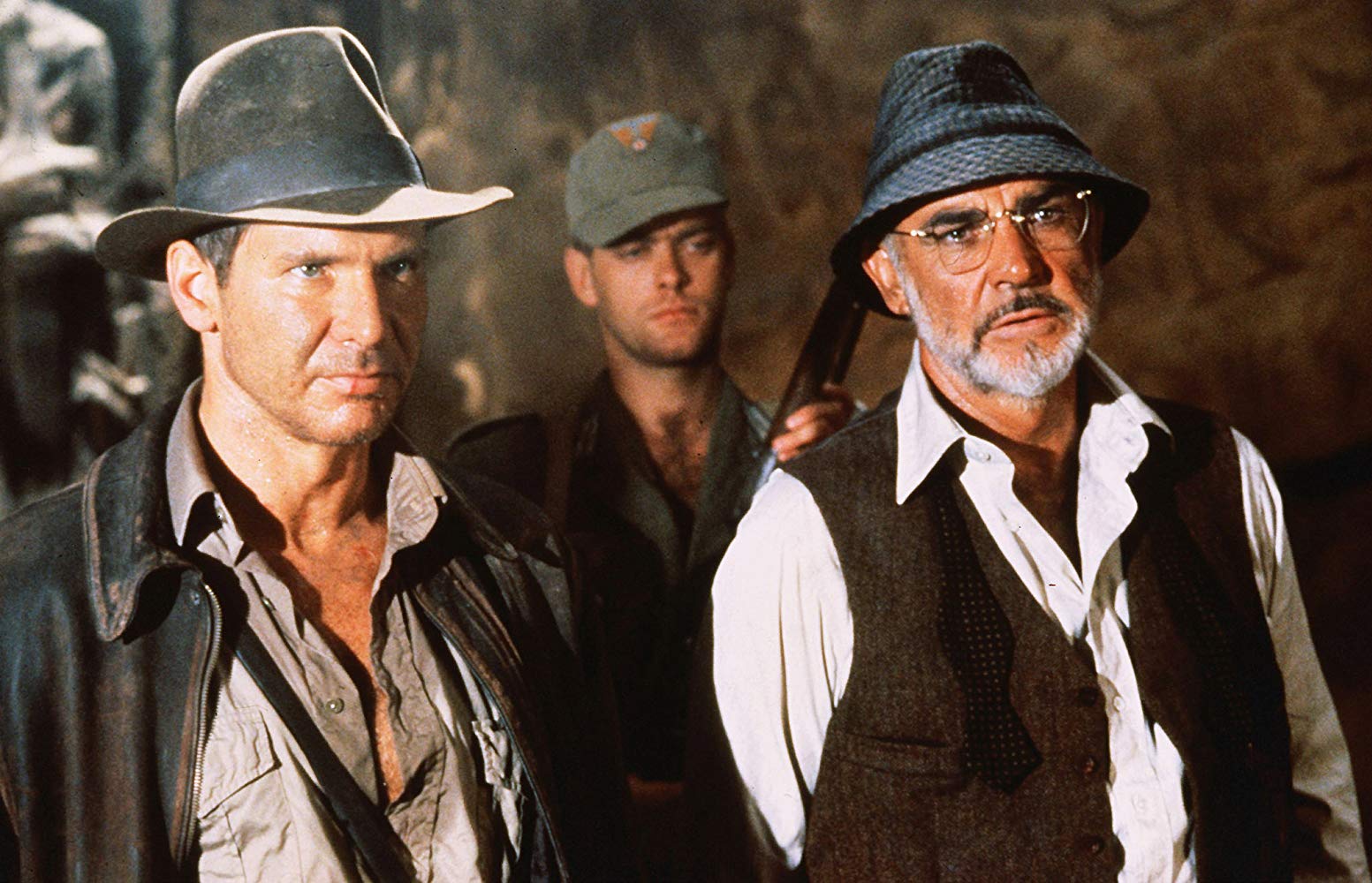
2. Indiana Jones and the Last Crusade

After the mixed reaction to Indiana Jones and the Temple of Doom, Spielberg and Lucas went back to basics and delivered a rousing adventure that is nearly as great as the first film. It is also the funniest film in the franchise.

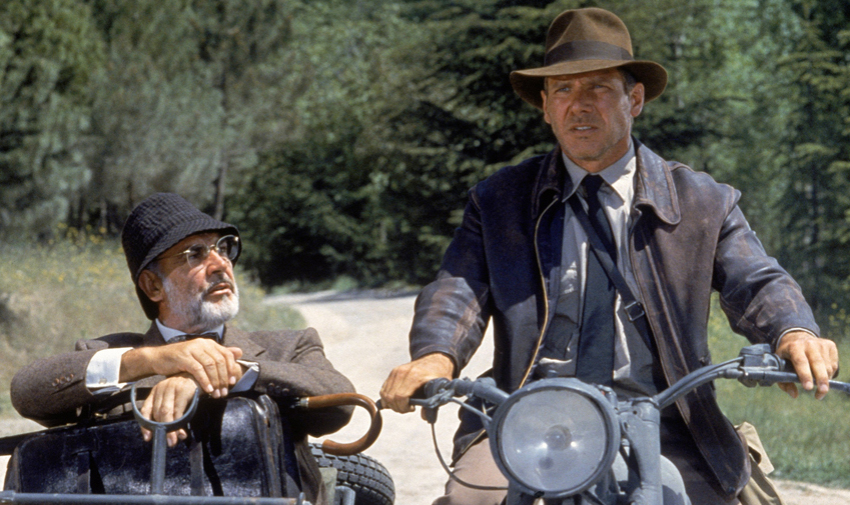
The film opens with a rousing flashback to 1912 which features River Phoenix as a teenaged Indy. After we find out why he fears snakes and how he got his famous fedora hat, the film jumps forward to 1938. Indiana travels to a pre-World War II Europe to find his missing father, who he has not spoken to in some time. Sean Connery was magnificent as Indiana’s father and the two actors share some of the best moments in the franchise thanks to their incredible chemistry.

Indiana Jones and the Last Crusade follows some of the same beats as Raiders of the Lost Ark, such as Nazis, intense chases, epic scenery and spine-tingling explorations of ancient sites. Thanks to Spielberg’s skills, a great script and inspired acting, the third film is definitely classic cinema. Oh, be sure to watch the film to the end as it features one of the most beautiful ending scenes ever filmed as Indiana Jones and his companions ride off into the sunset.

1. Raiders of the Lost Ark

Also known as Indiana Jones and the Raiders of the Lost Ark, this is the first and still greatest Indiana Jones film. When thinking about the recent Martin Scorsese “This is Cinema” meme, Raiders of the Lost Ark certainly applies to that phrase!

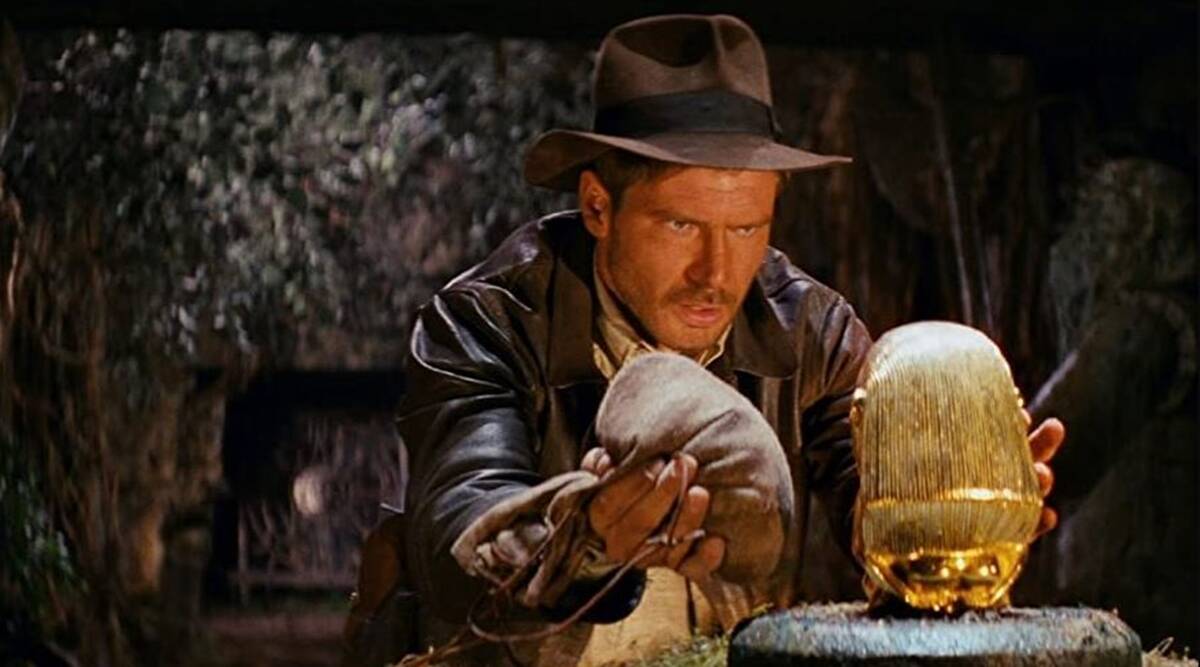
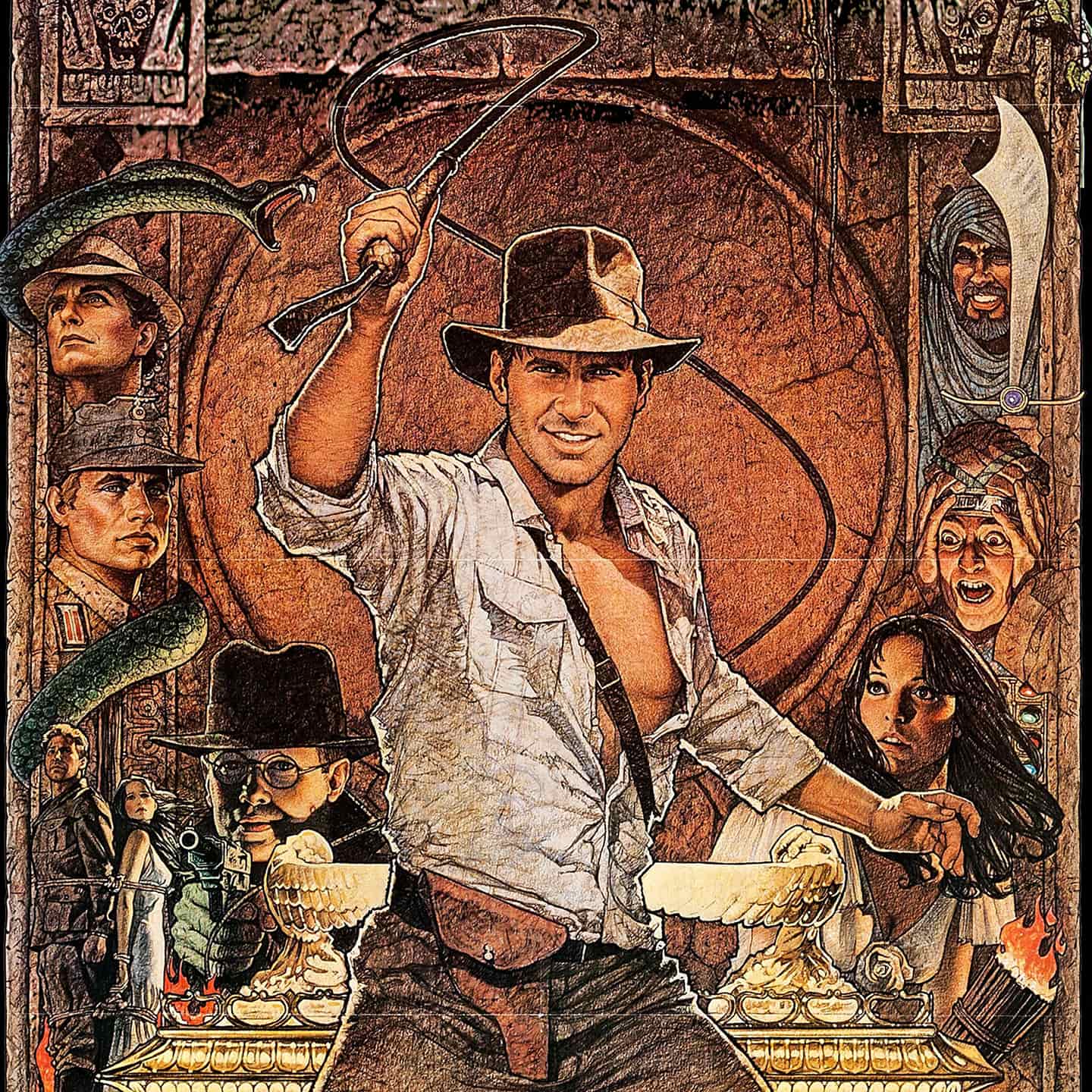
Set in 1936, Raiders of the Lost Ark introduces us to Indiana Jones, a two-fisted, globe-trotting archaeologist who hunts ancient treasures. Inspired by the movie serials of the 1930s and 1940s, Raider of the Lost Ark elevated that kind of cinema into the greatest action-adventure film of all time. This was due to the groundbreaking collaboration between George Lucas and Steven Spielberg who wanted to do his version of James Bond. Here’s a bit of trivia, Lucas initially called the hero Indiana Smith and we’re glad the name was changed to Jones since it flows much better!

Spielberg was at his best when directing this monumental film. It featured many of his trademark visual touches like his God light on characters and inventive composition of shadows and silhouettes to showcase characters. Of course, none of this would mean much without a great script, which is what the film thankfully had from Lawrence Kasdan. Each shot was nearly perfect as the level of excitement and mystery increased with each passing second. Raiders of the Lost Ark is true cinematic treasure that has endured through the years and set a standard with adventure films that is difficult to match. That is why it is the best of the Indiana Jones films.

NOTEWORTHY MENTION

Young Indiana Jones and the Mystery of the Blues

During the 1990s, ABC aired The Young Indiana Jones Chronicles, which were historical dramas about Indy when he was a child and a young adult. The episodes had opening and closing segments that starred George Hall as an old Indiana Jones in his 90s telling tales of his youth. In one episode, “Young Indiana Jones and the Mystery of the Blues”, Harrison Ford reprised the role as a bearded Indiana in 1950 who told a story about himself in Chicago in 1920. This episode has been recut into a television film with the same title, but honestly the best part of the episode involved the two segments with Ford.

José Soto

Return Of The Jedi: A 40-Year Celebration

This month marks the 40th anniversary of Star Wars Episode VI: Return of the Jedi, the last of George Lucas’s original Star Wars trilogy, and some would say, the end of the classic Star Wars era. It’s seen by many as the least of the first three films, but it is still revered for its great action sequences, especially the climatic Battle of Endor, as well as for its final confrontation between our hero the young Jedi Luke Skywalker and the Rebel Alliance’s sinister nemesis, Darth Vader. Even now, 40 years later, the film is still celebrated and considered to be one of the better Star Wars films.

The story starts out with Luke returning to his home world of Tatooine, not seen since the first film, to rescue smuggler and friend Han Solo. The smuggler was captured by the bounty hunter Boba Fett in the cliffhanger ending to Star Wars Episode V: The Empire Strikes Back, and sent to Jabba the Hutt to pay for his debts to the vile gangster. Luke is aided by iconic Star Wars heroes, Princess Leia, Chewbacca and Lando Calrissian, as well as the lovable droid duo R2-D2 and C-3PO. Their rescue of Han and escape from Jabba’s palace is thrilling and sets a great and exciting tone for the movie.

Afterwards, Luke returns to the planet Dagobah for final training as a Jedi with Jedi Master Yoda, who soon dies of old age. The wise old mentor’s subsequent death after 900 years of life is sad to see. After encouraging words from the spirit of his other mentor Obi-Wan Kenobi, Luke returns to his friends in the Rebel fleet for the final assault on the Empire’s new Death Star weapon. 

Return of the Jedi introduces a new villain, who has captivated audiences ever since, the evil Emperor Palpatine, played to perfection by Ian McDiarmid. His terrible old visage and cackling laugh instantly made him a fan favorite. His plan along with Darth Vader to bring Luke to the dark side of the Force almost succeeds, as he goads Luke to kill Vader. But good wins out in the end as Vader is unable to allow Palpatine to kill his own son after Luke rejects the Emperor’s temptations, and he kills Palpatine while suffering fatal injuries of his own.

This is preceded by a fantastic lightsaber battle between Luke and Vader with a haunting soundtrack by film composer John Williams in the background. Luke’s unmasking of his father as he was dying is a famous moment in Star Wars history, as we finally get to see the man behind the terrifying mask, a scarred and sad man haunted by his actions. His message to Luke that he was right about Vader having good in him in the end is in some ways the culmination of both the original and prequel trilogies and brings Anakin Skywalker’s story to a sad but fulfilling end.

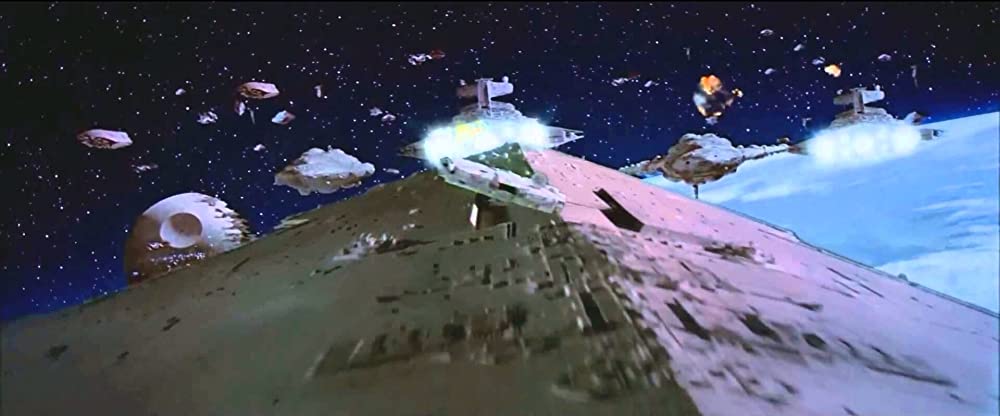
All of this happens at the same time as the Rebel fleet led by Lando and Admiral Ackbar, attacks the Death Star, but is ambushed by a waiting Imperial fleet. The subsequent space battle is still arguably the best space battle seen on film with swarms of star fighters hurtling through space among massive star destroyers, numerous Imperila TIE fighthers, and Rebel Mon Calamari cruisers.

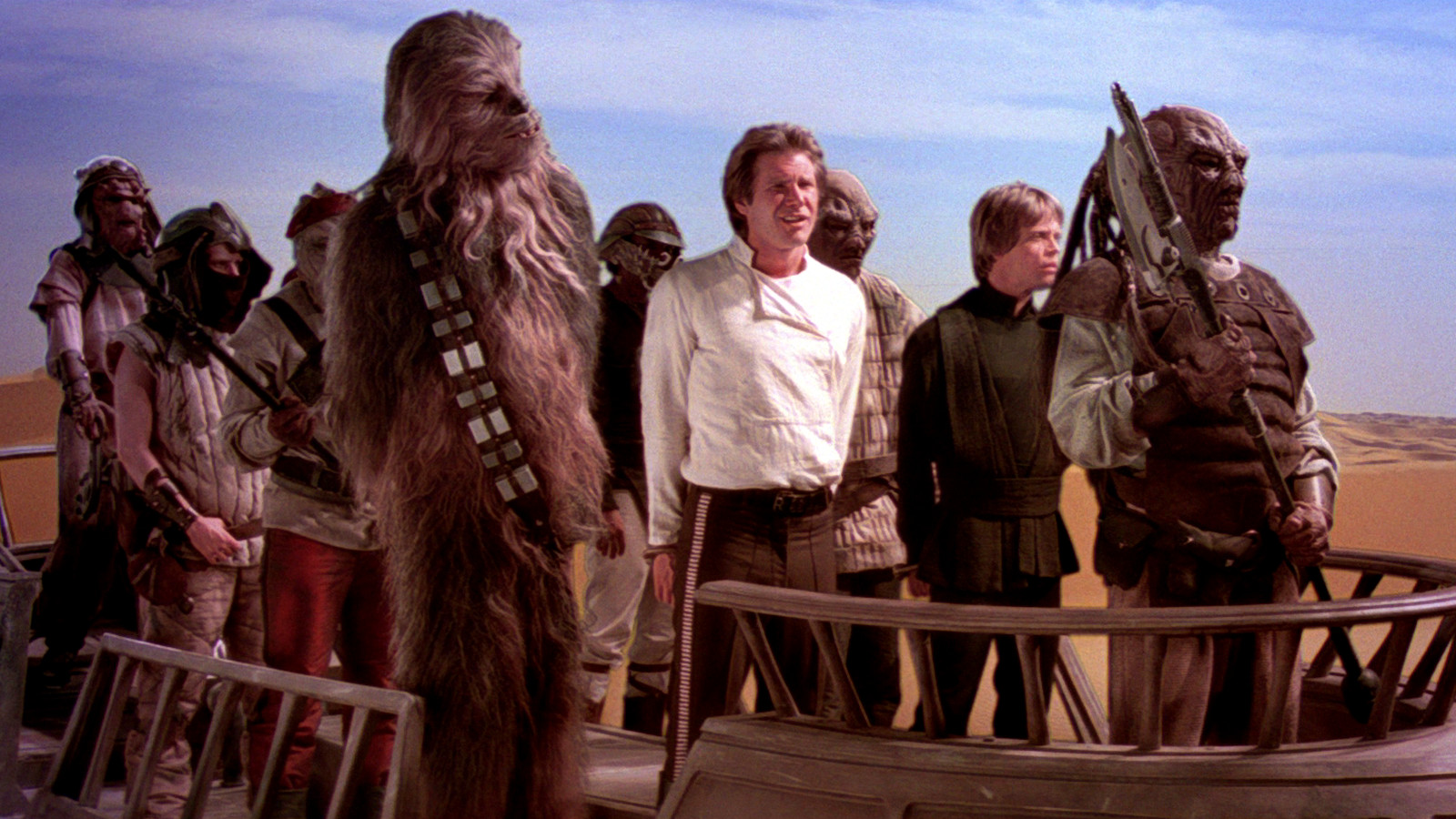
Despite the odds, the Rebel ships are able to penetrate and destroy the Death Star thanks to the ground efforts of Han, Chewie and Leia. They infiltrate the forest moon of Endor, and aided by the native Ewoks, are able to annihilate the Empire’s shield generator protecting the Death Star. Seeing the diminutive Ewoks, who look like teddy bears defeat Imperial stormtroopers is somewhat silly, but the action is still exciting to watch, especially the speeder bike race through the woods, as well as Chewie stealing an AT-ST walker and using it on the Empire’s forces. 

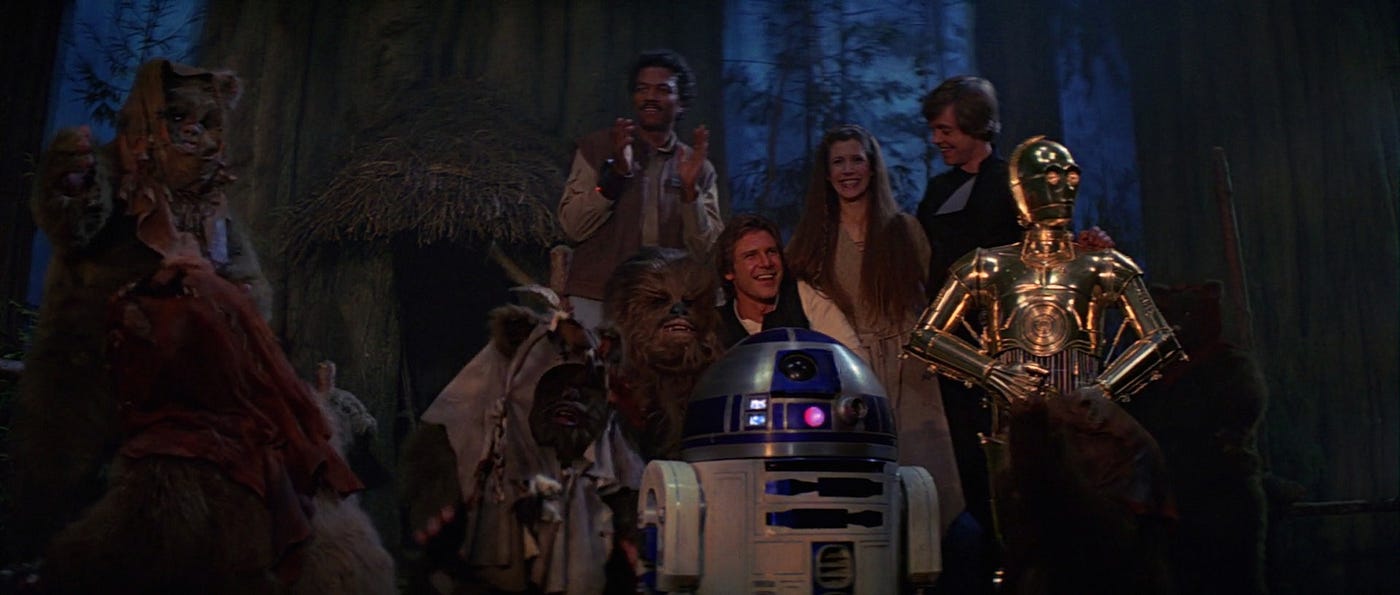
Star Wars Episode VI: Return of the Jedi ends with a triumphant celebration in the forest with the Rebel heroes and their new friends after Luke burns the remains of his father in a haunting scene. In the so-called “Special Edition” of the film that came out in the ’90s, extra scenes were added to the celebration which showed other parts of the galaxy celebrating the defeat of the Empire. This included the planets Coruscant and Naboo, which help tie in the prequel films to the original trilogy and being that the prequels had not come out yet, helped increase fans’ anticipation for the prequels. This enhanced the feeling of elation as we saw how wide the scope of the war was in the galaxy.

These closing scenes are also the last time we see the trio of Luke, Han and Leia in their prime, so to speak, and the last image of them all together with their friends having finally ended the Empire’s reign of terror. It is something fans will remember for all time given that we never saw the trio reunited in the sequel trilogy of films that came out in the last decade, although they made appearances in those films. The ending of Star Wars Episode VI: Return of the Jedi is basically a variant on “they lived happily ever after”, which is appropriate since George Lucas intended Star Wars to be a fairy tale, and the film definitely has that feeling to it. It doesn’t quite live up to the standard set by the first two films, which are basically masterpieces, but it’s still a very good film that is remembered four decades later for its iconic moments and is a great sendoff for some of cinema’s most revered characters.

C.S. Link

Raiders of the Lost Ark Turns 40

It’s hard to believe 40 years has gone by for this priceless treasure of a movie. Raiders of the Lost Ark, which was great then, as it is now. 

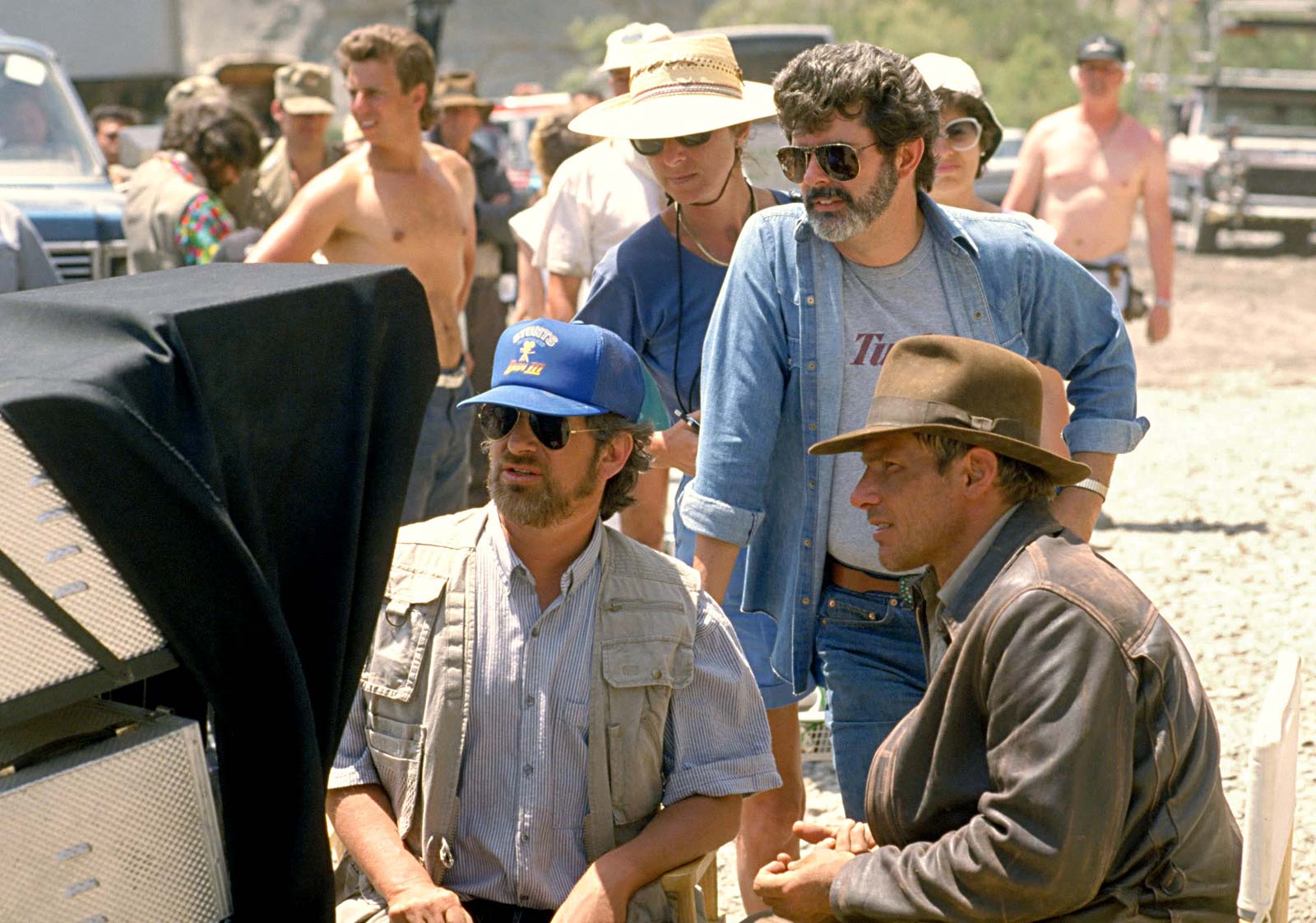
Raiders of the Lost Ark was conceived by Steven Spielberg and George Lucas while the two were on vacation at the time Star Wars was released in theaters in May 1977. The two filmmakers wanted to collaborate on a project. Spielberg wanted to do a James Bond film, but that did not pan out. Instead, he and Lucas decided to create their own hero and over time, Phil Kaufman helped flesh out Lucas’ story, and later Lawrence Kasdan wrote the screenplay.

When Raiders of the Lost Ark debuted June 12, 1981, it made us realize that Hollywood did not make movies like this anymore. Directed by Steven Spielberg and executive produced by George Lucas, the film was a tribute to the old black and white adventure serials (often done by Republic Pictures) that appeared in cinemas back in the early days of film.  

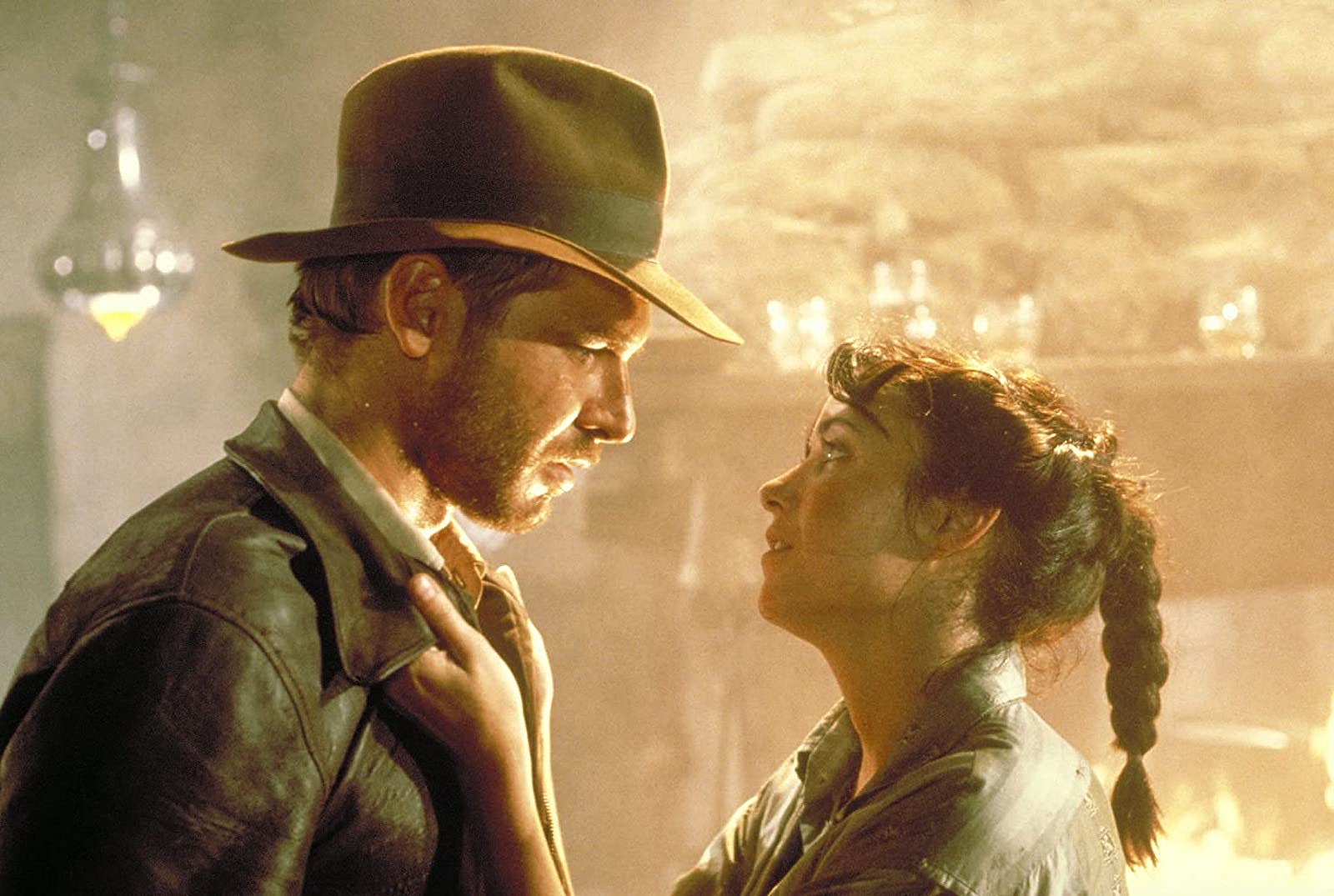
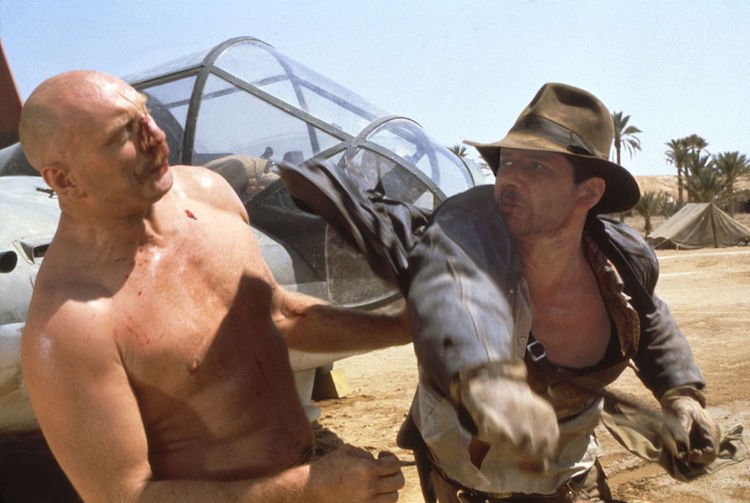
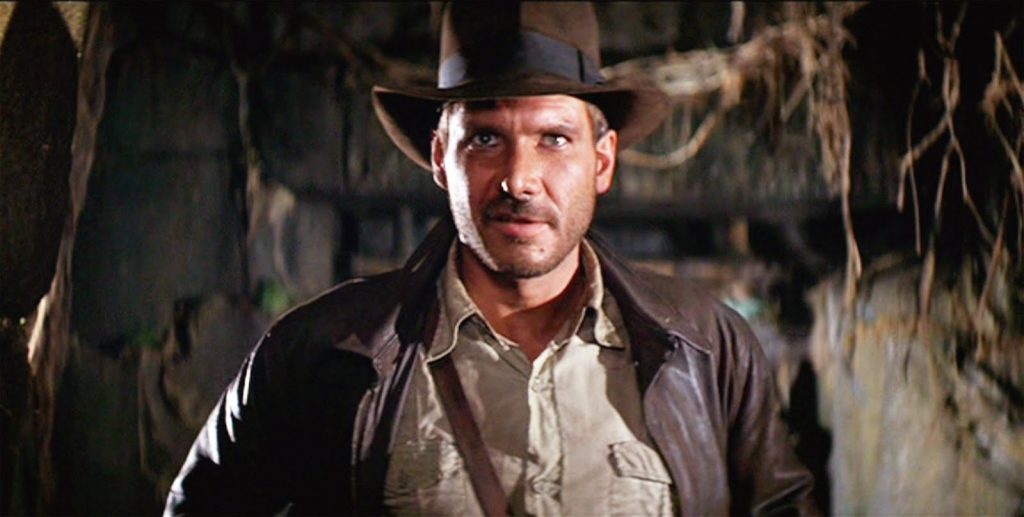
It was an adventure movie set in the 1930s with a touch of the religious and otherworldly—namely the mystical artifact, the Ark of the Covenant, which was sought after throughout the world by the archeologist Indiana “Indy” Jones (Harrison Ford, who was never more dashing) and Nazis led by Indy’s dastardly rival archeologist Rene Belloq (Paul Freeman). The film boasted a handsome and rugged hero, a beautiful, but tough, female lead (Karen Allen), smarts, spunk and pulse-pounding action. It’s why many moviegoers still consider Raiders of the Lost Ark to be the all-time greatest action movie.

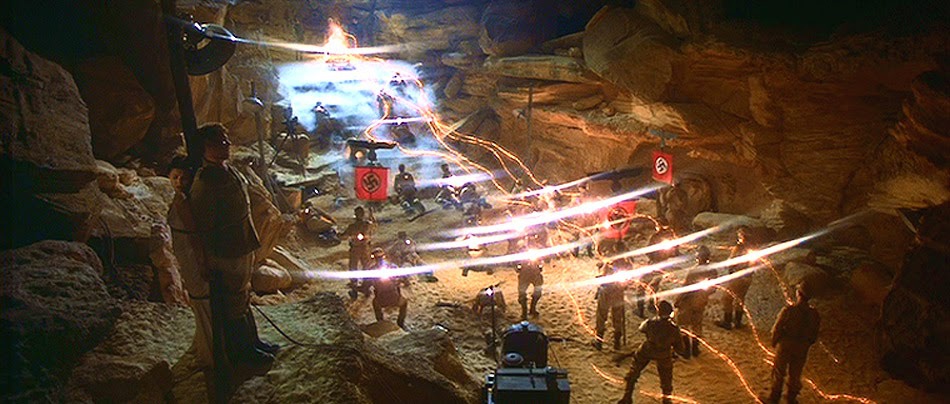
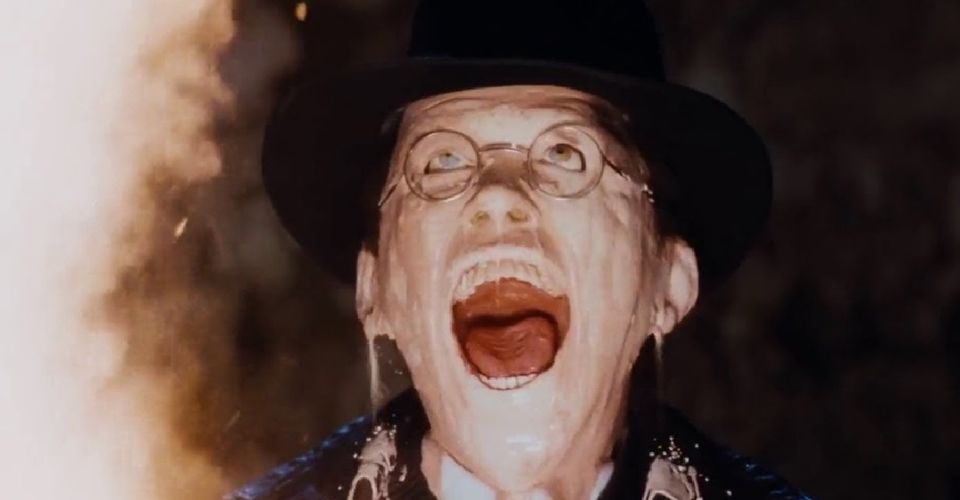
What helped Raiders stand out from other action films were Spielberg’s directing which injected so much passion and energy into each scene and the hint of the supernatural when the Ark was finally opened. Basically the film was a Republic serial on a steroid budget as it boasted topnotch production values and effects, which consisted of blue screens and miniatures. One chilling effect that was unique at that time was that of one of the villain’s face melting off when the Ark was opened. The effects crew constructed a mold using a stone skull and gelatin that was melted between two propane heaters. It took about ten minutes for the face to melt, which of course, was sped up in the film to a gruesome effect.

Another star of the film was the film’s composer, John Williams. Already famous for his memorable scores for Jaws, Star Wars, and Close Encounters of the Third Kind, Williams was picked for Raiders thanks to his association with both filmmakers. Originally, Williams had two distinct themes for the film, and Spielberg suggested he combine the two and viola, that is how we got the famous Raiders March that evokes a feeling of grand adventure and thrills.

The film was wildly beloved when it burst into the scene that summer. Later in 1982, it won five Oscars and was even nominated for best director and best movie of the year, though as usual the Academy Awards voters chose to bestow those honors to less deserving winners (Warren Beatty for his overstuffed Reds, and Chariots of Fire, a real yawn fest of a film that is largely forgotten). As noted before, Raiders of the Lost Ark was based on cheaply made serials, yet it was made on a budget of less than $20 million. However, the film grossed almost $400 million (very high for its time), which proved that audiences still liked good old-fashioned adventures.

American actor Harrison Ford on the set of “Raiders of the Lost Ark”. (Photo by Sunset Boulevard/Corbis via Getty Images)

Raiders of the Lost Ark and the followup Indiana Jones films dispelled any doubt that Harrison Ford could only be a box office draw for the Star Wars movies. Ford stood out so clearly with his iconic wardrobe, bullwhip and tough-as-nails demeanor, except when it came to snakes! After his role in Indy, Ford went on to become one of the top earning action stars of the ’80s.

At the same time, Raiders helped disprove that George Lucas was a one-trick pony, since he is best known for his Star Wars films, while it cemented Steven Spielberg’s deserved status as one of our greatest film directors.

The sequels were well received for the most part with exceptions. The first sequel, or rather prequel (since it takes place before Raiders), Indiana Jones and the Temple of Doom was criticized for being too violent and helped inspire the PG-13 movie rating. The third film, Indiana Jones and the Last Crusade was considered by some as the best of the Indy films, though most still think that forty years later, the first one is the best. Unfortunately, the last one, Indiana Jones and the Kingdom of the Crystal Skull, which came out in 2008, is considered to be the weakest film, thanks to the obvious use of CG, clumsy antics and Shia LeBeouf, who played Indy’s son, but it still has some terrific moments.

Thankfully, that film will not be the last we have seen of Professor Jones as a new adventure is being filmed for release next year. But given Harrison Ford’s advanced age (he is 78), it is hard to see how the film will convince us he is still a man of action. It’s too bad, there were not more Indiana Jones movies made when Ford was in his prime, otherwise we would not have this dilemma. But keep in mind that the actor wanted to branch out and do other films, plus Spielberg and Lucas were also busy with other projects, which meant that all three getting together to do more Indy films was a logistical nightmare and it still is, as seen by the fact that Steven Spielberg is not directing the fifth film; James Mangold has taken over for the directing duties.

With three sequels released and a fourth sequel currently filming we should take a moment to consider the appeal and influence of Indiana Jones.

The concept of Indy being an outdoor adventurer looking for things of importance no doubt influenced Tomb RaiderUncharted, the Temple Run video game franchise, the Jumanji films, Brendan Fraser’s The Mummy, and even Dora the Explorer. Lesser known properties inspired by Indy’s film adventures include the cult classic The Rocketeer, the fairly recent Journey to the Center of the Earth movies with Brendan Fraser and The Rock, and TV shows like Tales of the Golden Monkey. There was even an Indy- themed episode of Magnum P.I. starring Spielberg and Lucas’ first choice to play Indiana Jones—Tom Selleck. The actor almost got the part, but had to bow out due to contractual obligations with his TV show.

Raiders of the Lost Ark is so influential that any imagery in media showing a person or people exploring the jungle, with table cards flashing a bold logo is no doubt influenced by Indiana Jones. It even re-popularized the fedora hat that Indy often wore along with his leather jacket. These are just some of the reasons why we celebrate Raiders of the Lost Ark forty years after its release. Simply put, it still holds up as an exciting, innovative and lavish adventure yarn that is timeless.  To paraphrase Belloc, who mentioned in the film that if he buried a cheap watch in a thousand years it would become priceless, well in a thousand years we sense that this movie will still be priceless!

Walter L. Stevenson