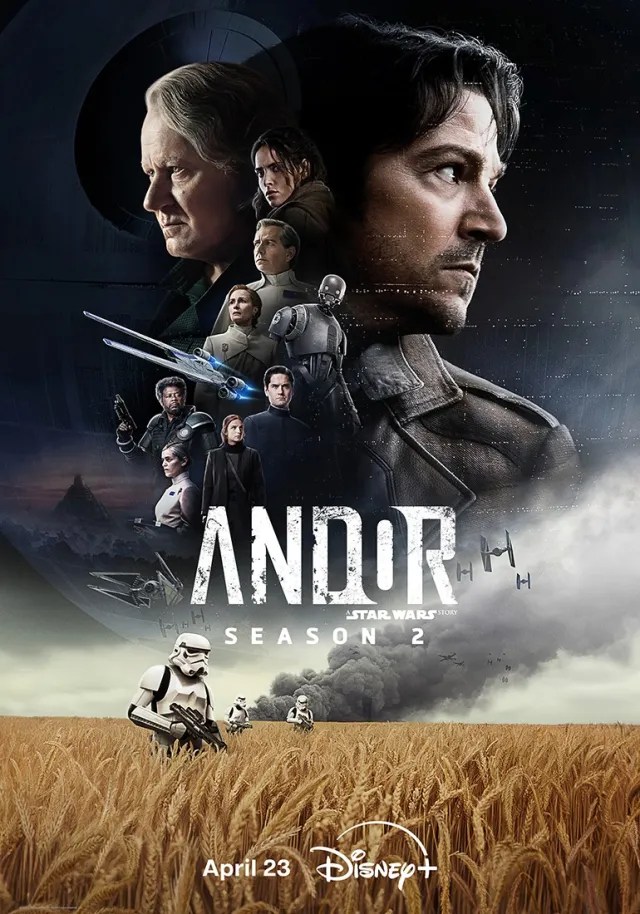
Andor just completed its second and final season on Disney + and it proved beyond question that it is the greatest Star Wars TV show ever presented. Some fans may complain that it is too slow or too adult or too unlike Star Wars, but they are missing the point. Andor demonstrates that Star Wars can be much more than action-oriented, near fantasy stories that are supposedly geared more to children. The IP is much more than that and Andor shows us the potential of what Star Wars can be.
The second season of Andor is broken up into three-episode arcs, with each arc taking place a year apart as the overall narrative counts down to the original Star Wars and Rogue One: A Star Wars Story. As each arc progresses, we get to see how the complex characters develop and grow.
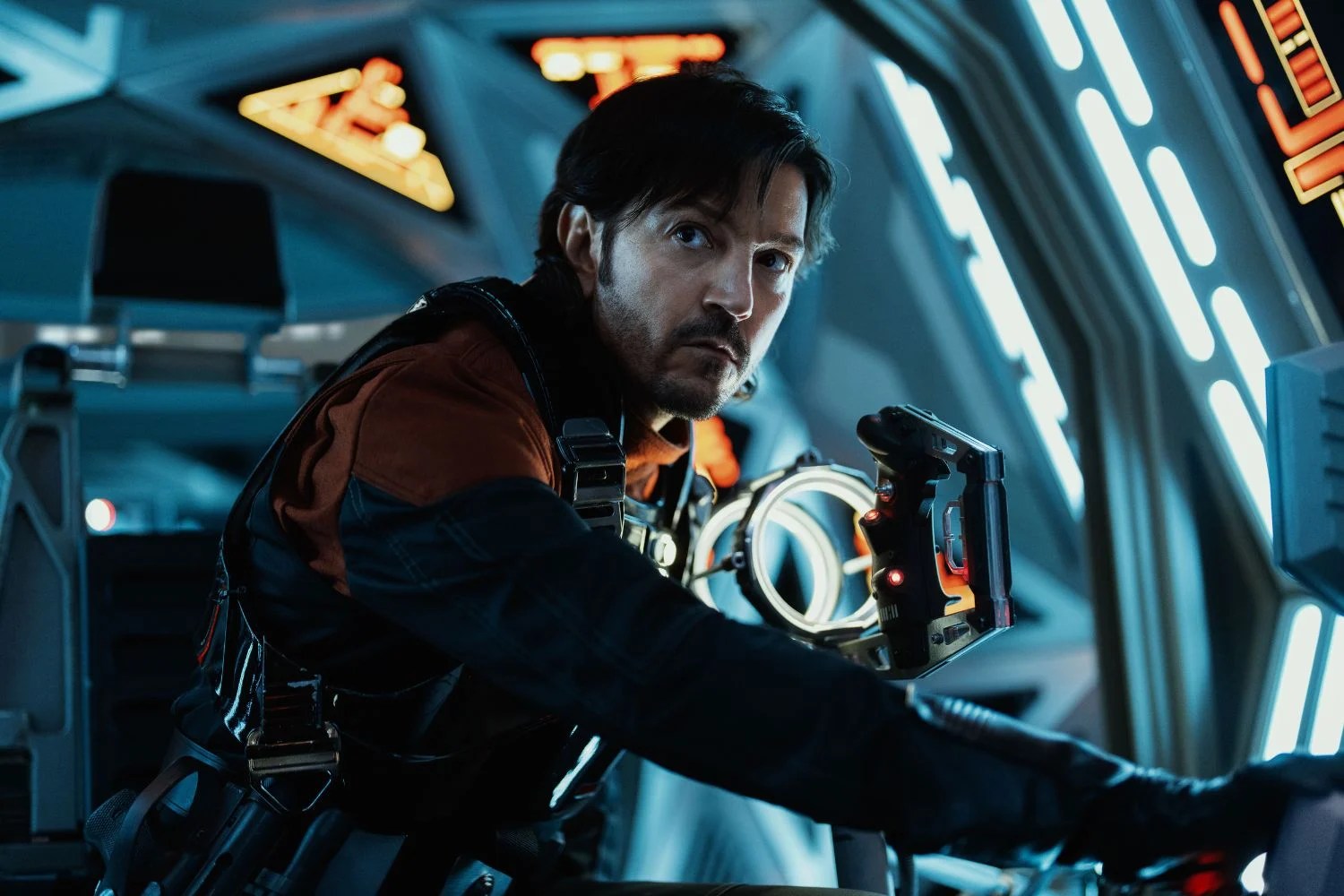
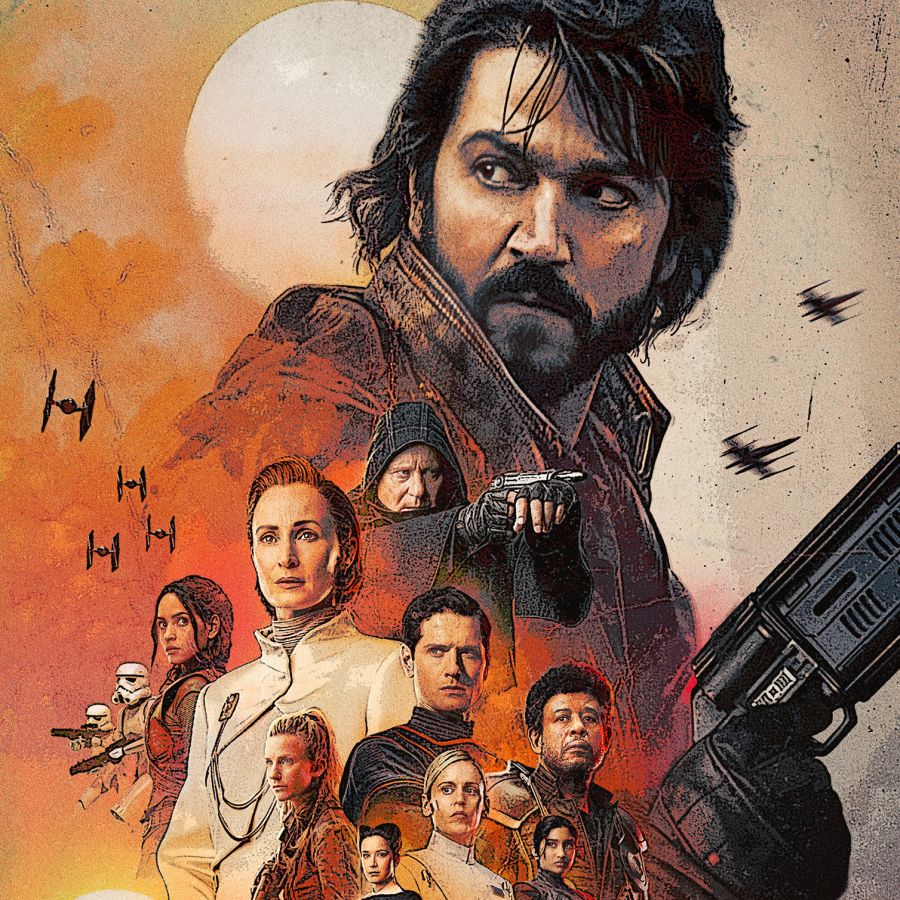
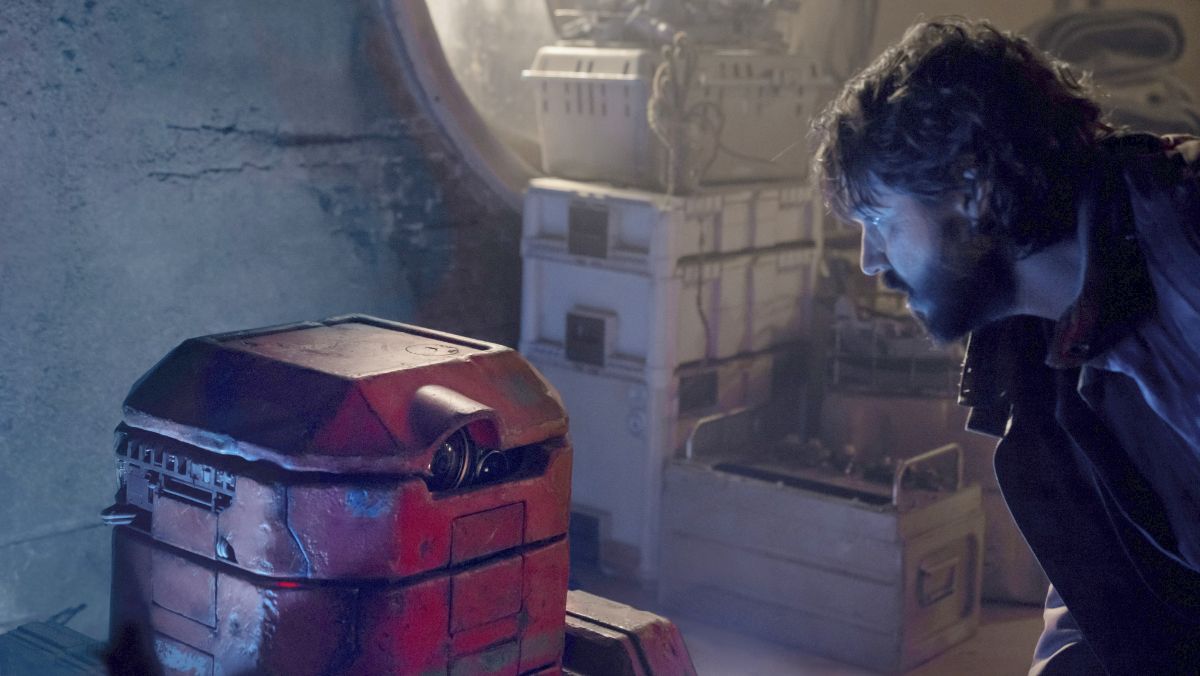
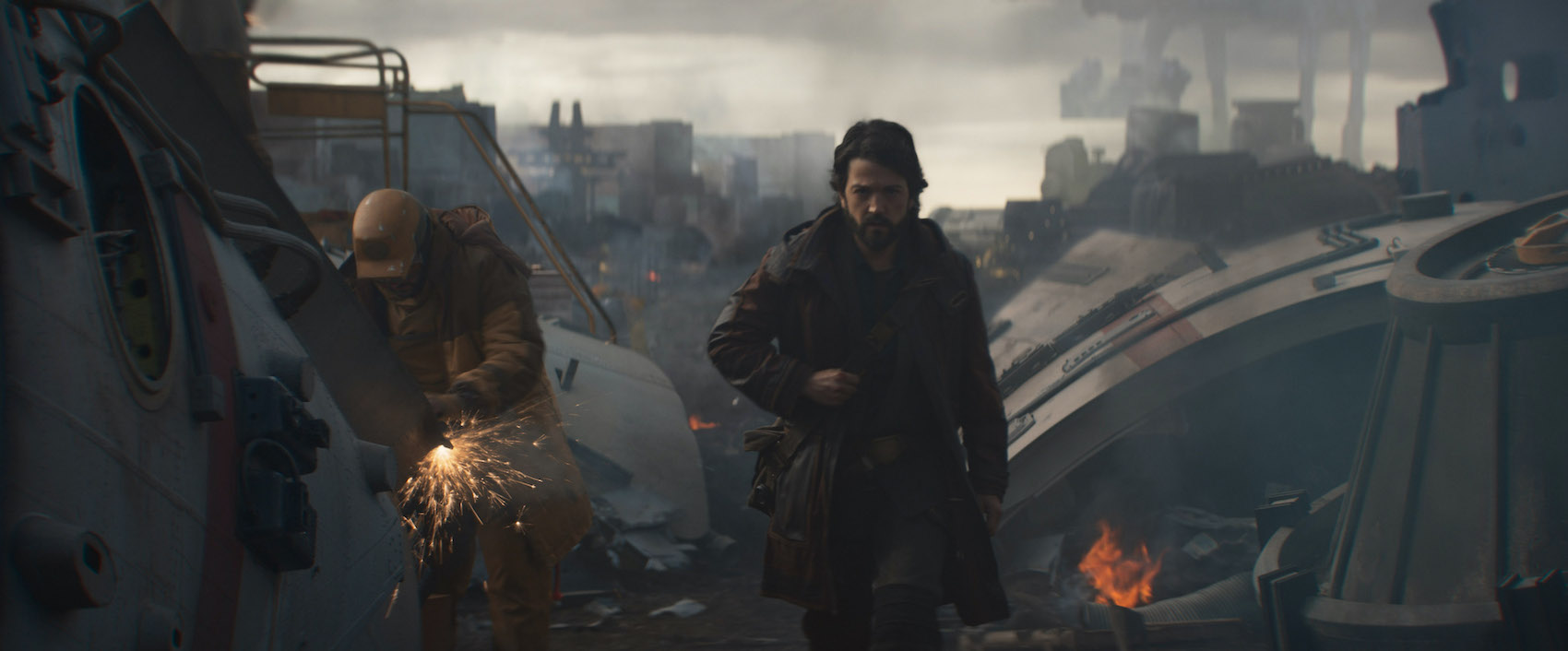
Among the great things about Andor are its rich characters starting with the title character himself, Cassian Andor (Diego Luna), a spy for the burgeoning Rebel Alliance. In the early years of the rebellion against the Galactic Empire, Andor travels through many worlds on spy missions to undermine the Empire. But in his heart, even though he detests the Empire, he wants to retire to a quiet life with his girlfriend, Bix Caleen (Adria Arjona), who is suffering from PTSD after being tortured by the Empire in the first season. Sadly, as anyone who has seen Rogue One knows, that is not to be for Cassian. Knowing Andor’s ultimate fate and the impact he will unknowingly have in the fight against the Empire makes his personal growth so compelling. We see that he has grown as a character since the first season. Back then, he largely looked out for himself and only through tragedies did he join the Rebellion. When we see him throughout the second season, Andor is now a polished spy who could blend into several environments as he pulls off capers like stealing advanced Imperial TIE fighters or doing reconnaissance in the tragic world of Ghorman, as it becomes a hotbed for unrest against the Empire.
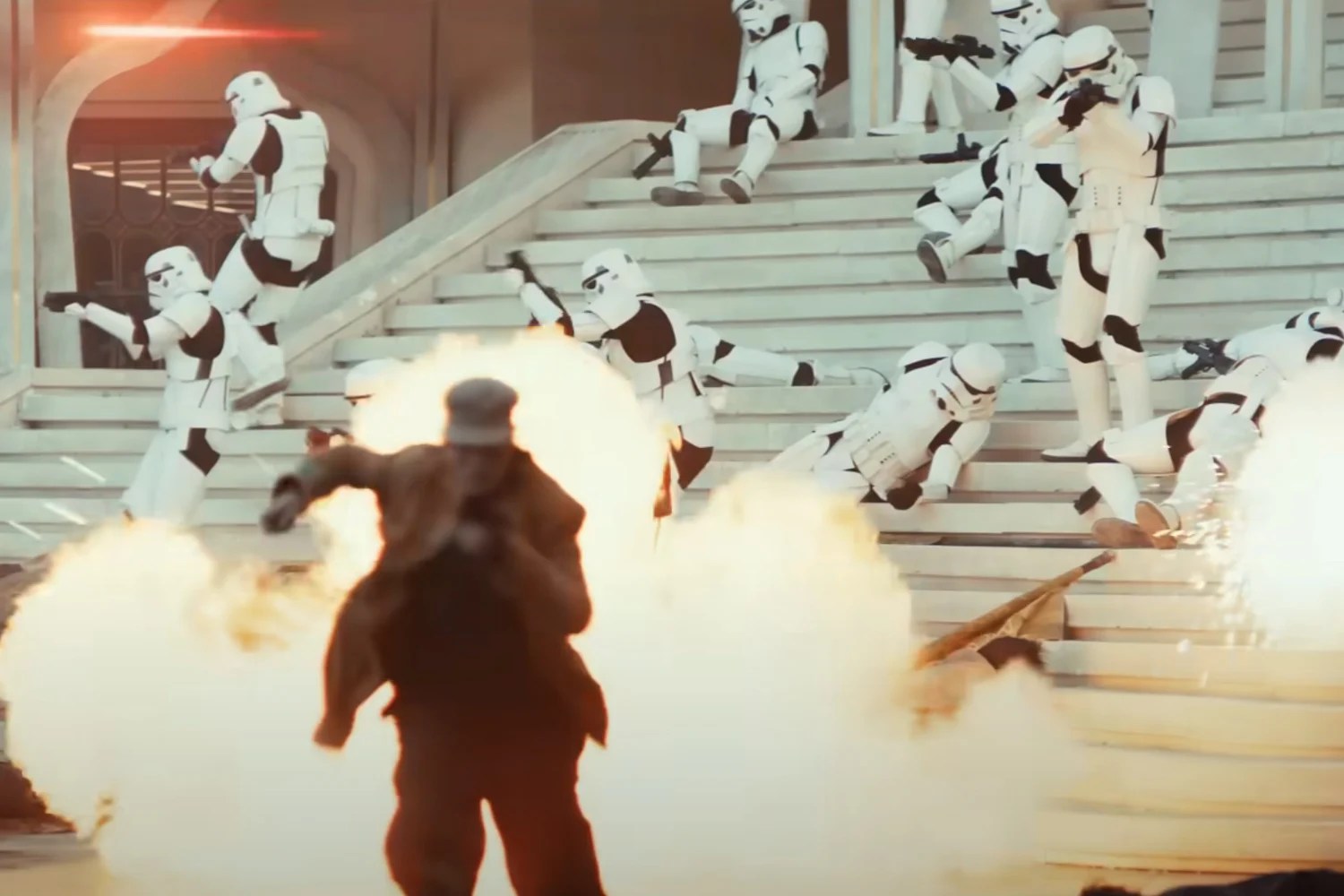
It turned out that the storyline in Ghorman, which continued through two arcs, was the centerpiece of Andor. We get to see a rich culture that seemed vaguely European and an obvious stand-in for France during World War II with amateur spies and rebels facing a hopeless situation against the Empire. What made matters worse was that the unrest on Ghorman was orchestrated by the Empire just to create a media narrative that the populace was full of terrorists just so the planet could be mined for a mineral needed for the Death Star battle station. The entire storyline was an unsettling mirror and a damning commentary for our current situation where people blindly believe whatever narrative government officials tell them and the misuse of media.
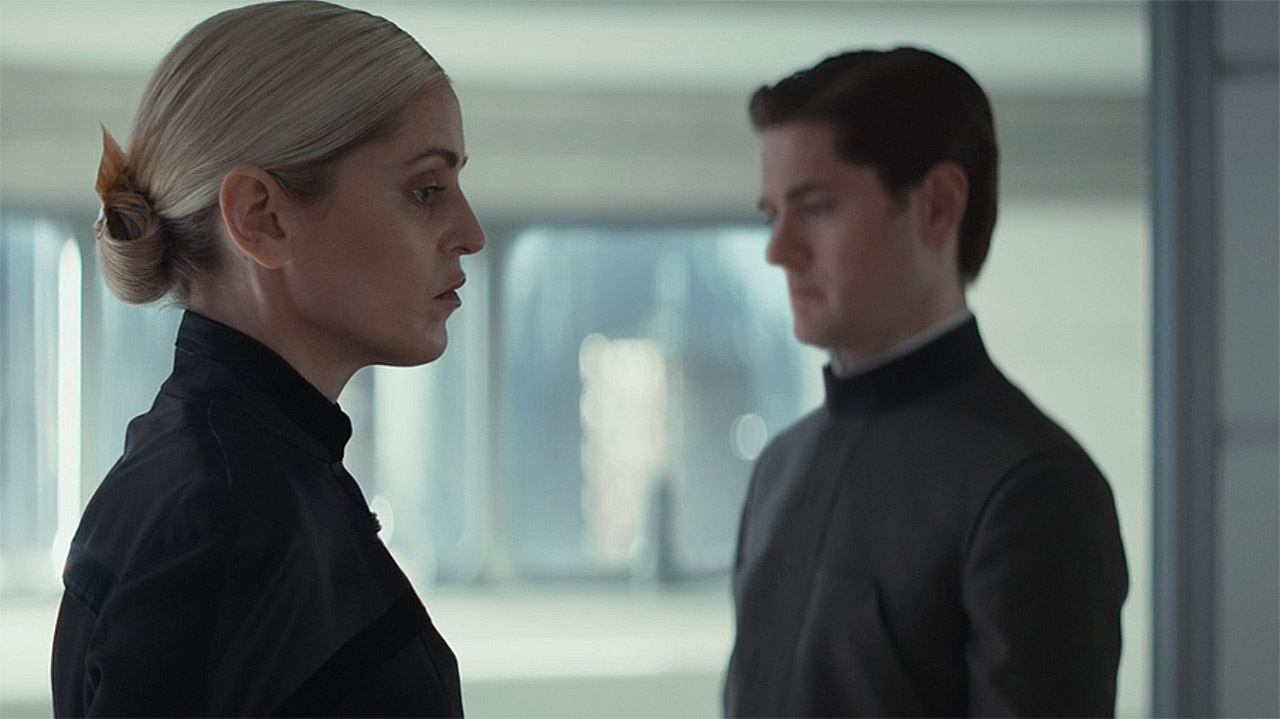
The two-part story arc of Ghorman culminated in the so-called Ghorman massacre in the seventh episode as many brewing subplots came to a head. Several characters had cathartic encounters with each other, notably the Imperial bureaucrat Syril Karn (Kyle Soller), who was obsessed with finding and arresting Andor that was like Inspector Javert chasing after Jean Valjean. While Syril is a sniveling and insecure man, his storyline is quite captivating and is a grounded look at how civilians live in the age of the Galactic Empire. He was basically a nobody who was needled by his mother and only wanted to move up in middle management. What made his story interesting was that we see that he slowly began to sympathize with the Ghormans and that he was being manipulated by his girlfriend Dedra Meero (Denise Gough), an Imperial operative who was equally ambitious.
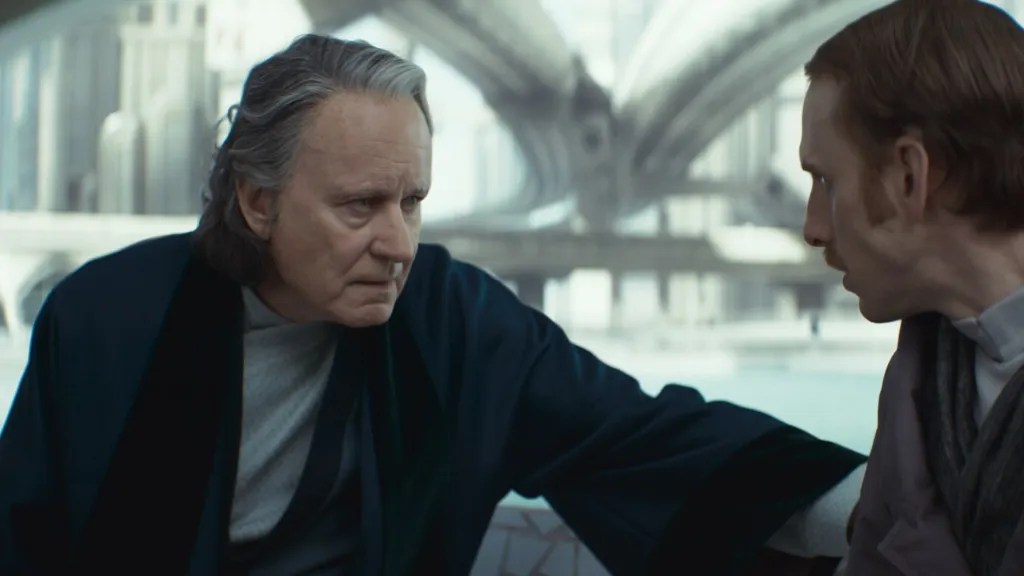
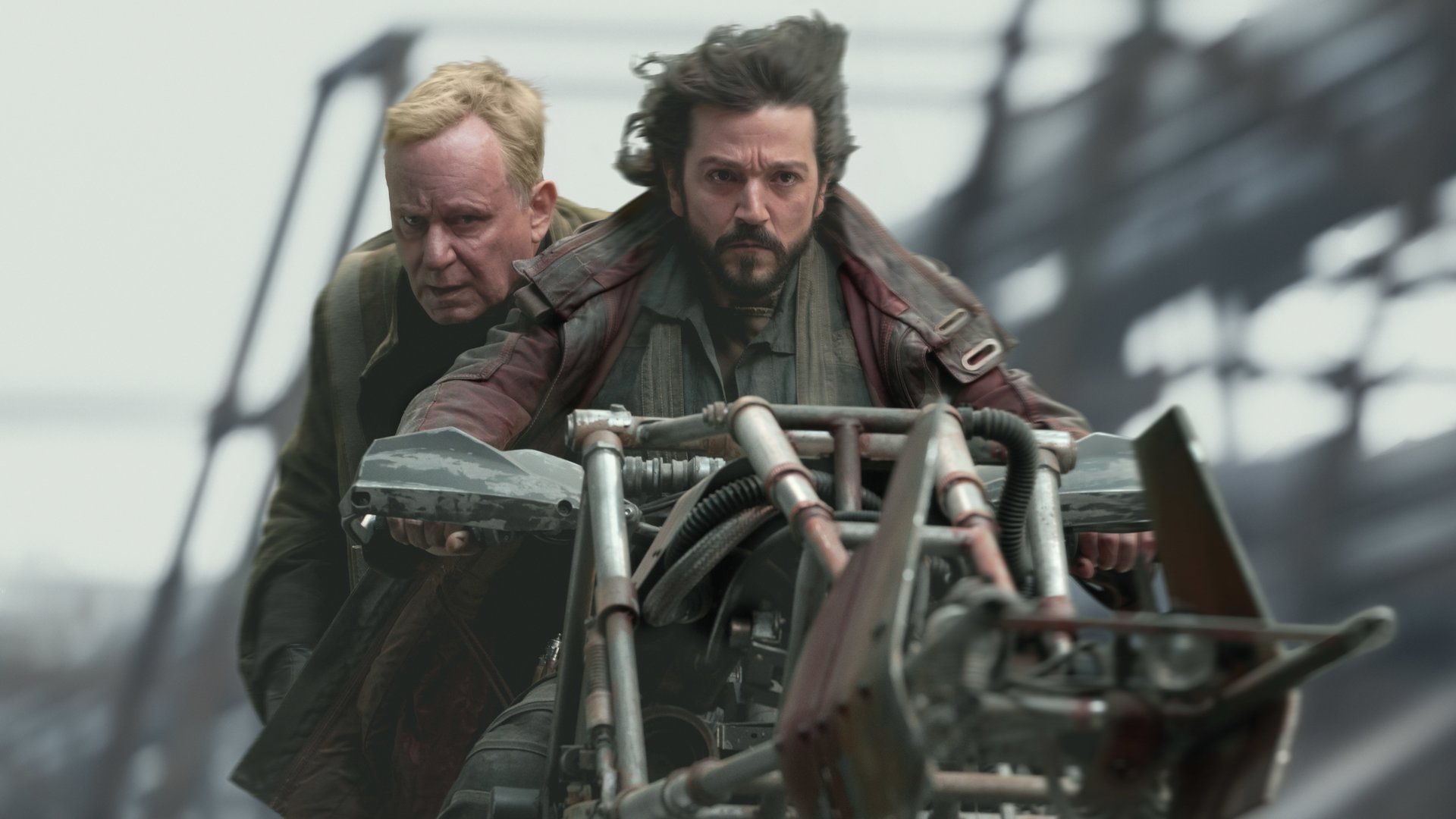
Deedra herself was obsessed with learning the identity of who she considered to be the mastermind behind the Rebellion: a person she called Axis. This turned out to be none other than Andor’s recruiter and mentor Luthen Rael (Stellan Skarsgard), a master spy who runs an antique shop in the Imperial capital world Coruscant and helped fund and coordinate the intelligence network for the Rebellion. Skarsgard gave what is probably the performance of his career as Luthen, a morally complex and mysterious operative who has no boundaries and will use anyone and any means to defeat the Empire. That is incredible considering how perfect the performances are from the other cast members, starting with Luna.
Getting back to the Ghorman Massacre, the incident in the episode “Who Are You?” was very disturbing and hammers home how evil the Empire is; they really are space Nazis who should not be admired. This incident turned out to be a turning point not just with the Galactic Civil War but with the destinies of many characters including Andor. As mentioned before, Andor played a critical role in the early days of the Rebellion. In the second season his most important contribution was when he went to Coruscant and extracted Mon Mothma (Genevieve O’Reilly), one of the few senators who spoke out against the Empire after the massacre and ended up becoming the leader of the Rebellion. The episode “Welcome to the Rebellion” is where Andor extracts her from Coruscant and it was very intense and rousing, especially in the scenes where she gives her speech to denounce the Empire and afterwards when Andor has to get her to safety. What made everything so heartbreaking for Andor was how everything ended for him personally after he succeeded. These developments helped set him up for his situation when we saw him in Rogue One.
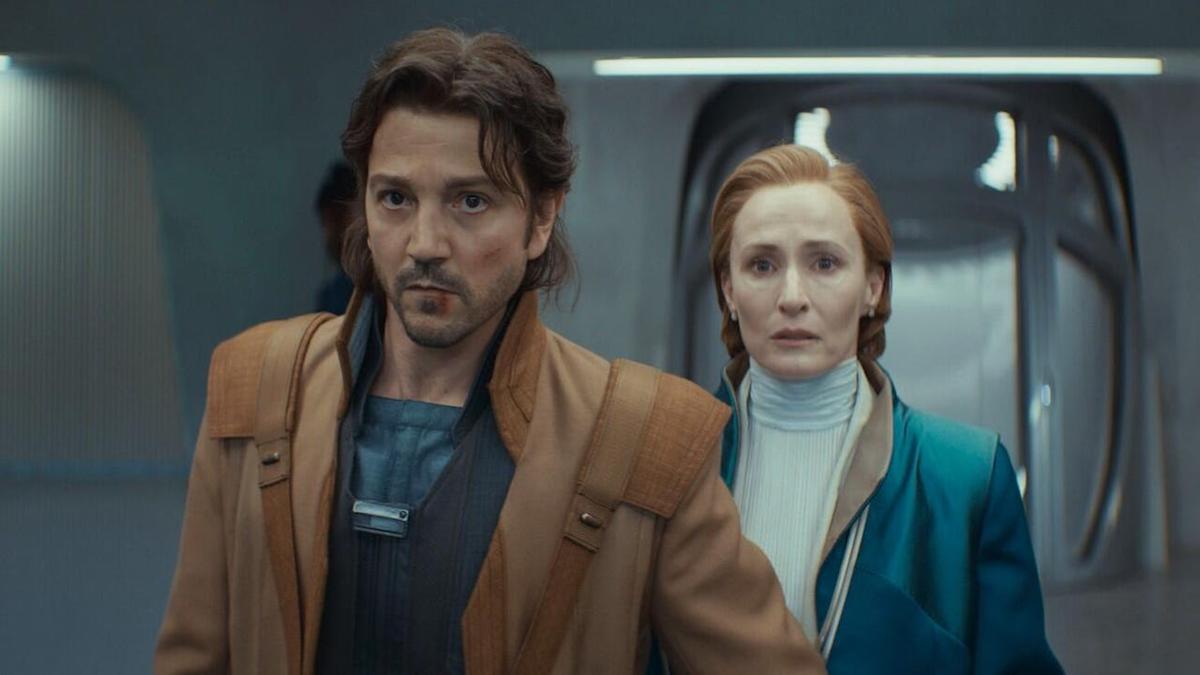
A remarkable thing the second season of Andor did was seamlessly connect to Rogue One. The final episode of the series “Jedha, Kyber, Erso” felt like a countdown as many story arcs concluded and featured characters that would show up in the film. The entire series helps us look at the film in a new way when it comes to Andor as we now understand the strife he went through in life and the level of sacrifice he made for the cause. One story line that was never resolved was that of Cassian looking for his little sister. As shown in the first season, the two siblings were separated as children and his search for her when he was an adult set in place his involvement with the Rebellion and his destiny. In one tragic sequence, in the last moments of the last episode, Andor is still dreaming about her, and he never will find out what happened to his sister. That is how life goes unfortunately.
Grounded moments like Andor’s bitter memories, the tragic deaths of beloved characters, the bitter sacrifices made by most characters, and how characters weave in and out of each other’s lives are what set Andor apart from most television shows. It’s a miracle that the show’s creators like Tony Gilroy were given the freedom and the budget to present this masterpiece. It is also unfortunate that we only got two seasons of Andor as it was originally planned for five seasons, one can only wonder how much greater the series would have been.
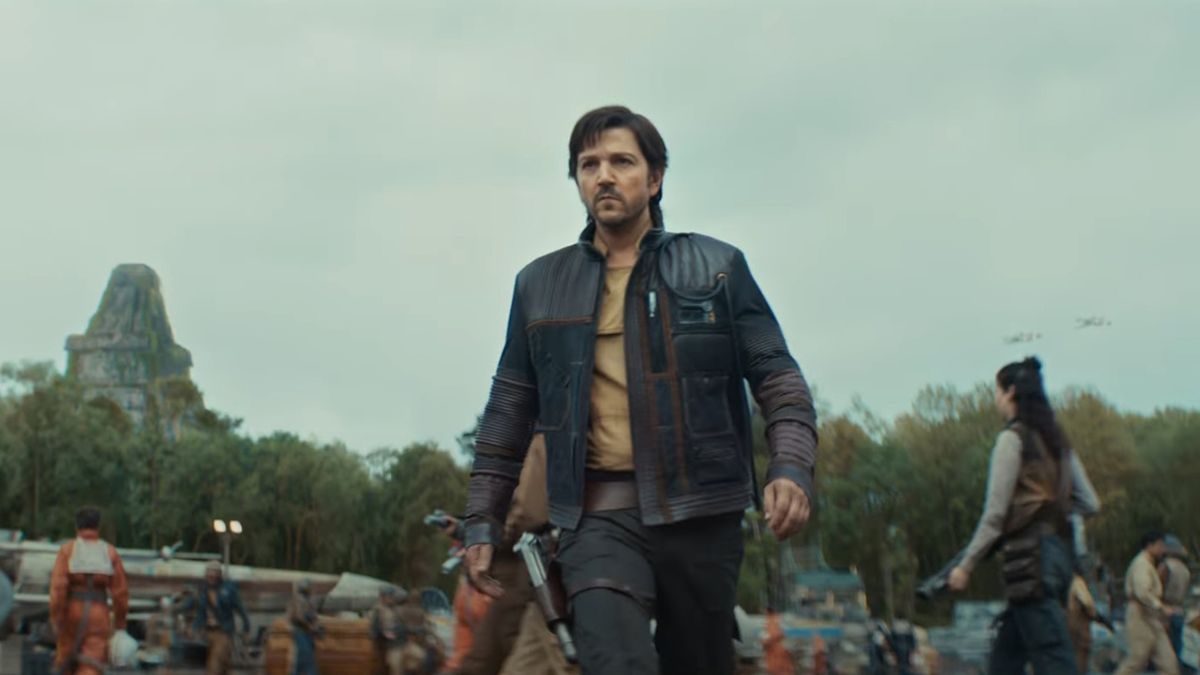
But perhaps it is for the best that Gilroy decided to conclude the series as it probably helped him, and the other creators to focus on the complex stories and had the budget to develop these impressive worlds with rich cultures. Yes, the entire production was of movie quality and captivating. It is not known if Lucasfilm will ever greenlight a TV series like Andor again, but it should. It would be great to see other series focusing on other Rogue One characters like Chirrut and Baze or even Bodhi. But we are fortunate that at least we had Andor, which is not only the best Star Wars TV show of all time but one of the greatest TV shows of all time.
José Soto
 Starloggers