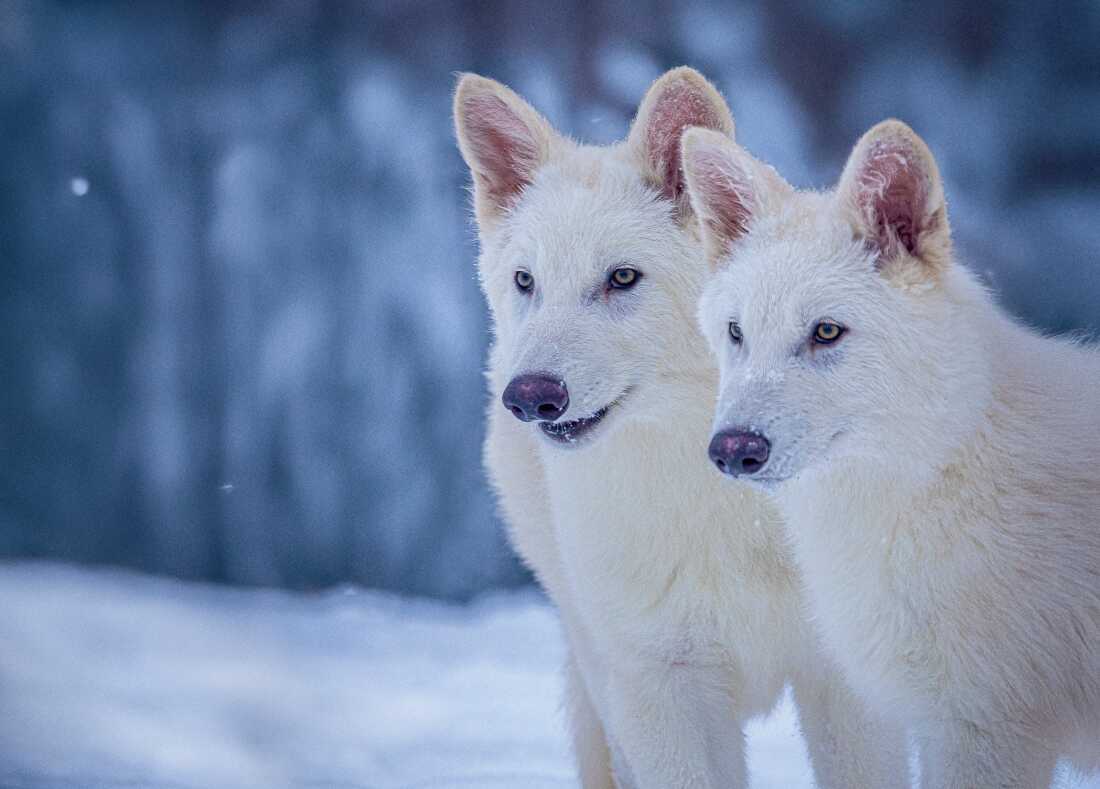
De-Extinct Dire Wolves: We’re One Step Closer To Jurassic Park

The news about the dire wolf being de-extinct came very suddenly and surprisingly yesterday. The idea of using biotechnology to bring back extinct animals had been the stuff of many imaginative sci-fi stories, notably with Jurassic Park and the films the novel inspired. The announcement by Colossal Biosciences that they actually revived an extinct species now made a science fiction concept a science fact.

The method behind the de-extinction was fairly straightforward. The company extracted DNA from a fossil skull and tooth of dire wolves and was able to analyze the genome. After that, Colossal Biosciences used gene editing on the cells of a gray wolf to create dire wolf embryos and implanted them into a surrogate dog.

The first two dire wolves were born on October 1, 2024 and named Romulus and Remus, and a third one, named Khaleesi, after the Game of Thrones character, was born two months ago. As the pups grew their different physical characteristics from gray wolves were undeniable. Sporting distinctive thick white fur, unusual vocalizations and larger body proportions they still exhibited wolf-like behavior such as stalking, hunting and howling. Fortunately the trio are healthy and kept safe in a private, undisclosed nature sanctuary where they could live in peace.
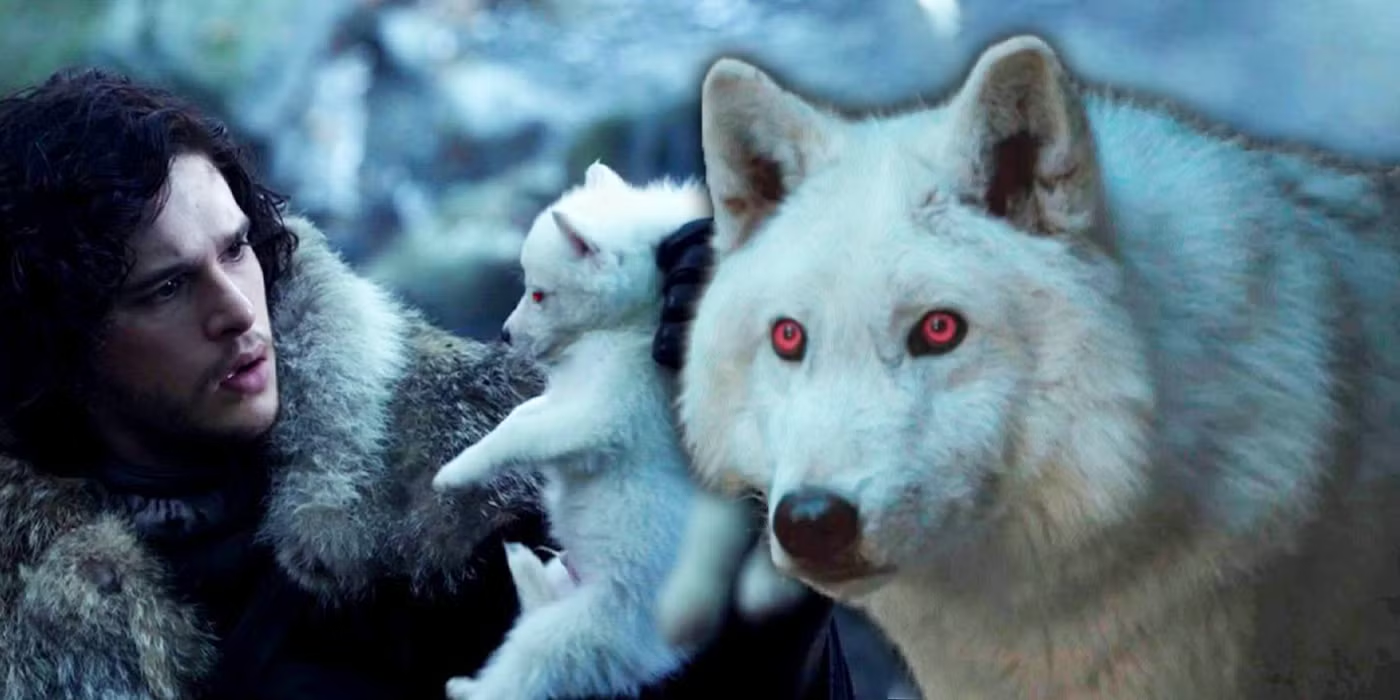
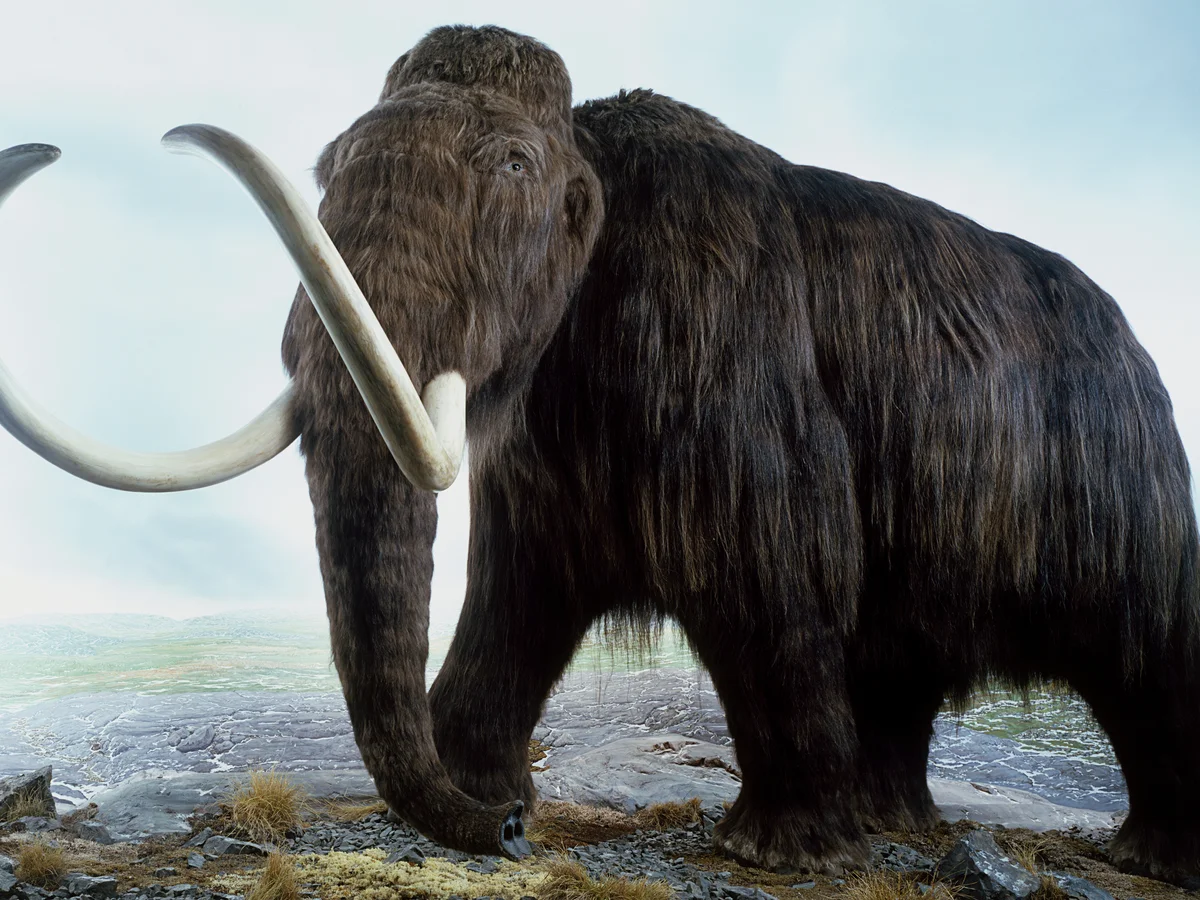
With the success of the dire wolf being de-extinct, Colossal Bisociences is moving ahead with their plans to de-extinct the thylacine, the dodo bird and the wooly mammoth.

As exciting as this sounds we are still a long way from de-extincting dinosaurs if it is even possible since extracting dinosaur DNA is impossible. There are also ethical issues that have come up with the unbelievable feat by the company. Namely, what is the point of bringing animals back from extinction? We already have a difficult time keeping living species of animals alive in our increasingly crowded world. Where can these animals go? What role will they serve in Earth’s ecosystem, considering that many of their previous roles have been taken by modern animals? Right away, these animals will have to compete with modern animals and humans for resources in an Earth with dwindling supplies and land space. Then there would be intense pushback from people who would not approve of the de-extinction or of re-introducing them to the wild. We have seen this already when wolves were re-introduced into many parts of North America as they threatened livestock.
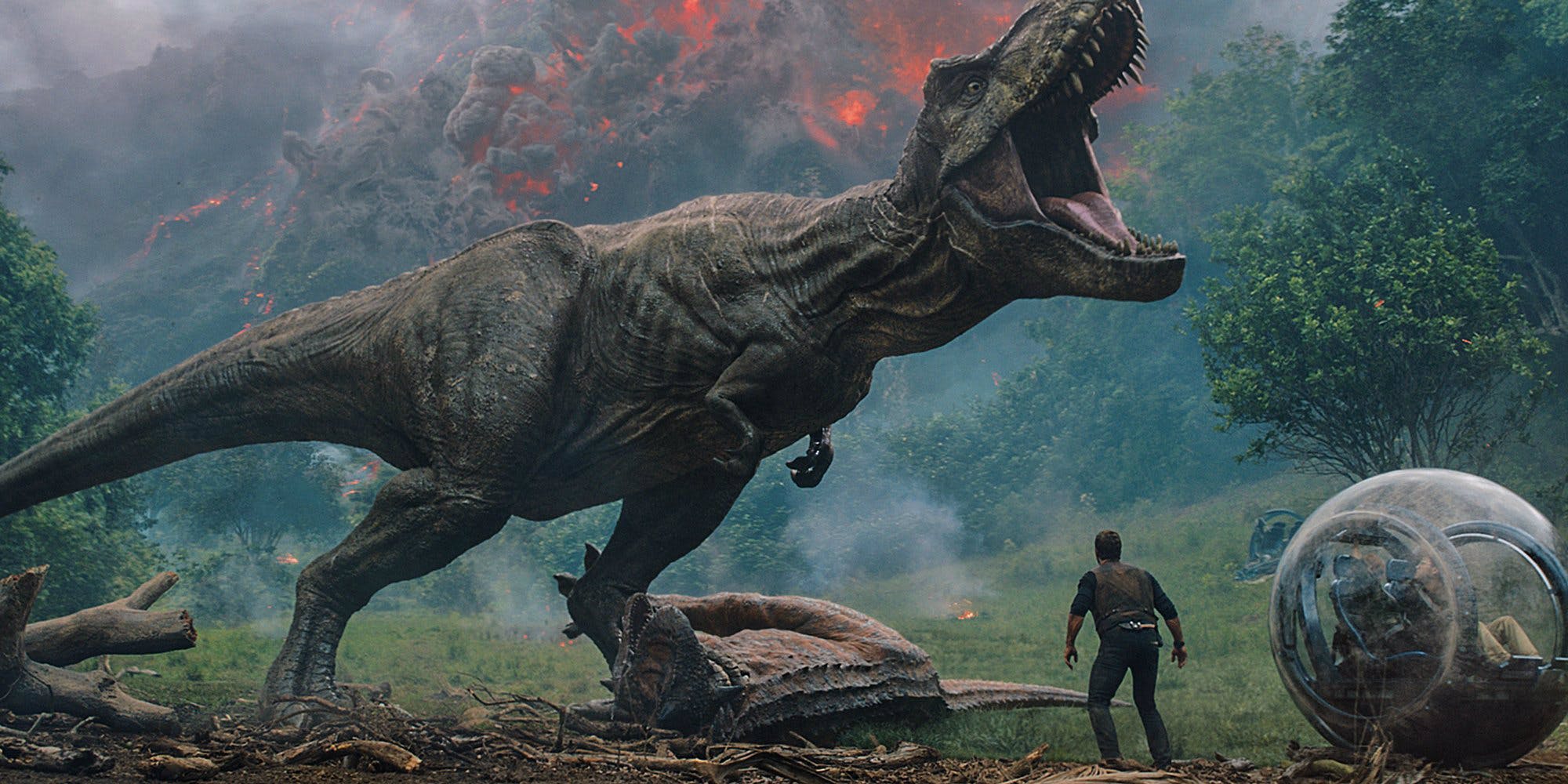
Jurassic-World-Fallen-Kingdom-Volcano-and-T-Rex

A likely scenario is that these de-extinct animals would not be allowed to live in the wild and forced to live out their lives in zoos, which would enrage opponents. Then there is the worst case scenario of nature running amok and well, we’ve seen the Jurassic Park and Jurassic World films. In other words, their re-introduction would have unpredictable and unwanted results.

There is the argument that we have no way to know how to properly raise these animals since we can only guess as to how they lived. Romulus, Remus and Khaleesi seem to be behaving like wolves, but is that because they have wolf DNA? This would make them a new hybrid species and not true dire wolves, which are distant relatives of modern gray wolves. The same situation would apply to recreated mammoths and other prehistoric extinct animals. The first mammoths would more likely be Asian elephants with outward mammoth characteristics, and the same would go for the dodo and others.
Colossal Biosciences has stated that they intend to apply their technology to help preserve current animal species such as elephants that are more and more endangered as they face loss of habitats from human encroachment and hunting by poachers.

Despite the legitimate concerns about de-extincting animals there are arguments for doing this. Proponents claim that de-extinct animals can fill in roles that are vacant in ecosystem. For example, the thylacine was an apex predator in Tasmania and Australia and their re-introduction into the ecosystem would help keep in check the populations of prey animals. Other proponents claim that mammoths would be able to help preserve the tundra in Asia with their foraging and in a way arrest climate change. That is very far fetched to be sure, and calls to mind Stephen Baxter’s book Icebones, which was about cloned mammoths on Mars. This argument about using de-extinct animals to keep ecosystems healthy is valid. Also, since humans were responsible for the extinction of animals like the thylacine, Stellar’s sea cow and the passenger pigeon, they have a moral obligation to try to bring back these species if there is a need for them in an ecosystem.
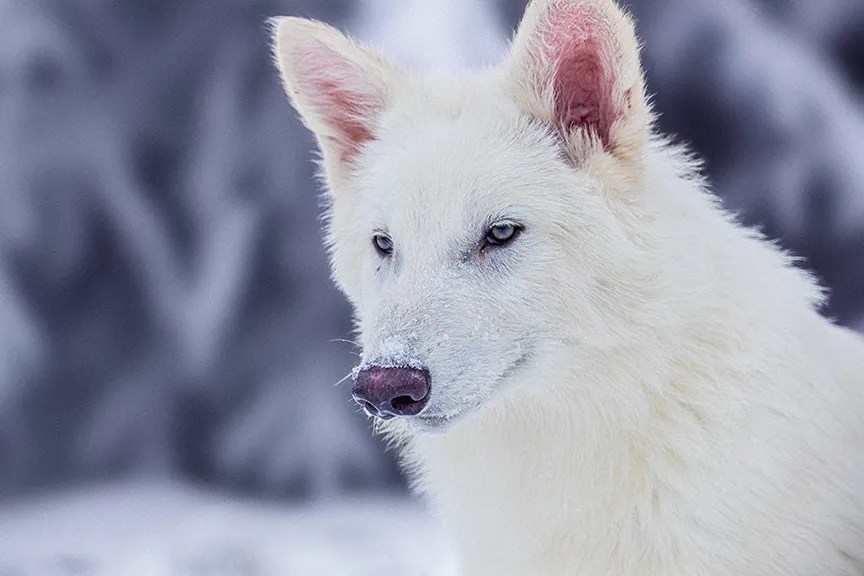
No matter where anyone sides in the argument, it is important to note the responsibility we all bare with using science and co-existing with other species in our fragile world. Still, the revelation that dire wolves have been de-extinct is exciting as it demonstrates that extinction isn’t forever.

2012 Doomsday Scenarios: Month Three

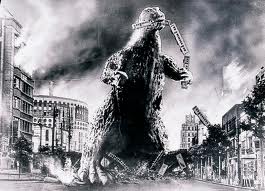
This premise may sound silly, and what doesn’t help are the ludicrous scientific explanations given in many films and shows. It’s probably why it’s not something that comes to mind when dealing with doomsday. But it’s now spring so let’s think about nature.  At one time, particularly during the 1950s and 1970s the concept of humanity’s comeuppance via nature wasn’t considered far-fetched by many. Usually the film would have protagonists encountering freaks of nature that threaten humanity if allowed to run rampant. Sometimes the creatures practically destroyed major cities. Tokyo and New York were preferred targets. Often, the culprits behind the mutations were byproducts of pollution or radiation. Godzilla comes to mind, actually he’s a prime example of…(drum roll please, add in an ominous voice)

Doomsday Scenario No. 10: When Nature Strikes Back

Sounds like the title for a Syfy Saturday night movie, doesn’t it? No surprise since the channel is now infamous for airing schlocky grade z sci-fi/horror films about mutated animals. There isn’t any need to list any of them here, just tune in to the channel say every third or so Saturday night to find one.

The heyday for nature striking back took place in two different eras; the 1950s when everyone lived in fear of nuclear weapons (we still do but for different reasons and it isn’t nature we fear but madmen determined to get WMDs) and the 1970s when pollution was the pc catchphrase for the decade.

Atomic Giants

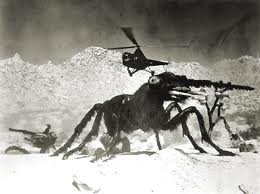
In the 1950s people worried about the long-lasting effects of nuclear radiation. Many films reflected this fear with stories about nuclear bombs unleashing gigantic monsters that were either prehistoric or animals that were mutated into mammoth proportions. Filmmakers ran the gamut with the kinds of ordinary animals that were deadly when grown larger. Probably the best film dealing with giant animals was Them! It was about ants gigantically mutated by atomic tests that emerge out of New Mexico and wind up in the sewers of Los Angeles. Other films include The Deadly Mantis, Tarantula, and The Giant Behemoth. Quickly these films gained poor reputations as inferior filmmakers churned out low-grade movies to capitalize on the craze. These kinds of films tapered off years later but do pop up from time to time. Only the cause for the gigantism isn’t because of radiation but pollution or other reasons. They usually ranged from the ridiculous Night Of The Lepus  (which was about giant killer rabbits…seriously) and Empire Of The Ants to somber and violent films like Prophecy  (featuring a giant mutated bear) and Mimic (mutated, man-eating hybrid insects) to more tongue-in-check efforts like Eight-Legged Freaks.

As shown with Godzilla, King Of The Monsters, atomic bombs woke up prehistoric behemoths slumbering for millions of years. But Godzilla wasn’t the first such creature unleashed to threaten humankind. The original nuclear dinosaur was the fictional rhedosaurus from The Beast From 20,000 Fathoms. But it was Godzilla that jumpstarted the giant monster craze from Japan that brought forth kaiju films that starred popular monsters like Gamera, Mothra, Rhodan and so on. They are still popular even though Toho, the company that produces the Godzilla films, stopped making them. There are plans to make another American version of Godzilla, but let’s hope they get it right the next time.

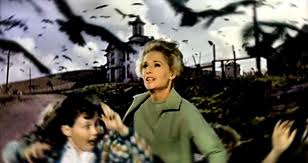
Things quieted down in the 1960s as fears about atomic mutants gave way to civil strife and cultural angst. Still, there are a couple of films in the time period that addressed the theme of nature fighting back. The best one was Alfred Hitchcock’s classic The Birds. For no explanation ordinary birds start attacking people en masse. Many of the scenes were quite chilling and show how helpless people can be against nature. It’s too bad the film studio didn’t let Hitchcock keep his original ending where flocks of birds have taken over San Francisco and presumably the world.

Another film is the original Planet Of The Apes. It doesn’t have an overt man vs. nature theme but it’s there and runs throughout the other films in the series including the recent Rise Of The Planet Of The Apes. Simians in the latter film were experimented on and they escaped to wreck vengeance on their human foes. Throughout the series, it’s stated that civilization falls when apes gain the upper hand against humans.

Pollutant Spawns

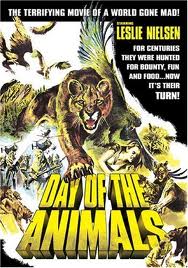
In the 1970s the big fear was man-made pollution and its effect on the environment. Godzilla even got into the act with Godzilla Vs. The Smog Monster where he faced off against a giant mutated slug that oozed deadly pollution. The premise in these nature-run-amok films is that humanity was being punished and the sentence was extinction. Of course, it rarely got that far but many of the offerings were interesting. Take this obscure film The Day Of The Animals. In this one, the ozone layer is depleted and increased ultraviolet radiation somehow brings upon animals, living in an altitude above 5,000 a rabies-like illness that makes them violent. Or how about this nugget of a film, Frogs, where animals sharing an island with a cantankerous landowner have had it with the constant pollution and take out the guests at the landowner’s birthday celebration. It was goofy yet creepy at times. Other films from this era include Squirm (killer worms), Kingdom Of The Spiders (William Shatner vs. you guessed it killer spiders), Ben (about swarming rats and yes Michael Jackson sang the title song), and Phase IV. The latter is about ants that evolve a hive mind and begin a successful dominion of the Earth.

These types of films aren’t as numerous as before probably because it is hard to pick out genuinely good films from so many awful ones that get more attention. Look at 2008’s The Happening which is about killer plants that cause people to kill themselves. It was so bad that the film’s star  Mark Wahlberg later publicly ragged about it. But they’re still being made because while most people realize that radiation and pollution won’t create monsters overnight there is still the fear that we are upsetting nature’s delicate balance and one day we will truly pay the price.