Commemorating Star Wars Episode III 20 Years Later

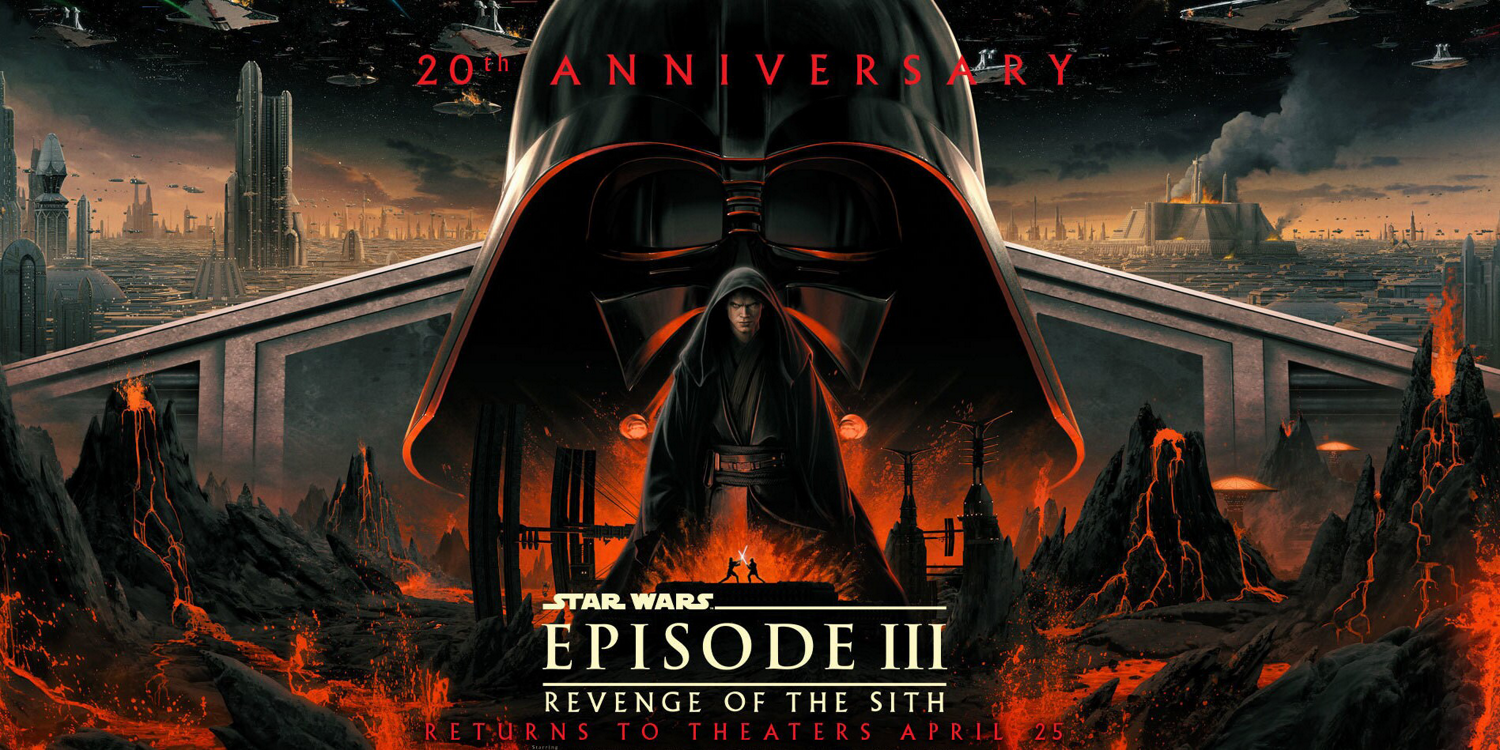
This year marks the 20th anniversary of Star Wars Episode III: Revenge of the Sith, arguably the best of the Star Wars prequels and the culmination of Anakin Skywalker’s fall to the Dark Side of the Force.

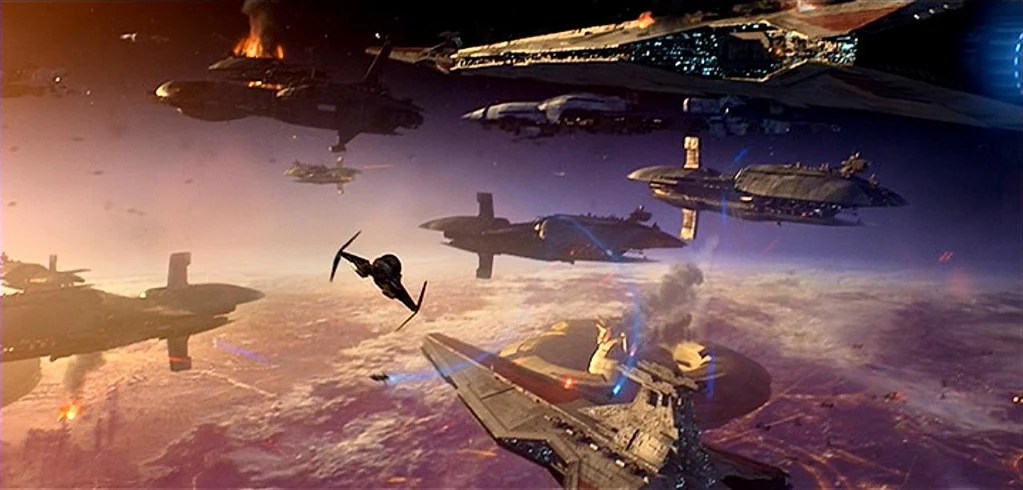
The film starts with a bang as we see Anakin and his mentor, Jedi Master Obi-Wan Kenobi rushing to rescue Chancellor Palpatine, the leader of the Galactic Republic who was kidnapped by Separatist forces in the skies above the Republic’s capital world of Coruscant. The opening space battle is a spectacular highlight as we see the Jedi duo flying among enormous capital ships wrecking havoc on one another. This scene is one I’ve rewatched countless times and is a great way to set up the rest of the film. When the Jedi finally reach the Separatist flagship and find the Chancellor, Anakin’s descent to evil is hinted at as he brutally executes Count Dooku at the urging of Palpatine, after an intense lightsaber duel.
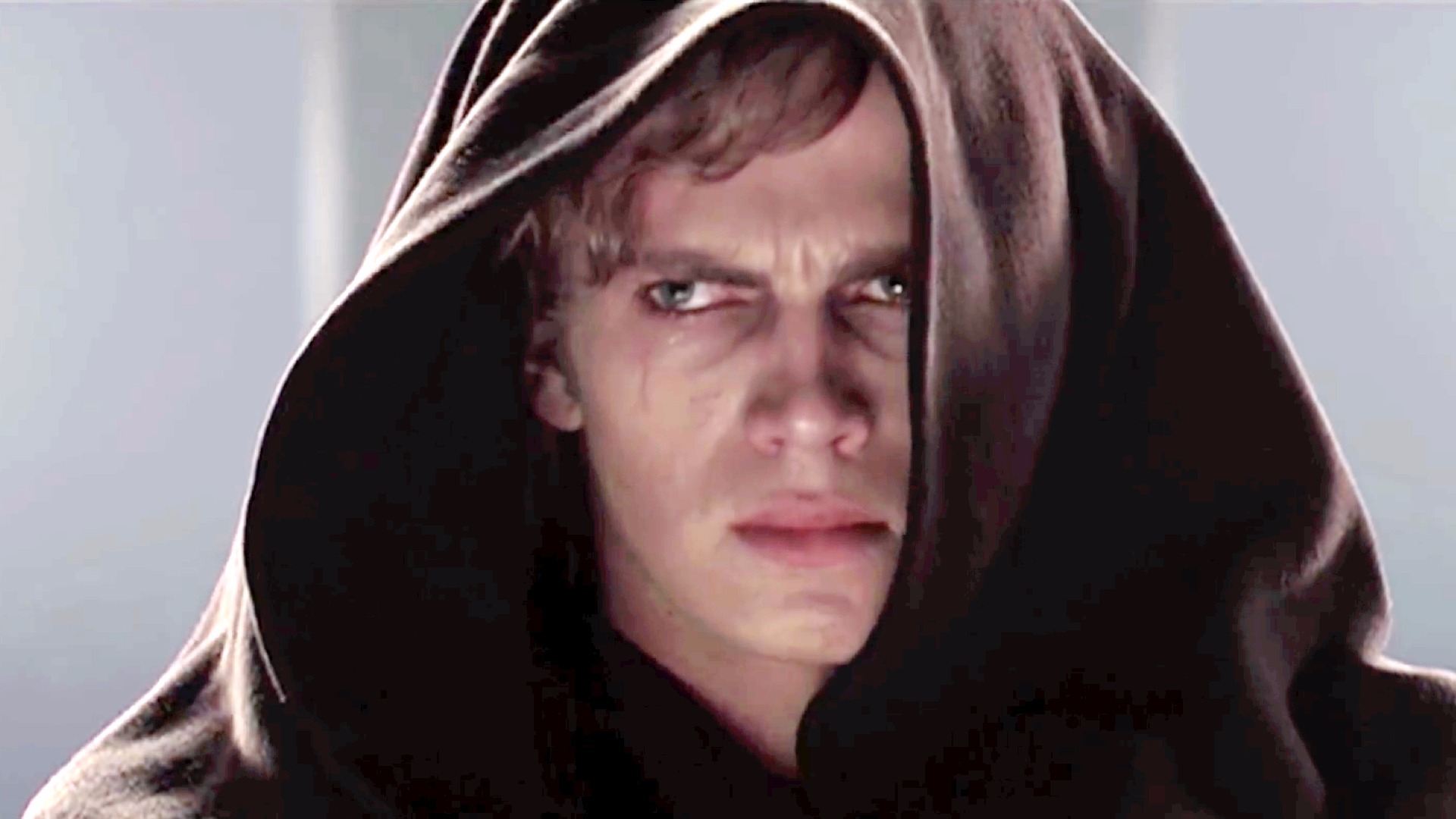
His future as a Sith Lord is further orchestrated by Palpatine as he convinces Anakin that his wife, Padme, will die unless he learns the secrets of the Dark Side, and he turns on his fellow Jedi. The final confrontation with his friend Obi-Wan on the lava world of Mustafar is both exhilarating and emotional as a heartbroken Obi-Wan is forced to mortally wound Anakin and leave him to die while castigating him for turning on everything they fought for. Palpatine eventually arrives and finds Anakin on the brink of death and, using medical droids and surgical procedures, turns him into the fearsome and legendary Darth Vader, who is now trapped in a prison of body armor that keeps him alive. Padme’s death due to Anakin’s force choke, her trauma at giving birth to their twins Luke and Leia, and Vader’s reaction to the news of this event, is the emotional high point of the film and sets up the classic original Star Wars trilogy as Obi-Wan and his ally Bail Organa takes the twins to safety on the planets Alderaan and Tatooine.
One of the many strengths of the film is the foreboding tone that is set when we see the manipulation that Anakin is subjected to from Palpatine, as well as the Jedi being set up for their downfall which is shown when Anakin marches on the Jedi temple flanked by Clone Troopers who then kill all the Jedi there, including young Jedi students. The many battlefields of the Clone Wars is another great thing we witness in this movie, such as the clone army battling the separatist droids on the Wookie home world Kashyyyk, re-introducing fan favorite Chewbacca to the Star Wars universe in this era. As well as the conflict on the arid planet Utapau, where Obi-Wan finally eliminates Separatist droid General Grievous. This happened after a thrilling chase scene that has Obi-Wan riding on a gigantic lizard named Boga in pursuit of Grievous who is riding on his personal wheel bike. This is something that Star Wars excels at, blending different genres and circumstances, fantasy and science fiction that somehow works. This imaginative vision of director George Lucas comes to fruition the most in this film as this is the last movie he directed, and it seems he finally was able to shake off the issues that surrounded the first two prequel films. The Phantom Menace when it was released was criticized for what some saw as a childish tone with Jar Jar Binks flailing around. This is completely absent in Revenge of the Sith. The feeling of impending doom for the Republic and the Jedi is palpable as we finally see the events hinted at in the original trilogy: Anakin’s fall, his final duel with Obi-Wan, the extermination of the Jedi Order, and Palpatine’s rise to be the evil Emperor that we first saw in Return of the Jedi. Attack of the Clones was seen as an improvement but still had issues with the somewhat clumsy romantic subplot between Anankin and Padme. Again, this is not the case in Revenge of the Sith, as the focus is on the cruel fate that awaits Padme at the hands of her husband, which is haunting to witness.
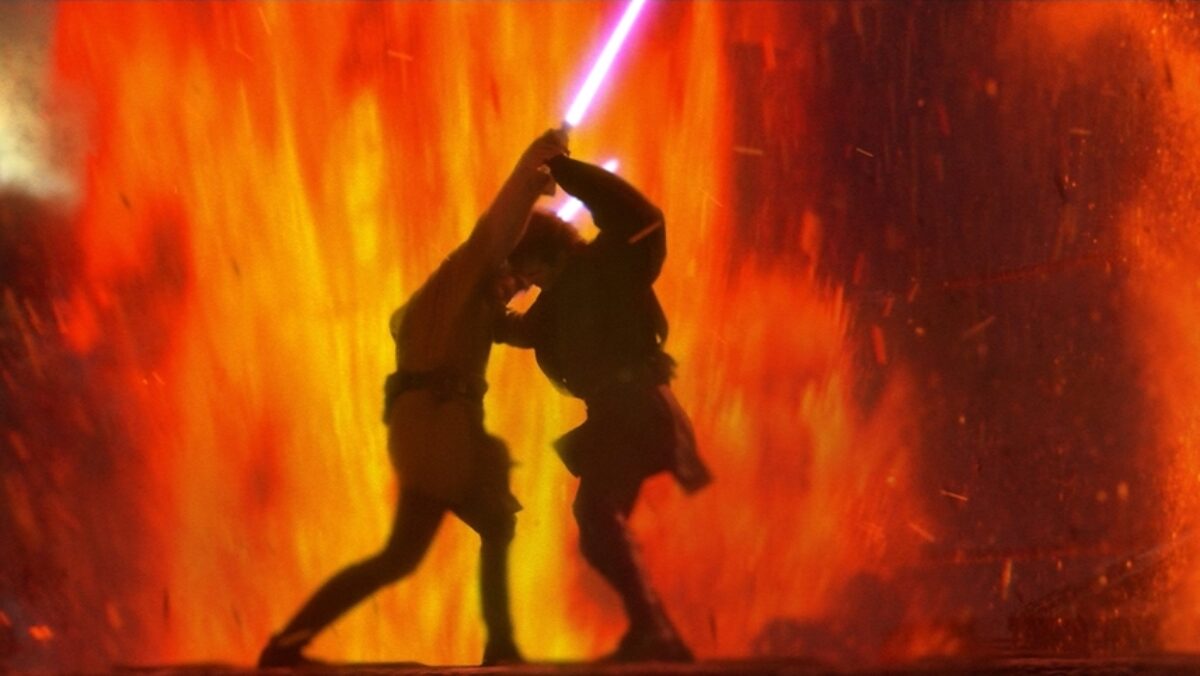
The reputation of Star Wars Episode III: Revenge of the Sith has only improved in the years since its release on May 19, 2005. It has the reputation of being the best prequel film, which is well deserved and it also led to later Star Wars releases such as the highly regarded Star Wars: The Clone Wars TV show and Star Wars: Rebels. I think it is right up there with A New Hope and The Empire Strikes Back when rating the various Star Wars movies. It has the right balance of being a more sophisticated story while still having the excitement and adventure a Star Wars movie needs to have. The special effects were top notch as always, and we see new ships and vehicles introduced such as ARC-170 starfighters, V-Wing starfighters, Droid Tri-fighters and Clone Turbo tanks. This is something that was missing from the sequel trilogy which basically just had X-Wings and TIE fighters from the original films with new paint jobs. The lightsaber duels were also the best of any of the movies, with Anakin vs. Dooku, Obi-Wan vs. Grievous, and finally the long-awaited duel between Anakin and Obi-Wan, which did not disappoint. It was a furious and intense battle with a backdrop of searing lava that is fantastic to witness. The inevitable outcome of it brings the prequel saga to a close and guaranteed that the film earned its place in Star Wars lore as an epic finish to the story that Lucas started so many years ago.
The celebration and acclaim that Star Wars Episode III: Revenge of the Sith is receiving on its 20th anniversary is well deserved, and it will be no surprise to see it get the same kind of praise and acknowledgment on its 30th anniversary and well beyond.

C.S. Link

Top Ten Star Wars Live-Action Animals

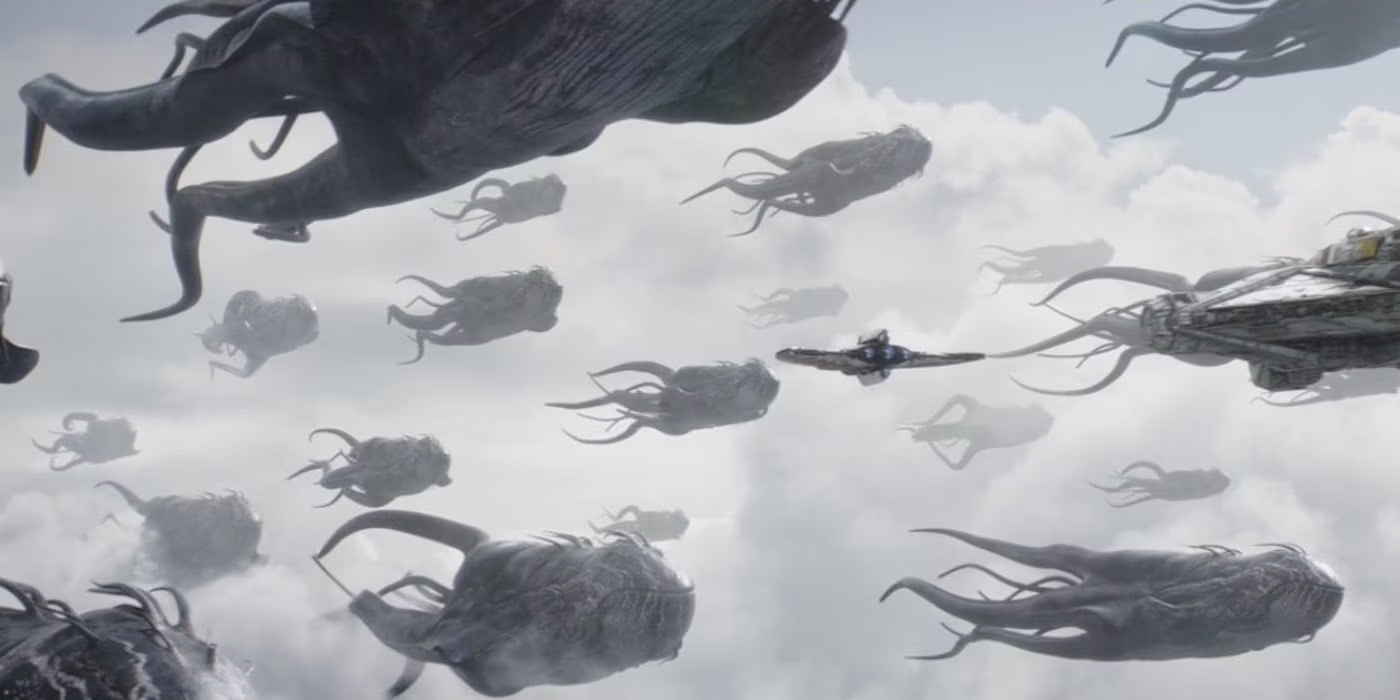
Star Wars is famous and groundbreaking for many reasons including the depiction of unusual and captivating alien animals. The most recent and memorable examples were the magnificent purrgils that appeared in Ahsoka. Whether they’re reliable beasts-of-burdens or savage wildlife, here are the ten best Star Wars animals to appear on live-action films and TV shows. If there are any other Star Wars animals that deserve to be on the list be sure to comment below.

10. Mudhorn (The Mandalorian):

Resembling a giant wooly rhino, the mudhorn earned a lot of sympathy from fans despite its ferocious demeanor. Even though the fierce animal inspired the sigil of Din Djarinn, it was only protecting its egg, which made its death at the hands of Djarinn and Grogu much more disturbing.

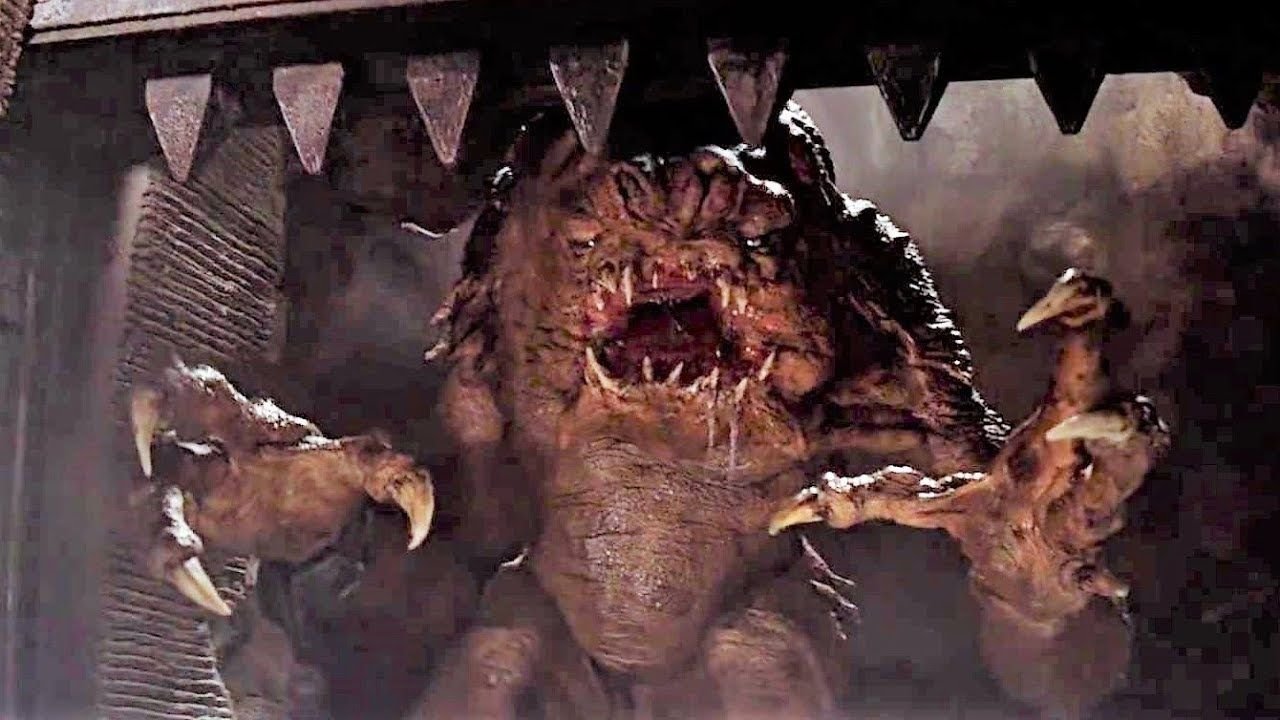
9. Rancor (Star Wars Episode VI: Return of the Jedi):

Caged and forced to eat its victims, the gigantic rancor was a fearsome beast that tried to make a meal out of Luke Skywalker. The rancor also had a scene-stealing appearance in The Book of Boba Fett as Boba rode the animal and used it to stop his enemies.

8. Kowakian Monkey-Lizard (Star Wars Episode VI: Return of the Jedi):

Jabba the Hutt’s cackling pet creature was a hilarious standout during the first act of Return of the Jedi by the way it parroted the sadistic laughter of the sinister gangster. Salacious Crumb, the name of the animal, also displayed a malicious side thanks to its vile owner.

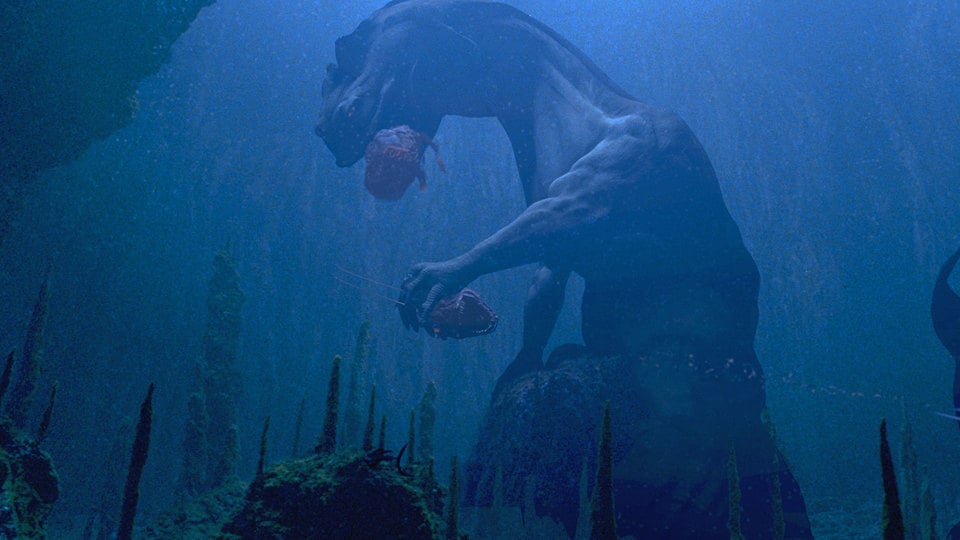
7. Exogorth (Star Wars Episode V: The Empire Strikes Back):

Talk about being in the belly of the whale! This behemoth produced many gasps after it was revealed that Han Solo actually landed his ship inside of the spaceborne slug instead of a cave in an asteroid. Han’s escape from the exogorth’s closing jaws was one of the film’s most thrilling moments.

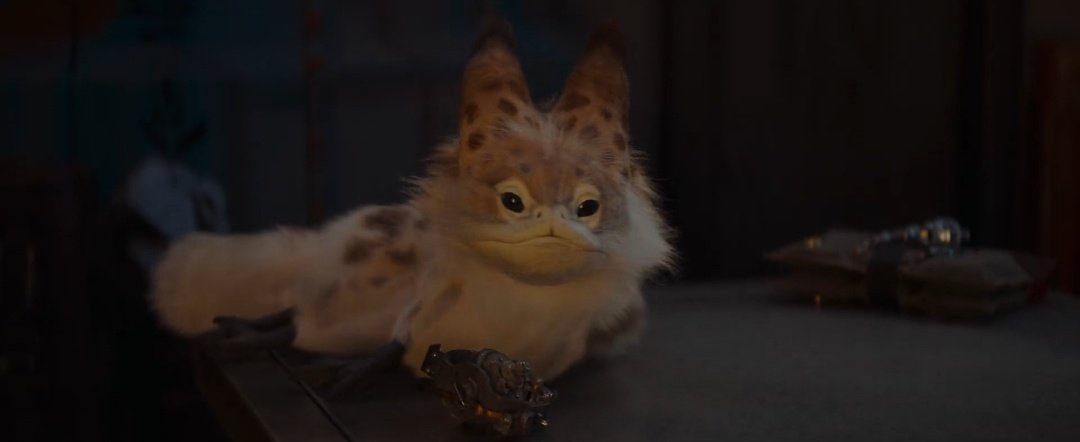
6. Loth-Cat (Ahsoka):

When the loth-cat made its live-action debut in Ahsoka, its appearance captured viewers’ eye with the accuracy of its appearance and charm from Star Wars: Rebels. Can’t wait to see how the loth-wolf is eventually depicted.

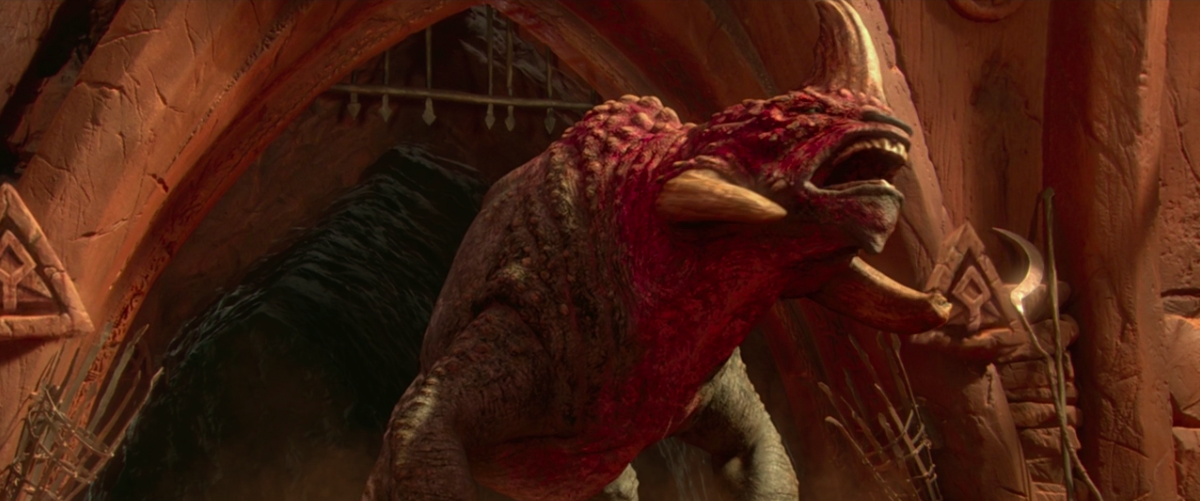
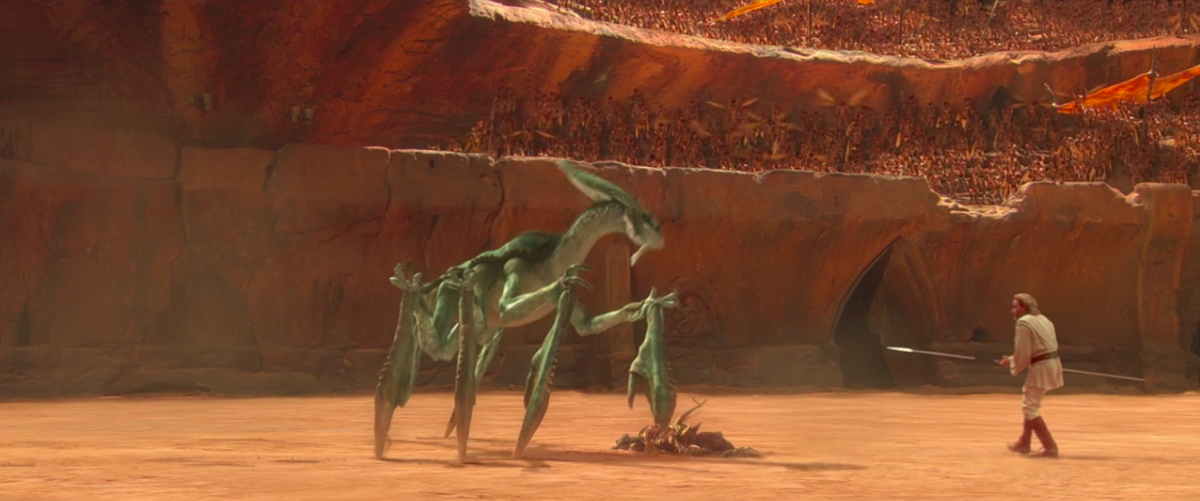
5. Reek and Acklay (Star Wars Episode II: Attack of the Clones):

These two giant animals that were dispatched in the Geonosian arena to kill Anakin Skywalker, Obi-Wan Kenobi and Senator Padmé Amidalla were two unique and deadly creatures that harkened back to the giant animals featured in a Ray Harryhausen epic.

4. Purrgil (Ahsoka):

The gentle space-faring whale and squid-like creatures were a truly impressive sight when they made their live-action appearance in Ahsoka. Even more impressive and inspiring was when the peaceful giants demonstrated their ability to travel into hyperspace.

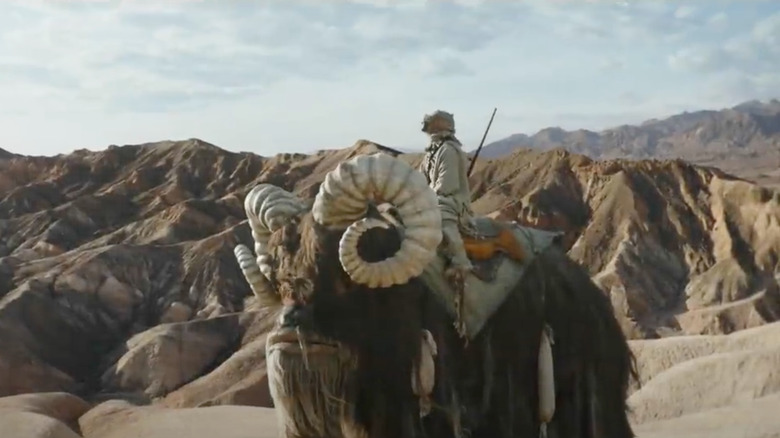
3. Bantha (Star Wars Episode IV: A New Hope):

As one of the first animals featured in the Star Wars franchise these mammoth-like creatures with huge ram horns helped give the planet Tatooine a naturalistic and live-in look. Their further appearances in other films and TV shows cemented their status as the planet’s unofficial mascot.

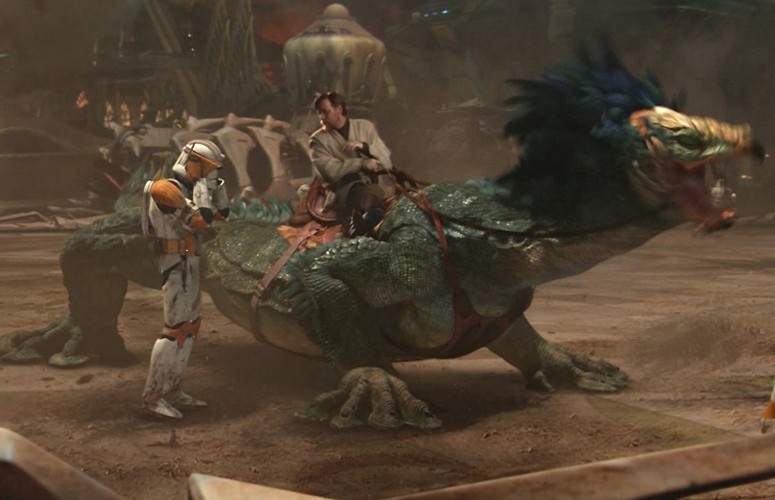
2. Varactyl (Boga) (Star Wars Episode III: Revenge of the Sith):

There have been many notable beastly mounts in the Star Wars films but Boga, the long iguana-like varactyl ridden by Obi-Wan, rode stood out with its loyal and spirited nature. Even though it and its rider were fired upon, Boga faithfully obeyed Obi-Wan and kept him from harm while emitting truly unique animal sounds.

1. Tauntaun (Star Wars Episode V: The Empire Strikes Back):

This two-legged beast-of-burden was so eye-catching it was even featured prominently in posters for the film. Looking like a hairy theropod with ram horns, the tauntaun was a hardy mount ridden by Luke Skywalker and Han Solo. The way it was brought to life (at the time of the film’s release) through go-motion and puppetry made the animal realistic thanks to small touches like strange animal sounds and a frosty breath.

Noteworthy Mentions:

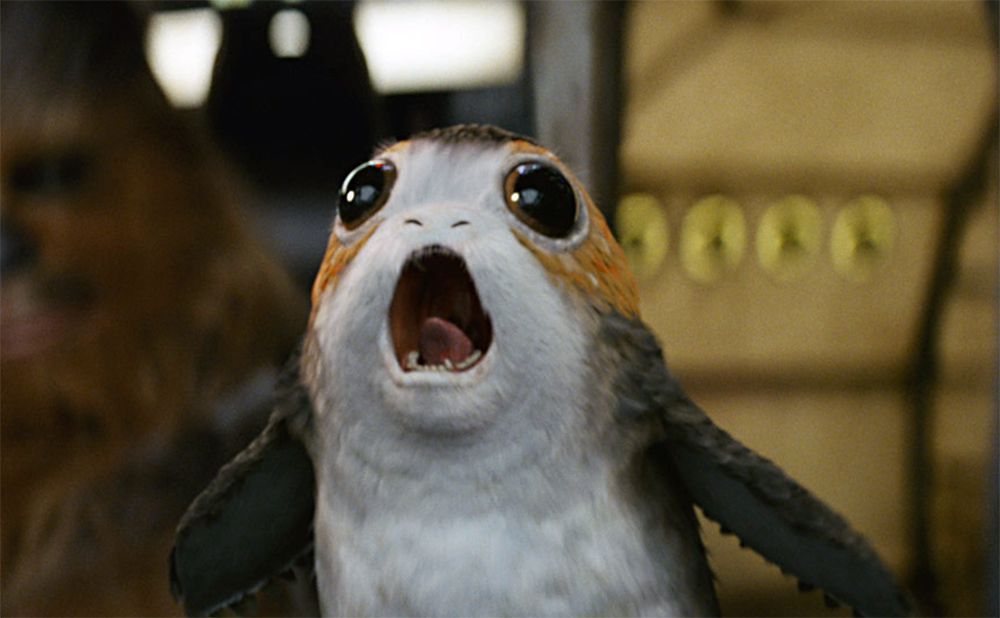
Blurrg, Colo Claw Fish, Dewback, Corellian Hound, Dianoga, Eopie, Fathier, Frog-Dog, Kaadu, Krayt Dragon, Luggabeast, Mynock, Opee Sea Killer, Orbak, Porg, Rathtar, Ronto (they taste great!), Sando, Sarlacc, Shaak,  Vexis Snake, Vulptex, Wampa

The Return Of Obi-Wan Kenobi

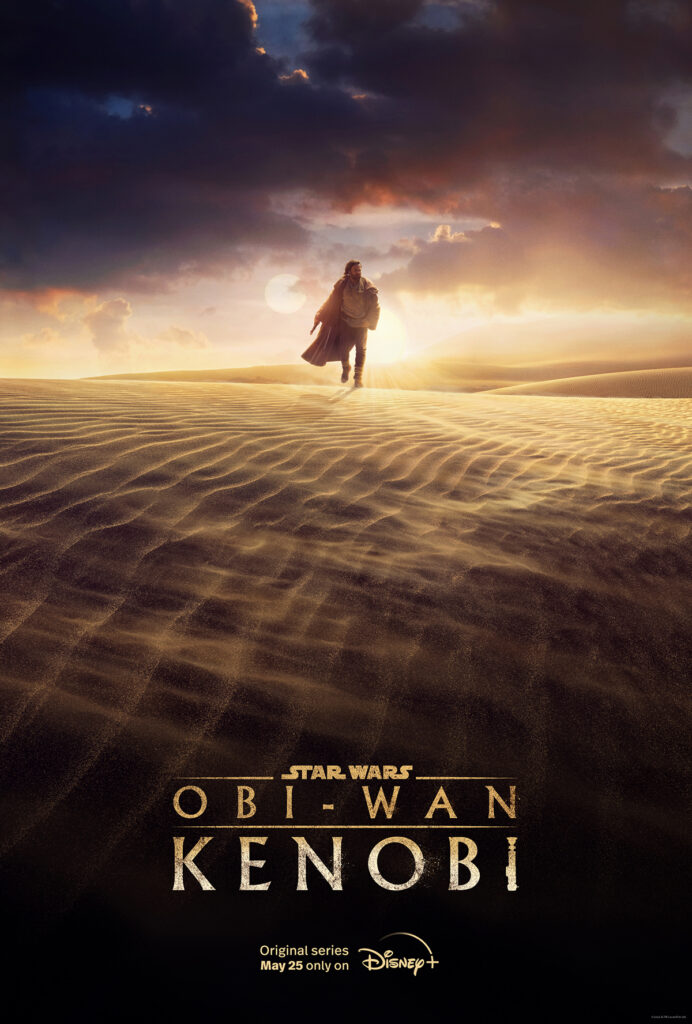
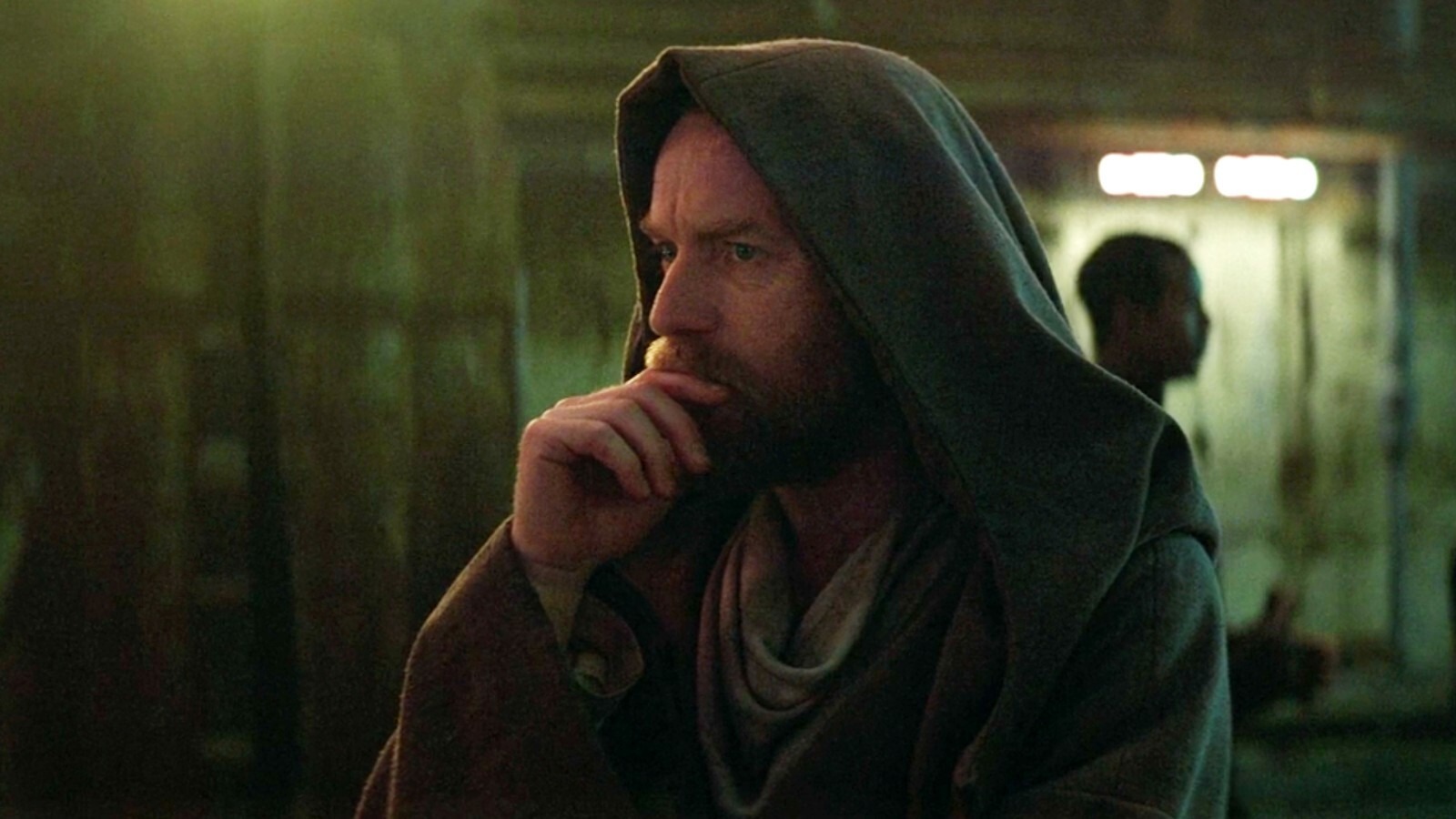
The latest Star Wars TV show to stream on Disney+, Obi-Wan Kenobi, is naturally focused on the noble Jedi Knight and his story of redemption ten years after Star Wars Episode III: Revenge of the Sith. When we last saw Obi-Wan (reprised by Ewan McGregor, who played the character in the prequel trilogy), he was devastated after his Jedi apprentice, Anakin Skywalker (Hayden Christensen), turned to the dark side of the Force, assume the identity of Darth Vader and decimated most of the Jedi Order. The show picks up years later on Anakin’s home planet Tatooine where Obi-Wan is in exile watching over Anakin’s young son, Luke (Grant Feely), from afar.

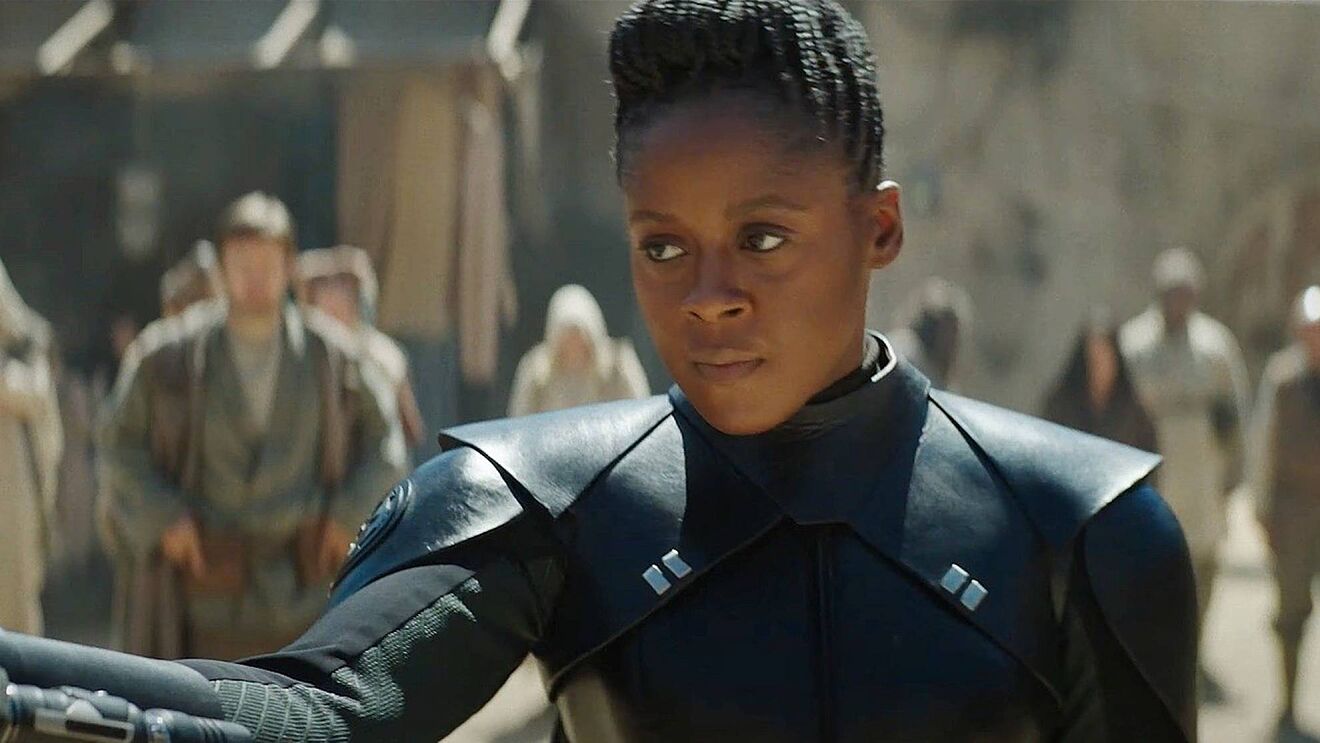
This version of Obi-Wan is a far cry from the confident and brave warrior from the prequels. Obi-Wan Kenobi, who goes by the name of Ben, lives a quiet life in solitude and generally avoids contact with other people. He also manages to avoid the prying eyes of dark side followers called Inquisitors, including Third Sister Reva Sevander (Moses Ingram). For some reason, Reva is obsessed with finding Kenobi and capturing him for the Inquisitors’ leader, Darth Vader.

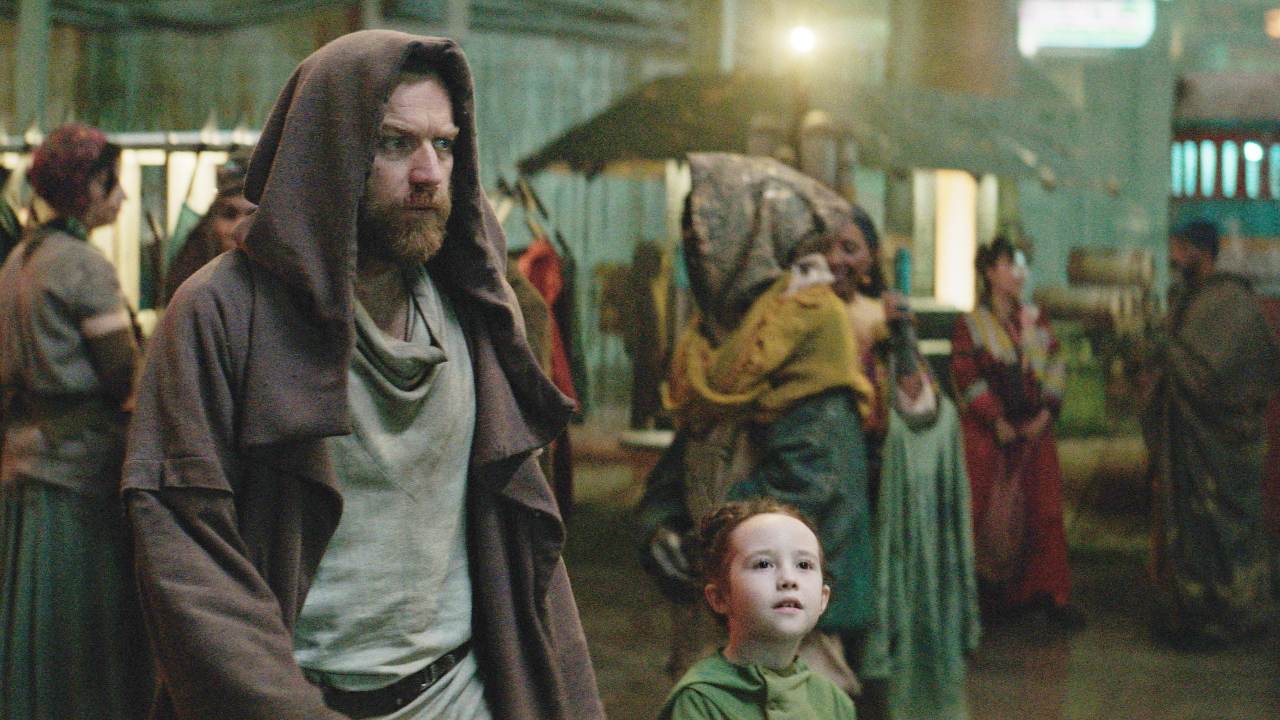
On the planet Alderaan, Luke’s twin sister, Princess Leia Organa (Vivien Lyra Blair), is kidnapped to lure Kenobi. Her adopted father, Bail Organa (Jimmy Smits), travels to Tatooine to ask Obi-Wan to help find her. After some prodding, Obi-Wan Kenobi realizes he has a duty as a Jedi to help his friend and sets out to rescue Princess Leia. After rescuing Leia on the planet Daiyu, the Jedi Master is pursued by Reva, and later Darth Vader, across several worlds. Before long, Obi-Wan realizes that although he left the Jedi lifestyle years ago, he cannot let go of it and his responsibility to the cause of freedom in the galaxy.

Unlike the other Star Wars Disney+ TV shows, at certain times, Obi-Wan Kenobi feels more like an extended Star Wars film, even the end credits follow the style of the films. But at other times, the limits of television are obvious in terms of scope and budget. Of course, this has no bearing on the quality of the show, which is excellent, but the clash in style and scope may offput some viewers. However, the show is a near-perfect presentation about one of the most revered Star Wars characters. In the prequel films, Kenobi was a supporting character but thanks to McGregor’s performance the Jedi rose in stature to the eyes of many fans. Unlike the conflicted and bratty Anakin, Kenobi was a noble and gallant presence who personified the perfect Jedi. To see him as a hollow, pessimistic, and timid person hiding in the sands of a remote planet at the start of the series was disheartening to watch. Disconnected from the Force and taking pains to avoid conflict, it was disturbing to see how far Kenobi had drifted from the courageous Jedi way. It was also realistic. But, when he slowly regained his connnection to the Force during the show, well, those moments were very gratifying. Of course, McGregor’s performance is stellar as always and his love for the character clearly shows.

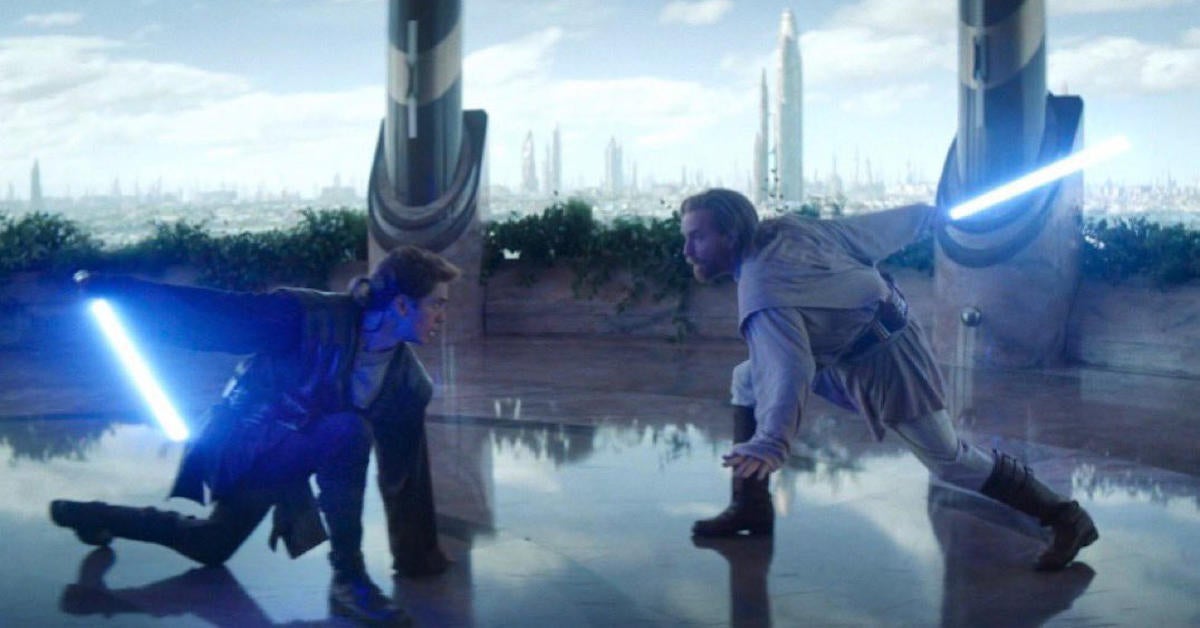
One of the best moments was during a flashback sequence that had Obi-Wan dueling with Anakin before he became Vader. The sequence was a brilliant way to reunite the two actors as it showed not just the arrogance of Anakin, but Obi-Wan’s hubris, which would blind him to Anakin’s fall later on in Star Wars Episode III.

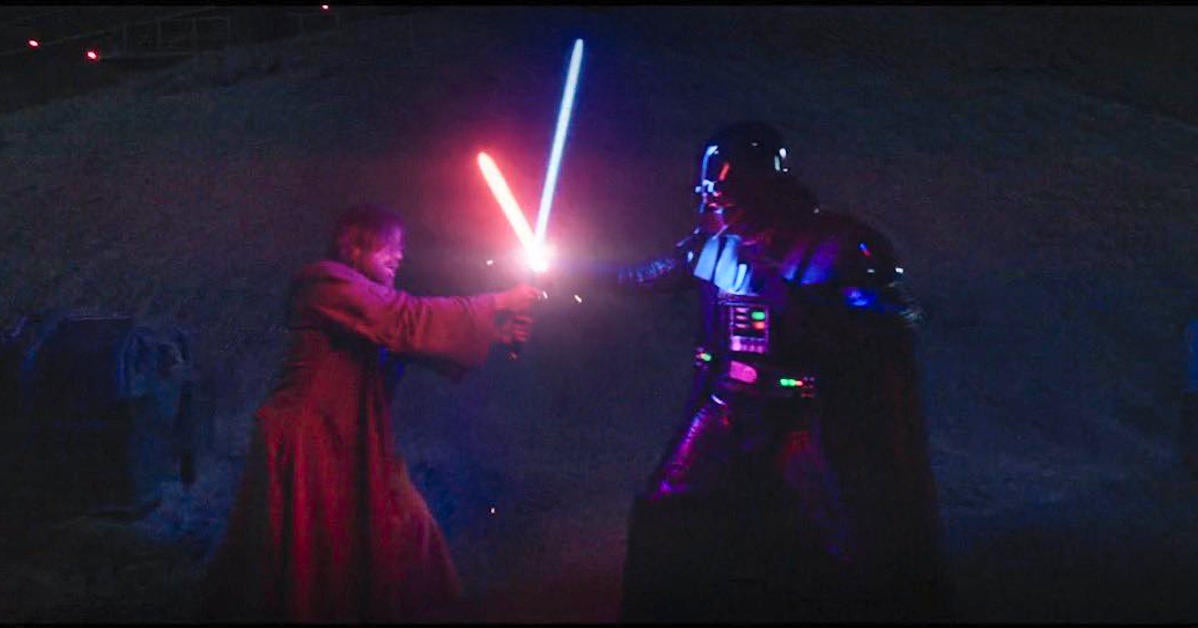
There are many other thrilling and inspiring moments throughout the series, such as the final duel between Obi-Wan and Darth Vader; Kenobi reconnecting with the Force in dramatic fashion; Kenobi’s interactions with young Leia; Vader’s moments of quiet rage and explosive and vindictive menace; suspenseful chases and battles; and the fanatical nature of Reva, who hid a tragic backstory. At first, Reva came off as a one-dimensional, cartoonish villain but through the course of Obi-Wan Kenobi, she became more nuanced and complex as her cause was finally revealed. A lot of credit has to go to Ingram who delivered a commanding performance.

There are many great scenes with secondary characters who had their shining moments and left an impact. Take Rupert Friend as the Grand Inquisitor, his savage putdowns of Reva were epic. Then there was Indira Varma as Talla, a Rebel spy masquerading as an Imperial officer. She had a natural chemistry with Ewan McGregor and her inner strength and sacrifice was truly inspiring. Kumail Nanjiani gave an inspired performance as Haja, a con man pretending to be a Jedi and later has a spiritual change of heart. Blair did a fine job as Leia as she captured the essence of the Rebel princess and we saw the laying of her emotional foundation. And finally, the onscreen rivalry of McGregor’s Kenobi with Vader was completed with the return of Christensen, who shone as Skywalker/Vader. As noted above, their friendly rivalry was well executed in the flashback scenes as we witnessed the underlying insecurity of Skywalker. Christensen pulled this off fantastically with subtle facial revelations.

Despite its greatness, Obi-Wan Kenobi had its narrative flaws, which were alarmingly blatant. Take the fourth episode (arguably the series’ weakest, though it was entertaining), where Talla clumsily slapped around some stormtroopers in an Imperial base and defeated them. Or later in the episode when Kenobi threw on an Imperial cloak as a disguise and obviously hid Leia underneath him as they walked around unnoticed among oblivious Imperial personnel. Then there were the common Star Wars space and time puzzles where characters instantly travel from planet to planet, non-fatal stabbings from lighsabers, and spaceships with broken hyperspace engines being able to traverse star systems and avoid Imperial star destroyers.

Thankfully the merits of Obi-Wan Kenobi far outweigh its negatives. It was great to see Ewan McGregor return to a role that he made his own, but now as the central character. It was also fun seeing other actors from the prequel trilogy reprising their roles and seeing how the prequels connect more strongly with the original trilogy of Star Wars films. Even though it is a limited series and its main story feels complete, there is talk about continuing the adventures of Obi-Wan Kenobi: Jedi-In-Exile. It’s not clear what direction more episodes would take without feeling repetitive, but they would be welcome.

José Soto

Unleashed Star Wars Toys

star wars unleashed

While we Star Wars fans salivate over the Star Wars Force Friday II release of new toys, let’s take a quick look back to one of the most popular and colorful Star Wars figures line. This one was called Star Wars Unleashed, which debuted in 2002 and ran until 2007, ten years ago. The line mostly concentrated on the characters from the then-current films Star Wars Episode II: Attack of the Clones and Star Wars Episode III: Revenge of the Sith.

As with recent Star Wars toys, the Star Wars Unleashed line was manufactured by Hasbro and the figures cost more than the standard six-inch figures. Usually they retailed for about $15-$20 and the cost was due to their size, plus the bases of the figures. Those who managed to buy them at the initial price back then are extremely lucky because they now cost quite a lot in the secondary markets. Some fetching prices well into the hundreds of dollars.

When the line was first launched, each figure had a theme reflected in their dynamic poses. Each pose represented a key moment for the character in the movie. This was probably to make up for the fact that they’re not as articulate as regular figures though they’re much more detailed. A good example of such vivid posing and sculpture is the Anakin Skywalker figure is known as “Rage” since that the sculpture illustrated his violent mood after his mother was killed in Episode II. We all know after her death Anakin went on a killing spree, which made him reckless, even into his fateful confrontation with Count Dooku. It was one of the most dramatic poses in the series with Anakin in full attack mode wielding two lightsabres and a look of pure hatred. It’s amazing that the manufacturers were so capable of capturing his inner turmoil since one wouldn’t expect that from a toy. The other most dramatic figure that was part of the initial release was the Darth Maul figure that is called “Fury” and he is placed standing on one leg as if ready to pounce on a hapless Jedi as a swirl of red dark force energy swirls around that leg. For some reason, the other figures released in the following years didn’t have any subtitles, which took away from the idea that the sculpture were supposed to represent the characters at certain, pivotal moments.

Luckily for the collectors, the later figures in the Star Wars Unleashed line were just as impressive and in fact more so. Take the Boba Fett figure that was sold exclusively at Target. The detailing is simply beautiful and the pose was so dramatic. You almost expect the bounty hunter to come to life. In the actual display, Boba Fett is battling the hungry sarlacc creature while trying to escape. This was inspired by the scene in Star Wars Episode VI: Return of the Jedi when he is eaten by the creature. In this pose it looks as if he’s ready to blast off, implying that he survives the encounter. It was a beautiful and dynamic sculpture as Fett’s posture with one arm raised high and one leg tangled in the sarlacc’s tentacle was reminiscent of a cover from an old science fiction pulp magazine.

On a side note, additional figures were repackaged and sold exclusively in Wal-Mart, KB Toys, Best Buy and Target. They included two versions of Darth Vader, Luke Skywalker and General Grievous. The figures were slightly larger than the original figures.

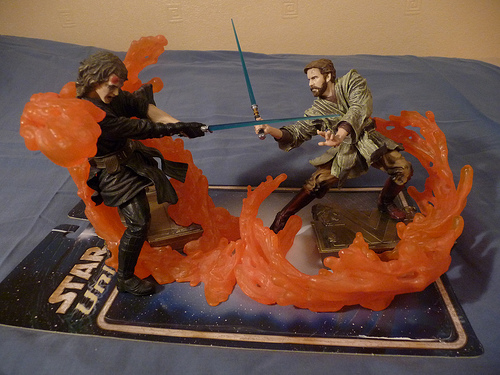
The best figures from that line included the just-mentioned Darth Maul and Boba Fett, as well as the Yoda (2003), Obi-Wan Kenobi and General Grievous (2005). One nifty aspect of the Obi-Wan figure is that he can be easily connected at the base with the Anakin Skywalker figure also released in 2005. Based on the final moments of Star Wars Episode III: Revenge of the Sith, when they confront each other on the volcanic planet Mustafar, they are both shown in battle poses as swirls of lava surround them. Only their mastery of the Force keep the lava at bay. Even though these two figures were sold separately, they could be connected.

This idea was carried one step further the same year with the Yoda vs. Palpatine figures that come together in one package. It can be said that Hasbro took this to the next level with the release of the Epic Battles packs collection. These sets sold for less and included at least four figures though they are much smaller, roughly three inches tall. The collection includes groups of Jedi, Wookies, Droids, Imperial Troops and so forth. They were also well detailed with dramatic poses but were not as enticing as the regular Star Wars Unleashed figures, which were more geared for older children and adult collectors. However, they’re perfect for the younger fans who want to recreate exciting scenes from this film series that just seems to spawn more and more creative toys and figures.

On the other hand, the popularity of the Epic Battle packs spelled the end of Star Wars Unleashed. There was only one Star Wars Unleashed released in 2007, Count Dooku, which was just as masterfully sculpted and detailed as the other figures. It’s a shame that the line ended because there are so many characters that would be perfect.  Imagine one being sold for Ahsoka Tano, Rey, Lando Calrissian, Qui-Gon Jinn, or Luke Skywalker from the first Star Wars film. We do have the Titanium and Black Series figures which are just as impressive, but Star Wars Unleashed does hold a special place in my collector’s heart. It’s probably because of the dramatic forces that captured the essence of the characters. Perhaps one day they can come back in some form or another.

José Soto

Top 40 Greatest Star Wars Moments, Part I

The 40th anniversary of Star Wars is upon us! It is hard to believe that a quirky sci-fi film that went on the change our cultural and celluloid landscape is 40 years old. In that time, Star Wars and all the films and TV shows that followed, boasted many important and awe-inspiring moments that continue to resonate with fans throughout our planet. As we celebrate Star Wars’ 40th anniversary let’s look at the series’ greatest moments.

Rey claims lightsaber

40. Rey Claims The Lightsaber From Kylo Ren (Star Wars Episode VII: The Force Awakens): Nobody was sure about who was the main hero in the new Star Wars Sequel Trilogy. That mystery was solved beyond a doubt when Rey used the Force to claim Luke Skywalker’s lightsaber and battle Kylo Ren. Her eventual victory  cemented the fact that she is the best hope for the galaxy. 

pod race

39. The Pod Race (Star Wars Episode I: The Phantom Menace): As flawed as the first Star Wars prequel was, the exciting and breakneck pod race on Tatooine with all the weird pilots and their distinctive pod vehicles was one of that film’s best moments.

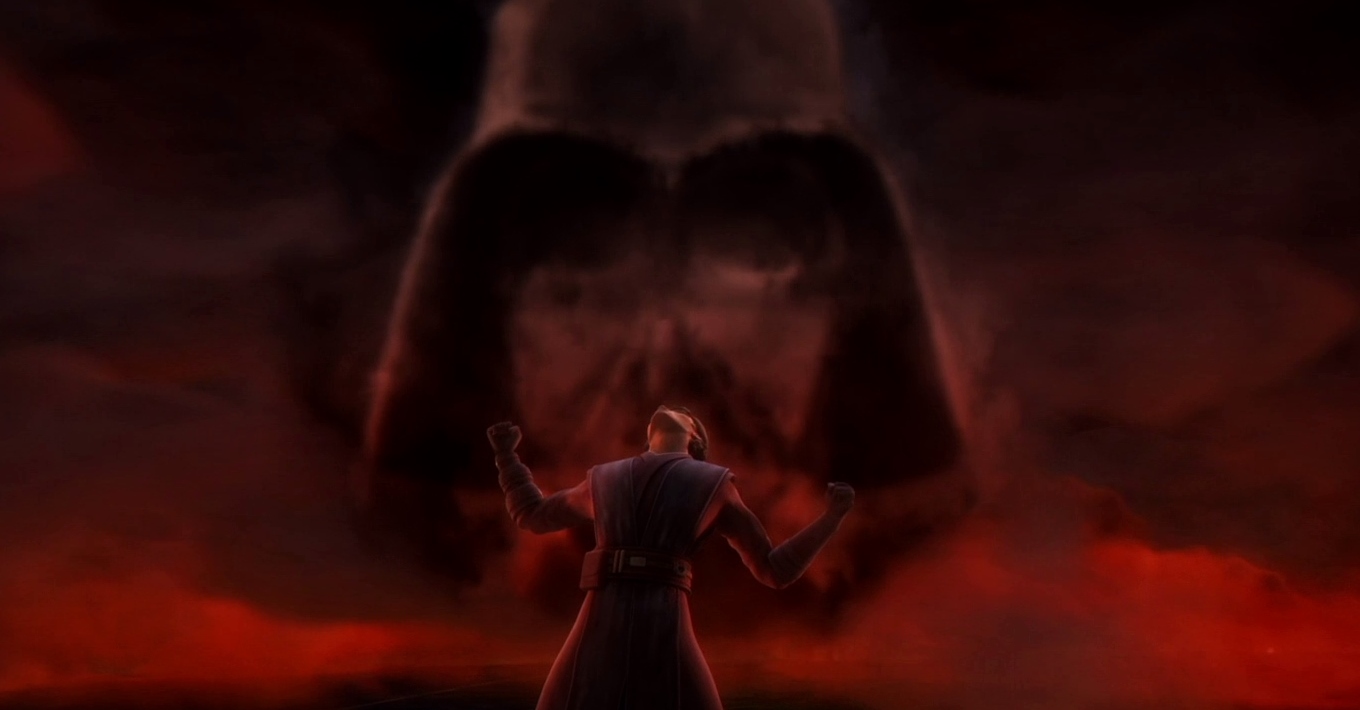
38. Anakin’s Spiritual Journey on Mortis (Star Wars: The Clone Wars “Ghosts of Mortis”):  On a distant world, Anakin Skywalker became corrupted by the dark side of the Force after encountering spiritual embodiments of the Force. Terrifying visions of his rise to Darth Vader highlighted this powerful story arc that better explored his fall from grace than the prequel films.

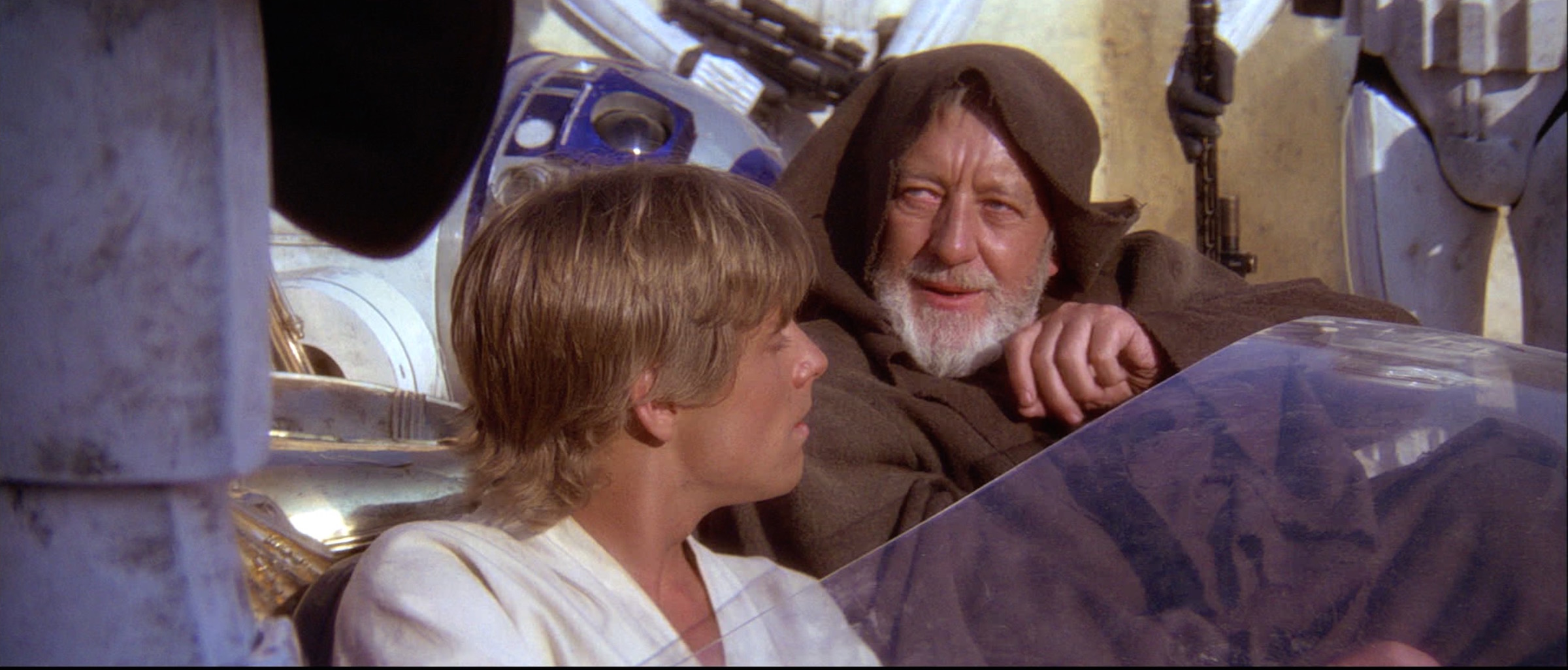
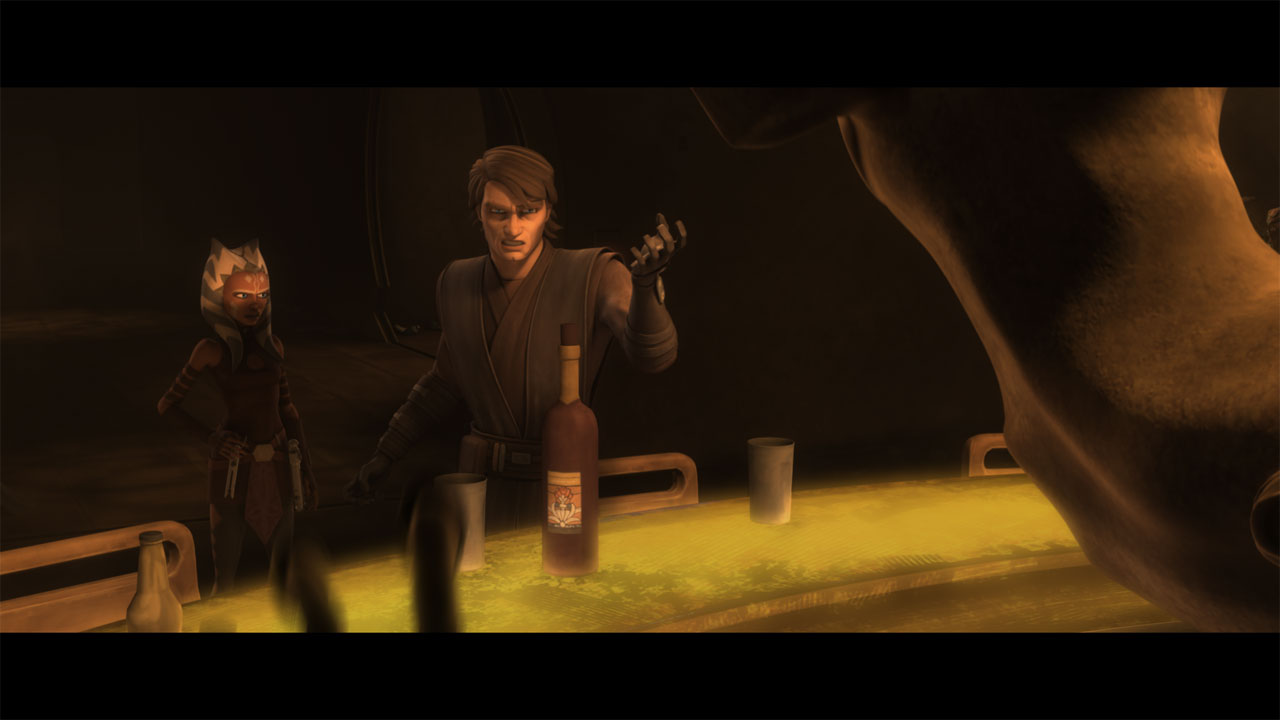
37. “These Aren’t the Droids You’re Looking For” (Star Wars Episode IV: A New Hope): Forget using the Force to do super acrobatics, wield lightsabers and levitate objects. When Ben Kenobi used a Jedi mind trick against stormtroopers interested in Luke Skywalker’s wanted droids, that scene displayed one of the most powerful aspects of the Force. Honorable mention goes to the bar scene in Episode II where a younger Kenobi tells a drug dealer to go home and rethink his life.

https://www.youtube.com/watch?v=0scImICHU14

36. Darth Maul’s Final Duel (Star Wars Rebels “Twin Suns”): Darth Maul finally finds his ancient enemy Obi-Wan Kenobi in exile on Tatooine. The older Jedi isn’t interested in fighting Maul until the former Sith apprentice deduces that Kenobi is protecting someone (Luke Skywalker). The resulting lightsaber duel is brutally short and to the point with Maul quickly killed. It may have disappointed those waiting for a drawn-out sword fight, but the scene demonstrated that Kenobi was indeed a master. Plus, it cast Maul in a sympathetic light as he seemed to see the error of his ways in his last breath.

Ahsoka vs. Darth Vader

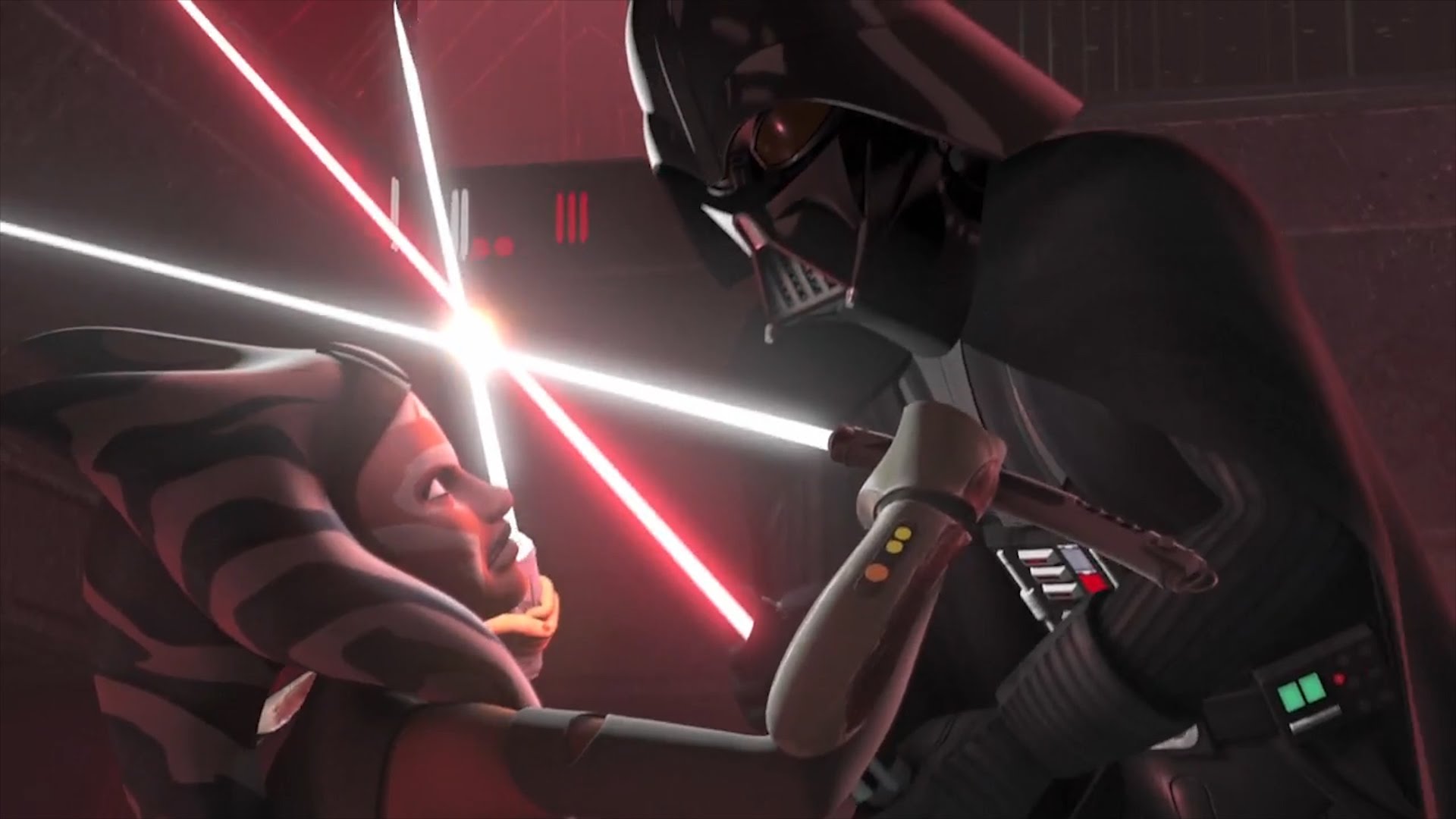
35. Ahsoka Tano Vs. Darth Vader (Star Wars Rebels “Twilight of the Apprentice”): Ever since Anakin’s apprentice Ahsoka left the Jedi Order near the end of The Clone Wars series and reappeared during Star Wars Rebels, fans have wondered how she would react to seeing her former master as a Sith. We got our answer in the second season finale where she faced off against Darth Vader and proved she was his equal.  What was more engaging than the duel was her coming to terms with her former master’s fall.

battle of geonosis

34. The Battle of Geonosis (Star Wars Episode II: Attack of the Clones): A Jedi force set out to rescue Anakin, Obi-Wan and Senator Padme Amidala from Separatist forces, but they weren’t enough. Enter the new clone army led by Jedi Master Yoda and before you know we witnessed a full-scale and chaotic ground war between clone troopers and droid soldiers. Seeing all the intense blaster fire and wild looking vehicles of all shapes and sizes engaged in battle was a spectacle and for Star Wars that is saying a lot.

33. Cassian Andor Murders an Informant (Rogue One: A Star Wars Story): It was a small scene in the first live-action Star Wars spinoff film. Cassian Andor gets vital intel from a Rebel spy who cannot keep up with him as stormtroopers close in on them. Instead of helping his comrade Andor unexpectedly kills him. This cold-blooded act drove home the point that Rogue One was a decidedly dark film that took risks by showcasing this morally gray character who goes to extremes for the Rebellion.

32. Anakin Pursues Obi-Wan’s Killer (Star Wars: The Clone Wars “Friends and Enemies”): One of the best arcs in the animated series featured Obi-Wan Kenobi faking his death and going undercover with bounty hunters. Anakin, believing his master to be dead, relentlessly pursues Obi-Wan’s killer, who is actually Obi-Wan in disguise. This development was an undeniable a high spot in this tense and captivating story arc.

31. The Grand Army of the Republic Sets Out For War (Star Wars Episode II: Attack of the Clones): Following the climactic Battle of Geonosis in the film, the Galactic Republic unveils its mighty clone army to counter the Separatist threat. With much fanfare marching legions of white armored troops leave Coruscant in giant ships to engage the Separatist droid armies. While many celebrated this moment, others (and we) knew better than to hail these troopers because they foreshadowed the coming of the evil Empire. Continue reading