Guardians Of The Galaxy, Vol. 3 Perfectly Concludes A Classic Trilogy

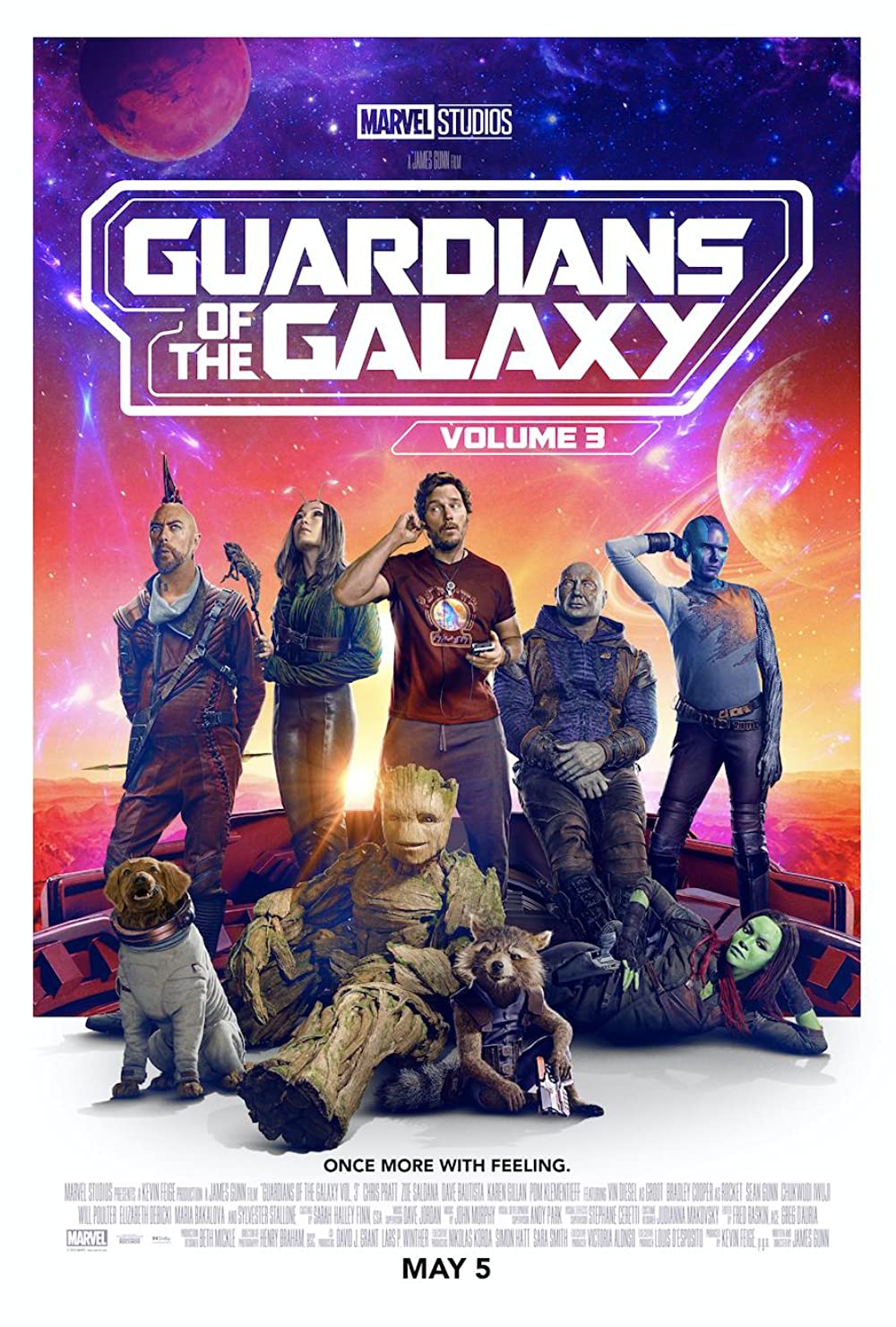
Filmmaker James Gunn finishes his tenure at Marvel Studios and the Marvel Cinematic Universe (MCU) with Guardians of the Galaxy, Vol. 3, the finale of his classic trilogy about misfit cosmic heroes.

Gunn has been able to maintain the same level of heart, humor and action throughout all three Guardians of the Galaxy film with the third film, and in some ways he elevated it with his MCU swan song.

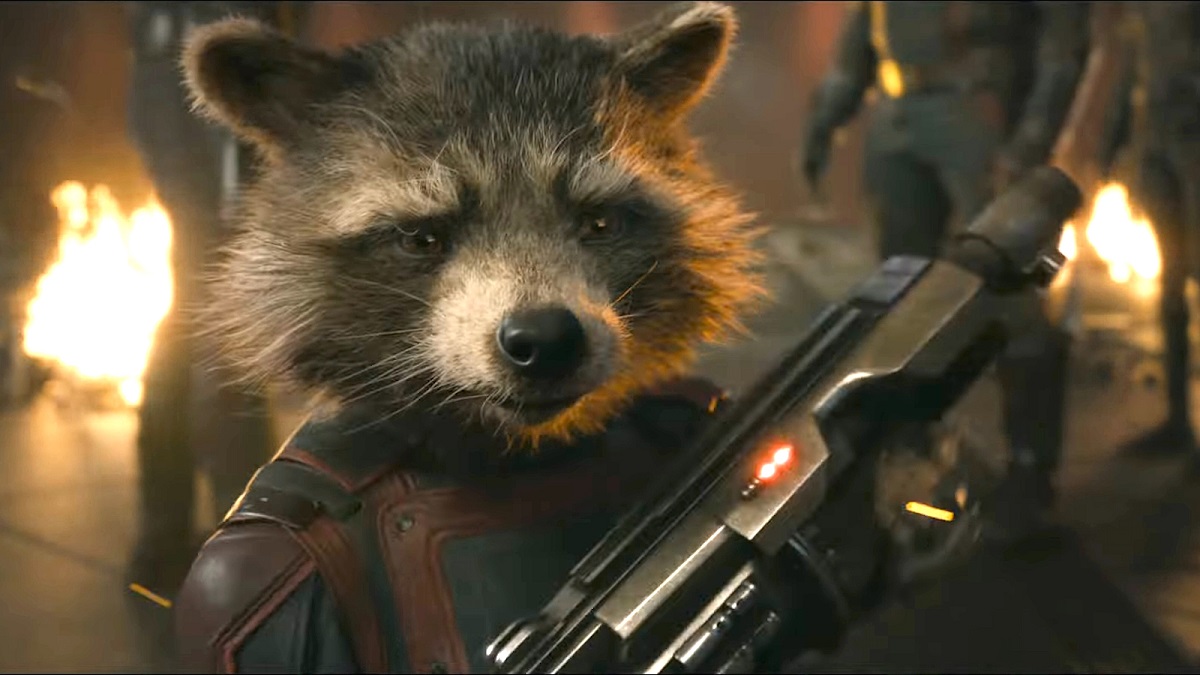
Taking place years after the first two films and the events of the last Avengers films, Guardians of the Galaxy, Vol. 3 brings back all the loony and loveable heroes. Now the owners of Knowhere, a cosmic mining station made up of a dead Celestial’s skull, the Guardians are more administrators than intergalactic heroes. The film begins with a flashback origin of Rocket (voiced by Bradley Cooper), a cybernetically and genetically enhanced raccoon with genius-level intellect. This tragic origin story peppers the film throughout and underscores the emotional and physical pain that Rocket endures in his life. The origin features some of the most gut-wrenching moments in the film and elevates Rocket into a true hero.
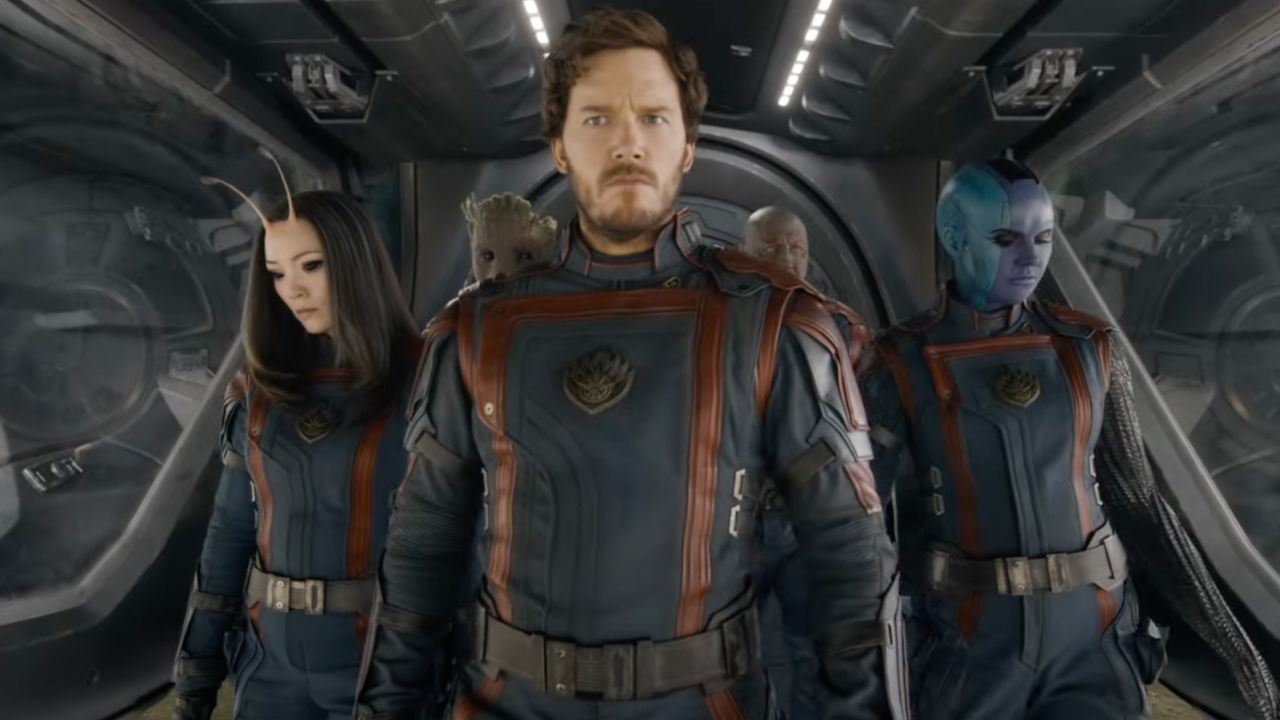
After the flashback we are taken to Knowhere where we meet again the other Guardians. Their leader Peter Quill (Chris Pratt) has become a drunk because he is unable to get over the loss of his girlfriend Gamora (Zoë Saldaña), who was killed during Avengers: Infinity War. Adding to his misery is that another version of Gamora from an alternate timeline exists, but she does not have any feelings for him. As his fellow Guardians try to console him, they are attacked by Adam Warlock (Will Poulter), a golden, artificially created super-powered person. Though he is defeated by the Guardians, he gravely injures Rocket before he leaves them. The rest of the film focuses on the efforts of Quill and the other Guardians to find a way to save their friend. The other Guardians include the powerful but dim-witted Drax (Dave Bautista), Rocket’s BFF, the tree-like Groot (voiced by Vin Diesel), the empath Mantis (Pom Klementieff), and the cyborg Nebula (Karen Gillan). During their intergalactic journey, they soon cross paths with the insane geneticist and Rocket’s creator, the High Evolutionary (Chukwudi Iwuji), who has been hunting Rocket for his own diabolical purposes.

While the film continues the same irreverent tone as the previous entries in the trilogy, it does stand on its own due to its more mature atmosphere. The characters have grown since we first saw them in 2014 and are looking for something more with their lives. This was a rather unexpected and logical thing to do with the characters, because while they have become a family unit, they have to evolve and continue in their own journeys. The core characters, especially Rocket and Peter Quill, each have their own unique arcs and level of development, whether they have to deal with their painful pasts or prove they are much more than what others think of them. Rocket and Quill’s arcs have powerful and engaging arcs that form the heart and soul of the film and elevate it above standard superhero films. These character moments were richly satisfying and came to appropriate conclusions.
Unlike the other films, there is an intense feeling of dread and melancholy that pervades the film as the Guardians face their potential doom at every corner. Without giving anything away, there were many moments where I thought that was it for certain characters. This shows how intensely we’ve become attached to these plucky and quirky heroes. James Gunn skillfully exploits our feelings with each peril he throws at them.  What helps underscore this mood is that Guardians of the Galaxy, Vol. 3 is not as goofy as the other films, although it has its fair share of laugh-out scenes. That is alright. This film avoided the missteps of Thor: Love and Thunder where that film got lost in its over-indulgence of silly humor to the detriment of some of its subject matter. Guardians of the Galaxy, Vol. 3 succeeded where the last Thor film did not in that it treated much of its subject matter seriously and avoided inappropriate silliness.

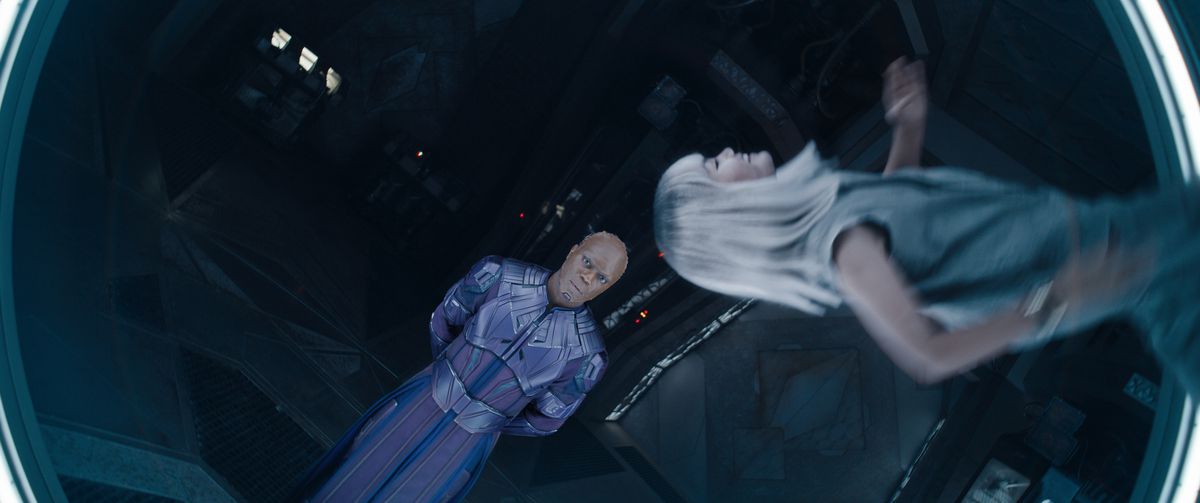
While the High Evolutionary is the best villain the Guardians have faced in their films, he could have used more nuance, although Iwuji does a fantastic job in his performance as a callous and dismissive scientist with a twisted heart. His cruel actions towards his test subjects, including Rocket during the flashbacks, are a vivid and emotional presentation of one of the film’s themes about animal cruelty and the morality of using animals for scientific research. What the High Evolutionary does to Rocket and others makes us openly hate him. To be honest some of the scenes featuring the High Evolutionary’s test subjects may be too intense for some viewers. So be warned.
The other actors in Guardians of the Galaxy, Vol. 3 put in some of their best performances. You could tell they are very invested in their characters and knowing this film will be their final time playing the characters, they elevate their craft beautifully. What helps, of course, is that unlike many sequels, the characters are allowed to grow and evolve. Thanks to their performances and how the characters were written, by the time the film comes to its end many viewers will be openly crying, while the rest will pretend they have something in their eyes.

There are a few minor nitpicks with the film that are not really worth mentioning. Maybe Adam Warlock could have used more screentime, but so could have other characters like Kraglin (Sean Gunn), but they do get their moments to contribute and shine, and even give a hint of what is to come.
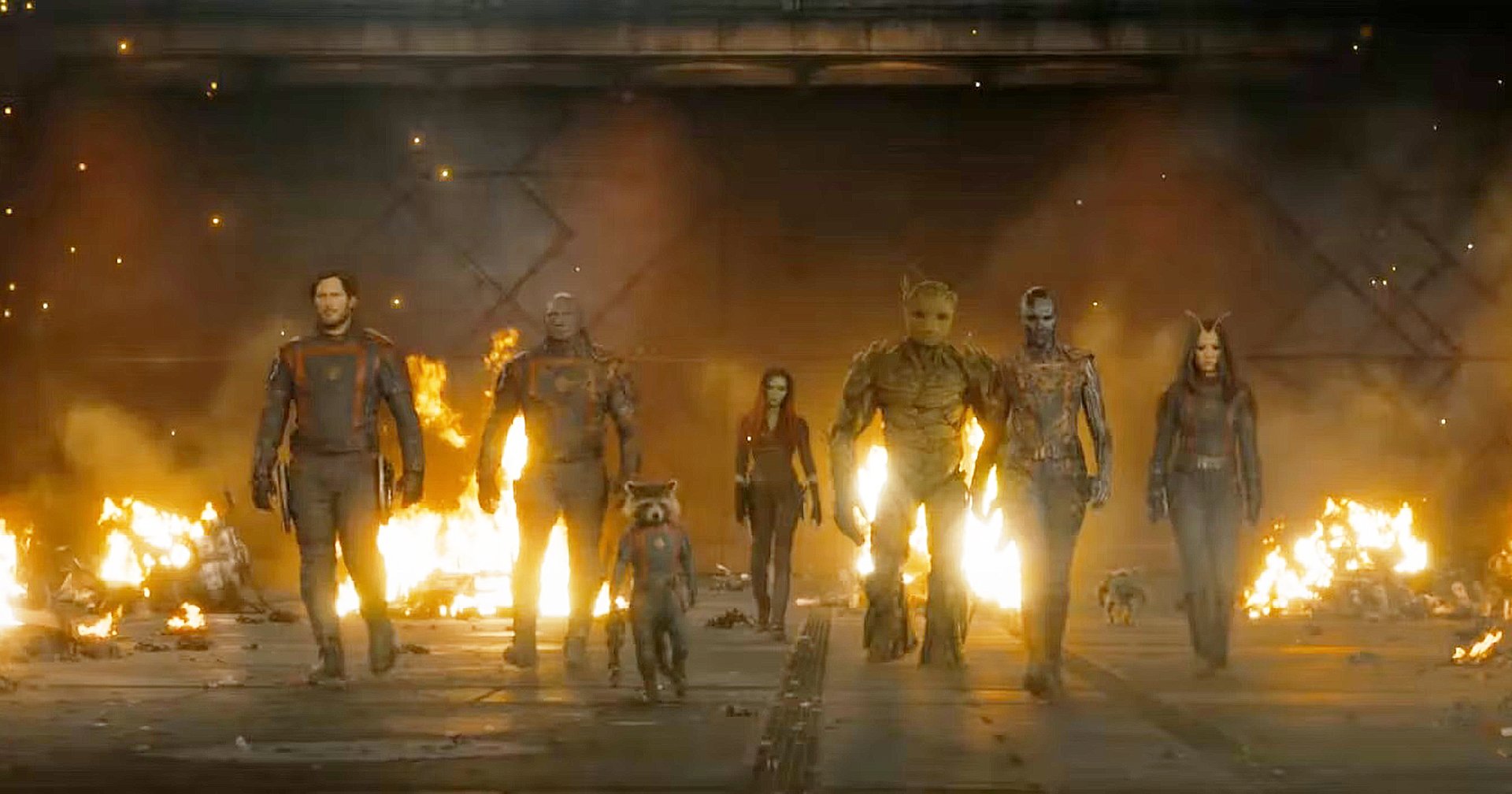
How does Guardians of the Galaxy, Vol. 3 compare to the others in the trilogy? Well, it is much better than the second film and is about on level with the first one, though they are both distinctly different from one another. Given its level of greatness, it is easily one of the finest MCU films, and the best one in recent years, aside from Spider-Man: No Way Home and Avengers: Endgame.  Given the recent missteps in the MCU, it is a joyful relief that the cinematic universe can still deliver a film that emotionally involves us.  

José Soto

A Closer Look At Avengers: Endgame & The Future Of The MCU, Part Two

We’re continuing our look at the superhero film event, Avengers: Endgame. This time we’ll speculate on a major plot device, what lies ahead for the team and the Marvel Cinematic Universe (MCU) and even who will be in the team later in the future. As before, major spoilers will follow, so turn back now if you have not seen Avengers: Endgame yet.


3…


2…


1…


The Smallest Hero with the Biggest Impact

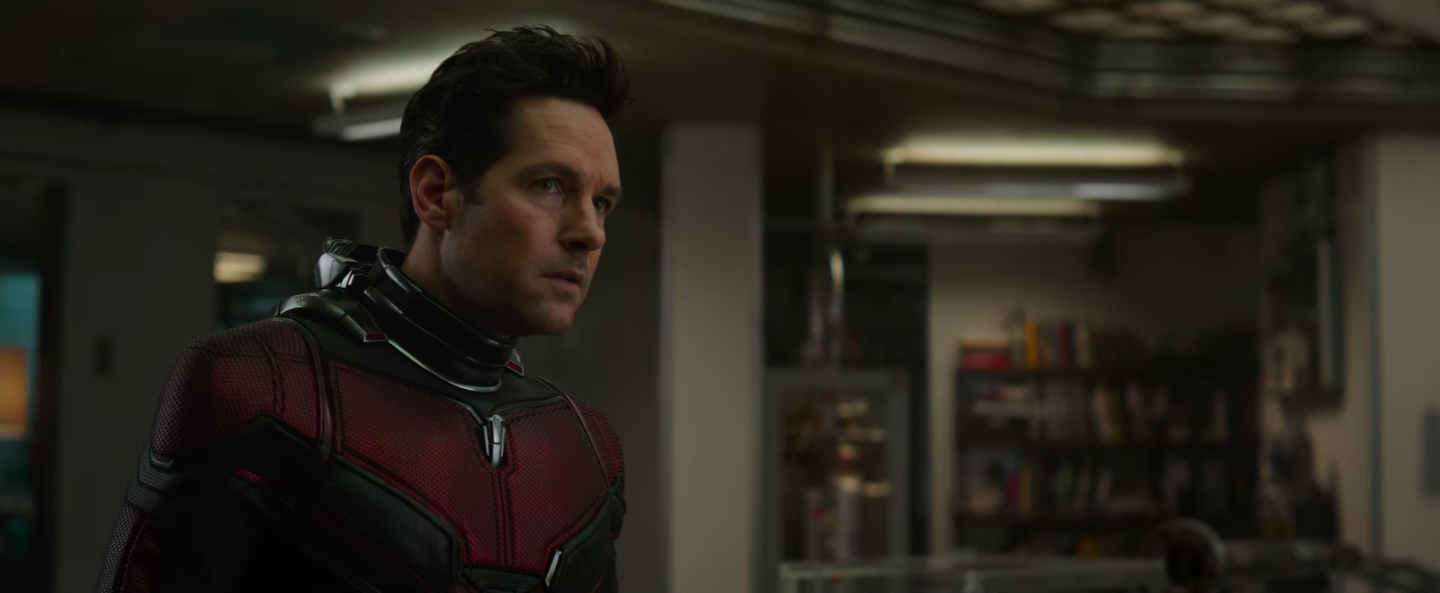
Avengers: Endgame didn’t just feature story arcs about the OG Avengers but on allies that joined the team and their mission to undo Thanos’ snap. Nebula and Rocket Raccoon from the Guardians of the Galaxy, along with everyone else were at the end of their rope, feeling defeated after Thanos’ victory in the previous film. There was significant time spent on them and they had their special character moments. While they made important contributions to the team’s quest to reverse Thanos’ snap, one of other ally became the most unlikely Avenger of them all: Ant-Man. He is not only the smallest MVP in Endgame but the most important one because the Avengers’ ultimate victory would not have been possible without Ant-Man.

Lang shows up

When Scott Lang aka Ant-Man re-emerged from the quantum realm after the film’s five-year time jump, he quickly realizes that time travel is possible due to the way he experienced time differently in the micro-dimension. He goes out of his way to locate the Avengers and presents them with this idea. Lang, fresh and eager from his experience in the quantum realm becomes a beacon of hope and new-found resolve for a defeated team. He inspires everyone into believing that the devasting effects of the Decimation could be undone.

ant-man in Avengers Endgame

To think this was all possible because of a rat. This anonymous rodent just happened to step on the controls of the quantum tunnel machine in a storage unit that brought Lang back into the world. Coincidence? Sure. Blind luck? You bet! But sometimes all it takes is the right circumstance to change everything. Even if some rat didn’t accidently save the universe, Lang would have been released some other time, what is important is that his re-emergence happened at the right time. Given his contribution, including his actions which later saved the Hulk, Rocket Raccoon and War Machine, Ant-Man is a shoe-in not only for another solo film, but as an Avenger in the team’s next film.

A Soldier’s Final Mission

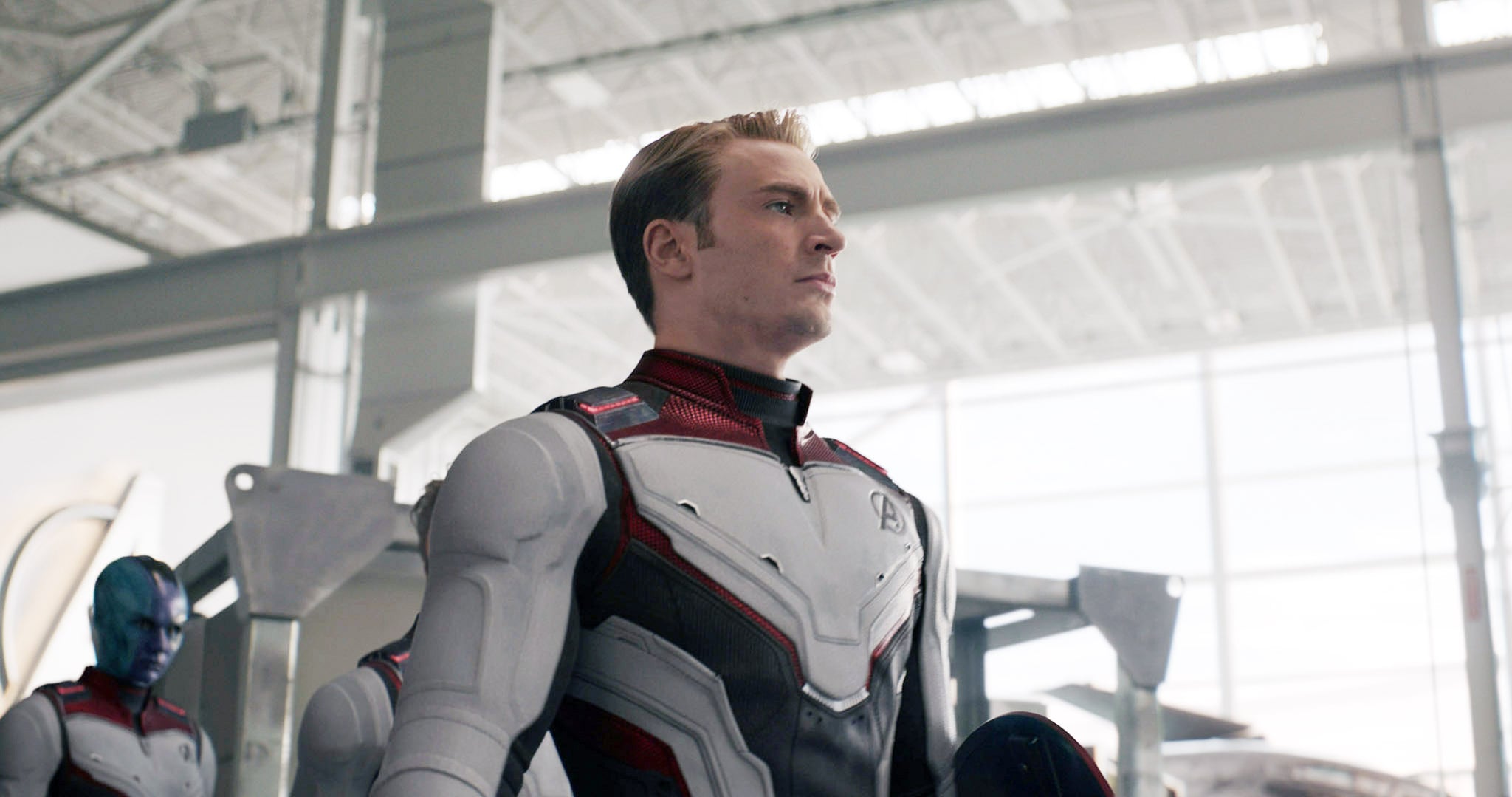
At the end of Avengers: Endgame, Steve Rogers traveled back to different time periods to return the Infinity Stones and nip the creation of alternate timelines.

His final journey raised many questions given how his mission ended. As mentioned in part one of this post, Rogers decided to spend his days in the past with Peggy Carter and grew old with her. We know this because moments after he disappeared into the quantum tunnel, he turns up nearby as an elderly man.

This started rampant speculation about how he returned since he didn’t use the same quantum tunnel machine he left in. Some theorized he was in the Prime MCU all along and never created a new timeline. The writers for the film agree with this, but it’s hard to believe because given his heroic nature, there isn’t any way that Rogers, whether or not as Captain America, would not interfere with history. He would have prevented Bucky from becoming the Winter Soldier, stopped the Hydra infiltration of S.H.I.E.L.D., or Thanos’ quest for the Infinity Stones, let alone real-world tragedies like the JFK assassination or 9/11. The Avengers: Endgame directors, Joe and Anthony Russo, contradict this notion and believe that Rogers lived out his years in an alternate timeline. Good evidence for this is the fact that he comes back with an intact shield. Remember that his shield was broken during his battle with Thanos. Rogers must’ve obtained the new shield in the alternate timeline. Perhaps that timeline’s Captain America died or the shield was no longer needed in the brave new world Rogers created.

The question is how did he return? The temporal/quantum technology in the new timeline must have advanced more significantly than in the Prime MCU. Or that timeline’s Doctor Strange could have used magic to transport Rogers back to his native timeline. This and how did Rogers return the Stones are intriguing material for a potential film or series on Disney+, though we’ll probably never know.

Continue reading

Kennedy Space Center Visitor Complex

About an hour east of Orlando in Merritt Island, the Kennedy Space Center Visitor Complex cannot be called a theme park or a museum but it has elements of both. Like any healthy attraction, it’s constantly evolving and offering something new for visitors. And coming soon, the Complex will be the home for the just-retired Space Shuttle Atlantis.

Even though the shuttle isn’t ready for viewing yet that shouldn’t stop anyone whether they’re a space buff or not from visiting the Complex. There are plenty of displays, exhibits and fantastic presentations. It’s hard to see everything the Complex offers in a single day visit. This was not so in its past and it’s a testament to how the place has grown as a viable attraction.

The basic admission includes the Kennedy Space Center (KSC) Tour, IMAX presentations (many of which are in 3D), the nearby U.S. Astronaut Hall of Fame and the Complex’s grounds.

A popular attraction is the Shuttle Launch Experience, which simulates a shuttle launch for visitors. It’s a lot like the Mission: Space ride at Epcot only without the nausea, but it’s still a rough ride and according to many astronauts an authentic recreation of a shuttle liftoff. Next to the facility that houses the Shuttle Launch Experience is a well-detailed mock up of a shuttle called the Explorer. Visitors ascend a winding staircase to get into the craft’s hangar and further up for the cockpit.  And next to the Explorer are mock ups of the space shuttle’s external fuel tank and boosters, those and the shuttle make for memorable photo ops.

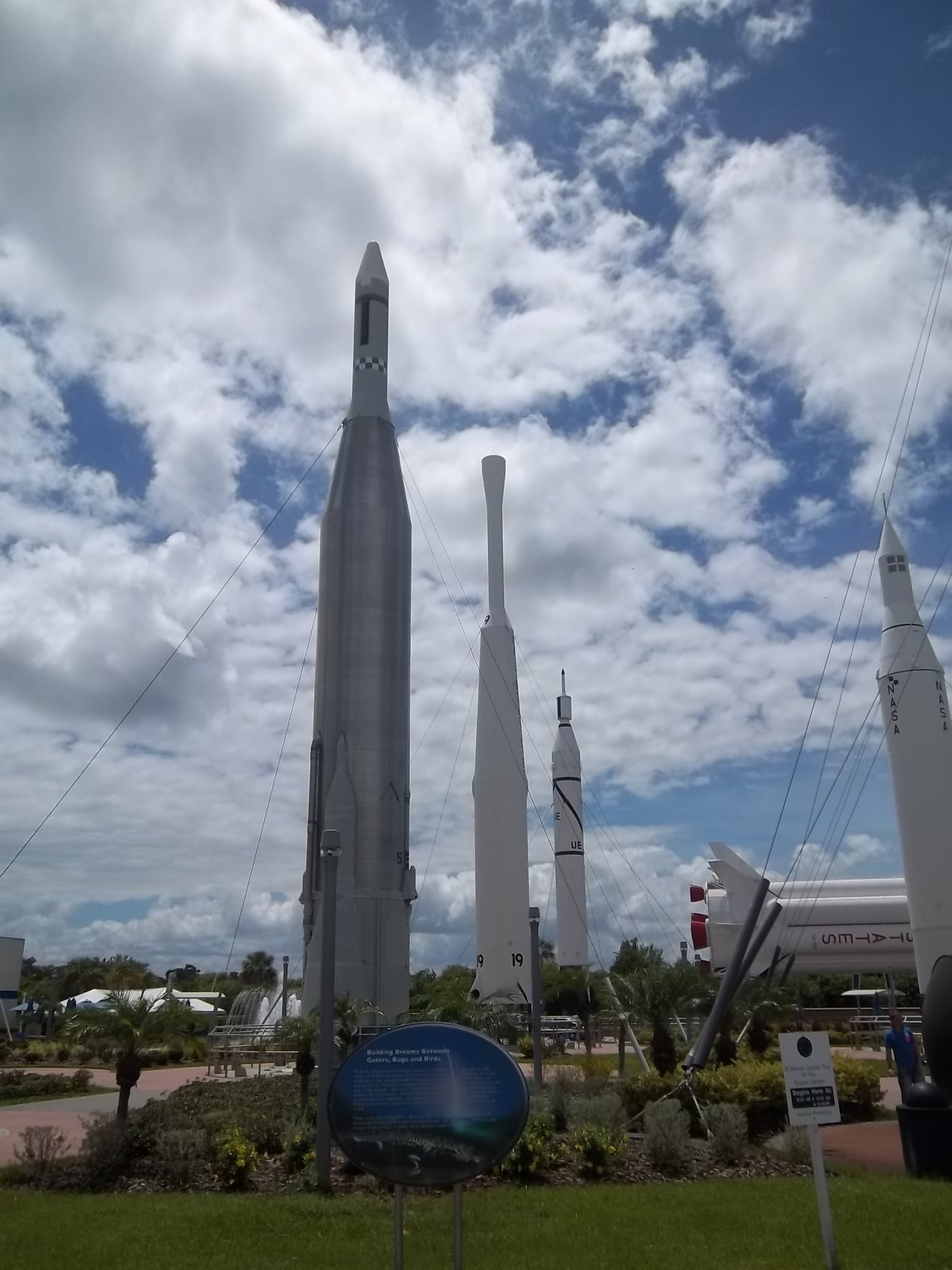
Other places to get photos include the Rocket Garden, an outdoor showcase of the rockets and capsules used during the ’60s. These include the Titan and Atlas rockets (plus a huge Saturn IB) and the Mercury, Gemini and Apollo capsules. In fact, visitors are allowed to climb into the claustrophobic. Nearby is the Early Space Exploration facility that features the actual capsules, artifacts and mission control consoles from the ’60s.

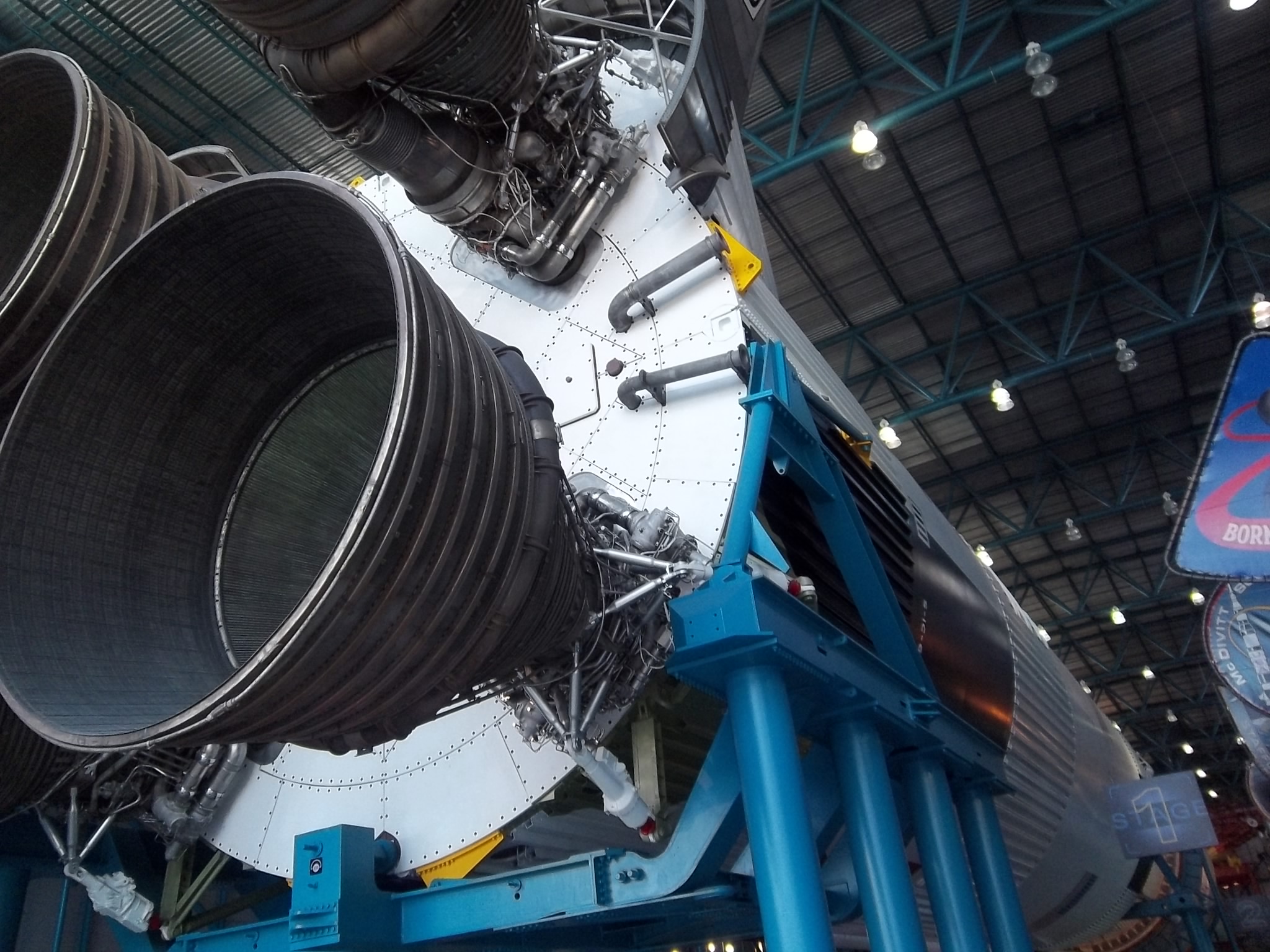
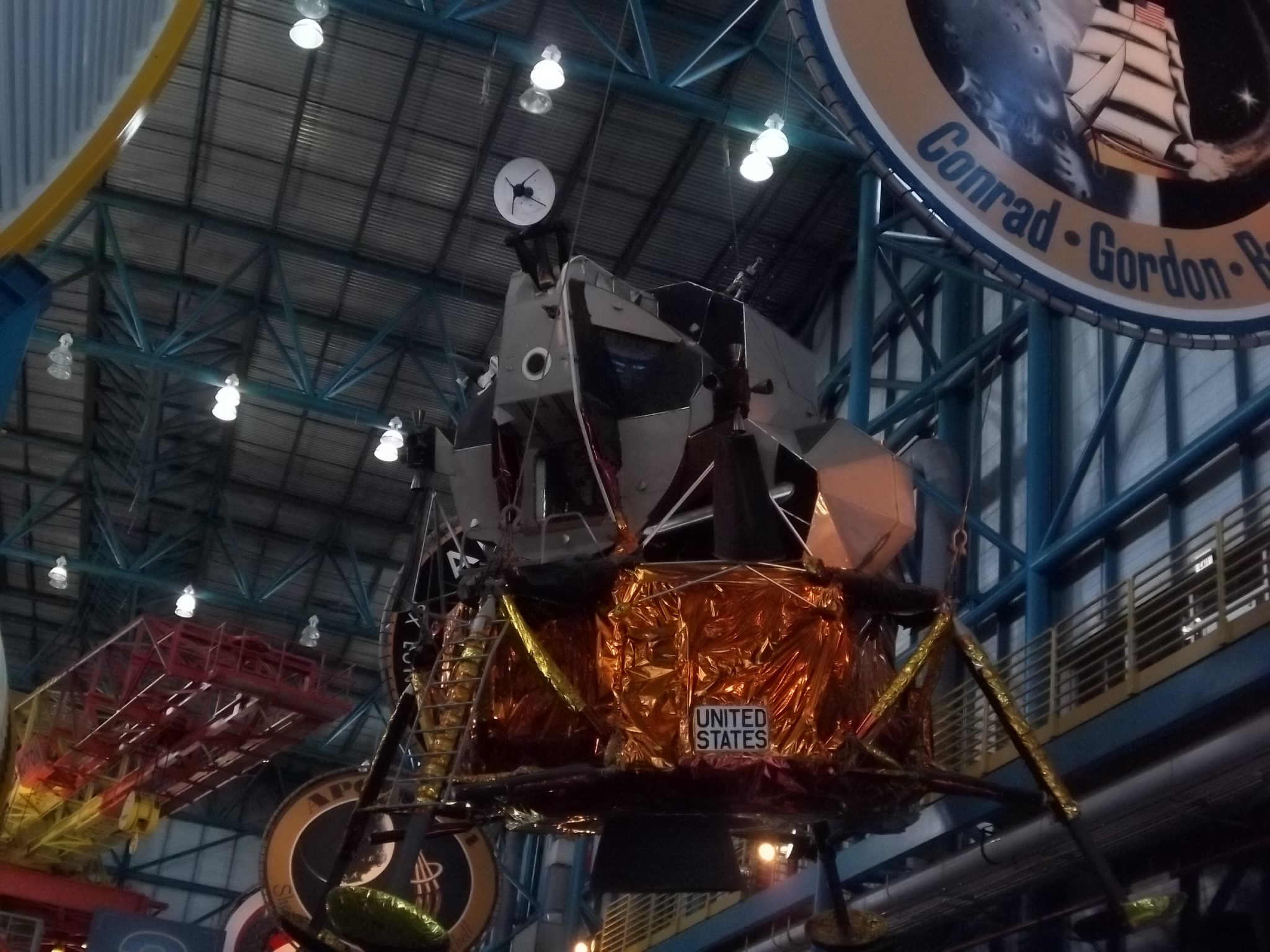
But the highlight of any visit is the KSC Tour. Although in-depth guided tours are available for additional fees, anyone can get a thorough visit with the KSC Tour. Buses at a terminal located off to the right of the Complex’s entrance plaza leave for the tour every fifteen minutes. A short ride will take visitors to the shuttles’ launch pads at the LC-39 Observation Gantry and even glimpse off in the distance the air force’s rocket launch pads. The next and final stop of the tour is a grand finale indeed. The Apollo/Saturn V Center boasts an overhead, mammoth 363-foot-long Saturn V rocket which rivals any giant dinosaur fossil display in a museum. There are also space suits, tools, a moon buggy and even a piece of moon rock that can be touched. Visitors can stay as long as they like in the Center before taking a bus back.

But the Complex isn’t just a place that looks at NASA’s past glories, there are many exhibits and attractions devoted to today’s space exploration. At the Astronaut Encounter Theater, visitors can meet and question guest astronauts. The Theater is also playing through December Star Trek Live, an engaging stage show featuring science facts and a time-travel themed storyline. Elsewhere, visitors can see up-close images from the Hubble Space Telescope or be part of Exploration Space: Explorers Wanted. An interactive, multimedia presentation on the possible future of space travel. There are even play areas in the Complex for children, a nature exhibit, an Astronaut Memorial, an art gallery and of course, souvenir shops.

To see everything at the Complex in one day is very difficult and not practical. So consider returning for a second visit. In fact, visitors who get their tickets validated when leaving can return for a second visit within a week. The admission prices are very favorable when compared to Orlando’s theme parks and the experience is much more educational and inspiring especially for future generations.

Article and Images by José Soto