Spider-Noir Shows How To Do The Multiverse

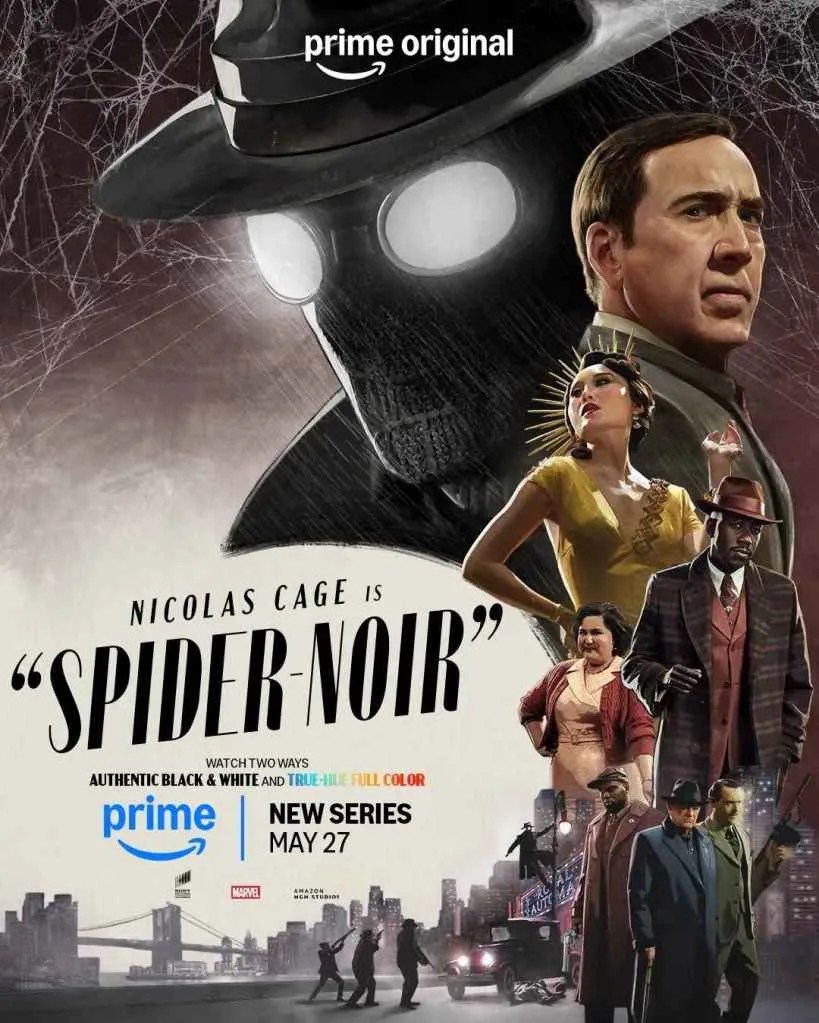
Spider-Noir is the latest superhero TV show now streaming on Prime Video and stars Nicolas Cage as a variant of Spider-Man set in New York City during the 1930s. This time, for legal reasons, his name is Ben Reilly and he is called The Spider instead. Noticeably older and gruffer than the traditional Spider-Man/Peter Parker, Reilly operates as a classic gumshoe private detective in a gritty New York oozing with corruption, crime and notorious gangsters. In other words, this is not your typical Spider-Man story and this is how the Multiverse should have been done by the studios.
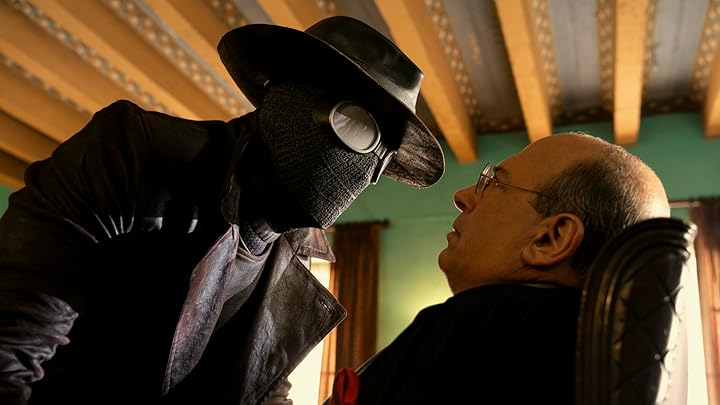
When Spider-Noir begins, Ben Reilly operates out of his tiny office in Manhattan as a gumshoe for hire and still grieving over the death of his girlfriend Ruby five years ago, Ever since her death, Reilly retired from being the masked vigilante, The Spider, but all that changed when he is hired to track down a criminal named Addison, who turns out to have pyrokinetic powers. After Addison is killed, circumstances drag Reilly and his associates down a nefarious rabbit hole involving the city’s corrupt mayor (Michael Kostroff), the notorious mob boss, Silvermane (Brendan Gleeson), who runs the city’s underworld with a savage fist, and Cat Hardy (Li Jun Li), a conflicted nightclub singer he is hired to track but falls in love with. Silvermane has superpowered henchman in his employ, such as Flint Marko (Jack Huston), a Sandman variant, Lonnie Lincoln (Abraham Popoola), a more sympathetic version of Tombstone, and Dirk Leyden (Andrew Lewis Caldwell), a version of the obscure Spider-Man villain Megawatt, who all come into conflict with the Spider.

During his investigations, Reilly finds out that the villains are connected to his World War I past and how he got his spider powers. More importantly, Reilly is forced to come out of retirement as The Spider, which brings him to the attention of Silvermane, who wants to consolidate his grip of power in New York City.
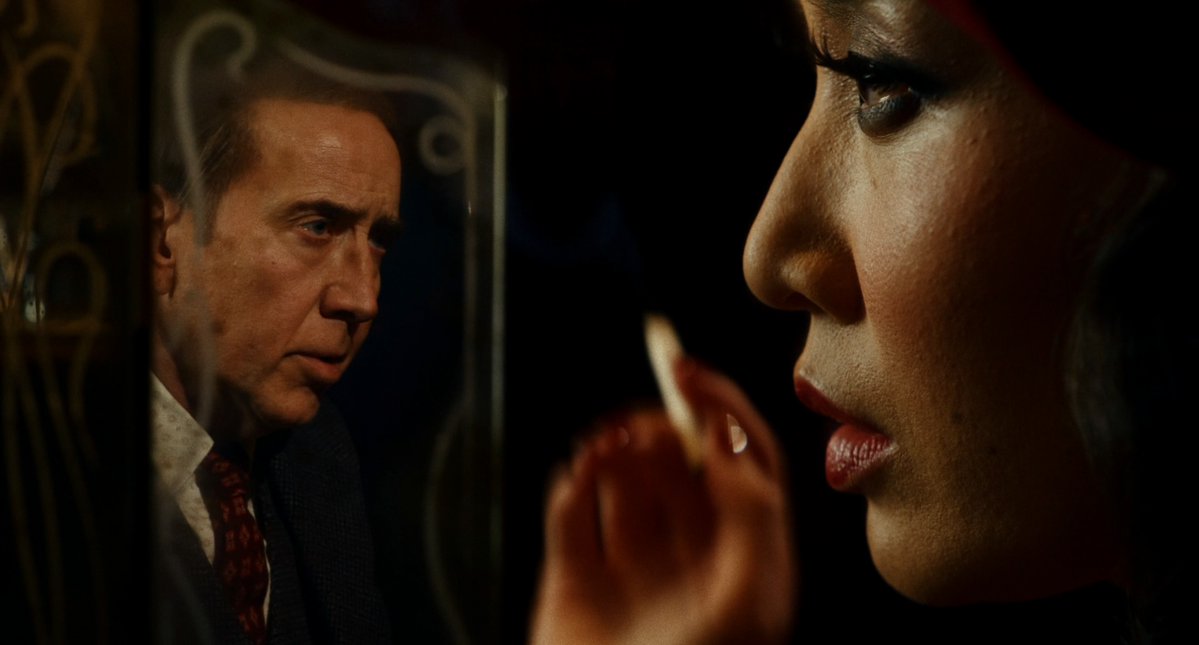
As one can tell by the premise and seeing the show itself, Spider-Noir is an inspired homage to the classic 1930s crime films that were once so popular during the Golden Age of Film. The show can be watched either in garish color with popping bright hues or in noirish black and white, which feels more appropriate. The TV show captures many of the elements that made crime noir films so popular: the jaded detective; a dazzling but conflicted femme fatale; struggling people who talk with exaggerated New York accents and read script lines that would make Humphrey Bogart feel right at home; numerous Dutch angles; split focus shots, and scintillating photography that evokes stark existentialist German cinematography. There are so many ways this approach could have approached a satire, but thanks to the skills from everyone involved, Spider-Noir is a respectful tribute to those types of crime noir films. The actors have to be singled out for their innovative performances, especially Cage, who evokes a combination of Bogart and Jimmy Cagney while infusing his performance with the bouts of unpredictable insanity that made him so famous. The other actors turn in commendable work here as well, such as Li whose near-tragic Hardy captivates every scene she’s in and Gleeson, who projects a chilling presence.

The Multiverse is a great concept that allows for the exploration of many famous characters in different settings which provide captivating insights into what makes them work. The comic books from DC and Marvel have produced many memorable works based on variants of their renowned characters, but live-action attempts at exploring the Multiverse have had mixed results. For Marvel’s part, it seemed as if the studios were too afraid to go all out and give us wildly different versions of their characters. Why is that? Perhaps the studio heads fear that doing so will confuse audiences. But they underestimate them all the time. Other times, the efforts were laughably bad, such as Sony’s misguided films starring Spider-Man villains that were dead on arrival. We could have had more inspired Multiverse films and TV shows in the run up to Avengers: Doomsday and Avengers: Secret Wars and even the beloved Spider-Verse films that took greater advantage of the Multiverse concept like Spider-Noir has done. The executive producers of Spider-Noir are Phil Lord and Christopher Miller, who also guided the Spider-Verse films and they should be the go-to guys for more Multiverse works if they ever happen.

Spider-Noir is more than an homage to crime noir films, it is also one of the best superhero TV shows ever done that focuses on character and exciting superheroics. Underneath his cynical exterior, Ben Reilly still has a good heart because he knows that having great power has great responsibility. Even though this setting is unbelievably different than the traditional one seen with Spider-Man lore, it still is a Spider-Man story and one that hints at how the character would be like if he were middle aged. This approach allows the character to be shown in a unique way while sticking to what makes Spider-Man so popular. By going all in with the Multiverse concept, this TV show is able to present a novel approach to the Spider-Man character and see how he would have turned out under a different setting. Spider-Noir, simply put, takes full advantage of the Multiverse concept and how it should be done.
Top Ten Films & TV Shows Of 2024

2024, as with previous years, provided some wonderful and imaginative sci-fi, fantasy and horror films and TV shows, which were quite memorable. Here are the best films and TV shows that came out in 2024, many of which took everyone by surprise. Feel free to comment with your own choices.

Films

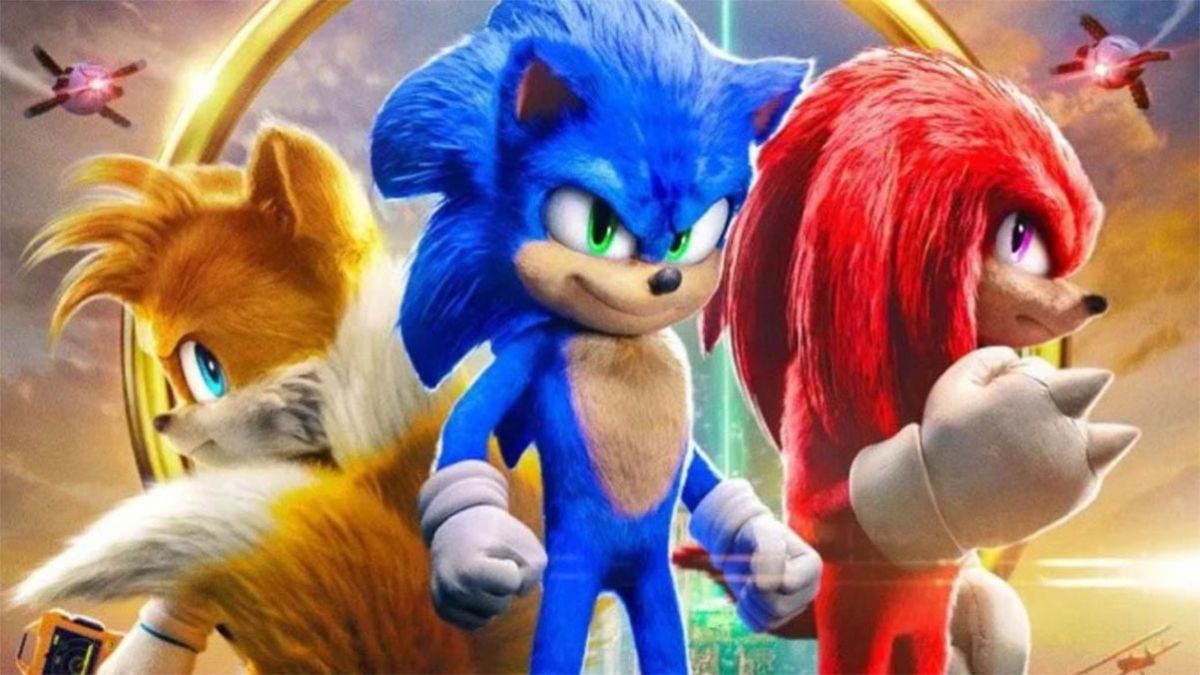
10. Sonic the Hedgehog 3

The third film in the Sonic film franchise fully embraces its video game lore with its colorful characters and their engaging backstories. As usual, Jim Carrey stole the film with his performance, as wells as Keanu Reeves who voiced the fan-favorite Shadow.

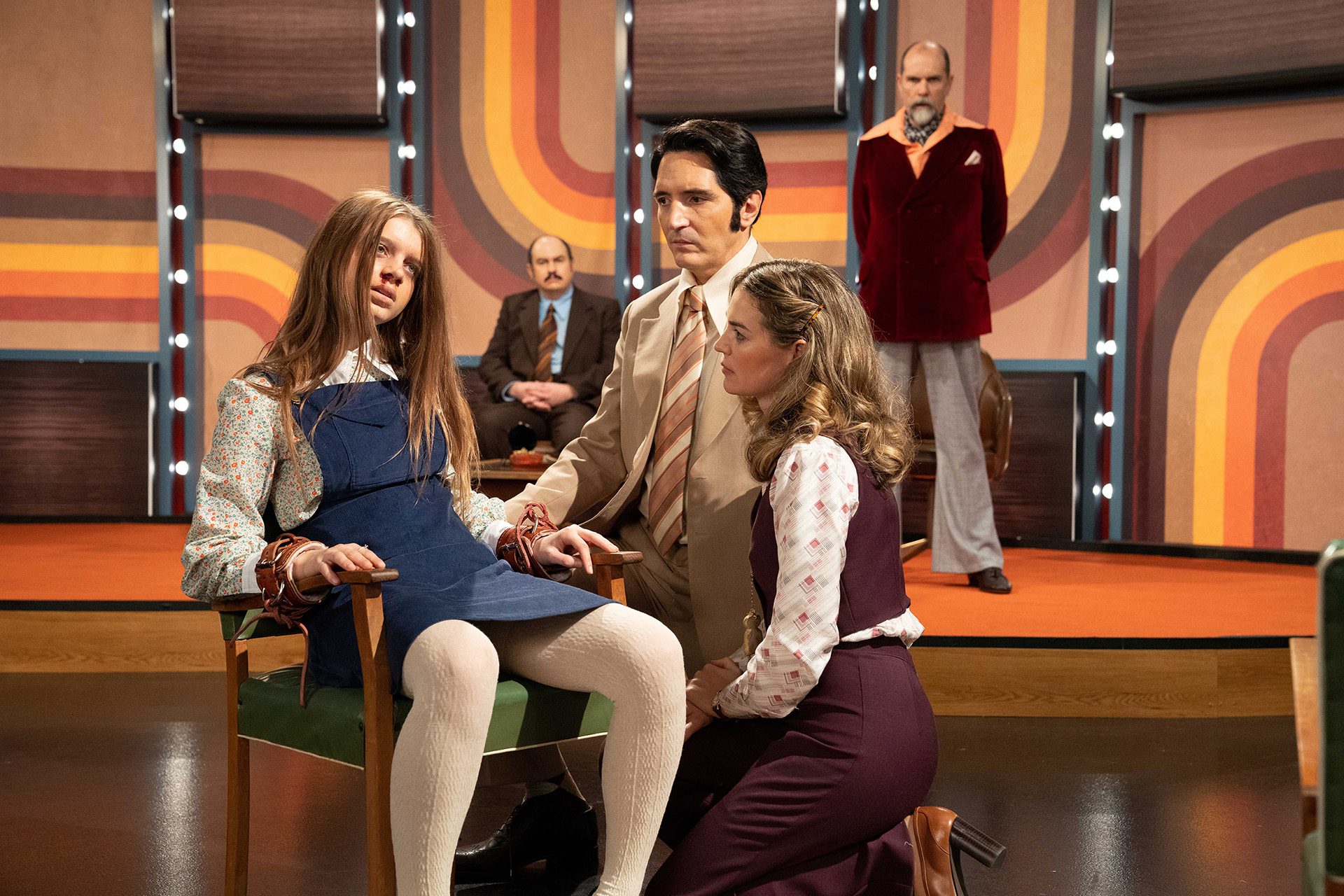
9. Late Night With the Devil

David Dastmalchian shined in this found footage horror film that took the guise of recordings from a broadcast of a 1970s late-night talk show. The film was genuinely creepy and disturbing as the show’s host, Jack Delroy (Dastmalchian), cameto grips with the realization that the occult-themed episode of his show had unpleasant connections to his own life.

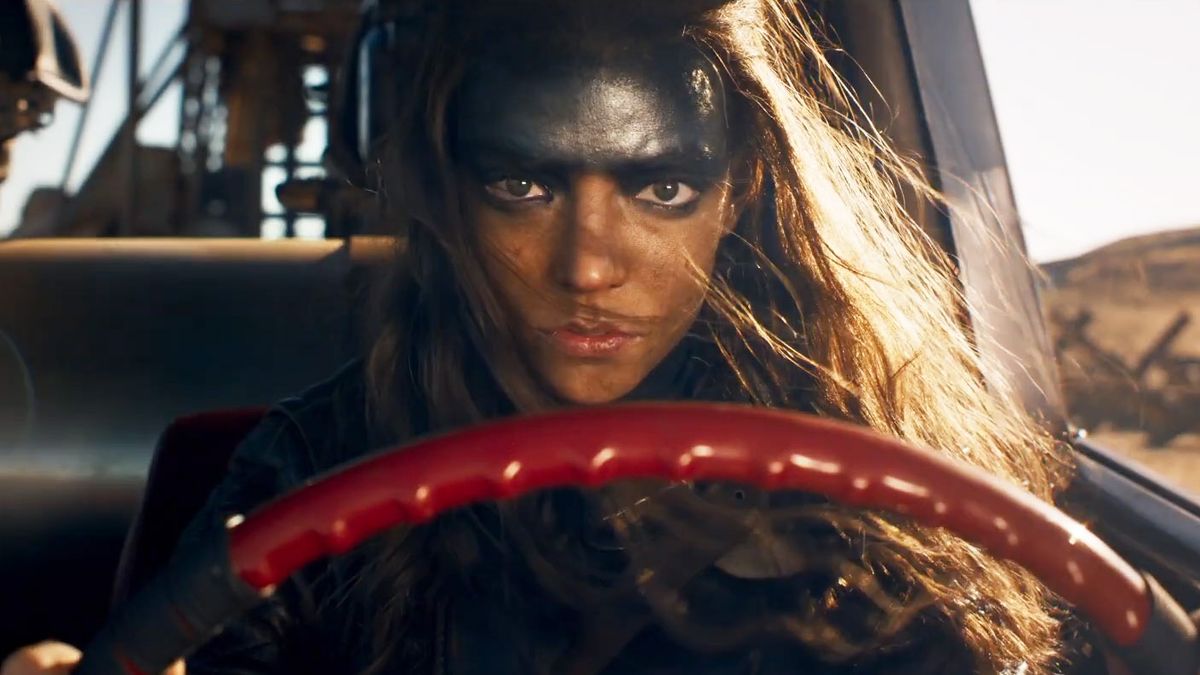
8. Furiosa: A Mad Max Saga

George Miller directed one of his finest films ever with an intense origin story about the breakout character from Mad Max: Fury Road. Anya Taylor-Joy was simply perfect as the younger version of Furiosa, who navigates her way through a brutal post-apocalyptic world overrun by vicious gangs and extreme car chases throughout barren deserts. It’s a Mad Max world at its best.

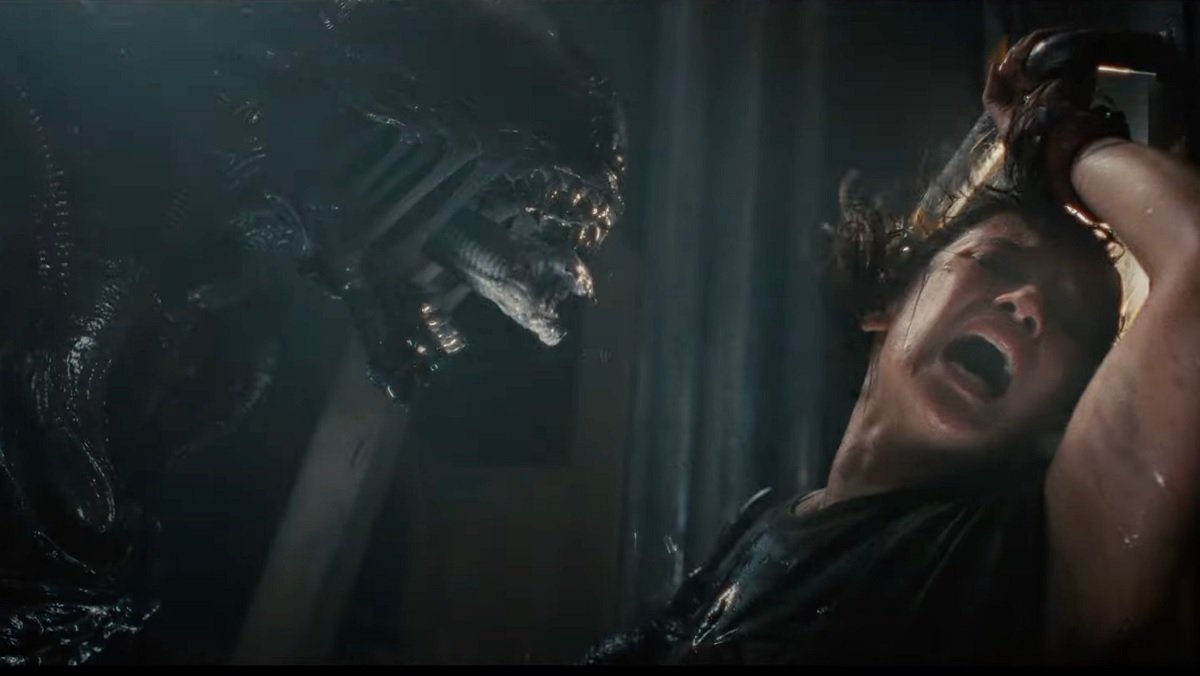
7. Alien: Romulus

The Alien franchise rightfully returned to its horror roots with this entry that takes place in a claustrophobic space station swarming with alien xenomorphs hunting down the main characters. Even though a lot of the material was familiar and had callbacks to the other films, Alien: Romulus was fresh and inventive with its back-to-basics approach.

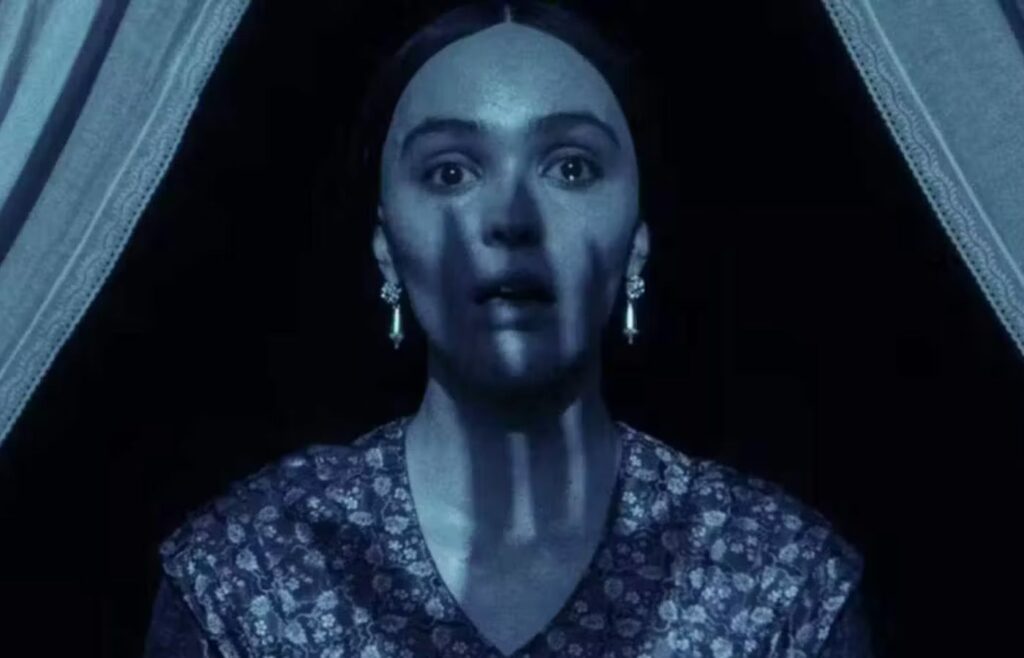
6. Nosferatu

The latest remake of the classic German silent horror film version of Dracula was genuinely creepy and disturbing. Director Robert Eggers has emerged as a true master of film horror with his version of Nosferatu that fully utilized disturbing sounds, eerie shadows, dark cinematography and an overall unsettling atmosphere that will keep you up at night.

5. Civil War

This is one of the most disturbing recent films to be released due to its subject matter of a near-future civil war in the United States and its ramifications. While the choice not to explain what caused the war and its apolitical stance may not satisfy everyone, this approach allowed director Alex Garland to focus on the cruelty and insanity of war and its impact on modern-day society. The film was also a powerful and cringe-inducing war film that ramped up intensely in the final act with a distressing, yet pulse-pounding battle in Washington, D.C.

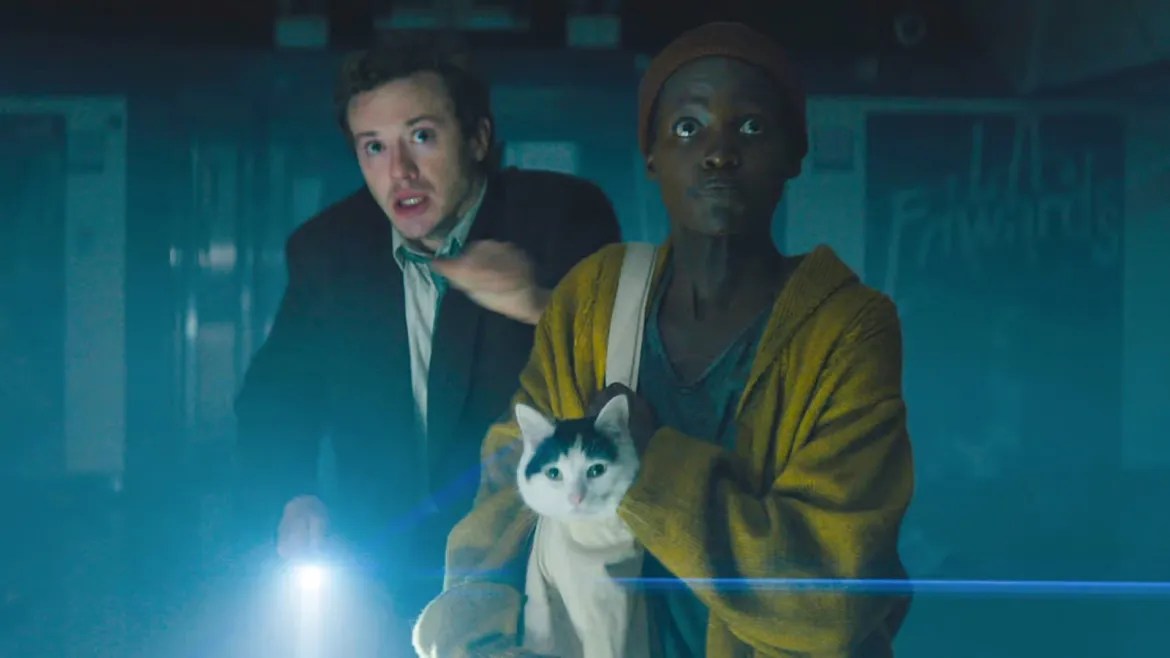
4. A Quiet Place: Day One

The third film in the A Quiet Place franchise, was a prequel that chronicled the early days of the alien invasion that devastated the Earth and brought it to a silent standstill. The film had the smarts to introduce new characters and a new setting which was a terrifying location for the invasion: a noisy New York City that could not help but attract the deadly alien creatures that murder anyone making sounds. Lupita Nyong’o and Joseph Quinn were outstanding as two misfit survivors trying to reach the home of Nyong’o’s character while avoiding the aliens. Their personal stories were the heart of the film and set the template for future installments.

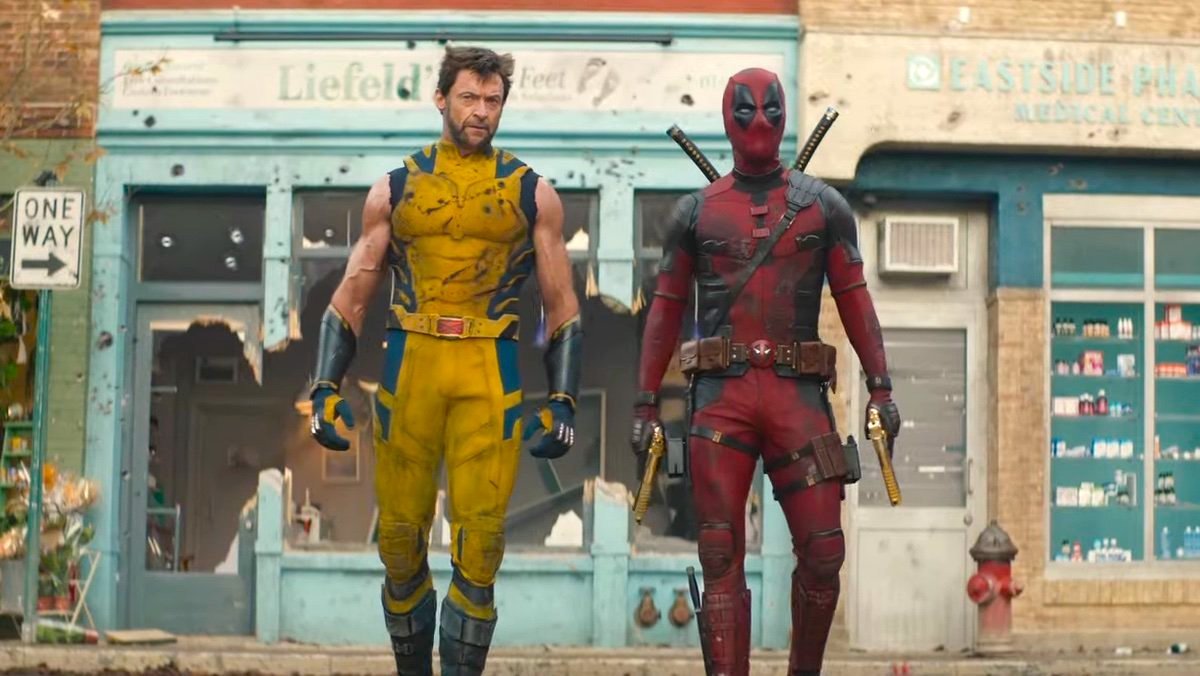
3. Deadpool & Wolverine

The fourth-wall-breaking Merc with a Mouth (Ryan Reynolds) teamed up with everyone’s favorite X-Man (Hugh Jackman) in a violent and humorous road/buddy trip throughout the multiverse. As the sole film release from Marvel Studios’ Marvel Cinematic Universe (MCU) for the year, Deadpool & Wolverine had a lot riding on it given the fact that recent MCU films have struggled. Fortunately, the film delivered a funny and entertaining romp that both serviced the grand MCU plotline about the multiverse and was a love letter to the now-defunct Marvel films from 20th Century Fox.

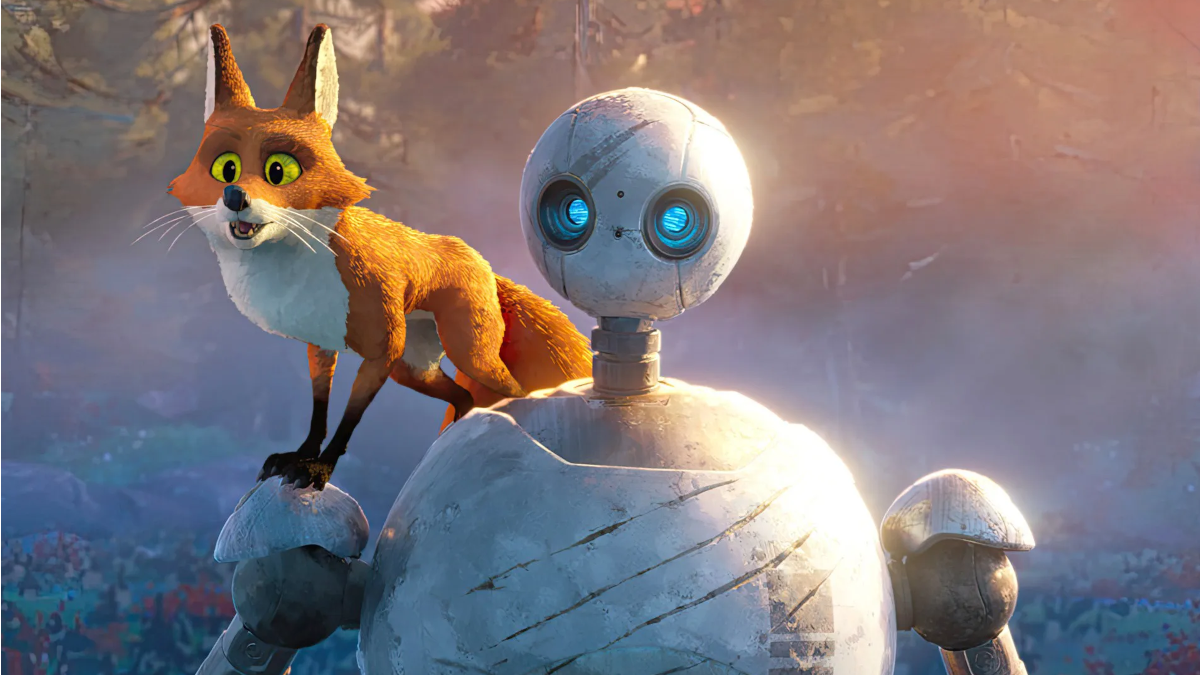
2. The Wild Robot

Arguably DreamWorks Animation’s greatest film, The Wild Robot is a heartwarming and beautifully animated adaptation of Peter Brown’s novel about a service robot in the future that was stranded on an island populated by animals that distrusted her. Over time, she gained their trust as she adopted and raised a young goose and befriended many of the animals. At the same time, the robot began to develop sentience and emotional attachments to her companions, especially her adopted child, who she must raise and protect.

The Wild Robot was surprisingly engaging with its themes of parenthood, friendship, environmentalism, and empathy. It is too bad that this will be DreamWorks Animation final in-house film since the company has proven it can deliver genuine animated classics as it did with The Wild Robot.

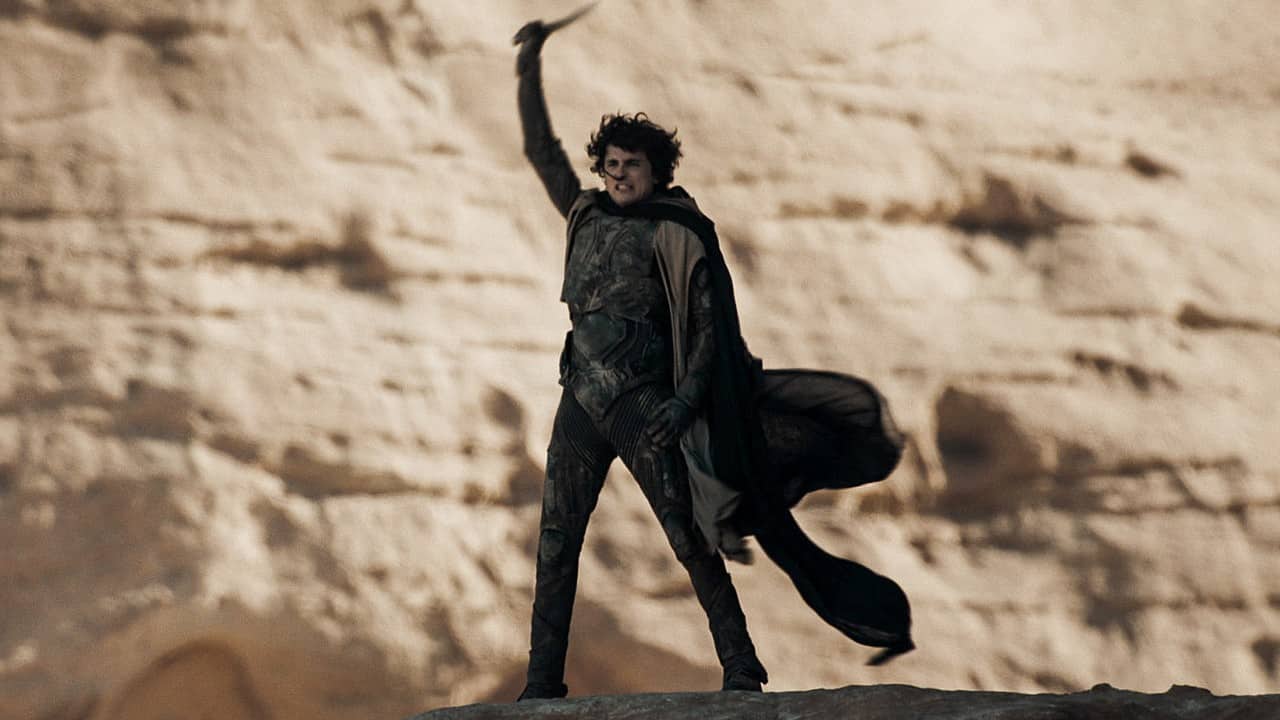
1. Dune, Part Two

Director Denis Villeneuve concluded his grand adaptation of Frank Herbert’s classic sci-fi epic novel about political and religious machinations and war in the distant future. Dune, Part Two actually adapted the second half of the novel and it was a wise decision to split the novel into two films since it allowed Villeneuve the time to fully explore the intricacies of the distinct human cultures across the universe.

While the film was wide-sweeping and bursting with glorious production values and effects, at its core, Dune, Part Two, focused on the burden of its main protagonist, Paul Atreides, who unwillingly became the messianic leader who leads the inhabitants of the desert world called Dune in a holy war. Any viewer could empathize with Paul’s struggle as he faced his destiny despite his doubts about his actions as he sought vengeance for his father’s death and freedom for his adopted people.

Dune, Part Two is a true cinematic epic that demonstrates once and for all, the validity of a solid sci-fi story being successfully adapted into a cinematic masterpiece. The film also establishes that Villeneuve is a true master of sci-fi films who has the bold vision needed to undertake such an adaptation.

Noteworthy Mentions:

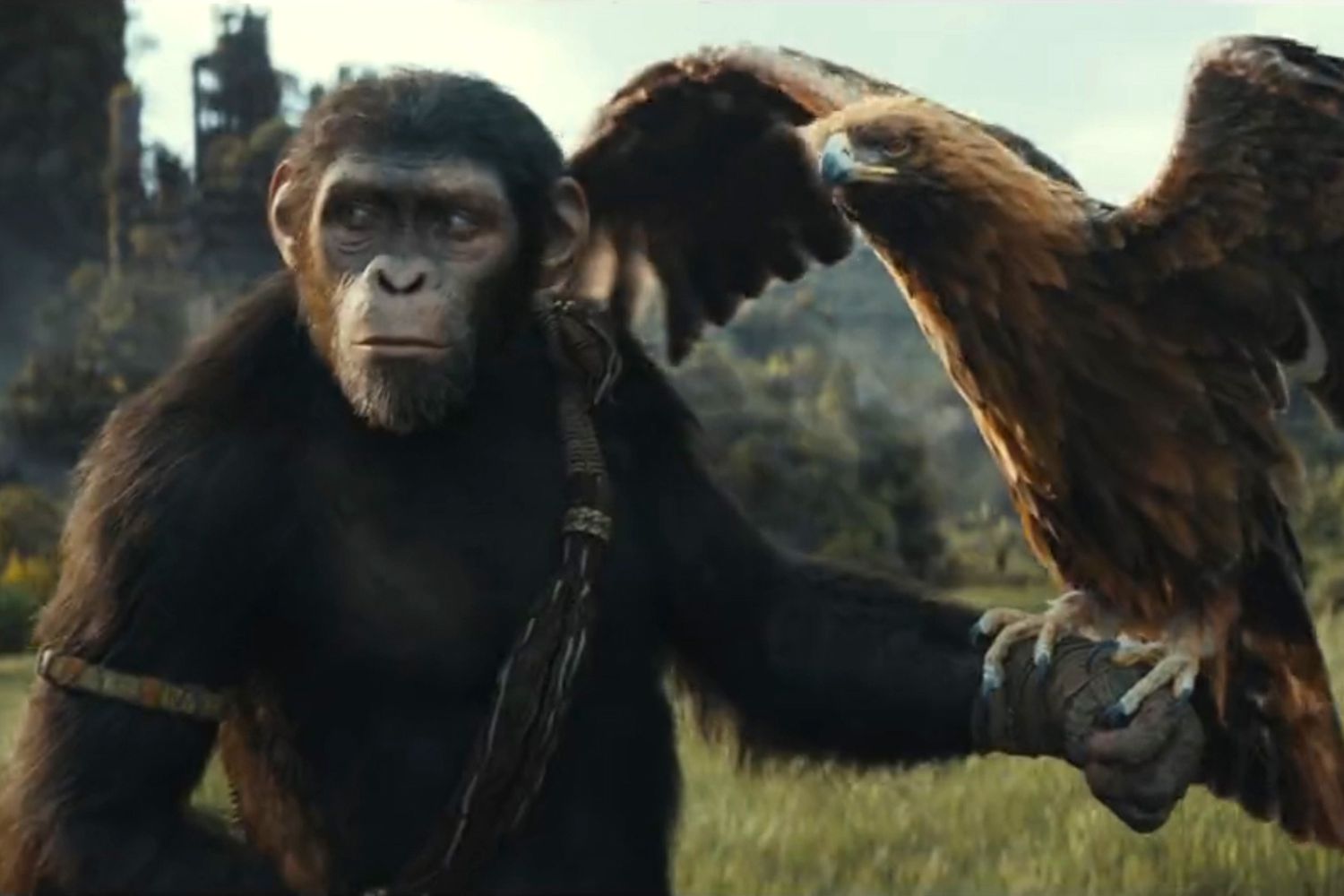
Abigail; Beetlejuice Beetlejuice; ElevationFlow; Ghostbusters: Frozen Empire; Godzilla x Kong: The New Empire; IF; Inside Out 2; Kingdom of the Planet of the Apes; The Substance; Transformers One; Venom: The Last Dance

Continue reading

Dark Matter Is The Multiversal Journey We’ve Been Looking For

Dark Matter, currently streaming on Apple TV+, just concluded its first season as it took viewers on a mind-numbing journey throughout the multiverse.

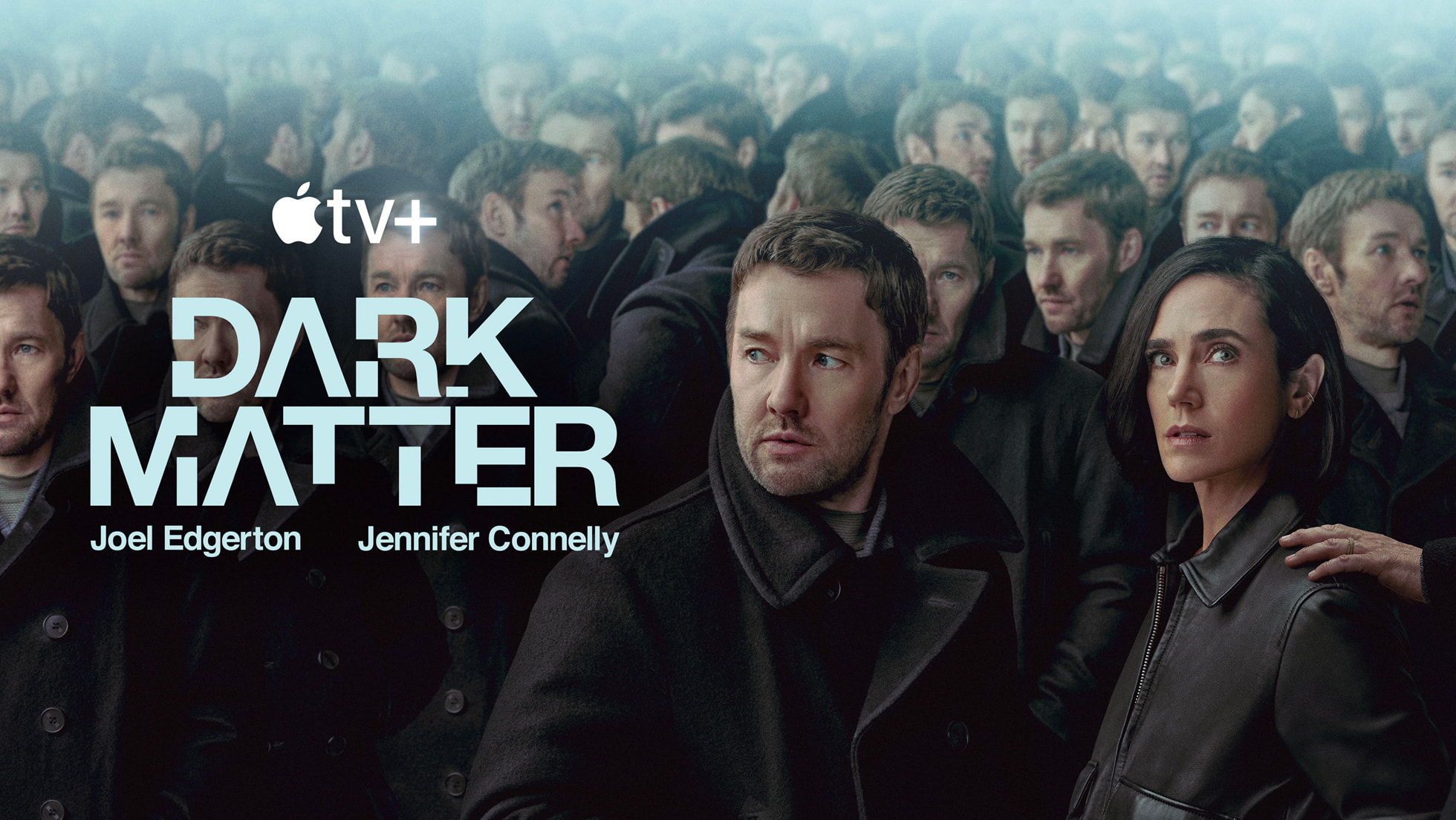
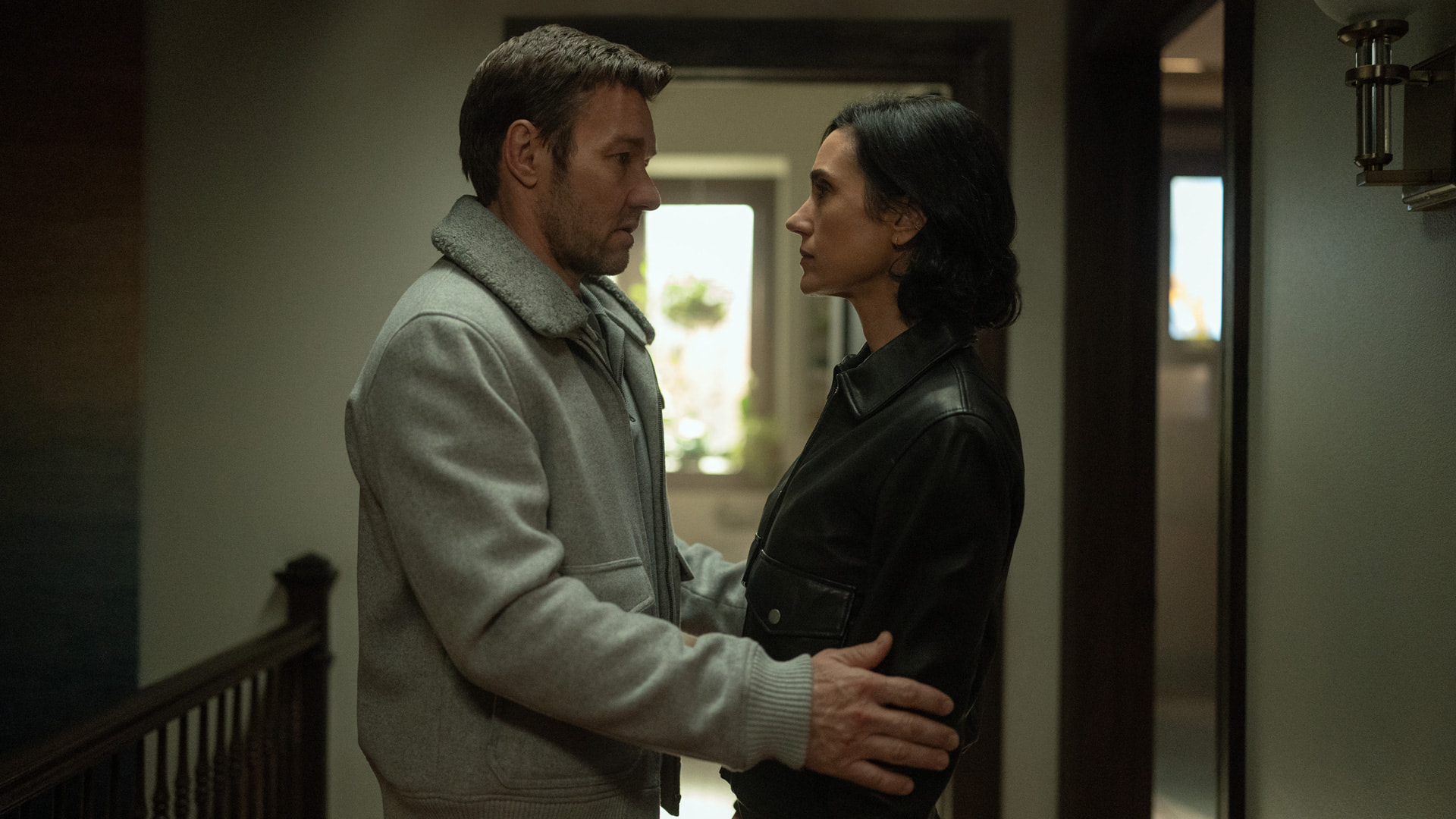
Based on the novel by Blake Crouch, Dark Matter tells the story of Jason Dessen (Joel Edgerton), a mild-mannered physics professor who is kidnapped one night by a stranger and left in a world not quite like his own. It is revealed that the stranger is himself. Actually this is an alternate version of Jason from another reality who switches places with Jason. In the alternate reality, Jason is a world-famous scientist who built a machine that lets people travel to other universes. This alternate Jason forced the original Jason to switch places because of his life which he covets. The original Jason is married to Daniela (Jennifer Connelly) and has a teenage son, Charlie (Oakes Fegley), which is something the alternate Jason doesn’t have in his universe.

As the alternate Jason tries to fit in to the original Jason’s more mundane life, the original Jason with the help of the alternate Jason’s girlfriend, Amanda Lucas (Alice Braga), goes on a life-altering journey throughout the multiverse as he attempts to find his way home.

The concept of the multiverse was a somewhat obscure subgenre of sci-fi books but has recently gained popularity in mainstream media. The most famous examples were the TV show Sliders and the award-winning film Everything, Everywhere, All at Once, and Doctor Strange in the Multiverse of Madness. Whereas both films approached the multiverse concept at different extremes, Dark Matter manages to take a more centered approach that doesn’t go overboard with weird universes of talking rocks or holding back on the multiverse concept.

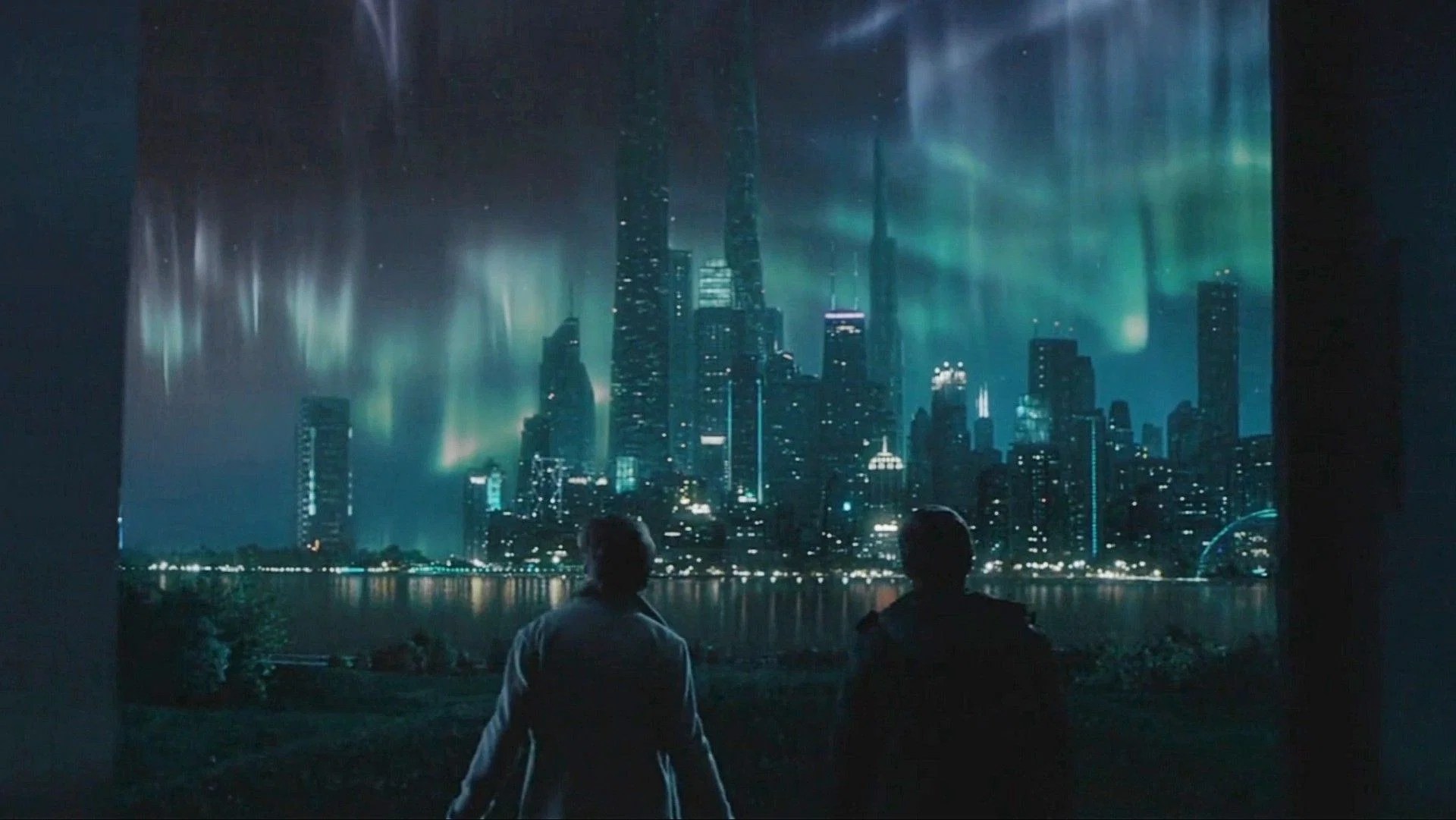
At first, the TV show takes place in two universes, but soon goes into a wild journey throughout the multiverse as Jason and Amanda explore universes that are either mundanely different, such as Danila having blonde hair or extreme, as seen where the duo are trapped in a world frozen over in an ice age.

Strongly supporting these journeys is the great performance by Joel Edgerton who is able to convey different subtleties to his characters. What was interesting was that while the alternate Jason is the show’s antagonist, he is not some mustache-twirling villain. He only wants a chance to live on the road he did not take. In his world, he let Daniela go years ago and came to regret it. What makes him so much scummier is his inability to let her go and move on with Amanda. We cannot help rooting and sympathizing with the original Jason as he discovers that each world he visits is not his own. It was painful to see him falling apart as he sees alternate versions of his family dying or never existing.

The other actors, especially Connelly and Braga, also turn in memorable performances, as each of them grapple with the consequences of Jasons’ journeys and actions. It was always interesting to see the alternate versions of the people in Jason’s life, which made each episode so watchable.

Equally as enthralling were the journeys themselves. Thankfully, the worlds they visited were not the cliche alternate worlds were the Nazis won World War II or Barack Obama never became the U.S. president. The TV show instead concentrated on having the characters visit worlds with either tiny differences from Jason’s or were wildly different. One brief but terrifying visit had Jason and Amanda nearly killed as they stepped into a world which had no atmosphere. An intriguing twist to these journeys was the realization that each world any character visited was influenced by their state of minds, which made Jason’s goal of getting home that much harder and desperate. Complicating his journey is the growing relationship he has with Amanda, which leads him to recognize his hopeless situation yet he remains committed to his world and Daniela and Charlie.

As fascinating as the journeys were, what made each of them so engaging were Jason’s reactions to them. We sympathize with him as each journey leads to bitter disappointment or pain. We know each heartbreak taxes Jason and we could only hope that the setbacks do not have dire effect on his mind and soul.

Dark Matter took a wild twist in its final episodes that could be confusing to viewers not paying enough attention. But the last episodes were intensely riveting and enthralling for viewers who have followed Jason’s odyssey. It’s not certain if there will be a second season for Dark Matter, even though there were a few potential plot threads that could be followed up if the series continued. Still, Dark Matter concluded in a satisfying manner and whether or not it gets cancelled the series merits watching by fans of multiverse stories and fine sci-fi.

MCU Kang Actor Jonathan Majors Found Guilty

Jonathan Majors, very recently one of the most promising rising actors and best known for his role as Kang the Conqueror in the Marvel Cinematic Universe (MCU), has been found guilty today for assault and harassment in New York City.

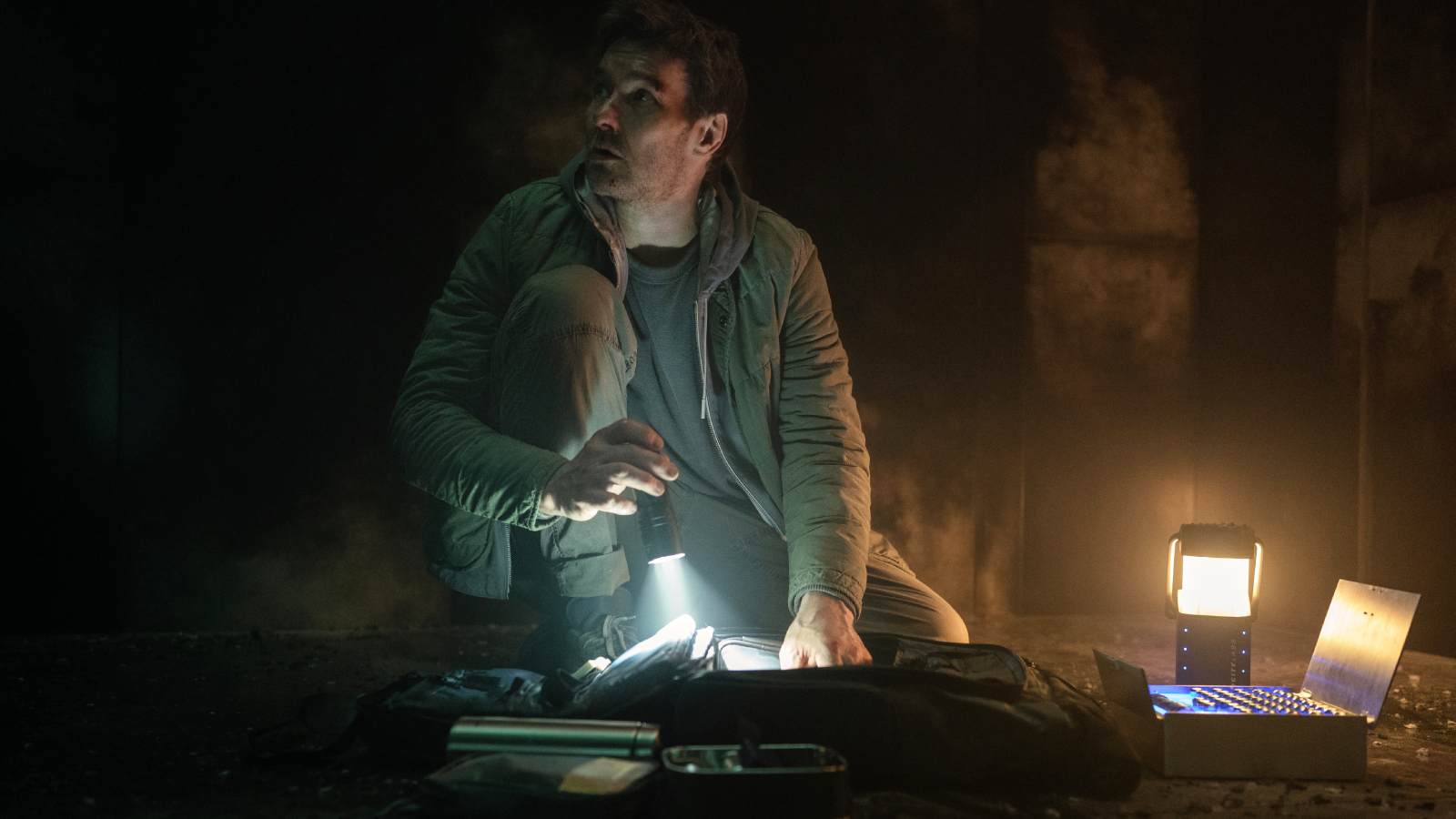
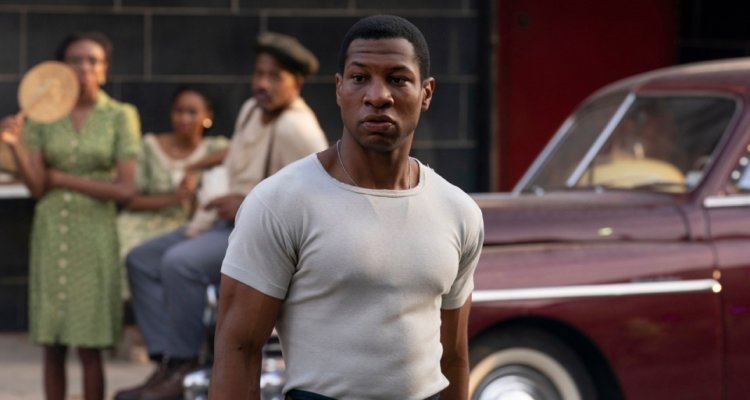
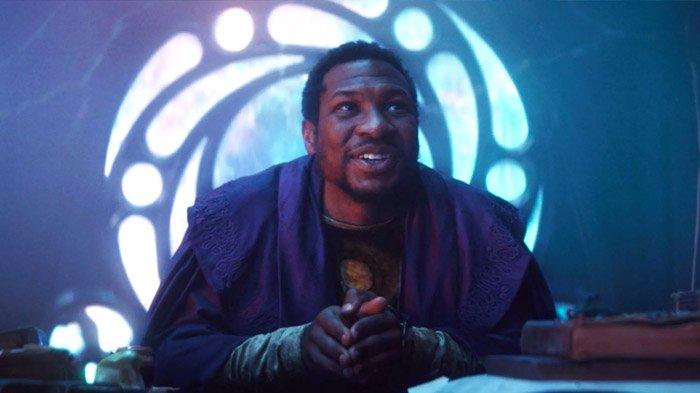
Early this year, Majors had been on an upward trajectory with his acting career, winning a lot of acclaim for his many performances. His most prominent genre roles were as Kang/He Who Remains/Victor Timely in Loki and Ant-Man and the Wasp: Quantumania, as well as Atticus Freeman in Lovecraft Country, and Rafe Drummond in Captive State. In March of this year, Majors was arrested for assault after a major domestic dispute with his girlfriend that turned physically violent. This arrest at the time put his future as Kang in doubt, as well as with other acting projects.

Now that he as been found guilty for misdemeanor charges of third-degree assault and second-degree harassment, Marvel Studios and its parent company Disney have already dropped him from his role as Kang and his acting career is over.

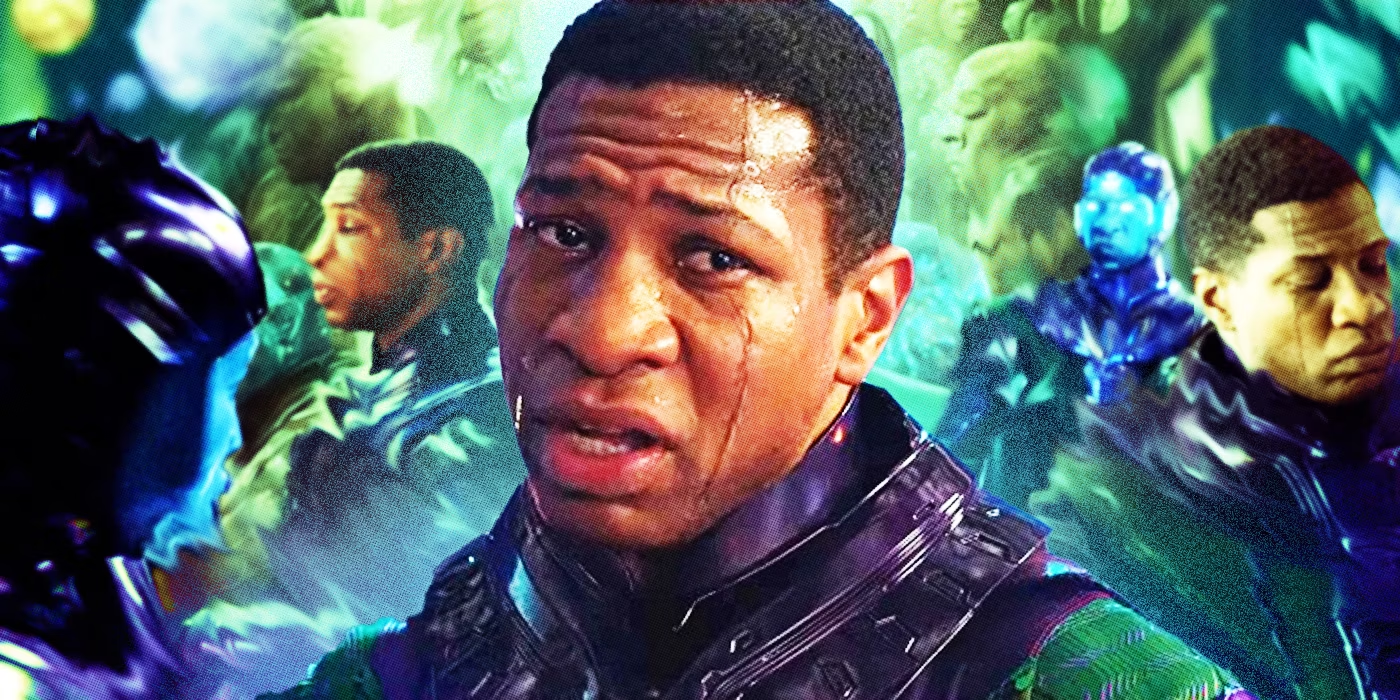
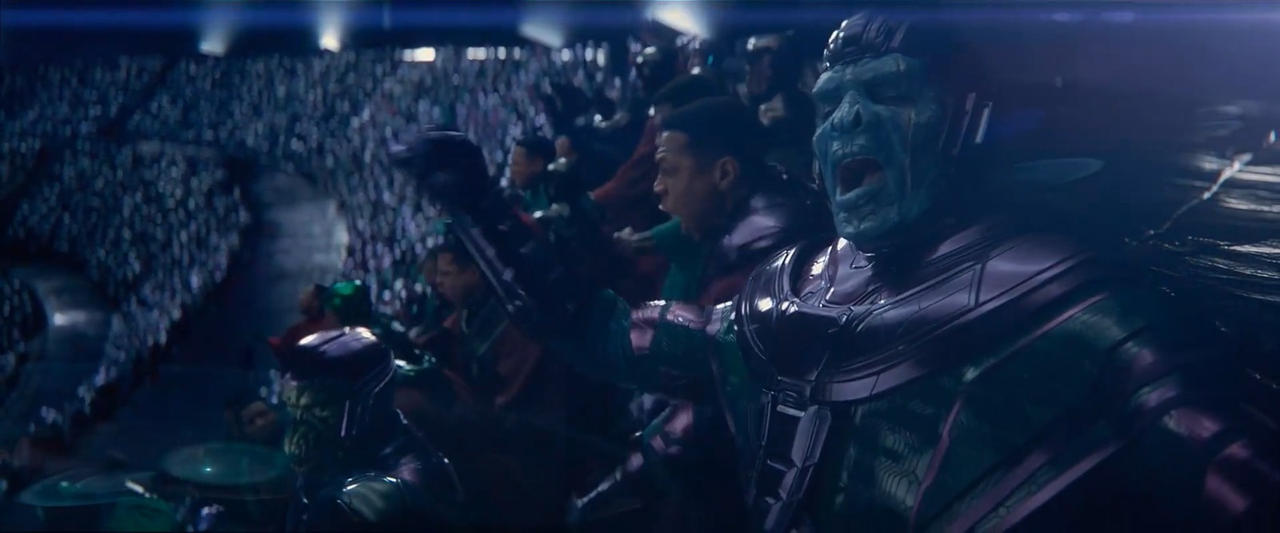
Ordinarily this turn of events would have been catastrophic for Marvel Studios and its MCU given that Kang was supposed to be the cinematic universe’s main villain for its upcoming slate of films including Avengers: The Kang Dynasty. However, being that the character is heavily involved with multiverses and variants as seen in Loki and Ant-Man and the Wasp: Quantumania it should be fairly simple for Marvel Studios to recast the role. To satisfy fans who would question why the character looks different going forward, an in-universe explanation could be that a new variant of Kang came into prominence. There is already precedent for other types of Kangs. In a post-credits scene for Ant-Man and the Wasp: Quantumania we witness not just several thousand Kangs but some that were not even human. So, recasting Kang should not be an issue.

It is regrettable that this has happened given Majors’ talent, but he was found guilty and has to pay for his crimes. His acting career is over but after facing justice, Jonathan Majors will have a chance to get the help he needs.

As for Disney and Marvel Studios, this is just another headache they’ve had to contend with and the second time an actor was suddenly not available for a prominent role as we saw when Chadwick Boseman passed away. It is best for Marvel Studios to move on as they already have in order to prevent any more delays with their upcoming MCU projects. But, the best lesson for the studio is to properly vet the actors and other filmmakers to prevent any future controversies with its MCU projects.

Getting back to Kang’s future in the MCU, just because Jonathan Majors can no longer play Kang, this does not mean the character has to be discarded. Kang showed a lot of potential as a captivating villain and the storyline about a rampant multiverse is rather interesting and should be allowed to be concluded in Avengers: The Kang Dynasty. Hopefully, Marvel Studios will find the right person to replace Jonathan Majors and continue with the multiverse storyline.

The MCU Woes, Part II: How To Correct Itself

The latest online trend has been to bash Marvel Studios and its Marvel Cinematic Universe (MCU). Toxic trolls have been pouring out with uncontrolled glee proclaiming Marvel Studios is too woke and deserves to fail. They point to the disappointing reception for many of the MCU’s latest offerings as proof that the brand is dead. Further adding fuel to the fire, Marvel Studios has delayed many of its productions to improve them.

It is undeniable that the MCU brand has taken some hits and is not regarded as highly as it was during its heyday, to call the brand dead or beyond repair is a gross exaggeration.

Thankfully, Marvel Studios and its parent company Disney have recognized the situation and are taking concrete steps to course correct and ensure the MCU regain its reputation for quality superhero films and TV shows. Sure, the MCU has taken its lumps, but what brand is not immune to this? Many times it is good to take a tumble, this gives one the chance to learn from mistakes and improve. This is what is going on with the MCU.

First of all, Marvel Studios has shown the willingness to scrap what they have worked on and start over. One example is the Daredevil: Born Again TV show which has been scrapped and been redone. Another example is that Captain America: Brave New World has been delayed in order to rework it due to a poor test screening. Then there are the rumors that Kang will be written out of the future films and TV shows in favor of Doctor Doom. This would take care of the situation with Jonathan Majors facing trial for domestic abuse, especially if he is found guilty. These examples demonstrate that Marvel Studios is willing to take the necessary steps to take the time to produce the best projects possible.

Better Scripts Needed

However, the first and most important step that needs to be taken is to devote more time to the scripts. Allow the writers to tell proper stories and DO NOT GO INTO PRODUCTION UNLESS THE SCRIPTS ARE COMPLETED TO EVERYONE’S SATISFACTION. This would largely take care of the problem of realizing a film is not working and having to do major retooling with it in post-production. This is why recent projects like Secret Invasion fared so poorly. It’s been reported that Secret Invasion had major overhauls and rewrites in the middle of its production, which is why the end product seemed so underdeveloped and rushed. On the other hand, look at two recent MCU successes: Loki Season 2 and Guardians of the Galaxy, Volume 3. Both productions had well-crafted scripts that were full of heart and flowed well. More importantly the stories logically reached their conclusions while servicing the characters. This is a major reason why both projects received so much acclaim and performed well.

Even though it is important to follow a certain narrative as dictated by the higher ups and to meet deadlines, the screenwriters should be given more autonomy with their scripts. It is also important at this point with the MCU to hire great writers who have a record of turning in terrific and solid screenplays.

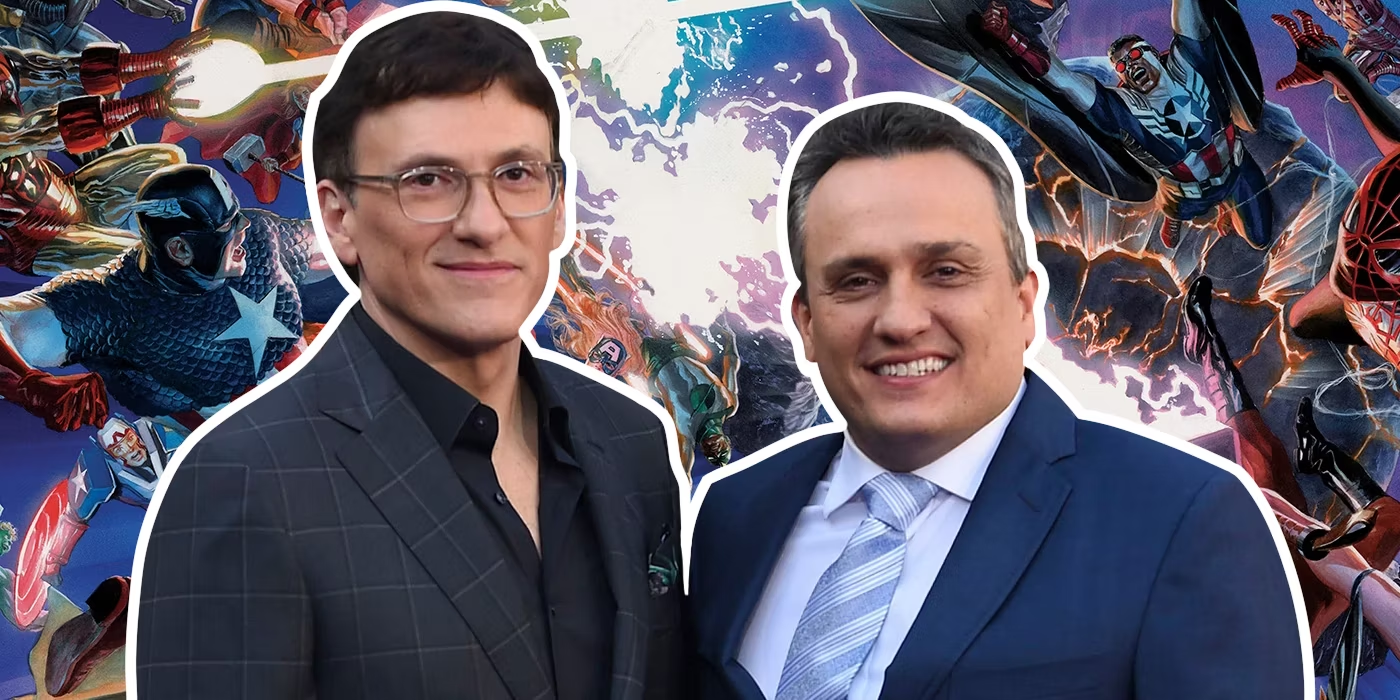
The same should go with directors. This is a difficult task given that Marvel Studios is more hands on with their productions than normal. Still, the past has shown us that great directors like James Gunn and Ryan Coogler, and the Russo Brothers can work within the confines of an MCU production and deliver great films. Oftentimes, Marvel Studios hires relatively unknown directors who wilt under the pressure and demands of the studio and turn in mediocre films or TV shows. Marvel Studios has to make sure that the best possible directors are hired for their projects. If they want to go with lesser known (and cheaper) directors, have them feel their oats with some of the TV shows. Michael Giacchino is a prime example of this. Known only for his film scores, Giacchino blew everyone away with his directing duties in Werewolf By Night.

Continue reading