
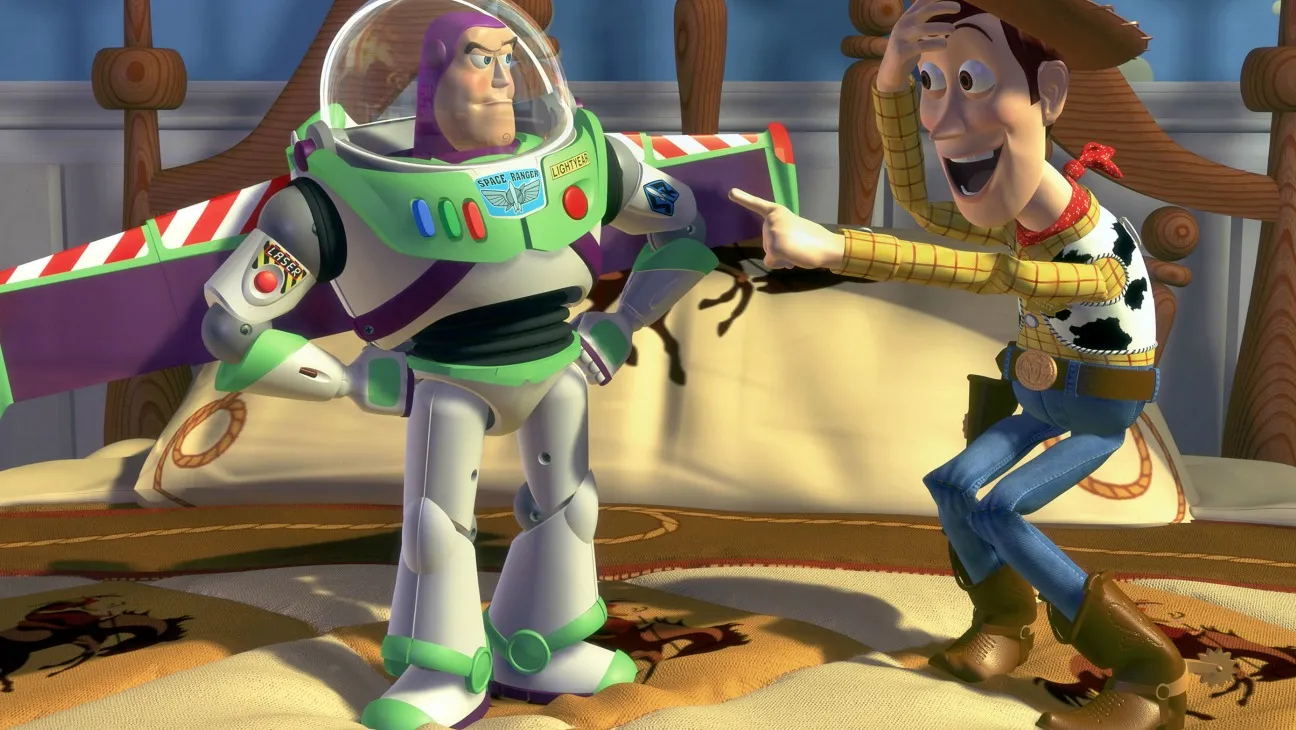
Thirty years ago, Toy Story was released in theaters by Pixar, which at that time was its own independent company owned by Steve Jobs. The animated masterpiece instantly caught everyone’s attention with its revolutionary 3D animation that changed animated films forever.
3D or computer animation existed before Toy Story, of course, but the film about toys that come to life whenever their owners are not around, was the first feature-length film to exclusively use this kind of animation. The use of computers in animated films had been going on for years since the 1980s and 1990s. Disney used computers on a wider scale with its traditional animated classics like Aladdin and Beauty and the Beast, but those films were still two-dimensional and by the mid-90s that kind of animation had reached its peak in what could be done with it as an art form. The world of animation was ripe for new approaches.
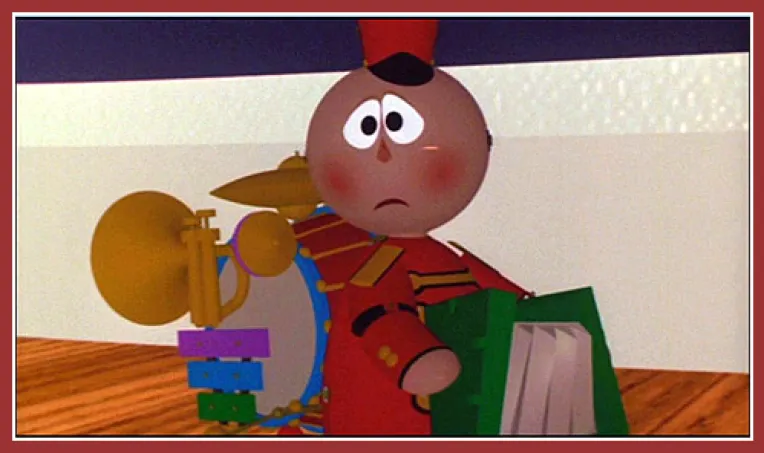
Enter John Lasseter, the creative genius behind Pixar. Working with a team of innovative artists and computer technicians, Lasseter experimented with 3D animated film shorts that caught the eyes of many film studios, especially Disney. Some of the films like Tin Toy, Knick Knack and Luxo, Jr. stood out with the pioneering use of 3D animation. In fact, Tin Toy won the Academy Award for Best Animated Short Film, the first 3D-animated film to do so. As Pixar created and released these shorts, they prepared themselves to produce a full-length animated film, which turned out to be Toy Story. At this time, Disney was eager to work with Lasseter and proposed that he create a feature-length film that Disney would distribute, to which Pixar agreed.
At first, Pixar’s first animated film was supposed to be a sequel to Tin Toy and would have featured the title character and his dummy companiion trying to find their way into the hands of children. But Disney was not happy with the script and after much retooling, the Tin Toy characters were replaced with the original creations Woody the cowboy doll and Buzz Lightyear the high-tech electronic doll. They had clashing personalities which generated genuine laughs, but had to work together to find their way to their child owner.
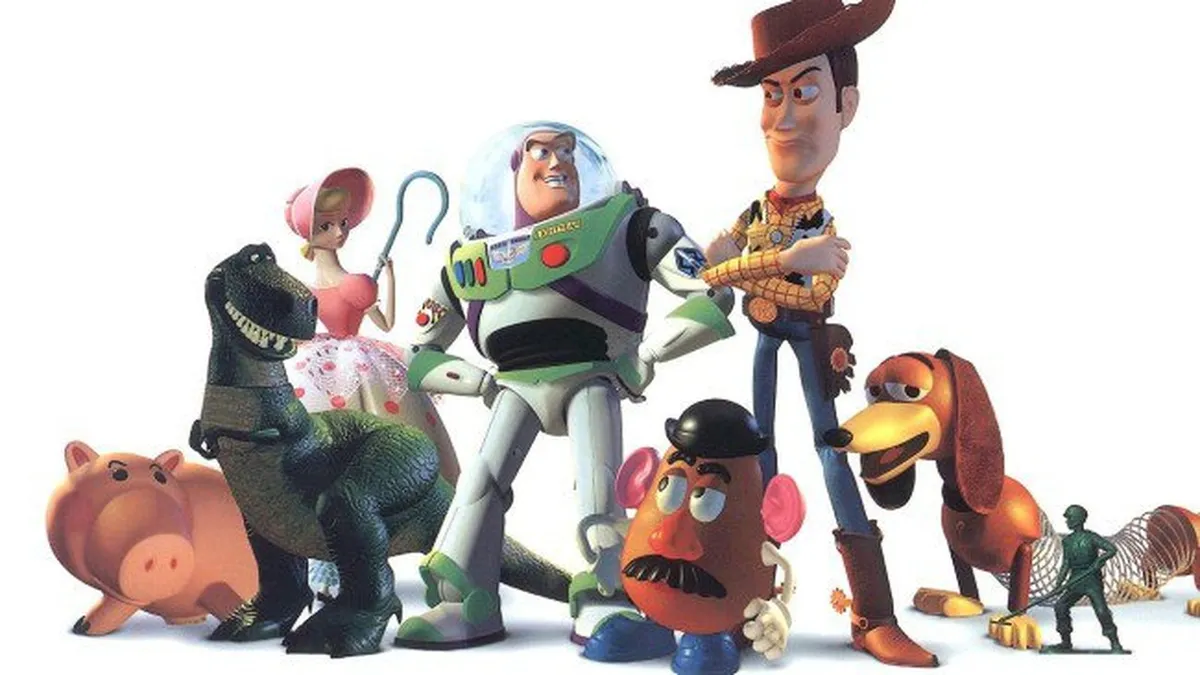
Turning Toy Story into an animated buddy film with two completely different characters sparring with each other then becoming great friends was an inspired decision. This development injected a lot of heart and humor into the script and gave the two lead characters distinct personalities that most viewers could relate to. For instance, Woody was the leader of the toys owned by the child, Andy. His status is threatened with the arrival of Buzz Lightyear, the new hot toy on the block that quickly becomes Andy’s favorite toy. Woody is jealous and resentful towards Buzz as he lost his status and his actions cause both he and Buzz to be lost and the two have to find a way back to Andy’s home. What also helped tremendously was the casting of vocal actors Tom Hanks and Tim Allen to play Woody and Buzz. Both actors had great vocal chemistry with each other and comedic timing that rivaled many classic comedy duos.
The film featured many other memorable characters voiced by great actors that embedded the toys with a lot of personalities. Take for instance the legendary comedian Don Rickles who played Mr. Potato Head or R. Lee Ermey as Sargeant, the no-nonsense military leader of the tiny green plastic army men. Seeing many classic and real-world toys appearing in the film was a hysterical and brought back many memories for adults and joy to children. A large part of the film’s appeal was that both adults and children could equally enjoy it, and this became one of Pixar’s strongest selling points with their future films.
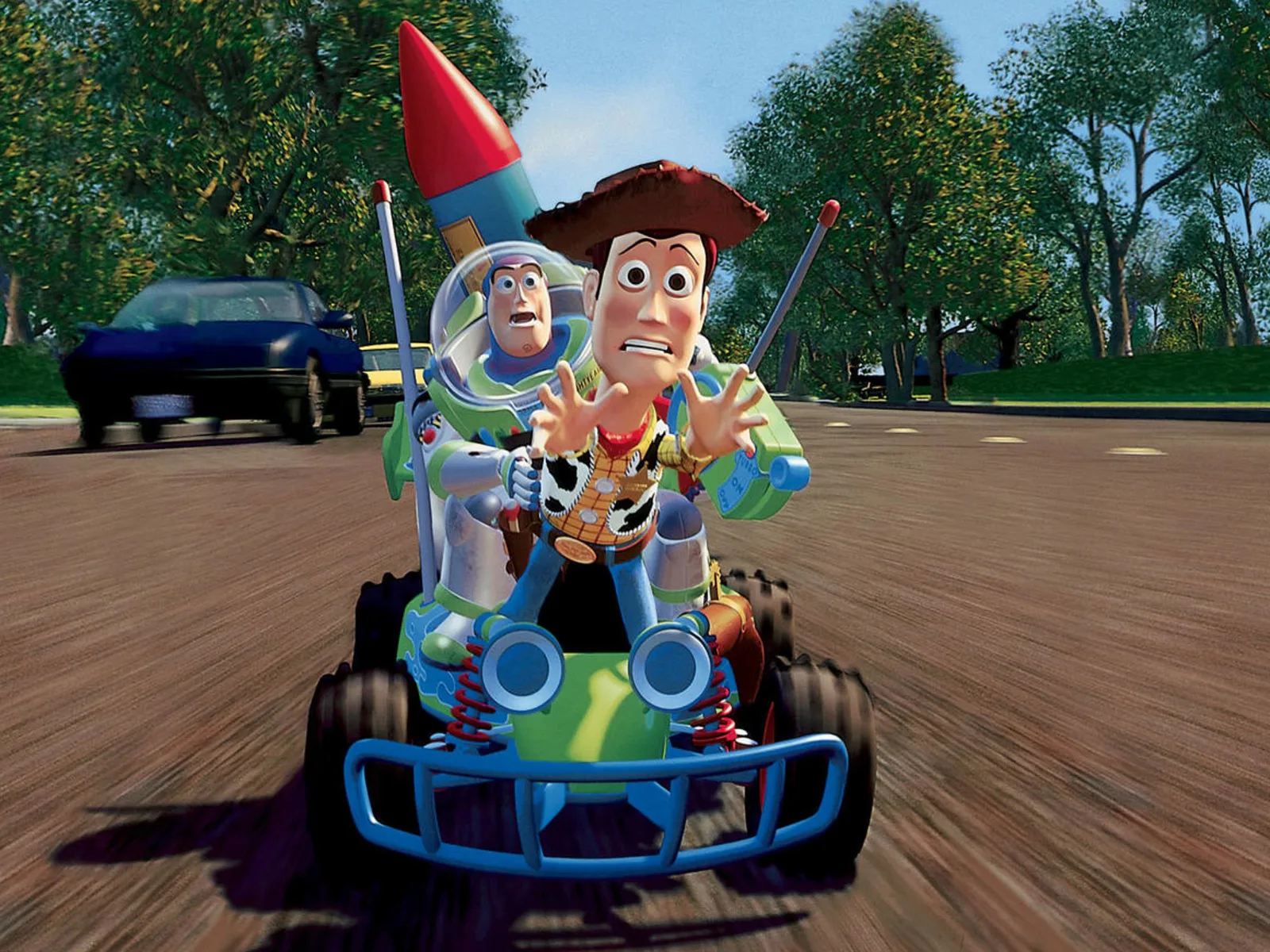
Toy Story was an instant hit and a bonafide classic when it was released in theaters on November 22, 1995 as it caught the imagination of viewers. While the computer animation was a distinct selling point, what made the film so beloved was its script, direction and characters who are still relevant to this day. There is even a Toy Story 5 that will be released next year. That is fortunate because while the 3D animation was revolutionary for its time, some of the animation does look a bit dated, especially when it came to depictions of humans.
Of course, the success of Toy Story inspired many film studios to rush out with their own computer animated films to varying degrees of success. Some like Dreamworks and Illumination produced their own classic films but few could capture the magic and whimsy of Toy Story. Still, regardless of quality, the early computer animated films crowded out traditional 2D-animated films and even Disney jumped on the bandwagon with their own 3D-animated films. But it would take Disney some time to create their own films that rivaled Pixar’s in terms of quality. Unfortunately, the success of Toy Story spelled the end of traditional 2D-animated films, at least with American films. The last traditional animated film that Disney released was The Princes and the Frog in 2009. It’s true that there are many advantages with 3D animation, but it is a mistake to completely discard two-dimensional animation. What these studios have failed to realized is that the success of Toy Story and other quality Pixar films, including the Toy Story sequels, was not solely due to its animated technique but because of the story and characters. Hopefully one day, a visionary creator at a major studio will be able to produce a quality two-dimensional animated feature length film that will be successful.
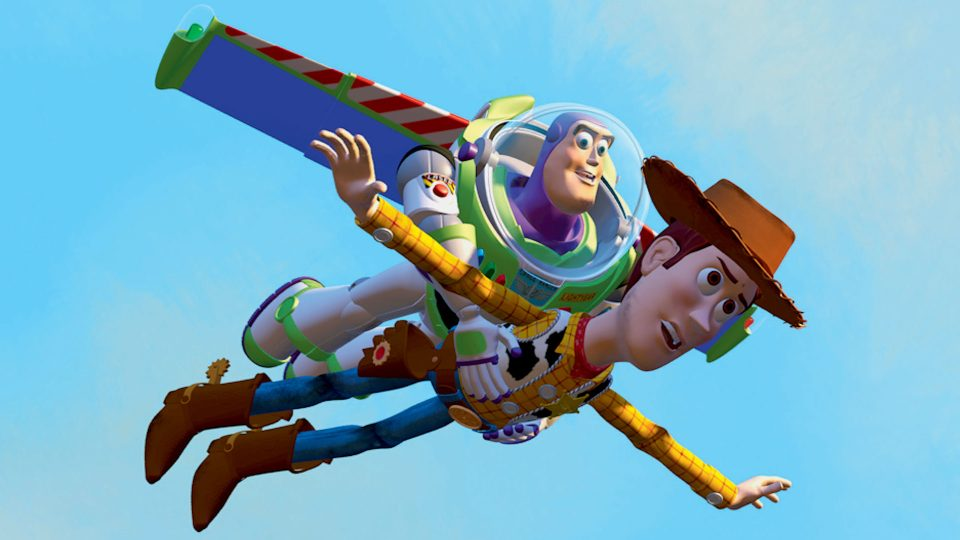
Much like Snow White and the Seven Dwarves was revolutionary in its day and changed films by introducing the concept of full-length animated films, so did Toy Story. It is not an exaggeration to say that Toy Story revolutionized animated films when it premiered 30 years ago as we are still feeling the impact of the classic film that is just as enjoyable as when it was released 30 years ago.
 Starloggers