Ahsoka Is An Incomplete Star Wars TV Show

The latest Star Wars TV show streaming on Disney+, Ahsoka, just concluded its first season which left many questions unanswered while providing lots of member berries for Star Wars fans. Whether or not that is bad or good would depend if you are a fan of Star Wars: The Clone Wars and Star Wars: Rebels.

Ahsoka is for the most part an enjoyable and even riveting Star Wars TV show with great characters, special effects and expands the Star Wars lore. On the other hand, its pace is uneven with some episodes feeling wooden and stilted thanks to timid direction and it crams in so many characters and sub-plots that could not possibly be resolved in eight episodes. Guess what? Many of the sub-plots were left unresolved. This gave the impression that Ahsoka was merely a prologue for a larger storyline. Evidence for this is the fact that a Star Wars film is being planned that will combine the stories and characters from Ahsoka and most of the recent Star Wars TV shows. That’s very ambitous, but after viewing the final episode, the overral feeling is that the TV show is incomplete.
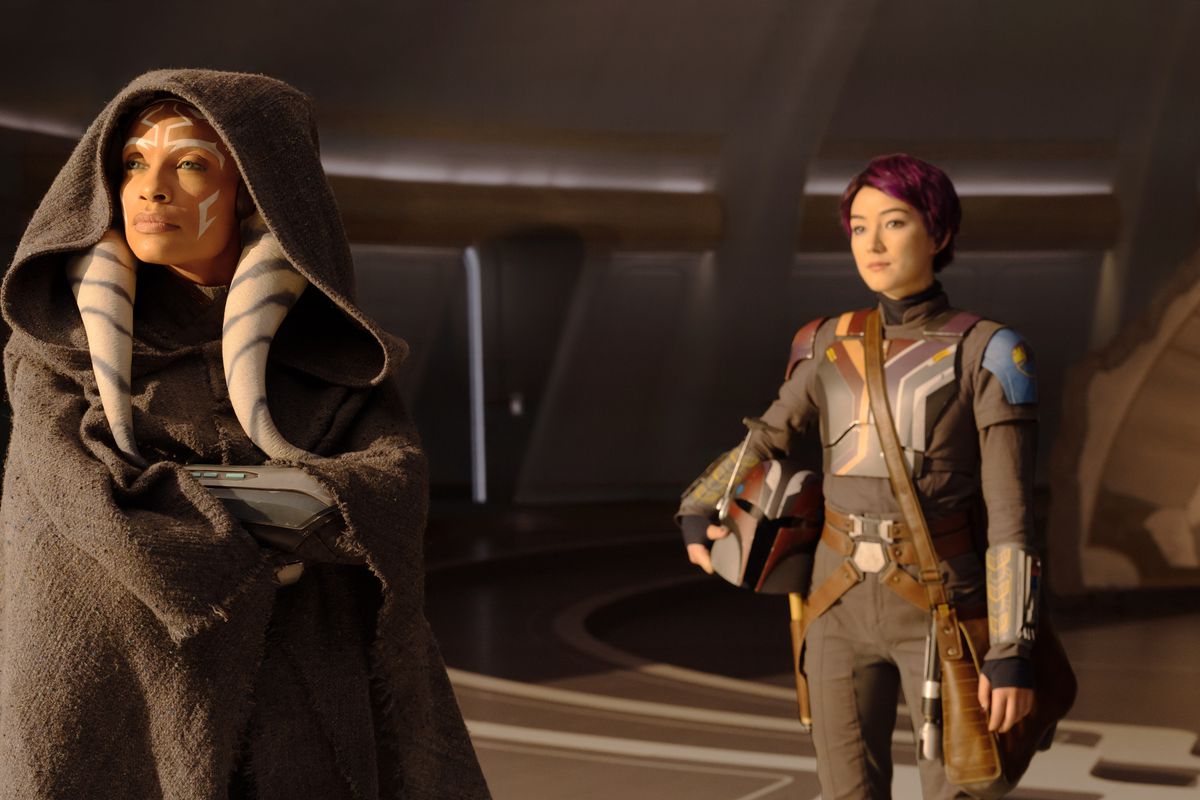
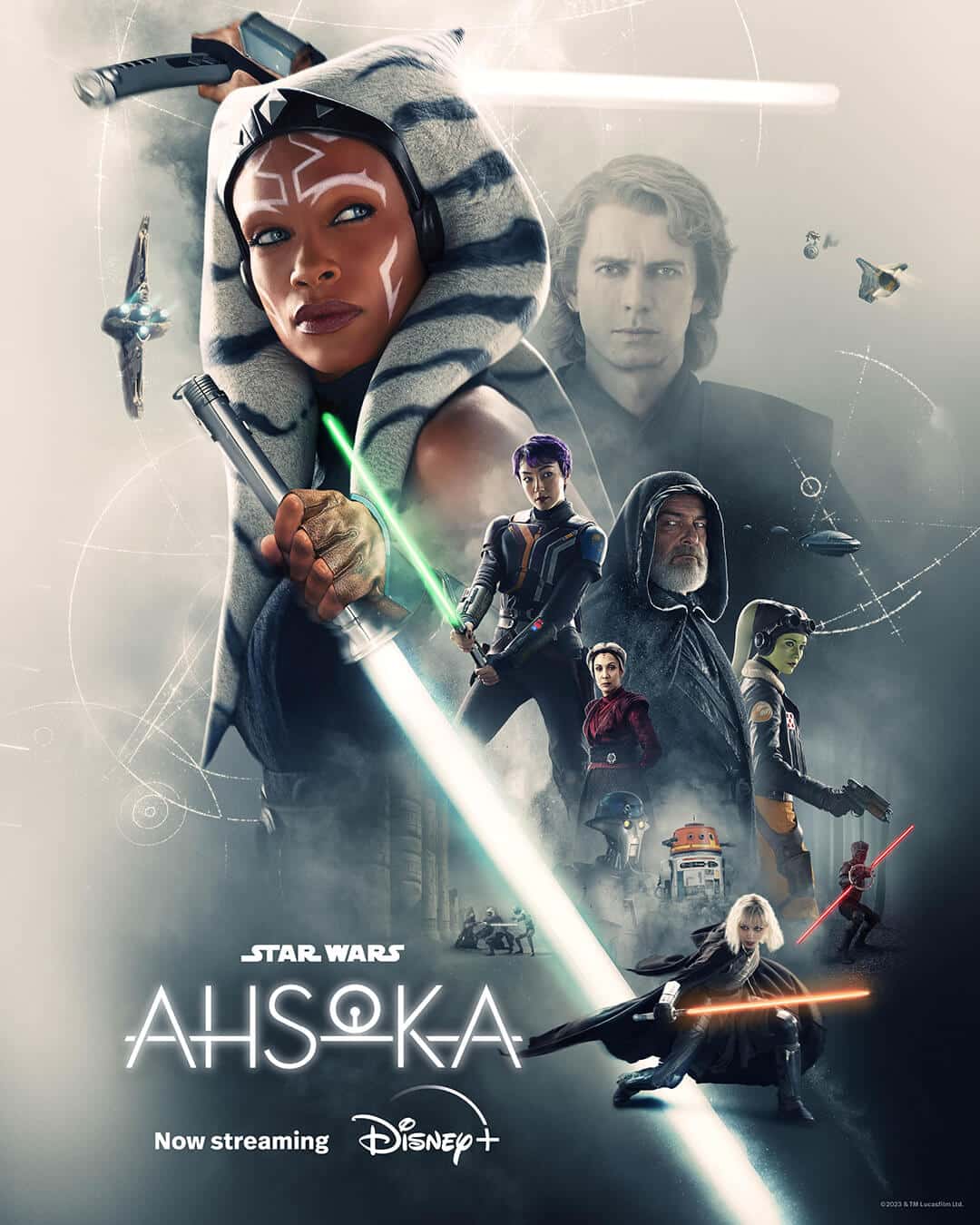
Rosario Dawson stars as the title character, Ahsoka Tano, a former Jedi who embarks on a quest with her former Jedi apprentice Sabine Wren (Natasha Liu Bordizzo) to find their fellow Jedi Ezra Bridger (Erman Esfandi), who is trapped in another galaxy along with their formidable enemy Grand Admiral Thrawn (Lars Mikkelson). During their adventures the duo uncover a plot by members of the defeated Galactic Empire who are trying to bring Thrawn and his army to the main Star Wars galaxy in order to conquer the New Republic and restore the Empire. With the officials of the New Republic unwilling to help them, Ahsoka, Wren and their Jedi droid Huyang (David Tennant) set off on their own to stop the plot, in addition to rescuing their friend.

If this sounds complex, then you are correct. Anyone watching the series will be able to follow along with its storyline, but there is a nagging feeling that there are so many details and nuances that will go over the heads of casual viewers. The very first Star Wars film was like this, but it was easier to follow and was more engaing. A major flaw with Ahsoka was that the early episodes were a chore to watch thanks to its deliberate pace and line delivery.
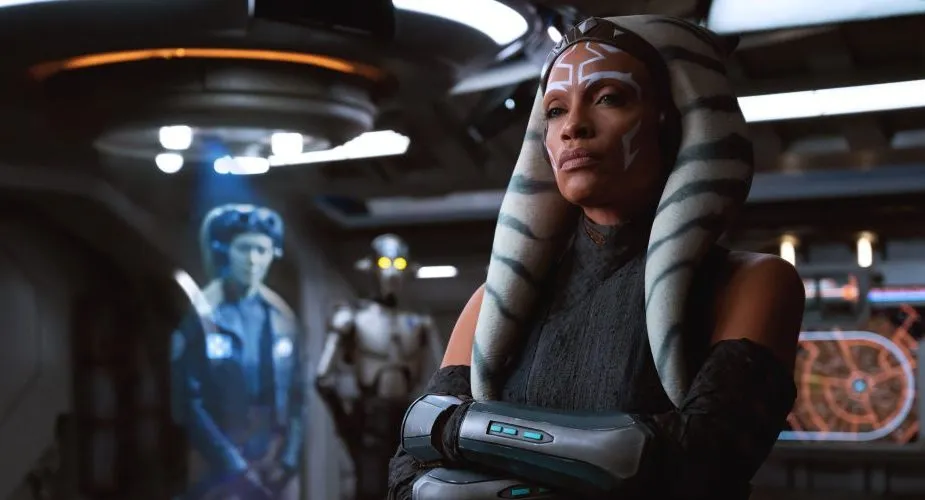
This is concerning because the worst episode was the first one and it not only set the way Ahoska was presented but it was directed by Dave Filoni, the major producer of the recent Star Wars TV shows, including the acclaimed animated TV shows. He helped expand the Star Wars lore with Star Wars: The Clone Wars and Star Wars: Rebels, but his live-action directorial effort fell short and what’s worse is that he will direct the Star Wars film that combines these stories and characters. He was largely responsible for the creation and cultivation of Ahsoka Tano and his attempt to bring her to life was disappointing. Throughout the TV show, Ahsoka would stand around, fold her arms and take long moments to reply to others. This Ahsoka is not anything like the quippy and spirited young Jedi that first appeared in Star Wars: The Clone Wars and won the hearts of many fans. This older live-action version of Ahsoka is so stiff and stoic that Sabine easily steals the show with her emotional journey to become a Jedi. Sabine has more emotion and heart and it was easy to identify with her, especially since she had such a poor connection to the Force that Jedi tricks and skills were a chore for her.

The fact that we identified more with Sabine than Ahsoka is a another fault with Ahsoka given that the show is named after her. This is a troubling trend with many Star Wars TV shows like The Book of Boba Fett and the third season of The Mandalorian. Like with those TV shows, there was even an episode where Ahsoka barely appeared. There are too many moments where it feels as if this show is in reality the fifth live-action season of Star Wars: Rebels. It might have served the TV show and Star Wars fans better if it was retitled. This is a disservice to Ahsoka since she is one of the most captivating Star Wars characters.
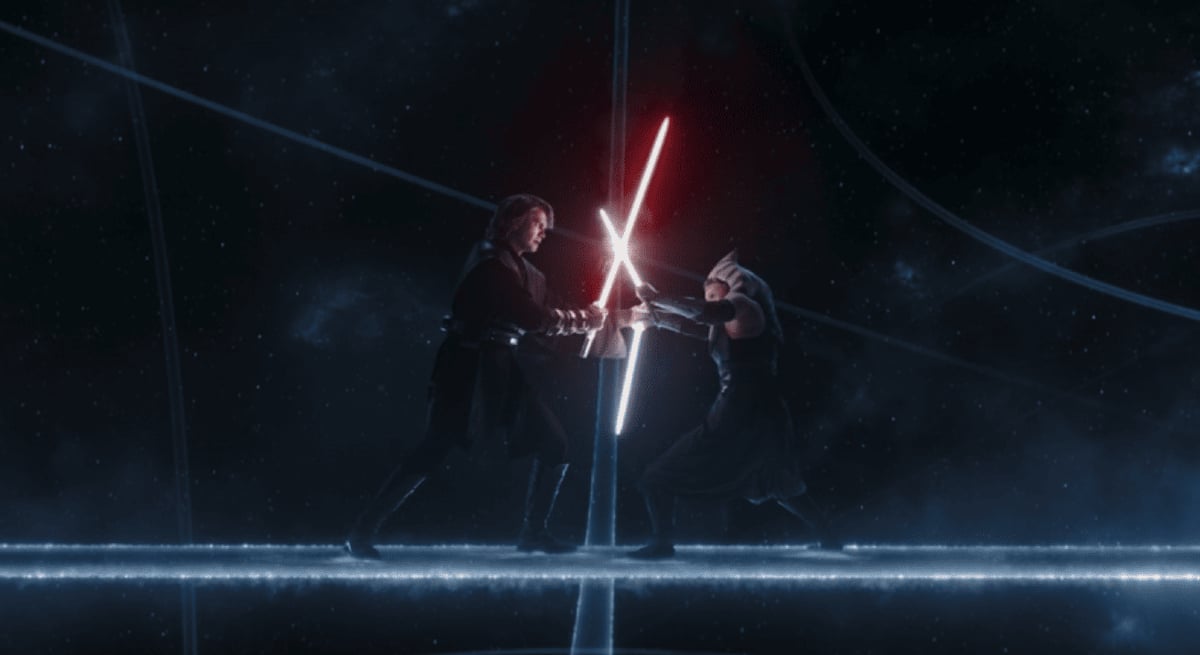
Ahsoka was allowed the spotlight in the fifth episode, which largely focuses on her as her mind enters an interdimensional realm called the World Between Worlds where time and space are not linear. There she meets the spirit of her mentor Anakin Skywalker (Hayden Christensen) as they end up in past battles during the Clone Wars. This was thrilling for fans of Star Wars: The Clone Wars as they finally got to see these two Jedi interacting in live action during that war. More importantly, these sequences provided fascinating insights into Ahsoka and her feelings towards Anakin Skywalker knowing that he ultimately became Darth Vader. With the way this episode showcased her guilt about Anakin and the Clone Wars, it was probably the best one in the series.

Continue reading
In Celebration of Star Trek: Prodigy

During the recent official celebrations for the 57th anniversary of Star Trek, its many spinoffs, and the 50th anniversary celebration of the original Star Trek animated TV show, it was noticed by many how the powers-that-be conveniently failed to mention Star Trek: Prodigy. It was so glaring because in the Paramount + Star Trek Day special and related promo material, even though all the Star Trek TV shows were noted, the animated TV show, Star Trek: Prodigy, was absent as if it never existed.

This is peculiar because until a few months ago, Star Trek: Prodigy was streaming on Paramount + until it was yanked out of the schedule and cancelled. This was part of a wider cost-cutting move by Paramount Pictures with its streaming platform that saw the cancellation of many projects. The sudden cancellation of Star Trek: Prodigy was unusual because a second season was already under production and the TV show was removed from the platform mere days after the cancellation announcement.

Honestly, this move by Paramount was disrespectful to the Star Trek franchise and its fans that were only starting to discover Star Trek: Prodigy. This action only reminds fans of how the studio is disdainful of its franchise.

Star Trek: Prodigy was met with a skeptical eye from many fans when it was first announced. Many automatically dismissed it as a kid’s TV show and what did not help was the prominent Nickelodeon logo plastered on top of the TV show’s logo and the announcements in promo materials that it was aimed at children.

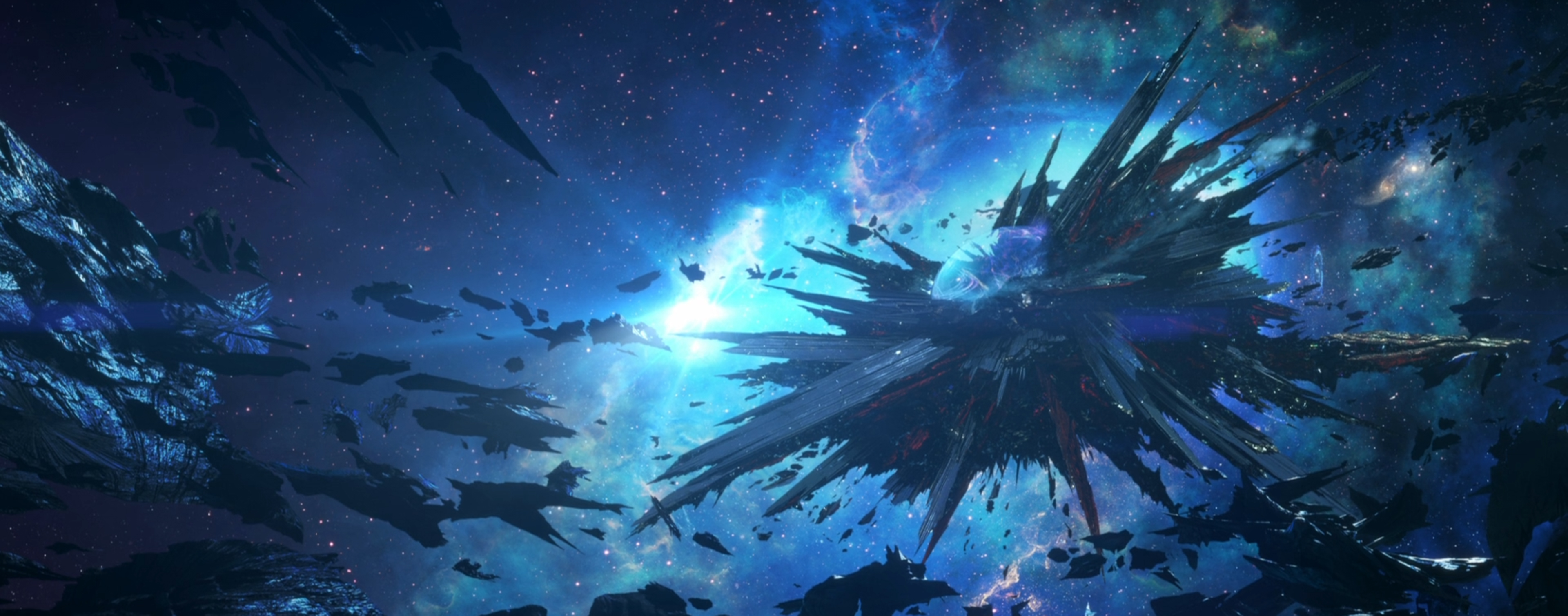
While this reaction was understandable many missed out on how unexpectedly solid Star Trek: Prodigy turned out. Yes, it was not as complex as some other Star Trek shows but its stories were imaginative and embraced the Star Trek lore. It actually felt like it was part of Star Trek thanks to its stories, themes and characters. It also boasted beautiful 3D animation that showcased truly unique aliens and landscapes, while being grounded in the Star Trek Universe.

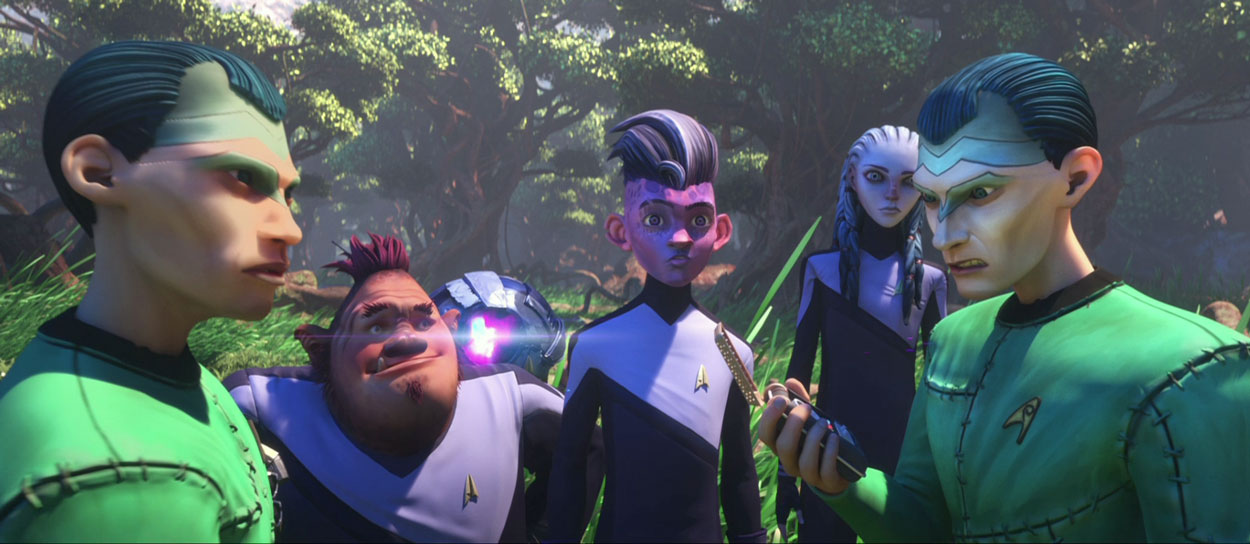
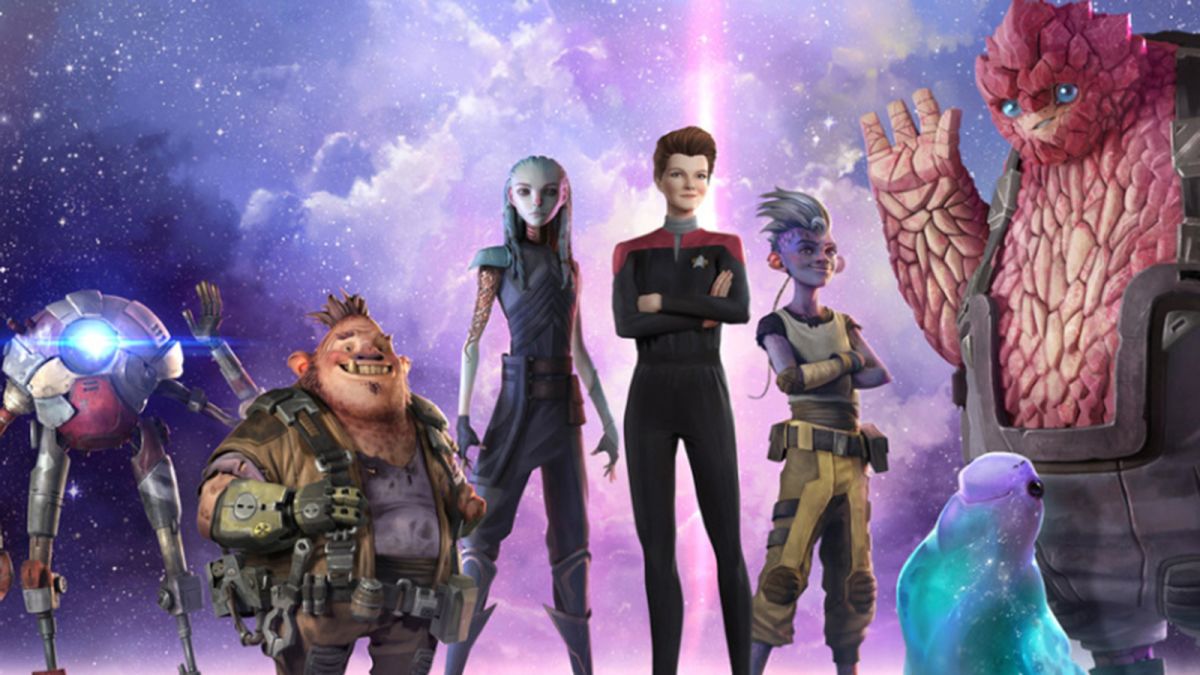
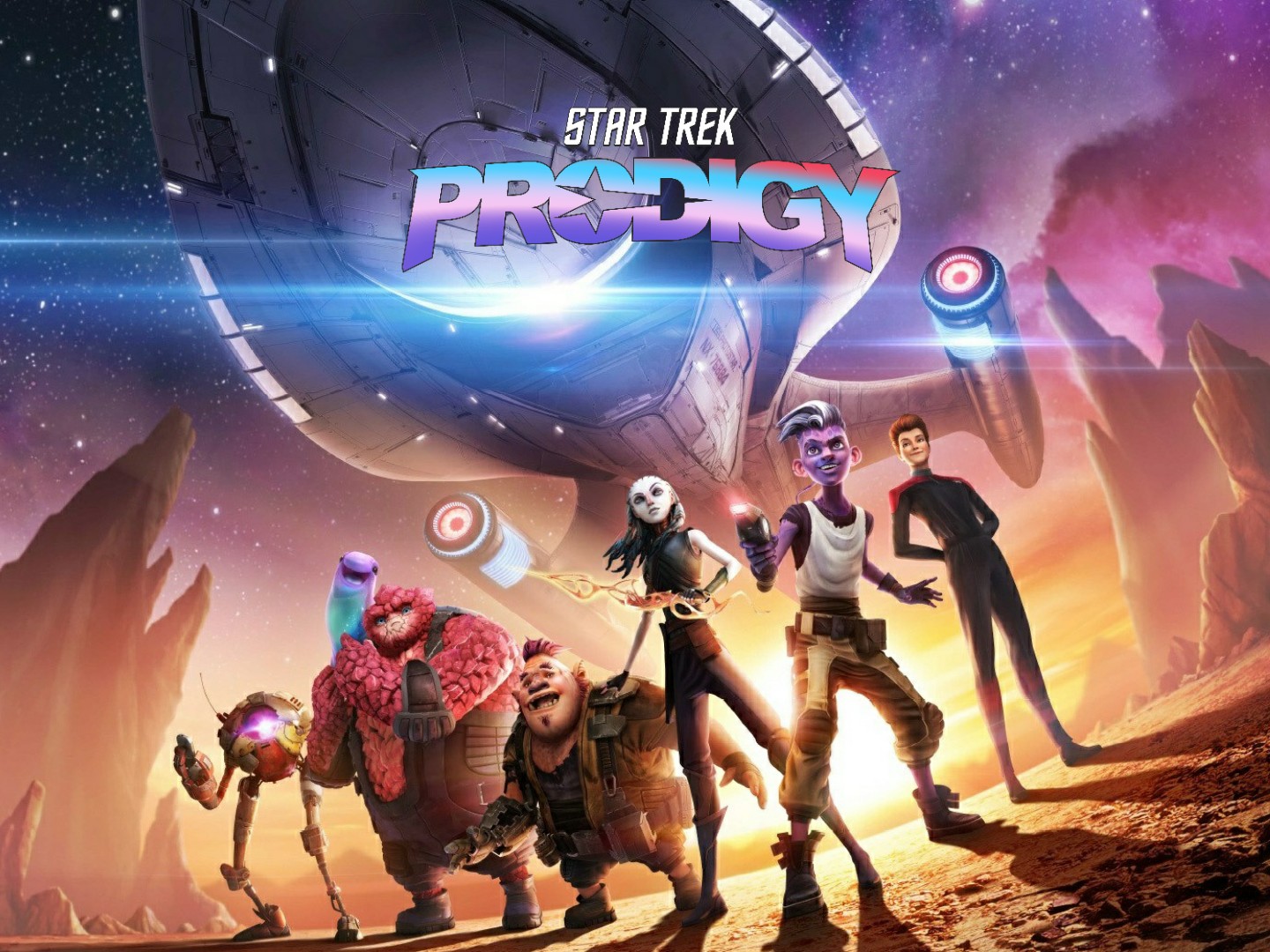
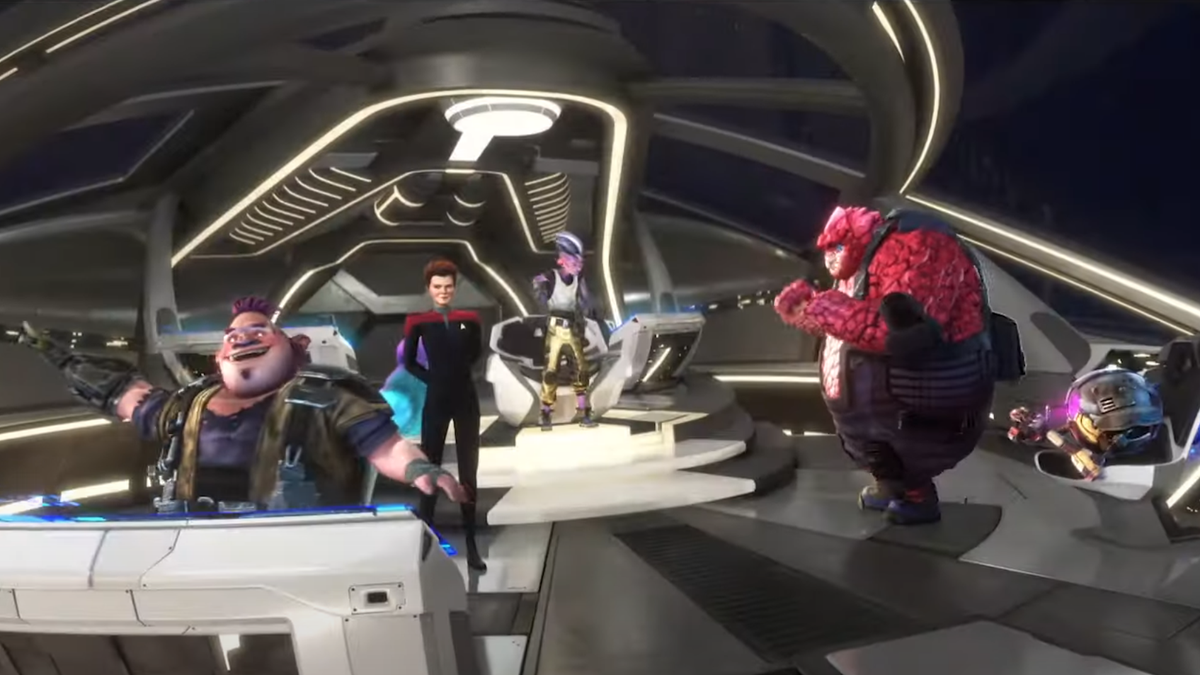
Star Trek: Prodigy takes place in the distant Delta Quadrant at a prison mining colony where a young alien prisoner named Dal R’El (Brett Gray) discovers in a mine an abandoned Starfleet ship called the Protostar. He activates the ship and escapes the colony with his companions who include Gwyndala (Ella Purnell), the daughter of the show’s antagonist, Jankom Pog (Jason Mantzoukas), a young Tellarite mechanic, Zero (Angus Imrie), a Medusan in a floating containment suit, Rok-Tahk (Rylee Alazraqui), a huge rock-like alien who is actually a brilliant young girl, and a gelatinous alien called Murf (Dee Bradley Baker). On the Protostar, they meet a training hologram that is patterned after Kathryn Janeway (Kate Mulgrew). She helps them run the ship and mentors Dal and the others on becoming Starfleet officers. The motley crew decides to embark on a voyage to return the Protostar to the Alpha Quadrant and the United Federation of Planets. Along the way they carry on with the Starfleet mission of exploring new worlds and civilizations in the hope they can become Starfleet officers once they return the ship.

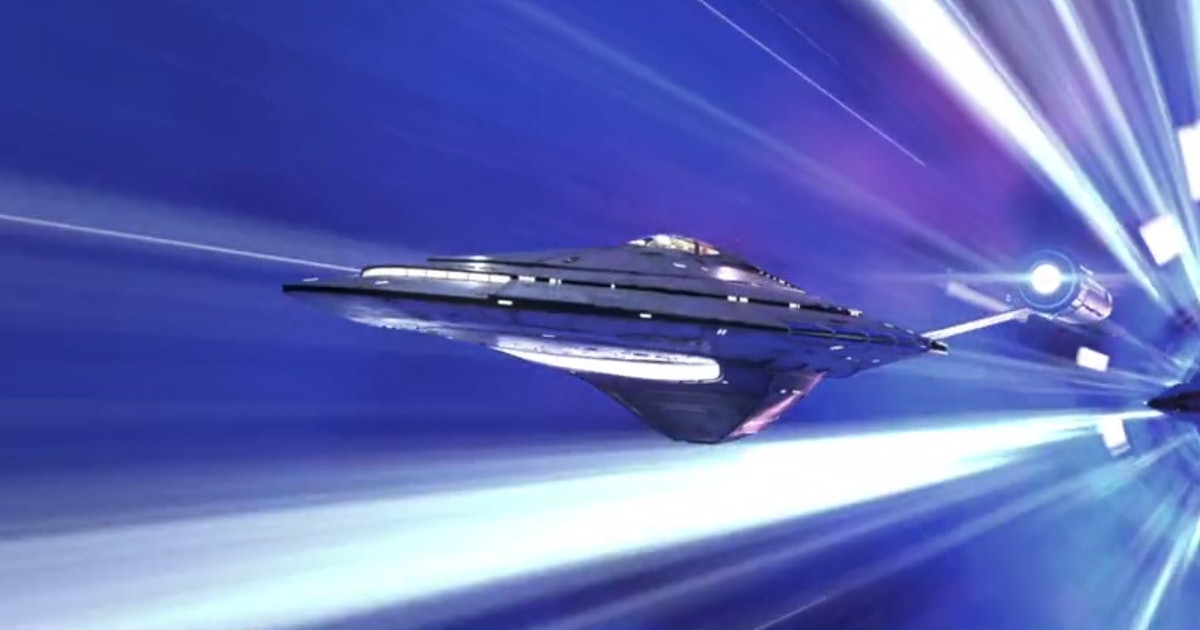
The Protostar is an experimental starship that actually changes its shape to travel at tremendous speeds in warp space. The starship and its new crew are hunted across the galaxy by Gwyndalla’s father, the Diviner (John Noble), who rules the prison colony and has a personal vendetta against the Federation and its Starfleet. He covets the Protostar to use it as a Trojan Horse to decimate the Federation.

Also pursuing the Protostar is the real Janeway, who is now a Starfleet admiral commanding another Starfleet ship. Years ago, the Protostar was lost in the Delta Quadrant along with its crew, which was commanded by her former first officer, Chakotay (Robert Beltran).

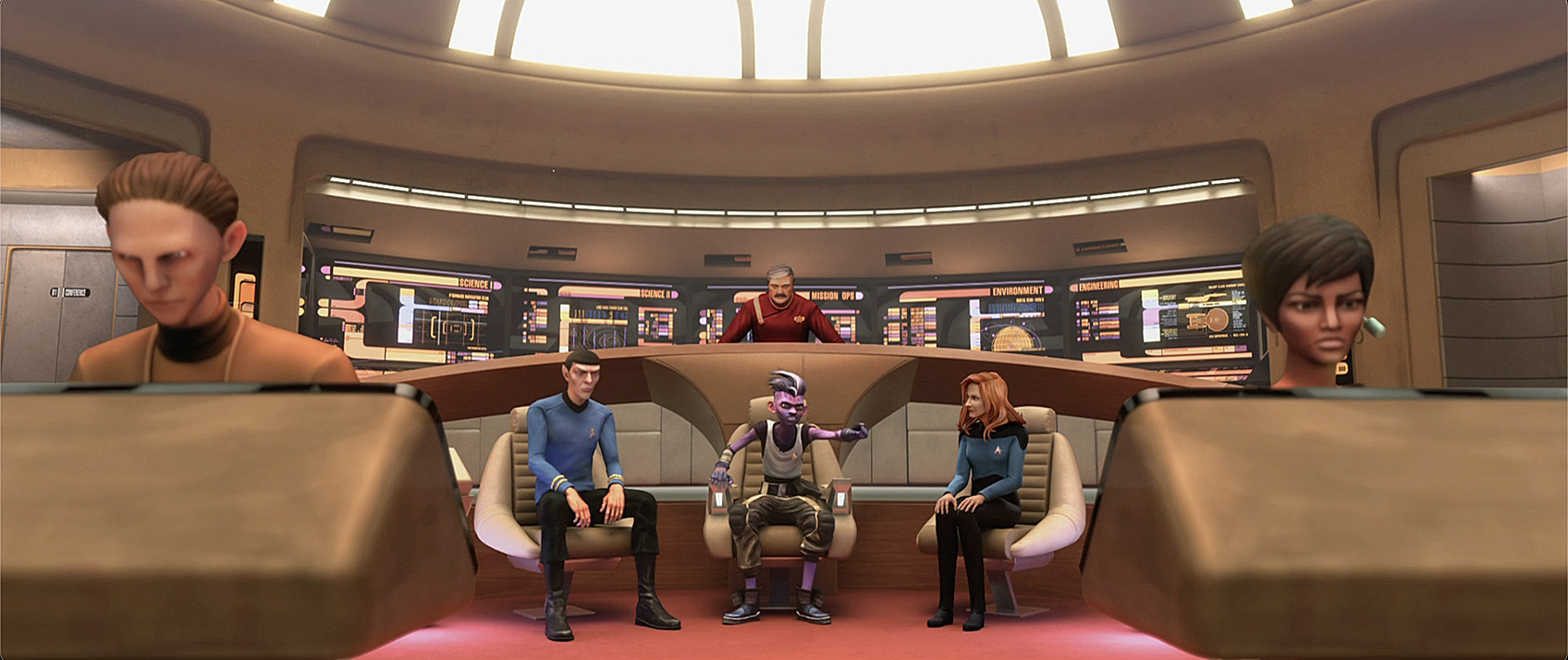
For a TV show supposedly oriented towards children Star Trek: Prodigy has a surprising amount of depth considering that many episodes featured character arcs that fully developed the characters. Throughout the first season we see Dal change from an impulsive and rebellious teenager into a responsible and mature person who had the qualities for a Starfleet officer. The best episode that illustrates his development was “Kobayashi”. Dal activates a holo-training program that is the famous Kobayashi Maru test given to Starfleet cadets where they hopelessly try to rescue a freighter from Klingons. Making up his crew in the simulation are popular Trek characters like Spock (Leonard Nimoy) from the original Star Trek and Scotty (James Doohan) from the original Star Trek films. As Dal tries to win the test’s no-win scenario and learns some hard lessons about command, he interacts with these characters, which was amazing since some of the actors voicing the roles are no longer alive. It was a nice way to give tribute to the franchise.

Most of the other characters saw significant development, as well. Gwyndala fought an inner battle within herself as she was at first hostile towards Dal and the others but gradually formed a deep bond with them. In the episode “Time Amok” Rok and the others are trapped in different temporal loops. Being that in Rok’s loop time runs at the slowest rate she uses this as a chance to learn to become a scientist and save the crew. Many of the others have tragic backgrounds and this journey on the Protostar serves as a means to give them some meaning in their lives.

The best way to think of Star Trek: Prodigy is to compare it to Star Wars: The Clone Wars or Star Wars: Rebels. On the surface both TV shows were apparently made for children, but before long they evolved and became more complex and appealing to adults who otherwise might have been turned off by them. I’m pretty sure that if Star Trek: Prodigy was not cancelled and allowed to fully tell its story, which included the search for Chakotay, the show would have reached the same level of admiration that the animated Star Wars TV shows has received.

Cancelling Star Trek: Prodigy was one thing, but to remove it from Paramount + and having it unavailable to easily view elsewhere was a foolish decision. Even though it was not a massive hit it still would have found an audience. Right now the only way to see Star Trek: Prodigy is to buy it through Amazon Prime, Vudu or other video on demand services or to actually purchase it on physical media. It’s certainly worth buying and will help hold us over until season two is ready. As of this writing, post-production of season two of Star Trek: Prodigy is underway and the show’s producers are finding another place to air it. Given the way the actors and writers strikes have ground film and TV productions to a halt Paramount should reconsider its decision and bring back Star Trek: Prodigy to its streaming platform to at least let the fans see the final season.

José Soto

Spider-Man: Across the Spider-Verse Embarks On A Stunning, Visual Journey Throughout The Spider-Verse

When it was announced that the release date for Spider-Man: Across the Spider-Verse was delayed, there was reason for alarm. Originally the sequel to Spider-Man: Into the Spider-Verse was supposed to have come out last year, but its release was pushed to this year. Often such significant delays mean that the production of a film is troubled and the finished product winds up being a disappointment. Thankfully, that is not the case with Spider-Man: Across the Spider-Verse, which excels past Spider-Man: Into the Spider-Verse in so many ways in terms of story and visuals.

Spider-Man: Across the Spider-Verse opens with Gwen Stacy (Hailee Steinfeld) recounting her life as Spider-Woman (or Spider-Gwen) in her own universe and why she left it to explore other universes with different variants of Spider-Man and Spider-Woman. After the lengthy prologue, we meet again Miles Morales (Shameik Moore), the Spider-Man of Universe 1610. He has the typical Spider-Man struggles of juggling his civilian life as a teenager with that of fighting crime as Spider-Man.

On his way to meet his parents, Rio (Luna Lauren Velez) and Jefferson (Brian Tyree Henry), Spider-Man comes across a supervillain called the Spot (Jason Schwartzman), whose body is covered with removable spots that are portals throughout inter-dimensional space. For example, if Spider-Man punches him in the chest and there is a spot there, Spider-Man’s fist will go through the spot and emerge behind Spider-Man to end up hitting the superhero instead.

The Spot is obsessed with getting revenge on Spider-Man because he blames the superhero for his dilemma. It turns out he was one of the scientists present in the first film where Miles and other Spider-powered heroes destroyed a collider machine that allowed travel between universes. The Spot gained his powers after being caught in the explosion of the collider and we also find out that the scientist was partly responsible for Miles becoming Spider-Man.

After the Spot is defeated and humiliated by Spider-Man, he gains the ability to travel throughout the multiverse and seeks out other colliders in those universes to empower himself even more. This decision will not only endanger the multiverse but severely affect Miles’ personal life.

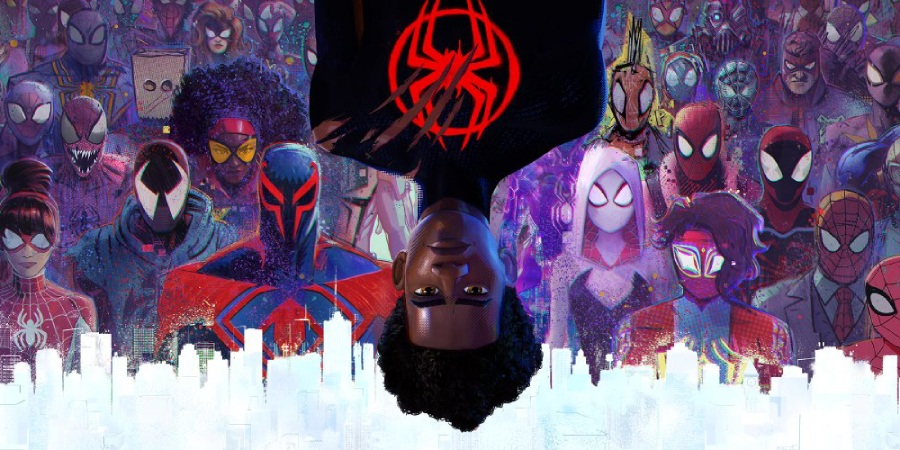
As the Spot explores other realities, Miles is visited by Spider-Gwen, who is now part of the inter-dimensional Spider-Society that guards the Web of Life and Destiny by seeking out dimensional anomalies throughout the multiverse. She was looking for the Spot, who has become an anomaly traveling throughout several universes. Miles soon joins her as she returns to Spider-Society headquarters on Earth 928 and meets numerous variants of Spider-Man and Spider-Woman, including their leader, Spider-Man 2099 (Oscar Isaac).

Spider-Man 2099 explains to Miles that all the universes are intertwined in a delicate metaphysical web with canon events, which are important moments in time for those universes. Disrupting those events will eventually unravel universes and this affects Miles in a crucial way after learning that in all of the Spider-Men and Spider-Women universes have canon events that involve the deaths of distinct police captains. Miles deduces that his father, who was just promoted to a captain, will soon die. He comes into direct conflict with the Spider-Society since he resolves to save his father at all costs, canon event be damned.

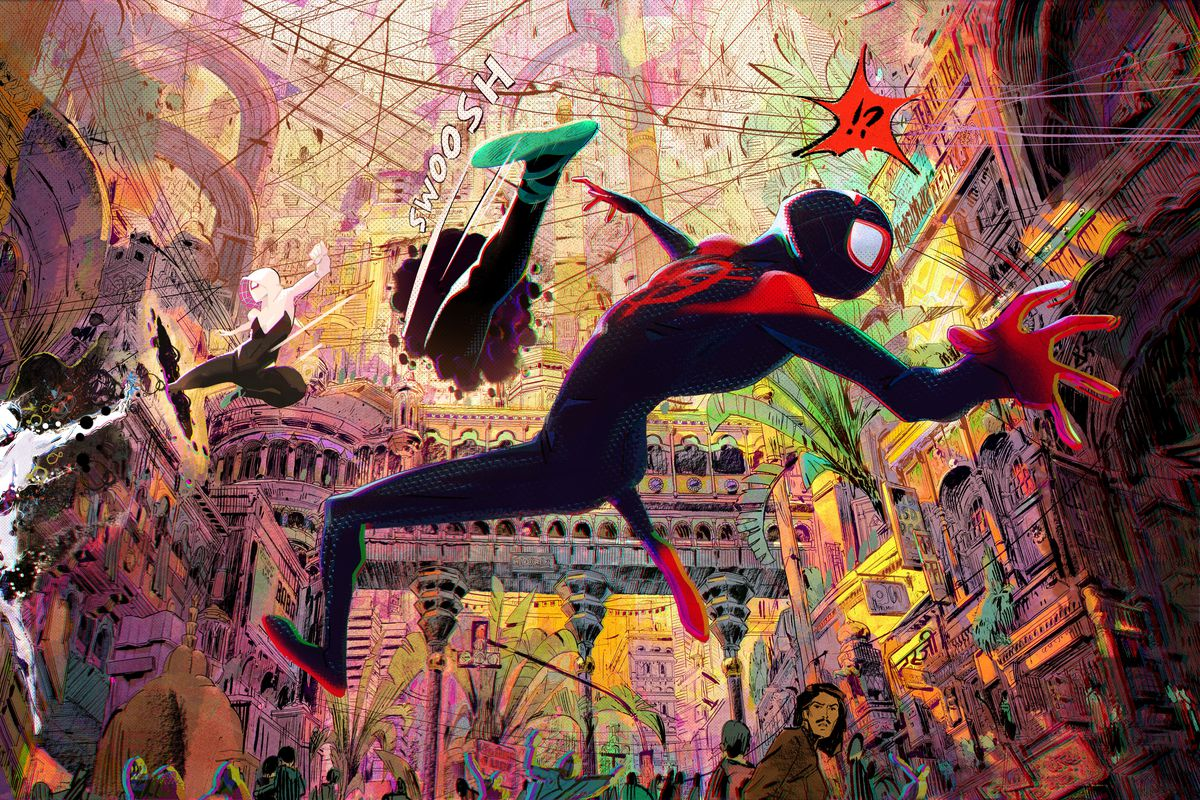
In this day and age of overhype from fans and critics it is easy to dismiss praise for many films. However, Spider-Man: Across the Spider-Verse lives up to the hype because it is truly one of the finest animated and superhero films ever produced. Like the first film, Spider-Man: Across the Spider-Verse is a visual feast that incorporates different animation styles and frame rates. The best examples of this are with how Spider-Gwen is represented with soft watercolor palettes, while Spider-Punk (Daniel Kaluuya) is animated with harsh punk rock art whose clothing is animated at a different frame rate than the character himself. In other examples, the heroes fight a Vulture (Jorma Taccone) from a Renaissance-styled universe looks like a Da Vinci sketch that has come to animated life with sepia colors; we also meet Ben Reilly/Scarlet Spider (Adam Sanberg), who is animated as a ‘90s-style character with overripe muscle lines and bright colors.

The visual canvas of the film is very busy with wild animation and numerous Easter eggs. Some scenes feature actual panels from classic Spider-Man comics and even images from live-action films. It will take numerous viewings of this film for anyone to fully spot all of them. Each scene is so painstakingly animated and colored, which leaves us with a film that is just dazzling to the eyes.

Of course, all of the visuals would be meaningless without compelling story and characters, and Spider-Man: Across the Spider-Verse also excels in this area. So much emotion is conveyed that is either subtle or outlandish. Just like the first film, this sequel is a coming-of-age yarn only with our hero having harder choices to make in his life as he grows into adulthood. Anyone is readily able to relate to Miles’ ethical dilemma of the needs of the many outweighing those of the few and we would probably make the same choice he made. What also helped with the film’s emotional stakes is that it took time to develop Miles’ relationship with his parents, which is full of angst and love. We understand their point of view as they struggle to relate to their son who is growing up to be a man.

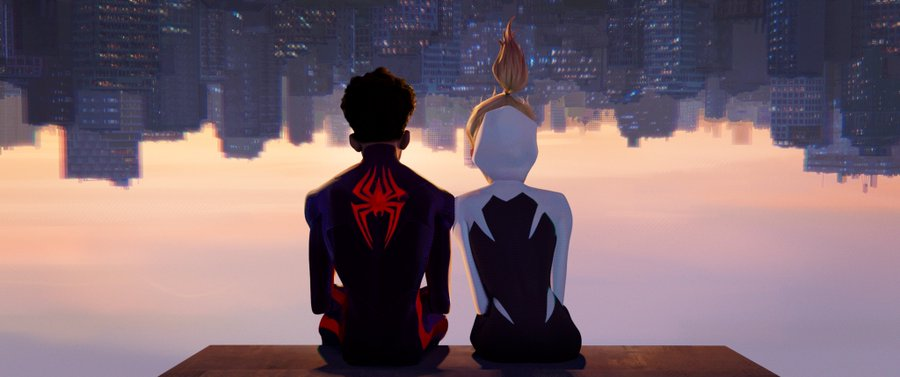
Another character who has her own emotional arc is Gwen, who feels alienated and alone in her world. Unable to connect to her father, she in a sense runs away, only in this case she runs away from her universe. The deepening friendship she has with Miles is a true emotional anchor in the film and feels so natural as these two alienated teens are able to connect to one another.

Peter B. Parker (Jake Johnson), who served as a mentor to Miles in Spider-Man: Into the Spider-Verse has a reduced role in this film, which is regrettable. Still, it was a delight seeing him again and what he was been up to. Hopefully, he will have a larger role in the second sequel coming next year.

As many have learned, Spider-Man: Across the Spider-Verse ends on a cliffhanger and it is an intense one. But fear not, Spider-Man: Beyond the Spider-Verse will come out in theaters in March 2024, which is less than a year away and we were able to handle the wait between these films. Given how Spider-Man: Across the Spider-Verse is much better than the original, which in itself was a classic, we can only hope that Spider-Man: Beyond the Spider-Verse will excel past this sequel or at least stick the landing.

 José Soto


The SUPER Mario Movie We’ve Been Waiting For

(SPOILERS WILL BE FLAGGED AT THE BEGINNING OF THE PARAGRPAHS CONTAINING SPOILERS)

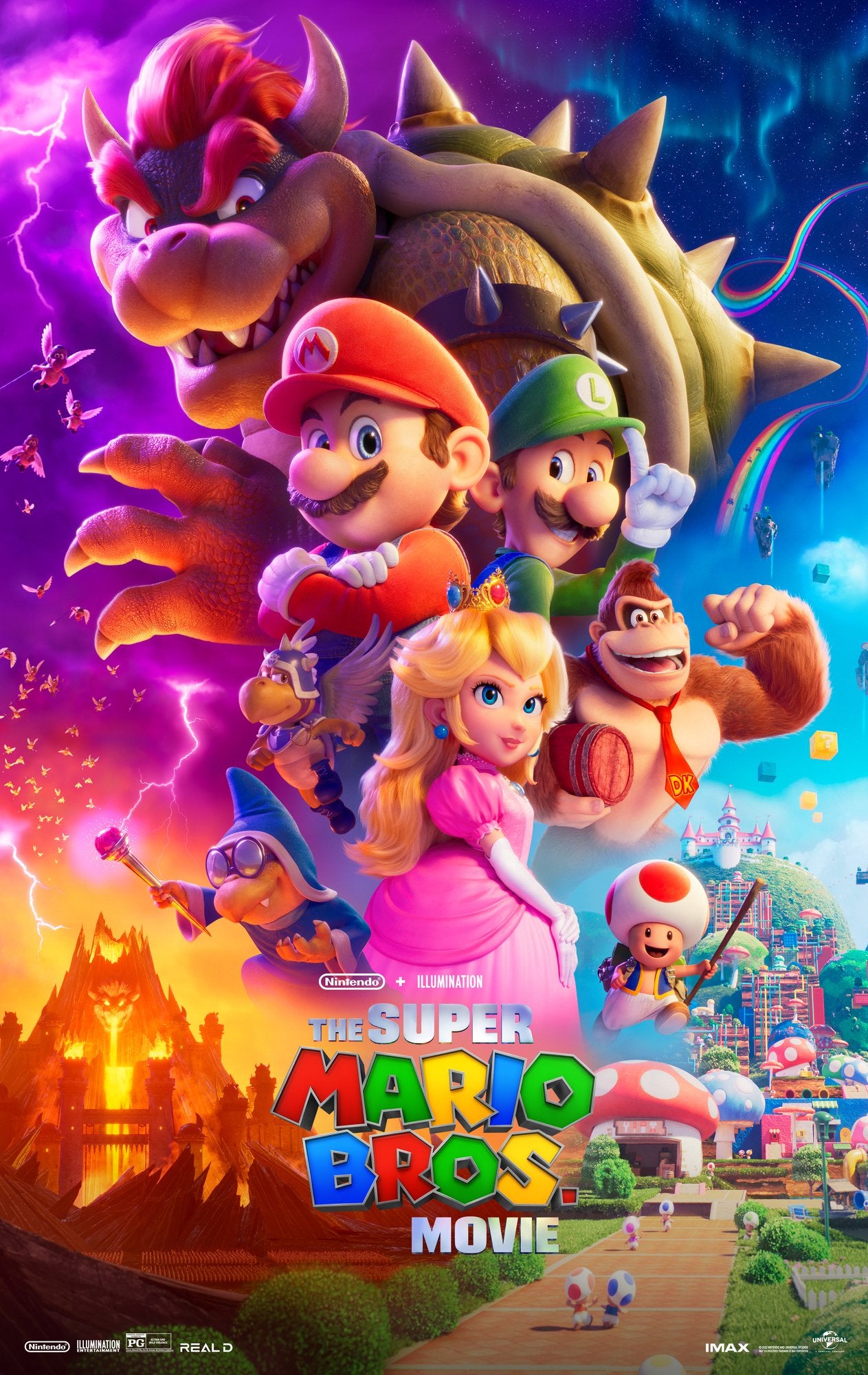
It is finally time that the Super Mario Bros. franchise gets an ACTUAL movie (don’t bring up the 1993 live-action one…), but is it any good? Critic scores on Rotten Tomatoes and Metacritic gave the movie a 55% and a 47%. Those are low very low scores compared to the audience scores, which are a high 98% and an 86%. Why are the critic scores so low? This will be discussed later in the article; anyway, The Super Mario Bros. Movie, in my opinion, is a fun and referenced-packed adventure that can be watched by all ages, but is especially more enjoyable for the biggest Mario fans. Of course, it isn’t perfect. As my main issues are with the general pacing which leads to lack of substance in some scenes, as well as other scenes being pushed down to compensate with the little time the movie has.

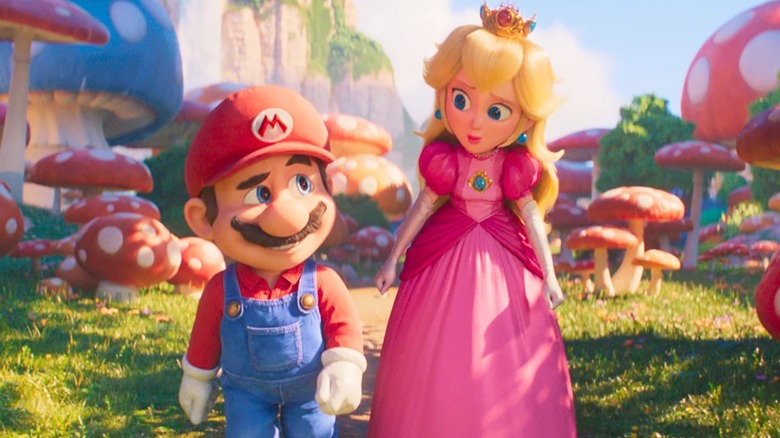
The Super Mario Bros. Movie begins with out two brothers, Mario and Luigi, living in Brooklyn, New York struggling to get their new plumbing business off the ground and running. Their family do not help them at all, giving them words of scolding rather than encouragement. After seeing on the news that Brooklyn is having a massive plumbing problem, they rush to the scene, desperate to get their names out there. They arrive and pull some shenanigans, which then ends with them underground in a pipe maze. They find our iconic green pipe and get pulled into this warp dimension; Luigi gets sent to the Dark lands, and Mario to the Mushroom Kingdom.

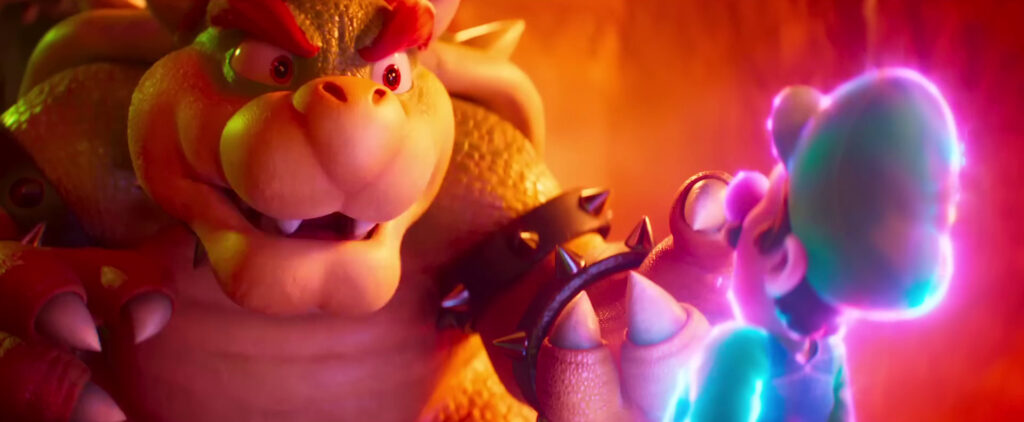
The voice acting in this movie was stellar and I definitely owe everyone on the VA team an apology for my past pessimism when they were announced, especially with Chris Pratt as Mario. He was definitely one of the best performances in this movie, followed by Charlie Day as Luigi, Jack Black as Bowser, and Anya Talor-Joy as Princess Peach. How could we talk Mario without his original voice actor, Charles Martinet? It was confirmed that he would be in this movie, but I really wish we got to hear more of him, honestly.

The animation in this movie was stellar and groundbreaking compared to what Illumination usually churns out. You could really tell they improved a lot and cared about making this movie the best they could produce. The animation truly compliments the brilliant settings designed for this movie. But there are some parts where you could really tell that this was an Illumination film, not that that’s a bad thing this time around.

(SPOILERS) I will now talk about the number of references that I noticed in The Super Mario Bros. Movie. Despite not being a big Mario fan, I was still able to pick out a LOT of fun refences sprinkled into this movie. My favorites being references to other Nintendo games, like Star Fox and Punch-Out, and the worldbuilding and designs in this film. The Mushroom Kingdom was amazing and masterfully crafted with Easter eggs of the past Mario games; the Mushroom Kingdom was definitely my favorite place in the whole movie. Then there were Easter eggs to Super Smash Bros., which keeps the tradition that the Sonic the Hedgehog movies started of referencing the classic games that inspired the films.

Continue reading
Sonic The Hedgehog 2 Dashes Past The First Film!

[WARNING: SPOILERS WILL FOLLOW]

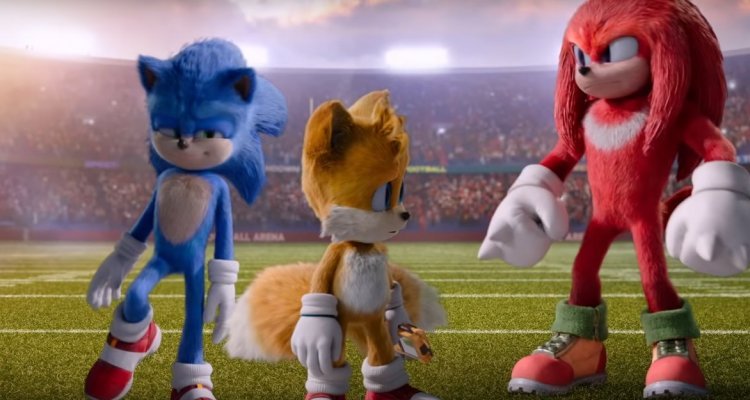
Sonic the Hedgehog 2 is delighting fans of the classic video game franchise during its cinematic premiere this weekend. It is probably the best video game adaptation to the big screen yet. It is full of material straight from the Sega video games Sonic The Hedgehog 2 and Sonic The Hedgehog 3 & Knuckles (S2&K), which makes the film a bit predictable for diehard Sonic fans, but is still a fun time throughout for all.

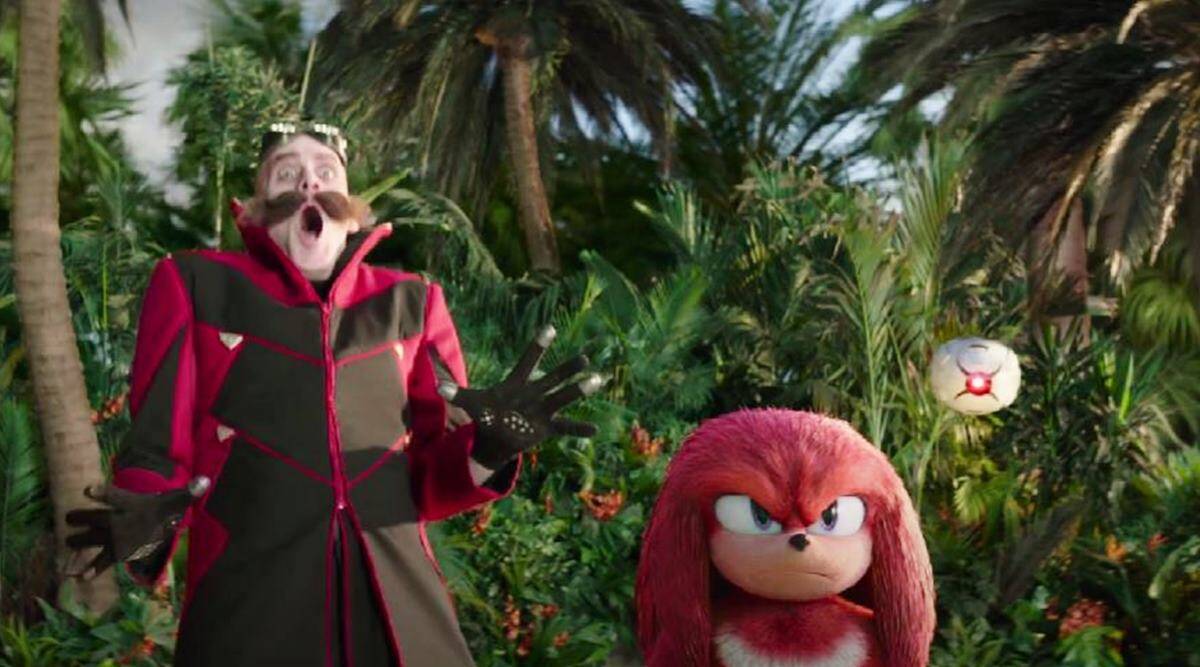
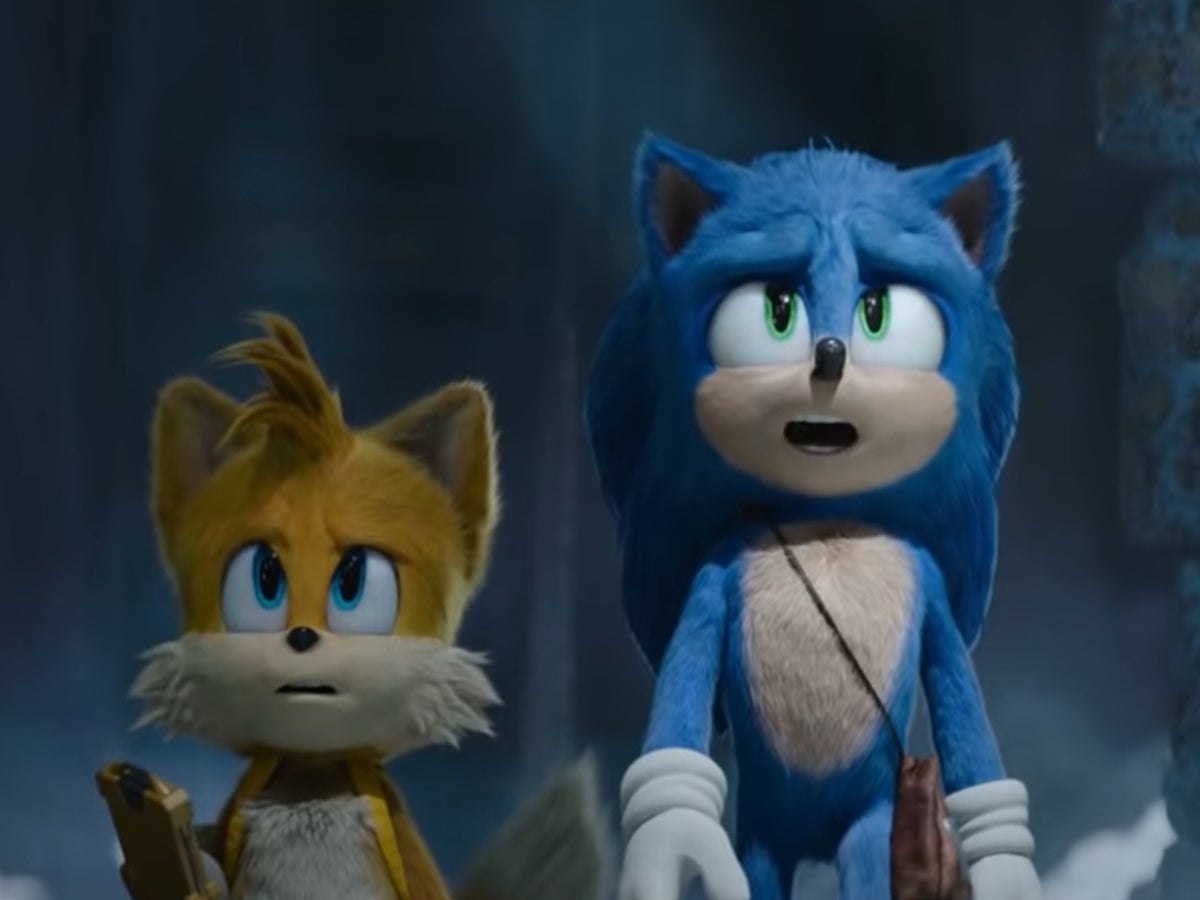
The story starts about 8 months after the events of the first film, Sonic the Hedgehog, with Dr. Robotnik (Jim Carrey, who is as zany as ever playing Sonic’s foe) still stuck on the mushroom planet (a reference to Mushroom Hill Zone from S2&K) escaping with Knuckles (voiced by Idris Elba), a big red echidna. Robotnik promises Knuckles that he would take him to Sonic’s (voiced by Ben Schwartz) location on Earth, which ties into Knuckles’ trait of being gulible. Tails (Colleen O’Shaunessey), a two-tailed yellow fox, then arrives on Earth to warn Sonic about Knuckles and the two soon become friends. I won’t be covering the rest of the movie’s plot so that people can have a chance to experience it for themselves, but I will now get into the most interesting easter eggs, which covers MAJOR spoilers for the film, so beware.

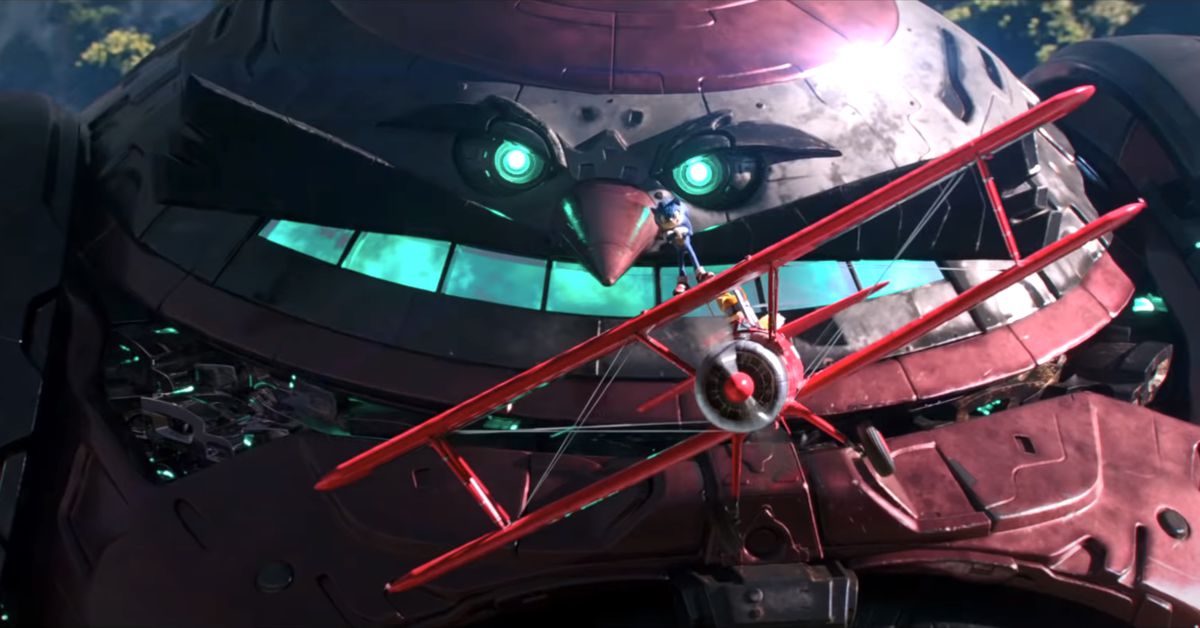
The first reference that I loved was when Sonic and Tails was in a bar in Siberia, and Sonic does the iconic “Sonic Adventure” pose while in midair. That moment made my heart jump in excitement, and is one of the many reasons as to why the director Jeff Fowler and the filmmakers clearly care about the source material. The scenes at the bar was also very funny, by the way. The next BIG reference is, of course, Super Sonic and the chaos emeralds. Going into this movie, I would have never expected the inclusion of Super Sonic, but I was so happy they added the golden god into the film. Super Sonic first appeared in Sonic The Hedgehog 2 and quickly becomes a staple for Sonic games, so how could they not include him in this film? The next reference is literally big, The Death Egg Robot! This giant robot first appears in Sonic 2 like Super Sonic, but it is WAY bigger than any form the games include. It was really cool to see this giant robot in the film since, again, its a staple of the Sonic franchise.

Finally, the thing that got me most excited, but kind of worried, about a potential Sonic the Hedgehog 3 is with Shadow in the post credits of this movie. Shadow is a robot made by Dr. Eggman’s uncle Gerald in the Space Colony Ark. His backstory is very complicated, so I won’t get into it here, but that’s what worries me about the third film. They are basicially jumping 5ish games, as well as their characters, which are very important. He was first introduced in Sonic Adventure 2 and rose to be a fan favorite charcter of the franchise. However, I don’t think the story of Sonic Adventure 2 would translate well into a movie, it’s complicated and feels like it would be a weird plot to include in the Sonic films. The plot follows this girl named Maria, who was Robotnik’s granddaughter, and Shadow’s friendship with her. But she is killed by a guard on the Space Colony ARK and now Shadow hates humanity and wants to explode the Earth. The other problem is that the game included a lot of charcters we haven’t seen yet in the films. Amy, the Chao, Omega, Rouge, and Gearld, to name a few. I’m worried that they may jump the gun and go too crazy, but I still have faith in them, so I’m excited.

Overall, as a long-term Sonic fan, Sonic the Hedgehog 2 is everything I would have asked for in a Sonic movie. The first just felt like a generic movie with Sonic in it, but the second one feels likes it’s Sonic’s movie, and I love that. It’s way better than Sonic the Hedgehog because that movie walked, but this movie can dash! The first film had to set up our characters so they could go crazy once introductions were out of the way. This movie is full of easter eggs and references to past Sonic games so fans will love it. It is also a fun and action-packed movie so anyone can sit down and enjoy this film. I cannot wait for Sonic The Hedgehog 3 and what it will bring to the table of an already full family of fans.

Angelo Soto