The Post-Superhero Film & TV Era

As we move further into this decade, it is apparent that the superhero era in films and TV shows has ended. We all know about the hurdles many recent superhero films and TV show have faced with diminished quality and profit. Guaranteed would-be hits like The Marvels or The Flash failed spectacularly last year and help cement that the superhero films and TV shows are no longer as popular at they were in the previous decade.

This does not mean that there won’t be anymore superhero films or TV shows or that they will never be popular again. There are several superhero films and TV shows in various stages of development and it is possible that a new era could arise. It has happened before. Back in the early 2000s, superhero films became dominant in films thanks to the success of Spider-Man and X-Men, but they then diminished in quality and several films did not perform well. However, as we all know the Marvel Cinematic Universe (MCU) exploded on the scene and launched an even more successful and popular era of superhero films and TV shows. It is similar to what has happened with the comic books that inspired these live-action films and TV shows.
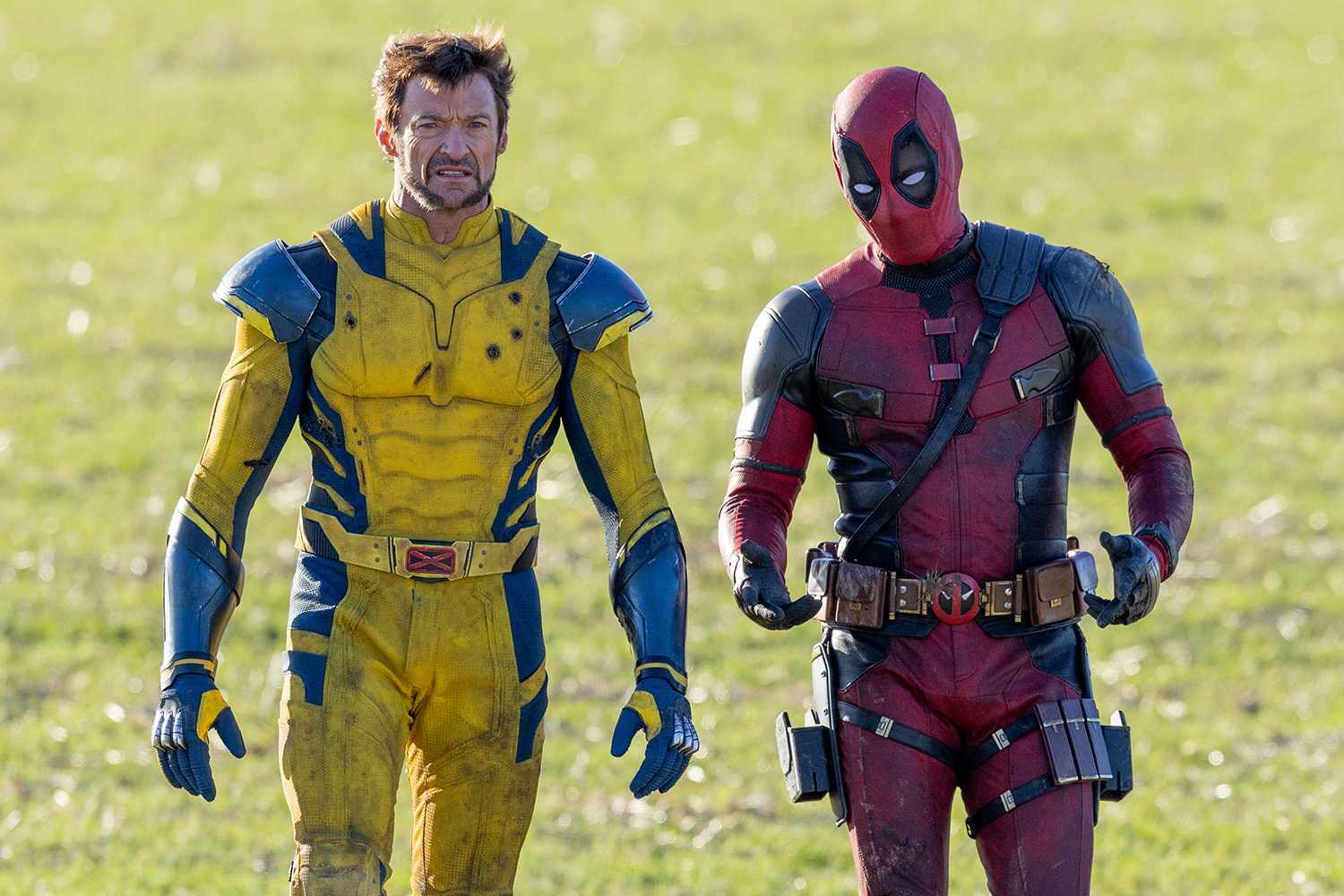
As comic book fans know, comic books have had their ups and downs throughout history with different ages. When they first came into prominence in the late 1930s they sold very well, but by the mid 1950s comic books declined in popularity and sales until the release of Showcase #4, which revamped the Flash and introduced a new age of comic books. Essentially, the eras come and go in cycles with comic books as they reinvented themselves and there is little reason to doubt this won’t happen with superhero films and TV shows. For all we know this year’s Deadpool & Wolverine will usher in a new age of superhero films and TV shows. Or it may be a while as other genres capture the attention of viewers as they offer a fresh new take on superheroes.

So, until then what genre can replace the superhero films and TV shows in terms of prominence and popularity?

It is too early to tell, but we have a couple of contenders: video game-based properties or monster-based properties.

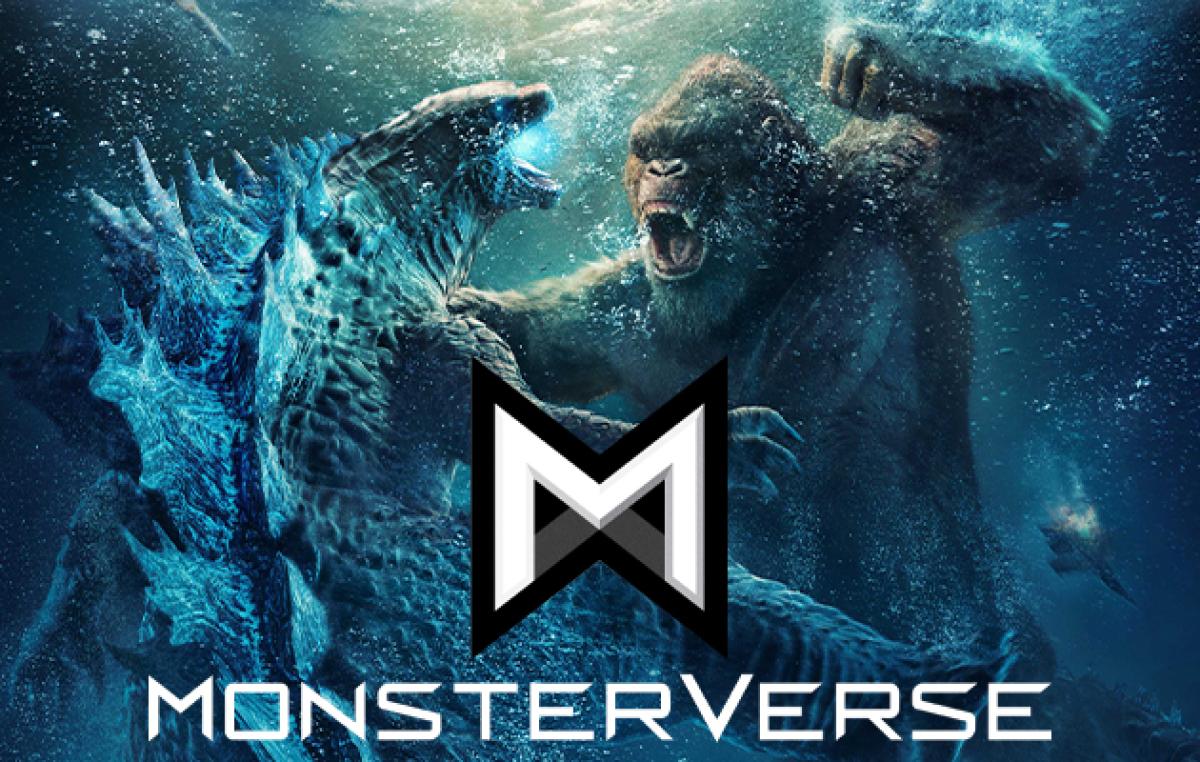
The MonsterVerse based on giant kaijus like Godzilla and King Kong has proven to be unexpectedly popular, while Godzilla Minus Zero blew away audiences and critics with its high quality and success. There are plans for films based on classic movie monsters like the Wolfman and Frankenstein’s monster, which could fulfill the failed promise of the so-called Dark Universe from ten years ago. The only issue with these monster films is their limited scope in terms of story. It is difficult to make compelling stories that focus on giant monsters while ignoring poorly developed human characters. But it is possible, again look at Godzilla Minus Zero.

On the other hand, video games have provided ample material for filmmakers to mine from. The most popular video games are based on science fiction, horror and fantasy and everything in between. In the past, films based on video games fared poorly as filmmakers were unable to translate what made the games so popular into film.
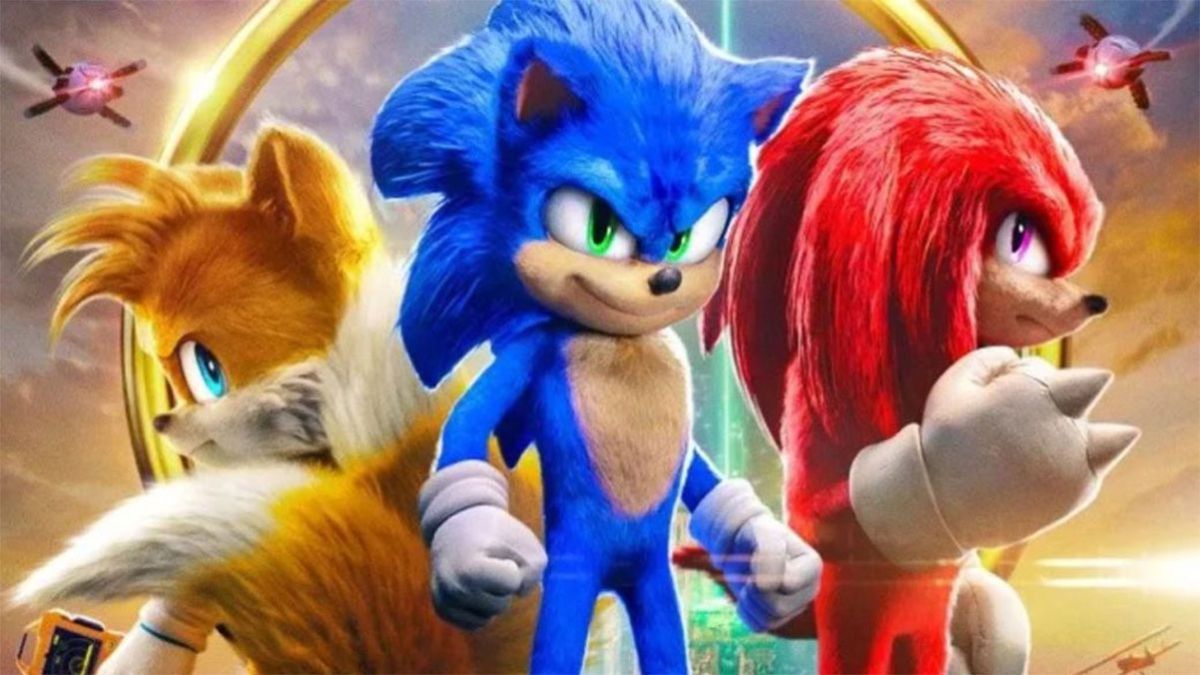
However, there have been many recent films and TV shows based on video games that were wildly successful and were well received. These include Sonic the Hedgehog, The Super Mario Bros. Movie, Five Nights at Freddy’s, The Last of Us, The Witcher, Halo and most recently Fallout. Although the quality and success of these projects varied, it is clear that they are becoming more and more prominent in theaters and in streaming services. These properties are just the tip of the iceberg of available video games that are practically begging to be adapted to live-action. There are plans to produce films and TV shows based on The Legend of Zelda, Death Stranding, Borderlands, Minecraft: The Movie, Metal Gear Solid, Mass Effect and Bioshock. Of course, we will also be getting sequels and new seasons like Sonic the Hedgehog 3, The Last of Us, Knuckles, Five Nights at Freddy’s 2, and Tomb Raider: The Legend of Lara Croft. The subject matter of these projects range from alternate history, hard sci-fi, horror and animated cartoons.

Will these films duplicate the success of the MCU and other superhero films and TV shows? It’s hard to say at this point, but do not be surprised if some video-game based property explodes and captures the public zeitgeist. The Super Mario Bros. Movie was able to do this given that it earned over $1 billion when it was released last year. It’s possible that the sequel could earn more money and cement the Mario Brothers as the next big thing. Or maybe it will be some other video game property. The future is wide open for video game-based films and TV shows to dominate the public consciousness.
Rise Of The MonsterVerse

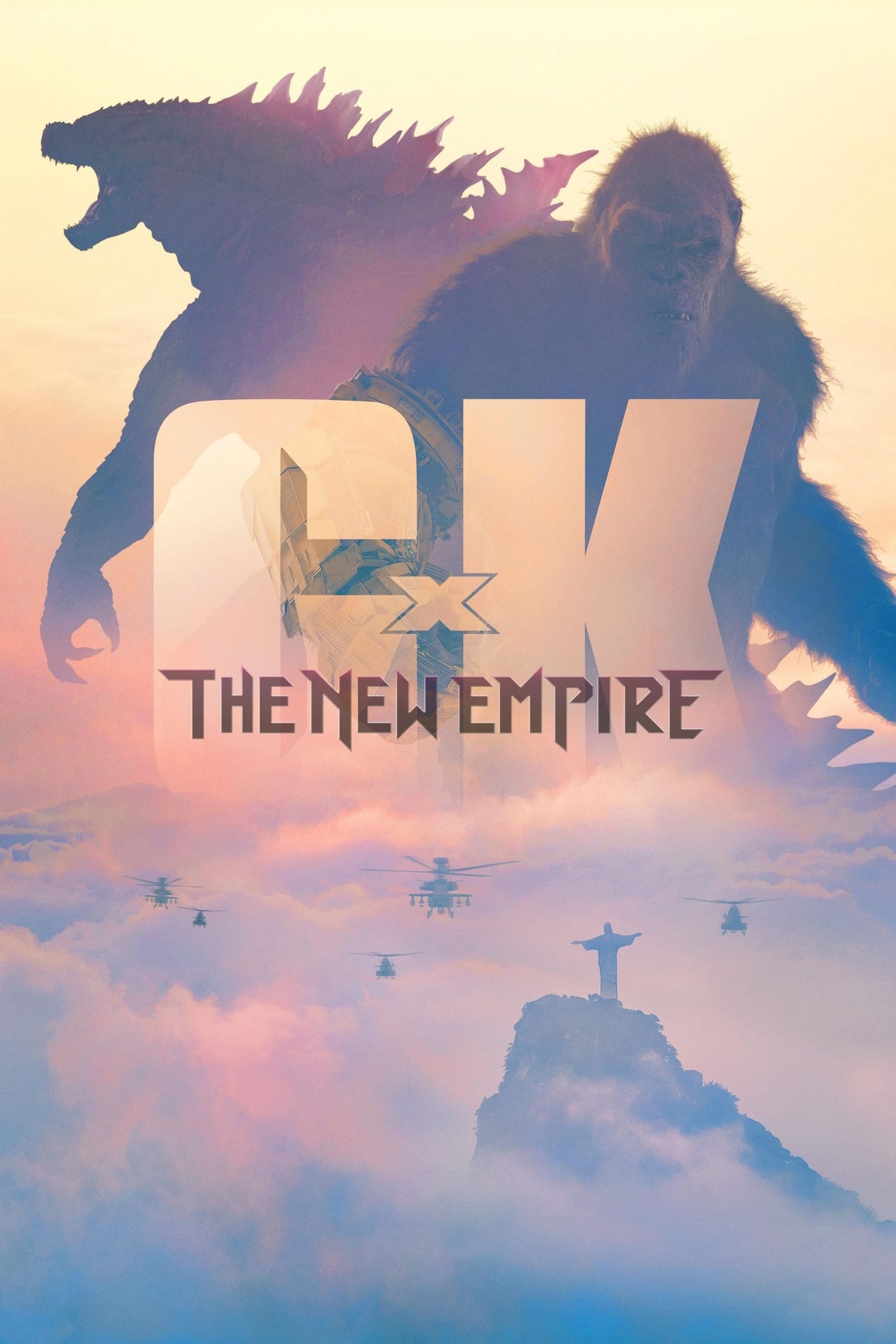
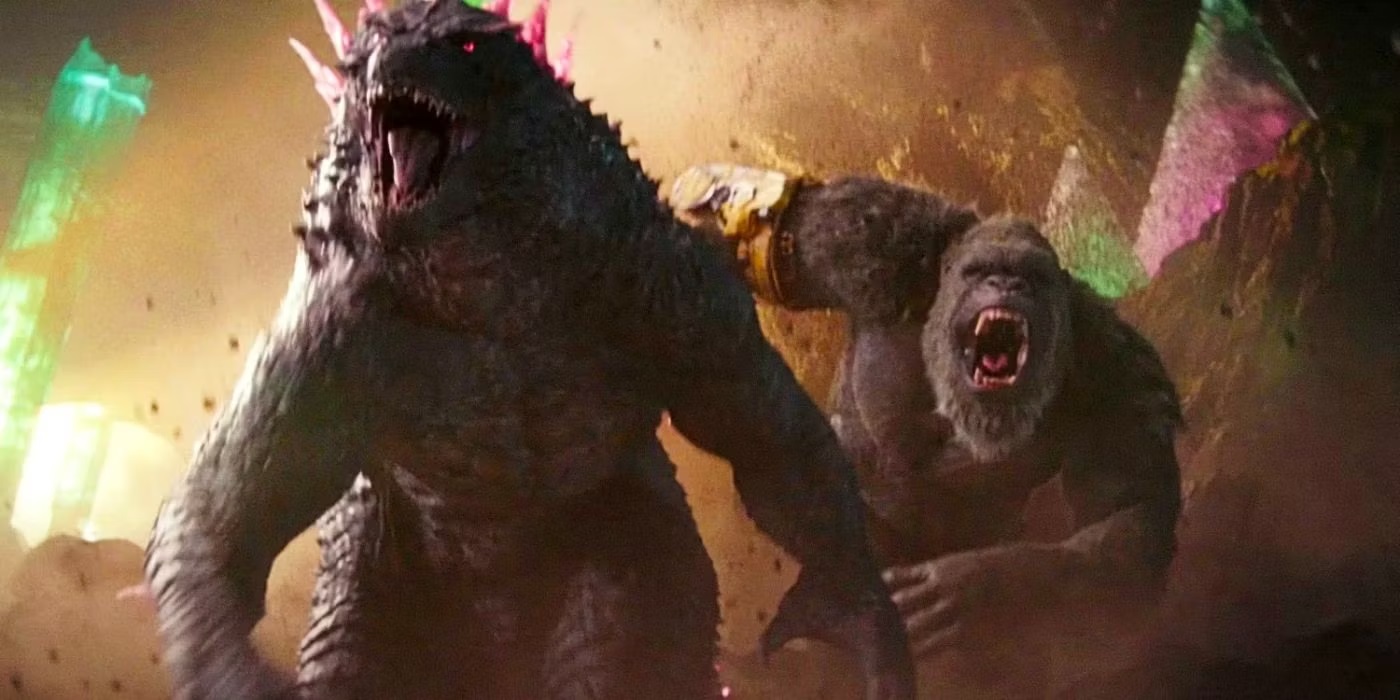
While cinematic universes based on superheroes have fallen out of favor and other attempts at creating different kinds of cinematic universes have faltered, the MonsterVerse has actually thrived lately. Just look at the unexpected success of Godzilla x Kong: The New Empire, which when released last week earned much more in the box office than originally projected. Given the success of the latest MonsterVerse film, another sequel is warranted but to date there are not any concrete plans for more films or TV shows. Expect that to change shortly.

The success of the MonsterVerse surprised many people because a lot of attention in the past was given to the superhero film franchises which were more successful. However, as we all know, the superhero film franchises have struggled lately, which created a void for other film franchises to fill, hence the rise of the MonsterVerse. For some time, it was thought that creating a film franchise not related to superheroes was impossible, but the MonsterVerse proved the naysayers wrong.

Originally, the first film in the MonsterVerse, the 2014 American reboot Godzilla was not intended to launch a cinematic universe. Yet, a few years later the birth of the MonsterVerse was confirmed with 2017’s Kong: Skull Island, which was set in the 1970s while Godzilla was set in modern times. But both films featured the secretive Monarch organization which studied the titans or kaijus that were appearing in the world. Cementing Kong: Skull Island as the second film of the franchise was its post-credits scene which teased Godzilla and other giant kaijus from the Toho Studios Godzilla films.

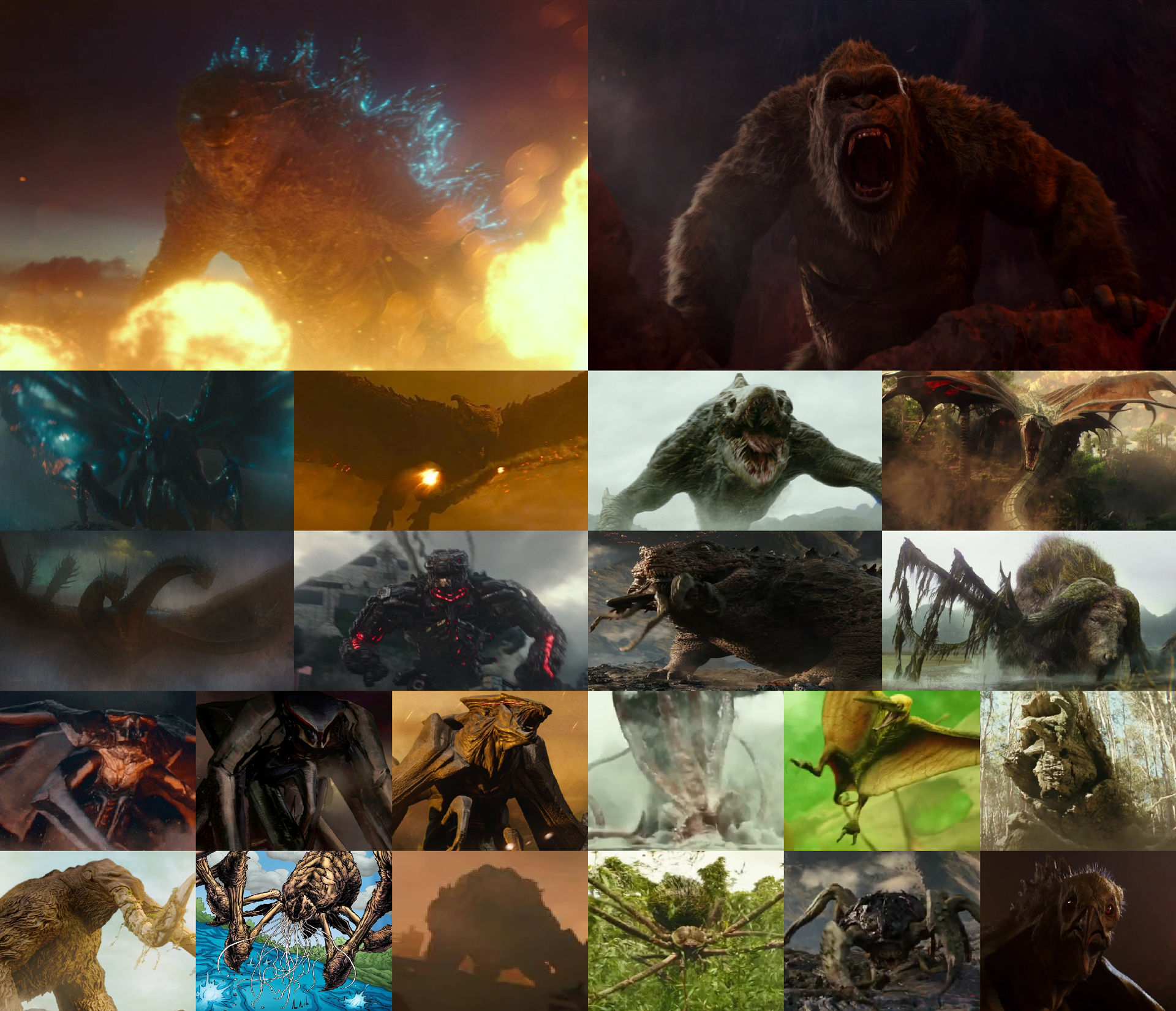
The next entry in the MonsterVerse was Godzilla: King of the Monsters in 2019, which was a true kaiju epic featuring favorite Toho kaijus like Mothra, Rodan and King Ghidorah along with new and interesting titans. Sure, critics hated the film and it only performed so-so in the box office, but Godzilla: King of the Monsters struck a nerve with fans who where enthralled with the worldbuilding and the explosive monster scenes.

The next logical MonsterVerse film had to be one where King Kong fought Godzilla, which excited many fans. Godzilla v Kong was released on streaming at the same time as it was released in theaters in 2021 due to the COVID-19 pandemic, but it made a lot more money than people expected and was well received. It was the culmination that many eagerly anticipated ever since Godzilla was teased in Kong: Skull Island.

Due to the success of Godzilla v Kong, the MonsterVerse expanded into streaming with two TV shows: the animated Skull Island and the live-action MonsterVerse prequel/sequel to Godzilla, Monarch: Legacy of Monsters. Both TV projects received positive reactions and helped with the worldbuilding of the MonsterVerse as events from the TV shows were referenced in Godzilla x Kong: The New Empire.

Of course, this brings valid complaints about having to watch previous films or TV shows in order to fully understand what is going on. But does the plot really matter? Sure, the scripts of the films are an issue, especially with the more recent entries and there will come a time when fans will tire of the monsters fighting and want to see some more meat in the scripts. But this is possible as seen with Godzilla, which was a more grounded and mature film. Fans back then griped about the somber tone of Godzilla and the lack of monster action, but it turns out they were not ready for such a film and clamored for the big kaiju battles that dominate the films now. Monarch: Legacy of Monsters was also a more level-headed project that explored the background of Monarch and took time to get us to care about the characters. Perhaps the next MonsterVerse film should find a way to showcase these characters, even though part of the TV show is set in the past.

So, why did the MonsterVerse succeed as a franchise where others failed? Part of it has to do with the fact that even though the films and TV show feature spectacular special effects, their budgets are modest compared to the superhero blockbusters. This makes it easier for them to be profitable even if the box office returns are not as outstanding. It’s actually remarkable given that the battles and scenes with titans are the highlights of these films. Also, unlike some other film franchises, the MonsterVerse took time to properly set up its world. Legendary Pictures, the film studio behind the MonsterVerse, did not at first set out to create a film franchise and even when it did, the set up was natural. This method also created demand, after Godzilla: King of the Monsters many fans demanded to see Godzilla go up against his rival, Kong. A King Kong versus Godzilla film was not rushed out but carefully teased. This was not the case with Batman v Superman: Dawn of Justice. To Legendary Pictures’ credit, they are giving fans what they want which is basically big kaiju fights and scenes with topnotch special effects.

As great as things are for the MonsterVerse, the film franchise will have to evolve in order to survive. Better scripts and more human character developments are essential, as well as more imaginative worldbuilding that unlocks the potential with the titans. What can be done with the titans and Monarch has barely been tapped and hopefully the MonsterVerse will be explored further with future TV and film projects.

Godzilla x Kong: The New Empire Is Pure Goofy Fun!

Well, no one can say Godzilla x Kong: The New Empire can be compared to Godzilla Minus One, but it was still fun.

The latest film installment in the Monsterverse cinematic universe reunites everyone’s favorite kaijus Godzilla and King Kong, who last faced each other in Godzilla vs. Kong. That film left the two titans living in two different worlds: Kong in an underground realm called Hollow Earth while Godzilla remained on the surface and as the undisputed king of the monsters. Godzilla x Kong: The New Empire takes place a few years later where Godzilla starts stomping around the world, destroying cities while battling other kaijus, and absorbing radiation to charge himself up. This catches the attention of the Monarch Organization, which monitors the behemoth kaijus throughout the world that have made their presences known in the Monsterverse.

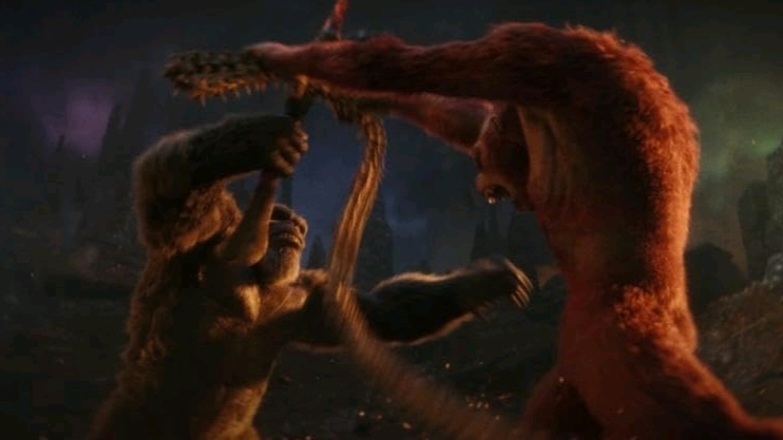
Ilene Andrews (Rebecca Hall) is a linguist at Monarch with an adopted daughter Jia (Kaylee Hottle), who is the sole remaining member of her tribe that lived on Skull Island. Jia has been having visions that serve as a warning and Ilene recruits a podcaster, Bernie Hayes (Brian Tyree Henry), to decipher Jia’s visions, He figures out that the visions are a distress signal from Hollow Earth. Meanwhile, down below on Hollow Earth, Kong is trying to find other giant apes like him and eventually discovers a tribe of such apes, but they are hostile and ruled by a giant, red-furred tyrant called the Skar King.

After King Kong comes up to the surface world to get his tooth infection taken care of by a free-spirited veterinarian called Trapper (Dan Stevens)—yes, that actually happened, Ilene, Jia, Bernie and Trapper voyage to Hollow Earth to find the source of the distress call. Once there, the four run into the last remaining members of Jia’s tribe who are telepaths and they learn that long ago, the Skar King and his ape tribe tried to conquer the surface world, fought Godzilla and were trapped in Hollow Earth.

During his encounter with the giant ape tribe, Kong is bested by the Skar King and is forced to flee with his new-found friend, Suko, a young, red-furred giant ape that is patterned after Grogu or Baby Groot. The human quartet from the surface world run into Kong who was badly injured during his fight with the Skar King and his forces. As Trapper treats Kong, the rest have to find a way to get Godzilla back to Hollow Earth to help Kong fight the Skar King, who plans to escape to the surface to conquer it.

Yes, this admittedly sounds goofy, and it is. But Godzilla x Kong: The New Empire is so damn entertaining and it’s simply a fun watch that is fast paced and exciting. Basically, this is the quintessential film for you to turn off your brain, not question the film’s logic and just go with it. By the end of the film, anyone will be rooting for our heroes during the climatic battle with the Skar King and his minions. That battle was actually pretty epic and the film is a throwback to the more juvenile Godzilla films from the ‘60s and ‘70s that we all enjoyed as kids. The script is obviously the weakest part of the film, but everything else was well done. Who cares about collateral damage as famous landmarks and cites are destroyed as these giants tussle? How many people were killed as King Kong and Godzilla faced off in Cairo? Never mind that the Pyramids of Giza were destroyed! Or that the film copies elements from popular films and TV shows like The Avengers or The Mandalorian. Leave those concerns home and keep munching your popcorn as the film makes you feel like a little kid again. This is the kind of film to not think too deeply about and have a laugh-filled blast.

The actors give it their all with their limited character development, while King Kong is the clear star of the film.  His dialogue-free scenes give him a lot of pathos as the lonely giant gorilla tries to find others of his kind and dealing with the fact that when he does so it was not what he expected. Godzilla’s screen time was not as prominent as in other Monsterverse films, but that’s okay. His scenes are awesome to watch, although some of them were silly like when he uses the Roman Coliseum as his resting place to get some shuteye. Yet, he and Kong still inspire much respect whenever they display the full might of their power.

While Godzilla x Kong: The New Empire is just goofy, surface-level fun, it is unfortunate that the film came out after the more serious Godzilla Minus One and even Monarch: Legacy of Monsters, the TV show set in the Monsterverse and is required viewing for fans of the film franchise. It can be too easy to dismiss these kaiju films especially the ones from the Monsterverse as silly nonsense, but they can achieve a more mature and thoughtful tone, which was seen with the first Monsterverse film, 2014’s Godzilla. Of course, many complained that that film was too serious and didn’t feature enough monster destruction. Fair enough, but it seems as if the recent offerings have swung too hard in the other direction to the point that they cannot be taken seriously. Monarch: Legacy of Monsters struck a fine balance and if more Monsterverse films are made they should emulate the mood of the TV show. The filmmakers should aim for something higher instead of playing it safe and reveling in epic kaiju battles. But enough of that griping, just go see Godzilla x Kong: The New Empire and have some fun.  

Regarding MCU’s Cancelled Projects

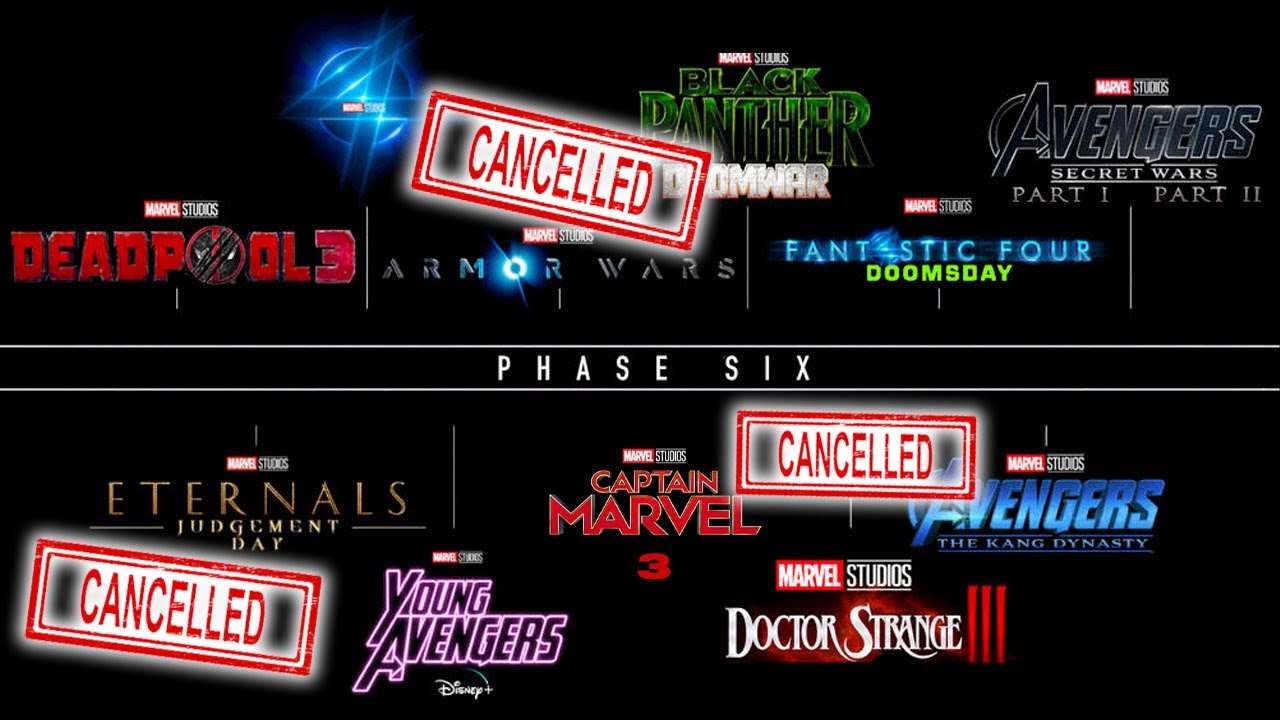
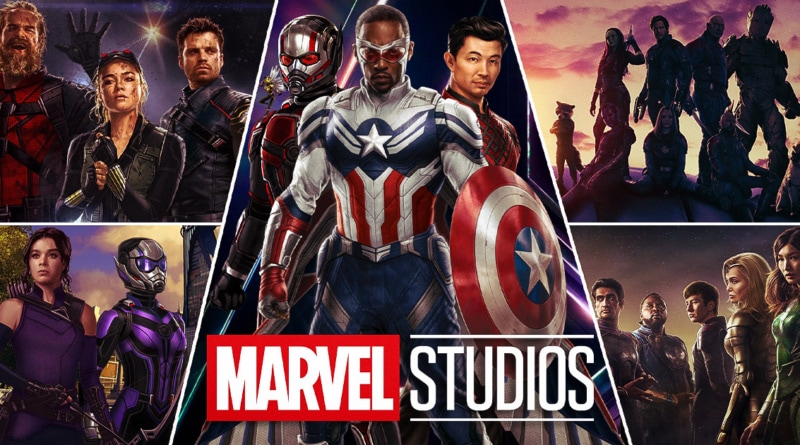
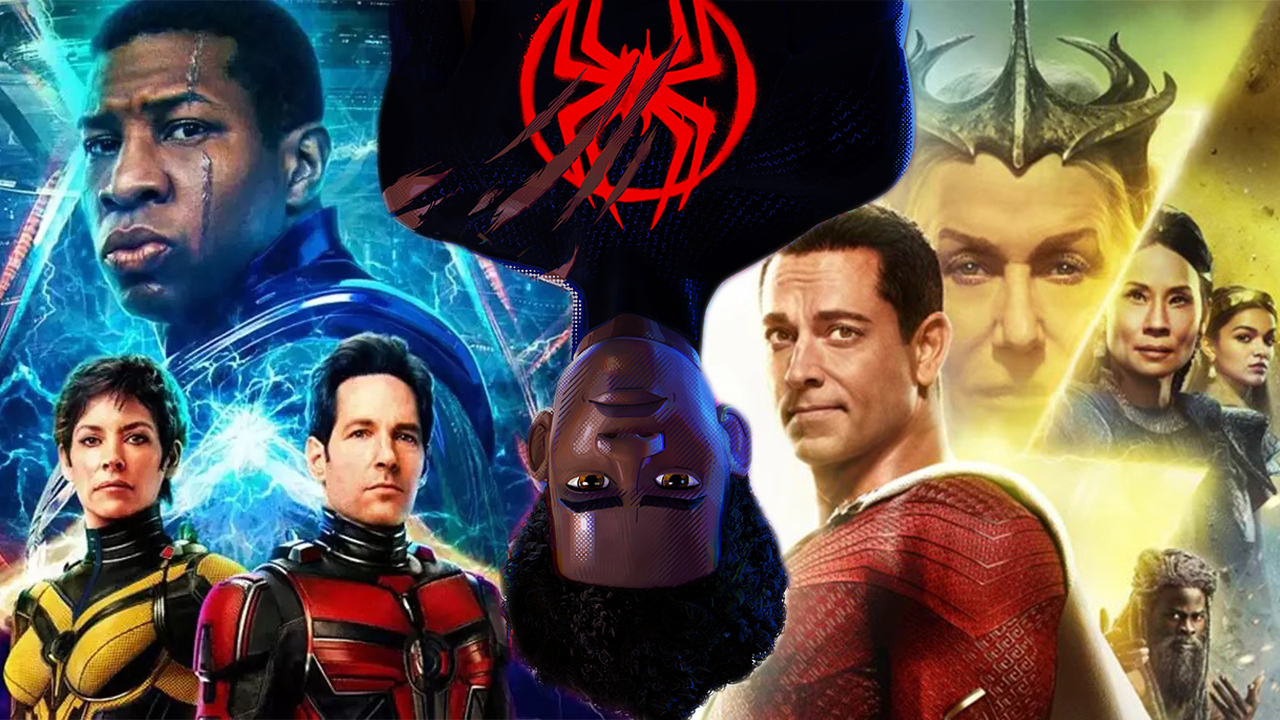
The big news this past week regarding the Marvel Cinematic Universe (MCU) was that Disney cancelled a few MCU projects that were being prepared as a way of getting MCU and Marvel Studios back on its feet. What was noticeable about the news was that the projects included followups to Eternals, Captain Marvel and Ant-Man. There are also reports that long-announced projects like Ironheart and Armor Wars are also on the chopping block. While it is understandable why they have been cancelled, there is also some cause for concern.

The reasoning behind the cancellations was that Marvel Studios should focus on projects based on popular characters that will be guaranteed hits like Spider-Man, the Avengers and the X-Men. It makes sense but it just means that Marvel Studios will be forced to play it safe. It’s a shame because Marvel Comics has a huge plethora of intellectual property to mine from. To just go back and do films and TV shows about the same characters over and over again runs the risk of over-relying on them. Then you wind up with the situation Warner Bros. has with its DC characters where the only thing the company focuses on are numerous Batman films and related TV shows. Of course, these film studios need hits and it doesn’t hurt to rely on what works to fund future projects, but doing so risked overusing certain characters and diluting their appeal in the long run.

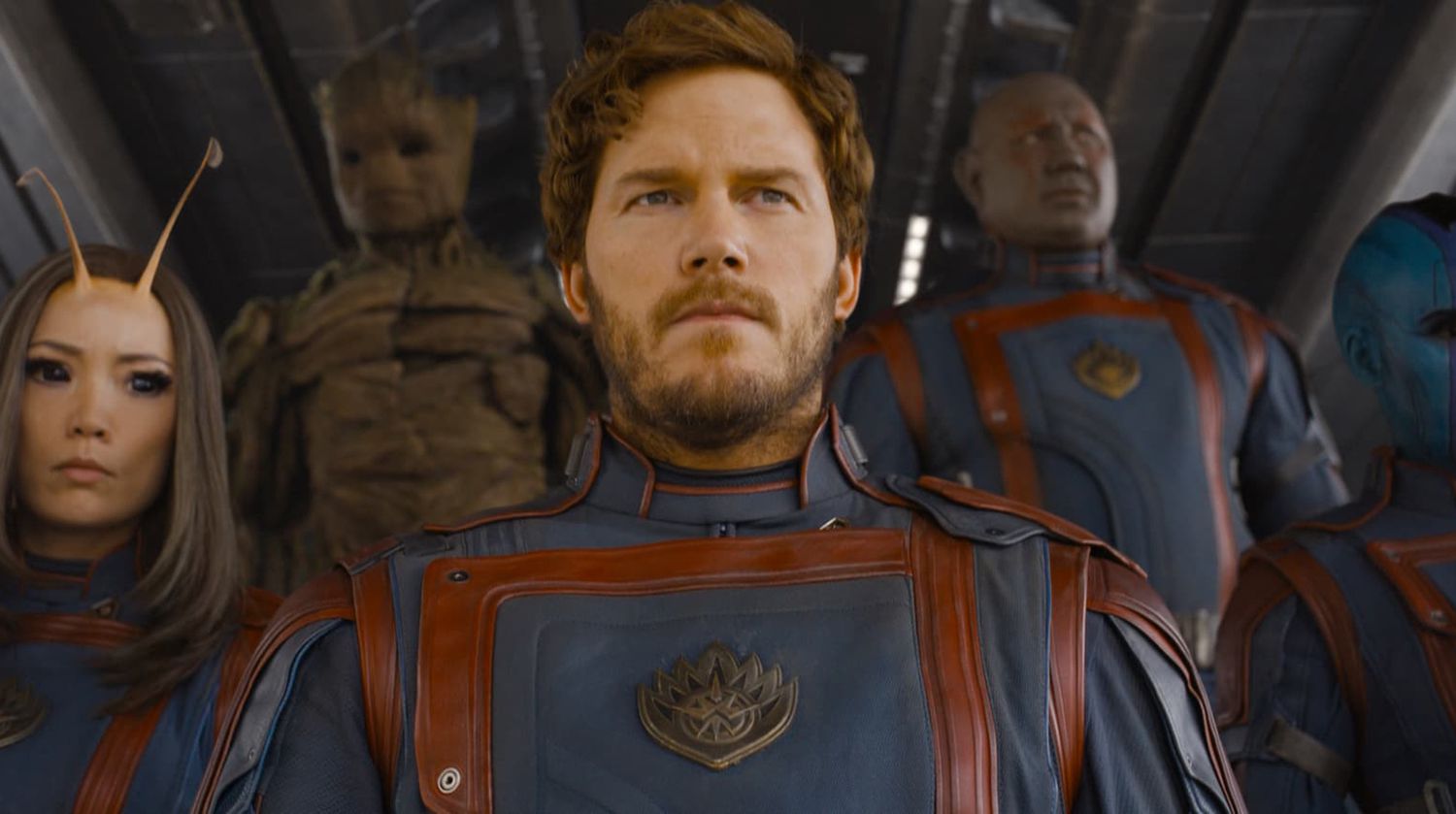
By playing it safe, Marvel Studios will avoid taking risks and approving projects based on lesser-known Marvel characters. This is understandable given the time and money that will be used to produce films and TV shows on characters few have heard of. But if Marvel Studios always followed this mentality we never would have gotten Guardians of the Galaxy. Back when that film was first announced, many were convinced that it would be Marvel Studios’ first flop. After all, few people heard of the characters who were outlandish. A talking raccoon? A walking tree? These doubters were sure no one would pay money to see films featuring such bizarre characters. But as we all know, the film was a huge hit and turned the Guardians of the Galaxy into beloved household characters.

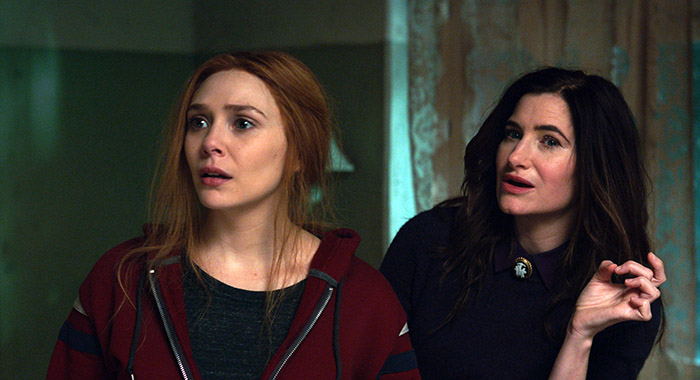
Marvel Studios has tried to replicate the success of Guardians of the Galaxy with other lesser-known properties to varying results. For every Black Panther there was Eternals. While not everything Marvel Studios tried worked out, this does not mean that the film studio should avoid experimenting and trying out new characters. This will pay off for the film studio in the long run. Just look at the Scarlet Witch. When she first debuted in Avengers: Age of Ultron, she had an impact but her popularity did not truly take off until WandaVision years later. That show was so popular that it has spun off a couple of its characters into their own film and TV show, that being Photon and Agatha Harkness. Unfortunately, Photon’s film The Marvels flopped and Agatha: Whatever is the Subtitle still hasn’t streamed yet, so the jury is out on the TV show. However, the failure of The Marvels cannot be blamed on the character of Photon. The same would have to go with the other main characters in that film and going further with Nick Fury in Secret Invasion or Ant-Man in Ant-Man and the Wasp: Quantumania. Those projects failed but it was not because of the characters. They had their own issues and the characters were mostly well received in other appearances.

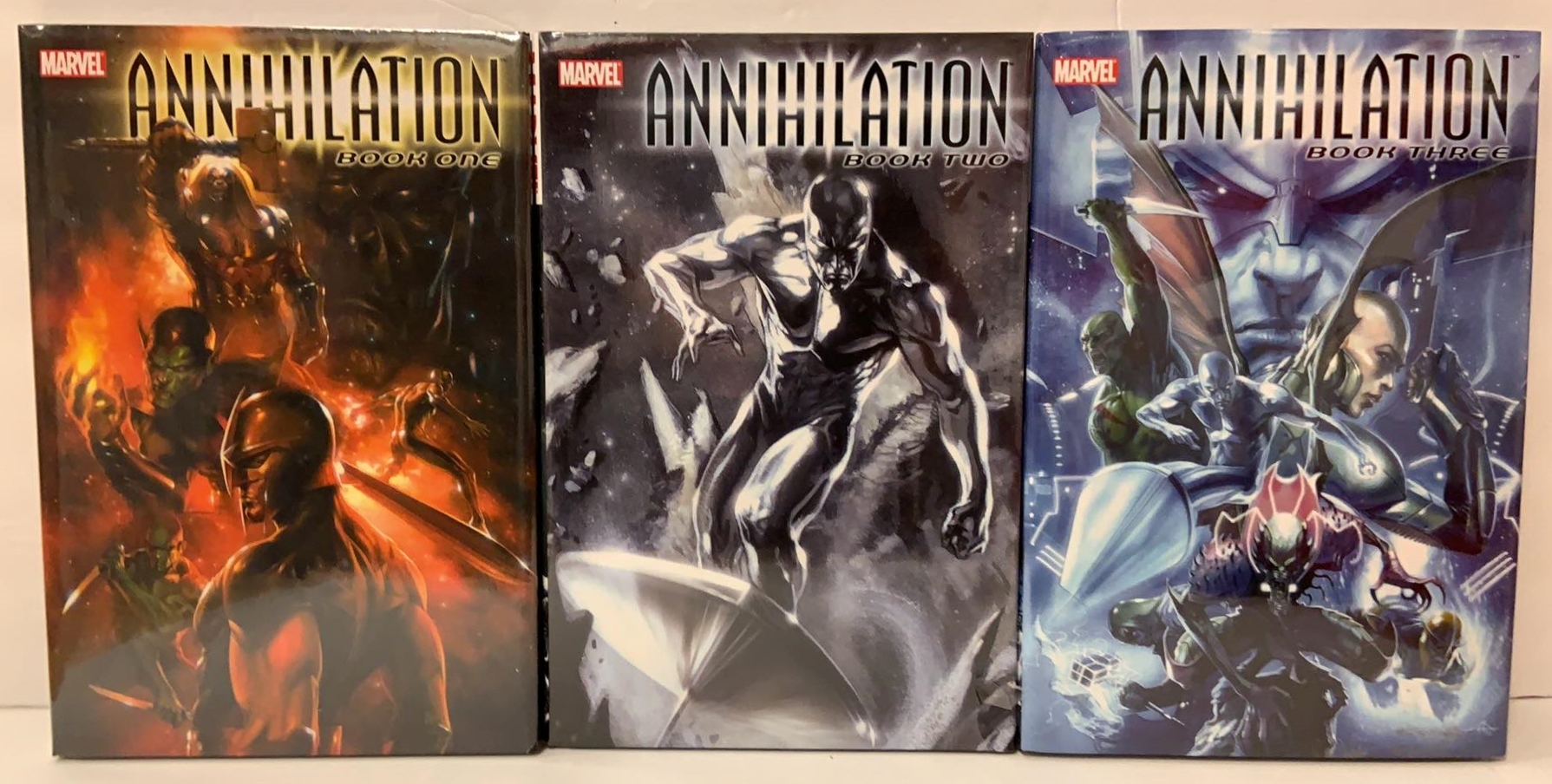
Thankfully, Marvel Studios will continue to utilize these characters in other projects. For instance, Ant-Man is supposed to appear in the next Spider-Man film and the next Avengers film. With Eternals, even though that film won’t get a proper sequel, the characters and events from the film are rumored to be incorporated into the next Avengers film. It would make sense that if the fifth Avengers film is no longer about Kang the Conqueror then it could be a cosmic-based film that features the Eternals and even the Guardians of the Galaxy in a loose adaptation of the Annihilation storyline from Marvel Comics (this was the comic book event that introduced the modern incarnation of the Guardians of the Galaxy that we think of). Some creative scripting could have the events of the cosmic plot in that Avengers film continue the Incursion/Multiverse arc and lead into Avengers: Secret Wars.

Marvel Studios should not hesitate with continuing to introduce new characters all the time in their films and TV shows. Although not all of them will take off in popularity, they should be featured to at least test the waters and see how they are received.

Maybe after a few hits under its belt, Marvel Studios will once again take creative chances with Marvel’s other characters. After all, the richness of the vast Marvel Universe deserves to be fully explored for MCU fans.

A Brief Look Back At David Lynch’s Dune

Dune is a classic 1965 novel by Frank Herbert that chronicles a feudal family, House Atreides, in the far future that gains control of the desert planet Arrakis (also known as Dune) that has a precious substance called The Spice. They are betrayed by the Emperor of the Known Universe, who conspires with their hated rival House Harkonnen, to seize the planet and kill off the Atreides leader Duke Leto, while his concubine Jessica and son Paul escape to the desert. They ally with the native people know as the Fremen and rebuild their empire with Paul becoming the Fremen’s long awaited messiah to lead them to freedom.  

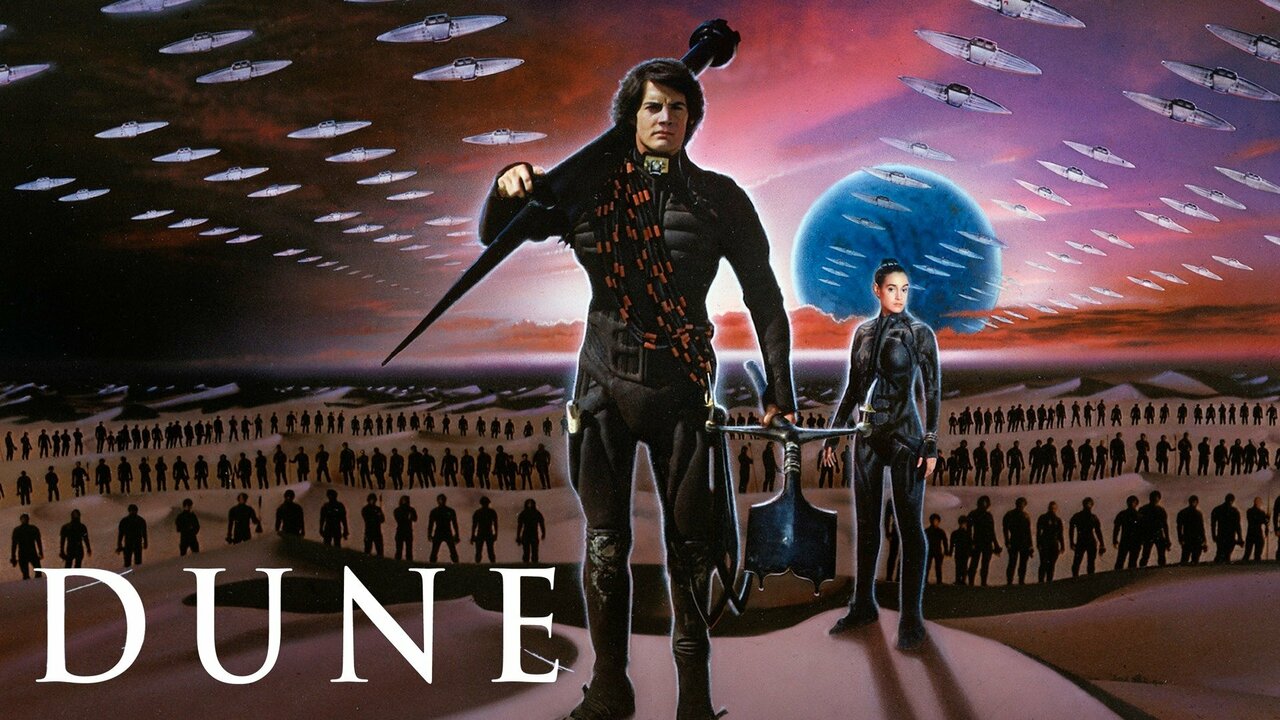
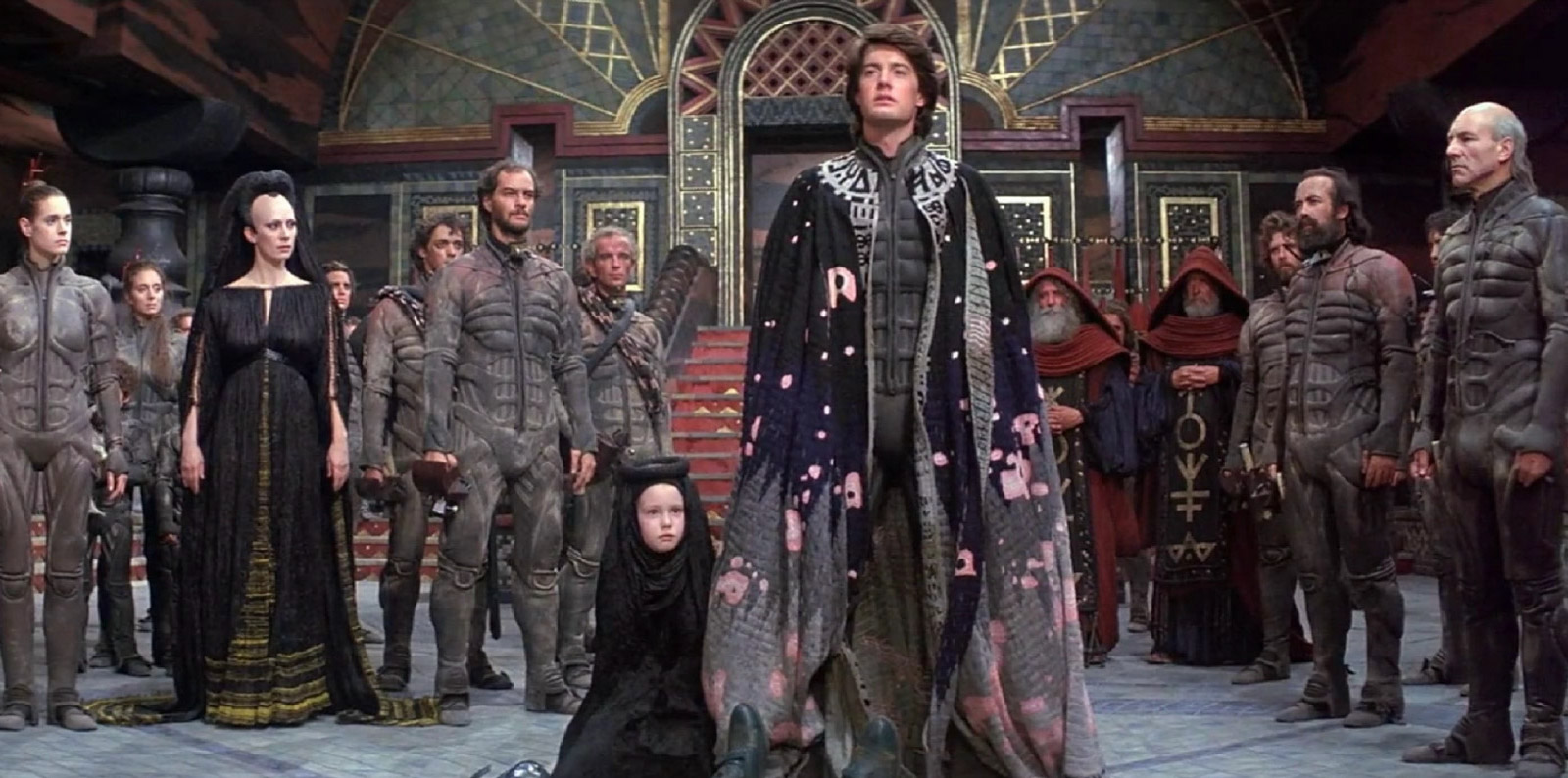
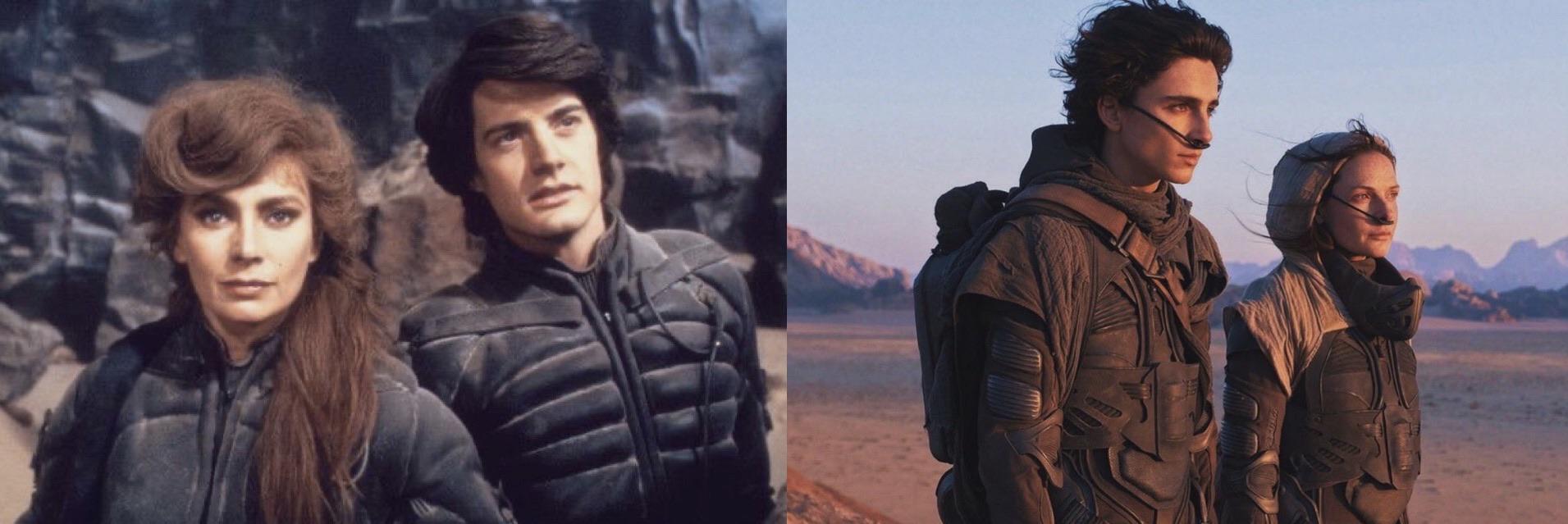
This complicated story has been adapted several times, most recently by Denis Villeneuve with his two-part film adaptation. The very first live-action film adaptation of Dune, however, was done by famed director David Lynch in 1984, whose take on the material was interesting if not always accurate to the book. The lavish production and look of the whole thing was a highlight as well as its all-star cast. Twin Peaks lead Kyle MacLachlin starred as Paul Atreides, and other stars included Patrick Stewart, Brad Dourif, Jurgen Prochnow, Dean Stockwell, and Sting.

The film was basically the same as the book, but there were deviations from it. Most notable was the inclusion of a sound weapon used by the Atreides to battle the Harkonnens. This doesn’t appear in the original book and was somewhat weird to see on the screen. The ending was basically the same but had one crucial difference. After vanquishing the Harkonnen heir, Feyd Rautha, played by a manic Sting, Paul takes control of the empire, and then makes it rain on Arrakis. This is strange as in the book, Paul doesn’t have any magical powers, he just pretends to in order to fulfill the Fremen prophecy of being their “Voice from the outer world”. Nevertheless, Dune as a whole was a good retelling of Herbert’s intriguing tale of outer space intrigue, religion, politics and conflict. 

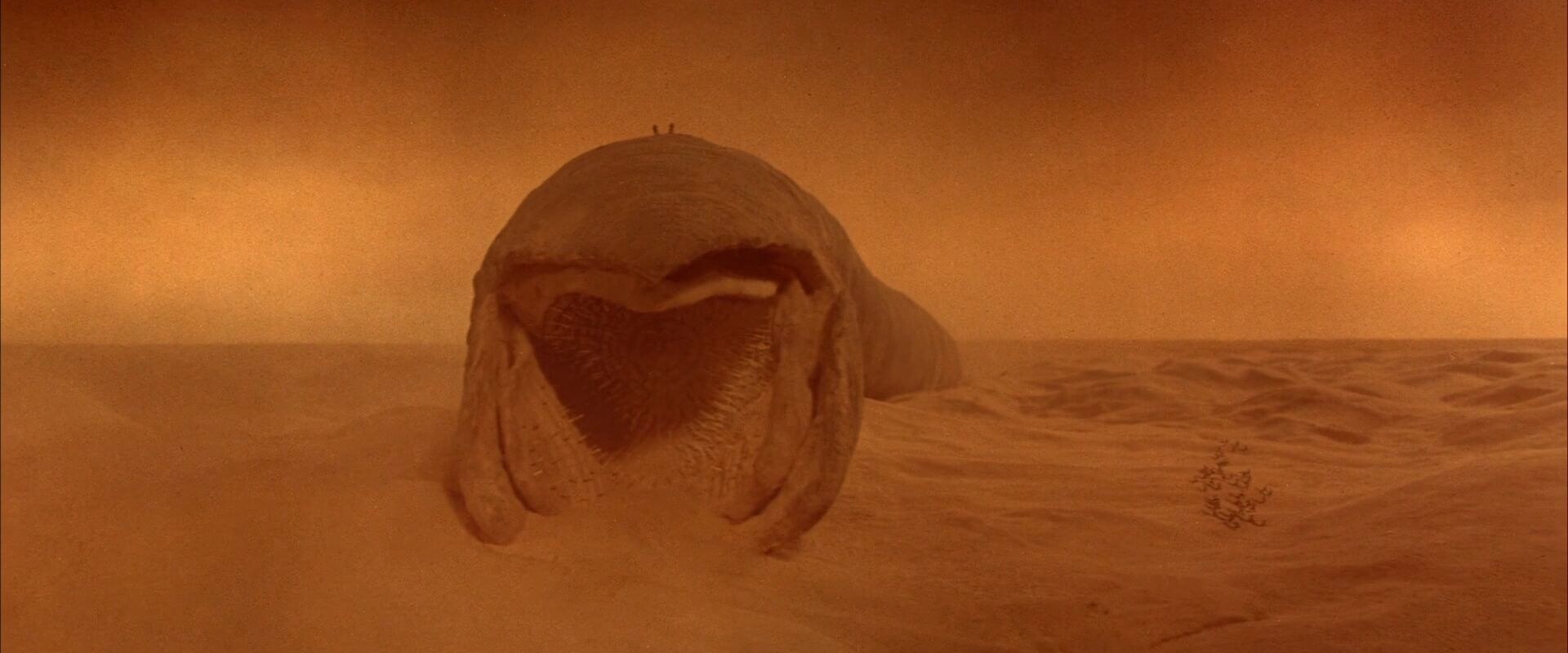
The special effects were somewhat of a mixed bag. The overall look of everything was very good and had the feeling of the book coming to life, but some of the scenes with the enormous sandworms on Dune and the Spacing Guild navigators do look dated. The costumes were both strange and exotic which was appropriate given that the story takes place tens of thousands of years in the future, although the Imperial Sardarkar troops look like they’re wearing garbage bags.

Dune was a struggle to make for Lynch, and subsequently there was an extended edition made without his approval that aired on television. This longer version removed his name from the credits at his insistence and featured new footage and a different opening that explained more of what happened in the years before the film with paintings and a husky voiced narration. This was nice to see for fans of the book who were familiar with what was being described, such as the Great Revolt against thinking machines, but casual viewers might be baffled by it, as some were by the theatrical version. This was probably due to the time constraints of fitting in the whole book into a 2 1/2-hour film. It was inevitable that many of the details of the novel would be lost.

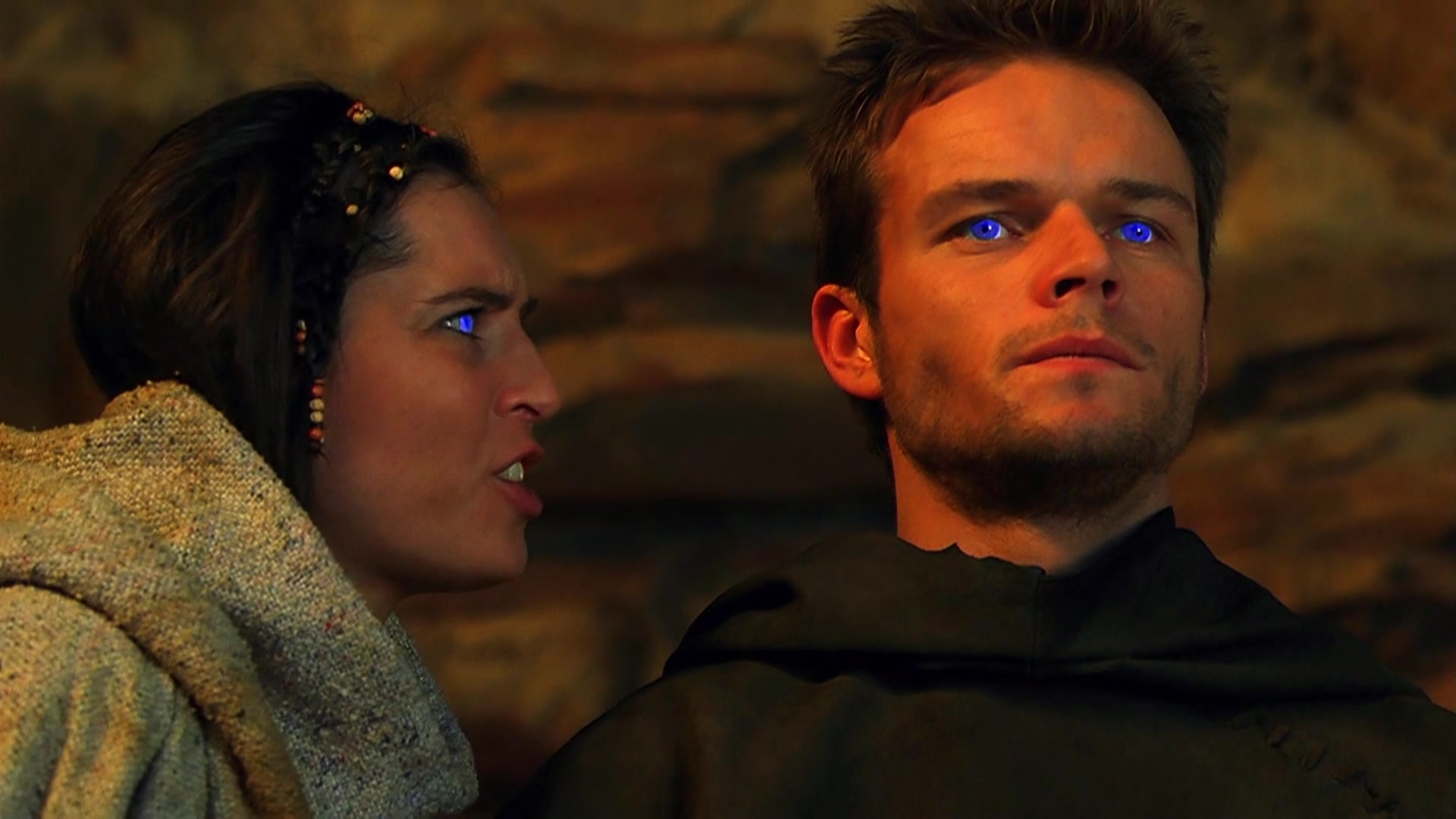
A later TV adaptation on the Sci-Fi Channel in 2000 rectified this as a three-part mini-series that lasted over four hours. This version, sometimes called Frank Herbert’s Dune, was able to be more faithful to the novel, albeit with a lower budget as seen with some of the background scenes that looked like paintings in some instances. The latest adaptations in 2021 and now this year have wisely spilt the book into two parts to have a story that retains much of the book as well as the feel of a big budget, Hollywood production. This seems to be the best of both worlds and their success bodes well for the Dune franchise.

Overall, David Lynch’s Dune does a good job of showcasing Frank Herbert’s story. Lynch basically washed his hands of it after issues with the film studio Universal, but I see it as one of his better films. While it has its flaws, it is still a quality science fiction film that is interesting to watch and still holds a place in the franchise as an alternative look into what happened to the Atreides family in their epic struggle against the Harkonnens and a very unique window into the fascinating Dune universe.

C.S. Link