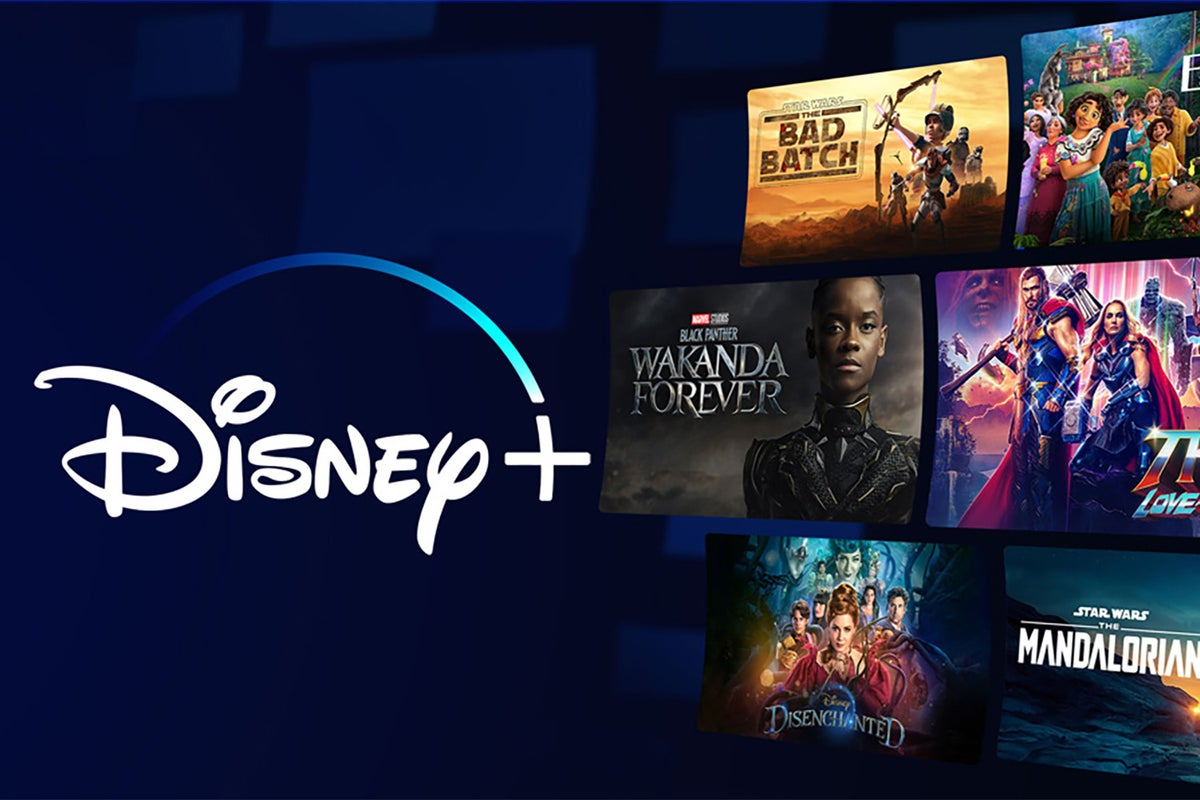
Disney + Has Damaged Pixar, Star Wars & Marvel

When it was announced that the streaming app Disney + would feature exclusive content for their purchased intellectual properties Star Wars and Marvel, most fans were understandably excited. In the closing years of the 2010s both properties were riding high, especially Marvel with its Marvel Cinematic Universe (MCU). The people running Disney + promised that subscribers would have access to a vast video library of its properties and that the exclusive content would be top-of-the-line when it came to quality. At first, this seemed to be the case. At first.

Shortly after Disney + became available, the COVID-19 pandemic hit, which shut down theaters and the streaming platform became the only medium available to get new content based on Disney IP, Pixar, Star Wars and the MCU. Due to the pandemic many films were delayed and this happened with the Pixar films scheduled for release. At the same time, Disney was desperate to generate streaming traffic for Disney + and to gain subscribers, new product had to be available. The easiest solution was to take the delayed films like Soul and premiere them exclusively on Disney +.
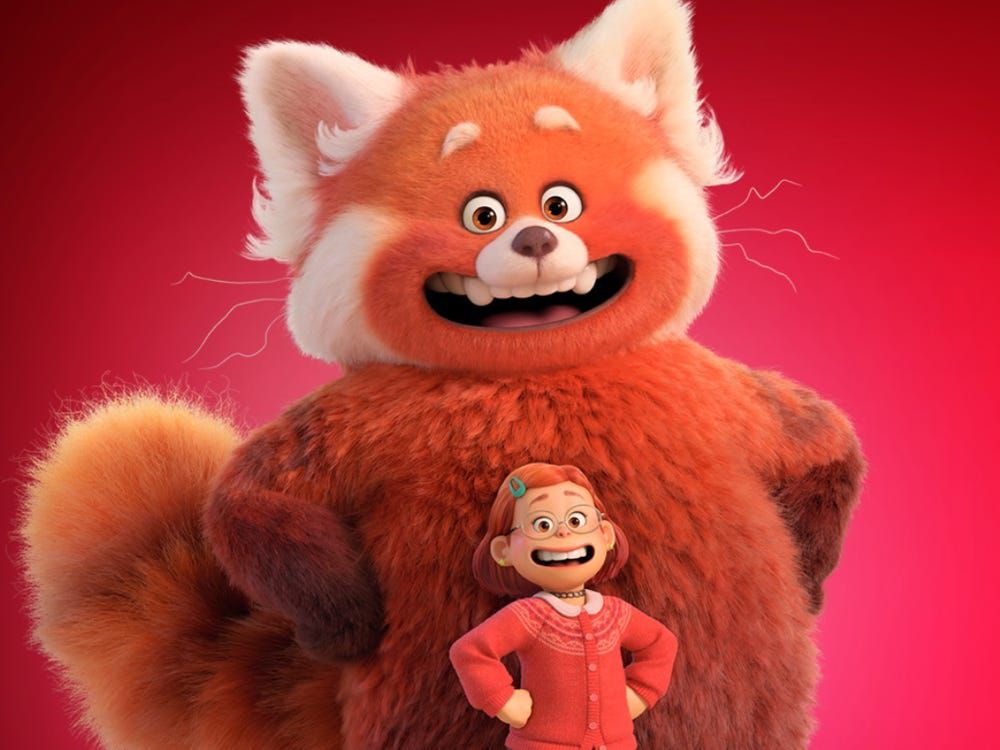
For a short while, this tactic worked, but unlike the other MCU films that were released exclusively in theaters, Disney kept debuting other Pixar films like Luca and Turning Red on the streaming app. This gave the impression that the Pixar films were inferior in quality, because people began thinking that these films were not good enough for theatrical releases. Also, when the Pixar films Lightyear and Elemental actually premiered in theaters, viewers were conditioned to wait for them to come out weeks later on Disney + and save some money. To be fair other streaming apps like HBO Max did this as well, but this tactic was abandoned soon after studios realized they were losing revenue. It took Disney some time to forego premiering some of their films on the app.
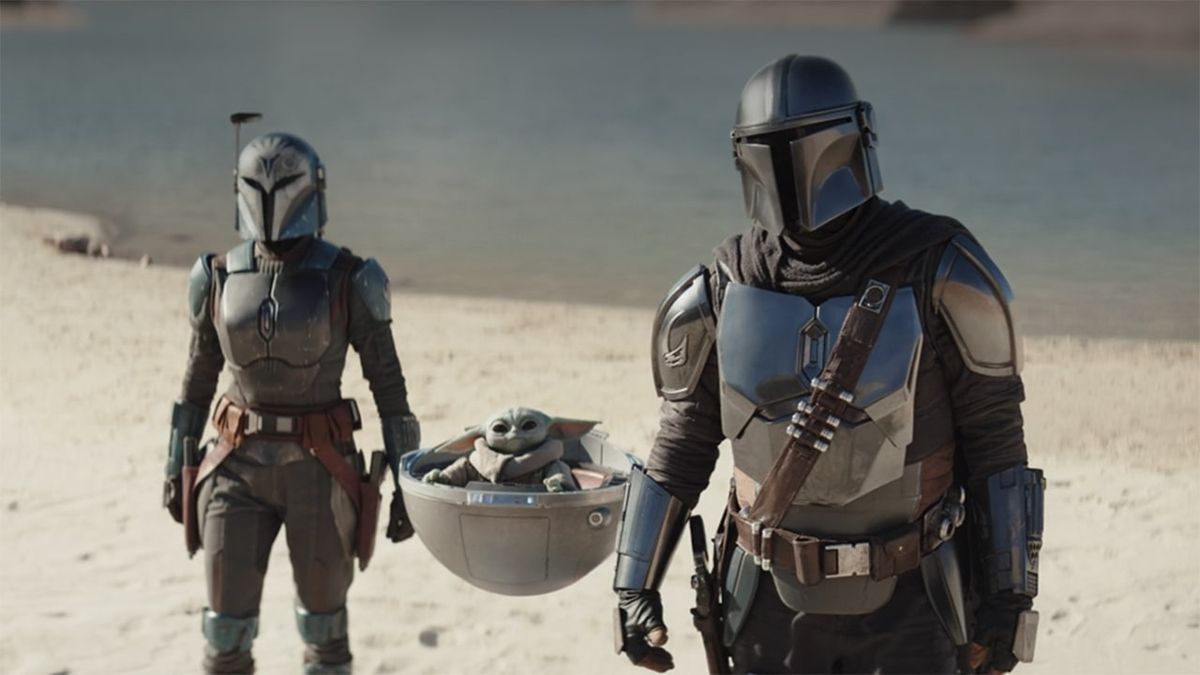
The app premiered with The Mandalorian, the hit TV show set in the Star Wars universe about a Clint Eastwoodish, intergalactic bounty hunter and his infant alien ward. The Mandalorian became a huge hit and actually helped keep the Star Wars brand alive. Actually, for a couple of years it was the only Star Wars-related property for fans to watch. Obviously, Disney had to put out more Star Wars content and last year more Star Wars-related TV shows streamed on Disney +, which included The Book of Boba Fett, Obi-Wan Kenobi, Andor, and now Ahoska. While some of the TV shows were well received and even earned Emmy nominations, the Boba Fett show was a huge misfire with its unfocused scripts. Unfortunately, these same problems bled into the third season of The Mandalorian, and Ahsoka is receiving criticisms, as well. It is clear with The Mandalorian, The Book of Boba Fett and Ahsoka that Disney wants to create a more integrated universe with a part of Star Wars history: the period of time after the fall of the Galactic Empire. Reportedly the goal is to have the TV shows lead to a film that ties all the elements together. While it is ambitious and echoes what happened with the MCU, there are problems in that the Star Wars universe is becoming too convoluted. Viewers are forced to watch other shows and even animated programs like Star Wars: Rebels to fully understand what is going on with many of the Star Wars TV shows. With interest in the Star Wars brand waning, this development could not have happened at a worst time.
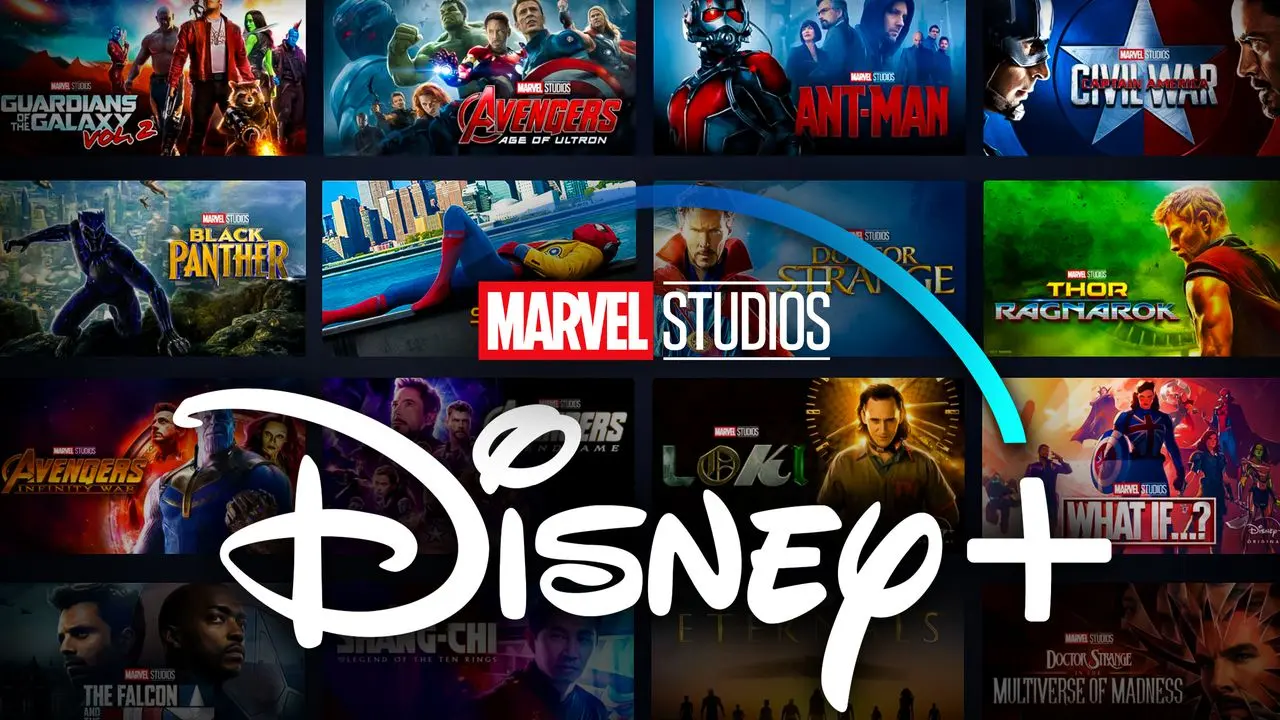
The problem with the scripts for some of the Star Wars TV shows also plagued the MCU TV shows. What was worse was that the production values for many MCU TV shows was shockingly poor. The MCU, like Star Wars, got off to a promising start on Disney + with TV shows like WandaVision and The Falcon and the Winter Soldier. But the quality of the MCU TV shows soon began to falter and it became more and more obvious that budget limitations were impacting the shows. For example, with the time travel TV show Loki, even though it was well acted and written, it seemed as if there was a lot of talking instead of showing. Instead of time traveling to pivotal events in the MCU, the main characters traveled to mundane time periods.
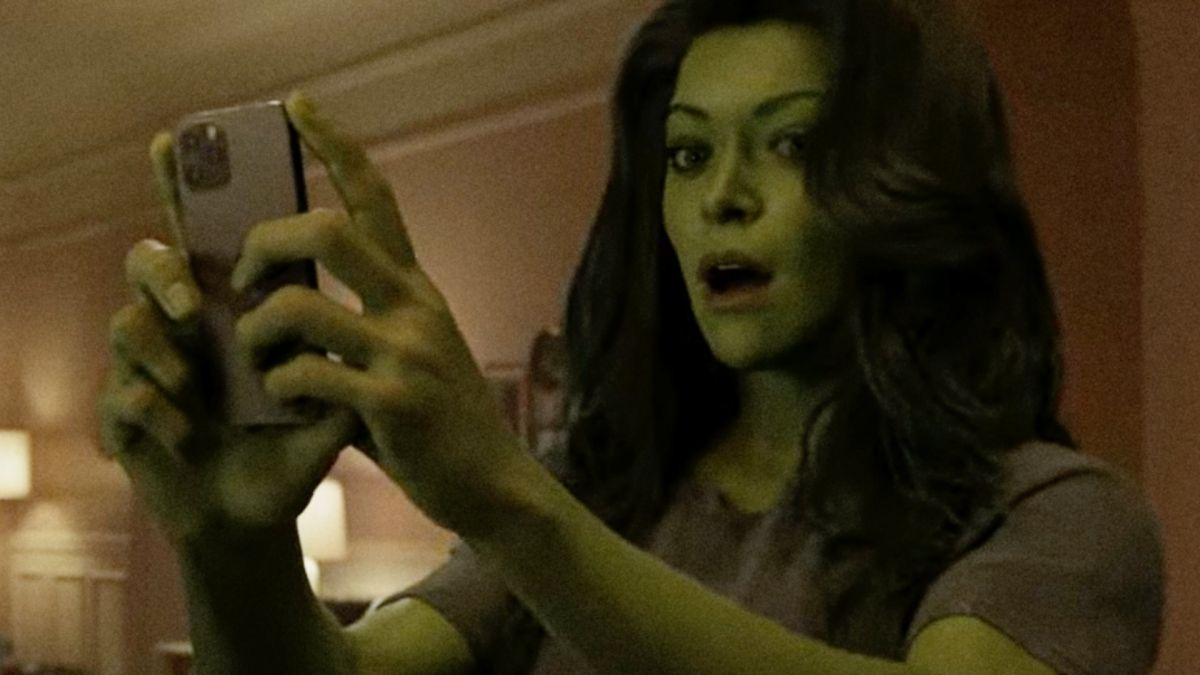
The problem with limited budgets affected some of the effects work on later TV shows. This was best seen with Ms. Marvel, She-Hulk: Attorney at Law and Secret Invasion. With She-Hulk, the limited special effects was fatal for the show because its poor, unfinished special effects left She-Hulk looking like a SIM character. The same budget limitations has severely affected Secret Invasion, which has a lot of talking scenes about world events with limited action scenes. What is even more unbelievable is that the budget for the TV show was about $200 million. Where did that money go? The budget for Secrect Invasion is not the main reason for its poor execution, it is actually due to the scripts which make the show feel small scale. This also went on with many other MCU TV shows that should have had great payoffs. This even happened with WandaVision. For the most part that show was terrific with clever scripts and acting. But the payoff at the final episode felt like a letdown with the scope of the confrontations between characters.

Disney CEO Bob Iger recently said that the market was oversaturated with Star Wars and Marvel TV shows and films, and he is correct. There was a lot of pressure for the Disney + app to have new and original content, which meant that there had to be a lot of content about two of its most popular IPs. Unfortunately, the demand stretched the capability to keep up the quality of the products in order to meet scheduling deadlines. The result was that many fans were disappointed with the finished TV shows as the brands became diluted. To correct this, the brands need to pull back and Disney is doing this as per Iger’s orders. They are giving their properties the time needed to produce quality over quantity. However, there will be more inferior TV shows until the better-produced TV shows come out.
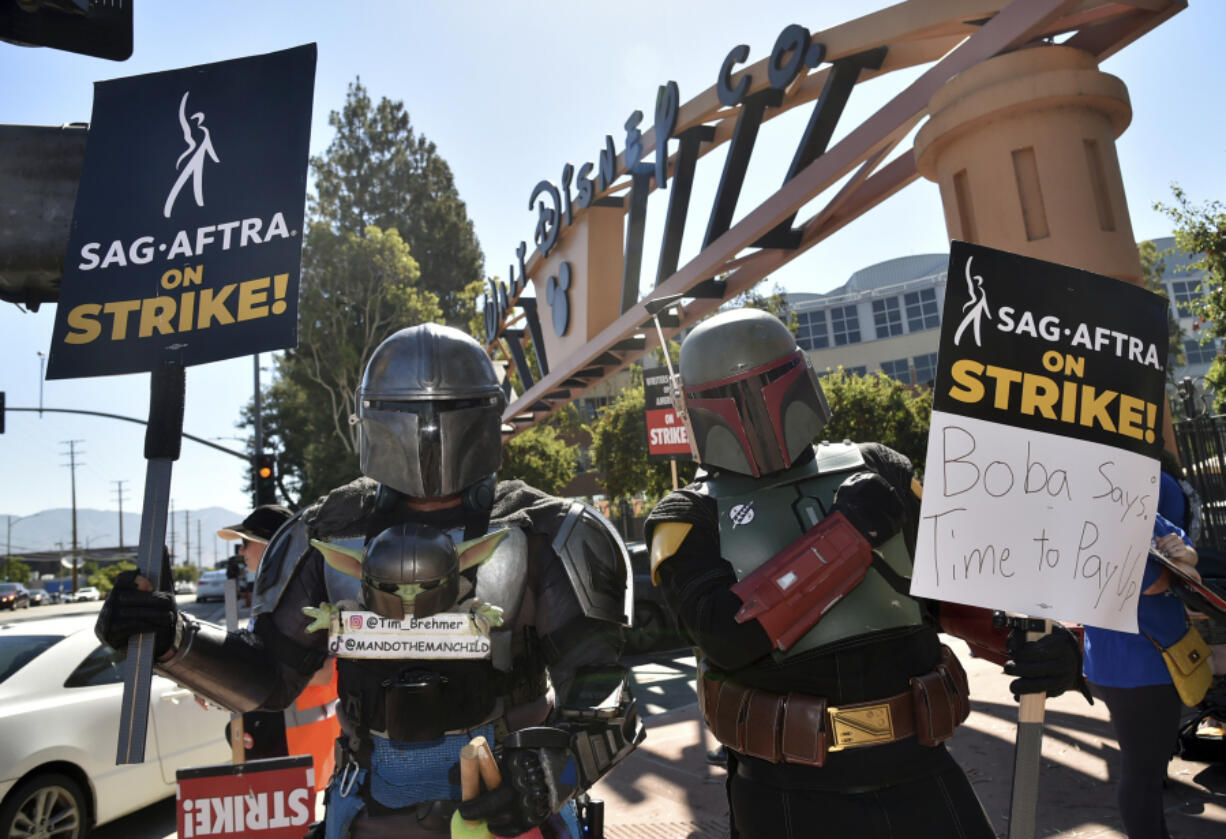
Disney and other studios are facing a new problem with their inability to provide new content thanks to the crippling writer and acting strikes which have shut down productions for film and TV studios. As content dries up and films and TV shows get delayed again or canceled, there will be increased demand. Will the studios make the same mistakes they did earlier this decade and force creators to pump out products before they are ready? Probably, so it is up to the studios to learn from their missteps regarding their streaming platforms.
The Indiana Jones Films Ranked

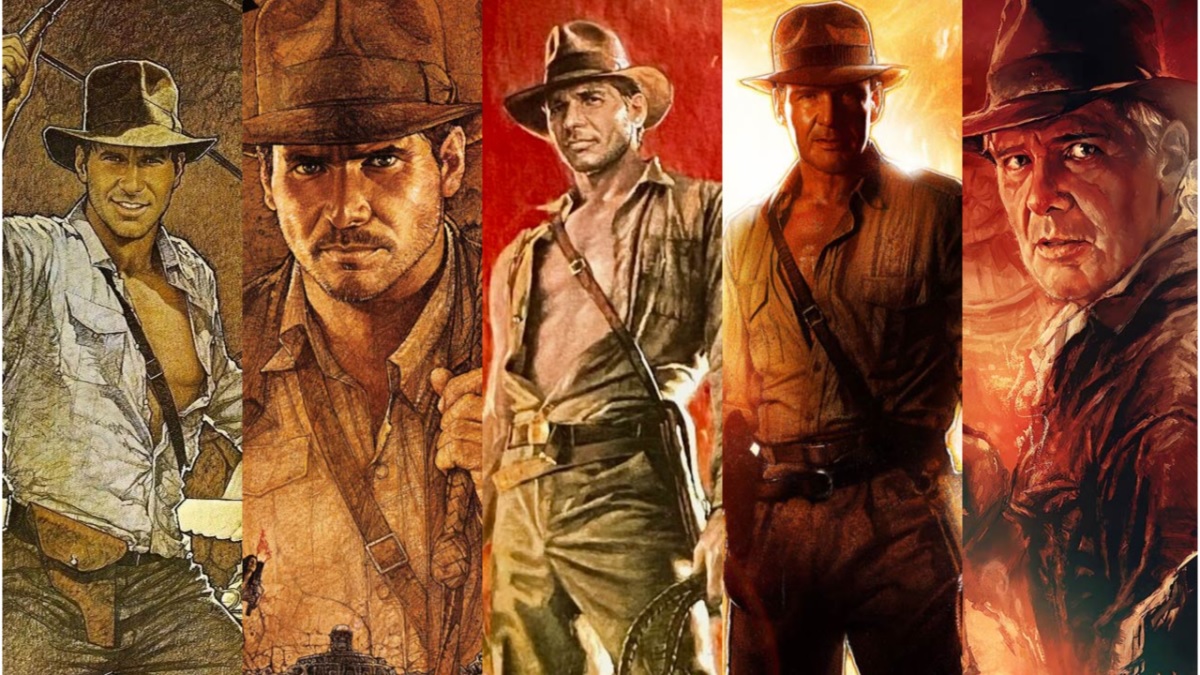
Now that Indiana Jones and the Dial of Destiny has been released, the Indiana Jones film franchise is complete and we can rank all five films.

The quality of these films are generally high, some of which are genuine masterpieces. Even the films that rank at the bottom are entertaining with their own merits, but have their flaws, of course.

Here are the Indiana Jones films ranked from least to best. Be aware of spoilers ahead and feel free to drop a comment about your own preferences!

5. Indiana Jones and the Kingdom of the Crystal Skull

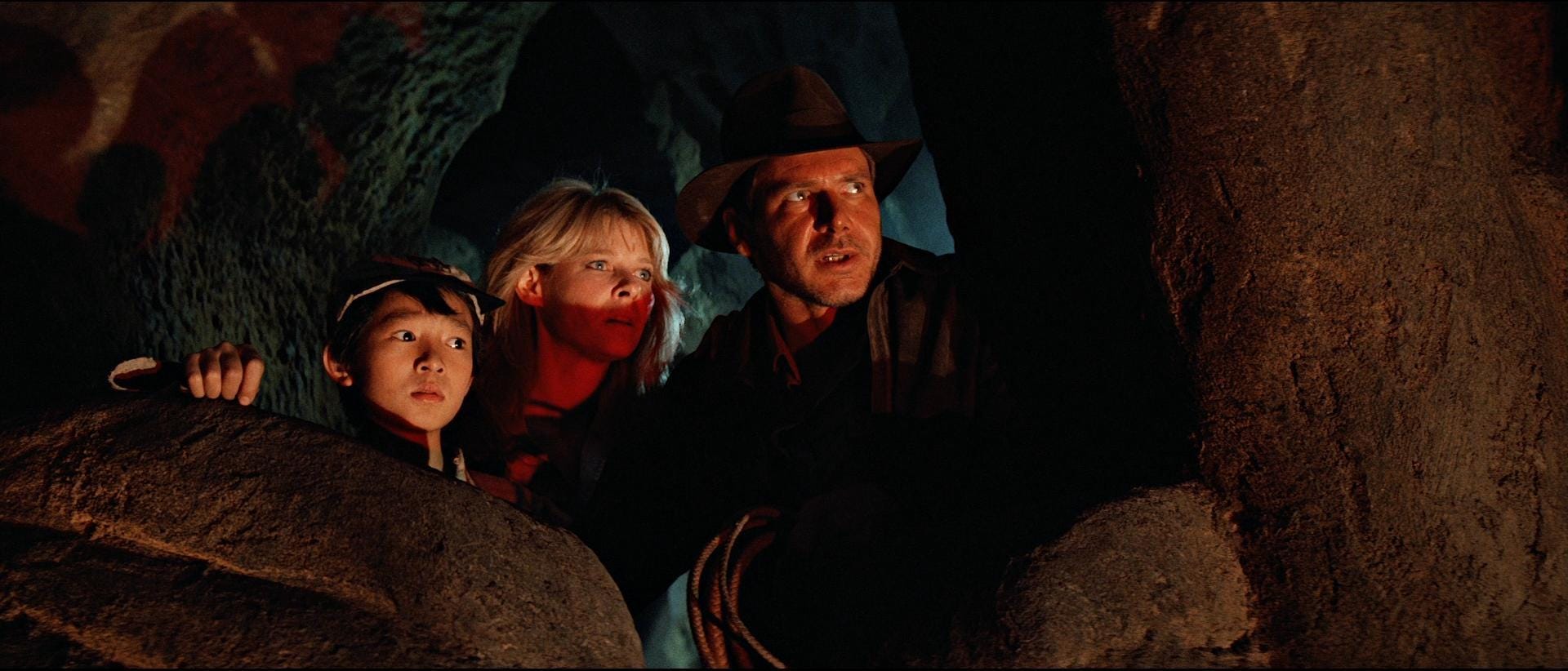
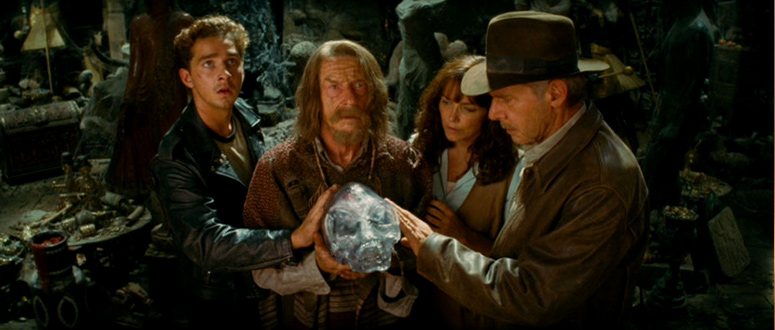
It had been nearly twenty years since Indiana Jones and the Last Crusade came out in theaters when the fourth film premiered. This was the best they could come up with? This was the film that gave us the infamous phrase nuke the fridge because Indy survived a nuclear explosion by hiding in a refrigerator. Our favorite archaeologist deals with the 1950s as he searches for the lost city of Ankakor in South America.  Among the 1950s tropes Indy grapples with include the red scare, bug-eyed aliens, and a greaser who turned out to be his son.

It was great seeing Harrison Ford reprising his role as Indiana Jones and how the adventurer functioned in a different decade. Some of the images from director Steven Spielberg were jaw dropping such as Indiana witnessing an atomic mushroom cloud or a great motorcycle chase on a college campus. But more often than not it felt like many of the filmmakers were phoning it in and taking the easy route. The film is riddled with obvious and needless CG images and stunts, and most of it looked fake. There was little sense of danger in many scenes.

Despite the fact that the script had been worked on forever, it still needed work as the motivations of characters did not make sense. The camaraderie between Indiana and his son was undeveloped and paled when compared to that of Indy and his father in the previous film.

4. Indiana Jones and the Temple of Doom

As the franchise’s only prequel the second Indiana Jones film turned out to be the darkest in the franchise due to personal issues regarding divorces that creators Spielberg and George Lucas were going through at the time. The result was that the film feels mean spirited at times and dated with its misogyny and questionable depictions of other cultures.

It lacked the epic scale of Raiders of the Lost Ark and the filmmakers reveled too much in trying to gross out audiences and with trying too hard to be different from the first film. At times, Indiana Jones and the Temple of Doom felt more like a romantic comedy instead of an adventure film. Also, the MacGuffin Indy hunted for was far less impressive when compared to the Holy Grail or the Ark of the Covenant. What exactly do the Sankara Stones do except glow? The characters were annoying and unlikeable especially Willie Scott. She was supposed to be a sharp contrast to the tough-as-nails Marion Ravenwood from the previous film. But by trying to make Willie the opposite of Marion, the filmmakers turned her into a stereotypical screaming damsel in distress who lacked any substance.

Despite its faults, Indiana Jones and the Temple of Doom has some of the franchise’s greatest action scenes that still hold up to today and are iconic. Ford was great as always, as was the production design and score by John Williams.

3. Indiana Jones and the Dial of Destiny

The fifth and final Indiana Jones film has had a mixed reaction from fans. It will take some time to see how it holds up, but for now this is the rank it has earned. There was a lot of trepidation over the film since Spielberg did not direct it and many questioned how an old Ford could believably play a swashbuckling treasure hunter. But the film is an enjoyable send off to the franchise.

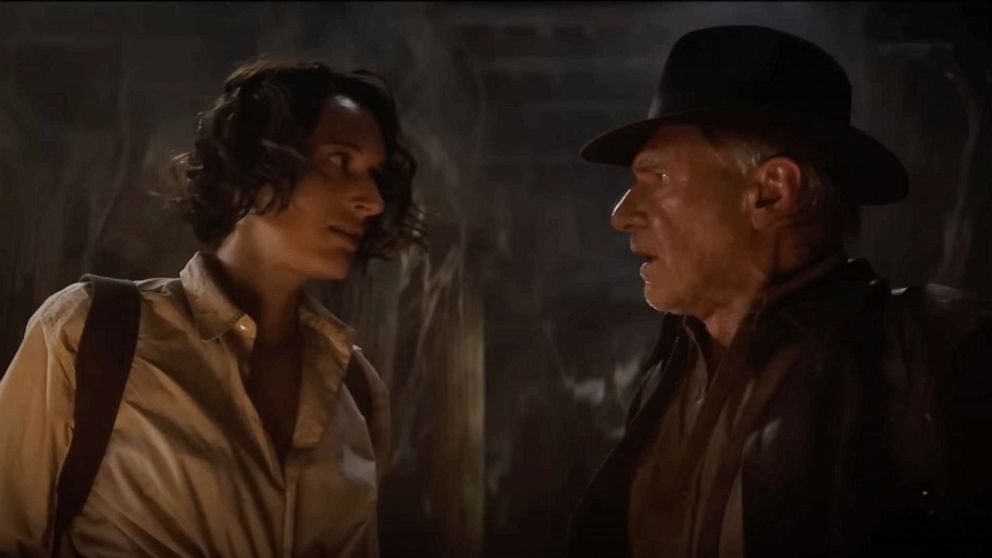
Even though Indiana Jones and the Dial of Destiny lacks a lot of Spielberg’s visual flair, director James Mangold does a fine job with this look at Indiana Jones as a senior citizen in the late 1960s. Embittered over the death of his son which destroyed his marriage and facing retirement, Indiana carries out one final treasure hunt with his goddaughter, which involves time traveling to ancient Syracuse and meeting Archimedes.  Harrison Ford Is Too Old for This Shit – Rolling Stone

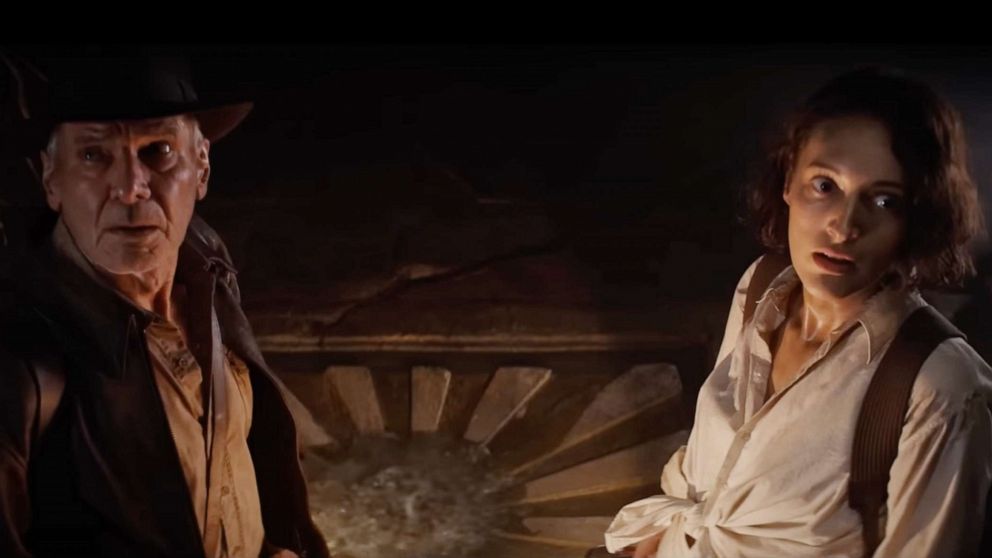
There are some issues with the plot mechanics and its credibility (something that the other films suffer from, such as characters using life rafts to jump from an airplane and other feats that would have killed them). But Ford has some good chemistry with Phoebe Waller-Bridge, who plays his goddaughter and the film has some exciting moments, especially during a flashback scene set in World War II and an intense tuk-tuk chase sequence. Anyone hesitant about the film because of Spielberg’s absence should put doubts aside and see Indiana Jones in his last great cinematic adventure.

2. Indiana Jones and the Last Crusade

After the mixed reaction to Indiana Jones and the Temple of Doom, Spielberg and Lucas went back to basics and delivered a rousing adventure that is nearly as great as the first film. It is also the funniest film in the franchise.

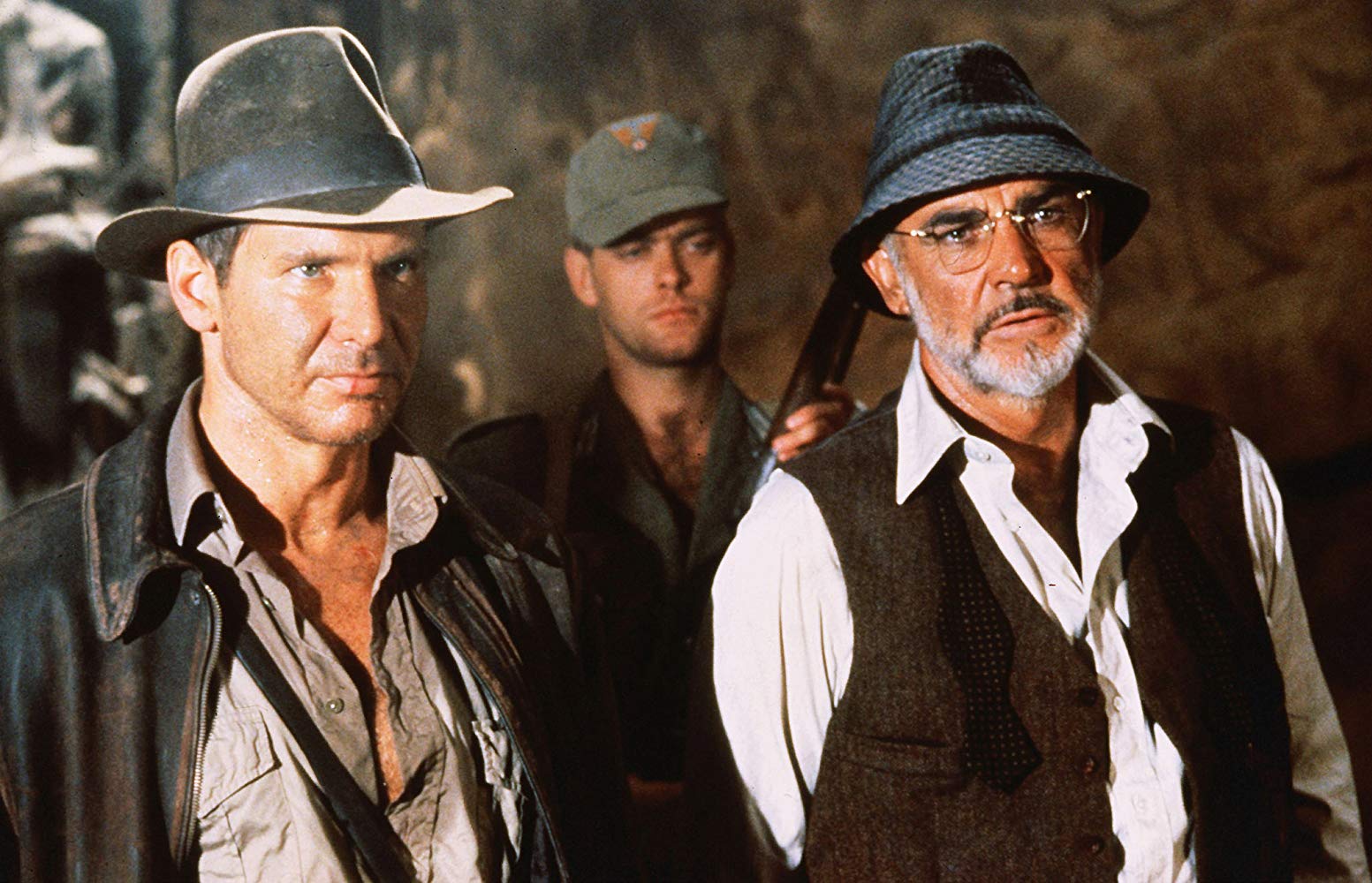
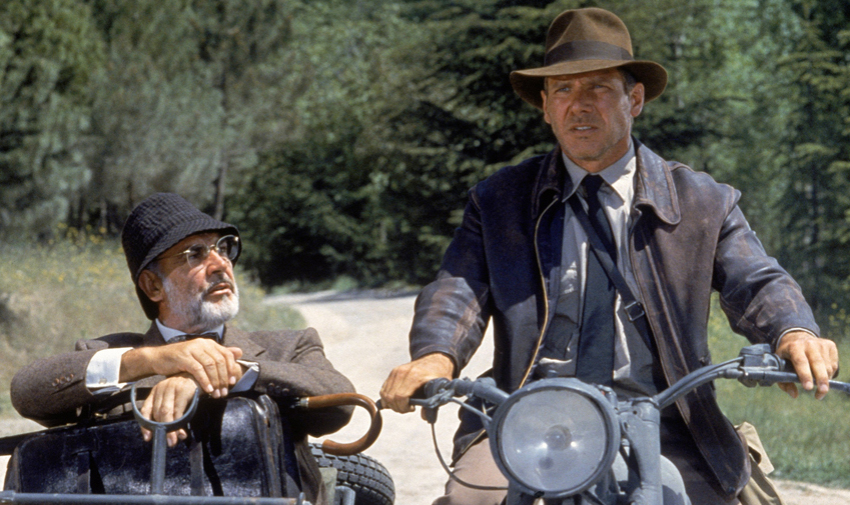
The film opens with a rousing flashback to 1912 which features River Phoenix as a teenaged Indy. After we find out why he fears snakes and how he got his famous fedora hat, the film jumps forward to 1938. Indiana travels to a pre-World War II Europe to find his missing father, who he has not spoken to in some time. Sean Connery was magnificent as Indiana’s father and the two actors share some of the best moments in the franchise thanks to their incredible chemistry.

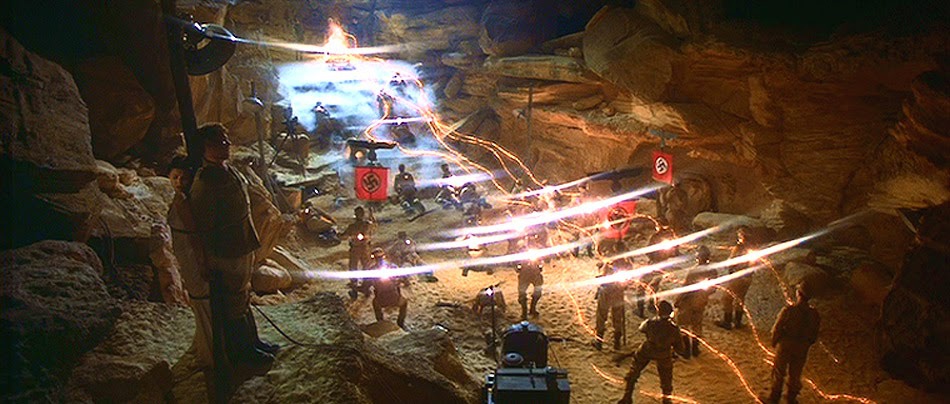
Indiana Jones and the Last Crusade follows some of the same beats as Raiders of the Lost Ark, such as Nazis, intense chases, epic scenery and spine-tingling explorations of ancient sites. Thanks to Spielberg’s skills, a great script and inspired acting, the third film is definitely classic cinema. Oh, be sure to watch the film to the end as it features one of the most beautiful ending scenes ever filmed as Indiana Jones and his companions ride off into the sunset.

1. Raiders of the Lost Ark

Also known as Indiana Jones and the Raiders of the Lost Ark, this is the first and still greatest Indiana Jones film. When thinking about the recent Martin Scorsese “This is Cinema” meme, Raiders of the Lost Ark certainly applies to that phrase!

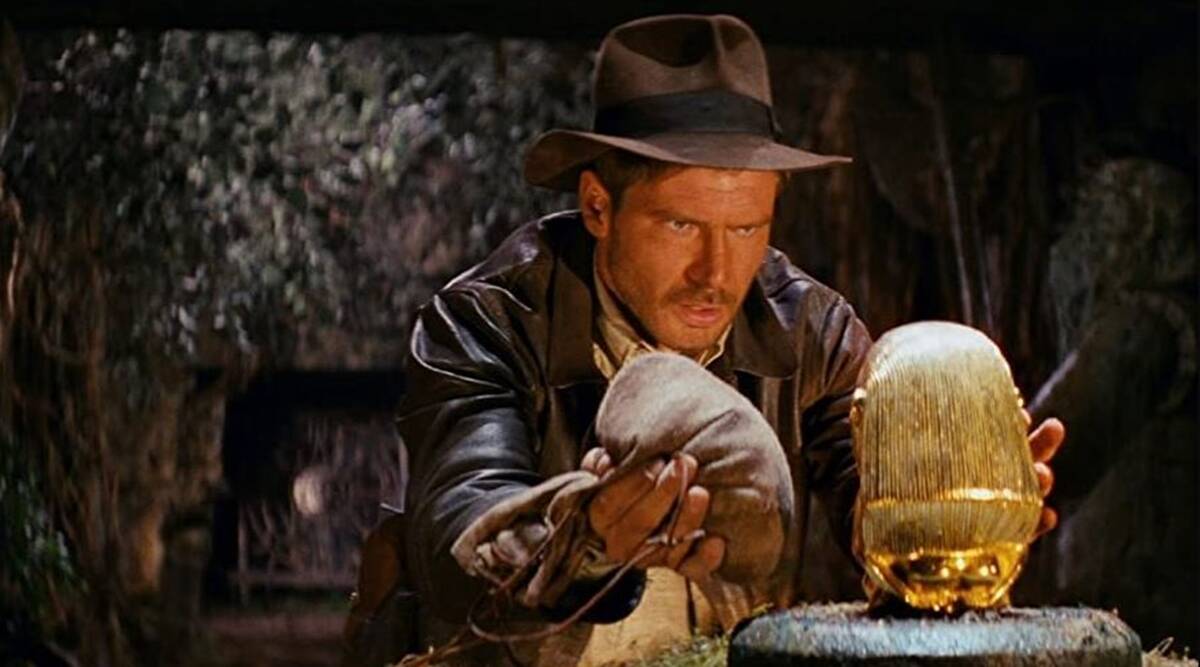
Set in 1936, Raiders of the Lost Ark introduces us to Indiana Jones, a two-fisted, globe-trotting archaeologist who hunts ancient treasures. Inspired by the movie serials of the 1930s and 1940s, Raider of the Lost Ark elevated that kind of cinema into the greatest action-adventure film of all time. This was due to the groundbreaking collaboration between George Lucas and Steven Spielberg who wanted to do his version of James Bond. Here’s a bit of trivia, Lucas initially called the hero Indiana Smith and we’re glad the name was changed to Jones since it flows much better!

Spielberg was at his best when directing this monumental film. It featured many of his trademark visual touches like his God light on characters and inventive composition of shadows and silhouettes to showcase characters. Of course, none of this would mean much without a great script, which is what the film thankfully had from Lawrence Kasdan. Each shot was nearly perfect as the level of excitement and mystery increased with each passing second. Raiders of the Lost Ark is true cinematic treasure that has endured through the years and set a standard with adventure films that is difficult to match. That is why it is the best of the Indiana Jones films.

NOTEWORTHY MENTION

Young Indiana Jones and the Mystery of the Blues

During the 1990s, ABC aired The Young Indiana Jones Chronicles, which were historical dramas about Indy when he was a child and a young adult. The episodes had opening and closing segments that starred George Hall as an old Indiana Jones in his 90s telling tales of his youth. In one episode, “Young Indiana Jones and the Mystery of the Blues”, Harrison Ford reprised the role as a bearded Indiana in 1950 who told a story about himself in Chicago in 1920. This episode has been recut into a television film with the same title, but honestly the best part of the episode involved the two segments with Ford.

José Soto

Indiana Jones And The Dial Of Destiny Is A Fine Finale For The Legendary Hero

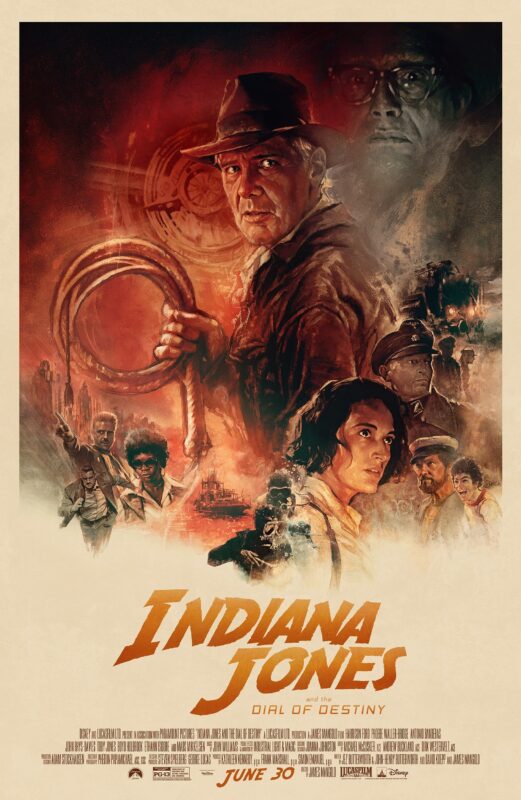
Harrison Ford returns one final time in his famous role as the swashbuckling archaeologist Henry “Indiana” Jones, Jr. in Indiana Jones and the Dial of Destiny. The fifth film in the Indiana Jones franchise has been in development hell for several years and it seemed that it wouldn’t ever be made.

Many fans were skeptical that the fifth installment would be able to compare to the previous four films directed by Steven Spielberg. Adding to the doubts were Ford’s age (he turns 81 this month) and the mixed reactions to the fourth film, Indiana Jones and the Kingdom of the Crystal Skull. So, the question most of us have is does the film deliver? For the most part, yes it does.

 Indiana Jones and the Dial of Destiny opens with an extended flashback sequence in 1944 where Indiana or Indy is battling Nazis in Europe during the waning days of World War II. Unlike the previous films, there aren’t any title cards that establish the time and place, which was disappointing.

Anyway, Indy and his friend Basil Shaw (Toby Jones) are after a macguffin called the Lance of Longinus, which the Nazis possess. A German astrophysicist named Jürgen Voller (Mads Mikkelson) that is working for the Nazis deduces that the artifact is a fake and tells his superiors about half of another artifact that he possesses. It’s called the Antikythera or the Dial of Destiny and it could help Germany win the war. Before long, Jones and Shaw clash with Voller and the Nazis and are able to acquire the Dial from Voller.

The film flashes forward to 1969 in New York City. Jones is now an old, embittered man who emulates Clint Eastwood’s character in Gran Torino. He is about to retire as an archaeology professor in Hunter College and cannot be bothered to join in the citywide celebrations over the Apollo 11 moon landings. He runs into Shaw’s daughter Helena (Phoebe Waller-Bridge), who is a treasure hunter and archaeology student and wants to acquire the Dial of Destiny, which is in the college’s storeroom. Also interested in the Dial is Voller himself and his henchmen. After the war, Voller fled to the United States and helped NASA with their efforts to get to the moon. Voller is able to steal the Dial and sets out to find the other half, which is somewhere in Europe.

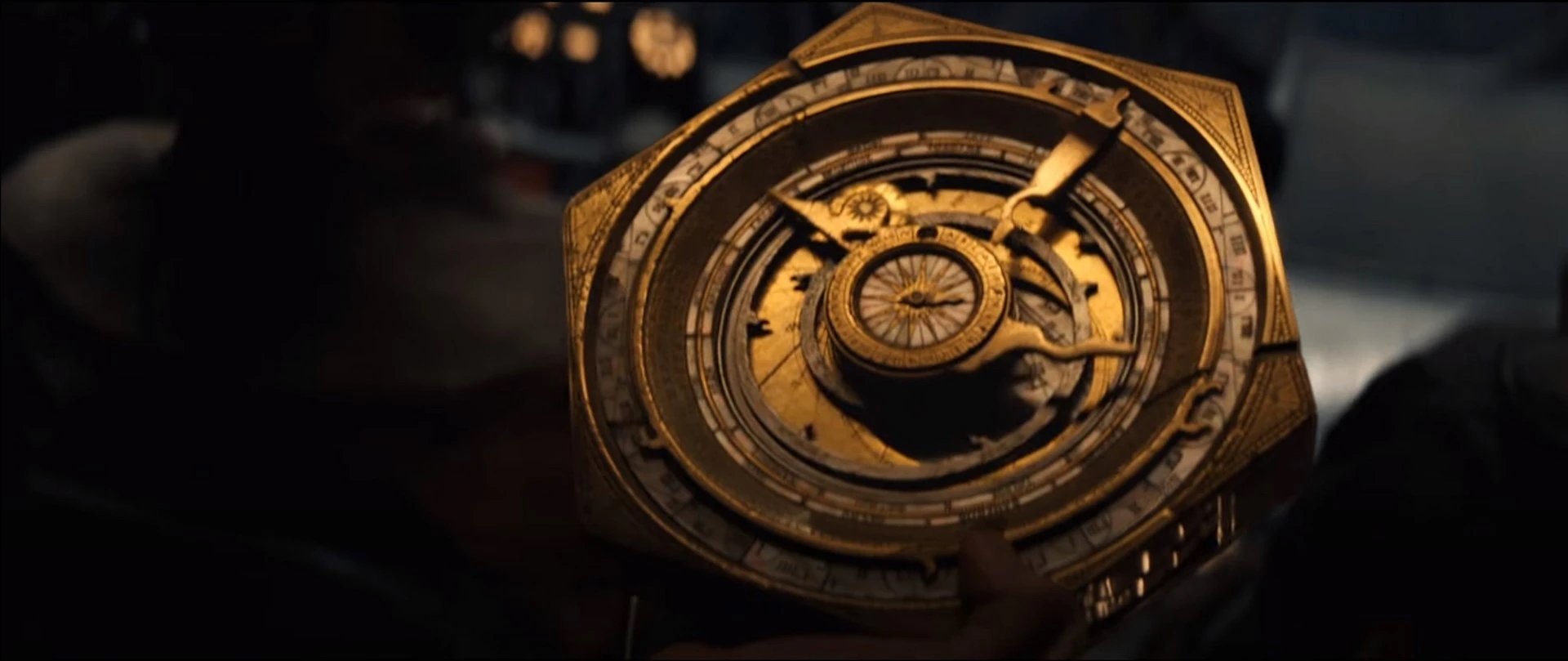
It turns out that the device was built by the ancient Greek mathematician Archimedes, and allows a person to track fissures or cracks in time, which would let that person travel to different time periods. Obviously, Voller wants to use the re-assembled device go back to Nazi Germany and win the war. The film turns into an extended series of exciting chases as Indy and Helena try to find the other half of the Dial as well and stay one step ahead of Voller and his goons.

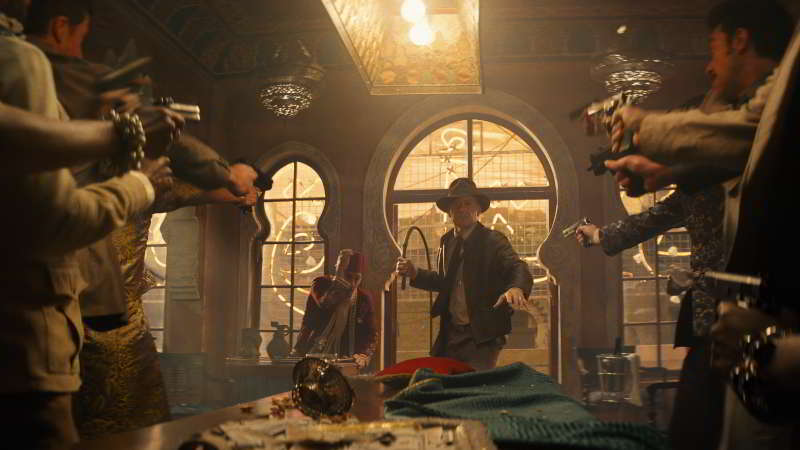
Even though Indiana Jones and the Dial of Destiny was not directed by Steven Spielberg, the film is still a fun adventure while trying to evoke the spirit of the older films in the franchise. While director James Mangold cannot compare to the great Spielberg, he does an admirable job with this film.

In a way, Indiana Jones and the Dial of Destiny echoes some themes from Mangold’s Logan, in that that film also dealt with an aging hero past his prime who is forced to go on one last adventure. Don’t worry Indiana Jones and the Dial of Destiny is not bleak like Logan, but the themes about aging are well explored. Indy’s age and his lot in life in the late ‘60s may alarm some fans but this honest look at the aging hero in the twilight of his life is a novel theme that had not been explored before in the franchise. On the other hand, his physical feats and invulnerability given his ages does stretch credibility.  

The film is similar to Indiana Jones and the Kingdom of the Crystal Skull in that the macguffin is more sci-fi based, but unlike the fourth film it doesn’t have sci-fi tropes involving aliens and flying saucers. The Dial’s usage was quite astonishing and fit in well with Jones’ world view. It’s too bad there cannot be another film that would make up a trilogy where Indiana Jones sought sci-fi based macguffins instead of the religious ones he hunted in the first three films. Oh well.

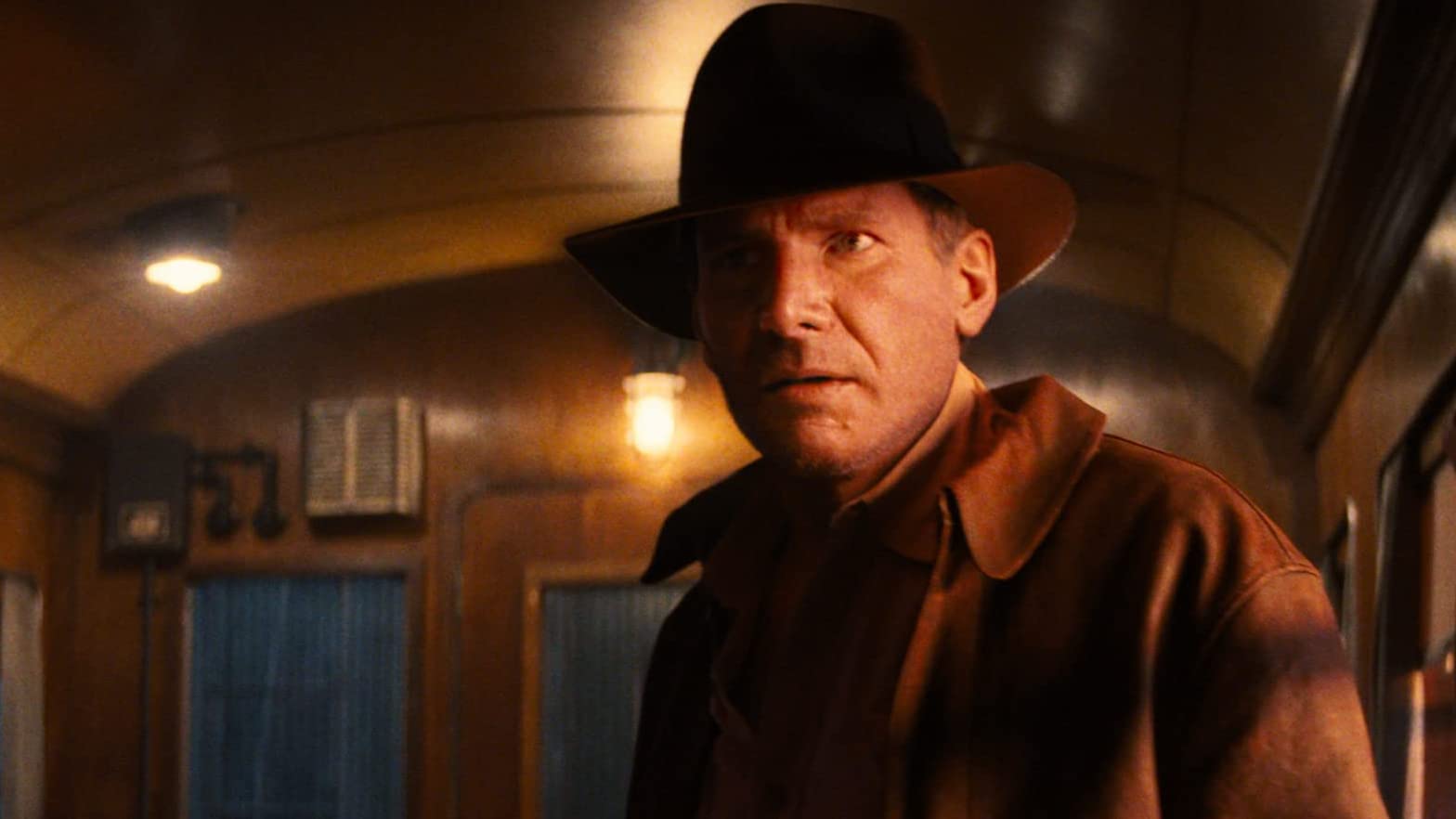
 A huge reason why Indiana Jones and the Dial of Destiny works is due to Ford himself. He pours himself wholeheartedly into the role since he knows it is the last time he will play the plucky archaeologist. At this point, Ford is an acting legend that should be treasured and most of us are grateful he was able to don his fedora and leather jacket one last time. The other actors are also excellent in the film including Waller-Bridge and Mikkelson.

The production perfectly captured the look of the different time periods. The special effects, especially the de-aging done for Ford when he played the character in the 1940s was excellent aside from a few quick hiccups. But Mangold was able to keep the action and story moving along to keep us from focusing on the occasional effects flaw.

The only other gripe about Indiana Jones and the Dial of Destiny is that it is a bit long. It tries to capture the feel of the Spielberg films and while it quite can’t do it, the effort was commendable. As mentioned above, the story usually keeps moving and we’re engaged during the ride. However, it does not have silly moments like nuked fridges and is also not afraid to have more grounded and emotional moments for Indy. But don’t worry, once the action starts, Indiana Jones finds his old groove, which is always a delight to watch.

José Soto

Why The Legend of Zelda: Tears of the Kingdom is the Most Legendary Game on the Switch

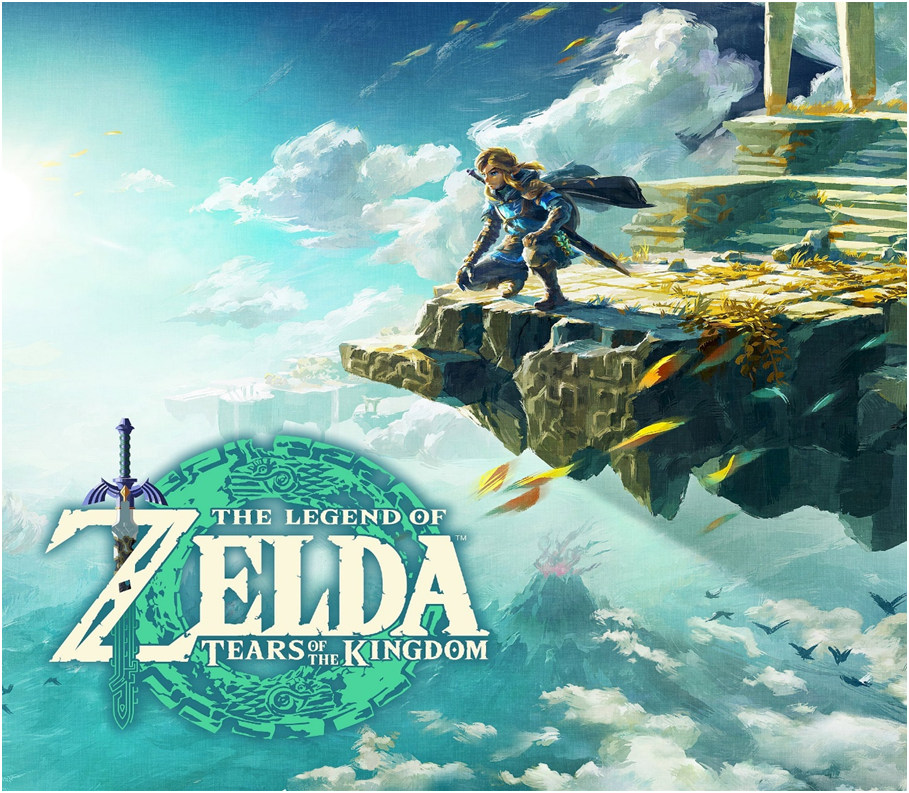
It’s no secret that Zelda fans have been waiting for The Legend of Zelda: Tears of the Kingdom (TOTK), the sequel to Breath of the Wild (BOTW)  to drop, after all, it won the Game of the Year award in 2017, and is considered to be one of the best Nintendo Switch games you could play. After seven long years of waiting, we finally have the game in our hands to play. Is it any good? Is it worth the wait and money? Is it better than BOTW? To answer all of those questions, I say yes!

Story Synopsis

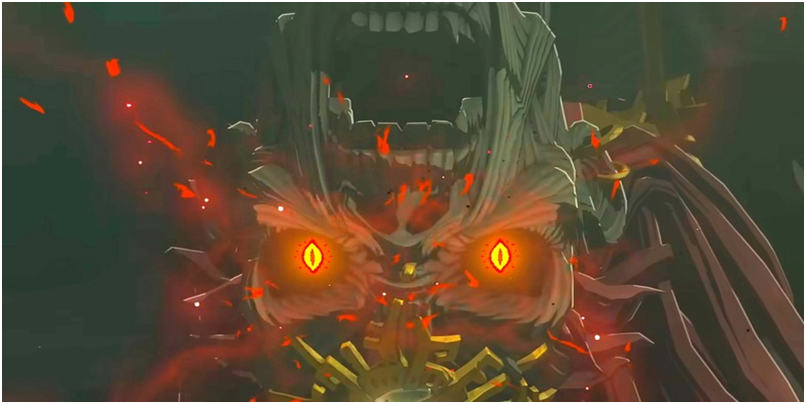
Tears of the Kingdom starts us off under Hyrule Castle, maybe 3-ish years after the events of the last game, exploring the depths because of a substance called Gloom was making people in Hyrule ill. After a little of exploration, you as Link find murals that depict an ancient civilization called the Zonai, and how they played a major part in the creation of Hyrule.

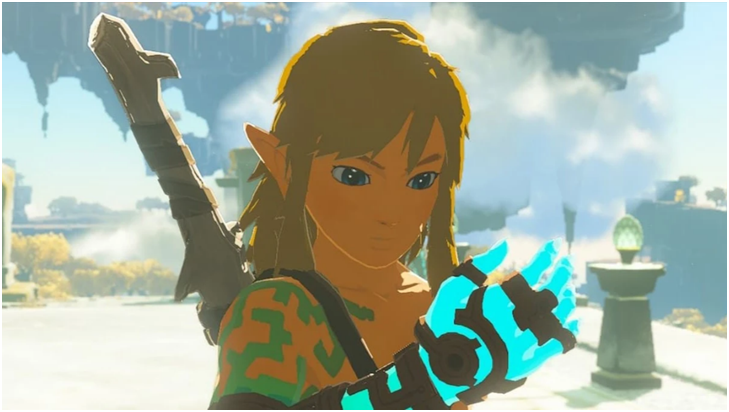
After reading these murals and traveling the depths, you reach a mysterious room where you see a corpse attached to an arm on its chest. The corpse wakes up, starts talking directly to you, and attacks you, which leaves Link’s right arm swallowed in Gloom and the Master Sword shattered. Then the corpse lifts Hyrule Castle into the sky, which sends the corpse and Zelda plummeting down below. You try to reach out for her to no avail and you are saved by the mysterious arm..

You then wake up on an island in the sky with the arm attached to your right arm to make your arm functional again. The arm belongs to a Zonai named Rauru, and he tells you to explore the sky islands, defeat the awakened Ganondorf, and find Zelda.

Gameplay

The fundamental gameplay in TOTK is (surprise surprise) about the same as it was in BOTW, with major new additions. The physics, weapons, armor, food, sprint, and health bar are all the same. They did, however, throw in a lot of major gameplay mechanics to spice things up.

Ultrahand:  Ultrahand is a fun new upgrade from Magnesis in the previous game, but works with any non-living objects. You can put things together, like logs and wheels, to create basically anything you can think of! I will admit, it does require a little bit of getting used to, but once you master it, you can become as creative as you mind lets you! This is easily one of the most fun gameplay mechanics in this game.

Fuse:  Have you ever wished your weapons would be stronger in a game? Maybe you wanted to get creative and mix together weapons? Well now you can with the Fuse ability! You’re allowed to fuse any weapon or shield to practically everything else! And yes, you can use it on your arrows too, which gives your arrow shots special abilities and deal extra damage.

Ascend:  They may have taken away the champion abilities from the last game, but don’t cry over Revali’s Gale, because Ascend can do just that, but way better! Using Ascend lets you dive straight up into any solid surface, and you emerge on top of it. Have you ever gotten stuck in a cave or room? Just use Ascend to end up on the roof!

Recall:  Last but certainly not least, there is Recall. Recall lets you reverse the direction or movement of basically anything in the click of a button. It can come really handy when you are wanting to return to the sky, because you can use Recall on rocks that have just fallen from the sky to ride them back up!

There is one more ability to use, but it is optional and satisfying to find, so I won’t spoil that just yet. With your abilities you are free to explore and interact with the massive sky, surface, and depths of Hyrule at your own pace! We have only scratched the surface of what this game can offer (pun definitely intended).

Shrines and Dungeons

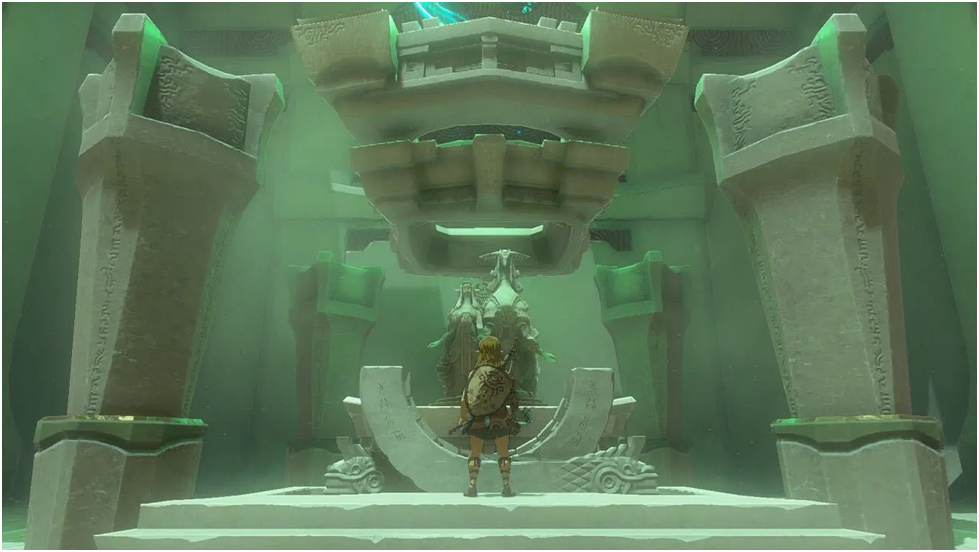
Shrines are back in this game, with a major design overhaul and creativity surge. Shrines in Tears of the Kingdom can be used to teleport back to places you may want to return to later, but also beating them will give you a Light of Blessing. When you have collected four of them, you can go to a statue and pray to unlock a new heart (max 40) and part of your stamina wheel (max 3). There are 152 shrines in this game to unlock, so you already have plenty to do off the bat!

When you have collected four of Light of Blessings, you can go to a statue and pray to unlock a new heart (max 40) and part of your stamina wheel (max 3). There are 152 shrines in this game to unlock, so you already have plenty to do off the bat!

A major complaint in Breath of the Wild was the lack of traditional Zelda dungeons, which were replaced by mediocre boring puzzles that all had the same design. Well, you may be happy to hear that this game has actual dungeons again, although not traditionally styled. Each dungeon has its own design theme being based on a different element and requires you to solve rather tricky puzzles about 4-6 times to unlock your way to the dungeon boss. The way that its not considered a traditional dungeon design is because its more open and not linear with keys and specific objectives. Each one is so much fun and really requires you to think hard about your next move.

Overworld Bosses and Enemies

The enemies in the overworld areas contain the same monsters from last game, but heavily evolved over the time skip, and new enemies entirely. There are also Zonai Constructs lurking in the sky for any intruders. The enemies can also team up with entirely different enemy life. For example, I have seen multiple times that an Aerocuda would carry a Bokoblin or Lizalfos to make for a deadly air-drop combo. This game is also way more challenging than BOTW, and everybody will swing at you and will not pull any punches!

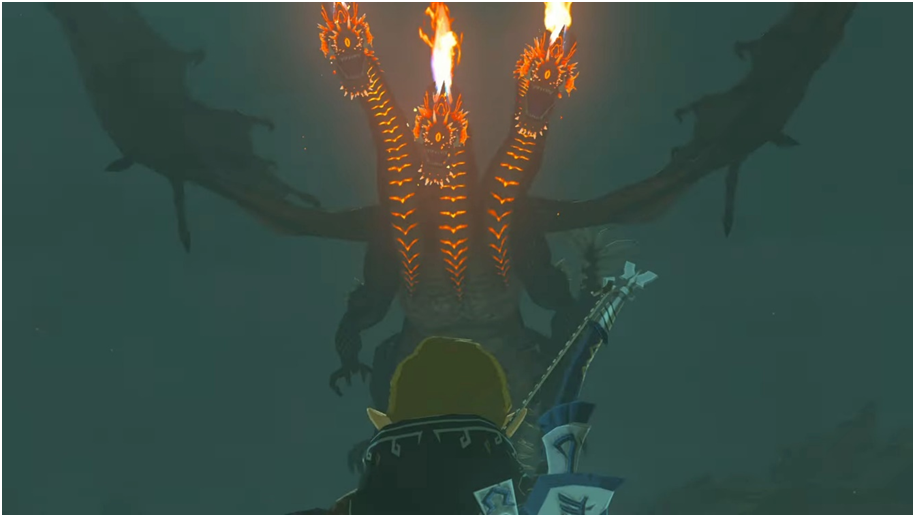
There are also new overworld bosses to fight. Boss Bokoblins lurks with a group of Bokoblins and will act as the ringleader of the bunch. Lynels return and are just as challenging as they were in BOTW, so keep your reflexes sharp, as well as your sword. My favorite new overworld boss has to be the legendary Gleeoks returning from the first Zelda game, but with a massive buff. I always get scared of these giant three-headed terrors!

Overall Thoughts

The Legend of Zelda: Tears of the Kingdom is easily the best game you could play on the Nintendo Switch. It has amazing and almost endless gameplay, beautiful graphics as well as a masterful environment, and a very emotional story. I highly recommend that you play it if you loved BOTW, because this game somehow makes it look like a beta version. This game took me a whole week to beat, and it is genuinely impressive how there is always something to do at all times when playing this game! My only complaint would be that there are some parts where the frame rate would get bad, but that is because of the hardware it is on; they actually did an amazing job working around the limits of the Nintendo Switch! Definitely worth the $70 price tag this time around!

Continue reading

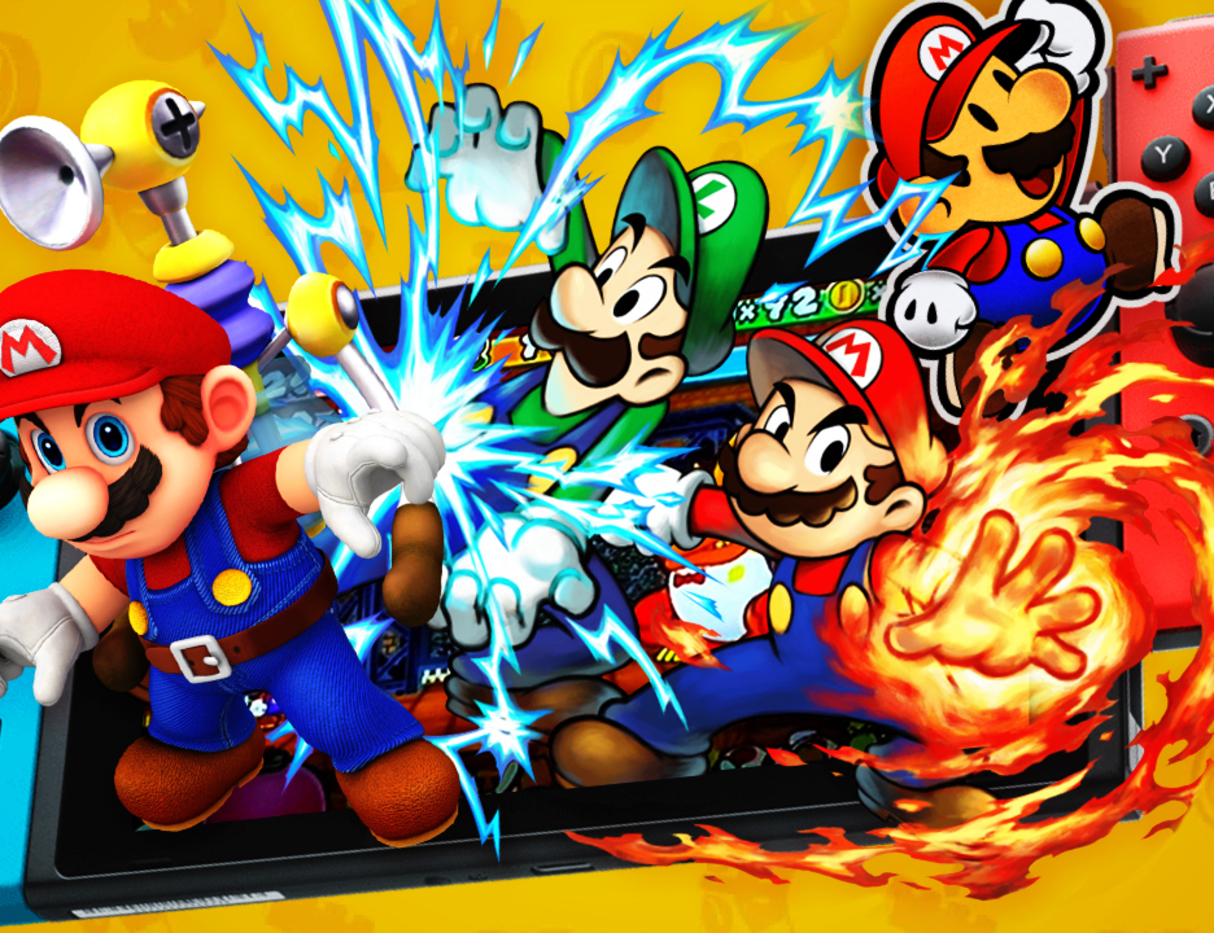
Top Ten Mario Video Games

With the stunning success of The Super Mario Bros. Movie it’s a great time to look back at the Nintendo franchise that inspired the film and rank them in order of awesomeness! How does this list compares to yours? Be sure to drop a comment.

10. New Super Mario Bros

As Mario’s first new side-scrolling game in several years, this title was released for the Nintendo DS and brought a new visual style to the series that was continued for many games after it and was highly influential. It was a return to Mario’s roots after many 3D games were released, with fun 2D levels and multiple power-ups and secrets to explore.

9. Super Mario 3D Land

This title for the Nintendo 3DS has Mario going through familiar 3D levels, but the action is similar to his earlier 2D side-scrolling games, and it has the return of his iconic raccoon suite from Super Mario Bros 3. The levels are great fun to play and are an inspiration for the later 3D World game.

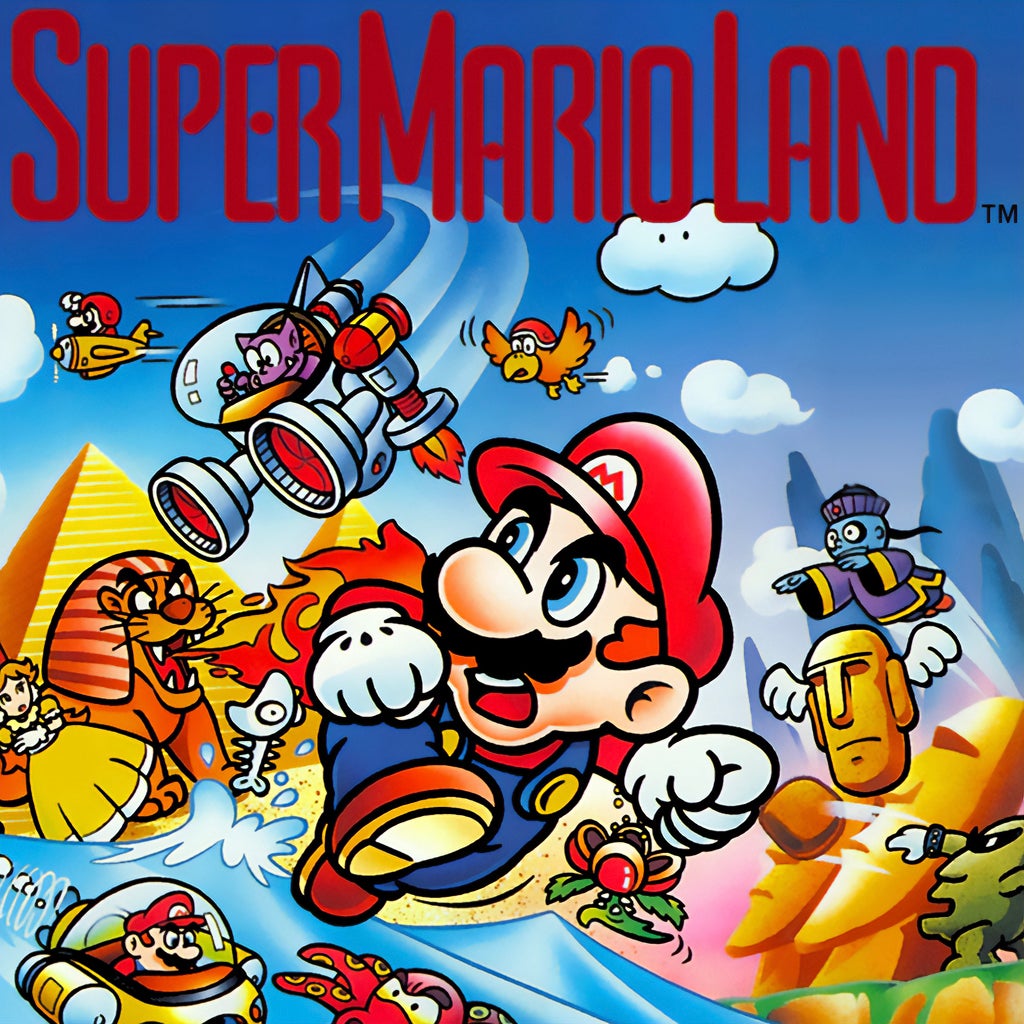
8. Super Mario Land

Mario’s first portable game for the Game Boy is simple, but incredibly fun and shows how easy it is to pick up a Mario game and have a great time. Based on the NES original, the levels are short, but exciting and challenging. The game even has side scrolling shooting levels, which provides a unique experience in Mario games.

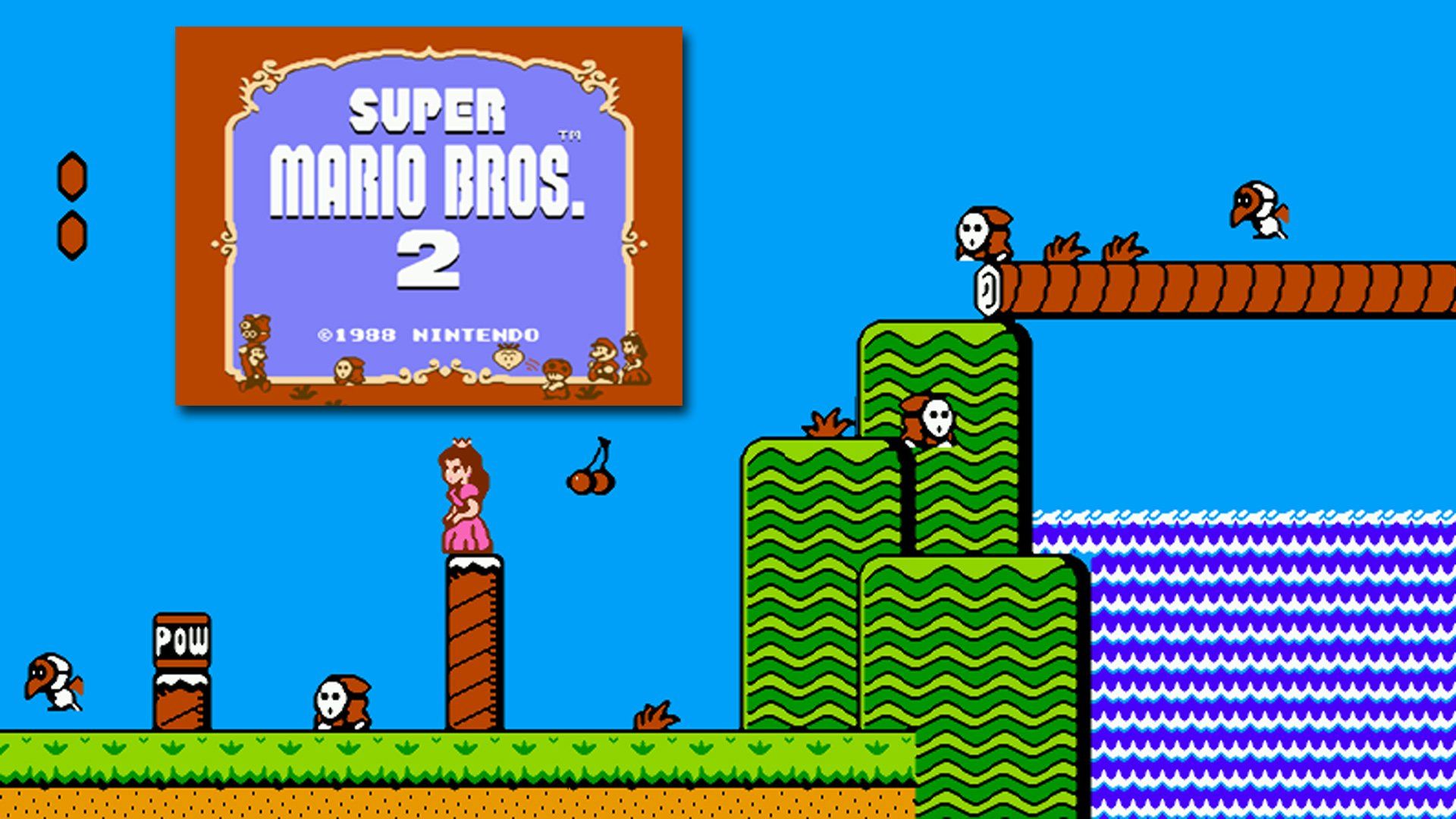
7. Super Mario Bros 2

Mario’s second NES game is in some ways the most unique. He travels to the  dream world of Subcon and battles a new enemy named Wart and his shyguy minions. The action is different from every other title and features his brother Luigi and his friends Peach and Toad as playable characters for the first time. The ending sequence is also a fan favorite, which reveals it was all a dream.

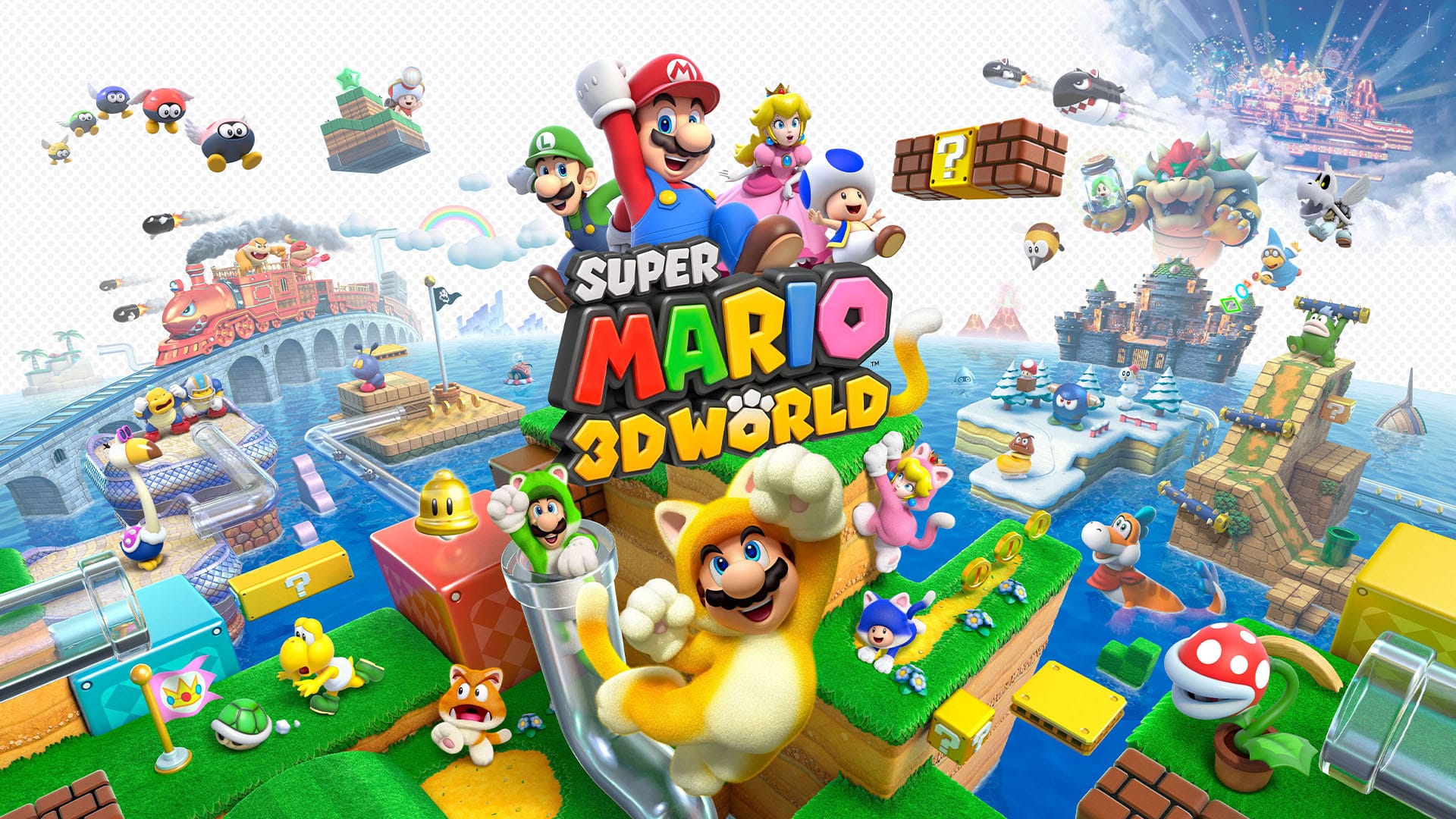
6. Super Mario 3D World

An evolution of the earlier Super Mario 3D Land, having Cat Mario running through fun and exciting levels in a 3D world is something every Nintendo fan should experience and the cat suit is perhaps Mario’s best powerup, The remaster of this title includes Bowser’s Fury, which is the first foray into an open world Mario game that is a fun hint of things to come for future Mario games.

5. Super Mario Bros 3

Mario’s last NES title was his best on the console. This title featured a return to the Mushroom Kingdom and showed for the first time, Bowser’s kids, such as Lemmy Koopa, Wendy O Koopa, and Ludwig Von Koopa, to name a few, who have become fan favorites in their own right and have appeared in many other games, as well. This game expanded on the original game in a huge way, with an overworld to go through, and new power ups such as Mario’s raccoon suit that enable him to fly. Taking off and flying above your foes is an epic moment in Mario gaming!

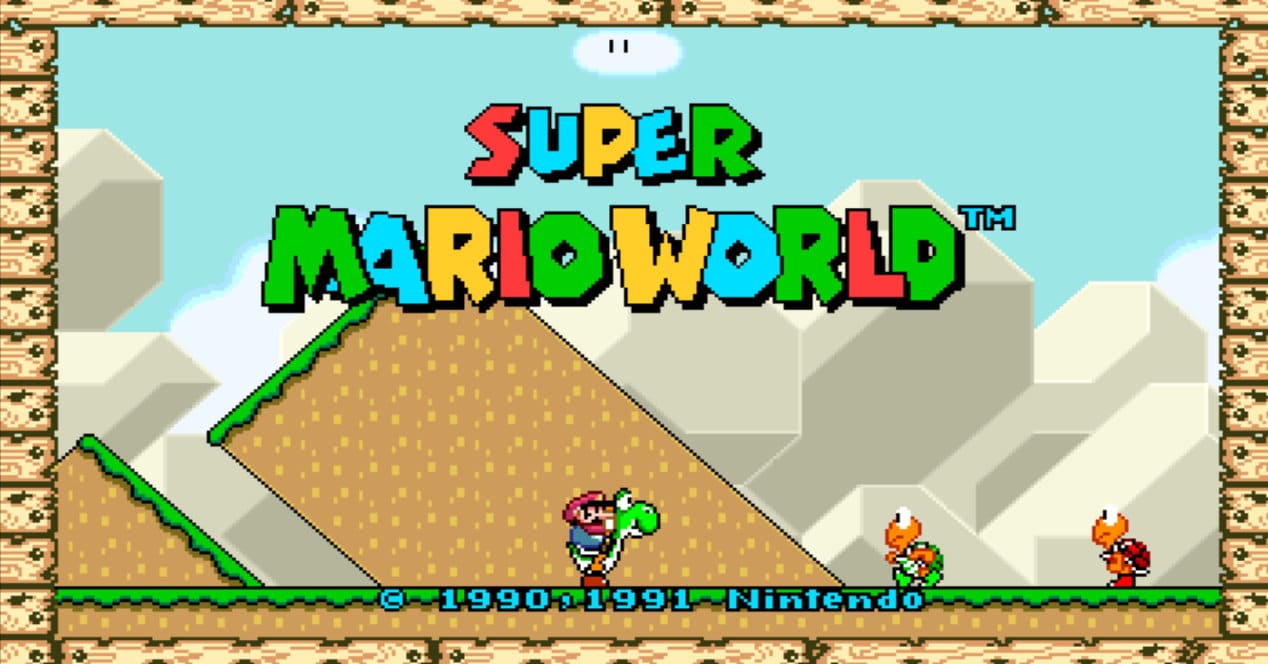
4. Super Mario World

The high point of 2D mario gaming, this launch title for the Super NES had Mario’s dinosaur pal Yoshi appearing for the first time running through beautifully designed areas in Dinosaur Island while battling Bowser and his offspring, the Koopa Kids. This game perfected everything that came before, such as an interactive overworld, a Superman-like cape to fly around, and a huge amount of levels to explore.

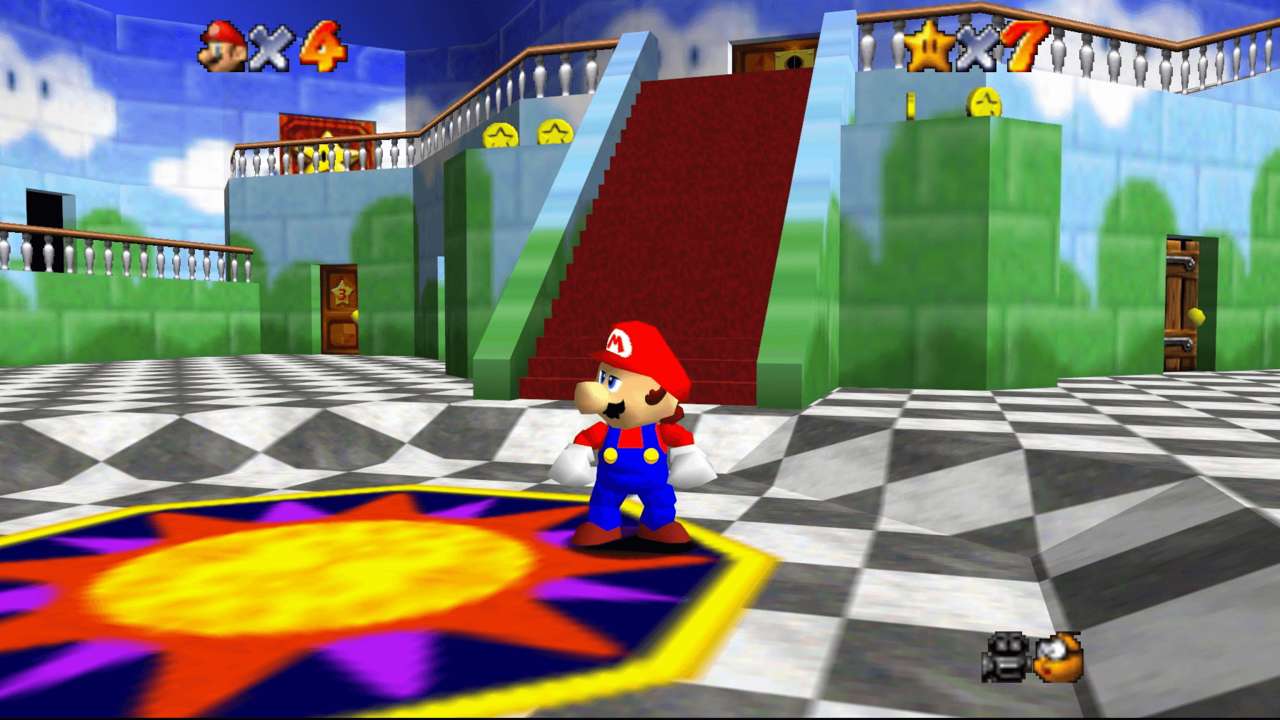
3. Super Mario 64

This was the first and arguably the most influential 3D game of all time. Being able to move Mario in a fully immersive 3D world changed video games forever and had you going though varied and exciting levels while battling Bowser and his minions. The first time you were able to move Mario in any direction and explore Peach’s castle is a moment that so memorable and is just one of many such moments that Mario games have provided.

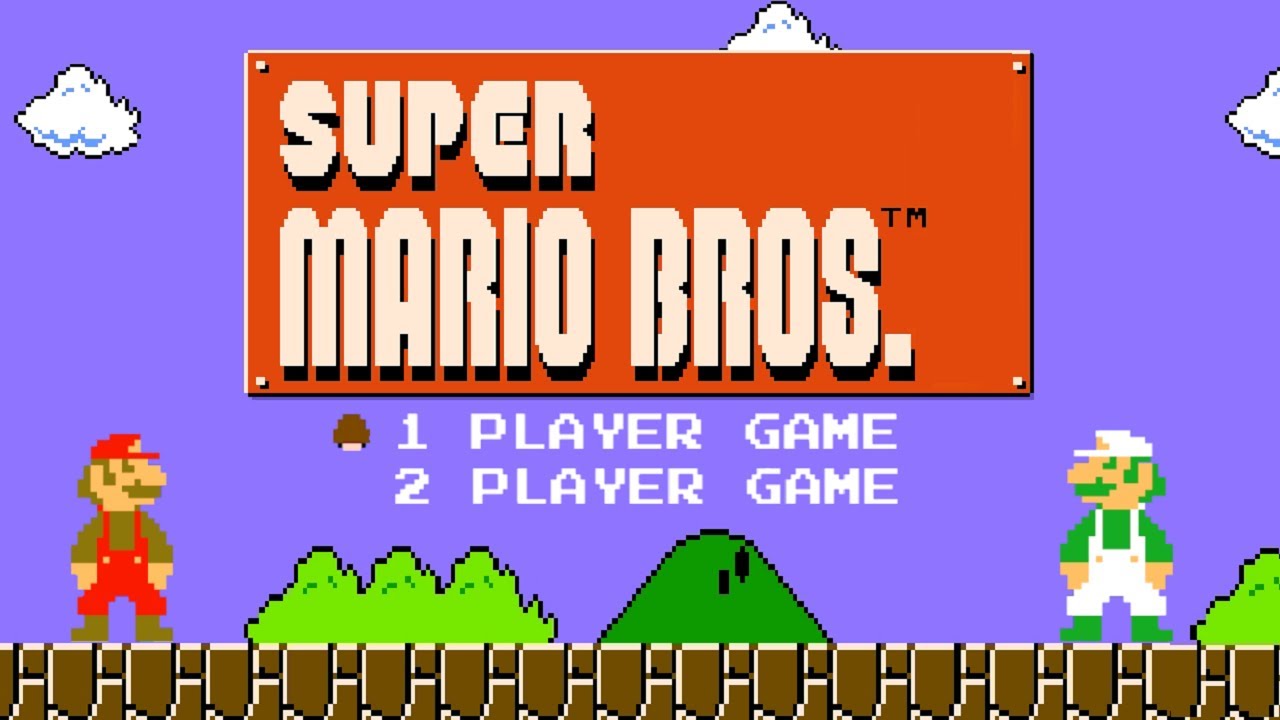
2. Super Mario Bros.

The original that reinvigorated the video game genre after the Atari crash of 1983, this side-scrolling classic introduced Bowser, Princess Peach, goombas and the Mushroom Kingdom that are now icons for all gaming. The numerous levels and secrets in each world were groundbreaking at the time and made Mario a household name.

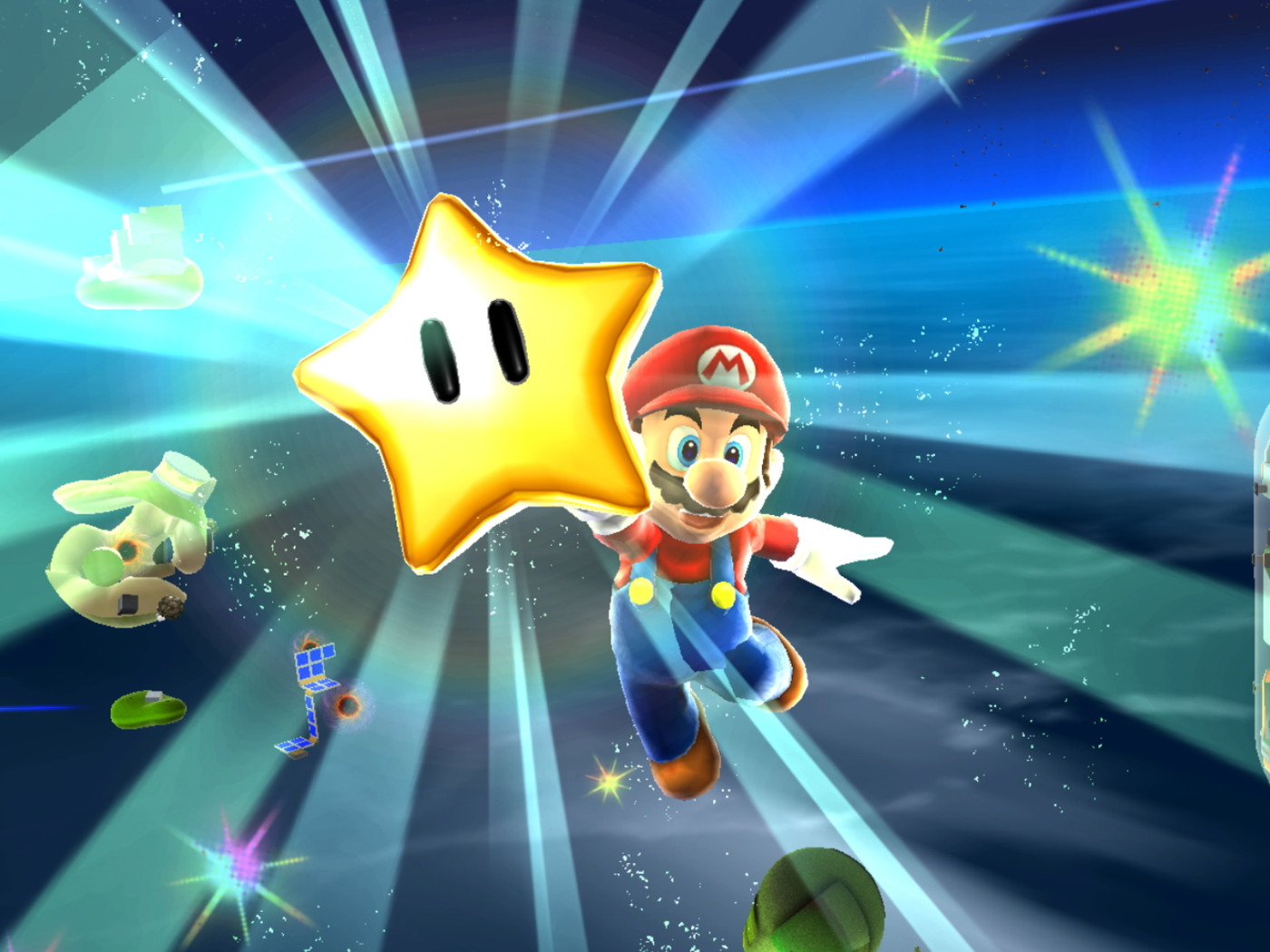
1. Super Mario Galaxy

The pinnacle of 3D Mario gaming, this adventure has Mario soaring through outer space in wildly inventive levels that changed how 3D platformers were played. The sheer fun and excitement of this game is what makes Mario an icon who long ago surpassed his gaming roots and now is a movie star.

C.S. Link