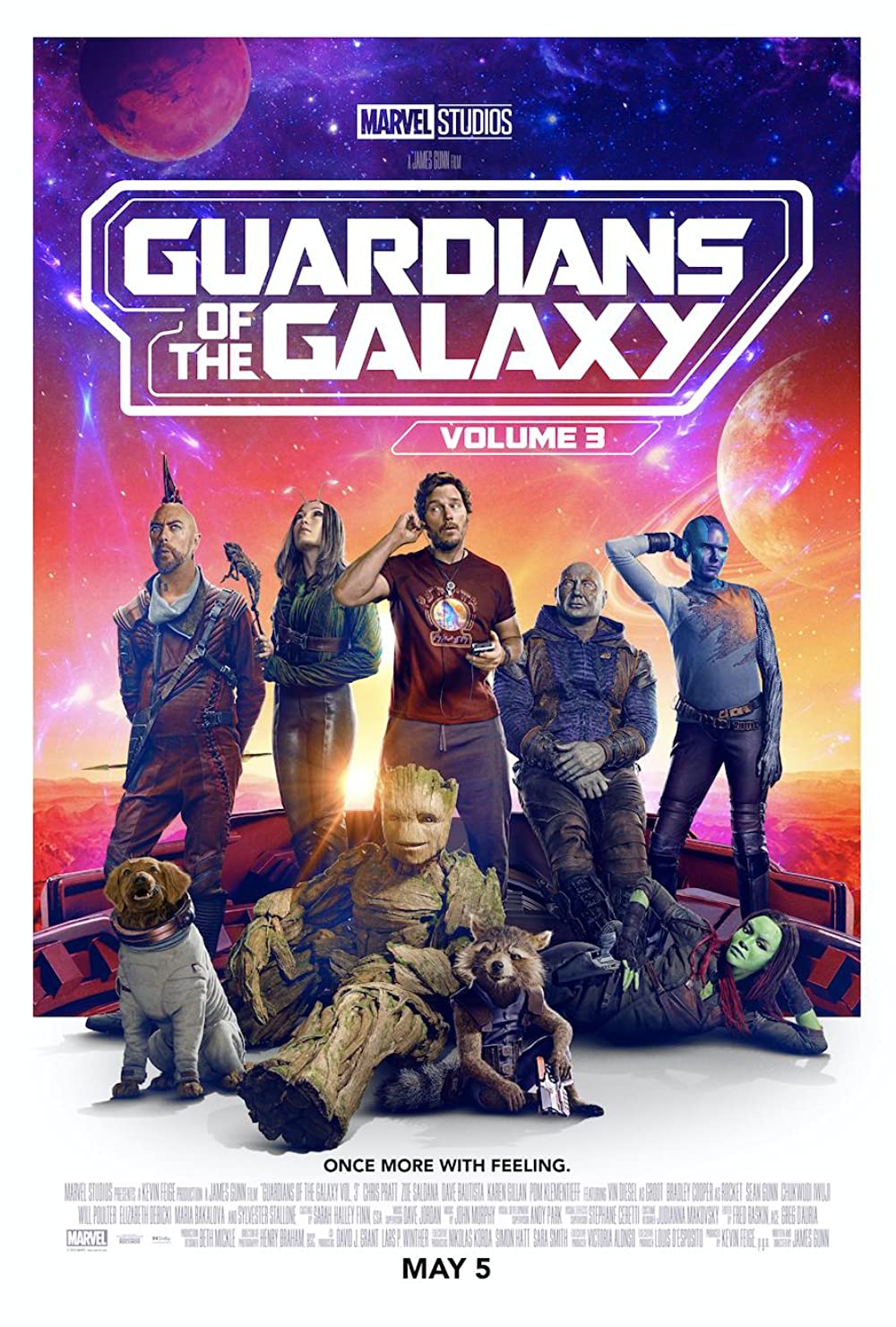
Guardians Of The Galaxy, Vol. 3 Perfectly Concludes A Classic Trilogy

Filmmaker James Gunn finishes his tenure at Marvel Studios and the Marvel Cinematic Universe (MCU) with Guardians of the Galaxy, Vol. 3, the finale of his classic trilogy about misfit cosmic heroes.

Gunn has been able to maintain the same level of heart, humor and action throughout all three Guardians of the Galaxy film with the third film, and in some ways he elevated it with his MCU swan song.

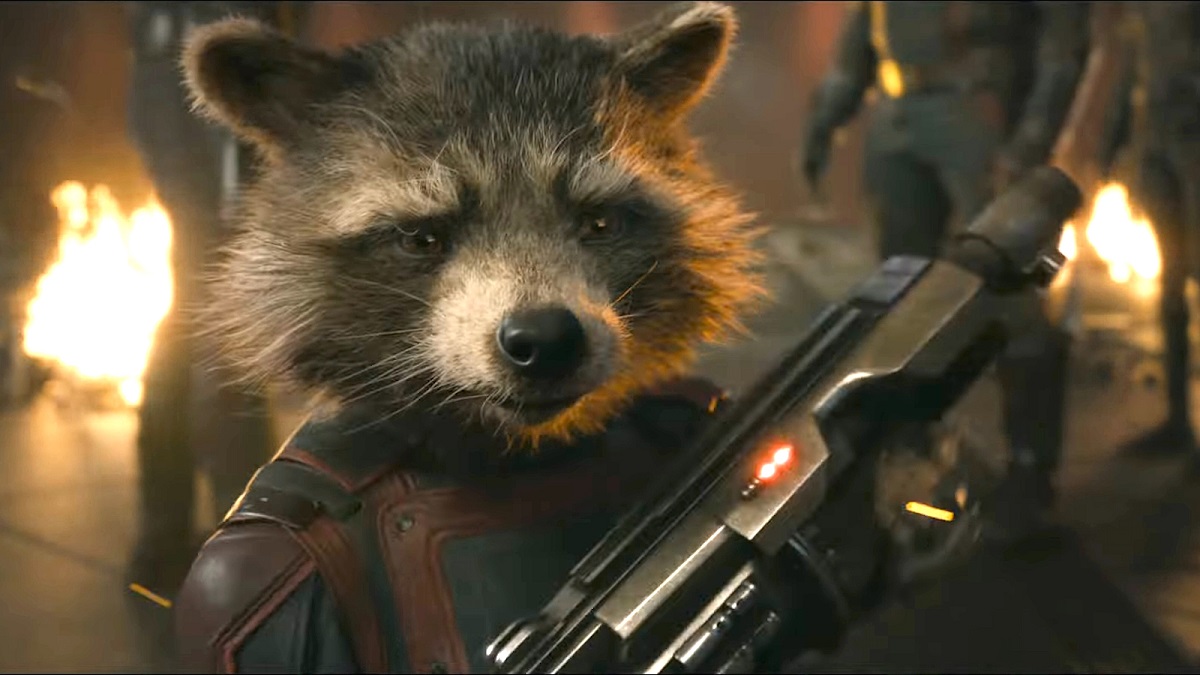
Taking place years after the first two films and the events of the last Avengers films, Guardians of the Galaxy, Vol. 3 brings back all the loony and loveable heroes. Now the owners of Knowhere, a cosmic mining station made up of a dead Celestial’s skull, the Guardians are more administrators than intergalactic heroes. The film begins with a flashback origin of Rocket (voiced by Bradley Cooper), a cybernetically and genetically enhanced raccoon with genius-level intellect. This tragic origin story peppers the film throughout and underscores the emotional and physical pain that Rocket endures in his life. The origin features some of the most gut-wrenching moments in the film and elevates Rocket into a true hero.
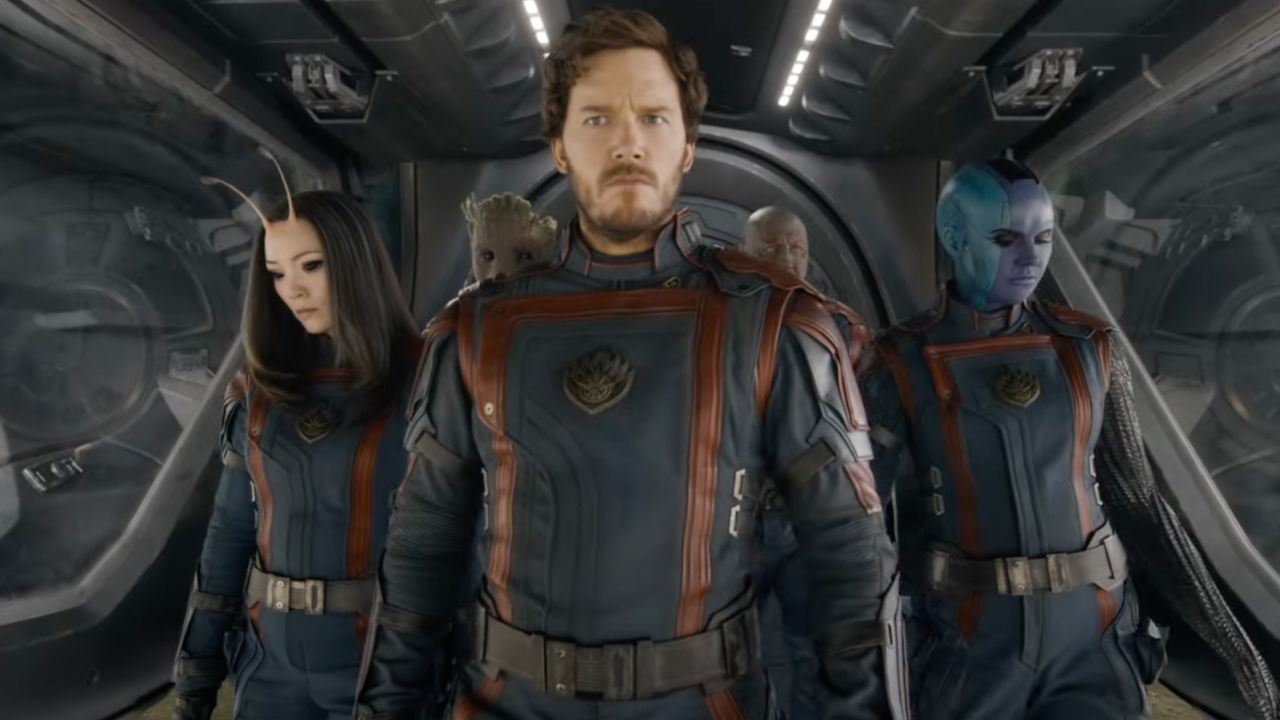
After the flashback we are taken to Knowhere where we meet again the other Guardians. Their leader Peter Quill (Chris Pratt) has become a drunk because he is unable to get over the loss of his girlfriend Gamora (Zoë Saldaña), who was killed during Avengers: Infinity War. Adding to his misery is that another version of Gamora from an alternate timeline exists, but she does not have any feelings for him. As his fellow Guardians try to console him, they are attacked by Adam Warlock (Will Poulter), a golden, artificially created super-powered person. Though he is defeated by the Guardians, he gravely injures Rocket before he leaves them. The rest of the film focuses on the efforts of Quill and the other Guardians to find a way to save their friend. The other Guardians include the powerful but dim-witted Drax (Dave Bautista), Rocket’s BFF, the tree-like Groot (voiced by Vin Diesel), the empath Mantis (Pom Klementieff), and the cyborg Nebula (Karen Gillan). During their intergalactic journey, they soon cross paths with the insane geneticist and Rocket’s creator, the High Evolutionary (Chukwudi Iwuji), who has been hunting Rocket for his own diabolical purposes.

While the film continues the same irreverent tone as the previous entries in the trilogy, it does stand on its own due to its more mature atmosphere. The characters have grown since we first saw them in 2014 and are looking for something more with their lives. This was a rather unexpected and logical thing to do with the characters, because while they have become a family unit, they have to evolve and continue in their own journeys. The core characters, especially Rocket and Peter Quill, each have their own unique arcs and level of development, whether they have to deal with their painful pasts or prove they are much more than what others think of them. Rocket and Quill’s arcs have powerful and engaging arcs that form the heart and soul of the film and elevate it above standard superhero films. These character moments were richly satisfying and came to appropriate conclusions.
Unlike the other films, there is an intense feeling of dread and melancholy that pervades the film as the Guardians face their potential doom at every corner. Without giving anything away, there were many moments where I thought that was it for certain characters. This shows how intensely we’ve become attached to these plucky and quirky heroes. James Gunn skillfully exploits our feelings with each peril he throws at them.  What helps underscore this mood is that Guardians of the Galaxy, Vol. 3 is not as goofy as the other films, although it has its fair share of laugh-out scenes. That is alright. This film avoided the missteps of Thor: Love and Thunder where that film got lost in its over-indulgence of silly humor to the detriment of some of its subject matter. Guardians of the Galaxy, Vol. 3 succeeded where the last Thor film did not in that it treated much of its subject matter seriously and avoided inappropriate silliness.

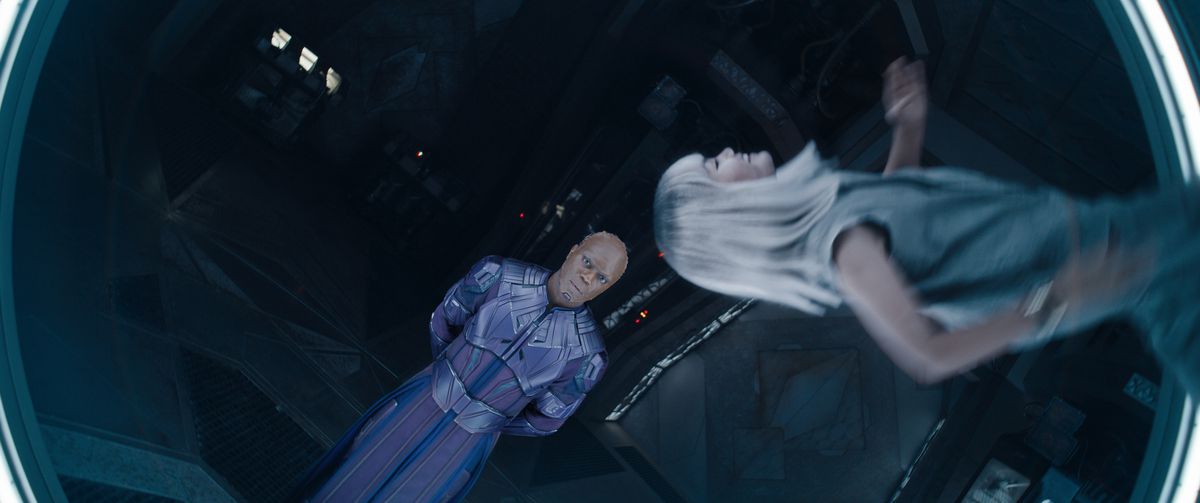
While the High Evolutionary is the best villain the Guardians have faced in their films, he could have used more nuance, although Iwuji does a fantastic job in his performance as a callous and dismissive scientist with a twisted heart. His cruel actions towards his test subjects, including Rocket during the flashbacks, are a vivid and emotional presentation of one of the film’s themes about animal cruelty and the morality of using animals for scientific research. What the High Evolutionary does to Rocket and others makes us openly hate him. To be honest some of the scenes featuring the High Evolutionary’s test subjects may be too intense for some viewers. So be warned.
The other actors in Guardians of the Galaxy, Vol. 3 put in some of their best performances. You could tell they are very invested in their characters and knowing this film will be their final time playing the characters, they elevate their craft beautifully. What helps, of course, is that unlike many sequels, the characters are allowed to grow and evolve. Thanks to their performances and how the characters were written, by the time the film comes to its end many viewers will be openly crying, while the rest will pretend they have something in their eyes.

There are a few minor nitpicks with the film that are not really worth mentioning. Maybe Adam Warlock could have used more screentime, but so could have other characters like Kraglin (Sean Gunn), but they do get their moments to contribute and shine, and even give a hint of what is to come.
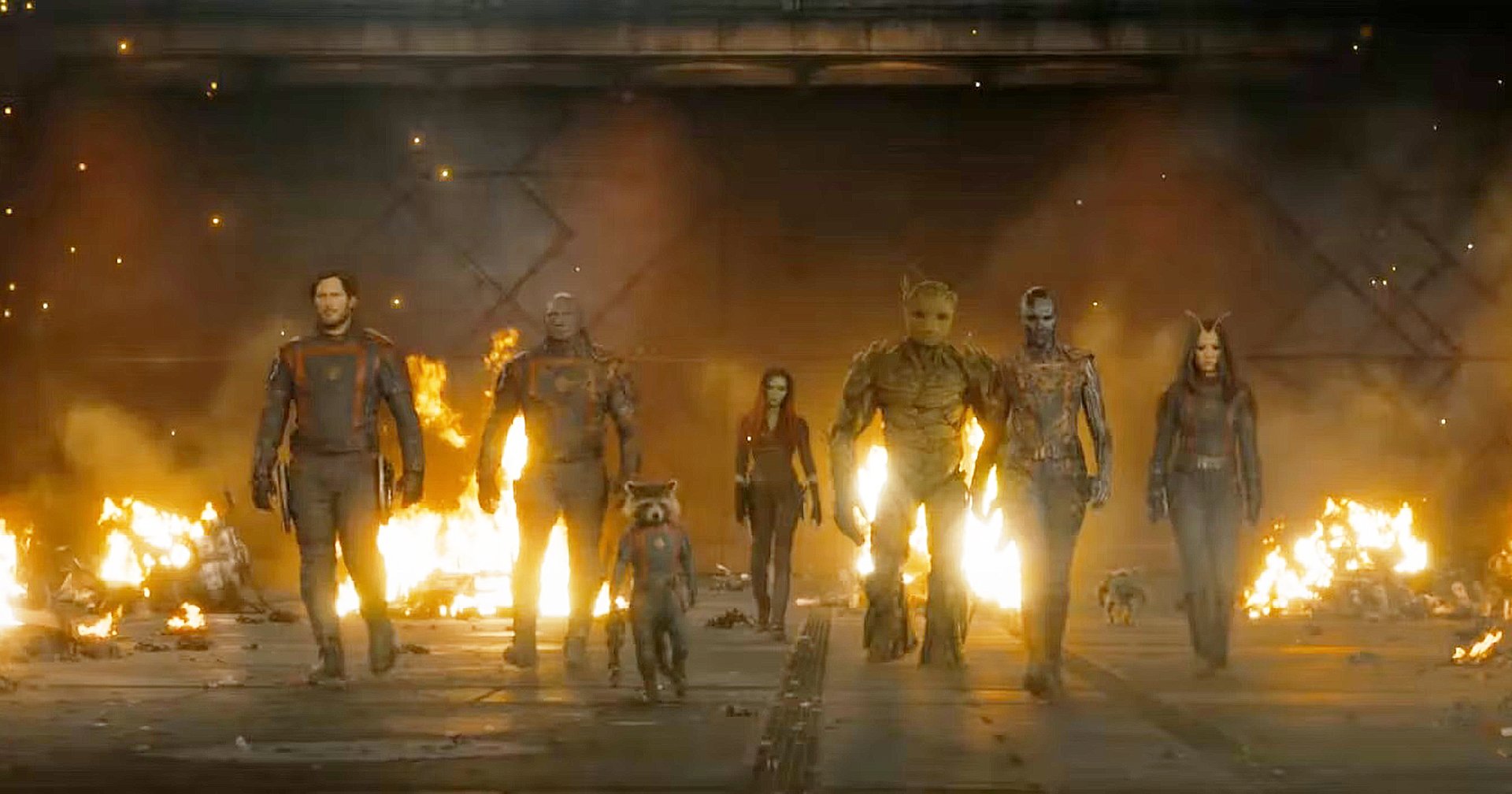
How does Guardians of the Galaxy, Vol. 3 compare to the others in the trilogy? Well, it is much better than the second film and is about on level with the first one, though they are both distinctly different from one another. Given its level of greatness, it is easily one of the finest MCU films, and the best one in recent years, aside from Spider-Man: No Way Home and Avengers: Endgame.  Given the recent missteps in the MCU, it is a joyful relief that the cinematic universe can still deliver a film that emotionally involves us.  

José Soto

Star Trek: Picard Concludes With A Bold New Legacy

The third and final season of Star Trek: Picard just streamed its last episode, titled appropriately enough “The Last Generation”, and it was a brilliant finale to an exceptional season for the TV show.  *Warning: Spoilers will follow.

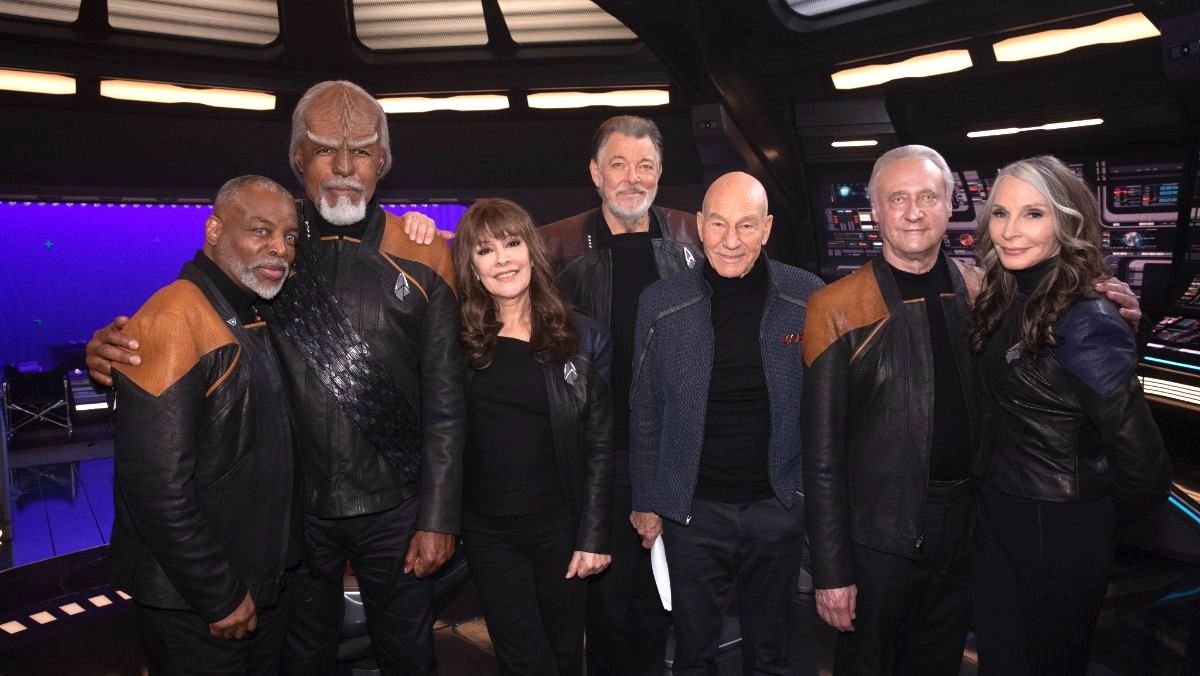
Star Trek: Picard as a series has been a mixed bag of a Star Trek show. While it was great to see Patrick Stewart reprise his role as retired Admiral Jean-Luc Picard, some of the episodes in the first season were not as well executed as they should have been. Meanwhile, the second season started strong but soon fell apart and became a big disappointment. So, in the final season of Star Trek: Picard, the showrunners, led by Terry Matalas, pulled out all stops to make this a worthy swan song to the legacy of Star Trek: The Next Generation (TNG). This included reuniting the core cast of that beloved TV show and numerous Member Berries recalling not just Star Trek: The Next Generation, but the original Star Trek, Star Trek: Deep Space Nine, Star Trek: Voyager and even other media like Star Trek Online. And you know what? It worked!

The third season of Star Trek: Picard quickly engaged viewers with reunions and beguiling mysteries that threatened the United Federation of Planets and Starfleet. Picard received a plea for help from Dr. Beverly Crusher (Gates McFadden), who he has not spoken to in decades. She and her young adult companion Jack (Ed Speleers) operate independent of the Federation and deliver medical aid to those that need it. They are also pursued by mercenaries led by the mysterious Vadic (Amanda Plummer). The problem is that Crusher is located just outside Federation space and Picard needs to find a way to get to her.

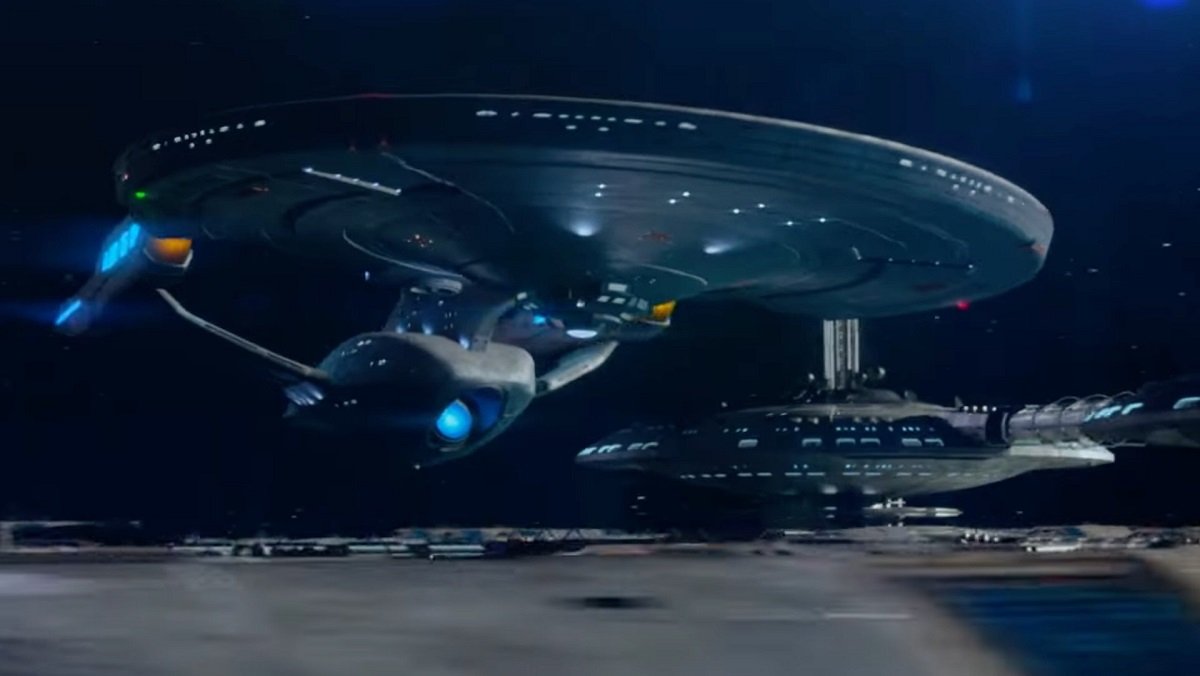
Picard enlists the help of his best friend and former first officer of the Enterprise-D, Will Riker (Jonathan Frakes), along with Seven of Nine (Jeri Ryan), who is the first officer of the Titan-A (a nice nod to Riker’s offscreen adventures as captain of the previous Titan). Together, they commandeer her ship to the edge of Federation space to rescue Crusher and Jack, who turns out to be Picard’s son. Their efforts unveil a vast conspiracy against Starfleet and the Federation itself involving Changelings (last seen in Star Trek: Deep Space Nine) and their unknown partner.

Everyone involved with the third season was at the top of their game and it was clear they were determined to turn the season into a love letter for fans. It is incredible that they succeeded as the TV show was exciting, full of emotion and great character moments. Some aspects of Star Trek: Picard evoked previous Star Trek tropes and plot points, but they were executed in a respectful and invigorating fashion that felt fresh. The best example of this were with the early episodes where Picard and the crew of the Titan-A played a cat-and-mouse game with Vadic and her ship the Shrike in a nebula that was clearly inspired by Star Trek II: The Wrath of Khan. Then there was the major subplot of Picard getting to know Jack, which was similar to Kirk’s relationship with his son David in that film. But it worked because these moments were not exact duplicates of the famous Trek film but added new wrinkles. Of course, what sold it was the execution with memorable acting and topnotch production values.

Continue reading

The SUPER Mario Movie We’ve Been Waiting For

(SPOILERS WILL BE FLAGGED AT THE BEGINNING OF THE PARAGRPAHS CONTAINING SPOILERS)

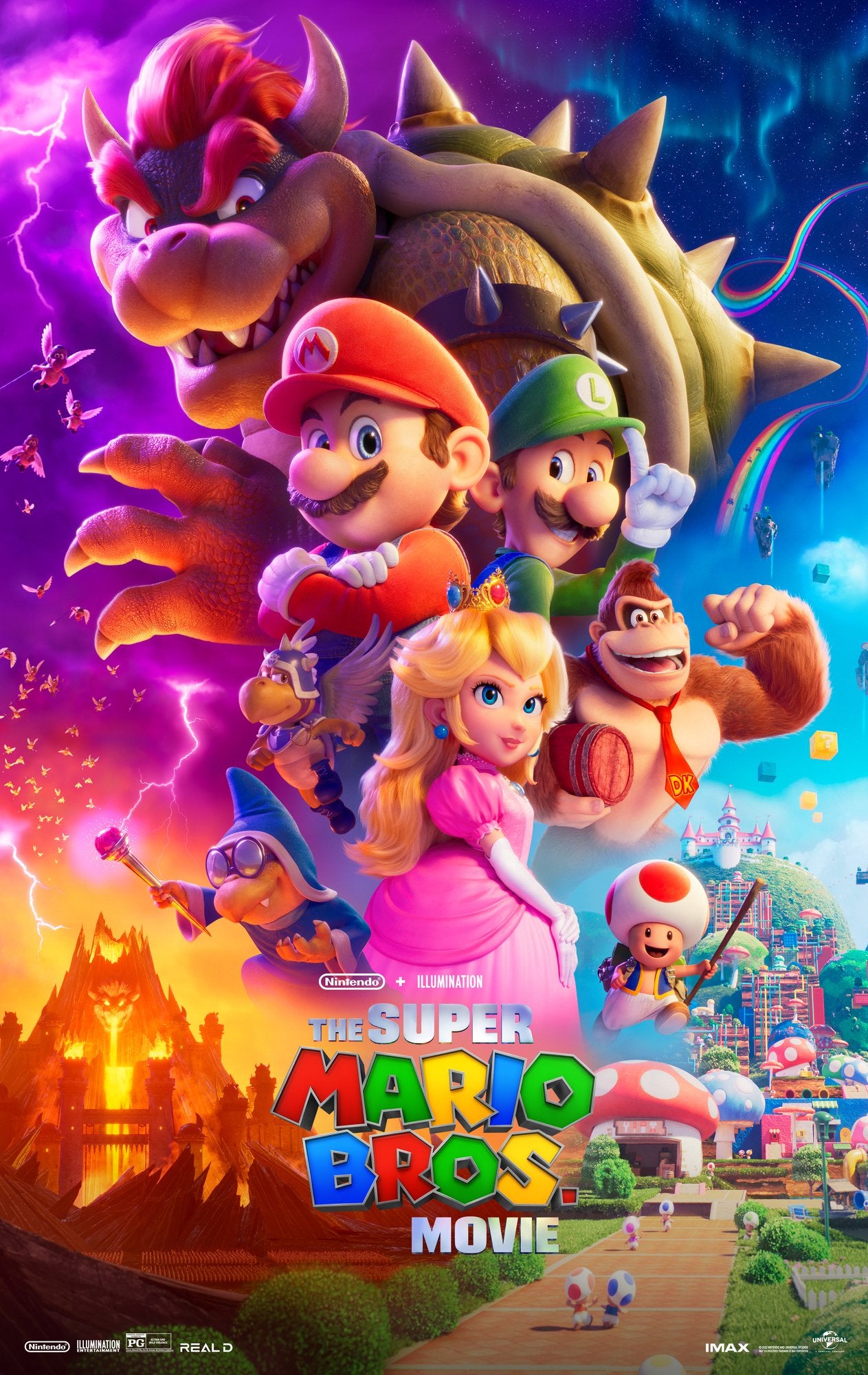
It is finally time that the Super Mario Bros. franchise gets an ACTUAL movie (don’t bring up the 1993 live-action one…), but is it any good? Critic scores on Rotten Tomatoes and Metacritic gave the movie a 55% and a 47%. Those are low very low scores compared to the audience scores, which are a high 98% and an 86%. Why are the critic scores so low? This will be discussed later in the article; anyway, The Super Mario Bros. Movie, in my opinion, is a fun and referenced-packed adventure that can be watched by all ages, but is especially more enjoyable for the biggest Mario fans. Of course, it isn’t perfect. As my main issues are with the general pacing which leads to lack of substance in some scenes, as well as other scenes being pushed down to compensate with the little time the movie has.

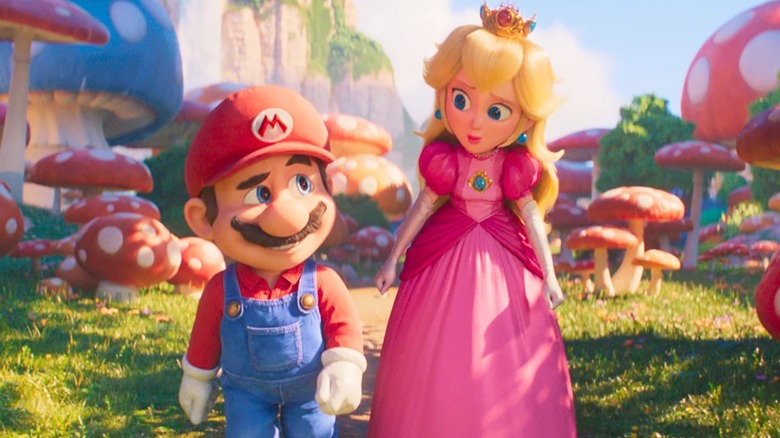
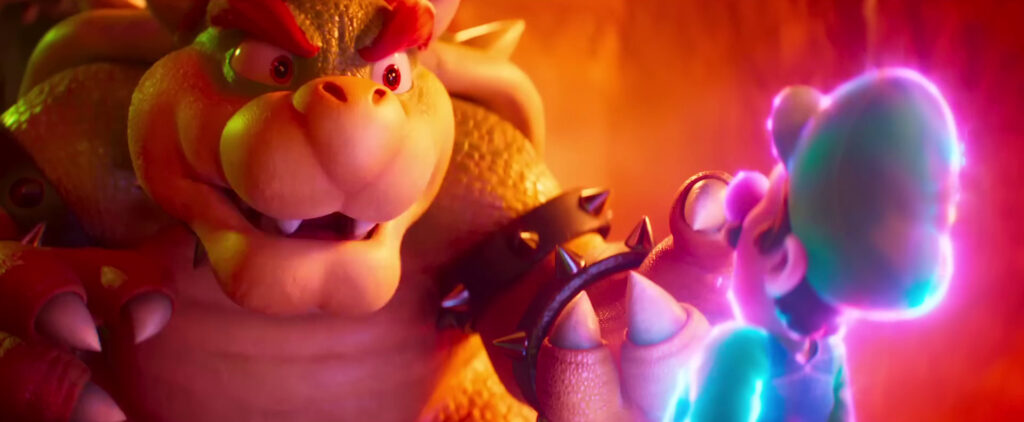
The Super Mario Bros. Movie begins with out two brothers, Mario and Luigi, living in Brooklyn, New York struggling to get their new plumbing business off the ground and running. Their family do not help them at all, giving them words of scolding rather than encouragement. After seeing on the news that Brooklyn is having a massive plumbing problem, they rush to the scene, desperate to get their names out there. They arrive and pull some shenanigans, which then ends with them underground in a pipe maze. They find our iconic green pipe and get pulled into this warp dimension; Luigi gets sent to the Dark lands, and Mario to the Mushroom Kingdom.

The voice acting in this movie was stellar and I definitely owe everyone on the VA team an apology for my past pessimism when they were announced, especially with Chris Pratt as Mario. He was definitely one of the best performances in this movie, followed by Charlie Day as Luigi, Jack Black as Bowser, and Anya Talor-Joy as Princess Peach. How could we talk Mario without his original voice actor, Charles Martinet? It was confirmed that he would be in this movie, but I really wish we got to hear more of him, honestly.

The animation in this movie was stellar and groundbreaking compared to what Illumination usually churns out. You could really tell they improved a lot and cared about making this movie the best they could produce. The animation truly compliments the brilliant settings designed for this movie. But there are some parts where you could really tell that this was an Illumination film, not that that’s a bad thing this time around.

(SPOILERS) I will now talk about the number of references that I noticed in The Super Mario Bros. Movie. Despite not being a big Mario fan, I was still able to pick out a LOT of fun refences sprinkled into this movie. My favorites being references to other Nintendo games, like Star Fox and Punch-Out, and the worldbuilding and designs in this film. The Mushroom Kingdom was amazing and masterfully crafted with Easter eggs of the past Mario games; the Mushroom Kingdom was definitely my favorite place in the whole movie. Then there were Easter eggs to Super Smash Bros., which keeps the tradition that the Sonic the Hedgehog movies started of referencing the classic games that inspired the films.

Continue reading

The Last Of Us Is First As A Faithful Adaptation

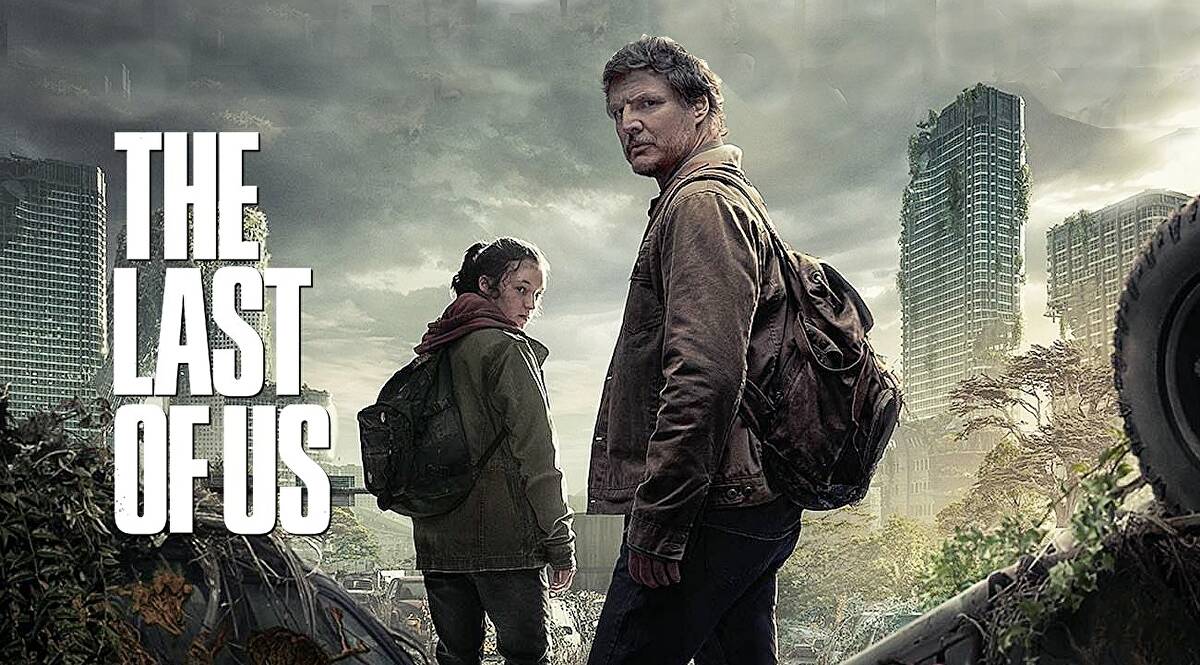
The television adaptation of the video game The Last of Us concluded its first season on HBO Max. Ever since it premiered this past January, the TV show has received widespread acclaim from critics and fans for being both a faithful adaptation and for its quality.

The Last of Us stands apart from your typical post-apocalyptic fare in many ways. For starters, despite its premise being similar to other post-apocalyptic yarns, it does not involve undead flesh-eaters. It is more contemplative and offers richer character studies as the main characters face moral dilemmas every moment of their fragile existence.

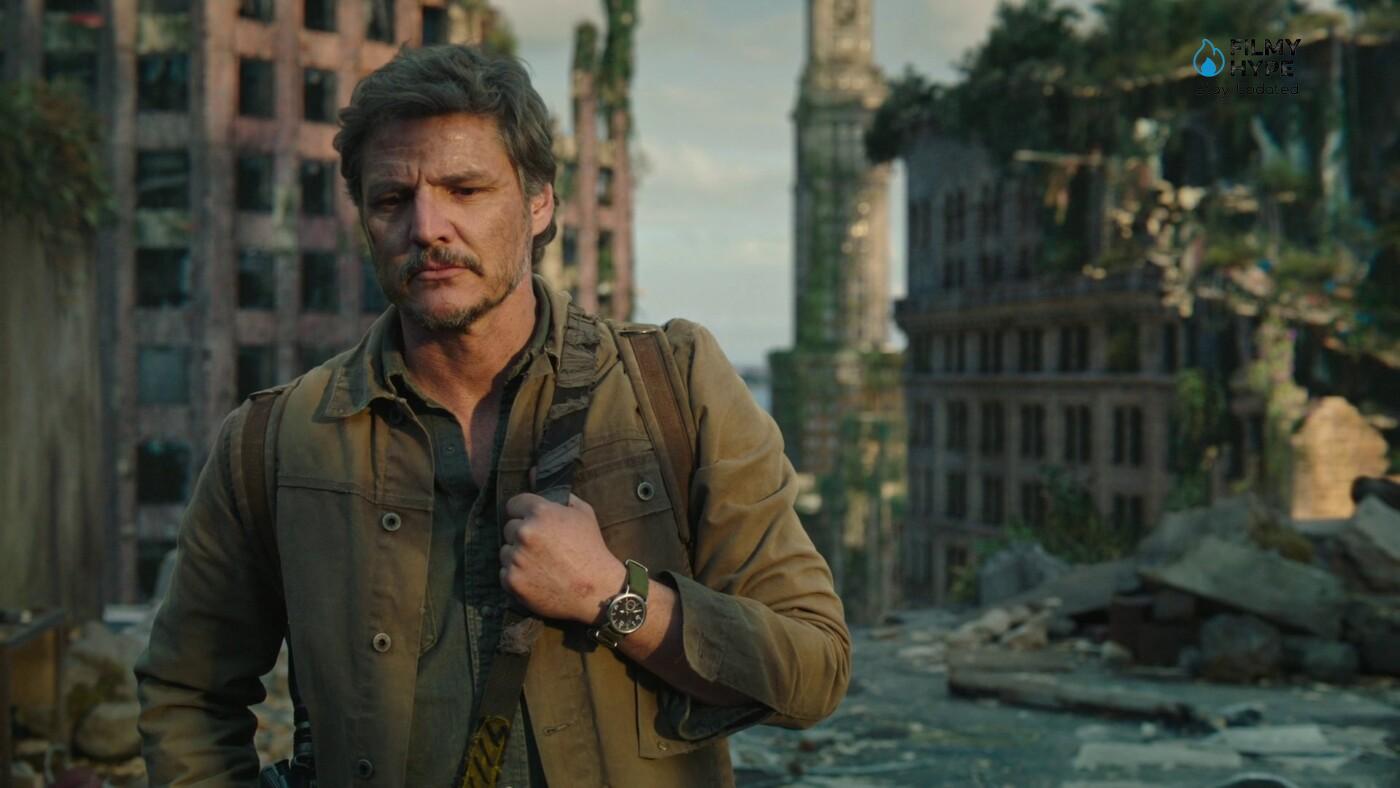
The Last of Us takes place in an alternate world where a fungal infection that started in 2003 destroyed our society as the parasitic fungus, called Cordyceps, altered the brains of its victims and turned them into mindless savages. Their humanity gone, the infected victims ran rampant through society as they infected others though bites and savage attacks. During the outbreak, the world descended into anarchy and the United States basically became lawless as murderous gangs and warlords rule the land except for certain cities that are run by the tyrannical FEDRA (Federal Disaster Response Agency). FEDRA is barely able to maintain some meaure of order through an iron fist and are opposed by a rebel group called the Fireflies. The show picks up twenty years later and stars Pedro Pascal as Joel an embittered survivor who lives a hard existence in the crumbling remains of Boston, which is barely controlled by FEDRA.

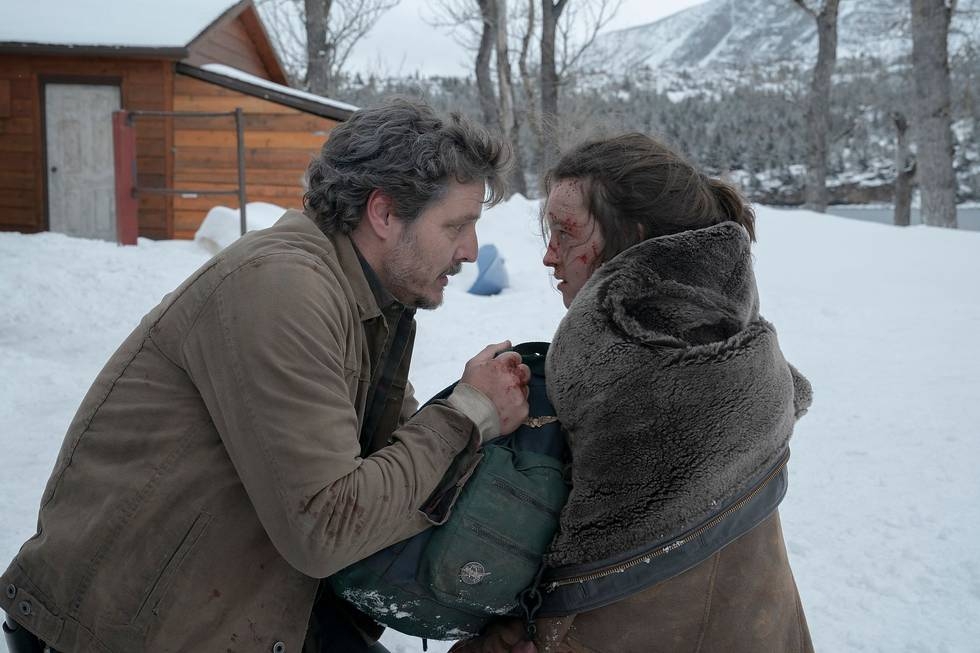
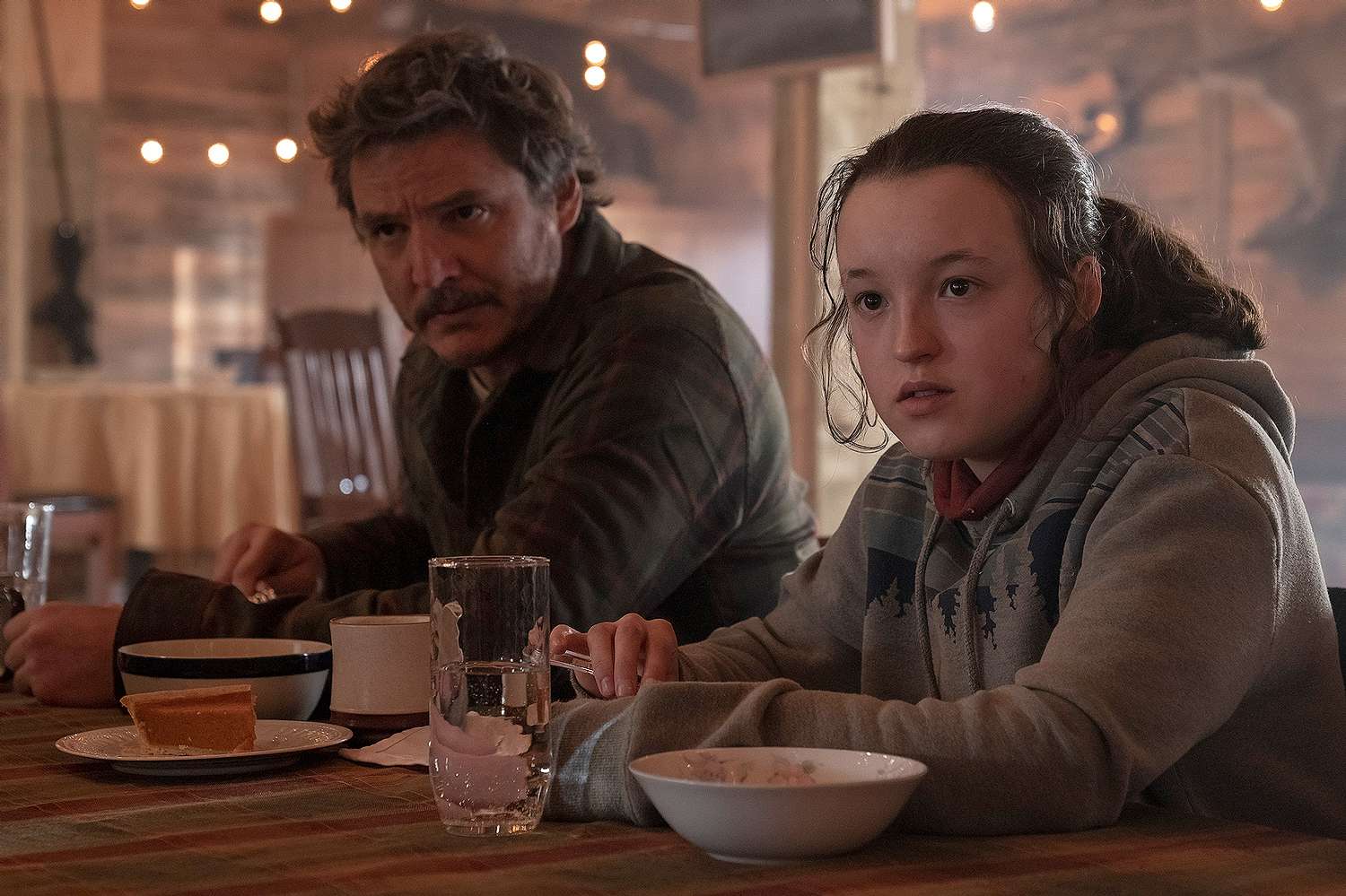
Joel is hired by the leader of the Fireflies, Marlene (Merl Dandridge, who is the only actor to reprise the same role from the video game), to transport a young teenage girl called Ellie (Bella Ramsey) across the country to a Firefly-operated medical facility. Joel soon learns that Ellie is immune to the Cordyceps and is humanity’s only hope to recover from the pandemic. At first distrustful and hostile towards each other, the two gradually form an intense bond as they travel through the hostile continent.

While it is true the basic premise strongly echoes that of Pedro Pascal’s other popular TV show, The Mandalorian, The Last of Us differs greatly because of its themes and dark nature.

At its core, The Last of Us is a character study of two hardened survivors and the emotional trauma they suffer and how they rely on each other to heal emotionally.

From the very first episode, we see the start of the pandemic and its immediate and devastating effect on our society as we follow Joel, who lost his daughter Sarah (Nico Parker). This event nearly destroys Joe,l who became hard, bitter and even cruel. We get hints that he did evil things in order to survive and his only goal is to reconnect with his brother Tommy (Gabriel Luna), who is located in Wyoming. Unlike Joel, Tommy is shown to be more idealistic and was a member of the Fireflies. Joel, who is desperate to connect with a family member agrees to take Ellie with him from Boston to her destination out west.

During their journey, Joel and Ellie encounter different types of people who have fascinating and even tragic stories. One episode (“Long, Long Time”) was nearly devoted entirely to a survivalist named Bill (Nick Offerman) who finds a renewed purpose in life, which is to protect and love Frank (Murray Bartlett), a survivor that made his way to Bill’s fortified territory. While that episode showcased the good in humanity, the penultimate episode “When We are in Need” showed us the worst as Ellie is captured by David (Scott Shepherd), a monster who poses as a pastor and is a would-be savior for a desperate town.

Unlike the video game, which was more devoted to accomplishing tasks (get certain items to enter a room, as an example) or battling the infected or FEDRA, the TV show focuses more on exploring the characters and themes, such as collectivism versus individualism. This theme is very central in the last episode “Look for the Light” as we see that while Joel and Ellie are able to heal from their mental wounds they still deal with ethical and moral issues, especially Joel. The actions taken by the characters are very morally dubious and leave you wondering about their moral centers.

While this more nuanced and layered exploration of characters and themes will be appreciated by many seeking something different from all the recent zombie shoot-em-ups, it may leave fans of the classic video game disappointed. It is very faithful to the video game, with it even lifting entire lines of dialogue, and it has tons of Easter eggs and references to the game. However, at times the TV show is light on action scenes as the infected barely appear in some episodes. They do not feel like a constant threat like in the game or your typical episode of The Walking Dead, nor is it as violent. Instead we see the impact of the Cordyceps infection in the ruined landscape of America and how the pandemic brought out the worst in people.

It goes without saying that Pedro Pascal and Bella Ramsey are the highlights of The Last of Us as the two have a natural chemistry which made their characters so endearing. Bit by bit, we see Joel quietly dropping his emotional barriers and rekindle his humanity as he forms a parental relationship with Ellie. She too, undergoes an emotional transformation as she learns about survival from Joel and looks up to Joel as the father figure she never had and needed. Through their ordeals, the two find a renewed purpose in life. For Joel his goal is to protect this young girl as he transferred his feelings over Sarah to her and in a sense accomplished with Ellie what he could not with Sarah. For Ellie, she becomes a Moses-like figure who is resolved to be able to lead humanity out of darkness with her immunity to the Cordyceps. How well they accomplished their purpose made for a wrenching finale as its emphasized how fragile and flawed the two really are.

The Last of Us is as captivating and intense as the classic video game. It also demonstrates that it is possible to be able to faithfully adapt engrossing video games into live-action media, as by the last seconds of the final episode, we’re left wanting to see more of this world and its characters.

Phase Five Of The MCU Starts Off In A Manic Way With Ant-Man And The Wasp: Quantumania

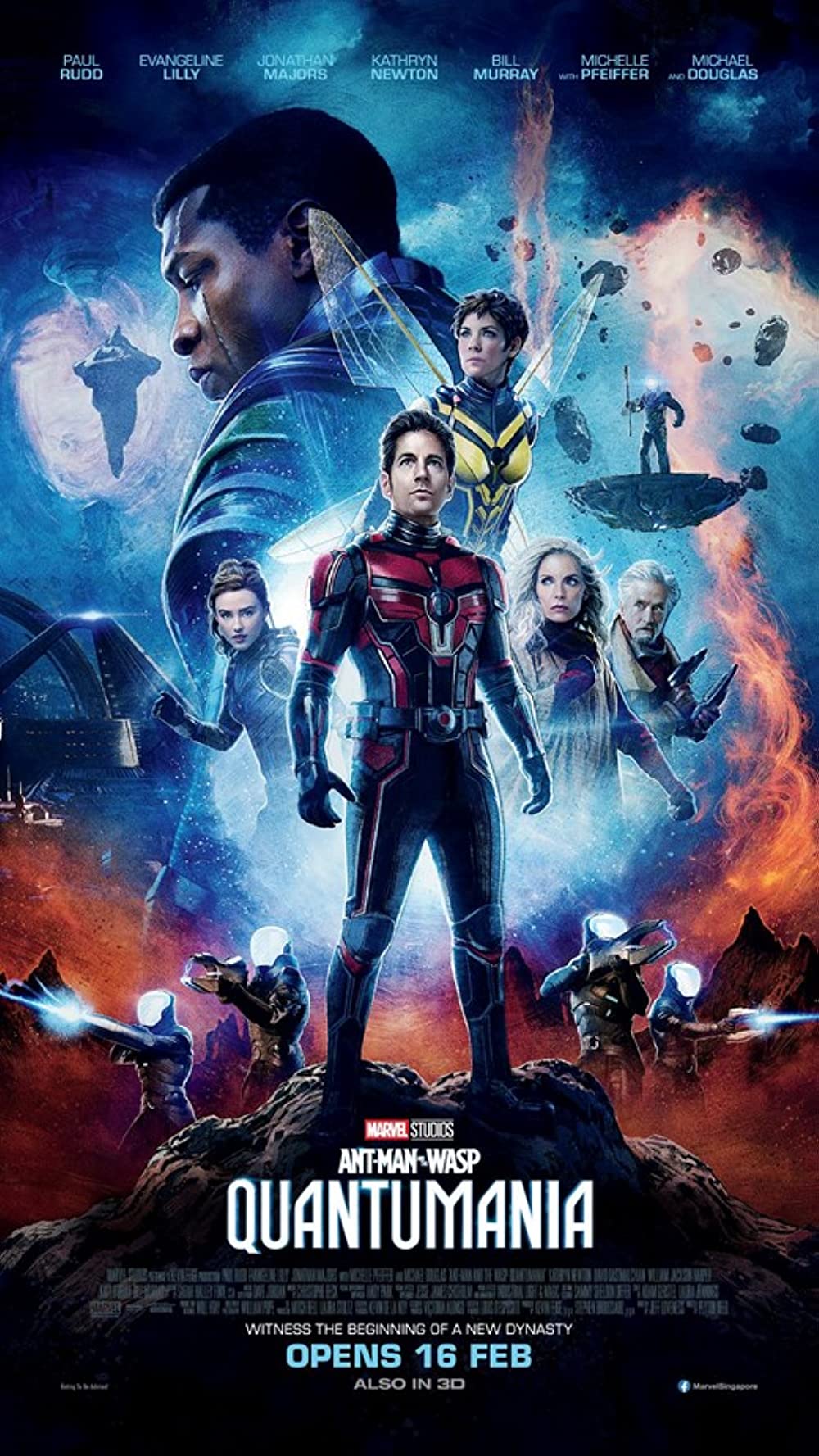
Here again we have a case where the critics have it wrong. Despite the many negative reviews flooding the internet, Ant-Man and the Wasp: Quantumania is another solid entry for the Marvel Cinematic Universe (MCU).

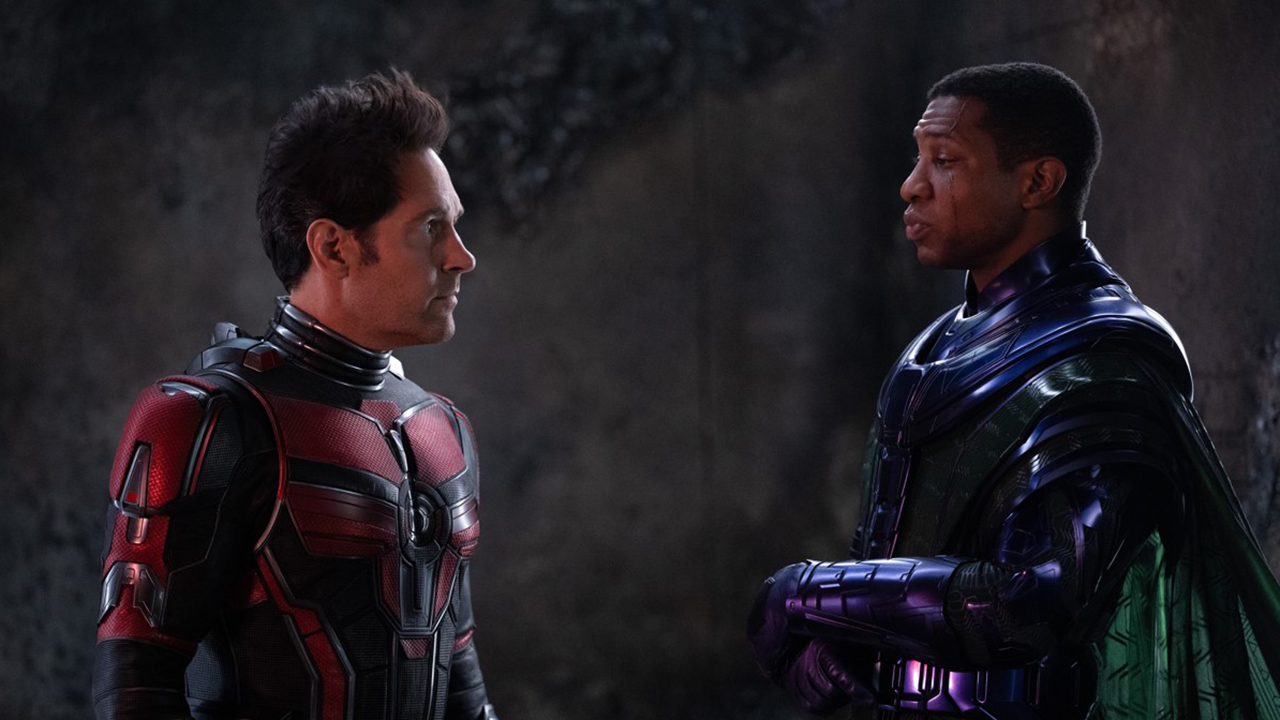
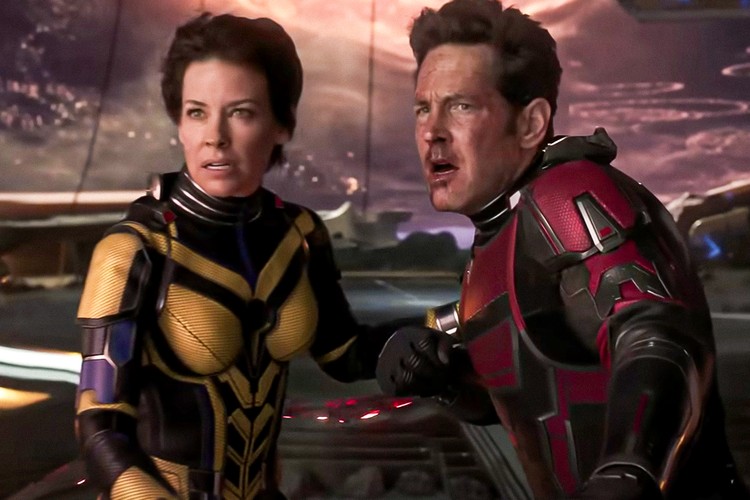
As the third film in the Ant-Man franchise and the opening salvo for Phase Five of the MCU, Ant-Man and the Wasp: Quantumania has a decidedly different tone than the previous Ant-Man films. Mostly gone are the quirky humor amd low-stake threats that Scott Lang (Paul Rudd) and his girlfriend Hope Van Dyne (Evangeline Lilly) faced. This time the stakes are dramatically raised as Scott aka Ant-Man and his friends have to save the Multiverse itself from the fearsome Kang the Conqueror (Jonathan Majors). This could be why the film turned off so many critics who expected the light-hearted and breezy tone of the previous Ant-Man films.

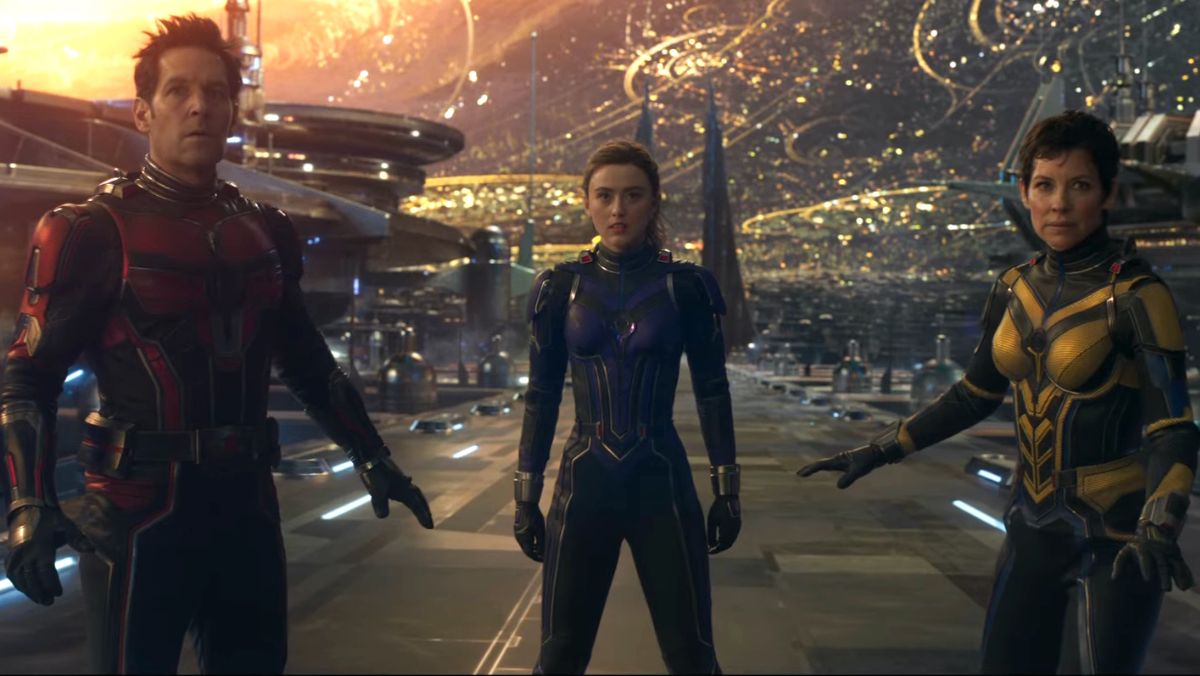
The film begins in San Francisco as we see what Scott Lang has been up to since Avengers: Endgame. It is shown that he has become a celebrity basking in his heroic role during the events of Avengers: Endgame and is enjoying life. However, his daughter Cassie (Kathryn Newton) has gotten into trouble with the law and the two struggle to connect with one another. After a family dinner with Scott, Cassie, Hope and her parents Hank Pym (Michael Douglas) and Janet Van Dyne (Michelle Pfeiffer), Cassie displays her scientific genius by demonstrating her new invention, which is a device that lets her map out the otherdimensional Quantum Realm. But the device is used by someone in the Quantum Realm as a homing beacon and creates a portal that sucks in our heroes. Finding themselves stranded in the otherworldly Quantum Realm, our heroes soon learn of a tyrant called Kang the Conqueror, who is able to travel the Multiverse with futuristic technology, but is exiled to the Quantum Realm. As soon as Scott and his companions arrive, Kang pursues them because they hold the key to escaping the Quantum Realm.

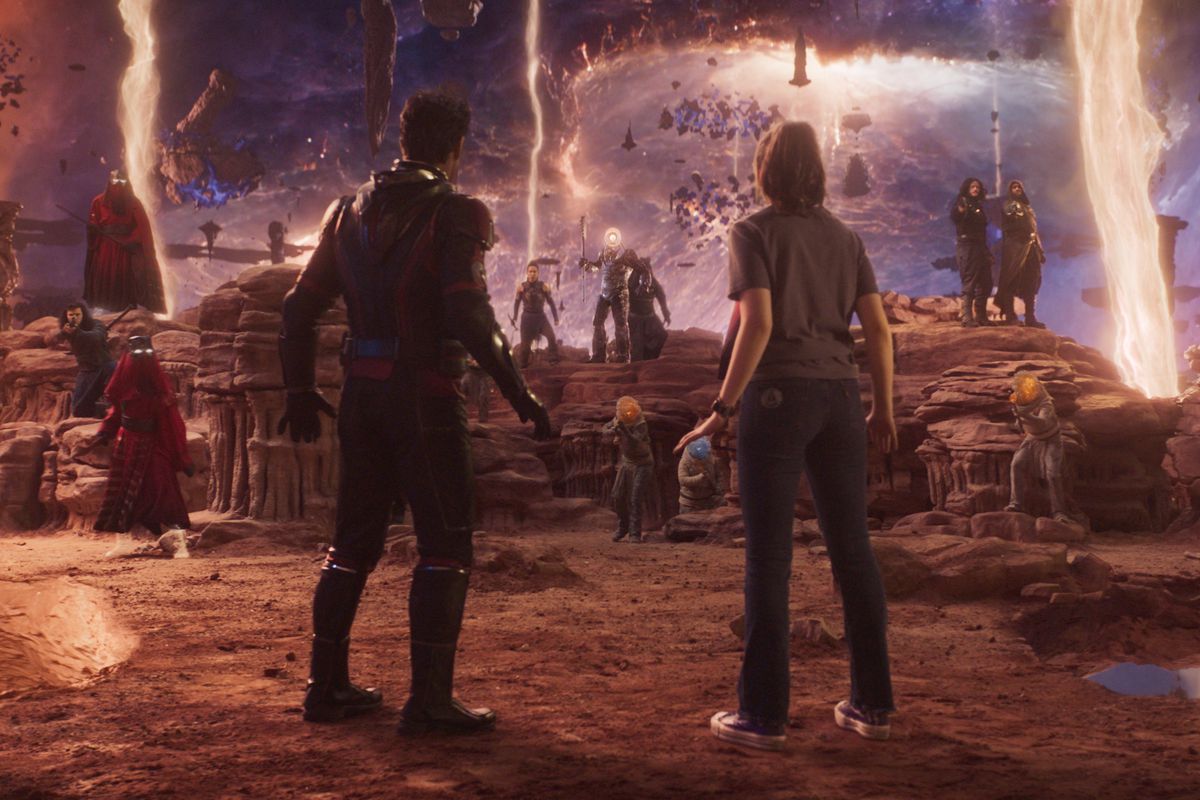
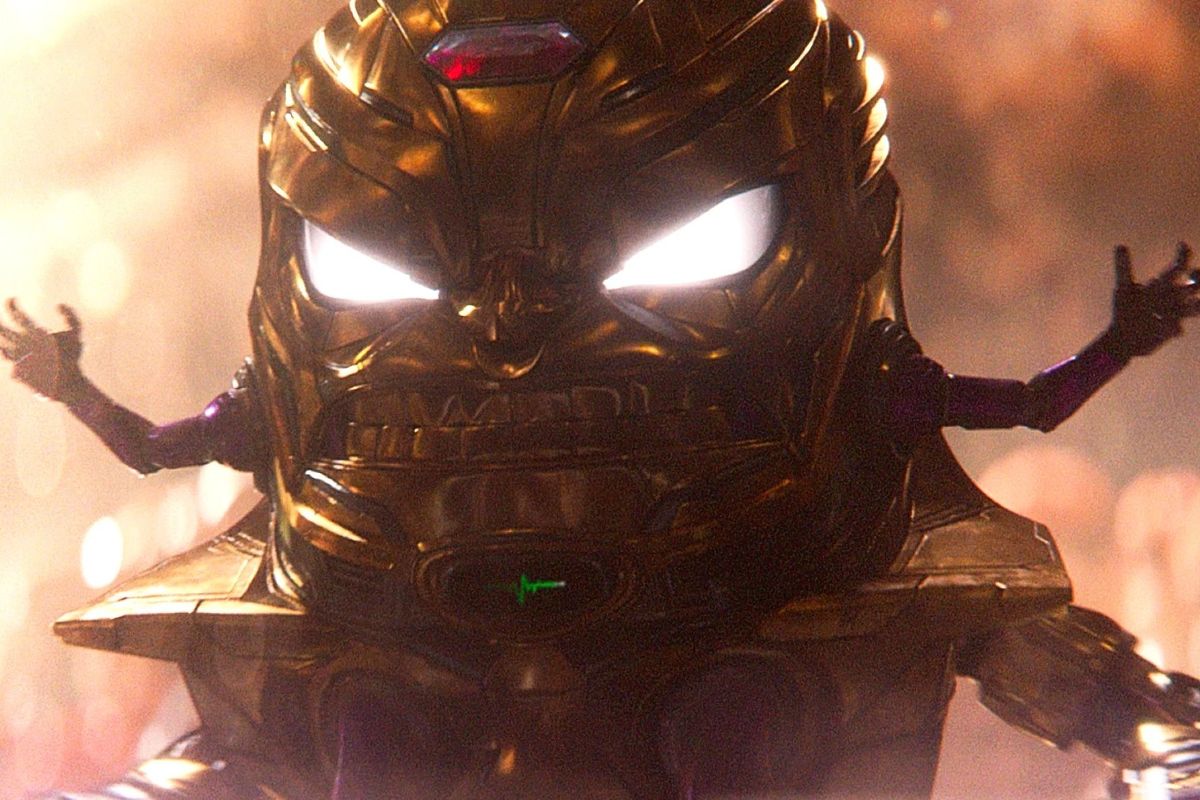
Taking place nearly entirely in the Quantum Realm, Ant-Man and the Wasp: Quantumania veers hard towards wild sci-fi elements as our heroes meet bizarre-looking beings and explore a landscape that would only exist in dreams. It seems that director Peyton Reed was intent on outdoing James Gunn and the Star Wars films by presenting a unique and nearly undescrible world that was just mind blowing to behold. The film introduces many characters of assorted shapes and sizes, the standout was actually M.O.D.O.K (Mechanized Organism Designed Only For Killing), who was Ant-Man’s old foe Darren Cross/Yellowjacket (Corey Stoll) from the first film. Yes, M.O.D.O.K. is too goofy to be taken seriously as a villain, but with his giant, oversized head and tiny appendages, M.O.D.O.K. provides a lot of laughs.

There are many intense situations and developments that fly by at a rapid, manic pace that adds to a feeling of nervousness and discomfort. But Reed knows how to inject laughs and brevity at the right moments to give audiences a chance to breath. This was helped with the dominating presence of Kang. Majors pulled off a nearly impossible feat with his performance of Kang, who immediately joins the ranks of top-tier MCU villains. Kang is a captivating and terrifying foe with an intense fury that made us worry about Scott and his companions. This was a great presentation of a David vs. Goliath situation as Kang clearly overmatched Scott with his futuristic technology and raw emotions. After the lightweight villains from the last Ant-Man film, Kang was the right antagonist to face Ant-Man, as we were left wondering how could Scott fight this person who was out of his league.

As exciting and fast-moving Ant-Man and the Wasp: Quantumania was, its manic energy and intense actions could not hide all of its flaws. Sometimes situations and plot points happened too fast and weren ot given enough time to percolate. Being that the film has many characters, many of them do not leave much of an impact. Bill Murray was wasted in what turned out to be an extended cameo, but he provided some levity and humor with his appearance. While Scott and his companions have meaty roles and drive the plot, Hope/The Wasp faded into the background during much of the film, but she delivered several fist-pumping moments during the film’s final act. Unfortunately, the scene-stealing Luis (Michael Peña) from previous films was absent in this film and was sorely missed. Also, there is a nagging plot flaw in that Janet was previously trapped in the Quantum Realm for decades and confronted Kang before, yet she never mentioned this to her family, especially her husband Hank. That is just unbelievable and irritating in that earlier in the film she kept speaking cryptically about the Quantum Realm and Kang, even though her family insisted she inform them of everything she knew for survival’s sake.

With that said, the film did allow most of its main characters to develop. Scott learned some much-needed humility as he faced someone way out of his league. Unlike the last film, Scott does not come off as an idiot and has more of a heroic presence, which made us root for him more as he fought Kang. Meanwhile Cassie took the place he had in the first film of being someone who was just learning how to use her size-changing abilities and her idealistic nature contrasted well with her more pragmatic father. Douglas provided some good laughs and helped to our characters while Pfeiffer was given much more screen time than and contributed heavily to the plot.

Still, out of all the film’s characters, Kang was a true standout and he needed to be. Ever since Thanos was turned to dust, the MCU has lacked a true successor supervillain that threatened the entire MCU. Thankfully, Kang was able to demonstrate why he is already one of the MCU’s most terrifying villains and the audience cheered as the final title card announced that he would return. By the way, the two post-credits scenes were great, though the first one was the better of the two since it matched the outlandish nature of the film.

Ant-Man and the Wasp: Quantumania is a promising start of Phase Five of the MCU and a welcome change of pace for the Ant-Man franchise. It showed us why Scott Lang is a great hero being that he was clearly the underdog who refused to give up, while the characters around him provided solid support and held our interest. Most of all, this film was a triumphant debut for a top-tier villain.

José Soto