As The Avengers racks up at the box office, speculation has naturally turned to the inevitable sequel. Aside from an official announcement by Disney and Marvel Studios, very little is known about the sequel. But as with most follow ups, new characters are introduced to keep things interesting and an Avengers 2 wouldn’t be an exception to this thanks to Marvel Comics’ abundance of characters. The Avengers team has been made up of many different superheroes that would make exciting additions to the core roster used in The Avengers. So who could be tapped to play some of these heroes? These are our picks:

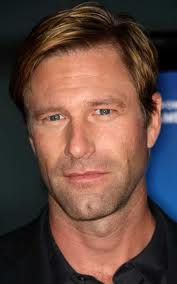
 Henry Pym/Giant-Man/Ant-Man: Lately there has been speculation about efforts to greenlight an Ant-Man film. Well, Marvel Studios may want to table that for now and use this original Avenger in the sequel. One way to go is with the controversial character development of having Pym being an abusive husband wracked with insecurities. This may or may not turn off mainstream audiences expecting another rousing adventure but if handled correctly, Pym could be an interesting addition. For the actor to play Pym, Marvel should go with Aaron Eckhart. He looks heroic and sympathetic but can play conflicted characters as seen with his performance as Harvey Dent in The Dark Knight. Plus, he’s played a scientist before in The Core, which is Pym’s occupation. Alternate actors: Adrian Pasdar; Damien Lewis; Josh Brolin.
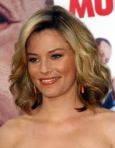
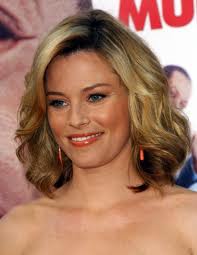
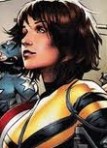 Janet Pym/The Wasp: This diminutive superheroine goes hand in hand with her husband Henry. As a founding member of the Avengers, Janet is rich, spunky and her wasp stings carry some surprising punch. In other words, the actress to portray her has to be beautiful, with a bit of an aristocratic flair while being tough yet personable. For this reason, Elizabeth Banks should play Janet Pym. She’s had experience in the superhero movies with her portrayal of Betty Brant in the Spider-Man films, but now that she has more clout as an actress she can have a more substantive role as the Wasp. Alternate actresses: Rachel McAdams; Eva Green; Noomi Rapace.

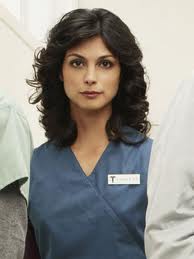
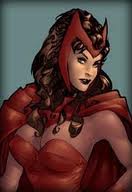
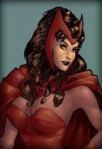 Wanda Maximoff/The Scarlet Witch: It would’ve been funny to have Scarlett Johansson playing the Scarlet Witch just for the bad puns. But since that won’t happen, this mutant who can alter probability needs to be portrayed by someone that is beautiful and can give off a slightly exotic and mysterious flair. If Joss Whedon is involved with the sequel he can turn to Firefly alumnae Morena Baccarin. It’s so easy to imagine her doing Wanda’s dramatic hand motions to shoot her hex bolts. Alternate actresses: Lynn Collins; Mila Kunis; Gemma Arterton.
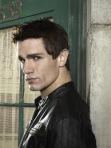
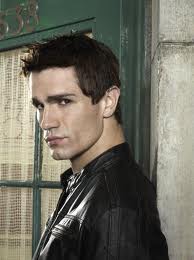
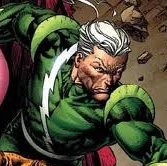
 Pietro Maximoff/Quicksilver: As Wanda’s headstrong brother, this super-fast mutant can be cocky and disruptive but harbor a troubled soul. Sam Witwer is doing an excellent job playing a conflicted vampire in Syfy’s version of Being Human so this role should suit him nicely. Besides Witwer’s got that expressive eyebrow that Quicksilver shows in the comics. Plus, he’s had experience playing tortured characters in live-action superhero TV (as Doomsday in Smallville). Alternate actors: Zachary Quinto; Andrew Lee-Potts; Aaron Paul.

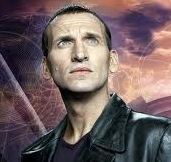
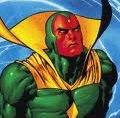
 Victor Shade/The Vision: WARNING: SPOILERS AHEAD-the idea of hiring Clark Gregg to play a resurrected Agent Coulsson that turns into the Vision is very popular with fans across the Internet. But purists will argue that the Vision is really an android that was once the original Human Torch so using Coulsson would deviate from the unemotional artificial being’s roots. Also Gregg has said in recent interviews that he doesn’t expect to return to that role. Filmmakers can go that route but if they wish to have him be closer to his comic book role then another actor is needed. Christopher Eccleston has the right look and acting ability to portray the Vision. His roles in 28 Days Later and as the Ninth Doctor in Doctor Who are excellent showcases for his talent. Alternate actors: Guy Pearce; Zachary Quinto.
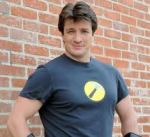
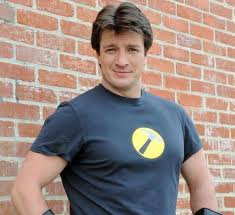
 Simon Williams/Wonder Man: He’s one of the most powerful, yet self-effacing superheroes in the Marvel universe. The actor who portrays him should be personable while slightly buffed, someone that audiences can relate to since Williams is a down-to-earth type. The best choice for that role would be fan-favorite Nathan Fillion. Putting aside his association with Joss Whedon, just look at his performances, he can play heroic with a touch of humility. If picked, he would add so much to Williams’ character that could make him as much of a breakout character as the Hulk was in The Avengers. Alternate actors: Josh Holloway; Karl Urban; John Barrowman.

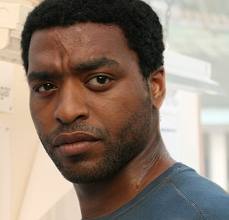
 T’Challa/Black Panther: As the ruler of the African kingdom of Wakanda, Black Panther is actual royalty thus requiring an actor of such stature to portray him. At the same time, T’Challa is a very hands-on kind of guy who can hold his own in a fight so the actor needs to look physically fit. Hands down the perfect choice would be Chiwetel Ejiofor; he’s very regal, dignified but with a hard edge to him. Look at his work on the Serenity film for comparison. Alternate actors: Richard Brooks; Jamil Walker-Smith, Michael Early.

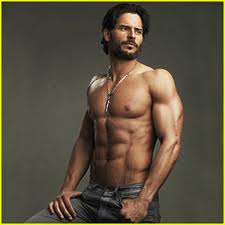
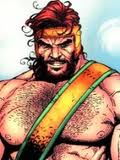
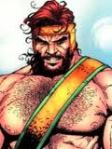 Hercules: Thor’s jovial rival is uber buff and enjoys a good fight. Hercules can provide some welcome comic relief for an Avengers 2. If not, they can use the character in a future Thor film. The actor who looks perfect for the part is True Blood’s Joseph Manganiello. As a werewolf on the show, Manganiello is pretty honorable, with a heroic and sensitive side. The question is can this actor be funny? Alternate actors: Arnold Schwarzenegger, Jon Bernthal; Brian Austin Green.

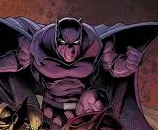
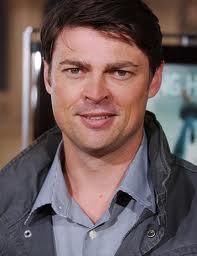
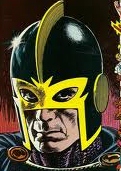
 Dane Whitman/The Black Knight: The Arthurian hero with his mystical sword and flying horse would be an interesting addition to the movie roster. The actor needed to play him needs to be athletic, do a British accent, and have a dash of nobility. This role should go to Karl Urban who has been appearing in several notable genre works. Look at the way he looks as Judge Dredd with his helmet and get a sense for how he would be as the Black Knight. Alternate Actors: Orlando Bloom; Colin Firth; Jamie Bamber.
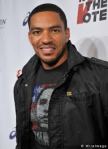
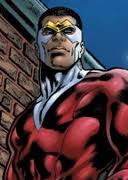
 Sam Wilson/The Falcon: Best known as Captain America’s partner during the ’70s, this winged superhero could be introduced in a future Captain America film then used in The Avengers 2 or 3 or vice versa. Laz Alonso has played a wide variety of strong roles throughout his career (best known for his work as the mighty warrior Tsu’tey in Avatar) and would be a terrific choice to play a solid and sympathetic hero with a dark past. Alternate actors: Jason George; Mehcad Brooks; Morris Chestnut.

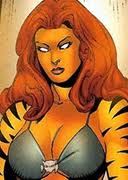
 Greer Grant Nelson/Tigra: Originally introduced back in the ’70s as the Cat, Greer was transformed into Tigra through sorcery and science. The actress who should portray this feline-based heroine should be athletic, beautiful and able to give off a feline quality with a hint of savagery. Zoe Saldana would be puurfect for Tigra (sorry couldn’t resist the pun) being that she’s had a resume filled with heroic action parts like Star Trek, Colombiana, The Losers and Avatar. She may not want to do a role that may be compared to her stint as Neytiri in Avatar. So a good alternative would be Jessica Alba who has many of Saldana’s qualities and has played superheroines before (Fantastic Four, which would reunite her with Chris Evans, and as the lead in Dark Angel). Alternate actresses: Anna Ortiz; Frema Agyeman.

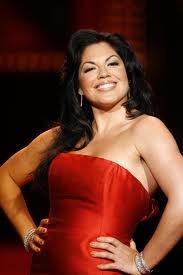
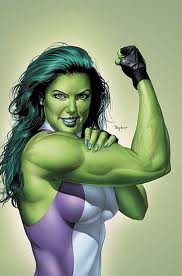
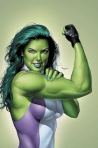 Jennifer Walters/She-Hulk: The female version of the Hulk isn’t like her gamma-fueled cousin. Funny, scrappy and easy on the eyes, She-Hulk needs to be played by someone who can convey her personality. Angie Harmon has had a picture of herself doctored to show her in green skin as a way of auditioning for the role. However, Sara Ramirez who projects beauty while being tough and sporting a rich mane of hair would be an ideal choice to play the jade giantess. Alternate actresses: Lynn Collins; Moon Bloodgood.
Just for kicks…
It’s doubtful if the following characters would be used, except for Jarvis, but just in case, here are prime choices to play these Avengers and associates:
Jarvis the Butler: Richard Jenkins
Hellcat: Rachel McAdams
Ms. Marvel: Lauren Cohan
Captain Marvel/Pulsar: Frema Agyeman
Starfox: Josh Hartnett
Peter Henry Gyrich: Sam Neill
Jocasta: Dichen Lachman
Moondragon: Any actress willing to shave her head for the role.
José Soto (special thanks to GEO)


 Flashbacks reveal what happened to Tom Mason in the missing time. On board the aliens’ ship Mason is told that his group will be given sanctuary if they stop fighting. He refuses the offerand attacks the aliens’ bipedal overlord. Next thing he knows, he is released along with other military prisoners who are then executed; strangely he is able to escape. Eventually he reunites with the group but he no longer trusts himself. Convinced he has been turned into some kind of sleeper agent, Mason has himself restrained after a parasitic lifeform is found in his eye. The scenes where the group’s doctor, Anne Glass (Moon Bloodgood) removes the wiggling, worm-like creature were truly cringe inducing.
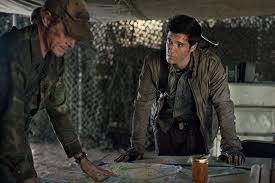 are low on supplies. These two episodes do a great job of showing how beaten down these fighters are and yet they keep on fighting. At this point, their primary objective isn’t to overthrow the aliens. They are simply outmatched. Rather their only goal is survival. The production design is excellent, everyone looks believably grungy and their equipment looks worn and well used. And the second season has ramped up the action and the tension. As one of the few genuine science fiction shows on the air right now, Falling Skies is a well-produced effort and it seems as if the show has found its legs and will hopefully continue to grow. Unlike other genre shows, it’s fairly easy to jump into Falling Skies and watch the interesting story unfold.