Good Boy and Other Pets In Horror Films and TV Shows

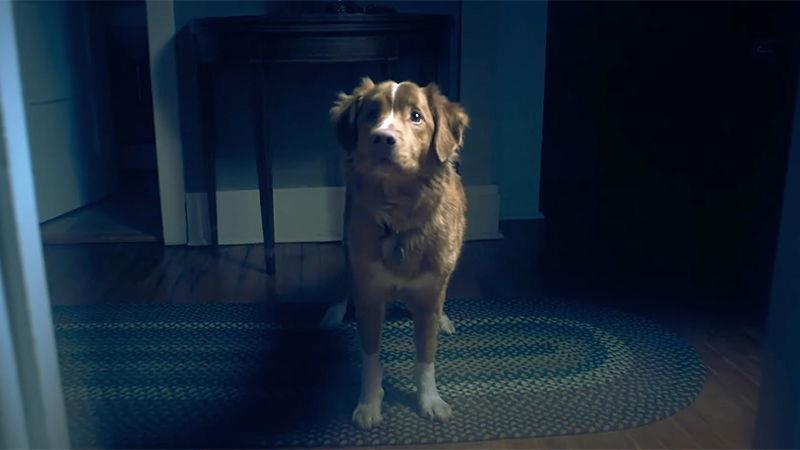
Indy, the canine star of the horror film Good Boy, brings attention to the presence of beloved pets in various horror films and TV shows. It can be said their inclusion is way to raise the stakes of the terror faced by the film’s main characters, as with Good Boy. But these animals can have more complex roles in horror films and TV shows.
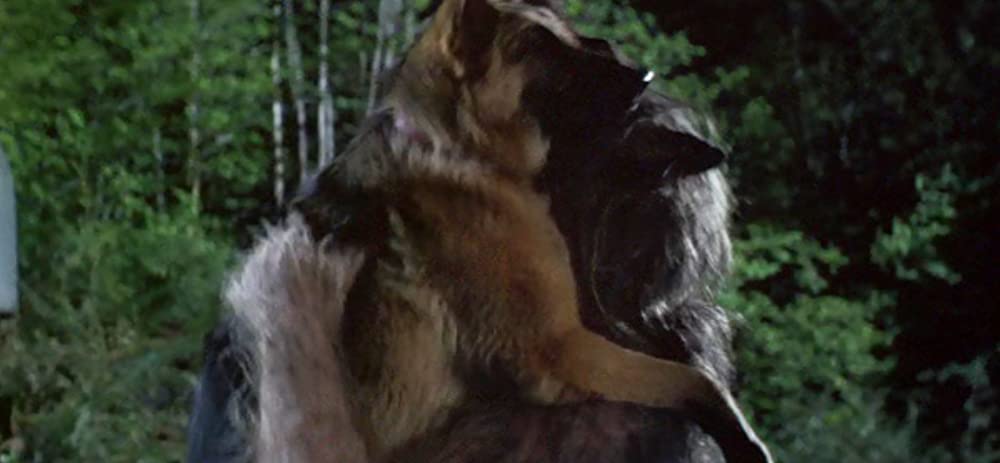
Other times, the animals wind up playing a pivotal or even a heroic role as with Nanook, the malamute that helps his owner fight off the title vampires in The Lost Boys. In Nanook’s case, his crow-pleasing moment came when he pushed a vampire into a tub full of holy water and garlic. Another example is the dog Thor in Bad Moon. It’s another horror film told from the POV of a dog, in this case, Thor faces off against a werewolf, who tragically was his owner when in human form. Then there is the title character in Frankenweenie, a dead dog who was revived by his grieving owner. Also, let’s not forget Kojak (formerly “Big Steve”), a retriever featured in The Stand who wound up playing an important role late in the TV mini-series when he helped care for the main character Stu Redman after he was badly injured.

These pets are often imperiled by the supernatural forces that threaten the main characters, and sadly these beloved animals wind up becoming victims. There are too many to go into here, but some standouts include Tank, the terrier, from V/H/S 2, Churchill, the cat in Pet Semetary, and Samantha, the German shepherd in I Am Legend, who gave her life defending her owner against mutants before she had to be put down when she began to mutate.
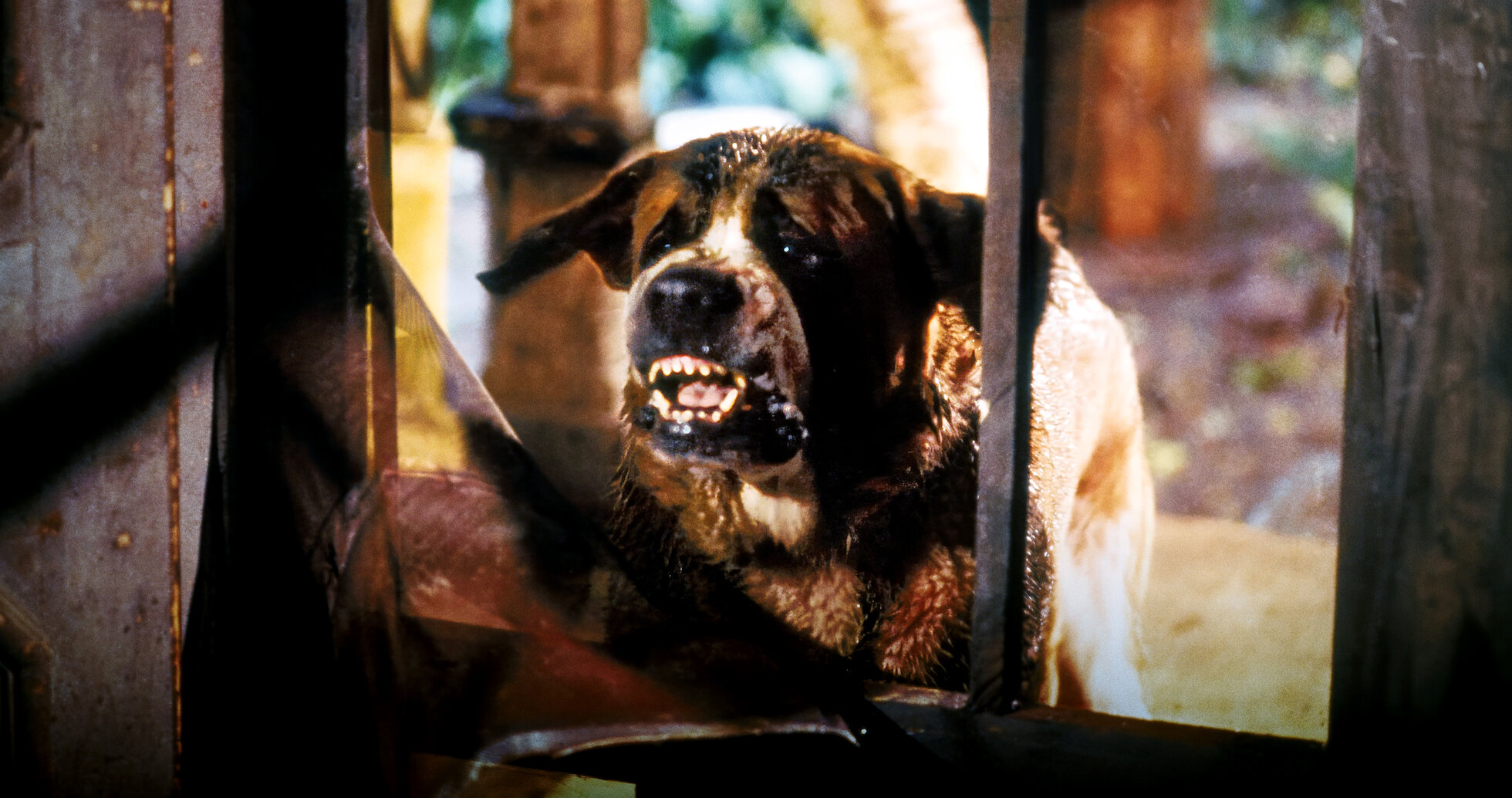
On the other hand, there are many horror films and TV shows where the beloved family pet becomes a source of danger to humans. The best example of this is with Cujo, where a docile St. Bernard becomes a vicious killer that threatens his owner and her child. Other examples include several dogs in Day of the Animals, various pets in the TV show Zoo, and the title dog in Man’s Best Friend.

We get very alarmed and feel uneasy whenever beloved pets put themselves at risk to defend their human families. It is second nature for dogs to act as guardians for us even though they are at risk whenever tackling the supernatural. This was very prevalent in Good Boy as Indy tries his best to protect his owner Todd from a malevolent spiritual force that haunts Todd. It must be mentioned that the animals’ ability to sense the supernatural before the humans could make them more vulnerable to looming threats.  What was even more distressing in Good Boy was that only Indy was aware of this evil force and was unable to communicate this danger to Todd unlike another human.
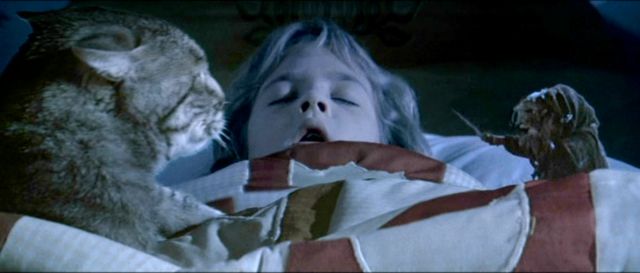
The inability to adequately communicate with humans is part of what makes the animals’ dilemma so engaging. Another example of this was in the film Cat’s Eye, where a stray cat is involved in three separate stories, and becomes the hero in the last segment. In that story, the cat (now named “General”) defends a young girl from an evil troll trying to steal her soul. What made General’s job more difficult was that he was the only one who sensed the troll’s presence, and he could not communicate to the girl’s parents about her imperilment.  

What made Good Boy such a standout from your standard haunted house story was that the film was told from the POV of Indy. We are able to empathize with Indy not just because he was a loveable dog but because of how his worldview was presented. We never fully see the faces of the human characters or hear their dialogue clearly; Indy is also able to get into the dark corners of his owner’s home to get more details about the otherworldly threat, which a person could never do. Essentially, through Indy’s eyes, we get a better sense of the ghostly presence haunting Indy’s owner.
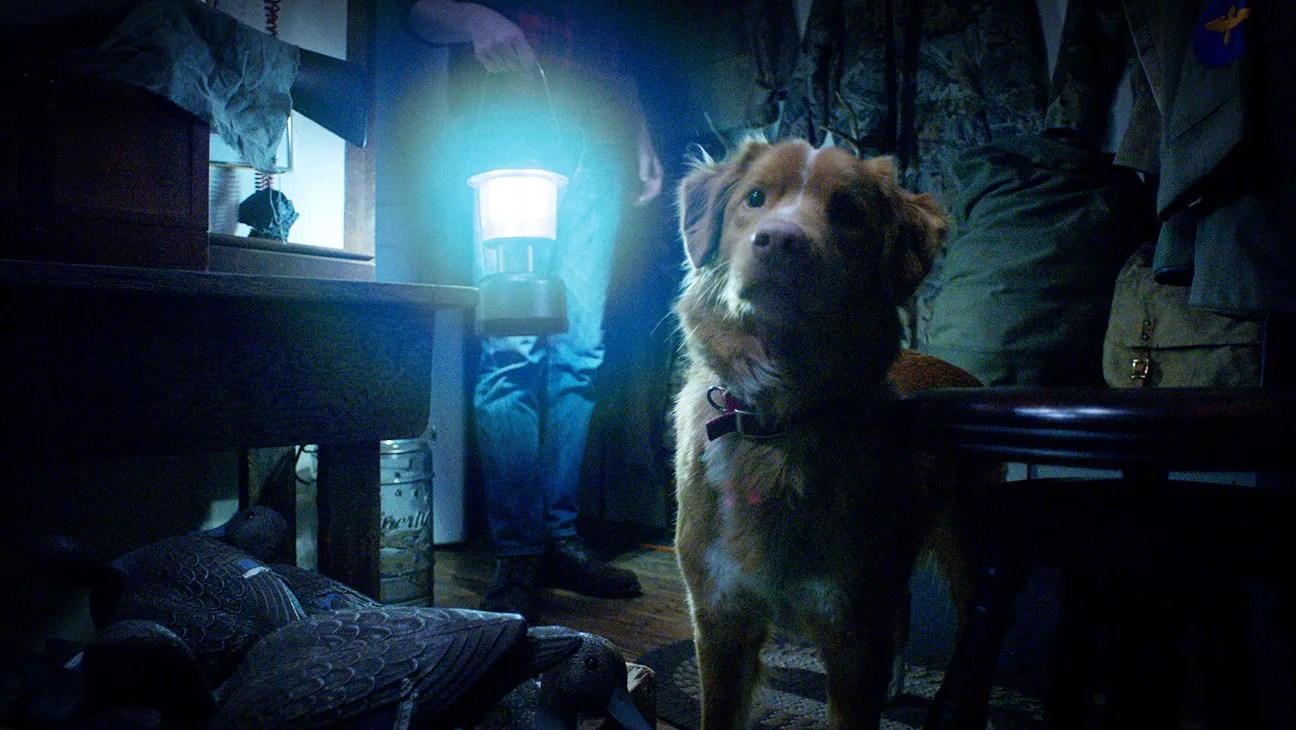
Also, the stakes of danger are raised since Indy is more vulnerable to the supernatural presence. Unlike a human who could find out how to combat the supernatural threat and use tools, Indy and other animals only have their own instinct and natural abilities to combat the threat. Sometimes that is not enough. That is why films and TV shows featuring pets like Good Boy are so captivating.
Jaws: Still Terrified Of The Water 50 Years Later

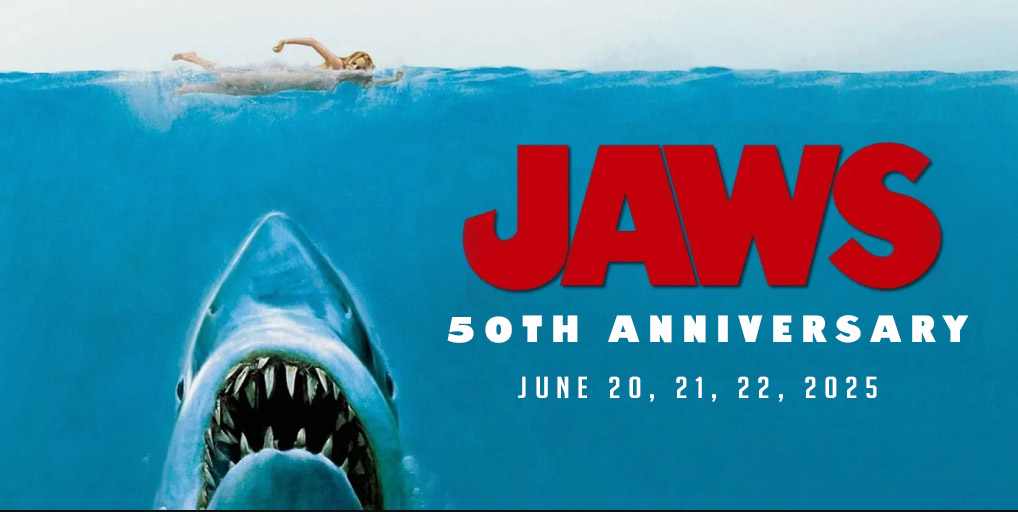
One of the things this summer movie season will be remembered for is for being the 50th anniversary of the first blockbuster summer movie, Jaws. It’s not an exaggeration to say this movie changed the film industry forever.

The 50th anniversary of Jaws was this past June, but the film is having special screenings in theaters this Labor Day weekend to celebrate the event. If you’re lucky, your local theater will have the film in 3D or some other upscale format like IMAX. What is surprising is that the upscale of the film actually holds up and the genius of the filmmakers, including its director, is the reason why with the way the scenes were filmed.

Everyone knows Jaws was one of master director Steven Spielberg’s earliest works and is still considered one of his finest films. Thanks to his brilliant directing skills, Jaws was elevated from a standard thriller into a masterpiece of adventure and horror. Plus, it made many viewers afraid or at least wary about going into the water during beach visits.

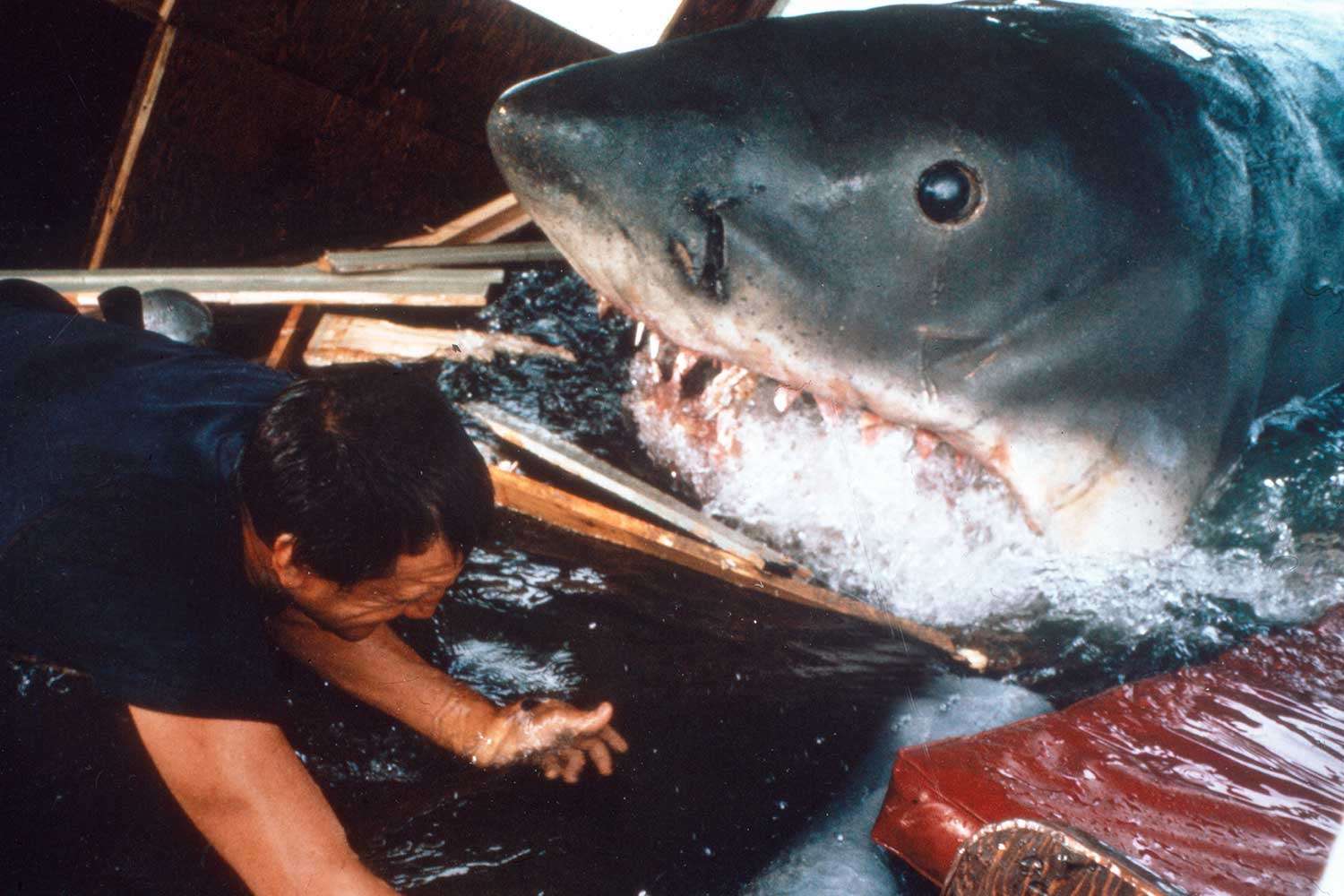
Jaws excelled at creating a sense of dread and unease with the way the ominous ocean was filmed as it hid the terror of the great white shark that feasted on the hapless citizens of Amity. This uneasiness with the mysterious ocean hit us right at the start of the film when a drunk young woman foolishly went for an evening swim; something you must never do, sharks and other water predators are at their most active at this time. She was attacked by an unknown, unseen force that turned out to be an unusually large great white shark that would go on to terrorize the town of Amity. The scene where she was attacked was punctuated with unsettling dark imagery, John Williams’ iconic score and the fact we never saw the shark. Not revealing the shark until later exploited our fear of the unknown, and increased our anticipation of finally seeing it when the film’s heroes, Amity Police Chief Martin Brody (Roy Scheider), marine biologist Matt Hooper (Richard Dreyfuss), and the salty shark hunter Quint (Robert Shaw), confronted the great white terror.

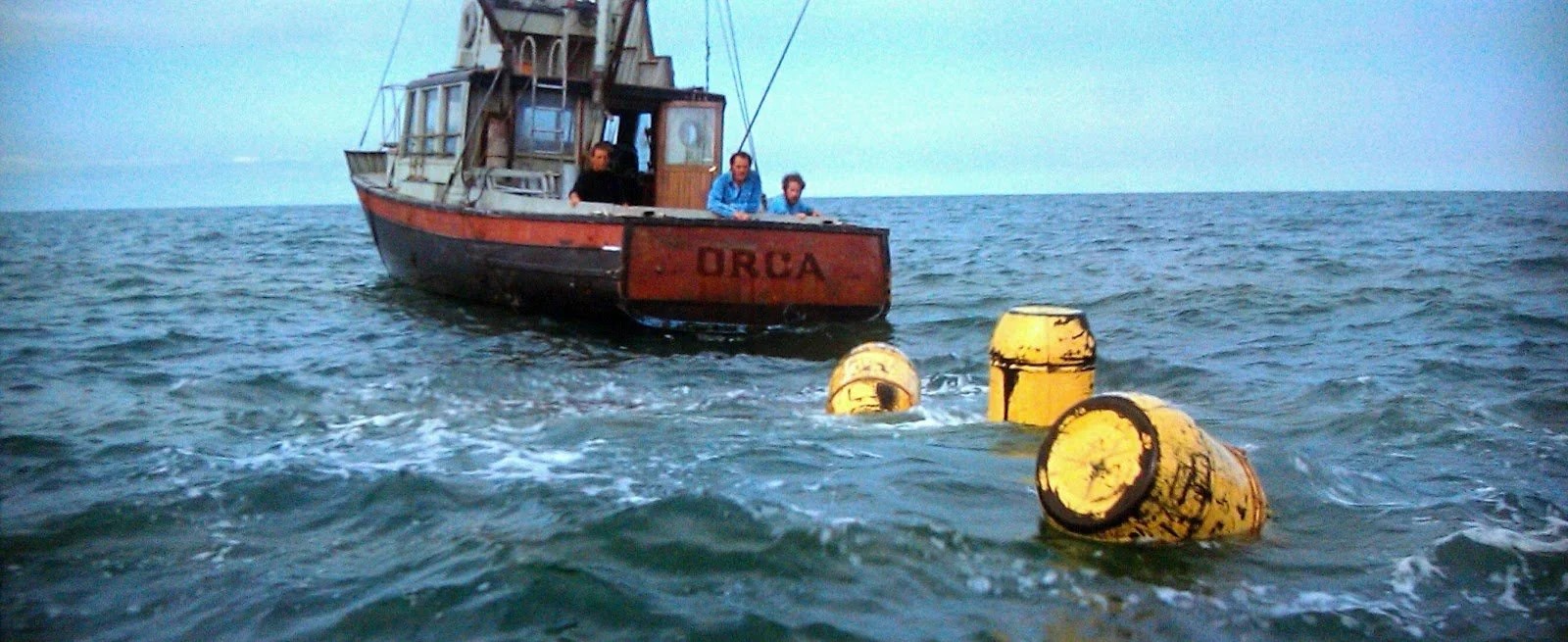
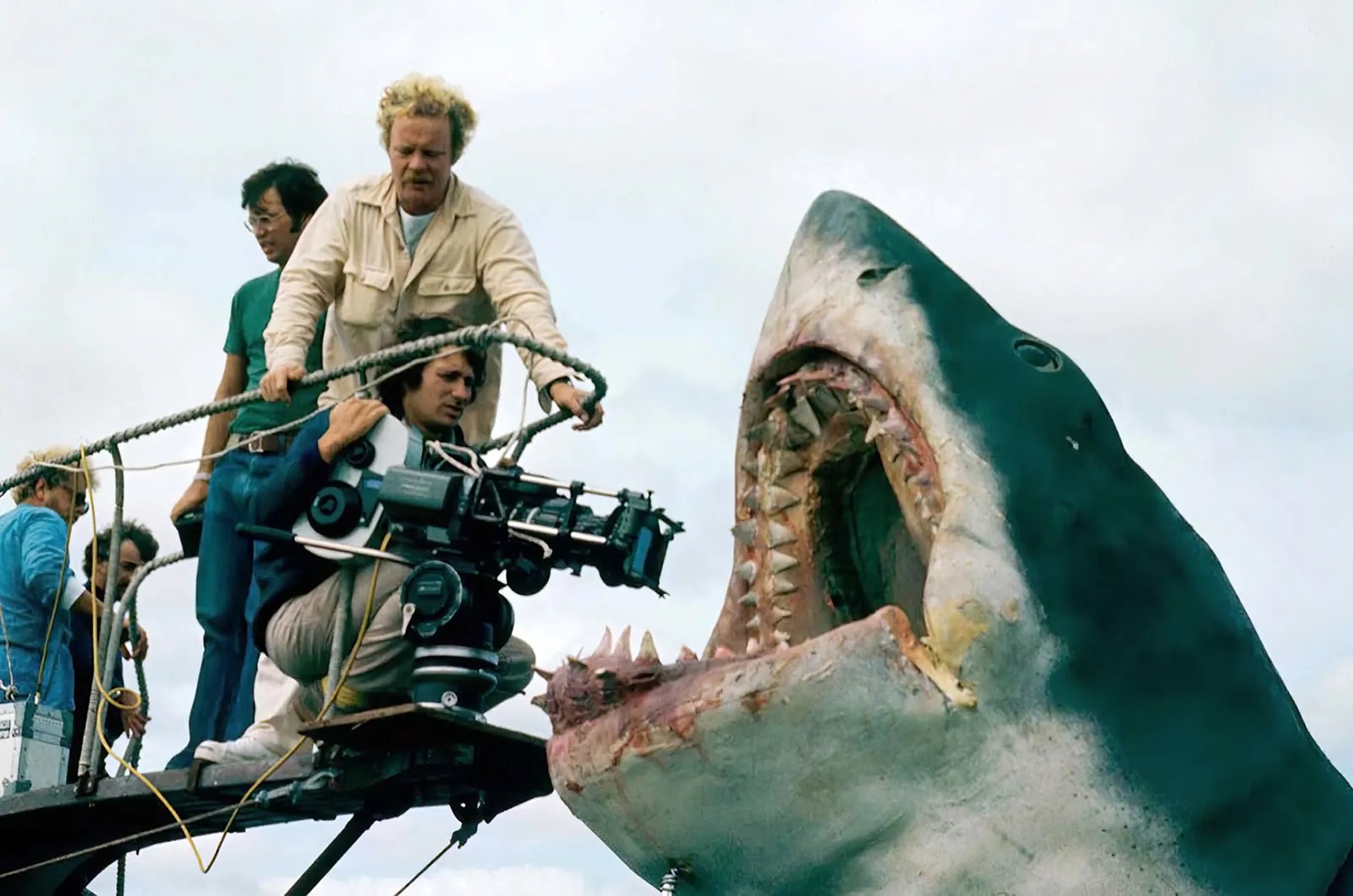
An important reason why Jaws worked so well was that Steven Spielberg was forced to keep the shark offscreen for most of the film. That was because the mechanical shark built for the film rarely worked and Spielberg had to work around this by implying the shark’s presence. You would hear the haunting bars of John Williams’ Jaws theme to announce the shark’s presence, just offscreen. You would see quick shots of the shark’s fin or a blurry image of the shark just underneath the surface or later in the film when the shark was speared with lines attached to barrels. These were supposed to keep the shark close to the surface as the film’s heroes hunted it. However, it wasn’t too long before the film’s heroes realized the barrels not only were not effective, but whenever the barrels bopped up to the surface, their presence signaled the approach of the invisible enemy and added to the scenes’ tension and suspense.

Spielberg’s challenge with creating suspense and keeping the shark hidden until the pivotal final act helped forge his directing skills early in his career. Of course, he had a miserable experience directing the film and avoided directing films set in the open ocean afterwards. In fact, he was so bothered by his experience that it was only recently that he was able to bring himself to watch the film. He admitted to liking the film. Who knows what he could do with the film if he made it today?

What is incredible about Jaws and one reason why it is held in such high esteem today was that after a few inferior sequels, there have not been any attempts to remake or reboot it. Yes, there are other skilled directors that could film a theoretical Jaws remake today, but they would have to compete with the mystique of the original film. How could a remake distinguish itself and improve upon perfection?

As mentioned above, a major reason why the 1975 film still terrifies us today is because it exploited our collective fear of the unseen. Most directors today would be too tempted to have a CG shark popping out of the water every five minutes. Sure, today’s special effects could easily have the shark out in the open in nearly every scene, but it would not work. We’ve seen this with films like The Meg, the Sharknado films, and Deep Blue Sea, though the latter film has its merits. So, while it is tempting to pine for a Jaws remake it is best for now to leave that idea alone and enjoy the original classic…even though it will leave you too afraid to go into the water 50 years after its release.

The Probability Of 28 Days Later

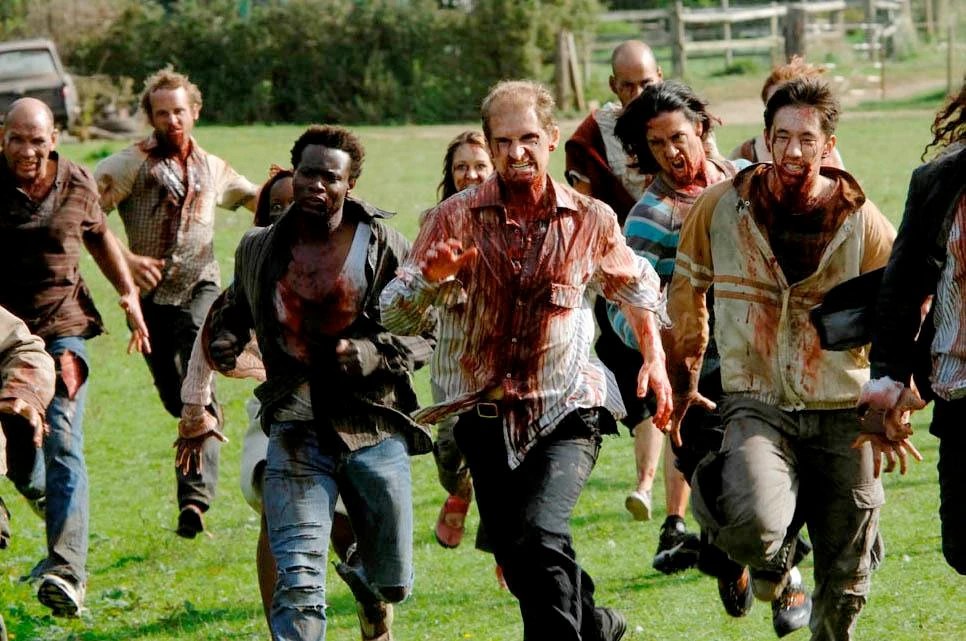
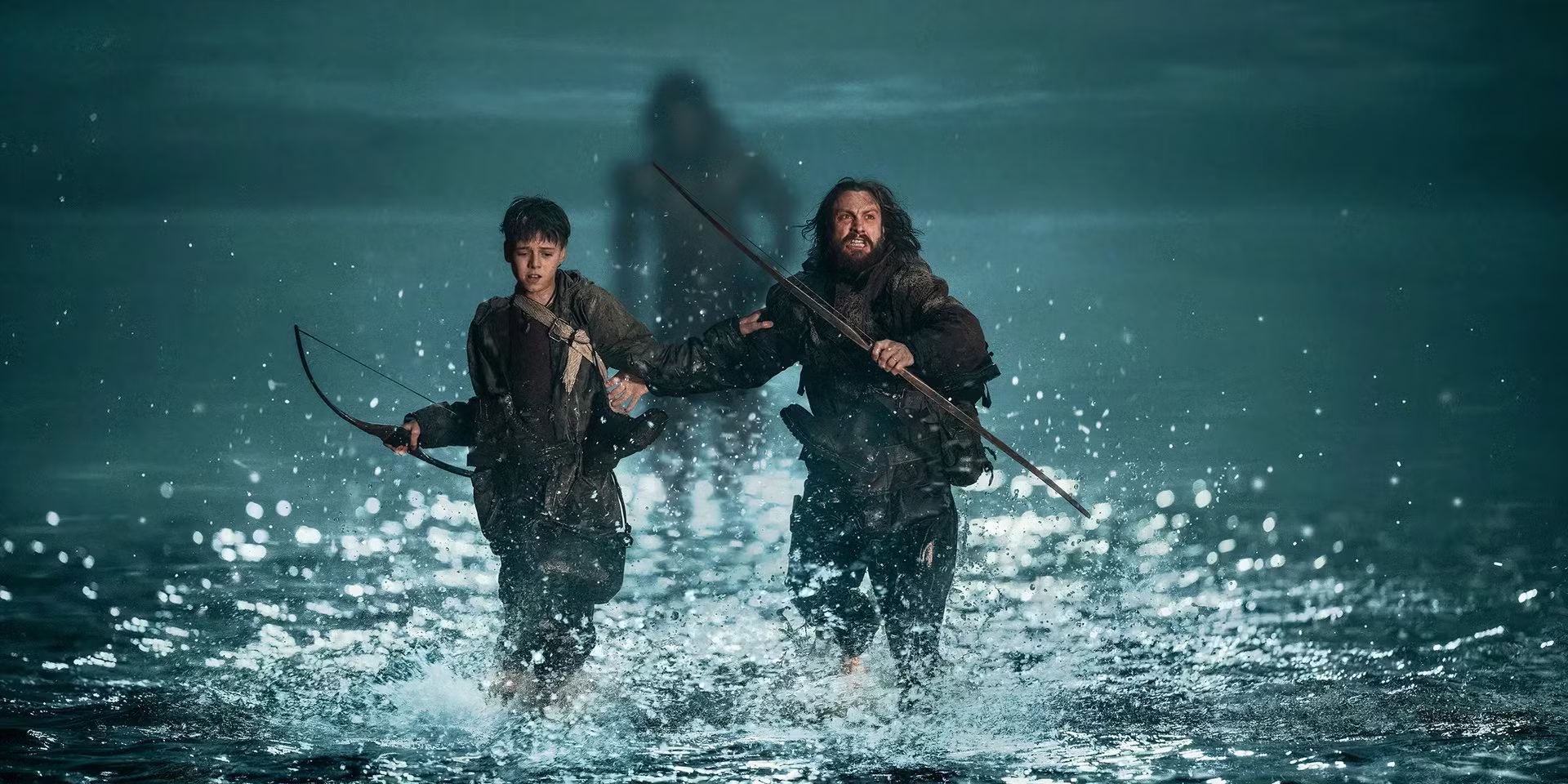
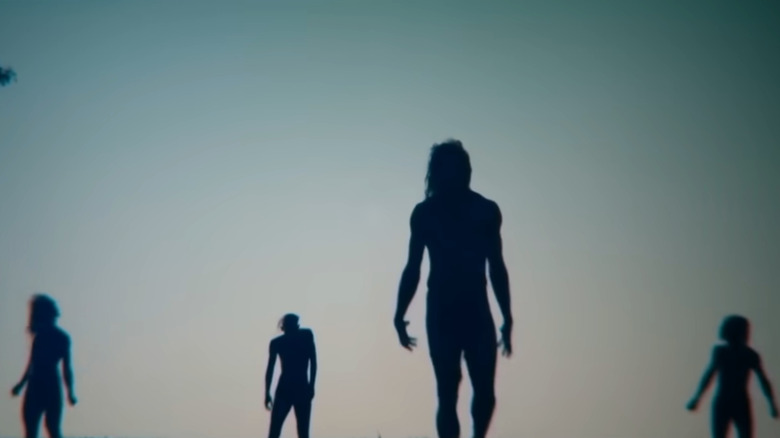
28 Years Later is the latest entry into the 28 Days Later franchise that jumpstarted the zombie genre over 20 years ago. While technically, the “infected” savages that attack humans are still human and not zombies, they are still deadly savages that quickly overran a nation. The premise in the first film is that an artificial virus derived from the Ebola virus is let loose from a lab and soon wipes out the United Kingdom. This happens in the space of about 28 days as the virus was highly contagious and fast spreading. Once infected, the victims of the Rage Virus, turn into mindless, rage-fueled savages in mere seconds and lose all their humanity as they kill anyone within reach. As terrifying as it seems, is this possible? Not just the virus itself, but the entire premise of the films which culminate in 28 Years Later with the UK and Ireland under permanent quarantine from the outside world.

One of the most disturbing aspects of the Rage Virus is by how quickly it turns victims into murderous monsters in seconds. But this is hard to believe. Sure, this is just a film which requires a suspension of belief, but viruses are not capable of having an instant effect in host bodies. Yes, it can rapidly spread in a host body and symptoms can appear quickly, but viruses need some time to manifest. In reality, an infected person will have some time, as short as hours, to remain cognizant and quarantine or kill themselves to protect their loved ones. So while it’s possible that viruses can quickly spread, as we saw with COVID-19, they would not overrun a country the size of the UK within a month. Not with symptoms being so noticeable. Maybe if the virus mutates to be less noticeable and a viral mutation is something that is shown in 28 Years Later.

Then there is the quarantining of the UK. Again as we’ve seen with COVID-19, cutting off communities, even nations won’t stop the spread of a virus. It will slow it down, but in the end, given how interconnected we are, the Rage Virus would’ve been much more widespread by at least in the timeframe of the first sequel 28 Weeks Later. Actually, this was shown to be the case at the end of that film when it’s revealed that the infected reached Paris, France. On the other hand, given how deadly the Rage Virus is, you can bet the world would have gone to great lengths to keep it from spreading. Also, since the UK is largely a group of islands, in theory the spread of the virus could at least be slowed down with a quarantine, but it would not last. Do not be surprised if future sequels have the virus spreading throughout the world.

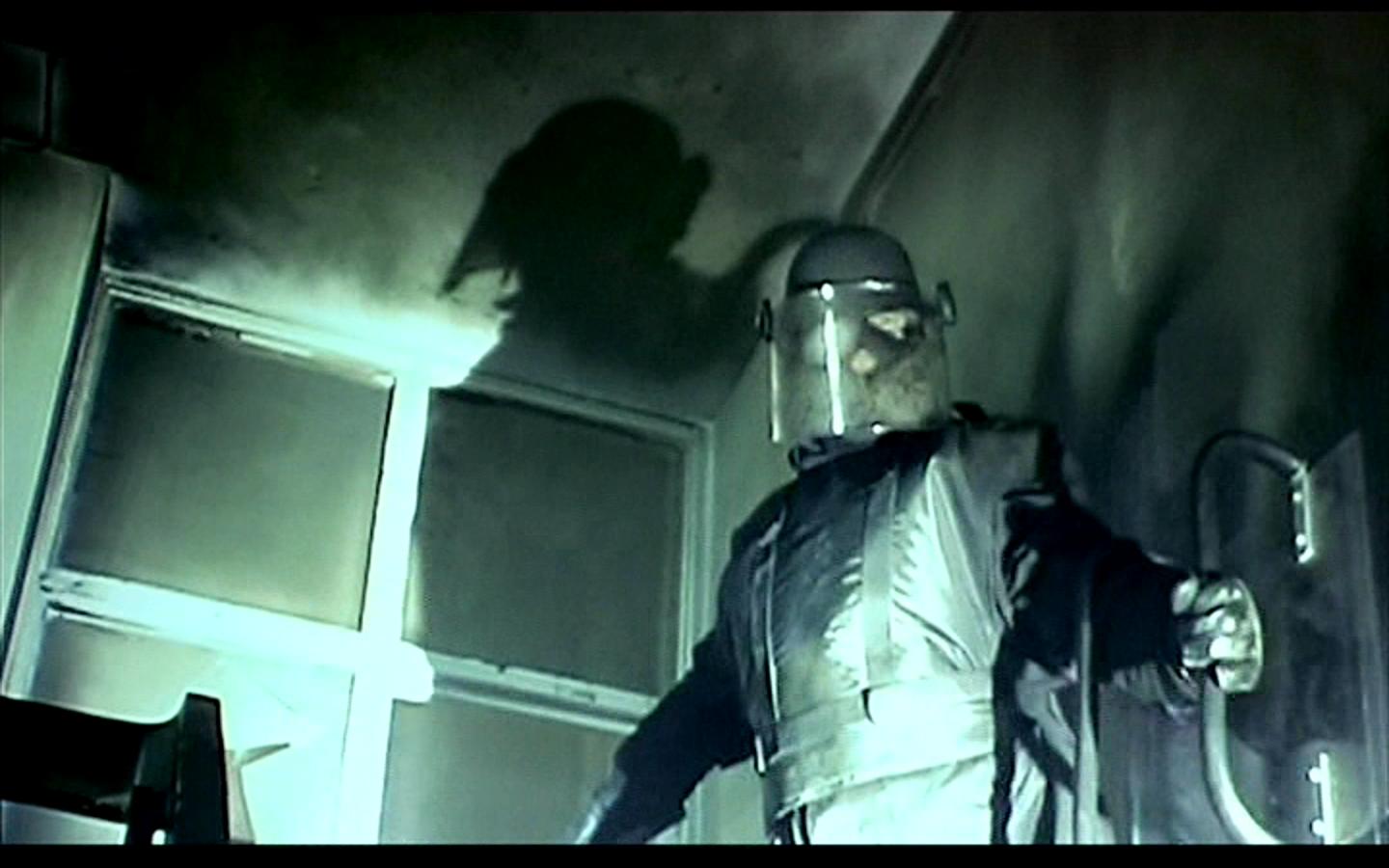
When it comes to curbing the virus’s spread, as most of us resorted to wearing face masks and did not deny the virus during the pandemic, people would have adapted to wearing full face masks to keep infectious fluids from entering the body. Of course, this would not protect them from the murderous wrath of an infected who would tear and bite them. Then again perhaps most people would have started wearing protective clothing or body armor. We actually saw one of the main characters doing this in the first film.

Another puzzling point in the franchise is that there seems to be little to no effort to fight the Rage Virus in the scientific field. Aside from a plot point in 28 Weeks Later where the U. S. Army doctor wants to study an asymptomatic victim, before everything went to hell, there is not any mention of attempts to combat the virus. As we saw with the recent real-life pandemic, our society threw massive resources to find a way to treat COVID-19 and were able to devise vaccines in months. Shouldn’t a vaccine have been developed to curb the Rage Virus, especially in the years that passed up to the latest film? We see in the sequels that it is possible to be asymptomatic of the virus and in 28 Years Later, an uninfected child is born from an infected mother. It would probably be difficult to find a cure as we see with AIDS and other viruses, but a vaccine would certainly have been created 28 years after the first film.

Is the Rage Virus and what happens after it spreads likely in the real world? Most likely, no. But the chances are not zero. The virus was artificially created in the film, so who knows if in the future some fool will create a similar virus and it gets loose in our world. It is a disturbing thought and part of the reason why the 28 Days Later films are so captivating while being horrifying.

De-Extinct Dire Wolves: We’re One Step Closer To Jurassic Park

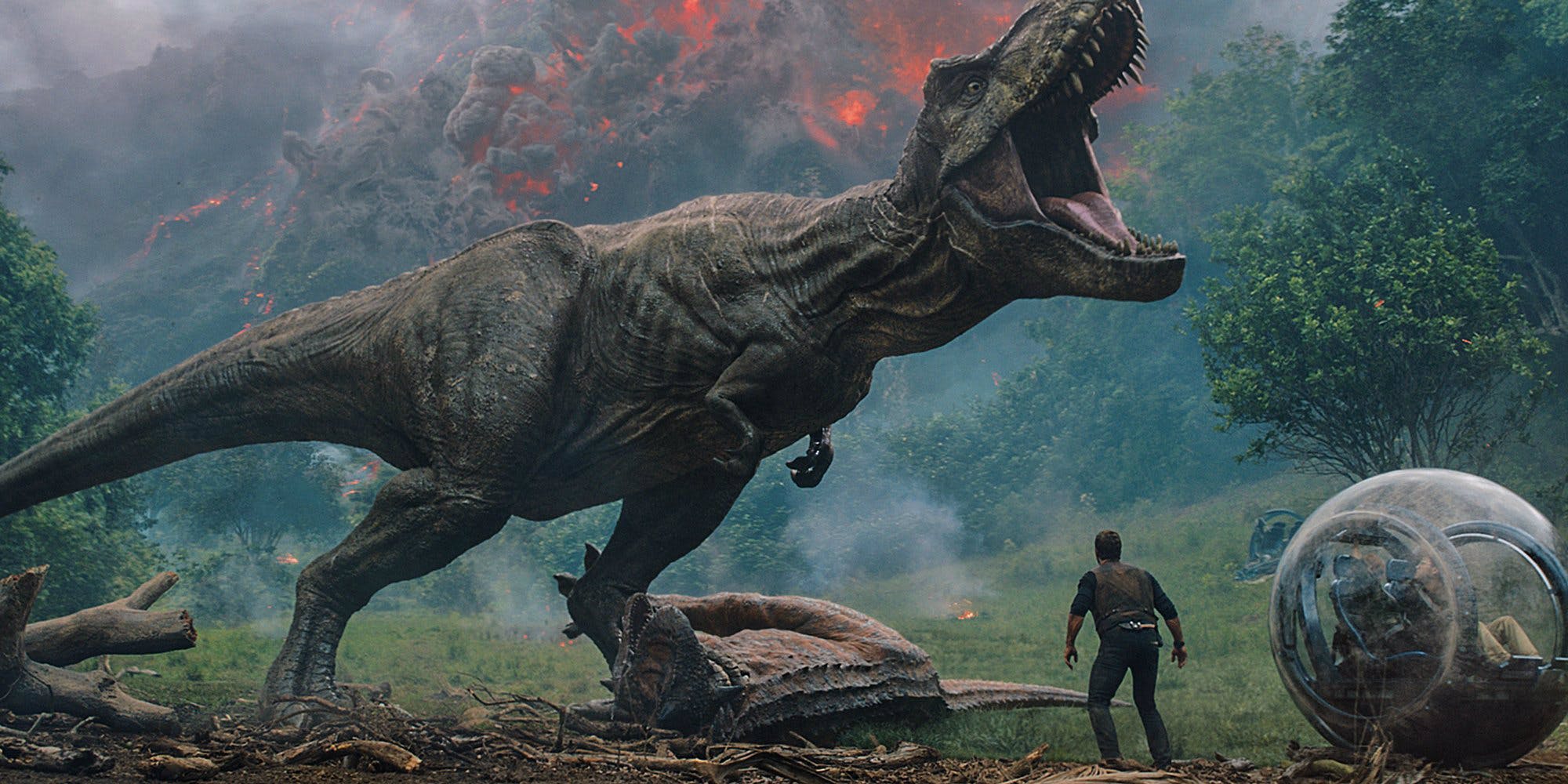
The news about the dire wolf being de-extinct came very suddenly and surprisingly yesterday. The idea of using biotechnology to bring back extinct animals had been the stuff of many imaginative sci-fi stories, notably with Jurassic Park and the films the novel inspired. The announcement by Colossal Biosciences that they actually revived an extinct species now made a science fiction concept a science fact.

The method behind the de-extinction was fairly straightforward. The company extracted DNA from a fossil skull and tooth of dire wolves and was able to analyze the genome. After that, Colossal Biosciences used gene editing on the cells of a gray wolf to create dire wolf embryos and implanted them into a surrogate dog.

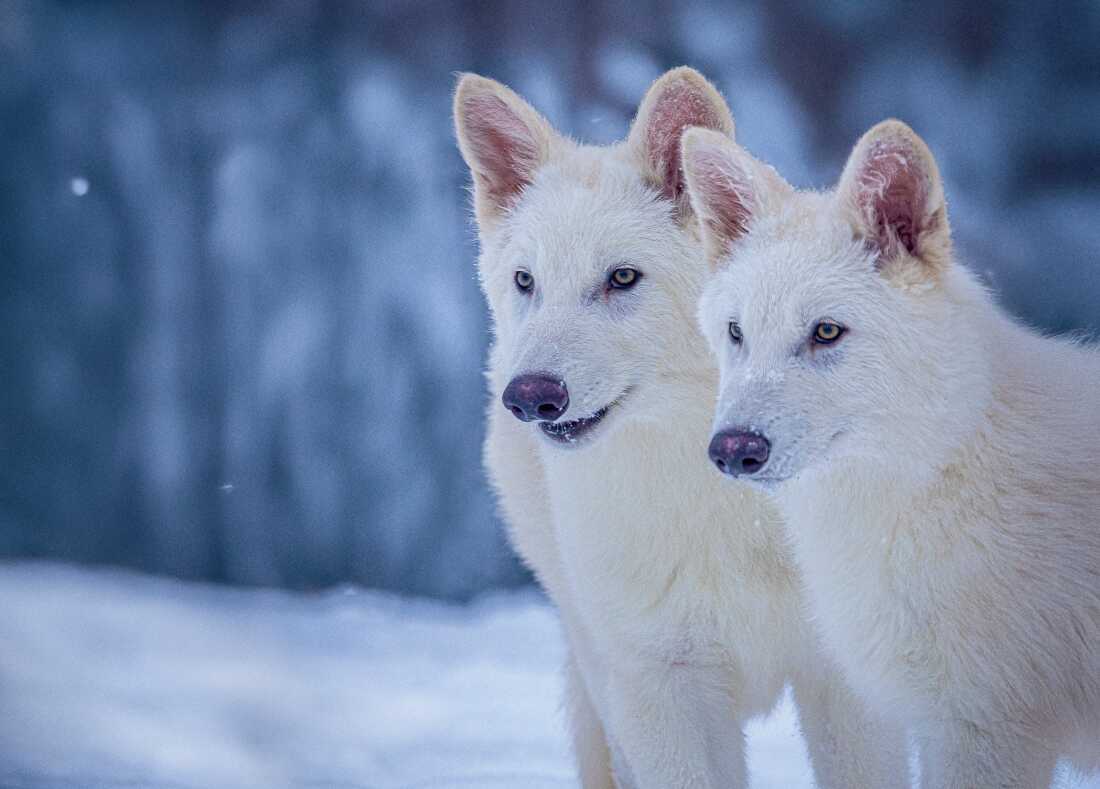
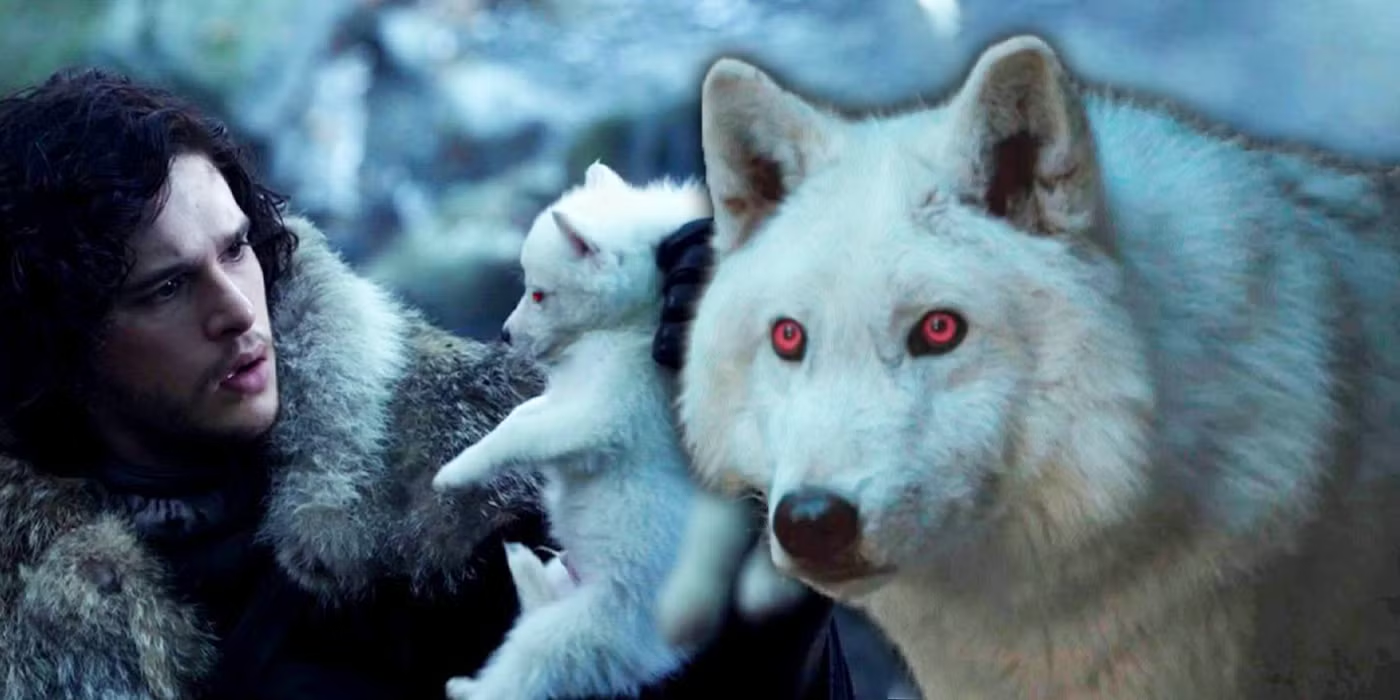
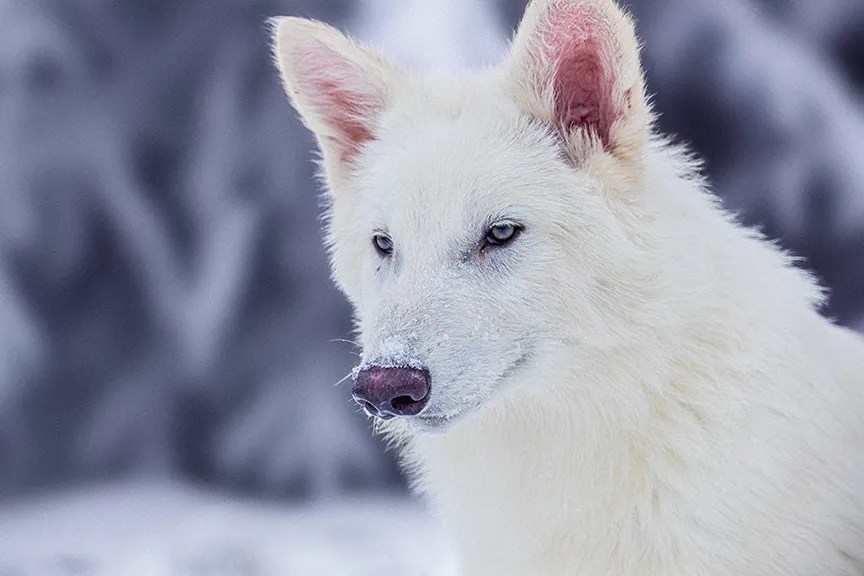
The first two dire wolves were born on October 1, 2024 and named Romulus and Remus, and a third one, named Khaleesi, after the Game of Thrones character, was born two months ago. As the pups grew their different physical characteristics from gray wolves were undeniable. Sporting distinctive thick white fur, unusual vocalizations and larger body proportions they still exhibited wolf-like behavior such as stalking, hunting and howling. Fortunately the trio are healthy and kept safe in a private, undisclosed nature sanctuary where they could live in peace.

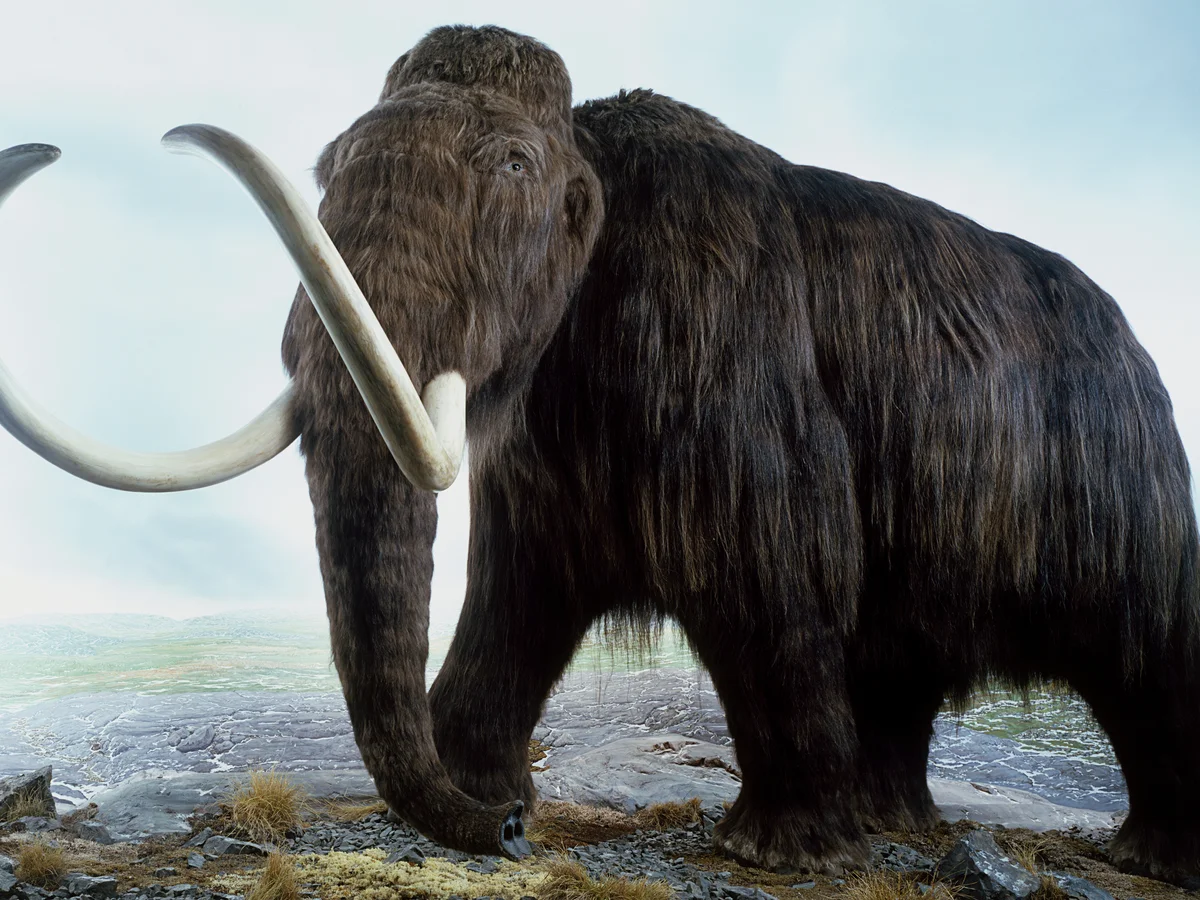
With the success of the dire wolf being de-extinct, Colossal Bisociences is moving ahead with their plans to de-extinct the thylacine, the dodo bird and the wooly mammoth.

As exciting as this sounds we are still a long way from de-extincting dinosaurs if it is even possible since extracting dinosaur DNA is impossible. There are also ethical issues that have come up with the unbelievable feat by the company. Namely, what is the point of bringing animals back from extinction? We already have a difficult time keeping living species of animals alive in our increasingly crowded world. Where can these animals go? What role will they serve in Earth’s ecosystem, considering that many of their previous roles have been taken by modern animals? Right away, these animals will have to compete with modern animals and humans for resources in an Earth with dwindling supplies and land space. Then there would be intense pushback from people who would not approve of the de-extinction or of re-introducing them to the wild. We have seen this already when wolves were re-introduced into many parts of North America as they threatened livestock.

Jurassic-World-Fallen-Kingdom-Volcano-and-T-Rex

A likely scenario is that these de-extinct animals would not be allowed to live in the wild and forced to live out their lives in zoos, which would enrage opponents. Then there is the worst case scenario of nature running amok and well, we’ve seen the Jurassic Park and Jurassic World films. In other words, their re-introduction would have unpredictable and unwanted results.

There is the argument that we have no way to know how to properly raise these animals since we can only guess as to how they lived. Romulus, Remus and Khaleesi seem to be behaving like wolves, but is that because they have wolf DNA? This would make them a new hybrid species and not true dire wolves, which are distant relatives of modern gray wolves. The same situation would apply to recreated mammoths and other prehistoric extinct animals. The first mammoths would more likely be Asian elephants with outward mammoth characteristics, and the same would go for the dodo and others.

Colossal Biosciences has stated that they intend to apply their technology to help preserve current animal species such as elephants that are more and more endangered as they face loss of habitats from human encroachment and hunting by poachers.

Despite the legitimate concerns about de-extincting animals there are arguments for doing this. Proponents claim that de-extinct animals can fill in roles that are vacant in ecosystem. For example, the thylacine was an apex predator in Tasmania and Australia and their re-introduction into the ecosystem would help keep in check the populations of prey animals. Other proponents claim that mammoths would be able to help preserve the tundra in Asia with their foraging and in a way arrest climate change. That is very far fetched to be sure, and calls to mind Stephen Baxter’s book Icebones, which was about cloned mammoths on Mars. This argument about using de-extinct animals to keep ecosystems healthy is valid. Also, since humans were responsible for the extinction of animals like the thylacine, Stellar’s sea cow and the passenger pigeon, they have a moral obligation to try to bring back these species if there is a need for them in an ecosystem.

No matter where anyone sides in the argument, it is important to note the responsibility we all bare with using science and co-existing with other species in our fragile world. Still, the revelation that dire wolves have been de-extinct is exciting as it demonstrates that extinction isn’t forever.

The Wild Robot’s Emotional Story Almost Overwhelmed My CPU

It’s no hot take that DreamWorks Animation (DreamWorks) always knocks it out of the park when it comes to adapting beloved books into unforgettable movies, and The Wild Robot is no exception. Every single decision that led to the finished product was nearly perfect and it really feels like the people behind this movie’s creation, such as director Chris Sanders (who directed Lilo & Stitch and How to Train Your Dragon), poured their whole hearts and souls into developing this film, which makes sense since this is sadly the last in-house animated film for DreamWorks. I highly recommend The Wild Robot to everyone who reads this review to go out there and see it in theaters because it deserves the love and the theater experience for this one was definitely unique. This review will be split into 4 parts.

STORY

The story follows a lost robot named ROZZUM Unit 7134 (“Roz”, voiced by Lupita Nyong’o) as she finds her way around an island entirely inhabited by wild animals. She is programmed to be an aide and seeks to offer her services to the animals as part of her pre-programmed goals before she can activate a beacon to be picked up by her manufacturers. As Roz explores the island, it becomes clear that she is unable to communicate with the animals, so she spends months listening in on their conversations and is eventually able to hear and speak in their tongue.

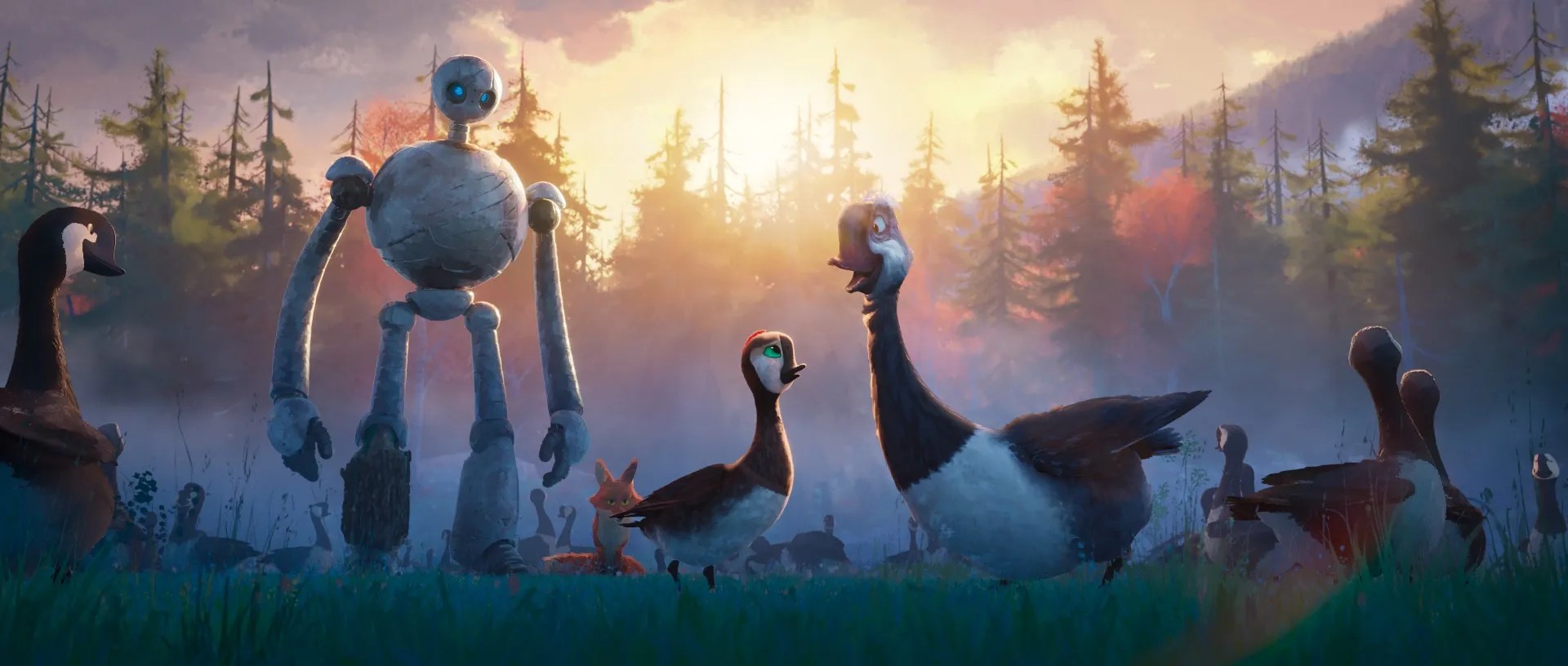
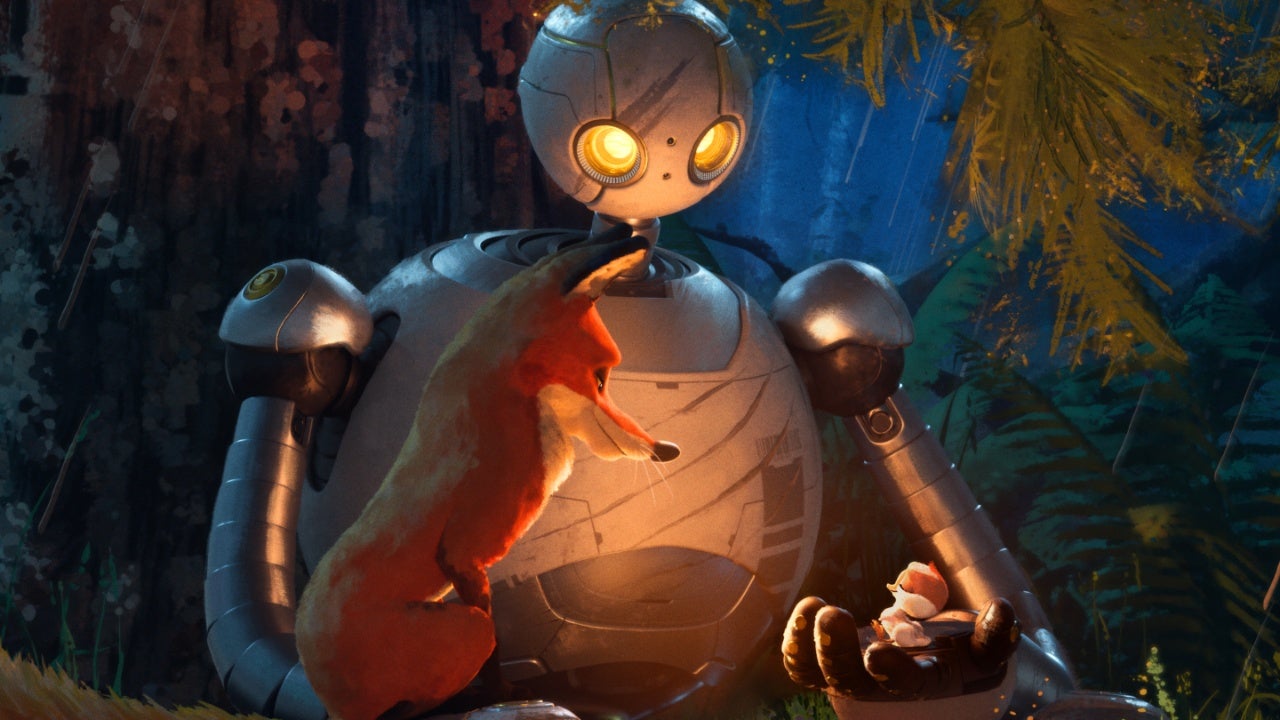
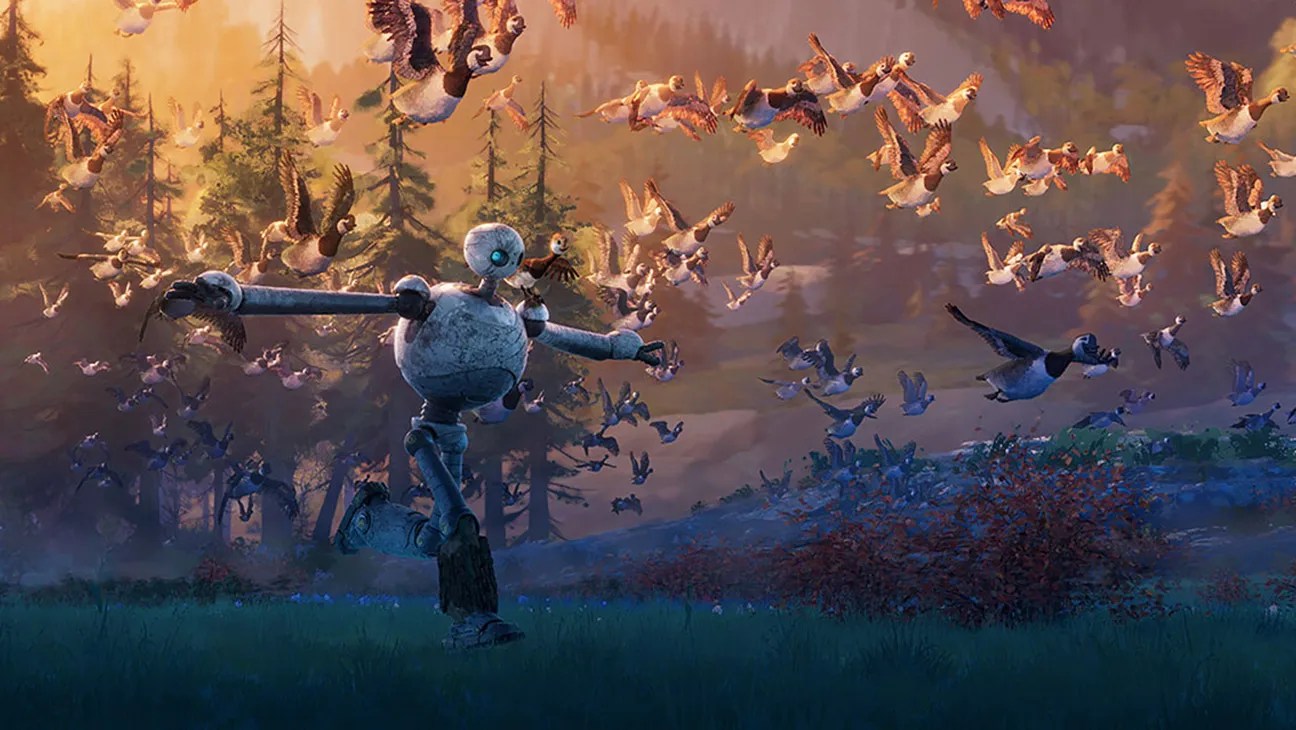
Along the way, she unofficially adopts a baby gosling named Brightbill (Kit Connor) after she accidently kills his family. Having a new purpose, Roz must help raise the gosling to be prepared for the upcoming winter season when the geese migrate off the island. During their time together, Brightbill sees Roz has his mother while Roz begins to develop genuine emotions and is conflicted with her protocol to leave the island after her task of raising Brightbill is completed.

This movie’s story is genuinely amazing and almost made me tear up 3 separate times in only the first two acts. DreamWorks did such a phenomenal job at delivering a heartfelt story that is so emotionally rich that you feel somewhat of a bond with the characters in this film. My only issue, if I absolutely had to have one, was that the pacing was very quick, like whiplash quick. But surprisingly, unlike many other films with fast pacing, this film somehow made it work and it didn’t feel too off-putting. Every plotline progressed off the previous one and every scene felt more action packed and engaging than the last.

CHARACTERS

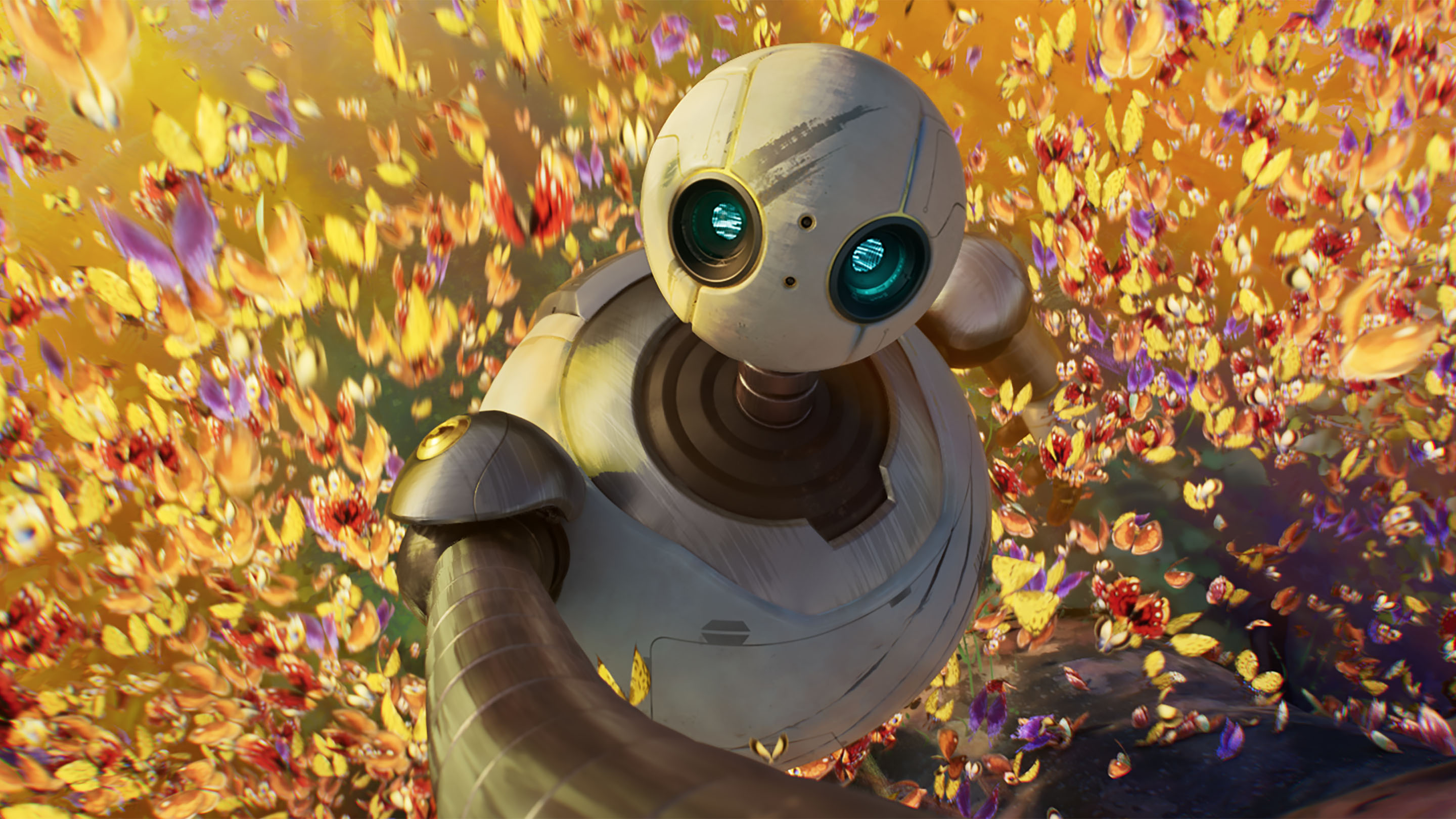
The characters are well written in The Wild Robot. To start, Roz is a complex character and is able to feel emotions that robots shouldn’t; she is instantly one of my favorite DreamWorks protagonists. She has a heart of steel that comes from her programming where she is unable to harm other living things despite what they think of her. She is unyielding in whatever task has been assigned to her and refuses to give up even in the most impossible scenarios.

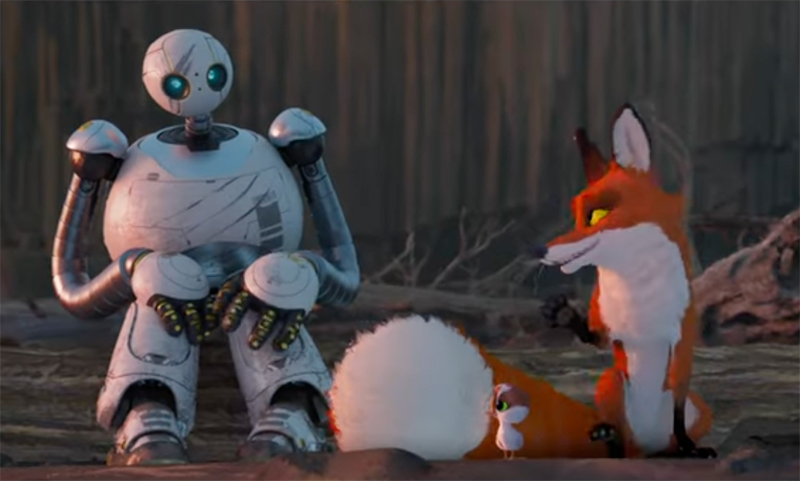
Throughout the film, Roz is accompanied by a mischievous and unpopular local fox named Fink (Pedro Pascal) who is sly and has no problem with lying but is also willing to help others who are mentally and physically vulnerable. He is also a really funny supporting character and has great chemistry with both Roz and Brightbill. As the adopted child of Roz, Brightbill is an adorable and inspiring goose that overcomes all odds against him. We get to see him grow from baby to young adult in mere moments, but it feels as if we were with the family every step of the way.

Brightbill’s journey was more difficult than it was for those around him because he is a runt and had an unusual upbringing, but he proved everyone who doubted, and even bullied him, wrong. There are many other supporting characters that played

into their roles really well, such as the stoic and tough owl, Thunderbolt (Ving Rhames), who helps teach Brightbill how to fly, the gentle and wise Longneck (Bill Nighy), the leader of the island geese who welcomes Brightbill into his flock, and a crusty but helpful beaver named Paddler (Matt Berry). These and other minor characters get their moments to shine throughout the film and add to the rich tapestry of characters throughout the film.

SOUND DESIGN

The sound design in The Wild Robot is stellar and every voice actor knocked it out of the park. To start with the soundtrack, it included very strong and epic music that complimented certain key scenes very well, adding onto the layers of immersion this film has. The two original songs featured in this film are amazing and I recommend listening to both of them (“Kiss the Sky” and “Even When I’m Not” by Marren Morris). The voice acting is phenomenal and every character’s actors were chosen perfectly.

My personal favorites were Lupita Nyong’o as Roz, Kit Connor as Brightbill, Pedro Pascal as Fink, and Bill Nighy as Longneck. The original score only amplifies the experience of watching this movie, as it makes every scene either emotional, casual, or heart-pounding.

ART AND ANIMATION

The only word to describe the art style of this movie is gorgeous; this is without a doubt one of the best-looking animated movies ever made. The art style is a mixture of natural landscapes, watercolor strokes, and the wonderous joy of storybook pages. Every character looks so high quality that I wanted to personally thank every person in charge of developing this fantastic identity. The animation is astonishingly brilliant and it’s so good that every frame of animation could by captured as a photo and used for marketing material. The people who worked so hard to animate Roz’s fluidic, yet robotic movements deserve so much praise. The backgrounds and landscaping are also beautiful; there is this one shot that involves Roz being in front of a giant moon in the background that I cannot stop thinking about because it was such an amazing shot. I am probably rambling on about the art and probably sound like a broken record, but that’s how much I genuinely love the work put into making this movie shine so visually.

CONCLUSION

The Wild Robot is an unforgettable and story-rich adventure that no one will want to miss. Its story is unique, the characters are lovable, the sound design is elite, and the animation is easily one of the best of this decade so far. This DreamWorks movie is one of its best and it is a shame that this marks the end of in-house animated movies for the company. I am usually not one to advocate for sequels, especially in an age where they get more and more mediocre, but I really would not be opposed to seeing another two movies based on the other books in the Wild Robot trilogy by author Peter Brown. Be sure to watch The Wild Robot, out now in theaters!

Angelo Soto