The Feasibility Of Space Prisons

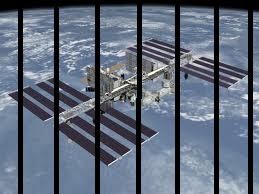
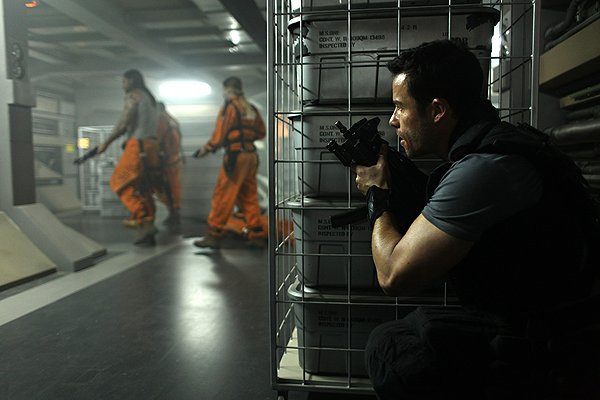
The premise in the movie Lockout has to do with the hero breaking into an orbital prison facility to rescue the president’s daughter. It sounds like a winner especially for movie executives out to make a quick buck; take an existing story plot about a high-security prison and shoehorn it into a science fiction world by having it take place in space or the future, etc. “It’s Escape From Alcatraz in space or Papillon in space!” they may cry out in excitement. Space prisons have popped up in science fiction books and movies and can be fun. However, the problem is that when examined the premise doesn’t make much sense.

The heart of the problem with a space prison is that of resources. Building and maintaining an orbital prison would be such a cost prohibitive drain of resources that it probably won’t happen. Imagine the public outcry when the costs of maintaining such a prison are revealed. Many today complain when they hear that inmates get “luxury” items like cable TV. People would argue that prisoners don’t deserve to have necessities like air, food and water. Never mind if a way is found to have those necessities replenish themselves on a station.  Our civilization has to be a lot more advanced than depicted in Lockout and other films like Fortress 2: Re-entry to provide these things, let alone effective and practical security measures. Another thing to consider is the safety of the planet. During Lockout, the prisoners take control of the station. At one point, there is the danger of the prison’s orbit decaying which poses the risk of re-entry. That’s tantamount to putting a prison complex within a nuclear power plant today. That is a recipe for disaster. It just wouldn’t be done.
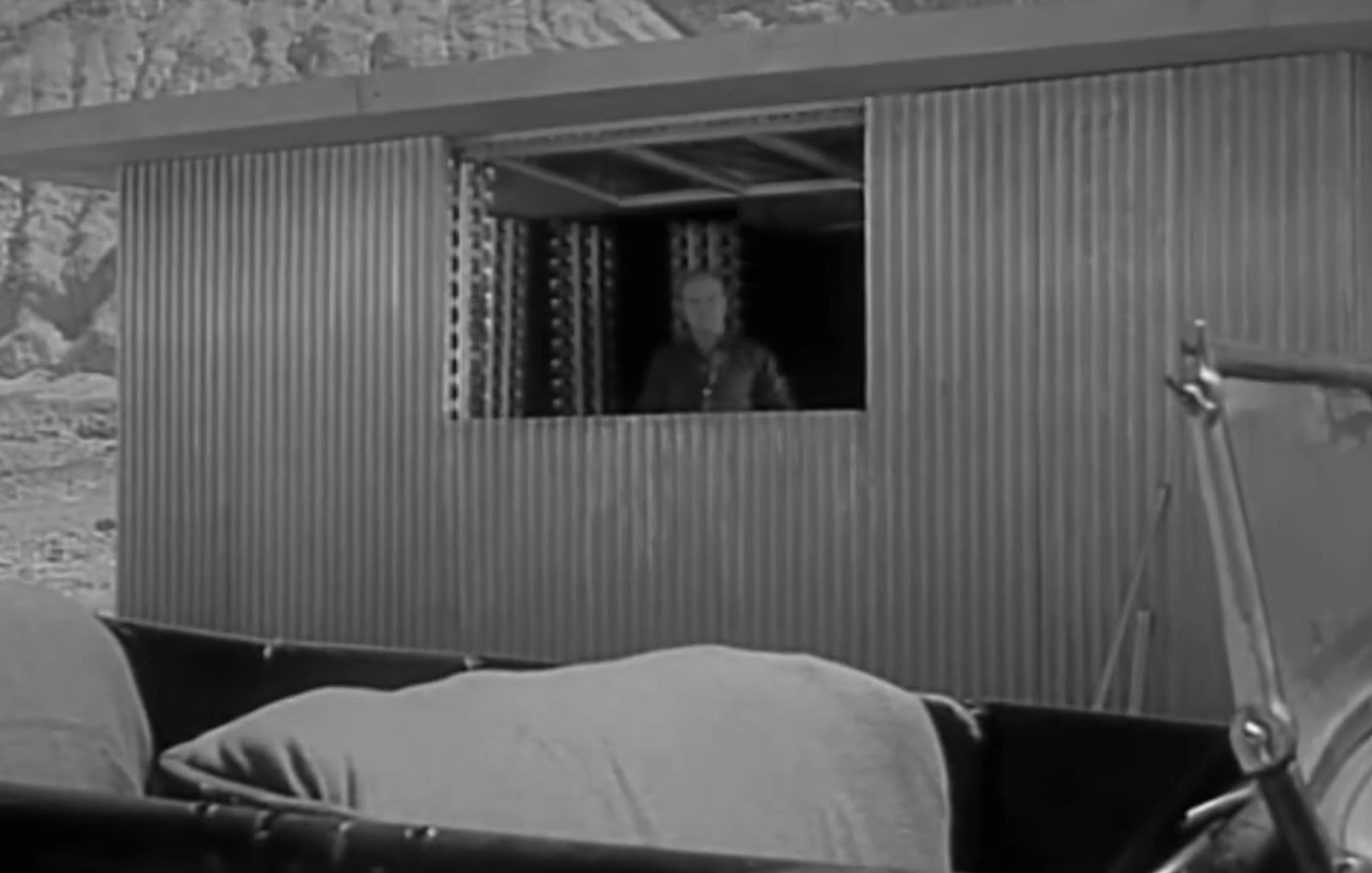
Now once a civilization becomes a true space-faring one, then a space prison is feasible. Take the prison facility seen in the Star Trek: Voyager episode “The Chute.” The alien society that kept the characters Tom Paris and Harry Kim captive routinely traveled between planets and most likely were able to easily produce the bare elements needed for survival in such a place. Another twist is the prison asteroid, one of which was presented in The Twilight Zone episode “The Lonely.” In that episode Jack Warden plays a prisoner held in solitary confinement and literally has the world to himself.  One caveat with the asteroid is that in the episode it looked like a desert with an atmosphere. This begs the question of using resources to construct such a place for one prisoner given that in the show, the space-faring tech wasn’t very advanced. Then there is the notion of using entire planets as a penal colony as shown in the series Earth 2. Once again, why waste an entire planet as a prison? This makes little sense since in that show Earth was dying and the characters were trying to set up a viable colony on the penal planet.
As for us, don’t expect to be reading about orbital prisons anytime this century. Probably when we have regular transport between the planets in our solar system with viable, self-sustaining colonies will this idea come to fruition. Cool-looking prison breaks and with nifty effects and explosions will remain in books and films. The bottom line is that it is way cheaper and easier to just keep prisoners down on Earth.

José Soto
Real Or Fake 3D Films

Once considered a novelty gimmick back from the ’50s 3D films look to be a mainstay in modern-day cinema. Specifically, f/x-laden genre spectaculars. It’s gotten to the point that a big-budget sci-fi or fantasy film without the 3D treatment seems to stand out or seem lacking. A prime example of that is the upcoming The Dark Knight Rises.

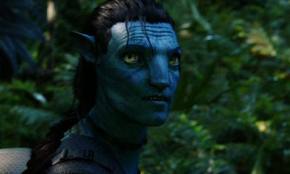
As anyone knows, this all started with the phenomenal success of James Cameron’s Avatar. There had been 3D film releases before Avatar but none of them were as hugely successful as Cameron’s sci-fi epic. Naturally, the film studios attributed Avatar’s success to the revolutionary 3D process that James Cameron utilized and set out to recreate that film’s success at the box office. This is why it seems as if every major genre or animated film is released these days in 3D.

All would be terrific if the 3D used was actually good on a consistent basis.

More and more often, audiences are complaining about the inferior 3D used in many films. Unlike Avatar, which was filmed using 3D cameras, most films released in 3D are post-converted. Usually it seems as if this process was slapped on at the last second and it shows. There are many rants that the films looked dark during some scenes, and actually seemed two dimensional at other times. These complaints were leveled at Clash Of The Titans, Green Lantern and Marvel Studios’ recent super hero films.

Film studios are in danger of killing any enthusiasm for a 3D film. What makes things worse is that the studios won’t reveal in their ads if the films were truly filmed in 3D or not. Add to that the higher ticket prices and it won’t be long before the bloom is off the rose so to speak. There are signs that this is happening already. Take the ticket sales of the newly released John Carter; despite the promotion that the sci-fi epic was in 3D (it was post-converted according to reports) it wasn’t a big hit. Or better yet, look at how Star Wars Episode I: The Phantom Menace did when re-released last month in 3D. It wasn’t a flop and did respectably but it wasn’t a mega hit. Of course, being that Star Wars Episode I was filmed over a decade ago, one couldn’t expect it not to be post-converted, and in that film’s defense the conversion was actually pretty decent. While some images appeared to be two-dimensional, some scenes looked good and at least there weren’t any scenes that looked dark.

The true 3D process using special cameras is costly, but in the long run, it would benefit studios since they can claim their films are true 3D films rather than something hastily done to earn a quick buck.

The good news is that while many upcoming films are using the post-conversion process, there are more and more films that do use actual 3D. While some of those films may not be appealing to some (feature-length animated films and horror films) they do point to the notion that 3D is becoming more mainstream. Perhaps a day will come when it becomes more economical for studios to produce true 3D films on a regular basis or at least improve the post-conversion process. (This improvement would benefit older films needing conversions like future Star Wars re-releases.)

This website reports which recent and upcoming films are true 3D films and which ones aren’t. The following is a partial list of upcoming films using both types of 3D.

Post-Converted: The Avengers, The Cabin In The Woods, Gravity, Men In Black III, Wrath Of The Titans

Actual 3D: Abraham Lincoln: Vampire Hunter, The Amazing Spider-Man, Brave, The Hobbit, Ice Age: Continental Drift, Madagascar 3: Europe’s Most Wanted, Prometheus, Resident Evil: Retribution

José Soto

2012 Doomsday Scenarios: Month Two

We’re in the middle of the cold and flu season but the next big pandemic is just around the corner. In fact, many doctors and scientists say we’re overdue for one.

Doomsday Scenario No. 11: The Killers Within

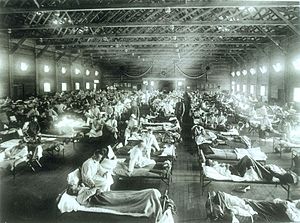
The idea of a pandemic is terrifying and in recent years we’ve dodged the bullet with the onset of AIDS, Ebola, SARS and recently with the H1N1 virus. The last really major pandemic that humanity faced was the Spanish Flu that occurred during World War I in 1918 and killed roughly 50 to 100 million people worldwide. The disease was so widespread and lethal to soldiers that many feel that the disease helped end the war. It is still considered to be the worst modern pandemic to strike humanity. The other horrible pandemic that threatened humanity further back in history was the Black Plague that wiped out a third of Europe’s population in the middle ages. But history is littered with waves of pandemics from assorted diseases like smallpox, typhus and many flu variants. Due to medical advances, we as a whole have been lulled into complacency until very recently. But recent events show that we are still vulnerable. Many fear that soon our antibiotics and other medicines will fail and we’ll be vulnerable to mass death just as our ancestors were.

Add to this fear is the specter of biological terrorism. This threat is all too real as seen with the anthrax terror attacks in 2001. It’s very feasible that some nut can obtain a rare flu strain or a manufactured disease and find a way to spread it to the populace.

Quarantines and Breakdowns

It’s all too easy for our society to fall apart in the wake of a deadly pandemic if a cure or treatment isn’t quickly found. With modern transportation, diseases can spread rapidly and before the medical community is fully mobilized, the contagion could have manifested everywhere.

Social norms will be frayed as the disease spreads. People will demand quarantines and closed borders but that won’t do anything to stop the disease. Nevertheless, fear and distrust will worsen with the new migrations of those wanting to avoid contracting the disease. Unfortunately, many of these refugees will be carriers themselves. Additionally governments will try to futilely treat victims and provide adequate health services. It’s easy to imagine hospitals and care centers guarded by mobilized soldiers, who would also enforce curfews and quarantines. But eventually public services will shut down as the death toll climbs. With fewer and fewer guards, cops and soldiers to enforce the law, anarchy follows and thugs will gain control. Once the disease has run its course, there won’t be much of anything left. Humanity will be forced to rebuild.

Fictional Examples Of The Aftermaths

Such fears have been the basis of many science fiction films, books and shows that postulate on the impact of a true pandemic today and the aftermath. The basic storyline usually goes like this: a disease wipes out 99% of the human (and sometimes animal) population. A handful of survivors then struggle to rebuild civilization. Other times, the story is about the valiant efforts to contain an exotic disease before it spreads.

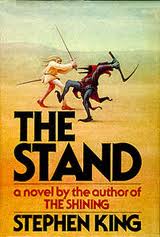
Some popular books that deal with this include Stephen King’s epic The Stand,  Michael Crichton’s The Andromeda Strain, Richard Matheson’s I Am Legend, Max Brooks’ World War Z , George R. Stewart’s Earth Abides, and most recently with Clemens P. Suter’s Two Journeys.

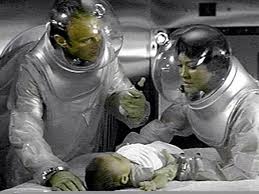
There are many films that deal with this subject. For example there are three adaptations of I Am Legend (the first being The Last Man On Earth and most recently the 2007 Will Smith version), which is about a plague that turns most of humanity into vampire-like creatures. In 28 Days Later (and its sequel) a man-made virus is accidently released that turns its victims in the U.K. into savage, zombie-like killers. Then there is George Romero’s film The Crazies about a bio-weapon that induces homicidal madness. The Andromeda Strain, about a scientific team trying to eradicate a supposedly extra-terrestrial disease, was made into a film released in 1971 and a recent mini-series. A similar approach was utilized with the 1995 film Outbreak but the disease was less exotic in origin but just as deadly. The Stand was made into a well-received mini-series in 1994 and there are efforts to have a remake done. Twelve Monkeys shows us a future where a disease has decimated the world and the protagonist time travels back to modern times to discover how the disease started. The most recent film about pandemics was Steven Soderbergh’s Contagion, which covers in dismaying detail how our society unravels with the onset of a killer virus.

With television there are few examples of a modern pandemic wiping out humanity. Two that come to mind are Jeremiah, which is based on a Belgian comic book, and starred Luke Perry as the title character. In Jeremiah, a plague has killed off most adults in the world and it picks up a generation later when the surviving children have now reached adulthood. The other one is BBC’s Survivors, a remake of a series produced in the 1970s, and the premise was about the usual plague survivors finding a way to work together and rebuild society. UPN’s The Burning Zone wasn’t about a post-apocalyptic world but rather about a team of bio-agents who dealt with deadly, unusual diseases including some engineered by a mysterious group who considered humanity to be vermin that needed to be eradicated by diseases.

Like many doomsday scenarios there isn’t any way to anticipate the onset of the catastrophe.  A pandemic could arrive tomorrow or in a few years, but it will happen. So it pays to be alert and safe though and to wash your hands often.

Dinosaurs On The Small Screen

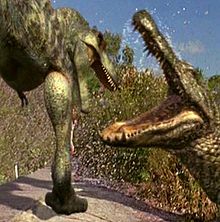
When I saw the new series Terra Nova on Fox I couldn’t help wondering about how many dinosaur-based TV shows there have been. It turns out there aren’t many, which isn’t surprising for the obvious budgetary reason. Here’s a brief rundown of such shows but for brevity’s sake cartoons, documentaries and shows that only had an episode or two featuring the extinct reptiles won’t be included.

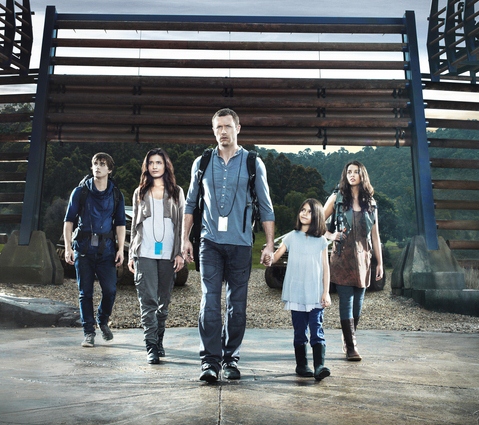
Terra Nova — Currently airing on Fox after numerous delays. The show follows the adventures of a 22nd century family who time travel 85 million years into an alternate past to escape a dying future. They are part of a human colony called Terra Nova and contend with predatory dinosaurs, dumb teenage drama and renegade humans.

Primeval–A BBC program that first aired in 2007 and was recently resurrected. Taking place in Britain, time portals called anomalies appear more and more often throughout the land and deposit confused and rampaging dinosaurs, prehistoric animals and even future animals. The Arc, a research and security facility, is set up with misfits and soldiers who deal with temporal incursions. It was recently announced that a spinoff taking place in Vancouver called Primeval: New World will go into production.

Prehistoric Park–This was a six-part series that aired in 2007 on ITV and Animal Planet was more of a mockumentary that starred Nigel Marvin who played himself. The premise is that a prehistoric wildlife preserve has been set up on an island. Think of it as a successful Jurassic Park. In the show, Nigel time travels to prehistoric periods and rescues animals about to perish and brings them to the present. More often than not he wound bringing unexpected animals.

Dinotopia–Based on the series of books, it was originally a four-hour mini-series that became a show and aired on ABC in 2002. The network pulled the plug after six episodes, which was a mercy killing. In this show, two brothers crash their plane in an uncharted continent where humans and dinosaurs (some are sentient and able to speak) live in harmony.

 Sir Arthur Conan Doyle’s The Lost World–This syndicated show ran for three seasons from 1999 to 2002. Loosely based on Doyle’s classic, it featured Professor Challenger and a group of people who are stranded on a South America plateau that is inhabited by dinosaurs, natives and people in latex makeup. It ended with an unresolved cliffhanger.

Dinosaurs–ABC aired this comedy, produced by Jim Henson Television, from 1991 to 1994. Coming off as a knock off of The Simpsons and The Flintstones, it was your standard nuclear family sitcom complete with the goofball dad, patient mom, wise children and a precocious little baby that kept screaming “Not the momma!” Only these were talking dinosaurs wearing clothes and complaining about humdrum problems. The series ended on a downer as a global catastrophe dooms the dinosaurs.

Land of the LostA personal favorite that first aired on NBC Saturday mornings from 1974 to 1976 and it set the standard. Rick, Will and Holly Marshall are out whitewater rafting and fall through a portal that transports them into an alternate dimension populated by stop-motion and puppet dinosaurs, hairy hominids called Pakuni and evil reptilian Sleestaks. Despite its juvenile trappings and budget the show really shone thanks to high-concept scripts penned by the likes of David Gerrold, Norman Spinrad, Larry Niven and D.C. Fontana. A remake aired in 1991 in syndication for two seasons but it had a lighter tone and wasn’t as memorable. And let’s not get into that Will Ferrell movie.

José Soto

Kennedy Space Center Visitor Complex

About an hour east of Orlando in Merritt Island, the Kennedy Space Center Visitor Complex cannot be called a theme park or a museum but it has elements of both. Like any healthy attraction, it’s constantly evolving and offering something new for visitors. And coming soon, the Complex will be the home for the just-retired Space Shuttle Atlantis.

Even though the shuttle isn’t ready for viewing yet that shouldn’t stop anyone whether they’re a space buff or not from visiting the Complex. There are plenty of displays, exhibits and fantastic presentations. It’s hard to see everything the Complex offers in a single day visit. This was not so in its past and it’s a testament to how the place has grown as a viable attraction.

The basic admission includes the Kennedy Space Center (KSC) Tour, IMAX presentations (many of which are in 3D), the nearby U.S. Astronaut Hall of Fame and the Complex’s grounds.

A popular attraction is the Shuttle Launch Experience, which simulates a shuttle launch for visitors. It’s a lot like the Mission: Space ride at Epcot only without the nausea, but it’s still a rough ride and according to many astronauts an authentic recreation of a shuttle liftoff. Next to the facility that houses the Shuttle Launch Experience is a well-detailed mock up of a shuttle called the Explorer. Visitors ascend a winding staircase to get into the craft’s hangar and further up for the cockpit.  And next to the Explorer are mock ups of the space shuttle’s external fuel tank and boosters, those and the shuttle make for memorable photo ops.

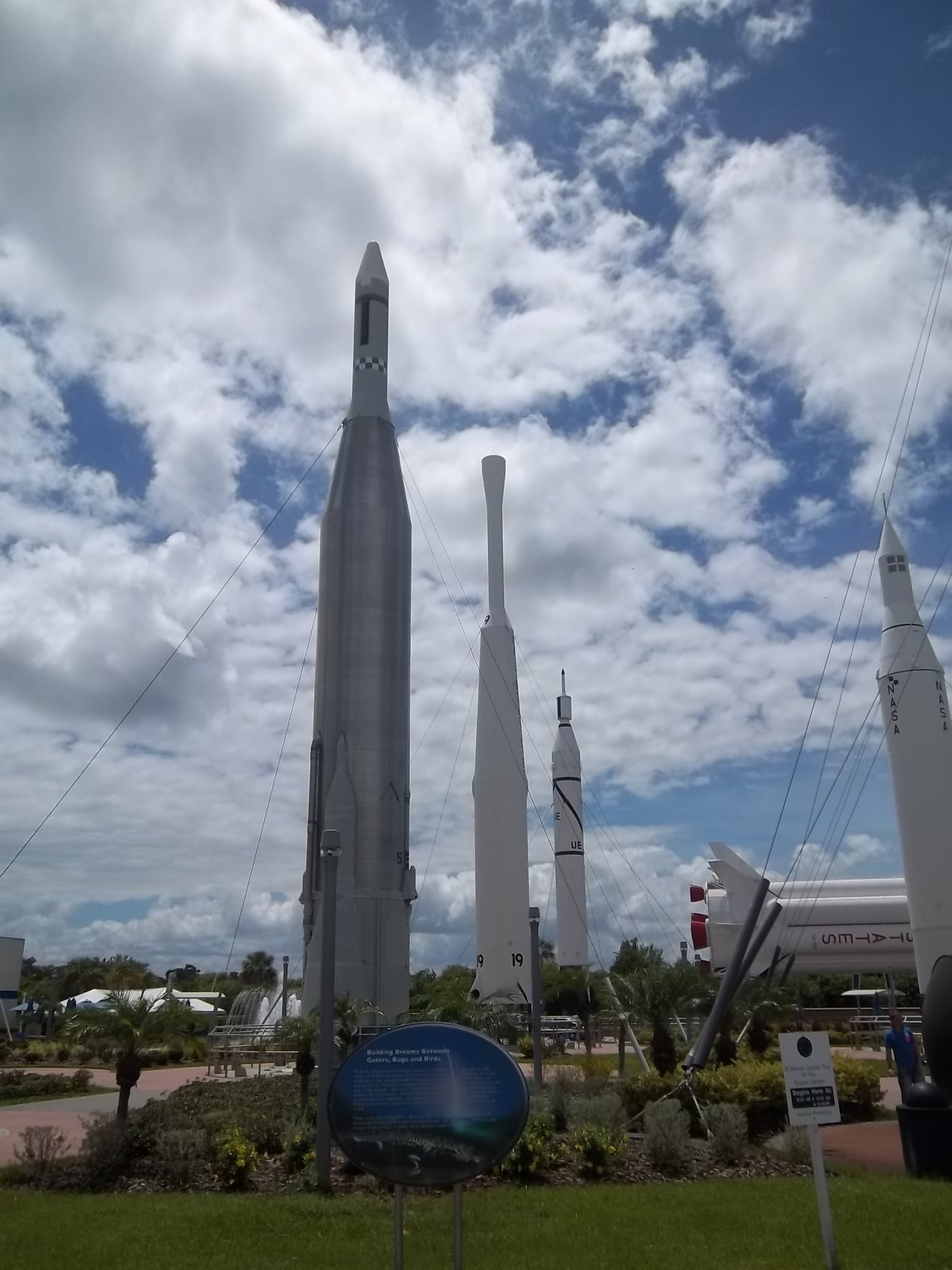
Other places to get photos include the Rocket Garden, an outdoor showcase of the rockets and capsules used during the ’60s. These include the Titan and Atlas rockets (plus a huge Saturn IB) and the Mercury, Gemini and Apollo capsules. In fact, visitors are allowed to climb into the claustrophobic. Nearby is the Early Space Exploration facility that features the actual capsules, artifacts and mission control consoles from the ’60s.

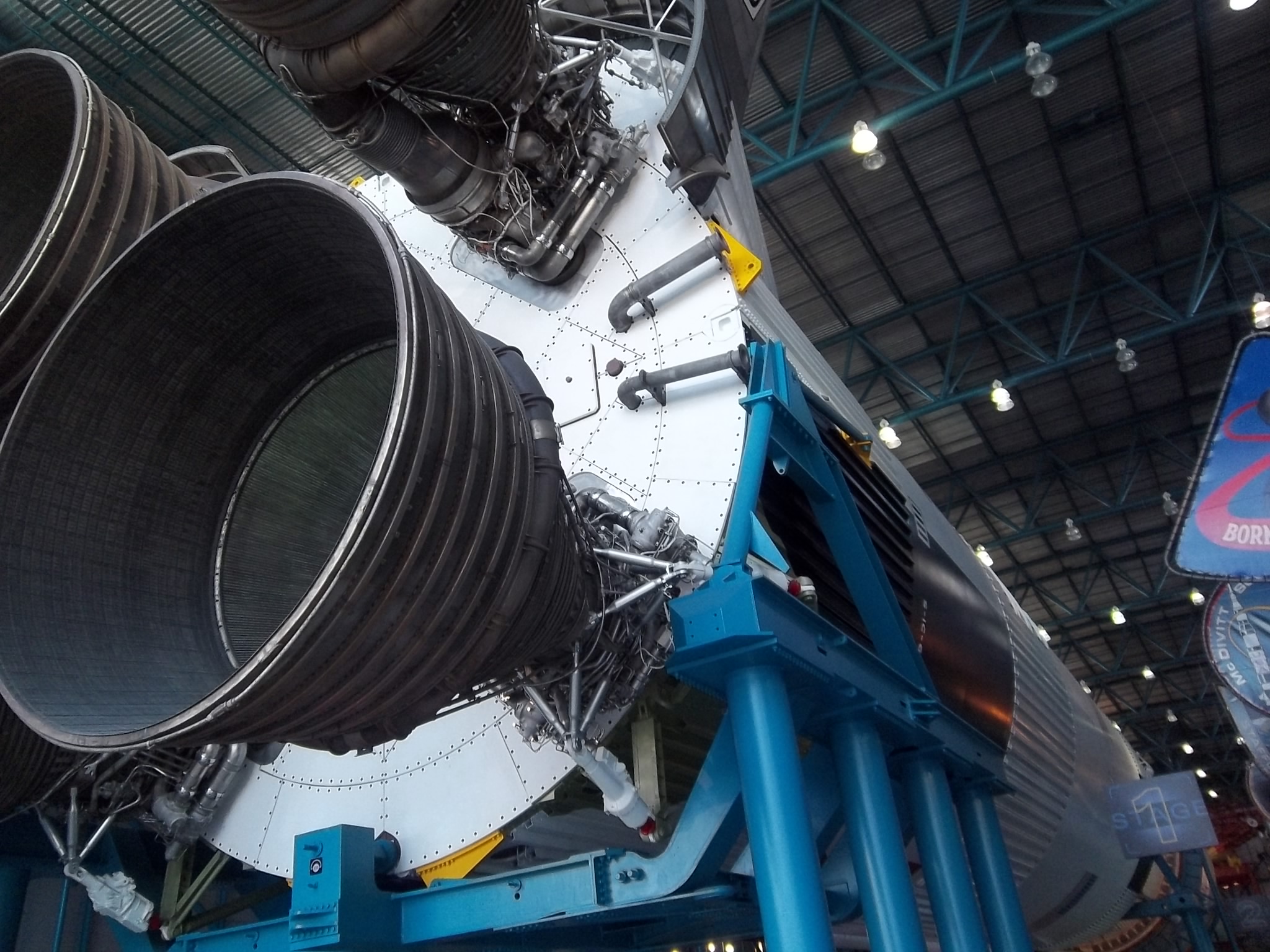
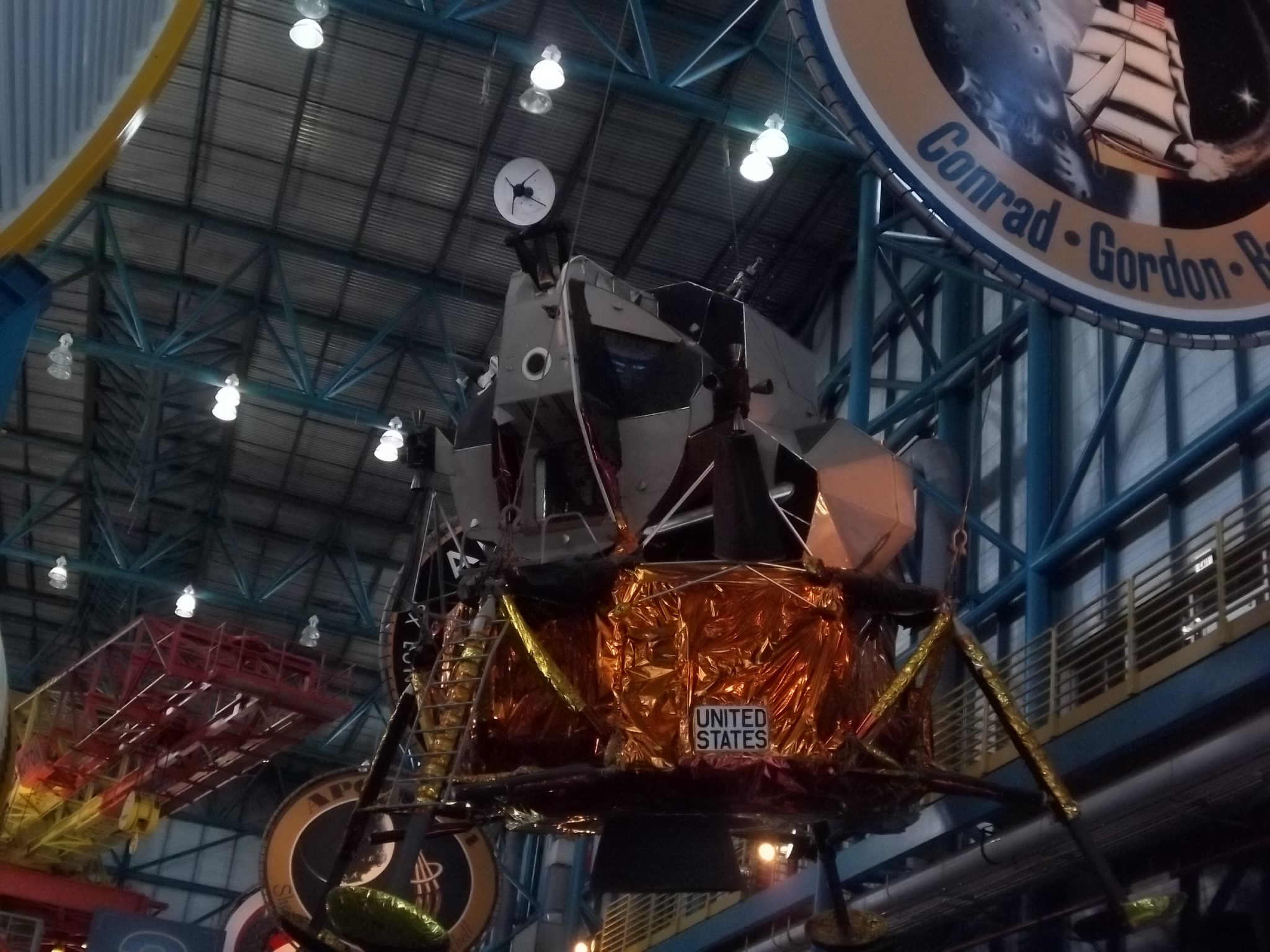
But the highlight of any visit is the KSC Tour. Although in-depth guided tours are available for additional fees, anyone can get a thorough visit with the KSC Tour. Buses at a terminal located off to the right of the Complex’s entrance plaza leave for the tour every fifteen minutes. A short ride will take visitors to the shuttles’ launch pads at the LC-39 Observation Gantry and even glimpse off in the distance the air force’s rocket launch pads. The next and final stop of the tour is a grand finale indeed. The Apollo/Saturn V Center boasts an overhead, mammoth 363-foot-long Saturn V rocket which rivals any giant dinosaur fossil display in a museum. There are also space suits, tools, a moon buggy and even a piece of moon rock that can be touched. Visitors can stay as long as they like in the Center before taking a bus back.

But the Complex isn’t just a place that looks at NASA’s past glories, there are many exhibits and attractions devoted to today’s space exploration. At the Astronaut Encounter Theater, visitors can meet and question guest astronauts. The Theater is also playing through December Star Trek Live, an engaging stage show featuring science facts and a time-travel themed storyline. Elsewhere, visitors can see up-close images from the Hubble Space Telescope or be part of Exploration Space: Explorers Wanted. An interactive, multimedia presentation on the possible future of space travel. There are even play areas in the Complex for children, a nature exhibit, an Astronaut Memorial, an art gallery and of course, souvenir shops.

To see everything at the Complex in one day is very difficult and not practical. So consider returning for a second visit. In fact, visitors who get their tickets validated when leaving can return for a second visit within a week. The admission prices are very favorable when compared to Orlando’s theme parks and the experience is much more educational and inspiring especially for future generations.

Article and Images by José Soto