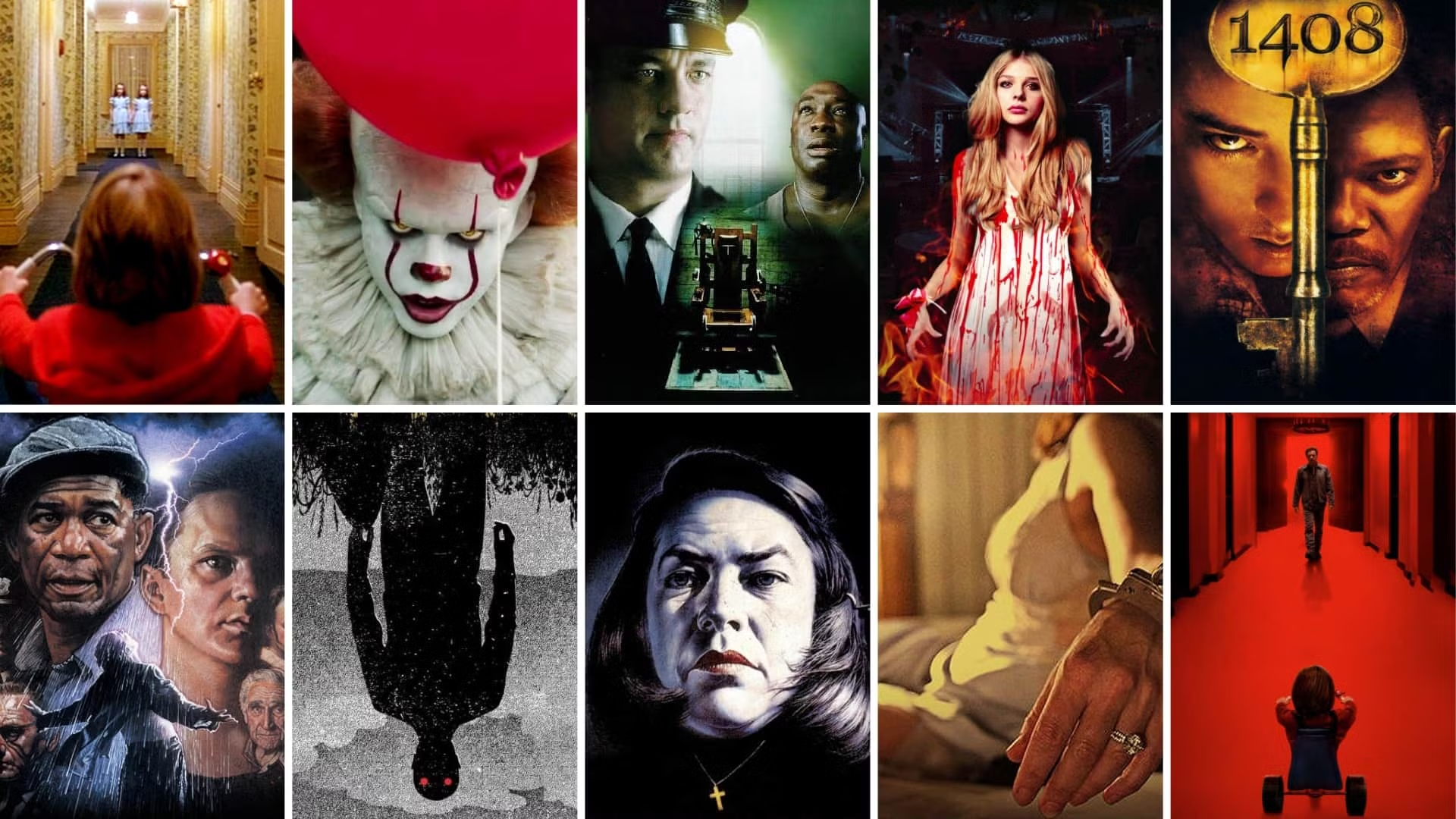
Making The Perfect Stephen King Adaptation

One would think that adapting any of acclaimed author Stephen King’s literary works into a top-tier film or television production would be fairly simple. But it’s not. So, why is it so difficult to successfully adapt a Stephen King work? There are a few that can be considered, but it basically boils down to these two reasons.

Translation to Screen

While King is the master of prose when it comes to horror, fantasy, sci-fi, and non-genre subjects like crime, it is not easy to translate what he writes into a visual medium. Sometimes the dialogue which flows like water on page can come off as stilted and clumsy, especially if a character goes off on a rant. A narrative tool that King uses a lot is internal dialogue and narration to convey the characters’ thoughts. This technique is hard to pull off in visual medium where showing is prefered to telling.
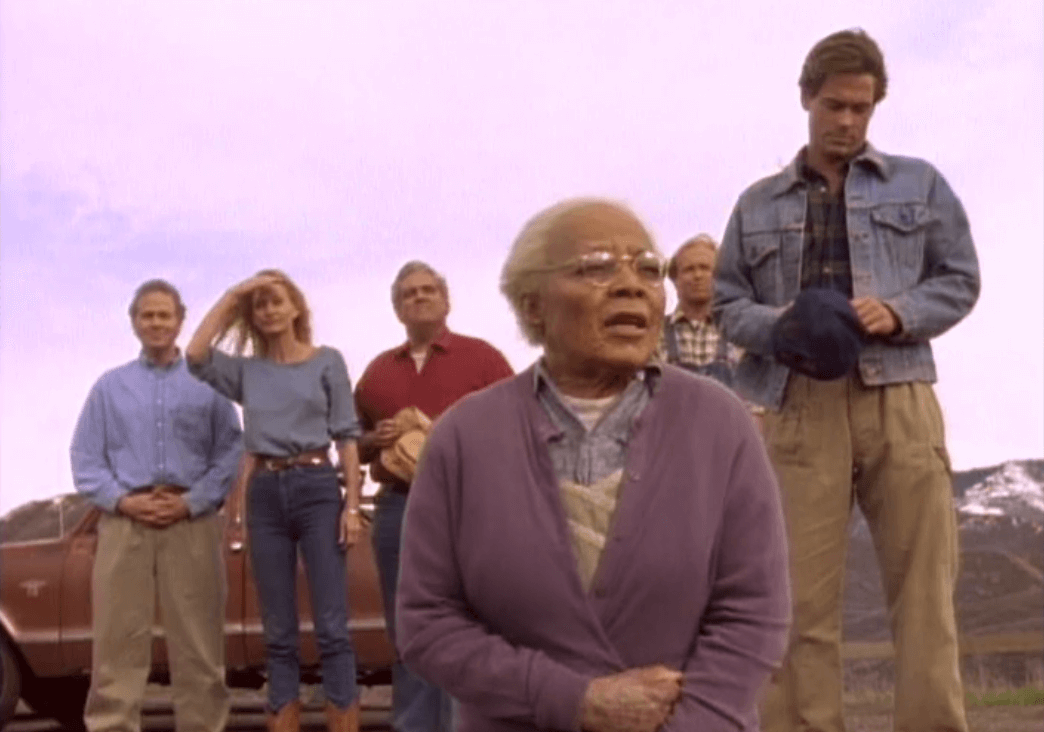
Other times the prose is let’s just say a bit too much for a visual story. IOW, given the amount of screen time available in a film, putting TV aside, there is only so much material that can be adapted. Many of King’s best known works like It, The Stand or the Dark Tower books run over thousands of pages. Turning epic novels like those into two-hour plus films is nearly impossible. It is one of the main reasons why attempts to turn his classic novels like The Stand failed to make it out of the gate as a film despite many attempts because there was so much material to cut out that the result would be a poor adaptation of the source material. Just look at The Dark Tower film that came and went a few years ago. To most, the film was an ill-conceived attempt to adapt the multi-book epic about the Gunslinger Roland and his mythic quest across worlds and realities. What The Dark Tower did was give viewers a truncated sprinkling of Roland’s quest that left many feeling dissatisfied with an unfinished story.

The more successful adaptations like The Shining, Carrie, The Dead Zone, Cujo, Stand By Me (adapted from The Body), The Shawshank Redemption and The Mist were based on more typical novels that were just a few hundred pages. Also, in the case of The Mist, Stand By Me and The Shawshank Redemption, those were based on novellas which seem to be the perfect amount of story to translate into screen.
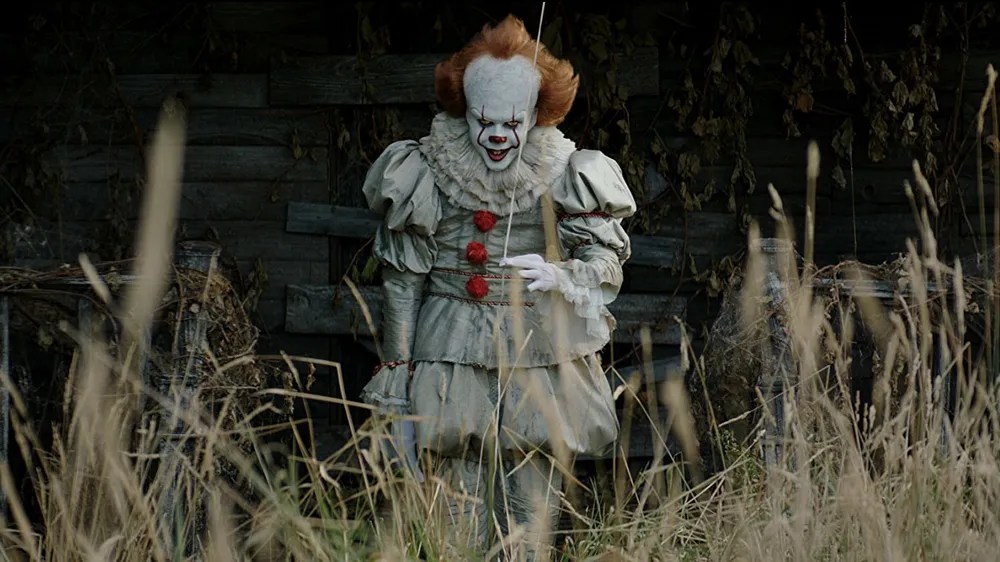
One viable option is to adapt mammoth epic novels into two-part films as was done with It. While the film versions of It differed in structure, the adaptations more or less captured the essence of the novel with the first film focusing exclusively on the main characters when they were children while the second film picked up the characters as adults when they confronted the evil entity Pennywise. This approach would work best for The Dark Tower Saga or any of King’s narrative which can be quite long and involving.

The other obvious option, which has been done to some success, is to adapt his works into television mini-series or shows. Some of the best examples include ‘Salem’s Lot, The Stand, 11/22/63, The Outsider and Nightmares & Dreamscapes. Adapting The Dark Tower Saga into this format is honestly the only viable way to present the expansive storyline and do it well.

The Skill of the Translators

One important reason as to why it is so hard to adapt Stephen King works is due to the quality and skill of the filmmakers and showrunners and scriptwriters. While many gifted behind-the-scenes creators successfully adapted King’s works like Stanley Kubrick, John Carpenter, Frank Darabont, Rob Reiner and Andy Muschietti, far too many inferior creators took a hand into mangling and ruining King’s classics. It is lamentable that someone like Steven Spielberg or Christopher Nolan or Scott Derrickson never helmed a Stephen King film (there were reports that years ago, Spielberg was involved in an adaptation of The Talisman, but that never came to be). Just think of how something like Under the Dome, Cell, and The Girl Who Loved Tom Gordon would have turned out if James Wan or Robert Eggers or Ari Aster were at the director’s chair with the projects.
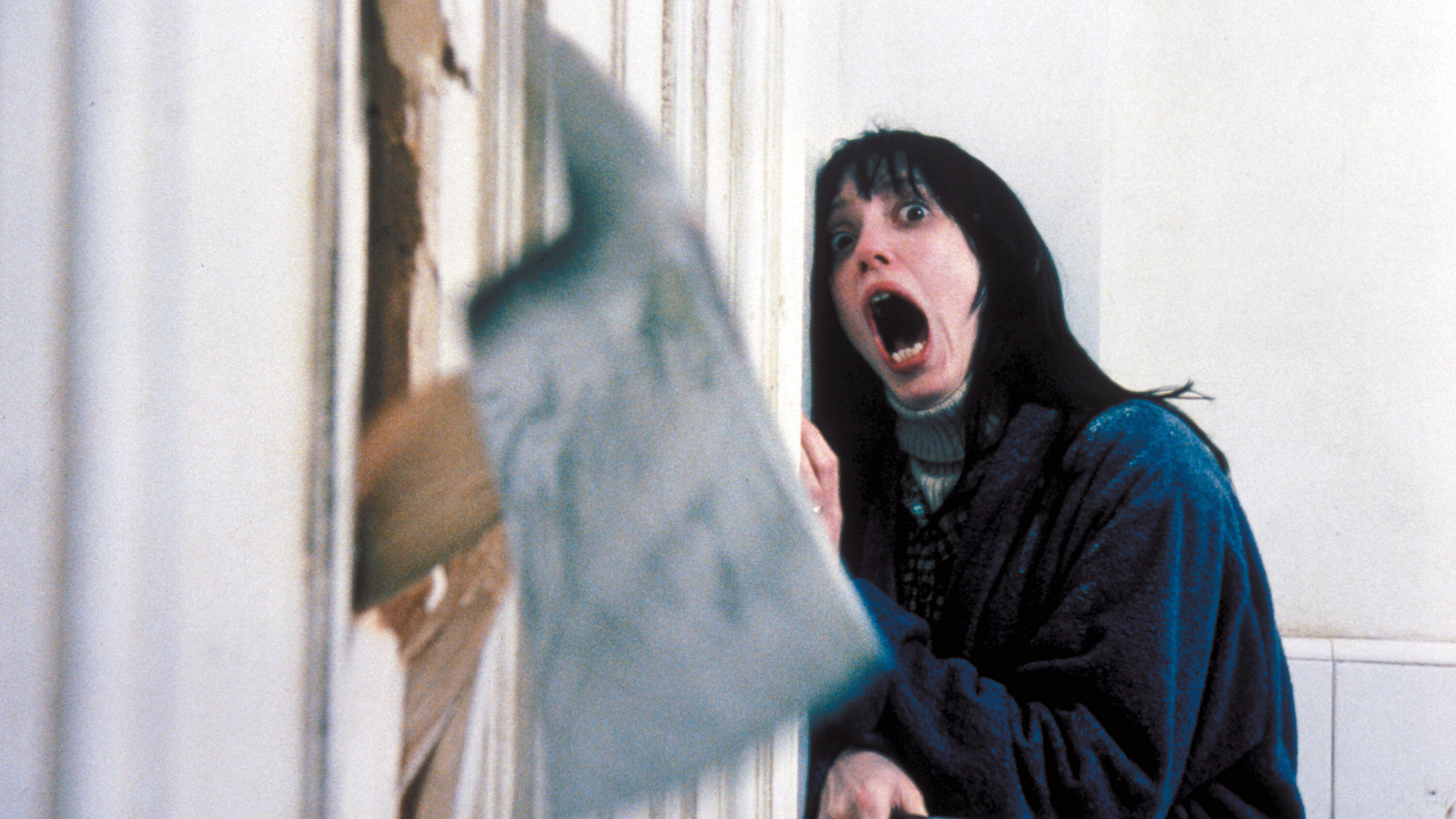
But sadly as we know all to well, it is very difficult to line up the best writer, director, producer or actor to fit in with a King work of art. Reasons for this are all over the place and tend to be due to timing and budget. These days it is not likely that a studio can afford to hire Spielberg to take on a King book. There is also the possibility of dueling visions. A more high-profile director can and will take liberties with the source material much to King’s detriment. The most famous example was Kubrick’s version of The Shining, which King detested even though it is considered not only one of the best King adaptations but a classic horror film.

The same goes for television productions. All too often King’s works whether they’re long-form epics or short stories wind up becoming inferior TV shows or limited series. During the ’90s, the heyday of King TV adaptations, many of his more famous stories became big event TV mini-series with mixed results, but hardly any of them stood out as masterpieces. The best adaptations were for The Stand, although that limited series had its issues, ‘Salem’s Lot, which came out in the ’70s, It, and original productions like Storm of the Century. Other works like the more faithful adaptation of The Shining and The Langoliers failed to impress viewers. If only someone like Vince Gilligan or Terry Matalas could spearhead a proper TV adaptation of The Stand or The Dark Tower Saga.
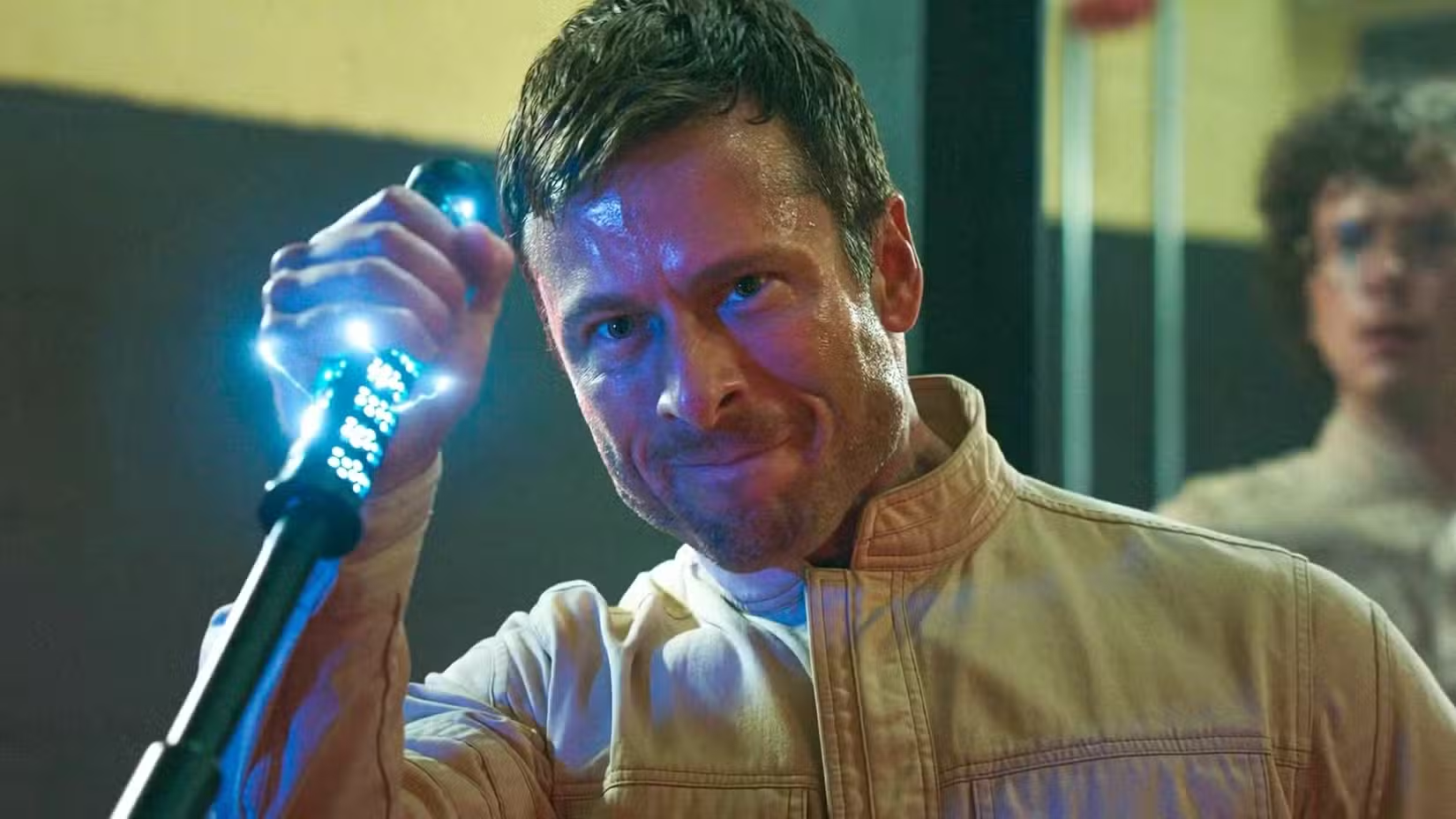
Despite many failed attempts, the versatility and durability of Stephen King’s stories guarantee that eventually the right team will come along and created the best version of his works. This happened with the It films which were immediately better than the original TV mini-series and may happen later this fall when the second film version of The Running Man is released (being that is directed by Edgar Wright, there’s a decent chance it will outshine the original film). It has been possible to get cinematic masterpieces based on King’s works and it has happened, so it will continue to happen.

José Soto
Zombies Refuse To Die!

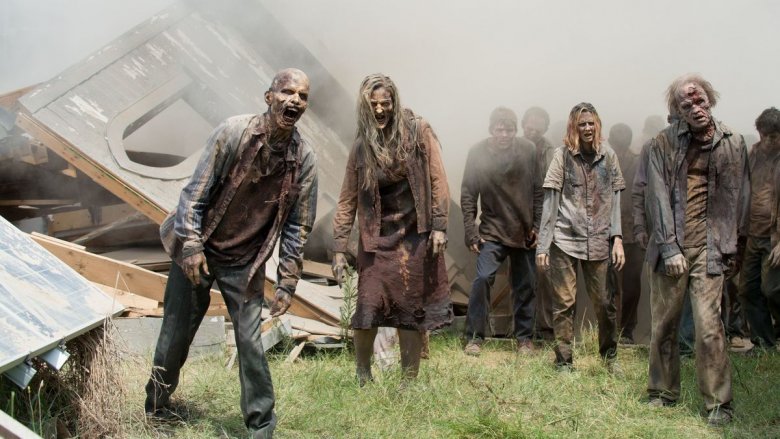
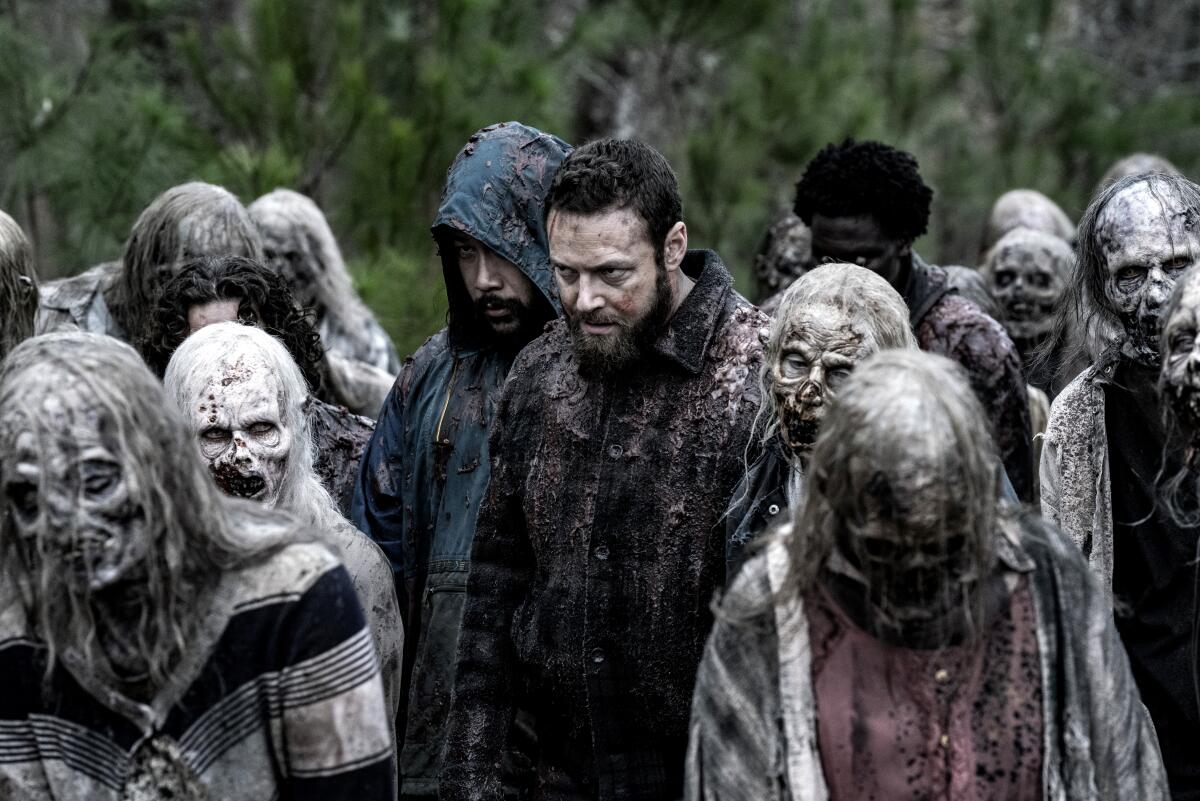
It is all too easy to write off the zombie sub-genre as being dead and buried. After all, zombies have fallen out of favor with the public ever since The Walking Dead TV show was cancelled years ago. Before its cancellation, The Walking Dead and zombies in general were at their zenith in the 2010s. There were zombie TV shows, films, comics, novels, etc. all over the place. But inevitably the popularity of zombies declined as too much product was put out and the quality and uniqueness of the zombies faded. Casual critics were ready to write off the zombie sub-genre and move on to their next target, but somehow, the zombies refused to die.

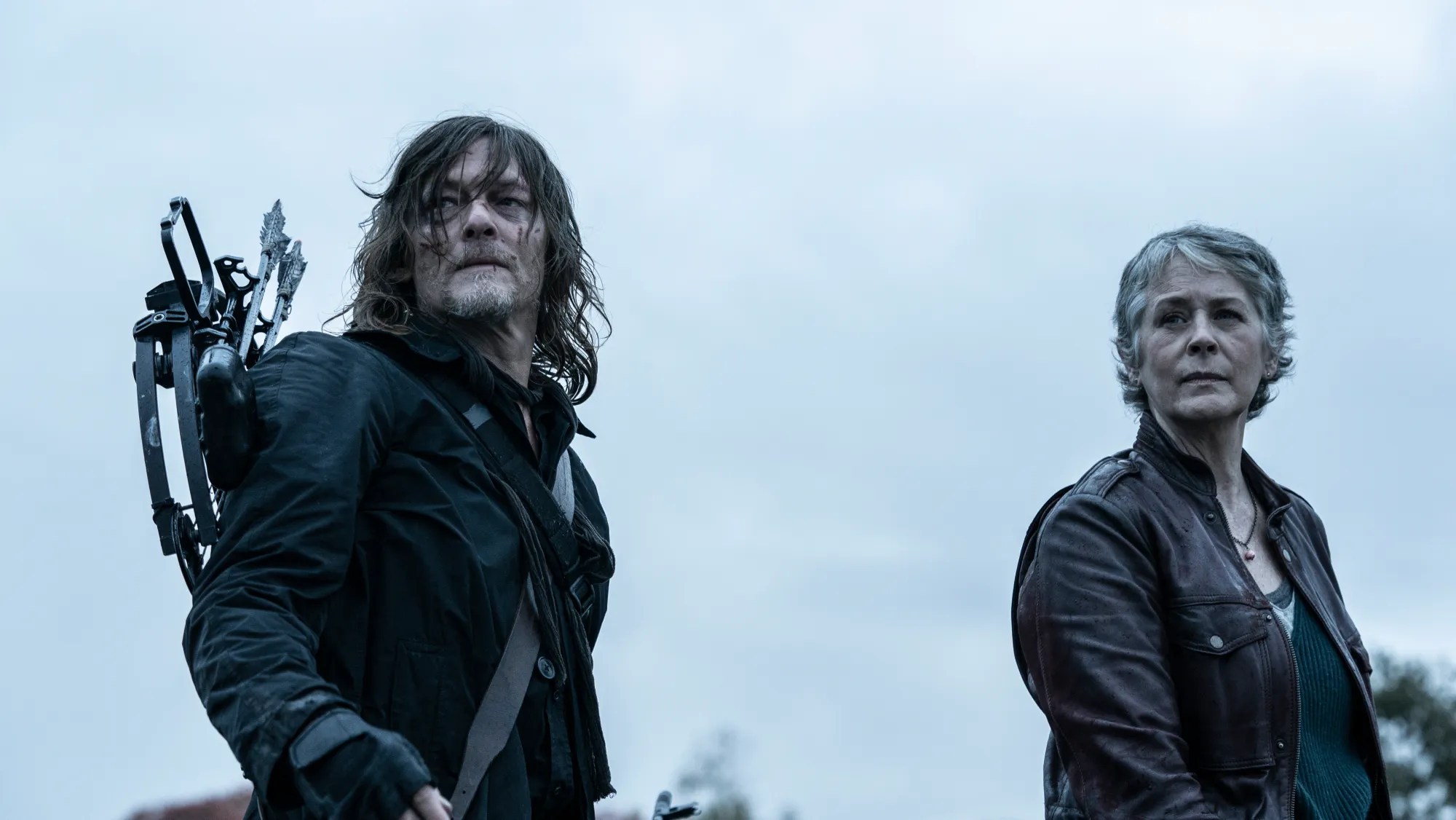
Yes, The Walking Dead TV show and the comic book series that inspired it are both long gone, but there are many TV spinoffs of The Walking Dead like The Walking Dead: Daryl Dixon and The Walking Dead: The Ones Who Live that are still around and slowly gathering buzz about their quality. These shows wisely chose to focus on popular characters like Daryl Dixon and Rick Grimes and even the villainous Negan, which partly explains why the shows have done well. Of course, these TV shows have not reached the numbers and heights of popularity as The Walking Dead did in its heyday, but they have their devoted followers and are doing well enough.

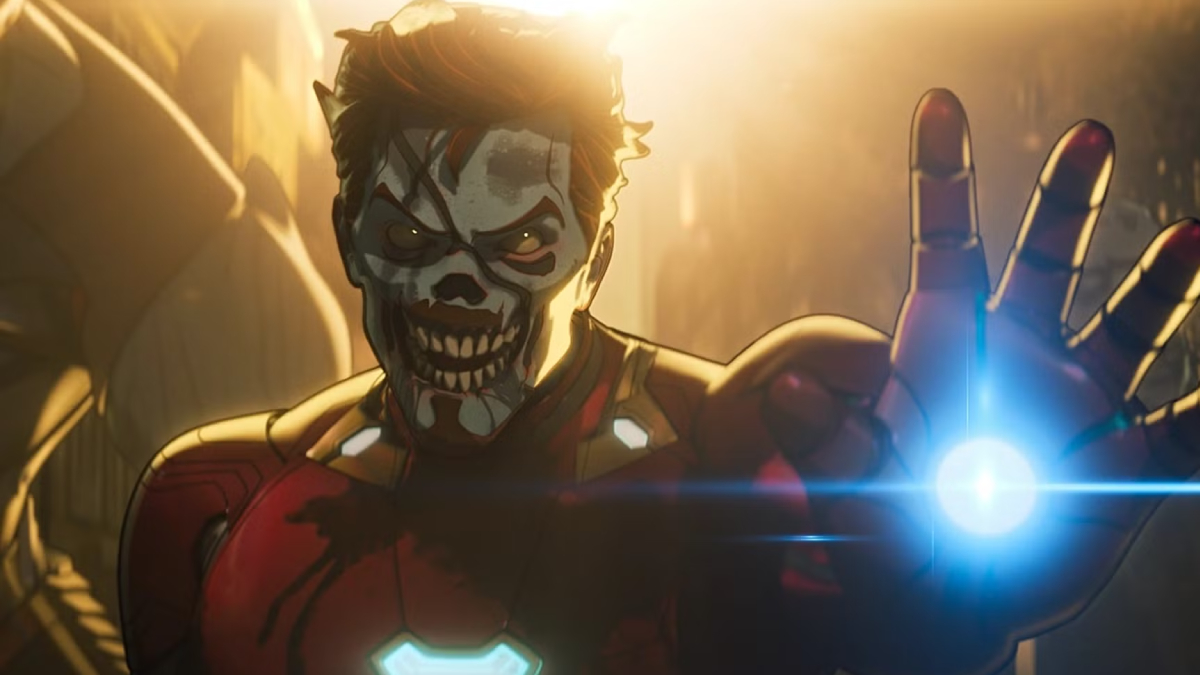
Other zombie-related TV shows, films, comics and more are still coming out strong and many are very popular. Just take a look at the slate of current and upcoming projects that are related to zombies. The most recent examples were The Last of Us (technically not about zombies but the infected humans behave just like zombies) and the animated TV show Marvel Zombies, which was based on the Marvel Comics mini-series (and currently has a new mini-series Marvel Zombies: Red Band out in stores and digital platforms) and was a spinoff from the animated What If…? TV show.

The Marvel Zombies comics are still going strong with its many limited series and the TV show was well received with talks of a new season underway; hopefully that will happen given how the last episode left us with a cliffhanger. Not to be outdone, DC came out with its own comic books starring undead versions of its DC heroes and villains, DCeased. No word yet if DC Studios will make an animated version of DCeased but they should consider it. Also even though the comic book series ended years ago, The Walking Dead are still in comic form with the color reprints The Walking Dead: Deluxe.

Meanwhile, there are many high-profile zombie films and TV shows on the horizon, such as 28 Years Later: The Bone Temple (a direct sequel to this years’ 28 Years Later), We Bury the Dead, Twilight of the Dead, which will conclude the George Romero zombie film saga, Return of the Living Dead, and an American remake of the classic Korean zombie film, Train to Busan. How well received they will be is anyone’s guess, but they demonstrate how popular the zombie genre is.

So, why does the zombie sub-genre refuse to die? There are many reasons. For one, many zombie properties go hand-in-hand with our fascination with post-apocalyptic/survival stories, which fit in well with zombies. These zombie stories also engage us as we face our fear of death and decay and more recently with infection. We like to watch and read these zombie yarns and wonder how we would behave in a zombie apocalypse. Most of us would probably be zombie food minutes into the apocalypse, but its still fun imagining ourselves turning into stoic and heroic warriors like Daryl Dixon, who in his life before the zombie apocalypse was a nobody.

The sub-genre also helps engage with unexpected human dramas that test our notion of family and friendship. Examples of this include the films Maggie, Cargo and Warm Bodies. While the latter film was an offbeat romance with a zombie twist, the first two films dealt with the main characters facing the inevitable. Maggie featured a father coping with the fact that his teenage daughter would soon turn into a zombie and his agony about having to kill her. Cargo was an agonizing film about a doomed father who was desperately trying to find someone to care for his infant before he turned into a zombie.

It can be said that on the surface the zombie sub-genre appears to be limited in story, but can be quite versatile. As long as the zombie story whether on film, video game or on print, is presented well, the quality will stand out and keep us engaged. That is why the zombies refuse to die.

Good Boy and Other Pets In Horror Films and TV Shows

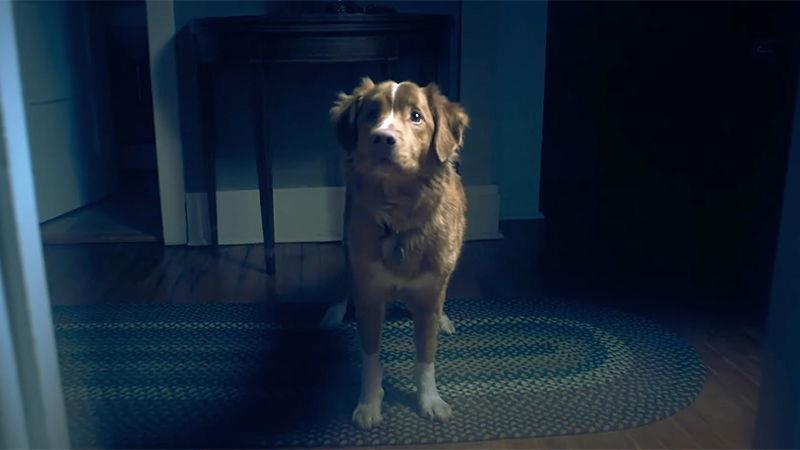
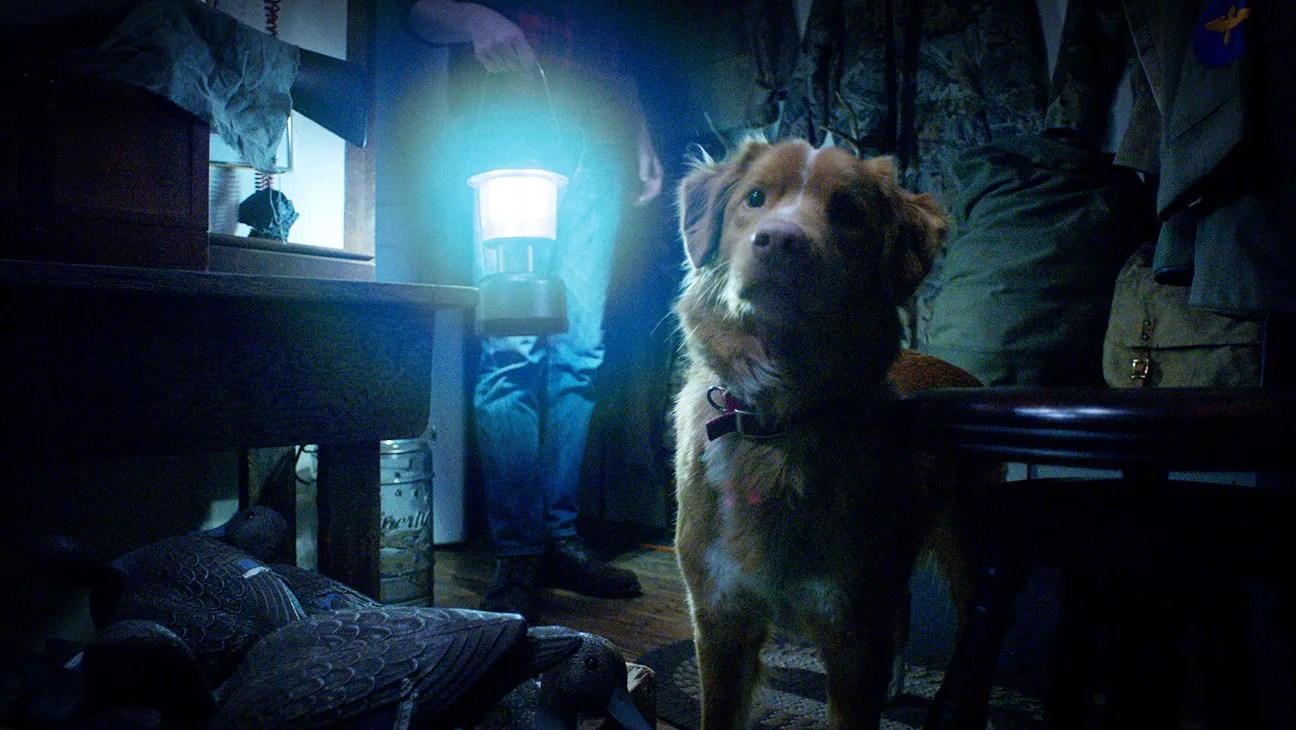
Indy, the canine star of the horror film Good Boy, brings attention to the presence of beloved pets in various horror films and TV shows. It can be said their inclusion is way to raise the stakes of the terror faced by the film’s main characters, as with Good Boy. But these animals can have more complex roles in horror films and TV shows.

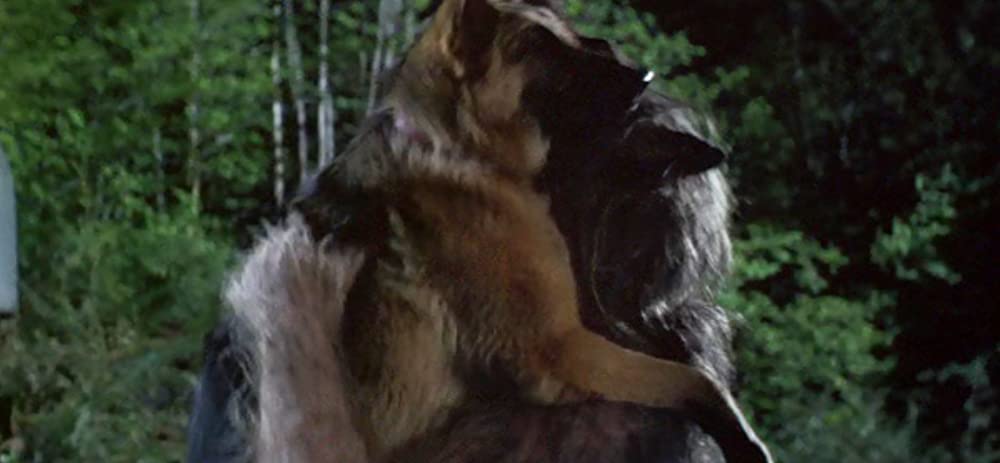
Other times, the animals wind up playing a pivotal or even a heroic role as with Nanook, the malamute that helps his owner fight off the title vampires in The Lost Boys. In Nanook’s case, his crow-pleasing moment came when he pushed a vampire into a tub full of holy water and garlic. Another example is the dog Thor in Bad Moon. It’s another horror film told from the POV of a dog, in this case, Thor faces off against a werewolf, who tragically was his owner when in human form. Then there is the title character in Frankenweenie, a dead dog who was revived by his grieving owner. Also, let’s not forget Kojak (formerly “Big Steve”), a retriever featured in The Stand who wound up playing an important role late in the TV mini-series when he helped care for the main character Stu Redman after he was badly injured.

These pets are often imperiled by the supernatural forces that threaten the main characters, and sadly these beloved animals wind up becoming victims. There are too many to go into here, but some standouts include Tank, the terrier, from V/H/S 2, Churchill, the cat in Pet Semetary, and Samantha, the German shepherd in I Am Legend, who gave her life defending her owner against mutants before she had to be put down when she began to mutate.

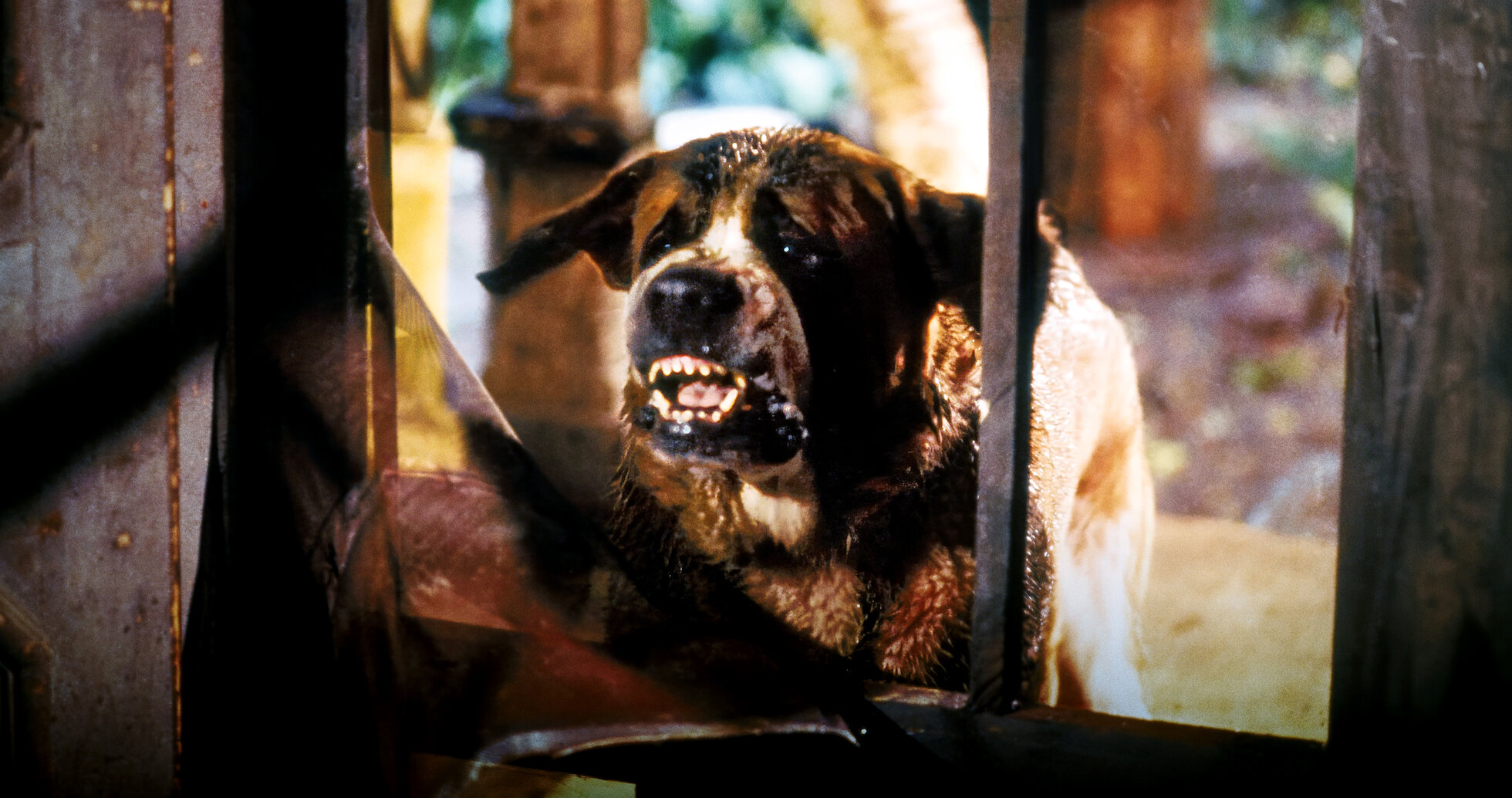
On the other hand, there are many horror films and TV shows where the beloved family pet becomes a source of danger to humans. The best example of this is with Cujo, where a docile St. Bernard becomes a vicious killer that threatens his owner and her child. Other examples include several dogs in Day of the Animals, various pets in the TV show Zoo, and the title dog in Man’s Best Friend.

We get very alarmed and feel uneasy whenever beloved pets put themselves at risk to defend their human families. It is second nature for dogs to act as guardians for us even though they are at risk whenever tackling the supernatural. This was very prevalent in Good Boy as Indy tries his best to protect his owner Todd from a malevolent spiritual force that haunts Todd. It must be mentioned that the animals’ ability to sense the supernatural before the humans could make them more vulnerable to looming threats.  What was even more distressing in Good Boy was that only Indy was aware of this evil force and was unable to communicate this danger to Todd unlike another human.

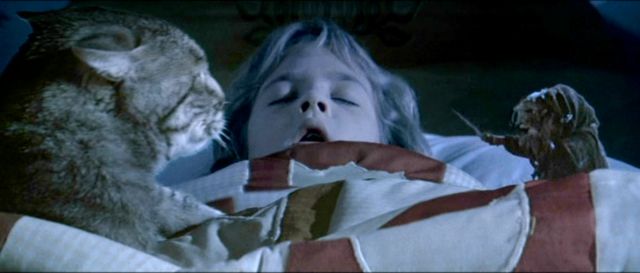
The inability to adequately communicate with humans is part of what makes the animals’ dilemma so engaging. Another example of this was in the film Cat’s Eye, where a stray cat is involved in three separate stories, and becomes the hero in the last segment. In that story, the cat (now named “General”) defends a young girl from an evil troll trying to steal her soul. What made General’s job more difficult was that he was the only one who sensed the troll’s presence, and he could not communicate to the girl’s parents about her imperilment.  

What made Good Boy such a standout from your standard haunted house story was that the film was told from the POV of Indy. We are able to empathize with Indy not just because he was a loveable dog but because of how his worldview was presented. We never fully see the faces of the human characters or hear their dialogue clearly; Indy is also able to get into the dark corners of his owner’s home to get more details about the otherworldly threat, which a person could never do. Essentially, through Indy’s eyes, we get a better sense of the ghostly presence haunting Indy’s owner.

Also, the stakes of danger are raised since Indy is more vulnerable to the supernatural presence. Unlike a human who could find out how to combat the supernatural threat and use tools, Indy and other animals only have their own instinct and natural abilities to combat the threat. Sometimes that is not enough. That is why films and TV shows featuring pets like Good Boy are so captivating.

The Five Nights at Freddy’s Movie Spoiler Talk!

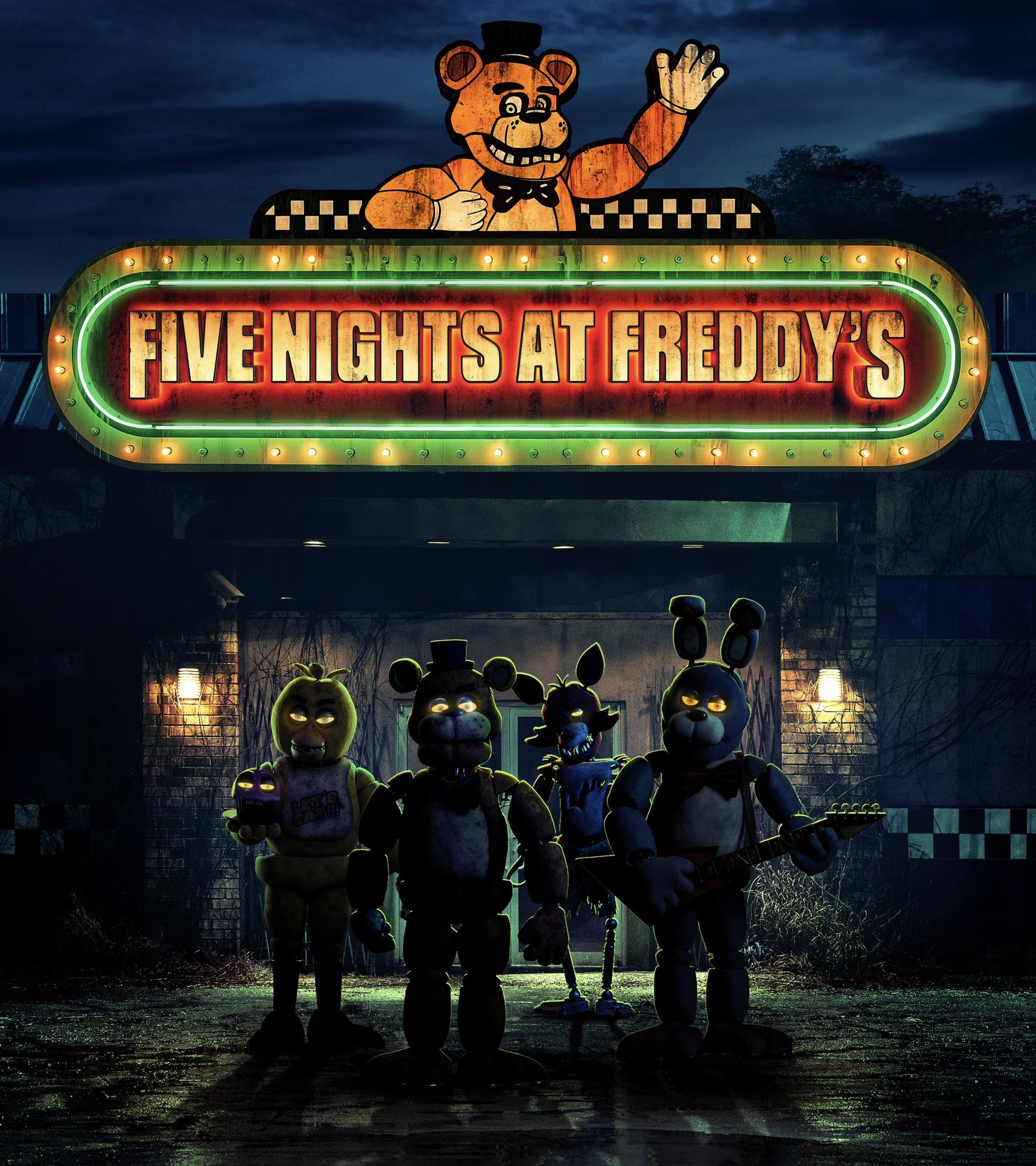
The long-awaited live-action movie version of the classic online game Five Nights at Freddy’s or FNaF has excited fans. Unlike critics who do not understand the FNaF franchise, fans recognized how faithful the movie was to the franchise while developing its own identity. With that, it’s time for SPOILER TALK about the Five Nights at Freddy’s movie! For anyone who has not seen the FNaF film yet, you’ve been warned…

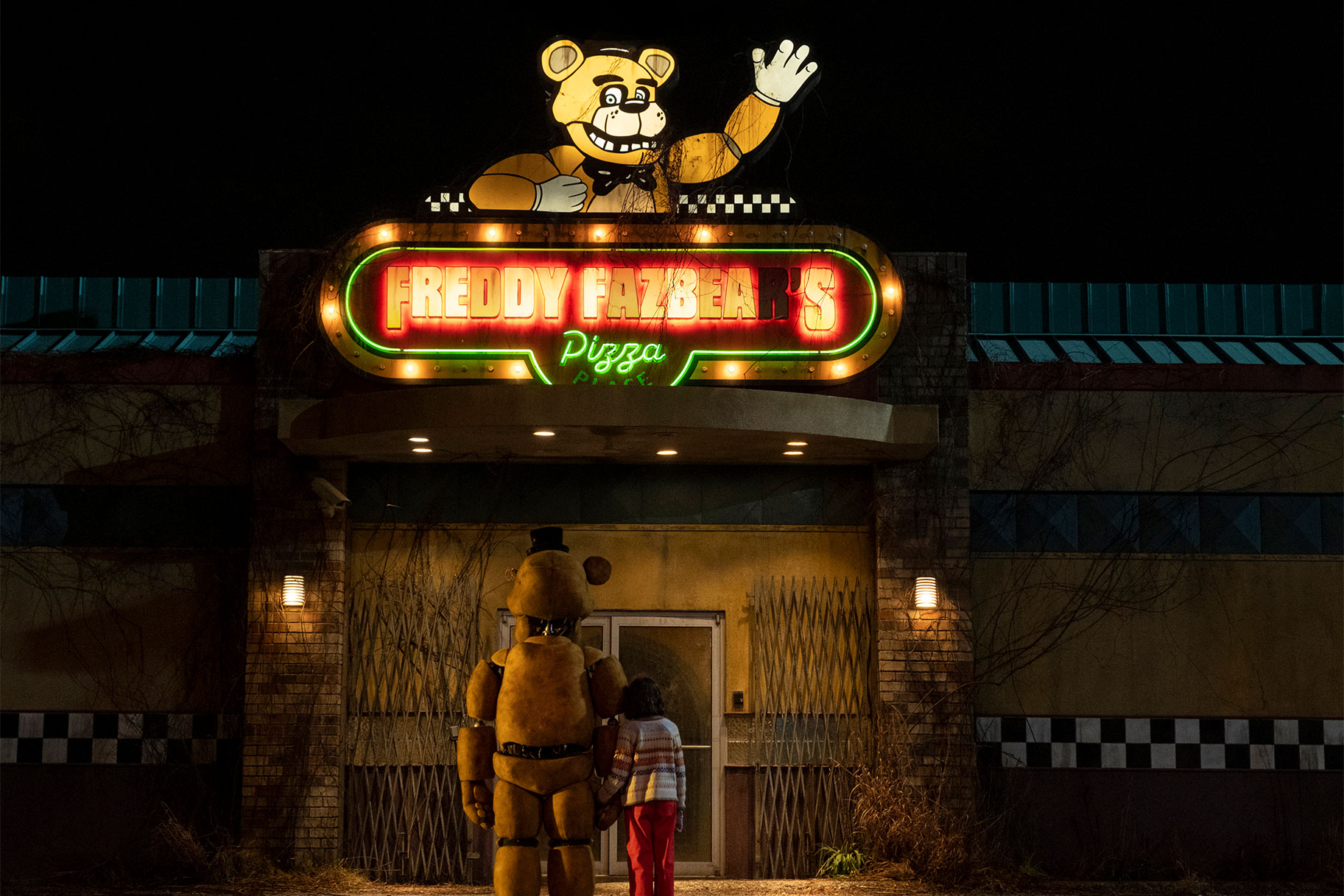
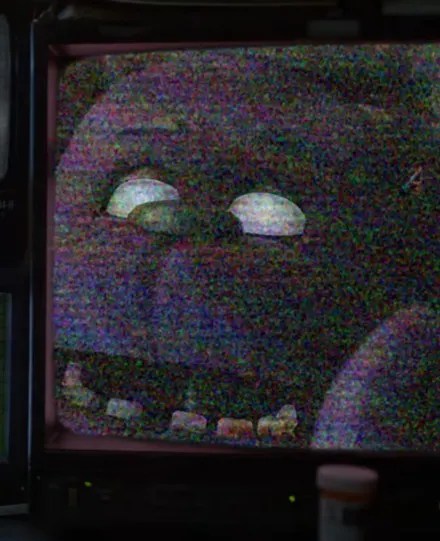
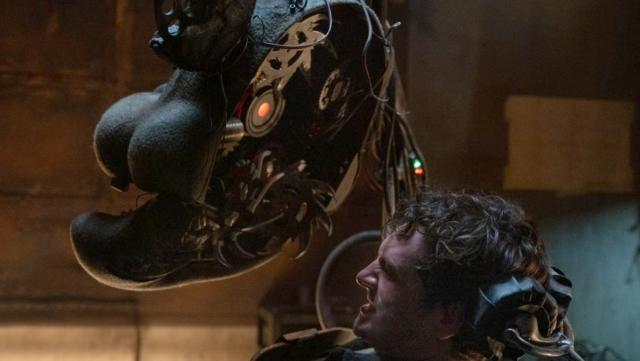
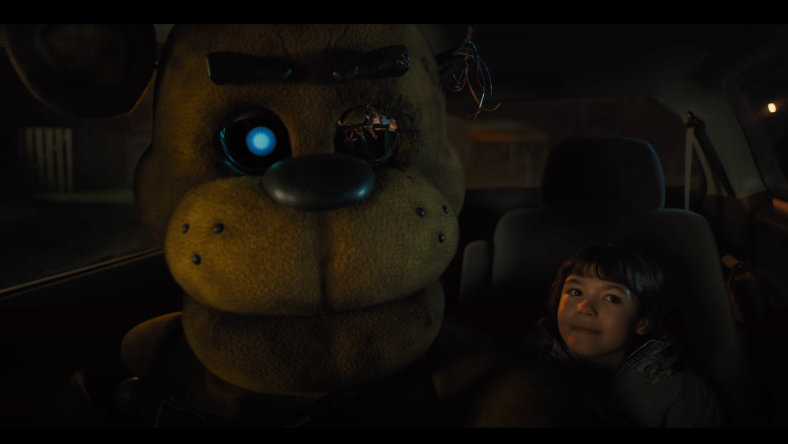
Touching upon an issue brought up earlier with my review of Five Nights at Freddy’s, some things should’ve had a little more explanation than they were given. The main reason I say this is because fans have a general idea of some characters and ideas, but to someone else, it’s a complete mystery that makes them think “Okay? So, what?” The prime culprit of this issue is none other than Golden Freddy. Sure, his spirit is very present in the movie, but the animatronic is only seen for three scenes and is never elaborated upon. That leaves me with many questions: how did he get to Abby’s house? Why is he so withered? Even if I have a general reason as to why, HOW is he still functional? Although he is only seen for two minutes, he still looks very good, and I’m very happy with the practical effects (no surprise there!).

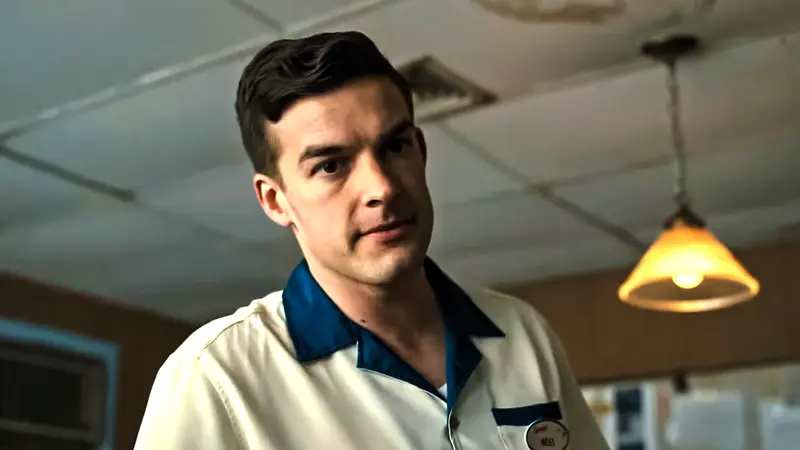
To talk about cameos and Easter eggs, I am happy with the people they brought on! We all knew CoryxKenshin would be in the movie, playing as the taxi driver, but no one expected MatPat as a waiter, as he convinced us that the filmmakers treated him dirty. Both cameos were hilarious and I’m sure they’re both very happy that they were able to be included. The self-proclaimed “King of FNaF”, Markiplier, unfortunately had a planned cameo, but ultimately could not film a scene, as it conflicted with the filming of his own movie that is coincidentally also based on an indie horror game, Iron Lung. Talking about Easter eggs, I was genuinely shocked to see references to Five Nights at Freddy’s history in the movie. Sparky the Dog, the franchise’s first ever, fan-made hoax character had a diner named after him and possibly even an animatronic suit to himself. MatPat’s name tag also had “Ness” on it, which is a golden reference to one of his theories based off two whole different franchises where he argues that Sans from the indie game Undertale, was actually a Nintendo character named Ness from the Earthbound series. Only Scott Cawthon would be able to reference both another indie horror game AND Nintendo at the same time! I also really loved the opening credits for the music and the pixel art. They were both PERFECT for FNaF’s general vibe!

Let’s talk about secrete characters in this movie. Emma Tammi confirmed a couple of weeks ago in an interview that there was a character in the Five Nights at Freddy’s movie who was not seen in any promotional material. That begged the question, who was that character? I genuinely do not know which character it specifically was, as there were multiple featured characters. I have a list of possible characters she could’ve been talking about.

Shadow Freddy, who was seen in a hidden YouTube video made an appearance in the movie as the suit that babysitter Max gets stuffed inside after dying. I must admit I’m a little disappointed that he didn’t get any story relevance, but I probably should’ve expected that, as it probably would’ve been too early for him. Another character was Sparky the Dog (or possibly Fetch, the fan base is still working that part out). Yes, Sparky wasn’t seen in any advertising, but I think Emma would’ve been talking about a character that was important to the story, so this leaves me with two more culprits who I was able to predict in my last essay!

Balloon Boy was only seen on one of the children’s drawings, but we didn’t know if he actually would’ve made a physical appearance in the movie. Luckily, we now know the answer is yes, he appears as a troll character in the form of a mini figurine. Ironically, he was probably the character with the scariest jump scares in this entire movie, which only fuels my hate-fire for him. The last culprit, who still seems to be a mystery, is the Puppet, or sometimes referred to as the Marionette.

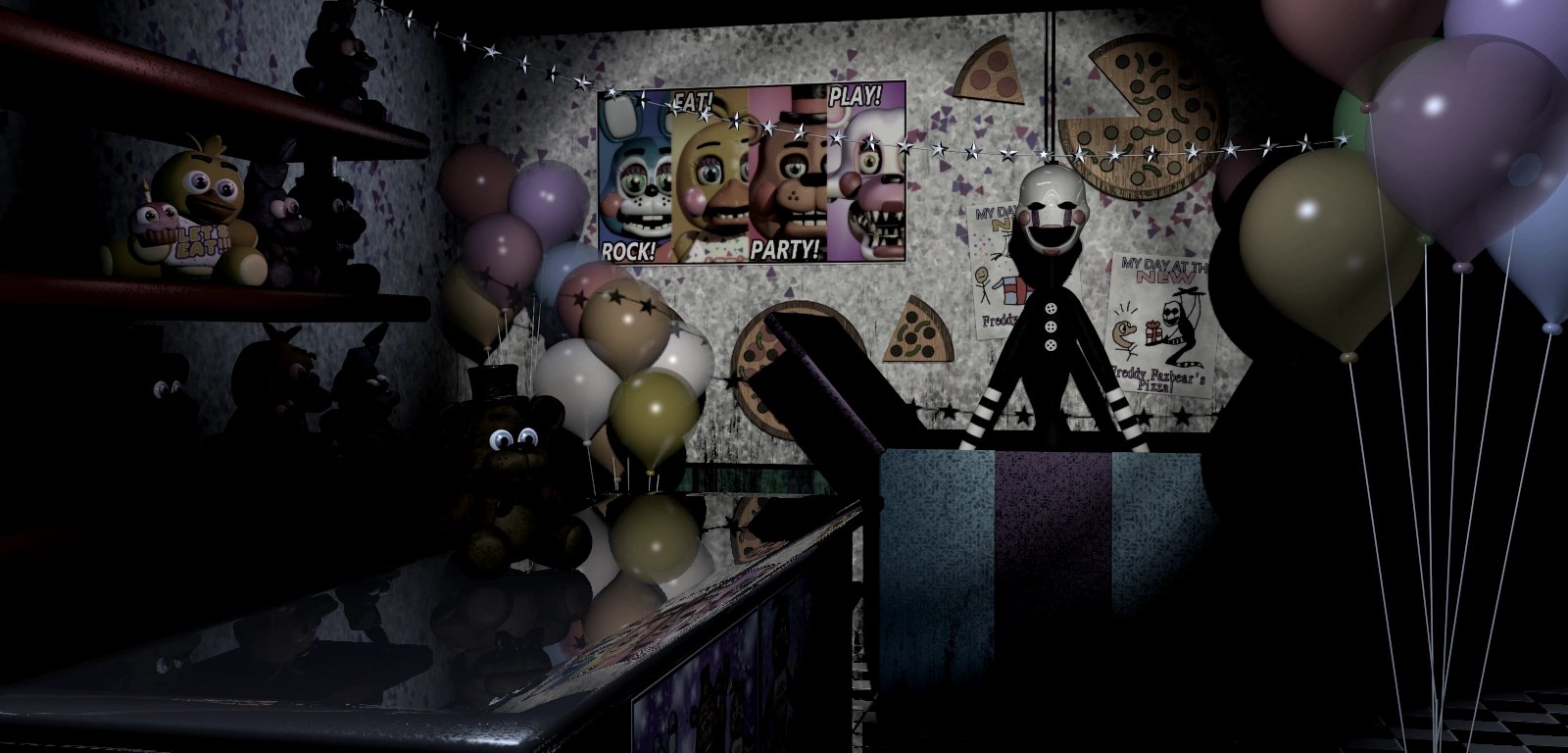
We have speculated that she would make an appearance in the movie, as she was the one to give the children the gift of resurrection after they were killed by William Afton, but it seems like she wasn’t included in the movie. That is until people noticed at the end of the amazing end credits that the same cryptic voice that would spell words in the FNaF 2 mini-games was included in the movie and spelled out something. I couldn’t make out what it said myself, but after close examination, (and Peacock’s subtitles), we know that it spelled “C-O-M-E F-I-N-D M-E”. As this was being spelled out, fans noticed the familiar theme of her music box playing in the background, implying the Puppet is directly speaking to Mike, prompting him to find her. This isn’t the end of this manhunt, however. After going through the movie, fans started noticing in certain scenes that you could barely make out shapes in the backgrounds that look very similar to the Puppet. The Puppet may be in the movie, but she is lurking in the background, usually on the ceilings.

Continue reading

The Five Nights at Freddy’s Movie, Critics Loathe it, Fans LOVE it

It’s no secret that Blumhouse Productions’ Five Nights at Freddy’s (FNaF) went through a rough development over the last eight years. Despite all the waiting, fans are as anxious as ever to see Freddy and the gang on the big screen, so the question becomes: is it a good movie? As a huge FNaF nerd, (I am literally listening to Blumhouse’s official Five Nights at Freddy’s song playlist on Spotify as I’m writing this), I would say absolutely; this is THE near-perfect Five Nights at Freddy’s movie. However, not even I can ignore the fact that it can be very off putting to any potential newcomers to the franchise. This review will begin spoiler-free and will move into the spoiler territory following a brief warning.

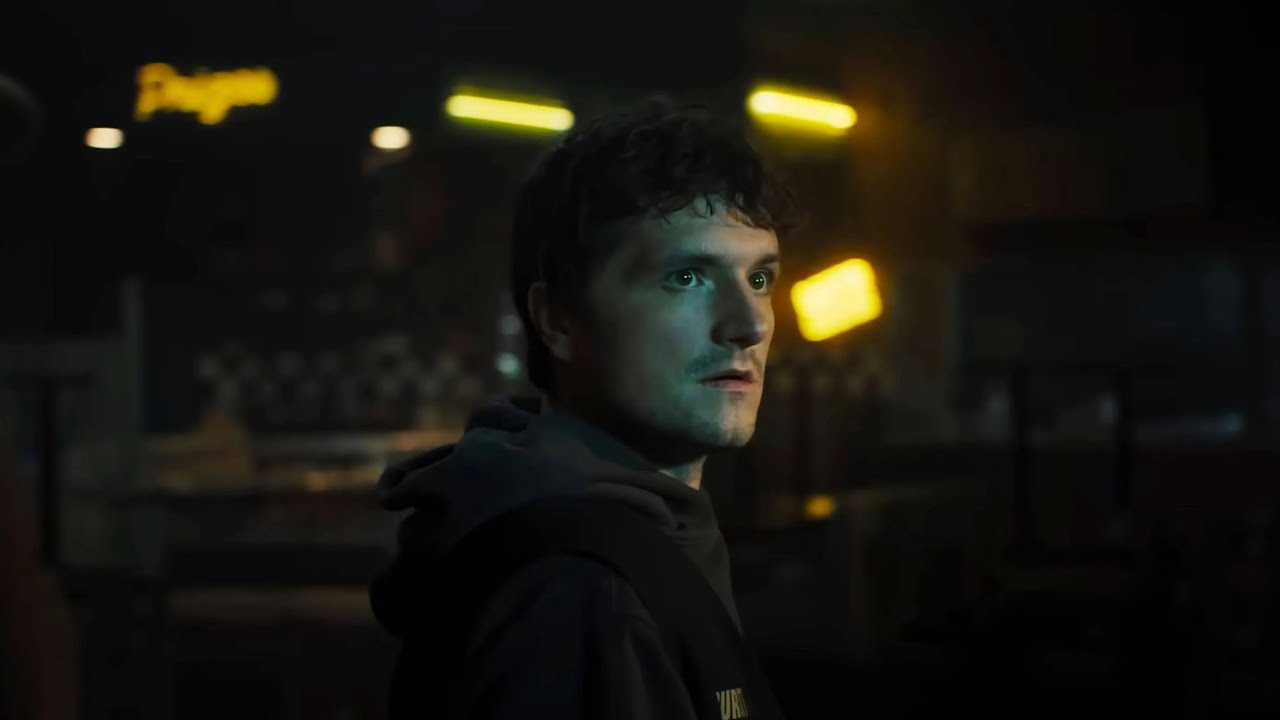
Let’s start on the story, shall we? The general story follows Mike (Josh Hutcherson) as he struggles to keep custody of his little sister Abby (Piper Rubio) in a losing custody battle against his aunt Jane (Mary Stuart Masterson). Following an incident at his last job, Mike visits a career counselor, hoping to land a solid job; this job, as you could guess, would be a nighttime security position at the now-abandoned Freddy Fazbear’s Pizza, a family pizza restaurant in the style of Chuck E. Cheese . We follow Mike through the five nights at his job as his life seems to keep going downhill.

The overall story is really good, but is very confusing and difficult to follow at times. I really wish that this movie wasn’t as short as it was because I think it really could’ve benefited from a longer runtime; at least an extra 25 minutes longer. To general audiences, the story, while being a little all over the place, is still enjoyable (and surprisingly heartwarming?). To critics, however, this movie’s story is absolutely unacceptable for their “marvel quality” of expectations when it comes to grand storytelling.

Moving onto what most people were anxious for, the level of scariness. Honestly, Five Nights at Freddy’s as a whole isn’t that scary, (maybe because I’ve been here since the beginning), as it heavily relies on cheap jump-scares as its main scare tactic. The movie, however, is scarier than the newer games, and maybe even more than the original games, in my opinion. It surprisingly lacks many jump-scares, but some of them get you GOOD. There were also some moments that caught me off guard, as I would never expect to see them in a PG-13 Five Nights at Freddy’s movie. I’ve seen critics complain that this movie lacked massive amounts of gore and blood, but newsflash, the games themselves already lack this. The games don’t have to resort to gore, as it nails atmospheric dread and horror. One of the movie’s strengths is that it is able to introduce a threatening aura to the cute and cuddly robot friends.

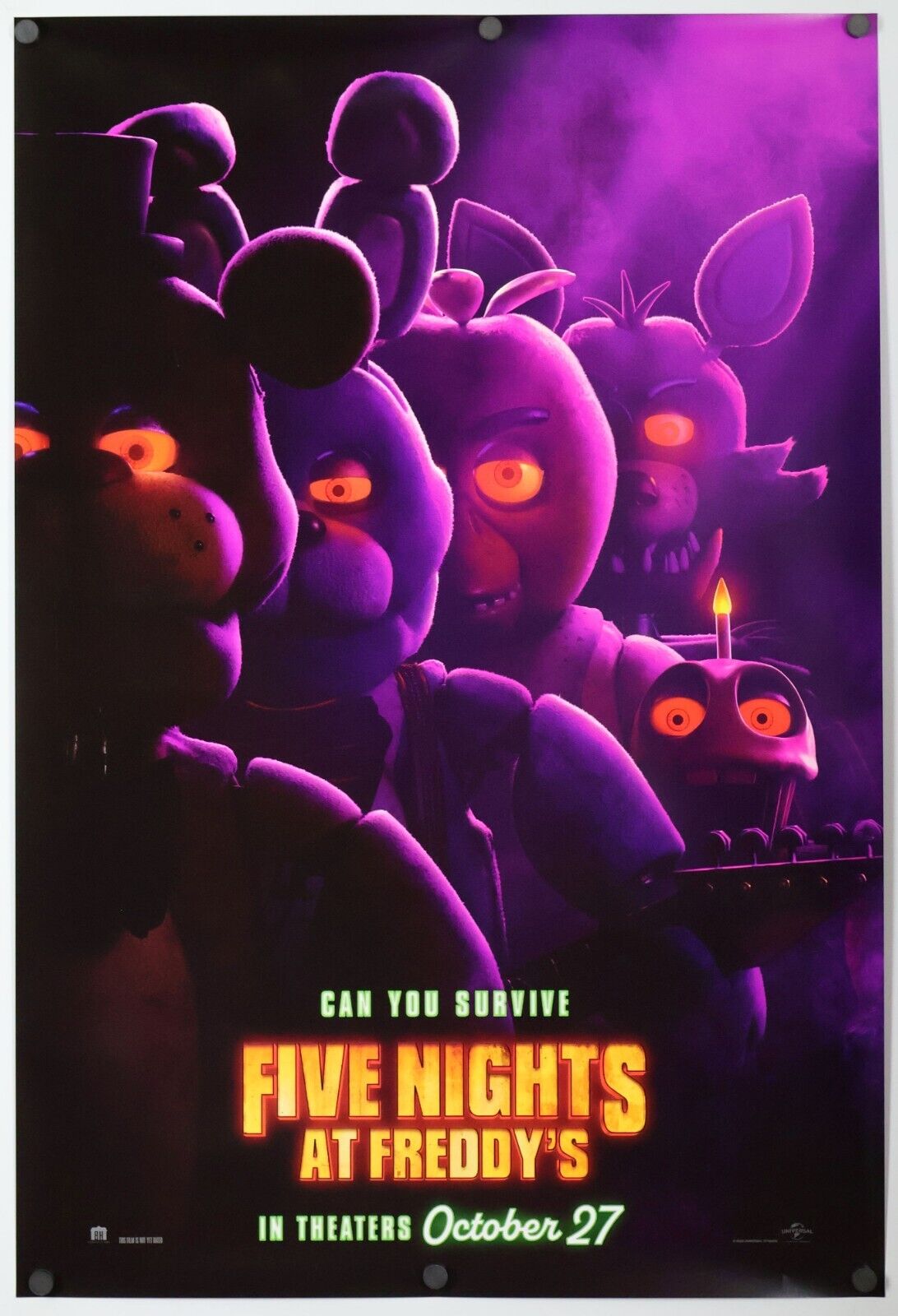
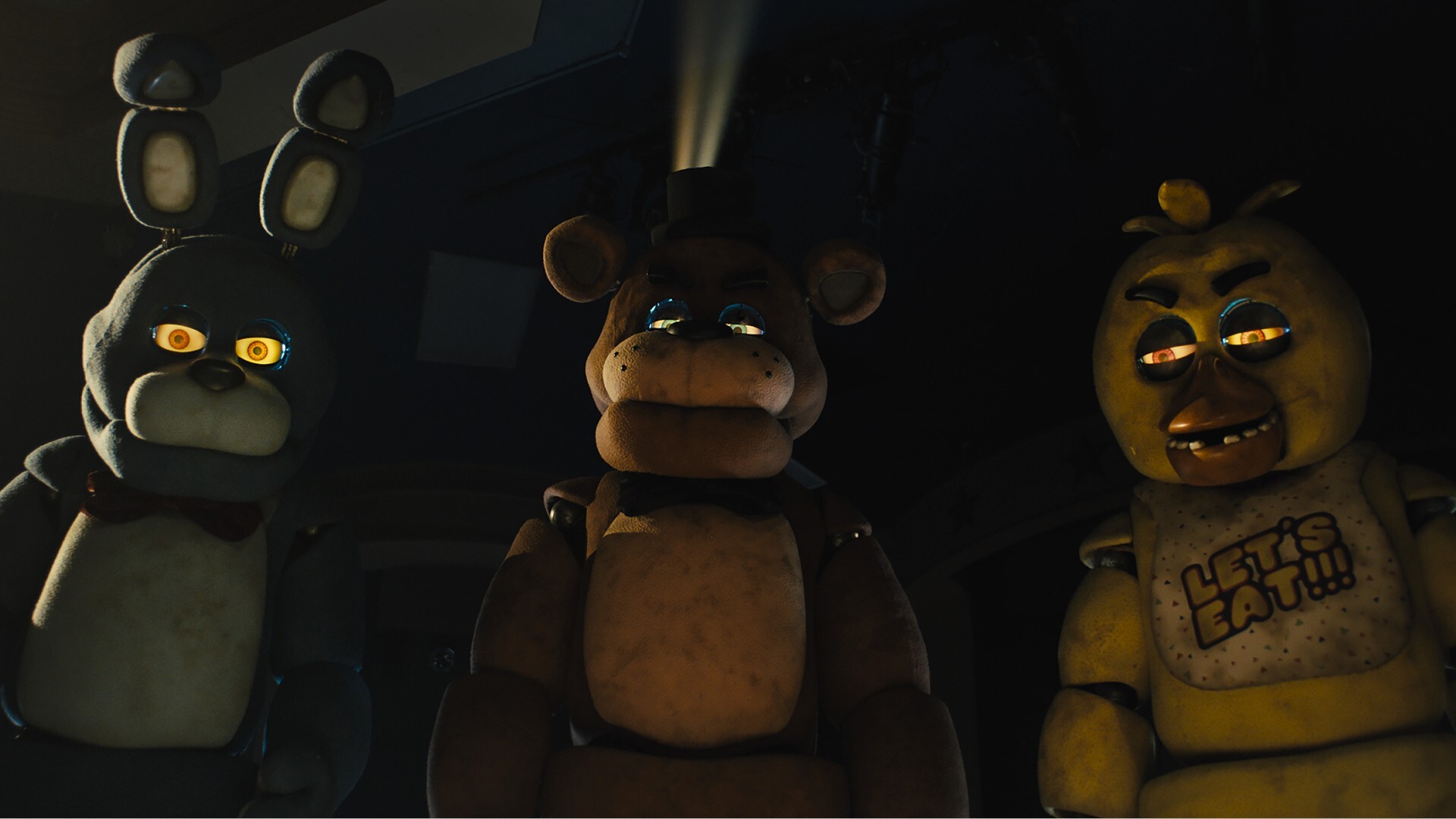
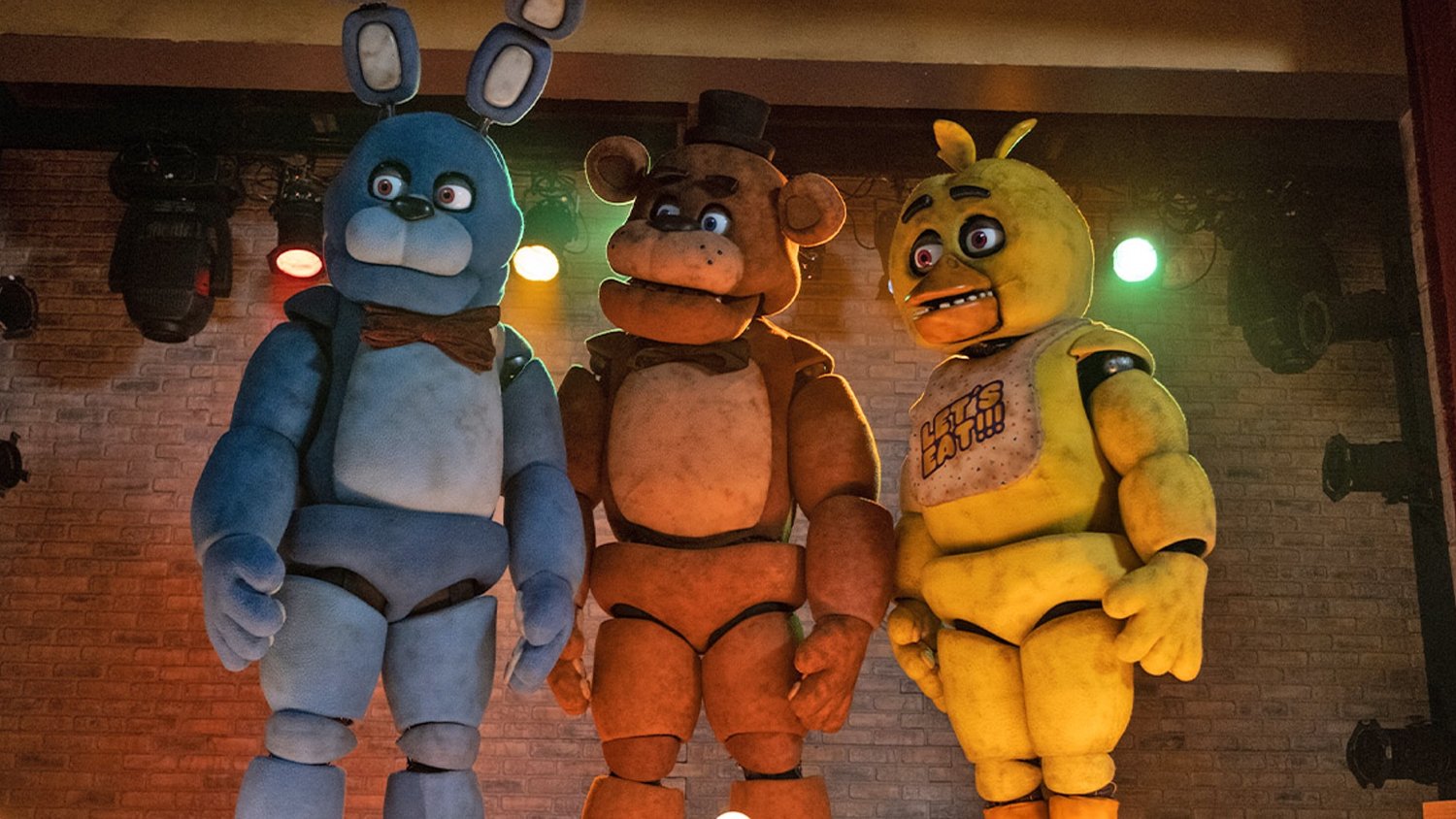
Speaking of cute and cuddly, the animatronics in this movie were both menacing and adorable. Blumhouse was able to make scary scenes involving Freddy, Bonnie, Chica, Foxy, and Cupcake while also adding scenes that emphasized the more child-like nature of the robots. The one thing that I am happy about is that no one is criticizing the animatronics, as they are absolutely spectacular in this movie. I really liked every prop used in this movie, moving past just the animatronics. Honestly, they were all so likable, that its genuinely a struggle to choose a personal favorite, but if I had to, it’d be Bonnie :]

The acting is really good but could’ve been improved upon. Mike, Abby, Vanessa (Elizabeth Lail), Max (Kate Conner Sterling), the animatronics, and the children were really well acted, and I wouldn’t want any of them replaced. The weakest performance, in my opinion, is sadly Matthew Lillard’s Scott Raglan. I know this is a more controversial opinion, but I just thought they could’ve touched upon some of his scenes; in no way was it bad, but it could’ve been a little better. Blumhouse also nailed down how the animatronics moved, striking a perfect balance between freakishly smooth movements and stiff, robotic movements.

The music is amazing and fits perfectly with the atmosphere of the movie. They also had a great selection of non-original tracks, using 80’s music like “Talking In Your Sleep” and “Celebration”. I admit, I was a little worried when it came to the music selection of this movie, but I think fans won’t be disappointed with the tracks they included. The humor of this movie is also on point, getting many laughs from me, my family, and the entire theater. FNaF creator Scott Cawthon’s humor is funny and I’m glad they allowed him to make jokes of the same caliber with the script he co-wrote.

I think it’s time to move on to the objective flaws this movie has. I felt that the pacing was way too fast in the beginning and ending of the movie. Scenes are practically whizzed past you at lightning speed with little to no time to digest them, as you have to swallow more story in the new scene in front of you. The middle of the movie seems to find its footing on pacing, but for the next movie, assuming we get one, Blumhouse and Scott Cawthon really should focus on getting the pacing right.

Another issue is the storytelling itself. As I said before, the film’s story is fundamentally confusing, and the film only double downs on this trait. This wouldn’t be much of a problem if there were enough scenes explaining seemingly major plot points. I will expand upon certain scenes in a spoiler post later on, but if you are stepping into FNaF for the first time, be prepared to feel like an idiot walking out of the theaters. Hell, as a nine-year fan myself, I’m still trying to process the plot fully in my head.

Overall, the Five Nights at Freddy’s movie was made with fans as a number one priority, and that’s a great thing! It does struggle to bring newcomers in however, and completely misses the mark in the critics’ expectations. I am really happy that this movie finally came out and am beyond satisfied with the finished product. The most saddening thing about this movie is that its being bashed on move-rating websites when it does not deserve score that low. I understand why people may not like the movie with the number of flaws it has, but I think people are being way too harsh towards Blumhouse and Scott Cawthon. If you are a fan, you need to watch this in theaters; if you’re a casual fan, its probably best to stream the movie on Peacock, but everyone should give it a shot!

Angelo Soto