The Must-Read Book For The Summer: Max Brook’s World War Z


world war z coverTrends come in cycles. Recently the popular culture has seen the return of an old and familiar staple, the zombie. The Hollywood ghouls started out in the spooky black and white classics of the 30s and 40s, but they were branded into the baby boomer consciousness via George Romero’s 1968 classic Night of the Living Dead. To be fair, they’ve never been away much since, thanks to Living Dead‘s various sequels, semi-sequels, and remakes. But in 2002 British film wunderkind Danny Boyle gave the genre a shot of adrenalin with 28 Days Later, about a deadly virus ravaging London and turning survivors into hyperkinetic, psychotic killers. For zombie fans, the die was cast.

In 2003 writer Max Brooks – son of Mel Brooks and Anne Bancroft – wrote The Zombie Survival Guide (TZSG), a tongue-in-cheek “how-to” on surviving a zombie onslaught as society breaks down. TZSG was a New York Times best –seller thanks to its dark humor and occasional light tone. The book’s characteristics, however, did not mask the fact that underneath the surface it contained some very useful survival information, and it’s easy to see that Brooks did his research. His work must have fuelled a thirst somewhere, because a month later Image Comics began publishing Robert Kirkman’s The Walking Dead (now a hit TV series on the AMC cable network), describing the adventures of survivors of a zombie apocalypse.  The undead were officially back in style.

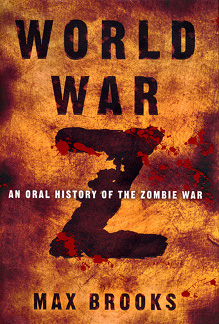
Not to be outdone, Brooks took zombies one step further and in 2006 came out with World War Z (WWZ), describing the entire history of a massive, deadly zombie onslaught – a war, basically between humans and the undead (“Z” for zombie, if you haven’t yet figured that out). The zombies are the same as those in TZSG, making the book a follow-up of sorts.  According to Brooks, zombies are humans re-animated by an incurable disease, spread by a zombie bite or having open pores exposed to zombie tissue. Taking a page from Romero’s model, they are slow, brainless creatures completely devoid of intelligence, whose sole instinct is to eat live flesh. They are incapable of tiring, cannot drown, and can only be killed by a blow to the head.

Other than that, WWZ is very different in style and tone than its slim predecessor. Patterned in structure after Studs Terkel’s classic oral history of WW2, The Good War, WWZ is not one story per se like Kirkman’s comic but rather a series of individual accounts telling the story from the initial sudden outbreak to mankind’s victory and the sad, weary aftermath.  The book’s narrator (in whose voice Brooks writes), a member of the (fictional) United Nations Post War Committee, is commissioned to interview survivors from mankind’s war against zombies.  Like a twisted travelogue, Brooks shuttles around the world, as survivors running the gamut from military, clergy, health services, government officials, security, and ultimately the average citizen describe their experience and the ghastly horrors they witnessed.

In a chilling opener, the story begins quickly but methodically. In a remote, rural province in China, a young boy goes diving for sunken booty with his father. His father is pulled down by something unknown and the boy escapes but is nipped on the heel.  The poor infected lad becomes “patient zero”, infecting others and kickstarting the zombie pandemic. Once the infection goes beyond the village, it acts as an out-of-whack Rube Goldberg contraption, setting in motion a chain of events that will change the world.  Infected Chinese refugees begin streaming across the border into Central Asia. Others fly out to Europe, bringing the infection to the continent. The Chinese government feverishly tries to halt the spread and invents a military crisis involving Taiwan to mask their armed build up and activities.  Only after hitting the poor South African ghetto townships does the world begin to take notice, calling it the “African Rabies”.  Israel is one of the first to respond, imposing a national quarantine, granting entry only to uninfected Jews and Palestinians, and calling out the Israel Defense Forces for border security.

Through the illegal organ trade, the infection reaches Brazil and once in Mundus Novus it begins to wreak havoc.  Zombies rip through an unprepared United States, as corruption, government incompetence, and overconfidence result in some heavy bungling and widespread deaths. Millions all over the world begin fleeing their homes for safety, as the “Great Panic” begins. At a major, decisive battle in Yonkers, New York, American soldiers fight a massive and frightening wave of undead as if they were fighting living soldiers. Using inappropriate techniques against an undead army – such as attempting to “demoralize them” – they fail miserably and the American forces are brutally defeated on live TV. Other countries encounter similar disastrous results and world civilization as we know it begins to crumble. Continue reading
Top Ten Fringe Episodes

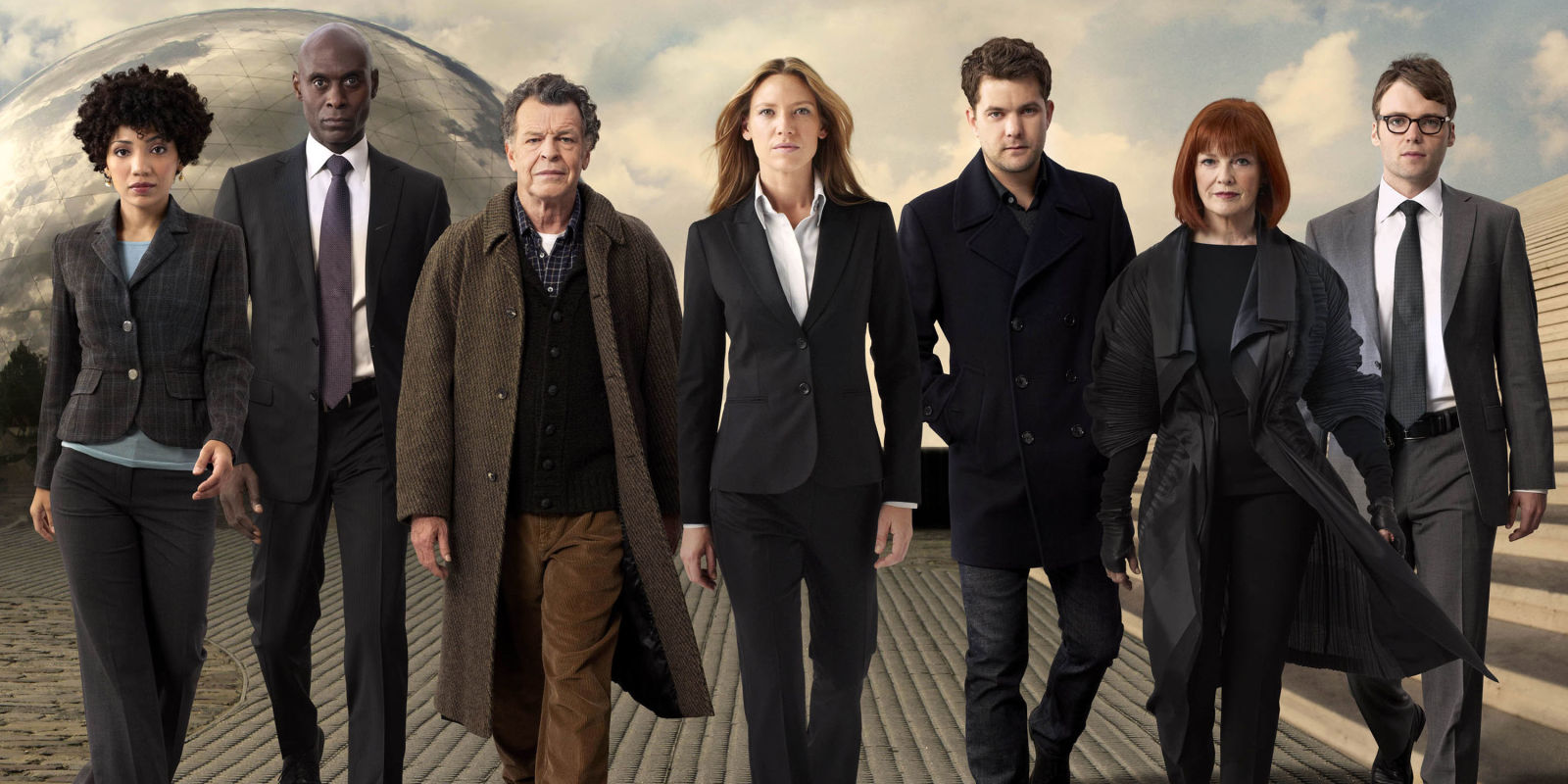
Fringe, one of the most recently acclaimed sci-fi shows, concluded its five-season run earlier this year and its final season is out on Blu-ray/DVD this week. The show boasted many intriguing and memorable episodes that pushed the envelope in regards to storytelling. The show was about the investigations by a government agency into fringe science events like strange mutations and teleportation. The Fringe team led by Special Agent Olivia Dunham (Anna Torv), Dr. Walter Bishop (John Noble) and his son Peter (Joshua Jackson) encountered some really bizarre phenomena. While Fringe had many standout episodes, these ten were among the show’s very best stories.

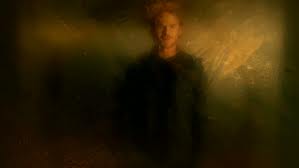
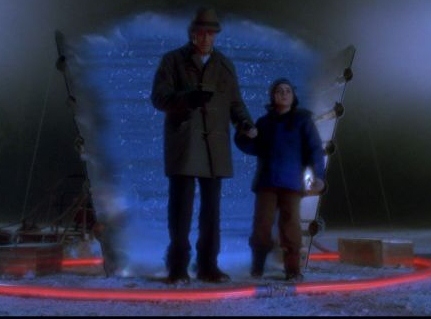
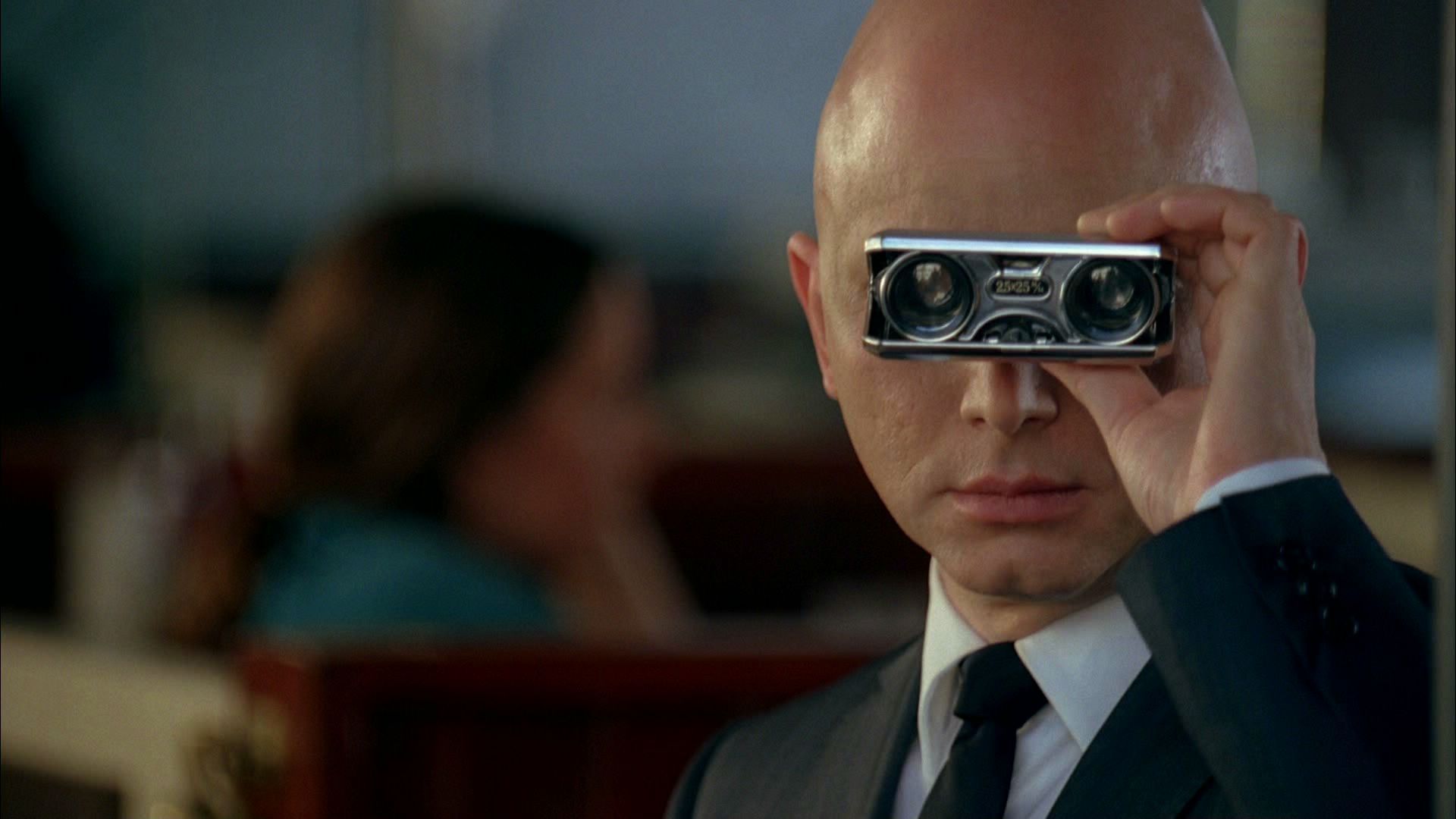
10. “The Arrival” The enigmatic Observer called September (Michael Cerveris) is fully introduced and right away viewers are fascinated by this strange, formidable being from the distant future who can predict actions.

9. “The Boy Must Live” This fifth-season episode boy must livetakes place (as does the entire season) in the future where the Observers have taken over the world. September and the Observers’ origins are finally revealed as is the forgotten plot devised by Bishop to defeat the Observers.

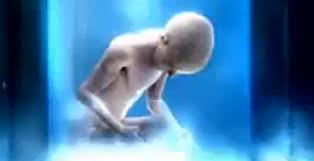
8. “Black Blotter” The Fringe team recover an empathic and mute child Observer called Michael (Rowan Longworth), who is the key to defeating the Observers. Meanwhile to aid in that task, Bishop takes a hallucinogen, which leads to some pretty trippy animated sequences. How trippy? Imagine Sgt. Pepper meeting Monty Python!

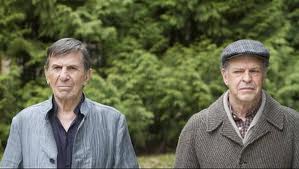
brave new world7. “Brave New World, Parts 1 & 2” The fourth season (and for a moment the series before it was renewed) closes with this exciting two-parter that has the Fringe team finally confronting Bishop’s former partner (Leonard Nimoy), who is out to destroy the universe and remake it to his own designs.

6. “There’s More Than One Of Everything” This first-season finale answers many questions about The Pattern events that the Fringe team was investigating while brining up many more questions and startling revelations. One of the biggest ones being about Peter’s identity. Plus, it introduces a parallel world where the World Trade Center is still standing.

5.TIE: “The Plateau”/ “Amber 31422” These two episodes take place predominantly in the parallel world where Olivia was trapped and brainwashed amberinto believing she was her double. The episodes present viewers with intriguing plots about the affect the Fringe team have on the parallel world. “The Plateau” is about a gifted man who can forecast future possibilities using math, except for the unforseen variable of a different Olivia in his world. It would prove to be his undoing. “Amber 31422” examines the impact that the suspending amber chemical has on people living in the parallel world. Notably on twin brothers, one of whom was released from the substance and we learned what it felt like to be embedded in amber.

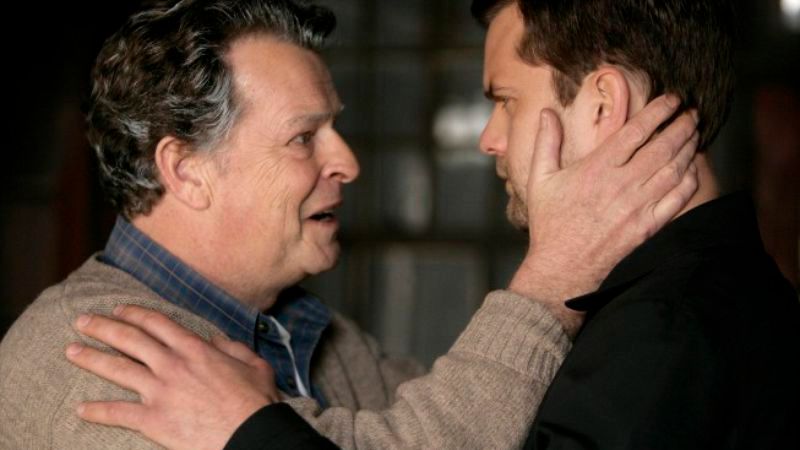
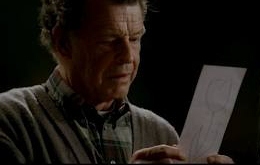
4. “Peter” This outstanding flashback episode explains how the entire mess peterwith the parallel world began. Taking place in 1985, Dr. Bishop comes up with a way to peer into a parallel world. Around the same time his son dies and he learns his son’s double in the other world is also dying, thus he decides to save that boy at a terrible cost. The episode had a nifty retro feel to it, even the opening credits reflected the 1980s with its electronic soundtrack and listings of cutting-edge technology during that time.

entrada

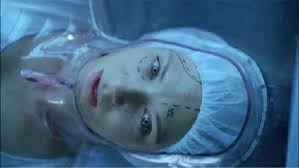
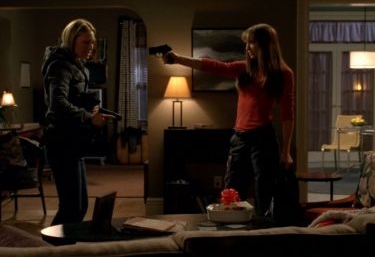
3. “Entrada” The thrilling conclusion of the swapped Olivias storyline in season three has them both on the run in the two universes. Fauxlivia, the nickname for the Olivia from the parallel world has her cover blown. Meanwhile, the original Olivia manages to break her from her captors who were out to remove her brain for study. There was an urgent feeling of desperation shown by both Olivias as the original tried to make her way back to her own universe, while her malevolent double assigned to the original universe mercilessly avoided a manhunt led by Peter.

white tulip2. “White Tulip” One of the grisliest and most emotional stories dealing with time travel introduces Alistair Peck, a scientist (played exceptionally well by Peter Weller) who is experimenting with time travel. Peck is able to time travel by painfully and surgically implanting devices on his body. What gets the Fringe team involved is that his work winds up killing people by draining them of their energy. It turns out that Peck was only trying to save his wife from being killed in the past.

olivias over there

1. “Over There, Parts 1 & 2” The two-part second-season finale takes place in the parallel universe as Dr. Bishop and Olivia travel there to retrieve Peter, who had defected to the other side. It was fun seeing all the differences in that other world. Examples include, lost friends and family who are still alive, canceled TV shows are still airing, the comic books are differentover there map (Red Lantern instead of Green Lantern), dirigibles fill an altered New York skyline, and even the map of the U.S. is radically different. But more enjoyable were the actors portraying alternate versions of their characters. Fauxlivia and Walternate were very effective villains and are part of the reason why Fringe was so much fun to watch.

Lewis T. Grove

Bioshock: Infinite Soars To New Territory

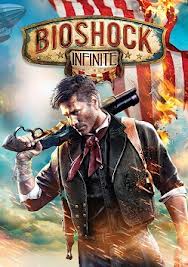
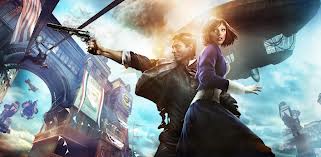
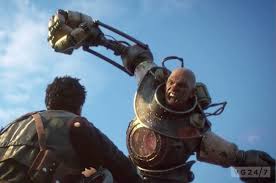
bioschockBioshock: Infinite is the latest first-person shooter game in the famed series that now has the action set in the city of Columbia, which is quite literally a floating city in the clouds a la Bespin from The Empire Strikes Back. This game continues the Bioshock tradition of a thought provoking plot where you as Pinkerton agent Booker Dewitt, in the year 1912, takes on a demagogic figure known as Compton and his would-be utopia. Columbia’s society is patterned on extreme nationalism and racial prejudice circa early 20th century America. The game also features interesting sci-fi concepts of alternate dimensions and time travel and the consequences of such activities. This is accomplished via the other main character in Bioshock: Infinite Elizabeth, a girl Dewitt is sent to rescue, who you travel with and protect during the majority of the game. She is capable of creating rifts in space time that can be used by your character to travel to slightly altered realities or get useful items to fight Compton’s forces. The combat in the game is also similar to other Bioshock games where you can use superhuman powers via drinks called vitals that allow you to do various things like shoot fire from your hands or create tornados. 

bioshco columbia

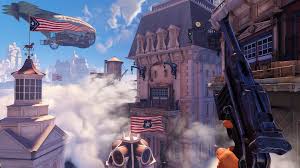
From the first moment you arrive at a lighthouse and are whisked away to the city of Columbia, you know you are in a Bioshock game with the same sense of wonder that the first game had when you arrived at the underwater city of Rapture. In comparing Bioshock: Infinite with the other Bioshocks, I think it is somewhat better than the second gamebioshock dewitt Bioshock 2, but does not quite reach the level of the original. This is due to the fact that the game play in the first one was deeper with such options as improving your weaponry and hacking vending machines and security cameras  using a neat puzzle game to get an advantage over your foes. In Bioshock: infinite, activities like picking locks to gain access to new areas are done by Elizabeth and you just watch her do her work.

Another slight difference is in the tone of the games. The first two Bioshocks take place in a city that has fallen apart and is abandoned except for demented people known as splicers, which gives the games an almost survival/horror feel to them. Columbia, on the other hand, is populated with many people and is full of life–at least, at first. This is not necessarily a bad thing since it means that Bioshock: Infinite is not a retread, but it’s something to take note of.

bioshock fight

Overall, Bioshock: Infinite is another excellent piece of interactive entertainment that I think compares with any sci-fi/horror movie in terms of storytelling, fun, and having something to say.

C.S. Link

Idiotic Twist Ruins The Governor In The Book The Walking Dead: Rise Of The Governor

Warning: The review/rant below contains major spoilers about the Governor in The Walking Dead: Rise Of The Governor novel.

bookI just finished reading or rather wasted my time with the horror book The Walking Dead: Rise Of The Governor written by the creator of The Walking Dead comic book Robert Kirkman and Jay Bonansinga.

It was worse than Michael Crichton’s Sphere!

The thing that gets me about the book is that I was really enjoying this; I’m a recent convert to The Walking Dead phenomenon thanks to the excellent TV show on AMC. I think that the character of the Governor (played on the show by David Morrisey) is one of the best villains I’ve ever seen. As soon as I could I went to the local comic book shop and picked up the graphic novels. I saw the book The Walking Dead: Rise Of The Governor and decided to buy the book too.

The book focuses on Philip Blake, his daughter Penny, his brother Brian, and Philip’s friend Nick. As you probably know Philip Blake becomes the Governor and his daughter becomes a zombie or as they say on the show and comic book a walker or biter.

It starts off showing the group when the walker outbreak began and their struggles to find safe shelter. There are a few times where you think Penny will get bitten by a walker but it never happens. Instead, Kirkman wrote a nice twist, she gets killed by crazy living people then turns into a walker.

The Walking Dead: Rise Of The Governor had the characters facing many hardships, building up to Penny’s death that makes Philip become angry and crazy and logically becoming the Governor. You really see that as he captures two of the attackers that killed Penny, locks them up and tortures them every day. His brother Brian was a wimp throughout the book and Nick was often the voice of reason.

Spoiler time: Philip gets really crazy and kills a woman to feed to walker Penny. Nick tells Brian he can’t stand it anymore and a fight between Philip and Nick happens. Around this time, they wind up staying in the town of Woodbury, the same place that the Governor rules as seen in the comics and show. When they first arrive at the town, the place is controlled by Major Gene Gavin, a lunatic National Guardsman who calls himself the Major and abuses the residents. Continue reading

Deadloggers Of The Walking Dead

 cast 3

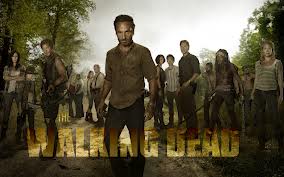
Some of the most popular clicks on Starloggers have been for the reviews of the hit TV show The Walking Dead. Many of us here love the show and think it’s one of the best if not the best TV show on air right now. Although it has primarily a horror theme, it is borderline sci-fi with the revelation at the end of The Walking Dead’s second season that the cause of the zombie (or rather walkers) outbreak was because of a virus that is infecting every living person on the planet.

cast[1]After some discussion, it was decided to launch a new blog called Deadloggers, which will be dedicated to The Walking Dead TV show. Each post will take the same detailed look at each episode from The Walking Dead as seen here on Starloggers. Evan Rothfeld, who wrote all the previous reviews/commentaries of each episode, will continue to do the same over at Deadloggers. Each review will have a detailed synopsis and commentary of each episode aired to date. We’re starting off now with all-new reviews of the first season of The Walking Dead, readers will see how Rick Grimes and company (including the fleash-eating walkers) were first introduced. Afterwards, the plan is to transfer over the second and third season reviews that appeared on Starloggers. The reviews here will be condensed and abridged, so in order to read the complete posts readers will have to visit Deadloggers. Then reviews of the remainder of season three will be posted on Deadloggers and so on. And who knows? Maybe in the future we may go beyond the show.

We hope anyone who enjoyed reading the reviews will visit the new blog and check it out. If anyone has any comments make sure to drop us a line.