Too Much Kirk & Gimmicks Marred The Fourth Season Of Star Trek: Strange New Worlds

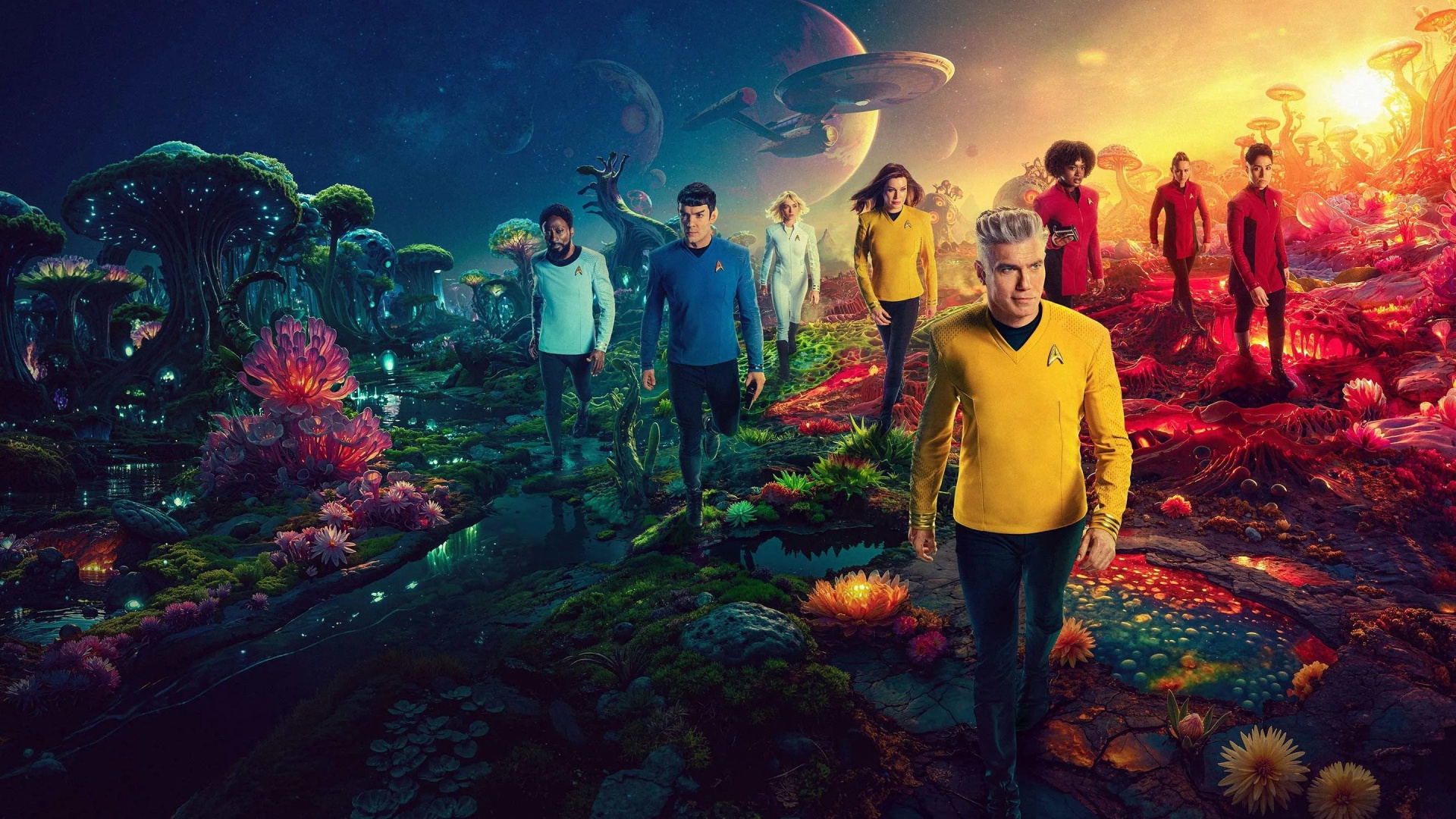
Star Trek: Strange New Worlds started off strong when it began streaming years ago and had a competent second season that continued with its episodic nature that reminded many Trek fans of the old days of Star Trek shows that didn’t bother with complicated season-long storylines. However, Star Trek: Strange New Worlds began to falter in its third season with lackluster episodes and it was hoped that with its just-concluded fourth season that the show would course correct itself. Unfortunately that was not to be. The fourth season is a lot better than the third one, but two glaring issues have marred the season for Star Trek: Strange New Worlds–an overreliance on gimmick stories and too many appearances by James T. Kirk.

This is regrettable because the fourth season has many merits such as the acting, the production values (Star Trek has never looked better on the TV screens), and some episodes were true standouts. In fact, its premiere episode “Valles Marineris” was not only the best episode of the season but one of the best Star Trek episodes ever with a time travel yarn that reveals how pivotal the Enterprise and its crew were to our history. So imagine how disappointing it is to then be inundated with a bunch of gimmick episodes like the one where the Enterprise crew, except Spock, are turned into puppets (“Level-Five Transporter Incident”) or the crew end up in a reality that resembles a soap opera (“Like Chronitons Through the Hourglass”). Even the better received episodes can be seen as gimmick episodes. For example, “Valles Marineris” is seen as a knock-off of Jurassic Park, while “Orders of Magnitude” was a thinly veiled remake of Crimson Tide. But those are just surface-level similarities. Also keep in mind that the series will end with a short fifth season of just six episodes. It just makes one wonder why are the producers and scriptwriters wasting time with these gimmick episodes?
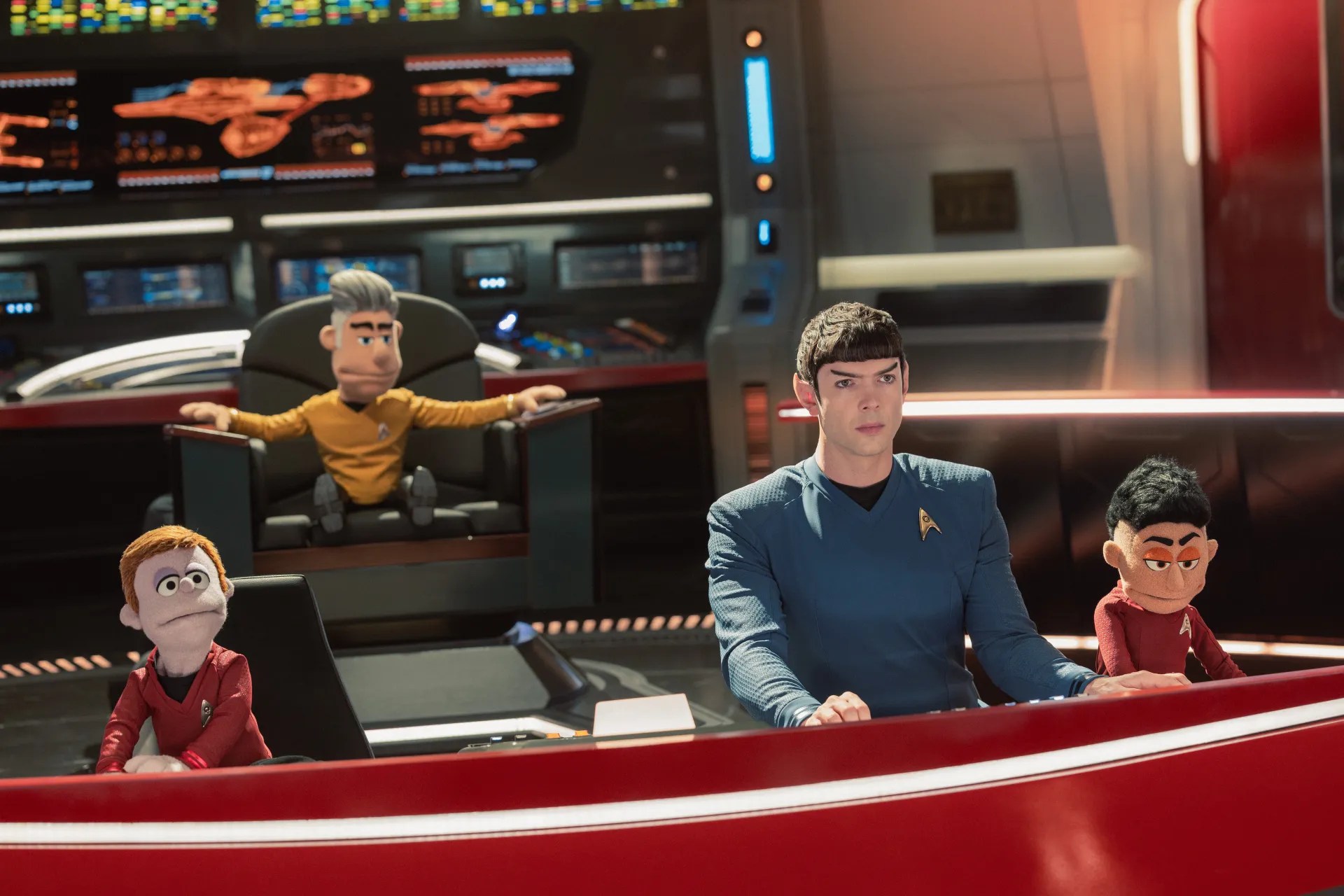
Defenders of these gimmick episodes will point out that Star Trek has done such episodes before, even in the original series (TOS) had them like “A Piece of the Action” or “Patterns of Force”, but the difference is that TOS and other older Star Trek TV shows had longer episode runs in their seasons, and their gimmick episodes were spread out and didn’t overtake the regular, more serious episodes. Nowadays, Star Trek TV shows only have about ten-episode runs per season. That is not a lot of episodes and given the precious few episodes and long waits between seasons, the producers should only allow one to two gimmick or comedic episodes per season. In the fourth season, instead of exploring new planets or meeting new alien races, the Enterprise crew were turned into puppets or ran around intoxicated in a pleasure planet (“Human Best Friend”) which ended being a pedestrian attempt at comedy, or acted out fantasy roles without even bothering to scientifically explain the presence of magic (“Once La’An A Time”). What made these gimmicks so frustrating was that there were attempts to tell compelling character studies. For instance, the puppet episode supposedly explains why Spock became more logical by the time TOS came along, while the soap opera episode revealed that Captain Pike is undergoing severe grief and has to confront it. The problem is that these interesting sub plots are shoehorned into the main story and were not fully developed.
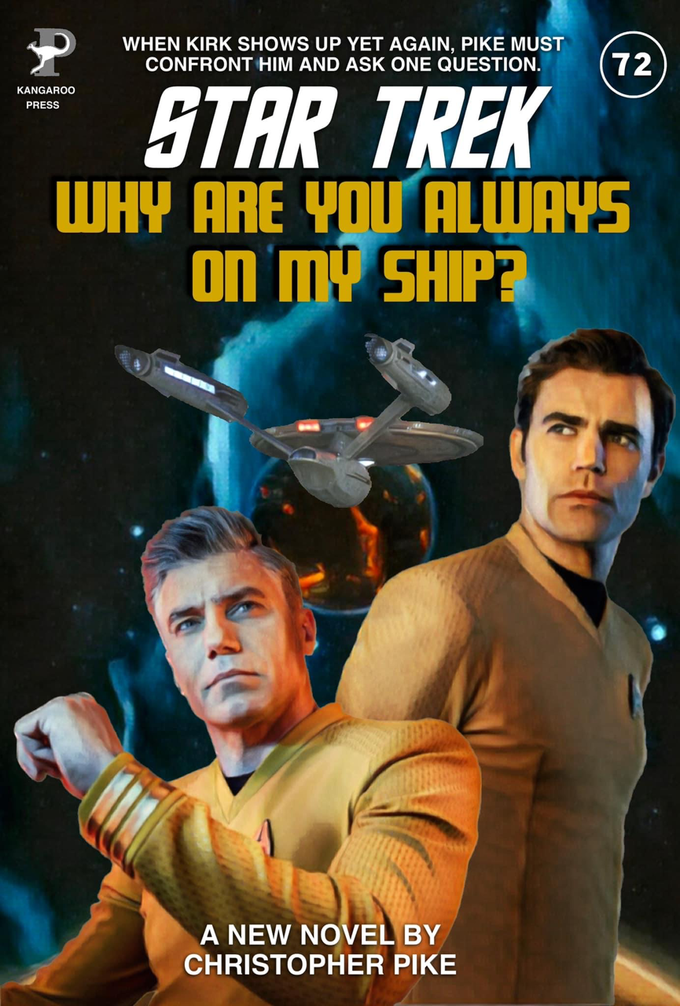
Speaking of Captain Pike, the premise of Star Trek: Strange New Worlds was to showcase his time as the captain of the Enterprise, as well as the crew during that time period. At the end of the first season James T. Kirk was introduced in the episode “A Quality of Mercy” in an alternate reality and played by Paul Wesley, and he has appeared in subsequent seasons, but by the fourth season, he has supplanted Pike as the main character. Strange New Worlds is supposed to focus on Pike and his crew as an ensemble piece like most Star Trek shows, but it seems like in every other episode of the fourth season, some reason is concocted to have Kirk on the Enterprise. Sometimes the appearances were organic other times they did not make sense. For instance, in one episode Kirk goes to the ship to get a medical exam. Really? His own ship doesn’t have medical facilities? Or in one episode, he just happens to be on the same pleasure planet that the Enterprise crew visit. That’s too convenient. All in all, Kirk appeared in five episodes this season, which is half of the season. That is way too many episodes to devote to him and what is worst is that those appearances were not necessary. Take “Orders of Magnitude” a rogue Starfleet admiral commandeers the Enterprise and assigned Kirk to be the first officer who is forced to confront the admiral when the superior officer orders the crew to decimate a planet’s population. Why did this have to be Kirk? Pike could have easily filled in this role and could have fed into a narrative that he was becoming disillusioned with his career or the incident could have been why he was promoted later on.

What makes the many appearances of James Kirk so problematic has to do with the casting of Wesley. Sadly, he is not William Shatner. True, trying to fill in the shoes of the original actor to play the iconic Kirk is very difficult, but Shatner’s Kirk had a sense of bravado and charm that is not evident with Wesley’s version of Kirk. Sure, at this point in time, Wesley’s Kirk has not grown into the role yet and there have been instances where he showed hints of becoming Shatner’s Kirk, but he just lacks the sense of authority and charisma that the original Kirk had. On the other hand, Wesley’s portrayal of Kirk is more faithful and authentic than Chris Pine’s in the rebooted Star Trek films; at least he does not come off as a spoiled frat boy which is how Pine’s Kirk seems. Still, he appeared too many times and took away any desire to see more of him in the failed series proposal of Star Trek: Year One. Perhaps it is for the best. Given the way continuity has been shredded with the recent Star Treks, one can only imagine how a series set around the time of TOS would be received. The best we will get were the glimpses of Kirk’s command in the season finale “Tomorrow’s Enterprise”, an episode that could have been a great time travel episode but was undone by poor writing. At least in this instance Kirk’s appearance makes sense and Wesley’s performance is not why the episode failed.
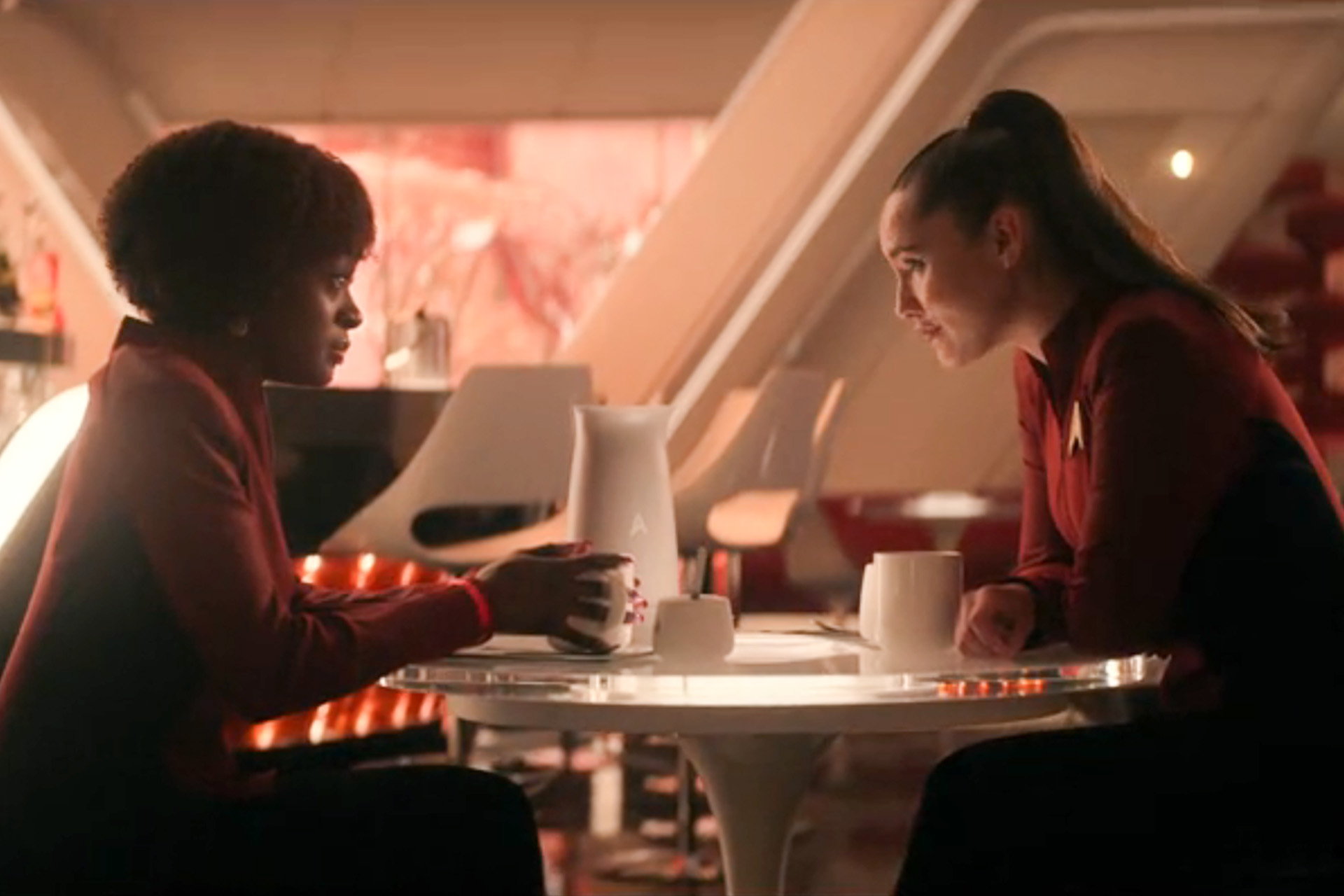
The core issue with the fourth season of Star Trek: Strange New Worlds is not just the abundance of gimmick episodes and James T. Kirk. It is with the scripts. The overreliance on gimmick scripts is a symptom of lackluster writing. It seems as if the writers grew bored with the basic premise of Star Trek and decided to write in so-called tributes to other genres. This is unforgiveable given that the show is coming to a conclusion and tepid efforts were made to wrap up character arcs, and the fact there are precious few episodes left. One should be hopeful that in the fifth and final season the writers would step up and give us some truly memorable Trek episodes and go out on a high. But that is doubtful.
The Summer Of Spider-Man As Rumors Of Superhero Fatigue Are Greatly Exaggerated

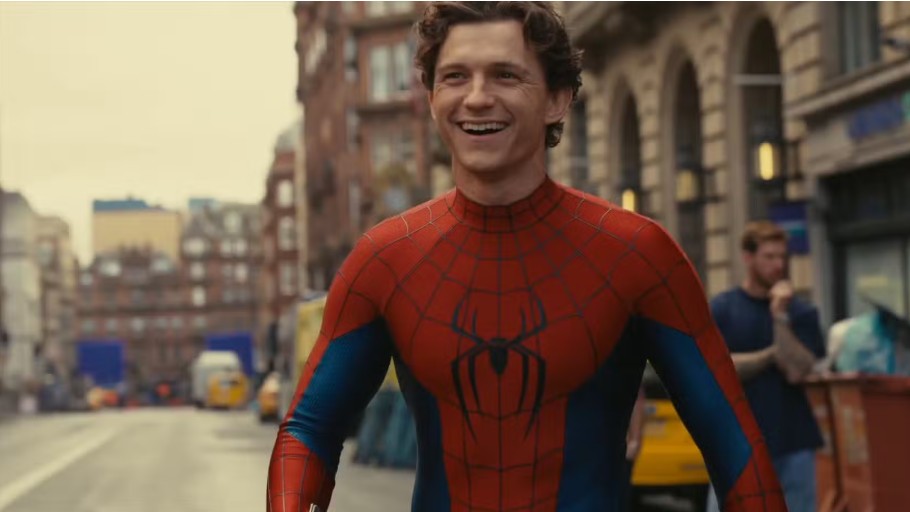
As amazing as it sounds (pun intended), Spider-Man: Brand New Day has become a phenomenal success in theaters with little signs of slowing down. Just this past week, the film became the highest grossing film in the United States (earning over $93.5 million) and is a genuine contender for overall box office champion as it sits at a gross of over $2.4 billion putting it as the third highest grossing film of all time. It is unlikely that Spider-Man: Brand New Day will beat out Avatar, the current champion, or even Avengers: Endgame since that film is being re-released this coming weekend as Avengers: Endgame Encore and the money it will earn will be added to the total of the film. Still, the box office win for the fourth Spider-Man film set in the Marvel Cinematic Universe (MCU) has far exceeded anyone’s expectations. One can only wonder how Avengers: Doomsday will perform.

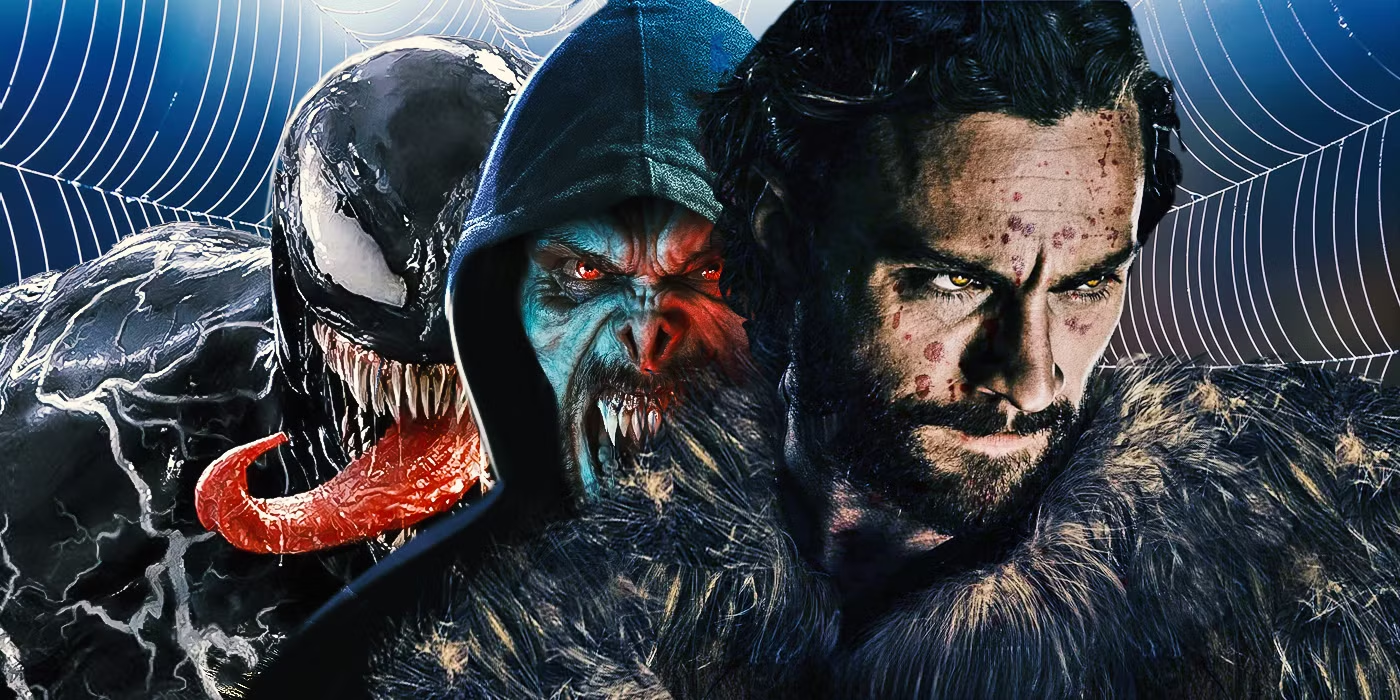
The fifth Avengers film has already earned over $50 million in pre-sales, which is a terrific sign that the film will do very well. Now the question is will it do better than Spider-Man: Brand New Day or become the all-time box office champion and be the first film to earn over $3 billion? Well, until very recently conventional wisdom had it that we were in the midst of superhero fatigue with films, and for good reason. Ever since the decade began many superhero films had struggled in the box office and/or were not well received by fans. Very few superhero films hit the billion dollar club and even superhero TV shows were not well regarded. It was easy to see why some observers and critics were quick to announce that superhero films and TV shows were in decline as audiences tired of them. The thing is that for a while they had a point given the disappointing box office returns and reception of many films like The Flash, The Marvels, Black Adam, Blue Beetle, Captain America: Brave New World, Kraven the Hunter, Morbius and most recently Supergirl. But, they may have been to quick to jump to conclusions.

While it is easy for critics and snobs to wag their fingers at superhero films and say that audiences grew tired of them. But it is not that simple. What happened was that audiences grew wise to and avoided bad superhero films. What also happened was that the glut of poor and mediocre superhero TV shows and films turned off many and gave them a negative impression about superhero films and TV shows in general. This is why the DC Extended Universe (DCEU) films fell apart in the end and the same thing happened to Marvel films. Sony Pictures released a bunch of bad films like Morbius and Madame Web and while most fans could tell the difference between a Sony film and an MCU film, the average filmgoer does not. It also did not help that in this decade Marvel Studios released many TV shows that were not well done and more than a few films were downright poor. The same thing happened with DC Studios as nearly all of the Arrowverse TV shows degraded into unwatchable crap.

The film studios and executives saw the negative returns for their products and adjusted. The DCEU was dissolved to be replaced with a rebooted DC Universe (DCU); Marvel Studios revamped their plans, pivoting away from their confusing Multiverse Saga and focusing on quality instead of quantity, hence their reduced output. These adjustments had to take time but outsiders expecting immediate results from course corrections still stayed intent with their superhero fatigue mantra. They looked at the less-than-spectacular returns for Superman, Thunderbolts*, and Fantastic Four: First Steps and blamed it on superhero fatigue. But to paraphrase the old saying, rumors of superhero fatigue are greatly exaggerated.

Yes, last year’s superhero films did not perform as well as the executives hoped. However, at that time the superhero film was undergoing a rebuilding process. The genre had to regain the audiences’ trust, build up word of mouth and redeem themselves. Most of the films released in 2025 turned out to be well regarded by fans and critics. People began to see that the films were actually great and this helped spread the word throughout fandom that the films were worth going out to see in theaters much less stream or download. Of course, other circumstances hindered the box office performances. For example, some idiot executive at Warner Bros. thought it was fine to announce that Superman would be streaming barely a month into the film’s theatrical release. This killed off a lot of momentum and desire to head out to theaters to see it. Just look at how Disney took their time to announce streaming releases for their films. To date, there no official streaming dates have been announced for Spider-Man: Brand New Day and it is still doing well. With Marvel, what hampered their films’ performances was the negative reputation the MCU films earned with recent stinkers and this in turn dampened the performances of their 2025 films. It did not help the latter two films released in that year (Thunderbolts* and Fantastic Four: First Steps) came after the recent Captain America film which was not well received and reinforced the idea that modern MCU films were not worth watching in cinemas. But as more and more people watched the films at home or devices, they saw for themselves that the MCU and DCU had course corrected, which helped lead to the spectacular (pun intended again) success of Spider-Man: Brand New Day as it ruled the summer box office.

This does not mean that the box office returns of Spider-Man: Brand New Day automatically dispels the idea of superhero fatigue. Remember that Supergirl came out a month before and flopped hard and put pressure on the next DCU film, Clayface, to succeed. There has to be more film successes and the pressure has increased not just for Clayface but for Avengers: Doomsday and next year’s Man of Tomorrow (the sequel to Superman), Avengers: Secret Wars and Spider-Man: Beyond the Spider-Verse. If any of those films falter we’re right back to where we started with the doom and gloom about superhero fatigue, but again it is not so simple. On the other hand, being that the films released are about A-list characters they are expected to do well. In that case, the next bar they have to overcome will be in 2028. With the DCU we have no concrete word on what will be released after Man of Tomorrow, but it in DC Studios’ case it cannot be a film based on obscure characters, though the latest rumor is that a Green Lantern film will follow Man of Tomorrow given the critical and streaming success of Lanterns. For Marvel, although their reboot of the X-Men will undoubtedly do well, we have to see how Ghost Rider and the third Black Panther film perform. It’s important to emphasize that the next few films have to be well made to continue the positive word of mouth. There cannot be another Supergirl, but more Spider-Man: Brand New Day.

A major reason why Spider-Man has done so well has to do with its emphasis on characters and story rather than fisticuffs, although those fight scenes were the icing on the cake. What people come away with from Spider-Man: Brand New Day was its heartfelt story about Peter Parker’s emotional isolation and pain and this was echoed with many of the other characters in the film as well. People could relate to Peter’s loneliness and awkwardness as he tries to fit into society, that is why the film resonated with filmgoers and will continue to do so long after the film leaves theaters. As long as future superhero films continue to focus on quality and characters, the audiences will continue to come and dispel or at least dampen the notion that there is superhero fatigue.

Star Trek Turns 60

“Damn it Jim, what the hell is the matter with you? Other people have birthdays, why are we treating yours like a funeral?”

-Dr. McCoy, Star Trek II: The Wrath of Khan

This week marks the 60th anniversary of one of the most renowned and beloved sci-fi franchises, Star Trek, which aired its first episode “The Man Trap” 60 years ago on September 8, 1966. That is quite an accomplishment and it’s wonderful that 60 years later the TV show is still relevant and launched a universe that was so rich and full of imagination which spawned more TV shows, films, books and other medium. Also, let’s not forget the endless merchandise that helped fans relive their favorite moments from the TV shows and films which are still sought out and created.

These are the Voyages…

original Star Trek cast

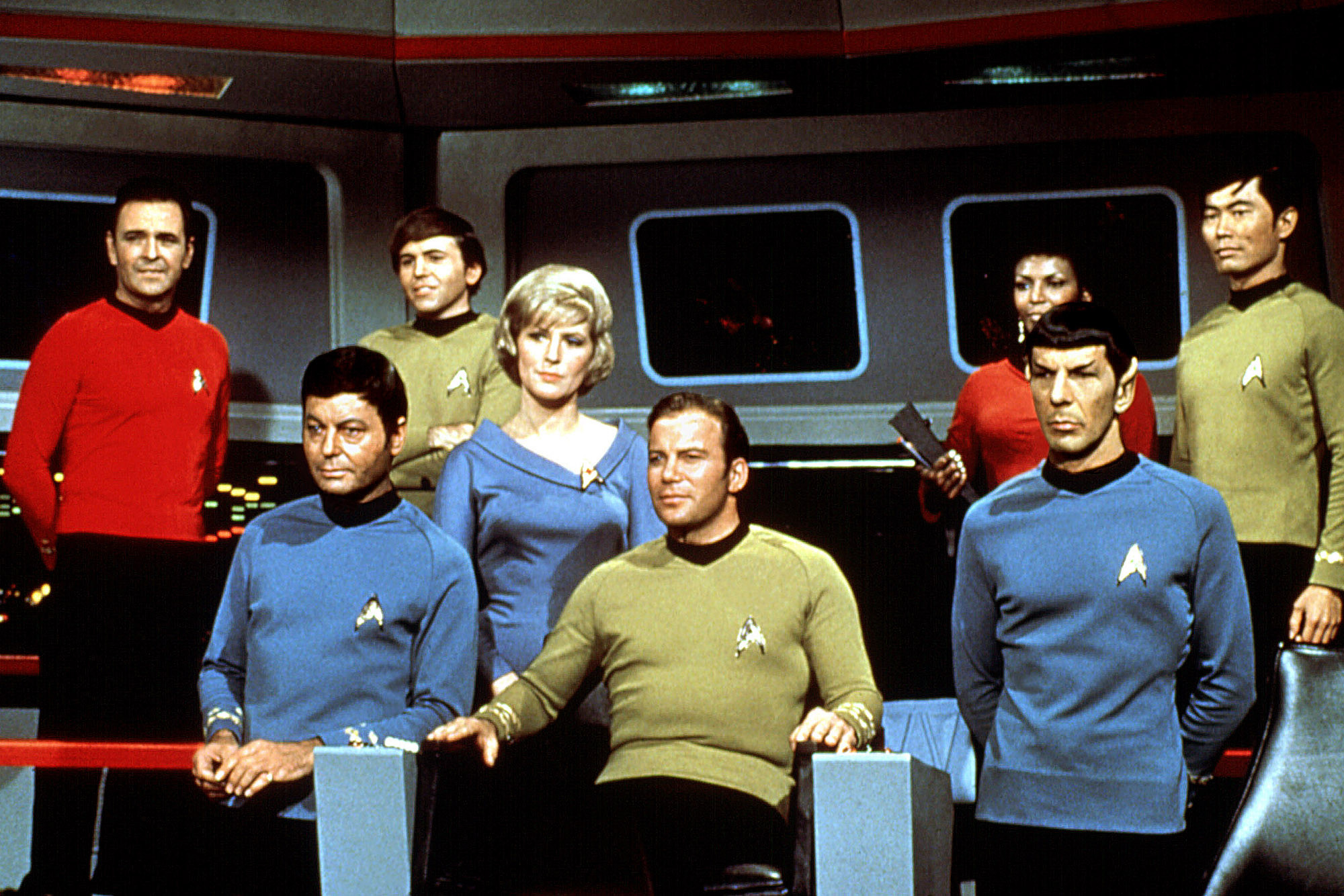
For anyone who has been in cryosleep for the past 30 years, Star Trek, chronicled the adventures of space-faring explorers onboard the starship Enterprise led by Captain James T. Kirk (portrayed with a roguish relish by William Shatner) and his command crew which included the half-alien First Officer Spock (Leonard Nimoy), who was coldly logical and the ship’s Chief Medical Officer Dr. Leonard “Bones” McCoy (DeForest Kelley), the emotional opposite of Spock. Each week the Enterprise crew explored Earth-like planets and encountered human-like aliens (give thanks to the show’s budget and available effects technology in the 1960s) and dealt with the pitfalls of their explorations. Given its now-quaint production values and presentation, Star Trek may come off as dated to modern audiences, but the essence of the scripts with their timely messages still resonate with us.

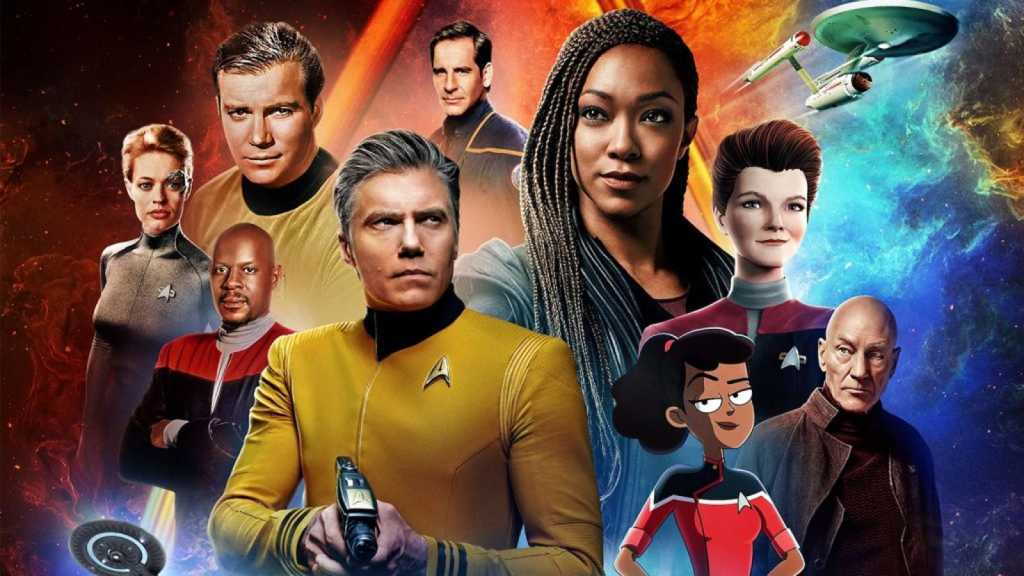
Throughout the decades, long after the original TV show was canceled, Star Trek grew as a franchise through syndicated reruns, merchandise, fan conventions, and later reunion films and finally TV spinoffs that focused on new crews in different time periods in the future. These shows, such as Star Trek: The Next Generation, Star Trek: Deep Space Nine, Star Trek: Voyager and StarTrek: Enterprise, eventually became as beloved, if not more than, the original Star Trek as they introduced rich characters and stories that captivated fans over and over again.

Trepidations

While this is an occasion to celebrate, especially for fans of the TV series and its numerous spinoffs, there is a general feeling of trepidation with Star Trek and its future. Why is that? Well, it is because of the dismal reception to the most recent Star Trek TV shows and the lack of clear plans for the future aside from yet another film in development. This seems odd given that in the past nine years we have gotten numerous TV shows but for the most part they failed to capture fandom’s imaginations or received the reverance the older TV shows had. Meanwhile on the film front, the last Star Trek film, Star Trek Beyond, was released ten years ago and was a box office disappointment, and led to an unintentional film hiatus. There have been endless pitches from writers and directors, even acclaimed director Quentin Tarantino proposed his own Star Trek film. But unfortunately none of the proposed films made it out of development hell as the franchise shifted its focus on TV productions.

There are many reasons why the modern Trek did not resonate with fans who themselves have splintered into various camps that automatically condemned anything new as “woke” or were convinced that modern Trek was too preachy thanks to scripts that failed to capture the magic of the older series. To be fair, a lot of the criticisms were valid but there were genuinely great Star Trek moments in the modern era, the best being the third season of Star Trek: Picard, followed by Star Trek: Prodigy, Star Trek: Lower Decks and on occasion Star Trek: Strange New Worlds.

Continue reading →