
“Damn it Jim, what the hell is the matter with you? Other people have birthdays, why are we treating yours like a funeral?”
-Dr. McCoy, Star Trek II: The Wrath of Khan
This week marks the 60th anniversary of one of the most renowned and beloved sci-fi franchises, Star Trek, which aired its first episode “The Man Trap” 60 years ago on September 8, 1966. That is quite an accomplishment and it’s wonderful that 60 years later the TV show is still relevant and launched a universe that was so rich and full of imagination which spawned more TV shows, films, books and other medium. Also, let’s not forget the endless merchandise that helped fans relive their favorite moments from the TV shows and films which are still sought out and created.
These are the Voyages…
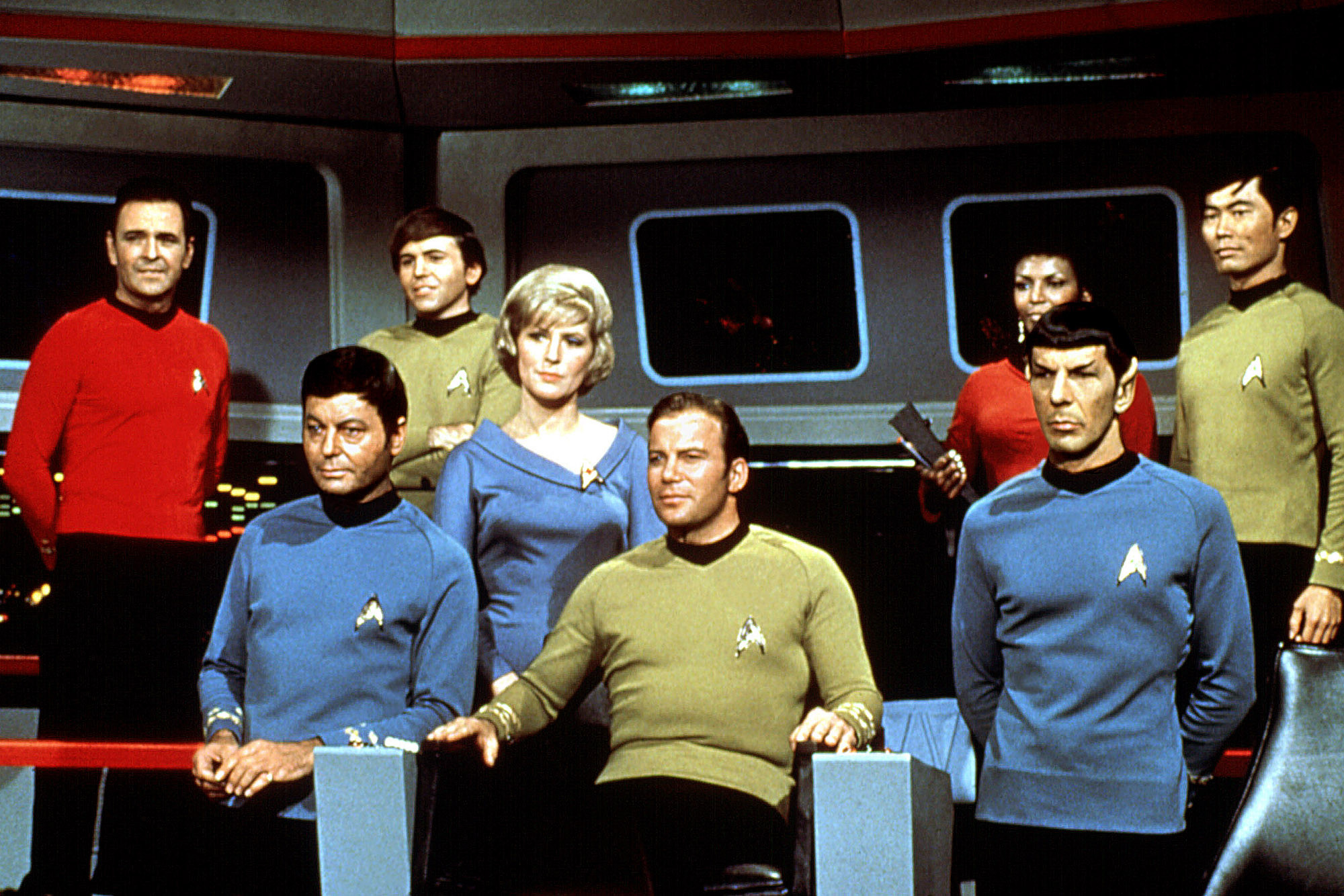
For anyone who has been in cryosleep for the past 30 years, Star Trek, chronicled the adventures of space-faring explorers onboard the starship Enterprise led by Captain James T. Kirk (portrayed with a roguish relish by William Shatner) and his command crew which included the half-alien First Officer Spock (Leonard Nimoy), who was coldly logical and the ship’s Chief Medical Officer Dr. Leonard “Bones” McCoy (DeForest Kelley), the emotional opposite of Spock. Each week the Enterprise crew explored Earth-like planets and encountered human-like aliens (give thanks to the show’s budget and available effects technology in the 1960s) and dealt with the pitfalls of their explorations. Given its now-quaint production values and presentation, Star Trek may come off as dated to modern audiences, but the essence of the scripts with their timely messages still resonate with us.
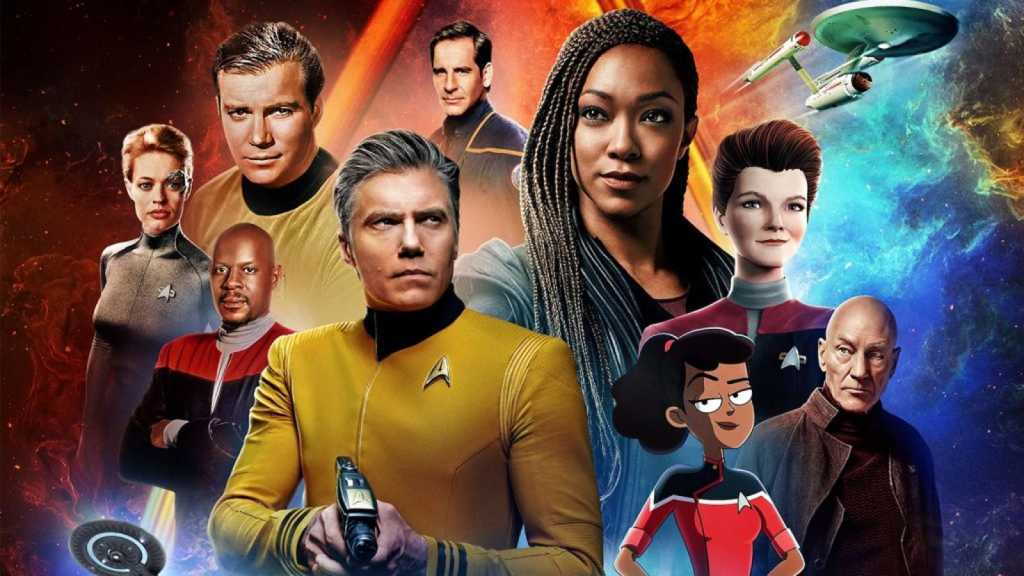
Throughout the decades, long after the original TV show was canceled, Star Trek grew as a franchise through syndicated reruns, merchandise, fan conventions, and later reunion films and finally TV spinoffs that focused on new crews in different time periods in the future. These shows, such as Star Trek: The Next Generation, Star Trek: Deep Space Nine, Star Trek: Voyager and StarTrek: Enterprise, eventually became as beloved, if not more than, the original Star Trek as they introduced rich characters and stories that captivated fans over and over again.
Trepidations
While this is an occasion to celebrate, especially for fans of the TV series and its numerous spinoffs, there is a general feeling of trepidation with Star Trek and its future. Why is that? Well, it is because of the dismal reception to the most recent Star Trek TV shows and the lack of clear plans for the future aside from yet another film in development. This seems odd given that in the past nine years we have gotten numerous TV shows but for the most part they failed to capture fandom’s imaginations or received the reverance the older TV shows had. Meanwhile on the film front, the last Star Trek film, Star Trek Beyond, was released ten years ago and was a box office disappointment, and led to an unintentional film hiatus. There have been endless pitches from writers and directors, even acclaimed director Quentin Tarantino proposed his own Star Trek film. But unfortunately none of the proposed films made it out of development hell as the franchise shifted its focus on TV productions.
There are many reasons why the modern Trek did not resonate with fans who themselves have splintered into various camps that automatically condemned anything new as “woke” or were convinced that modern Trek was too preachy thanks to scripts that failed to capture the magic of the older series. To be fair, a lot of the criticisms were valid but there were genuinely great Star Trek moments in the modern era, the best being the third season of Star Trek: Picard, followed by Star Trek: Prodigy, Star Trek: Lower Decks and on occasion Star Trek: Strange New Worlds.
Strange Discoveries
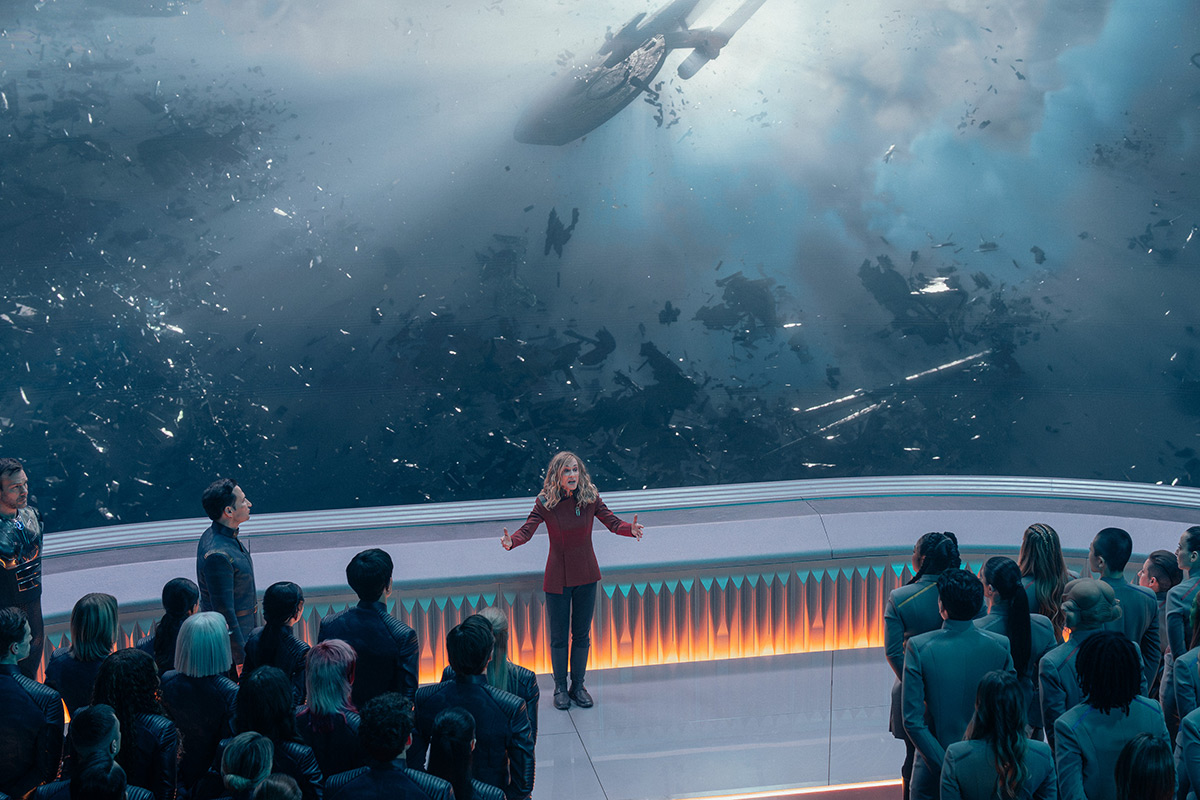
The two modern series that received the most scorn have been Star Trek: Discovery, which launched the modern era of Star Trek, and Star Trek: Starfleet Academy, the most recently introduced Star Trek TV show. The former TV show was a misguided prequel to the original Star Trek that contradicted much of the original series’ lore and was a visual mismatch when comparing the quaint effects and set designs to the lush and expensive look of Star Trek: Discovery (the same issue popped up with Star Trek: Strange New Worlds, which is a direct prequel to the original program). The series rebooted itself in its third season when the title ship was lost in the distant future, which provided a blank canvas to avoid continuity and canon complaints. However, the series continued to bleed fans who viciously mocked its poor scripts and tepid character development.
Star Trek: Starfleet Academy was dead on arrival when it began streaming early this year and even though a second season is coming it has already been canceled. It’s too bad, because despite its issues Starfleet Academy did show promise. Unfortunately, many were turned off by the fact that it was made by the same creatives behind most of modern Trek and its premise of young Starfleet cadets in the distant future time period of Star Trek: Discovery. But while many were quick to dismiss the show, it must be admitted that many of the early Star Trek shows had rough starts and were derided back then before finding their footing. This reverance that many had for those shows often overlook how clunky early episodes of Star Trek: The Next Generation and others were. Star Trek: Starfleet Academy was taking some efforts to tell an ensemble story of unique characters and legitimate world building. One episode, “Series Acclimation Mil” served as a semi-sequel to the acclaimed Star Trek: Deep Space Nine, while the final two episodes of the first season were quite well done.
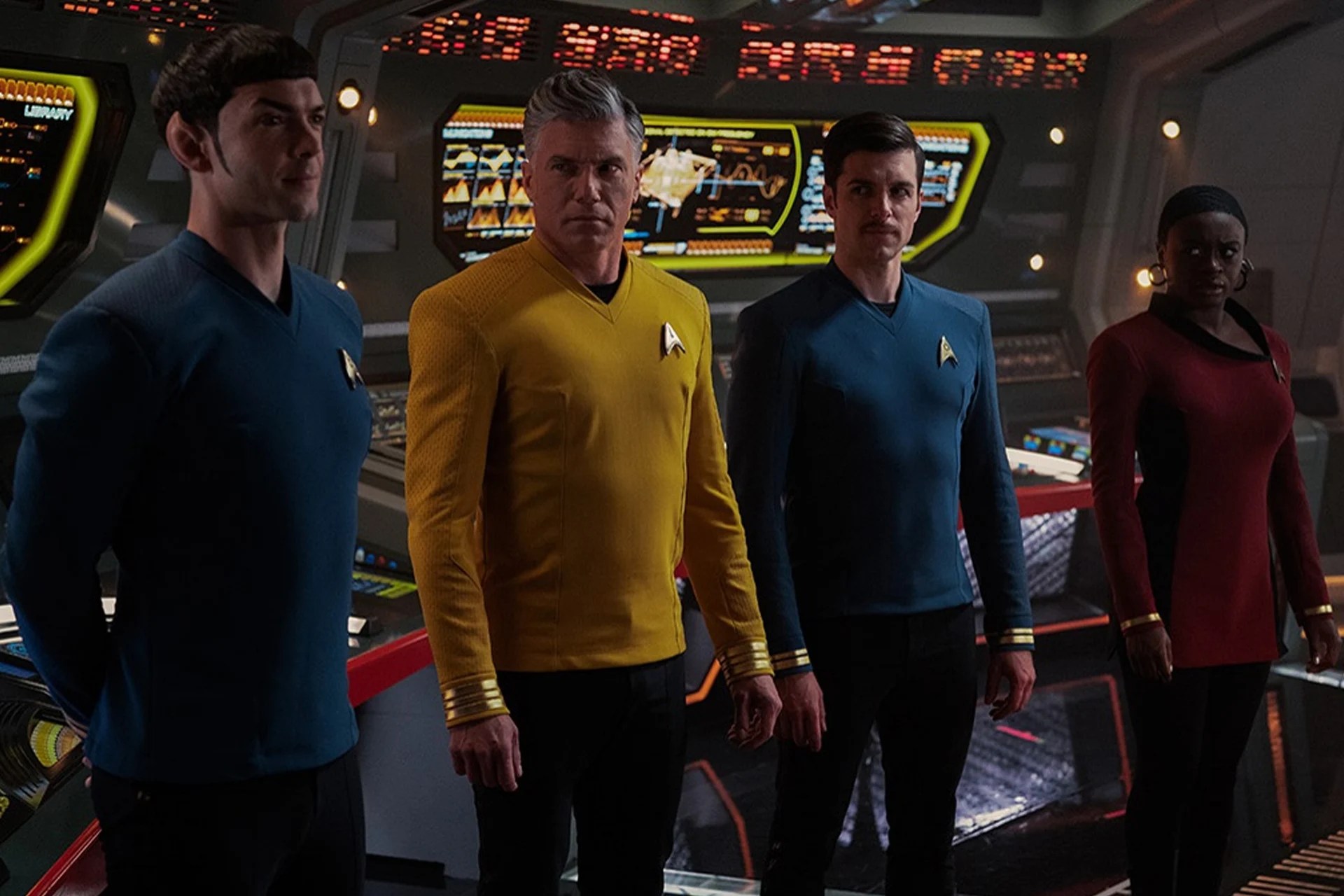
This is something that cannot be said for recent episodes of Star Trek: Strange New Worlds, which is frustrating. The show has had some actually great recent episodes, such as “Valles Marineris” and “Off-Hour”, but the showrunners have for some reason turned the fourth season of the show into one featuring gimmick episodes. One episode was shot in black and white in a tepid attempt to create a film noir atmosphere. Another infamous episode, “Level Five Transporter Incident” had the crew turned into puppets! To be fair, although the episode was one of the dumbest Star Trek episodes it was also stupidly funny in the same vein as the original series stinker “The Way to Eden.” What is frustrating with these gimmick episodes is that the program is coming to an end. As a direct prequel to the original show Strange New Worlds should be organically transitioning to it, and no having James T. Kirk appearing for no reason in many episodes does not count. The series plays fast and loose with continuity with clumsy attempts to tie it with the original. Take the appearances of Kirk in many episodes of Strange New Worlds. The first couple of times, his appearance made sense but now every time some unrealistic reason is concocted to explain why Kirk is on the Enterprise even though by this time he is not its captain or a crew member.
Trekking Beyond
So what does the future hold for Star Trek? As of now, once Starfleet Academy and Strange New Worlds stream their final seasons next year, the modern era of Star Trek TV shows comes to a close. Alex Kurtzman, the executive behind modern Trek TV shows pitched a sequel to Strange New Worlds called Star Trek: Year One which would chronicle Kirk’s first year commanding the Enterprise. This pitch was made even though there was little enthusiasm for it from fans who were puzzled why pleas for a Star Trek: Legacy TV show were ignored. That proposed TV show would have been a sequel to Star Trek: Picard that would have been run by Terry Matalas, the executive producer behind the revered third season of Picard. But for some reason, Kurzman and the people helping him run the Star Trek TV shows refused to develop it. Another proposed TV series was Star Trek: United which would have been a sequel to Star Trek: Enterprise and feature Scott Bakula reprising his role from Enterprise as Jonathan Archer but this time as the first president of the United Federation of Planets. This promising TV show would have been more of a political drama and there are rumors online that this show may be approved once Kurtzman and his people are gone.
Right now, Kurtzman’s contract to produce Star Trek TV shows has ended and the speculation is that it won’t be renewed by Paramount Skydance, who owns Star Trek. Supposedly, Paramount intends to bring in a new showrunner to revamp the franchise. As of now, the only new Star Trek property coming out is another film, this one by the writing/producing/directing duo of Jonathan Goldstein and John Francis Daley. One of their best efforts was the film Dungeons a& Dragons: Honor Among Thieves, which was much better than expected. Their new film will not have anything to do with the revamped Star Trek film timeline that ended with Star Trek Beyond and be completely unrelated to any othe previous Trek outings. Given all the false starts Star Trek films have had it can be hard to feel enthusiasm for this one, but it is the only confirmed project. Hopefully, the film will get made and carry the torch for the next generation until a new era of TV shows is ready.
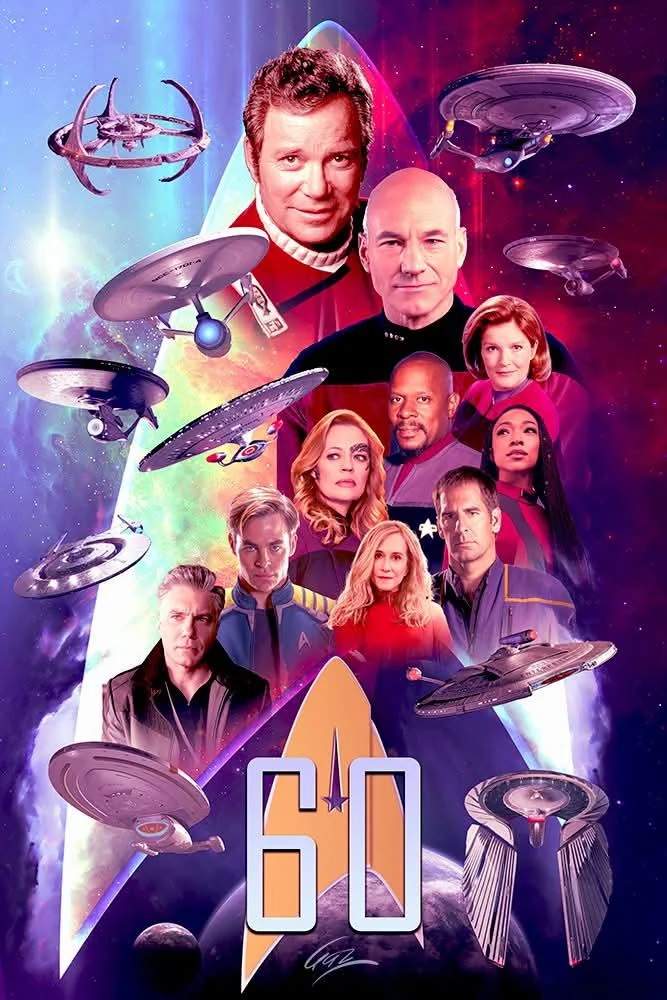
The 60th anniversary of Star Trek should have been more of a joyous occasion with at least a special episode of Star Trek: Strange New Worlds commemorating the occasion. This happened during the 30th anniversary when Deep Space Nine and Voyager had their own episodes that featured the original cast. Sadly this opportunity was not taken by the showrunners. True, there are several special programs celebrating the event with interviews with the remaining original cast and others, but without any special film or TV show acknowledging the 60th anniversary of the monumental TV show, the occasion feels hollow. Regardless, we should all still take a moment to remember the classic TV show and acknowledge how it changed sci-fi forever as we look ahead to where no one has gone before.
José Soto


Happy 60th for Star Trek! 🖖🏻
Star Trek forever!
Beam me up Scotty! Happy 60th Star Trek!
This is really really telling for how forgettable Star Trek Section 31 was. Because its the last Trek movie to come out and it was last year.
We don’t count Section 31 because 1) it sucked and 2) it was streaming slop not released in theaters.
Live long and prosper on this 60th anniversary!🙂
This has been a bittersweet anniversary, since the future is so uncertain. Plus, I think the official celebrations today are rather lackluster.
I agree completely on the tepid celebrations especially when they went all out during the 50th anniversary. A large part of that is due to how the recent TV shows have been received and their uneven quality.
Trek will probably enter into a dormant phase for a bit, but I’m confident that new life will be injected into the franchise and it will come back strong. Hopefully in time for the 65th or 70th anniversary!😉🖖
Please let it be sooner than that!