
Captain America: The First Avenger at its very best makes audiences emotionally invested in the core character of Steve Rogers a.k.a. Captain America. That’s largely in part to Director Joe Johnston, who shows a clear love and respect for the character and the Marvel-ous world of Cap and the casting of Chris Evans as the title character.
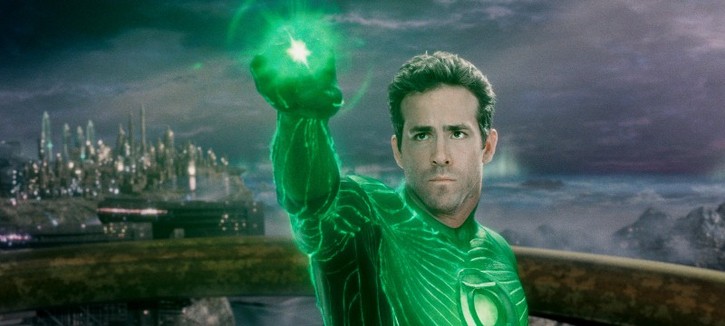
Not since Christopher Reeve was picked as Superman or Robert Downey, Jr. took on the reins of Iron Man or Chris Hemsworth picked up Thor’s hammer has a casting decision been so perfect. There were some doubts among fans as to the casting of Chris Evans for Steve Rogers , but he pulls it off in a big way. Forget about Ryan Reynolds as Hal Jordan/Green Lantern. Reynolds had the look but no personality. Evans, however, makes you care about his character, he just nails it and that is the biggest and most pleasant surprise about the film.
Regarding Johnston, Marvel Studios was very wise in giving him the director’s chair and his track record bears him out. Johnston provides plenty of action but heart as well. From what I’ve read, he took on the assignment under the condition that the film be set in World War II, which is faithful to the original stories. And also that he be given reign in casting, setting the look and other aspects. The f/x were top notch and successfully blends CGI with practical effects, you could tell a lot of care was placed in getting the film just right. Johnston creates a larger-than-life world of fantastic and bizarre Nazi super weapons, film montages that are reminiscent of Raiders of the Lost Ark that harkens back to that era and a rousing score by Alan Silvestri.
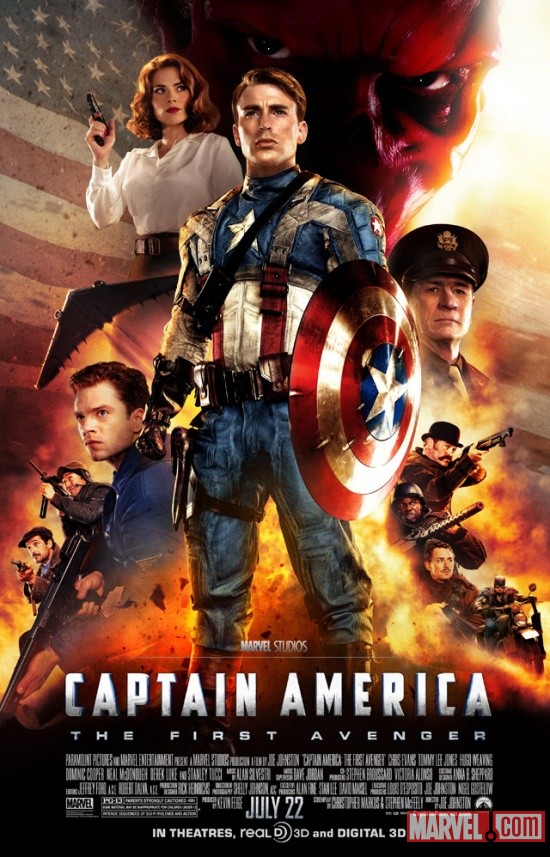 For those not familiar with the character, Captain America (created by Joe Simon and Jack Kirby) was originally a World War II-era 4F reject from Brooklyn who desperately wanted to serve his country. Volunteering for an experimental U.S. Army program, Rogers is physically transformed into the ideal super soldier, becoming a bulked up, athletic fighter who dons the patriotic duds of his country in war. At first he is used by the army as a celebrity in USO shows in Europe because he is considered too valuable to risk in combat. Then his true calling comes when he meets his arch nemesis the Red Skull (Hugo Weaving), a disfigured uber Nazi who establishes his own evil organization called Hydra in order to conquer the world. Teaming up with Bucky Barnes (Sebastian Stan) and Peggy Carter (Hayley Atwell), Captain America sets out to find the Skull’s bases and defeat the Skull. Not to worry you don’t have to be a die-hard fan to enjoy and understand this movie.
As for Marvel fans, well they should take notice, to me this is the most Marvel Universe-centric film to date. It’s the fourth stake of movie tent pole that sets up audiences for next summer’s film The Avengers–arguably the most ambitious and grandest superhero film. You will get plenty of Easter eggs such as references to the original Human Torch, SHIELD, Iron Man and others (and as you’ve heard it’s vital to stick around after the credits to not just see Cap’s final fate but to get a teaser for next year’s Avengers movie). More importantly, this film combines four distinct aspects of the main character. We get the original 1940s version created by Simon and Kirby, complete with the triangular shield; then there’s the kinetic and iconic version done by Stan Lee (who has a very sweet cameo) and Kirby from the 1960s; then there are aspects of the brutal and gritty Ultimates Captain America imagined by Mark Millar and Bryan Hitch, and finally the recent version done by Ed Brubaker and Steve Epting. It was a tricky task but the filmmakers were able to reinvent Cap by picking the best parts of those four different interpretations. Some liberties were taken with altering Cap and his supporting cast but they were for the best. Examples of that include tying the Red Skull’s origin more closely to Cap’s and making his sidekick Bucky older and grittier, which is more in tuned with the current version of that character.
IMO, a superhero film like Captain America: The First Avenger only comes along about every 40 years and is easily on my top three list of superhero films. It’s the most profound and emotional portrait of a Marvel hero that I’ve seen. The enthusiastic audience reaction in the theater where I saw it is a testament to the joy and thrills anyone will get from watching this film. Needless to say it’s the best of the four superhero flicks released this summer.
GEO
 Starloggers