Marvel Wins The Movie War…For Now, Part One

Avengers sup

Sorry DC Comics fans, but with the runaway success of the recently released Guardians Of The Galaxy film and the announcement that the upcoming film Batman v. Superman: Dawn Of Justice won’t directly compete with the third Captain America film, it’s pretty clear that Marvel Entertainment has won the Comic Book Movie War over its rival DC Entertainment.

DC’s Early Success

For years DC was at the apex of comic book-based films thanks to Superman then Batman dominating the box office. Marvel wasn’t even a contender; it was consigned to bargain-basement FFshlock efforts like Captain America, The Punisher and Roger Corman’s The Fantastic Four, which wasn’t even released. It seemed like Marvel just couldn’t get its act together and was floundering with its attempts to put something out into theaters much less TV. Meanwhile, DC had solid hits with its flagship heroes and films that although were flawed, were generally well received.

supe lexDC’s advantage was that it was (and is still) owned by the studio giant Warner Bros., which had the deep pockets to finance the superhero films. This was why the Superman and Batman films looked so good. In their day, they had big budgets with big-name stars, directors and the best special effects and production people working hard to put out quality efforts. The best Marvel could muster was getting Dolph Lundgren to star as the Punisher.

Fans asked for years where were the big-budget adaptations of Marvel’s best heroes? While Batman tore through theaters where was Spider-Man? Well, Marvel was just a comic book company then that went through many owners who didn’t know a thing about expanding into other media, specifically film and TV. Then there was the legal mess over who had the rights to produce a Spider-Man movie that was only resolved a couple of years before Spider-Man. By that time, Marvel had gone through bankruptcy and in order to raise money sold their coveted properties to different film studios. That is why properties like the X-Men, the Fantastic Four and Spider-Man aren’t made by Marvel Studios today.

Double-Sided Victory

Despite their overall success, DC still had some chinks in their movie armor. For every rousing Superman II or Batman there were undeniable stinkers like Superman III or Batman & Robin. Worse were truly abysmal films like Steel and The Return Of Swamp Thing that not only failed in the box office, but sullied the reputation of superhero films.

batmanDC Entertainment didn’t fully capitalize on the success of the Batman and Superman films. Yes, they did push forward TV adaptations of the Flash and Superman, but they should’ve concentrated on making quality films of their other properties. Instead they pooled all their efforts into Batman, which made sense since he’s their most popular superhero. But the problem with that approach is that when a Batman film falters it affects the rest of their line. And this is what happened with the release of Batman & Robin in 1997. That film strayed far from the winning dark and gothic formula that director Tim Burton used in the first two films and instead was a throwback to the campy 1960s TV shows. That silly approach used by director Joel Schumacher irked many fans who felt that Batman was a dark and serious hero and putting him in goofy situations was undignified. At the same time, DC was floundering with their attempts to reboot the Superman film franchise after the pitiful failure of Superman IV: The Quest For Peace back in the 1980s. A lull existed for DC superhero films that lasted from 1997 until 2004 when the DOA Catwoman was released. DC wouldn’t get back on its feet until the following year when Christopher Nolan’s reboot Batman Begins was unleashed.

batcycle

That film’s success did come with a price. Chiefly that Nolan’s unique and grounded Batman universe couldn’t have any ties to the rest of the DC universe. Hence no mentions of Superman, Wonder Woman, etc. Not even their home cities seemed to exist in Nolan’s dark and brooding world where costumed beings didn’t have true superpowers. As good as that was for the Batman films, it meant that DC couldn’t use them to introduce other heroes. That’s not to say they didn’t try expanding. There was almost a Justice League film made. George Miller was supposed to direct it and a cast was set, but the 2007-2008 writer’s strike ended that dream. Then everyone knows about Superman Returns and Green Lantern, two highly anticipated films that failed and left DC’s expansion efforts stillborn. Unfortunately, as these two films floundered Marvel Studios began its ascension.

The first few films based on Marvel properties were huge hits with the public and fans, some decried how they ignored fundamentals in core concepts. For instance, as Hugh Jackman became a big star for his portrayal of Wolverine, many complained that he was too tall and good looking. Others griped about why Spider-Man all of a sudden had organic webbing and never invented web-shooters. Then there were the misfires that were forgotten in the wake of the successes of Spider-Man 2 or X2: X-Men United. Those included Daredevil, Hulk and Ghost Rider. Continue reading

The Aftermath Of Captain America: The Winter Soldier

?????????????????????????????????????????????????????????????????????????????????????????????????????????????????????????????????????????????????????????????????????????????????????

First off, if anyone reading this hasn’t seen Captain America: The Winter Soldier or the most recent episodes of Agents Of S.H.I.E.L.D. then stop reading this because MAJOR SPOILERS will be discussed. Last warning, if anyone doesn’t want to be spoiled then go and watch that excellent movie or watch the TV show online somewhere and come back here when done.

Enemies Within

The events in Captain America: The Winter Soldier, without exaggeration, completely changed the Marvel Cinematic Universe. What happened in that movie probably has more far-reaching consequences than the alien Chitauri attack on New York City seen in The Avengers.

S.H.I.E.L.D., the elite spy agency of the Marvel Universe, no longer exists by the film’s end thanks to Captain America/Steve Rogers (Chris Evans) and his partners. It turned out that the ultra spy organization was infiltrated long ago by Hydra, the Nazi off-shoot organization led by the Red Skull (Hugo Weaving) in Captain America: The First Avenger. That revelation halfway into the film was a big WTF moment in Captain America: The Winter Soldier, especially with the disclosure that Hydra was responsible for orchestrating many chaotic and destructive events in our history since the end of World War II. This was something that is disturbing to learn given our violent history and is the stuff conspiracy fans thrive on. But in hindsight, Hydra’s malevolent influence was there in the open for everyone to see.

fury and starkThink about it, ever since S.H.I.E.L.D. was introduced in Iron Man, there was something a bit too Big Brotherish about S.H.I.E.L.D. They seemed to know too much, had too much access as seen when Nick Fury (Samuel L. Jackson), the agency’s director, turned up uninvited in Tony Stark’s (Robert Downey, Jr.) place in the post-credit scene in that film. The man was for all intents and purposes a trespasser but everyone was too busy wetting their pants when Fury mentioned the Avengers Initiative. Then they came off as a bit nefarious with the way they coldly confiscated scientific equipment and data from Jane Foster (Natalie Portman) and her group in Thor. Their blasé attitude throughout the movie didn’t alleviate this feeling, it was as if they were untouchable and they were. In the climax of The Avengers, the World Security Council ordered a nuclear strike on New York City to stop the alien Chitauri invasion. Nick Fury refused to carry out the order, but the Council overruled Fury and had S.H.I.E.L.D. pilots carry out the order nonetheless. Being that the head of the Council, Alexander Pierce (Robert Redford), was revealed to be part of Hydra, this decision makes sense since he would be fine with sacrificing the city.

????????????????????????????????????????????????????????????????????????????????????????????????????????????????????????????????????????????????????????????????????????????????????????????????

As with real-life spy agencies, it would be par for the course for S.H.I.E.L.D. to be philosophically gray and murky when it came to getting their hands dirty when carrying out missions. To them the ends do justify the means; that is just the unshakable mindset of spies. Nick Fury at the beginning of Captain America: The Winter Soldier was fine with this concept. He even scolded Rogers and told him to just accept the questionable philosophy of Project: Insight and get with the program. For that initiative, S.H.I.E.L.D. constructed three state-of-the-art helicarriers that would preemptively take out human targets before they could commit any acts of terror or criminal activity. Helping the project was a computer program that analyzed and predicted the behavior and actions of prospective targets. Later in the film, Pierce ordered the helicarriers to eliminate all potential threats, which numbered in the millions and included Bruce Banner, Tony Stark, the Avengers and Stephen Strange. While those name drops are cool Easter eggs for fans they point out the fact that Pierce and Hydra’s extreme plan would’ve eliminated any resistance to their plan to instigate world order.

At one point in the film, Fury wanted to preserve S.H.I.E.L.D., but Captain America was adamant about taking down the entire structure. Unlike Fury, he saw that the organization was corrupted and unsalvageable. Even without Hydra’s influence S.H.I.E.L.D. was too omnipresent and powerful. The agency was a perfect example of power corrupts. Thus, it had to be disbanded. This decision would immediately impact the lives of many S.H.I.E.L.D. agents around the world. Continue reading

Captain America: The Winter Soldier Upends The Marvel Cinematic Universe

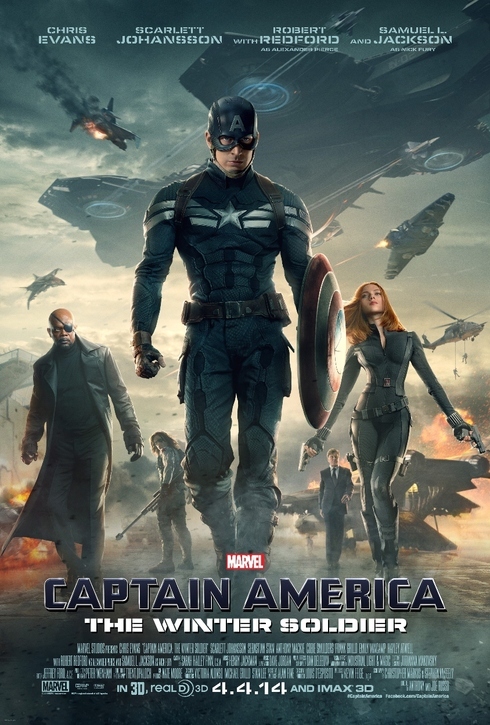
cap 2 posterI’m not exaggerating when I say that Captain America: The Winter Soldier is one of the greatest superhero films ever made. It ranks right up there with Iron Man, The Dark Knight and The Avengers. It’s that great! It’s exciting, intriguing, full of action and, most importantly, character defining moments that elevates this film above your standard superhero flick.

While the first Captain America film was a pleasant salute to World War II Americana, this sequel just elevates the character and the Marvel Cinematic Universe to a whole new level. In fact, Captain America: The Winter Soldier completely upends the carefully crafted world created with ?????????????????????????????????????????????????????????????????????????????????????????????????????????????????????????????????????????????these Marvel movies and it does so in a logical way that actually reflects on the impact of the events from The Avengers. As much as 9/11 radically changed our world, the alien attack on New York City in The Avengers has had far reaching ramifications. Iron Man 3 explored the personal impact as seen with Iron Man’s post traumatic stress disorder. This Captain America film examines the impact on the world stage and how it has made the spy agency S.H.I.E.L.D. just a tad bit too omnipresent. That was something that was underlying in past Marvel films, the spies were everywhere, seemed too powerful, had too much carte blanche. This film shows how the agency overreached with a diabolical plot hatched by traitors from within.

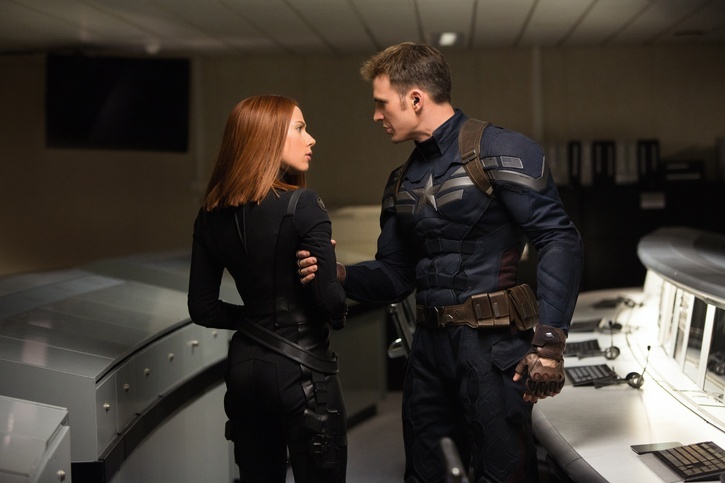
The film begins with Steve Rogers a.k.a Captain America (Chris Evans) leading a strike force that includes fellow Avenger Natasha Romanoff a.k.a Black Widow (Scarlett Johannson) to rescue hostages onboard a hijacked freighter ship. It turns out that the hostages are actually S.H.I.E.L.D. agents and Black Widow has a separate agenda to download encrypted files from the ship’s computer. Captain America then learns that S.H.I.E.L.D. is about to launch Project: Insight, which will use a trio of new generation helicarriers to preemptively take out potential threats worldwide.

????????????????????????????????????????????????????????????????????????????????????????????????????????????????????????????????????????????????????????????????????????????????????????????????????????????????

All this causes Rogers to question his allegiance to S.H.I.E.L.D. and magnificently echoes the unease he’s having with adapting to this new world. Despite its fast-moving plot, time is taken to feature quiet, reflective moments where he sees how much the world and his country has changed. They are the emotional highlights of the film and allow Evans to prove his acting chops. He undeniably owns this role and it’s now difficult to picture another actor playing this character.

Anyway, it turns out that he is not the only one wondering about the spy agency’s ambiguous nature. Nick Fury (Samuel L. Jackson), S.H.I.E.L.D.’s director also has his doubts and his inquiries launch a devastating chain of events that includes having Rogers and Romanoff hunted by S.H.I.E.L.D. and ultimately leaves the agency and the world changed forever. The stakes are that high.

???????????????????????????????????????????????????????????????????????????????????????????????????????????????????????????????????????????????????????????????????????????????????????????????????????As he eludes S.H.I.E.L.D., Captain America has to face a specter from his past. This being the lethal Winter Soldier (Sebastian Stan), a super assassin with a bionic arm. I won’t give away who the Winter Soldier is in case anyone reading this doesn’t know but his storyline is very tragic considering his relationship to Rogers. Putting that aside the directors Anthony and Joe Russo make him one of the most formidable super villains seen on film and while the Red Skull was Captain America’s chief nemesis, the Winter Soldier is both a physical match to Rogers and a genuine threat. At times I actually wondered if the good Captain would prevail in their fights.

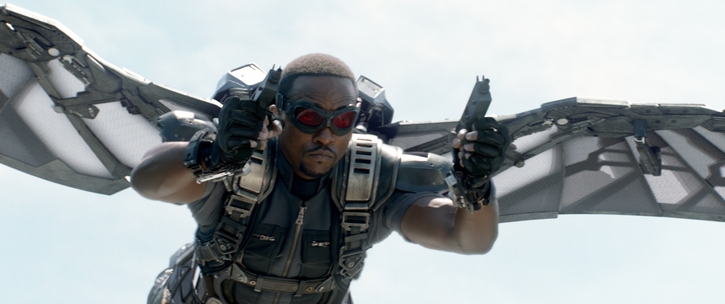
Speaking of action, this film has lots of it. It does have that annoying shaky cam for some scenes, but the directors knew enough to control it and let the spectacular stunts speak for themselves. It’s incredible how Marvel Studios were able to make a perfect, unorthodox directing choice. This duo was known for directing comedies, ?????????????????????????????????????????????????????????????????????????????????????????????????????????????????????????????????????who would’ve known they could pull this off? But what underlines all the action sequences are the characters, they’re so well written and acted and the actors have their moments, even the newcomers. Take Anthony Mackie as Sam Wilson a.k.a. the Falcon. This version of the Falcon was so cool and likable, it’s easy to see why Rogers gravitated to this guy when he needed help. The Falcon definitely has his moments with his flight outfit that seems so formidable and believable.

cap on bike

Captain America: The Winter Soldier works in so many ways because writers Christopher Markus and Stephen McFeely took the best elements from the Captain America comic books and fused them to make this unforgettable cinematic wonder. The movie left me wanting to see more and it set up enough questions and material to carry over to another sequel. Honestly, since Marvel Studios has signed on these directors for the next film, I cannot wait to see it.

Waldermann Rivera

Golden Age Comic Book Exhibit

SAMSUNGNew to the Young At Art Museum is an exhibit devoted to Golden Age comic books. Called Zap! Pow! Bam! The Superhero: The Golden Age of Comic Books, 1938-1950, this is a traveling exhibit from the William Bremen Museum in Atlanta. It’s located in The Knight Gallery and greeting visitors at the exhibit’s entrance is an arresting statue of Superman bursting through a wall.

As its title suggests, the exhibit features many super rare comic books from the late ’30s through the early ’50s. Several of the titles star early DC and Timely (the company that eventually became Marvel) stalwarts like Superman, Batman, Wonder Woman, Captain America and Sub-Mariner. What was surprising about the comic books in the glass displays was how well preserved they were. One can only imagine their value based on their near mint condition. Any self-respecting comic book fan will enjoy examining them at his or her leisure.

SAMSUNG

Accompanying the comic books are large black and white blowups of pages showcasing the artists’ expertise, as well as information about pop-culture in that era and creators like Jack Kirby. There are also opened trade paperbacks mounted on podiums that allow fans to read the stories in them.

SAMSUNGBut this isn’t just a dry exhibit with old comic books in display cases. The exhibit also has memorabilia and superhero-related displays including a hunk of kryptonite encased in a glass case, and an old-style phone booth that must’ve been a convenient place for superheroes to change out of their civies. There is also a mini-theater that plays old Superman and Captain America serials and a drawing studio for tomorrow’s comic book artists.

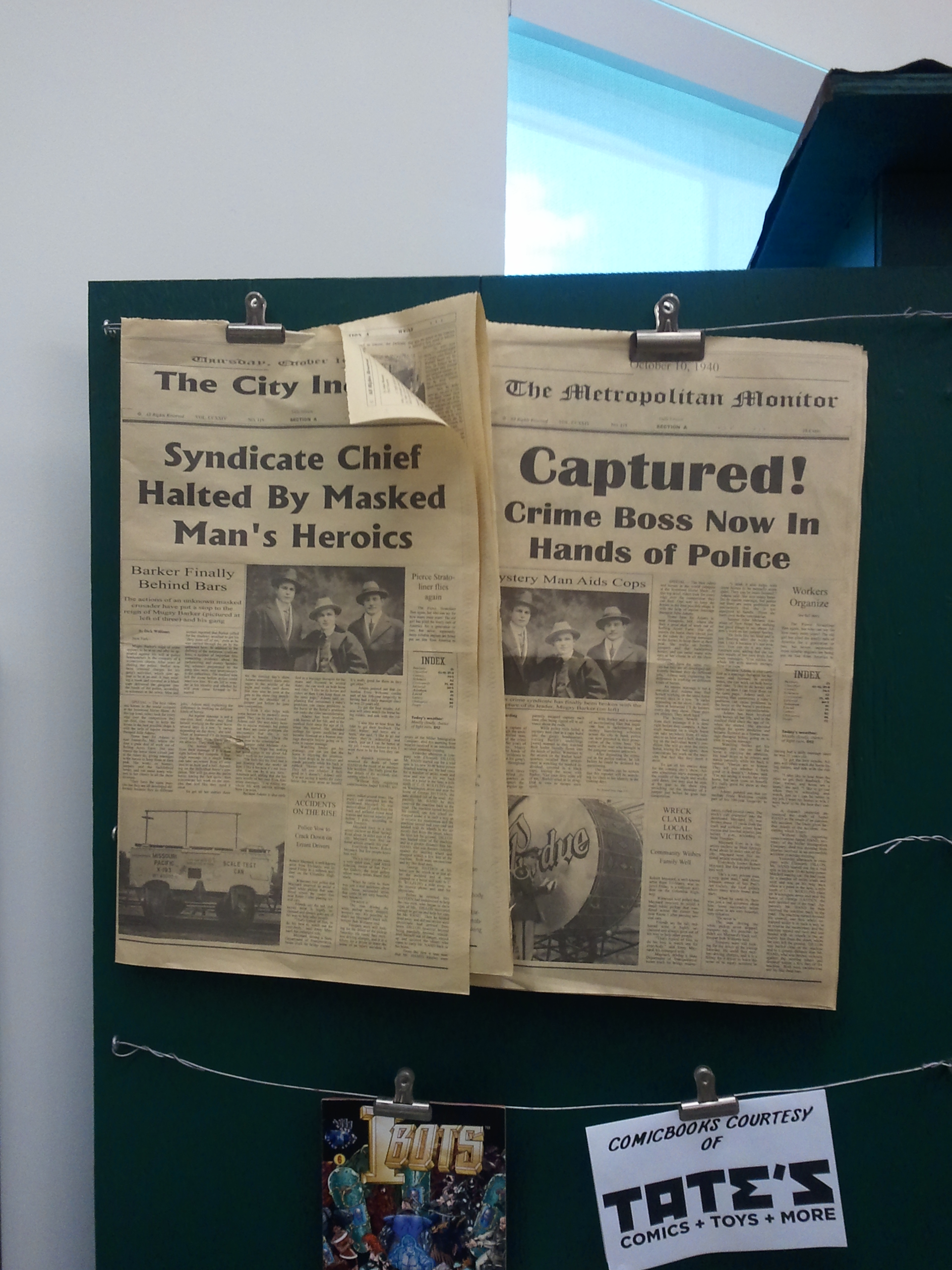
Another interesting feature about the exhibit is the mockup of a newstand that has–what else?–actual comic books. SAMSUNGThese are the modern-day ones given away during Free Comic Book Day. But a nice touch were the mockup newspapers with blaring headlines about superheroes and their feats that added a sense of realism and transported visitors back to that time period. It’s not a large exhibition, but serious fans should enjoy it and can spend up to an hour there just examining the displays and comic books.

The exhibit is running at the Young At Art Museum (a children’s art museum) in Davie, Florida until January 5. There isn’t any word if an exhibit about Silver Age comic books is being planned. Maybe it’s something to be considered by curators.

*Please check out our Facebook page for more photos of this exhibit.

Article and Photos by Waldermann Rivera

The Avengers Assemble to Celebrate Fifty Years Of Teaming Up


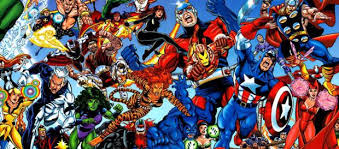
perez avengers

“And there came a day, a day unlike any other, when Earth’s mightiest heroes and heroines found themselves united against a common threat. On that day, the Avengers were bornto fight the foes no single super hero could withstand! Through the years, their roster has prospered, changing many times, their glory has never been denied! Heed the call, thenfor now, the Avengers Assemble!”– Monthly prologue inserted in every issue of The Avengers

Most fans know the story behind Marvel Comics’ famous group of superheroes, the Avengers. In the early ’60s Marvel’s rival DC Comics had a huge hit with their own superhero team the Justice League of America (JLA). In a desire to compete with JLA’s strong sales, Marvel publisher Martin Goodman directed editor Stan Lee to put out their own brand of superhero comics like The Fantastic Four, The Amazing Spider-Man, The Incredible Hulk and The X-Men. Thus, the creation of what general readers know as The Marvel Comic Book Universe was in progress. The popular storylines readers love about Marvel hadn’t been written yet, but the Marvel characters were just created and began their journey of adventures while inhabiting a shared Marvel universe. As successful as these comic books were, the company didn’t have an equivalent to the JLA. In other words, a comic book that featured their most popular heroes teaming up against a huge threat.

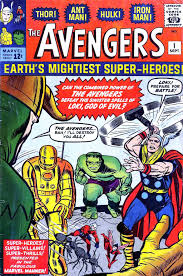
avengers issue 1To remedy this, Stan worked with his long-time collaborator, co-plotter and penciller Jack Kirby to create the Avengers. When Marvel published the first issue of The Avengers Marvel found its equivalent to JLA. Right before the Avengers were created, Marvel had popular heroes like the Hulk, Thor and Iron Man and so it was feasible to do a team-up book since these core members would make a good fit as a team. The comic book was a huge hit with readers because of a formula it followed. The main characters, like the Fantastic Four, didn’t see eye-to-eye with each other. In fact, they fought each other, starting with the very first issue when the Hulk was attacked by the other founding members (it was all part of a ruse engineered by Thor’s wicked step brother Loki). But in the end, the heroes would put aside their differences to battle a force that each of them couldn’t handle alone. What’s more is that these heroes had character flaws, as all heroes from the original Silver Age roster of the Marvel Universe. This contrasted dramatically from the members of the JLA- who were viewed by readers as perfect personalities with no character flaws. Plus, it didn’t hurt that fans loved the famous battle cry “Avengers Assemble!” made by the team.

Enter Captain America

Still, as successful as the book was, Lee and Goodman knew something was missing. There wasn’t anyone who had the ability of keeping the team together; there was no strong leader. They needed someone who had a long-established history to be part of the team. Enter Captain America; co-created in the 1940’s by writer Joe Simon and artist Jack Kirby. Cap’s greatest run at that point, was in the 40’s, when he was popular as a patriotic superhero. But after WWII, sales dwindled for his comic books and he only appeared in comic books occasionally during the 1950s. His return to the Marvel Universe in issue 4 of The Avengers is not just a pivotal moment in Avengers history but in comic book history as well. This was because he is a pop icon who symbolized what was best about America and his heroics dated back to World War II.

His induction into the team changed the tone of The Avengers, too. The stories had more depth and introduced a fish-out-of-water element. What also became apparent is that Captain America was a natural leader and he helped usher in the next important change to the title.

Changing Lineup

Somewhat of a hallmark today for The Avengers is the title’s ever-changing lineup. Lee realized that it was difficult to have so many popular characters in The Avengers while they had their own adventures in their own titles. It was hard to keep up with the continuity and in the end might dilute their popularity. So it was decided to remove the popular characters except for Captain America. The question was who would replace the superstars? In The Avengers #16, photo3Captain America needed to bring in new recruits after the core members left the team. They ended up being Quicksilver, Scarlet Witch and Hawkeye. These choices were out of the ordinary because at that time, they were more known for being villains. Adding to that dilemma was that Hawkeye’s abrasive attitude served as a perfect foil to true-blue, all-American Captain America. Previously, he would give out orders and no one would question him, but now Hawkeye would do so, which added conflict. This element was a big hit with readers and made the book even more successful and reinforced the winning formula: likeable heroes who bicker, but in the end use teamwork to defeat a common foe. Continue reading