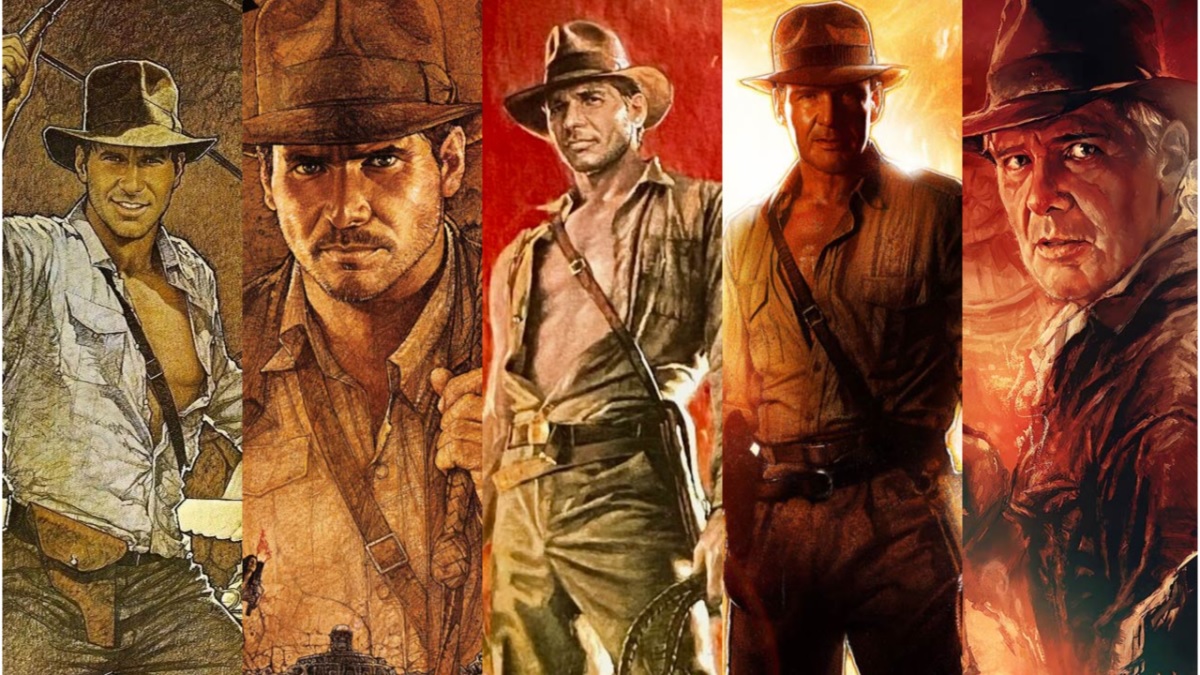
The Indiana Jones Films Ranked

Now that Indiana Jones and the Dial of Destiny has been released, the Indiana Jones film franchise is complete and we can rank all five films.

The quality of these films are generally high, some of which are genuine masterpieces. Even the films that rank at the bottom are entertaining with their own merits, but have their flaws, of course.

Here are the Indiana Jones films ranked from least to best. Be aware of spoilers ahead and feel free to drop a comment about your own preferences!

5. Indiana Jones and the Kingdom of the Crystal Skull
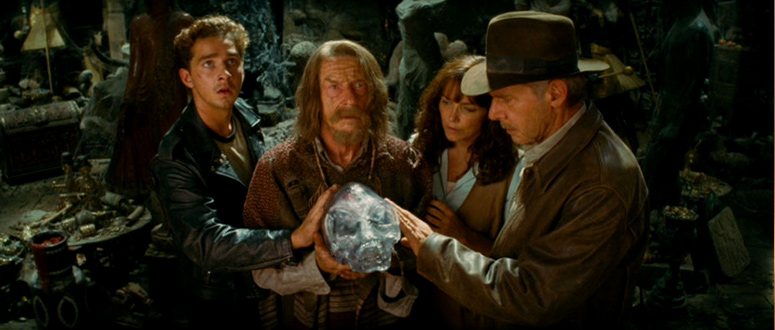
It had been nearly twenty years since Indiana Jones and the Last Crusade came out in theaters when the fourth film premiered. This was the best they could come up with? This was the film that gave us the infamous phrase nuke the fridge because Indy survived a nuclear explosion by hiding in a refrigerator. Our favorite archaeologist deals with the 1950s as he searches for the lost city of Ankakor in South America.  Among the 1950s tropes Indy grapples with include the red scare, bug-eyed aliens, and a greaser who turned out to be his son.

It was great seeing Harrison Ford reprising his role as Indiana Jones and how the adventurer functioned in a different decade. Some of the images from director Steven Spielberg were jaw dropping such as Indiana witnessing an atomic mushroom cloud or a great motorcycle chase on a college campus. But more often than not it felt like many of the filmmakers were phoning it in and taking the easy route. The film is riddled with obvious and needless CG images and stunts, and most of it looked fake. There was little sense of danger in many scenes.

Despite the fact that the script had been worked on forever, it still needed work as the motivations of characters did not make sense. The camaraderie between Indiana and his son was undeveloped and paled when compared to that of Indy and his father in the previous film.

4. Indiana Jones and the Temple of Doom

As the franchise’s only prequel the second Indiana Jones film turned out to be the darkest in the franchise due to personal issues regarding divorces that creators Spielberg and George Lucas were going through at the time. The result was that the film feels mean spirited at times and dated with its misogyny and questionable depictions of other cultures.

It lacked the epic scale of Raiders of the Lost Ark and the filmmakers reveled too much in trying to gross out audiences and with trying too hard to be different from the first film. At times, Indiana Jones and the Temple of Doom felt more like a romantic comedy instead of an adventure film. Also, the MacGuffin Indy hunted for was far less impressive when compared to the Holy Grail or the Ark of the Covenant. What exactly do the Sankara Stones do except glow? The characters were annoying and unlikeable especially Willie Scott. She was supposed to be a sharp contrast to the tough-as-nails Marion Ravenwood from the previous film. But by trying to make Willie the opposite of Marion, the filmmakers turned her into a stereotypical screaming damsel in distress who lacked any substance.
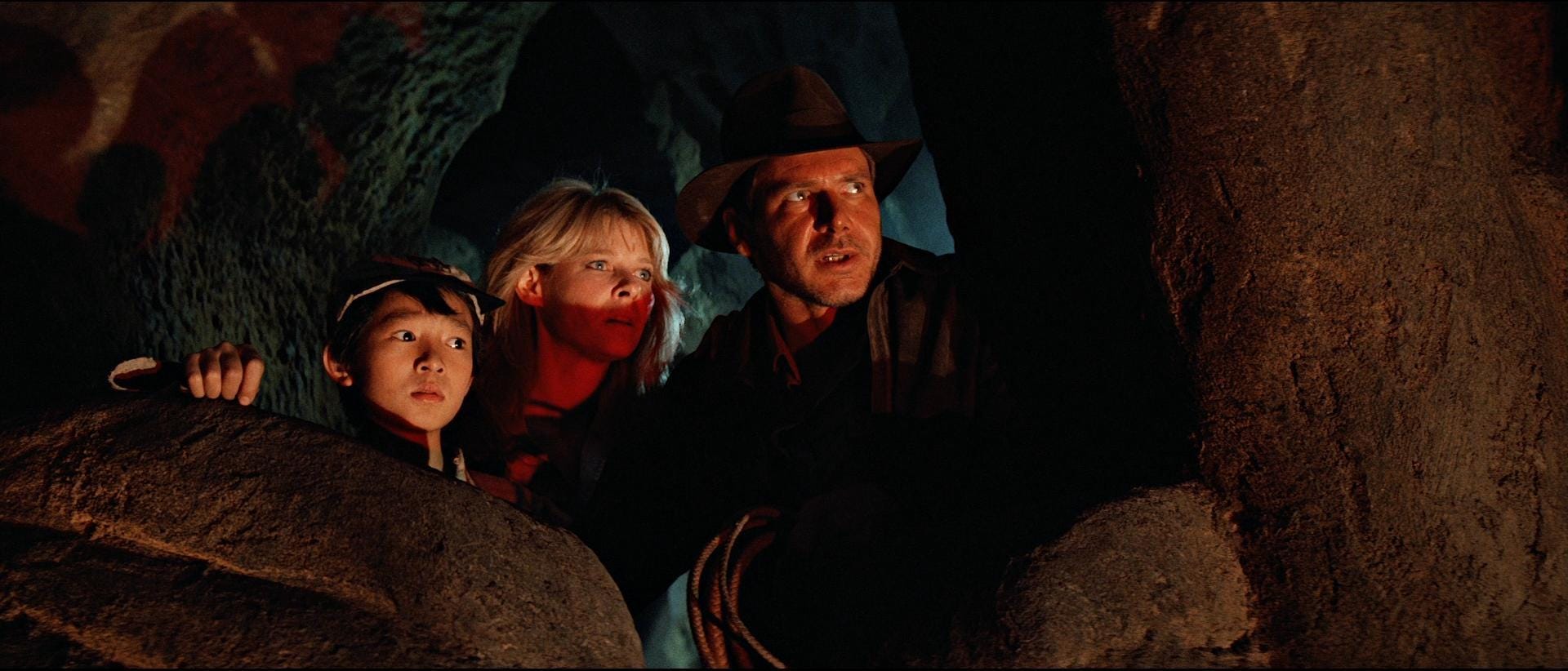
Despite its faults, Indiana Jones and the Temple of Doom has some of the franchise’s greatest action scenes that still hold up to today and are iconic. Ford was great as always, as was the production design and score by John Williams.

3. Indiana Jones and the Dial of Destiny
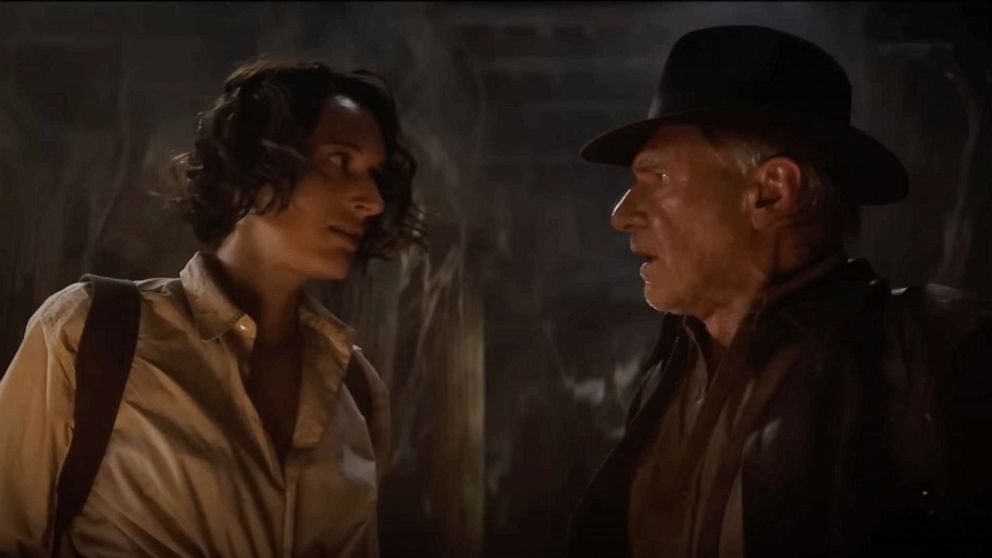
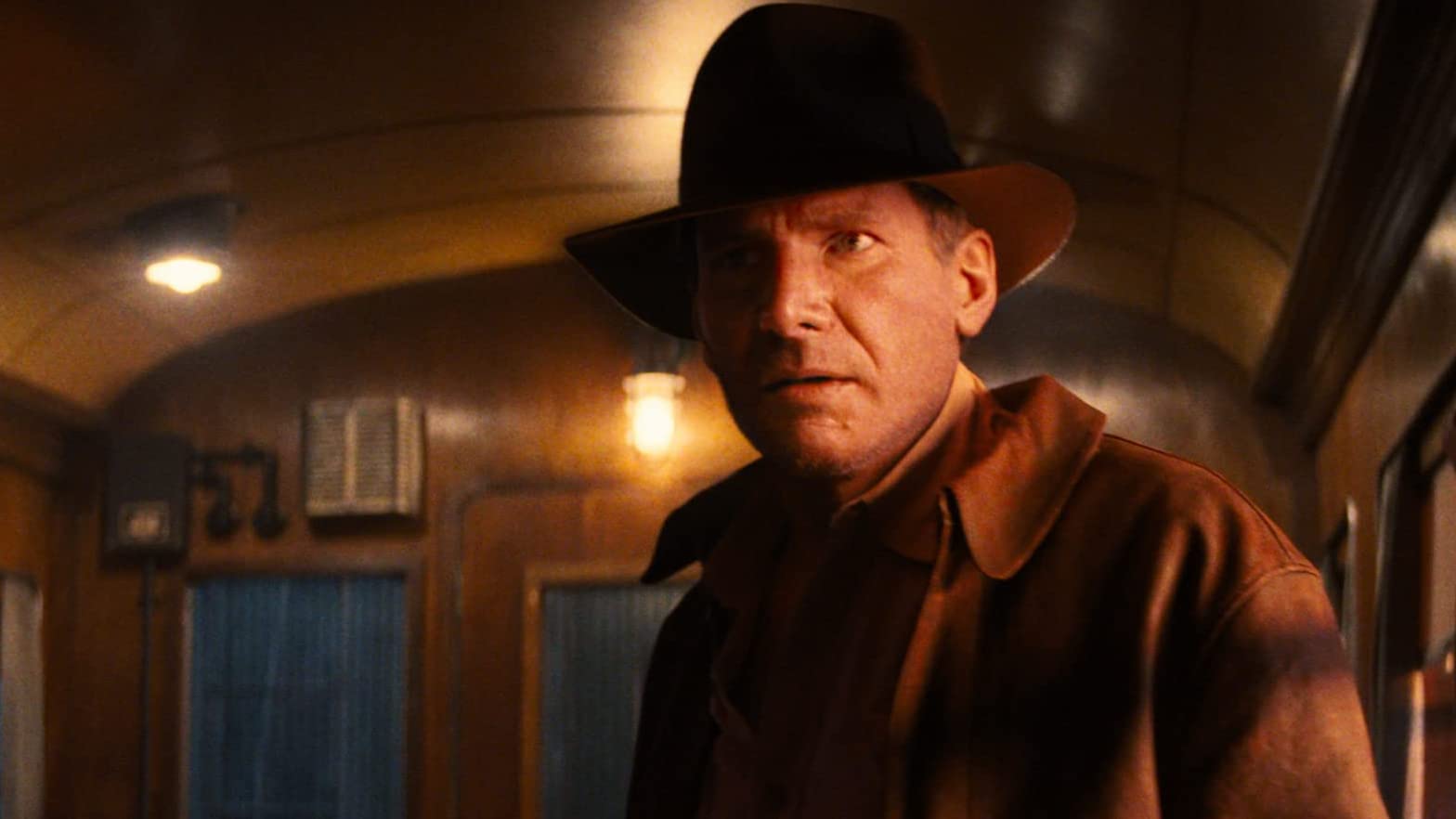
The fifth and final Indiana Jones film has had a mixed reaction from fans. It will take some time to see how it holds up, but for now this is the rank it has earned. There was a lot of trepidation over the film since Spielberg did not direct it and many questioned how an old Ford could believably play a swashbuckling treasure hunter. But the film is an enjoyable send off to the franchise.

Even though Indiana Jones and the Dial of Destiny lacks a lot of Spielberg’s visual flair, director James Mangold does a fine job with this look at Indiana Jones as a senior citizen in the late 1960s. Embittered over the death of his son which destroyed his marriage and facing retirement, Indiana carries out one final treasure hunt with his goddaughter, which involves time traveling to ancient Syracuse and meeting Archimedes.  Harrison Ford Is Too Old for This Shit – Rolling Stone

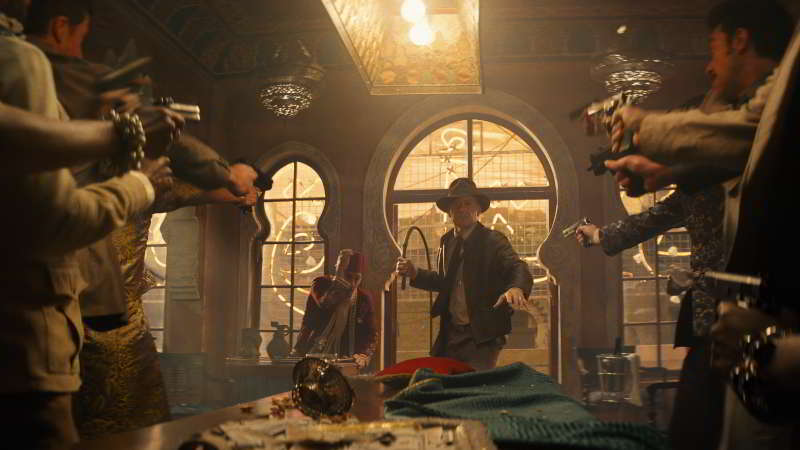
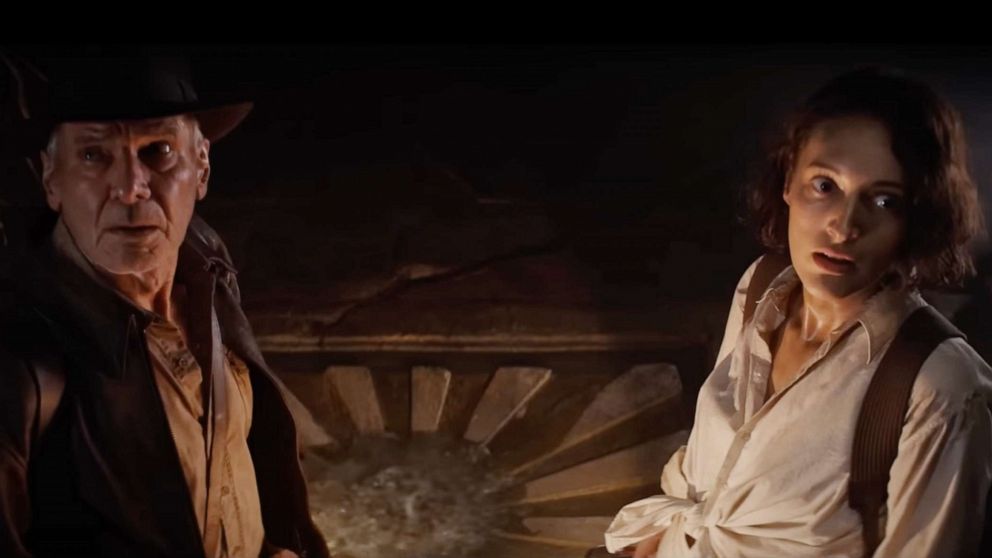
There are some issues with the plot mechanics and its credibility (something that the other films suffer from, such as characters using life rafts to jump from an airplane and other feats that would have killed them). But Ford has some good chemistry with Phoebe Waller-Bridge, who plays his goddaughter and the film has some exciting moments, especially during a flashback scene set in World War II and an intense tuk-tuk chase sequence. Anyone hesitant about the film because of Spielberg’s absence should put doubts aside and see Indiana Jones in his last great cinematic adventure.

2. Indiana Jones and the Last Crusade
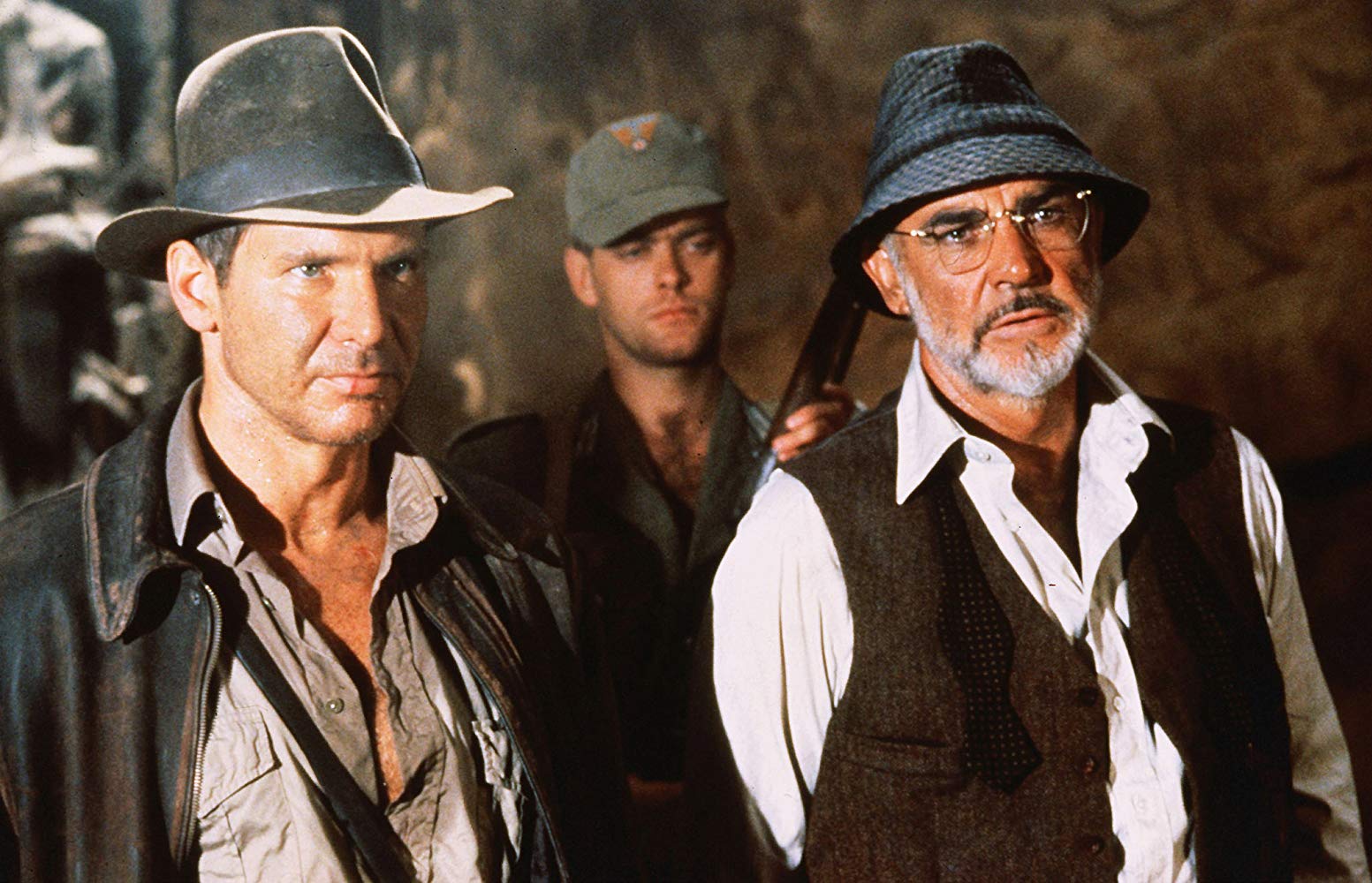
After the mixed reaction to Indiana Jones and the Temple of Doom, Spielberg and Lucas went back to basics and delivered a rousing adventure that is nearly as great as the first film. It is also the funniest film in the franchise.

The film opens with a rousing flashback to 1912 which features River Phoenix as a teenaged Indy. After we find out why he fears snakes and how he got his famous fedora hat, the film jumps forward to 1938. Indiana travels to a pre-World War II Europe to find his missing father, who he has not spoken to in some time. Sean Connery was magnificent as Indiana’s father and the two actors share some of the best moments in the franchise thanks to their incredible chemistry.
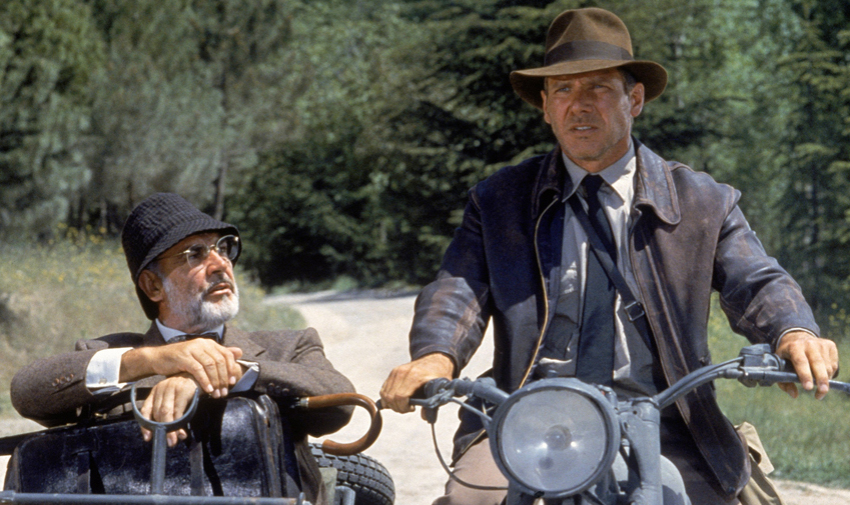
Indiana Jones and the Last Crusade follows some of the same beats as Raiders of the Lost Ark, such as Nazis, intense chases, epic scenery and spine-tingling explorations of ancient sites. Thanks to Spielberg’s skills, a great script and inspired acting, the third film is definitely classic cinema. Oh, be sure to watch the film to the end as it features one of the most beautiful ending scenes ever filmed as Indiana Jones and his companions ride off into the sunset.

1. Raiders of the Lost Ark
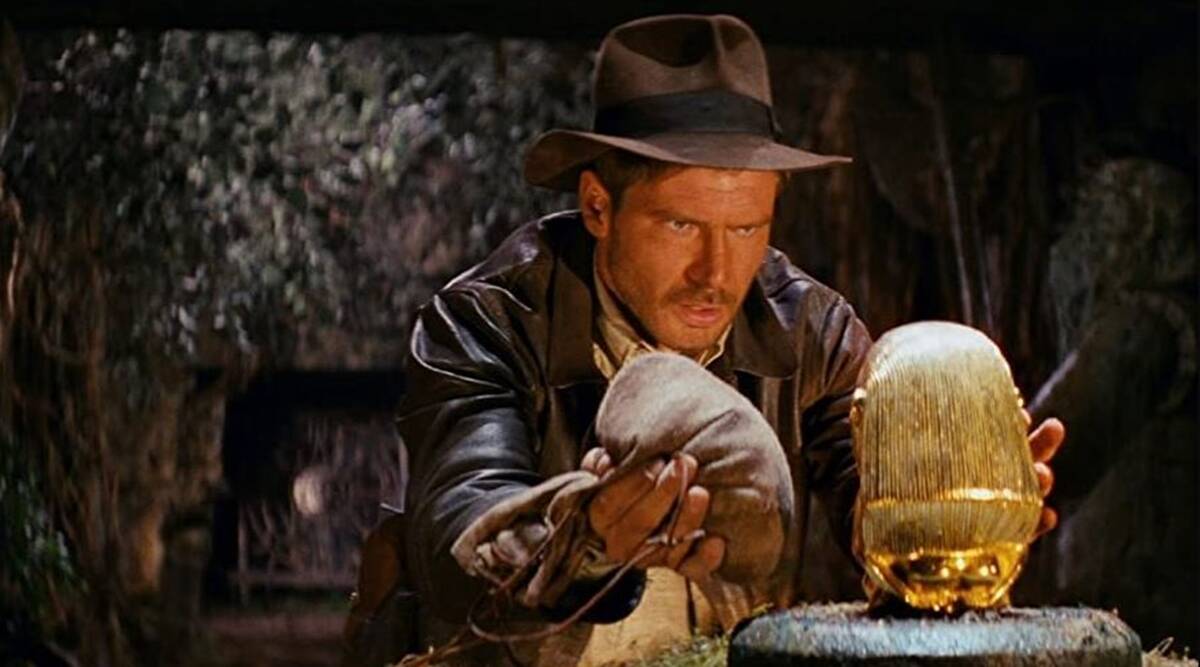
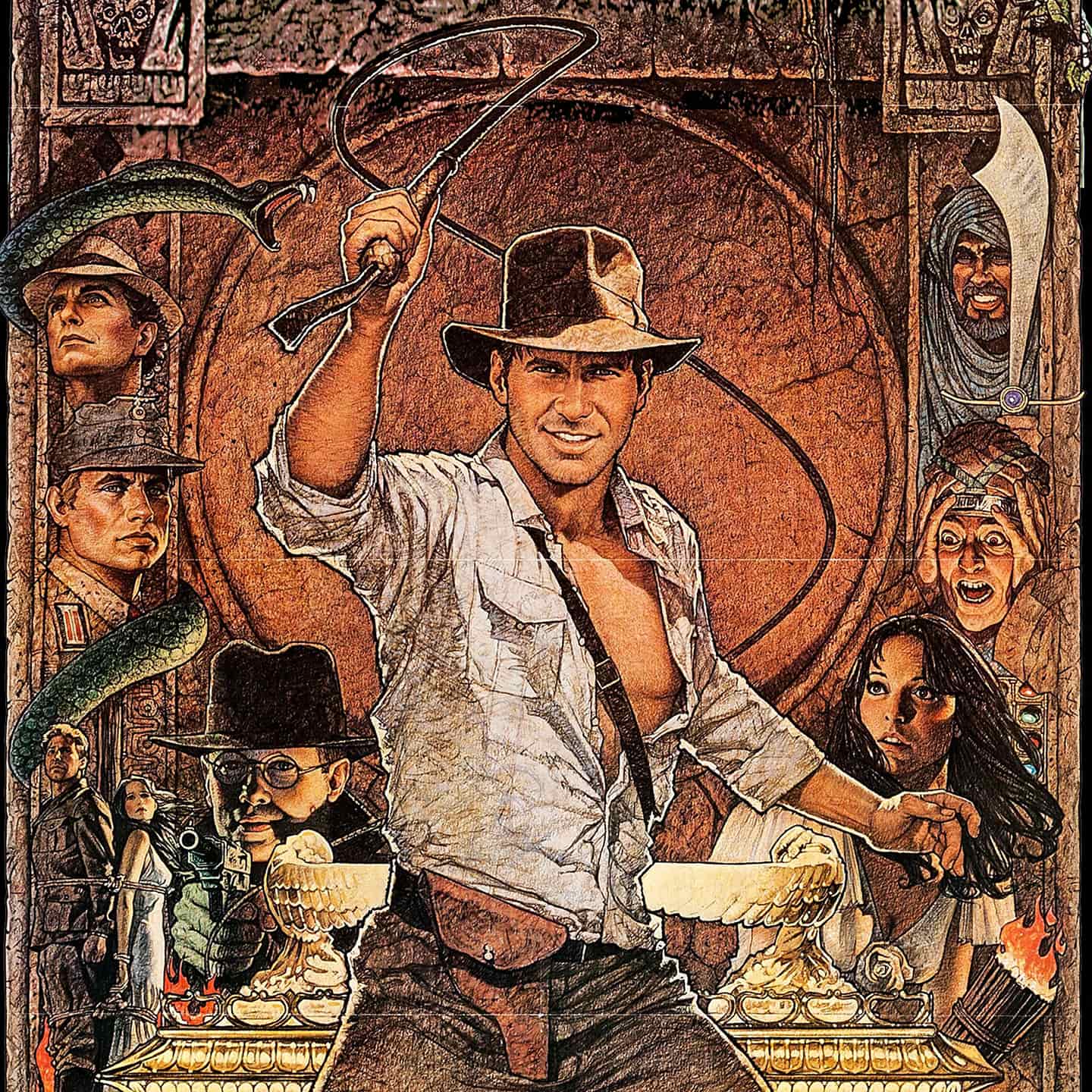
Also known as Indiana Jones and the Raiders of the Lost Ark, this is the first and still greatest Indiana Jones film. When thinking about the recent Martin Scorsese “This is Cinema” meme, Raiders of the Lost Ark certainly applies to that phrase!

Set in 1936, Raiders of the Lost Ark introduces us to Indiana Jones, a two-fisted, globe-trotting archaeologist who hunts ancient treasures. Inspired by the movie serials of the 1930s and 1940s, Raider of the Lost Ark elevated that kind of cinema into the greatest action-adventure film of all time. This was due to the groundbreaking collaboration between George Lucas and Steven Spielberg who wanted to do his version of James Bond. Here’s a bit of trivia, Lucas initially called the hero Indiana Smith and we’re glad the name was changed to Jones since it flows much better!
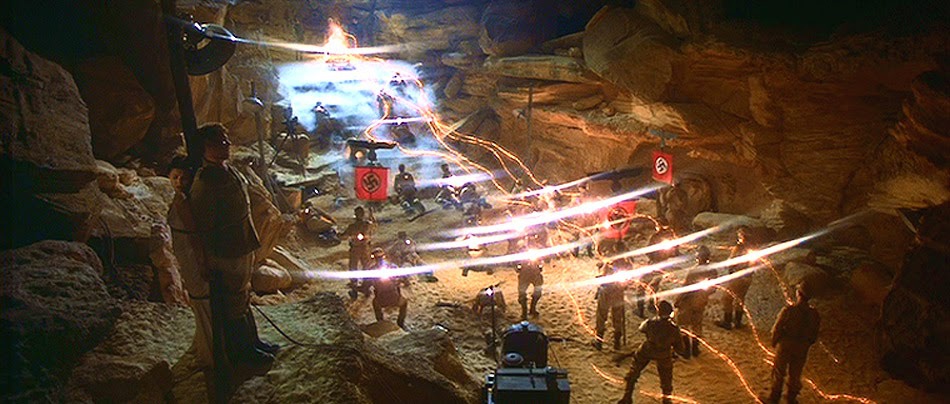
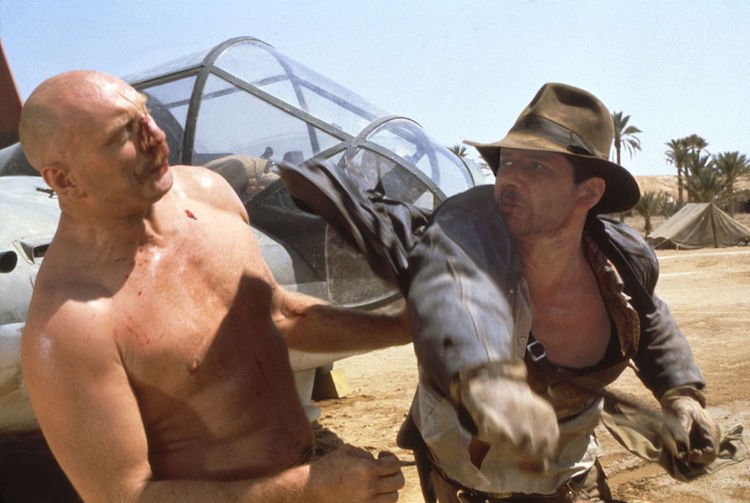
Spielberg was at his best when directing this monumental film. It featured many of his trademark visual touches like his God light on characters and inventive composition of shadows and silhouettes to showcase characters. Of course, none of this would mean much without a great script, which is what the film thankfully had from Lawrence Kasdan. Each shot was nearly perfect as the level of excitement and mystery increased with each passing second. Raiders of the Lost Ark is true cinematic treasure that has endured through the years and set a standard with adventure films that is difficult to match. That is why it is the best of the Indiana Jones films.

NOTEWORTHY MENTION

Young Indiana Jones and the Mystery of the Blues

During the 1990s, ABC aired The Young Indiana Jones Chronicles, which were historical dramas about Indy when he was a child and a young adult. The episodes had opening and closing segments that starred George Hall as an old Indiana Jones in his 90s telling tales of his youth. In one episode, “Young Indiana Jones and the Mystery of the Blues”, Harrison Ford reprised the role as a bearded Indiana in 1950 who told a story about himself in Chicago in 1920. This episode has been recut into a television film with the same title, but honestly the best part of the episode involved the two segments with Ford.

José Soto
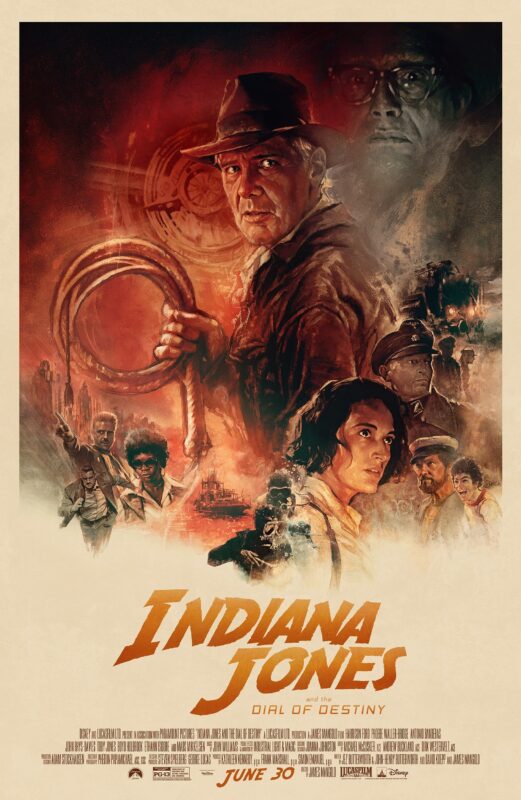
Indiana Jones And The Dial Of Destiny Is A Fine Finale For The Legendary Hero

Harrison Ford returns one final time in his famous role as the swashbuckling archaeologist Henry “Indiana” Jones, Jr. in Indiana Jones and the Dial of Destiny. The fifth film in the Indiana Jones franchise has been in development hell for several years and it seemed that it wouldn’t ever be made.

Many fans were skeptical that the fifth installment would be able to compare to the previous four films directed by Steven Spielberg. Adding to the doubts were Ford’s age (he turns 81 this month) and the mixed reactions to the fourth film, Indiana Jones and the Kingdom of the Crystal Skull. So, the question most of us have is does the film deliver? For the most part, yes it does.

 Indiana Jones and the Dial of Destiny opens with an extended flashback sequence in 1944 where Indiana or Indy is battling Nazis in Europe during the waning days of World War II. Unlike the previous films, there aren’t any title cards that establish the time and place, which was disappointing.

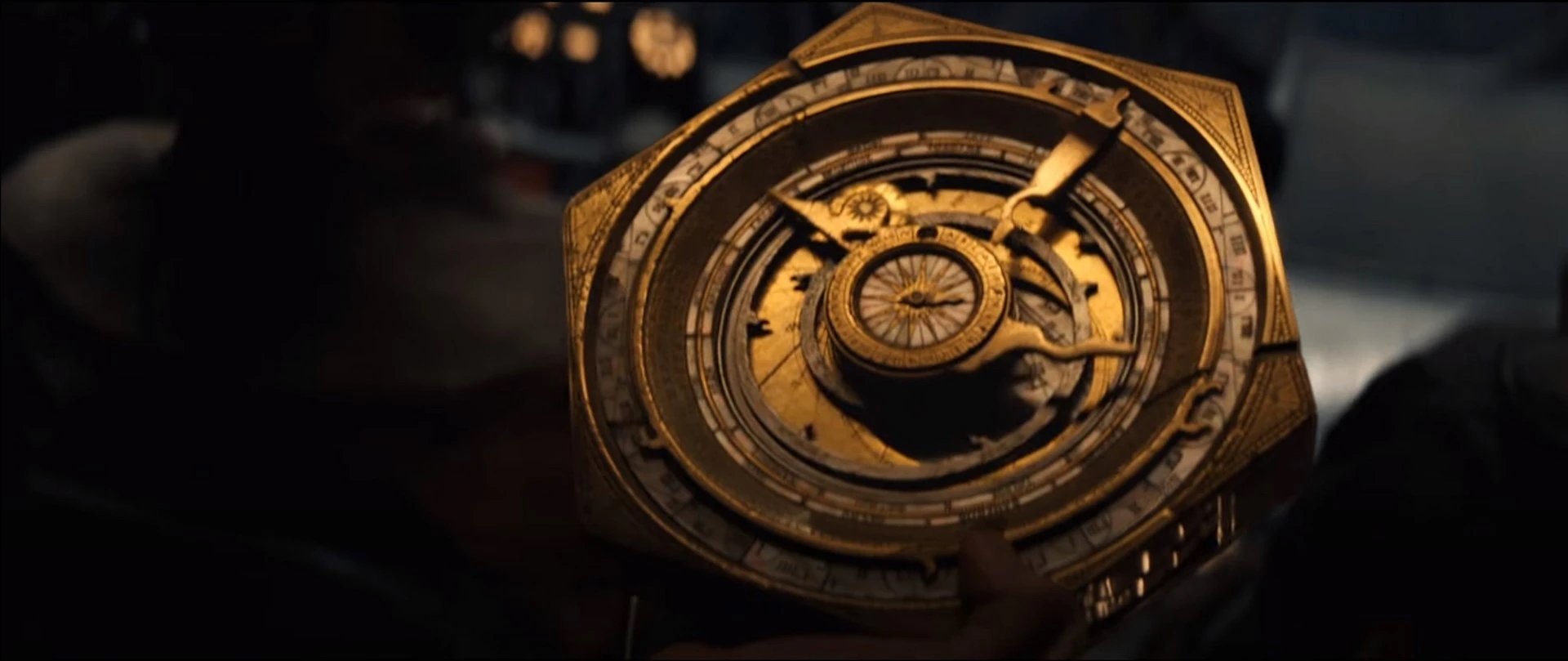
Anyway, Indy and his friend Basil Shaw (Toby Jones) are after a macguffin called the Lance of Longinus, which the Nazis possess. A German astrophysicist named Jürgen Voller (Mads Mikkelson) that is working for the Nazis deduces that the artifact is a fake and tells his superiors about half of another artifact that he possesses. It’s called the Antikythera or the Dial of Destiny and it could help Germany win the war. Before long, Jones and Shaw clash with Voller and the Nazis and are able to acquire the Dial from Voller.

The film flashes forward to 1969 in New York City. Jones is now an old, embittered man who emulates Clint Eastwood’s character in Gran Torino. He is about to retire as an archaeology professor in Hunter College and cannot be bothered to join in the citywide celebrations over the Apollo 11 moon landings. He runs into Shaw’s daughter Helena (Phoebe Waller-Bridge), who is a treasure hunter and archaeology student and wants to acquire the Dial of Destiny, which is in the college’s storeroom. Also interested in the Dial is Voller himself and his henchmen. After the war, Voller fled to the United States and helped NASA with their efforts to get to the moon. Voller is able to steal the Dial and sets out to find the other half, which is somewhere in Europe.

It turns out that the device was built by the ancient Greek mathematician Archimedes, and allows a person to track fissures or cracks in time, which would let that person travel to different time periods. Obviously, Voller wants to use the re-assembled device go back to Nazi Germany and win the war. The film turns into an extended series of exciting chases as Indy and Helena try to find the other half of the Dial as well and stay one step ahead of Voller and his goons.

Even though Indiana Jones and the Dial of Destiny was not directed by Steven Spielberg, the film is still a fun adventure while trying to evoke the spirit of the older films in the franchise. While director James Mangold cannot compare to the great Spielberg, he does an admirable job with this film.

In a way, Indiana Jones and the Dial of Destiny echoes some themes from Mangold’s Logan, in that that film also dealt with an aging hero past his prime who is forced to go on one last adventure. Don’t worry Indiana Jones and the Dial of Destiny is not bleak like Logan, but the themes about aging are well explored. Indy’s age and his lot in life in the late ‘60s may alarm some fans but this honest look at the aging hero in the twilight of his life is a novel theme that had not been explored before in the franchise. On the other hand, his physical feats and invulnerability given his ages does stretch credibility.  

The film is similar to Indiana Jones and the Kingdom of the Crystal Skull in that the macguffin is more sci-fi based, but unlike the fourth film it doesn’t have sci-fi tropes involving aliens and flying saucers. The Dial’s usage was quite astonishing and fit in well with Jones’ world view. It’s too bad there cannot be another film that would make up a trilogy where Indiana Jones sought sci-fi based macguffins instead of the religious ones he hunted in the first three films. Oh well.

 A huge reason why Indiana Jones and the Dial of Destiny works is due to Ford himself. He pours himself wholeheartedly into the role since he knows it is the last time he will play the plucky archaeologist. At this point, Ford is an acting legend that should be treasured and most of us are grateful he was able to don his fedora and leather jacket one last time. The other actors are also excellent in the film including Waller-Bridge and Mikkelson.

The production perfectly captured the look of the different time periods. The special effects, especially the de-aging done for Ford when he played the character in the 1940s was excellent aside from a few quick hiccups. But Mangold was able to keep the action and story moving along to keep us from focusing on the occasional effects flaw.

The only other gripe about Indiana Jones and the Dial of Destiny is that it is a bit long. It tries to capture the feel of the Spielberg films and while it quite can’t do it, the effort was commendable. As mentioned above, the story usually keeps moving and we’re engaged during the ride. However, it does not have silly moments like nuked fridges and is also not afraid to have more grounded and emotional moments for Indy. But don’t worry, once the action starts, Indiana Jones finds his old groove, which is always a delight to watch.

José Soto

Raiders of the Lost Ark Turns 40

It’s hard to believe 40 years has gone by for this priceless treasure of a movie. Raiders of the Lost Ark, which was great then, as it is now. 

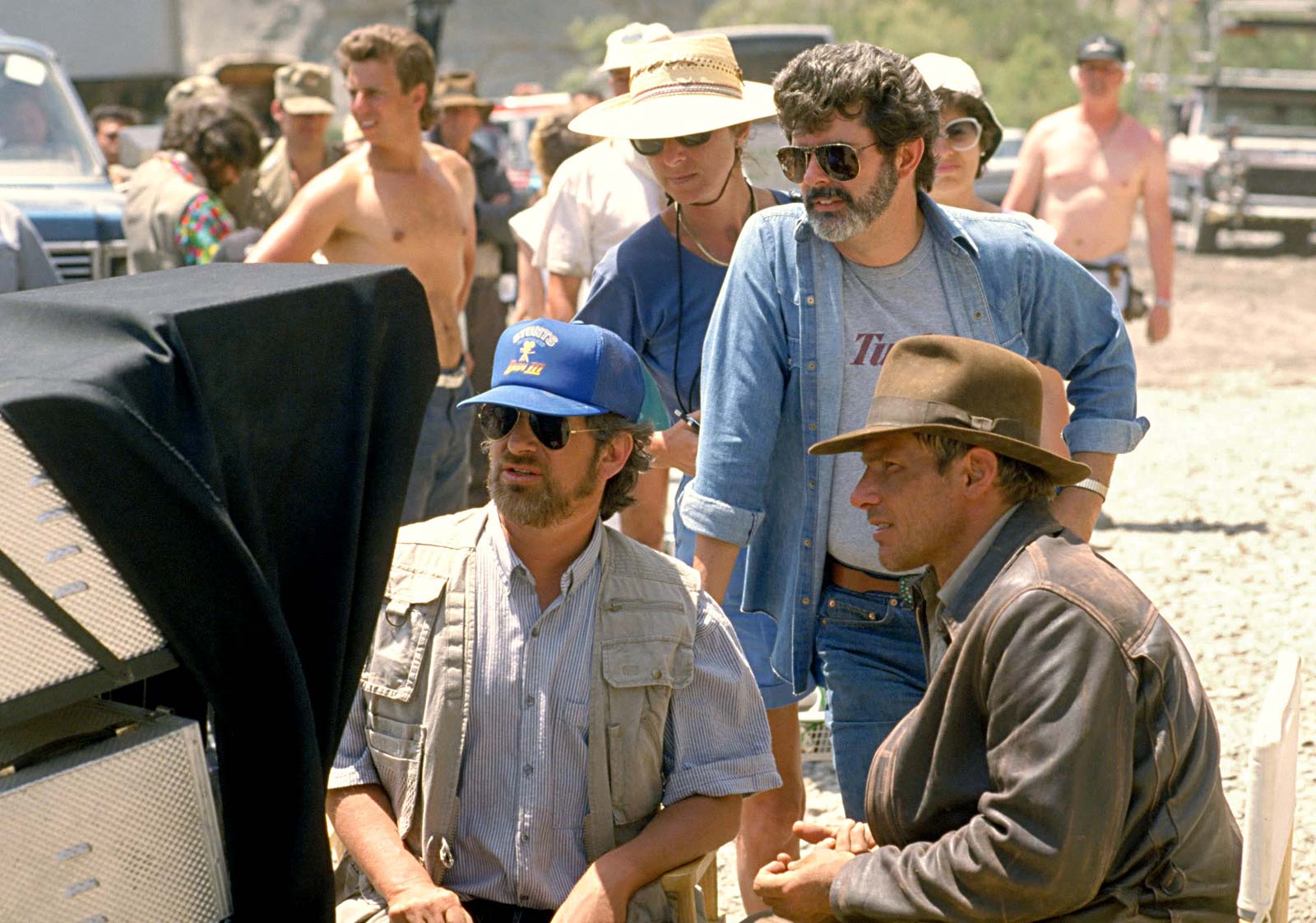
Raiders of the Lost Ark was conceived by Steven Spielberg and George Lucas while the two were on vacation at the time Star Wars was released in theaters in May 1977. The two filmmakers wanted to collaborate on a project. Spielberg wanted to do a James Bond film, but that did not pan out. Instead, he and Lucas decided to create their own hero and over time, Phil Kaufman helped flesh out Lucas’ story, and later Lawrence Kasdan wrote the screenplay.

When Raiders of the Lost Ark debuted June 12, 1981, it made us realize that Hollywood did not make movies like this anymore. Directed by Steven Spielberg and executive produced by George Lucas, the film was a tribute to the old black and white adventure serials (often done by Republic Pictures) that appeared in cinemas back in the early days of film.  

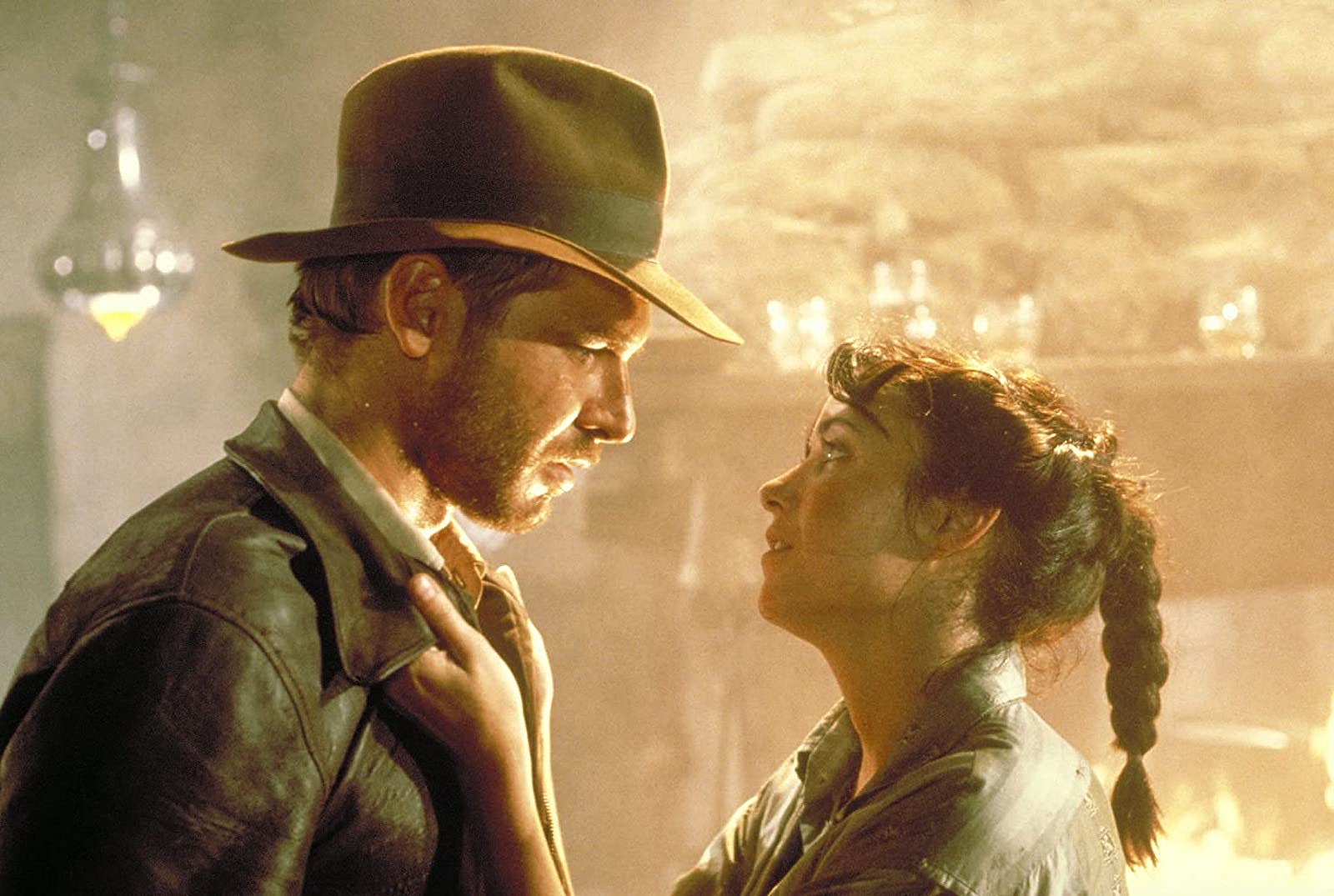
It was an adventure movie set in the 1930s with a touch of the religious and otherworldly—namely the mystical artifact, the Ark of the Covenant, which was sought after throughout the world by the archeologist Indiana “Indy” Jones (Harrison Ford, who was never more dashing) and Nazis led by Indy’s dastardly rival archeologist Rene Belloq (Paul Freeman). The film boasted a handsome and rugged hero, a beautiful, but tough, female lead (Karen Allen), smarts, spunk and pulse-pounding action. It’s why many moviegoers still consider Raiders of the Lost Ark to be the all-time greatest action movie.

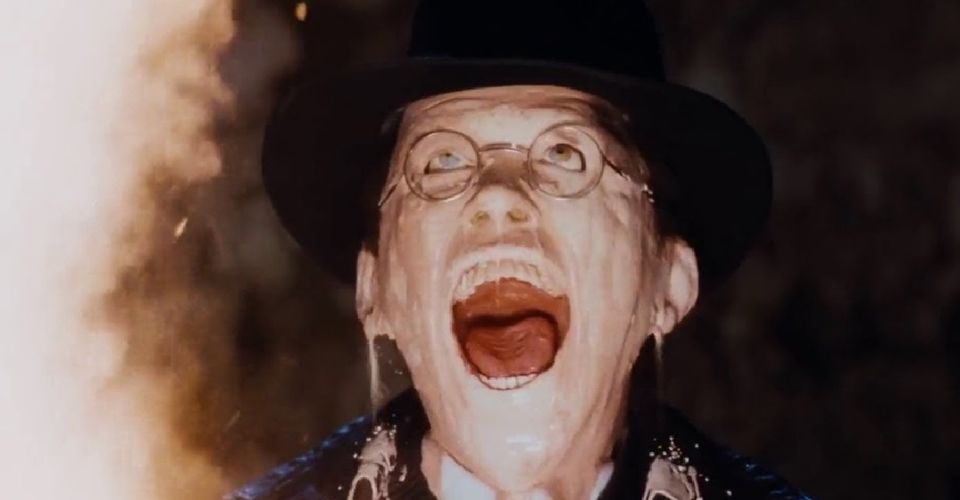
What helped Raiders stand out from other action films were Spielberg’s directing which injected so much passion and energy into each scene and the hint of the supernatural when the Ark was finally opened. Basically the film was a Republic serial on a steroid budget as it boasted topnotch production values and effects, which consisted of blue screens and miniatures. One chilling effect that was unique at that time was that of one of the villain’s face melting off when the Ark was opened. The effects crew constructed a mold using a stone skull and gelatin that was melted between two propane heaters. It took about ten minutes for the face to melt, which of course, was sped up in the film to a gruesome effect.

Another star of the film was the film’s composer, John Williams. Already famous for his memorable scores for Jaws, Star Wars, and Close Encounters of the Third Kind, Williams was picked for Raiders thanks to his association with both filmmakers. Originally, Williams had two distinct themes for the film, and Spielberg suggested he combine the two and viola, that is how we got the famous Raiders March that evokes a feeling of grand adventure and thrills.

The film was wildly beloved when it burst into the scene that summer. Later in 1982, it won five Oscars and was even nominated for best director and best movie of the year, though as usual the Academy Awards voters chose to bestow those honors to less deserving winners (Warren Beatty for his overstuffed Reds, and Chariots of Fire, a real yawn fest of a film that is largely forgotten). As noted before, Raiders of the Lost Ark was based on cheaply made serials, yet it was made on a budget of less than $20 million. However, the film grossed almost $400 million (very high for its time), which proved that audiences still liked good old-fashioned adventures.

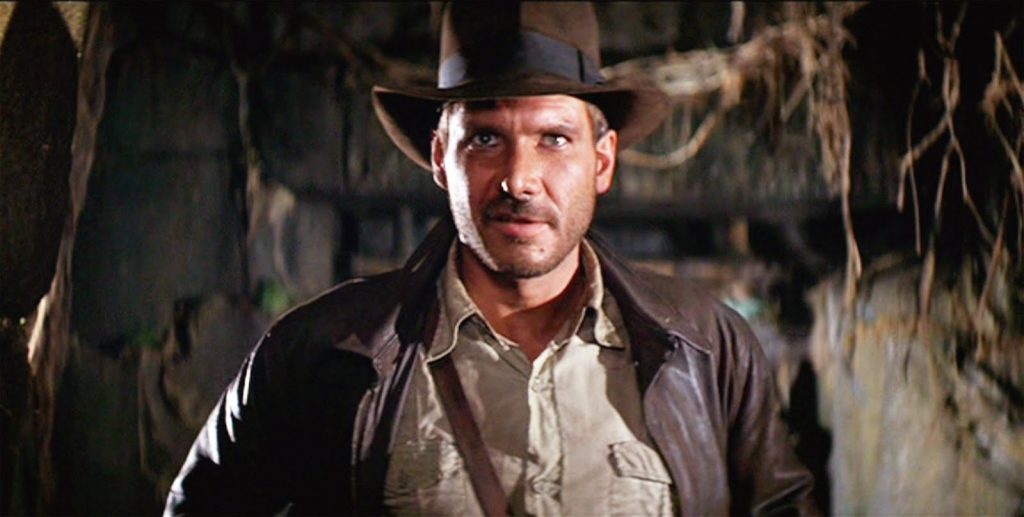
American actor Harrison Ford on the set of “Raiders of the Lost Ark”. (Photo by Sunset Boulevard/Corbis via Getty Images)

Raiders of the Lost Ark and the followup Indiana Jones films dispelled any doubt that Harrison Ford could only be a box office draw for the Star Wars movies. Ford stood out so clearly with his iconic wardrobe, bullwhip and tough-as-nails demeanor, except when it came to snakes! After his role in Indy, Ford went on to become one of the top earning action stars of the ’80s.

At the same time, Raiders helped disprove that George Lucas was a one-trick pony, since he is best known for his Star Wars films, while it cemented Steven Spielberg’s deserved status as one of our greatest film directors.

The sequels were well received for the most part with exceptions. The first sequel, or rather prequel (since it takes place before Raiders), Indiana Jones and the Temple of Doom was criticized for being too violent and helped inspire the PG-13 movie rating. The third film, Indiana Jones and the Last Crusade was considered by some as the best of the Indy films, though most still think that forty years later, the first one is the best. Unfortunately, the last one, Indiana Jones and the Kingdom of the Crystal Skull, which came out in 2008, is considered to be the weakest film, thanks to the obvious use of CG, clumsy antics and Shia LeBeouf, who played Indy’s son, but it still has some terrific moments.

Thankfully, that film will not be the last we have seen of Professor Jones as a new adventure is being filmed for release next year. But given Harrison Ford’s advanced age (he is 78), it is hard to see how the film will convince us he is still a man of action. It’s too bad, there were not more Indiana Jones movies made when Ford was in his prime, otherwise we would not have this dilemma. But keep in mind that the actor wanted to branch out and do other films, plus Spielberg and Lucas were also busy with other projects, which meant that all three getting together to do more Indy films was a logistical nightmare and it still is, as seen by the fact that Steven Spielberg is not directing the fifth film; James Mangold has taken over for the directing duties.

With three sequels released and a fourth sequel currently filming we should take a moment to consider the appeal and influence of Indiana Jones.

The concept of Indy being an outdoor adventurer looking for things of importance no doubt influenced Tomb RaiderUncharted, the Temple Run video game franchise, the Jumanji films, Brendan Fraser’s The Mummy, and even Dora the Explorer. Lesser known properties inspired by Indy’s film adventures include the cult classic The Rocketeer, the fairly recent Journey to the Center of the Earth movies with Brendan Fraser and The Rock, and TV shows like Tales of the Golden Monkey. There was even an Indy- themed episode of Magnum P.I. starring Spielberg and Lucas’ first choice to play Indiana Jones—Tom Selleck. The actor almost got the part, but had to bow out due to contractual obligations with his TV show.

Raiders of the Lost Ark is so influential that any imagery in media showing a person or people exploring the jungle, with table cards flashing a bold logo is no doubt influenced by Indiana Jones. It even re-popularized the fedora hat that Indy often wore along with his leather jacket. These are just some of the reasons why we celebrate Raiders of the Lost Ark forty years after its release. Simply put, it still holds up as an exciting, innovative and lavish adventure yarn that is timeless.  To paraphrase Belloc, who mentioned in the film that if he buried a cheap watch in a thousand years it would become priceless, well in a thousand years we sense that this movie will still be priceless!

Walter L. Stevenson

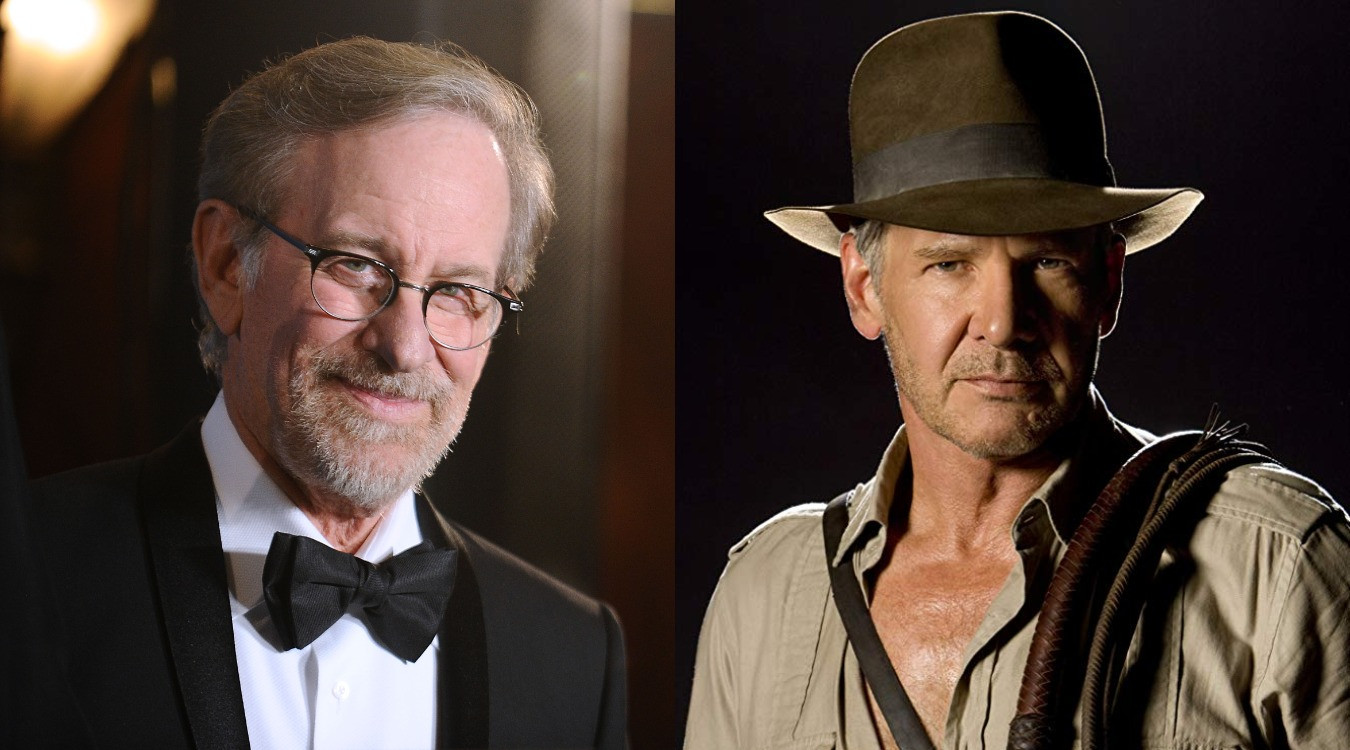
Steven Spielberg No Longer Directing Indiana Jones 5

The news was not unexpected, but it was still disappointing. Earlier this week, we learned that acclaimed director Steven Spielberg will not direct the upcoming fifth Indiana Jones film. Now the only person left from the original Indy films is the star himself, Harrison Ford, who is still committed to donning the fedora and leather jacket one last time.

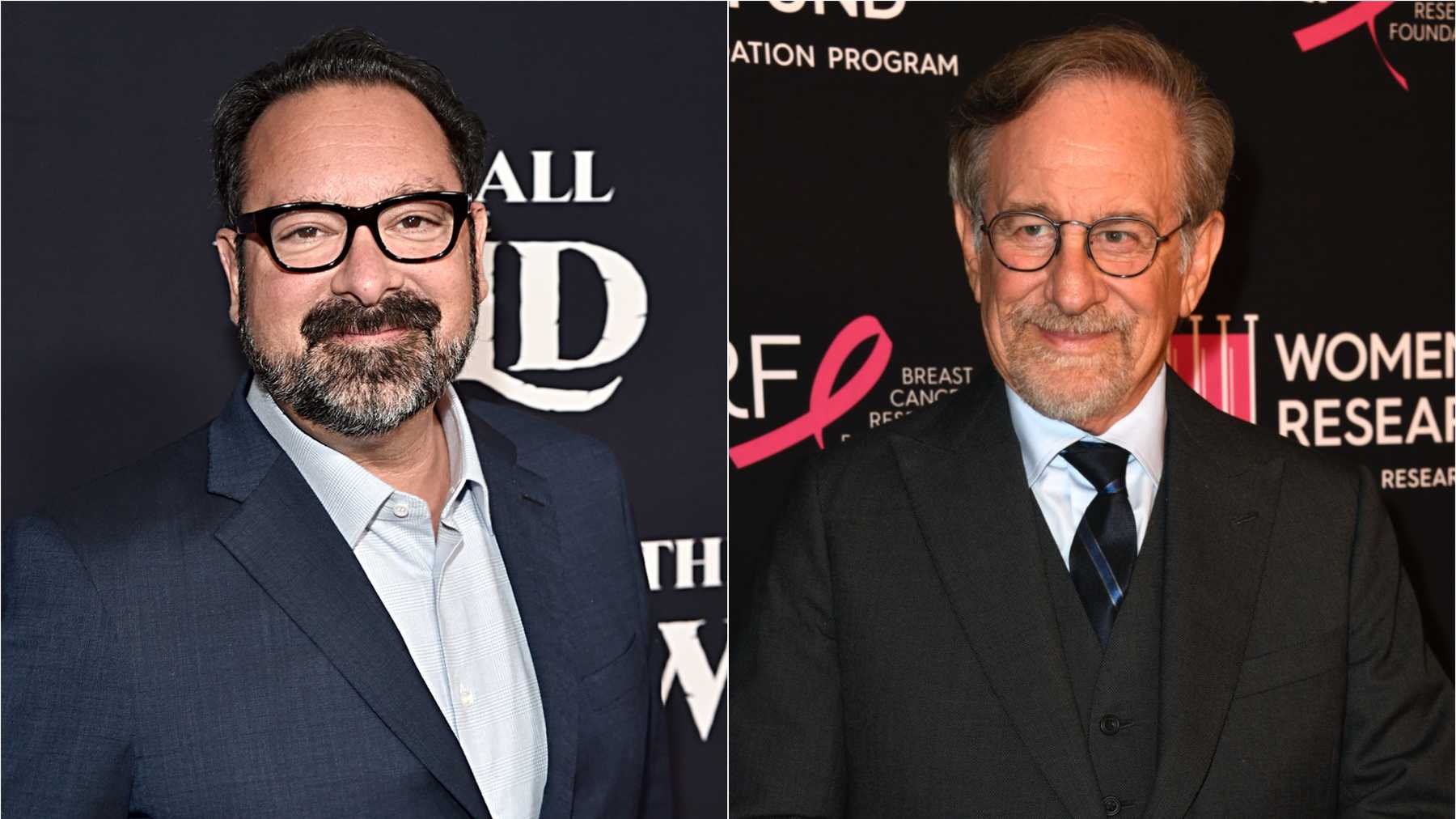
Even though the announced new director for the project, James Mangold, is a great director in his own right, this development cannot adequately inspire much excitement over Indiana Jones 5. James Mangold has a superb filmography, he directed the best Fox X-Men film, Logan, among other terrific films. By itself Mangold’s attachment (keep in mind he is only in talks to take over Indiana Jones 5) should be great news. But this is trying to follow up on Steven Spielberg, one of the greatest film directors of all time. Following up on the auteur is a near-impossible task. Just ask Joe Johnston when he directed Jurassic Park III.

However, Mangold will likely turn in a fine film, but it just won’t feel the same. This will likely inject some new blood into the franchise, but at this point, why not just recast the role and start over with the character?

With Harrison Ford out of the way, the new slate of Indiana Jones films could smoothly go back to the 1930s time period or even the 1940s and tell new stories. The films do not nor should they remake Raiders of the Lost Ark or the other Indiana Jones films. That would be blasphemous and invite unfair comparisons. There are plenty of mystical or sci-fi macguffins that the swashbuckling archaeologist could chase after. Doing a straight recast will be a good jumping on point for those who haven’t seen the previous films and fans, as well. Otherwise, why bother with the film?

Getting back to the original team behind Indy, George Lucas was already not going to be involved with the fifth film. So, right there Indiana Jones 5 felt incomplete without the original trio, though some may have celebrated that idea given the negative reaction to Lucas’ story ideas for the last film, Indiana Jones and the Kingdom of the Crystal Skull. Frankly, this was a shame since he co-created the character.

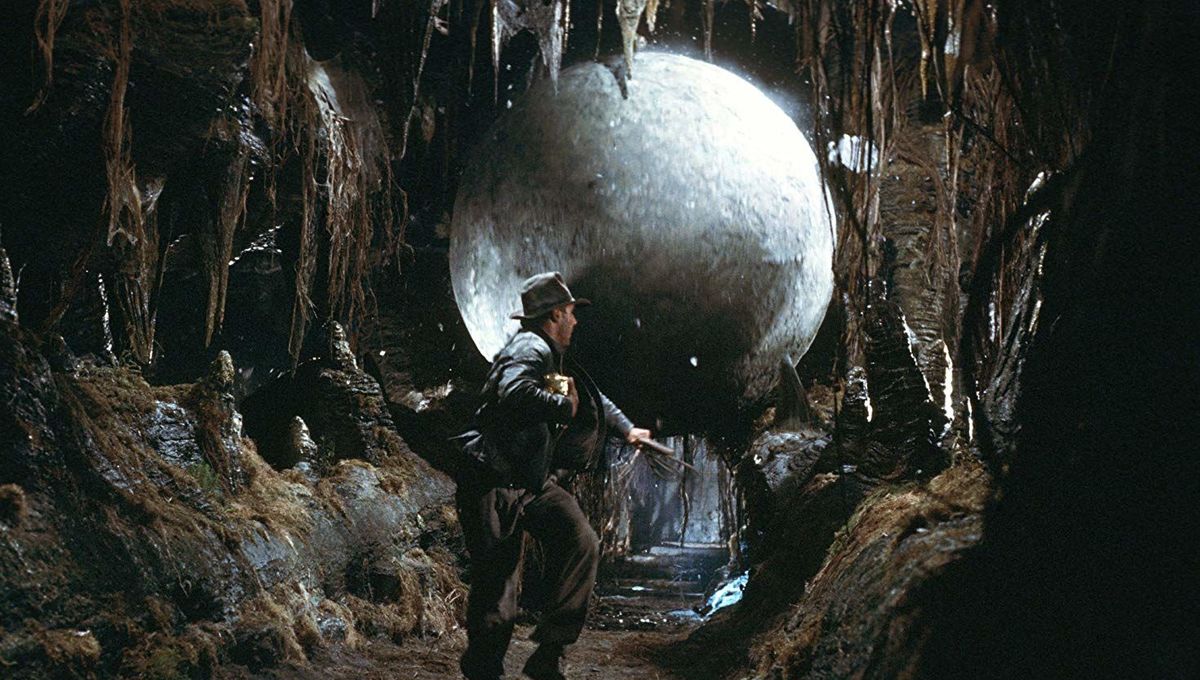
Harrison Ford has been itching to wield his character’s iconic bullwhip one last time. He is in his mid-70s now, and although he looks healthier and fitter than his contemporaries, his age would strain credulity that he can carry out intensive action scenes. In the fifth film, no one could see Indy outrunning a giant boulder without suspending disbelief. It could be worse than the nuked fridge scene from Indiana Jones and the Kingdom of the Crystal Skull or jumping out of a plane in a life raft during Indiana Jones and the Temple of Doom.

Frankly, given Ford’s age, an Indiana Jones 5 would have to be made very soon.

Continue reading

This Beautifully Crafted Blade Runner 2049 Does Not Replicate The Original Classic

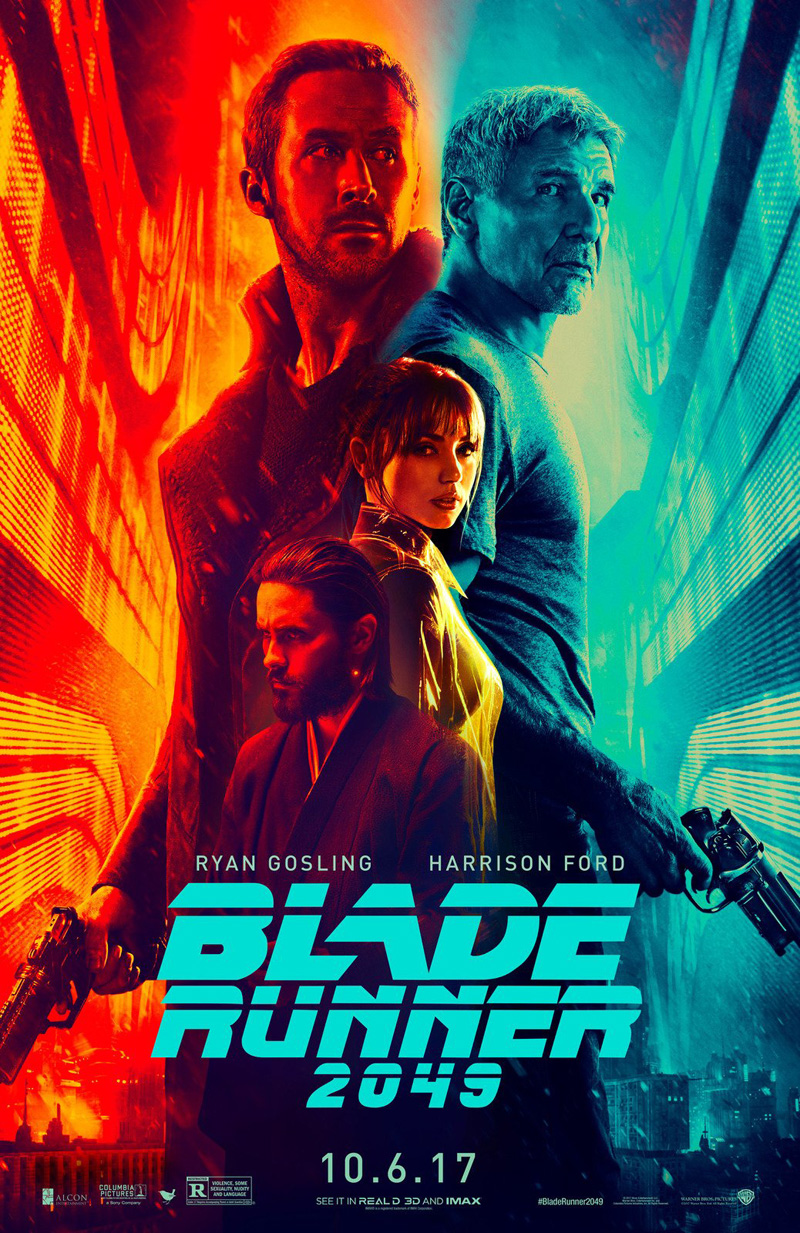
blade runner 2049 poster

Blade Runner 2049 is the sequel to the Ridley Scott sci-fi neo noir classic film that came out 35 years ago. It takes place in the same dystopian Los Angeles introduced in the original film, which took place just two years from now, yet seems uncomfortably accurate today. Now thirty years later the world is even more ruined but further technologically advanced. Humanity is still utilizing  race of artificial humans called replicants as slave labor. Whenever a replicant escapes or rebels, special police officers called blade runners are dispatched to kill them.

In Blade Runner 2049, replicants no longer have limited life spans and are more integrated into society. However, they are still second-class citizens who are derided by humans. The main protagonist in this film is K (Ryan Gosling), a replicant who is actually a blade runner that hunts down his own kind without remorse. Early in the film during an assignment he uncovers a baffling mystery. He discovers a long-dead body and this leads him on a mission to find out more about the deceased person because it has important connotations for replicants and society itself.

Denis Villeneuve directed this sequel and he is an inspired choice for the job because his visual style and storytelling techniques are very reminiscent of Ridley Scott. The landscapes are still breathtakingly chilling with the towering and crumbling skyscrapers, large intrusive holographic advertising and constant rain, which signal the climate change ravaging our planet. Only now snow and ash pelt the inhabitants of the futuristic Los Angeles. This does not mean that Blade Runner 2049 is a copy of the original. It tells its own original story without rehashing the beats of the first film, while further exploring the theme of what it means to be human. Gosling does his usual stoic act, which fits perfectly with his soulless character. But as he digs deeper into the mystery, he comes to question his own self and wonders if he has a soul. If so would that make him human despite how he is treated?

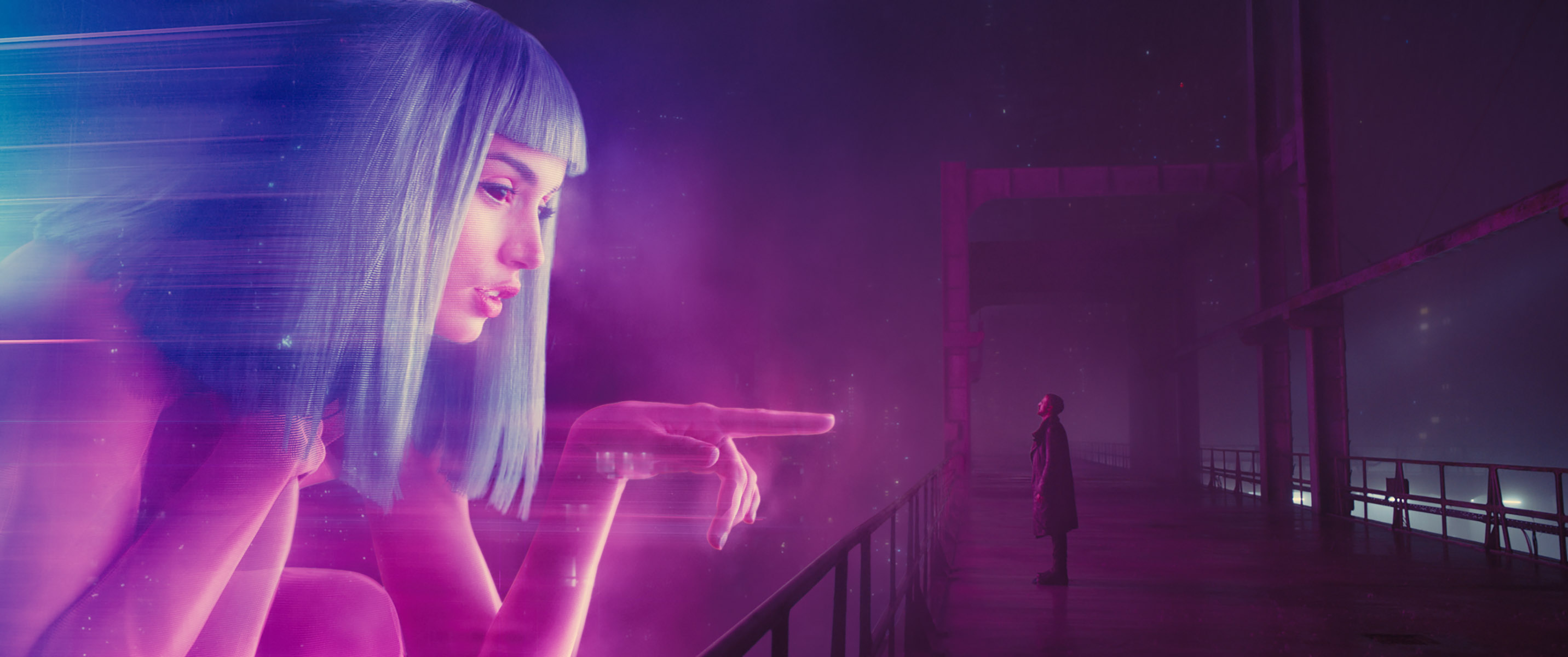
The sequel even takes time to examine the nature of sentience with K’s holographic home AI, Joi (Ana de Armas). At first glance, Joi just seems to be a household tool to K, sort of an advanced Siri or a Google Home but with holographic projectors. What was interesting about this set up is that a subservient non-human intelligence services a second-class citizen who isn’t considered human himself by society. How K and Joi treat each other in their tender,  growing relationship formed the heart of this film and featured in its best moments.

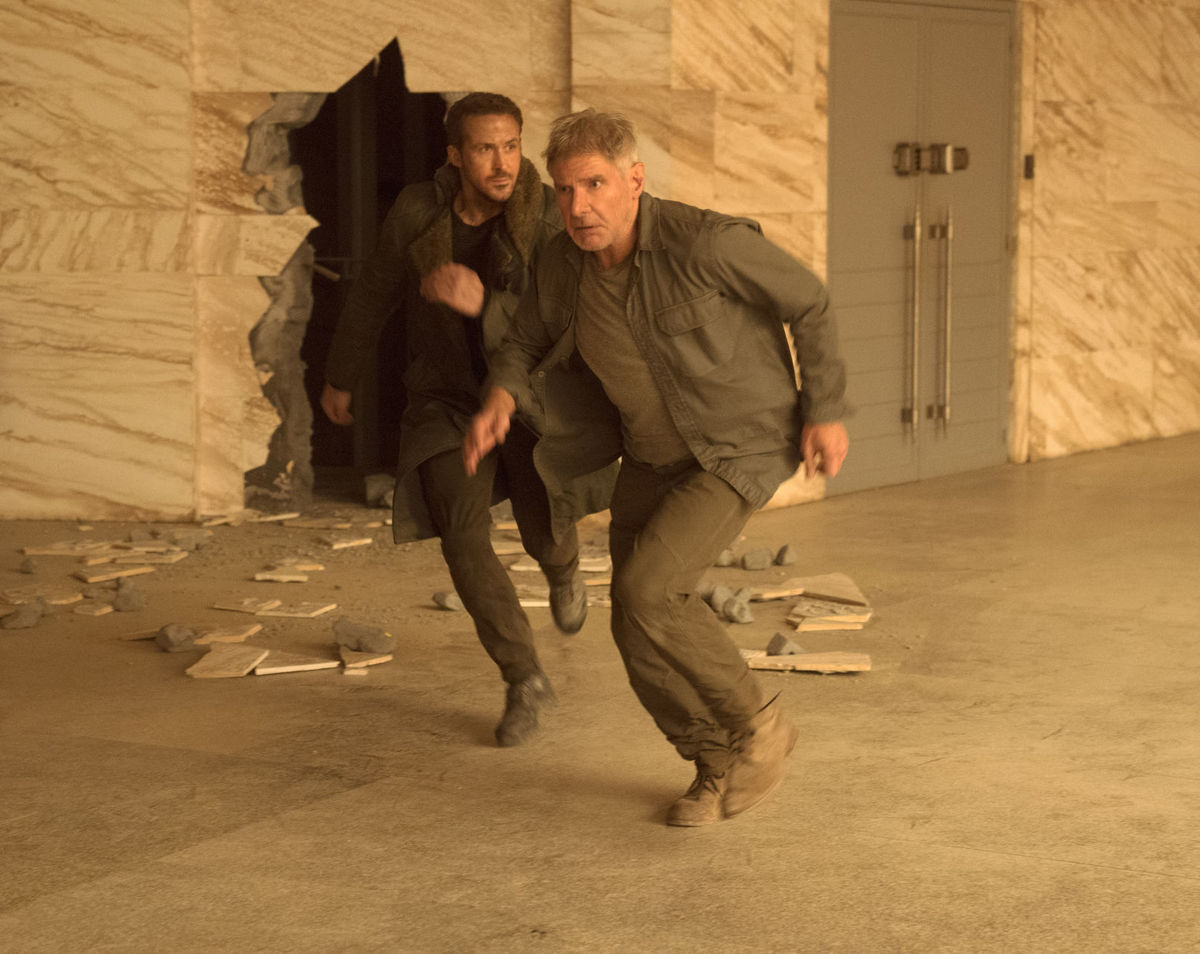
Another highlight is Harrison Ford himself, who reprises his role in the first film as Deckard, the blade runner who fell in love with a replicant. He is a welcome face and believe it or not helps lighten the mood in this dour film. Ford’s Deckard is a reminder of a world that has been lost and only now exists as a distant, treasured memory. Although Ford is a scene stealer, Gosling with his tortured character is the focus in this film.The most important question is about how Blade Runner 2049 compares to the original. Honestly, this is the kind of film that will be many things to many people. Already, some are hailing this as a masterpiece, while others are writing it off as dull. Bottom line, the original is the better film for several reasons. Starting with the story, the first Blade Runner had a tighter plot that was quite clear: Deckard had to find a group of renegade replicants. In this film, the mystery (and plot) are laid out but it seems more muddled and sometimes it is easy to lose track of what is going on. Later in the film, a new development occurs that is disjointed and clumsily inserted into the film. What is worse is that this development does not lead to anything and just reeks of an obvious plot thread for a sequel. This does not mean the film is dull as some are claiming. Just like the first Blade Runner, this is a slower, more contemplative film than what most of today’s audiences are used to, which is not a bad thing. Also, while it emulates the look and themes of the first film, Blade Runner 2049 fails to replicate (pardon the pun) that memorable future noir atmosphere that made the first film stand out. For a film that centers on a mystery it feels less like a detective story than the first Blade Runner. Another vital drawback is with the villain. Roy Batty so wonderfully played by Rutger Hauer was a much more realized and dimensional villain. He was motivated by a desire to be free and extend his short life span. That is something we can all identify with, which is why we mourned his fate at the end of the film. The villain in this sequel does not have a clear motivation and as a result comes off as one dimensional.Blade Runner 2049 is nonetheless a beautifully crafted film that honors the original while being able to stand on its own. Denis Villeneuve demonstrates again why he is one of the most lauded film directors today and this is a great entry in his filmography. The film’s cinematography is simply gorgeous even though it depicts a sadly decaying world. Every shot is expertly composed and should be seen at least once in the big screen. It goes without saying that the special effects are as grand and spectacular as the first film. But these technical aspects are just window dressing for the film’s central themes about humanity and how we treat each other. Those are the film’s true highlights and what will leave the greatest impression upon audiences.

Lewis T. Grove