Commemorating Star Wars Episode III 20 Years Later

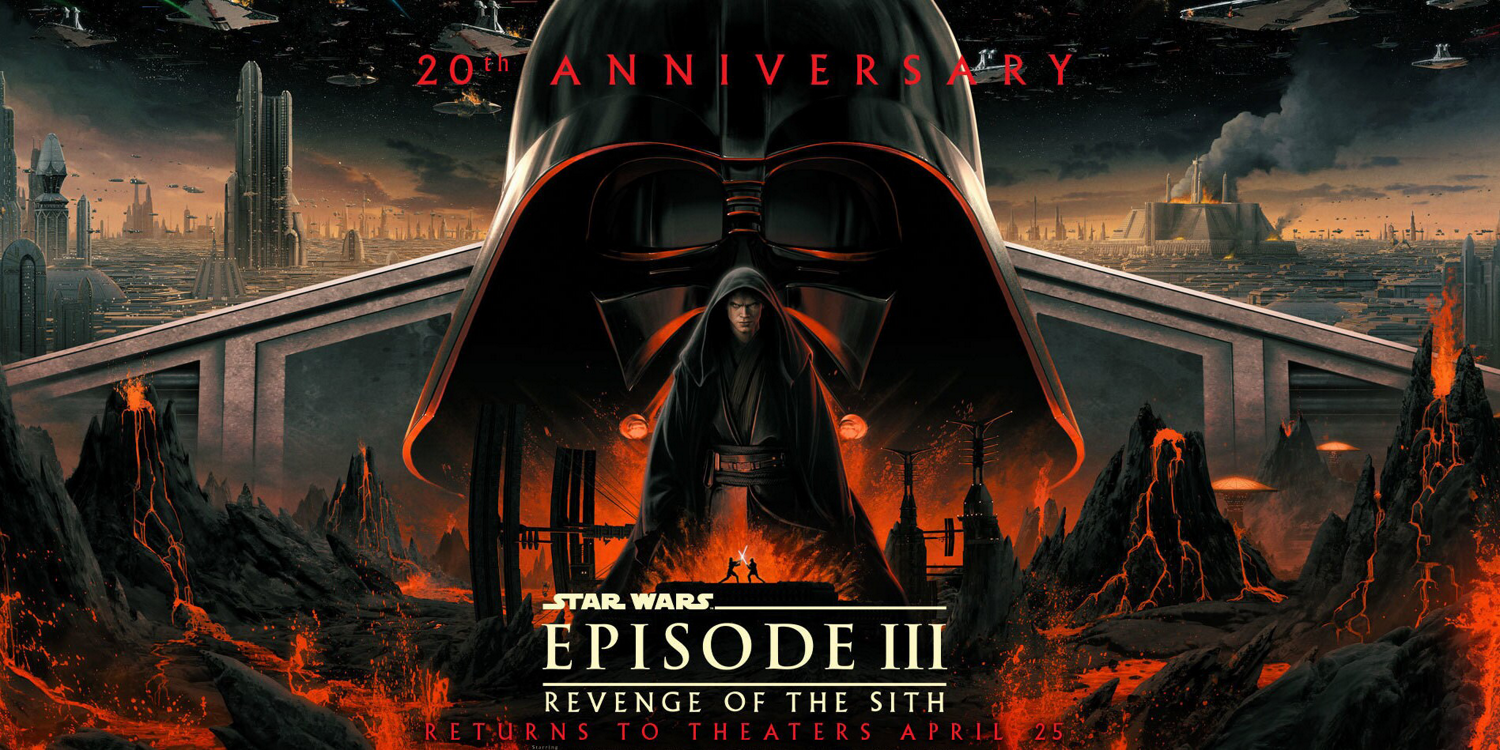
This year marks the 20th anniversary of Star Wars Episode III: Revenge of the Sith, arguably the best of the Star Wars prequels and the culmination of Anakin Skywalker’s fall to the Dark Side of the Force.

The film starts with a bang as we see Anakin and his mentor, Jedi Master Obi-Wan Kenobi rushing to rescue Chancellor Palpatine, the leader of the Galactic Republic who was kidnapped by Separatist forces in the skies above the Republic’s capital world of Coruscant. The opening space battle is a spectacular highlight as we see the Jedi duo flying among enormous capital ships wrecking havoc on one another. This scene is one I’ve rewatched countless times and is a great way to set up the rest of the film. When the Jedi finally reach the Separatist flagship and find the Chancellor, Anakin’s descent to evil is hinted at as he brutally executes Count Dooku at the urging of Palpatine, after an intense lightsaber duel.
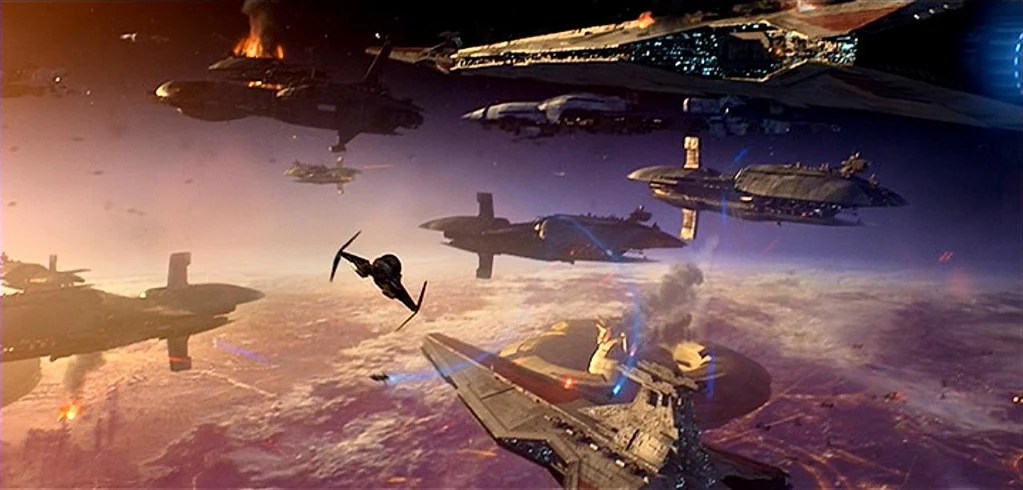
His future as a Sith Lord is further orchestrated by Palpatine as he convinces Anakin that his wife, Padme, will die unless he learns the secrets of the Dark Side, and he turns on his fellow Jedi. The final confrontation with his friend Obi-Wan on the lava world of Mustafar is both exhilarating and emotional as a heartbroken Obi-Wan is forced to mortally wound Anakin and leave him to die while castigating him for turning on everything they fought for. Palpatine eventually arrives and finds Anakin on the brink of death and, using medical droids and surgical procedures, turns him into the fearsome and legendary Darth Vader, who is now trapped in a prison of body armor that keeps him alive. Padme’s death due to Anakin’s force choke, her trauma at giving birth to their twins Luke and Leia, and Vader’s reaction to the news of this event, is the emotional high point of the film and sets up the classic original Star Wars trilogy as Obi-Wan and his ally Bail Organa takes the twins to safety on the planets Alderaan and Tatooine.
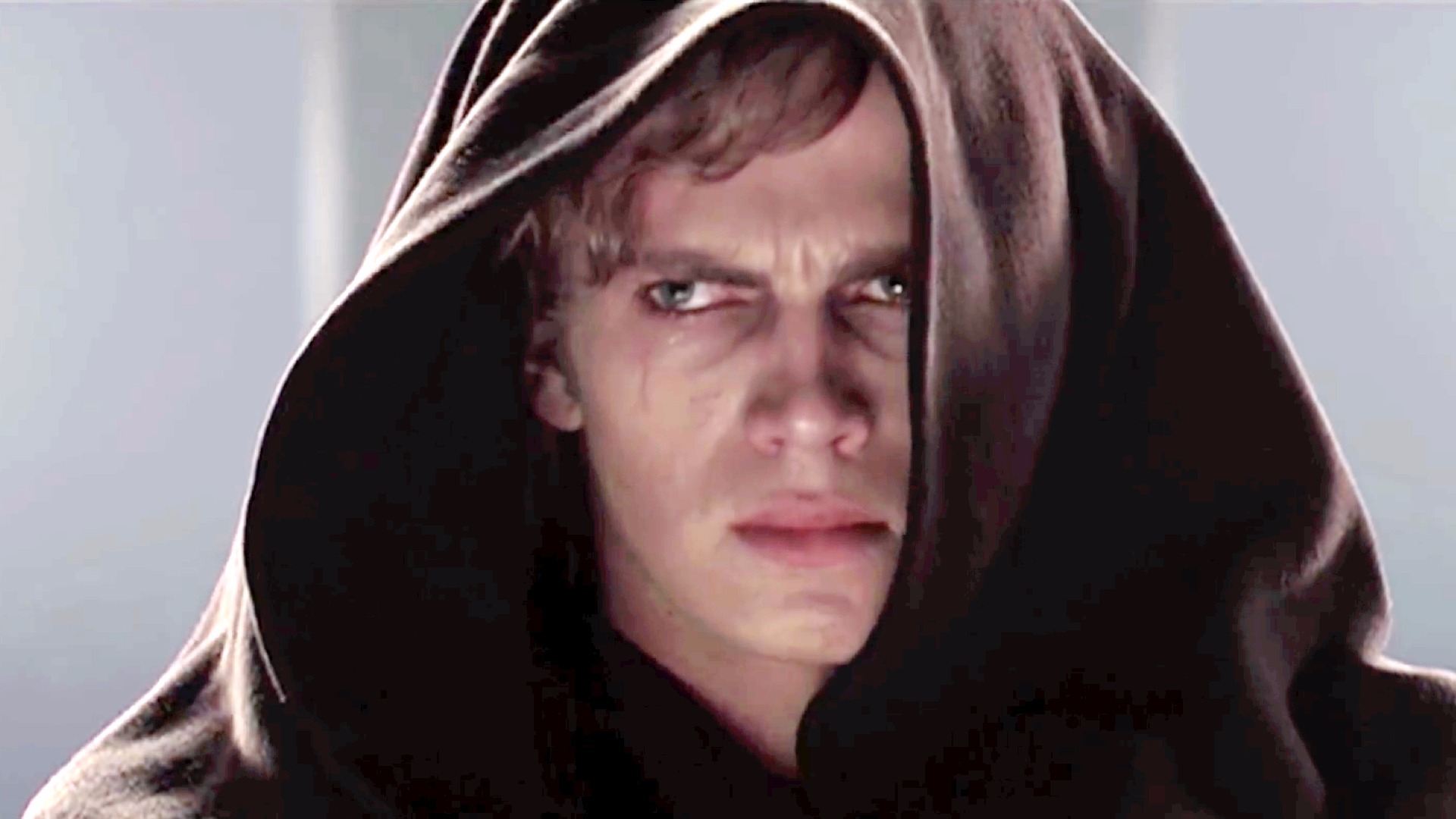
One of the many strengths of the film is the foreboding tone that is set when we see the manipulation that Anakin is subjected to from Palpatine, as well as the Jedi being set up for their downfall which is shown when Anakin marches on the Jedi temple flanked by Clone Troopers who then kill all the Jedi there, including young Jedi students. The many battlefields of the Clone Wars is another great thing we witness in this movie, such as the clone army battling the separatist droids on the Wookie home world Kashyyyk, re-introducing fan favorite Chewbacca to the Star Wars universe in this era. As well as the conflict on the arid planet Utapau, where Obi-Wan finally eliminates Separatist droid General Grievous. This happened after a thrilling chase scene that has Obi-Wan riding on a gigantic lizard named Boga in pursuit of Grievous who is riding on his personal wheel bike. This is something that Star Wars excels at, blending different genres and circumstances, fantasy and science fiction that somehow works. This imaginative vision of director George Lucas comes to fruition the most in this film as this is the last movie he directed, and it seems he finally was able to shake off the issues that surrounded the first two prequel films. The Phantom Menace when it was released was criticized for what some saw as a childish tone with Jar Jar Binks flailing around. This is completely absent in Revenge of the Sith. The feeling of impending doom for the Republic and the Jedi is palpable as we finally see the events hinted at in the original trilogy: Anakin’s fall, his final duel with Obi-Wan, the extermination of the Jedi Order, and Palpatine’s rise to be the evil Emperor that we first saw in Return of the Jedi. Attack of the Clones was seen as an improvement but still had issues with the somewhat clumsy romantic subplot between Anankin and Padme. Again, this is not the case in Revenge of the Sith, as the focus is on the cruel fate that awaits Padme at the hands of her husband, which is haunting to witness.
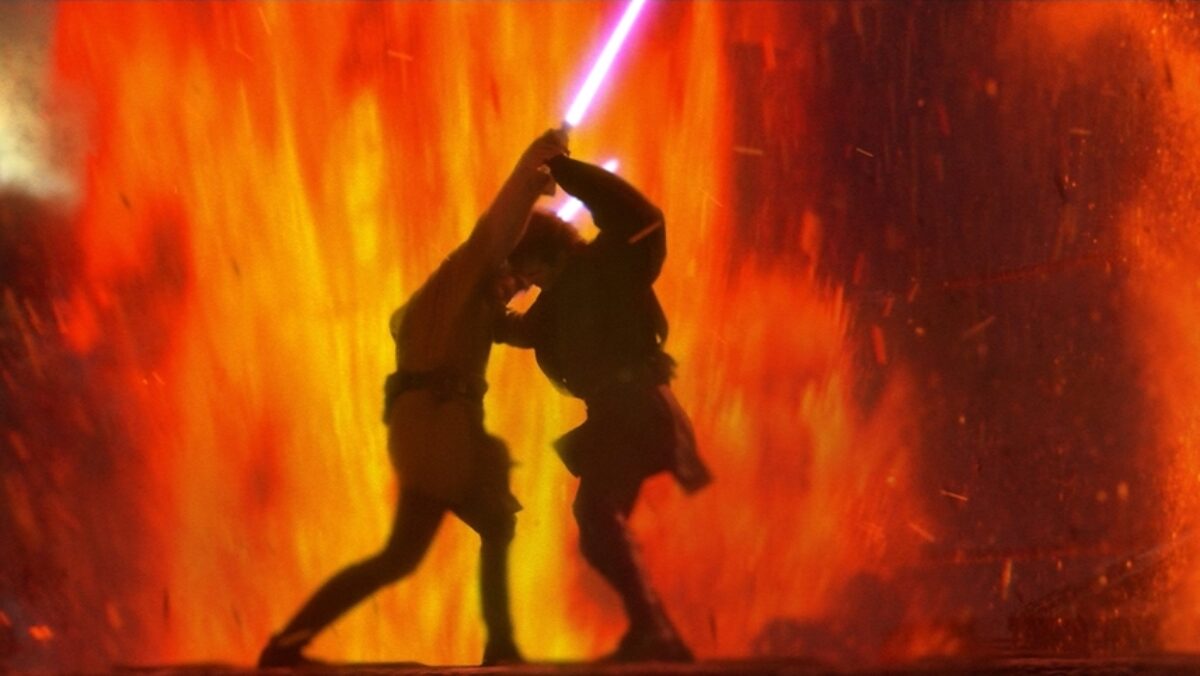
The reputation of Star Wars Episode III: Revenge of the Sith has only improved in the years since its release on May 19, 2005. It has the reputation of being the best prequel film, which is well deserved and it also led to later Star Wars releases such as the highly regarded Star Wars: The Clone Wars TV show and Star Wars: Rebels. I think it is right up there with A New Hope and The Empire Strikes Back when rating the various Star Wars movies. It has the right balance of being a more sophisticated story while still having the excitement and adventure a Star Wars movie needs to have. The special effects were top notch as always, and we see new ships and vehicles introduced such as ARC-170 starfighters, V-Wing starfighters, Droid Tri-fighters and Clone Turbo tanks. This is something that was missing from the sequel trilogy which basically just had X-Wings and TIE fighters from the original films with new paint jobs. The lightsaber duels were also the best of any of the movies, with Anakin vs. Dooku, Obi-Wan vs. Grievous, and finally the long-awaited duel between Anakin and Obi-Wan, which did not disappoint. It was a furious and intense battle with a backdrop of searing lava that is fantastic to witness. The inevitable outcome of it brings the prequel saga to a close and guaranteed that the film earned its place in Star Wars lore as an epic finish to the story that Lucas started so many years ago.
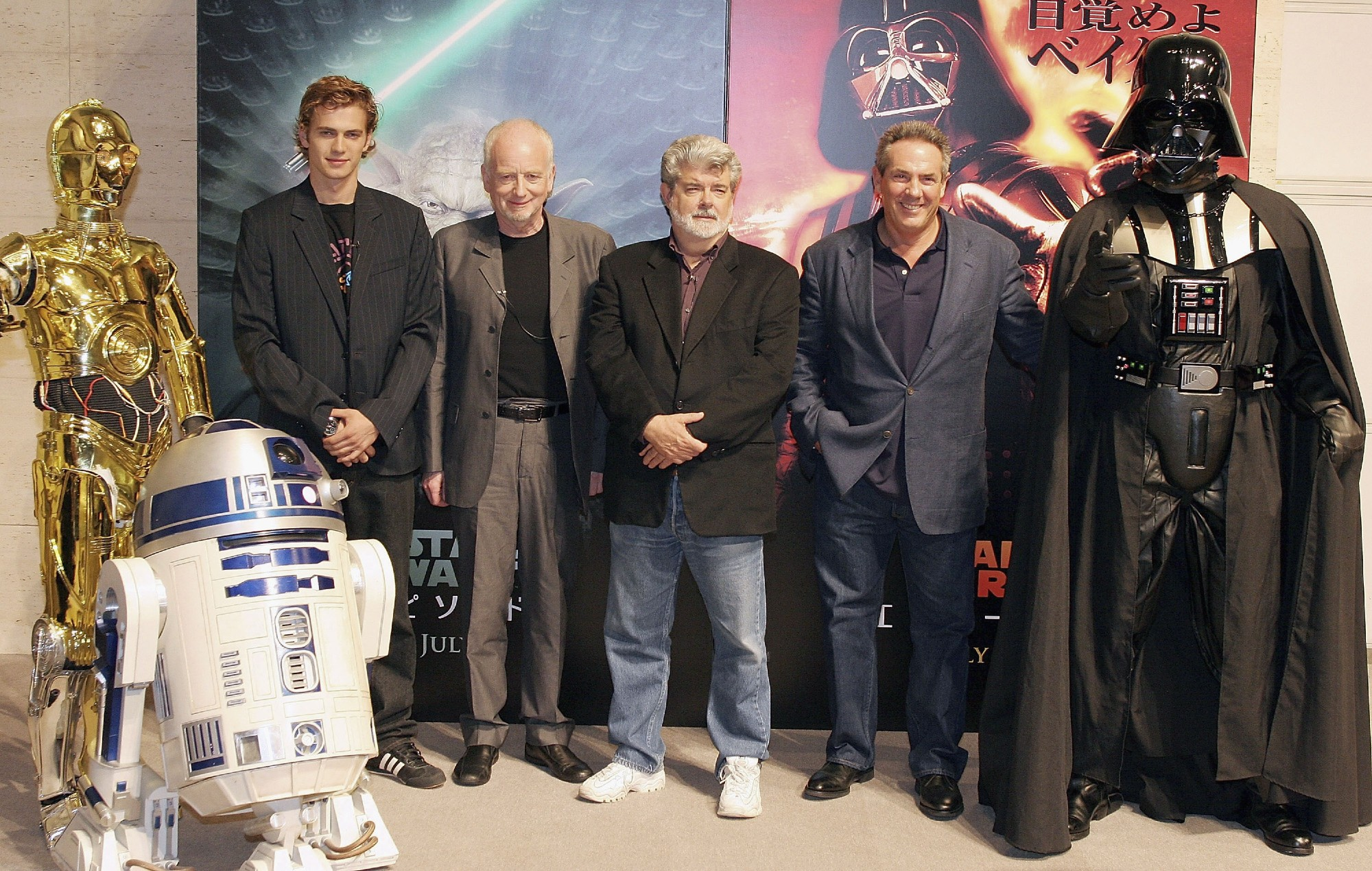
The celebration and acclaim that Star Wars Episode III: Revenge of the Sith is receiving on its 20th anniversary is well deserved, and it will be no surprise to see it get the same kind of praise and acknowledgment on its 30th anniversary and well beyond.

C.S. Link
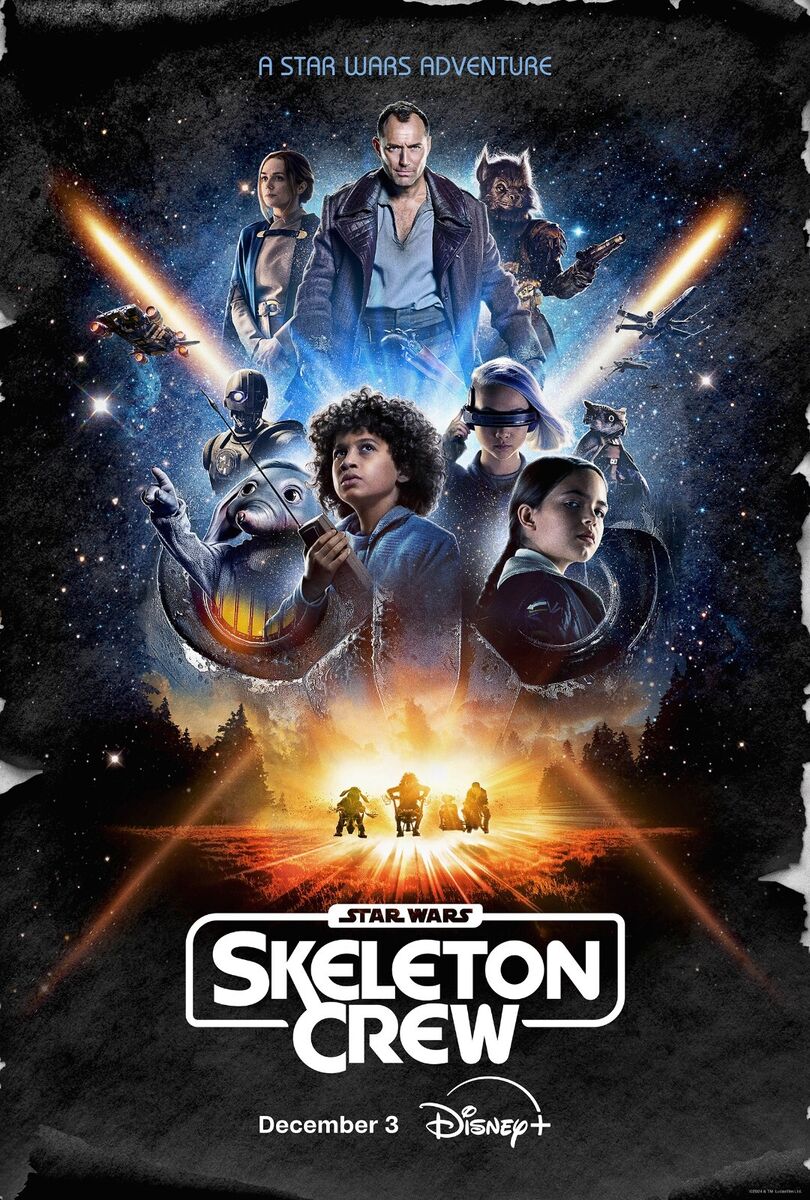
Star Wars: Skeleton Crew Is An Unexpectedly Fun Star Wars Adventure

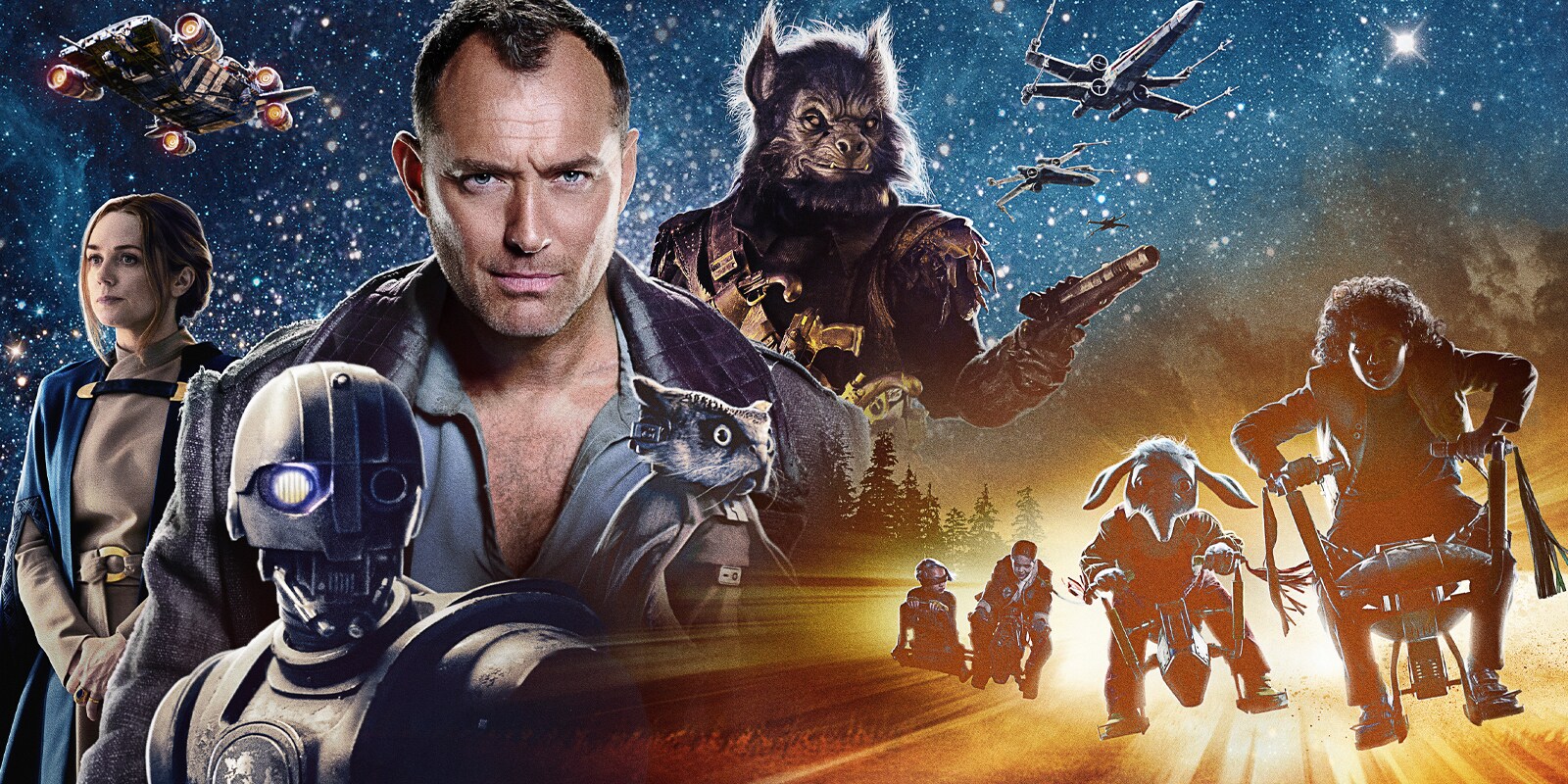
When Star Wars: Skeleton Crew was first announced to stream on Disney +, few fans could muster any excitement for it. The only thing of note about the TV show was that it was co-created by Jon Watts, the director of the recent Spider-Man films. What did not help was that very little was known about it except that it involved children. Most fans were quick to write off Skeleton Crew as a kids show on the level of those Spy Kids films. Well, imagine everyone’s surprise when the TV show turned out to be much, much better than expected.

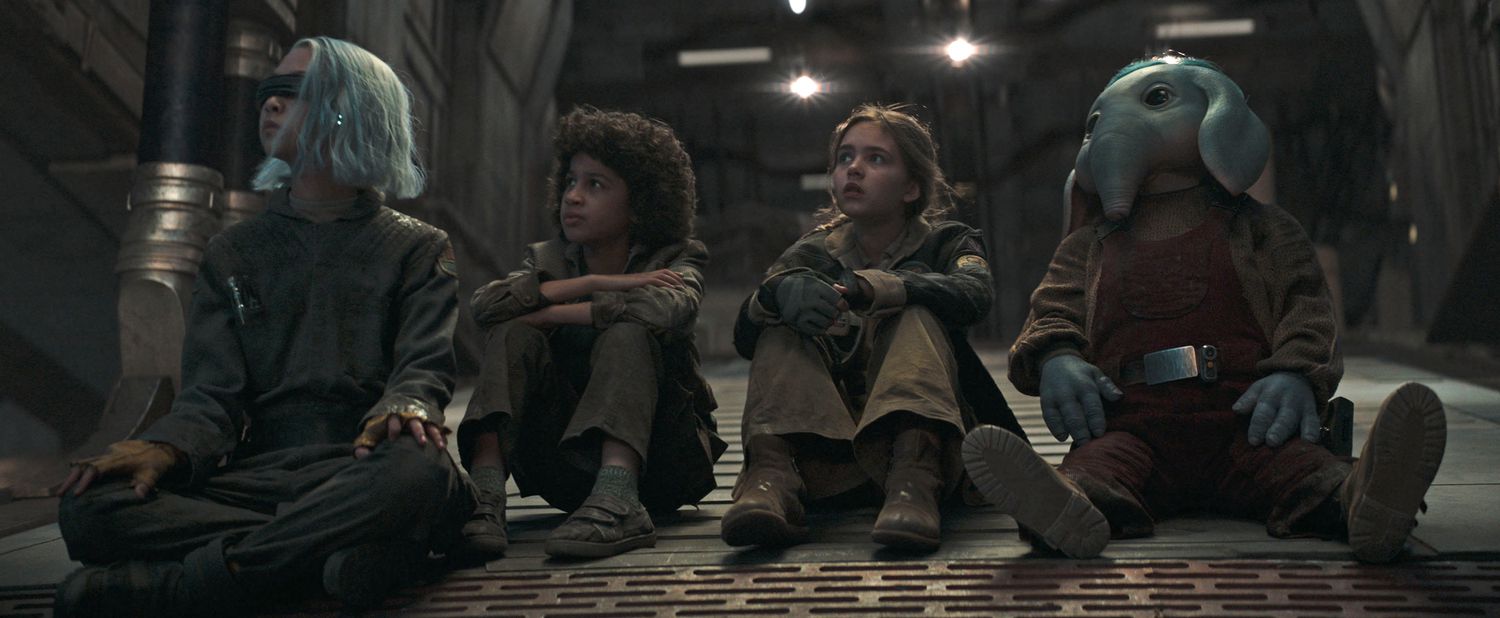
Star Wars: Skeleton Crew tells the story of four children living a typical suburban lifestyle on the planet of At Atin who end up getting much more than they anticipated when they set out to inject some adventure into their lives. The show centers on Wim (Ravi Cabot-Conyers), a boisterous young human boy who hangs out with his best friend Neel (voiced by Robert Timothy Smith), an elephantine boy. Together, the boys go through the usual trivialities in their dull suburban lives. Wim dreams of adventure but is slated to become a bureaucrat like his father (Tunde Adebimpe) and every adult on the planet.

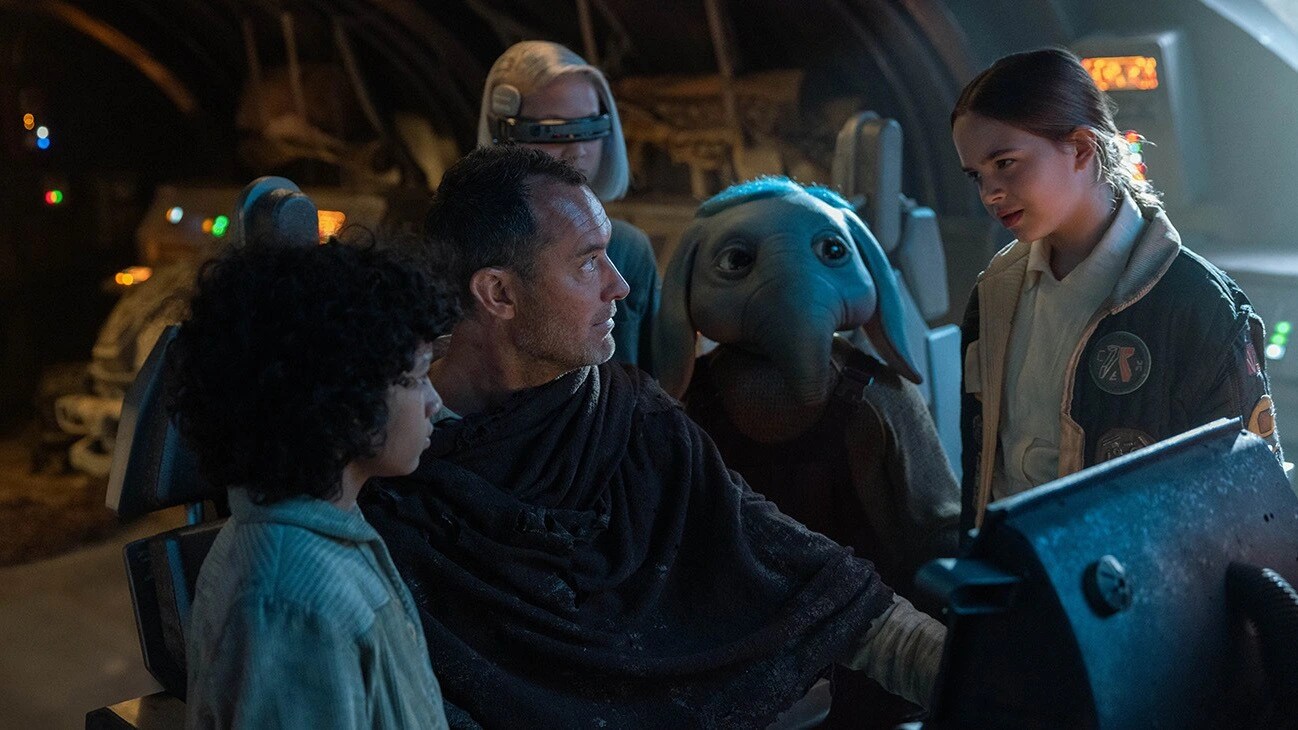
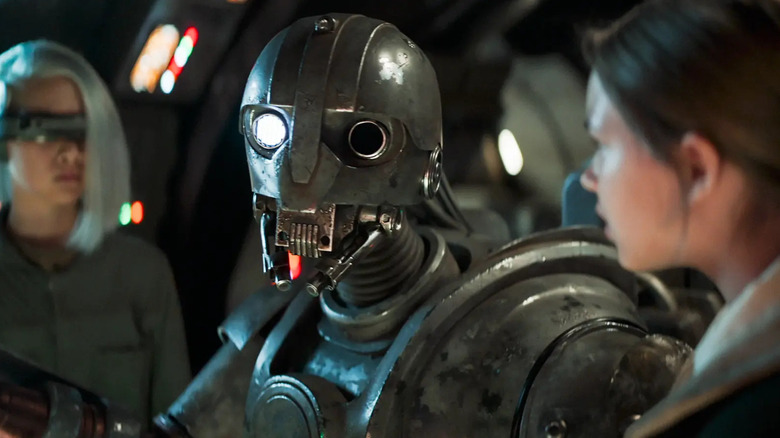
One day, the two boys meet two young human girls, the headstrong Fern (Ryan Kiera Armstrong) and the quiet KB (Kyriana Kratter), the latter who is a cyborg. The four find a buried starship and accidently activate it, which then takes off and leaves At Atin with the children onboard. They soon get lost in space, unable to navigate their way back home, as the ship’s pilot, the pirate-like droid SM-33 (voiced by Nick Frost) takes them to a space pirate outpost. Once there, the pirates take an interest in the children after they use a rare form of currency called dataries which is highly prized in the galaxy. The dataries are a commonplace on At Atin where they are minted, and it is revealed that the planet is nearly mythical to the outside galaxy. After getting into trouble with the pirates, the children and SM-33 meet the final member of their ragtag crew, the pirate Jod Na Nawood (Jude Law), who is Force sensitive and promises to get the children home in exchange for a reward.

Throughout the episodes, the skeleton crew avoid mishaps and stay on step ahead of pirates as they desperately search for a route back to At Atin. But many questions are raised in this TV show, such as why is At Atin hidden? Who is Jod exactly? Was he a former Jedi?  It is revealed several times that he has numerous names such as Dash Zentin, Crimson Jack and Mad Captain Silvo and has run afoul of numerous people they meet on their journeys. The children and the audience are constantly wondering if Jod could be trusted because of his constant lying and mysterious motives. These questions and many others are what help make Star Wars: Skeleton Crew such a pleasant and engaging adventure.

In addition to the many questions, the TV show has a genuine and natural sense of adventure that never talks down to the audience. Even though it primarily features children, the TV show is not a kids show. Think of it more in the tune of Stranger Things, or The Goonies, or Steven Spielberg’s films from the 1980s that featured children but could be enjoyed by everyone.

What also makes Star Wars: Skeleton Crew so distinctive is that while it is set in the Star Wars universe, it isn’t beholden to the primary stories set in that universe. There is never any mention of the Skywalkers, the Empire and the Jedi are for the most part considered to be myth. Unlike say, Ahsoka, where you had to know what happened in Star Wars: The Clone Wars and Star Wars: Rebels, anyone can easily follow Skeleton Crew with little or no knowledge about the greater Star Wars universe.

As with other Star Wars productions, Star Wars: Skeleton Crew has cinema-quality production, special effects and other technical merits which elevate the TV show. The early scenes in At Atin perfectly evoke the humdrum, yet ethereal aspect of those 80s Spielberg films. Anyone could sympathize with Wim and the other children, who are bored in their comfortable lives and want something more. In many ways, the TV show emulates aspects of The Wizard of Oz and Treasure Island with its tale of youngsters swept up in a grand adventure with its own unique take.

Another important feature with the TV show and why it works, are its characters. They are all interesting with distinct personalities and backgrounds. Plus, the people the skeleton crew meet throughout the show are also as engaging. One standout was the owl-like Kh’ymm (voiced by Alia Shawkat), a Yoda-like associate of Jod that does not trust him. Then there is SM-33, he perfectly emulates a scraggy pirate with his speech patterns, his wobbling gait and code of honor. SM-33 steals many scenes and is easily one of the best droid characters featured in any Star Wars production. And yes, his name is a play on Smee, Captain Hook’s right-hand man in Peter Pan.

Jude Law was also a standout in the show as Jod and instantly became one of the most intriguing Star Wars characters ever. We want to root for him as he seems like a more devious version of Han Solo or Lando Calrissian but with a harder, deadlier edge. At the same time, his actions and words make us and the children hesitate in trusting Jod He is a true anti-hero and the less said about him in this spoiler-free review the better.

Of course, Star Wars: Skeleton Crew would not have worked if the children were not engaging or well portrayed. This was a difficult task for the show makers but they pulled it off with the casting and direction. The children are not know-it-alls. They make many mistakes, they get scared, they have insecurities, they act like the way children would probably behave in that situation. In other words, their behavior and vulnerabilities in this coming-of-age story were believable.

Star Wars: Skeleton Crew (and Star Wars: Andor) has proven how rich the Star Wars universe has become. It’s regrettable, that it has not had stronger streaming numbers. It deserves a second season or at least the characters should reappear in another Star Wars project. It is easy to see that these children would probably grow up to become members of the Resistance in the Sequel films and beyond. Perhaps word of mouth will help the show later, but we’ll see. Thankfully, we can enjoy these eight episodes of Star Wars: Skeleton Crew over and over again with our families.

José Soto

Looking Back At Star Wars Episode One: The Phantom Menace 25 Years Later

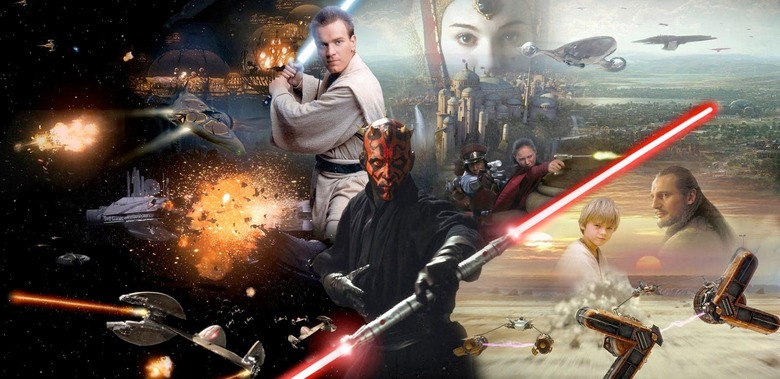
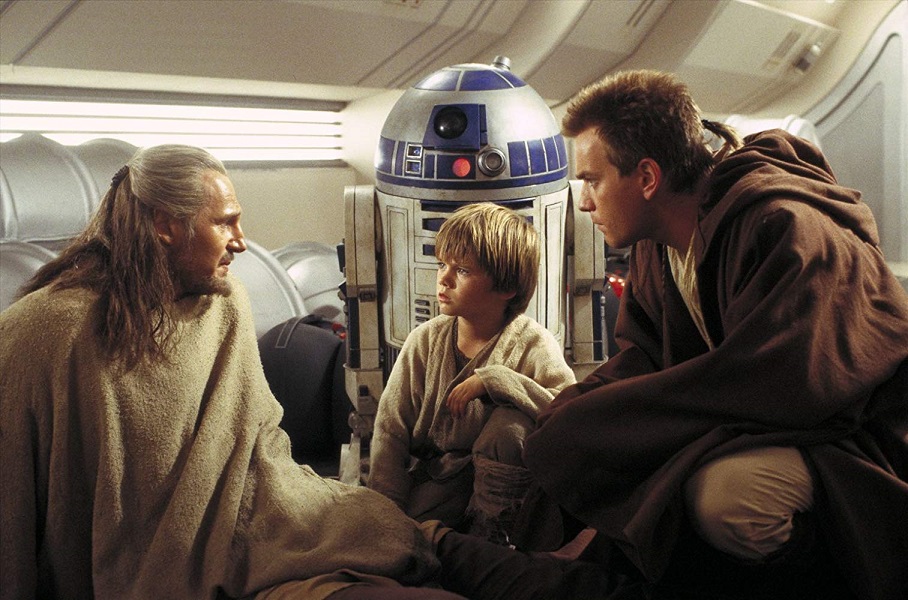
This year is the 25th anniversary of Star Wars Episode I: The Phantom Menace, which is one of the most divisive films ever made. It was the first Star Wars film since Return of the Jedi in 1983, and saw George Lucas return to his epic universe and present the backstory to his original trilogy. Iconic villain Darth Vader is shown as 9-year-old Anakin Skywalker, a slave living with his mother in the backwater world of Tatooine. His encounter with Jedi Knights Qui-Gon Jin and Obi-Wan Kenobi (his future mentor), as well as his future wife, Padme Amidala, put him on the path to his later role as a powerful Jedi Knight and eventually, his turn to the dark side as the evil Sith lord Darth Vader. 

Star Wars Episode I: The Phantom Menace was eagerly anticipated from its announcement and was greeted with very diverse reactions when released. Many fans were just ecstatic to have another Star Wars film in theaters after more than a decade of nothing being released. It was a very different time than now with many TV shows on Disney +and several films being planned. The only Star Wars materials since Jedi was released were the well-received series of books by Timothy Zahn and other novels and comics such as Star Wars: Dark Empire. A new film, especially one that would be the missing first three episodes, (the original trilogy was marketed as Episodes IV to VI), was a thrilling prospect.

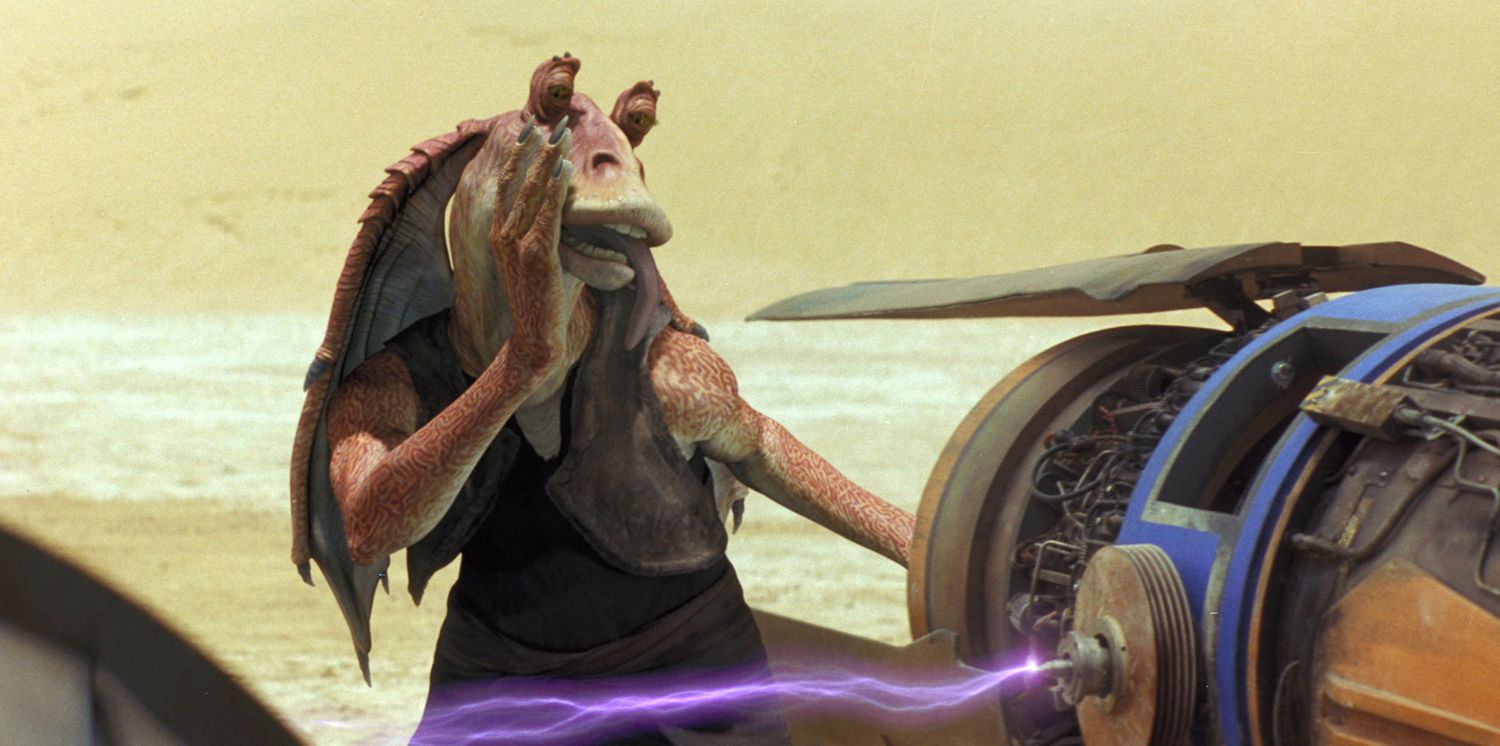
However, there were many fans who were disappointed with what they saw as a film with a more childish tone due to the introduction of Jar Jar Binks, an alien Gungan that helps the Jedi and Anakin to battle the forces of the Trade Federation, the villains in the film who were controlled by Darth Sidious, who is really Senator Palpatine, the future Emperor seen in Return of the Jedi. Jar Jar’s antics, weird mannerisms and manner of speaking was a turn off for many. Critics of the film were also unhappy with the more complicated plot of the movie, which focused on political intrigue in the Galactic Senate, as Palpatine maneuvered his way to the office of Chancellor of the Republic. This was unlike the simpler plots of the first films, which were a more basic story of good vs evil. The introduction of a more scientific explanation of the Force was also criticized, with the idea of midichlorians as being the reason for people having Force powers was seen as less interesting, as opposed to the more mystical view of the Force from the original movies.

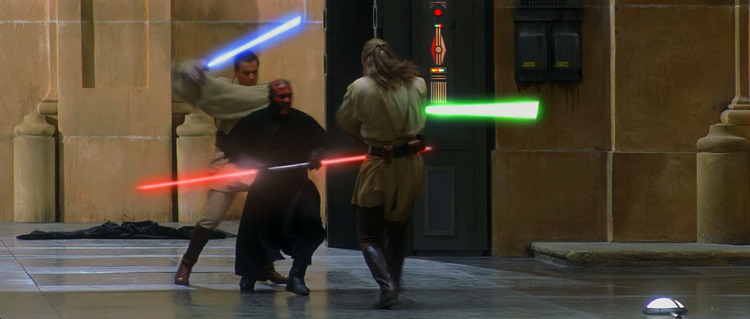
Having said this, I liked Lucas’ idea of expanding the mythology of the Star Wars universe and showing how a democracy like the Republic would descend into a tyranny in the form of the Galactic Empire. it was also interesting to see a different era in Star Wars. Instead of the battle-scarred ships and planets seen in the original trilogy, we are shown more peaceful and polished areas in the galaxy. It makes sense since the film takes place over 30 years before A New Hope. Seeing the Jedi Order in its prime is great to see, with Qui-Gon and Obi-Wan battling Palpatine’s protege, Darth Maul in spectacular light saber battles, which were incredibly choreographed.

The reputation of the film has been somewhat improved in the subsequent years as many have come to appreciate the film for its positive attributes. The special effects were groundbreaking with the CGI used to created Jar Jar being a precursor to later films and characters that were brought to life via this technique. Gollum from The Lord of the Rings films being one such example. The effort of George Lucas to broaden the scope of the franchise with new ideas, planets and creatures is also something to be commended. He set the stage for the prequel trilogy, which would result in the well-received Star Wars: The Clone Wars TV show and introduce new characters that would become fan favorites, such as the previously mentioned Darth Maul, Count Dooku (Palpatine’s other protege) or the powerful Jedi Knight Mace Windu. One sign pointing to the film’s improved reputation was the fact that the re-release this month of the film in theaters to celebrate its 25th anniversary actually earned a respectable box office haul.

The release of later Star Wars films would have the franchise move away from this era and take us to the future of the Skywalker saga, some 30 years after Return of the Jedi. Starting with The Force Awakens, it was obvious that Disney wanted to go back to the roots of the original trilogy as opposed to Lucas’ prequels. I think the results were mixed, as The Force Awakens has a simpler plot that was similar to A New Hope, but is also somewhat too derivative of it. The prequels told a new story in the Star Wars universe starting with Star Wars Episode I: The Phantom Menace, while the sequels seemed to retell the story of the rebels against the empire, although I do think that Episode IX really pushed the story forward and ended things on a good note.

However, one area where the sequels improved on is the overall look the films, as they seemed to blend the use of practical effects with CGI, which made things seem more grounded. Whereas with the prequels, they did sometimes go overboard with CG effects. While groundbreaking as previously mentioned, it did give things a strange look, with an overload of visuals and backgrounds that in some scenes, were obviously a green screen and look dated today in some instances.

Despite all of that, Star Wars Episode I: The Phantom Menace is a very important film in the saga and in the genre as a whole as it popularized the idea of prequels to popular movies and reintroduced Star Wars to a whole new generation of fans who have since enjoyed a renaissance of the franchise that is still being being enjoyed to this day.

C.S. Link

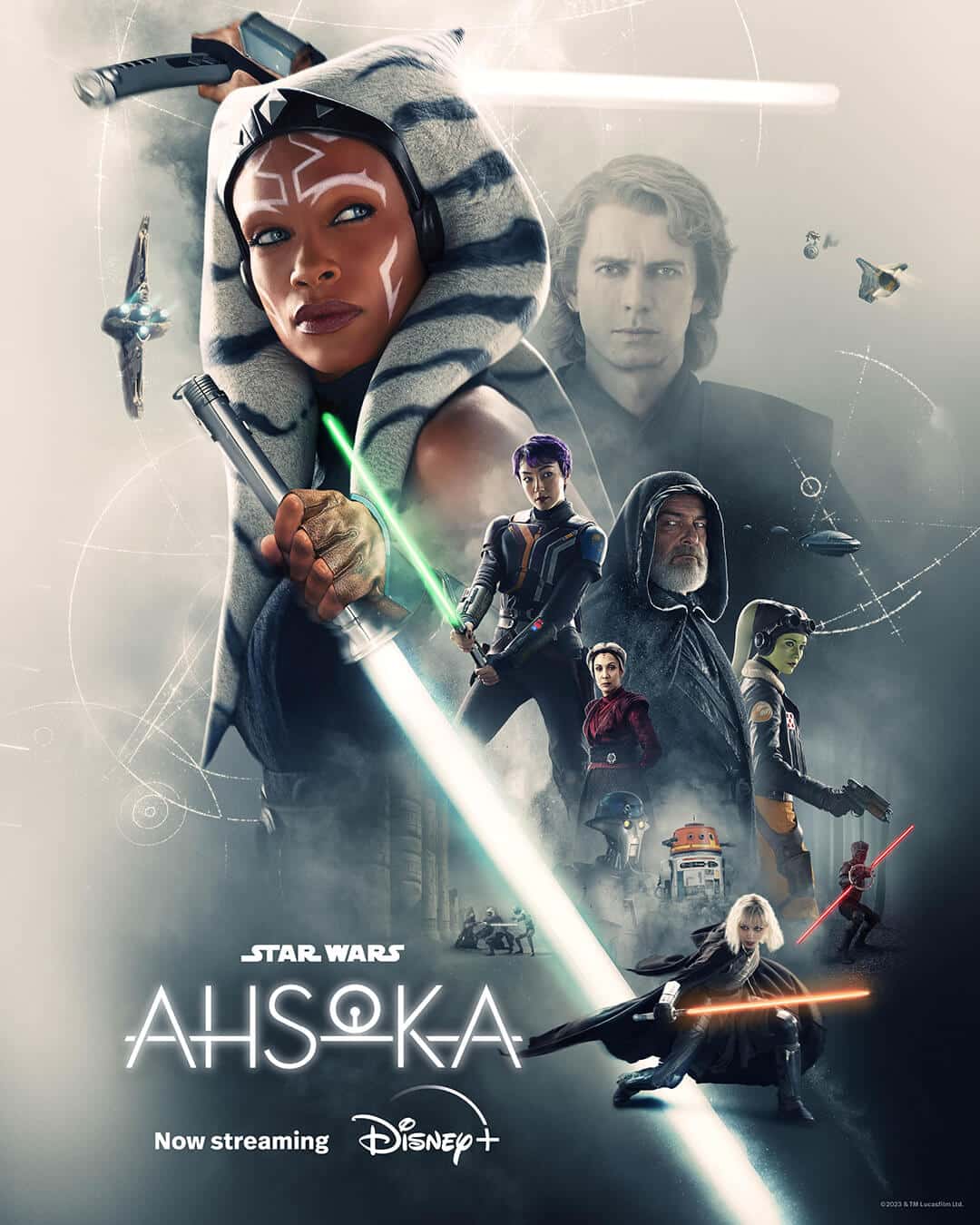
Ahsoka Is An Incomplete Star Wars TV Show

The latest Star Wars TV show streaming on Disney+, Ahsoka, just concluded its first season which left many questions unanswered while providing lots of member berries for Star Wars fans. Whether or not that is bad or good would depend if you are a fan of Star Wars: The Clone Wars and Star Wars: Rebels.

Ahsoka is for the most part an enjoyable and even riveting Star Wars TV show with great characters, special effects and expands the Star Wars lore. On the other hand, its pace is uneven with some episodes feeling wooden and stilted thanks to timid direction and it crams in so many characters and sub-plots that could not possibly be resolved in eight episodes. Guess what? Many of the sub-plots were left unresolved. This gave the impression that Ahsoka was merely a prologue for a larger storyline. Evidence for this is the fact that a Star Wars film is being planned that will combine the stories and characters from Ahsoka and most of the recent Star Wars TV shows. That’s very ambitous, but after viewing the final episode, the overral feeling is that the TV show is incomplete.

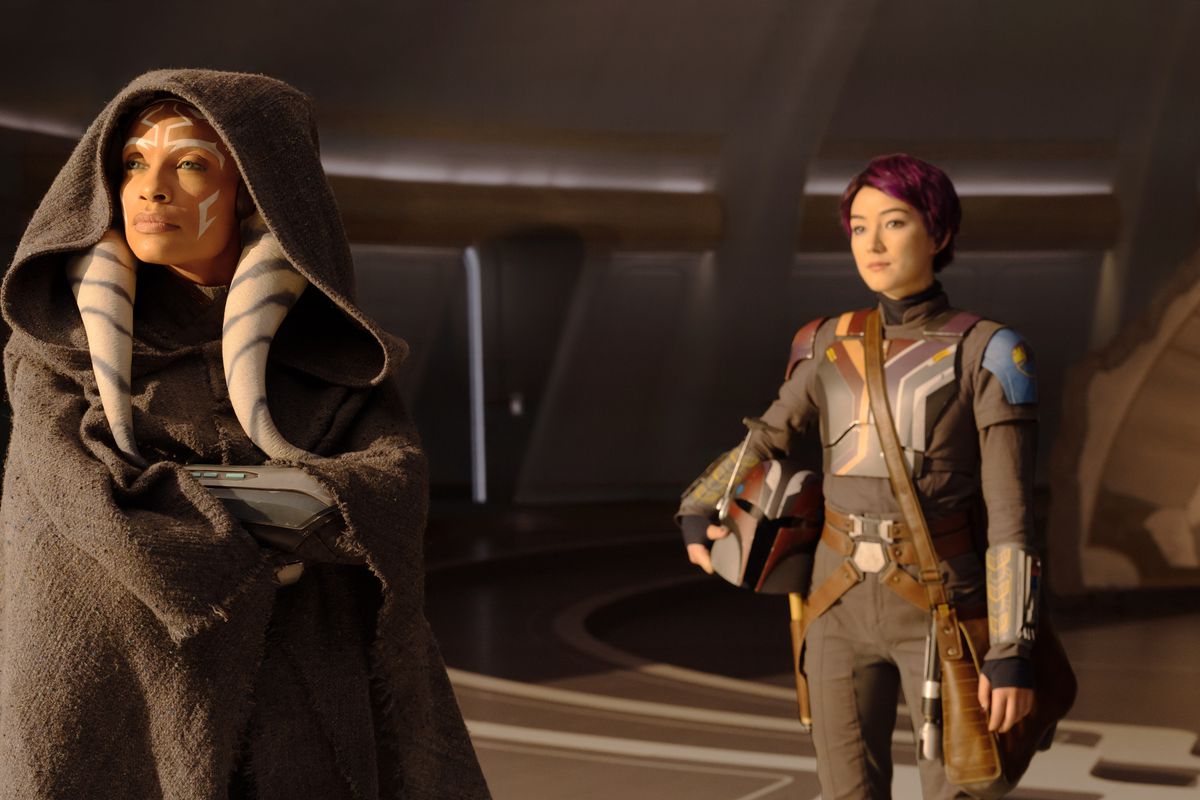
Rosario Dawson stars as the title character, Ahsoka Tano, a former Jedi who embarks on a quest with her former Jedi apprentice Sabine Wren (Natasha Liu Bordizzo) to find their fellow Jedi Ezra Bridger (Erman Esfandi), who is trapped in another galaxy along with their formidable enemy Grand Admiral Thrawn (Lars Mikkelson). During their adventures the duo uncover a plot by members of the defeated Galactic Empire who are trying to bring Thrawn and his army to the main Star Wars galaxy in order to conquer the New Republic and restore the Empire. With the officials of the New Republic unwilling to help them, Ahsoka, Wren and their Jedi droid Huyang (David Tennant) set off on their own to stop the plot, in addition to rescuing their friend.

If this sounds complex, then you are correct. Anyone watching the series will be able to follow along with its storyline, but there is a nagging feeling that there are so many details and nuances that will go over the heads of casual viewers. The very first Star Wars film was like this, but it was easier to follow and was more engaing. A major flaw with Ahsoka was that the early episodes were a chore to watch thanks to its deliberate pace and line delivery.

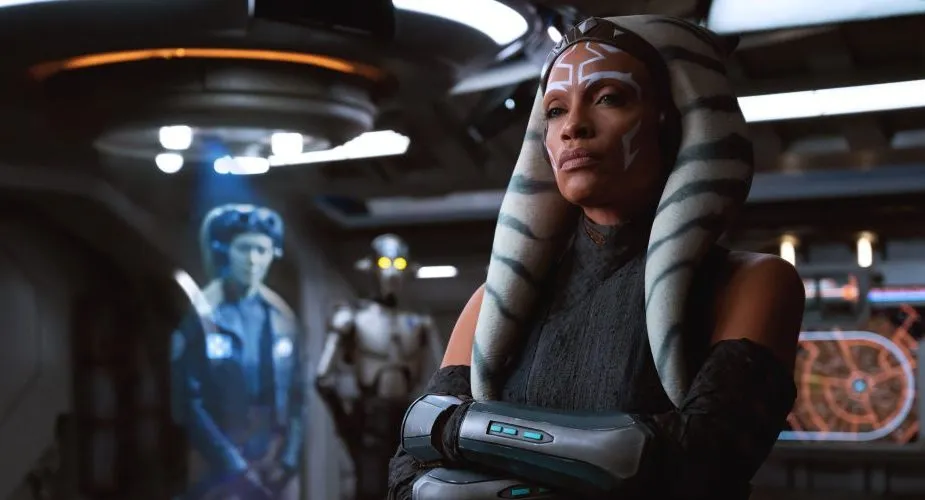
This is concerning because the worst episode was the first one and it not only set the way Ahoska was presented but it was directed by Dave Filoni, the major producer of the recent Star Wars TV shows, including the acclaimed animated TV shows. He helped expand the Star Wars lore with Star Wars: The Clone Wars and Star Wars: Rebels, but his live-action directorial effort fell short and what’s worse is that he will direct the Star Wars film that combines these stories and characters. He was largely responsible for the creation and cultivation of Ahsoka Tano and his attempt to bring her to life was disappointing. Throughout the TV show, Ahsoka would stand around, fold her arms and take long moments to reply to others. This Ahsoka is not anything like the quippy and spirited young Jedi that first appeared in Star Wars: The Clone Wars and won the hearts of many fans. This older live-action version of Ahsoka is so stiff and stoic that Sabine easily steals the show with her emotional journey to become a Jedi. Sabine has more emotion and heart and it was easy to identify with her, especially since she had such a poor connection to the Force that Jedi tricks and skills were a chore for her.

The fact that we identified more with Sabine than Ahsoka is a another fault with Ahsoka given that the show is named after her. This is a troubling trend with many Star Wars TV shows like The Book of Boba Fett and the third season of The Mandalorian. Like with those TV shows, there was even an episode where Ahsoka barely appeared. There are too many moments where it feels as if this show is in reality the fifth live-action season of Star Wars: Rebels. It might have served the TV show and Star Wars fans better if it was retitled. This is a disservice to Ahsoka since she is one of the most captivating Star Wars characters.

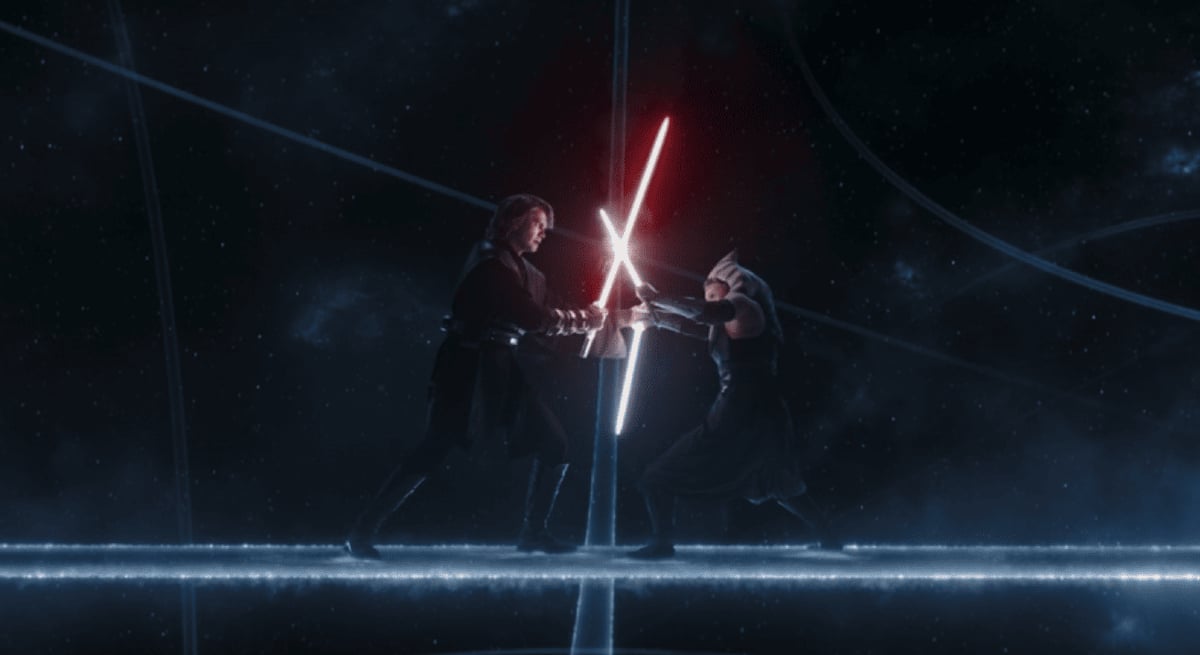
Ahsoka was allowed the spotlight in the fifth episode, which largely focuses on her as her mind enters an interdimensional realm called the World Between Worlds where time and space are not linear. There she meets the spirit of her mentor Anakin Skywalker (Hayden Christensen) as they end up in past battles during the Clone Wars. This was thrilling for fans of Star Wars: The Clone Wars as they finally got to see these two Jedi interacting in live action during that war. More importantly, these sequences provided fascinating insights into Ahsoka and her feelings towards Anakin Skywalker knowing that he ultimately became Darth Vader. With the way this episode showcased her guilt about Anakin and the Clone Wars, it was probably the best one in the series.

Continue reading

The Return Of Obi-Wan Kenobi

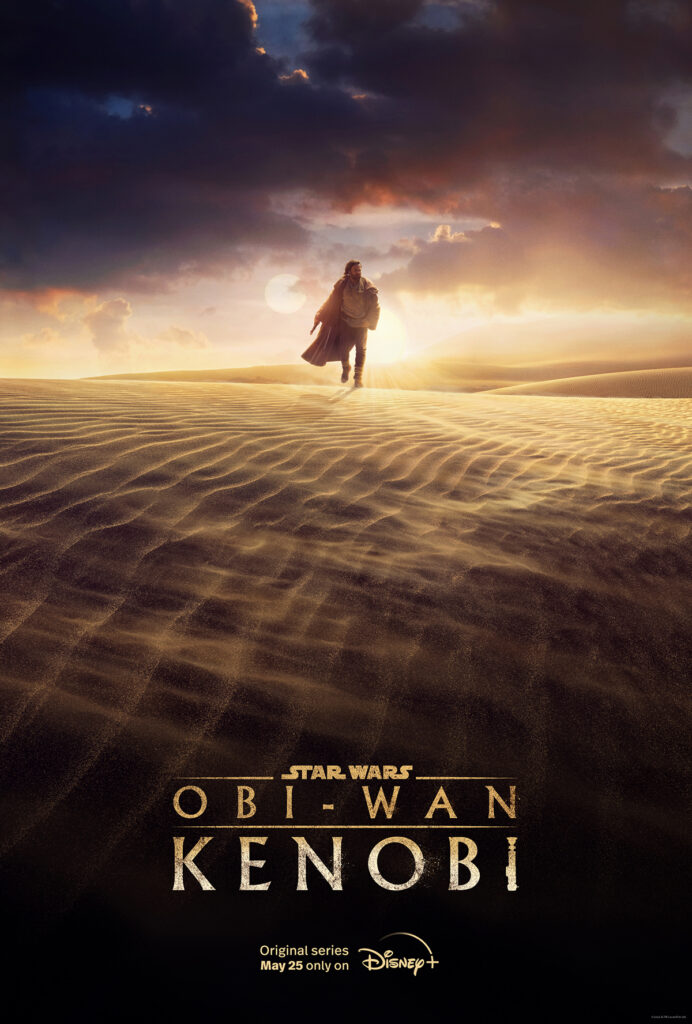
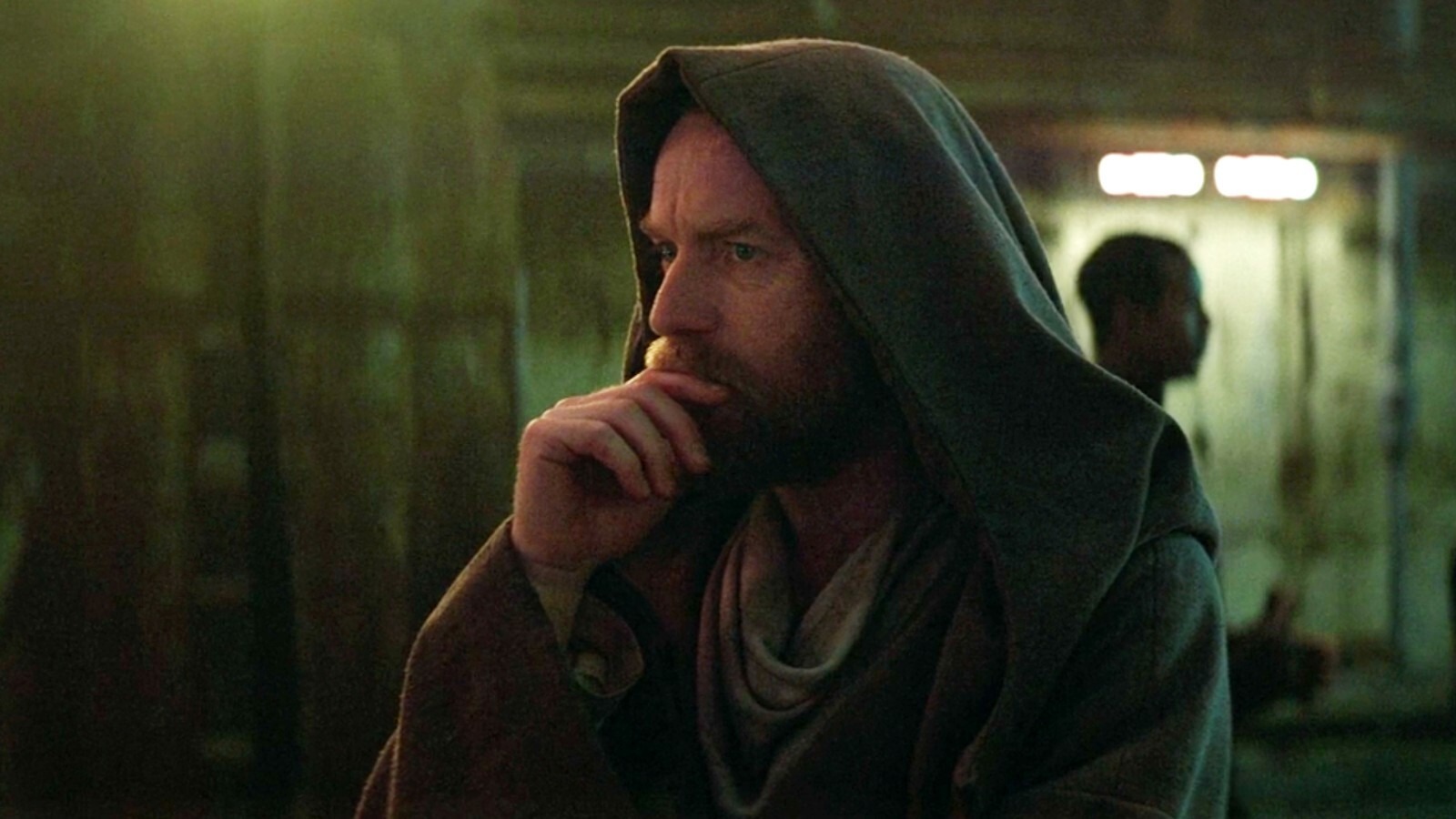
The latest Star Wars TV show to stream on Disney+, Obi-Wan Kenobi, is naturally focused on the noble Jedi Knight and his story of redemption ten years after Star Wars Episode III: Revenge of the Sith. When we last saw Obi-Wan (reprised by Ewan McGregor, who played the character in the prequel trilogy), he was devastated after his Jedi apprentice, Anakin Skywalker (Hayden Christensen), turned to the dark side of the Force, assume the identity of Darth Vader and decimated most of the Jedi Order. The show picks up years later on Anakin’s home planet Tatooine where Obi-Wan is in exile watching over Anakin’s young son, Luke (Grant Feely), from afar.

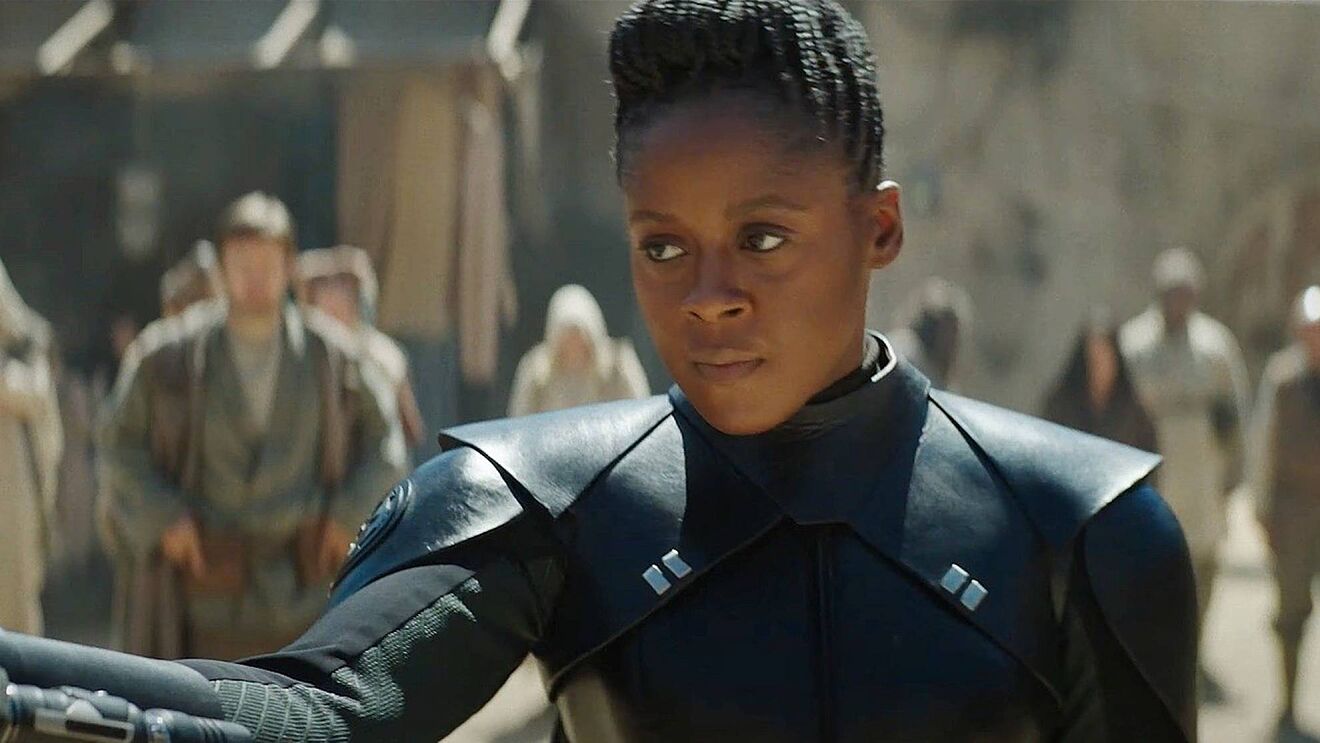
This version of Obi-Wan is a far cry from the confident and brave warrior from the prequels. Obi-Wan Kenobi, who goes by the name of Ben, lives a quiet life in solitude and generally avoids contact with other people. He also manages to avoid the prying eyes of dark side followers called Inquisitors, including Third Sister Reva Sevander (Moses Ingram). For some reason, Reva is obsessed with finding Kenobi and capturing him for the Inquisitors’ leader, Darth Vader.

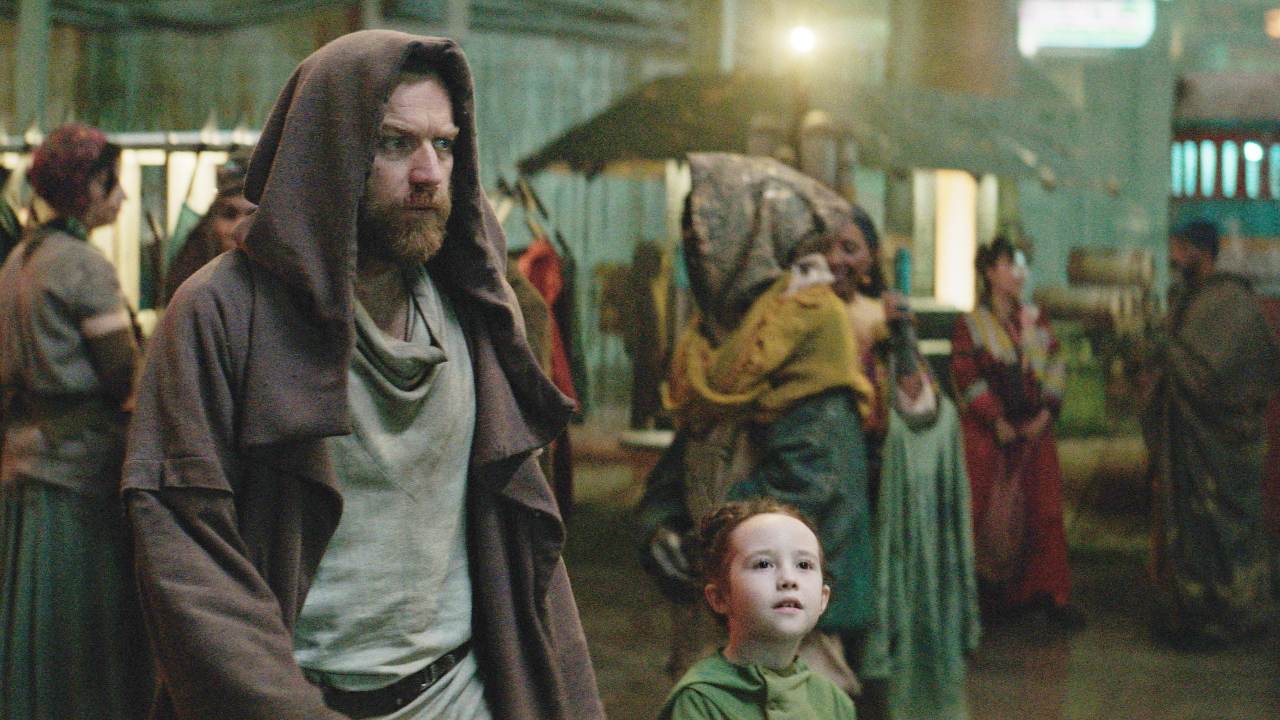
On the planet Alderaan, Luke’s twin sister, Princess Leia Organa (Vivien Lyra Blair), is kidnapped to lure Kenobi. Her adopted father, Bail Organa (Jimmy Smits), travels to Tatooine to ask Obi-Wan to help find her. After some prodding, Obi-Wan Kenobi realizes he has a duty as a Jedi to help his friend and sets out to rescue Princess Leia. After rescuing Leia on the planet Daiyu, the Jedi Master is pursued by Reva, and later Darth Vader, across several worlds. Before long, Obi-Wan realizes that although he left the Jedi lifestyle years ago, he cannot let go of it and his responsibility to the cause of freedom in the galaxy.

Unlike the other Star Wars Disney+ TV shows, at certain times, Obi-Wan Kenobi feels more like an extended Star Wars film, even the end credits follow the style of the films. But at other times, the limits of television are obvious in terms of scope and budget. Of course, this has no bearing on the quality of the show, which is excellent, but the clash in style and scope may offput some viewers. However, the show is a near-perfect presentation about one of the most revered Star Wars characters. In the prequel films, Kenobi was a supporting character but thanks to McGregor’s performance the Jedi rose in stature to the eyes of many fans. Unlike the conflicted and bratty Anakin, Kenobi was a noble and gallant presence who personified the perfect Jedi. To see him as a hollow, pessimistic, and timid person hiding in the sands of a remote planet at the start of the series was disheartening to watch. Disconnected from the Force and taking pains to avoid conflict, it was disturbing to see how far Kenobi had drifted from the courageous Jedi way. It was also realistic. But, when he slowly regained his connnection to the Force during the show, well, those moments were very gratifying. Of course, McGregor’s performance is stellar as always and his love for the character clearly shows.

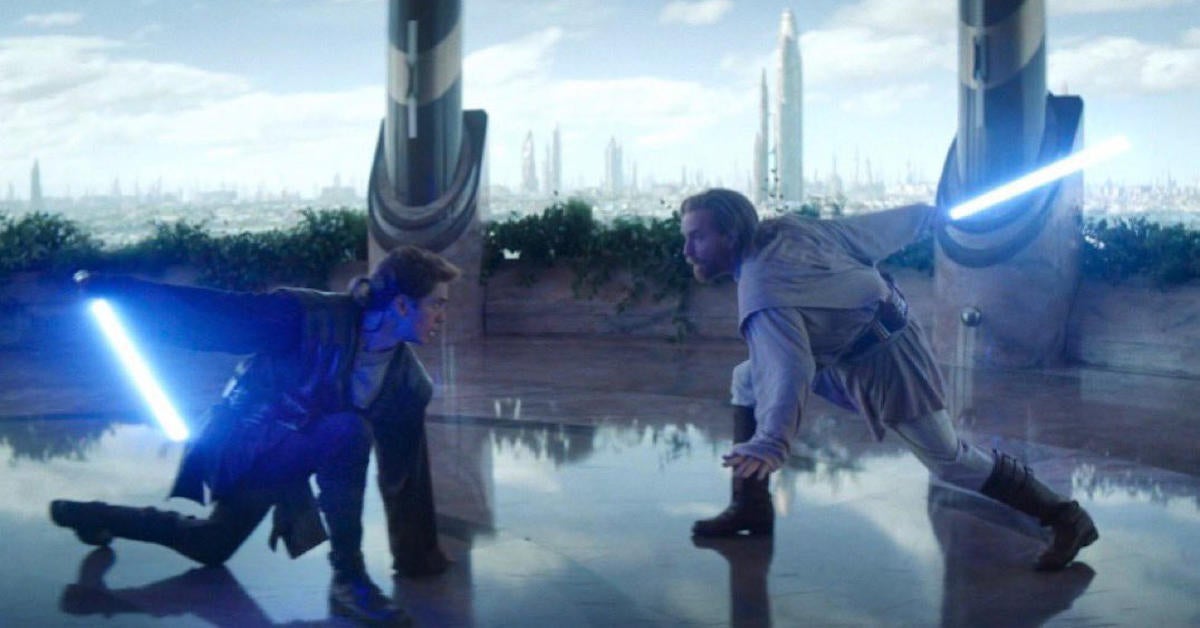
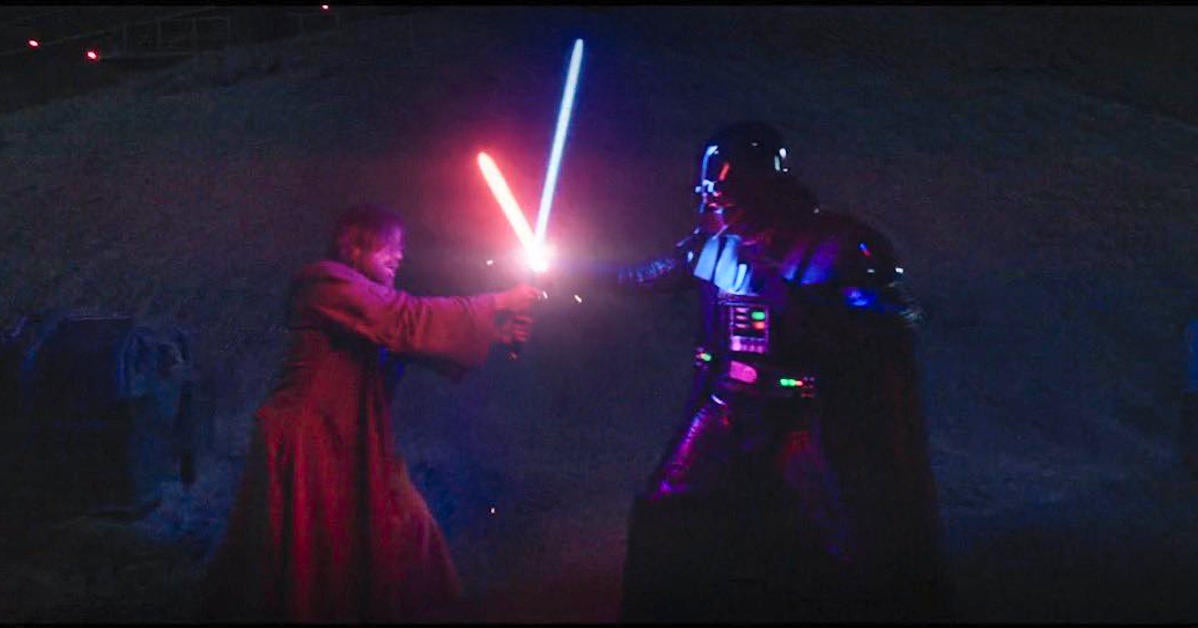
One of the best moments was during a flashback sequence that had Obi-Wan dueling with Anakin before he became Vader. The sequence was a brilliant way to reunite the two actors as it showed not just the arrogance of Anakin, but Obi-Wan’s hubris, which would blind him to Anakin’s fall later on in Star Wars Episode III.

There are many other thrilling and inspiring moments throughout the series, such as the final duel between Obi-Wan and Darth Vader; Kenobi reconnecting with the Force in dramatic fashion; Kenobi’s interactions with young Leia; Vader’s moments of quiet rage and explosive and vindictive menace; suspenseful chases and battles; and the fanatical nature of Reva, who hid a tragic backstory. At first, Reva came off as a one-dimensional, cartoonish villain but through the course of Obi-Wan Kenobi, she became more nuanced and complex as her cause was finally revealed. A lot of credit has to go to Ingram who delivered a commanding performance.

There are many great scenes with secondary characters who had their shining moments and left an impact. Take Rupert Friend as the Grand Inquisitor, his savage putdowns of Reva were epic. Then there was Indira Varma as Talla, a Rebel spy masquerading as an Imperial officer. She had a natural chemistry with Ewan McGregor and her inner strength and sacrifice was truly inspiring. Kumail Nanjiani gave an inspired performance as Haja, a con man pretending to be a Jedi and later has a spiritual change of heart. Blair did a fine job as Leia as she captured the essence of the Rebel princess and we saw the laying of her emotional foundation. And finally, the onscreen rivalry of McGregor’s Kenobi with Vader was completed with the return of Christensen, who shone as Skywalker/Vader. As noted above, their friendly rivalry was well executed in the flashback scenes as we witnessed the underlying insecurity of Skywalker. Christensen pulled this off fantastically with subtle facial revelations.

Despite its greatness, Obi-Wan Kenobi had its narrative flaws, which were alarmingly blatant. Take the fourth episode (arguably the series’ weakest, though it was entertaining), where Talla clumsily slapped around some stormtroopers in an Imperial base and defeated them. Or later in the episode when Kenobi threw on an Imperial cloak as a disguise and obviously hid Leia underneath him as they walked around unnoticed among oblivious Imperial personnel. Then there were the common Star Wars space and time puzzles where characters instantly travel from planet to planet, non-fatal stabbings from lighsabers, and spaceships with broken hyperspace engines being able to traverse star systems and avoid Imperial star destroyers.

Thankfully the merits of Obi-Wan Kenobi far outweigh its negatives. It was great to see Ewan McGregor return to a role that he made his own, but now as the central character. It was also fun seeing other actors from the prequel trilogy reprising their roles and seeing how the prequels connect more strongly with the original trilogy of Star Wars films. Even though it is a limited series and its main story feels complete, there is talk about continuing the adventures of Obi-Wan Kenobi: Jedi-In-Exile. It’s not clear what direction more episodes would take without feeling repetitive, but they would be welcome.

José Soto