
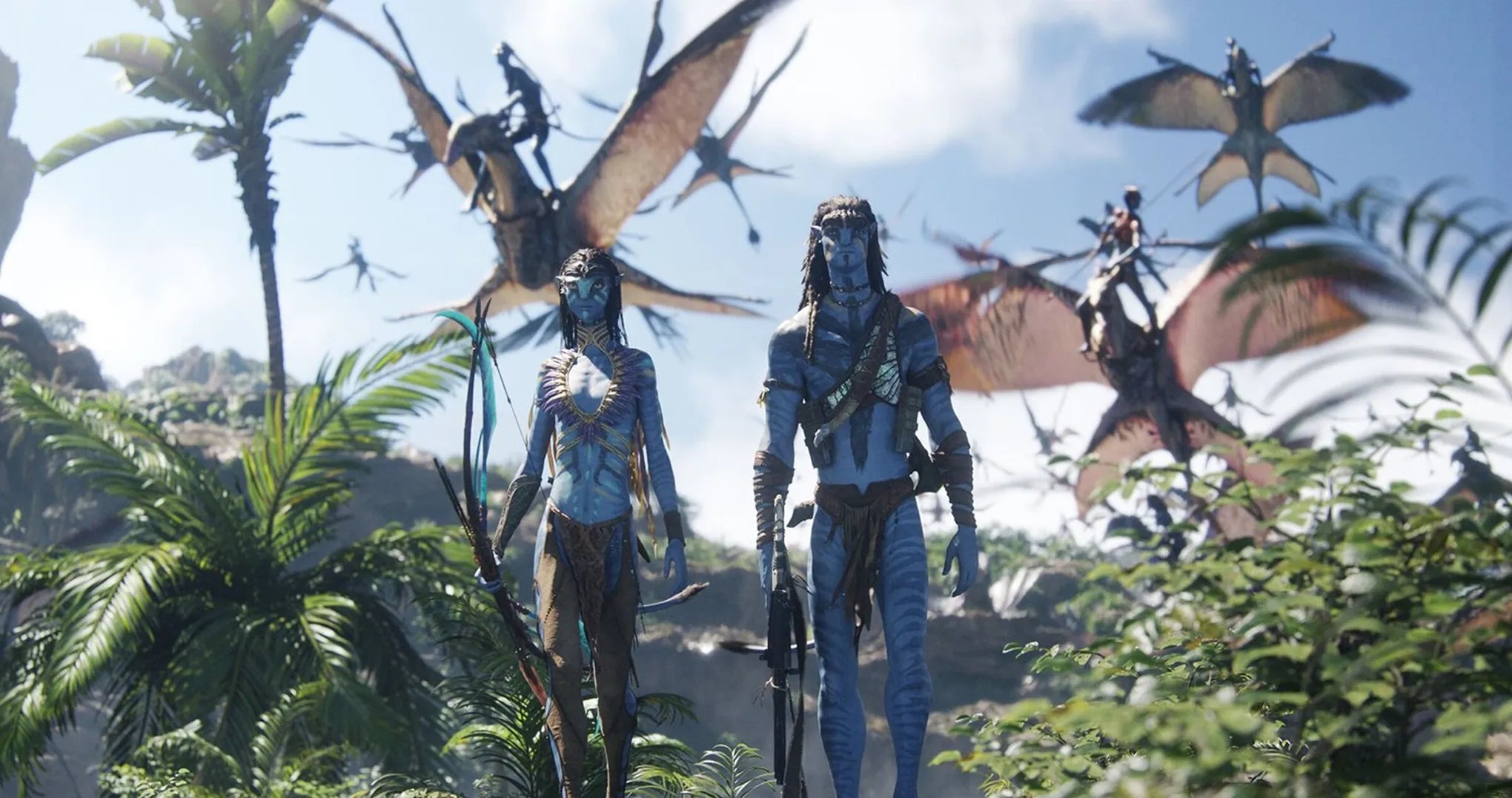
There have been many questions from those who saw Avatar: Fire and Ash about the state of affairs following that film and more importantly if we will see another Avatar sequel. James Cameron, the director and creator of the Avatar films said at the time of the release of Avatar: Fire and Ash that future films would depend on the third film’s box office performance. Since then, the film has proven to be an undeniable hit, having grossed $1.3 billion and climbing, but is that enough and where would the Avatar saga go? There will be spoilers ahead for Avatar: Fire and Ash.
After the Fire and Ash
When Avatar: Fire and Ash finished, the human colonizers were dealt a huge defeat by the native Na’vi of Pandora, but they were not driven off the world. Meanwhile, the human teen Spider was accepted by the Na’vi as one of their own, and his new ability to breath Pandoran air indicated that humanity would be able to adapt biologically to live on Pandora. This was what Jake Sully and his lover Neytiri feared would happen because humanity was desperate to flee a dying Earth and settle on a new world. It is all but certain that despite their defeat, more humans would show up in waves to settle on Pandora.
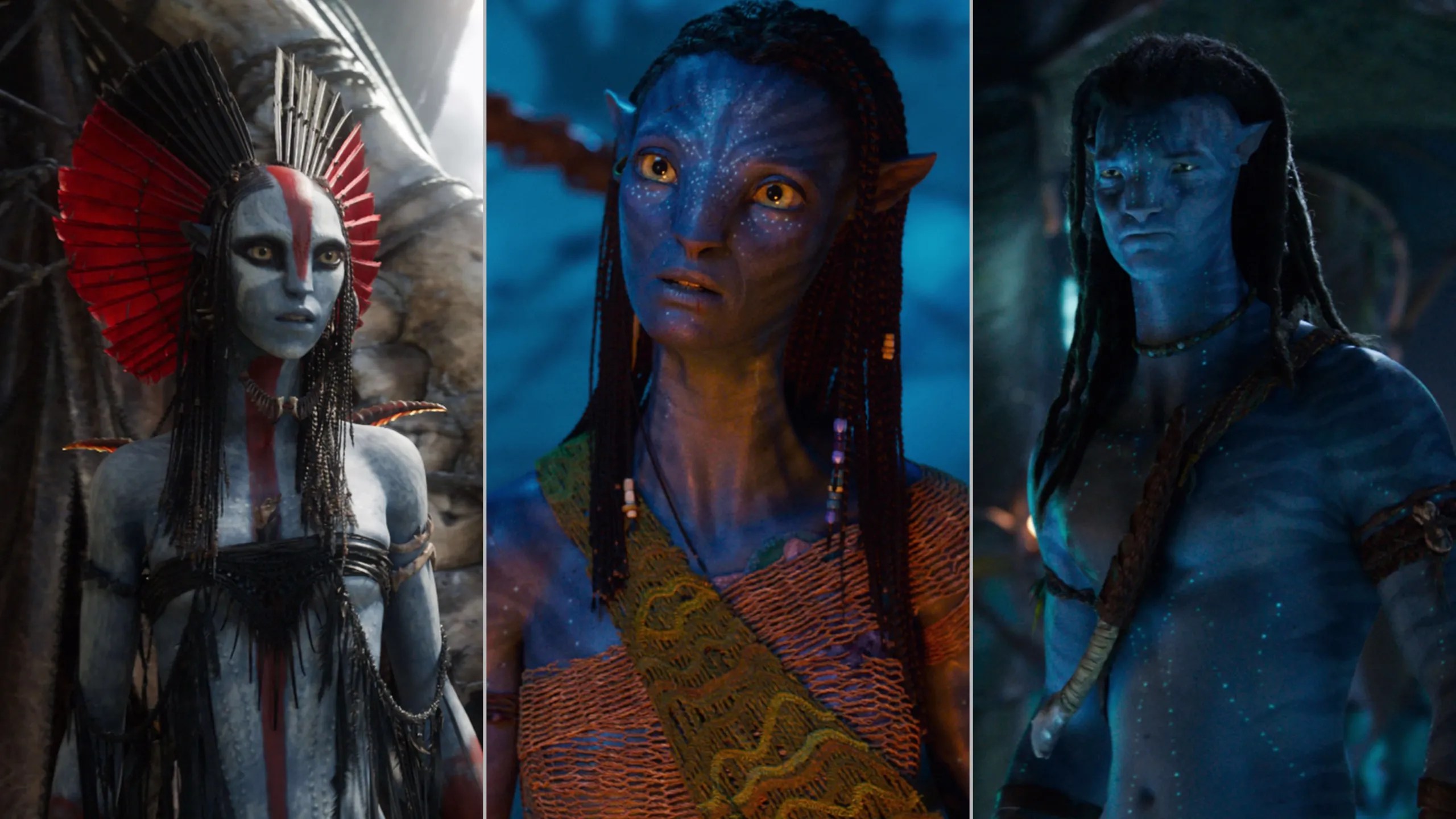
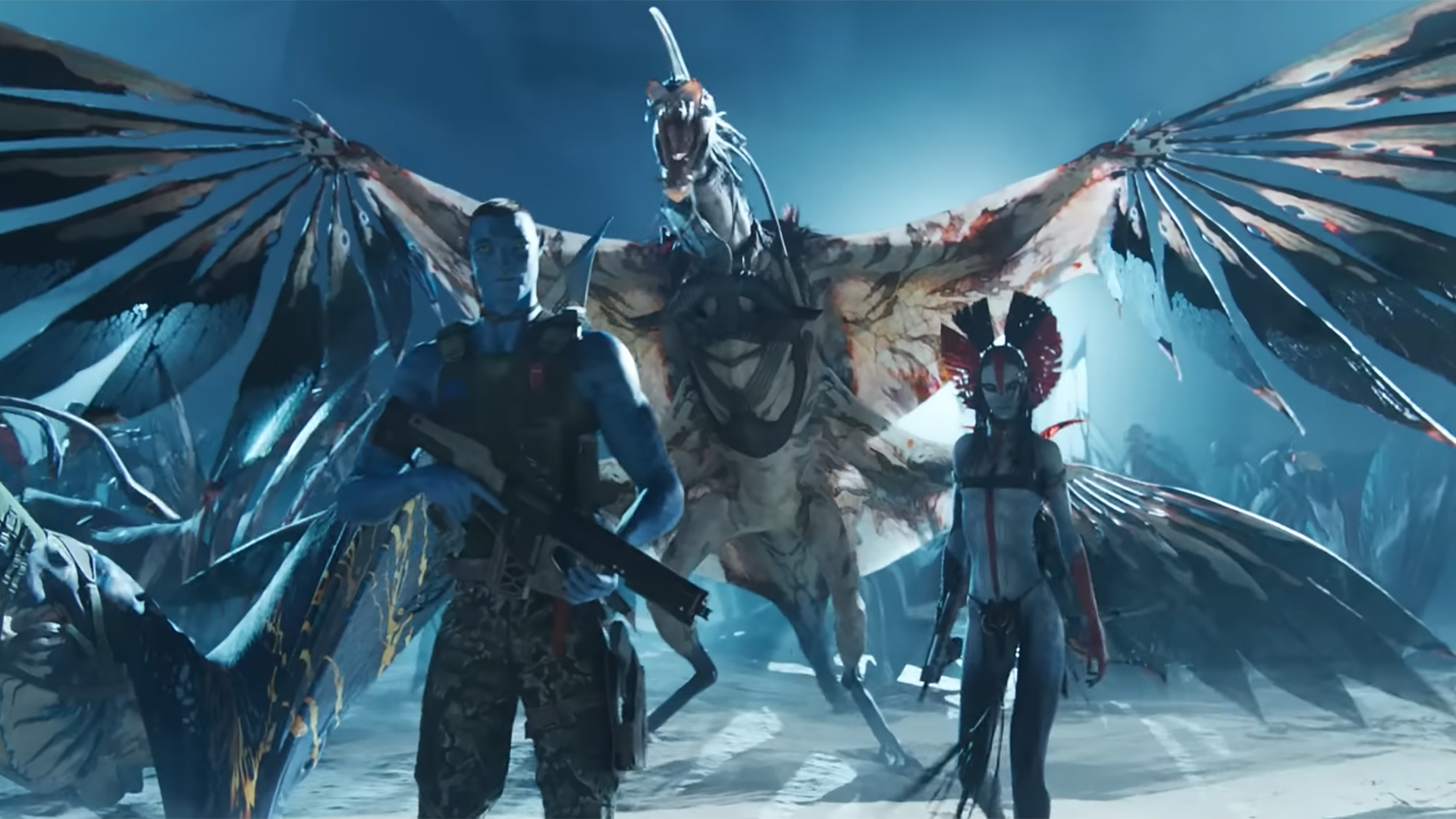
Then there were unresolved personal issues faced by the main characters. Although many arcs were resolved such as Neytiri’s hatred of humans and Jake Sully accepting his destiny as Toruk Makto, the warrior leader who would unite the Na’vi tribes against the humans, others were left incomplete. Namely, Sully’s children with their own stories, the fate of his enemies Quaritch and Varang, and what would ultimately come of the human/Na’vi relations. Yes, we saw Quaritch plunge to his fiery death at the end of the film, but come on we saw him killed by arrows to the heart in the first film, drowned in the second, so the powers-that-be will concoct some way to resurrect him.
Regarding Quaritch and the Na’vi
Quaritch has become one of the most interesting and nuanced characters in the Avatar films. Originally, he was a one-note villain in the first film that was killed off, but after his memories were implanted into a Na’vi avatar in the second film, his character became more intriguing. Quaritch hates the Na’vi and actively fights for the humans, but he is actually one of the Na’vi now. Yet, he refuses to open his eyes and acknowledge the wonder of Pandora as Sully chided him in the third film. The actual Quaritch died in Avatar and for all intents and purposes the Na’vi replacement has the opportunity to chart a new course but is stuck in his old ways. However, in the third film there were signs of Quaritch starting to soften his ways. This was best seen with his wanting to establish a relationship with his human son, Spider, who adopted Na’vi culture. He also began to “go native” when he began a sexual relationship with Verang since they shared a common bloodthirst for violence. Then there is also the fact that he ignored the orders from his human military leader, General Ardmore, who was more openly disdainful of Quaritch, Verang and her tribe. The natural progression for Quaritch in the final two films would be for him to have a change of heart and side with the Na’vi and probably sacrifice himself to either save Spider or Pandora or even the child that he would have conceived with Verang. Given how Quaritch has become such a great character it would be a shame if we never see him again.
As for the Na’vi, the humans are still on Pandora and more will come. How can they survive this? In our history, whenever a culture encountered one with a high-level of technology, they would end up being defeated in the long run. The Na’vi are a non-industrial society that consider the use of metal weapons to be taboo and won’t use them, except for the Ash People who were all too willing to use human armaments to fight their fellow Na’vi. But we’ve seen traditional Na’vi starting to use human technology. In Avatar: The Way of Water, Sully led a raiding party who quickly stole human weapons and used them against the humans. Neytiri herself even began to use Na’vi weapons modified with human technology to rescue Jake in the third film. This enforces a theme that in order to survive one must be willing to adapt. This theme of adapt or die was also shown when the powerful aquatic tulkuns abandoned their pacifistic ways to fight the humans who were slaughtering them. No matter what ultimately happens the Na’vis are forever changed by the arrival of humans.
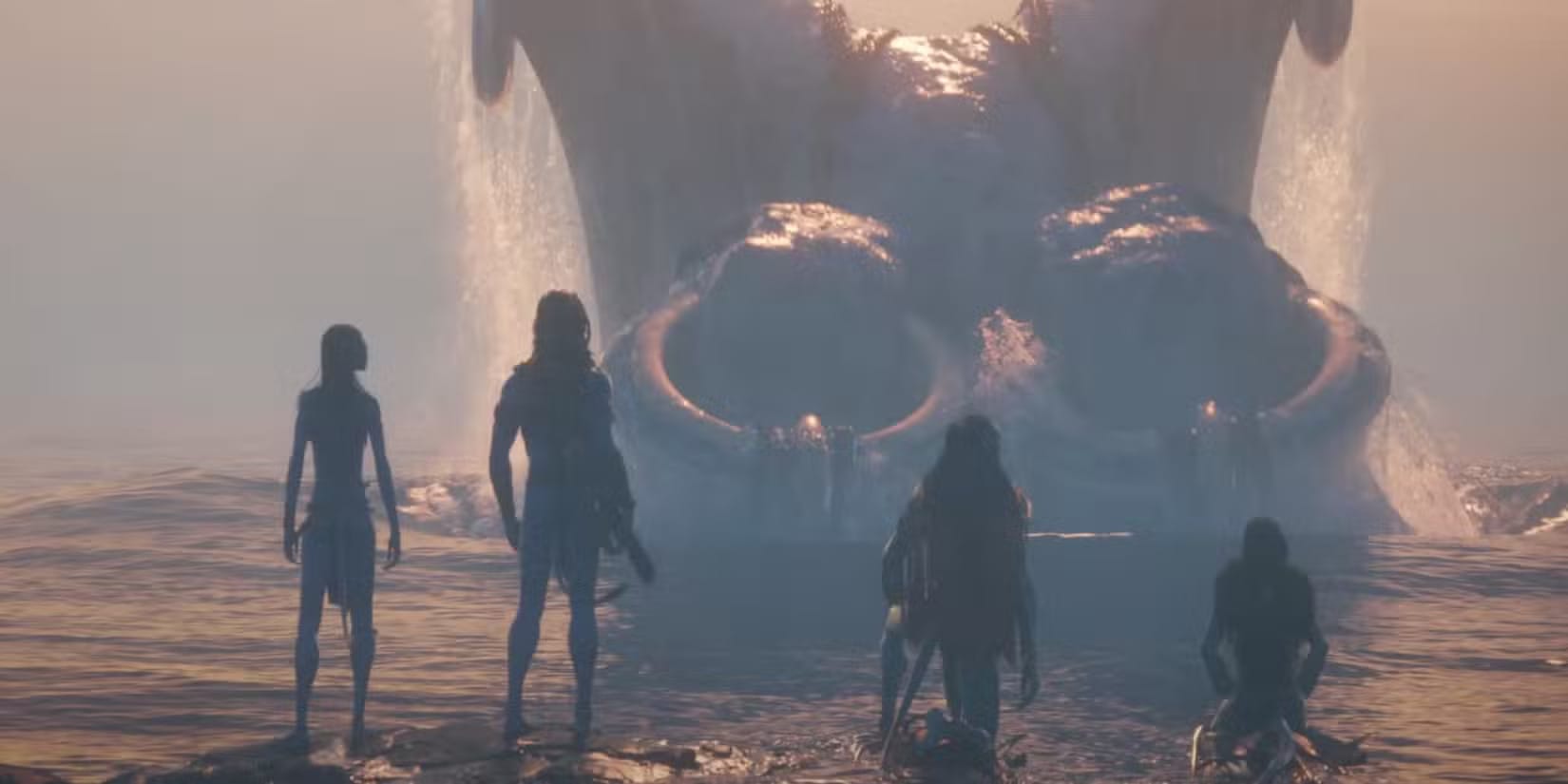
One nagging situation with the Na’vi is their origin. On Pandora, the native fauna have six limbs, no nostrils, two neural queues, and two sets of eyes. Despite their blue skin and gigantic nature and tails, the Na’vi are more human-like with four limbs, nostrils and one set of eyes. We have not had an explanation as to why the Na’vi are so biologically different from other Pandoran lifeforms. This implies that the Na’vi may not be natives of Pandora. They could have come from another world perhaps under similar circumstances to the humans or they were stranded there. Perhaps they were more technologically oriented and abandoned this lifestyle to become more attuned to the land and eventually forgot their origins. This would be a fascinating plot to explore in the fourth or fifth film and point a way towards humanity’s destiny of learning to live harmoniously with the land.
Humanity’s Fate
Then there is the nagging question of will the humans be able to live on Pandora peacefully with the Na’vi? Instead of using MacGuffins like unobtanium to explain why the humans are so set on razing Pandora, the fourth and fifth film should focus more on humanity’s desperate mission to find a new world. This could lead to ethical questions on both sides. It’s one thing to fight back hard against invaders from the sky out to plunder your world but it’s another to attack families with children who are only looking for refuge. Sure, Verang and her Ash People would not hesitate to kill any human but would others like Neytiri be willing to go that far?
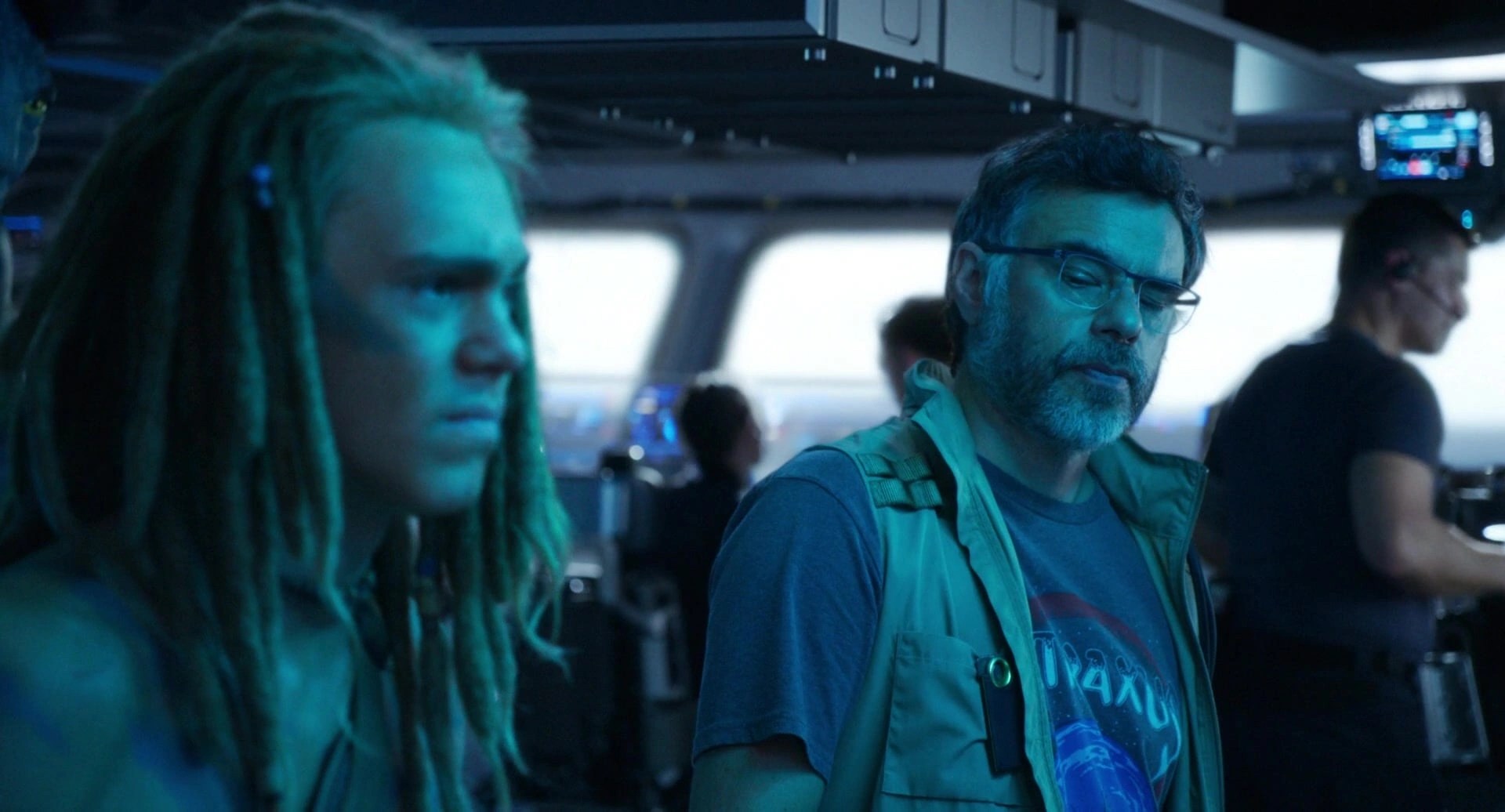
As for the humans, we have to see more people that are against the military/corporate factions who are too eager to kill Na’vi and pillage Pandora. It’s unrealistic to think that most of the humans in the Avatar films are evil scumbags. We saw more signs of humans fighting for the Na’vi in the earlier films with Sully himself, a few allies, and in the third film when the marine biologist Dr. Ian Garvin helped Jake escape from jail and warned him of a pending tulkun slaughter. But we need to see some kind of redemption for the whole of humanity. They have to take a stance and find a way to live harmoniously with the Na’vi.The next films could have a development were a faction of the colonizers rebel and fight on the side of the Na’vi. One really awesome sequence could have several of the arriving ships from Earth unexpectedly attacking other human ships. Then these rebel ships could land on Pandora and the humans emerging from them could declare their allegiance to the Na’vi.

On that note, if there is never another Avatar film, we do have an ultimate conclusion of sorts to the Avatar Saga. In Pandora, the World of Avatar, the Avatar-themed land in Disney’s Animal Kingdom, it takes place generations after the Avatar films and both species now exist peacefully with each other. If that won’t suffice, Cameron himself promised to hold a press conference and reveal the end of the saga and even write a novel about it.
Continue reading


 Starloggers