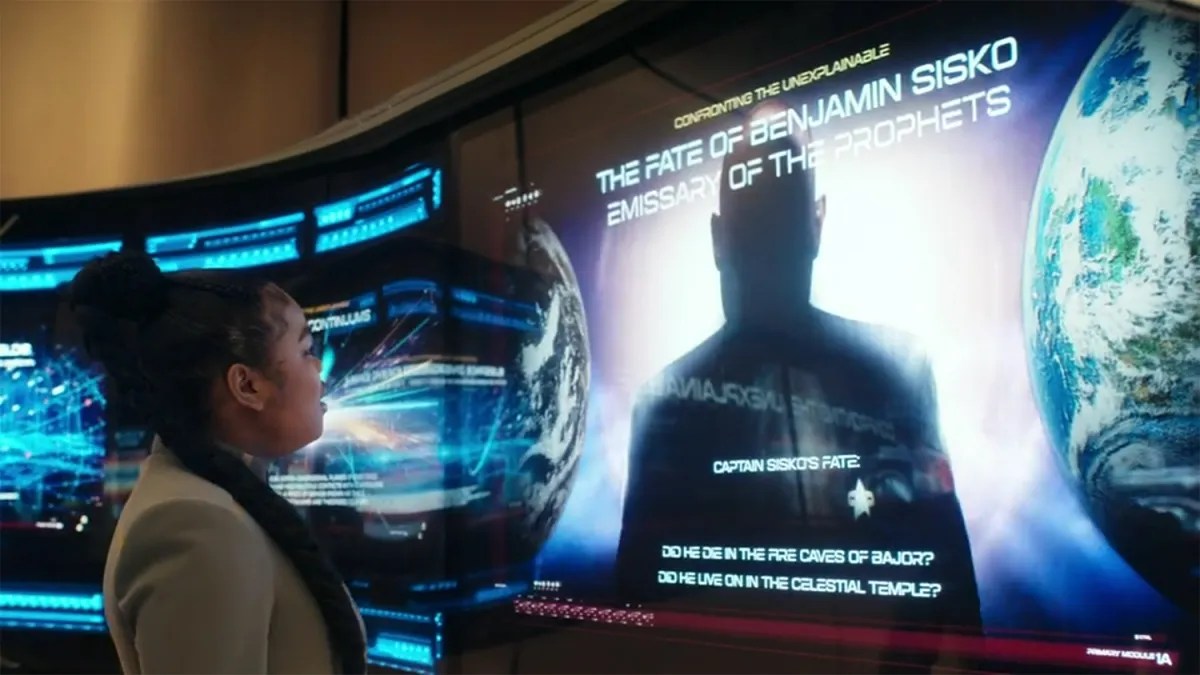
The Bell Riots, September 1, 2024: A Critical Moment In Star Trek History

Once again reality has caught up and will pass science fiction at the time of this post, in this case with Star Trek: Deep Space Nine. Fans of the TV show know all too well that this date marks the time of the infamous Bell Riots.
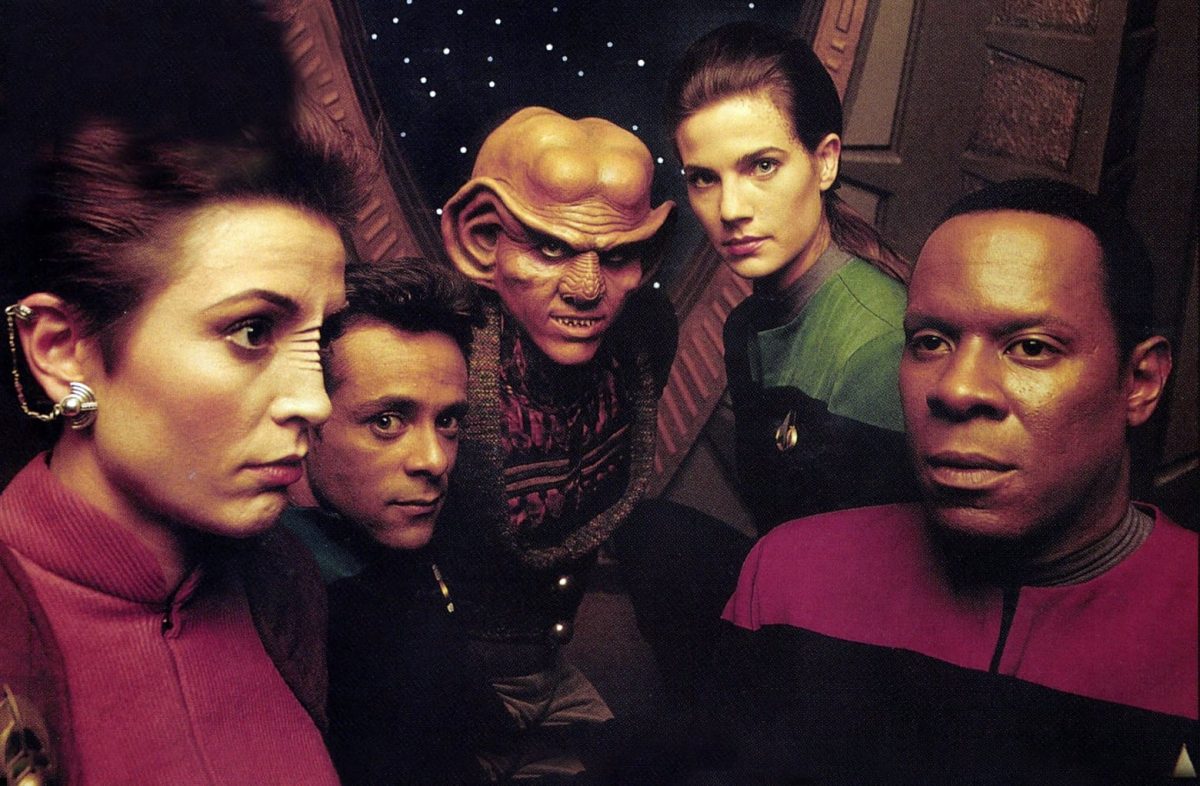
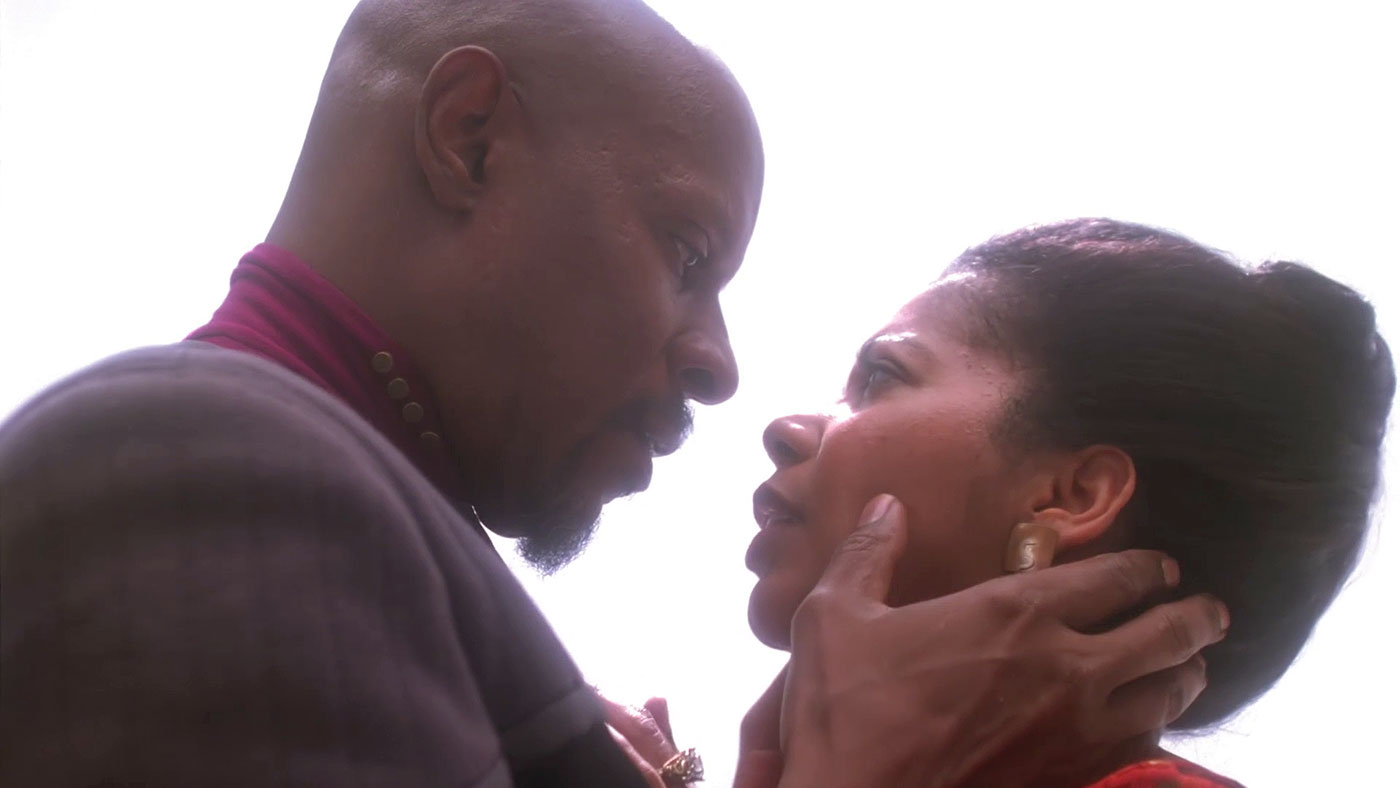
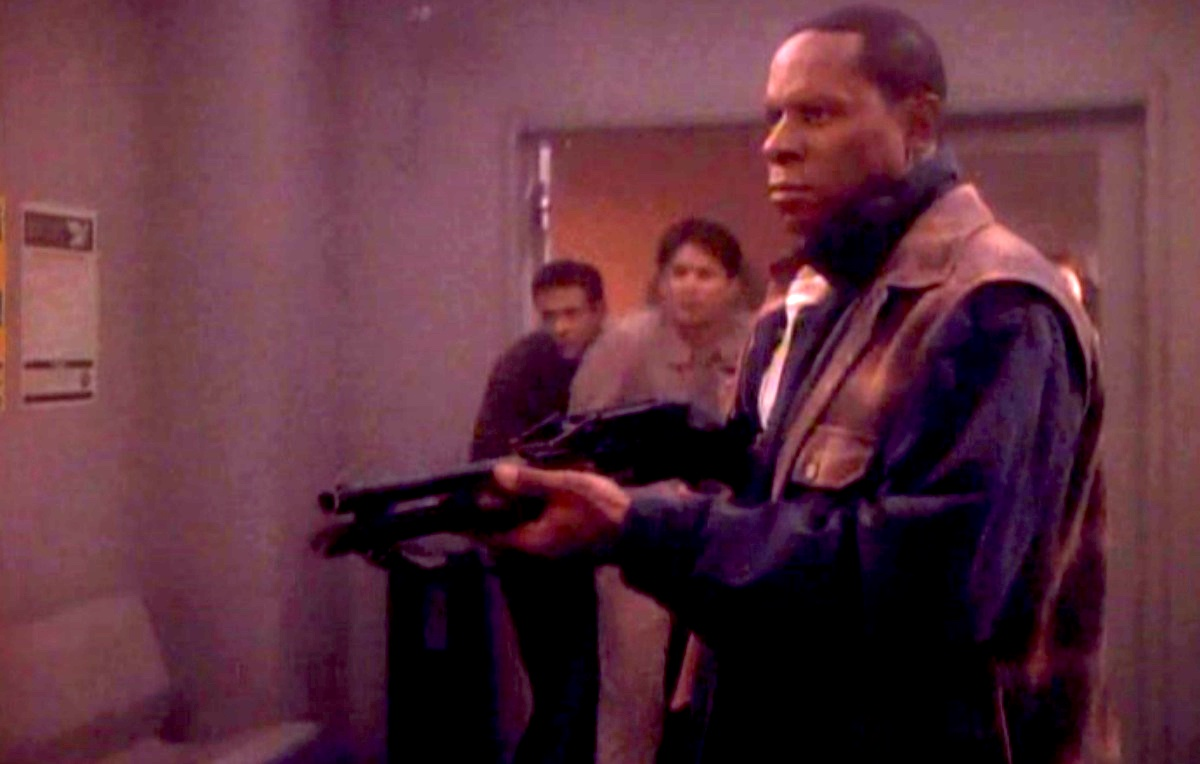
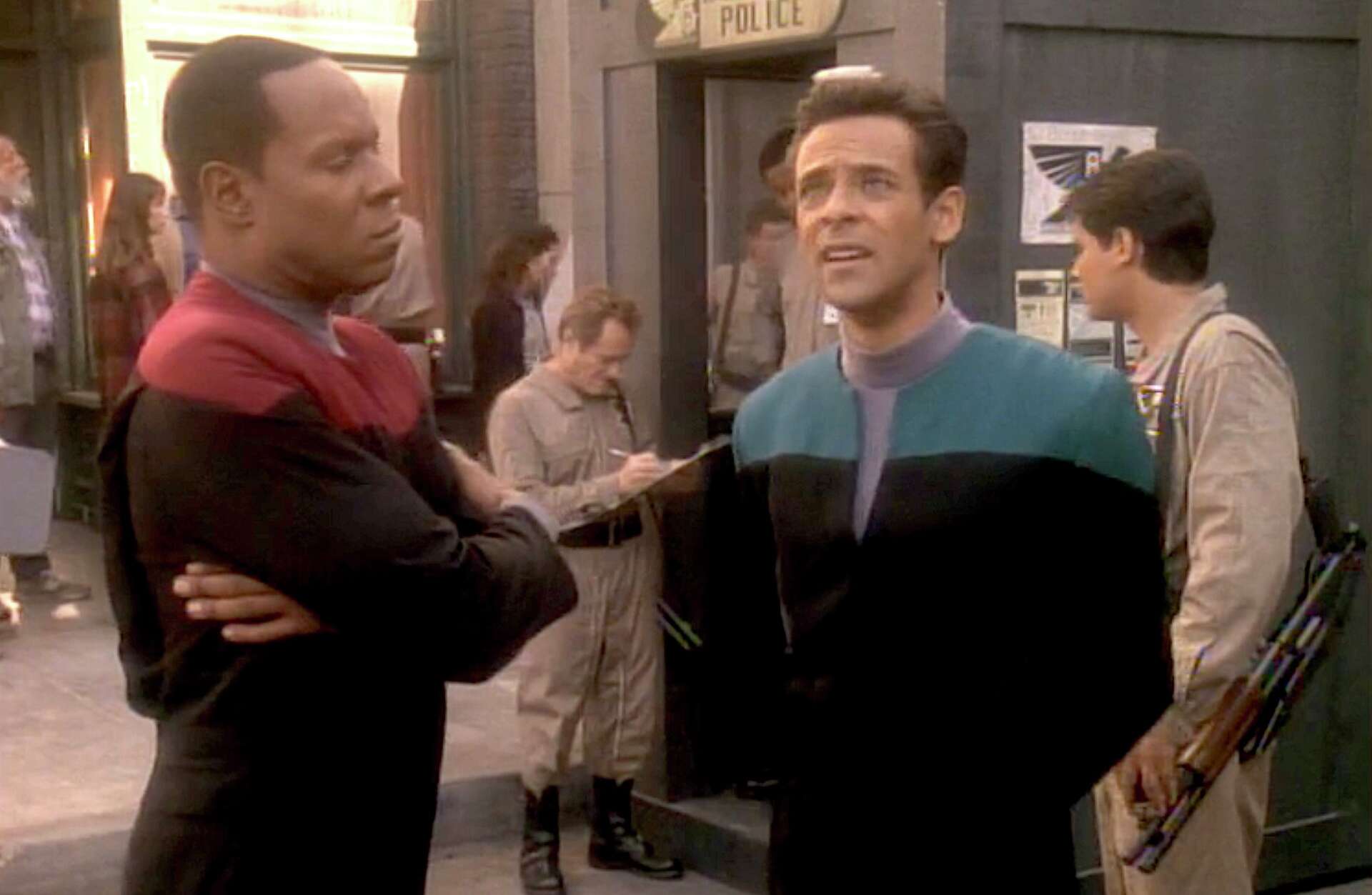
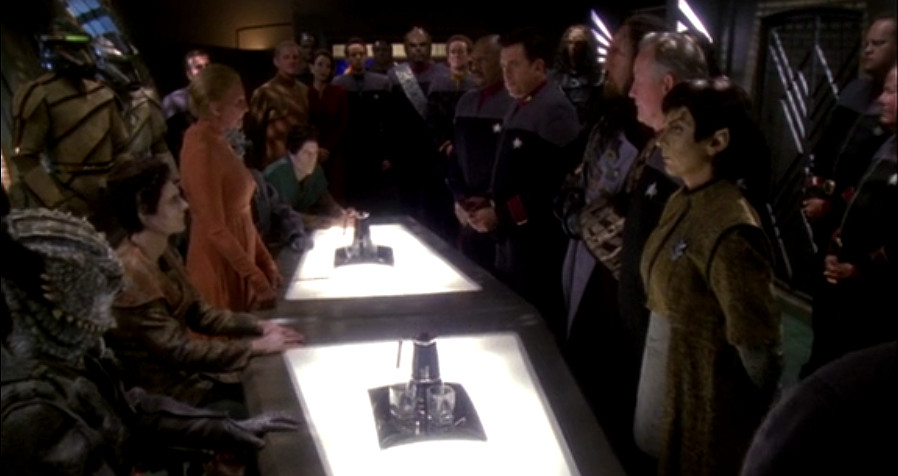
In the two-part episode, “Past Tense” Commander Ben Sisko, Dr. Julian Bashir and Lt. Commander Jadzia Dax accidentally time traveled to San Francisco on August 30, 2024, and were pivotal figures in the Bell Riots on September 1, one of the most violent periods in American history.

For anyone who has not seen these episodes, the Bell Riots were an important event in American history that influenced the country to seriously tackle its social problems. During this time period of the 2020s, the homeless and jobless were forcibly housed in so-called Sanctuary Districts, which were essentially walled-off, overcrowded internment camps were the residents were poorly treated and lived under harsh conditions. Things came to a head on August 31, 2024, when Bashir was attacked by a gang of thugs. One man, Gabriel Bell, tried to help Bashir but was stabbed and killed for his action. Bell’s death created a ripple effect in history were the United States deteriorated and ultimately the United Federation of Planets was never formed.

It turned out that Gabriel Bell would have become a key figure in an uprising in the San Francisco Sanctuary District that took place on September 1, 2024. Bell became the face of the riots and his actions by protecting District employees who were taken hostage and giving a sympathetic face to the homeless residents. Unfortunately, Bell was killed by national guardsmen who took back the District, but his actions were publicized and turned public opinion against the Districts and swayed the United States to find long-term solutions to its social problems.

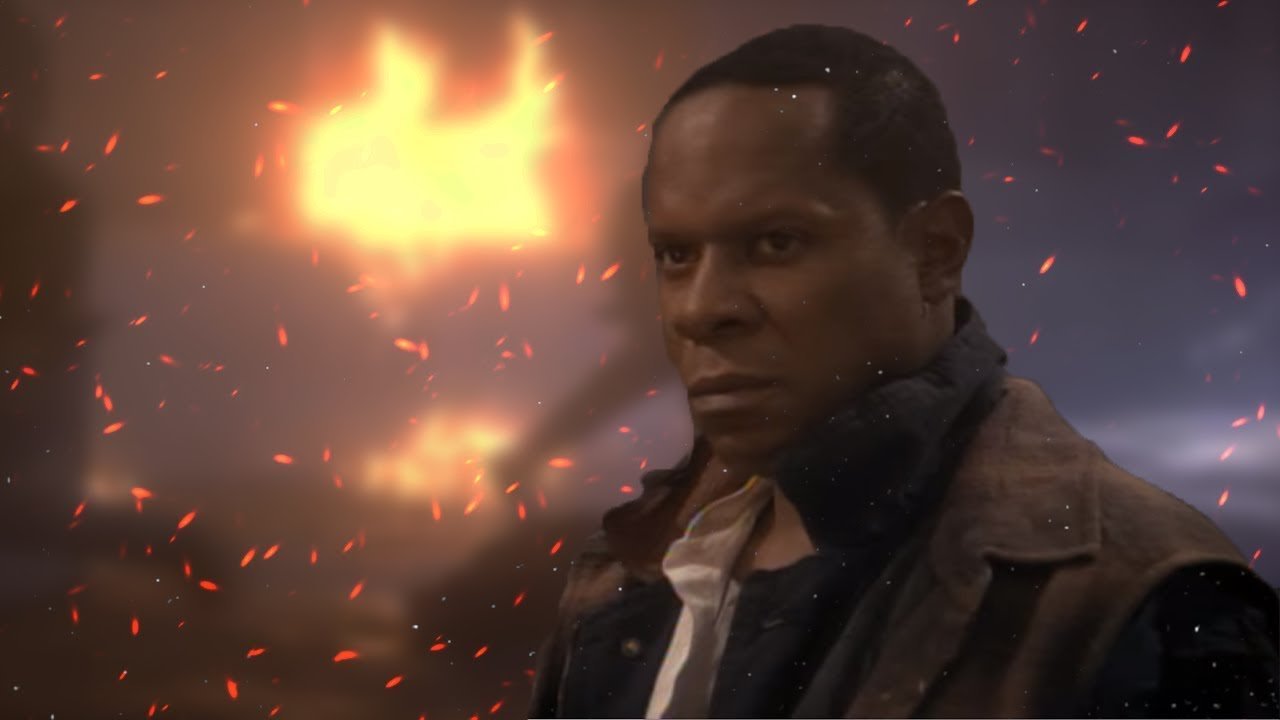
Bell was killed near the conclusion of the first episode and Sisko quickly realized the devastating effect Bell’s death would have on history. Thus, when “Past Tense, Part I” concluded, Sisko and Bashir took part in a takeover of the District’s processing center where the hostages were held and announced that he was Gabriel Bell. The dilemma was that in order to carry out Bell’s life to its conclusion, Sisko had to die. But how was this resolved in “Past Tense, Part II”? Well, this is Star Trek. 😀

“Past Tense, Part I and II” was one of the better time travel episodes in the Star Trek franchise because of its unique nature that it took place during a then-future period in our history (the episodes aired in January 1995, which was a risk. After all, it was very likely at the time of filming that the future portrayed in “Past Tense” would not come to be and fortunately the Districts do not exist in our reality. Obviously, the now-contemporary Earth depicted in those episodes are set in an alternate timeline. Yet, the social issues are still with us.

Homelessness is a major social issue affecting many communities in the United States and is getting worse partly because of the affordable housing crisis. San Francisco has been demonized by many who decry it as the epicenter for urban decay as it faces homelessness. Thankfully, no one has advocated for rounding up the homeless population and dumping them into so-called sanctuaries. Then again if things get worse, this can happen in our future.

At least unemployment is low and not a major issue as depicted in those Star Trek: Deep Space Nine episodes. It should also be pointed out that the episodes did not and could not have predicted that the world was recovering from a pandemic or that a woman was running for president of the United States. But the episodes did hint that democracy was at risk based on the authoritative actions of the California governor in the episodes (who was not Gavin Newsom). Sure it was inevitable that predictions would turn out to be incorrect, but at least it did get correct that housing and homelessness would still be issues and as a bonus the episodes did get correct that the internet would be prevalent in our culture.  

While these episodes of Star Trek: Deep Space Nine may have been a bit heavy handed when it tackled the issue of homelessness and social and economic inequality, it carried out the noble Star Trek tradition of examining current issues facing our society in a sci-fi setting. The backdrop of the social messaging capably added to the tense drama of Sisko and his companions trying to survive a savage period of time. More importantly the issues it brings up were not easily solved and still provide food for thought to this day.

Star Trek: Deep Space Nine Celebrates Its 30th Anniversary

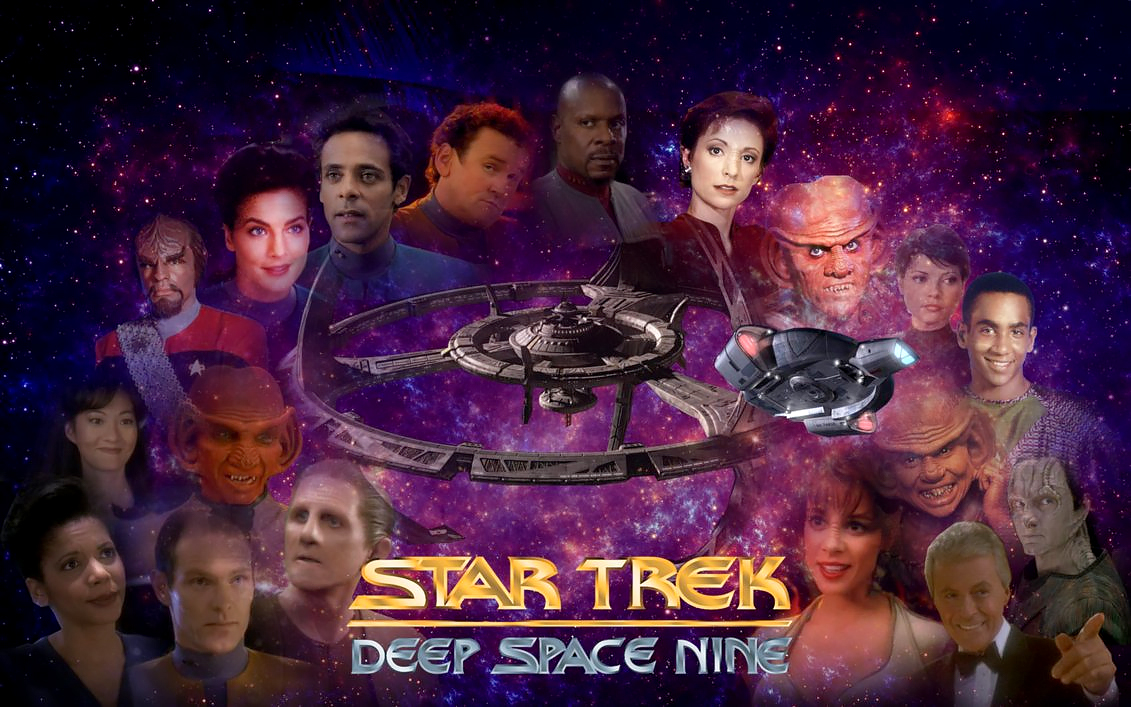
This month thirty years ago, Star Trek: Deep Space Nine, the second Star Trek spinoff (not counting the 1970s animated series) premiered on independent TV stations. Right from its pilot episode “Emissary” viewers saw that this was a decidedly different Star Trek show. Its main character was not a white starship captain, it did not take place onboard a starship, and its ensemble cast of characters was very diverse for its time. More than that the stories were more grounded and tackled headier topics like religion and politics, while the characters were not clean-cut explorers who got along well with everyone. Instead they exhibited shades of grey and were quite flawed.

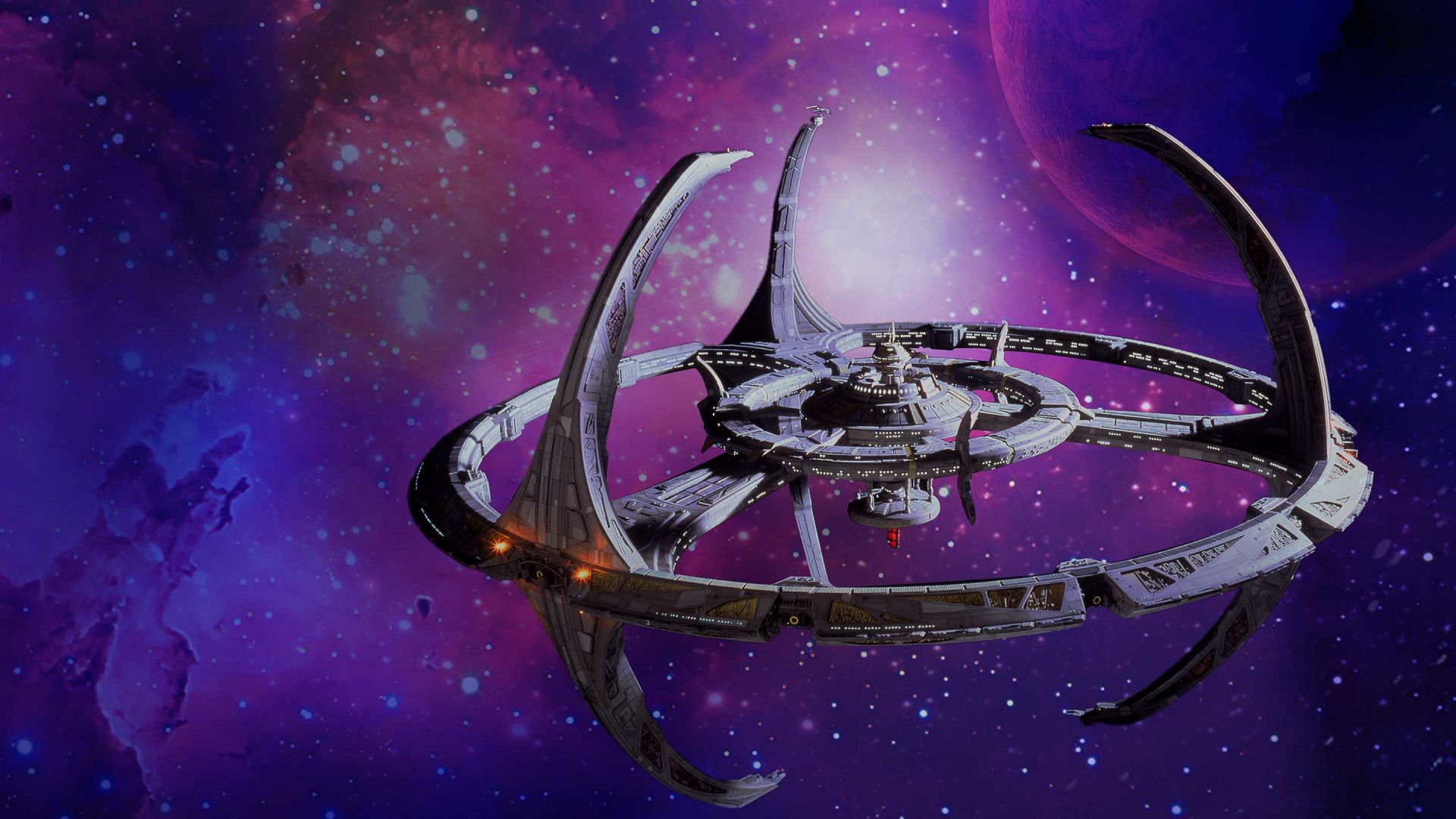
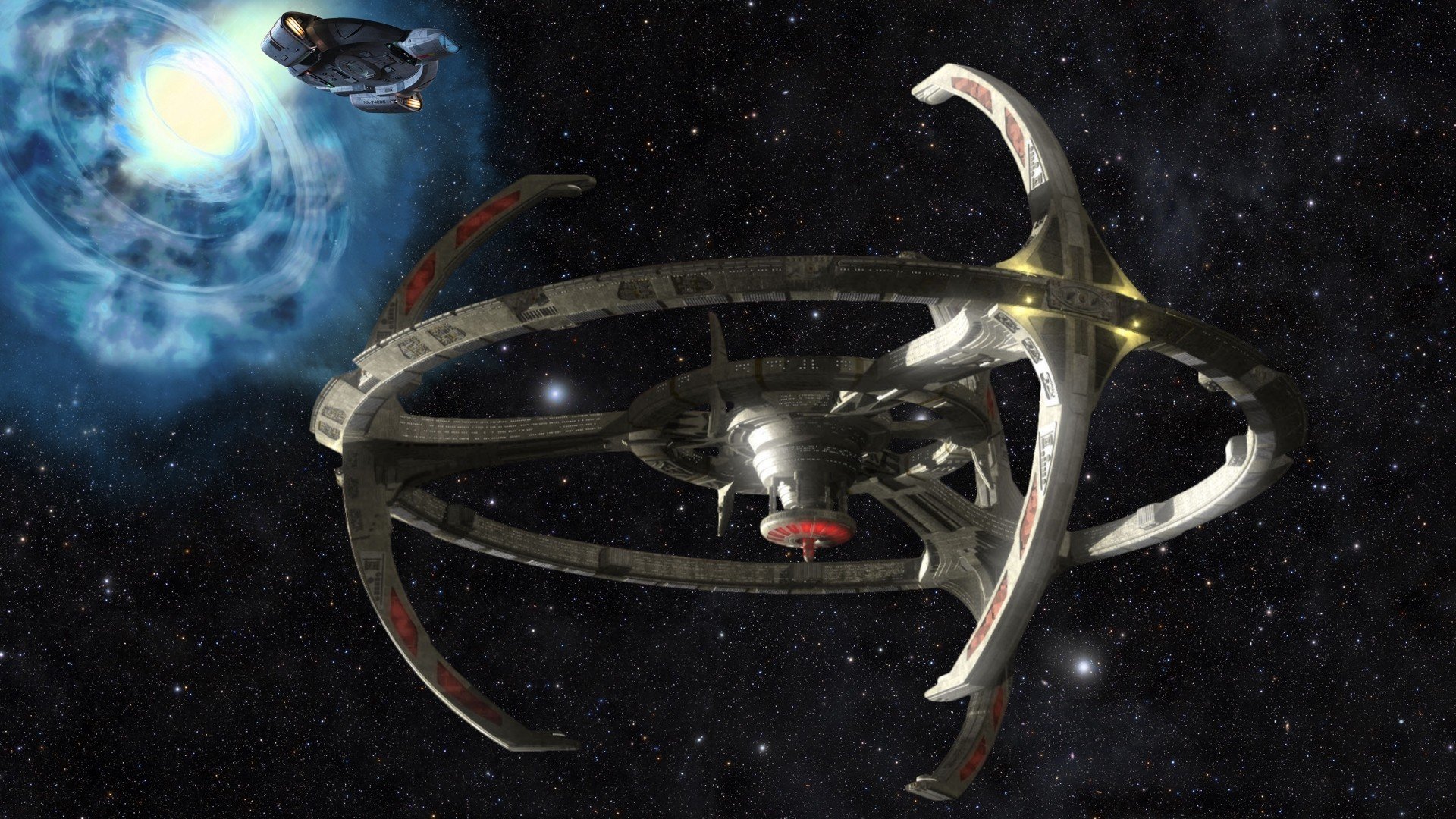
Many fans at that time were put off by Star Trek: Deep Space Nine because it did not follow the typical Star Trek formula and was deemed to be too dark in tone. They wanted the loftier or swashbuckling tone of earlier Star Trek shows that took place on starships that met new aliens every week. With Deep Space Nine, the setting was stationary, pardon the pun, as it took place on an alien space station that was run by the human-centric Starfleet.

While Star Trek: Deep Space Nine was a success, it did not reach the level of adoration that earlier Star Treks had. Before it had time to build an audience, Star Trek: Voyager was launched a couple of years after Star Trek: Deep Space Nine and conusmed a lot of attention away as it returned to the trusted formula of a starship crew exploring space with a twist. However, in recent years, many have discovered for themselves what they initially missed or disregarded and saw its groundbreaking merits.

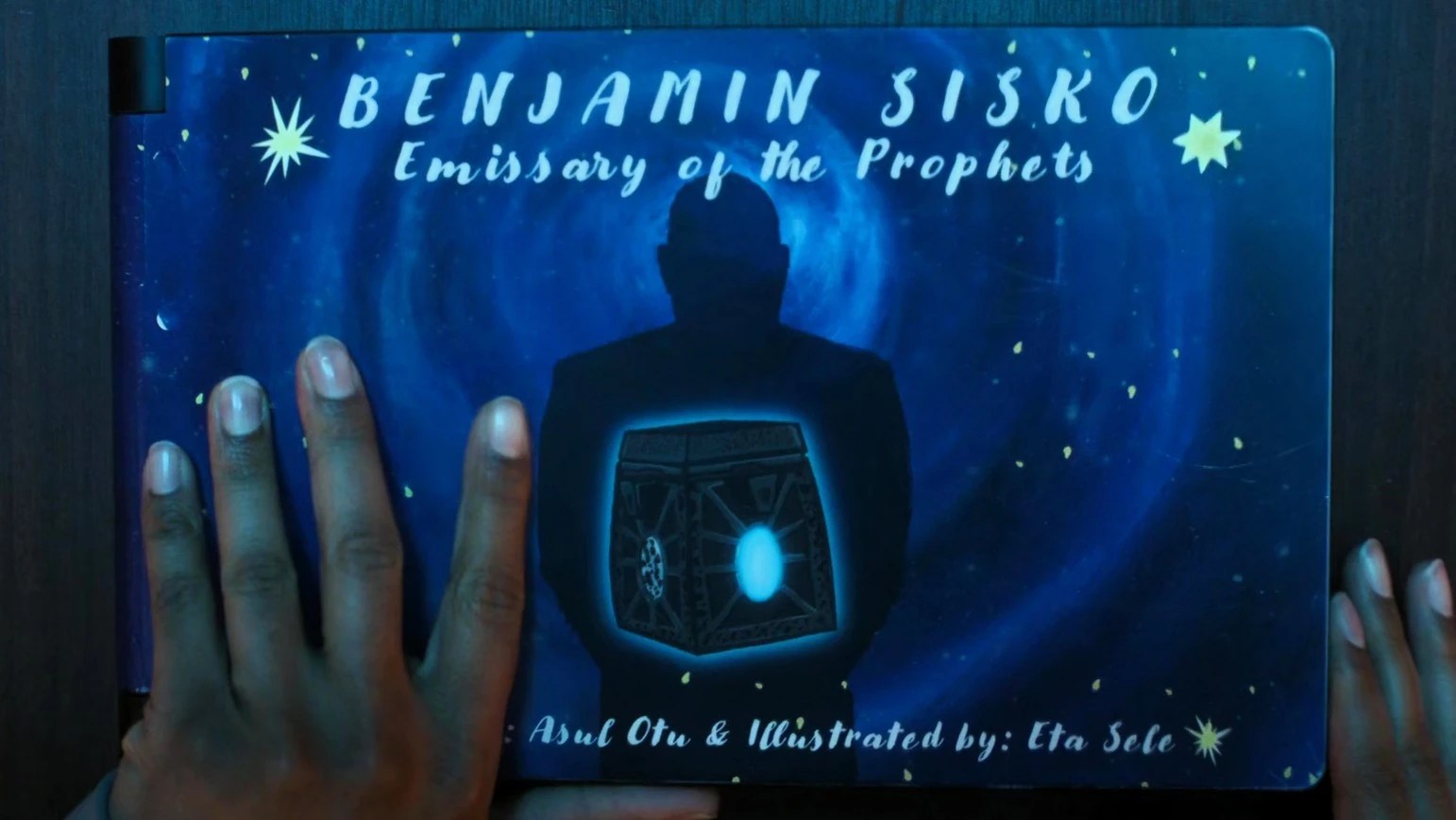
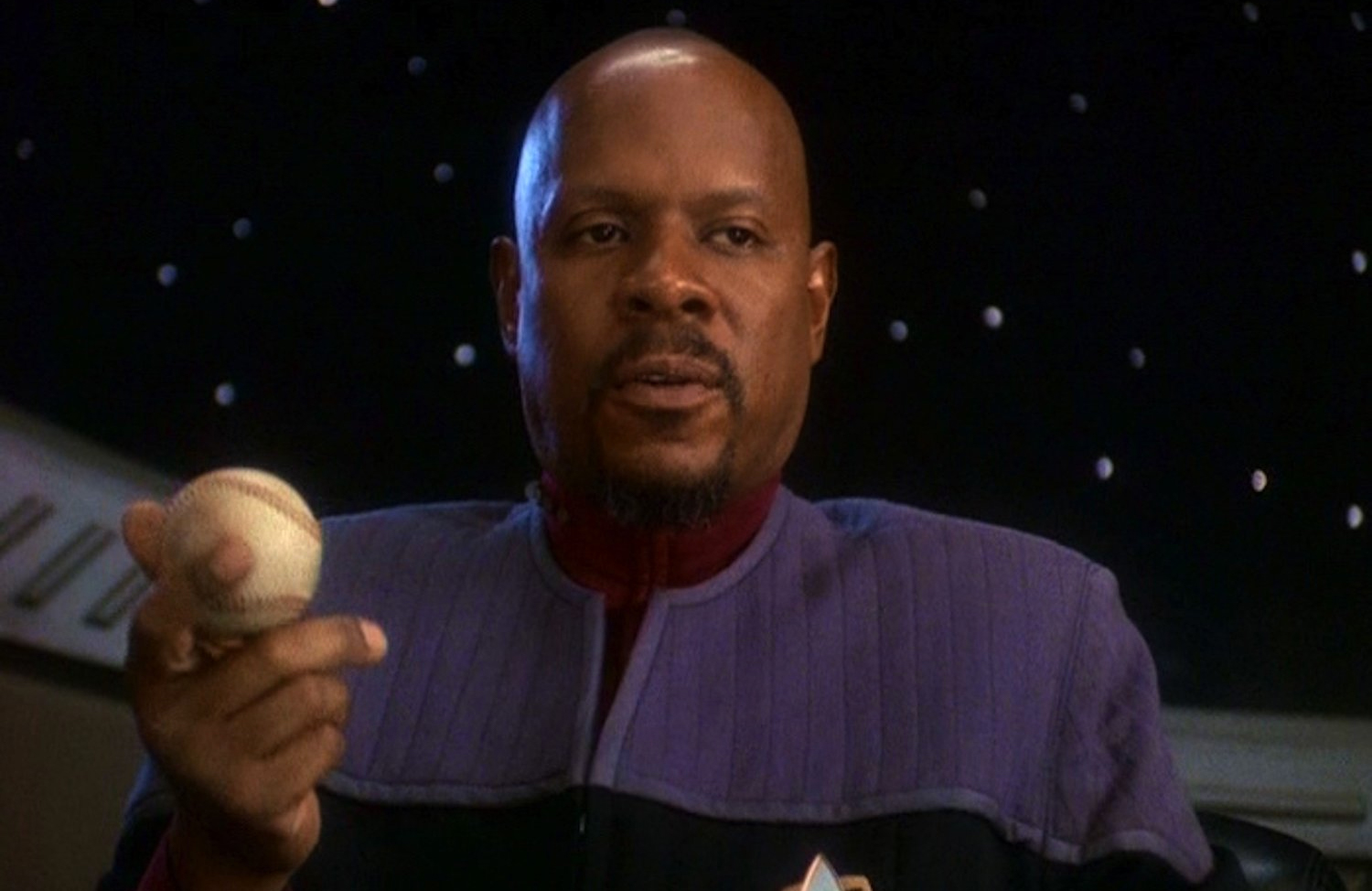
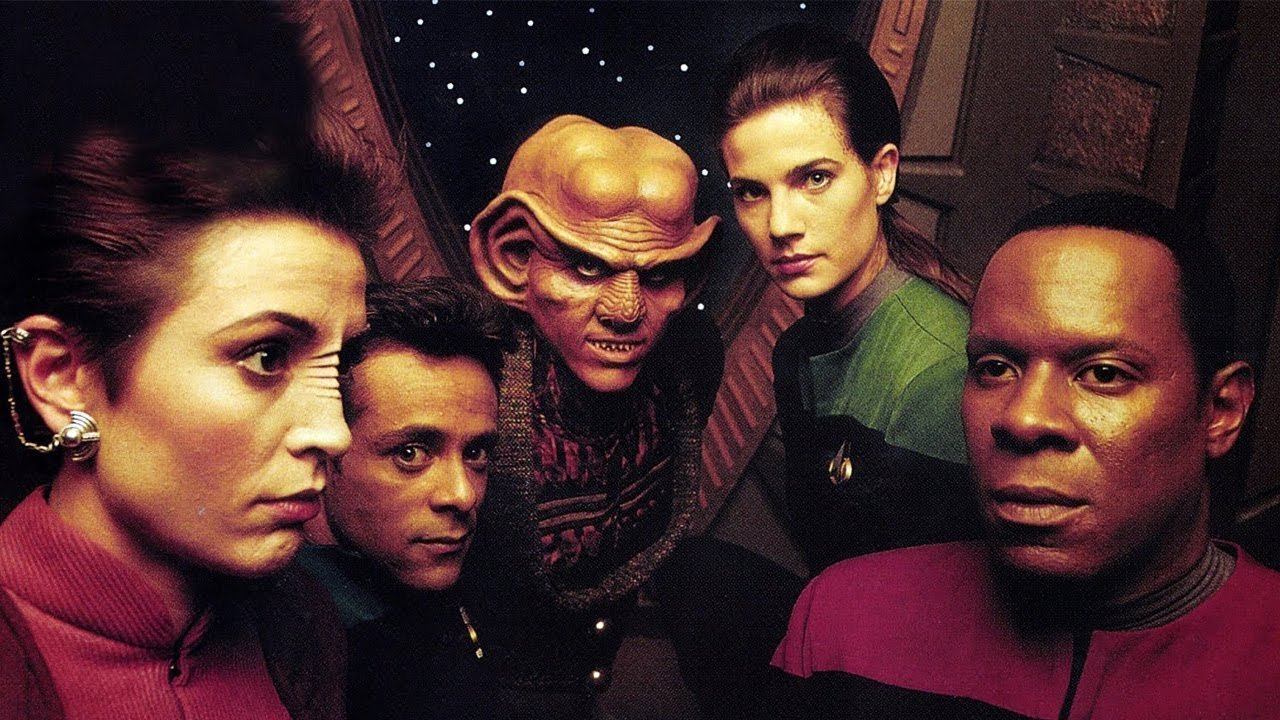
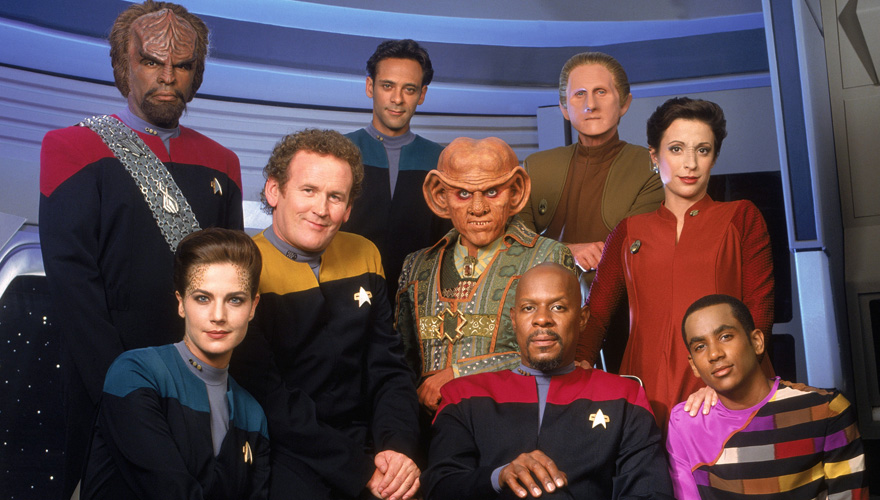
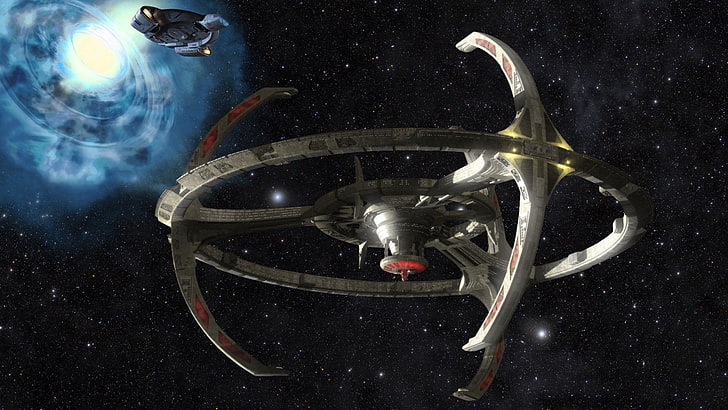
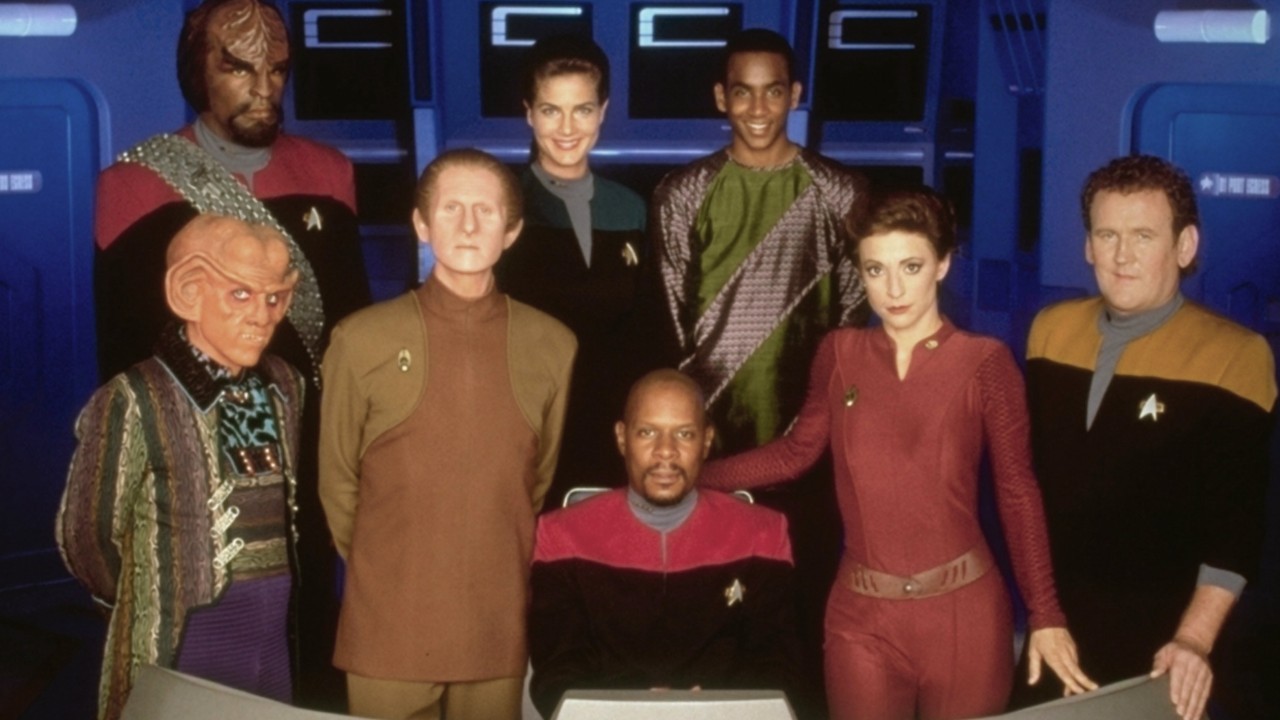
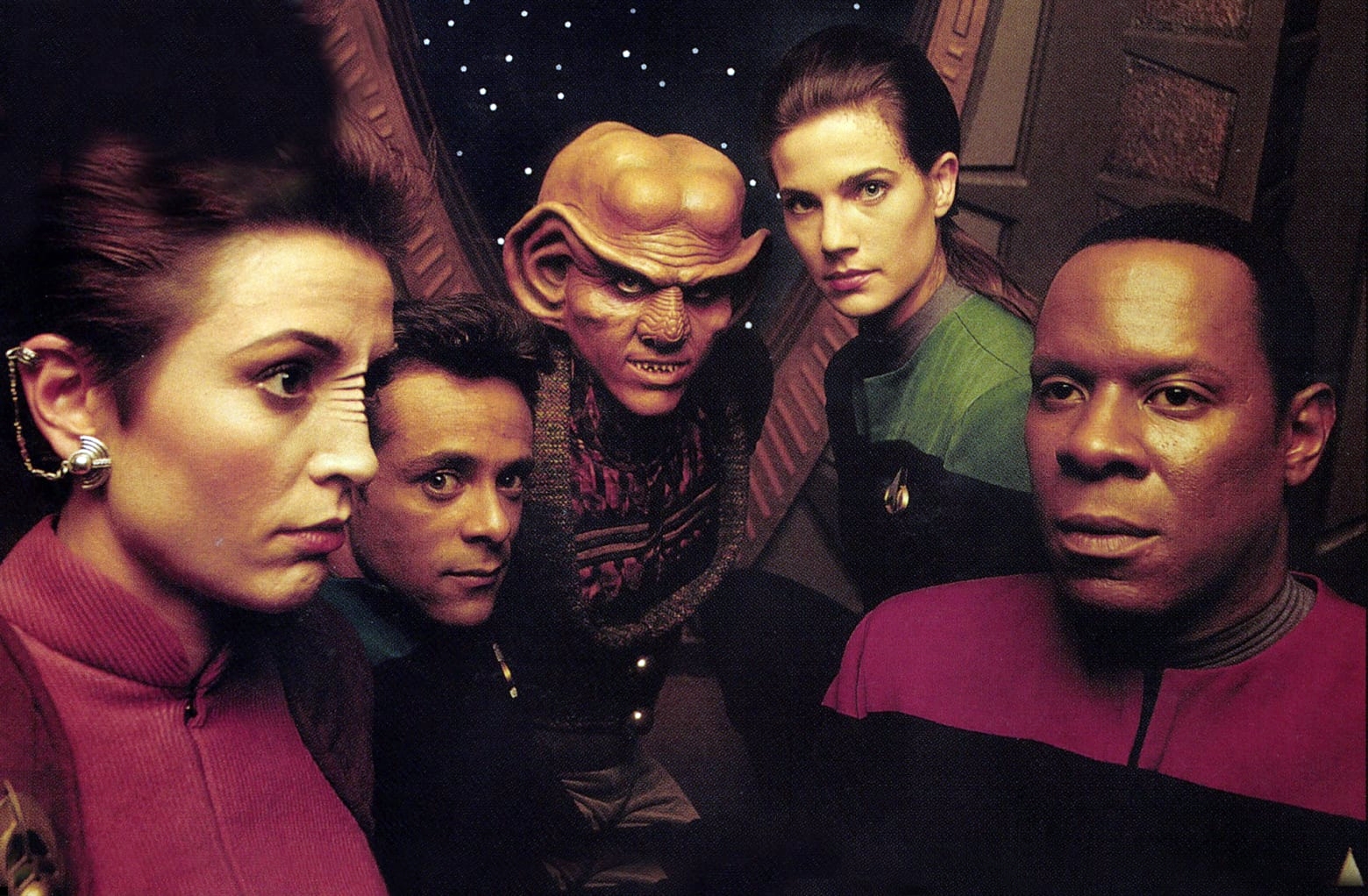
Star Trek: Deep Space Nine starred Avery Brooks as Commander Ben Sisko, an emotionally fragile and jaded Starfleet officer, who was mourning the death of his wife. He is assigned to command the Deep Space Nine space station orbitting the war-torn planet Bajor that wants to be part of the United Federation of Planets. After their arrival, Sisko and his young son meet an eclectic group of characters including Sisko’s second-in-command Major Kira Nerys, a strong-willed former freedom fighter, Quark, a greedy alien bar owner, Odo, a gruff shape-shifting alien security chief, and more. In the pilot episode, Sisko was seriously considering leaving Starfleet, but soon discovers a nearby stable wormhole that transforms Bajor and Deep Space Nine into a major gateway destination in the known galaxy. After an encounter with non-corporeal aliens in the wormhole, Sisko gains a deeper understanding of his life and moves on past his wife’s death with a renewed vigor as an officer. At the same time, he becomes a religious figure to the people of Bajor, who see his wormhole discovery as part of a prophecy about their salvation. This development, naturally, causes discomfort for Sisko, who is has his hands full keeping the peace, raising his son and running the station.

Thanks to its newfound importance, Bajor and the station becomes the centerpoint for intrigue and machinations from various parties throughout the galaxy and is so valued that before long a war breaks out for control of Deep Space Nine and the wormhole. When war breaks out, which was a first for Star Trek, its brutal horrors test our characters in relatable ways never seen before in a Star Trek show.

One thing that the show accomplished was that it embraced the now-common story arcs that continue from one episode to the next. Previous Star Trek shows followed an episodic formula with standalone stories. But by ditching that format, Star Trek: Deep Space Nine gave its characters and situations room to breath and develop. One example was the war arc that took place over several seasons, and culminated in an epic final season that was a fully engrossing and rewarding viewing experience.

Thankfully, the show has found a second life as more and more fans have discovered it and appreciated it. Even though there have been numerous Star Trek shows since, many consider Star Trek: Deep Space Nine to be the best Star Trek show of all time and they have a point. It stands out today because it did not follow the conventional Star Trek formula. It took risks and struck storytelling gold. It’s unfortunate that we have not had any followups or reunions with the show, but it is rumored that the new season of Star Trek: Picard will feature some kind of reunion related to Deep Space Nine, so we’ll find out soon. it is comforting to know that with the current slate of numerous Star Trek shows, not only has Star Trek: Deep Space Nine withstood the test of time but it has propered.

José Soto

Where Are the Star Trek: Deep Space Nine Followups?

As we get ready for the second season of Star Trek: Picard to stream in a few short days and we have seen Kathryn Janeway (Kate Mulgrew), or rather her hologram, appear as a one of the main characters in Star Trek: Prodigy, these developments begs the following question. Where are the Star Trek: Deep Space Nine (DS9) followups?

Ever since DS9 aired its final episode back in 1999, we have yet to see any meaningful followup or sequel to the show. Its reputation has increased significantly over the years as fans have come to appreciate how innovative and unique DS9 was compared to other Star Trek shows.

What set Star Trek: Deep Space Nine apart were several factors. Start with its premise, it took place on a space station, not a starship. This helped develop long-running arcs and storylines over several episodes and seasons that explored the socio-political landscape of Star Trek. What was interesting was that this predated the current model of TV shows with their season-long arcs. What also set DS9 apart from other Trek shows (at least, until recently) was that it had a darker, grittier tone with more mature and grounded stories and characters. No one was purely good or evil, not even its main character Benjamim Sisko (Avery Brooks), who suffered from PTSD over a Borg attack that killed his wife. In one infamous episode “In the Pale Moonlight” he manufactured evidence to entice the Romulans to enter the Federation’s war against the Dominion. The show was riddled with anti-heroes such as Quark (Armin Shimerman), the greedy Ferengi bartender, and Garak (Andrew J. Robinson), a former Cardassian spy with a nebulous past. Many of the characters like Major Kira (Nana Visitor) struggled to adjust to a new life. In her case, Kira was a former terrorist/freedom fighter who found herself as Sisko’s second in command and operating under Federation rules. Star Trek: Deep Space Nine explored controversial issues such as racism, religion, and the impact of war. In fact, DS9 was noted for running a long storyline where the Federation was at war with the Dominion and many of its related stories had clear anti-war messages.

Even though Star Trek: Deep Space Nine was a success, it was not as well regarded by fans and critics because it deviated too much from traditional Star Trek tropes. However, over the years, more and more people have come to appreciated DS9 for its unique merits and is now considered one of the best, if not the best, Star Trek TV shows.

But, ever since “What You Leave Behind”, the final episode of DS9, aired there has not been any meaningful followup or sequels to the show, aside from other media like books and comics. There have been some minor references to the show in other Star Trek TV shows and film over the years. The most notable one was an appearance of Odo (René Auberjonois) as a holographic character in the Star Trek: Prodigy holodeck-centric episode “Kobayashi”. Meanwhile, Star Trek: The Next Generation continues in Star Trek: Picard, characters from Star Trek: Voyager such as Janeway and Seven of Nine (Jeri Ryan) are currently appearing in Star Trek: Picard and Star Trek: Prodigy, respectively.

So, why hasn’t DS9 been revisited? A full reunion is not possible anymore since Auberjonois and a couple of other DS9 actors have passed away, and Brooks is no longer actively acting. Still, it would be great if several DS9 characters could reappear in current Star Trek TV shows or have some episodes or films take place in the DS9 station or nearby locales. There are many lingering questions about Star Trek: Deep Space Nine that fans want answered. Will the Dominion return to threaten Earth and the Federation? What happened to the planet Bajor? Did it ever join the Federation? What happened to the Cardassians after they were defeated in the war? Will Sisko return after joining the Prophets in their non-linear plane of existence? Being that he now exists outside of time and space, he can in theory return to our existence at any time, including the current Star Trek shows.

OK, showrunners. We the fans of Star Trek: Deep Space Nine have been very patient. We are waiting to revisit this innovative and novel corner of the Star Trek universe. Let’s make this happen.

Star Trek: Deep Space Nine Boldly Went Where No Trek Had Gone Before

Twenty-five years ago, Star Trek: Deep Space Nine (DS9) premiered on syndicated TV and right from the start this Star Trek spinoff charted its own unique direction. Unlike other Star Trek TV shows, Star Trek: Deep Space Nine stood out beginning with its premise and later by taking advantage of it. The show did not take place onboard a starship that traveled to different planets each week. The main character was not even a captain and was deeply troubled. More than any other Star Trek show, this one truly focused on its ensemble cast to create a rich tapestry of characters who actually grew throughout the run of the series.

When executive producer Rick Berman and writer/producer Michael Piller set out to create a new spinoff after the success of Star Trek: The Next Generation they did not take the easy route. Instead of just recycling the elements of Star Trek that made it so phenomenal they tried something different. The result was a show based on a space station with fallible characters that did not always get along with each other. Instead of having the cast explore other planets, other races came to the station, some coming from a nearby wormhole, and often the consequences of meeting the aliens were explored.  Showrunners like Ira Steven Behr took over and ran with the premise. Simmering political, social and religious situations were explored. Tensions boiled over into a long-running arc where the Federation went to war with the formidable Dominion and the impact of the war was fully examined in the program. For the first time, Star Trek became more serialized as season-long arcs were introduced, a rarity in ’90s television.

Unlike the more safe Star Trek shows running at that time, DS9 was edgier, took more risks, and went where no Trek had gone before by exploring volatile issues like social injustice, ethnic and racial tensions, taboo relationships and more. In fact, for all the noise made about Star Trek: Discovery with its non-white lead, homosexual relationships and hot-button issues, it has to be mentioned that Star Trek: Deep Space Nine covered all of this twenty five years ago.

To say that DS9 was ahead of its time is an understatement, but it can help explain why it was not a huge hit back in its day. More attention was paid to Star Trek: The Next Generation and later to Star Trek: Voyager since the latter show featured Trek’s first female lead. Yet both shows played it safe with its storylines and characters. After a while fans noticed that their familiar premise of spaceships exploring the unknown was becoming too pedestrian and predictable. DS9 on the other hand, took chances and the result was some of the richest and most memorable Star Trek stories.

Unlike many programs, Star Trek: Deep Space Nine has aged well and is as relevant today as ever. Many are discovering the show and appreciate what it set out to do, which is why its reputation has grown over the years. While most will claim that the original Star Trek is still the best, a valid argument can be made that DS9 is actually the best Star Trek ever. If you haven’t seen the show, I highly recommend you sample it, even though the earlier episodes are the show’s weakest. However, DS9 comes into its own and before long, you will be binge watching it.

 Star Trek: Deep Space Nine is the most groundbreaking Star Trek show ever made because it boldly went where no Trek had gone before with its unique premise and rich characters and stories.

Lewis T. Grove

Star Trek: A 50th Anniversary Celebration, Part One

original Star Trek cast

Star Trek turns 50 this year. Think about it. One of the greatest sci-fi franchises is now half a century old. While there are countless other sci-fi properties that are older than Star Trek, very few will match the popularity, relevance and staying power of Gene Roddenberry’s TV creation. As with other properties, Star Trek has had its highs and lows, but it has had a positive impact in our culture and society. That is why we are celebrating Star Trek’s 50th anniversary. Many of us will take this figure for granted but diehard fans know too well that Star Trek has often been on a touch and go basis, especially in its early years.

Noble, But Rocky Beginnings

From its inception Star Trek faced an uphill battle. The pilot episode “The Cage” was rejected by the network NBC for being too cerebral and having then-outrageous concepts like a woman in a leadership position and a character who looked like the devil. But Star Trek’s creator, Gene Roddenberry, would not give up and fortunately, others recognized its potential.

Star Trek, the actual series, debuted on September 8, 1966 with the episode “The Man Trap”. Following the cold opening, a starfield filled TV screens, wistful music played, the iconic and majestic Enterprise spaceship appeared and William Shatner’s bold voiceover announced that we were witnessing the voyages of the starship Enterprise and its crew with a mission to explore space and “to boldly go where no man has gone before.”

the Man TrapAt first glance, it looked like another schlocky monster-of-the-week episode that defined most sci-fi fare at that time. But this being Star Trek, there was more to the episode than some ugly monster that had to be destroyed. It had a moral dilemma for one of the show’s main characters, Dr. McCoy (DeForest Kelley), in that the monster took the shape of a former lover and he had to confront it. Then there was the morality of killing off an endangered species versus the threat of the creature to the crew of the starship Enterprise.

Other episodes also had even more intriguing and smart plots and multilayered characters that made Star Trek stand out from most genre efforts. A huge factor in the show’s appeal was not just its imaginative and provocative scripts but its characters. The suave and confident Captain James T. Kirk (Shatner), the stoic and collected Mr. Spock (Leonard Nimoy) and the opinionated Dr. “Bones” McCoy formed the perfect triumvirate as they explored new worlds. These were complicated people with strengths and weaknesses, and we identified with them. In fact, most of us wanted to be in their place as they explored the unknown.

At the same time, the show had wild imagery for its time. Star Trek technology impacts our livesThink of the time a giant hand appeared in space and grabbed hold of the Enterprise. Or when Abraham Lincoln showed up without warning or when ancient Roman soldiers donned firearms. Matching the imagery and action scenes were the fantastic plots that often dared viewers to think. Star Trek wasn’t afraid to make veiled social commentary and broke cultural and racial taboos. In the futuristic world of Star Trek, it was commonplace (as it is now) to see non-whites and women in prominent positions. We take it for granted now but this was groundbreaking for TV at the time and fortunately Gene Roddenberry’s hopeful vision of the future was validated as our society began to catch up to his vision. We’re still not there yet, but we’re making progress.

For all these reasons, the show caught on with fans, who could enjoy it on many levels, but it wasn’t enough. After three seasons the show was killed due to low ratings, however, it would not stay dead.

Comebacks & Striking Gold Again

Fervent fandom kept the memory of the show alive as it dominated syndicated runs after cancellation. During the ’70s Star Trek increased its presence in the public consciousness thanks to the reruns, merchandising and a short-lived animated show. It wasn’t long (though it was long enough for fans) before Star Trek returned in the form of a successful film series starting with Star Trek: The Motion Picture in 1979.

Star Trek TMP

By the time the franchise celebrated its 20th anniversary, Gene Roddenberry was given the chance to strike gold again. He returned to TV and created the first of many Trek spinoffs Star Trek: The Next Generation. When the show first aired in 1987, it had many detractors who complained that basically it wasn’t the old Star Trek because of undeveloped characters and dull and preachy scripts.

But ultimately the spinoff succeeded as the writing improved and the characters were allowed to grow. Now that Roddenberry had more of a free reign with his show, he indulged in creating his version of a more perfect futuristic society where no one squabbled over pettiness. Whether or not this utopian view is viable is besides the question. Being that humanity had evolved in Roddenberry’s viewpoint, the human conflicts were gone, which led to problems with the scripts that needed conflict.

Gone were the bombastic space captains and cantankerous frontier doctors. In some ways it was as if the stoic character of Mr. Spock was replicated many times over with most of the new characters. That is an exaggeration of course, but Captain Jean-Luc Picard (Patrick Stewart) was the anti-Kirk in that he was more level headed, collected and cerebral than the swaggering Kirk we all love.

The Next Generation of Star Trek

Over time Picard and his crew won over new fans who saw the spinoff’s merits. People saw the value of creating a show that was decidedly different than its predecessor. Gene Roddenberry passed away in 1991, but left behind a timeless legacy that was in competent hands (such as executives Rick Berman, Michael Piller, Ron Moore and others) who ensured that his vision remained intact. On the whole, Star Trek was reinvigorated since the original cast were obviously much older and passed the torch to the new generation. Meaning, that Star Trek: The Next Generation concluded its successful run in 1994 and the cast were graduated to the big screen starting with Star Trek Generations in the same year.

Trek At Its Peak

In the same time period of the early to mid ‘90s, Star Trek could be considered to be at its peak creatively and in popularity. Two more spinoffs debuted, Star Trek: Deep Space Nine and Star Trek: Voyager and the Next Generation crew were promoted to the film series.

Star Trek: Deep Space Nine, which premiered in 1993, set out to be the most distinct Star Trek show of all time. It didn’t take place on a spaceship, most of the main characters weren’t even human and its lead character was an African-American. Incredibly enough, back then there wasn’t much hoopla made about having the lead character be a non-white person and it shouldn’t have. The showmakers bravely let the character of Ben Sisko and the actor (Avery Brooks) sell the character who stood apart from Kirk and Picard as being more of a military commander with his own doubts but a similar thirst for knowledge and exploration. From the start, most viewers forgot about Sisko’s race when he was surrounded by a bunch of non-humans.

Star Trek Deep Space Nine cast

But Star Trek: Deep Space Nine had its detractors who complained they wanted to old familiar shtick of a spaceship-based show and that it was too dark. In reality, this darkness birthed many of Star Trek’s best and most complex episodes and is why Star Trek: Deep Space Nine is very highly regarded by many today who recognize its merits. In fact, it can be argued that it was the best of the Star Trek shows, but that is for history and fans to decide.

https://www.youtube.com/watch?v=2TsMyLt2BTM

As a further sign of the strength of Star Trek’s brand, Paramount Studios decided to produce yet another spinoff  which would be used to kickoff its new network UPN in 1995. Star Trek: Voyager premiered to a lot of hoopla and fanfare. This was due to the fact that the lead character was a woman named Captain Kathryn Janeway (Kate Mulgrew), a first for Star Trek. However, while the franchise was at its zenith at the time of its 30th anniversary, the first signs of problems began to seep in as it started to feel tired creatively. But like any solid property, Star Trek would weather the setbacks as it did in the past. Each time the franchise would find a way to reinvent itself and move beyond Gene Roddenberry’s vision of Wagon Train To The Stars.

José Soto

To Be Continued…