Wither Physical Media? Or The Downside Of Digital Streaming

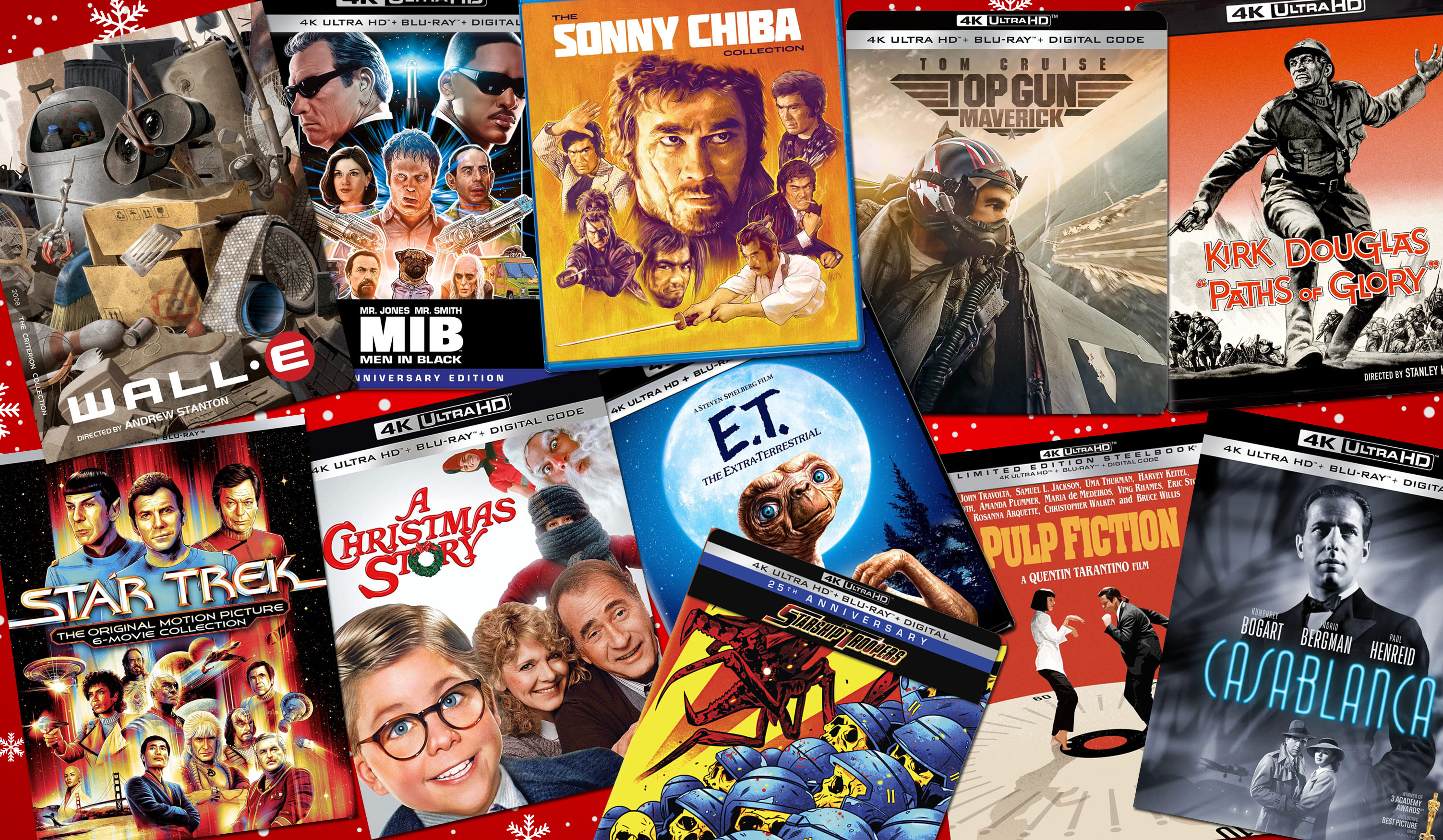
By now, we all know about how physical media is dying, especially after the retailer Best Buy announced last year they would discontinue selling DVDs, Blu-rays and 4K disks this year. This is largely due to the prevalence of digital media and digital streaming services like Netflix, Hulu, Max, and so on, and declining sales of physical media. These platforms made it much more convenient to access and watch your favorite films and TV shows without the bother of physically getting up, searching through your DVD/Blu-ray library and inserting disks into a player. However, something has been lost with the downfall of physical media. Or is it truly dead?

By announcing that physical media was doomed, interest has increased in fans and collectors to obtain the remaining physical media, especially in secondary markets, as fans are now actively hunting down copies of their favorite films. What helped drive the hunts was a major flaw that became clear with the rise of digital media: the availability of a favorite film or TV show.
On paper, digital media and streaming takes care of the problems with buying and collecting physical media, namely storage and the ease of accessing your favorite Star Trek episode. The problem is the streaming market has become so diversified that these services feel like you’re accessing incomplete libraries. A draw of streaming was the vast libraries they boasted. This was the case when Netflix was the only large streaming service years ago, but with the coming of Disney+, Max and other streaming services, these companies understandably took their toys and went home. Good luck if you subscribed to Netflix to watch the latest Marvel superhero film. You might get Morbius or some knock-off film, but if you want to watch Iron Man or Avengers: Infinity War you’ll have to subscribe to Disney+. The same thing happened if you wanted to watch Star Trek. While you can watch some of the films on other services, for the “complete” Star Trek library you have to subscribe to Paramount+, which offers little else that would interest the average Star Trek fan. And by “complete” we have to keep in mind that Paramount+ cancelled and removed Star Trek: Prodigy from their service. Now you can only see that show on Netflix, which will exclusively stream the second and final season of Star Trek: Prodigy.

Anyone sees where this is going? Essentially, you have to subscribe to all the major and even minor digital streaming services to be able to access the films and TV shows you want to see. That is if they have the rights to stream them. Anyone want to see Outland? Never heard of it? No surprise. Outland was a sci-fi crime drama that starred Sean Connery as a sheriff on a mining station on IO. It copied the gritty and grounded look of Alien but was a well done film. Now where can you find it. Sure, anyone can buy it digitally, but why should they if they are supposed to easily access it on digital streaming? Also the money spent to download Outland is comparable to buying a physical disk.
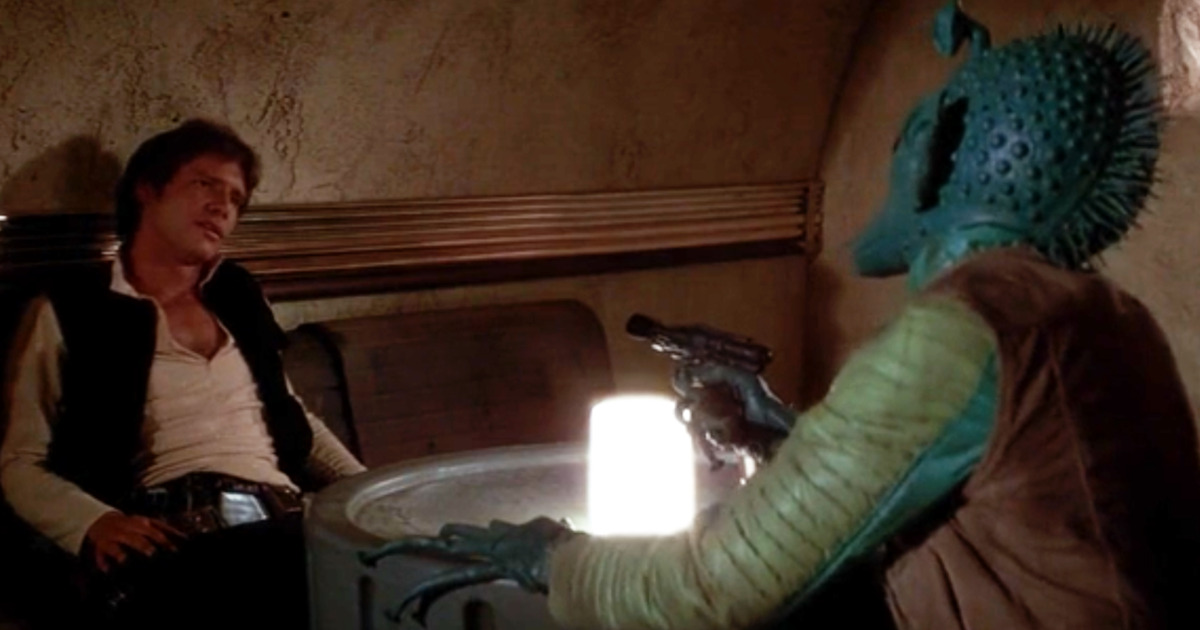
The same issue has been noted online with the sci-fi film Cocoon. It was successful back when it was released in the 1980s, it even won Academy Awards, but it is unavailable on physical media and you have to hunt for it on streaming. Then there is the situation with trying to watch the original version of Star Wars, no bloody Episode IV or other silly subtitles, and where Han shoots first! Many fans hoped that Disney+ would have streamed the original vision of George Lucas, but to date that has not happened. The only way to see the unaltered Star Wars is by purchasing old VHS cassettes, laser disks, and DVDs. Of course, the quality won’t be 4K but at least it is accessible to you and owned by you.

The problem with buying digital downloads of films and TV shows is that you don’t actually own the downloads. Disney+ boasted that with its service you could download their content to watch anywhere on any device. But do you get to keep the downloads if you unsubscribe? If you can please drop a comment below.
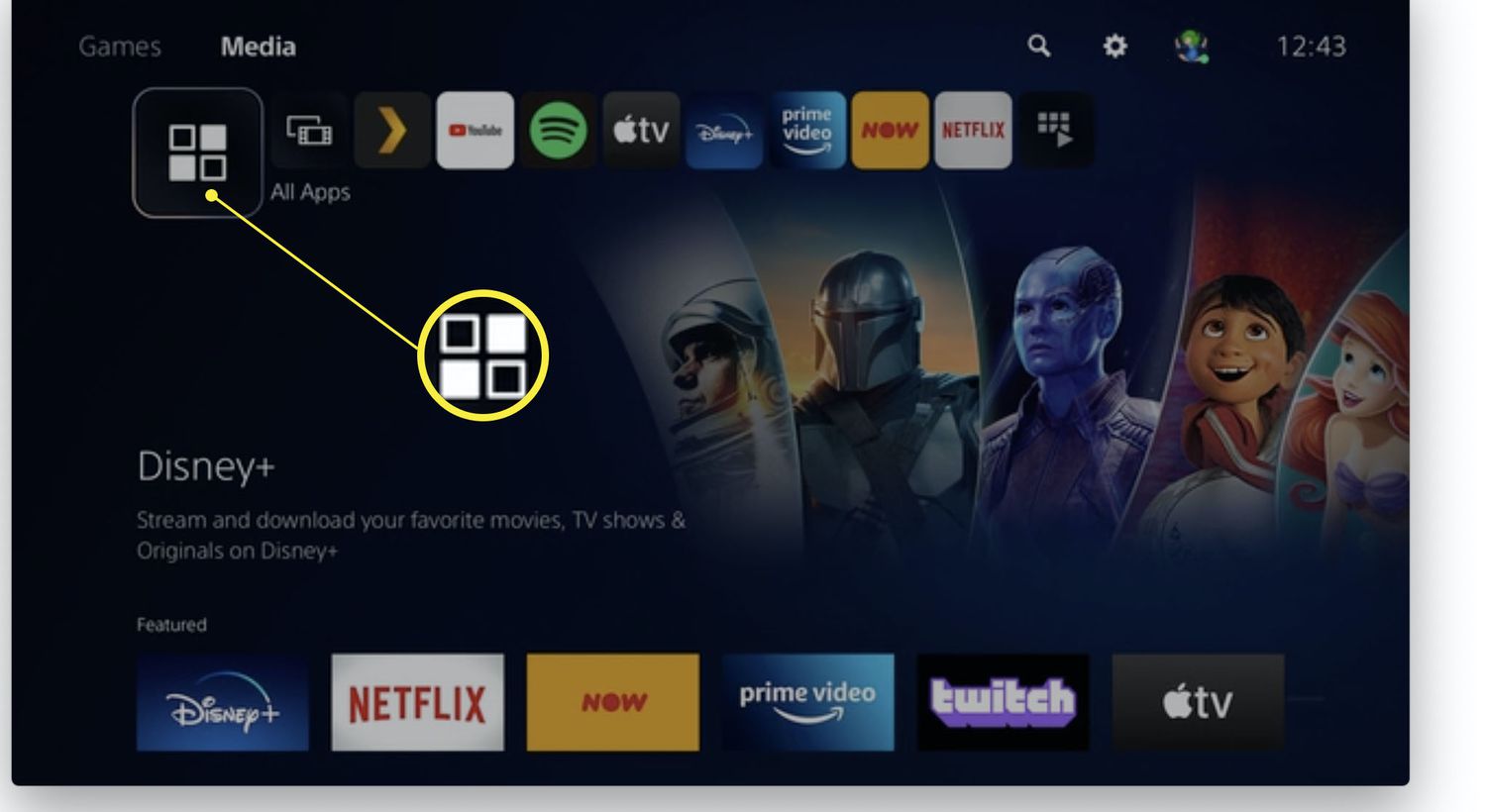
Many owners of the PS5 learned the hard way that their digital downloads are not theirs to keep forever, as it was announced late last year that any Discovery+ content that was purchased and downloaded would be removed from PS5s. So, what is the point of buying downloads if you cannot keep them? With DVDs and Blu-rays, the disks are yours forever, you can watch them at anytime just as long as you have a player, which are very cheap these days. Of course, a problem with all the media platforms is the availability of old and obscure content. There are countless sci-fi, fantasy and horror films and TV shows that have basically disappeared since they are not streaming (usually due to rights issues) on any service and if they had a DVD or Blu-ray release, they have gone out of print a long time ago. This makes me glad that I never got rid of my DVD copy of Peter Jackson’s The Frighteners since it is a favorite that cannot be easily seen these days.

What can a genre fan do? Sure you can subscribe to every streaming service but that is expensive and you’ll be stuck paying for subpar services just to access a film or TV show, which can be removed at anytime, often without notice. This happened to me when I was binging Snowpiercer on Max and stopped watching it a few episodes away from its season finale. The next day the entire series was removed from Max. This streaming service was infamous for removing other genre content because the parent company did not want to pay residuals to writers and so on. Such content included Raised By Wolves and Westworld. Anyone who intended to watch the complete series is out of luck these days.
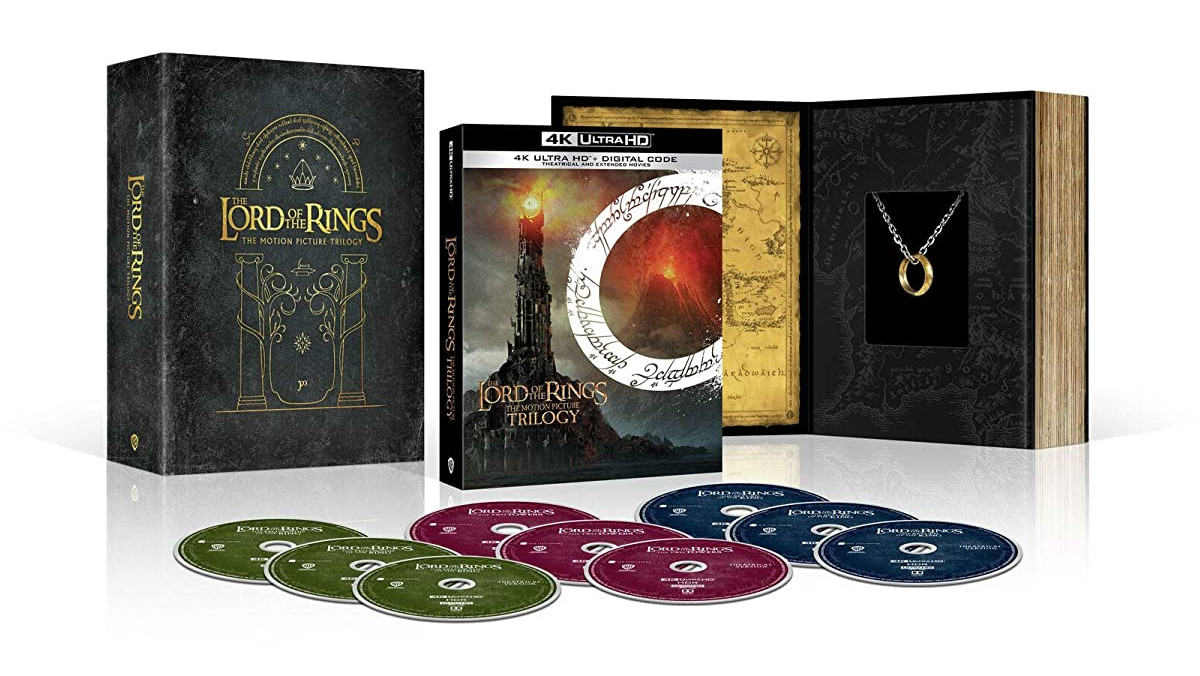
Another thing that makes physical media superior is that many disks come with unique interactive menus and features that you cannot get on a digital download. Some like The Lord of The Rings films are renowned for the exhaustive content on their Blu-rays and 4K disks like extensive behind-the-scenes features, production art, games, and of course deleted scenes. You certainly won’t get this much material in a download!

The best option is to shop for obscure products on second-hand online services that specialize in obscure and out-of-print DVDs and Blu-rays. But be prepared to pay a lot. Then there is cable or satellite TV. Yes, the point of streaming services was to enable viewers to cut the cable cord, but many times, cable is the best place to watch obscure genre films. However, while sales these days of physical media are past their heyday, they are still being made. It is easy to see a time when physical media makes a comeback like vinyl records did as streaming services and digital downloads become more expensive and inconvenient for fans. But for now, make a point of actively seeking out and buying your favorite obscure sci-fi film like Silent Running or the original version of the Star Trek TV shows. You never know if an increase in sales would have an influence on the decision makers in Hollywood. Besides a Blu-ray or 4K disk library definitely looks cool on display in your homes!
In Celebration of Star Trek: Prodigy

During the recent official celebrations for the 57th anniversary of Star Trek, its many spinoffs, and the 50th anniversary celebration of the original Star Trek animated TV show, it was noticed by many how the powers-that-be conveniently failed to mention Star Trek: Prodigy. It was so glaring because in the Paramount + Star Trek Day special and related promo material, even though all the Star Trek TV shows were noted, the animated TV show, Star Trek: Prodigy, was absent as if it never existed.

This is peculiar because until a few months ago, Star Trek: Prodigy was streaming on Paramount + until it was yanked out of the schedule and cancelled. This was part of a wider cost-cutting move by Paramount Pictures with its streaming platform that saw the cancellation of many projects. The sudden cancellation of Star Trek: Prodigy was unusual because a second season was already under production and the TV show was removed from the platform mere days after the cancellation announcement.

Honestly, this move by Paramount was disrespectful to the Star Trek franchise and its fans that were only starting to discover Star Trek: Prodigy. This action only reminds fans of how the studio is disdainful of its franchise.

Star Trek: Prodigy was met with a skeptical eye from many fans when it was first announced. Many automatically dismissed it as a kid’s TV show and what did not help was the prominent Nickelodeon logo plastered on top of the TV show’s logo and the announcements in promo materials that it was aimed at children.

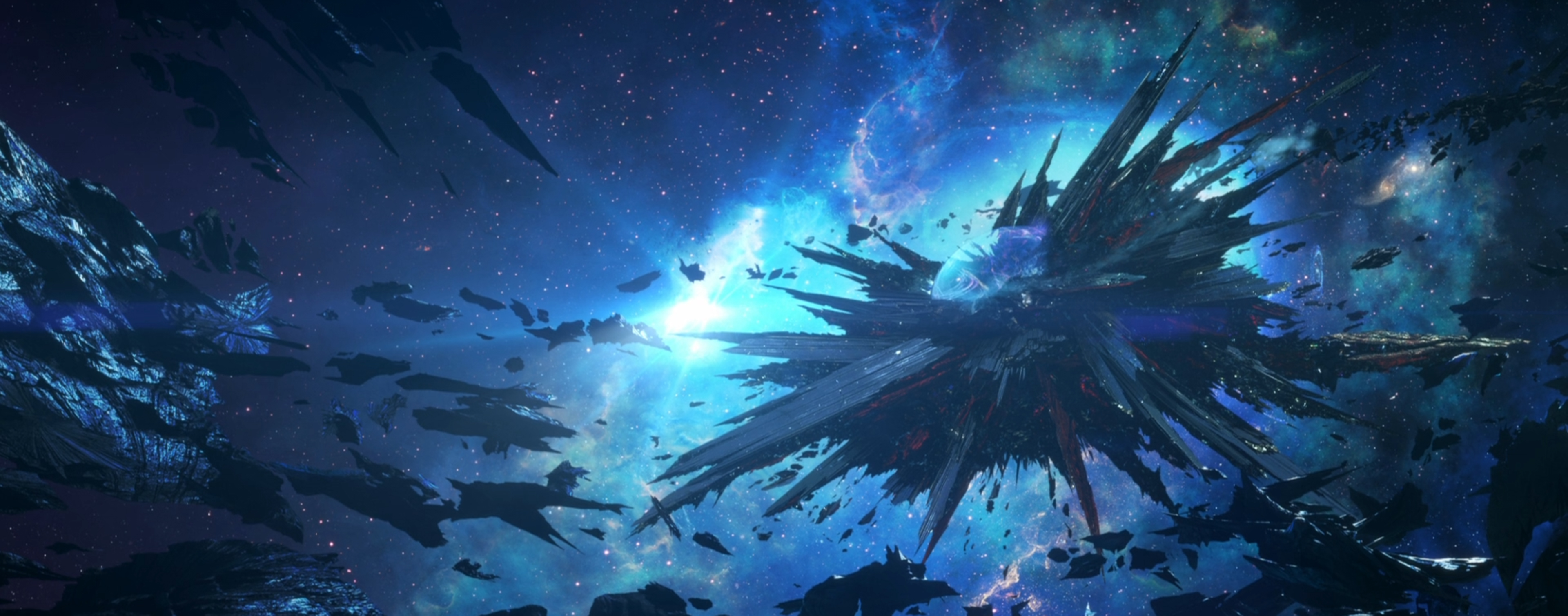
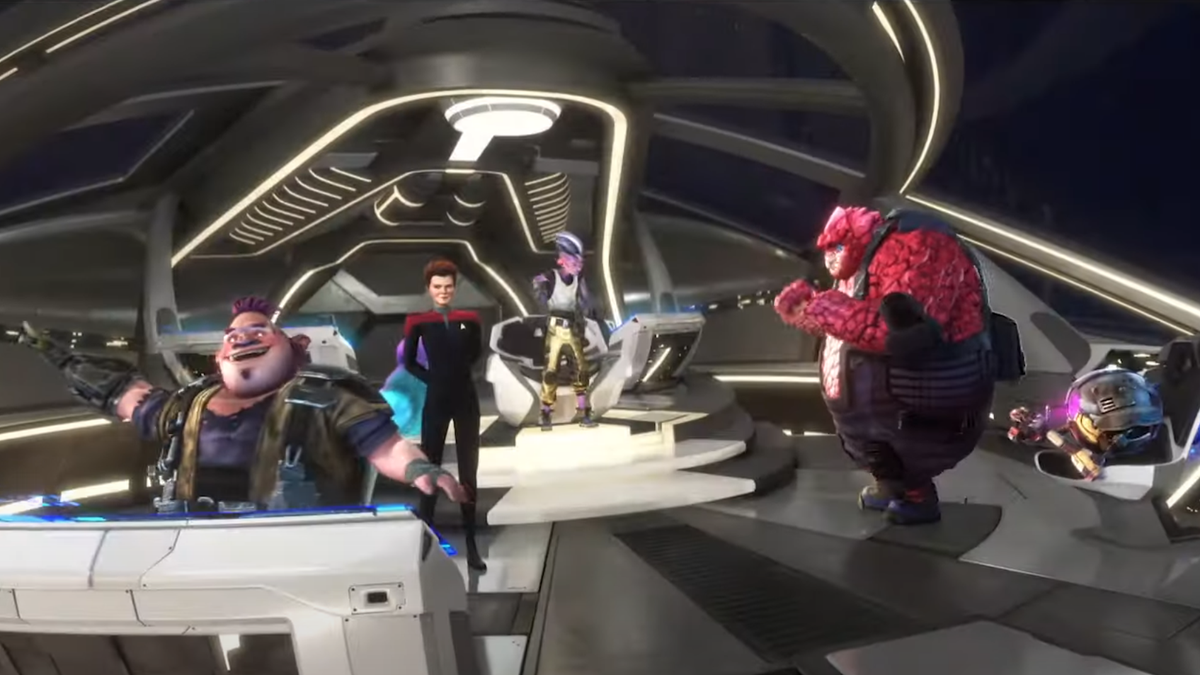
While this reaction was understandable many missed out on how unexpectedly solid Star Trek: Prodigy turned out. Yes, it was not as complex as some other Star Trek shows but its stories were imaginative and embraced the Star Trek lore. It actually felt like it was part of Star Trek thanks to its stories, themes and characters. It also boasted beautiful 3D animation that showcased truly unique aliens and landscapes, while being grounded in the Star Trek Universe.

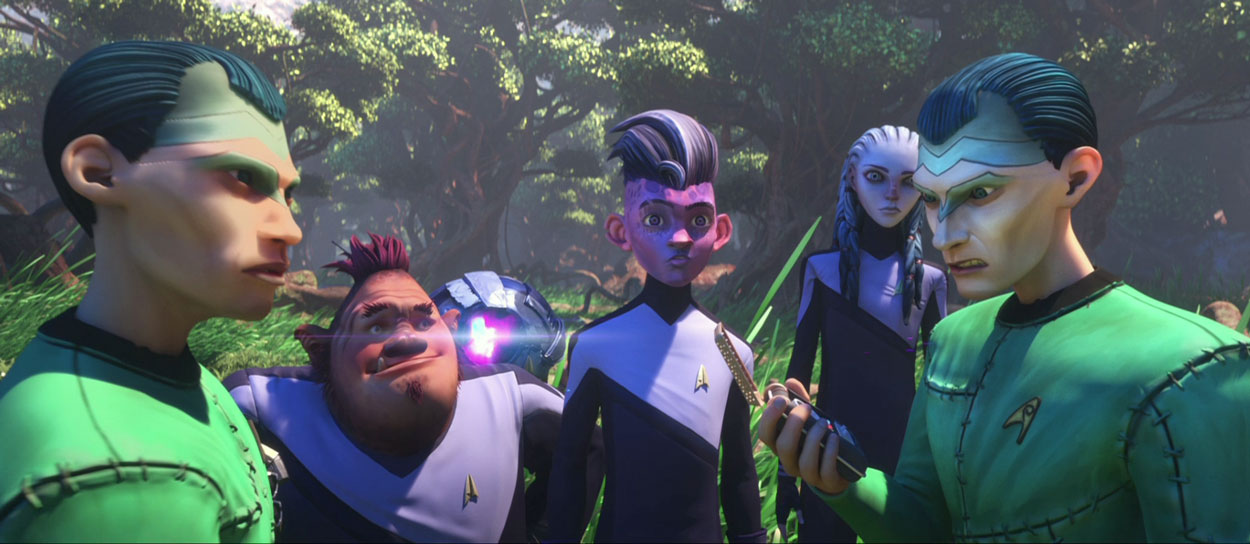
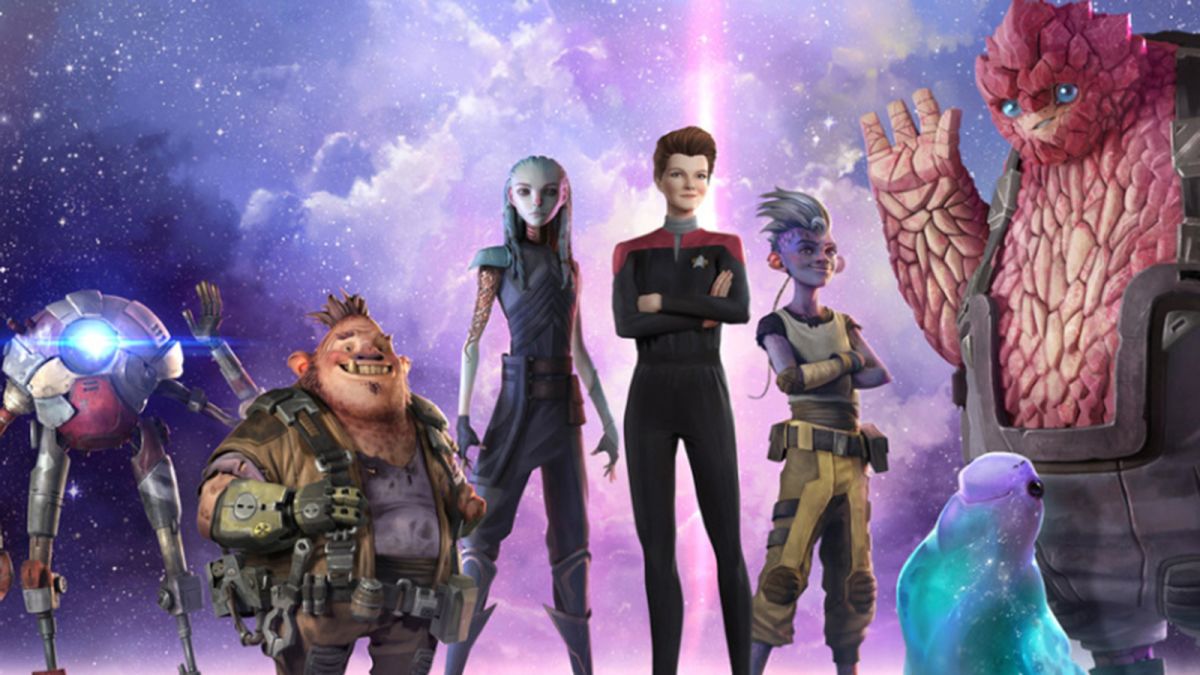
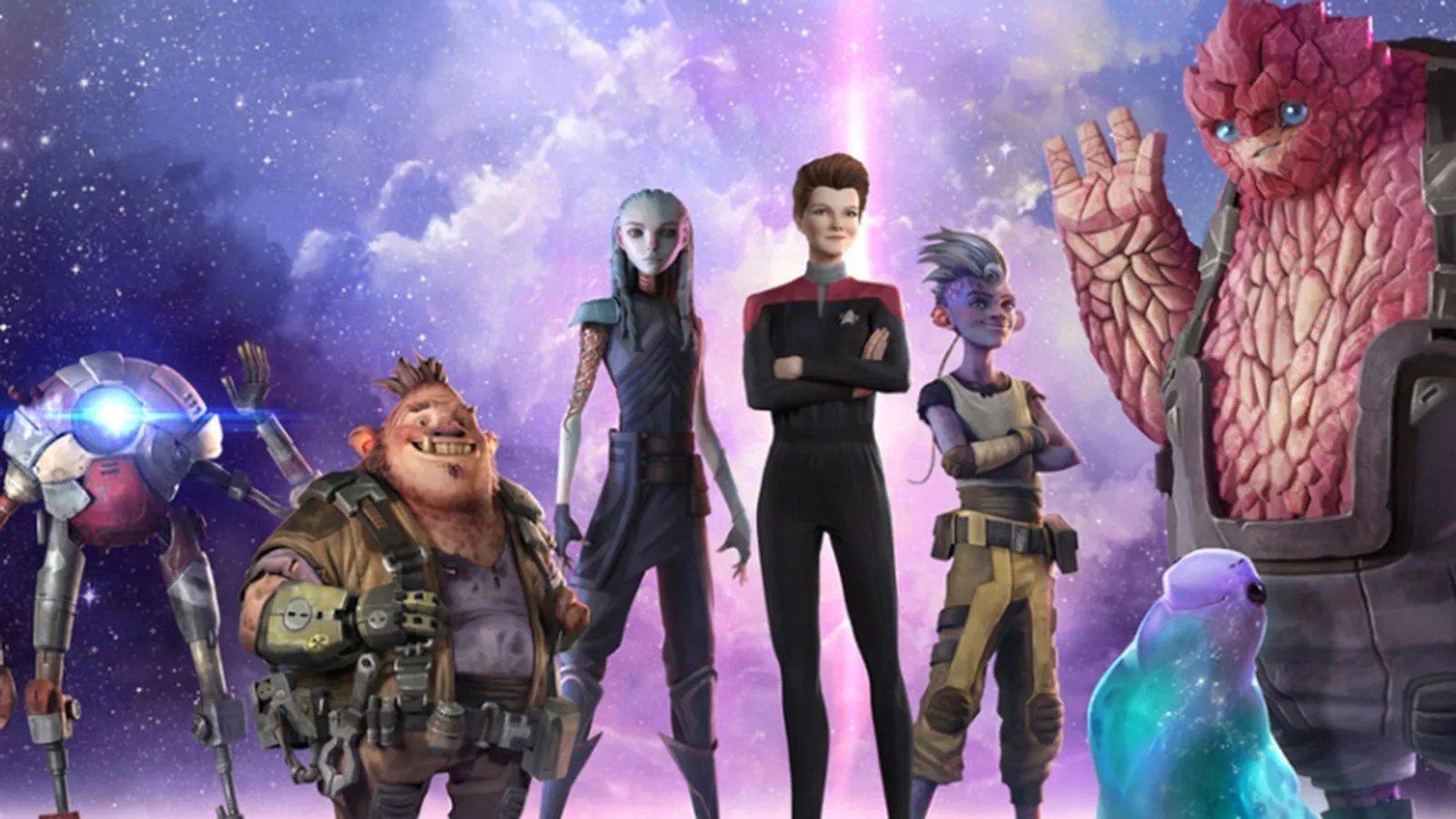
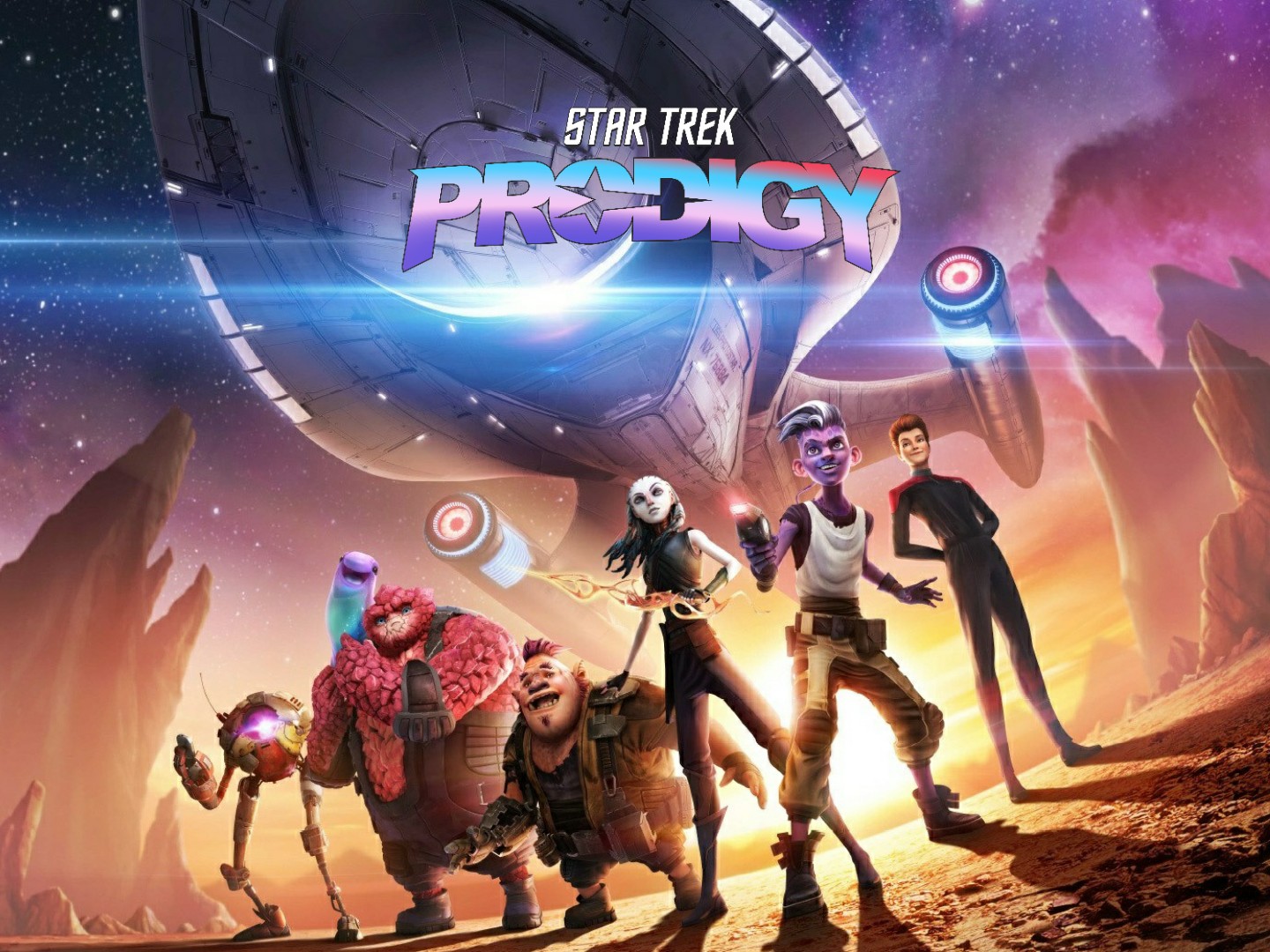
Star Trek: Prodigy takes place in the distant Delta Quadrant at a prison mining colony where a young alien prisoner named Dal R’El (Brett Gray) discovers in a mine an abandoned Starfleet ship called the Protostar. He activates the ship and escapes the colony with his companions who include Gwyndala (Ella Purnell), the daughter of the show’s antagonist, Jankom Pog (Jason Mantzoukas), a young Tellarite mechanic, Zero (Angus Imrie), a Medusan in a floating containment suit, Rok-Tahk (Rylee Alazraqui), a huge rock-like alien who is actually a brilliant young girl, and a gelatinous alien called Murf (Dee Bradley Baker). On the Protostar, they meet a training hologram that is patterned after Kathryn Janeway (Kate Mulgrew). She helps them run the ship and mentors Dal and the others on becoming Starfleet officers. The motley crew decides to embark on a voyage to return the Protostar to the Alpha Quadrant and the United Federation of Planets. Along the way they carry on with the Starfleet mission of exploring new worlds and civilizations in the hope they can become Starfleet officers once they return the ship.

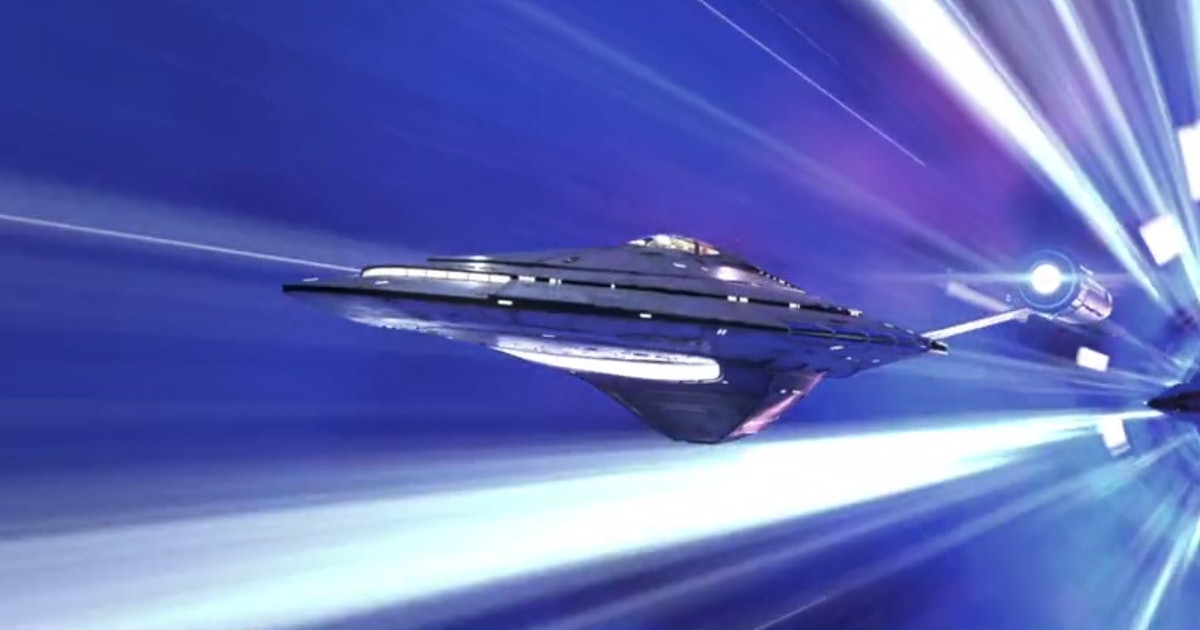
The Protostar is an experimental starship that actually changes its shape to travel at tremendous speeds in warp space. The starship and its new crew are hunted across the galaxy by Gwyndalla’s father, the Diviner (John Noble), who rules the prison colony and has a personal vendetta against the Federation and its Starfleet. He covets the Protostar to use it as a Trojan Horse to decimate the Federation.

Also pursuing the Protostar is the real Janeway, who is now a Starfleet admiral commanding another Starfleet ship. Years ago, the Protostar was lost in the Delta Quadrant along with its crew, which was commanded by her former first officer, Chakotay (Robert Beltran).

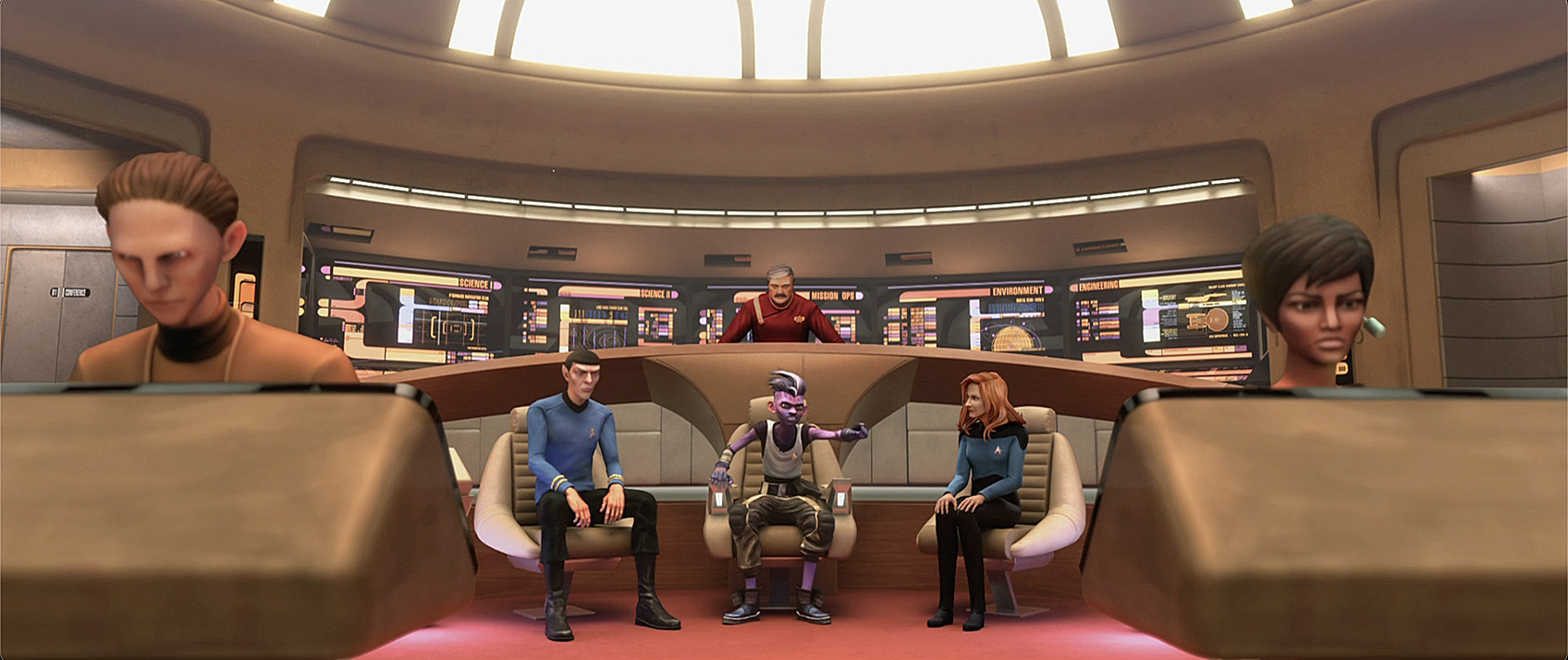
For a TV show supposedly oriented towards children Star Trek: Prodigy has a surprising amount of depth considering that many episodes featured character arcs that fully developed the characters. Throughout the first season we see Dal change from an impulsive and rebellious teenager into a responsible and mature person who had the qualities for a Starfleet officer. The best episode that illustrates his development was “Kobayashi”. Dal activates a holo-training program that is the famous Kobayashi Maru test given to Starfleet cadets where they hopelessly try to rescue a freighter from Klingons. Making up his crew in the simulation are popular Trek characters like Spock (Leonard Nimoy) from the original Star Trek and Scotty (James Doohan) from the original Star Trek films. As Dal tries to win the test’s no-win scenario and learns some hard lessons about command, he interacts with these characters, which was amazing since some of the actors voicing the roles are no longer alive. It was a nice way to give tribute to the franchise.

Most of the other characters saw significant development, as well. Gwyndala fought an inner battle within herself as she was at first hostile towards Dal and the others but gradually formed a deep bond with them. In the episode “Time Amok” Rok and the others are trapped in different temporal loops. Being that in Rok’s loop time runs at the slowest rate she uses this as a chance to learn to become a scientist and save the crew. Many of the others have tragic backgrounds and this journey on the Protostar serves as a means to give them some meaning in their lives.

The best way to think of Star Trek: Prodigy is to compare it to Star Wars: The Clone Wars or Star Wars: Rebels. On the surface both TV shows were apparently made for children, but before long they evolved and became more complex and appealing to adults who otherwise might have been turned off by them. I’m pretty sure that if Star Trek: Prodigy was not cancelled and allowed to fully tell its story, which included the search for Chakotay, the show would have reached the same level of admiration that the animated Star Wars TV shows has received.

Cancelling Star Trek: Prodigy was one thing, but to remove it from Paramount + and having it unavailable to easily view elsewhere was a foolish decision. Even though it was not a massive hit it still would have found an audience. Right now the only way to see Star Trek: Prodigy is to buy it through Amazon Prime, Vudu or other video on demand services or to actually purchase it on physical media. It’s certainly worth buying and will help hold us over until season two is ready. As of this writing, post-production of season two of Star Trek: Prodigy is underway and the show’s producers are finding another place to air it. Given the way the actors and writers strikes have ground film and TV productions to a halt Paramount should reconsider its decision and bring back Star Trek: Prodigy to its streaming platform to at least let the fans see the final season.

José Soto

Where Are the Star Trek: Deep Space Nine Followups?

As we get ready for the second season of Star Trek: Picard to stream in a few short days and we have seen Kathryn Janeway (Kate Mulgrew), or rather her hologram, appear as a one of the main characters in Star Trek: Prodigy, these developments begs the following question. Where are the Star Trek: Deep Space Nine (DS9) followups?

Ever since DS9 aired its final episode back in 1999, we have yet to see any meaningful followup or sequel to the show. Its reputation has increased significantly over the years as fans have come to appreciate how innovative and unique DS9 was compared to other Star Trek shows.

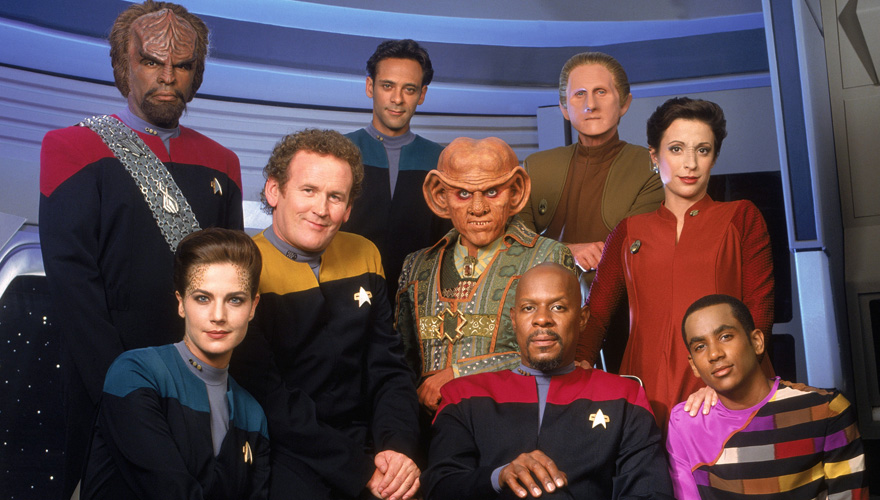
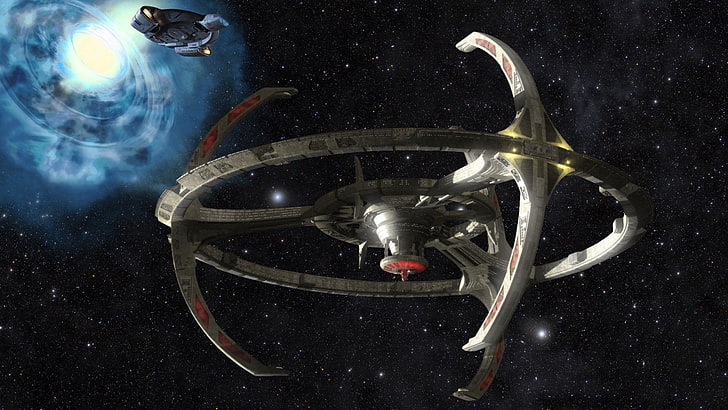
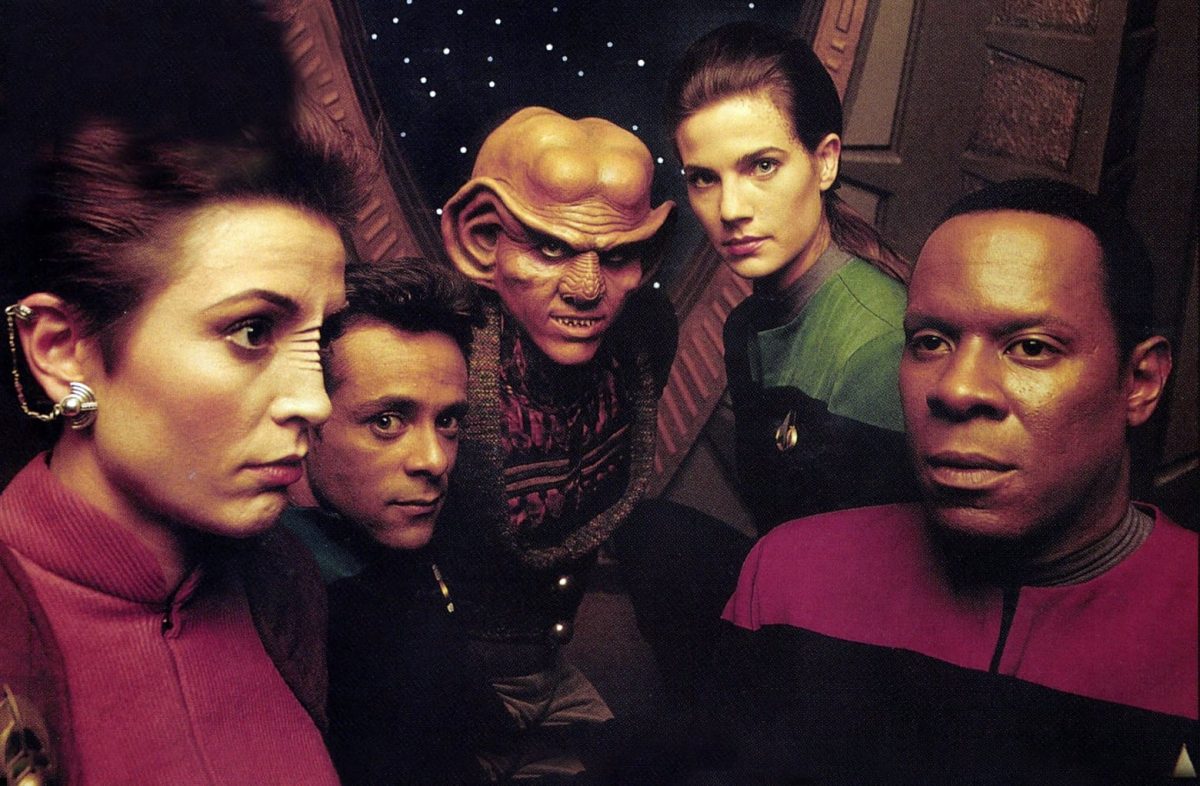
What set Star Trek: Deep Space Nine apart were several factors. Start with its premise, it took place on a space station, not a starship. This helped develop long-running arcs and storylines over several episodes and seasons that explored the socio-political landscape of Star Trek. What was interesting was that this predated the current model of TV shows with their season-long arcs. What also set DS9 apart from other Trek shows (at least, until recently) was that it had a darker, grittier tone with more mature and grounded stories and characters. No one was purely good or evil, not even its main character Benjamim Sisko (Avery Brooks), who suffered from PTSD over a Borg attack that killed his wife. In one infamous episode “In the Pale Moonlight” he manufactured evidence to entice the Romulans to enter the Federation’s war against the Dominion. The show was riddled with anti-heroes such as Quark (Armin Shimerman), the greedy Ferengi bartender, and Garak (Andrew J. Robinson), a former Cardassian spy with a nebulous past. Many of the characters like Major Kira (Nana Visitor) struggled to adjust to a new life. In her case, Kira was a former terrorist/freedom fighter who found herself as Sisko’s second in command and operating under Federation rules. Star Trek: Deep Space Nine explored controversial issues such as racism, religion, and the impact of war. In fact, DS9 was noted for running a long storyline where the Federation was at war with the Dominion and many of its related stories had clear anti-war messages.

Even though Star Trek: Deep Space Nine was a success, it was not as well regarded by fans and critics because it deviated too much from traditional Star Trek tropes. However, over the years, more and more people have come to appreciated DS9 for its unique merits and is now considered one of the best, if not the best, Star Trek TV shows.

But, ever since “What You Leave Behind”, the final episode of DS9, aired there has not been any meaningful followup or sequels to the show, aside from other media like books and comics. There have been some minor references to the show in other Star Trek TV shows and film over the years. The most notable one was an appearance of Odo (René Auberjonois) as a holographic character in the Star Trek: Prodigy holodeck-centric episode “Kobayashi”. Meanwhile, Star Trek: The Next Generation continues in Star Trek: Picard, characters from Star Trek: Voyager such as Janeway and Seven of Nine (Jeri Ryan) are currently appearing in Star Trek: Picard and Star Trek: Prodigy, respectively.

So, why hasn’t DS9 been revisited? A full reunion is not possible anymore since Auberjonois and a couple of other DS9 actors have passed away, and Brooks is no longer actively acting. Still, it would be great if several DS9 characters could reappear in current Star Trek TV shows or have some episodes or films take place in the DS9 station or nearby locales. There are many lingering questions about Star Trek: Deep Space Nine that fans want answered. Will the Dominion return to threaten Earth and the Federation? What happened to the planet Bajor? Did it ever join the Federation? What happened to the Cardassians after they were defeated in the war? Will Sisko return after joining the Prophets in their non-linear plane of existence? Being that he now exists outside of time and space, he can in theory return to our existence at any time, including the current Star Trek shows.

OK, showrunners. We the fans of Star Trek: Deep Space Nine have been very patient. We are waiting to revisit this innovative and novel corner of the Star Trek universe. Let’s make this happen.