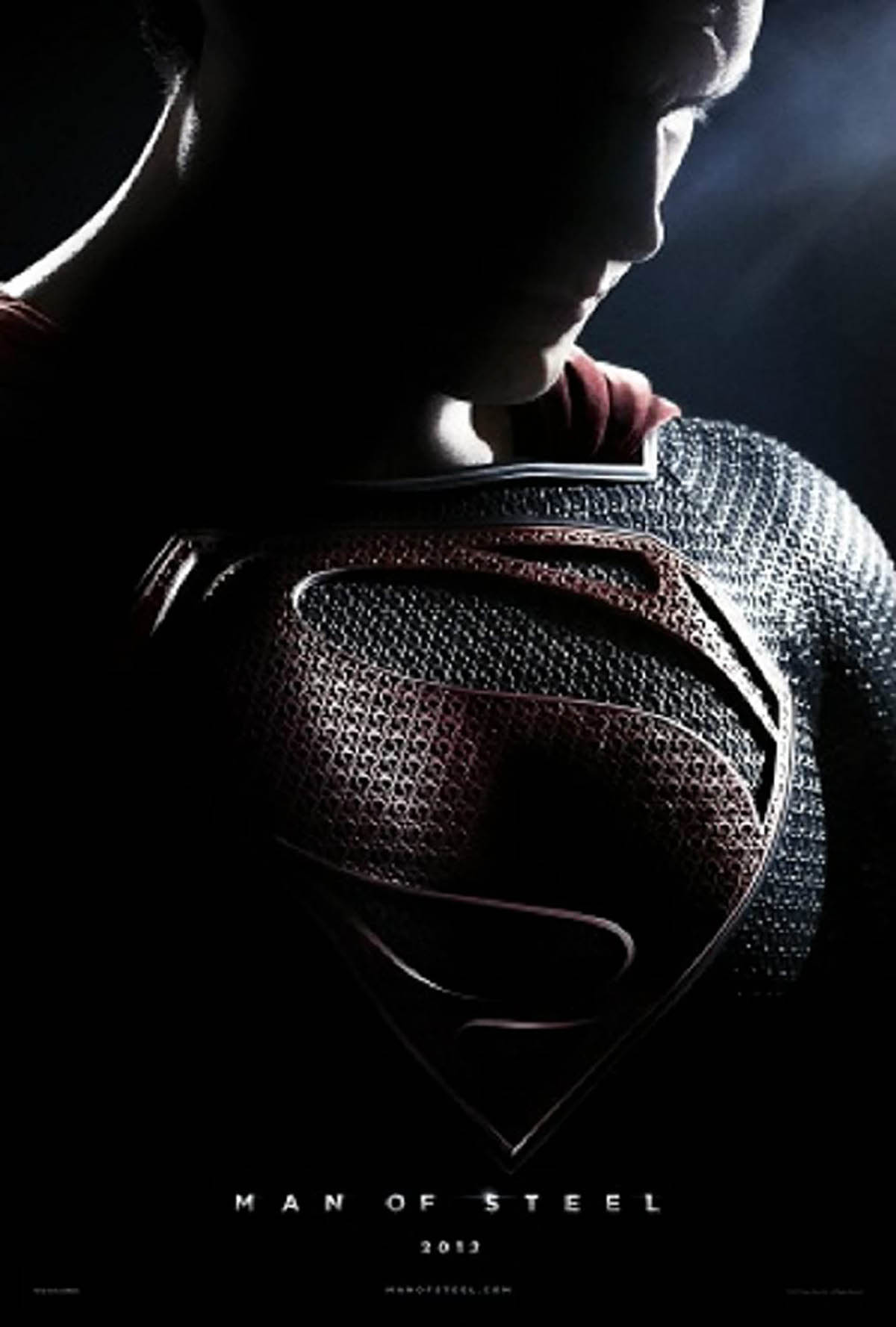
This week marks the tenth anniversary of the film release of Man of Steel, which was released on June 14, 2013. It not only served as a reboot for the Superman film franchise but as the vehicle to launch the DC Extended Universe (DCEU). Now the superhero film universe based on DC superheroes comes to an end this year starting with The Flash, which will serve as a soft reboot of the DCEU and transform it into the DC Universe (DCU).
One of the casualties of the DCEU reboot will be Superman himself, which is ironically fitting since his film launched the DCEU.
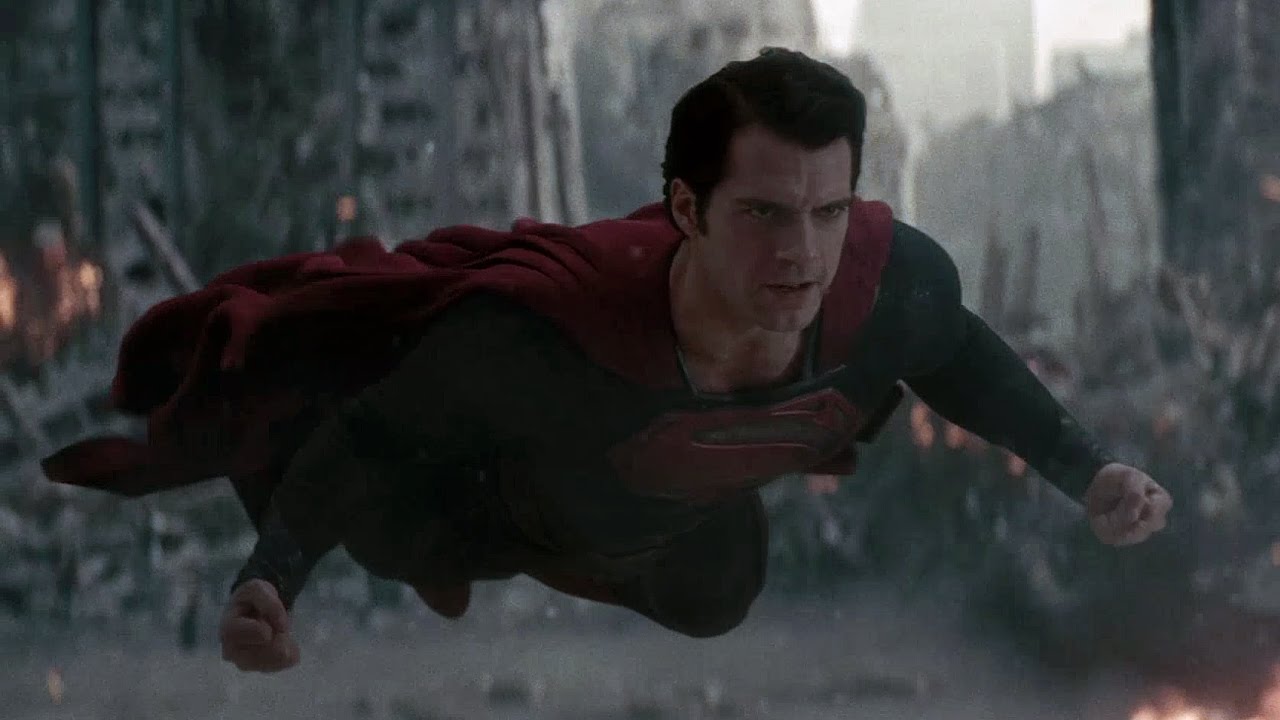
Man of Steel was directed by Zack Snyder, who presented a darker and more grounded version of Superman in a world filled with muted colors and stark lighting. At the same time, the film and other Snyder-centric DCEU films cast the title hero with mythological, god-like imagery that did not resemble comic book images but rather epic paintings with static poses and even more harsh lighting.
This became more prevalent in future DCEU films such as Batman v Superman: Dawn of Justice and Justice League, while Man of Steel was more grounded.
This unique approach to Superman was supposed to make him more relevant and relatable to modern audiences. As to whether or not that worked, is open for debate. Before Man of Steel, Superman was seen as a noble, larger-than-life do-gooder as best personified by the Christopher Reeve Superman films of the ‘70s and ‘80s. Thanks to Reeve’s classic performance it was difficult to imagine the superhero in any other kind of light. Even Superman Returns, the last Superman film before Man of Steel, did not veer from the Reeve interpretation of Superman, which led to a lot of criticism. In trying to make this version of Superman distinct from the traditional Boy Scout persona, it can be argued that Snyder veered too far from what made Superman so special. He is supposed to be a beacon of hope for humanity, which was ironic because he was actually an alien who grew up on Earth. Despite humanity’s faults, Superman adopted the best traits of his adopted species and served as an exemplar for the promise of humanity.
In Man of Steel, Superman aka Clark Kent (Henry Cavill) went through something of an identity crisis in an updated origin story. The film went through the typical Superman origin tropes but with new twists. Superman’s home planet, Krypton, was not the cold, crystalline and sterile civilization seen in the Christopher Reeve films. This Krypton was a planet embroiled in civil strife with a warring society that used what seemed to be technology based on programmable matter.
Superman’s origin was more tied to that of his nemesis, General Zod (Michael Shannon), in that Zod was at odds with Superman’s father, Jor-El (Russell Crowe). With the planet dying, Jor-El sends his newborn son, Kal-El, to Earth to have a chance at a new life. Before Kal-El is sent, he is embedded with genetic material called the Codex, which will provide the genetic means to recreate the Kryptonian race on another world.
After arriving on Earth, Kal-El is adopted by a human couple and grows up in a farm in Kansas. He struggles to fit in with society because of his developing super powers, which he has to keep hidden. Once he reaches adulthood, Kal-El who is now called Clark, sets out in the world to find himself and a purpose in life. During his journeys Clark clandestinely uses his powers to help people during emergencies.
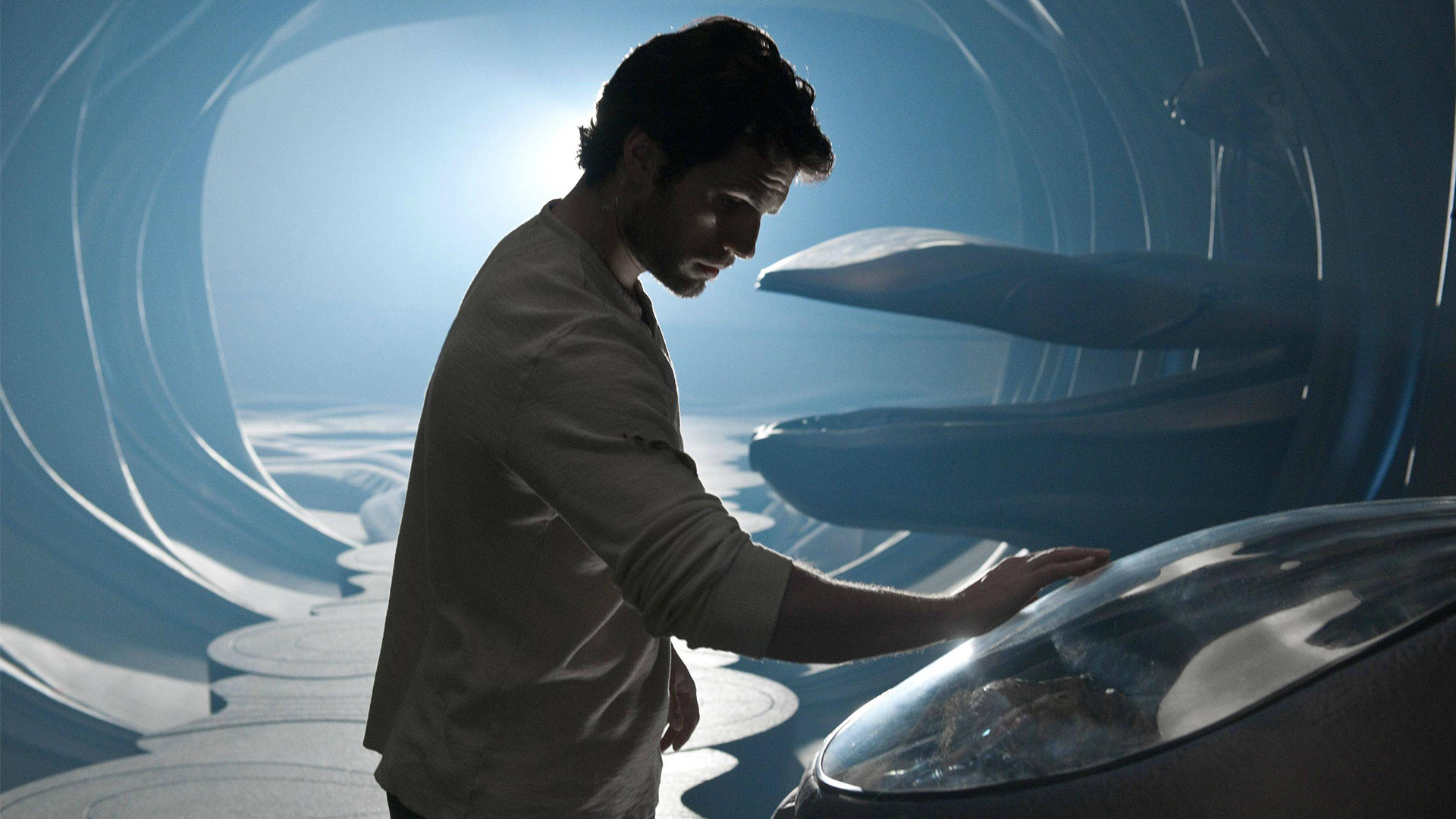
Eventually he comes across the wreckage of a Kryptonian scout ship and activates an AI program that takes the image of Jor-El, who reveals to Clark his Kryptonian heritage. Under the guidance of the Jor-El AI, Clark learns to properly use his powers and adopts the famous Superman identity.
Soon after, Zod and his army arrive on Earth and establishes first contact with humanity, with the demand that Superman be turned over to him. Zod earlier learned that Kal-El was implanted with the Codex and wants to retrieve it to rebuild Kryptonian civilization on Earth, which he plans to terraform.
This creates an identity crisis for Superman as he is torn over siding with the human society he struggles to fit in with versus the Kryptonians, who he knows are malevolent. What complicates Superman’s decision is that once he is revealed to the world, he is immediately mistrusted by most of humanity who only see him as an alien threat.
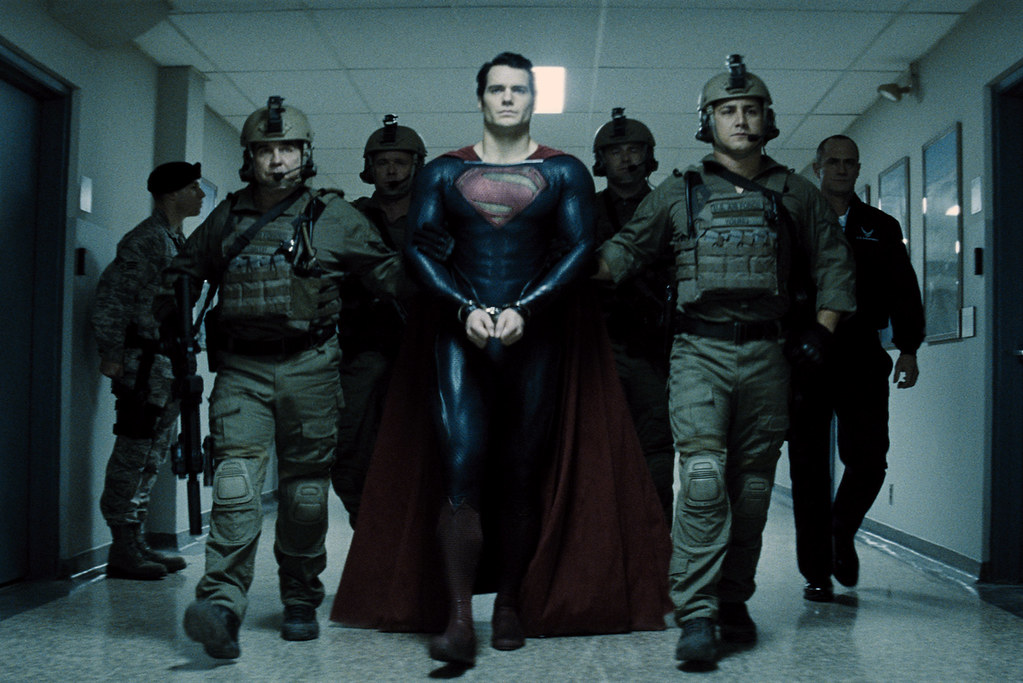
What was interesting about this version of a Superman film was that the superhero was not received by the general public with open arms, but with suspicion. This is what would probably happen in reality if some unknown person was suddenly revealed to the world as an alien with superpowers.
While Man of Steel lacks the light-hearted humor and heart of previous Superman films, it makes up for it with its grounded and frankly more honest approach to the comic book legend. This approach by Snyder and writer David Goyer turned out to be divisive among fans.

The world felt the full impact of super-powered beings as titanic battles between Superman and Zod decimated buildings. The special effects were simply jaw dropping during these sequences but the brutality of the battles and the more realistic depictions of collateral damage were too much for many in a post-9/11 world, especially since we did not see the casualties of the battles. This would be explored in more detail in Batman v Superman: Dawn of Justice.
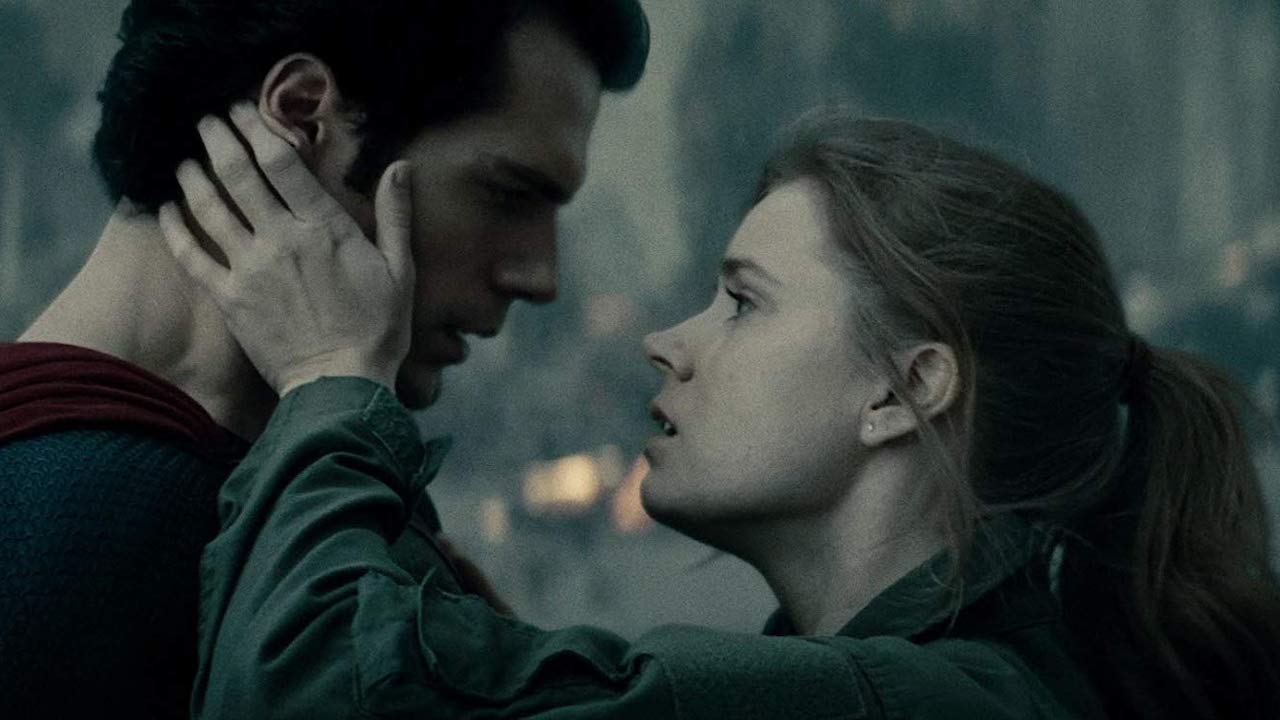
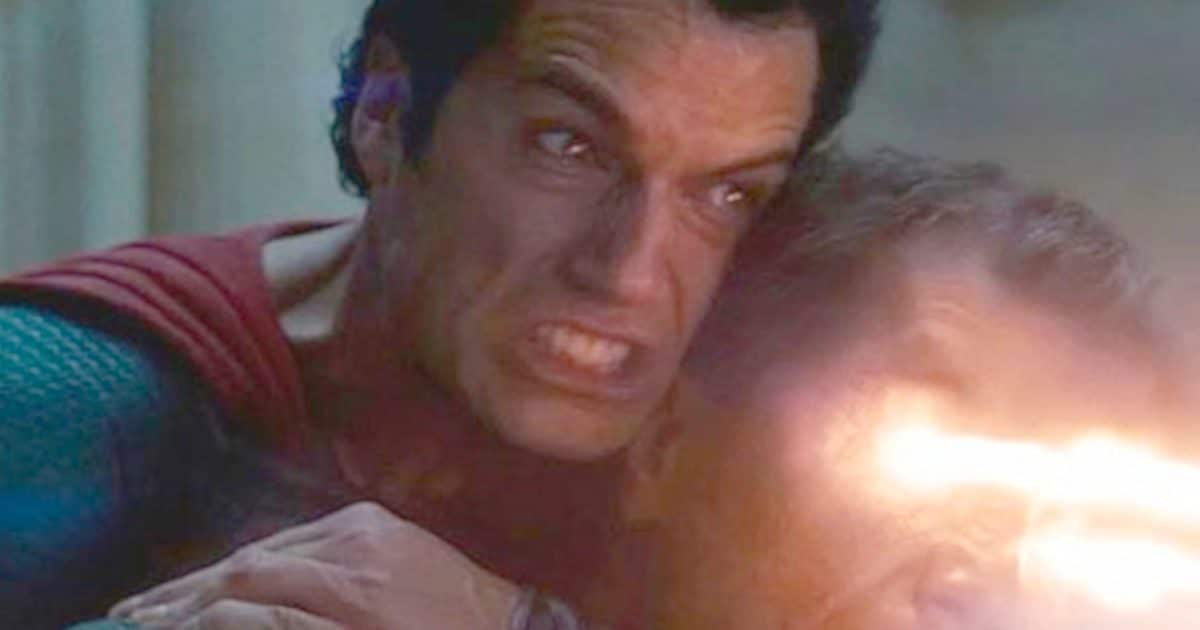
Given all this, perhaps the most controversial moment in the film was when Superman was forced to kill Zod by snapping his neck. Many fans decried this event as they pointed out that Superman never kills. That is largely true in the comics. There have been instances where he was forced to kill his foes for the greater good, most notably Doomsday. In this situation, he faced a similar dilemma, as Zod was trying to murder innocent bystanders and Superman had to act quickly. This action clearly devastated Superman and it took the love of Lois Lane (Amy Adams) to help him recover.
All these factors lent a more realistic look to the world and were more akin to the then-recent Dark Knight films. That grittier approach works for Batman, but Superman is a larger-than-life character who needed a brighter presentation. The harsh, grounded look of Man of Steel does work and gives us a different look at the Superman mythos, but it’s understandable why it turned off fans who wanted a more traditional Superman.
Actor Henry Cavill did an excellent job as Superman in the film as he conveyed the inner conflict and confusion that his character felt. Yet, he was also able to exude a profound sense of decency and guarded optimism during his interactions with humanity. It was a shame that after this film, the actor was basically screwed by Warner Bros. because of how they treated the character in future DCEU films to the point that he essentially disappeared. What was worse was that the hopes of many fans, including Cavill himself, were crushed after he made a cameo appearance in last year’s Black Adam. Social media went crazy with announcements that Cavill was returning to play the Man of Steel, only to be unceremoniously dumped by the new head of the DCU, James Gunn. His plans are to reboot the character as a younger superhero in Superman: Legacy, which leaves Cavill out of the role.

Man of Steel worked fine as a standalone Superman film, in fact, with its bold new take on Superman it still is one of the best DCEU films. Despite the outcry from fans of the older Superman films, Man of Steel won over new converts as Cavill skillfully took over from Christopher Reeve as the new, more modern Man of Steel. While John Williams’ classic score is missing, composer Hans Zimmer scored a stirring and rhytmic theme. Strangely enough, the film is also a solid alien invasion film complete with scenes of first contact, world reaction and lots of destruction. It just happens to feature DC characters.
But as the launch pad for the larger DCEU, there was much to be desired with this film. There were hardly any references to the outside DCEU, which was fine, but Warner Bros. got impatient with their need to compete with the Marvel Cinematic Universe (MCU). This led them to hastily decide to clumsily shoehorn in DCEU references into the would-be sequel of Man of Steel. The result was Batman v Superman: Dawn of Justice, which was widely derided for its incoherent and tone deaf script as it crammed in material to set up the Justice League film.
Unfortunately, the DCEU films that followed Man of Steel varied wildly in quality and tone. The result was that the DCEU could not compete with the MCU as many of its films performed either poorly or just adequately in the box office. Warner Bros. had to take action which is why the DCU is being launched from the ashes of the DCEU which will end this year. Sadly, this means that the current version of Superman will be one of the casualties. However, despite the fact that Warner Bros. dropped the ball with one of their top characters, at the very least we got Man of Steel, which can be enjoyed for its refreshing take of the iconic superhero for anyone with an open mind.
José Soto
 Starloggers
I didi really enjoy Man of Steel when it came out. I thought it was a very fresh and different take on the character and was a good movie as well. It was an exciting time and the DCEU had so much potential, but then they went and shot themselves in the foot with Batman V Superman. I don’t think the DCEU ever really recovered from that or Justice League. I wish they’d just gone with a proper Man of Steel 2 sequel and a solo Bat-Fleck film first. The DCEU tried to run before it could walk, and ultimately I think trying to replicate the MCU format was why it failed.
Exactly, Warner Bros. got too anxious to try to catch up with Marvel and rushed out Justice League and Batman v Superman. Originally the BvS film was supposed to be a proper sequel to Man of Steel that would have only featured Batman in a cameo role but the powers that be jumped the gun and decided to do a clumsy mishmash of the Dark Knight Returns with the Death of Superman and that is partly why the DCEU ultimately failed.
Of all the Superman versions we’ve had over the decades, Christopher Reeve was the first for me and therefore the Superman I remember most fondly. I also had a certain fondness for the team of Dean Cain and Teri Hatcher in Lois & Clark.
When I saw Man Of Steel, I was amazed at how daring they clearly were in rebooting specific aspects of the Superman universe. With Superman & Lois now and however many Superman incarnations are yet to come, it’s good that the efforts to keep one of our most cherished icons alive in these trying times may still be rewarding in certain forms. Thank you for this article.
You’re welcome snd thanks for sharing your thoughts. It’s true that Reeve set the standard for Superman that cannot be topped but Cavill’s version of Superman was more modern, grounded and a great new take of the character who will be missed. But I’m confident the next Superman will be great as well.
Imagine if Man of Steel was directed by someone else. Imagine how different that movie could have been.
I think of all the DCEU movies, Man of Steel had the best written story. It may not be the best, but it was the most thought out one, especially since Nolan worked on it.
Agreed. Not sure why he was not involved with the rest of the DCEU films. He was probably offered but passed on the opportunity.
I am convinced there will still be division over Man of Steel and Zack Snyder’s presentation of Superman in the post-9/11 world. I noticed several friends who liked and disliked MOS.
Man of Steel was very divisive over people who wanted a more traditional Superman and those who liked the darker more modern take of the Man of Steel.
This will be nothing compared to when Superman Legacy debuts with the Snyder fans instantly hating the reboot. But at this point its time to move on.