Alien: Earth Crashes Down To Earth

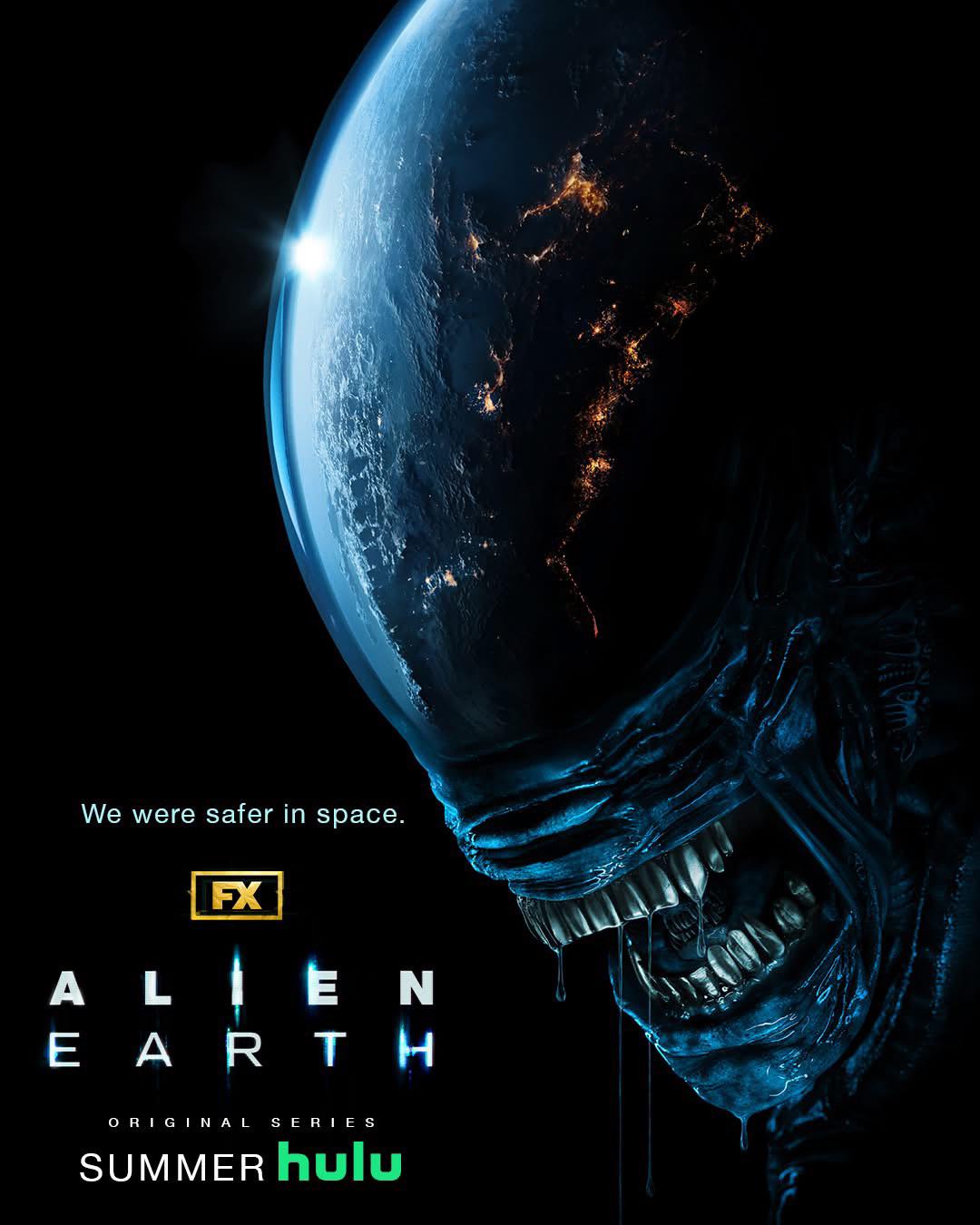
Given that the Alien franchise has been around for nearly 50 years, it was surprising that until Alien: Earth, no TV show was made about the famous sci-fi horror IP. One would think that more effort would have gone into making the first Alien TV show much better than it turned out.

Alien: Earth was created by Noah Hawley (the writer and producer of Legion and Fargo) and takes place a couple of years before the first Alien film, around 2120. It expands upon the universe created in Alien by showcasing life on Earth and answering many questions about this universe while raising many more questions.
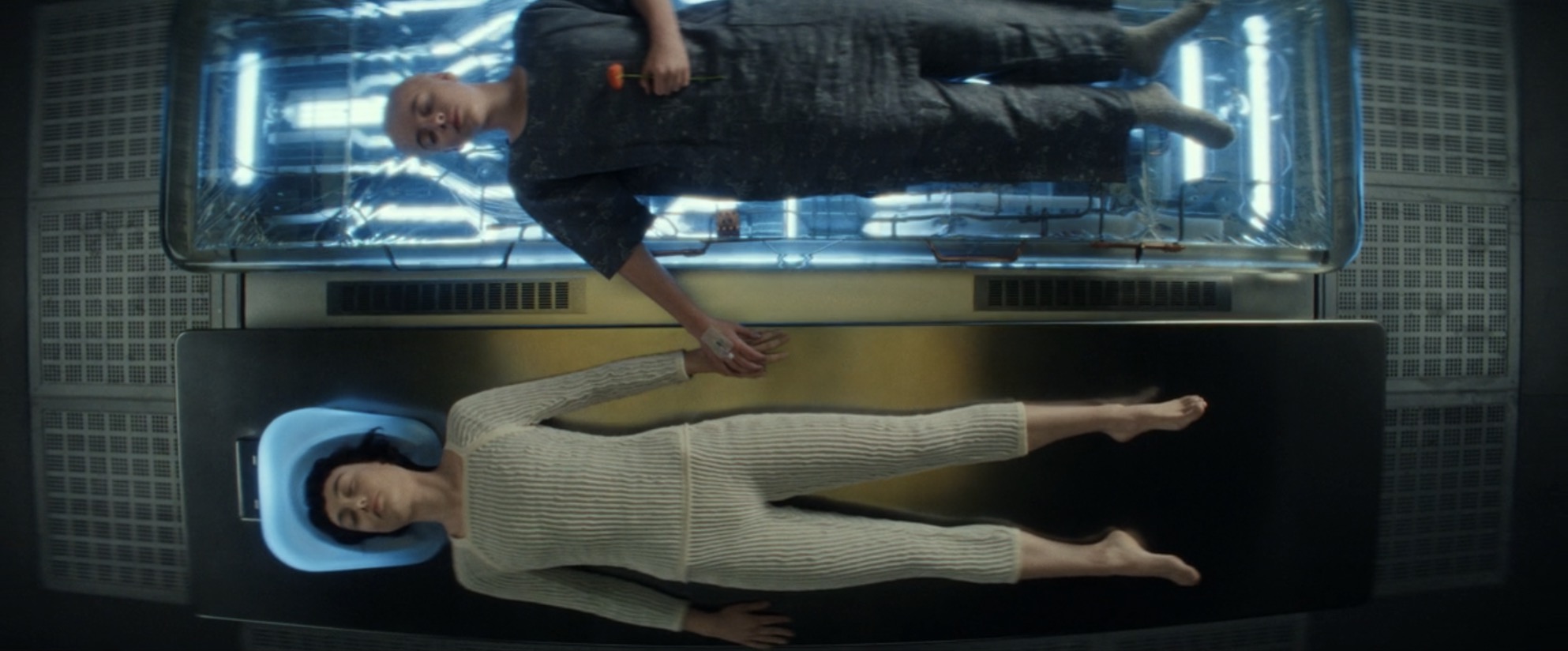
The TV show focuses on Wendy (Sydney Chandler), a prototype hybrid and her evolution. She and other hybrids (nicknamed the Lost Boys after Peter Pan) differ from the synthetic people shown in other Alien films in that originally they were dying children whose consciousness were transferred into synthetic human bodies, which makes them in essence immortal. Wendy and the Lost Boys were created by the corporation called Prodigy, which is based in Asia, and is owned by a douchey trillionaire tech bro called Boy Kavalier (Samuel Blenkin).

Kavalier covets the extraterrestrial biological specimens collected in a spaceship owned by rival company Weyland-Yutani and he arranges for the spaceship to crash land in Prodigy territory on Earth so his corporation could claim the specimens as salvage. As it turns out, one of the dangerous organisms is the famous xenomorph that made the franchise so revered.
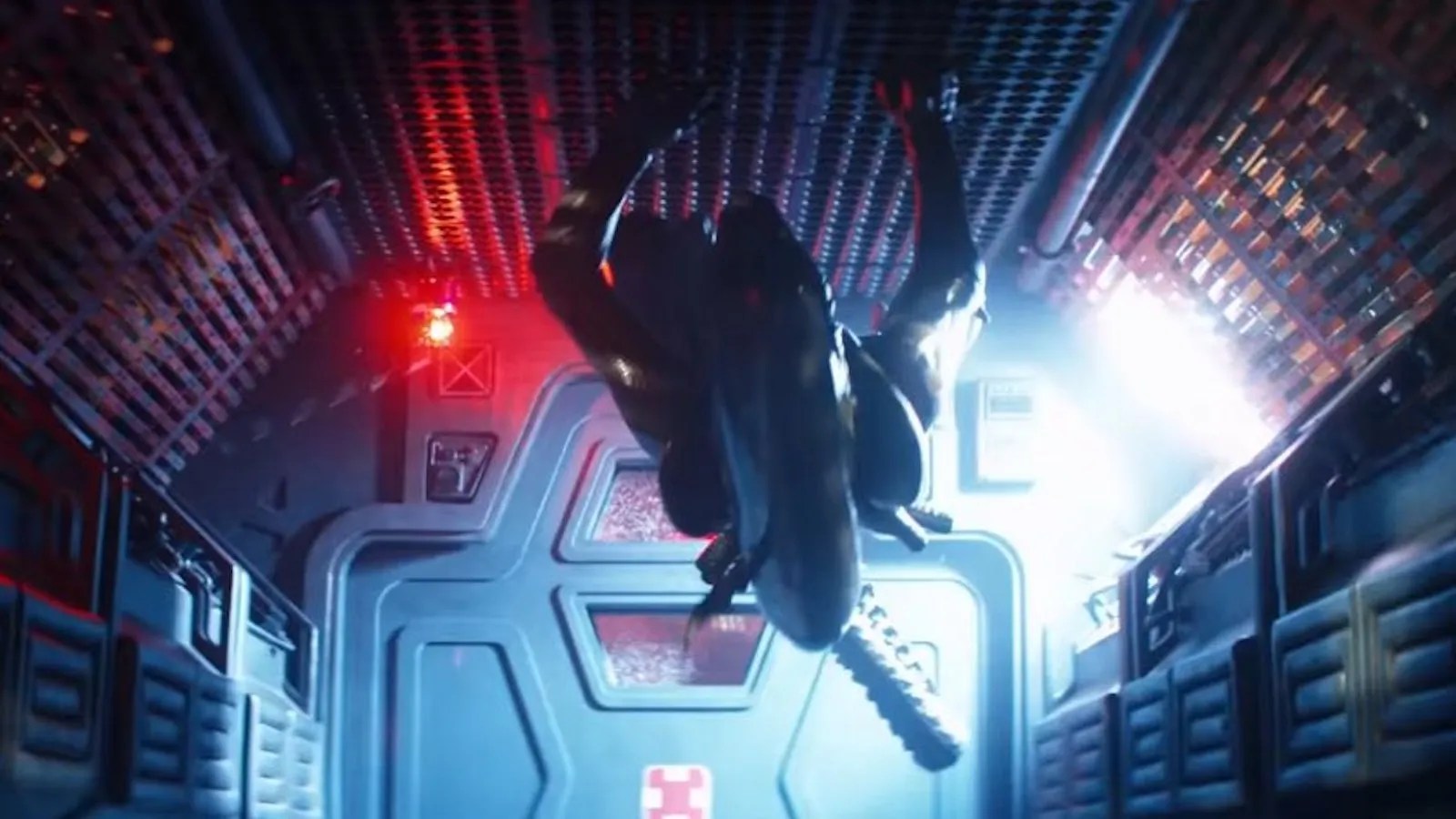
When the Weyland-Yutani spaceship crashed in the Prodigy city New Siam, one of the first responders to arrive at the scene was Wendy’s brother Joe Hermit (Alex Lawther), who is soon endangered by a xenomorph that is now loose in the crash site. After Wendy learns of this, she volunteers to go to the crash site to help collect the alien specimens with Prodigy soldiers and rescue her brother. Once Hermit is rescued and the aliens are captured, Kavalier has the alien creatures brought to his private Neverland Island, where Wendy and the Lost Boys are based, to study the creatures. Of course, as things go in Alien stories, things get out of hand as the xenomorph and other alien creatures break loose from captivity and imperil not just the people on the island but the entire planet. Meanwhile, Wendy and the other hybrids go through existential crises as they struggle to find meaning in their new lives as hybrids.

There are many great and promising elements in Alien: Earth, such as the fact that it feels like it is part of the franchise and captures the mood and atmosphere of the films. The special effects are truly outstanding, as well as the production design. More importantly, Alien: Earth truly fleshes out the universe it takes place in with new characters, explaining the overall makeup of the Alien universe, and by introducing new kinds of synthetics and aliens.
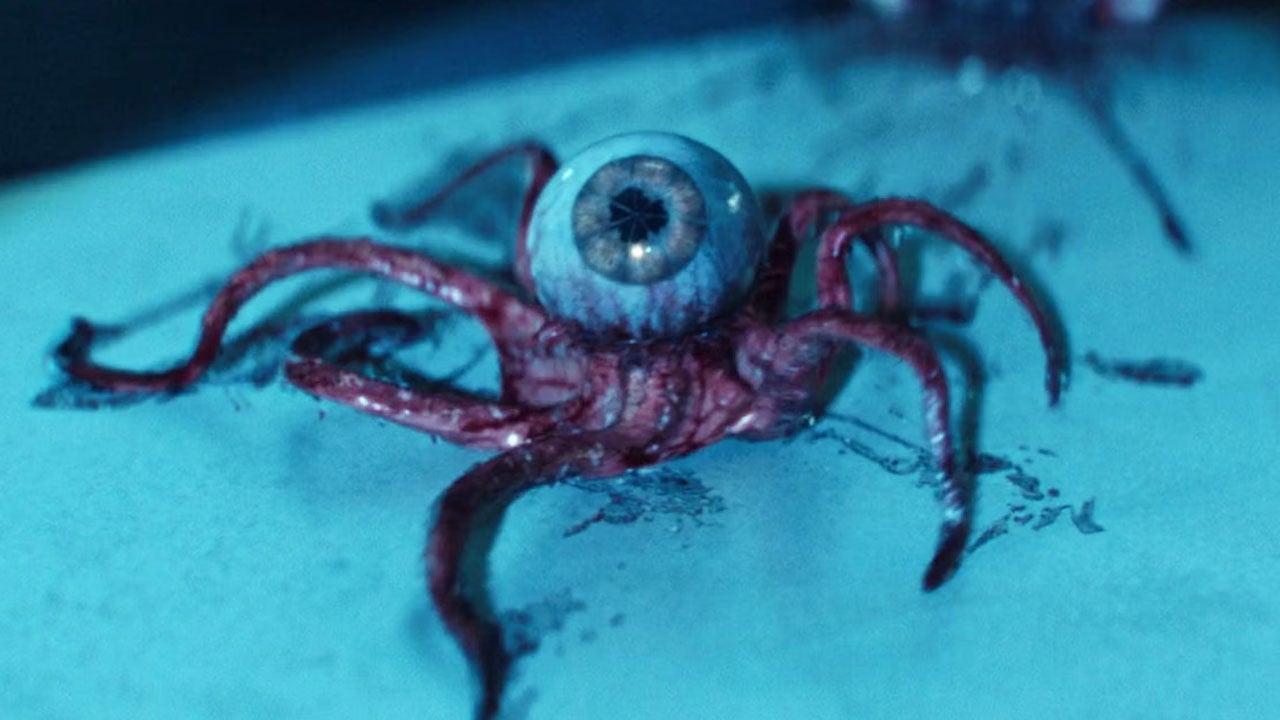
The TV show introduced unique and terrifying alien creatures that rival the xenomorphs for deadliness and reinforce how hostile space is to humanity. The most terrifying creature is something called the trypanohyncha ocellus, a tentacled eyeball that kills its victims and takes over their bodies by forcibly burrowing itself into the victims’ eye socket. What was more disturbing by this cyclopean horror was that it clearly displayed a high level of intelligence and helped created the chaos throughout the show.

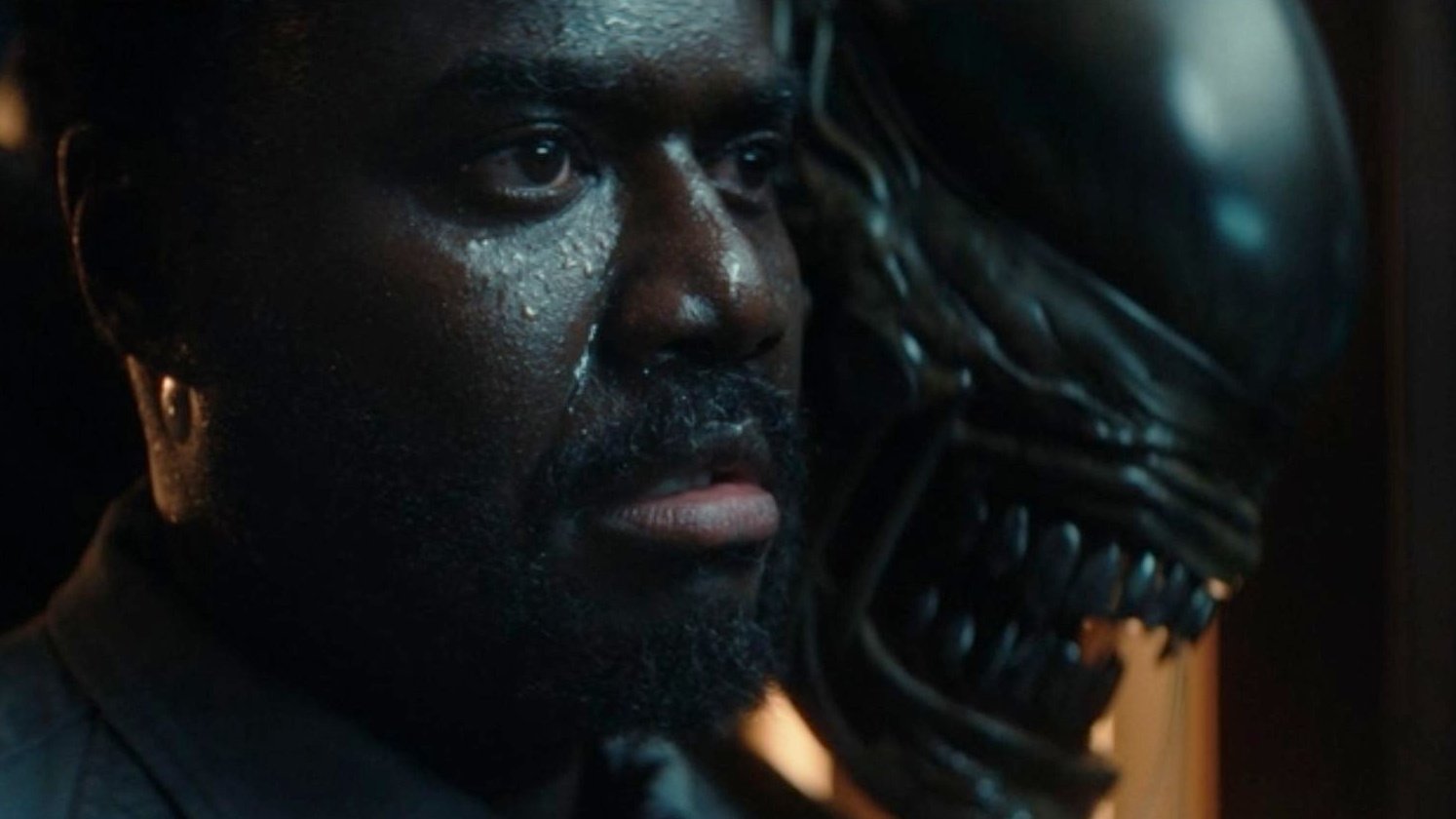
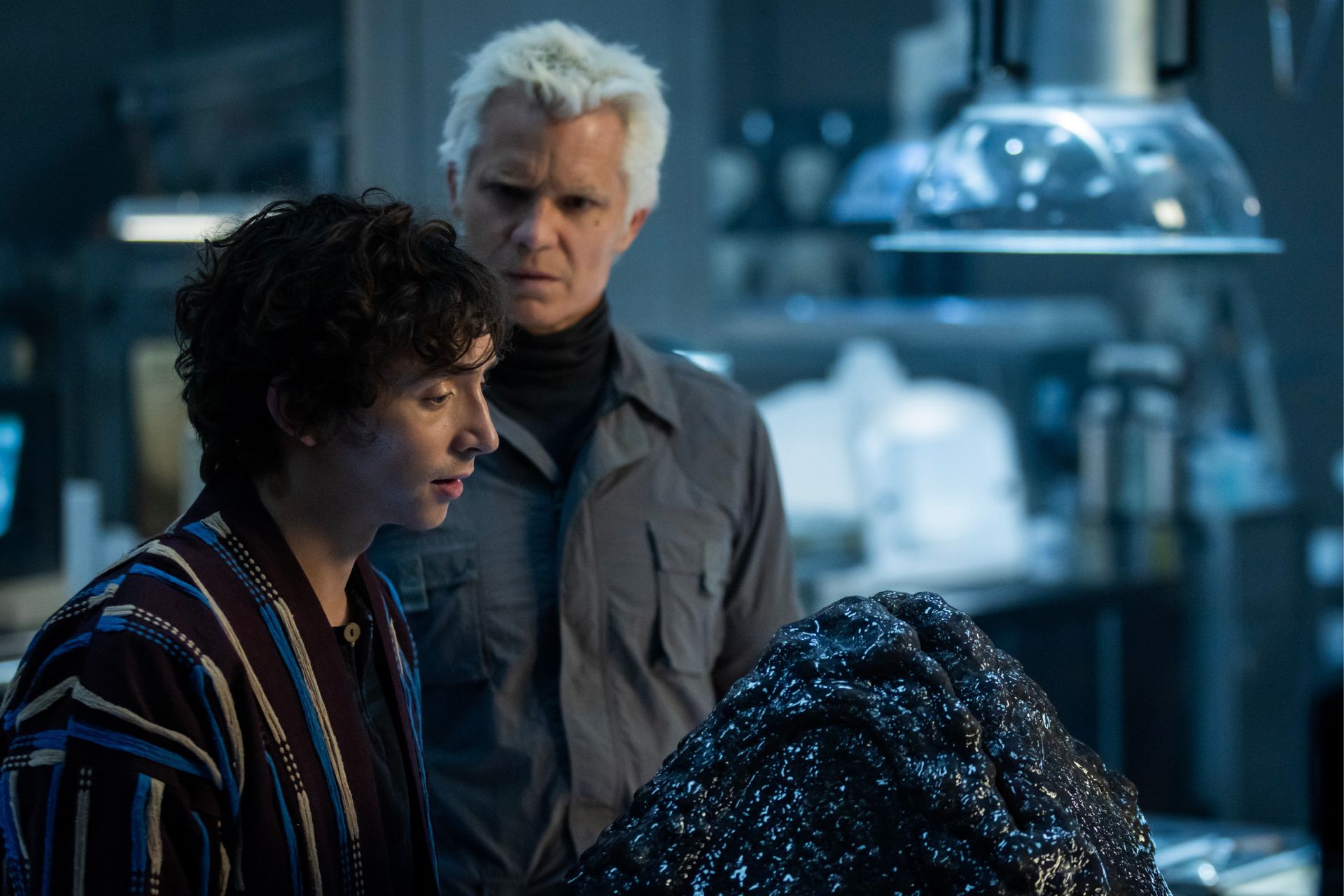
As for the synthetic beings, the most interesting ones were Kirsh (Timothy Oliphant), a classic synthetic who is naturally distant and dismissive towards humans, and operates as one of Prodigy’s chief scientists and Wendy’s trainer. Another is Morrow (Babou Ceesay), who is actually a cyborg, meaning that he is technically human but with cybernetic implants. He was the only survivor from the crashed Weyland-Yutani spaceship and has a rather tragic backstory Morrow only exists to complete his mission of bringing the specimens to his company and he will stop at nothing to achieve his goal. The episode “In Space, No One…” was a flashback episode that showcased Morrow’s time onboard the spaceship before it crashed and gave us much of his backstory. Being that the episode was in essence a remake of Alien and emulated the look and feel of the classic film, it was easily the best episode of the season.
While all this sounds promising, the payoff was ultimately disappointing, which is regrettable since there is a lot to commend about Alien: Earth.

There are glaring problems with the show, namely with the scripts were characters behave stupidly and there are enough plot holes to drive the Nostromo through them. Here is just one example: the xenomorph is now bulletproof no matter how many times it’s shot. Many characters are poorly written with some being downright irritating. The worst offender is Kavalier, who is so annoying with his one-dimensional nature and dirty bare feet. There was this scientist who does not seem to notice that her husband had gone missing (he was killed by a facehugger in an episode) and never mentions him.
It seems as if Hawley is more interested in exploring the synthetic beings instead of focusing on the alien creatures, which is puzzling since the show is supposed to be about aliens and it left us with many questions about the xenomorphs and other aliens. The thing is that the exploration of artificial beings has been done better many times in other TV shows. There are too many Lost Boys who are thinly developed with heavy-handed references to Peter Pan and frankly their immature behavior got irritating after a while. Wendy’s motivations were all over the place. First she is confused about whether or not she is human, then she’s trying to discover who she is, then she is disdainful of humanity. Her arc was very inconsistent, then to make matters worst, the show turned her into some kind of God-level being by giving her the ability to control all electronics and then the xenomorphs themselves. For some reason, Wendy is able to communicate with the aliens (in many dumb looking scenes where she opens her mouth and chitters at the creatures) and turns the xenomorphs into her pets. This robs the xenomorph of its infamous savagery and deadly nature. During scenes where a xenomorph follows her commands it appears far less threatening than in the films and the way these scenes were shot in bright light did not help either.
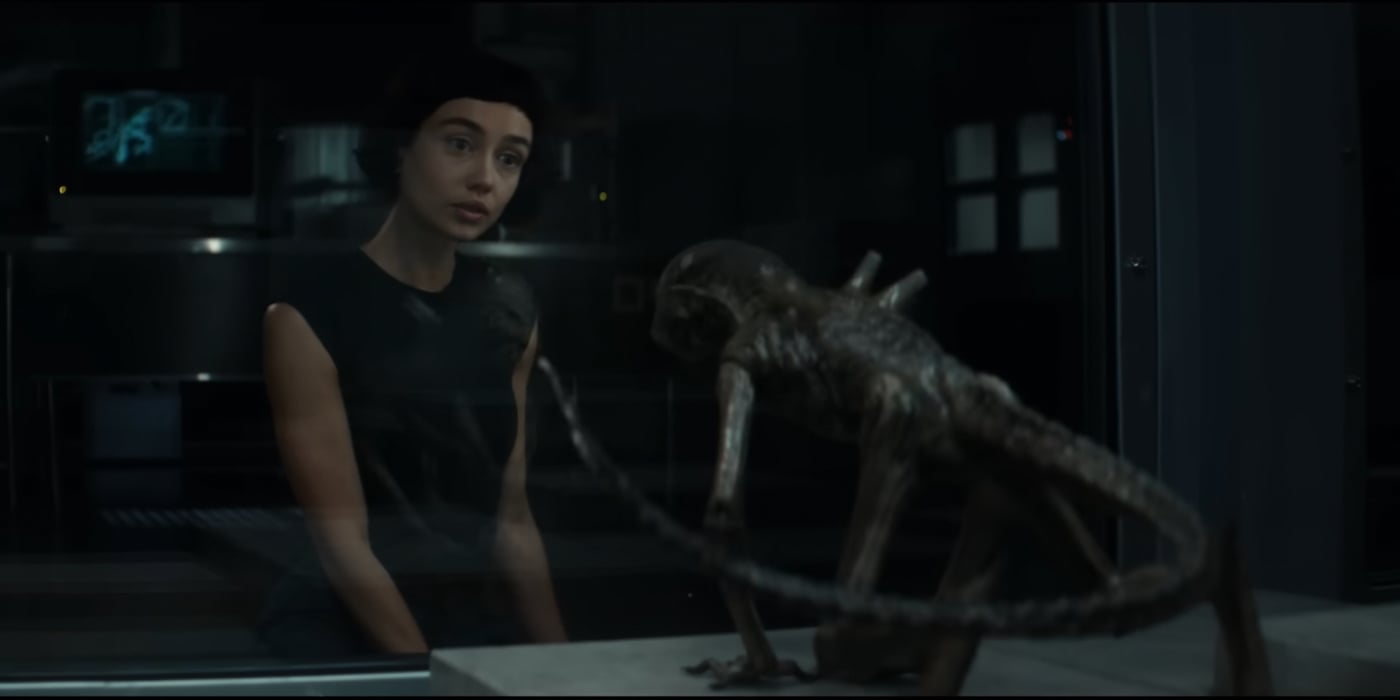
Alien: Earth starts off with much promise and has genuine moments of creepiness and intensity, but it starts to lag in pace midway through its too short season. It created many situations that were not fully developed and the payoff by its final episode “The Real Monsters” was lacking as the show crashed back to Earth. What sucks even more is that many questions were unanswered and we will probably have to wait for at least two years before we get any answers, that is if Alien: Earth is renewed, but few will care by that point.

José Soto
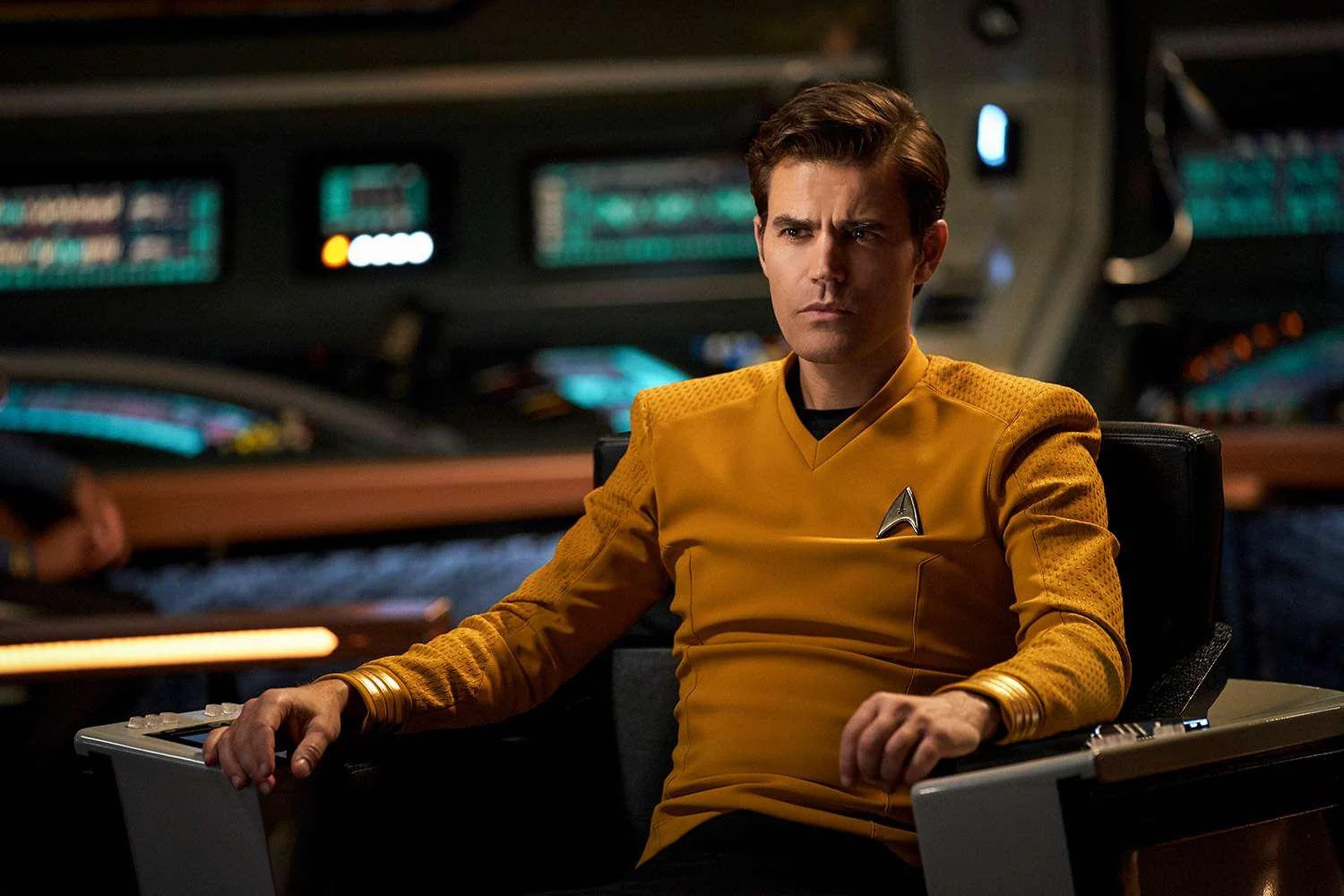
Should The Next Star Trek TV Show Be About Kirk?

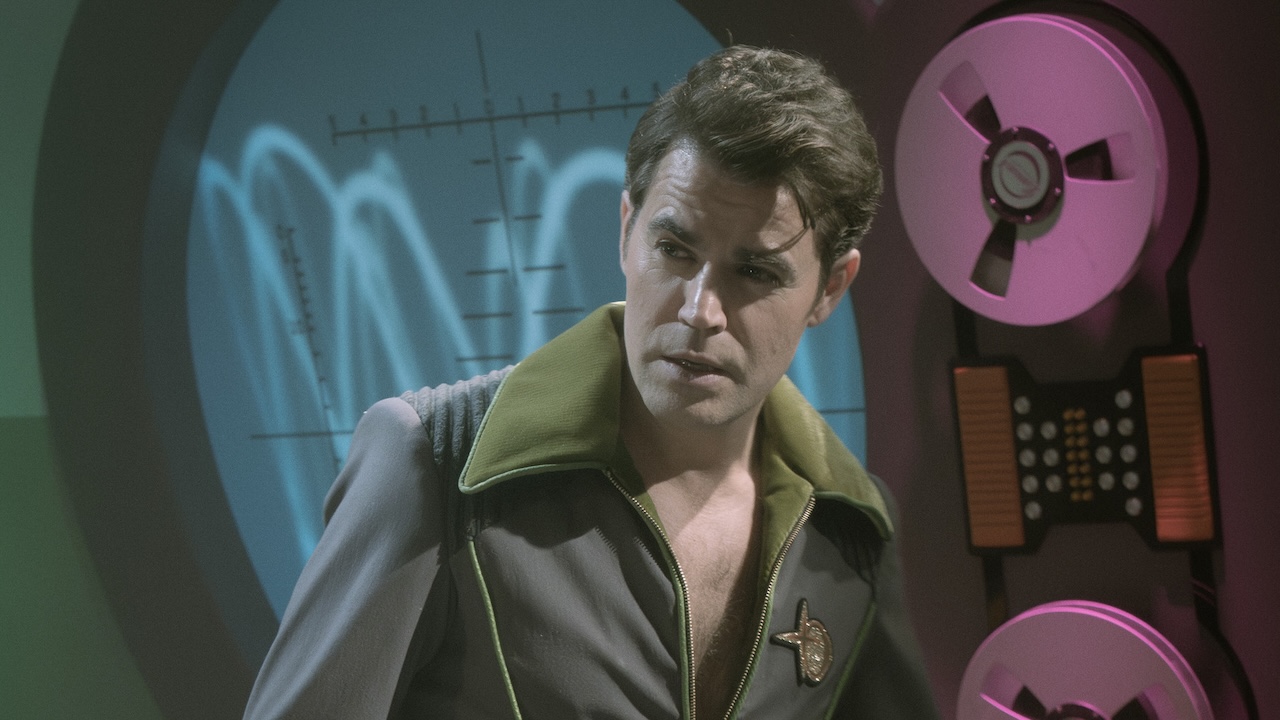
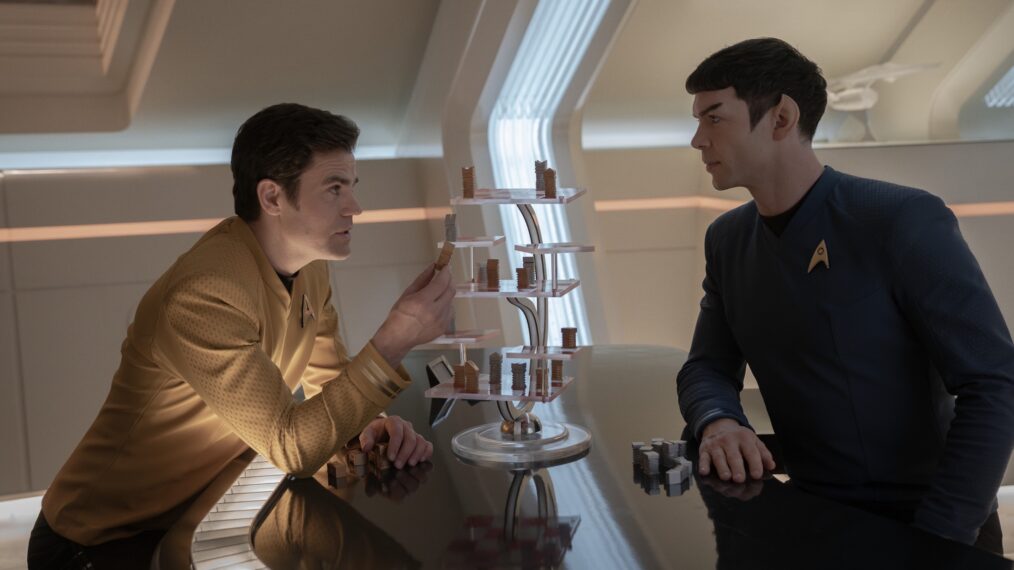
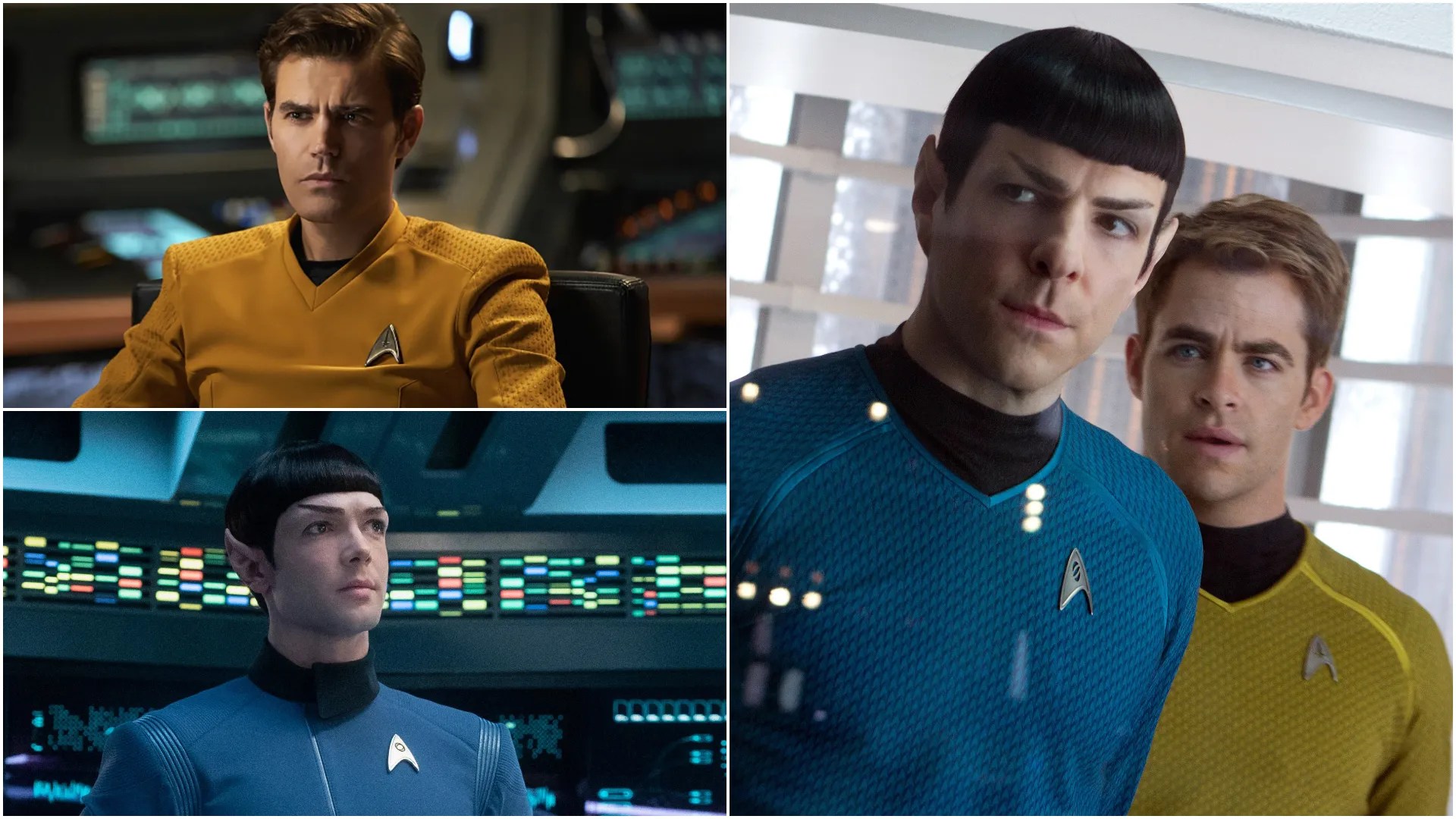
The powers that be that are in charge of the Star Trek franchise are busy planning a new Star Trek TV show that will feature a young James T. Kirk in his early days as captain of the U.S.S. Enterprise starship. This version of Kirk would be portrayed by Paul Wesley, who appeared frequently in Star Trek: Strange New Worlds and the proposed show would be a sequel to Strange New Worlds called Star Trek: Year One. It’s a great idea since Kirk is still one of the most popular characters in Trek. But should there be another TV show based on Kirk?

Let’s put aside the acting chops of Wesley or the idea of Kirk being recast, which has always been a challenge that producers had to deal with since William Shatner, the original actor to play the role, is ingrained with many fans who have a hard time accepting someone else playing Kirk. Just look at the trouble the production team behind the 2009 Star Trek film went through to cast Chris Pine as Kirk. People have to accept that Shatner will never play the role again, especially since Shatner is in his 90s and the budget to digitally de-age him would be prohibitive for an ongoing TV show.

In Wesley’s defense, he does a good job playing a young Kirk without resorting to Shatner’s unique method of acting that gave lots of fodder for comedians. To get an idea of how Wesley would have aped Shatner, take a look at the season three Star Trek: Strange New Worlds episode “A Space Adventure Hour”. It was one of those by-now obligatory holodeck malfunctioning episodes where Wesley as Kirk played a parody of Shatner’s Kirk. The point is if any actor tried to act like Shatner, he would not be taken seriously, which would doom the show.

Getting back to the idea of a young Kirk TV show. On paper it seems like a natural, do a TV show about a young Kirk settling into his command, making mistakes and learning from them, and seeing how he formed his bond with the famous Enterprise crew. It would be fairly easy to create the show since it would be a sequel to Star Trek: Strange New Worlds and the standing sets and design are already done, so that would save money and time. Plus, many of the actors from Strange New Worlds like Ethan Peck would just transition over to Star Trek: Year One since Peck would be playing Spock, who became first officer of the Enterprise during Kirk’s command. The proposed Star Trek: Year One could also remake some of the more famous first season episodes like “Space Seed” (which would give us a recast of Khan) or “City on the Edge of Forever” but with better production and effects. This is very tantalizing.

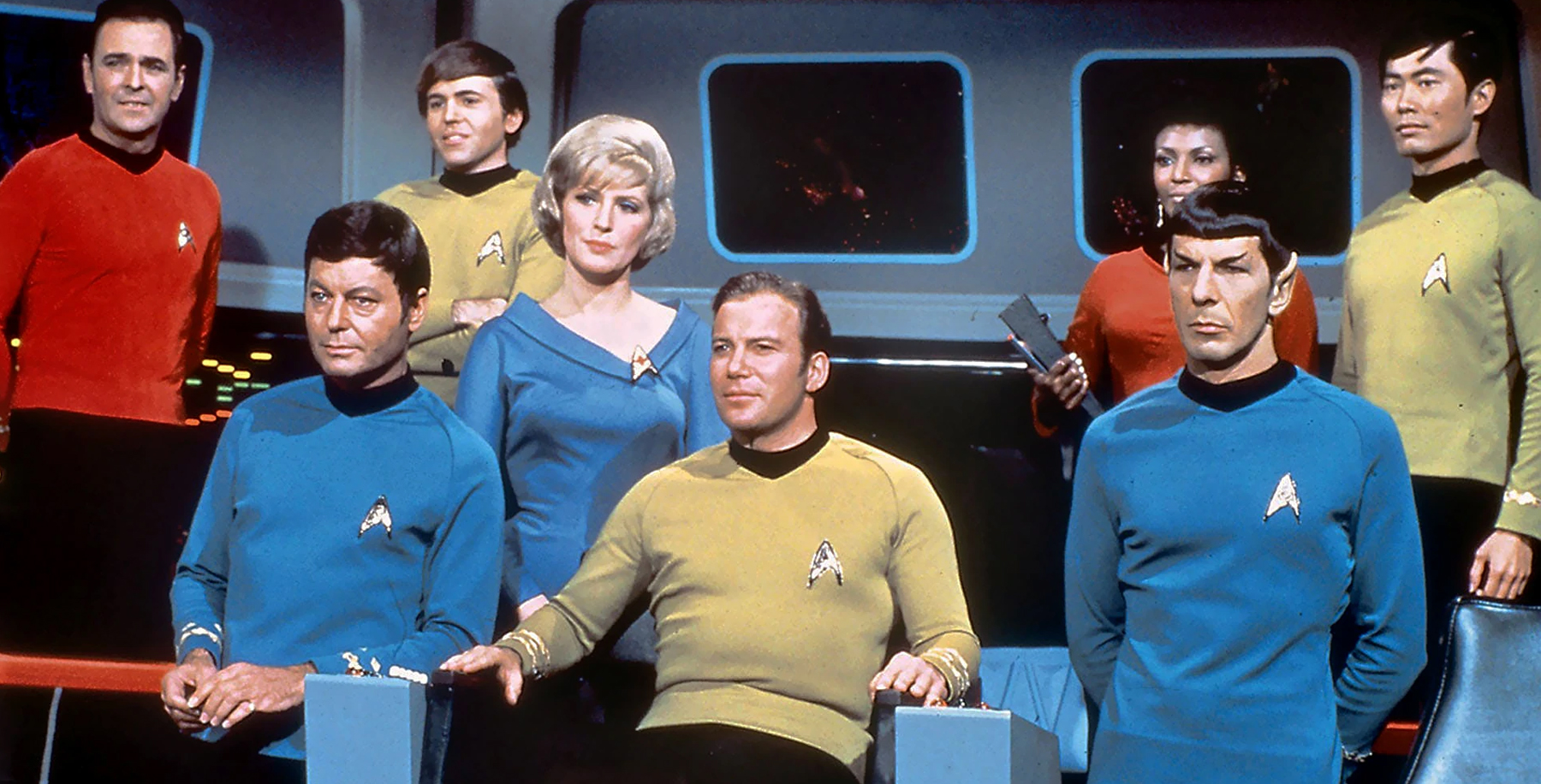
The problem is that we saw Kirk’s early adventures in the original TV show. When Star Trek first aired, it featured Kirk when he first commanded the starship Enterprise. The implication with the first season of Star Trek was that the first season took place during the beginning of the ship’s five-year mission. On the other hand, there are signs that there was a time gap during the very first episodes and the later episodes. “Where No Man Has Gone Before” and “The Corbomite Maneuver” had the crew wearing slightly different uniforms than what was shown soon after. In fact, Doctor McCoy was not even around in the pilot episode “Where No Man Has Gone Before”. More importantly, there are implications in the early episodes that the crew of the Enterprise had been on their mission for some time. So, this leaves room for a Star Trek: Year One.

Kirk v Gorn in Arena

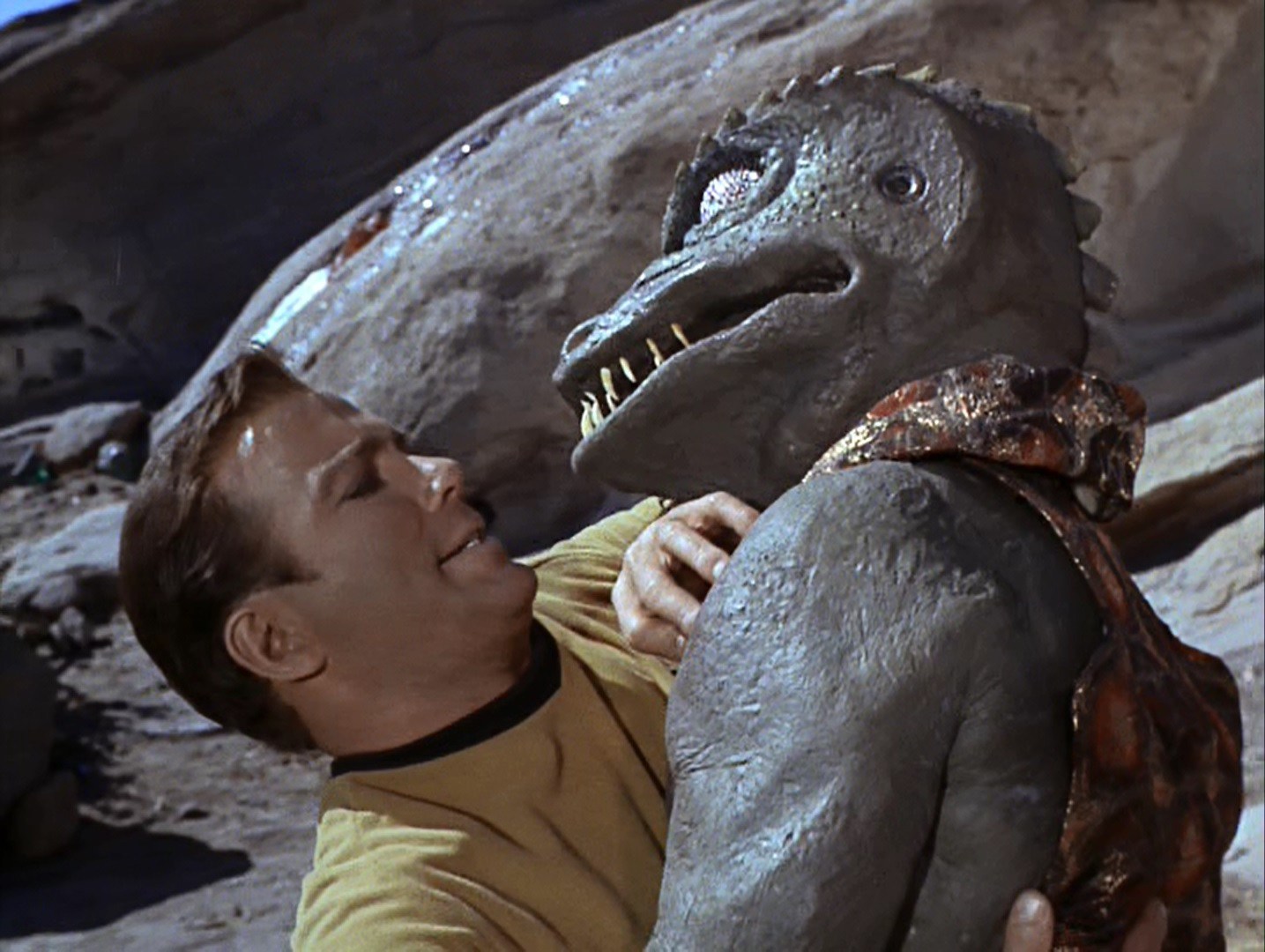
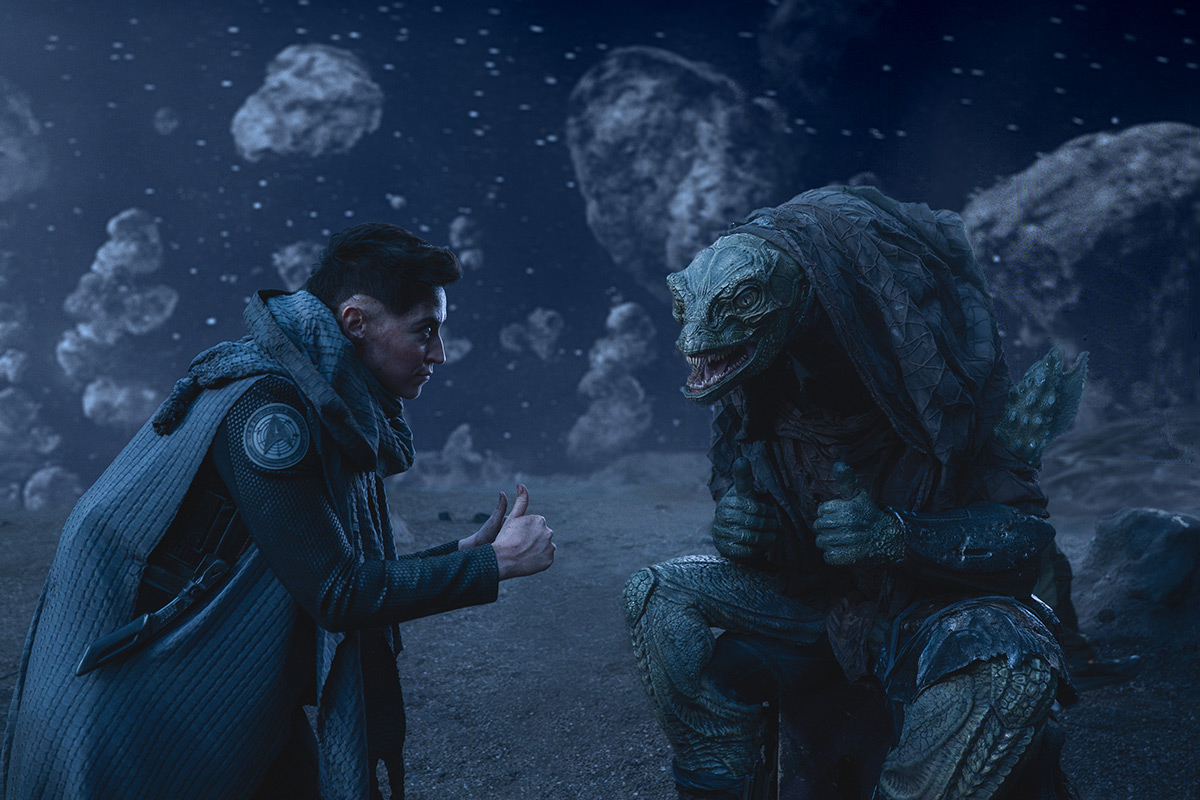
There is a headache that the writers of the proposed TV show would have to deal with and that is with continuity. This has plague all the Star Trek TV shows and films as they had to make sure the continuity established in the original Star Trek and later shows and films remained intact. Unfortunately, this did not work out many times and the recent Trek shows received a lot of flack from angry fans, such as with the look of the Klingons, the Gorn and with the early history of Star Trek. For example, Star Trek: Discovery and Star Trek: Strange New Worlds established that there was a Klingon War which was never implicitly mentioned in the original Star Trek, yet it happened close to the era of the original Trek. In the Star Trek episode “Arena” the Gorn looked radically different than the species shown in Star Trek: Strange New Worlds, and in the original show, the Enterprise crew acted as if they never heard of the Gorn, who were an ongoing threat in Star Trek: Strange New Worlds. This is an issue that long-running TV shows and films have to grapple with and Star Trek is not unique to this situation. As long as the basic history is adhered to, then fans should be willing to give the writers a pass.

One way out of this would be to do what the 2009 Star Trek film did and establish that the recent Star Trek shows are set in another reality. The trouble is that it has been shown already that the recent Trek shows are set in the so-called Prime Timeline.

The most pressing problem for a so-called Star Trek: Year One has to do with whether or not there is any demand for it. Not everyone is thrilled with Wesley’s performance or the fact that the character has hijacked Star Trek: Strange New Worlds by appearing in practically every other episode. This was supposed to be a show about Christopher Pike not Kirk and we already have an idea of how the early years of Kirk went. Do we need to see it play out? Why not create a new Star Trek adventure with new characters? There are many time periods that have never been covered that are ripe for presenting like the time period between the original Trek and Star Trek: The Next Generation. In fact, a TV show about a young Picard sounds more interesting. Ever since Star Trek: Picard concluded, fans have been begging for a Star Trek: Legacies show featuring the crew of the Enterprise-G with Picard’s son, but it seems like the powers that be are hellbent on ignoring fans and plowing ahead with a young Kirk show. This is a sign that the current showrunners do not truly understand Star Trek. Over the decades, the franchise has proven repeatedly that it was rich enough to provide new characters and situations set in the franchise. It allowed Trek to reinvent itself and not rely on Kirk and his crew to generate interest.

To date it’s not known if Star Trek: Year One will get the green light. A lot depends on studio politics and budgets since modern Trek shows are very expensive. If the show goes through, we’ll have to give it the benefit of the doubt that it will be a worthy addition to the legacy of Star Trek.

Star Trek As It Approaches Its 60th Anniversary

As Star Trek celebrate Star Trek Day and commemorate the 59th anniversary of the famous sci-fi TV show, it is important to reflect on the state of the Star Trek franchise and where it is going as it soon approaches its 60th anniversary.

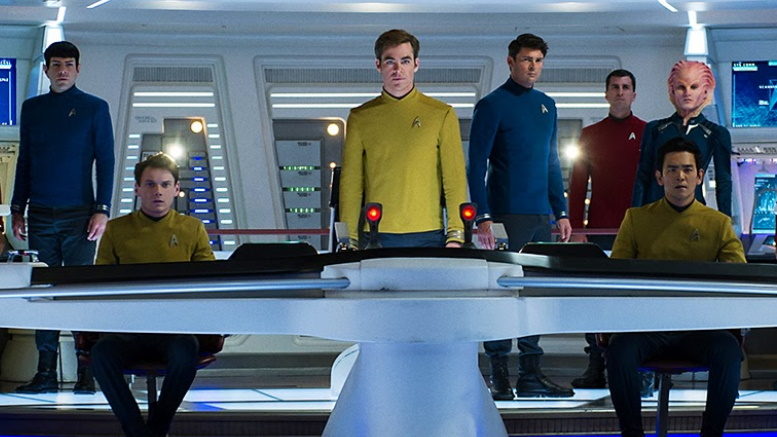
Star Trek has had its highs and lows throughout the decades in terms of popularity, cultural relevance and quality with its glory years arguably being during the 1990s. After the franchise took a forced hiatus in the mid 2000s, a comeback was attempted with the reboot film Star Trek (2009). The film did well and was popular but a significant number of fans did not appreciate director J.J. Abrams attempt to turn the franchise about space explorers, noted for its thought-provoking plots, into a more simplistic shoot-em-up space adventure that emphasized action and explosions over nifty plots and character developments.

The reboot film franchise came to an end nine years ago with Star Trek Beyond, which did not perform well in theaters, though its tone was more of a throwback to the original TV shows and films. Since then, there have been many failed attempts to produce a fourth film featuring the cast of the reboot films, but none have succeeded and that franchise is now essentially dead. Or is it?

Meanwhile, Star Trek returned to its TV roots in 2017 with the debut of Star Trek: Discovery, a prequel series to the original show that streamed on the app CBS All Access (later renamed Paramount+). Now, while the TV show ran a respectable five seasons and spawned another prequel spinoff, Star Trek: Strange New Worlds, as well as additional Star Trek TV shows, Star Trek: Discovery wound up being divisive among fans. Many complained about the storylines and the characters, with more conservative fans being outright hostile to the show’s featuring of non-heterosexual characters. It did not matter. In this day and age of toxic fandom where cynical content creators are more interested in clicks and views, any iteration of Star Trek would have received scorn.

Right now, Star Trek is at a bit of a crossroads. Its parent company, Paramount Pictures, is undergoing a merger and the fate of the franchise is unknown with many rumors flying around as to its final fate. But there are many reports that the bigwigs at Paramount are bullish on Star Trek and want to continue with the franchise. The question remains is how will it continue? As of now, the only currently streaming Star Trek TV show (Star Trek: Strange New Worlds) will come to a conclusion after its fifth season (the fourth season is currently filming while the third season will complete streaming new episodes this week). After that, a new TV show Star Trek: Starfleet Academy will stream in early 2026, while a sitcom set in the world of Star Trek is in development. Who knows if that comedy will ever see the light of day or even generate any laughs if it comes to fruition.

There are other pitches for Star Trek TV shows, including a prequel series based on a young James T. Kirk, which will be a sequel to Star Trek: Strange New Worlds and would star Paul Wesley reprising the role of Kirk. The show has been tentatively titled Star Trek: Year One and would be about Kirk’s early days as the starship Enterprise captain. Meanwhile, Scott Bakula, the star of Star Trek: Enterprise is involved in a pitch for a show that would take place years after Bakula’s show and feature his character as the president of the United Federation of Planets. Unlike other Star Trek shows, this one would not be a show about exploring worlds but have a political slant more akin to Star Trek: Deep Space Nine. Then there is the fan-favorite idea of Star Trek: Legacy, which would be a sequel to Star Trek: Picard, specifically its popular third season and be about the adventures of the crew of the Enterprise-G. It has been pitched in the past, but so far, Paramount has not shown interest in pursuing Star Trek: Legacy.

Regarding films, there are still plans to produce a fourth film set in the Abrams reboot universe with directors and writers coming and leaving the project. Then Paramount recently announced another film will be produced that will feature all-new characters and situations. That actually sounds interesting but as of now, we have no definite information.

Given all that, there are not any concrete plans for Star Trek TV shows or films aside from the Academy show, which is a bit concerning given that the 60th anniversary is under a year away. You would think Paramount would have something concrete in production. Some of the ideas noted above are interesting and even if they don’t end up as TV shows they can at least become limited series or TV films, just better executed than the hot garbage Star Trek: Section 31. One thing to consider is that 2026 will be a celebration of the original Star Trek, not its sequels and films, and there are three remaining cast members from the original show. Aside from a standard documentary/retrospective, maybe Paramount can find some way to involve William Shatner, George Takei and Walter Koenig in some kind of new Star Trek production. The only limits are time, money and more importantly, imagination. Here’s to boldy going 59 years strong.