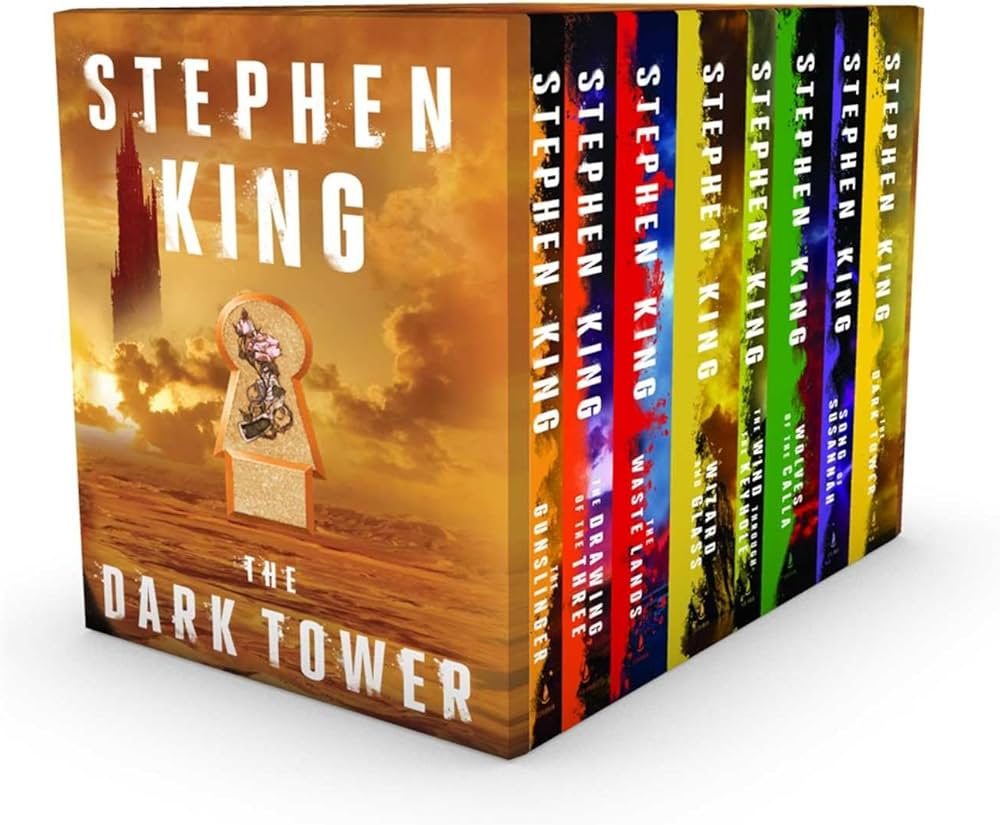
Adapt Stephen King’s Dark Tower Saga!

Given the success of the recent live-action adaptation of author Stephen King’s literary works. It is time to consider bringing his magnum opus, the Dark Tower Saga, to life on screen or TV.
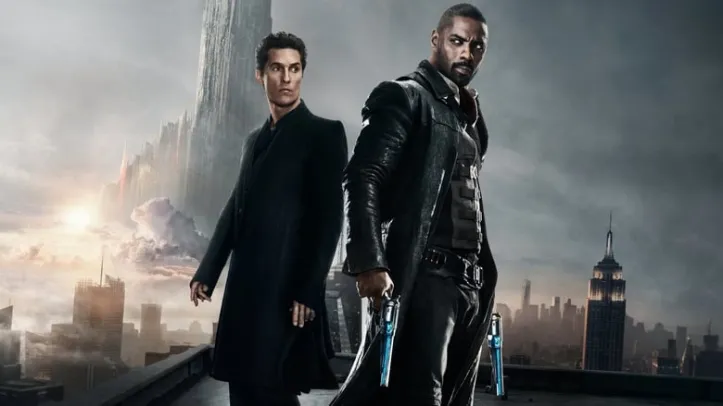
Adapting the Dark Tower Saga has been attempted several times over the years at different film studios with topnotch filmmakers attached to such projects such as J.J. Abrams and Ron Howard. However, those efforts did not succeed until the film The Dark Tower, which came out in 2017. The film was directed by Nikolaj Arcel with Ron Howard co-producing and starred Idris Elba as the lead characer Roland Deschain and Matthew McConaughey as the Man in Black. It was intended to be the first part of a multi-epic saga that would expand into television as well as more films. Well that was the intention, as most King fans know the film was poorly received and did not do well in its release. So plans for any followups quietly faded away.

There are many reasons why The Dark Tower failed to click with audiences and critics but it mostly had to do with the truncated script that loosely adapted elements from the first Dark Tower book, The Gunslinger, and the third book, The Waste Lands. Being that the books are quite expansive with imagery and scenes that can be hard to adapt, it was inevitable that the screenwriters condensed the story and threw out many elements, characters and story beats that in the end displeased everyone. Simply put the film lacked the epic scale of the books, was hard to understand, and was largely unfaithful to the Dark Tower Saga.
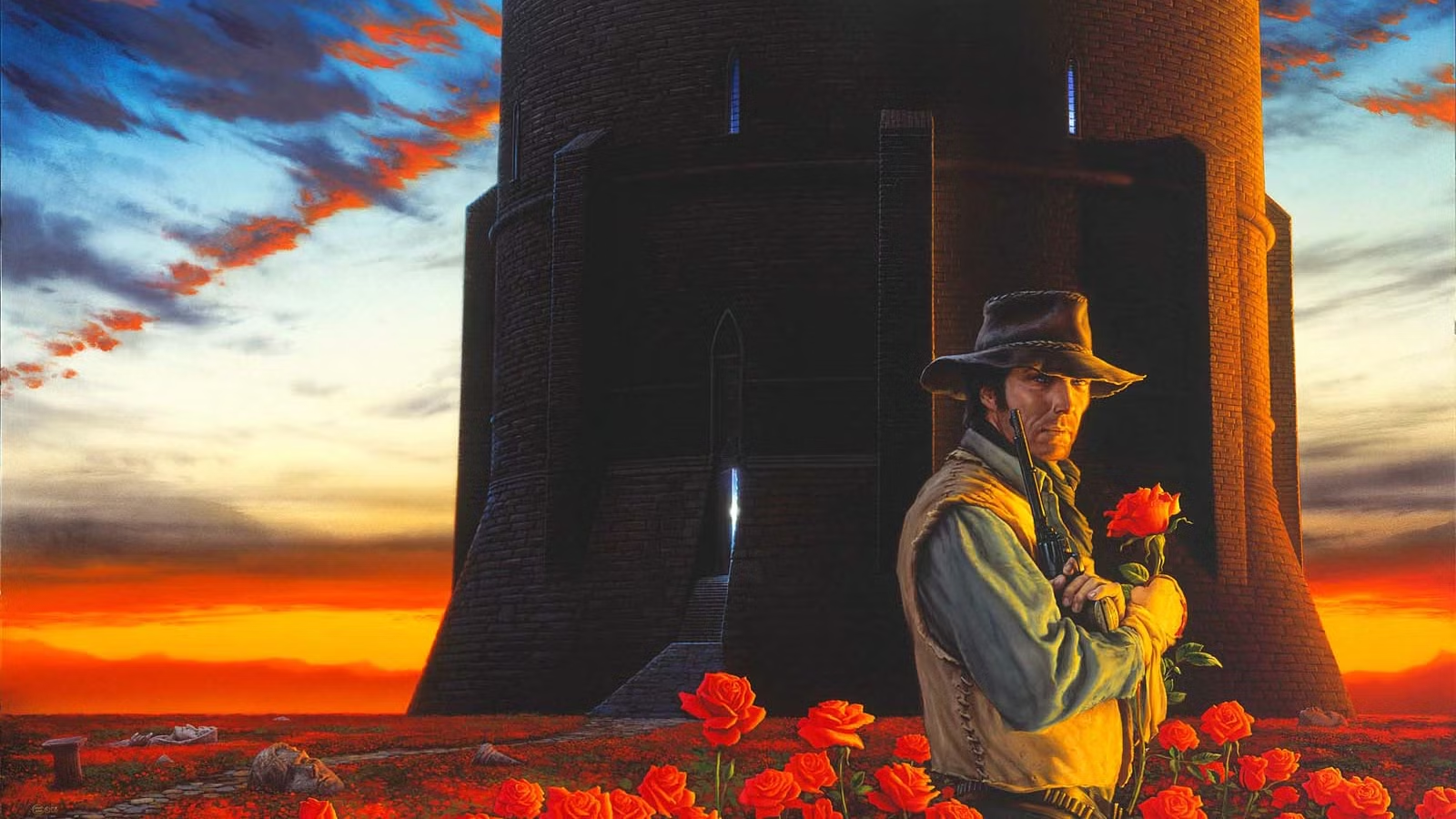
Since the failure of the film, Amazon acquired the rights and tried to produce a new adaptation of the books without success. It’s really a shame because the rich storyline about a mythical gunslinger trying to save the multiverse as he travels through many worlds, including ours, is too good of a saga to pass up.

Recently, many dense properties that were thought to be too difficult to adapt like Dune, The Lord of the Rings, Foundation and even King’s mammoth novel It have been successfully adapted. What happened was that the right screenwriters, directors, producers and actors were able to create memorable adaptations of the sci-fi/fantasy epics. So there is precedent for creating great adaptations that are either faithful to the books or can successfully adapt the essence of those books.
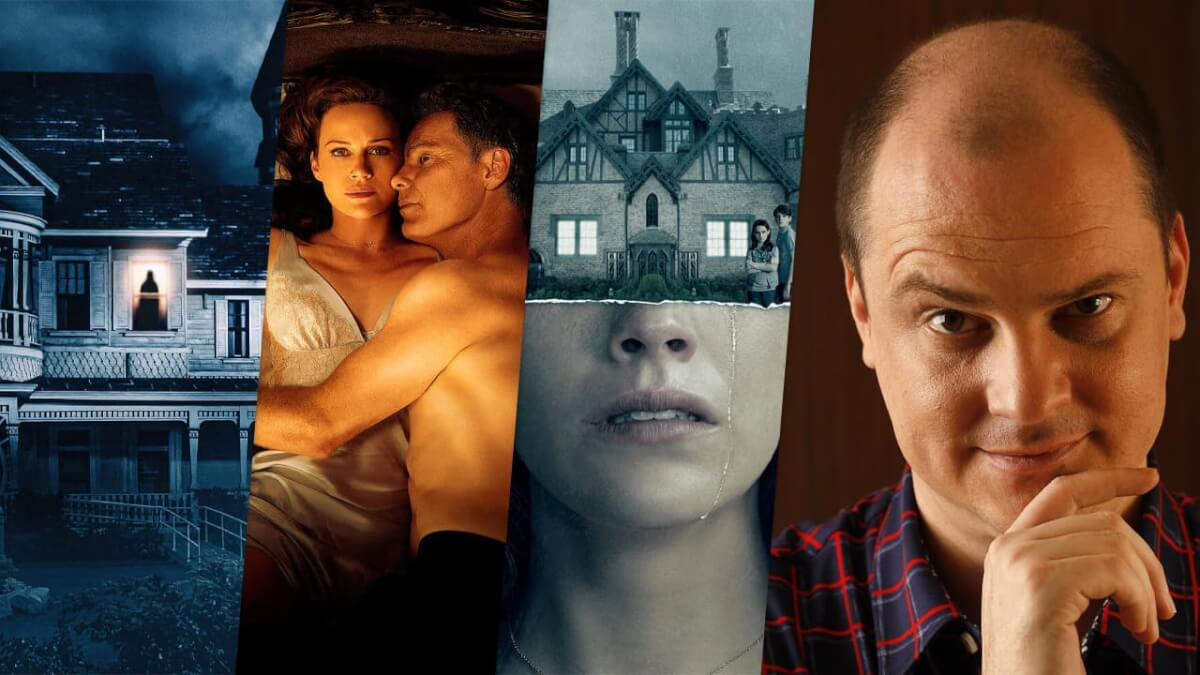
As of now, the latest filmmaker attached to a potential film adaptation is Mike Flanagan. He has received praise for his directing of other Stephen King works Gerald’s Game, The Life of Chuck, and Doctor Sleep, and for his original horror TV series Midnight Mass. Flanagan intends to develop a television series based on the Dark Tower Saga and honestly, this is the best way to go given the sprawling nature of the books. One thing to consider about adapting the books is that they are multiuniversal and feature characters and elements from other King books such as The Stand, It, Insomnia and ‘Salem’s Lot. Right now, Flanagan has the television rights to the books but if he wants to include characters from It for instance, then the TV show would have to be produced by Warner Bros. since they own the rights to It and other King works (which are referenced in the TV show It: Welcome to Derry). Flanagan would face similar headaches with other King books whose rights are held by other studios.
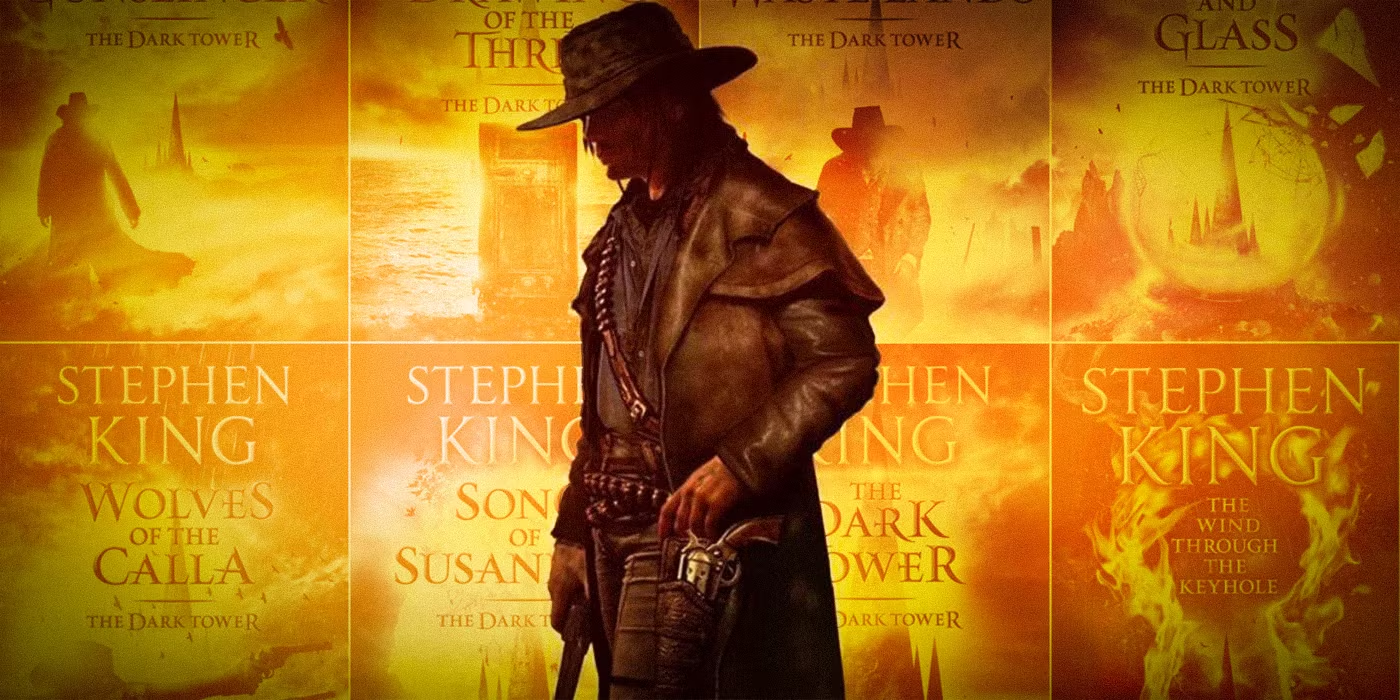
It’s only a matter of time before the right person(s) come along and are able to craft a faithful adaptation of the Dark Tower Saga. The question is when will this happen. Perhaps soon if It: Welcome to Derry continues to impress audiences and critics as it wraps up its first season. Then film and TV studios wanting to put out the next Stephen King epic can seriously consider the adventures of Roland Deschain and his epic quest to find the Dark Tower and save creation.
Toy Story: The Animated Masterpiece That Changed Animated Films

Thirty years ago, Toy Story was released in theaters by Pixar, which at that time was its own independent company owned by Steve Jobs. The animated masterpiece instantly caught everyone’s attention with its revolutionary 3D animation that changed animated films forever.

3D or computer animation existed before Toy Story, of course, but the film about toys that come to life whenever their owners are not around, was the first feature-length film to exclusively use this kind of animation. The use of computers in animated films had been going on for years since the 1980s and 1990s. Disney used computers on a wider scale with its traditional animated classics like Aladdin and Beauty and the Beast, but those films were still two-dimensional and by the mid-90s that kind of animation had reached its peak in what could be done with it as an art form. The world of animation was ripe for new approaches.

Enter John Lasseter, the creative genius behind Pixar. Working with a team of innovative artists and computer technicians, Lasseter experimented with 3D animated film shorts that caught the eyes of many film studios, especially Disney. Some of the films like Tin Toy, Knick Knack and Luxo, Jr. stood out with the pioneering use of 3D animation. In fact, Tin Toy won the Academy Award for Best Animated Short Film, the first 3D-animated film to do so. As Pixar created and released these shorts, they prepared themselves to produce a full-length animated film, which turned out to be Toy Story. At this time, Disney was eager to work with Lasseter and proposed that he create a feature-length film that Disney would distribute, to which Pixar agreed.

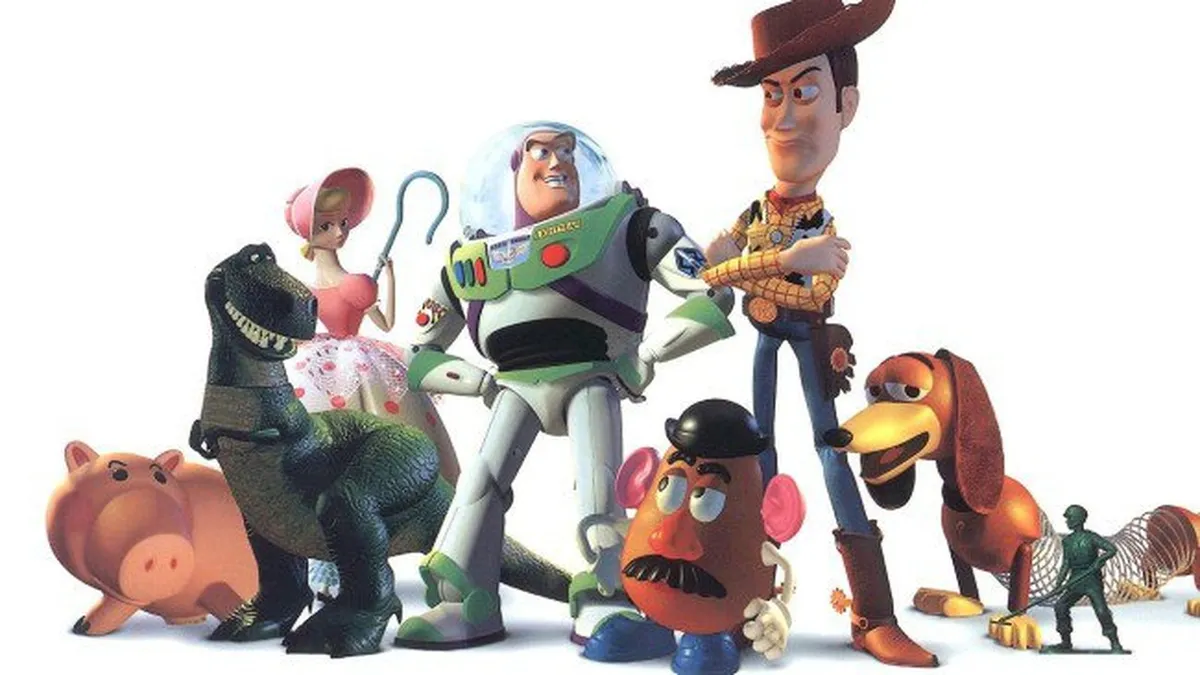
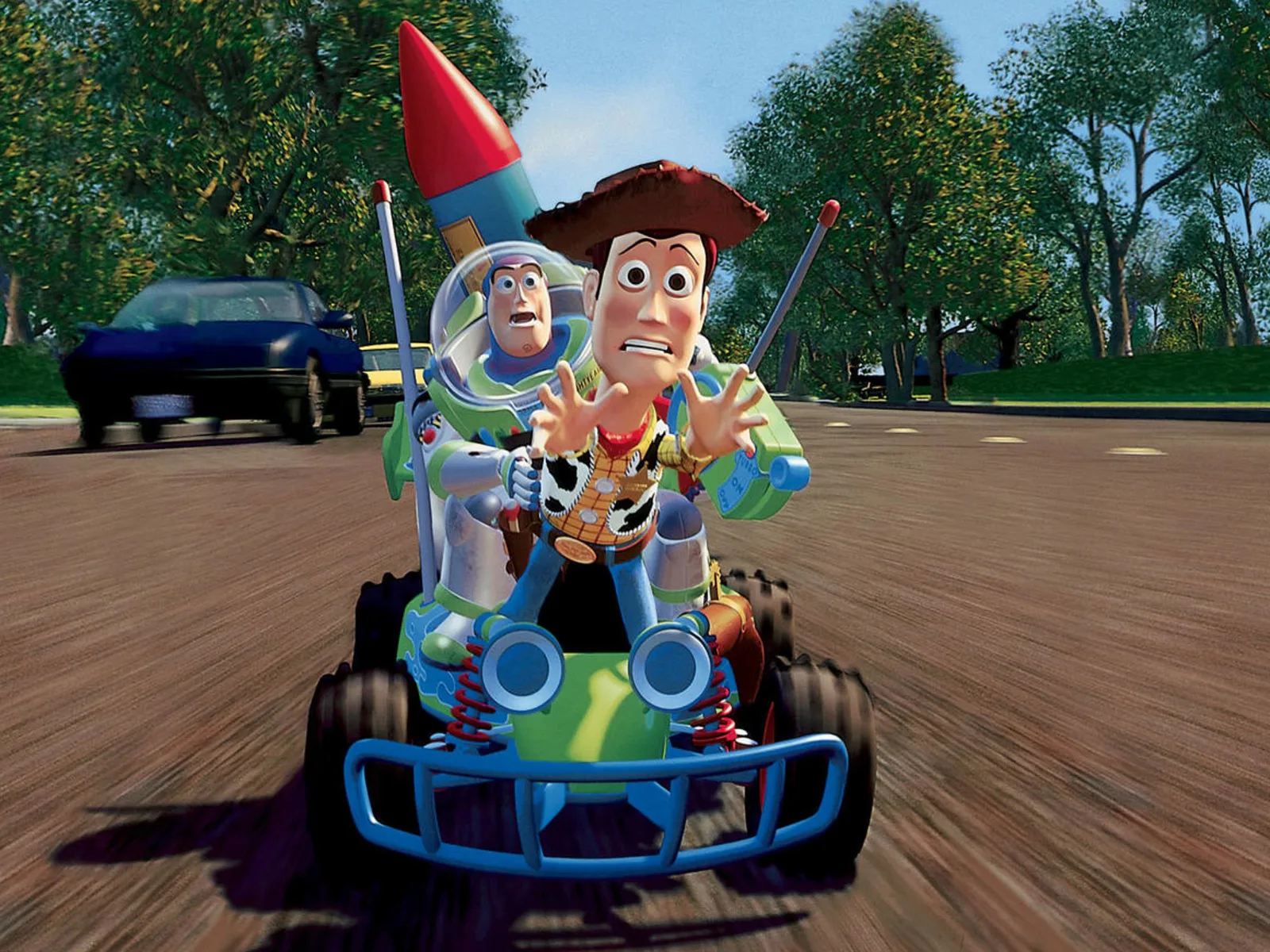
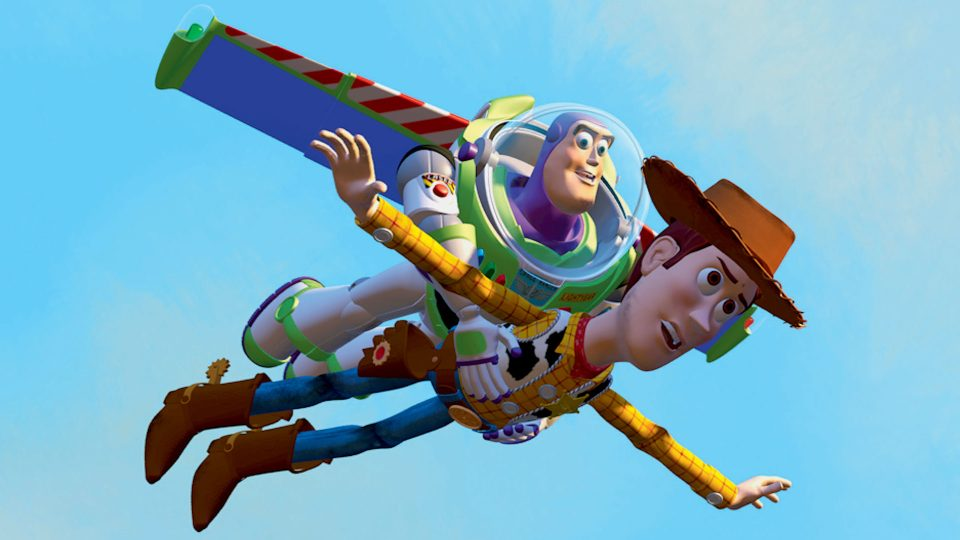
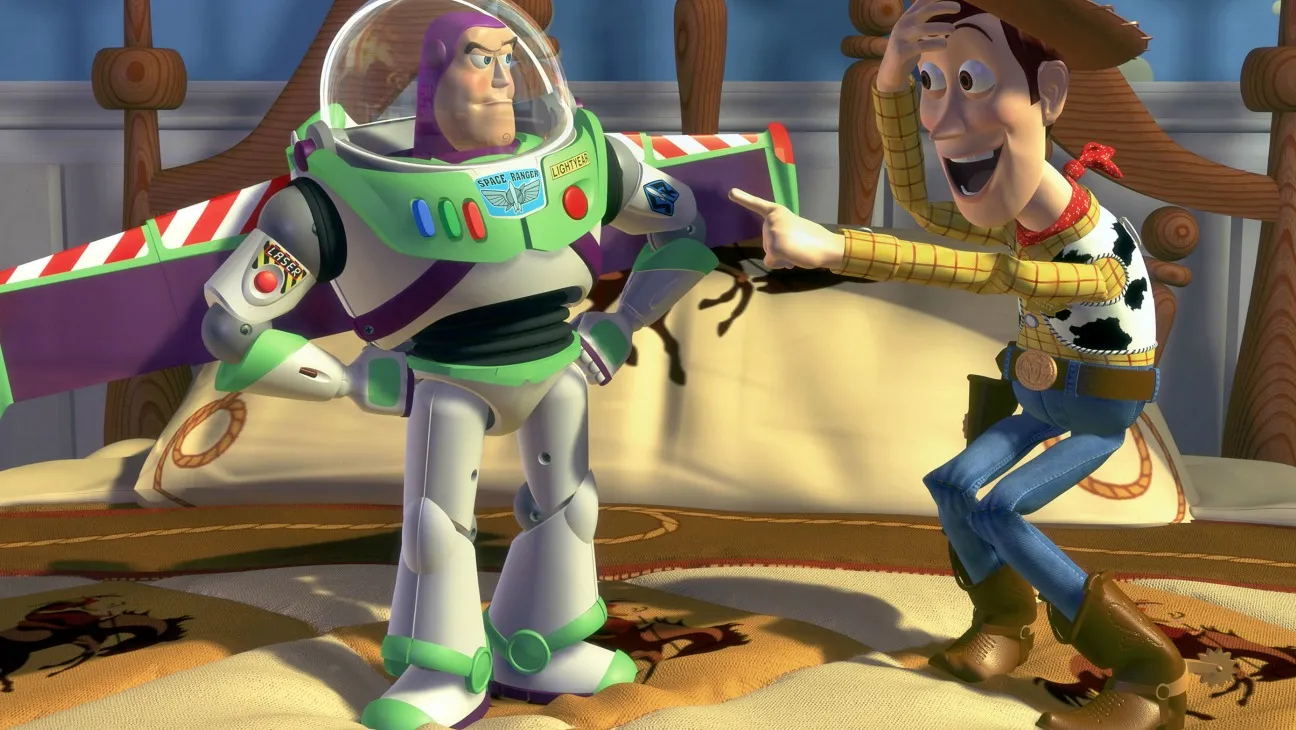
At first, Pixar’s first animated film was supposed to be a sequel to Tin Toy and would have featured the title character and his dummy companiion trying to find their way into the hands of children. But Disney was not happy with the script and after much retooling, the Tin Toy characters were replaced with the original creations Woody the cowboy doll and Buzz Lightyear the high-tech electronic doll. They had clashing personalities which generated genuine laughs, but had to work together to find their way to their child owner.

Turning Toy Story into an animated buddy film with two completely different characters sparring with each other then becoming great friends was an inspired decision. This development injected a lot of heart and humor into the script and gave the two lead characters distinct personalities that most viewers could relate to. For instance, Woody was the leader of the toys owned by the child, Andy. His status is threatened with the arrival of Buzz Lightyear, the new hot toy on the block that quickly becomes Andy’s favorite toy. Woody is jealous and resentful towards Buzz as he lost his status and his actions cause both he and Buzz to be lost and the two have to find a way back to Andy’s home. What also helped tremendously was the casting of vocal actors Tom Hanks and Tim Allen to play Woody and Buzz. Both actors had great vocal chemistry with each other and comedic timing that rivaled many classic comedy duos.

The film featured many other memorable characters voiced by great actors that embedded the toys with a lot of personalities. Take for instance the legendary comedian Don Rickles who played Mr. Potato Head or R. Lee Ermey as Sargeant, the no-nonsense military leader of the tiny green plastic army men. Seeing many classic and real-world toys appearing in the film was a hysterical and brought back many memories for adults and joy to children. A large part of the film’s appeal was that both adults and children could equally enjoy it, and this became one of Pixar’s strongest selling points with their future films.

Toy Story was an instant hit and a bonafide classic when it was released in theaters on November 22, 1995 as it caught the imagination of viewers. While the computer animation was a distinct selling point, what made the film so beloved was its script, direction and characters who are still relevant to this day. There is even a Toy Story 5 that will be released next year. That is fortunate because while the 3D animation was revolutionary for its time, some of the animation does look a bit dated, especially when it came to depictions of humans.

Of course, the success of Toy Story inspired many film studios to rush out with their own computer animated films to varying degrees of success. Some like Dreamworks and Illumination produced their own classic films but few could capture the magic and whimsy of Toy Story. Still, regardless of quality, the early computer animated films crowded out traditional 2D-animated films and even Disney jumped on the bandwagon with their own 3D-animated films. But it would take Disney some time to create their own films that rivaled Pixar’s in terms of quality. Unfortunately, the success of Toy Story spelled the end of traditional 2D-animated films, at least with American films. The last traditional animated film that Disney released was The Princes and the Frog in 2009. It’s true that there are many advantages with 3D animation, but it is a mistake to completely discard two-dimensional animation. What these studios have failed to realized is that the success of Toy Story and other quality Pixar films, including the Toy Story sequels, was not solely due to its animated technique but because of the story and characters. Hopefully one day, a visionary creator at a major studio will be able to produce a quality two-dimensional animated feature length film that will be successful.

Much like Snow White and the Seven Dwarves was revolutionary in its day and changed films by introducing the concept of full-length animated films, so did Toy Story. It is not an exaggeration to say that Toy Story revolutionized animated films when it premiered 30 years ago as we are still feeling the impact of the classic film that is just as enjoyable as when it was released 30 years ago.

Predator: Badlands Gives Us A New Hero To Root For

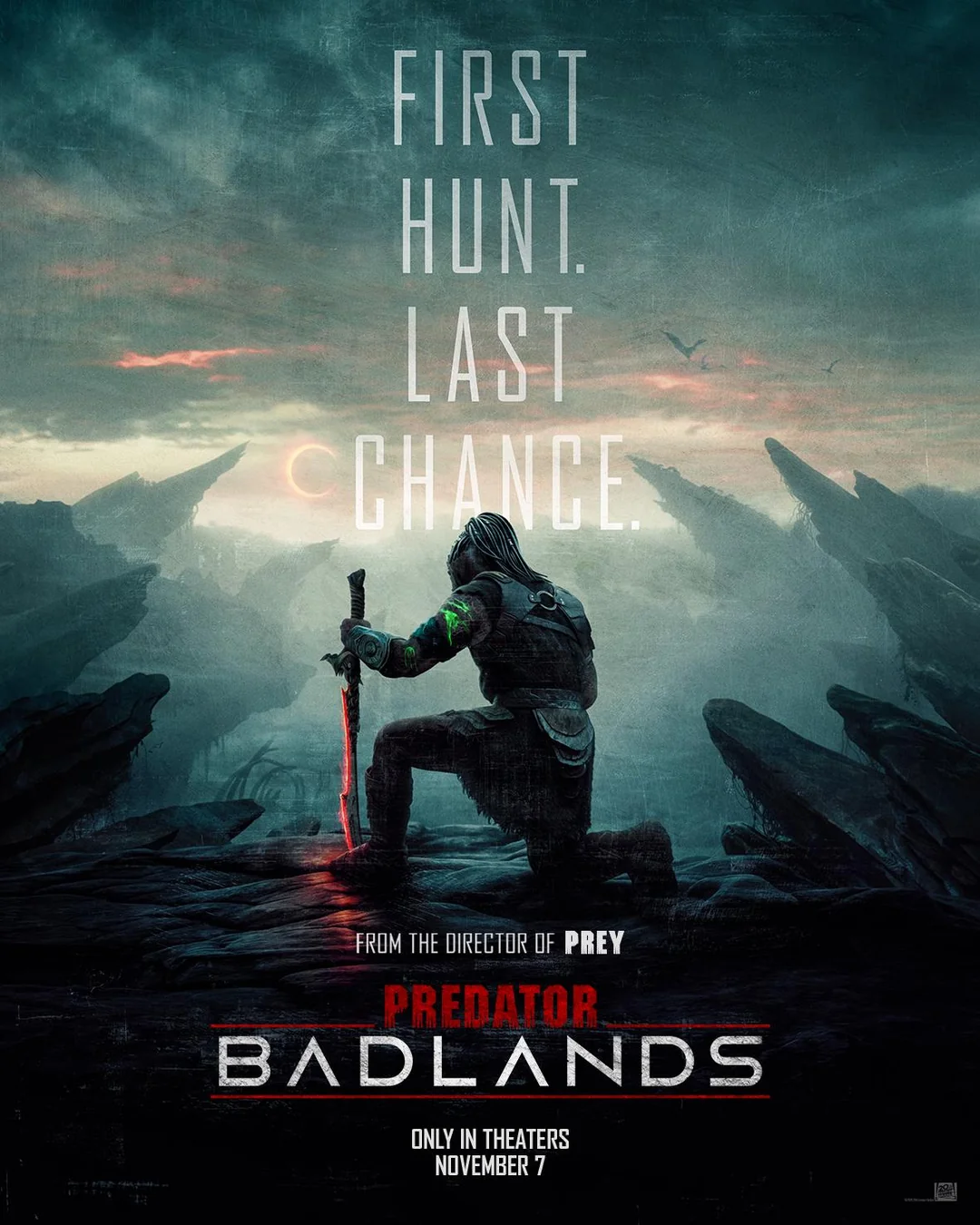
The Predator franchise has experienced an upswing in quality lately thanks to creator Dan Trachtenberg who directed the last two Predator films, Prey and Predator: Killer of Killers. Now, Trachtenberg has reached the creative peak with Predator: Badlands, the latest Predator film out in theaters. Not only is it a thrilling, action-packed and well paced, but unlike the previous films, this one stands apart for one very important reason.

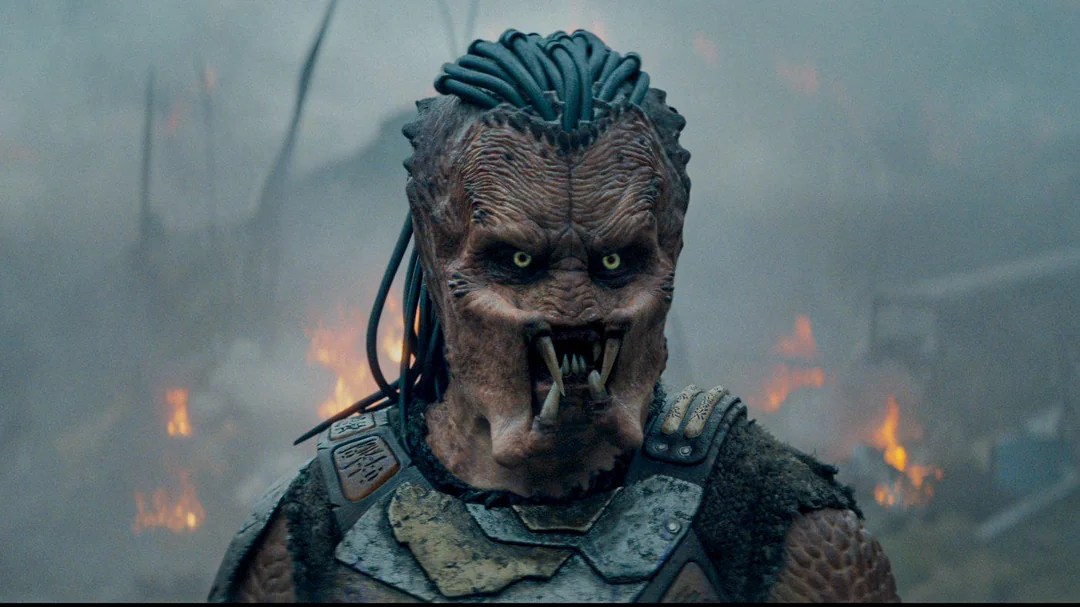
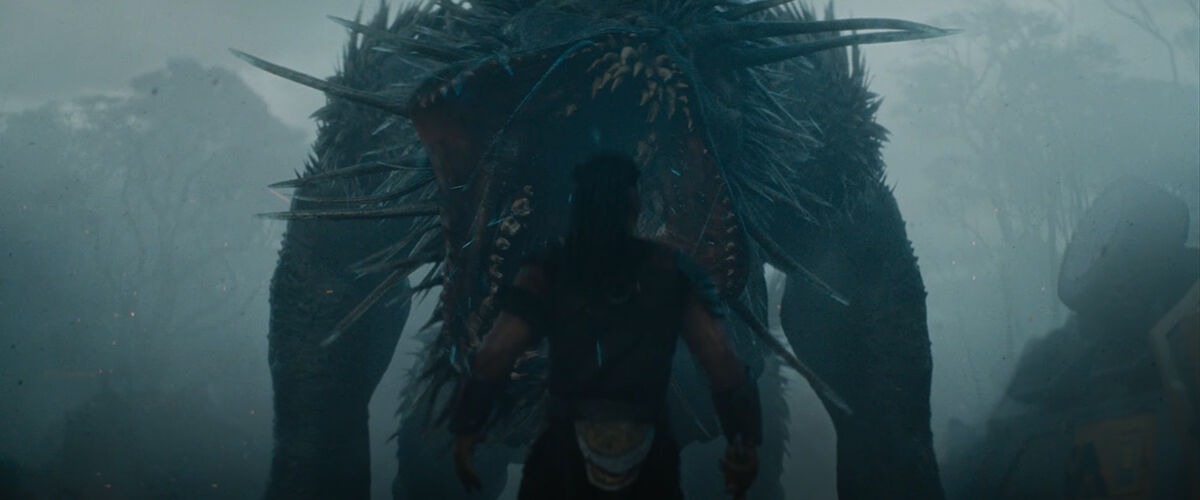
What sets Predator: Badlands apart from the typical Predator film is that it is told from the point of view of the alien predator, the Yautja; in this film, that Predator is called Dek (Dimitrius Schuster-Koloamatangi) who is the runt of his Yautja clan. The film opens up in the Predator’s homeworld and Dek wants to go on a warrior rite of passage to earn his place in his family clan. To do that he has to travel to a deadly planet called Genna and bring back a trophy kill of that planet’s apex predator, the Kalisk. However, Dek’s father, the leader of the family clan (also played by Schuster-Koloamatangi), considers Dek to be a runt that should be culled. IOW, killed off. Before this can happen, Dek’s older brother, Kwei (MIke Homik), sacrifices his life to protect his younger brother and sends him off to Genna.

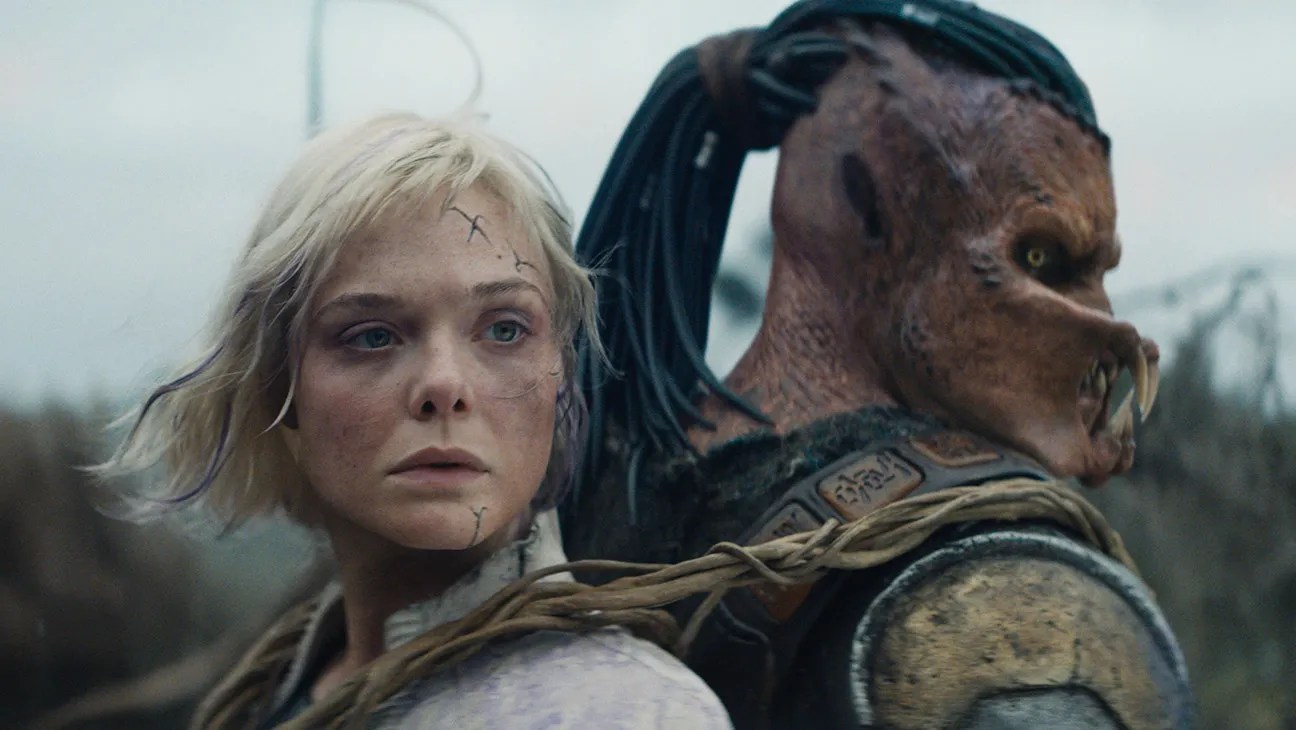
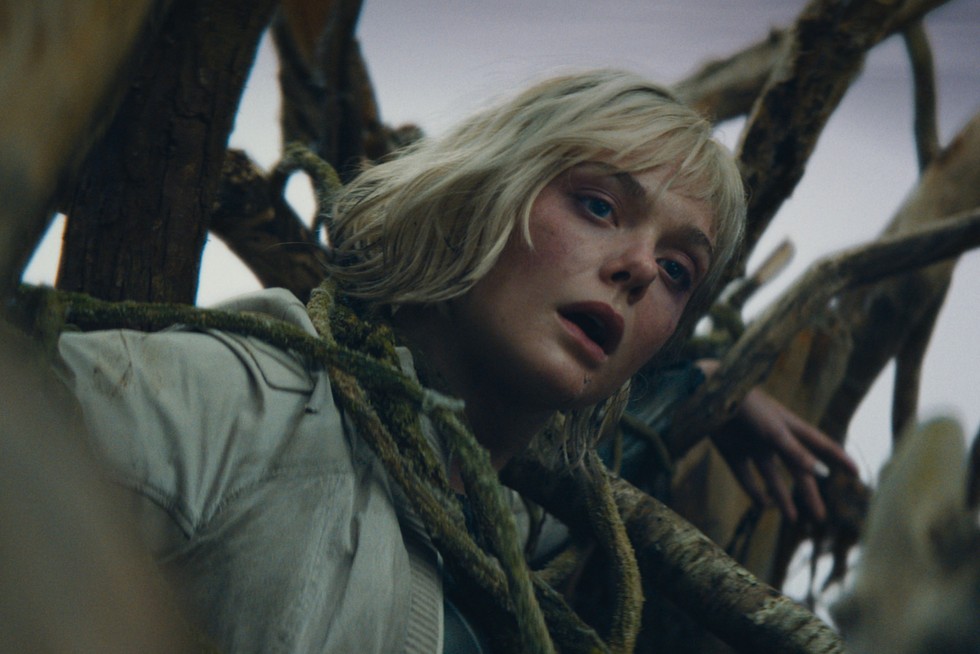
After crash landing on the planet, Dek is immediately beset and hunted by the vicious creatures inhabiting the primordial world. Even the plant life if deadly to him as some plants shoot paralyzing needles, while carnivorous vines nearly devour Dek. Basically, the planet makes Pandora look like a leisure world. Along the way, he encounters a synth called Thia (Elle Fanning), a highly advanced and empathic synthetic woman who is part of a mission by the company Weyland-Yutani Corporation (the same infamous company from the Alien franchise) to capture an animal specimen for research. Thia is missing her lower half due to an attack by a Kalisk that separated her from her synthetic associates during an attempt to capture it, which included Tessa (also played by Fanning).

Thia offers to function as Dek’s informational tool to hunt the Kalisk in exchange for transporting her to the site of the attack so she could reattach her legs. Dek is reluctant at first, but Thia’s knowledge of the terrain and deadly fauna is valuable so the two form an unlikely partnership as they traverse the deadly jungle forests. What neither realize is that Tessa was recovered and sets out on her mission with a cold heart and drive to capture the Kalisk and she will not let anything get in her way, including Thia and the Yautja.

Predator: Badlands works so well not just because it is stuffed to the gills with action or because of its impressive production and special effect, but because it develops the Yautja. We actually understand their alien culture which is a bit more complex than expected. They are not mindless killers but hunters with a strict honor code. We saw this in previous films, but this one literally takes us to their world and we get into their mindset as we learn to sympathize with some of the Yautja, especially Dek.

This Predator is clearly the film’s main character and it is not long before we are rooting for him at every turn as it is clear that he is the film’s hero. Part of that sympathy is because he is considered a runt, given his smaller stature. But Dek has the heart of a warrior and a relentless drive to succeed that he can’t help but admire. Just because Dek is smaller than the average Yautja does not mean he cannot hold his own in a fight. Much like Marvel Comics’ Wolverine, Dek is a savage fighter who will use any tool to defeat his foes or kill his prey. Speaking of fighting, the fight scenes are quite intense and brutal. The film surely would have earned an R rating if not for the fact that we never see red blood on screen. In fact, there are not any humans at all in this film, which is remarkable and helps set the film apart from nearly all live-action films.

While the film takes every step to flesh out the Yautja, it also does this with the synthetic people. In the past Alien films we saw the synthetics as either coldly evil or warmly human-like, and Predator: Badlands continues this tradition. There are hints throughout that the synthetics, mostly through Thia, have begun to develop their own sense of self and independence, which could be worth exploring in a future film or TV show that focuses on the synthetics. It is also worth noting that the camaraderie between Dek and Thia feels organic and although we know how their relationship will progress it is still enjoyable to watch as they form their own sort of clan.

Director Dan Trachtenberg clearly not only has the drive to explore the Predator’s culture and flesh out the aliens, but the skills to pull this off. He has a great visual style and sense of storytelling that instantly engages us with his stories while adding so much to the Predator lore. At the same time, he adds more to the Alien franchise without going overboard with references. He ties both franchises very skillfully but you can enjoy this film without having seen a single frame from the Alien films. He has plans for a third film if Predator: Badlands is successful enough and he also hopes to bring back the star of the original Predator, Arnold Schwarzenegger himself, which would be awesome considering the hints of possibilities Trachtenberg teased us with in Predator: Killer of Killers.

Predator: Badlands is clearly one of the best films in the Predator franchise, perhaps as great as the original, though the two films had very different tones. Given the film’s rich world building and the way it ends, we have to see more of Dek and Thia and the rest of the worlds in Predator: Badlands.

José Soto