Man Of Steel & The Failed Promise Of The DCEU

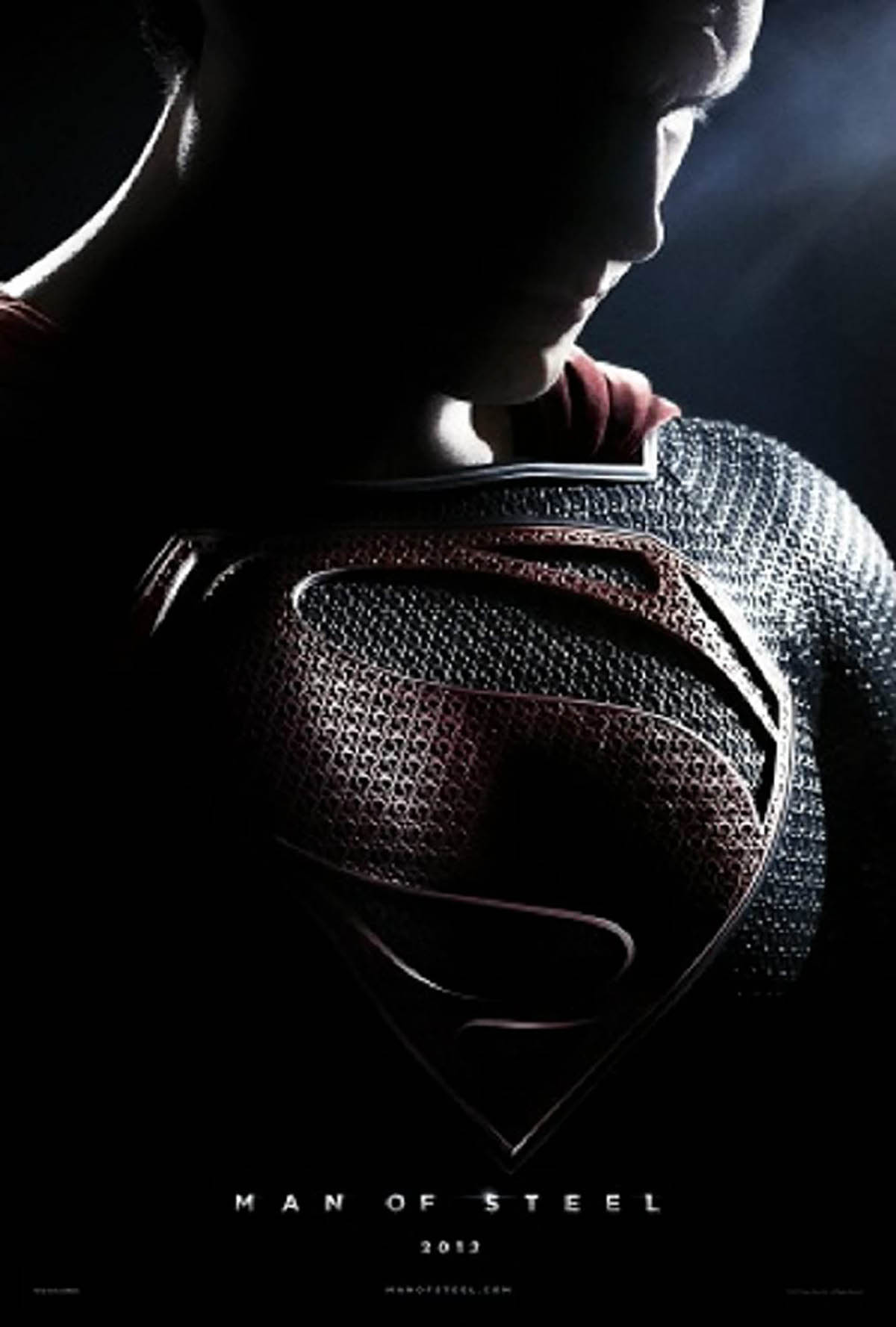
This week marks the tenth anniversary of the film release of Man of Steel, which was released on June 14, 2013. It not only served as a reboot for the Superman film franchise but as the vehicle to launch the DC Extended Universe (DCEU). Now the superhero film universe based on DC superheroes comes to an end this year starting with The Flash, which will serve as a soft reboot of the DCEU and transform it into the DC Universe (DCU).

One of the casualties of the DCEU reboot will be Superman himself, which is ironically fitting since his film launched the DCEU.
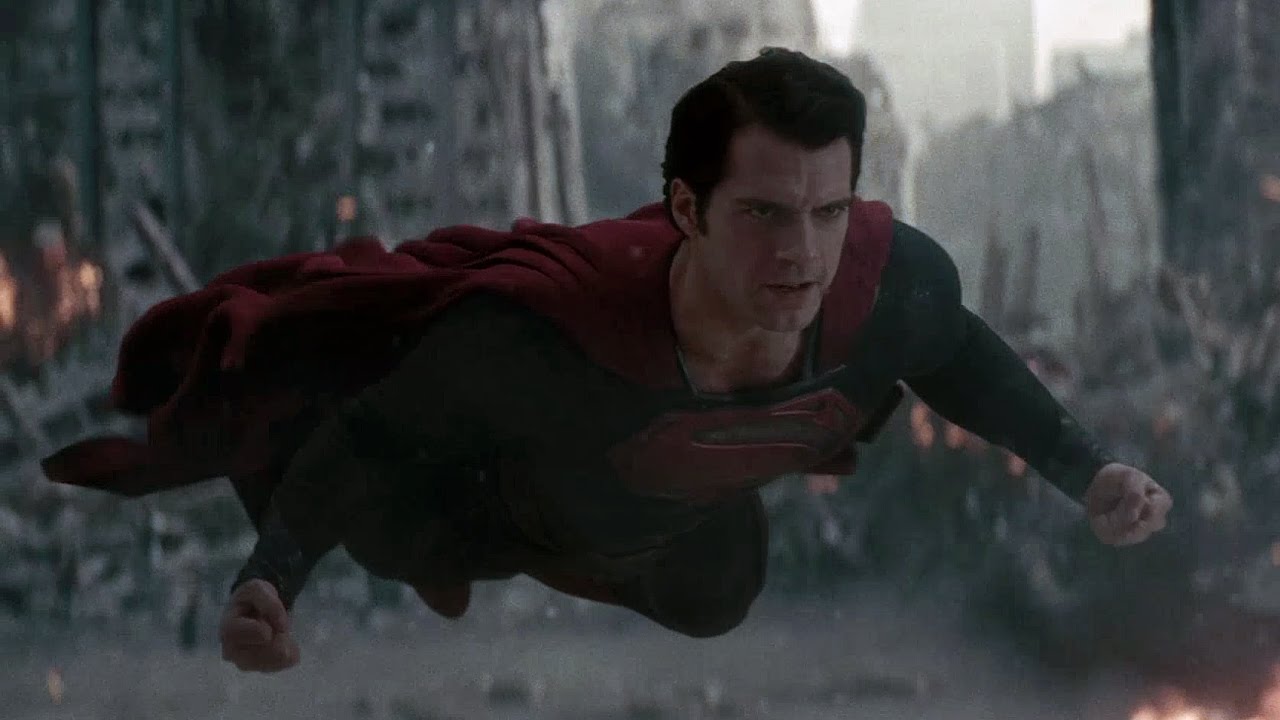
Man of Steel was directed by Zack Snyder, who presented a darker and more grounded version of Superman in a world filled with muted colors and stark lighting. At the same time, the film and other Snyder-centric DCEU films cast the title hero with mythological, god-like imagery that did not resemble comic book images but rather epic paintings with static poses and even more harsh lighting.

This became more prevalent in future DCEU films such as Batman v Superman: Dawn of Justice and Justice League, while Man of Steel was more grounded.

This unique approach to Superman was supposed to make him more relevant and relatable to modern audiences. As to whether or not that worked, is open for debate. Before Man of Steel, Superman was seen as a noble, larger-than-life do-gooder as best personified by the Christopher Reeve Superman films of the ‘70s and ‘80s. Thanks to Reeve’s classic performance it was difficult to imagine the superhero in any other kind of light. Even Superman Returns, the last Superman film before Man of Steel, did not veer from the Reeve interpretation of Superman, which led to a lot of criticism. In trying to make this version of Superman distinct from the traditional Boy Scout persona, it can be argued that Snyder veered too far from what made Superman so special. He is supposed to be a beacon of hope for humanity, which was ironic because he was actually an alien who grew up on Earth. Despite humanity’s faults, Superman adopted the best traits of his adopted species and served as an exemplar for the promise of humanity.
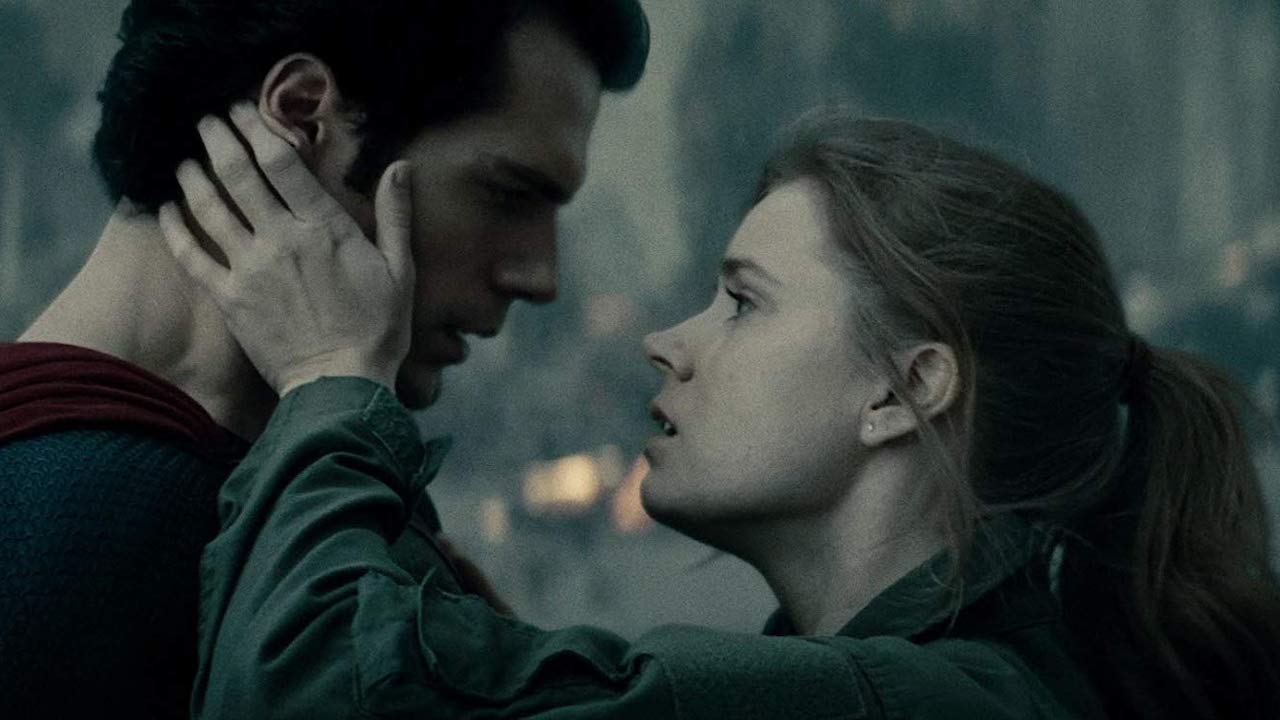
In Man of Steel, Superman aka Clark Kent (Henry Cavill) went through something of an identity crisis in an updated origin story. The film went through the typical Superman origin tropes but with new twists. Superman’s home planet, Krypton, was not the cold, crystalline and sterile civilization seen in the Christopher Reeve films. This Krypton was a planet embroiled in civil strife with a warring society that used what seemed to be technology based on programmable matter.

Superman’s origin was more tied to that of his nemesis, General Zod (Michael Shannon), in that Zod was at odds with Superman’s father, Jor-El (Russell Crowe). With the planet dying, Jor-El sends his newborn son, Kal-El, to Earth to have a chance at a new life. Before Kal-El is sent, he is embedded with genetic material called the Codex, which will provide the genetic means to recreate the Kryptonian race on another world.

After arriving on Earth, Kal-El is adopted by a human couple and grows up in a farm in Kansas. He struggles to fit in with society because of his developing super powers, which he has to keep hidden. Once he reaches adulthood, Kal-El who is now called Clark, sets out in the world to find himself and a purpose in life. During his journeys Clark clandestinely uses his powers to help people during emergencies.
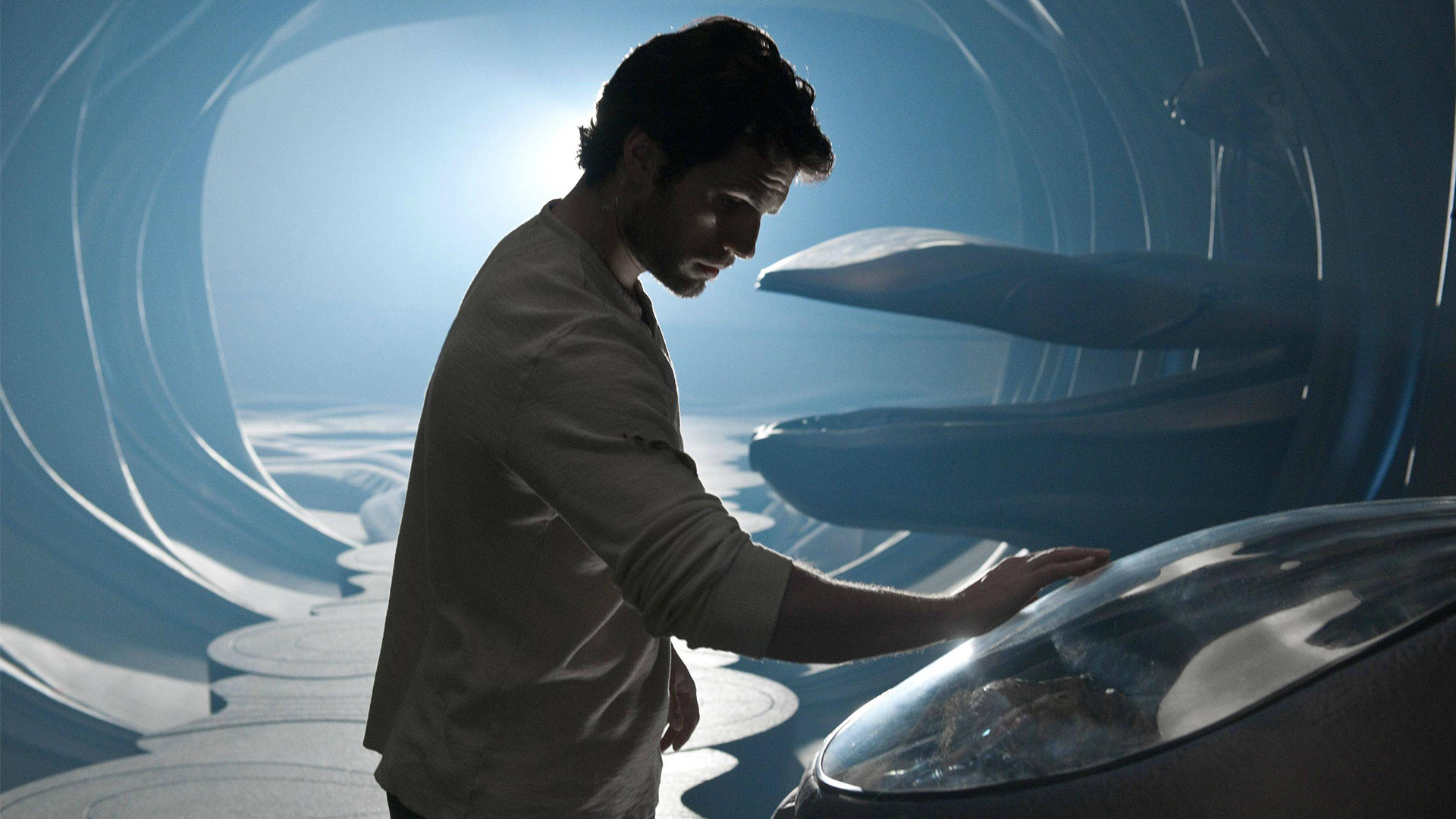
Eventually he comes across the wreckage of a Kryptonian scout ship and activates an AI program that takes the image of Jor-El, who reveals to Clark his Kryptonian heritage. Under the guidance of the Jor-El AI, Clark learns to properly use his powers and adopts the famous Superman identity.

Soon after, Zod and his army arrive on Earth and establishes first contact with humanity, with the demand that Superman be turned over to him. Zod earlier learned that Kal-El was implanted with the Codex and wants to retrieve it to rebuild Kryptonian civilization on Earth, which he plans to terraform.

This creates an identity crisis for Superman as he is torn over siding with the human society he struggles to fit in with versus the Kryptonians, who he knows are malevolent. What complicates Superman’s decision is that once he is revealed to the world, he is immediately mistrusted by most of humanity who only see him as an alien threat.
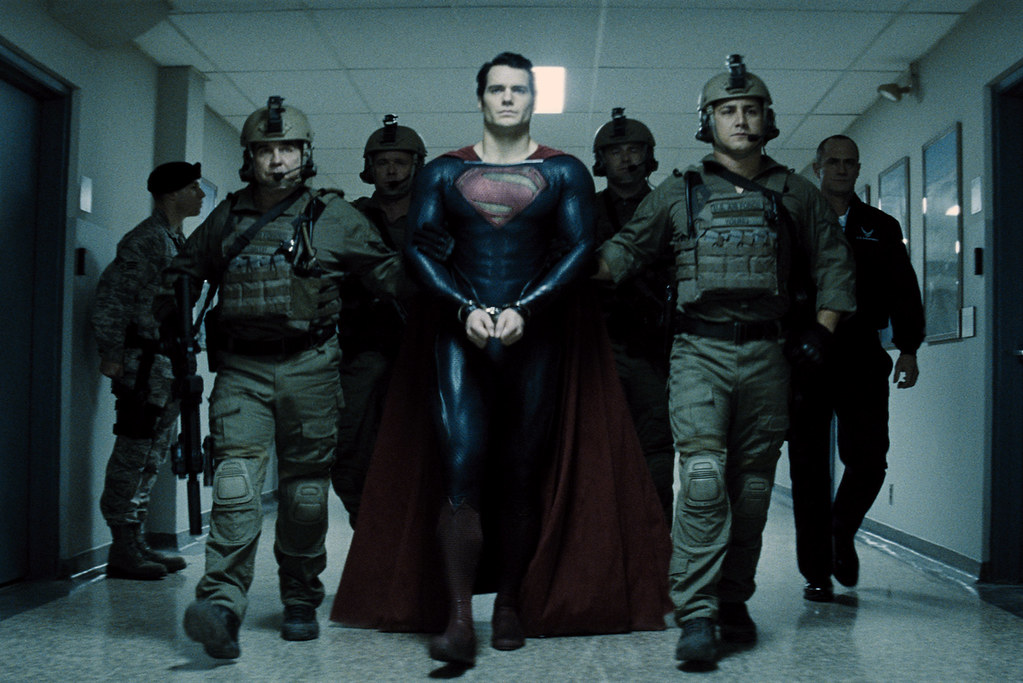
What was interesting about this version of a Superman film was that the superhero was not received by the general public with open arms, but with suspicion. This is what would probably happen in reality if some unknown person was suddenly revealed to the world as an alien with superpowers.

While Man of Steel lacks the light-hearted humor and heart of previous Superman films, it makes up for it with its grounded and frankly more honest approach to the comic book legend. This approach by Snyder and writer David Goyer turned out to be divisive among fans.

Continue reading

Spider-Man: Across the Spider-Verse Embarks On A Stunning, Visual Journey Throughout The Spider-Verse

When it was announced that the release date for Spider-Man: Across the Spider-Verse was delayed, there was reason for alarm. Originally the sequel to Spider-Man: Into the Spider-Verse was supposed to have come out last year, but its release was pushed to this year. Often such significant delays mean that the production of a film is troubled and the finished product winds up being a disappointment. Thankfully, that is not the case with Spider-Man: Across the Spider-Verse, which excels past Spider-Man: Into the Spider-Verse in so many ways in terms of story and visuals.

Spider-Man: Across the Spider-Verse opens with Gwen Stacy (Hailee Steinfeld) recounting her life as Spider-Woman (or Spider-Gwen) in her own universe and why she left it to explore other universes with different variants of Spider-Man and Spider-Woman. After the lengthy prologue, we meet again Miles Morales (Shameik Moore), the Spider-Man of Universe 1610. He has the typical Spider-Man struggles of juggling his civilian life as a teenager with that of fighting crime as Spider-Man.

On his way to meet his parents, Rio (Luna Lauren Velez) and Jefferson (Brian Tyree Henry), Spider-Man comes across a supervillain called the Spot (Jason Schwartzman), whose body is covered with removable spots that are portals throughout inter-dimensional space. For example, if Spider-Man punches him in the chest and there is a spot there, Spider-Man’s fist will go through the spot and emerge behind Spider-Man to end up hitting the superhero instead.

The Spot is obsessed with getting revenge on Spider-Man because he blames the superhero for his dilemma. It turns out he was one of the scientists present in the first film where Miles and other Spider-powered heroes destroyed a collider machine that allowed travel between universes. The Spot gained his powers after being caught in the explosion of the collider and we also find out that the scientist was partly responsible for Miles becoming Spider-Man.

After the Spot is defeated and humiliated by Spider-Man, he gains the ability to travel throughout the multiverse and seeks out other colliders in those universes to empower himself even more. This decision will not only endanger the multiverse but severely affect Miles’ personal life.

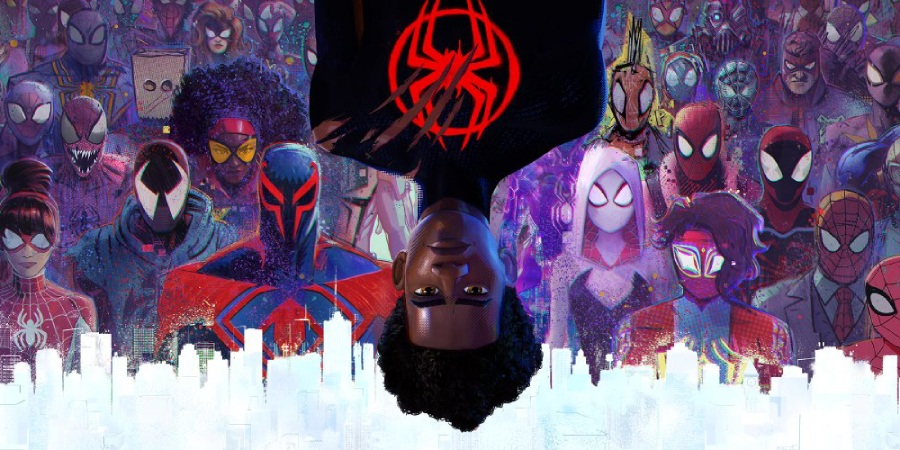
As the Spot explores other realities, Miles is visited by Spider-Gwen, who is now part of the inter-dimensional Spider-Society that guards the Web of Life and Destiny by seeking out dimensional anomalies throughout the multiverse. She was looking for the Spot, who has become an anomaly traveling throughout several universes. Miles soon joins her as she returns to Spider-Society headquarters on Earth 928 and meets numerous variants of Spider-Man and Spider-Woman, including their leader, Spider-Man 2099 (Oscar Isaac).

Spider-Man 2099 explains to Miles that all the universes are intertwined in a delicate metaphysical web with canon events, which are important moments in time for those universes. Disrupting those events will eventually unravel universes and this affects Miles in a crucial way after learning that in all of the Spider-Men and Spider-Women universes have canon events that involve the deaths of distinct police captains. Miles deduces that his father, who was just promoted to a captain, will soon die. He comes into direct conflict with the Spider-Society since he resolves to save his father at all costs, canon event be damned.

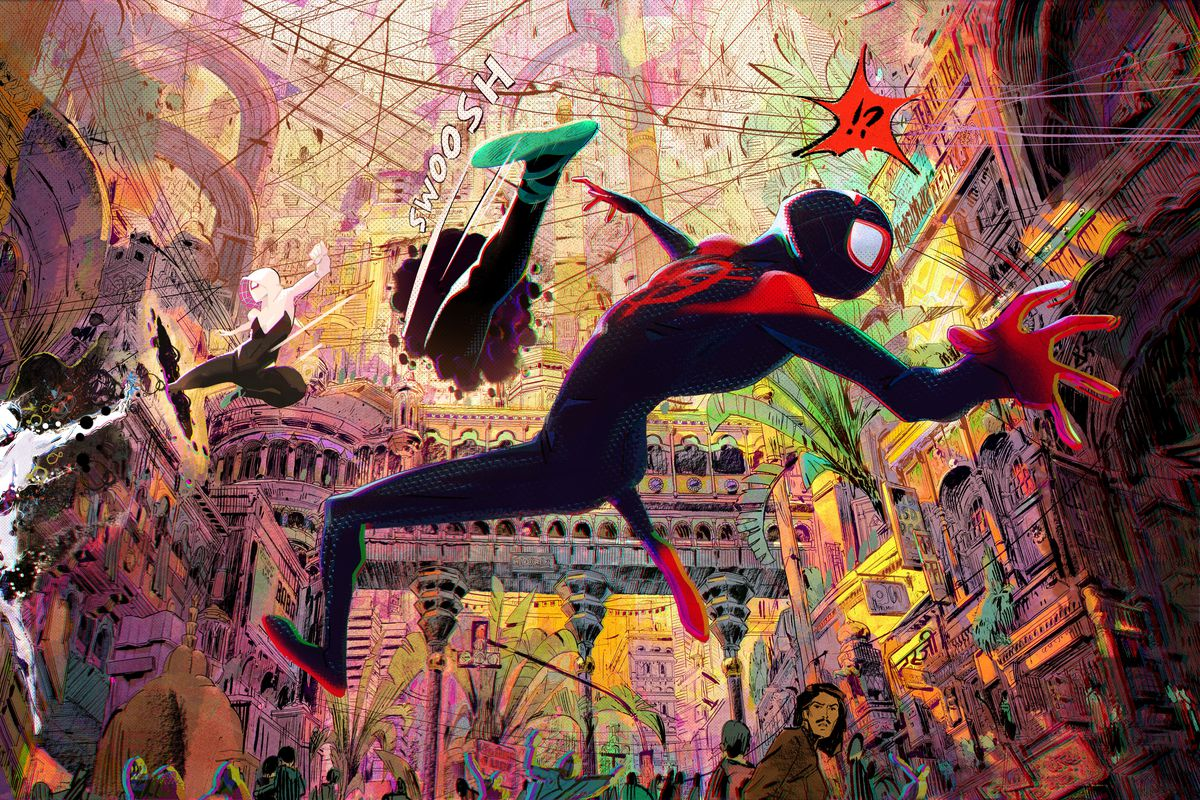
In this day and age of overhype from fans and critics it is easy to dismiss praise for many films. However, Spider-Man: Across the Spider-Verse lives up to the hype because it is truly one of the finest animated and superhero films ever produced. Like the first film, Spider-Man: Across the Spider-Verse is a visual feast that incorporates different animation styles and frame rates. The best examples of this are with how Spider-Gwen is represented with soft watercolor palettes, while Spider-Punk (Daniel Kaluuya) is animated with harsh punk rock art whose clothing is animated at a different frame rate than the character himself. In other examples, the heroes fight a Vulture (Jorma Taccone) from a Renaissance-styled universe looks like a Da Vinci sketch that has come to animated life with sepia colors; we also meet Ben Reilly/Scarlet Spider (Adam Sanberg), who is animated as a ‘90s-style character with overripe muscle lines and bright colors.

The visual canvas of the film is very busy with wild animation and numerous Easter eggs. Some scenes feature actual panels from classic Spider-Man comics and even images from live-action films. It will take numerous viewings of this film for anyone to fully spot all of them. Each scene is so painstakingly animated and colored, which leaves us with a film that is just dazzling to the eyes.

Of course, all of the visuals would be meaningless without compelling story and characters, and Spider-Man: Across the Spider-Verse also excels in this area. So much emotion is conveyed that is either subtle or outlandish. Just like the first film, this sequel is a coming-of-age yarn only with our hero having harder choices to make in his life as he grows into adulthood. Anyone is readily able to relate to Miles’ ethical dilemma of the needs of the many outweighing those of the few and we would probably make the same choice he made. What also helped with the film’s emotional stakes is that it took time to develop Miles’ relationship with his parents, which is full of angst and love. We understand their point of view as they struggle to relate to their son who is growing up to be a man.

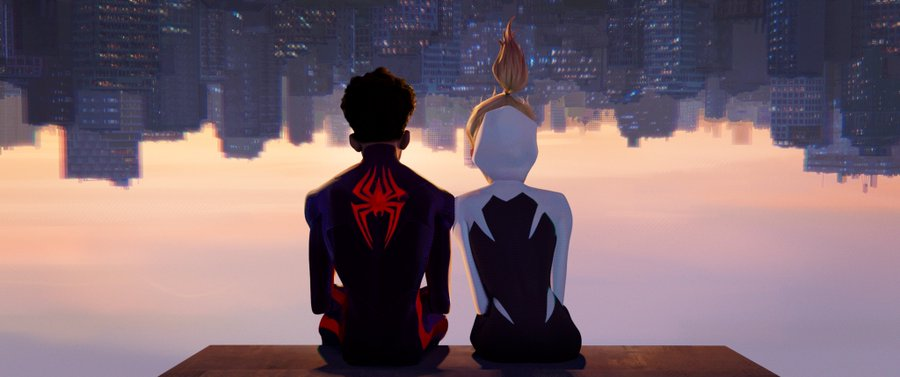
Another character who has her own emotional arc is Gwen, who feels alienated and alone in her world. Unable to connect to her father, she in a sense runs away, only in this case she runs away from her universe. The deepening friendship she has with Miles is a true emotional anchor in the film and feels so natural as these two alienated teens are able to connect to one another.

Peter B. Parker (Jake Johnson), who served as a mentor to Miles in Spider-Man: Into the Spider-Verse has a reduced role in this film, which is regrettable. Still, it was a delight seeing him again and what he was been up to. Hopefully, he will have a larger role in the second sequel coming next year.

As many have learned, Spider-Man: Across the Spider-Verse ends on a cliffhanger and it is an intense one. But fear not, Spider-Man: Beyond the Spider-Verse will come out in theaters in March 2024, which is less than a year away and we were able to handle the wait between these films. Given how Spider-Man: Across the Spider-Verse is much better than the original, which in itself was a classic, we can only hope that Spider-Man: Beyond the Spider-Verse will excel past this sequel or at least stick the landing.

 José Soto


After We Say Goodbye To The Guardians Of The Galaxy

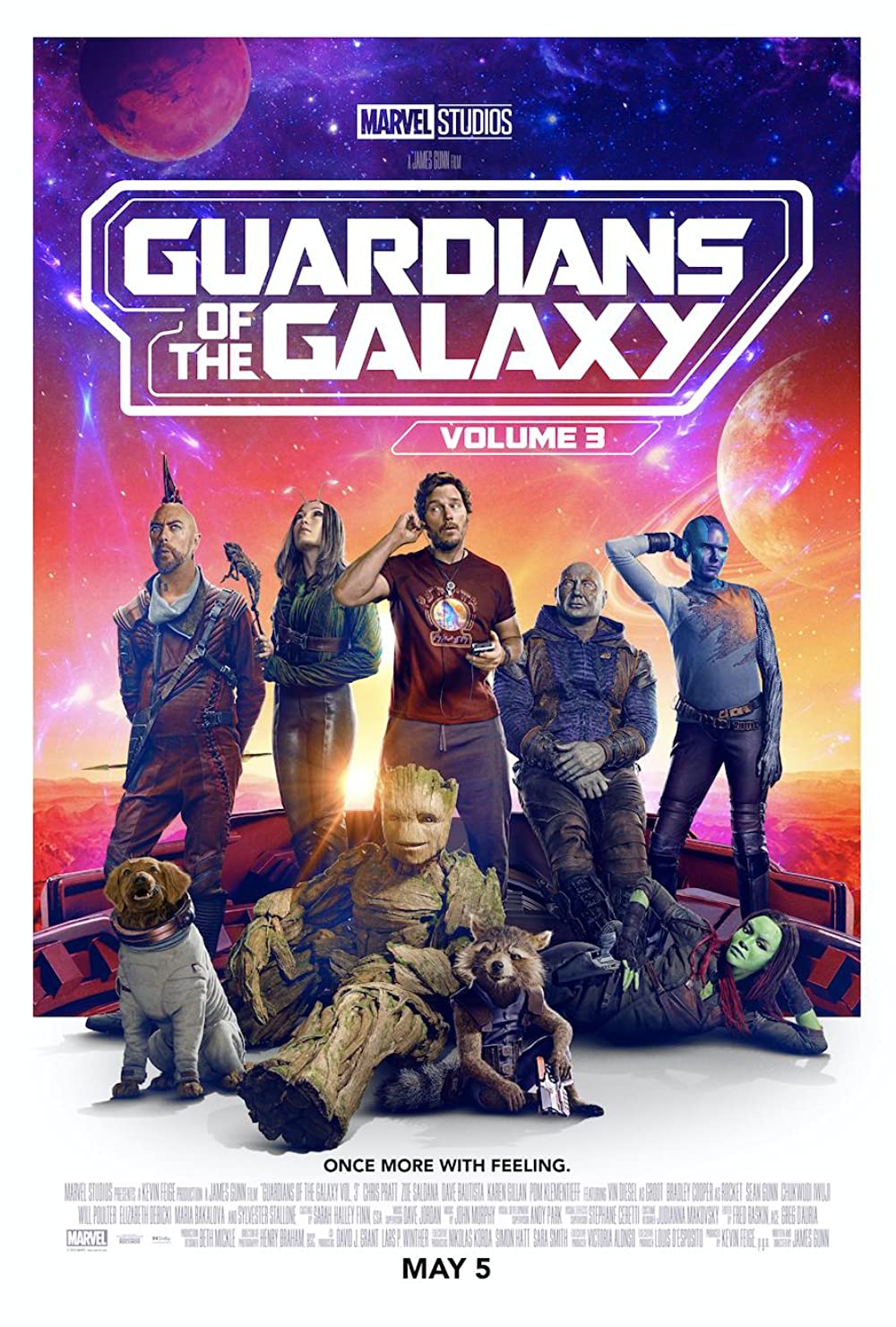
Guardians of the Galaxy, Volume 3 has proven to be a fitting and emotionally satisfying conclusion to one of the best trilogies in the Marvel Cinematic Universe (MCU). Still, while the film does conclude many character arcs it surprisingly presented us with new directions for these characters and the larger MCU that are worth speculating about. WARNING: Spoilers will follow about the film.

The Legendary Star-Lord

One of the biggest surprises from Guardians of the Galaxy, Volume 3 was the final post-credits scene. After a rather mundane scene with Peter Quill aka Star-Lord settling down to life on Earth with his grandfather, a title card pops up announcing that “The Legendary Star-Lord will return”. This was rather stunning. Throughout the film, there was a sense that Quill was approaching an emotional end to his time as the space-faring Star-Lord. He was first seen moping and drinking over the loss of his lover, Gamora (who was killed during Avengers: Infinity War), and his fellow Guardians pointed out that he still had family on Earth. During the film, he tries to rekindle his romance with an alternate version of Gamora (displaced from another timeline into the “regular” timeline), but she did not reciprocate the love because in her timeline she never knew him.

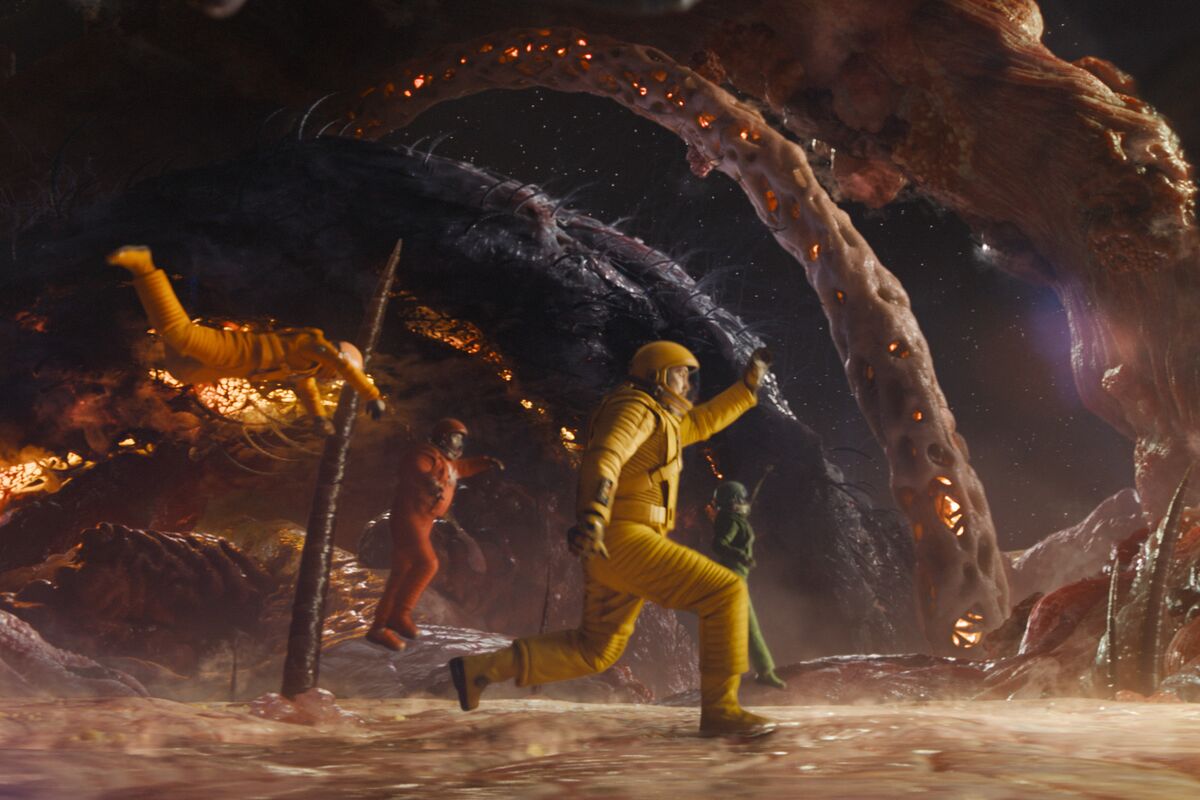
Throughout the film, Peter had to come to terms that his Gamora was gone and that it was pointless to continue his wooing her doppelganger. Frankly, it was refreshing that writer and director James Gunn did not try to put them back together since that development would have felt empty. Doing so also would have robbed the emotional impact of the original Gamora’s death. Peter’s acceptance that the current Gamora was not his lover reborn showed a level of growth and maturity for him. This was welcomed by fans because there have been complaints that while he is a goofy and endearing superhero, he came off as immature in some of his appearances. In reality, in this film he demonstrated that he was very crafty and mature during unexpected moments, such as when he and the team infiltrated that weird organic medical facility in space.

After nearly dying during the film’s final act, Peter decides to essentially retire as Star-Lord. He appoints Rocket Raccoon as leader of the Guardians of the Galaxy, and returns to Earth. But the implication that Star-Lord will return opens up lots of speculation about how this will come about. Chris Pratt, who plays Peter Quill, has stated he is willing to reprise the role at some point in the future. Most likely he will turn up in the upcoming Avengers films or he could wind up starring in a TV show or special that would be about his adventures on Earth. After all, the legendary Star-Lord cannot just spend the rest of his life eating cereal with his grandfather in Missouri. Maybe he will find a new love. Perhaps this person could be Kitty Pride, who was involved with him in the comic books—this could also be a way to bring in more mutants into the MCU. Or he could wind up being some kind of advisor or mercenary for the Earth-based forces that protect Earth from aliens. Or he could finally find a way to reunite with his Gamora in Soulworld, a realm where her spirit exists in, which was seen in Avengers: Infinity War. This would echo a development in the Marvel comics where at one point a deceased Gamora resided in this realm.

Continue reading

Guardians Of The Galaxy, Vol. 3 Perfectly Concludes A Classic Trilogy

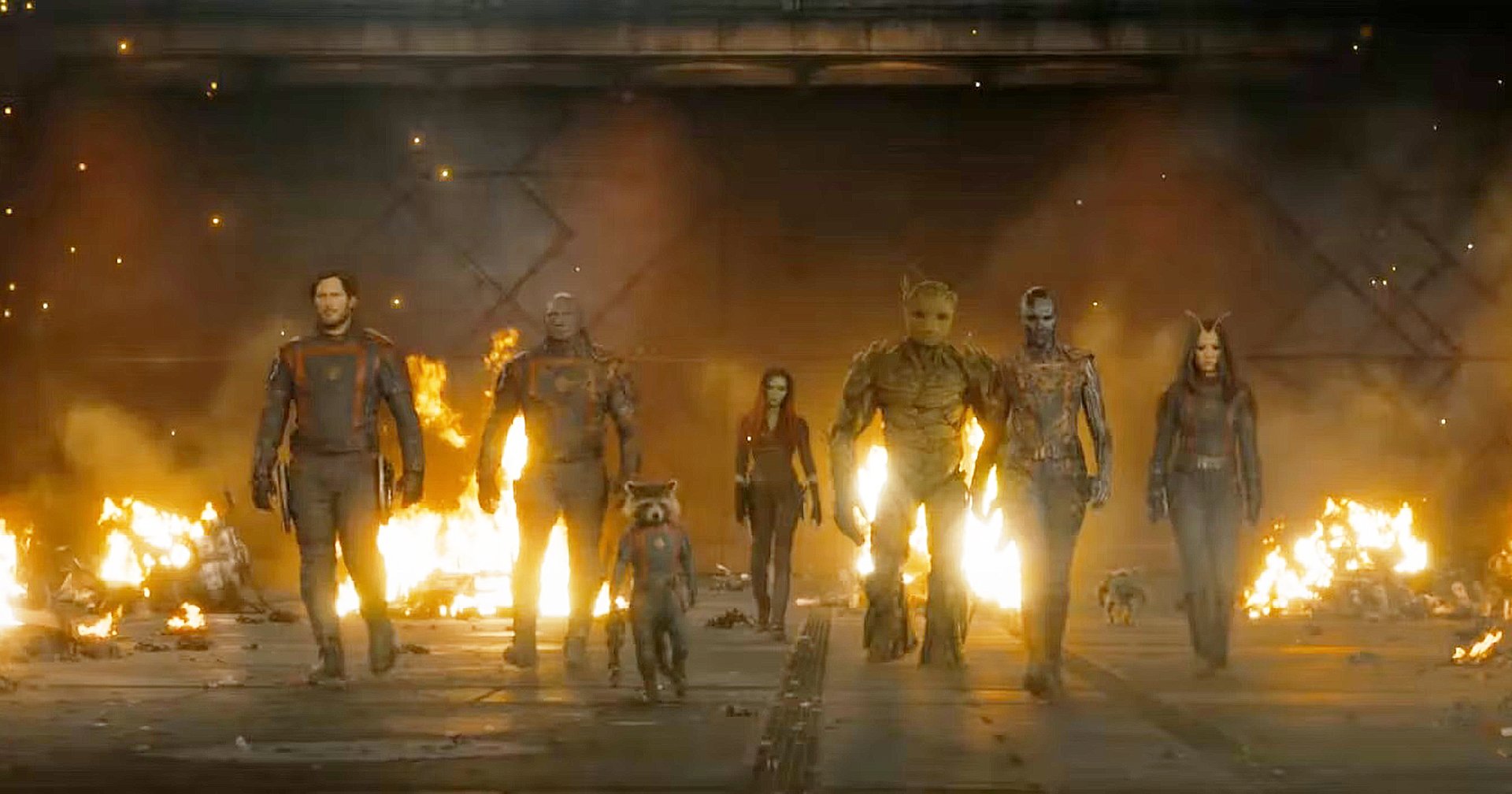
Filmmaker James Gunn finishes his tenure at Marvel Studios and the Marvel Cinematic Universe (MCU) with Guardians of the Galaxy, Vol. 3, the finale of his classic trilogy about misfit cosmic heroes.

Gunn has been able to maintain the same level of heart, humor and action throughout all three Guardians of the Galaxy film with the third film, and in some ways he elevated it with his MCU swan song.

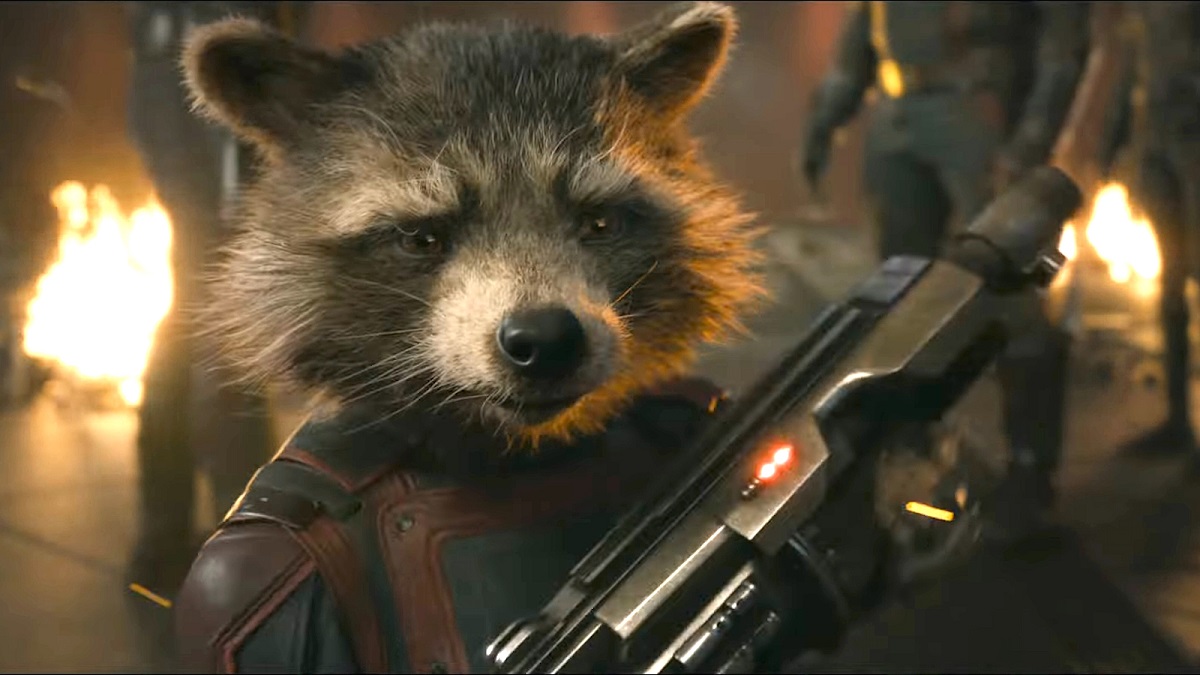
Taking place years after the first two films and the events of the last Avengers films, Guardians of the Galaxy, Vol. 3 brings back all the loony and loveable heroes. Now the owners of Knowhere, a cosmic mining station made up of a dead Celestial’s skull, the Guardians are more administrators than intergalactic heroes. The film begins with a flashback origin of Rocket (voiced by Bradley Cooper), a cybernetically and genetically enhanced raccoon with genius-level intellect. This tragic origin story peppers the film throughout and underscores the emotional and physical pain that Rocket endures in his life. The origin features some of the most gut-wrenching moments in the film and elevates Rocket into a true hero.

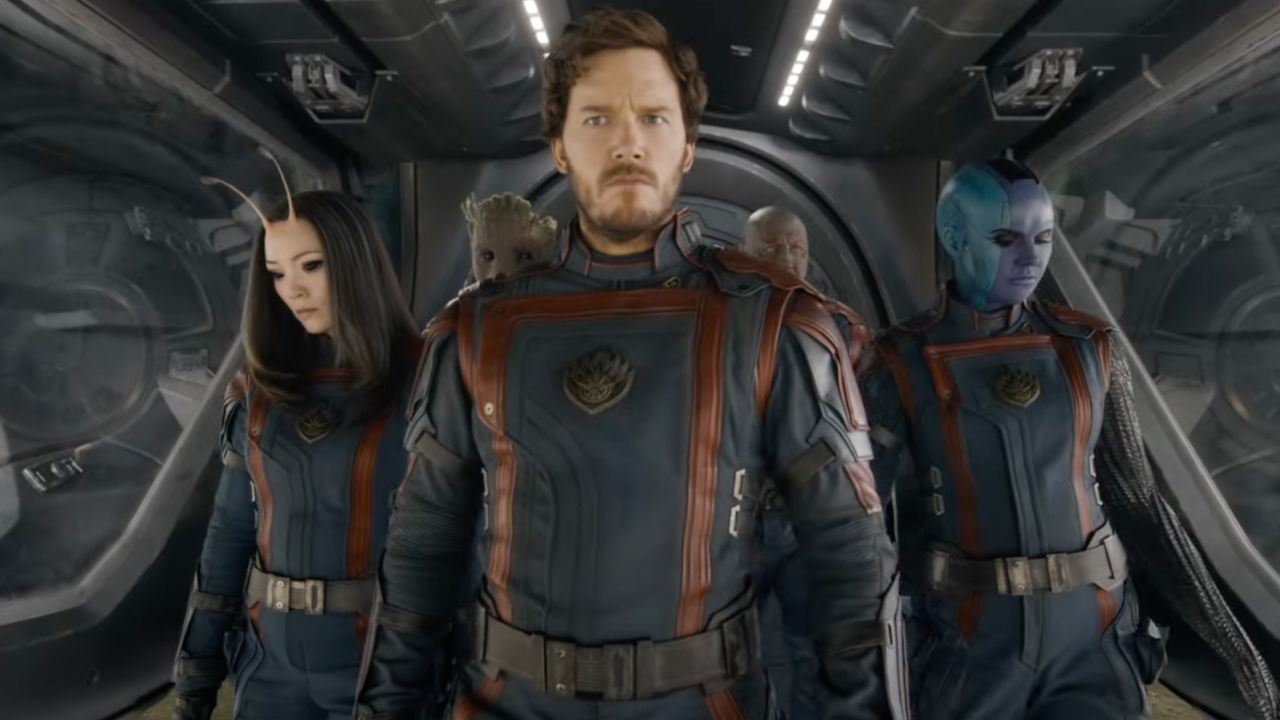
After the flashback we are taken to Knowhere where we meet again the other Guardians. Their leader Peter Quill (Chris Pratt) has become a drunk because he is unable to get over the loss of his girlfriend Gamora (Zoë Saldaña), who was killed during Avengers: Infinity War. Adding to his misery is that another version of Gamora from an alternate timeline exists, but she does not have any feelings for him. As his fellow Guardians try to console him, they are attacked by Adam Warlock (Will Poulter), a golden, artificially created super-powered person. Though he is defeated by the Guardians, he gravely injures Rocket before he leaves them. The rest of the film focuses on the efforts of Quill and the other Guardians to find a way to save their friend. The other Guardians include the powerful but dim-witted Drax (Dave Bautista), Rocket’s BFF, the tree-like Groot (voiced by Vin Diesel), the empath Mantis (Pom Klementieff), and the cyborg Nebula (Karen Gillan). During their intergalactic journey, they soon cross paths with the insane geneticist and Rocket’s creator, the High Evolutionary (Chukwudi Iwuji), who has been hunting Rocket for his own diabolical purposes.

While the film continues the same irreverent tone as the previous entries in the trilogy, it does stand on its own due to its more mature atmosphere. The characters have grown since we first saw them in 2014 and are looking for something more with their lives. This was a rather unexpected and logical thing to do with the characters, because while they have become a family unit, they have to evolve and continue in their own journeys. The core characters, especially Rocket and Peter Quill, each have their own unique arcs and level of development, whether they have to deal with their painful pasts or prove they are much more than what others think of them. Rocket and Quill’s arcs have powerful and engaging arcs that form the heart and soul of the film and elevate it above standard superhero films. These character moments were richly satisfying and came to appropriate conclusions.

Unlike the other films, there is an intense feeling of dread and melancholy that pervades the film as the Guardians face their potential doom at every corner. Without giving anything away, there were many moments where I thought that was it for certain characters. This shows how intensely we’ve become attached to these plucky and quirky heroes. James Gunn skillfully exploits our feelings with each peril he throws at them.  What helps underscore this mood is that Guardians of the Galaxy, Vol. 3 is not as goofy as the other films, although it has its fair share of laugh-out scenes. That is alright. This film avoided the missteps of Thor: Love and Thunder where that film got lost in its over-indulgence of silly humor to the detriment of some of its subject matter. Guardians of the Galaxy, Vol. 3 succeeded where the last Thor film did not in that it treated much of its subject matter seriously and avoided inappropriate silliness.

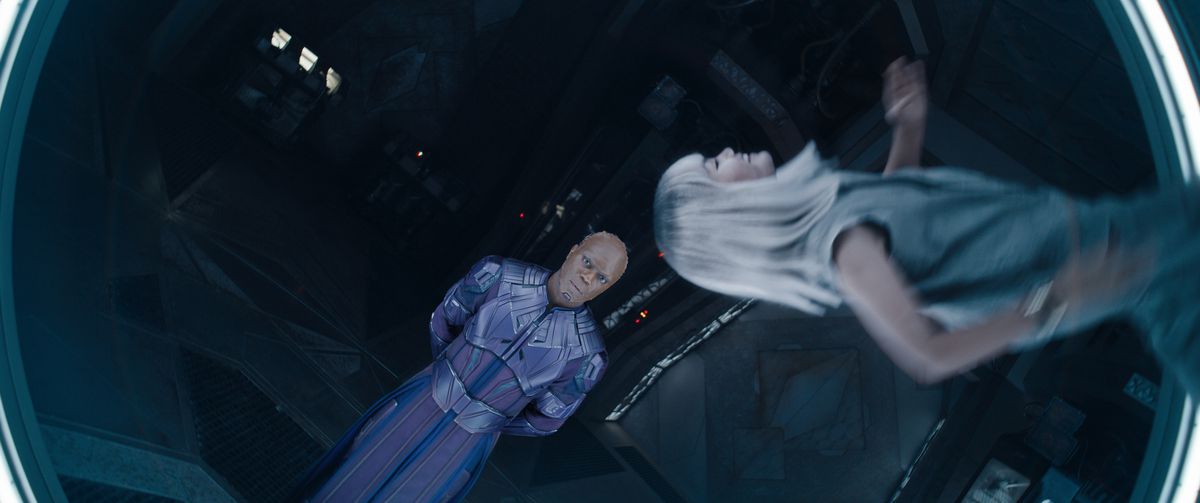
While the High Evolutionary is the best villain the Guardians have faced in their films, he could have used more nuance, although Iwuji does a fantastic job in his performance as a callous and dismissive scientist with a twisted heart. His cruel actions towards his test subjects, including Rocket during the flashbacks, are a vivid and emotional presentation of one of the film’s themes about animal cruelty and the morality of using animals for scientific research. What the High Evolutionary does to Rocket and others makes us openly hate him. To be honest some of the scenes featuring the High Evolutionary’s test subjects may be too intense for some viewers. So be warned.

The other actors in Guardians of the Galaxy, Vol. 3 put in some of their best performances. You could tell they are very invested in their characters and knowing this film will be their final time playing the characters, they elevate their craft beautifully. What helps, of course, is that unlike many sequels, the characters are allowed to grow and evolve. Thanks to their performances and how the characters were written, by the time the film comes to its end many viewers will be openly crying, while the rest will pretend they have something in their eyes.

There are a few minor nitpicks with the film that are not really worth mentioning. Maybe Adam Warlock could have used more screentime, but so could have other characters like Kraglin (Sean Gunn), but they do get their moments to contribute and shine, and even give a hint of what is to come.

How does Guardians of the Galaxy, Vol. 3 compare to the others in the trilogy? Well, it is much better than the second film and is about on level with the first one, though they are both distinctly different from one another. Given its level of greatness, it is easily one of the finest MCU films, and the best one in recent years, aside from Spider-Man: No Way Home and Avengers: Endgame.  Given the recent missteps in the MCU, it is a joyful relief that the cinematic universe can still deliver a film that emotionally involves us.  

José Soto

Where Are The MCU’s New Avengers?

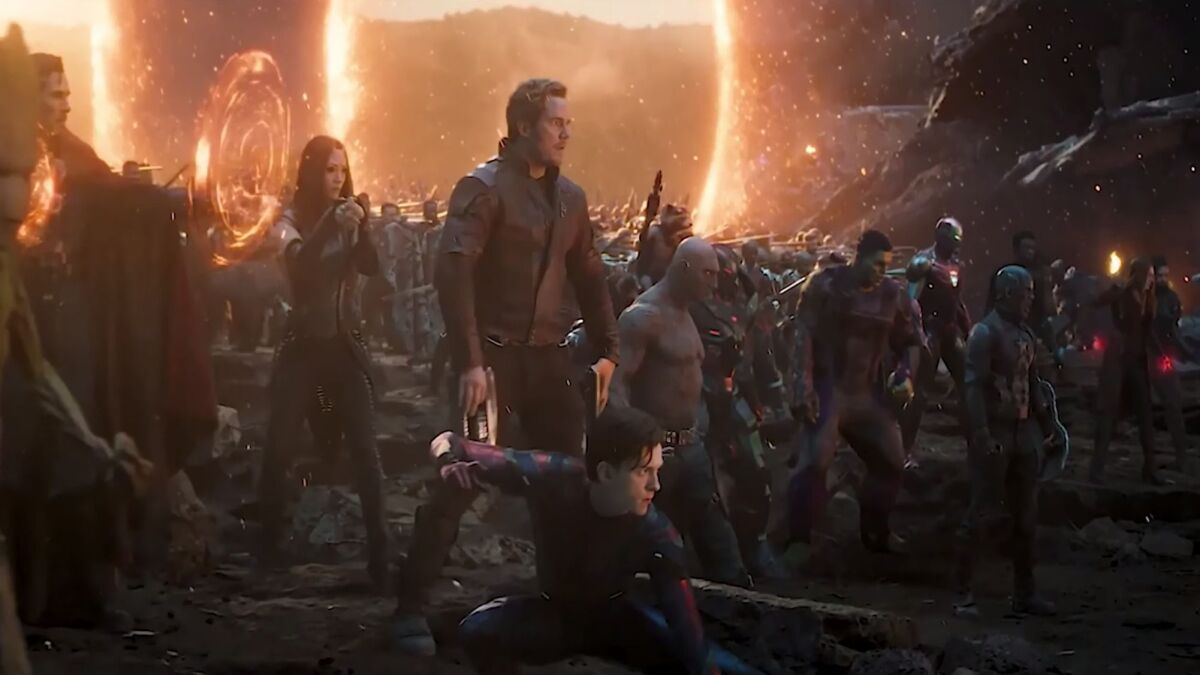
This is a nagging question that many have had ever since Avengers: Endgame. At the end of the film, after the Avengers and company defeated Thanos, the superhero team was effectively finished. Tony Stark/Iron Man and Natasha Romanoff/Black Widow were dead, Steve Rogers/Captain America went back in time and returned as Joe Biden, Bruce Banner/Hulk was maimed, Thor left for space to pursue adventure with the Guardians of the Galaxy, and Clint Barton/Hawkeye went back to retirement in order to spend time with his family. While this was a fitting way to close the chapters on these heroes, their departures left a void that has yet to be filled by another team.

This has not happened so far in the Marvel Cinematic Universe (MCU). After the Avengers split up, which was not the first time since they first broke up in Captain America: Civil War, no one came forward to continue the team. This feels irresponsible since there are still threats going on in the world and beyond, so there is still a need for the Avengers. Also, part of the reason why Thanos was triumphant in Avengers: Infinity War was because the team no longer existed. You would think the surviving heroes in Avengers: Endgame would have at least given thought to continuing the team to face any future threats.

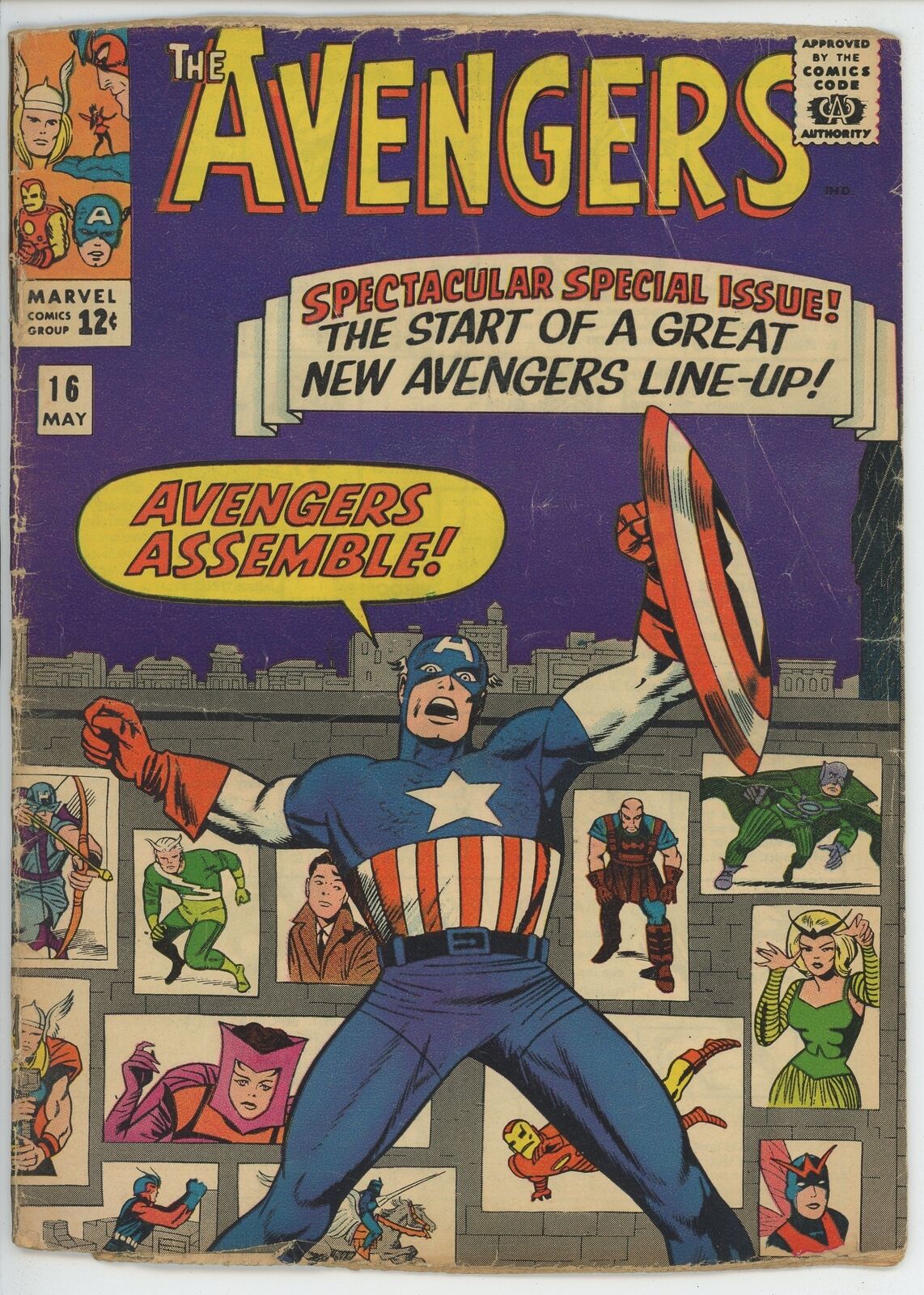
In the Marvel Comics, whenever there were a lot of vacancies in the Avengers, there would be a huge rush of heroes to fill the void of the departed Avengers to form a new roster for the team. The first time this happened with the Avengers actually was very early in the comic book’s run with issue number 16, where the OG Avengers Iron Man, Giant-Man, the Wasp and Thor left the team. This left only Captain America, who was the first recruit, to form a new team of Avengers with Scarlet Witch, Quicksilver and Hawkeye. Over time, heroes came and went as the make up of the tesm radically changed.

What is unusual about the MCU is that post-Endgame various superheroes operating solo in the films and TV shows often claim to be an Avenger, yet they are not part of an active team. We saw Spider-Man, Ant-Man, Falcon and to some extent, Hawkeye doing this in their solo films/TV shows. If there was an actual team of Avengers in the MCU after Avengers: Endgame think of how quickly the calamities would have ended for the heroes in their individual films and TV shows. Now it seems as if history is repeating itself as Kang has emerged as the next high-level threat following Ant-Man and the Wasp: Quantumania, although in Ant-Man’s defense, he believes that Kang has been killed. But we know better.

Why hasn’t there been a new roster of MCU Avengers, yet? It boils down to two reasons: Resources and leadership. With Tony Stark gone, there wasn’t anyone who could effectively bankroll the team. Sure, there is his wife, Pepper Potts, but as we saw in Spider-Man: No Way Home, Stark’s company landed in hot water with the authorities because of their drones that were used by Mysterio in Spider-Man: Far From Home. So, the company is probably not in the best financial shape to provide resources for an Avengers team. Once Iron Man and Captain America were written out of the MCU, there has been a lack of leadership in the MCU. Unlike that issue of Avengers #16, there is no Captain America or some equivalent to lead the way and put together a new roster.

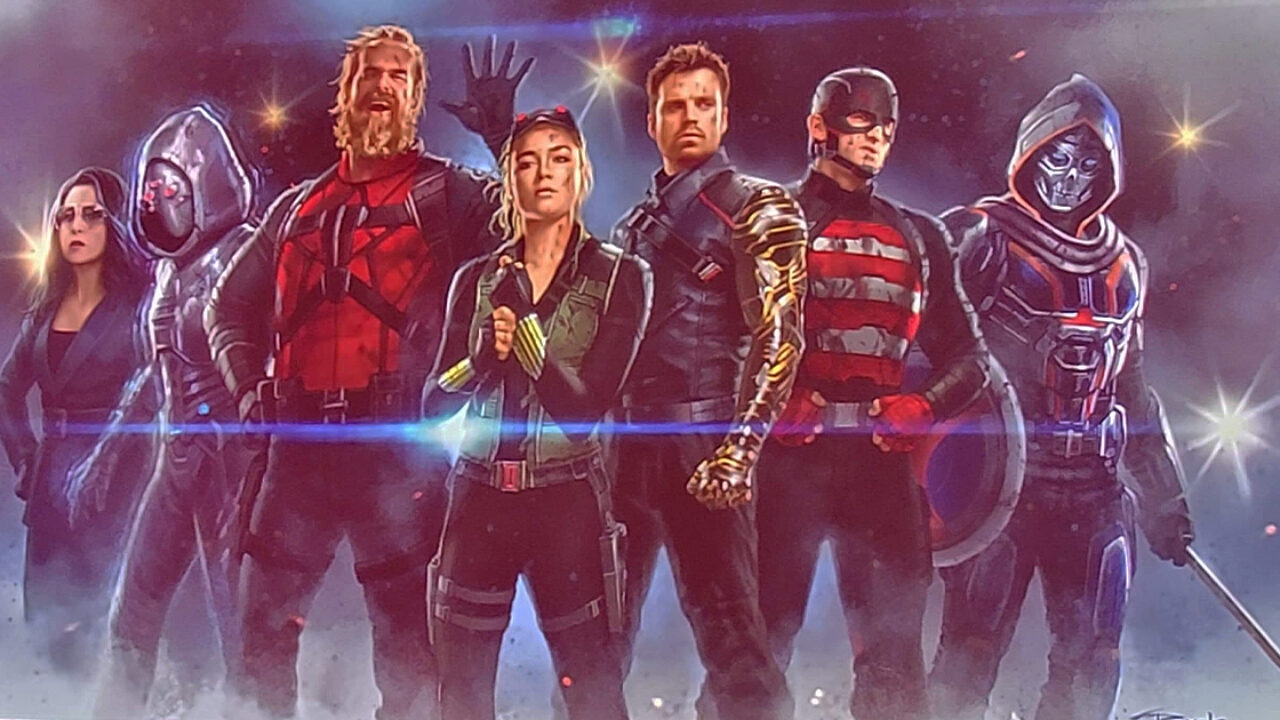
Of course, this will change fairly soon with Avengers: The Kang Dynasty and Avengers: Secret Wars. It’s clear that a new team of MCU Avengers will emerge to face a threat that no solo hero can handle, namely Kang or Doctor Doom. This may start to happen with next year’s Captain America: New World Order, as the new Capain America/Sam Wilson, who has no super-soldier serum, is forced to create a new team of Avengers. The Thunderbolts could also serve as a catalyst for a new roster of Avengers. Made up of mercenaries, the Thunderbolts in their debut film will probably operate in a less-than-noble manner and prompt the creation of a new Avengers team for the MCU. It’s too bad the MCU version of the Thunderbolts could not more closely match the original comic book counterpart, but to keep the true nature of the team under wraps would be impossible for fans and the “surprise” reveal would lack the same impact as the end of Thunderbolts #1.

There have been recent rumors that the new Captain America would not lead the new Avengers and Spider-Man would do so instead. That is hard to believe for real-world reasons in that the Spider-Man film rights are held by Sony Pictures and it is unlikely that Marvel Studios would have the leader of the Avengers be a character they don’t own the rights to. It will be interesting to see who else will lead the team if not Captain America.

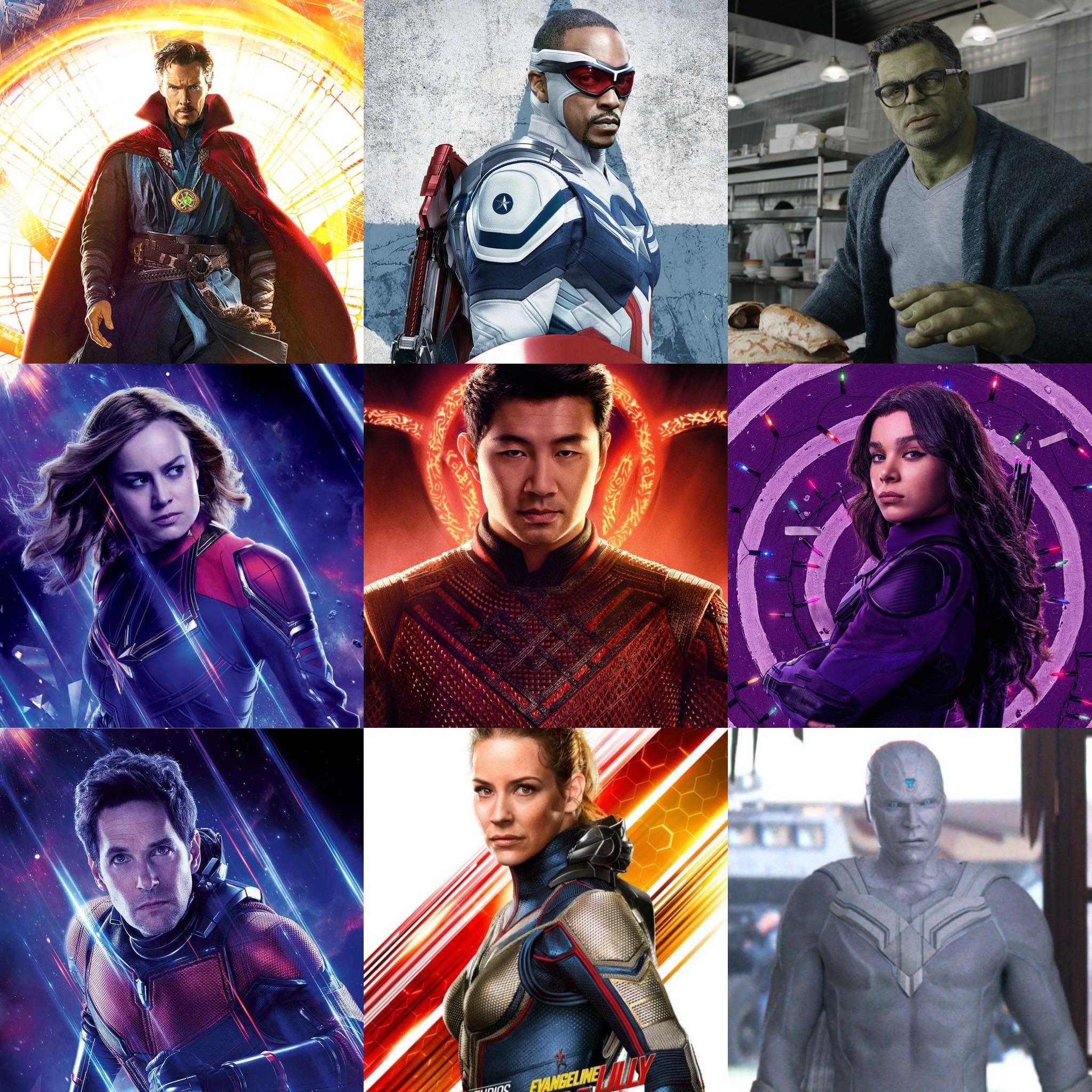
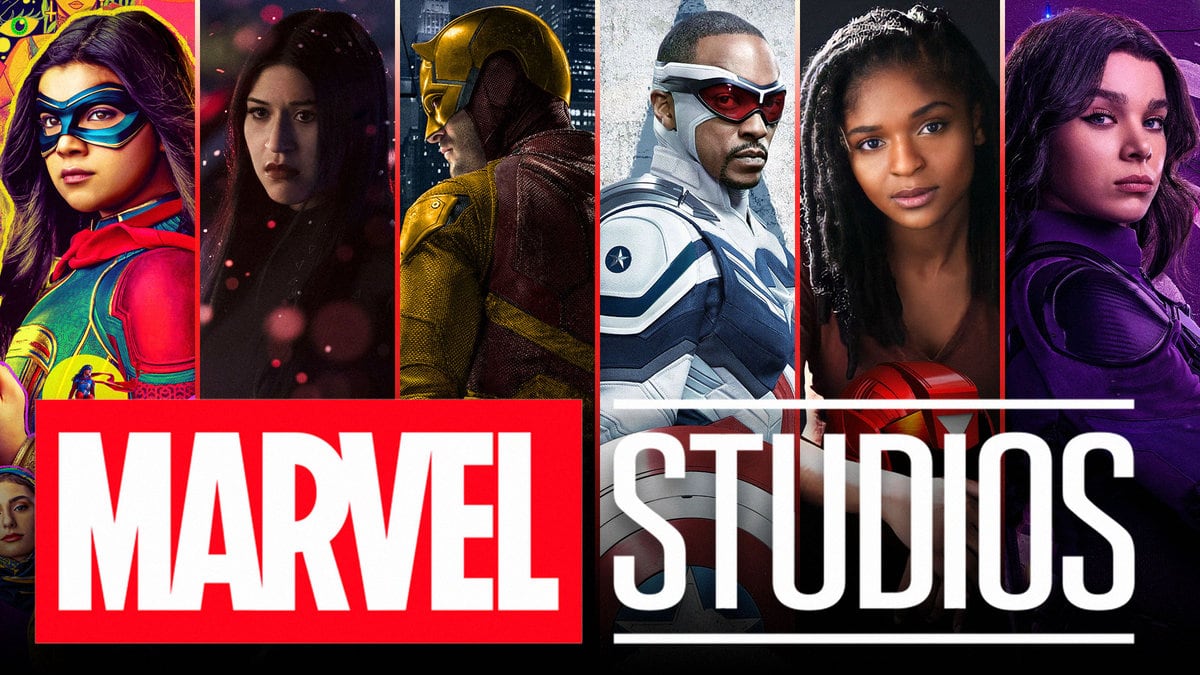
An interesting development that the MCU could do is have the Young Avengers become the de facto Avengers, at least briefly. We have seen many of the Young Avengers members like Kate Bishop, America Chavez, Patriot, and Stature appear in the MCU. Perhaps they will be the new Avengers led by Sam Wilson, or the team could be made up of the following: Captain America, the Hulk, She-Hulk, Ant-Man, the Wasp, Doctor Strange, Black Panther, Spider-Man, Shang-Chi, all three of the Marvels, and some members of the Eternals and even the Thunderbolts.

Part of the fun right now is speculating over who will be in the new lineup of MCU Avengers. The waiting for the revelation will be worth it as soon as the new team in the films rallies with the iconic battle cry “Avengers Assemble!”.