A Look Back At Spider-Man 2

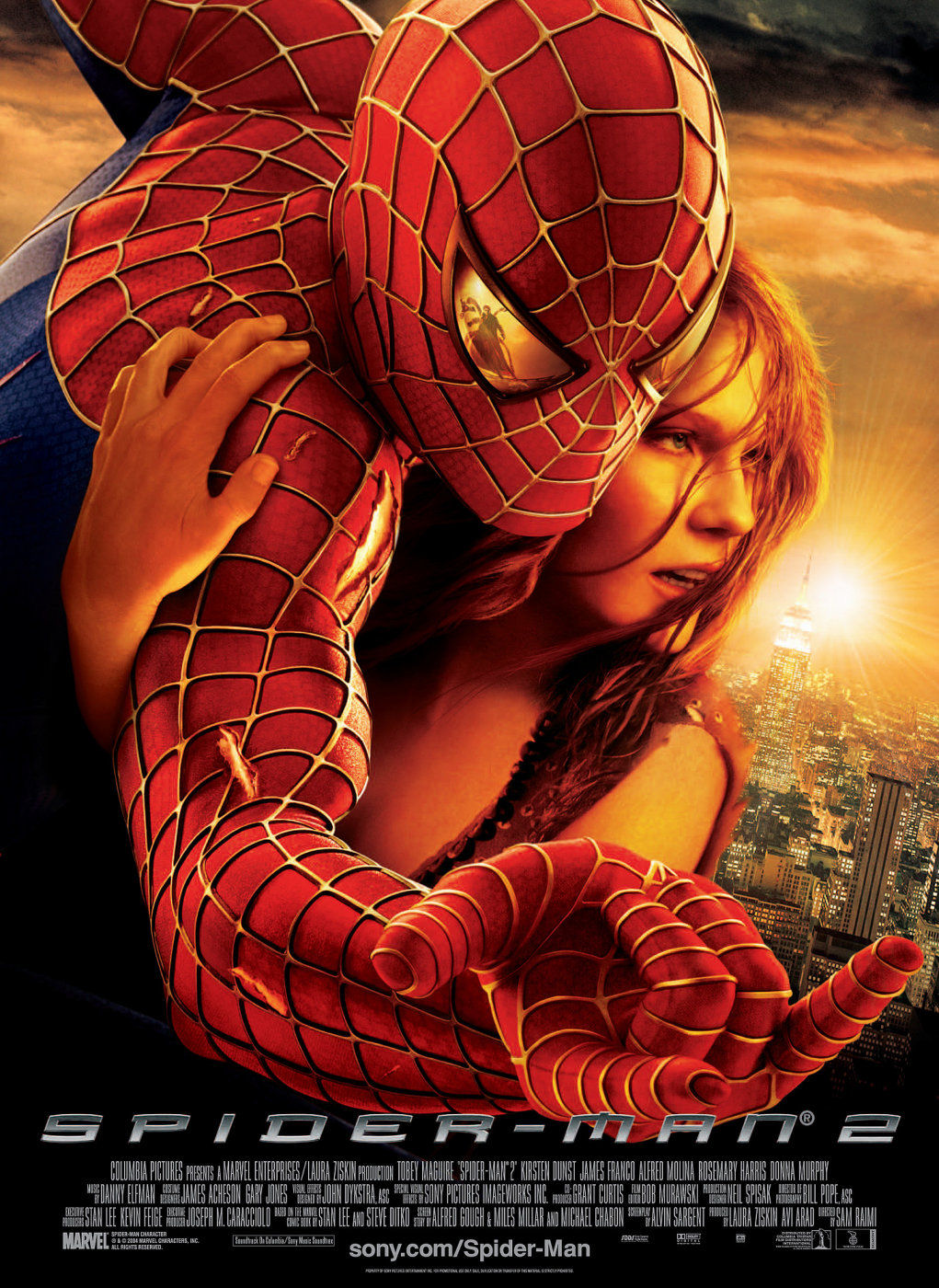
As the countdown continues for Spider-Man: No Way Home and we wait anxiously for the second trailer to drop (which will supposedly feature the return of Tobey Maguire as Spider-Man), it is time to take a look back at Sam Raimi’s Spider-Man 2. The second Spider-Man film is well loved for many reasons but one of the standouts was its villain Doctor Octopus (Alfred Molina), who will return in Spider-Man: No Way Home,

When Spider-Man 2 begins, we see that Peter Parker (Maguire) is still a lovable loser who is struggling desperately to balance his civilian life with his superhero antics as Spider-Man. Being the costumed adventurer is clearly interfering with his private life to the point that it gets him fired from a delivery person job, threatens his academic career in college and even late for his own birthday party. Peter is constantly broke and unhappy over how his responsibilities keep him from getting romantically involved with his friend Mary Jane Watson (Kirsten Dunst). She is now a successful model and Broadway actress and has feelings for Peter but his inability to admit their mutual feelings for one another keeps her away. Eventually she gets engaged even though she still loves Peter, which crushes him.
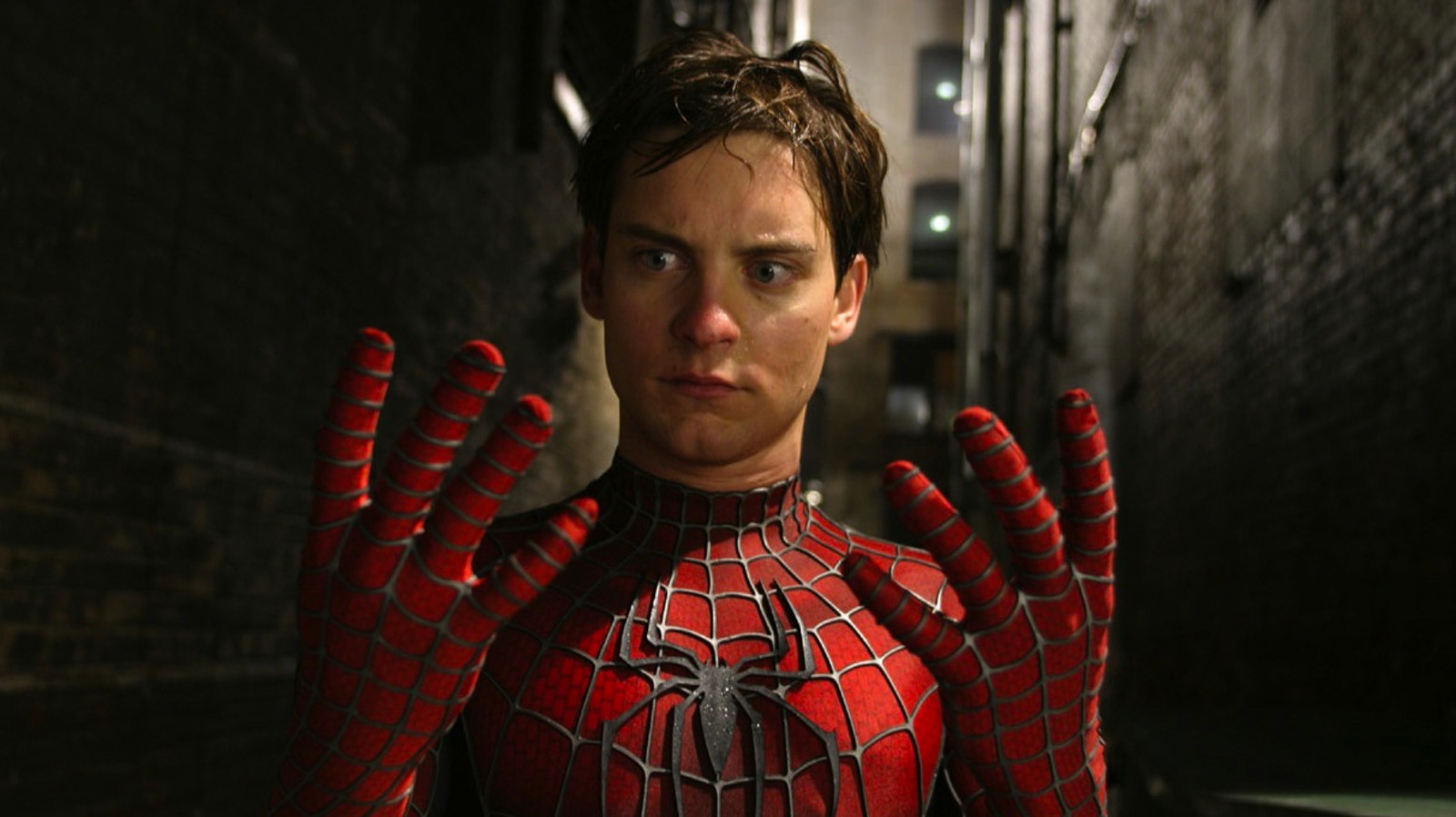
The dilemma of leading a double life eventually gets to Peter. He begins to lose his powers for pscyhosomatic reasons and he decides to give up his Spider-Man identity. While this decision brings him momentary happiness, the love of his life is still engaged to someone else, he is still struggling to make ends meet, crime and other mishaps in New York City continue, and a new supervillain soon enters his life.

Dr. Otto Octavius (Molina) is a brilliant nuclear scientist working for Oscorp, the company that Peter Parker’s best friend, Harry Osborn (James Franco), runs. Harry took over the company after his father, who was secretly the villainous Green Goblin in the first Spider-Man film, was killed in battle with Spider-Man. Dr. Octavius is working on a way to create fusion to supply a cheap energy source. During a live demonstration attended by Peter, Harry and Octavius’ wife Rosalie (Donna Murphy), the scientist unveils these robotic arms that he invented to help him handle hazardous materials in his fusion reactor project. He cybernetically attaches the arms to his spinal column to control them mentally. Dr. Octavius informs his audience that the arms have a form of artificial intelligence to help him but he maintains control with an inhibitor chip implanted on the arms.
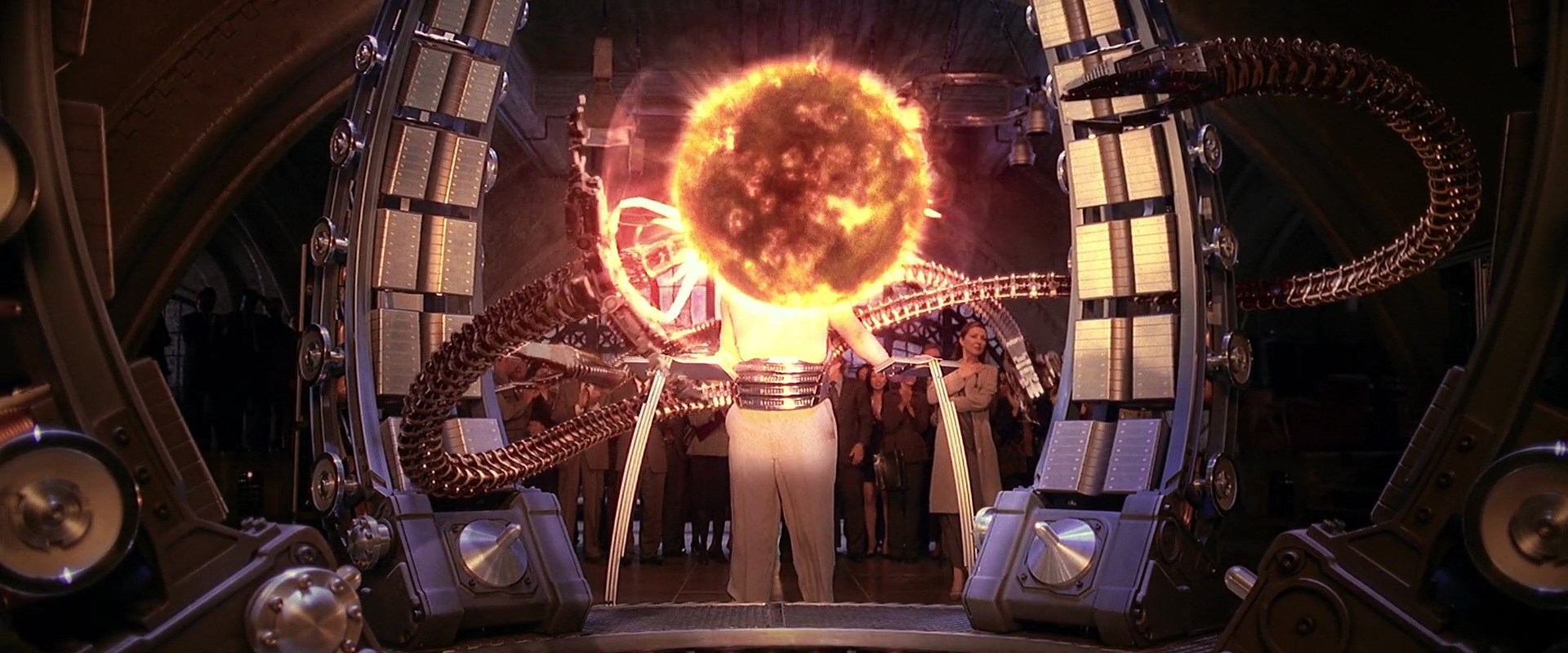
Not long after the scientist begins his fusion demonstration, the experiment gets out of control because of an energy spike. The fusion reactor threatens everyone but Peter switches to his Spider-Man identity and shuts down the reactor. However, before he does this Rosalie is killed and Dr. Octavius is caught in an explosion that permamently fuses the arms to his spine and destroys the inhibitor chip. Later in a hospital, the AI took control of his robotic arms killed the doctors who attempted to remove them from Dr. Octravius. After he escaped from the hospital, it is clear that the AI took control of the scientist and goad him to rebuild the fusion reactor regardless of the danger. This leads “Doctor Octopus”, as the press dubbed him, to go on a criminal spree to get the funds and materials to complete his work, and in direct conflict with Spider-Man.

Continue reading
Denis Villenueve’s Majestic Dune

Dune is a classic science fiction novel written by Frank Herbert in 1965 that tells the story of a young man in the far future who leads a desert planet people to freedom. It’s a very complicated tale that has a deep back story that has been difficult to translate to film due to its complexity. The first film adaptation directed by David Lynch in 1984 was met with a mixed reception. It was a lavish production that looked and felt like Dune, but also took liberties with the story and was edited and cut out much of Herbert’s vision. The Sci-Fi Channel released a mini-series in 2000 that was more faithful to the book and was longer than Lynch’s film, but was made on a limited TV budget that was sometimes evident with painted backgrounds and weird costumes. 

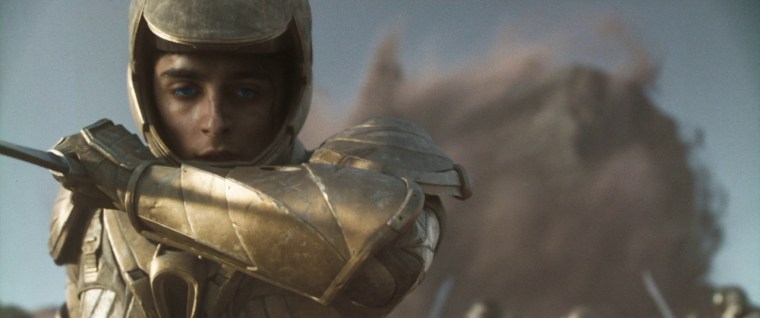
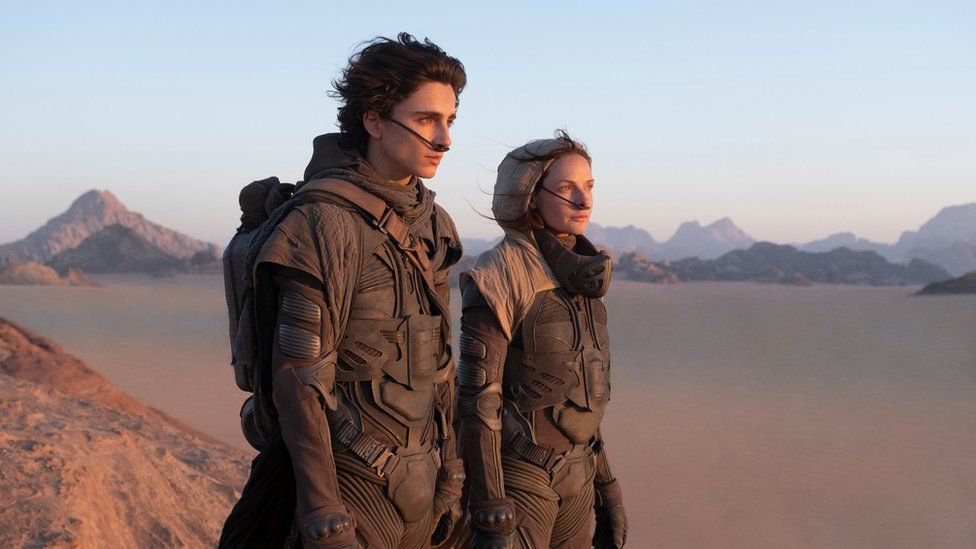
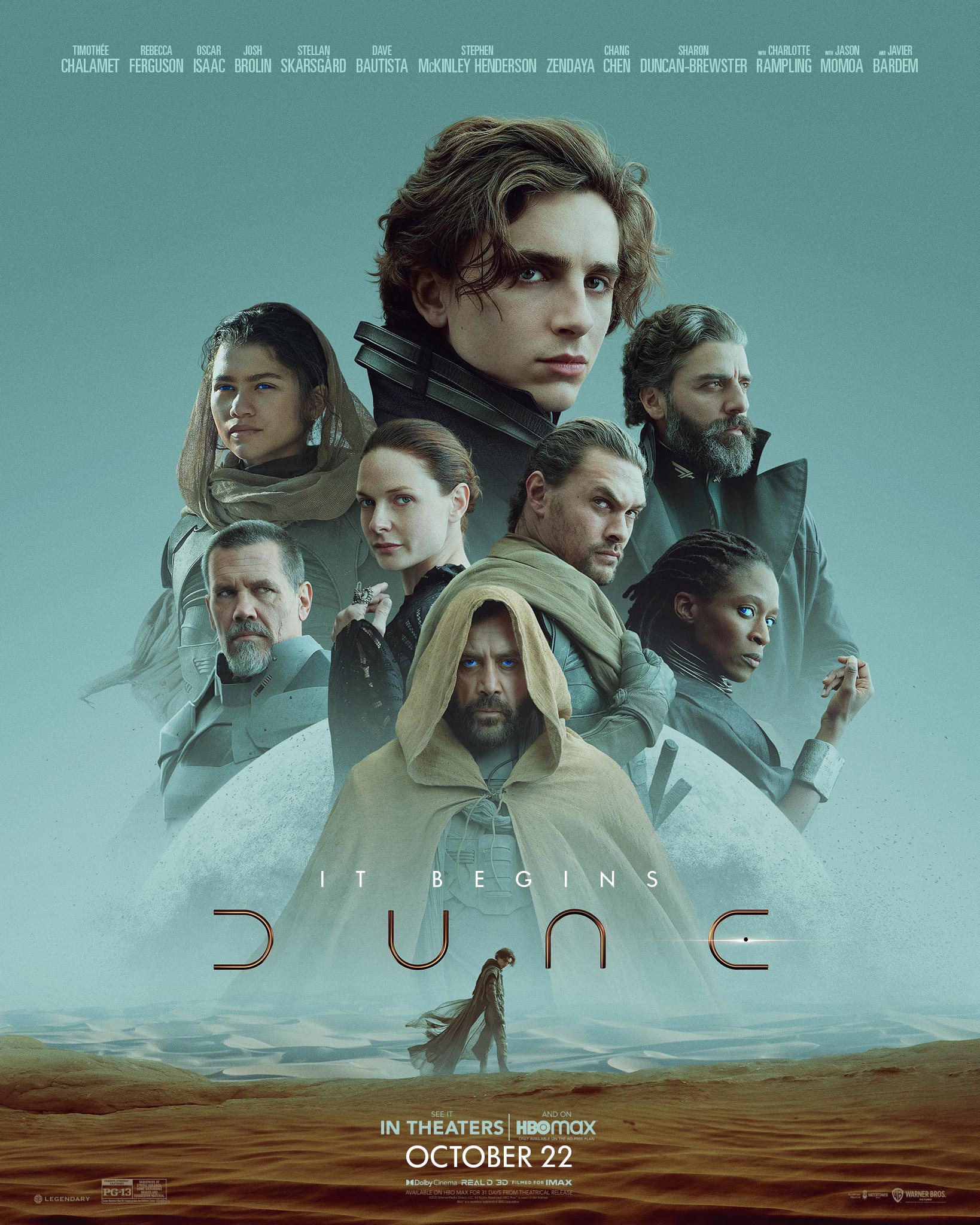
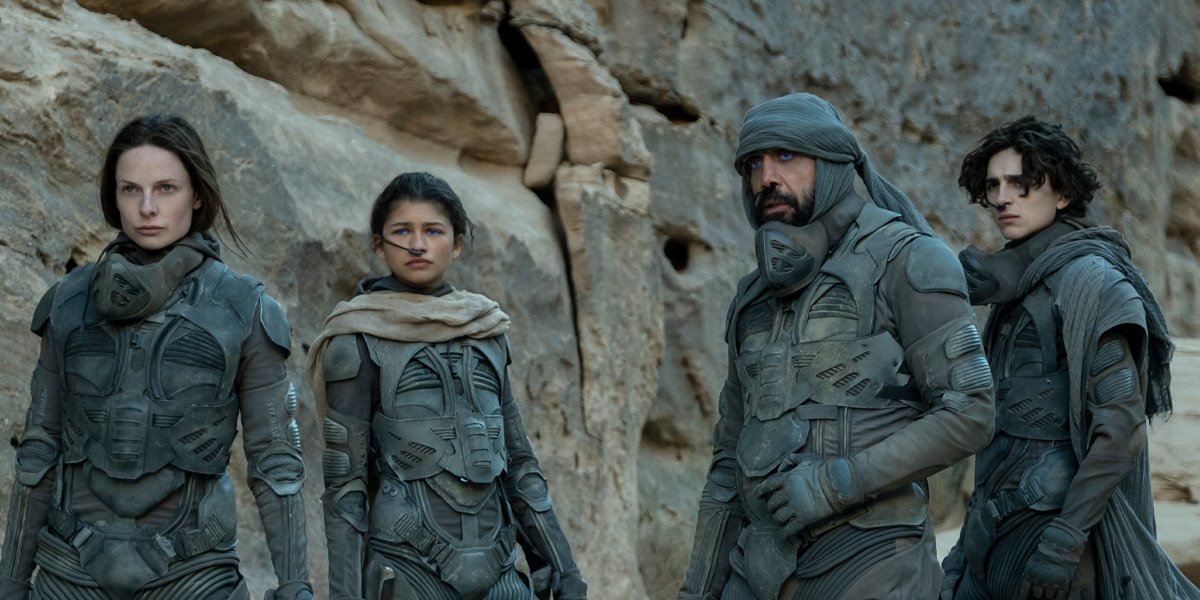
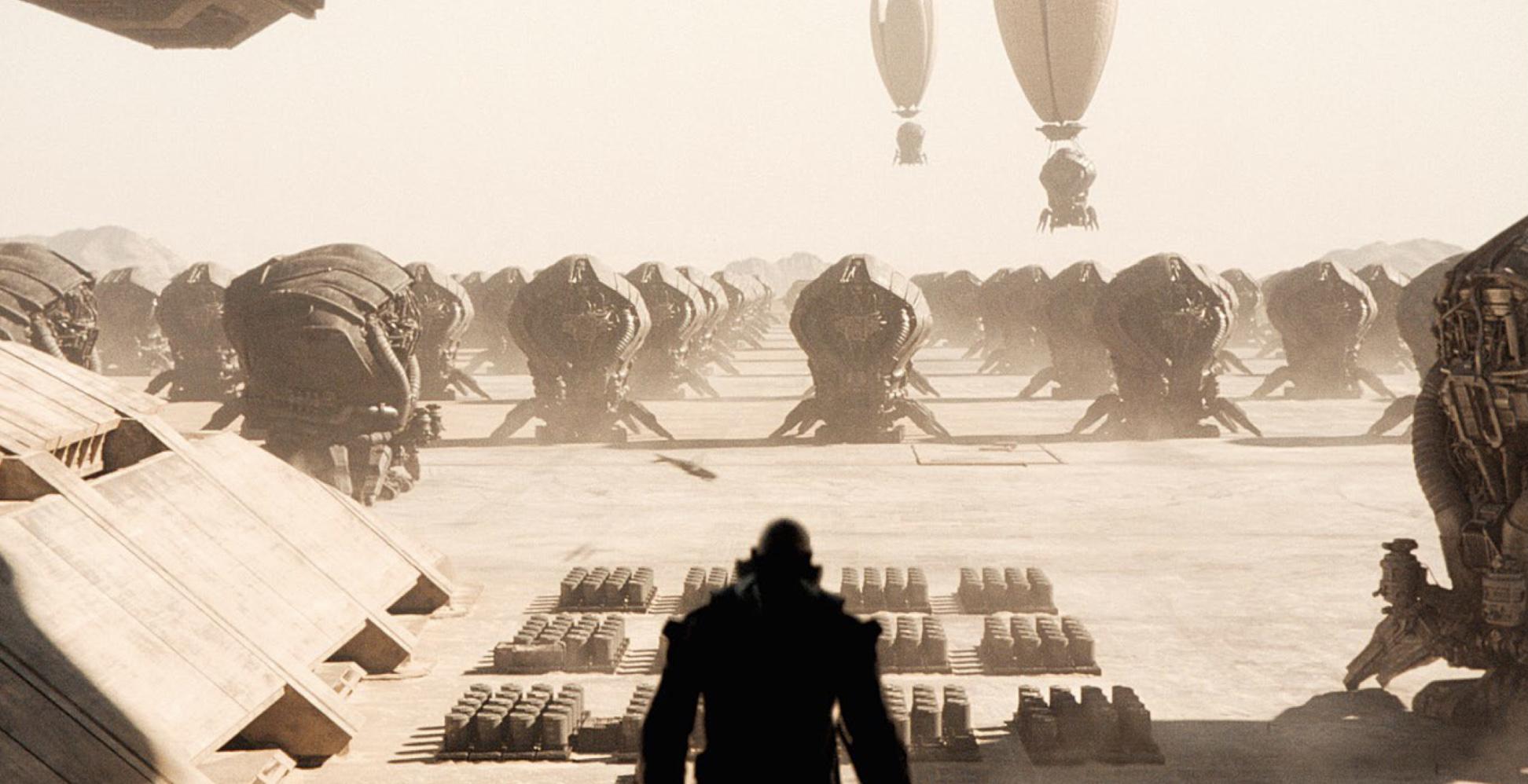
Denis Villenueve’s Dune is the latest adaption of this epic tale that takes place in the far future. Humanity has spread to the whole galaxy and is ruled by the Padisha Emperor, and that empire is controlled by an addictive substance known as spice that extends life, enables interstellar space travel, and allows some to see into the future. This precious resource is only found on one planet, Arrakis, also know as Dune, which is populated by a nomadic group of people known as the Fremen. They have a prophecy that a man from off world will lead them to glory and freedom. This man is young Paul Atreides (Timothée Chalamet), the son of Duke Leto Atreides (Oscar Isaac), who is gifted control of the planet by the emperor. This gift, however is a double edged sword, with plots against the Atreides hatched by the emperor and House Atreides’ sworn enemies, House Harkonnen. These machinations force Paul to embrace not just his future but the the destiny of the galaxy.

Villenueve’s take on the material is excellent and shows a great respect for the essence of the story. The movie has the best elements of previous adaptions, with the right look and feel of the 1984 film, along with the faithfulness of the mini-series. The new movie takes it time in telling the story which is the right way, since it is a deep and complex story of prescience, politics, and ecology to name a few things that make Dune a book that is still enjoyed and admired decades after its publication.  Paul’s frequent visions of his future with the Fremen and his future lover Chani (Zendaya) are shown in an interesting and mysterious way, and the appearance and mannerisms of the different factions of the Dune universe are also a highlight. From Mentats making calculations with their human computer minds to the emperor’s Sardarkaur troops speaking in a weird, guttural language, this feels like a different time and place, as it should since it takes place over 10,000 years into the future.

Paul’s journey from son of a Duke to the head of his family is done in a convincing way, with good performances from a great cast. Timothée Chalamet shows the conflicted nature of Paul, who can see his future and is reluctant to make it happen, yet feels obligated to continue his father’s work. Oscar Isaac, as his father Duke Leto, also does well as the heroic leader of House Atreides, who knows that the gift of Arrakis to his family is a trap, yet also feels the pull of duty to go forward in taking control of the spice while warning his son of what is to come. Paul’s mother, Lady Jessica is well portrayed by Rebecca Ferguson, who shows the agony of a mother giving her son over to a possible death at the hands of the Bene Gesserit Sisterhood, a group that has plans on genetically breeding a super human who can transcend time and space and see Paul as that potential being. The well-rounded cast includes other such names as Jason Momoa, Zendaya, Javier Bardem and Stellan Skarsgard as the Baron Harkonnen. All of which provide excellent interpretations of these iconic characters.

One issue I had with the movie, is that because of the strong focus on Paul Atreides and his mother, there are some characters that do not show up at all, such as Princess Irulan, Feyd Rathua Harkonnen, and Emperor Shaddam IV. These are important characters to the story, but due to the obvious time constraints in a two-and-a-half hour movie and the needs of a very complicated story, this is a consequence. Speaking of which, the title of the movie at the beginning says “Dune, Part 1”. Villenueve chose to make the movie based on the first half of the book. I think this was the only choice, since trying to cram the whole book into one film will lead to issues that can happen in film adaptations of books, where much of the plot can be lost or rushed. I would have liked to have seen perhaps a three-hour version, so that these missing characters could show up, and that the villainous Harkonnens could have more of the limelight. Having said that, it is still better to have a Dune film that lets the story unfold, which this one does. I have heard complaints about the ending of the movie, that it is supposedly abrupt, but I didn’t see it that way. It feels like a good ending point for that part of the journey, where Paul and Jessica embark on a new phase of their lives with the Fremen, and the Harkonnens still lurking as a major threat. Early indications are that the film is doing well and hopefully this will lead to the expected part 2 that will finish the tale of Paul Atreides’ rise to power, and the establishment of the legendary Dune universe.

C.S. Link

A Look Back At Spider-Man (2002)

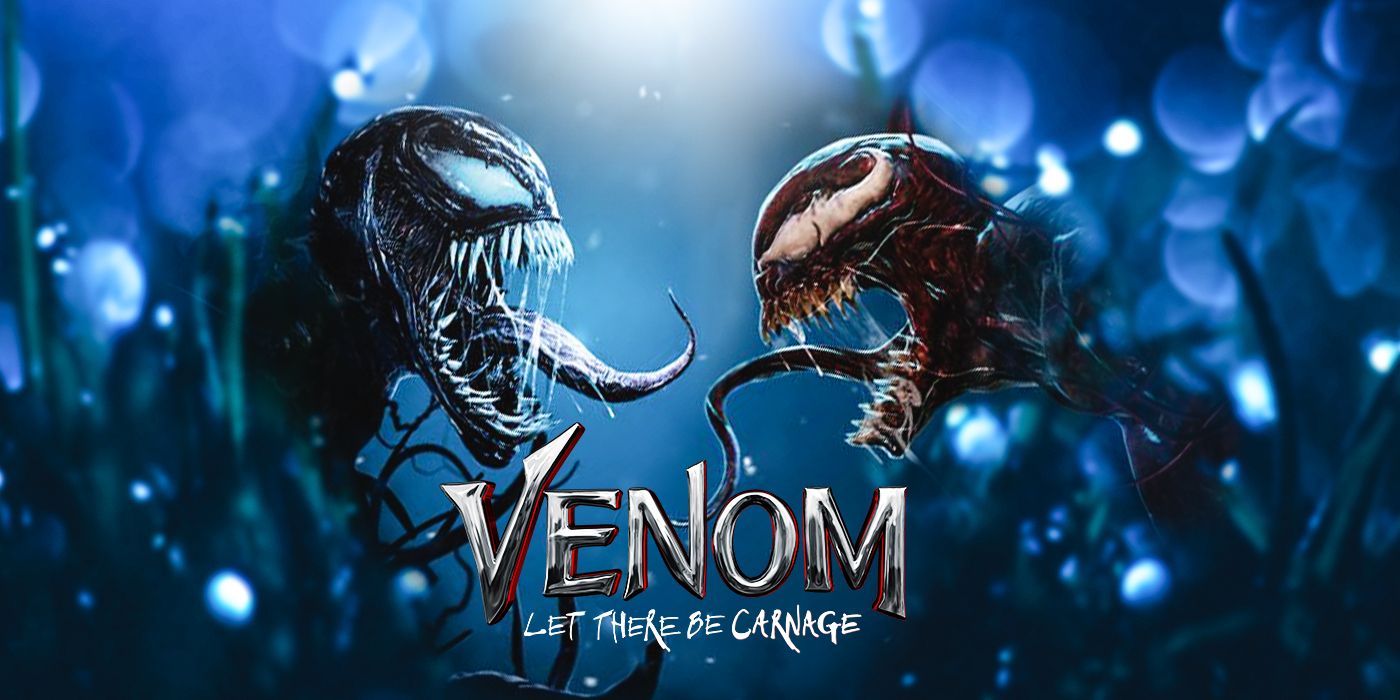
Spider-Man film mania is reaching new levels of excitement with the upcoming Spider-Man: No Way Home and Venom: Let There Be Carnage, and the revelation that the latest Spider-Man film will introduce the previous cinematic universes of older Marvel films into the Marvel Cinematic Universe (MCU). This was seen with appearances of the Spider-Man villains from the original Spidey films, which heralds many highly anticipated crossover events for future MCU films. With all this hoopla it is time to take a look at the original Spider-Man film trilogy that was directed by Sam Raimi from 2002 to 2007.

The very first film based on Marvel Comics’ most popular superhero, Spider-Man, helped usher in a new age of superhero films at the turn of the century that eventually changed the cinematic landscape.

For the longest time it seemed as if there never would be a live-action film about Spider-Man. Marvel Comics, then later Marvel Entertainment, had the hardest time properly adapting their properties into respectable films or TV shows. The best they achieved was The Incredible Hulk TV show from the ’70s. Then things turned around with the releases of Blade (1998) and X-Men (2000). With those film successes it was only natural for Marvel to turn to its flagship superhero.

Before Marvel was acquired by Disney, the film rights to their characters were sold to major and minor studios. This created a legal mess when it came to Spider-Man as it prevented a film from being produced. The best known effort was a film to be directed by James Cameron. Rumors had it that Leonardo DeCaprio was slated to play Peter Parker/Spider-Man, and the film would have deviated wildly from the famous comic book source. One of those changes was that instead of crafting web shooters, Spider-Man had the ability to shoot his own organic webbing. This turned out to be one change that survived in the eventual Spider-Man, released on May 3, 2002 and directed by Sam Raimi, known by fans for his Evil Dead and Darkman films.

Spider-Man is a largely faithful adaptation of the Marvel Comics story about Peter Parker (Tobey Maguire), a lonely and nerdy teenager in Queens, New York, who is bitten by a genetically altered spider during a class field trip at a laboratory. This updated the origin in that the spider was not radioactive as in the comics. During the ’60s radiation exposure was the cause du jour for how characters gained super powers. Of course, most people know better today that such exposure would have been fatal to living organisms such as humans!

Naturally, Peter developed spider-based powers because the venom from the spider’s bite changed his DNA. While he is elated with his new powers and physique he is pining for his next-door neighbor, Mary Jane Watson (Kirsten Dunst). She comes from a troubled home but hides her pain by exhibiting an outgoing and friendly demeanor. While the two seem attracted to each other she has a boyfriend with his own car. Being that he doesn’t have a lot of money, Peter decided to enter a wrestling exhibition to win money to buy a car.

He’s dropped off near the exhibition by his Uncle Ben (Cliff Robertson), who tried to counsel Peter about his growing pains, but the teenager disregarded him. For the wrestling match, Peter adopted a flashy costumed identity that covered most of his face and called himself the Human Spider. The announcer (Bruce Campbell in the first of many humorous cameos in these films) renamed him Spider-Man and watched in disbelief, along with the audience, as Peter took out his far larger opponent.

Looking for his reward, Peter is instead ripped off by the wrestling promoter, who refused to pay him over a technicality. After Peter left his office, the promoter is immediately robbed at gunpoint, and the robber was able to escape because Peter refused to stop him. This decision would later haunt him as the same robber killed Uncle Ben in a carjacking. Afterwards, Peter bitterly recalled his uncle’s message about “with great power comes great responsibility” and decided to use his powers for good as Spider-Man.

During Peter’s emotional journey, Spider-Man examined the story of Norman Osborn (Willem Dafoe), a billionaire industrialist and head of his company Oscorp. Facing competition and deadlines as a military contractor, Osborn subjected himself to an experimental chemical that enhanced his strength, durability and reflexes, but was driven insane. Peter and Osborn’s paths are intertwined as Peter’s friendship with Osborn’s son, Harry (James Franco), develops. Harry is also dating Mary Jane, but is aware of the mutual attraction Peter and Mary Jane have for each other. Meanwhile, Osborn adopted the armored identity of the criminal Green Goblin, and soon came into conflict with Spider-Man.

Continue reading
The Impactful Success Of Shang-Chi And The Legend Of The Ten Rings

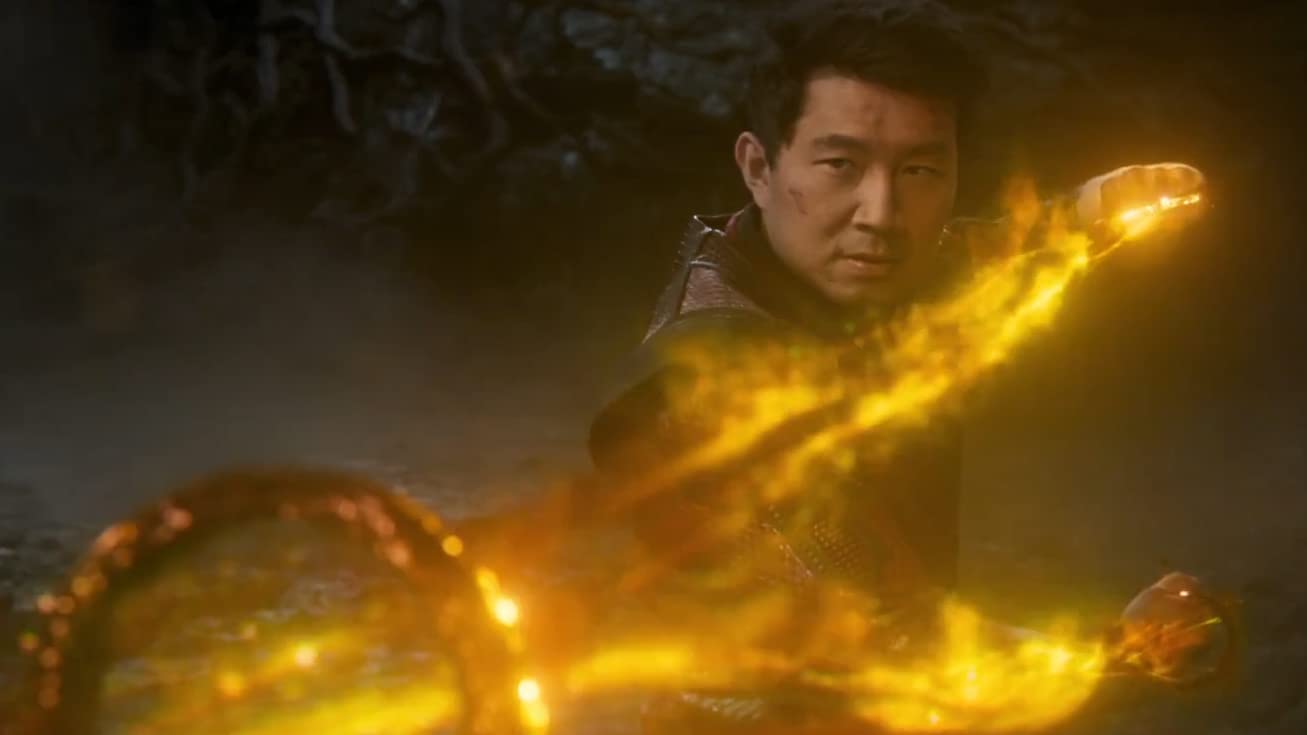
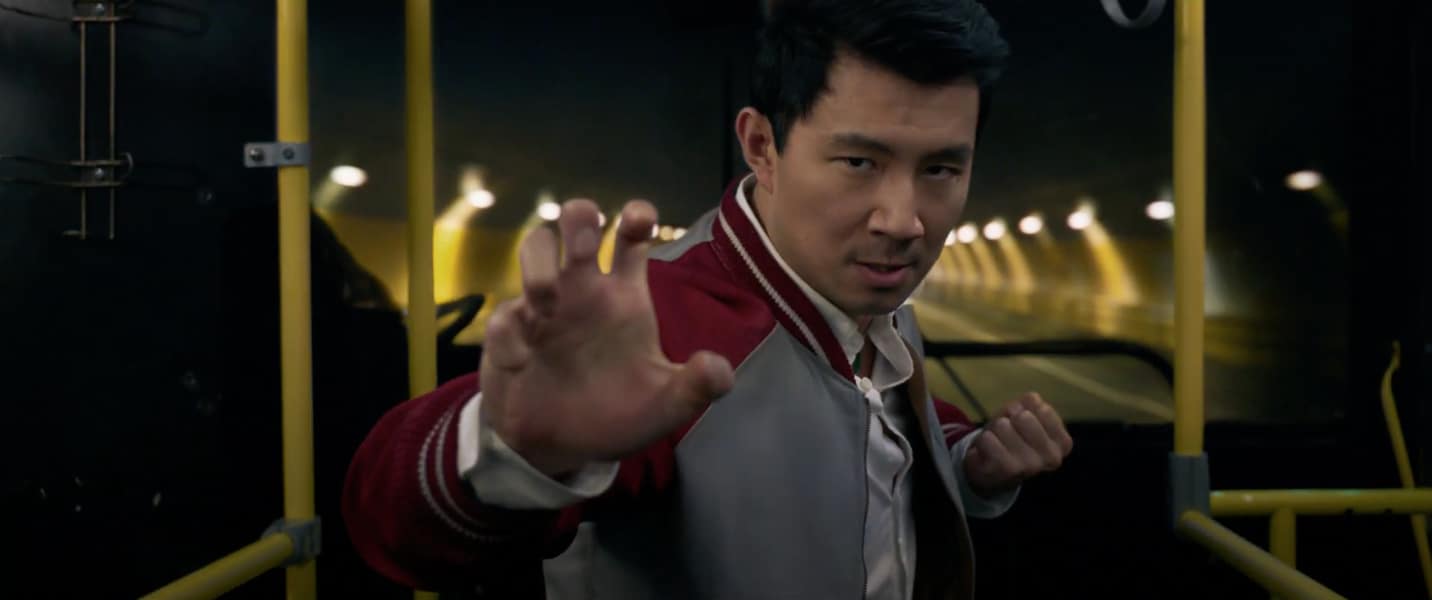
Shang-Chi and the Legend of the Ten Rings, the latest film from the Marvel Cinematic Universe (MCU), defied expectations and debuted to a stunning $71 million take at the box office this weekend and has a combined total of $90 million over the four-day Labor Day weekend. This shattered box office records not just for the year but for the Labor Day weeken in general. Usually by this time of the year the box office becomes a dumping ground for films as the summer season winds down. But Shang-Chi and the Legend of the Ten Rings upended that,

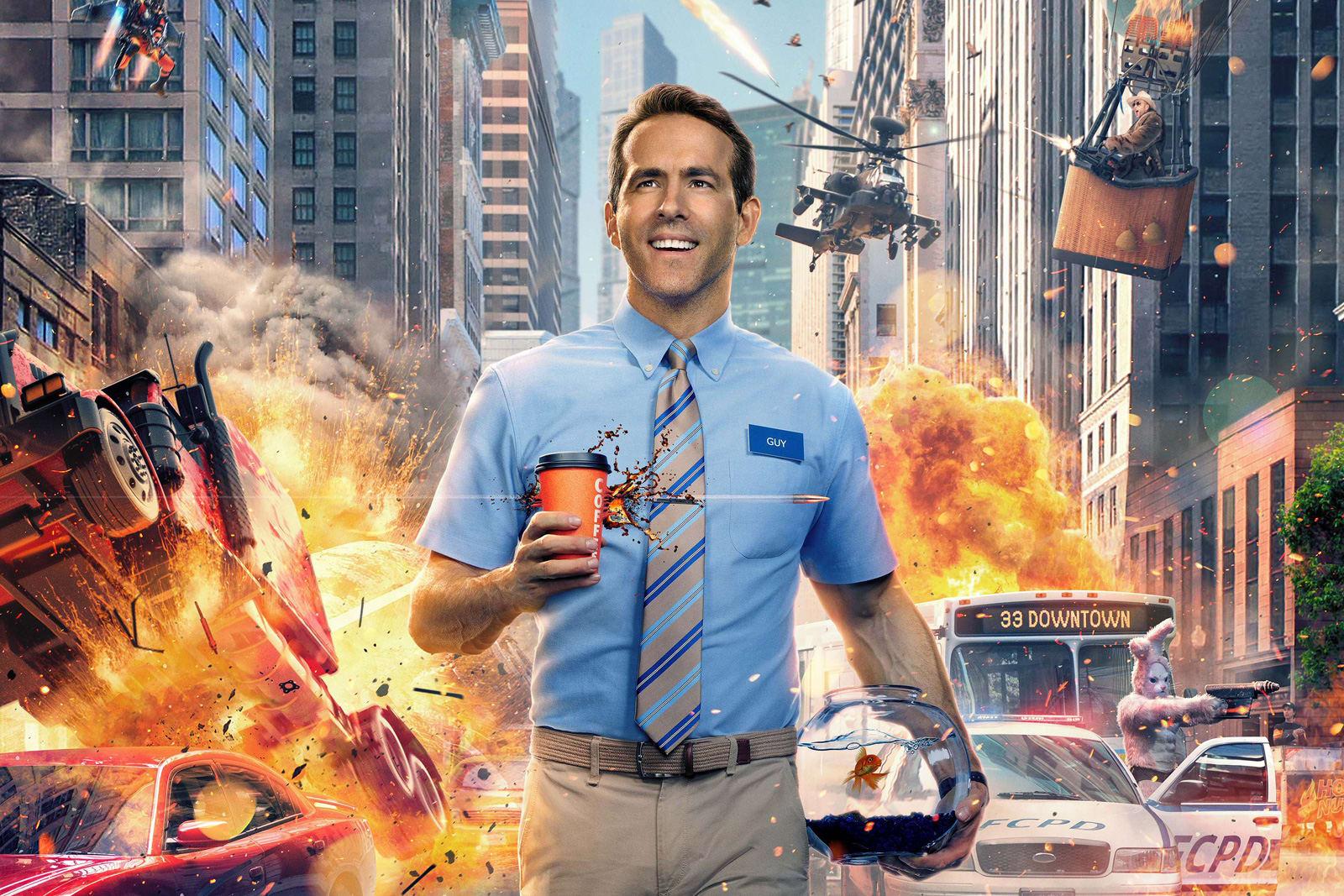
Given the pandemic the success is stunning and portends to the eventual recovery of theaters. It also supports the idea that the current hybrid model of releasing a film at the same time as it is available for home streaming has a negative impact on a film’s box office take. Just look at the failure of The Suicide Squad and to a lesser extent the disappointing earnings for Black Widow. If a film is exclusively available in theaters and it is a high-profile film, it will do well. Not as well as it could have pre-pandemic but it still successful. Another good example is Free Guy, which performed much better than expected because it was a well-made film and you only could see it in theaters.

The key factor in the success of Free Guy and Shang-Chi and the Legend of the Ten Rings is that they were well received and had good buzz, especially with the MCU film which earned rave reviews. Not only that but the public is eager for new MCU content and Shang-Chi and the Legend of the Ten Rings offered something new for fans. Namely, that the film focused on persons of color, and explored a new side of the MCU. Given that this film and Black Panther performed well, expect future MCU to feature other persons of color such as Latinos. America Chavez will appear in the next Doctor Strange film and could be spun off into her own film. Maybe the Puerto Rican hero White Tiger could be the next hot property for the MCU. What is important for these films to succeed is quality, both Shang-Chi and the Legend of the Ten Rings and Black Panther demonstrated that people will go see a film if it is well made and exciting.

Aside from its merits, the success of Shang-Chi and the Legend of the Ten Rings has already had a positive impact with future films. Whereas Sony Pictures delayed the release of Venom: Let There Be Carnage to mid-October, the film studio has now moved up the film to October 1. There were rumors that Eternals might be delayed as well as Spider-Man: No Way Home until society recoverd more from the pandemic. We have seen the release dates for the upcoming Tom Cruise films Top Gun: Maverick and Mission: impossible 7 delayed to 2022 because of the pandemic. Those rumors for the MCU films, however, are unlikely to come to pass as more and more people are getting vaccinated and the case numbers should start to fall later this year. To date, the release dates for those films have not changed.

Of course, it will take a lot more time for theaters to achieve the earnings they enjoyed pre-pandemic, but recent releases like Shang-Chi and the Legend of the Ten Rings have shown that there is a bright future ahead for theaters and fans.

Who Will Be The Sixth Member Of The Sinister Six In Spider-Man: No Way Home?

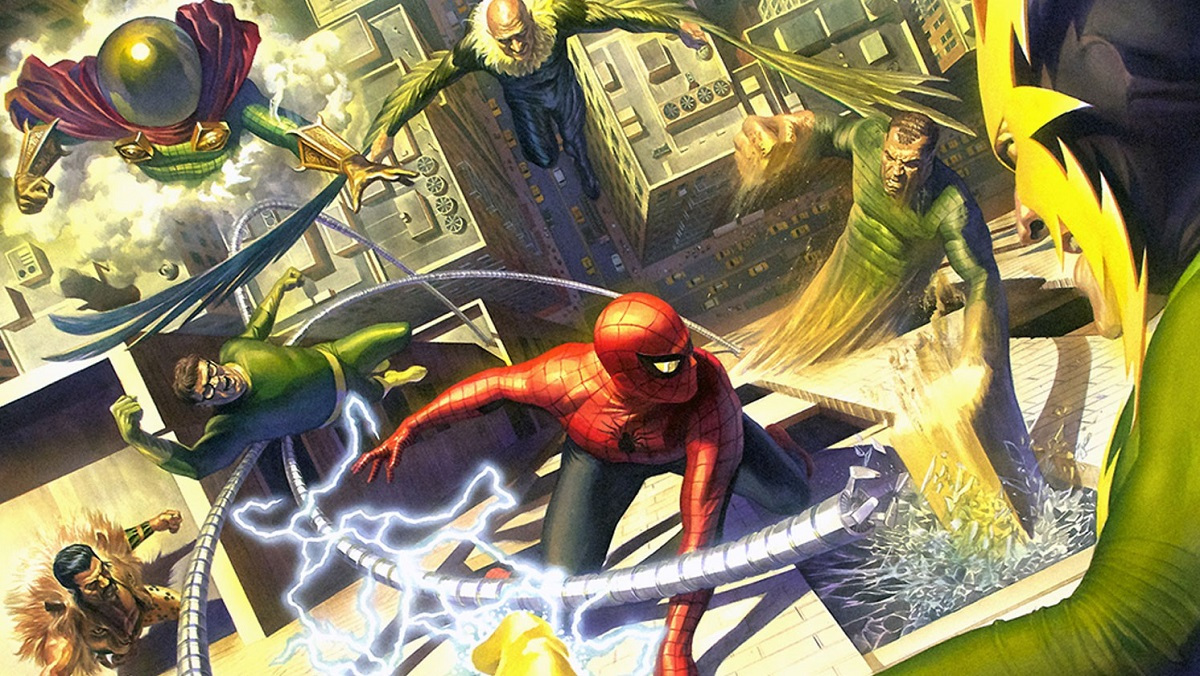
Long before the first trailer finally dropped for Spider-Man: No Way Home and people glimpsed the many villains featured in the trailer, there has been lots of speculation about the villains. Specifically, the Sinister Six, the villain group comprised of Spider-Man’s most famous enemies. The trailer showed at least one member of that group and the trailer showed evidence of other members, which came to five. So, who is the sixth member of the Sinister Six in the film?

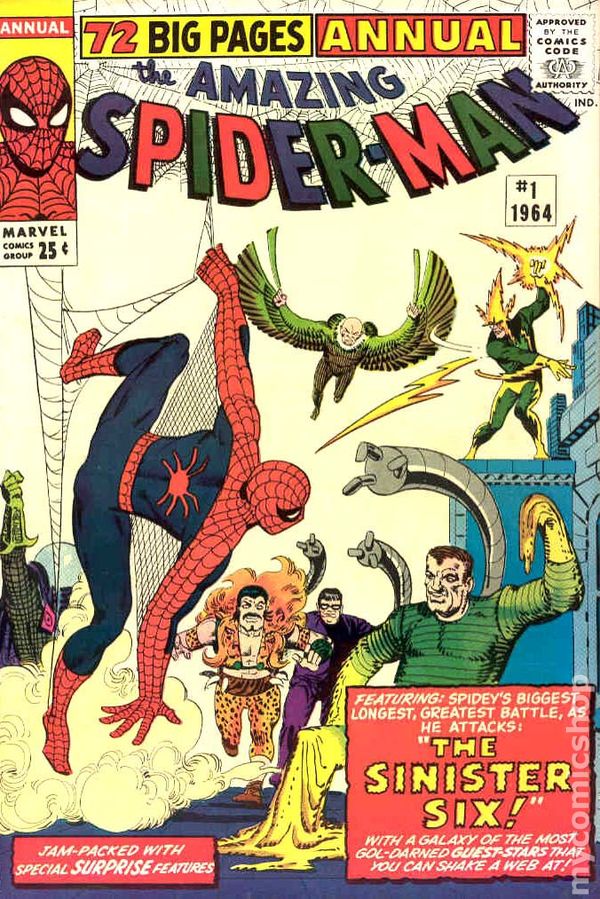
First off, let’s clear the air, it is doubtful we will get a faithful version of that group first seen in The Amazing Spider-Man Annual #1. That line-up consited of Doctor Octopus, Kraven the Hunter, Mysterio, the Vulture, Sandman and Electro and they formally combined their forces to take on their mutual enemy, though they did so rather stupidly. Instead of teaming up together and taking out Spidey at once they decided to confront him one by one during separate occasions, which gave him a chance to defeat them individually. From looking at the trailer it appears as if the Sinister Six is not a formal group, but a collection of foes that plague Spidey.

Getting back to the main question, let’s go over who will appear. According to reports, aside from Doctor Octopus who made an appearance and Green Goblin, as evidenced by a pumpkin bomb, the other three villains were Electro, the Lizard and Sandman. The latter three were only hinted at and noticed by careful examiners of the trailer. These villains were featured in previous Spider-Man films and that could provide an answer to the sixth member. The other Spider-Man films featured Venom, Rhino, Shocker, Vulture, two versions of the Green Goblin based on Harry Osborn and Mysterio.

While Spider-Man has an impressive rogues gallery with foes who have not appeared in live action yet, it’s doubtful we will see them in Spider-Man: No Way Home. To include one of them at this point would not make sense because they haven’t had the exposure to have an impact when they appear. That, unfortunately, leaves out classic foes like Kraven or Chameleon or the Scorpion. These three would have made a great impact in a more grounded Spider-Man film that followed up the events of Spider-Man: Far From Home and fully explored the ramifications of Spider-Man’s identity being exposed. Instead, the new film will explore the Multiverse concept of the Marvel Cinematic Universe (MCU) and other cinematic universes based on Marvel characters. On the other hand, the Scorpion’s alter ego, Max Gargan, was introduced in the first MCU Spider-Man film which hinted at his returning to menace Spidey. Spider-Man: No Way Home could be used to further develop Gargan after he is turned into the Scorpion.

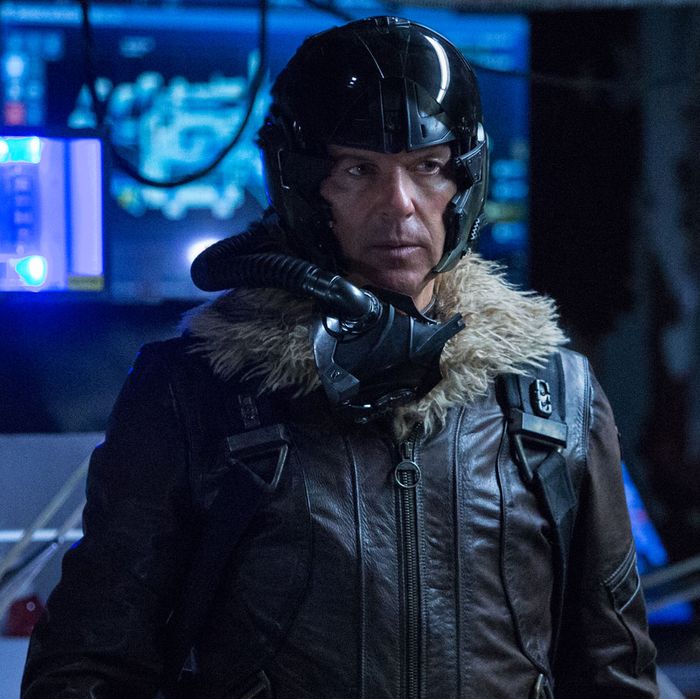
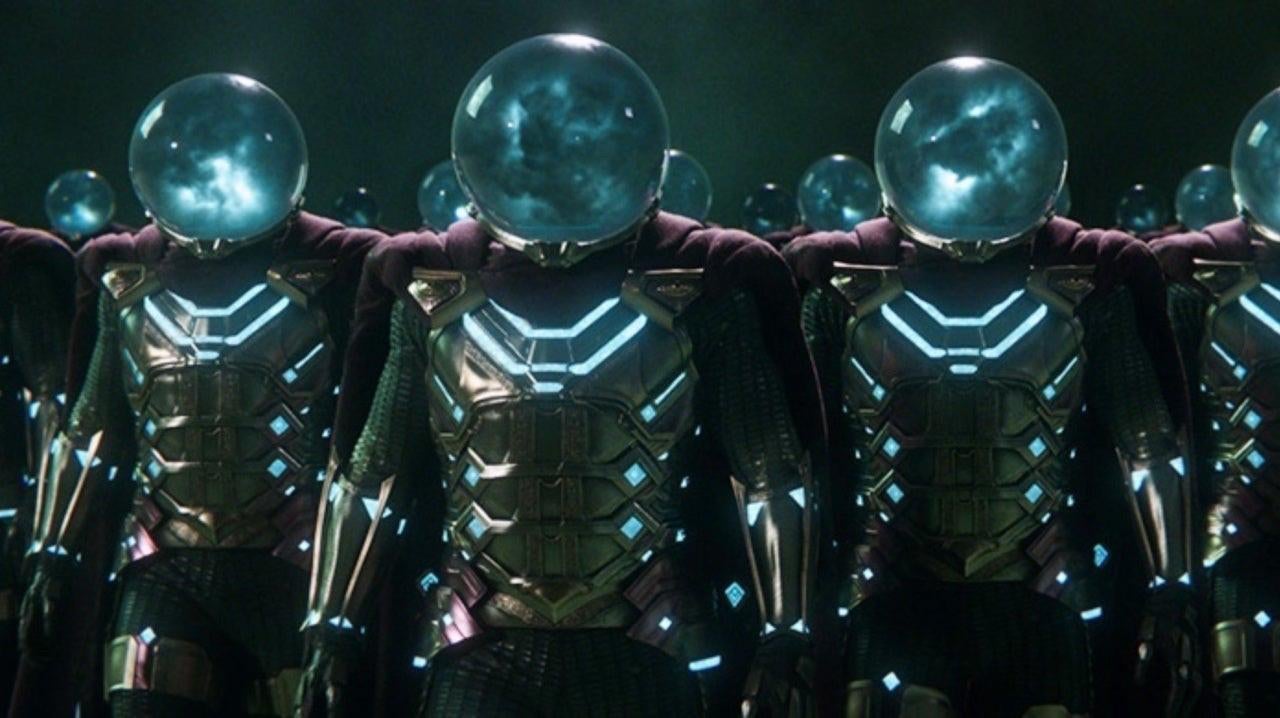
If this doesn’t happen in Spider-Man: No Way Home then the two other logical choices for the sixth member are either the Vulture or Mysterio. This version of the Sinister Six so far includes Spider-Man enemies not seen in the MCU and needs someone from the MCU to tie the MCU version of Spider-Man more closely to the group.

It’s possible both villains could appear in Spider-Man: No Way Home but it will most likely be just one, but who? Vulture has more personal ties to Spider-Man and his alter ego. Plus, he appeared in the trailer for the Sony/Marvel film Morbius so this film could further establish ties to Morbius. Mysterio returning would make sense, even though he was killed in Spider-Man: Far From Home. However, given his dubious nature and talent for misdirection, it is likely he faked his own death and give the MCU Spider-Man the chance to deal with him once and for all.

Then again the film could throw us off completely and give us Venom or someone completely unexpected like Morlun or the Hobgoblin. We’ll find out in just a few short months. Let the speculation continue until then!