Spider-Noir Shows How To Do The Multiverse

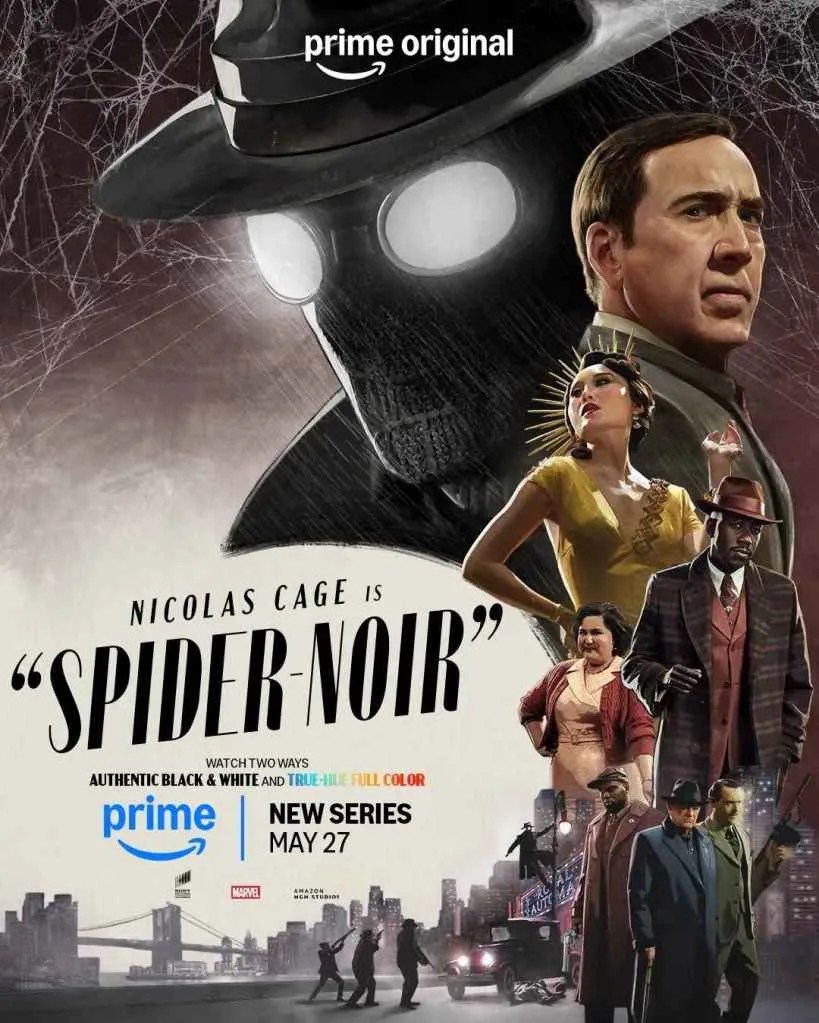
Spider-Noir is the latest superhero TV show now streaming on Prime Video and stars Nicolas Cage as a variant of Spider-Man set in New York City during the 1930s. This time, for legal reasons, his name is Ben Reilly and he is called The Spider instead. Noticeably older and gruffer than the traditional Spider-Man/Peter Parker, Reilly operates as a classic gumshoe private detective in a gritty New York oozing with corruption, crime and notorious gangsters. In other words, this is not your typical Spider-Man story and this is how the Multiverse should have been done by the studios.
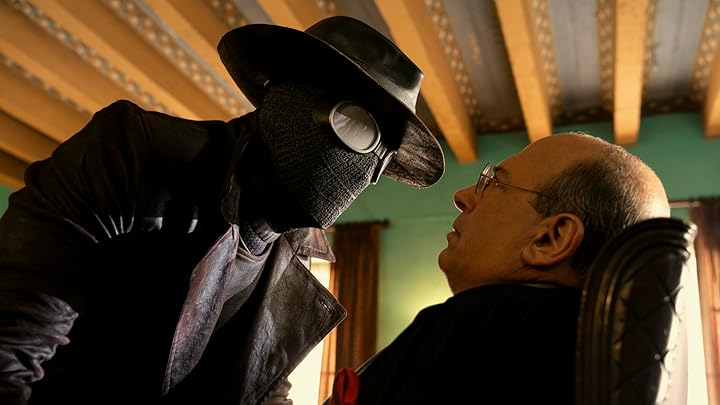
When Spider-Noir begins, Ben Reilly operates out of his tiny office in Manhattan as a gumshoe for hire and still grieving over the death of his girlfriend Ruby five years ago, Ever since her death, Reilly retired from being the masked vigilante, The Spider, but all that changed when he is hired to track down a criminal named Addison, who turns out to have pyrokinetic powers. After Addison is killed, circumstances drag Reilly and his associates down a nefarious rabbit hole involving the city’s corrupt mayor (Michael Kostroff), the notorious mob boss, Silvermane (Brendan Gleeson), who runs the city’s underworld with a savage fist, and Cat Hardy (Li Jun Li), a conflicted nightclub singer he is hired to track but falls in love with. Silvermane has superpowered henchman in his employ, such as Flint Marko (Jack Huston), a Sandman variant, Lonnie Lincoln (Abraham Popoola), a more sympathetic version of Tombstone, and Dirk Leyden (Andrew Lewis Caldwell), a version of the obscure Spider-Man villain Megawatt, who all come into conflict with the Spider.

During his investigations, Reilly finds out that the villains are connected to his World War I past and how he got his spider powers. More importantly, Reilly is forced to come out of retirement as The Spider, which brings him to the attention of Silvermane, who wants to consolidate his grip of power in New York City.
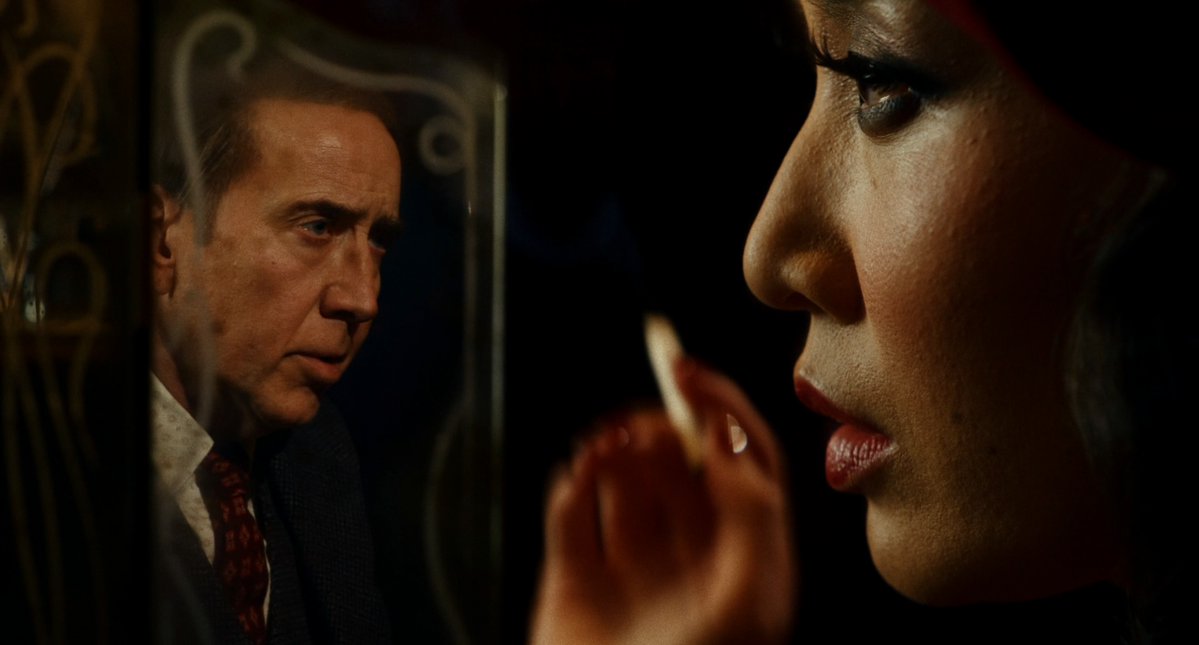
As one can tell by the premise and seeing the show itself, Spider-Noir is an inspired homage to the classic 1930s crime films that were once so popular during the Golden Age of Film. The show can be watched either in garish color with popping bright hues or in noirish black and white, which feels more appropriate. The TV show captures many of the elements that made crime noir films so popular: the jaded detective; a dazzling but conflicted femme fatale; struggling people who talk with exaggerated New York accents and read script lines that would make Humphrey Bogart feel right at home; numerous Dutch angles; split focus shots, and scintillating photography that evokes stark existentialist German cinematography. There are so many ways this approach could have approached a satire, but thanks to the skills from everyone involved, Spider-Noir is a respectful tribute to those types of crime noir films. The actors have to be singled out for their innovative performances, especially Cage, who evokes a combination of Bogart and Jimmy Cagney while infusing his performance with the bouts of unpredictable insanity that made him so famous. The other actors turn in commendable work here as well, such as Li whose near-tragic Hardy captivates every scene she’s in and Gleeson, who projects a chilling presence.

The Multiverse is a great concept that allows for the exploration of many famous characters in different settings which provide captivating insights into what makes them work. The comic books from DC and Marvel have produced many memorable works based on variants of their renowned characters, but live-action attempts at exploring the Multiverse have had mixed results. For Marvel’s part, it seemed as if the studios were too afraid to go all out and give us wildly different versions of their characters. Why is that? Perhaps the studio heads fear that doing so will confuse audiences. But they underestimate them all the time. Other times, the efforts were laughably bad, such as Sony’s misguided films starring Spider-Man villains that were dead on arrival. We could have had more inspired Multiverse films and TV shows in the run up to Avengers: Doomsday and Avengers: Secret Wars and even the beloved Spider-Verse films that took greater advantage of the Multiverse concept like Spider-Noir has done. The executive producers of Spider-Noir are Phil Lord and Christopher Miller, who also guided the Spider-Verse films and they should be the go-to guys for more Multiverse works if they ever happen.

Spider-Noir is more than an homage to crime noir films, it is also one of the best superhero TV shows ever done that focuses on character and exciting superheroics. Underneath his cynical exterior, Ben Reilly still has a good heart because he knows that having great power has great responsibility. Even though this setting is unbelievably different than the traditional one seen with Spider-Man lore, it still is a Spider-Man story and one that hints at how the character would be like if he were middle aged. This approach allows the character to be shown in a unique way while sticking to what makes Spider-Man so popular. By going all in with the Multiverse concept, this TV show is able to present a novel approach to the Spider-Man character and see how he would have turned out under a different setting. Spider-Noir, simply put, takes full advantage of the Multiverse concept and how it should be done.

Independent Comics Are The Way Forward

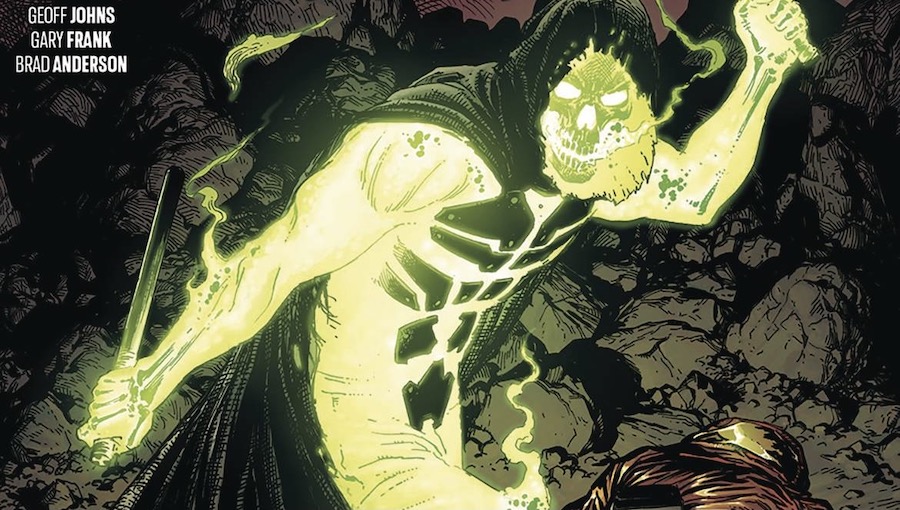
The two big comic book companies, DC Comics and Marvel Comics, rule the comic book market and have done so for decades. But their reign right now is largely due to inertia and for decades comic book fans complained about the Big Two and the saturation of the market with superhero comics. It seemed as if it would be that way for a long time…and it still is at this point. However, this status quo is overdue for a shakeup and it is probably going on right now with independent comics.

To the outside world, what captures the headlines are the latest (non) developments with superheroes, like someone dying and coming back to boost sales, a newly relaunched title with a brand-new number one just to flood markets with variant covers, and so on. Also, back issue sales are still dominated by older superhero titles and will continue to do so. But what has captured fans’ attention has been the proliferation of independent comics from various publishers that for the most part don’t feature superheroes but cover a wide range of subjects. From straight horror to sci-fi to fantasy to crime dramas, there are actually a wide selection of comic books in your local comic shops (LCS) or available digitally. Many non-fans and casual fans are understandably surprised at the many choices available of comics to read and enjoy.

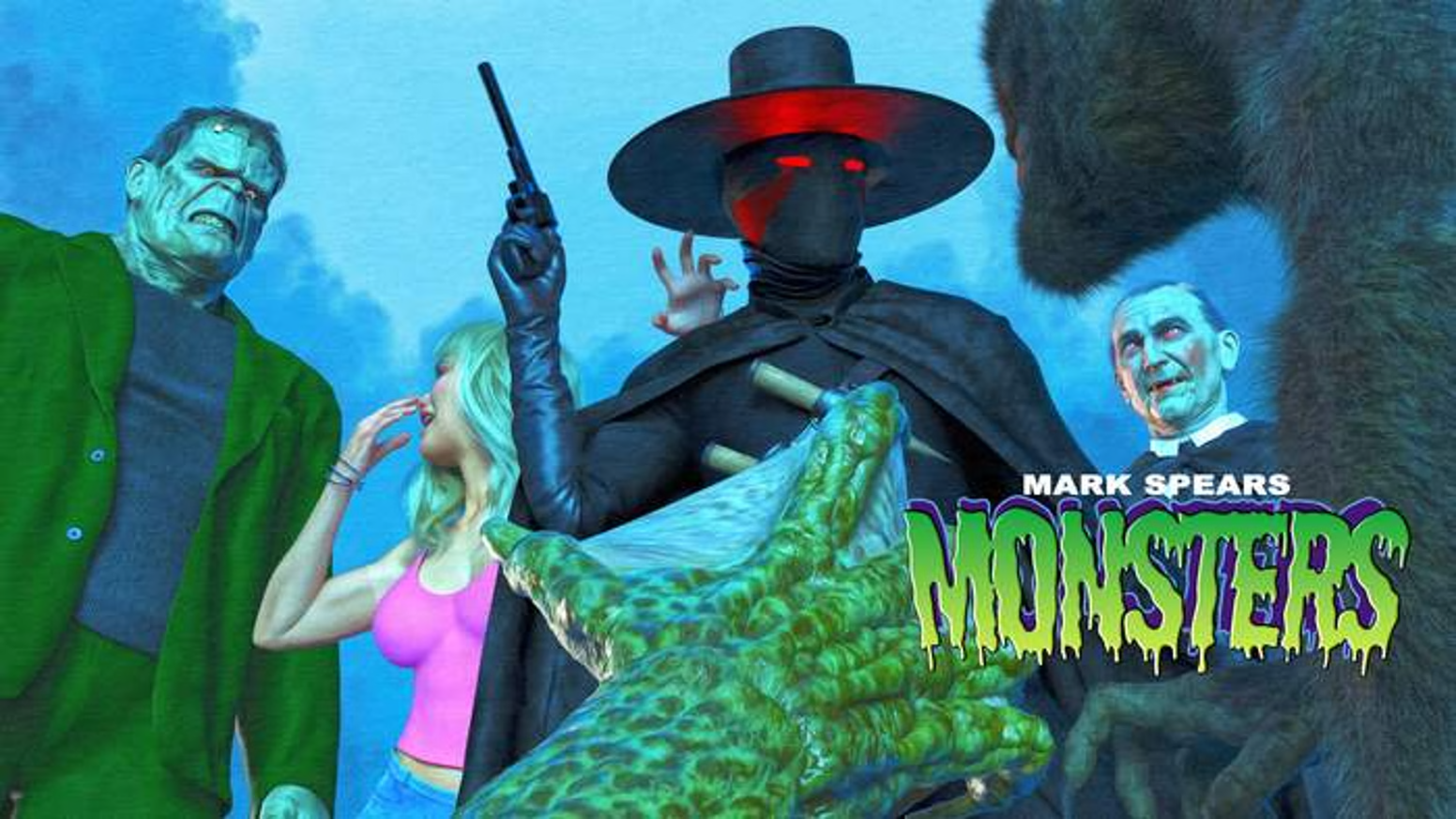
Right now the hot comic is Mark Spear’s Monsters, a beautifully drawn comic put out by Keenspot that features many classic monsters in painted art that evokes Alex Ross but with Spears’ own unique style. Other popular comics include Feral, Geiger, Monstress, A Vicious Circle, Invincible, Conan the Barbarian, Saga, Eight Billion Genies, The Infernals, Something is Killing the Children, Local Man, Transformers and G.I. Joe. None of these titles are superhero-based, except for Invincible, Local Man, and maybe Geiger. The latter is more of a post-apocalyptic tale of a radioactive loner/warrior, while Local Man is a fresh grounded take on Image Comics’ superheroes. Yes, Transformers, Conan the Barbarian, and G.I Joe are based on popular IP, but they are not based on superheroes.

What’s an even more interesting development is that movie and TV studios are turning more and more to comic books not based on superheroes to adapt as they see the potential in the stories. There have been successful film and TV adaptations of non-superhero comics like The Walking Dead, Road to Perdition, 300 and Sin City, but be prepared for an onslaught of even more adaptations. Right now, there are efforts to adapt Eight Billion Genies and Something is Killing the Children, which at the very least would make great animated films.

Of course, not every independent comic is a winner, not all the concepts pan out or their stories peter out after a few issues, but there are many more titles to choose from and more will come. Right now, Image is arguably the leader when it comes to non-superhero comics, with other publishers rising such as Dynamite Entertainment, Dark Horse Comics, Boom! Studios and IDW Publishing. Originally, Image began with superhero comics that to be honest were sup par and most of them are no longer around. But Image took a chance with writers and artists who were able to present their own unique visions and stories and it paid off well for the publisher and comic book fans.

Sure, the LCS and online catalogs are flooded with superhero titles from DC and Marvel, but more and more, a shopper will see that there is much more product in the comic book medium to choose from. Even if at some point in the future, Marvel or DC falter, which won’t happen for a long time, other publishers will take over and dominate the market with either their own superheroes or better yet, other genres. The groundwork is already in place and eventually the independent comics will overtake the superhero genre. Independent comic books today offer something for every taste, which is a sign of a healthy medium that will be with us for a good while.

Doctor Strange’s Deep Dive Into The Multiverse

*Note: The following will contain MAJOR SPOILERS for Doctor Strange in the Multiverse of Madness.

For anyone who has seen Doctor Strange in the Multiverse of Madness, the latest entry from the Marvel Cinematic Universe (MCU), the film raised many questions and fueled intense speculation for what lies ahead with the MCU and its version of the multiverse or alternate realities.

The MCU has toyed with the concept of the multiverse for some time and further explored it in recent Disney+ TV shows, and even Avengers: Endgame, but the sequel to Doctor Strange is the first MCU film to fully dive into the concept. During the film, the sorcerer Doctor Stephen Strange (Benedict Cumberbatch) encounters a young woman called America Chavez (Xochitl Gomez), who has the ability to travel between universes or the multiverse. She is being hunted by Wanda Maximoff aka the Scarlet Witch (Elizabeth Olsen), who wants to steal her power (and killing her to do so) in order to travel to another reality where her fictional children that she conjured in WandaVision are actually alive. During a confrontation between Strange and the Scarlet Witch, Strange and Chavez wind up traveling through several bizarre universes before arriving in a universe numbered 838. The MCU we know of is designated 616, even though that designation belongs to the regular Marvel Comics universe, which itself designated the MCU 199,999.

Despite the weird worlds Strange and Chavez traveled through, like an animated universe or one where they turned into paint colors, the 838 quickly stood out in the way that society embraced living more harmoniously with nature and with its heroes. Strange met the superhuman team called the Illuminati who deal with the deadliest threats to reality and included alternate MCU heroes and new ones, as well. The most interesting Illuminati members were Captain Carter (Hayley Atwell), a What If…? character perfectly realized in live action, Reed Richards, leader of the Fantastic Four (played by John Krasinski, a fan-casting dream come true), a comics-accurate version of Black Bolt (reprised by Anson Mount who originated the role in the Inhumans TV show), and Professor Charles Xavier (Patrick Stewart), who was a new version of the Professor X seen in the Fox X-Men films.

As great as it was to see these heroes, some fans were disappointed that the film did not feature more appearances by alternate characters such as a rumored Iron Man played by Tom Cruise, Tobey Maguire returning as Spider-Man or Chris Evans as the Human Torch (a role he played in the first official Fantastic Four films). Sure, it would have been terrific to see more cameos but to do so threatened to take away from the main story of Doctor Strange in the Multiverse of Madness, which had to focus on Strange and his foe. The appearances we got were to merely whet our appetite for things to come, which were clearly outlined in the film. So fear not, this is just the beginning. Before long we’ll have a deep dive into the multiverse.

Continue reading

A Look Back At Spider-Man (2002)

Spider-Man film mania is reaching new levels of excitement with the upcoming Spider-Man: No Way Home and Venom: Let There Be Carnage, and the revelation that the latest Spider-Man film will introduce the previous cinematic universes of older Marvel films into the Marvel Cinematic Universe (MCU). This was seen with appearances of the Spider-Man villains from the original Spidey films, which heralds many highly anticipated crossover events for future MCU films. With all this hoopla it is time to take a look at the original Spider-Man film trilogy that was directed by Sam Raimi from 2002 to 2007.

The very first film based on Marvel Comics’ most popular superhero, Spider-Man, helped usher in a new age of superhero films at the turn of the century that eventually changed the cinematic landscape.

For the longest time it seemed as if there never would be a live-action film about Spider-Man. Marvel Comics, then later Marvel Entertainment, had the hardest time properly adapting their properties into respectable films or TV shows. The best they achieved was The Incredible Hulk TV show from the ’70s. Then things turned around with the releases of Blade (1998) and X-Men (2000). With those film successes it was only natural for Marvel to turn to its flagship superhero.

Before Marvel was acquired by Disney, the film rights to their characters were sold to major and minor studios. This created a legal mess when it came to Spider-Man as it prevented a film from being produced. The best known effort was a film to be directed by James Cameron. Rumors had it that Leonardo DeCaprio was slated to play Peter Parker/Spider-Man, and the film would have deviated wildly from the famous comic book source. One of those changes was that instead of crafting web shooters, Spider-Man had the ability to shoot his own organic webbing. This turned out to be one change that survived in the eventual Spider-Man, released on May 3, 2002 and directed by Sam Raimi, known by fans for his Evil Dead and Darkman films.

Spider-Man is a largely faithful adaptation of the Marvel Comics story about Peter Parker (Tobey Maguire), a lonely and nerdy teenager in Queens, New York, who is bitten by a genetically altered spider during a class field trip at a laboratory. This updated the origin in that the spider was not radioactive as in the comics. During the ’60s radiation exposure was the cause du jour for how characters gained super powers. Of course, most people know better today that such exposure would have been fatal to living organisms such as humans!

Naturally, Peter developed spider-based powers because the venom from the spider’s bite changed his DNA. While he is elated with his new powers and physique he is pining for his next-door neighbor, Mary Jane Watson (Kirsten Dunst). She comes from a troubled home but hides her pain by exhibiting an outgoing and friendly demeanor. While the two seem attracted to each other she has a boyfriend with his own car. Being that he doesn’t have a lot of money, Peter decided to enter a wrestling exhibition to win money to buy a car.

He’s dropped off near the exhibition by his Uncle Ben (Cliff Robertson), who tried to counsel Peter about his growing pains, but the teenager disregarded him. For the wrestling match, Peter adopted a flashy costumed identity that covered most of his face and called himself the Human Spider. The announcer (Bruce Campbell in the first of many humorous cameos in these films) renamed him Spider-Man and watched in disbelief, along with the audience, as Peter took out his far larger opponent.

Looking for his reward, Peter is instead ripped off by the wrestling promoter, who refused to pay him over a technicality. After Peter left his office, the promoter is immediately robbed at gunpoint, and the robber was able to escape because Peter refused to stop him. This decision would later haunt him as the same robber killed Uncle Ben in a carjacking. Afterwards, Peter bitterly recalled his uncle’s message about “with great power comes great responsibility” and decided to use his powers for good as Spider-Man.

During Peter’s emotional journey, Spider-Man examined the story of Norman Osborn (Willem Dafoe), a billionaire industrialist and head of his company Oscorp. Facing competition and deadlines as a military contractor, Osborn subjected himself to an experimental chemical that enhanced his strength, durability and reflexes, but was driven insane. Peter and Osborn’s paths are intertwined as Peter’s friendship with Osborn’s son, Harry (James Franco), develops. Harry is also dating Mary Jane, but is aware of the mutual attraction Peter and Mary Jane have for each other. Meanwhile, Osborn adopted the armored identity of the criminal Green Goblin, and soon came into conflict with Spider-Man.

Continue reading

Mephisto Confirmed! When Speculation Runs Amok

An interesting development over the enjoyment of recent offerings from the Marvel Cinematic Universe (MCU) and other films and TV shows is the over-the-top speculation about future properties.

Mephisto confirmed! Mutants confirmed! Reed Richards confirmed! Hexagons! There are hexagons everywhere!These were just some of the wild speculations in the internet following trailer or episode releases. This was expressly true for WandaVision where YouTubers and bloggers ran every frame of film looking for Easter eggs and potential clues of upcoming shows and characters. This is also happening now with The Falcon and The Winter Soldier, Godzilla vs. Kong and Zack Snyder’s Justice League. What is baffling with the last property is that it is futile to speculate since there are not any plans to continue Snyder’s vision of the DC Universe. But that is another story.

Sure, the speculation is certainly fun and adds to enjoyment of the TV show or film we are watching, but this has gone overboard to the point that it detracts from enjoying the film or TV show. Case in point, is the finale of WandaVision, which left many viewers feeling disappointed that their many theories and speculations did not pan out. It did not help that prior to the streaming of the last episode actors teased that there would be a surprise cameo that would be on the level of who appeared in the season finale of The Mandalorian. Well, no one showed up. All the specualtion about the demon Mephisto responsible for the show’s machinations did not hold up. The actors in the commericals during WandaVision were not Wanda’s parents. Reed Richards was not the engineer friend of Monica Rambeau. The few things that bore fruit were that the magical book the Darkhold did appear (and helped prove that Agents of S.H.I.E.L.D. was not part of the MCU continuity), the white Vision was introduced, Monica Rambeau developed her superpowers and Wanda’s next door neighbor turned out to be the witch Agatha Harkness. While these revelations thrilled comic book collectors and speculators it disappointed some fans and those who spent a lot of money on Silver Surfer #3, which featured Mephisto’s first appearance.

Even though the final episode of WandaVision featured spectacular showdowns between Wanda and Agatha, and between the two Visions, many complained that the episode did not live up to their expectations. Never mind that a few of the speculations and rumors turned out to be accurate.

With The Falcon and the Winter Soldier, many viewers are convinced that mutants will appear since the locale Madripoor was featured in an episode. For those that do not know, Madripoor is a fictional country in the Marvel Comics where Wolverine lived for some time under the alias of Patch. Not only did no mutants appear but neither did Wolverine. Of course, this was to expected. A huge character like Wolverine would not make his MCU debut in a TV show. Just look at how Spider-Man was introduced into the MCU. He was prominently shown in the trailers for Captain America: Civil War, he did not pop up in some TV show.

The Falcon and The Winter Soldier also had its version of the cameo controversy when it was revealed that the fifth episode “Truth” would have a surprise cameo by a well-known, award-winning actor who would portray a major character never-before-seen in the MCU. Many viewers already knew better and tampered their expectations, with doubts such a person would appear. However, in “Truth” that person did appear and while it was a genuine surprise it still left many disappointed. No, it was not Wolverine or Mephisto but Countess Valentina Allegra de Fontaine, a spy in the Marvel Comics who worked for S.H.I.E.L.D. and was romantically involved with Nick Fury. She was played by Julia Louis-Dreyfus, who certainly fits the bill of being a well-known, award-winning actor. But this was not good enough except for comic book speculators who jacked up the prices of their copies of Strange Tales #159, which was where she was introduced. Still, these complainers could not enjoy the cameo appearance for what it was, which is a shame since it was one of the highlights of “Truth”, one of the series’ best episodes.

Now, that the trailer for the upcoming MCU film Shang-Chi and the Legend of the Ten Rings is out, watch out for a fresh batch of speculations and rumors. Surely, somebody will spot hexagons or clues of mutants or even Mephisto himself. Here is the trailer to see for yourself.

It is always fun to speculate, theorize and go over episodes and films with a fine-tooth comb because it adds to the enjoyment. But it’s important to no go overboard because this will usually lead to disappointment. Sometimes, it is best to dampen expectations, avoid spoilers altogether and watch these films or TV shows with a fresh mind to enrich the viewing experience.